

What to Consider When Choosing Vacation Destinations For Families | A Travel Planning Guide

Sep 25, 2021

Last Updated on: Jul 7, 2025

Destinations

Family vacations may sound like a fun idea, but any parent can tell you that planning is half the battle. With the wrong plan, your reward is a chorus of “Are we there yet?” and days trapped in close quarters, instead of an opportunity to unwind.

Even so, it’s clear that the right vacation can be a great way to make memories with those you love. One study even suggests that these trips can be crucial “happiness anchors,” or memories that can even help kids get through tough times.

Of course, that’s only the case as long as you plan well. And choosing vacation destinations for families is a crucial part of that plan.

How can you ensure that you’ve picked the right place for your getaway? If you’re not sure where to start, read on for the tips you need to know.

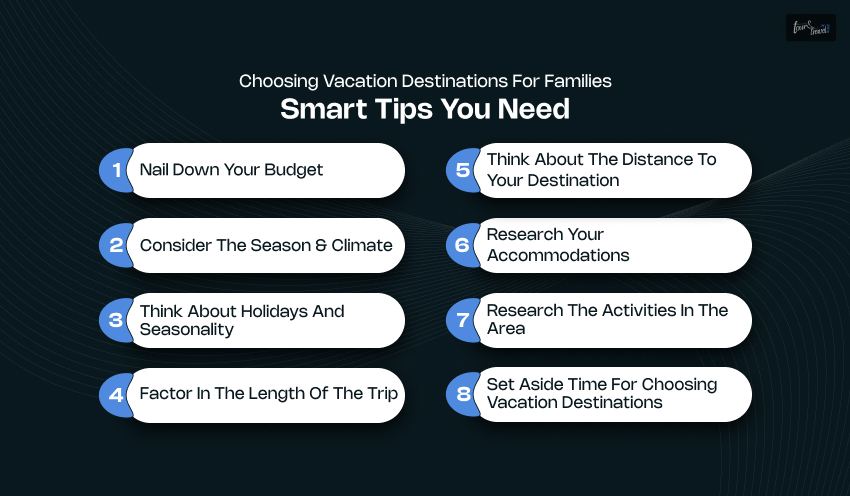
Choosing Vacation Destinations For Families | Smart Tips You Need

Choosing Vacation Destinations For Families

Choosing vacation destinations for families probably starts with a big, fat family discussion. We play this paper chit game with the names of a few places written on them. 

Now, those chits are shuffled, and the youngest one is asked to pick one chit. The place written on the chit becomes our holiday destination for the year. 

Nevertheless, choosing vacation destinations for families may not be as fun as it sounds. You need to consider a lot of things. 

So, here, we have created a Tour and Travel guide to make your travel planning easy. 

Nail Down Your Budget

For most families, one of the most important factors when choosing vacation destinations is budget. Take some time to figure out how much you can afford to spend on the trip upfront, as this can help you decide whether the total package will fit into that figure.

From there, planning your family vacation budget can feel difficult or even overwhelming, but it doesn’t have to be. Make sure to follow some basic budget-friendly planning tips like booking early or considering off-season dates.  You can also visit some reliable discount sites to find affordable family vacation packages and other best deals. 

Suppose you’re on a tight budget. You can still find great vacation spots for your family by cutting some extras. For example, you may look for fantastic travel destinations with hotels and accommodations that offer complimentary breakfast during your stay. This will allow the entire family to save some costs on one meal each day, making the whole trip budget-friendly.

Consider the Season and Climate

Next, it’s time to think about the big picture: what general types of destinations are you looking for?

If you’re vacationing in the winter, are you hoping to make the most of seasonal snows with some kid-friendly sledding or skiing? Or would you rather escape the cold to relax with your family on a warm beach? There’s no right or wrong answer, but having a chat with your family to gauge everyone’s preferences can help point you in the right direction.

Thankfully, many beautiful destinations are worth seeing at every time of the year. For example, if your family loves to travel in the winter, you must not skip St. Moritz. It’s one of the most visited tourist spots during the cold months.  

Aside from the town’s snow-capped mountains and spectacular ski resort, you and your family can enjoy many winter activities when you visit St. Moritz. From ice skating and snowshoe hiking to relaxing spa treatments, there’s something for everyone. If you’re going to St. Moritz for the first time, check out some reliable travel websites to learn more about the place and what your family can do upon arrival.  

Think About Holidays and Seasonality

There’s another type of season to consider when you’re planning a vacation: peak season.

If you have younger kids and want to avoid the stress of a crowded trip, it might be worth it to wait until low- or shoulder season to book. On the other hand, if you want to make the most of your kids’ time off of school, summer may be the only time of year to head to their favorite theme park!

Don’t forget to also think about holidays and festivals in the area in question. Are you looking to celebrate a family-friendly Mardi Gras in New Orleans or Rio, or do you want to head to your favorite mountain getaway during a local fall festival? Or do you want to spend the holidays on a private island to enjoy peace and serenity with your family alone? Make sure to consider these special dates as you plan.

Factor In the Length of the Trip

Whether you’re traveling within the constraints of school vacation or you have total flexibility to choose the dates, it’s important to think about the length of your trip.

Even if everyone’s thrilled with the idea of camping, for example, is the area worth a week-long trip? If you’re planning a weekend getaway, will it feel too overwhelming to visit a huge city with a wide range of activities? If that’s the case, consider a vacation spot that can accommodate the length of your trip. But again, there’s no right or wrong answer here, but you’ll need to consider your trip’s timeline as you whittle down you’re shortlisted. That way, you can get the most out of your family vacation without compromising work and your children’s school.

Think About the Distance to Your Destination

Any parent can tell you that there’s nothing worse than being trapped on a long drive or flight with bored and frustrated children. As you consider your options, make sure you’re being realistic about what travel times your kids can endure, depending on their ages. The goal is to find an area that hits the sweet spot between a solid destination and one that’s accessible enough to reach without added stress.

Research Your Accommodations

Even if you think you’ve found the perfect destination, it’s important to factor in the accommodations where you’ll spend most of your time. If you’re looking at major cities or if you’re booking far in advance, you may find yourself with a wide range of options to look at. On the other hand, if you’re hoping to get on a last-minute trip, a little research into the available lodgings may show that you’re out of luck!].

When booking a hotel or vacation rental, it’s important to consider the rental’s size, its proximity to your chosen activities, its rules and policies, and its site security. The last thing you’ll want is a cramped space far from your destination’s main attractions. For those looking to enjoy both relaxation and outdoor adventure, choosing accommodation that complements the destination is key.

If you’re heading to a mountain getaway, exploring options like Whistler Vacation Rentals can provide an ideal balance of comfort and adventure. With a range of properties offering stunning views, ski-in/ski-out access, and family-friendly amenities, Whistler makes for a fantastic holiday destination in any season.

In addition, if you travel to the same common family-friendly areas—such as Orlando—on a regular basis, it might be a good idea to find a property you can return to over and over again. Check out programs like the Disney Vacation Club, for example, or take a look at resale listings for a budget-friendly alternative.

Research the Activities in the Area

If you haven’t consulted your kids up to this point, now is a great moment to bring them in for a quick family meeting, especially if they’re old enough to get opinionated.

What kinds of activities would factor into their ideal vacation? Can you find a location that offers the historical sites you want to see as well as the theme parks or beaches they’ll love? The best destinations will strike the right balance between having plenty of activities for kids as well as great options for educational fun and physical activity.

Set Aside Time For Choosing Vacation Destinations For Families

Here’s the bottom line: choosing vacation destinations can be a trying process, but it’s well worth the time and effort. Finding the right place to host your next getaway is a surefire way to start the trip off on the right foot, giving you and your family ample opportunities to make long-lasting memories. Don’t forget to start as far in advance as possible for the best deals and options!

Looking for more of the tips you need to make the most of your travels? Whether you’re planning to tour your city or take a trip around the world, be sure to check out our other posts for additional insights.

Choosing Vacation Destinations For Families | Top  Places You Can Visit This Season 

Now, you know about the tips and tricks for choosing vacation destinations. This is the time to pick the best destinations among the options available. 

So, let’s explore! 

1. Sri Lanka

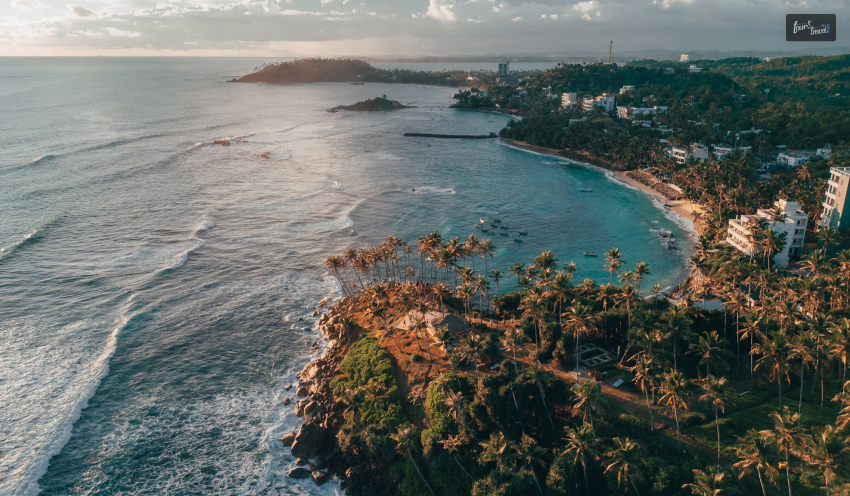
Sri Lanka

Sri Lanka is a melting pot of culture, history, wildlife, and natural beauty. It has more than 100 protected wildlife areas. 

There, you can meet elephants, sloth bears, leopards, and other wild animals. 

2. Austria

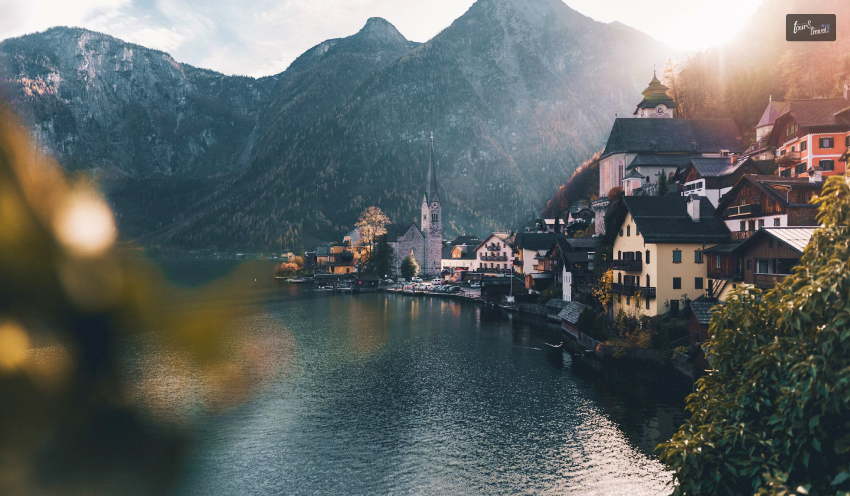
Austria

A sound public transportation facility helps you to make your family trip to Austria easy and budget-friendly. The country has a beautiful landscape. 

Further, Austria allows you to take part in various outdoor activities like skiing and hiking. 

3. France 

France

Paris in France is the ultimate family holiday destination if you have the budget. Taking a walk along the streets of Paris is an experience in itself.

Further, you cannot miss iconic landmarks like the Eiffel Tower, Notre Dame or the Louvre Museum. Moreover, you can explore the beautiful beaches and caves in France. 

Read Also:

Share on Social Media

Abdul Aziz Mondol is a professional blogger who is having a colossal interest in writing blogs and other jones of calligraphies. In terms of his professional commitments, he loves to share content related to business, finance, technology, and the gaming niche.

Leave a Reply

Your email address will not be published. Required fields are marked *

title-img Related

READ MORE tibet tourism

Essential Tips To Ensure Sustainable And Responsible Tibet Tourism

BY  Ankita Feb 27, 2024

Tibet, often called the Roof of the World, is known for its stunning beauty and spiritual significance. Every year, travelers from around the globe are drawn to this majestic land in search of adventure and enlightenment. However, it's important to remember that Tibet's beauty is delicate and needs to be protected. So, as visitors, we must respect its traditions and environment to keep it beautiful and welcoming for generations to come. In this guide, we'll share five essential tips to help you explore this place with mindfulness and respect. These tips will ensure your visit leaves a positive impact on this incredible region. So, without further ado, let's delve right in! 1. Choose a Trusted Travel Partner When planning your trip to Tibet, selecting the right travel partner can make all the difference. However, it requires careful consideration. So, look for agencies that deeply understand and respect the region's culture and environment. Also, consider one with sustainability certifications and memberships in responsible Tibet tourism organizations. Plus, ensure they are well-versed in navigating the complexities of traveling to this place, including obtaining a Travel Permit. This is essential for regulating travel and safeguarding its resources. So, prioritize those openly discussing the tibet travel permit price, its importance, and their efforts to secure it. They should also provide information on how they support local economies and conservation efforts. Moreover, they'll also advise you on respecting local communities and religious sites while minimizing environmental impact. Overall, this way, you embark on a journey that sustainably enriches your travel experience. 2. Respect Tibetan Cultural and Religious Customs It is a land steeped in spiritual and cultural traditions. So, showing respect is essential to honoring its essence. This involves dressing modestly, especially when entering monasteries and other sacred sites. It also means understanding the importance of maintaining silence in holy spaces and following the tradition of walking clockwise around religious objects. Moreover, when taking photos, asking for permission is polite, particularly when photographing monks or pilgrims. This simple gesture demonstrates respect for their culture and traditions. Ultimately, by embracing its customs and traditions, you foster mutual respect between visitors and locals. So, take this opportunity to learn from the Tibetans. It's a precious gift that can turn your journey into a profoundly transformative experience. 3. Abide by Local Laws Understanding and adhering to local laws in Tibet is more than just compliance. It's a reflection of your respect for the region and its people.  For instance, apart from respect, there are specific regulations regarding photography. Some areas, like certain buildings or military installations, may have restrictions on taking pictures. Additionally, some locations may require special permits. So, you need to be aware of the places you're allowed to visit. By staying informed about these laws, you can ensure a smooth trip and help preserve Tibet's cultural and natural heritage. Remember, responsible Tibet tourism is all about making positive impacts and respecting local laws. So, always abide by the rules and regulations during your visit. 4. Follow Leave-No-Trace Principles While Trekking Tibet's natural landscapes are breathtakingly pristine. So, maintaining this unspoiled beauty requires adherence to Leave No Trace principles during your treks. Firstly, ensure you carry out all your trash, leaving no litter behind. This includes packaging and any waste produced during your trek. Moreover, minimize the impact of campfires by either using portable stoves or designated fire rings, if available. Doing so prevents damage to the surrounding vegetation and wildlife habitats. Additionally, treat water sources carefully to avoid contamination and maintain their purity. Besides, stick to established trails and designated campsites to minimize erosion and protect fragile ecosystems. Remember, these practices aren't just about conservation. Instead, they're about showing respect and gratitude to the natural world that graciously welcomes you. 5. Avoid Paying for Photos or Handing Out Medicine While it may seem nice, paying for photos or giving out medicine without thinking can cause problems. It might make people depend on handouts and change how the community works. Instead, focus on meaningful talks and treating people with respect. However, if you still want to help, support local businesses or trusted non-profits that work closely with the community. This helps sustain local traditions and ensures your actions make a positive difference. By avoiding paying for photos or handing out medicine randomly, you help empower local communities and promote sustainable Tibet tourism. 6. Joining A Tibet Group Tour Most travel agencies in Lhasa offer Tibet group tours that are a far more sustainable choice than individual visits. These group tours are designed to help make touring Tibet affordable while sharing the cost of the designated tour guide and the vehicle with other travelers. By avoiding the extra costs of each individual tourist and having a guide for each of them, the whole setup makes for a well-rounded experience.  These local tour guides are a great way to enhance your Tibetan experience. They have local knowledge that no other professional guides will have. Individual traveling will also not allow you to explore places that are otherwise only known to local people.  These guides will assist you with the local language so that navigating the region and understanding its culture more deeply becomes easy. The uniqueness of this region leaves every visitor feeling rejuvenated. Local tour guides also allow you to curate your experience according to your taste and desires. It will cover all your specific interests without all the added hassle.  Tips: Carry a reusable water bottle and a filter to decrease the environmental impact of your visit. Avoid littering and respect your natural surroundings. Take the public route when it comes to transportation instead of getting a private drive. Get locally sourced foods and products to minimize littering and waste.  Respect the wildlife around you and avoid all activities that harm animals. Look for eco-friendly accommodations that help you prioritize the minimization of waste and sustainability. Cultural Taboos Visitors should stay aware of the cultural taboos when choosing to travel to Tibet. Be modestly dressed and stay respectful. You must be especially mindful when visiting temples and other religious sites. As a visitor, you must also avoid touching and pointing at statues and objects of religious significance. You must also make sure to walk clockwise around prayer flags and other religious sites. It is also considered disrespectful if you step over someone’s threshold or the threshold of a religious site. Visitors must also avoid talking about sensational topics or engaging in any kind of behavior that is contrary to the cultural norms of the region.  Try researching and understanding the local customs and traditions before traveling. This will help you stay sensitized towards the expected regional culture. Final Thoughts Exploring Tibet's sustainability is an opportunity to immerse yourself in its stunning landscapes and rich cultural tapestry. By following the tips mentioned above, your journey to this place can be a model of responsible Tibet tourism. To summarize, it is important to prepare and respect the local cultural environment. If you are planning a trip to Tibet, you are advised to work with a reputable travel agency in order to obtain the necessary permits and plan a safe and enjoyable trip. Tibet is a beautiful as well as unique destination. You must not desecrate the culture of the region by being careless of its traditions and ideals. So, travel with intention, respect, and a deep appreciation for the places you visit. It will make your global footprint a positive one. Read Also: The Ultimate Guide To Everest Base Camp And Manaslu Circuit Trek Which Is The Best Time To Visit Spiti Valley? – Travel Guide Five Best Things To Do In Nepal

READ MORE Buying A House In Bali

What Should I Consider When Buying A House In Bali?

BY  Ankita Feb 26, 2024

Buying a house in Bali offers a tropical lifestyle with an array of cultural attractions, a warm climate, and stunning natural beauty. However, prospective buyers should be aware of the unique property ownership laws in Indonesia, which may differ significantly from those in other countries. Navigating these regulations to find the ideal property requires a clear understanding of the available options for foreign investors, as well as knowledge of the legal framework surrounding land ownership and property rights in Bali. Explore Bali houses for sale with Exotiq Property to embark on your journey of discovering the perfect home in this captivating destination. When considering properties in Bali, it's important to assess various factors to ensure a sound investment. Location is paramount, as different areas offer distinct advantages depending on lifestyle preferences and investment goals. Property features, potential for appreciation, and proximity to amenities are also important considerations. Buyers should conduct thorough due diligence on the legalities of the transaction, including land titles, building permits, and zoning regulations, to ensure that their investment is protected. Understanding Property Ownership In Bali When considering the acquisition of property in Bali, it is imperative to grasp the various ownership titles offered under Indonesian property laws and the distinctive purchasing options available to foreigners. Equally crucial is understanding the legal procedures to ensure a secure transaction. Purchasing Options For Foreigners Foreigners interested in Bali real estate must navigate Indonesian property laws that are designed to protect local interests. The most common route is a leasehold property, which grants the right to use the land for a term that is usually 25 to 30 years and can be extended. Alternatively, a foreigner may invest in a PMA company, which can acquire property under a Hak Guna Bangunan title. Another option is to enter an agreement with a local nominee or Indonesian nominee system, although this method involves a higher degree of risk and is less favored. Necessary Legal Procedures Executing due diligence is paramount before purchasing property in Bali. This involves a thorough check of the land certificate and ownership certificate, ensuring that there are no discrepancies. It is advisable to work with a reputable notary and lawyer to conduct these verifications. The due diligence process includes confirming that the building permit (IMB), PBB tax payment (property tax), and NPWP (tax number) are all in order. Prospective buyers should also use a qualified real estate agent to aid in navigating the intricacies of Bali's property market. Read Also: Planning A Vacation To Bali? Read This Blog! Factors To Consider When Buying When looking to buy a house in Bali, potential homeowners need to carefully evaluate several critical aspects to ensure a sound investment. From the specific location to the financial aspects, each factor plays a crucial part in the purchasing process. Location And Accessibility The location of property in Bali is one of the most significant considerations. Popular areas such as Seminyak, Canggu, Ubud, Jimbaran, Uluwatu, Nusa Dua, and Sanur offer a range of options from bustling nightlife to tranquil beachfront. Proximity to beaches, zoning restrictions, road access, availability of electricity, internet, and accessibility to local communities like the Banjar (village council) is essential. For instance, Seminyak and Canggu are known for their lively scenes and surf culture, while Ubud captivates with its natural beauty and arts community. Popular Regions with Unique Features: Seminyak: Trendy, upscale area well-connected and with a high concentration of shops and eateries. Canggu: Known for cool cafes, vibrant nightlife, and surfing spots. Ubud: The cultural heart, surrounded by rice fields, and a hub for wellness. Jimbaran: Offers a calmer environment with seafood restaurants and sunsets. Nusa Dua: Well-organized resort area with pristine beaches. Sanur: Quieter pace with a mix of traditional and modern Bali, friendly for families. Environmental And Structural Concerns The dream of owning a tropical paradise comes with its environmental challenges. Bali's climate can contribute to rust, mold, termites, and pests, which potential homeowners should consider, especially when looking at an existing home. Swimming pools may need regular maintenance due to these issues. Assessing the land size, natural orientation and views, well access, flood risk, potential drainage problems, and any setbacks from the property boundaries is crucial before making a final decision. Environmental Factors to Check: Risk of flood or water damage Presence of mold or pests Adequate drainage systems Maintenance required for swimming pool and other amenities Financial Implications The financial side of buying property in Bali can be complex, particularly for foreign buyers. Understanding the types of leases and licenses required is paramount. The Bali real estate market also varies significantly, so gaining information on luxury property prices and average cost of living can inform your budget. When considering financing, options such as a mortgage from a local bank, developer financing, or making a cash payment should be reviewed. Moreover, if the purchase is for investment, evaluating potential rental income is essential. Conclusion When purchasing property in Bali, buyers must navigate Indonesian property laws and understand the types of property titles available to foreigners, such as Hak Pakai, Hak Milik, and Hak Guna Bangunan. It is imperative to conduct thorough due diligence, including legal checks and understanding market conditions. Considering the location and intended use of the property—whether for investment or residence—is critical. With adequate preparation and insight into the Balinese real estate market, investors can make informed decisions for successful property acquisition. Read Also: Tattoo Bali – Tips Before Getting A Tattoo Top 7 Places To Visit For An Asian Solo Traveler A Detailed Guide On Malaysia Bay – From Traveling To Outing

READ MORE Exploring Canada By Boat

Exploring Canada By Boat: A Journey Through The Country’S Most Picturesque Waterways

BY  Ankita Jan 2, 2024

Canada, with its vast and diverse landscapes, offers some of the most stunning and unique boating experiences in the world. From the enchanting archipelago of the Thousand Islands in Ontario to the remote and majestic Great Slave Lake in the Northwest Territories, there’s a boating adventure waiting for every kind of traveler. Let’s embark on a journey through Canada’s most picturesque waterways. Sailing Through The Thousand Islands, Ontario The Thousand Islands region, set in the Saint Lawrence River, is a boater's dream. This region is a mosaic of over a thousand islands, each with its own character. Boaters can navigate around these islands, discovering hidden coves and quaint island communities. The Thousand Islands Marina is the ideal starting point for this exploration. Here’s an interesting tidbit: the region is home to the famous Boldt Castle, a symbol of the area’s rich history. Great Slave Lake, Northwest Territories: A Northern Adventure Heading north, Great Slave Lake beckons with its deep, clear waters and stunning scenery. Known for its tranquility and vastness, it’s a perfect spot for those seeking a more solitary boating experience. The Hay River Marina is your gateway to this northern paradise. As you sail, remember you’re on North America’s deepest lake, with depths reaching over 2,000 feet. Tranquil Waters Of Lake Louise, Alberta In the heart of the Canadian Rockies lies Lake Louise, a gem known for its turquoise waters set against a backdrop of majestic mountains. The serene environment here is ideal for a peaceful day of boating. The Fairmont Chateau Lake Louise Boathouse provides access to these pristine waters. Fun fact: the lake was named after Princess Louise Caroline Alberta, the fourth daughter of Queen Victoria. Navigating The Gulf Islands, British Columbia Off the coast of British Columbia, the Gulf Islands offer a temperate climate, vibrant wildlife, and a strong artisan community. Cruising through these islands, you might spot orcas, seals, and bald eagles. Start yStraddling the border of Ontario and Manitoba, Lake of the Woods is a captivating destination with its waterways, islands, and diverse wildlife. With over 14,500 islands, it offers endless exploration possibilities. Northern Harbour in Kenora is the perfect launch point for your journey across this vast lake.our journey at Montague Harbour Marine Provincial Park on Galiano Island, a popular launch spot for many explorers. The Majestic Bras d'Or Lake, Nova Scotia On the east coast, the large saltwater Bras d'Or Lake in Nova Scotia is a haven for boaters. Known for its beautiful landscapes and excellent sailing conditions, Bras d'Or Lake has inspired many, including the famous inventor Alexander Graham Bell, who had a summer home here. For easy lake access, head to the Baddeck Marine. Georgian Bay, Ontario: A Freshwater Wonderland Part of Lake Huron, Georgian Bay is celebrated for its rugged coastline and crystal-clear waters. Boaters here can explore thousands of islands along the bay. Beacon Bay Marina is a popular choice for starting this adventure. A remarkable feature of Georgian Bay is that it contains the world’s largest freshwater archipelago, the Thirty Thousand Islands. Lake Of The Woods, Ontario/Manitoba: A Boater’s Labyrinth Straddling the border of Ontario and Manitoba, Lake of the Woods is a captivating destination with its waterways, islands, and diverse wildlife. With over 14,500 islands, it offers endless exploration possibilities. Northern Harbour in Kenora is the perfect launch point for your journey across this vast lake. As we conclude this tour of Canada’s most beautiful boating destinations, it’s clear that whether you seek a tranquil sail, a fishing expedition, or an exploration of uncharted waters, Canada’s diverse waterways offer an unparalleled experience. These destinations not only provide stunning natural beauty but also a chance to connect with Canada’s rich maritime heritage. Remember, when exploring these beautiful waters, it's important to prioritize safety and respect the local environment. This ensures that these magnificent destinations continue to be enjoyed for generations to come. So, grab your Canadaian boating license, and life jacket and set sail on an unforgettable journey through Canada's most picturesque waterways! Read Also: 10 Best Things To Do In San Diego (USA) 10 Useful Tips For Planning A Trip That You Will Love