


Traveler’s Must-Know! 5 Money-Saving and Practical Packing Tips

Jun 12, 2024

Last Updated on: Jun 14, 2024

Travel Guides

My dear fellow adventurers! Are you looking to start the next thrilling journey? Well, grab your backpacks and hereafter get ready.  We have come up with some insider tips that will help you save your money and ease your packing experience. 

We’ve gained extensive experience in efficient packing, which helps us find the best travel gear. Today, we will discuss the five essential tips to transform the way you pack successfully. 

In addition, it will enable you to be fully prepared for your adventures. In this article, we will discuss some fantastic products that will make your travels even more enjoyable. 

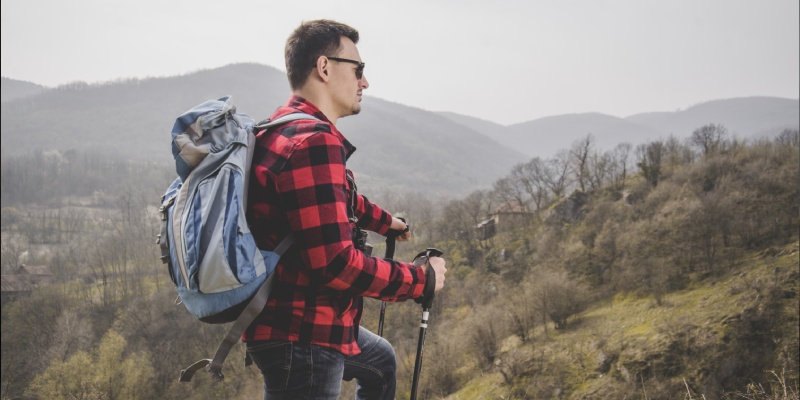
Tip 1: Invest In A Reliable Travel Bag

Invest In A Reliable Travel Bag

Imagine you are dashing through the airport, aiming to catch your flight. Suddenly, disaster strikes. 

The strap of your flimsy bag opens, resulting in scattering all your belongings on the pavement. What a nightmare! This is why you must invest in the most durable travel bags. This is an absolutely crucial development. 

However, we understand what a travel bag means to you. The collection of sturdy and stylish chest bags is designed to combat the ravages of inclement weather. You need these sturdy friends, especially in relation to globetrotting.

For example, you can take the Not My Type Techwear Backpack. These bags have a futuristic design with adjustable straps and a front zipper pocket, guaranteeing superior mobility and ample storage space. 

Hence, whether you prefer convenience; the sleekness of a messenger bag, or versatility,  their range of features offers coverage safeguarding. 

Trust us: a good-quality, sturdy travel bag can save you from the stress and inconvenience of inclement weather at any time during your journey. 

Tip 2: Pack Smart And Light

Pack Smart And Light

Next, we add the traveling light to the list. They are magical, to say the least. Not only can easily save a lot on your baggage fees. But simultaneously, you get the freedom to explore without feeling weighed down. 

So, how can you pack smart and efficiently? Well, it’s all about space-saving and minimizing wrinkles (stress). 

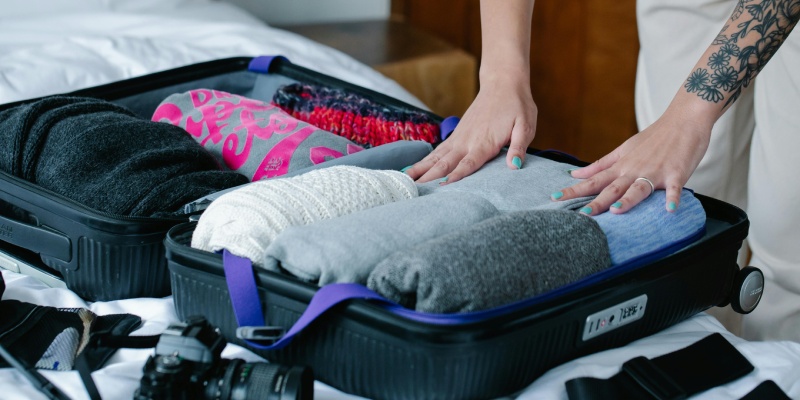
Hence, instead of folding your clothes, roll them tightly. This space-saving technique can help bring down the creases and make unpacking a breeze.

Need a pro tip?  Stuff your underwear and socks with travel essentials and optimize every inch of space efficiently. 

To take your packing game to the next level, take a look at the fantastic range of packing cubes that are available on Techwear Official’s website

However, the clever organizers can help you make your life easier while traveling.  Besides, they help you keep your clothes compartmentalized with the utmost neatness. Thus, you can stay organized, and you can easily find your requirements during your journey.

Tip 3: Stay Organized With Packing Cubes

Stay Organized With Packing Cubes

Let’s face it: Opening the suitcase to search for a chaotic mess is every traveler’s nightmare. 

Moreover, you may feel it is like solving a puzzle while jet-lagged. That’s where packing cubes can be most helpful. 

Moreover, these ingenious small wonders are extremely effective. They help you stay organized on the road. However, packing cubes of different sizes effectively segregates your clothing items. 

As a result, it will help you easily find your favourite shirt or pair of socks buried deep inside your travel bag. 

Moreover, the Techwear Official offers you the most durability and style. The packing cubes with compartments and compression zippers can help maximize your space. Once you try them, you will feel their indispensability.

Tip 4: Bring A Portable Charger

Bring A Portable Charger

In our digital age, staying connected while traveling is essential. Whether it’s capturing breathtaking moments with your camera or navigating through unfamiliar streets with your smartphone, our devices need to stay powered up. 

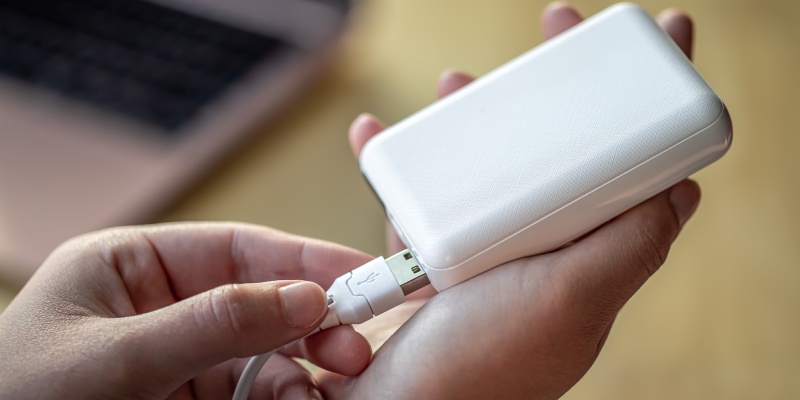
That’s why a portable charger is a travel essential of a true game-changer. We suggest you pick ones that have a compact design, high power capacity, and fast-charging capabilities, so you’ll never have to worry about running out of battery again. 

Just imagine the relief of finding a charging point at the airport and realizing you don’t have to fight over it with other desperate travelers. 

However, having a portable charger stashed in your backpack will ensure that you never run out of power during your exciting adventures. 

Tip 5: Save Money With A Travel Money Belt

Now, let’s talk about keeping your valuables safe. As much as we love exploring new destinations, it’s essential to protect our passports, cash, and cards from pickpockets or accidental loss. 

That’s where the humble travel money belt comes into play—a discreet and reliable solution to keep your valuables secure. 

If you already consider the cleverly designed belts, which come with hidden compartments to store your essentials safely without worrying about your valuables—trust me, you are already there! Who does not want an extra layer of security and freedom to explore with peace of mind?

Tip To Consider While Buying Money saving Travel Products

The discussion above was about some smart products that can save you money. Each has its own advantages. 

However, in this section, we discuss some of the considerations when buying them. Of course, you can not buy these products just randomly. So, without further ado, let’s get started with the discussion.

First, Figure Out Where You Usually Spend Money

Budgets will be a concern when managing the new destination. Hence, you have to be calculative right from the beginning when managing your economy. 

Do not worry; you just have to be mindful of how much you want to spend on buying travel-related products. 

Moreover, you have to be mindful when figuring out your priorities. Finally, to keep your finances in shape, you have to be honest with your spending habits during the trips. 

Consider The Size And Space 

Now that you are buying the aforementioned travel products to save money, you have to consider their worth. Remember, not all travel-related products may be worth it to you. 

However, being portable, compact, and durable can help you save space, which is one of the big factors. Hence, considering the space and size of the products becomes one of the important elements attached to your travel outing.

Consider The Price Vs. Value

You must consider the price and value of the products before you make the purchase. It’s always better to avoid the cheaper products, as they can easily save you money. However, in the long run, you may have to suffer worse situations during your travels, which will surely add salt to your wound. 

Therefore, you should not compromise on buying high-quality products. Also, the value and utility of the product should be considered before selection. For example, if you purchase a digital translator, it’s a great investment for anyone who travels internationally frequently. 

Therefore, you have to be calculative when you buy these money-saving travel-related products. Your best decision on the purchase is the sole determiner on whether you can optimize the products. Simply triggered by the fear of missing out (FOMO) and buying them without consideration can not serve your purpose well. 

Putting The Discussion To A Close

Your travel experience must always be hassle-free and easy. One of the most important things is to consider the money you are spending.

The products that we discussed are all effective, and they serve your purpose to the fullest. Hence, consider the above points and buy them for your safety and convenience.

Additional Reading:

Share on Social Media

Ankita Tripathy loves to write about food and the Hallyu Wave in particular. During her free time, she enjoys looking at the sky or reading books while sipping a cup of hot coffee. Her favourite niches are food, music, lifestyle, travel, and Korean Pop music and drama.

Leave a Reply

Your email address will not be published. Required fields are marked *

title-img Related

READ MORE Winter Camping

Winter Camping In Canada: Tips For Cold-Weather Adventures

BY  Arnab Nov 20, 2023

There are many reasons to travel to Canada in winter. You might have heard people immigrating to Canada for business and job purposes. They provide better opportunity for the young generation with better life style. However, if you are focusing on that part, you need immigration advice before you take further steps. You can set off to iconic mountain resorts, visit a Christmas market, or spend time at an ice rink. At the same time, even more adventures await you if you are ready for winter camping.  The list of perfect cold-weather destinations in Canada is simply endless. Snow-covered Banff National Park in Alberta, untouched nature in the Northwest Territories, and mind-blowing Mont-Tremblant in Quebec to name a few. You will certainly appreciate the silent beauty of the snowy forest in February and January, especially at sunset or dawn.  So, it would be great to pick up a car rental in Toronto and go towards a winter fairy tale. A large selection of Toronto Airport car rental deals allows you to find the perfect vehicle for your needs. If you are traveling with family or friends, consider a more spacious option - car rental for 7 people will be a balanced solution for your icy ride.  However, winter camping in Canada is as dangerous as it’s exciting. Low temperatures can cause hypothermia and the most severe consequences for your body. Thus, such experience requires a particularly careful approach. Here are a few cold-weather adventure tips to keep in mind before embarking on such an outing.  1. Use a layered clothing strategy  When it's hot during the day and cold at night, you need to carry a variety of outfits with you to stay comfortable at all times. Layering is one of the best ways to stay dry and warm without overheating.  Layering is an art and once you master it, you can easily regulate your body temperature depending on your activity level and weather changes. Using layers correctly allows you to add or subtract layers throughout the day so you feel comfortable no matter what.  Start with wool or synthetic thermal underwear. Also, avoid cotton. Cotton absorbs moisture and loses all its insulating properties when you sweat, making you feel much colder. The job of thermal underwear is to wick sweat away from your body and keep you dry and warm.  Thus, apply insulating layers such as a fleece, light down jacket, or synthetic jacket as your middle layer to help keep you warm. The greater the middle layer retains heat, the better. Finally, cover the previous two layers with a windproof jacket with a waterproof membrane to keep you warm.  The outer layer also serves to remove moisture evaporated from the body. Don't skimp on a high-quality outer layer if you expect to encounter some serious wind and rain. If it doesn’t cope with its functions, you can become seriously hypothermic. 2. Make sure your sleeping bag can handle low temperatures  Canadian winter camping expeditions require a sleeping bag - this is the golden rule for a hassle-free overnight stay. The temperature label on your sleeping bag can be confusing. For example, if your sleeping bag can withstand +5°C, this doesn’t guarantee that you will feel warm at +5°C. The fact is that sleeping bags have two temperature conditions: a temperature at which a tourist should feel comfortable, and a lower temperature limit at which a sleeping man should feel comfortable.  Temperature values are approximate and depend on multiple factors. Just in case, take a sleeping bag rated for temperatures 5–10°C below expected degrees. You can also add an extra blanket over your sleeping bag to help keep you warm. 3. Select and prepare a place to pitch your tent  Setting up a camp in winter is much more difficult than in summer, so first of all, plan your time correctly - you should arrive at the overnight site at least 30 minutes before sunset. Then, choose the right campsite, prepare it, and set up the tent. Here are some important snow camping hacks to follow.  Place a tent in a sparse forest, on the edge, in a gentle depression between ridges  Remove snow from the area of the tent + 0.5 m around, remove the top layers or clear to the ground if the snow is not deep  Build snow walls around the camp, especially in open areas  Use special elongated winter pegs, which can be replaced with trekking poles  Make an entry from the leeward side 4. Bring all your essentials into the tent Be sure to bring shoes, a backpack with food, a first aid kit and hygiene products, and gas cylinders inside the tent. Plus, put things like your phone and power bank in your sleeping bag. This way you will better conserve charge. If your trekking socks are wet, dry them too.  5. Ventilate your tent The only thing worse than waking up frozen on a hike is waking up cold and wet. It may seem counterintuitive, but opening tent windows for cross-ventilation is among the top priority cold-weather camping essentials. How does it work? When warm, moist air in your tent or RV meets cold surfaces such as tent walls or car windows, condensation occurs. Small droplets of water form and everything becomes wet. Therefore, ensure air circulation in your tent and prevent condensation by opening entrances and windows slightly. 6. Warm up before going to sleep Before you go to bed, warm yourself by the fire or take a walk - whatever you can to warm up. Having a warm drink or snack before bed can also help keep you warm since the process of digestion warms you up from the inside. Just try not to sweat. Wet clothing quickly lowers your body temperature and can contribute to condensation in your tent or camper. Avoid storing wet clothes in the sleeping area and always change into dry clothes before going to sleep. 7. Go to sleep in a dry change of clothes  Advice on how to sleep in a sleeping bag goes to one extreme or the other: some say to wear everything you can, others recommend sleeping in just your underwear. And the correct option is in the middle.  Winter survival techniques claim that thermal underwear is optimal for sleeping in a tent, ideally if it contains merino wool. You need to wear socks on your feet (maybe two pairs), thin gloves on your hands, and a thin hat and/or buff on your head. Provided that the sleeping bag and mat are suitable for the weather, this set will often be sufficient. If not, you can insulate yourself additionally.  Important! All sleepwear should be dry. Thus, be sure to change into a spare set before going to bed, and store it in a waterproof bag while hiking. 8. Use heating pads  A heating pad is definitely a must-have on a winter hike! That's why we advise you to stock up on such items. They are lightweight, easy to use, and provide gentle heat (about 50°C). You can choose among the following options:  Chemical heating pads. They are disposable, with enough heat to last all night and even in the morning (about 12 hours overall).  Reusable heating pads. Such items can radiate heat for about 2 hours. Then, you need to charge it by simply boiling it in water. A more advanced option is electronic heating pads with USB charging. Ultimately, use our winter survival techniques for your camping trip to Canada. Also, don't forget to adjust your plans to the current weather. The forecast can be changeable during the off-season, and you should be prepared for everything. This is especially important when traveling in mountainous areas, where rain and snow can make roads impassable. Read Also: Jet-Set In Style: Unveiling The Monos Luggage Collection For Your Next Adventure This Is The Best Time To Visit The Seven Magic Mountains In Vegas! These Are The 30+ Things To Do In Mexico City That You Must Try!

READ MORE best time to visit iceland

This Is The Best Time To Visit Iceland & These Are The Things You Should Do!

BY  sagnika Aug 14, 2023

Want to visit Iceland to experience nature in its un-jaded form? Read the article to learn about the best time to visit Iceland. I will also list the things to do and places to visit in Iceland, which will help you create an itinerary with a budget. Iceland has its fair share of folktales and historical sagas, making it an adventurous and unique experience for a person to have. There are places that you can visit which will give you some of the most unique and imaginative adventures of your life. With a collection of 200 volcanoes, Iceland boasts remarkable features worth visiting. Visitors' unworldly experiences should be preserved, as industrialization can easily misuse natural resources. This Is The Best Time To Visit Iceland & These Are The Things You Should Do! Sustainable development is one of the significant parts of the Tourism Policy Framework 2020-30 that the Ministry of Culture and Business Affairs has developed. Quality of life of the natives, positive visitor experiences, conservation of the environment, decreasing carbon footprint, innovation, and creation are the highlights. Things to do and places to visit in Iceland reflect these highlights. If you have an active imagination, Iceland is the place to go! The land of fire and ice gives you the feel of returning to the New Stone Ages, where horse riding is regular. Want to know the best time to go to Iceland? Read along to know the best time to visit Iceland. Iceland Tourism is one of the major sectors from which the country gains economic stability; however, it was severely impacted during the COVID-19 pandemic. In 2019, the tourism economy accounted for 73% of the total tourism expenditure. However, tourism in Iceland saw a gradual fall as there was a 78% decline in the rate of tourists visiting in 2020. Even though the tourism visitation rate has recovered in 2021, it remains below the actual rate in 2019. The country needs to have a considerable rise in the number of tourists visiting the country so that it can contribute to the GDP. So, visiting Iceland will contribute to the growth and development of the economy! What Is The Best Time To Visit Iceland? You can visit Iceland based on your planned itinerary, even though it is generally said that summer is the best time to visit! If you plan to check out the northern lights the best time of year to visit Iceland is to book your tickets between September and March. If you have other plans related to summer activities, you should visit Iceland in the summer between June and August. However, if you are tight on the budget, you should visit Iceland between January to May. Flights, accommodations, and car rentals will be quite cheap. The country as a travel destination is moderately expensive with its natural wonders and captivating landscapes. The tickets from the USA to Iceland range between $700 and $1100. You can easily save money and travel with a fixed budget! What Are The Things That You Can Do In Iceland? "How much would we accept for a mountain? Two billion? Twenty billion?" is a line that will resonate with you from the documentary Dreamland released in 2009 internationally. The film shows some beautiful and untouched nature being exploited by industrialists and business people. I also learned from the documentary that exploiting something that does not need improvisation can nullify all attempts to grow, develop and succeed! The country experienced a crash in the economy in its effort to make it the largest aluminum producer in the world. It wastes the unlimited wealth of opportunities Iceland has from its natural resources and features. Based on this realization, I have composed a list of places that shows how nature can be a perfect strategy to bring in money! know more about the best time to visit Iceland! 1. Don't Miss The Northern Lights The Northern Lights is one of Iceland's main attractions, also known as aurora borealis! They are known to be elusive as there must be perfect conditions to see them, such as less or almost no clouds, no light pollution, and flaring activity in the magnetosphere. It is a natural display of light that can only be seen between the months of winter, from September to March. The attraction is only visible in the northernmost parts of the world. It is a once-in-a-lifetime opportunity to experience the green, gold, and purple waves dancing in ribbon-like formation. There is no telling when they will appear, or for long they will appear in the sky; however, there are probabilities to ensure you see them. Guides in those areas do have an understanding of the appropriate vantage points. 2. Give Horseback Riding A Shot Icelandic horses are different from normal horses worldwide with their muscular build and short legs! They are quite popular for their reliability. They are sturdy and smaller in their size and are often confused with ponies instead of horses. Going horse riding across the ice is a perfect way to experience the country and the riding. The breed is actually from Scandinavia and has evolved differently across the ages. 3. Visit The Jokulsarlon Glacier Lagoon The Jokulsarlon Glacier Lagoon is a lake filled with glaciers; this should be on your bucket list if you visit Iceland. Some icebergs make a sound as they crunch and impact each other. You can take a zodiac boat ride or stay on the shoreline, where you can watch the seals dip into the lake. You can walk down to Diamond Beach from the Lagoon with jet-black sand and glistening icebergs creating a stunning visual of the natural landscapes. 4. Go Snorkeling Between Tectonic Plates One of the best snorkeling spots in Iceland visits Silfra Fissure, where you will experience a dramatic visual representation of a glacier melt-water-filled rift. The tectonic plates between Eurasia and North America are drifting apart. You will find yourself a dry suit, a guide, and snorkeling equipment with an entrance fee to Silfra starting from $119. You also get cookies and hot chocolate once you have completed the activity. 5. Tour The Golden Circle The most sightseeing route, you must take a tour of the Golden Circle as it consists of the 3 major attractions, namely Gullfoss Waterfall, Geysir Geothermal Area, and Thingvellir National Park. These locations are accessible from Reykjavik, the capital city. Thingvellir National Park is a natural beauty and is quite important as the tectonic plates of Eurasia and North America are drifting apart in this very area. The location has waterfalls, deep gorges, and lava fields. The Gullfoss waterfall is 105 feet tall and cascades down two rocky tiers getting the name "Golden Falls." Visitors often find a rainbow over the waterfall, making it a beautiful visual. 6. Voyage Into Ice Caving And Glacier Hiking Frozen landscapes are scattered across Iceland with floating icebergs, ravishing blue ice caves, and extensive glaciers. It is the winter months when you can see Iceland in all its glory when the environment reflects sparkling snow and obscure darkness. The glaciers are the perfect frozen attractions you can access if you love hiking. It is something that can be performed throughout the year. You must wear crampons to walk the ice so that you encounter the indomitable giants up close! Do not miss the ice caves just below the Katla volcano, with a variant of color in blue and white, creating a more gorgeous experience than you can ever have. However, ice caves are safer in winter as there is less risk of collapsing or falling rocks causing serious injuries. To experience the ice caves, the best time to visit Iceland is in the winter months! 7. Hop Into Natural Hot Pool Strokkur is the perfect place to start if you want to hop into a natural hot pool! The hot springs go up to 65 feet every 5 minutes, along with mud pools and steaming fumaroles surrounding it! The abundance of volcanoes has created geological activities such as mud pools, hot springs, and volcanic vents; as the land of Iceland is only a few million years hence, it is still alive. The erupting hot springs and mud pools are a perfect escape for tourists, and it helps them relax. The natural hot pools will ensure that relaxation is part of your itinerary after trying trekking or snorkeling. 8. Enjoy The Westfjords View Are you a nature person? Most people travel to North and South Iceland, which is common for most. Don't you want to experience something off-road and unique? Let me highlight some attractions that fulfill your craving for mysticism, magic, and folklore. A cultural hub, Westfjords is engrossed in natural beauty, such as Hornstrandir with bird cliffs, Dynjandi waterfalls, Arnarfjordur Bay, Flatey Island, and Bolafjall mountain. The staggering beauty of the locales is fascinating and boasts of cultural history. 9. Swing Into The Blue Lagoon Spa A geothermal spa in Iceland has become popular as The Blue Lagoon, which has one of the most beautiful surroundings and an atmosphere that relaxes your senses. It is closer to the airport, so with a busy itinerary, you can easily visit the place. Blue Lagoon tours and the Shuttle bus to the Lagoon make it an easier place to visit. It is, however, an expensive experience. Hence, you can choose other areas, such as the Myvatn Nature Baths and Secret Lagoon. 10. Ramble On To Lake Myvatn In North Iceland The area of Lake Myvatn is geo-thermally active. Therefore, hot pools and nature baths are spread across one of the largest bodies of water in Iceland. After a long day of exploring the beauty of Iceland and performing activities, enjoying the geothermal lake is the perfect way to end your day! It is also a cool place for bird spotting, as there are 58 species. One of the biggest collections of flora and fauna, the lake is a beautiful place to visit where you can see Dimmuborgir. These volcanic rock formations are haunting and alluring while the name is equally exquisite, "Dark Fortress." 11. Take A Food Tour Walk In Reykjavik You have to enjoy the crowd in Reykjavik with its delicious food and the exciting nightlife. The nightlife continues till 4 AM as in the summer. You can enjoy yourself to your heart's content as you can see that it's bright as daylight outside, even during the middle of the night. The city has authentic places to visit eateries, ensuring a beautiful personal experience. You should try the modern and traditional classic items popular in Iceland, skyr and Icelandic lamb soup. The soup represents what Iceland truly means! You can walk down Laugavegur Street, where you can find perfect places for food and drinks. Take advantage of the Icelandic Lamb hot dog you can try in one of the original food stalls from 1937. You can visit Cafe Loki, situated across from Hallgrimskirkja church, where you can try various Icelandic delicacies. You can't miss Rye Bread Ice Cream! I would also recommend Black Death or the special beer drinks that are well-known across Iceland. 12. Go Whale Watching On A Cruise Whale watching is one of the best experiences when you visit Iceland, especially because there are various species of dolphins, porpoises, and whales. There are tours from Husavik, Akureyri, and Reykjavik; hence, you can visit one of these places to access the abundant animal traffic. There is a probability of watching killer and fin whales; however, there is a higher chance of humpback and minke whales. 13. Get A View Of The Fagradalsfjall Volcano Eruption From A Helicopter One of the hottest fissure openings in Iceland is Fagradalsfjall Volcano which you can visit by flying around in a helicopter. The tour is 20 minutes, and a guide will tell you all about the active volcano. On tour from the helicopter, you can see the aquamarine waters, which are based on Faxafloi Bay, and pass over Reykjavik city, getting a bird's eye view. 14. Try Snowmobiling From Reykjavik It is in the Gullfoss waterfall to try a snowmobile tour based on the second-largest glacier, Langjokull. The glacier is snowy, and snowmobiling is a perfect way to feel the glide across the landscape. Conclusion So, what do you think? Ready for a trip to Iceland? The places I have listed will satisfy you if you are a travel bug. Experiencing amazing Iceland will ensure you see all the places that tickle your fantasy and experience nature at its best. Iceland has a mysticism to it, so visiting quaint little towns, remote lighthouses, mountains, thermal pools, and eateries across town are different ways to explore the city's culture and ethnicity. Comment down below about the place out of this list that you find the most interesting or is already on your bucket list to visit.

READ MORE Travel Health

Travel Health: Which Vaccinations Should You Get Before You Travel?

BY  Shahnawaz Feb 1, 2024

Traveling is liberating; it’s one of the most celebrated hobbies in the world. However, your celebration can be masked by distress and more severe consequences if you don’t travel safely. Traveling safely means always updating your vaccination chart before you set out on your latest adventure.  Your travel plans should always have your travel vaccination on top right after the destination you are choosing to travel to. When planning your travel health, your destination plays a considerable role. Whichever part of the world you are choosing to explore next, make sure you have a list of vaccinations handy and checked before you set out on your travels. Here are some of the most common vaccinations one needs to take care of before setting out to explore the world and its many wonders.  Before You Travel Are your plans made? Have you decided where you are heading to? Here’s what you need right after you have made and set your goals: get your vaccination up-to-date. The easiest way to get your vaccination is to make an appointment with your healthcare professional and discuss your vaccination needs in light of the destination you are traveling to.  Travel vaccinations vary from routine vaccinations. When traveling to underdeveloped countries, you have to be extra careful with your vaccinations. For more information, you can even visit the embassy page of your destination to check their vaccination requirements. These protective measures are highly recommended to keep travelers safe from fast-spreading and deadly viruses like Yellow Fever, typhoid, etc.  Your healthcare professional will help you get up-to-date with destination-specific vaccines, preventive medication, and other materials you may need to keep your travel health in check.  Apart from that, make sure you ask as many questions as you can regarding general health concerns, itineraries, and planned activities when traveling to underdeveloped countries.  Pro Tip: Many vaccinations like COVID-19 require multiple doses, so make sure you seek medical attention as soon as you are sure about traveling.  Apart from vaccinations, discuss preventive medication such as medicines that prevent malaria; these are great for keeping you healthy and protecting you from fevers during your travel. Reasons Why You Should Get Vaccinated To Ensure Travel Health Travel health must be one of the core considerations for an individual. If the individual fails to keep healthy, they will disrupt the entire tour, especially if it is a family-oriented or business tour. You do not have the right to make life difficult for others. Therefore, you must have adequate protection against the issues. However, here we discuss some of the issues that are strictly related to travel. So, let us get started with the discussion so that you have a better understanding of safety concerns. In this section, we discuss why you need to be vaccinated.  The Vaccine Prevented Disease Still Persists Even Today  As we mentioned and discussed below, vaccination is considered one of the major issues linked to the individual; some of them still exist. They pass on to another individual, especially to one who is not vaccinated. The person suffers, being unguarded. Travel health is one of the major concerns; therefore, you need protection to save yourself from these diseases. That's the major problem associated with the spread of disease. Vaccines Will Help You Maintain Your Health When you go to a new place, there is a high chance of getting affected by the deadly virus. If you suffer from physical health disruption, it may harm your schedule badly. You must, therefore, understand the value of travel health, vaccinate yourself with the requirements of the government in that country, and also adhere to the norms of the individual.  Additionally, exploring the use of preventative treatments such as rapamycin can provide further protection against age-related diseases and improve your resilience while traveling. When you skip the vaccines, it will leave you vulnerable, especially on foreign soil. Let me give you a warning here: you might not know that shingles, HPV, and the flu lead to the cause of cancer.  Vaccines Are Important From The Point Of View Of Overall Health.  One of the most complex issues that harm an individual at this point is obesity. A healthy lifestyle is essential to keeping you fit and fighting bacteria and viruses. There has been wide-scale awareness of maintaining good health with regular health check-ups.  Just like it, you need to keep up-to-date with the latest vaccination requirements so that you can be healthy, fit, and fine. It is one of the safest preventives that is available to you.  Vaccines: A Must For Travel Health Different studies on the internet indicate the need for more tourists' adaptability in inclement weather conditions. Moreover, there are hundreds of instances of tourists affected by the deadly viruses succumbing to death when they return to their own country.  In a way, vaccination draws the line between life and death. So, touring without vaccination is antithetical to travel health, and you remain vulnerable in the new destinations. According to a study, around 50000 adults died from COVID-19 viruses.  The Vaccines Are Safe And Secure Making these vaccines took great effort, and they are standardized after many successful trials. Even the licenses were made stringent for the vaccines. They helped the common people and not the travelers.  They can also take them as they are one of the must-haves while traveling to another country. Hence, travelers must not doubt vaccinations and conform to travel health requirements.  Where To Get The Vaccination From? Always get your vaccinations from authorized entities; you can ask your primary healthcare provider as well.  Some of the most common vaccinations to keep in check before you travel are,  COVID-19 Chickenpox Cholera  Flu (Influenza) Hepatitis A Hepatitis B Japanese encephalitis MMR (Measles, Mumps, Rubella) Meningococcal Pneumococcal Polio Rabies Shingles Tdap (Tetanus, Diphtheria, Pertussis) Typhoid Yellow fever You may not need all of these, as some of these vaccinations are destination-specific. However, to be sure, have a lengthy chat with your primary healthcare provider.  Conclusion Whether you are traveling alone, with kids or with senior citizens, vaccination should be your priority. You wouldn’t want the happiness of your travels dampened by an unforeseen event like contracting a severe virus. Travel safe, get vaccinated, and conquer all your trips.  Read Also: Spring Travel And Eye Health Tips The Ultimate Business Traveler’s Guide To Bangkok 5 Reasons To Travel When You Retire