

Why Are El Salvadore Beaches So Famous? 

Apr 3, 2024

Last Updated on: Nov 13, 2025

Travel Guides

Do you want to visit somewhere beachy? Are you planning to go somewhere natural and beautiful? Here, I am creating a list of some of the popular beaches and the benefits of these beaches. Read about El Salvador beaches and how fun they are!

I will share the importance of beach tourism and the economy in this article. If you plan to read about some of these beaches of El Salvadore, you can read this article.

You will have great fun, especially with diverse activities such as surfing, boating, etc. Furthermore, you can read about black sand beaches in El Salvadore and how they benefit tourism.

Why Are El Salvadore Beaches So Famous?

Why Are El Salvadore Beaches So Famous?

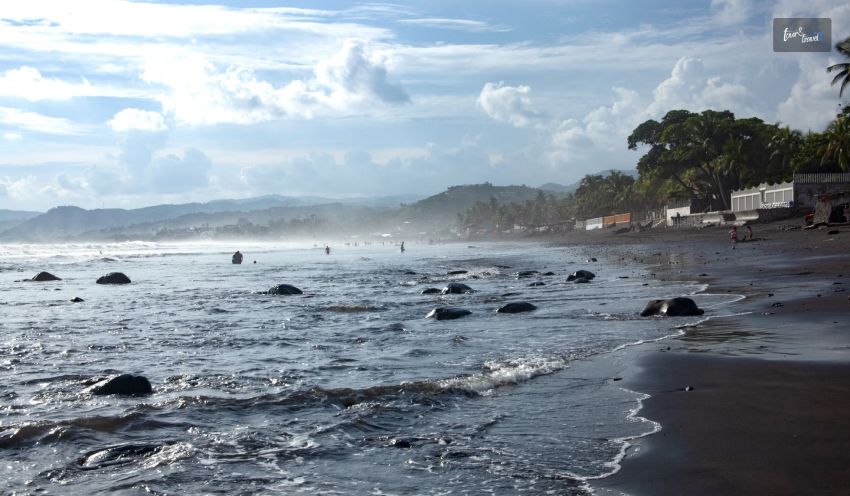
Why is El Salvador so famous? Here, I am sharing with you why these beaches are so popular. One of the major reasons they are well known is the black sand beaches!

The black sand beaches have turquoise water, which creates a beautiful vibe for visitors. If you are ready for some amazing adventures, read this article to learn more about the beaches of El Salvador. You can also learn about the benefits and drawbacks of visiting the beaches.

Read in detail the stunning visuals that take your breath away! Pack your bag, and let’s visit the beautiful beaches of El Salvador. You will experience the tastiest of seafood and lovely locales, and you will see the best waves!

Popular Beaches In El Salvador Beaches!

El Salvador is called the Land of Volcanoes! The beaches are the best because of the volcanic activities of El Salvador. The beaches have massive waves and rick black sand, creating perfect picturesque palms.

Playa El Tunco

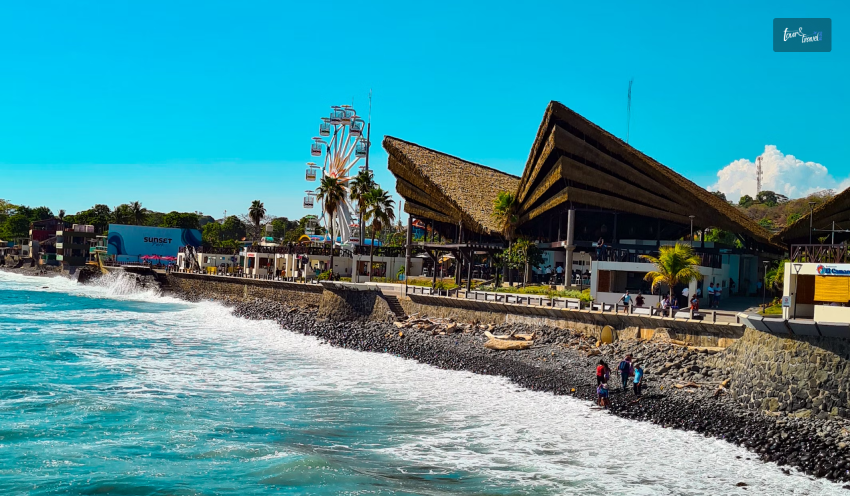
If you visit El Tunco beach, be careful of the rocks as they are not the best for swimming. However, it is beautiful, with an amazing sunset view and delicious food and drinks from restaurants in the fun little village.

The black sand on the beach sparkles in the sun, creating a perfect visual! The food and transportation are quite affordable! The place could be more public, so you can enjoy the beautiful environment as even the locals come during the weekend.

Playa El Sunzal

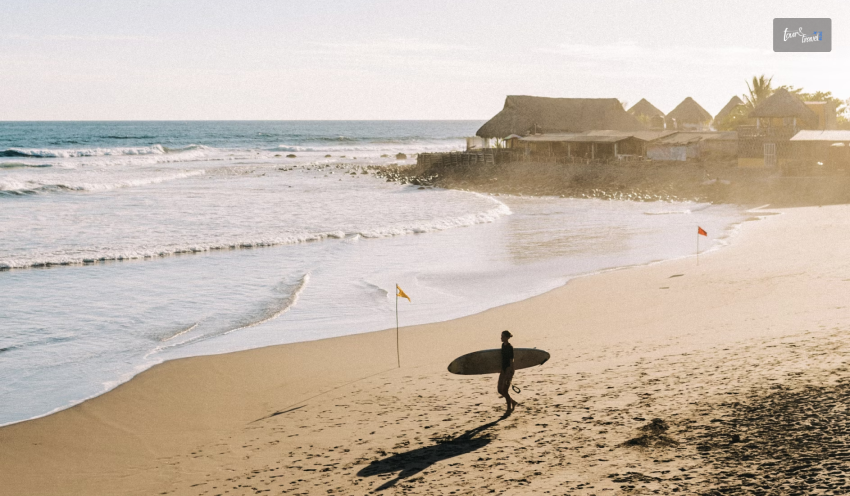
If you are planning to surf, this beach is the perfect option! Filled with adventure activities, this place is magic. The place gives you good vibes along with smiling faces. You can go out with your partner or your friends to enjoy delicious food.

The place is safe, and you will not experience any threats. The locals will give you the sweetest behavior and share positive energy, making visitors comfortable.

Playa El Zonte

Are you someone who visits beaches to experience the party scenes? However, apart from a party, are you someone who is looking for a chill atmosphere? Here, we are to share why Playa El Zonte is the perfect place for you. Let’s not forget about the black sand.

There are sea caves; imagine the adventure! The beach is perfect for surfing, with several shops and accommodation nearby. You will get amazing Salvadorian food with rice, beans, fried plantains, bread, cheese and eggs.

Playa El Cuco

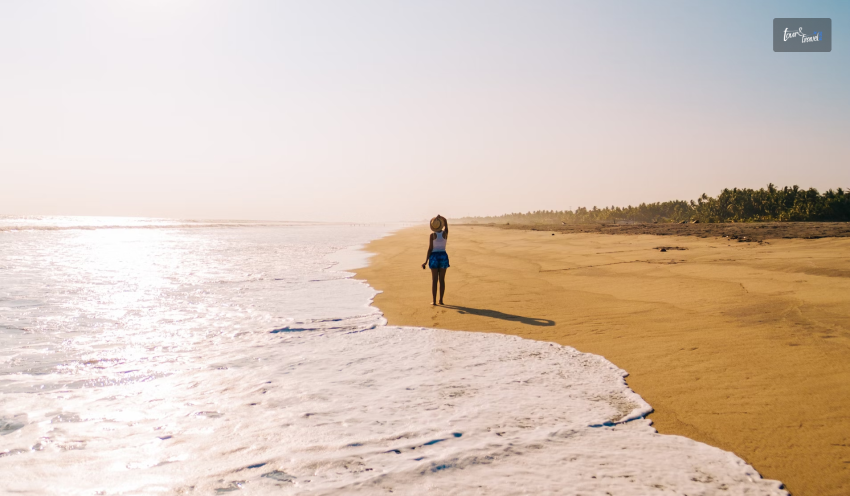
The beach El Cuco sports a few bars that offer beautiful experiences to visitors. It is an eco-resort which caters to all nationalities and has a diverse budget. At times, the beach is mostly deserted. Hence, swimming will give you a relaxing experience.

Benefits Of El Salvador Beaches

Benefits Of El Salvador Beaches

So, are you someone who lists all the benefits you will experience when visiting a place? I’d like to know about some of the best aspects of El Salvador beaches, and I will share them all.

These beaches are significant tourism revenue earners that lead to job opportunities. During high downpours, you can go through surfing programs from beaches such as La Libertad, El Tunco, and others.

When you visit these beaches, you will see that the environment around the beaches is beautiful, and people are encouraged to forest conservation. You can take the trails for hiking! Even the authorities and the public are putting efforts into protecting these beaches.

When you visit these beaches, you can experience local traditions! There is a cultural exchange as they promote the local traditions accordingly with all tourists. Events and festivals such as Balls of Fire Festival and Fiestas Agostinas help cultural exchange and bonding.

If you visit these beaches, do not worry about your health and well-being! Medical tourism is well-developed as it creates a personalized care system for all visitors. Both domestic and international tourists can access hospitals and clinics for treatment!

Challenges And Solutions

Challenges And Solutions

There are a few challenges when traveling to El Salvador to visit the beautiful beaches, which you must consider! This is important because there are a few concerns, such as the security and well-being of the visitors, infrastructure, and waste management.

On the Pacific coast of El Salvador, there are some dangerous conditions, such as strong currents and undertows, which can be difficult for swimmers, even for experienced individuals. The search and rescue capabilities are restricted because El Salvador has no lifeguards.

Pollution And Waste Management

With the increasing number of beach visitors, pollution is a common aspect that must be treated daily. Suppose the government of El Salvador needs to maintain waste management effectively. Even locals are involved in the cleanliness program!

The quality of life is improved with the integration of safe tourism. The nation is poverty-stricken and is struggling to approach a better future. It can only happen when gang culture is completely diminished! 

Infrastructure Development

The U.N. has announced the risks related to El Salvador’s infrastructure! The government is working hard to create an infrastructure that will be supportive and developmental in the future.

As an authority, El Salvador is working hard as the country’s leader; President Nayib Bukele is trying to decrease gang violence. Apart from this, he is also trying to promote surf tourism in El Salvador.

Therefore, 200 businesses and 50,000 jobs were created. Hence, it helps individuals come out of gang life!

Safety And Security

El Salvator is an active gang-violence area. Hence, young children are often influenced by gangs! With 23% of the population of Salvador living in poverty, a lot of individuals choose gang life, thus following gang traditions and sadistic rules and rites of passage.

There is a possibility of visitors being attacked by gang members, especially teenagers. At a very young age, these individuals are influenced by the gang, and thus, there are risks!

Finishing Off…  

El Salvador beaches are a beauty of this world; however, visiting them can be difficult because of the risks. El Salvador is popular because of the black sand beaches, so why don’t you decide to see the beautiful locales?

Tourism is one of the significant ways of earning money; thus, the economy of the place is dependent on it. The economy of surf tourism supports the local culture and community.

Comment on when you plan to visit the El Salvador beaches and your itinerary!

You May Also Like:

Share on Social Media

Sagnika Sinha is a content writer who is passionate about writing travel vlogs, entertainment and celebrity articles and literature-based pieces. With a 4 years experience in teaching, she loves reading books. A procrastinator by nature, she loves travelling, listening to music, planting and gardening.

Leave a Reply

Your email address will not be published. Required fields are marked *

title-img Related

READ MORE Jaffna Sri Lanka travel guide

Jaffna Sri Lanka Travel Guide: Is Visiting Jaffna In Sri Lanka Worth It? 

BY  Sibashree Oct 24, 2025

You know what’s so special about visiting quaint and offbeat places? These are the places to make quirky and personal connections.  Jaffna has not been an exception. Let me share a story! It was exploring the Jaffna Public Market. An old lady jokingly refused to sell a tourist a kilo of dried fish. She said, “You don’t look like someone who appreciates the smell of sun-dried fish!” By the end, she laughed and gave him a small bundle for free. The whole thing was so warm. An old lady, who is probably talking to a person for the first time, is very cordial in her behavior. You will not get this shopping experience in any shopping mall or supermarket. Another highlight was when a priest offered me some sweets at the Nallur Kandaswamy Kovil. There were hundreds of visitors, and I don’t know why he came up to me and offered the sweets. He said, “For you, even if you are a stranger, my blessings are for you!” I had tears in my eyes. With moments like this, Jaffna will always remain one of the most beautiful places in the world. It’s not just about the scenic beauty, but the warmth and inclusivity.  In addition, the recent inauguration of the International Cricket Stadium at Mandaitivu Island will be a new landmark of the city. With a capacity of 40000 spectators, it will promote national integrity and more tourism through sports.  Here, I will talk about how to reach Jaffna, the places to visit, the safety quotient, cultural exploration, and more! Keep reading this Jaffna, Sri Lanka travel guide.  Cultural Exploration In Jaffna, Sri Lanka: Why Is It So Special? The origin of Jaffna’s name takes us back to its Tamilian roots. There was a blind musician called Yalpanan who used to play an instrument called Yal. Thus, the place got its name as Yalpanam or Yalpanapattinam, meaning the Port of the Iyre.  Furthermore, the historical evidence suggests that Tamil Presence here dates back to at least 300 B.C. Archaeological sites such as Pomparippu are a telltale of the Tamilian presence.  Jaffna was the capital of the Jaffna Kingdom in the medieval days before European colonization happened here.  Moreover, thanks to the Tamilian cultural presence here, in recent times, it has become a favorite destination of Indian travelers. A Tour and Travel World report suggests a 325% increase in the searches among Indian travelers.  Direct accessibility to Jaffna from various parts of South India via flights is another reason why Jaffna is so popular among Indian tourists.  You will get flights to Jaffna from cities such as Hyderabad, Thiruvananthapuram, Madurai, and Chennai.  Top 10 Unknown Cultural Things About Jaffna, Sri Lanka 1. Traditional Tamil musical performances during temple festivals.2. Unique Jaffna-style architecture in homes and temples.3. Palmyrah palm-based crafts and products.4. Indigenous Tamil martial arts demonstrations.5. Local storytelling traditions passed down orally.6. Community-led cultural tours and workshops.7. Traditional Tamil wedding customs.8. Seasonal harvest festivals like Thai Pongal.9. Local folklore and legends tied to historical sites.10. Ancient Tamil inscriptions found in temple ruins. Food Culture And Culinary Tours In Jaffna, Sri Lanka  View this post on Instagram A post shared by Kandy Bites by Chef Ceylon (@kandy_bites_) Jaffna cuisine is known for its spicy flavors and unique Tamil dishes. Popular items include Jaffna crab curry, Kool (seafood soup), Odiyal Kool, and Palmyrah jaggery sweets.  Culinary tours offer cooking classes, market visits, and traditional meal experiences with local families. However, the traditional delicacies of Jaffna tell the stories of the tradition, history, and resilience of Northern Sri Lanka. In addition, Jaffna City, in recent times, has played an important part in changing the food trends of the country and ensuring a lesser reliance on expensive imports.  The increased use of Palmyrah jaggery, palmyrah flour, or even palmyrah vinegar, typical Jaffna ingredients, in Colombian food is an example of how Jaffna is emerging as a crucial destination in the country's food landscape.  Colombo, in fact, now has a Kaachai Varai or Jaffna Market from where seafood, spices, and other ingredients are sourced. This endeavor supports the local fishermen, farmers, and producers.  Moreover, Jaffna is an important location for hands-on culinary tours in northeastern Sri Lanka. For example, celebrated Australian chef Peter Kuruvita conducts a culinary tour in the northeast part of Sri Lanka, and Jaffna is one of the destinations.  On this tour, you will get to know about the art of cooking in clay pots over an open fire. Overall, getting familiar with the local food is one of the top cultural things to do in Jaffna Sri Lanka.  A 3-Day Culinary Tourism Itinerary In Jaffna View this post on Instagram A post shared by ALIYAA (@aliyaa_kl) It’s time to experience the eclectic nature of Jaffna food, where Tamilian, Muslim, and European influences have merged. Here is a 3-day culinary tourism itinerary in Jaffna.  DaysActivitiesDay 1• Arrival in Jaffna and checking in• Having Jaffna-style idiyappam with coconut sambol and mutton gravy• Exploring the Jaffna Market, a gold mine of dried fish and palmyrah jaggery, tamarind, and spices unique to the region.• Trying palm treacle sweets, vadai, and murukkuDay 2• Having Jaffna crab curry or nandu kool (crab soup) with red rice• Pairing the food with poriyal and rasamDay 3• Visit Nallur Kandaswamy Kovil and try nelli juice or Indian gooseberry drink• Booking an Airbnb or a local guide experience and learning to cook pittu, prawn curry, and other local delicacies If you want to extend your culinary tour in Jaffna, you can plan a day trip to Delft Island, where you will find the best coconut toddy and island-style seafood delicacies. Also, you can attend a palmyrah tapping demonstration or explore the northernmost markets in Point Pedro.  A 5-Day History-Focused Itinerary In Jaffna View this post on Instagram A post shared by VIEW LANKA TOURS (@viewlankatour) Mentioned in the ancient Tamil scripture as Naga Nadu, or the land of the Nagas, Jaffna has been ruled by the Pandya, Chola, and Rajarata kingdoms. Later, it also became a colony of the Portuguese and British.  Here are the historical places in Jaffna to see within a 5-day travel itinerary.  DaysActivitiesDay 1• Arrive in Jaffna from Colombo by car or train• Checking into the hotel• Breakfast with traditional Tamil food• Visiting the Jaffna Fort (1618)• Lunch• Visiting the Jaffna Public Library• Walking along the Jaffna Lagoon waterfront near the Dutch Fort AreaDay 2• Breakfast and a visit to Nallur Kandaswamy Kovil• Visiting the Minister’s House or Manthiri Manai• Lunch• A drive to Keerimalai Springs and Naguleswaram Temple• Return to Jaffna TownDay 3• Travel north to Dambakolapatuna Temple, at a distance of 35 km• Lunch and exploring Kankesanthurai• Visiting the 2000-year-old site of Kandarodai (Kadurugoda) Buddhist Monastery• Visiting the St. Mary’s CathedralDay 4• Taking an early ferry to Delft Island (Neduntheevu) from Kurikadduwan Jetty.• Visiting the Delft Fort (Portuguese-Dutch) ruins, Queen’s Tower lighthouse, and Baobab Tree• Spotting the wild ponies• Having local seafood for lunch• A ferry ride to Nainativu Island and spotting places like the Nagapooshani Amman Kovil and Nagadeepa Viharaya• Return to JaffnaDay 5• Breakfast and visiting the Chunnakam Market• Visiting the Jaffna Archaeological Museum• Visiting Point Pedro and attractions such as the Old lighthouse• Farewell dinner A 5-Day Cultural Itinerary In Jaffna Attending the Palmyrah workshop was a memorable event in my Jaffna tour. Also, Point Pedro, the northernmost part, offered the most culturally vivid experience. DaysActivitiesDay 1• Arrival in Jaffna• Exploring the Jaffna Public Library after breakfast• Walking through the Old Park• Exploring Jaffna Fort• Visiting Nallur Kandaswamy Kovil in the eveningDay 2• Visiting Point Pedro Market• Driving to the Palmyrah Handicraft Centre• Having a home-style Tamil Meal• Visiting Manthiri Manai (Minister’s Palace) and Sangilean Thoppu, believed to be the remains of the ancient Jaffna Kingdom’s royal complex.• Attending a Bharatanatyam or Naddu Koothu performanceDay 3• A ferry ride from Kurikadduwan Jetty to Nainativu Island (Nagadeepa)• Visiting Nagapooshani Amman Kovil (Hindu temple) and Nagadeepa Viharaya (Buddhist temple)• Trip to Delft Island (Neduntheevu)• Exploring colonial ruins: the Delft Fort, Queen’s Tower, and Baobab Tree• Ferry ride to JaffnaDay 4• Having kothu roti and Sombol for breakfast• Visiting St. Mary’s Cathedral and Ariyalai Hindu Temple• A visit to the Jaffna Archaeological Museum• Exploring the Chavakachcheri Heritage Houses• Taking part in a home-cooking demonstration with a local familyDay 5• Attending a Palmyrah workshop• Visiting the Kandarodai (Kadurugoda) Buddhist Monastery• Exploring Keerimalai Springs and Naguleswaram Temple• Seafood meal• Shopping in the afternoon Cultural Etiquettes For Foreign Tourists Tourists should dress modestly, especially when visiting temples.  Shoes must be removed before entering religious sites.  Photography should be respectful, and permission should be sought when capturing images of locals or ceremonies. Must Visit Destinations In Jaffna, Sri Lanka If you want the best cultural and historical experience in Jaffna, don’t miss a visit to the following places.  1. Nallur Kandaswamy Temple Nallur Kandaswamy Temple is the cultural and spiritual epicenter of Jaffna. Dedicated to Lord Murugan, it shows a unique Dravidian-style architecture. Also, the Nallur Kandaswamy Temple festival in July-August attracts a lot of visitors.  2. Jaffna Fort Built by the Portuguese in 1618, the fort is an example of quintessential European military architecture, and it was later occupied by the Dutch.  It overlooks the Jaffna Lagoon, and it is a favorite of photo enthusiasts.  3. Delft Island View this post on Instagram A post shared by Audrey Potvin (@audreypotvin) A popular day-trip destination, Delft Island in the Jaffna Peninsula is known for its Dutch remnants, and it is a great place for spotting ponies.  4. Casuarina Beach As the person in charge of our hostel said, I visited the Casuarina Beach after 5 PM. He said, “The quiet at the beach just before sunset is something unbelievable.” I experienced the magic.  The birds were coming home, and the soft white sand, like a blank canvas, was changing colors every second.  5. Keerimalai Springs Located by the sea, the Keerimalai Springs and Keerimalai Naguleswaram Temple are a unique combination of spirituality and scenic beauty.  The water of these springs has healing properties.  6. Point Pedro View this post on Instagram A post shared by Meerza Iqbal (@meerzaiqbal) Point Pedro has a historic lighthouse, and it is the northernmost tip of Sri Lanka. Furthermore, it has the most vibrant markets for buying fresh seafood produce.  Here, you can also meet the fisherman and have an understanding of their unique ways of living.  7. Jaffna Library Tragically destroyed in 1981, the newly built Jaffna Library stands as the symbol of resilience. It is one of the most revered libraries in Asia, and it was first built by the Jaffna Town Development Board on 1st January 1935.  It has a collection of 844 books, 30 magazines, and newspapers.  8. Nagadeepa Vihara View this post on Instagram A post shared by Thambu Illam~Hotel in Jaffna🌴 (@thambu_illam) Nagadeepa Vihara is the place where Lord Buddha visited for the second time. He also ended the dispute between two Naga Kings fighting over the ownership of an ornate throne.  Mahodara and Chulodara, these two Naga kings, became devoted followers of Lord Buddha.  9. Manthiri Manai View this post on Instagram A post shared by FOX Resorts (@foxresorts) Manthiri Manai, or the Minister’s Mansion, stands out thanks to its unique Indo-Islamic and European architecture. Located at a distance of just 1 km from Point Pedro, Manthiri Manai is an archaeologically protected site, and it is said to be the residence of the minister of the medieval Jaffna Kingdom.  How To Reach Jaffna, Sri Lanka? Bandaranaike International Airport in Colombo is the gateway for Jaffna to the rest of the world. From there, you can take a flight to the Jaffna International Airport. Buses and trains are also available from Colombo to Jaffna.  I took the Jaffna train from Colombo Fort. The journey is scenic. However, I remember the 7-8-hour journey for the social experience. People are talking about cricket, sharing coconuts, or humming local tunes.  However, buses departing every 3-4 hours from Colombo to Jaffna are the cheapest option. The ticket price starts at around 1,348.26 Sri Lankan Rupee.  Top Hotels, Resorts, And Stays In Jaffna, Sri Lanka  1. Jetwing Jaffna – Centrally located with modern amenities and rooftop dining.2. North Gate by Jetwing – Offers luxury accommodations near the railway station.3. Subhas Hotel – Historic hotel with spacious rooms and traditional cuisine.4. Thambu Illam – Boutique guesthouse with cultural ambiance.5. Green Grass Hotel & Restaurant – Budget-friendly with local food options. 10 Sustainable And Ethical Travel Tips For Jaffna Sri Lanka 1. Support local businesses and artisans.2. Use refillable water bottles.3. Avoid single-use plastics.4. Respect cultural norms and dress modestly.5. Participate in community-led tours.6. Stay in eco-friendly accommodations.7. Minimize energy and water usage.8. Avoid disturbing wildlife.9. Learn basic Tamil phrases.10. Share positive travel experiences to promote responsible tourism. Jaffna Nightlife And Evening Activities The nightlife in Jaffna is about rejuvenation and introspection. This is the best time of the day to attend temple rituals, enjoy local dining experiences, and attend cultural performances.  Furthermore, Evening walks along the beach and exploring the markets are some delightful experiences in the evening. Best Seasons To Visit Jaffna, Sri Lanka The best time to visit Jaffna is from December to March. You must avoid the monsoon season from October to November due to heavy rains.  Festivals like Thai Pongal in January offer cultural immersion opportunities. Also, July-August is the month of the Nallur Kandaswamy Temple festival.  Budget And Affordability For A 7 Day Travel Vacation in Jaffna, Sri Lanka Jaffna is a budget-friendly destination. You will get diverse food, transportation, and accommodation options. The entry fees to the museums and cultural places are also quite reasonable.  Furthermore, the travel expenses will depend on the type of traveler. Here is a quick breakdown. Types of TravelerExpenses (Approximately)Solo Traveler$300–$400Couple$600–$800Family of 4$1000–$1200 Crime Rates And Safety Tips For Tourists Jaffna is a safe place to travel. The crime rate in different aspects is low to moderate, and here are some essential data (Source: Numbeo) related to crime in Jaffna.  Crime Index46.64Safety Index53.36Level of Crime50:00Armed Robbery35.71Things from Car Stolen46.43 Is Visiting An Off-Beat Location Like Jaffna Worth It? Yes, Jaffna is a must-visit destination to experience the rawness and cultural richness of Northern Sri Lanka. It is a budget-friendly destination with a Tamil origin and a colonial past.  Furthermore, food here is an extension of who the people are. Simple and soulful! Also, the Jaffna tells the story of human resilience and how it has survived a war-torn past! Jaffna Travel Guide: Frequently Asked Questions (FAQs) Here are the frequently asked questions and answers about the Jaffna travel guide. 1. How Many Days Are Enough In Jaffna? Three to four days are enough if you want to explore the major cultural and historical sites. However, if you want to explore the local markets and have a deep cultural connection with the local people, you will need at least 5 to 7 days.  2. Which Part Of Sri Lanka Is Most Beautiful? I cannot pick any particular part of Sri Lanka as the most beautiful, as it has the ancient rock fortress of Sigiriya, a UNESCO World Heritage Site. On the other hand, Kandy, a significant religious hub, is a popular tourist destination.However, Jaffna in northern Sri Lanka stands out with its spiritual vibe, history, and cultural richness. It is a coastal destination with a diverse tourism profile. 3. What Language Is Spoken In Jaffna?  Tamil is spoken in Jaffna. However, it is a little different from the Tamil language spoken in India. The Tamil language here is heavily impacted by the Jaffna dialect.  Read Also: Luang Prabang Travel Guide: Why I Loved It? (Activities, Attractions, History, Itinerary, And More) Cheapest Places To Travel Around The World In 2025: Traveling On A Shoestring Learn All About the Best Solo Trip in India Right Here!

READ MORE Pamukkale Turkey

What Is So Special About Pamukkale Turkey? (Waterpools, Things To Do, And More)

BY  Sibashree Sep 18, 2025

Pamukkale is one of the most visited regions in Turkey in 2025. With its natural beauty and historical intrigue, it welcomed 1.6 million visitors in 2025, according to a recent Travel and Tour World report.  Home to the Hierapolis spa city, Pamukkale Turkey, has snow-white travertine terraces, which look dramatic against the backdrop of blue skies. Also, it is one of the most prominent destinations in Turkey to promote nature-based tourism.  Also, resembling a winter wonderland covered with snow, Pamukkale is actually a unique landscape formed by hot spring waters in a Sun-kissed zone of Turkey.  Where Is Pamukkale Turkey?  Pamukkale is in the Denizli Province of southwestern Turkey. It has Hierapolis, a UNESCO World Heritage Site and a unique landscape, including white travertine terraces.  The unique landscape is built with the carbonite mineral deposits of the hot water springs here.  Furthermore, Pamukkale is in the Inner Aegean region of Turkey and it is in the valley of the River Menderes.  How To Reach Pamukkale Turkey From Istanbul? The distance between Pamukkale and Istanbul is close to 572 km, and based on your mode of transport, it will take between 6 hours 20 minutes and 11 hours to reach Pamukkale.  1. Istanbul To Pamukkale Turkey By Train You can take a train from Istanbul to Eskişehir and then board the Pamukkale Express from Eskişehir to Denizli, where Pamukkale is located. This 8-hour journey by train allows you to cherish the beauty of central Anatolia.  Otherwise, board a train from Istanbul to Yenikapı and then a train to Pamukkale. The train will pass through stations such as Istanbul Pendik, Eskişehir, and Goncalı. 2. Istanbul To Pamukkale By Air The Denizli-Çardak Airport (DNZ) is the nearest airport to Pamukkale. It is located at a distance of 67 km. You can take a domestic flight from Istanbul to Pamukkale and then take a shuttle or a bus to reach Pamukkale by road within 50 minutes.  3. Istanbul To Pamukkale By Road Companies such as Kamil Koç operate direct buses from Istanbul to Sarayköy. From Sarayköy to Pamukkale, it is a journey of less than 30 minutes by road.  Moreover, you can take overnight buses to Pamukkale from Istanbul.  What Is So Special About Pamukkale Turkey?  With thermal springs, white hills of cascading water, and crystal lakes, the unique landscape of Pamukkale looks stunning. Furthermore, it has Hierapolis or the “Holy City.”  Fortunately, all these unique features of Pamukkale are mostly intact even today. Moreover, as the UNESCO World Heritage Convention says, it is a wonderful fusion of natural beauty and cultural richness.  “The property is largely intact and includes all the attributes necessary to express its Outstanding Universal Value, based on the strong and tight integration between the natural landscape (the white travertine terraces and numerous thermal springs) and culture (the city ruins from the Greco-Roman and Byzantine period, especially the theatre and the necropolis). The boundaries of the site are adequate to reflect the site’s significance.” - UNESCO World Heritage Convention.  Let’s explore its unique features and landmarks.  1. Cotton Castle Pamukkale Turkey Pamukkale means cotton castle in Turkey, and the name comes from the travertine terraces, which have white formations with a cotton-like appearance. The terraces here form stepped pools, and together they look like a cascading castle of white cotton and crystals.  But do you know how this unique landmark was formed? Western Anatolia in Turkey has the largest deposits of calcium carbonate rocks in the world. However, it is also the region where the Earth’s crust faces the maximum pull.  Furthermore, various geothermal, seismic, and volcanic activities here create many fissures and faults. The Pamukkale plateau in the Denizli Basin is one of the main examples of this kind of geological formation.  Here, the calcite terraces and rimstone pools fall from over a 200-meter-tall cliff. Being rich in minerals, the cascading water covers the rocks with a thick layer of white sediments. These rocks look like layers of cotton and have thus got the name Cotton Castle.   According to NASA, the mineral deposition in this area is aged between 50000 and 600,000 years. The process started from the Pleistocene epoch, and the latest deposition here is related to the Laodikeia earthquake.  2. The Pools Of Pamukkale Turkey The thermal pools in the travertine terraces of Pamukkale were formed with mineral-rich hot spring water falling down the hillside and solidifying the deposits.  The vast Cleopatra’s Pool is probably the most prominent example when we talk about the pools of Pamukkale. The average water temperature of these pools ranges between 19 and 57 degrees Celsius. Sometimes the temperature can be as much as 100 degrees Celsius.  3. The Hot Springs Of Pamukkale The hot springs of Pamukkale have geothermal water, which is rich in minerals. Being mineral-rich, these waters have many therapeutic benefits. Moreover, it is a lifetime experience to swim in the geothermal pools on travertine terraces against the beautiful white walls.  4. The Ancient Hierapolis Or The Holy City Of Pamukkale  King Antiochus II founded ancient Hierapolis in the 2nd century BCE at the top of Pamukkale. Its strategic position near the thermal rings and along the trade route made it a thriving city during the Roman Rule.  Furthermore, Hierapolis became a prominent spa and healing city, and it grew in religious and cultural significance over time. The vast necropolis, the Temple of Apollo, and the Roman theater are the telltale signs of a rich history of Hierapolis, or the Holy City of Pamukkale.  Moreover, during the Byzantine era, Hierapolis experienced tremendous growth as a Christian hub, and it became a bishopric. In addition, the necropolis area saw many churches being built, and it became a chosen resting place for Christian martyrs.  Finally, in 1988, UNESCO gave the combination of Hierapolis and Pamukkale the designation of a UNESCO World Heritage Site.  5. The Gate To Hel Or Pluto’s Gate In Hierapolis View this post on Instagram A post shared by M. Tolga Akbulut (@mtolgaakbulut) Pluto’s Gate was believed to be the gate to hell or the underworld. This prominent archaeological site was associated with Pluto, the Roman God of the dead, wealth, and the underworld.  The scientific explanation behind this place is that geothermal activities in Pamukkale caused the release of a large amount of carbon dioxide. Thus, it became a lethal area, and the priests utilized this natural phenomenon to convince pilgrims of the place’s mystical power.  What Are The Things To Do In Pamukkale Turkey? As I have already mentioned, the things to do in Pamukkale are the perfect fusions of natural, cultural, and religious explorations. Try these activities here.  1. Taking A Bath In Cleopatra’s Pool Cleopatra’s Pool got its name from Queen Cleopatra taking a bath in this pool. It is surrounded by marble columns that go back 1000 years.  This pool is just a 10-minute walk away from the main ruins of Hierapolis. 2. Exploring The Roman Theater The history of the Roman Theater goes back to the 2nd century AD. It could accommodate 12,000 visitors and was the venue for theatrical performances and gladiatorial battles.  Even today, the Roman Theater is well-maintained, and you can enjoy a panoramic view of Pamukkale from this place.  3. Taking A Stroll Around The Necropolis The necropolis area of Pamukkale has tombs and family mausoleums that belong to the Byzantine, Roman, and Hellenistic periods.  The necropolis area is like an outdoor museum where you can read the plaques and learn a lot about the people who stayed here and how they viewed life and the afterlife.  4. Visiting The Local Villages The Pamukkale Village offers you a slice of the ultimate Turkish rural life. Try the mezes or appetizers, kebabs, and Pide or Turkish pizzas from local shops and restaurants here.  Also, you can explore the shops here to buy ceramic items, jewelry, and textiles.  5. Enjoying A Walk Through The Travertine Terraces Take a walk along the travertine terraces and experience the wonder of nature at its best. Furthermore, you can wet your feet in the warm waters of the pools here.  However, you have to walk carefully on the surface as it can be slippery.  Pamukkale Turkey: Frequently Asked Questions (FAQs) Here are the frequently asked questions and answers about Pamukkale Turkey.  1. What Is The Best Time To Visit Pamukkale Turkey? April to June, or the spring season, and September to November, or the autumn season, are ideal times for a visit to Pamukkale. However, if you want to avoid the crowd, the winter months of December to March are the best options.  2. Which City Is The Closest To Pamukkale Turkey? Denizli is the closest city to Pamukkale. The distance between these two places is around 17 km. Today, Denizli City is a bustling hub of textile production and export.  3. Is It Possible To Swim In Pamukkale? Yes, swimming is allowed in the travertine pools in Pamukkale. However, there are only some designated pools, such as the Cleopatra Pool, where you can swim.  4. Is 1 Day Enough In Pamukkale? Yes, one day is enough to explore the Pamukkale. You can take a bath in the travertine pools, explore the ancient ruins, and visit the local villages within 5-6 hours.  5. Which One Is Better? Cappadocia Or Pamukkale? Cappadocia and Pamukkale both have stunning landscapes. However, Cappadocia is famous for adventurous activities, like hot air balloon rides. On the other hand, Pamukkale is a place for natural exploration, visiting the ancient ruins, and taking a bath in the travertine pools.  6. What Language Is Spoken In Pamukkale? Turkish, the official language of Turkey, is the main language in Pamukkale. However, people here also speak in English.  7. Is Pamukkale Good For Skin? Yes, Pamukkale is good for the skin. The presence of silica, sulfur, and calcium in the water improves the elasticity of the skin, cleanses the skin, and alleviates eczema and other skin conditions.  8. Can I Drink Water In Pamukkale? The water of the thermal springs and pools of Pamukkale is rich in minerals. So, it is better to avoid drinking the water from the hot springs and pools in Pamukkale.  9. Do I Need To Pay Entry Fee To Visit Pamukkale Yes, you will need to pay an entry fee to visit Pamukkale. Furthermore, there will be an additional fee if you want to swim in the Cleopatra Pool.  Read Also: You Cannot Miss These Unique Things To Do In Indiana | Explore The Hidden Gems To Visit Your Visa Guide: Turkey Transit Visa Information & Hong Kong Visa Processing Time Easiest Countries To Get Citizenship In 2025: Let’s Know The Names

READ MORE most dangerous cities in mexico

Beyond The Beaches: Unmasking The Most Dangerous Cities In Mexico

BY  Abdul Aziz Dec 26, 2023

With good reason, Mexico is one of the most sought-after travel destinations worldwide. However, not every area of Mexico is secure for tourists. Today, we will talk about the most dangerous cities in Mexico. According to the World of Statistics, nine Mexican cities are among the world's ten deadliest in 2022. There have been 512 homicides reported through the first seven months of the year, or an average of 73.1 per month. The murders are steadily on track to match or marginally exceed those numbers in 2023. The previous year saw 887 murders or an average of 73.91 homicides per month. Most Dangerous Cities In Mexico A recent study on wisevoter.com found that there were 36,579 murders in Mexico. This corresponded to the 4th-highest murder rate in the world, 28.37 per 100,000 people. The study found that men are eight times more likely than women to become murder victims. Here are some of the most dangerous cities in Mexico that you could wisely avoid if you are planning to visit: Acapulco Despite being one of the most dangerous cities in Mexico, Acapulco continues to draw large numbers of tourists due to its beaches. The rate of homicide in the city is 111 per 100,000 residents. Drug-related violence in Acapulco has increased dramatically as different cartels compete for control of the lucrative drug trade in the city. This city is located in Guerrero, a notorious state well-known for its high rates of violence. It witnesses regular chaos brought on by gang turf wars and heroin production. Tijuana Tijuana's high murder rate and drug-related violence make it the most dangerous city in Mexico. There are 138 homicides for every 100,000 people. Tijuana is the main gateway for drugs originating in South America, making it a hub for cartel activity. Due to its proximity to the US border, it is also a significant hub for organized crime and human trafficking. Based on data on homicide rates, Tijuana is the world's most dangerous city. Ciudad Victoria Ciudad Victoria, one of the most violent cities in Mexico, is situated in the state of Tamaulipas. This area is another hotbed of drug-related violence, with a homicide rate of 86 per 100,000 residents. Located just beyond the U.S. border, Tamaulipas makes it an entryway city as well. In Ciudad Victoria, members of the Northeast Cartel actively manage their businesses. Irapuato Irapuato, in the central state of Guanajuato, has witnessed a surge in drug-related homicides over the last three years. With a homicide rate of 81 per 100,000 residents, the city is among the least safe places for visitors. Even regrettably so for the residents who live there. Turf wars between the Santa Rosa de Lima Cartel and the Jalisco Cartel New Generation are primarily to blame for the murders that occur here. Cancun A spate of shootings, robberies, and attacks on tourists in Cancun were linked to cartels. Mexican President Andres Manuel Lopez Obrador has recently issued a warning to travelers about the travel risks. This city is notorious for its high levels of violence. Yet it is far less deadly than other Mexican cities, with a homicide rate of 64 per 100,000 people. Uruapan For a mountainside city in Michoacan, Uruapan has seen a steady rise in violence; sadly, it appears that this violence will only get worse. This once peaceful town is now home to rival cartels that frequently switch names and hands. Killings take place in the most inconspicuous places, like bars and arcades. The current homicide rate in Uruapan is 55 per 100,000 residents. Culiacan Formerly regarded as a moderately dangerous city, Culiacan is currently the scene of a fatal conflict.  It happened after the apprehension of Ovidio Guzman, the son of cartel leader El Chapo. The city is Sinaloa's central city and has a homicide rate of 61 per 100,000 residents. Because of the Sinaloa Cartel's stronghold over the city and its populace, visiting tourists face extreme danger. Cuidad Obregon Sonora's second-biggest city, Cuidad Obregon, has gained notoriety recently. It ranks as the world's fourth most dangerous city in 2022. Not only has there been an increase in violence in Ciudad Obregon but also in the neighborhood of Cajame, which is the southernmost part of the state. It will take time to determine whether this sharp rise in crime will hold. There are currently 52 homicides for every 100,000 residents. Celaya According to the accounts, more than a thousand people were killed brutally every year. Theft, drug sales, and human trafficking have all increased, so the story is far from over. Taking a vacation in Celaya is risky. Celaya has 109.38 killings per 100,000 residents, making it one of the world's most dangerous cities right now. Coatzacoalcos Once a bustling tourist destination in Veracruz, Coatzacoalcos has a homicide rate of 48 per 100,000 residents. Perpetrators left nine bodies on the street. Among the top ten most dangerous cities in Mexico is this one because of murder, violent crime, and robbery. Ensenada The only other regions of Mexico with official travel advisories or restrictions are those located 1,400 miles away. Reports from the press and locals indicate a rise in violence. Locals and tourists, however, have not been impacted by this unrest. Violent killings have increased in Ensenada and Tijuana over the past few months, primarily occurring outside of the city center and at night. Although there are some risks in the unguarded neighborhoods further out, the city center is still very safe. Travel through the Vine Valley or on day trips are usually safe. Reynosa Reynosa is a prominent urban center located directly across the Rio Grande from the US border. Unfortunately, because of ongoing conflicts between criminal gangs, it has gained a reputation as one of Mexico's most dangerous cities. Traveling to this area due to the ongoing security concerns is high risk. However, it's crucial to understand that Reynosa, despite its unflattering reputation, is an important industrial center for the Rio Grande Valley and Northern Tamaulipas. The city drives a number of industrial activities and acts as a vital link in cross-border trade and commerce, significantly impacting the region's economic landscape. Reynosa continues to play an important role in connecting and promoting economic development in this region of Mexico, even with the ongoing security concerns. Chihuahua Due to concerns about crime and kidnapping, the U.S. State Department advises travelers to "Reconsider Travel" to Chihuahua. There is a lot of violent crime and gang activity in the area. Travelers should exercise caution even though the majority of criminal organizations commit murders that are targeted assassinations. Drug-related violence has escalated dramatically in northern Mexico over the last twelve years, especially in Chihuahua. Despite being relatively safer than other cities in the area, cartel violence is still a problem in Chihuahua. It's crucial to remember that most killings target drug dealers and their families; violent crimes rarely target tourists. There are military checkpoints throughout the city and its environs, and adherence to them is required. Wrapping Up It's critical to keep in mind that even though the state has a high rate of crime, not all of it is dangerous. For example, Illinois is not always a crime hotspot just because Chicago is. When it comes to organized crime and corruption, Tijuana, Ciudad Juarez, Victoria, Reynosa, and Culiacan are typically the worst cartel cities in Mexico. While you're organizing your next vacation, we hope this article will be helpful to you in determining which areas of Mexico are dangerous. If the location you're interested in doesn't appear on this list, it's probably not in one of Mexico's most dangerous regions. And as long as you exercise common sense caution, you should be alright. If you have thoughts to share or questions to ask about the most dangerous cities in Mexico, please leave a comment below. We would love to hear from you! Read Also: Navigating The Unseen: Exploring The Most Dangerous Country In The World Heatwaves And Adventure: Traveling To The World’s Hottest Destination Crime And Caution: Navigating The Dark Side Of California’s Cities Is Costa Rica Safe For Visit For Travelling?