


Blue Sushi Sake Grill – Restaurant Locations, Menu, And Reviews

Apr 13, 2023

Last Updated on: Sep 19, 2024

Travel Blog

You must have heard about the Blue Sushi Sake Grill – there are so many locations in the United States. But just in case you are new to the United States or have never been to a sushi grill, then this is the sign you really needed. Walk inside any of the Blue Sushi Sake grills, and have a delightful experience.

But that’s not the best part about the Blue Sushi Sake Grill! What attracted us the most was their approach to sustainability. With their ‘conscious earth’ campaign and killer tagline, ‘Responsibly caught. Humanly raised. Mindful of earth.’ this sushi chain has honestly been winning hearts, and it was about time we did a story on them.

Sooooo, here we go – stay tuned to find out more about this conscious sushi brand!

Blue Sushi Sake Grill: All That You Need To Know!

Blue Sushi Sake Grill: All That You Need To Know!
Image Source: static1.squarespace.com

The Blue Sushi Sake Grill is a great place to have a fun meal, not just because they make great food but also because they work towards making a positive impact on oceans. And that’s attractively ethical for a US-based food brand. So without wasting much time on the irrelevant intricacies, let’s get started with this sushi brand – scroll down to find out!

Locations:

Locations

As we were just saying, there are several Blue Sushi Sake Grill locations across the United States. Today, let’s find out whether there’s a franchise of this brand close to where you are located – here we go!

1. Chicago:

Address: 2351 N Lincoln Ave Suite A1-120, Chicago, IL 60614

Phone: (773) 241-7111

Review By Kevin Smith:

Great sushi, cocktails, service, and overall experience. Fair prices for excellent and very fresh fish, plus vegan options, make it fun for everyone. The calamari was peppery and a break from the typical. We tried a variety of rolls and loved them all.

2. Naperville:

Address: 123 Water St, Naperville, IL 60540

Phone: (630) 305-3099

Review By Shreyas Suresh:

Another gem in Downtown Naperville. Good, courteous staff. Nice ambiance. Good selection of Sake, cocktails, and plenty of Veggie options and maki rolls. The only downside is that they don’t take reservations, and you have to show up and put down your name if there’s a wait.

3. Indianapolis:

Address: 2721 E 86th St STE 100, Indianapolis, IN 46240

Phone: (317) 489-3151

Review By Natalie Click:

This is literally the best sushi I’ve ever had. This place was SO amazing. We sat at the bar and got to watch them make rolls. The staff was SO nice. They really were accommodating. Also, the mochi was legit and delicious.

4. Westlake:

Address: 2000 Crocker Rd, Westlake, OH 44145

Phone: (440) 328-4500

Review By Troy Barnett:

I’m not the biggest fan of sushi, but I’d go back to this place anytime. The food, service, atmosphere, and interior were all top-notch. Oh, and happy hour is all day on Sundays with a massive list of options.

5. Lexington:

Address: 105 Summit At Fritz Farm Ste 130, Lexington, KY 40517

Phone: (859) 554-4452

Review By Deva Schell:

I don’t even like Brussels sprouts, and those are the best ever. Godzilla bomb was the bomb. Shishito Peppers, we’re also fantastic. They don’t have yum yum, but their mango sauce and spicy mayo mixed made a good substitute.

And that’s not all!

Let’s check out the other top Blue Sushi Sake Grill locations!

  1. Nashville,
  2. Omaha,
  3. Des Moines,
  4. Lincoln,
  5. Westwood,
  6. Kansas City,
  7. Westwood,
  8. Louisville,
  9. Fort Worth,
  10. Dallas,
  11. Denver,
  12. Birmingham,
  13. Austin, and
  14. Houston.

Menu:

Menu
Image Source: d1ralsognjng37.cloudfront.net

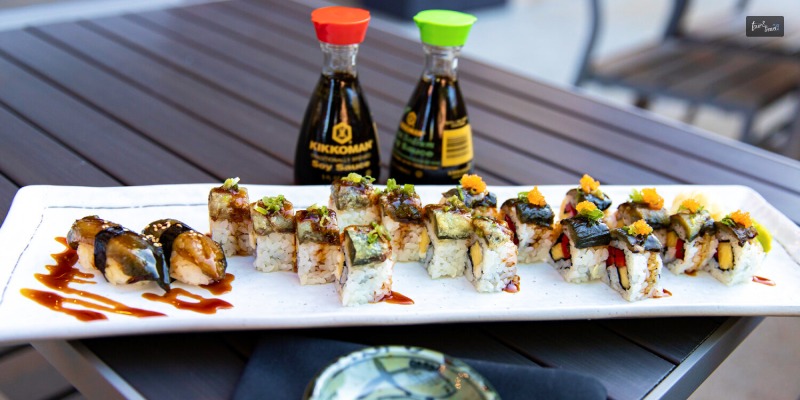
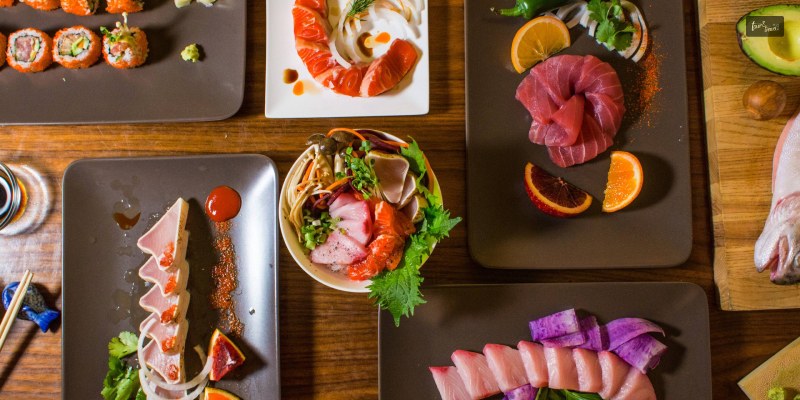
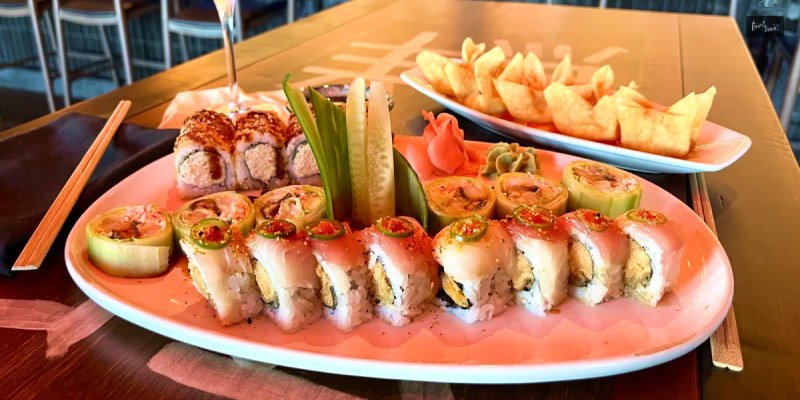
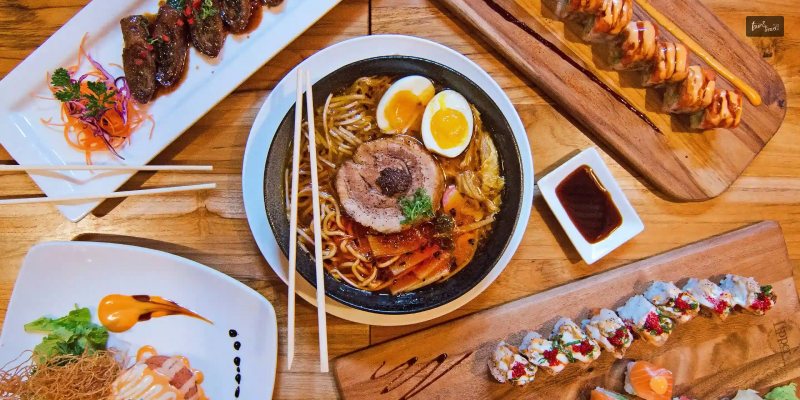
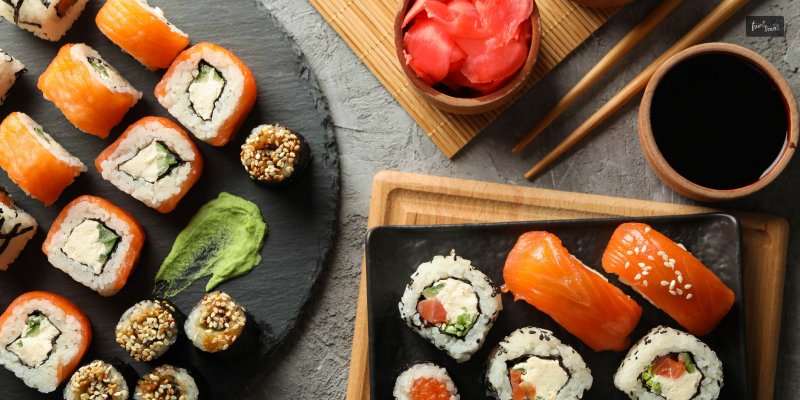
So, now that you have seen all the locations, it is obvious that you want information on the Blue Sushi Sake grill menu! The brand mostly serves a similar menu in all the different locations, and it’s so yum – moreover, the cute tagline ‘where happy oceans and feel good sushi meet’ makes you want to order more!

Let’s look at the gastronomic menu of Blue Sushi Sake Grill!

Starters:

Starters
Image Source: i0.wp.com
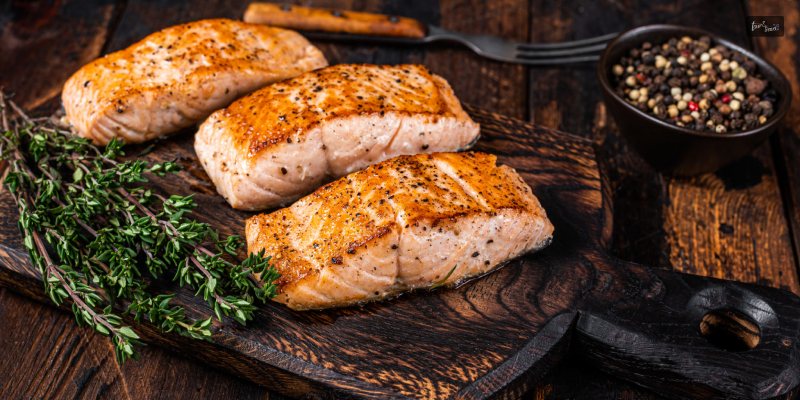
  • Edamame,
  • Charred Edamame,
  • Miso Soup,
  • Coconut Crab Soup,
  • House Salad,
  • Seaweed Salad, and
  • Cucumber Sunomono.

Speciality Nigiri:

Speciality Nigiri
Image Source: tb-static.uber.com
  • Blue Kani,
  • Cherry Bomb,
  • Itchy Salmon,
  • Itchy Seabass, and
  • ‘Everything Smoked’ Salmon.

Speciality Sashimi:

Speciality Sashimi
Image Source: giorgiotruffleshop.com
  • Truffle Salmon,
  • Ceviche-Style Hirame,
  • Madai Chimichurri,
  • Tuna Tataki, and
  • Yellowtail Serano.

Classic Maki (Not Raw):

Classic Maki (Not Raw)
Image Source: www.pressurecookrecipes.com
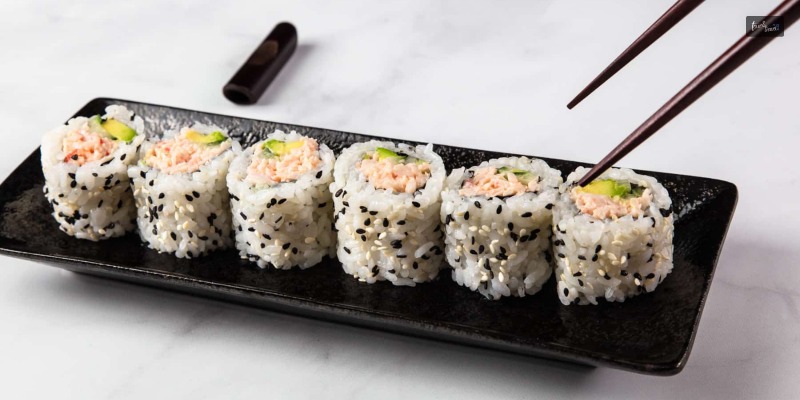
  • Cali Roll,
  • Crunchy Blue,
  • Crunchy L.A.
  • Just Shrimp Tempura Maki, and
  • Spicy Tako.

Classic Maki (Raw):

Classic Maki (Raw)
Image Source: images-cdn.welcomesoftware.com
  • Cabo Roll,
  • Negi Yellowtail,
  • Philadelphia,
  • Rainbow Roll,
  • Sake,
  • Spicy Sake,
  • Spicy Tekka,
  • Tekka, and
  • Spider Maki.

Vegan Maki:

Vegan Maki
Image Source: i.guim.co.uk
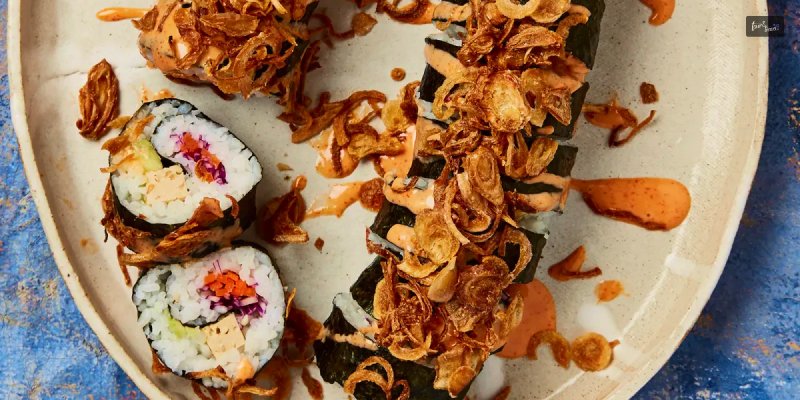
  • Up In Smoke,
  • Avo Kaluna,
  • Cowgirl,
  • Crunchy Cabbage,
  • Eden Roll,
  • Green Goddess,
  • Prince Roll,
  • Vegan Hot Popper,
  • Shitake To Me,
  • Thai Hippie,
  • Unami Express,
  • Unami Maki,
  • Vegan Black Dragon,
  • Vegan Hot Night,
  • Vegan South Pacific,
  • Veggie,
  • Vegan Philadelphia, and
  • V.L.T.

And there’s more – there’s a bento box option for kids under 12, shared plates, specialty maki, and a yummy section featuring both Sashimi and Nigiri. This saves you so much time! You do not need to google ‘Blue Sushi Sake Grill Austin menu’ or even ‘Blue Sushi Denver’ – it’s all the same, and it’s right here!

Blue Sushi Sake Grill And The Chain’s Environmental Impact: The Conscious Earth Campaign

Blue Sushi Sake Grill And The Chain’s Environmental Impact: The Conscious Earth Campaign
Image Source: s.hdnux.com

The official website of the Blue Sushi Sake Grill talks at length about its Conscious Earth campaign. According to the brand, they are on a consistent journey to serve delicious sushi without negatively impacting the oceans.

This basically means that the brand is making informed decisions related to how they source their meats and seafood. Conscious Earth is not just a program for boosting sustainability – it is also the brand’s commitment to source their seafood responsibly and, at the same time, respect the Earth’s ecosystem by sea and land.

To make matters fact-checked, Blue Sushi Sake Grill has their own map with a real-time view of where their fishes are responsibly caught and subsequently raised. The brand also believes in partnering with different organizations that are equally committed to preserving the environment.

What more do you need? The Blue Sushi Sake Grill not just serves great food but also happens to be committed to preserving the environment!

Bon Appétit!

And that’s a wrap on the Blue Sushi Sake Grill – you know about the locations, the menus, the reviews, and their Conscious Earth campaign. Now, without wasting any time, you have to visit this chain restaurant. And if you have already visited this popular sushi chain, then you have to share your experiences with us in the comments below.

Read Also:

Share on Social Media

Barsha Bhattacharya is a senior content writing executive. As a marketing enthusiast and professional for the past 4 years, writing is new to Barsha. And she is loving every bit of it. Her niches are marketing, lifestyle, wellness, travel and entertainment. Apart from writing, Barsha loves to travel, binge-watch, research conspiracy theories, Instagram and overthink.

3 responses to “Blue Sushi Sake Grill – Restaurant Locations, Menu, And Reviews”

  1. Your content is absolutely amazing! I’d like to convey my gratitude for providing such helpful information with viewers. Your consistent updates continuously bring captivating and inspiring perspectives. Never stop blessing us with your amazing expertise!

  2. Incredibly enthusiastic to share my thoughts here! 🌟 This content is astonishingly innovative, combining creativity with insight in a way that’s both engaging and enlightening. Every detail seems meticulously crafted, demonstrating a deep grasp and passion for the subject. It’s extraordinary to find such a perfect blend of information and entertainment! Major applause to everyone involved in creating this masterpiece. Your hard work and dedication shine brightly, and it’s an absolute joy to witness. Looking forward to seeing more of this incredible work in the future! Keep amazing us all! 🚀👏💫 #Inspired #CreativityAtItsBest

Leave a Reply

Your email address will not be published. Required fields are marked *

title-img Related

READ MORE Rest P Ir Estilosa Perto

Rest P Ir Estilosa Perto: Find Stylish Spots In Brazil

BY  Sibashree Oct 8, 2025

Brazil’s one of those places that just buzzes with energy — the colors, the music, the people, the food. It’s wild how every corner feels alive. And when it comes to eating out, this country doesn’t play around. Whether you live here or you’re just passing through with a hungry stomach and Google Maps open, finding a stylish restaurant (yep, “Rest P Ir Estilosa Perto”) is easier than ever. Let’s wander through some of the coolest Brazilian spots where flavor meets serious flair. 1. D.O.M – São Paulo View this post on Instagram A post shared by D.O.M. Gastronomia Brasileira (@d.o.m.restaurante) If São Paulo had a culinary capital, D.O.M would probably be it. Chef Alex Atala’s the brain behind this masterpiece — he’s the kind of guy who takes wild Amazonian herbs and somehow turns them into fine art on a plate. Everything here screams modern minimalism but never feels cold. Think sleek wood, calm lighting, and dishes that look too perfect to touch for a second — until you can’t help yourself. If “Rest P Ir Estilosa Perto” is your search, D.O.M sits at the top of that list, no doubt. 2. Maní – São Paulo View this post on Instagram A post shared by Maní Manioca (@manimanioca) Maní feels like a warm hug disguised as a restaurant. Chef Helena Rizzo has this magic way of blending traditional Brazilian comfort food with little bursts of innovation that make you raise an eyebrow (in a good way). The place isn’t stiff — it’s beautiful, but cozy, like you’re having dinner at that artsy friend’s house who always lights candles and plays soft music. The plates? Tiny masterpieces that somehow taste like home. 3. Fasano – Rio de Janeiro Now, Fasano in Rio… that’s a whole vibe. You’ve got the sound of waves rolling in from Ipanema, the smell of the ocean, and the low hum of soft chatter mixed with clinking glasses. It’s classy, no doubt about it — polished service, rich Italian-Brazilian flavors, and that timeless atmosphere that makes you wanna slow down, order dessert, and just stay a bit longer. Looking for “Rest P Ir Estilosa Perto” in Rio? This one’s hard to top. 4. Oro – Rio de Janeiro View this post on Instagram A post shared by Oro Restaurante (@oro_restaurante) Oro’s what happens when tradition and experimentation collide in the best possible way. Chef Felipe Bronze basically plays with fire — literally — using open flames and modern tricks to twist classic Brazilian dishes into something completely new. The space itself feels modern and alive, like a stage for his creativity. One bite, and you get why people call it a must-try. It’s stylish, yes, but it’s also kind of exciting — you can smell the innovation before the food even hits the table. 5. A Casa do Porco – São Paulo A Casa do Porco doesn’t take itself too seriously, and maybe that’s what makes it genius. This downtown São Paulo gem celebrates pork in all its glory — roasted, braised, smoked, you name it. It’s casual, it’s loud, it’s packed with energy. There’s art on the walls, laughter in the air, and plates that look good enough to photograph but taste even better. Locals love it, travelers rave about it, and let’s be honest — it’s a total flex on your feed. 6. Aprazível – Rio de Janeiro View this post on Instagram A post shared by TERRITÓRIO APRAZÍVEL (@aprazivel) Picture this: you’re sitting up in Santa Teresa, surrounded by trees, looking out over Rio’s skyline while the sky turns pink. That’s Aprazível. It’s got that effortlessly elegant charm — wooden tables, soft lights, the smell of grilled food floating in the air. The dishes are all classic Brazilian flavors, served with that little touch that says “we care.” It’s calm, romantic, and just the right amount of fancy without trying too hard. Locals treat it like a secret, even though it’s too good to keep quiet. 7. Tordesilhas – São Paulo Tordesilhas feels like a warm invitation to rediscover Brazil through food. It’s refined but never distant — more like a love letter to every region’s flavors, written with style. Inside, everything glows: the lighting, the wood, the warmth of people who genuinely want you to have a great meal. Dishes are rooted in tradition but plated with elegance. It’s a rare balance — comfort food that looks like art. Why Stylish Dining Matters in Brazil Here’s the thing: in Brazil, food’s never just food. It’s rhythm. It’s storytelling. The best restaurants here get that — they make you feel something before you even take a bite. The music, the décor, the energy — it all matters. A stylish spot isn’t about showing off; it’s about creating a vibe that hits you from the second you walk in. With so many trendy, creative restaurants popping up all over São Paulo and Rio, finding “Rest P Ir Estilosa Perto” has become almost too easy. Whether you’re chasing fine dining perfection or just want a cozy, camera-ready spot with killer food, Brazil’s got your table waiting. Conclusion Exploring Brazil’s dining scene feels a lot like falling in love — a little unexpected, sometimes bold, but always unforgettable. From D.O.M’s artistic plates to Aprazível’s dreamy hilltop dinners, each spot has its own way of mixing flavor and style. So next time you’re in Brazil and searching for Rest P Ir Estilosa Perto, trust your gut (literally). These places aren’t just restaurants — they’re little stories you get to taste. Read Also: Easiest Countries To Get Citizenship In 2025: Let’s Know The Names Rio de Janeiro Travel Guide: What Your Brazilian Real Gets You 8 Must-Visit Vacation Spots For Nature Lovers

READ MORE Cold-Weather Camping

Military-Style Winter Tents With Wood Stove: Dependable Comfort For Cold-Weather Camping

BY  Sibashree Nov 18, 2025

When temperatures drop and the snow keeps falling, a military-style winter tent with a wood stove becomes more than shelter—it’s the difference between enduring the cold and enjoying it.  Built for stability and warmth, these tents combine rugged fabrics, reinforced frames, and heat-safe stove jacks for reliable protection in harsh conditions. Today’s designs take that proven military strength and merge it with modern engineering.  An inflatable camping tent sets up fast without heavy poles, keeping your camp efficient and warm.  For longer expeditions, choosing the right winter tent ensures a safe balance between insulation and ventilation.  Moreover,  when your trip turns into true winter tent camping, a well-built hot tent lets you rest, dry gear, and cook inside while snow piles outside. Proper harsh cold-weather camping requires adequate gear. Thus, it is important to ensure that people do not suffer from a shivering cold. What Defines A True Military-Grade Hot Tent & How Does It Help In Cold-Weather Camping A military-grade hot tent is built to perform where the cold is relentless and the wind never stops.  Its strength begins with the fabric—dense, tear-resistant, and coated to block moisture while allowing controlled airflow.  Seams are double-stitched and heat-sealed to prevent leaks, and tension points are reinforced to hold shape under snow load.  Inside, an integrated stove jack made of fire-resistant material allows safe operation of a wood stove without damaging the canopy. Beyond materials, structure matters. The frame or inflatable skeleton must handle repeated freezing cycles without cracking or warping. Moreover,  the doors and vents are positioned for cross-ventilation to minimize condensation while maintaining interior warmth.  Moreover, this balance of durability, insulation, and controlled ventilation distinguishes an ordinary camping shelter from a genuine army tent with stove capability. The army tent is designed to keep crews safe and operational through winter extremes. 1. Stove Jack And Safety In Extreme Cold Start with fit and materials. The stove jack must be fire-resistant and matched to the pipe’s outside diameter so the collar seals without crushing the flue.  Add a heat shield or jack boot and use a short double-wall section near the exit to tame radiant heat.  Keep the chimney as straight and tall as practical, cap it with a spark arrestor, and confirm a steady draft before loading the firebox. Manage heat at the source. Set the stove on a fireproof mat, maintain clearances from walls and gear, and route guy lines where no one can bump hot pipe. Burn seasoned wood. Thus, wet or resinous fuel increases the risk of smoke, creosote, and CO. Vent with intent. Crack a low intake and a high exhaust vent to create cross-flow that controls condensation and carbon monoxide. Run a compact CO alarm. Operate with discipline. Gloves for pipe handling, daily ash removal, regular creosote checks, and no unattended flame. If no fire watch is planned, extinguish before sleep. 2. Why Inflatable Tents Fit Military-Style Needs Today Inflatable architecture replaces rigid poles with airbeams that keep even tension across the canopy, improving wind stability and snow-load handling. Setup is predictable: connect the pump, inflate to spec, and fine-tune guy lines without wrestling frozen joints or seized fittings.  With fewer metal bridges from inside to outside, an inflatable hot tent loses less heat to conduction and stays quieter in gusts. Cold-weather reliability improves, too. Multi-chamber designs add redundancy, and small punctures are field-repairable with a basic kit.  Curved geometry reduces flapping, helps shed spindrift, and preserves a clean stove clearance zone.  Packability is strong for the floor area—rolled beams ride securely on a sled or ATV, and the weight distribution is easier on long approaches. For teams that work in real winter, an inflatable winter tent delivers military-style discipline—fast deployment, controlled ventilation, and stable heat—without excess bulk.  RBM Outdoors focuses on this balance of durability and comfort, giving crews a 4-season shelter that performs when temperatures plunge. Thus, this acts as the ideal gear for cold-weather camping 3. Layout And Capacity For Winter Teams: Cold-Weather Camping Plan the space around heat and traffic. Start with a clear stove zone—an open buffer for safe clearances and wood handling—then set sleeping areas along the walls, keeping a center aisle free for movement.  Near-vertical walls and tall doors make cots practical; leave a small gap behind each cot for airflow and to keep fabric off hot gear.  Use a vestibule or annex for firewood, wet boots, and sled bags so the living space stays dry. For four people, aim for one dedicated drying line and a compact table; for six to eight, add a second line and a gear rack to keep gloves and layers rotating.  Suppose the tent has a divider, split “quiet sleep” and “task” sides to control light and noise.  Place a low intake vent opposite a high vent near the stove to move moisture out without dumping heat. 4. Set Up And Field Maintenance  Of Gear And Tents For Cold-Weather Camping Prep the site first: stamp a flat pad, face the door leeward, and mark a safe stove zone. Lay the footprint, clip or zip the floor, then inflate to spec using a gauge; set primary guy lines before tensioning secondaries.  In sugar snow, bury deadman anchors or use long snow stakes. Dry-fit the chimney, keep it as vertical as possible, add a spark arrestor, and place a fireproof mat under the stove. During use, clear spindrift from ridgelines, crack low and high vents, and re-tension lines after temperature drops.  Empty ash cold, check for creosote, and inspect the jack for heat glaze. Top up the airbeam pressure in deep cold and patch small punctures immediately.  For packout, cool, dry, vent, then roll toward open valves and lash low for transport. 5. Care And Storage Tips After The Trip Dry first, store second. After shutdown, crack the low and high vents to purge steam; brush off frost so meltwater doesn’t soak into the seams.  Let the liner reach room-dry before rolling. Empty ash cold, wipe the firebox, and knock creosote from pipe sections; a clean flue protects the jack and restores draft next trip. Inspect the jack panel for glazing or scorching, and replace it if it is fatigued. Protect fabrics and hardware. Rinse grit from zippers, treat sliders lightly, and check guy lines, stake loops, and tie-outs for fray.  Reproof high-wear zones if water no longer beads. For inflatable beams, equalize pressure at room temp, clear valves of ice, and store loosely—avoid long-term compression. Stash the tent in a cool, dry place off concrete, with a small desiccant pouch in the bag. Things To Remember About Cold-Weather Camping Tents  A military-style winter tent with a wood stove should deliver three things every time: safety, steady heat, and fast deployment.  Prioritize a fire-resistant jack, disciplined ventilation, and a layout that protects people and gear.  Inflatable designs add speed and stability in deep cold, while RBM Outdoors’ focus on durable materials and practical details keeps the shelter reliable through long winters.

READ MORE custom itineraries

Are There Minimal Group Sizes Or Custom Itineraries?

BY  Sibashree Sep 5, 2025

If you’ve ever tried planning a trip with friends or family, you’ve probably asked the same thing: Do we even have enough people for this to count as a group? Or maybe the opposite: can we just make our own plan instead of sticking to theirs? Most companies draw the line somewhere around 8–10 people. That’s the usual cutoff for a group booking. Still, if you’ve got fewer folks, don’t stress.  Many operators will let you set up a custom plan—though, yep, it usually costs extra. That’s just the baseline, though. Everything shifts depending on what kind of trip you’re eyeing, where you’re headed, and even when you go. Those details can totally change the rules. So, if you are also wondering how custom itineraries help groups to plan for the perfect getaway, you are at the right place. In this blog, I am going to delve into the various aspects of custom itineraries for different group sizes. Looking into how they help and how to negotiate them. So, keep reading to know more! What Are Custom Itineraries? Unlike normal or fixed itineraries, custom itineraries refer to personalized travel plans that include a meticulously designed guide for trips. By covering how to travel, where to stay, and what to do, they provide the perfect tour guide. In addition to this, they consider the budget for the trip. So, the guide covers all the tour spots that can be managed within the budget range, which prevents overspending or going beyond the budget. Moreover, they are not generic and do not fit all. That is, based on your specific needs and demands, the itinerary is created with recommended activities, tickets, accommodation options, and more. So, it provides a completely tailored trip guide with detailed planning that meets your requirements. How Do Custom Itineraries Help Group Trip Planning? Generally, travel agents use custom itineraries while planning group trips for parties that do not fall within the size limits. So, they collect the necessary details from the group. Focusing on their budget, trip demands, accommodation needs, and activity plans. Moreover, they use the details to create a perfect group trip plan. Also, they recommend certain activities, trip destinations, and a comprehensive guide for the trip. In addition to this, solo travellers also use custom itineraries for travelling to their favorite places with their preferences. So, based on their destination plans and staycation ideas, they create the custom itineraries. Also, this helps in making the trip memorable and enjoyable without indulging in unnecessary activities, just because it is mentioned in the itinerary. How Do Group Size Requirements Vary By Trip Type? Not every trip plays by the same numbers. Adventure stuff—like safaris or hikes—tends to keep it small.  Sometimes just 4–6 people, which makes sense when you think about logistics (and honestly, it feels better that way). But if you’re talking about big bus tours or a cruise excursion, that number jumps. Think 15–20 people minimum just to make the math work out. Cultural things, like a city walking tour or even a cooking class, usually land in the middle. Around 6–8 people keep it personal but still cover costs. What Seasons Affect Group Size Requirements? Season matters—a lot. In busy tourist months, operators are usually chill because they can mash smaller groups together and still hit their targets.  Off-season? Totally different. They might stick to the rules harder or even raise the minimum just to cover expenses. There’s a silver lining, though. During shoulder seasons, many companies bend the rules a bit to pull in more bookings.  If you can travel, then you’ll probably find more flexibility (and better prices, too). What Hidden Costs Should You Consider With Custom Groups? Custom sounds amazing, right? But here’s the catch: it’s rarely just the base price. Extra fees sneak in. Private guide? Extra.  Special access after hours? Extra. Even behind-the-scenes admin costs for coordinating all the moving parts—yep, also extra. So, with the custom planning for the trips, there are always hidden costs associated with every activity and tour plan. Transport can be tricky too. Smaller groups split costs across fewer people, so per-person prices climb fast. And mid-sized groups?  They’re stuck in that awkward middle—too many for a small van but not enough to fill a full coach. In those cases, a van rental for 15 passengers is often the sweet spot. Oh, and some places add “exclusivity” charges if you want the space or service all to yourself. Always, always ask for a breakdown before you lock anything in. What Options Exist For Groups That Don't Meet Minimums? Didn’t hit the magic number? No big deal. A few workarounds exist. You could pay a small-group supplement (basically a surcharge for being fewer people).  Or, an easier option, join another group that’s already booked and running. Another route: check if the company offers “guaranteed departures.” That means the trip happens no matter what.  Downside is, you won’t usually get custom tweaks—it’s more of a fixed plan. But hey, at least you know the trip won’t get canceled. How Can You Negotiate Custom Itineraries? If you’re leaning toward a custom trip, here’s the trick: go in with a clear list of what really matters and what you can bend on. Operators are way more open to changes when you’re flexible. List out your must-haves (non-negotiable stuff) and your nice-to-haves (things you’d love but could swap).  Be ready to compromise on timing, hotels, or smaller activities. That balance—firm on priorities but loose on details—usually gets you the best outcome. Custom Itineraries For Group Trips So, where does that leave you? Well, step one is simple: jot down a wish list. Split it into “musts” and “maybes.”  When you bring that to an operator, you’ll not only save time but also make it easier for them to build something that actually works.  They see what’s important, and you still give them room to figure out the logistics. That’s how you get a trip that feels like yours without breaking all their rules. Read Also: Planning To Travel The World? How To Pack Up Your Life So It’s Ready For You When You Get Back Are You Planning A Trip To Osaka? This Is Your Quintessential Guide A Step By Step Guide On Planning A Luxury Travel Vacation