

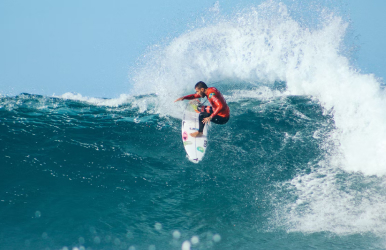
This Is What It Takes To Climb Denali in Denali National Park
BY Sibashree Jul 18, 2024
Is it your dream to climb Denali in Denali National Park? Standing at 6,190 meters height from sea level, the highest peak of North America is surely going to give you a tough time. However, the toughest routes in the world are the most alluring for travelers. So, its remote location and the deadliest terrains attract mountain lovers across the globe. As the monumental centerpiece, Denali adds to the popularity of Denali National Park. Are you also planning a climb on Denali or Mount McKinley? Here are the things you must know before you make an attempt. Many people talk about the magnificence of the peak and its beauty. I will primarily discuss how you will prepare and conduct yourself for the pain-stricken journey and sail through it. Climbing Denali in Denali National Park (How You Will Prepare Yourself) Many people find climbing Denali in Alaska’s Denali National Park more difficult than climbing Mount Everest. Extreme weather conditions, steep terrains, and fixed lines make this exotic peak one of the deadliest in the world. So, we must be particular about our preparations, and these are the areas where we need to prepare ourselves. Physical Preparedness And Endurance Physical preparedness and endurance are the most crucial things while climbing Denali. Your training activities will include the following. Fitness Test VO₂ Max Test Carrying Packs Weighing around 55lbs Hike Training at Sea Level Strength Building While attending a training session for physical strength and endurance, take a step-by-step approach to success. Working On Team Dynamics And Preparations Traveling solo is not a great idea when it comes to conquering Denali. Maintain clear communication, mutual respect, trust, and a supportive environment within the team. Trust me! Denali will challenge you in every possible way. You don’t want to add to it by having a discord within the team. Make Sure To Have The Correct Mental Training Reaching the Denali summit is going to be tough. The weather conditions and the routes will throw endless challenges. So, you have to be mentally resolute to keep at it. Train yourself mentally and learn to push limits during your physical training sessions for the Denali trek. Staying positive and being persistent is very crucial in your journey. Work On Your Technical Proficiency Climbing Denali in Denali National Park is a demanding task. Things are not going to be as easy as visiting Biscayne National Park, Everglades National Park, or any other national park. You can attend courses on the following prior to joining a trip to Denali. Ice and snow travel Crevasse rescue Self-rescue Fixed line climbing Self-arrest techniques These technical climbing skills will prepare you for adverse conditions. Be Particular About Food And Hydration Planning food and nutrition before and during climbing Denali has two aspects. You have to eat healthy and nutritious food that keeps you in shape. If you are on a guided tour, you will have a proper diet and nutrition plan that you need to follow. At the same time, having good food is crucial when it comes to climbing a height. You may face appetite issues at a higher altitude. However, you must ensure that you finish your meal properly. There will be no scope for overpacking snacks. Further, nutrition is different for each person. So, your primary diet will be rich in healthy fats and high protein. However, for the instant energy kick, you must also carry some energy food items and chocolate bars. The “Diet, Supplementation and Nutritional Habits of Climbers in High Mountain Conditions” report featured in the National Library of Medicine shows the food choices of climbers. Check the table below. Food Choices Of Climbers Canned Meat3.6%Fruit Mousses7.1%Canned Fish7.1%Halvah7.1%Dry Smoked Pork Sausage10.7%Sandwiches10.7%Dried Fruits10.7%Nuts 10.7%Instant Dishes10.7%Dried Meat28.6%Salty Snacks32.1%Jelly Beans35.7%Energy Gels39.3%Chocolate71%Freeze-dried Dishes86.8%Bars100% Data Source: Diet, Supplementation and Nutritional Habits of Climbers in High Mountain Conditions This study was conducted on 28 men, and the average age group was “33.12 ± 5.96 years.” Take Care Of Hydration Your body needs more hydration as you climb up the mountain. Water boosts the efficiency of our red blood corpuscles, which collect oxygen in the lungs. So, for proper breathing at a high altitude like Denali, you will have to keep drinking water. You also need water to stay away from body aches and injuries and preserve your energy level. Water further helps in digesting your food. Moreover, as you climb up, the air starts getting dry, and rapid breathing and an increased heartbeat promote faster loss of water from our bodies. Along with drinking 3-4 liters of water every day, you will need to take multivitamins, electrolytes, and hyperhydration solutions available in sachets. Work On Gear Selection And Preparation Pick and prepare your gear right for climbing Denali in Denali National Park. You will need to pack layered clothing, insulated boots, sleeping bags (-20 F), and mountaineering jackets. Further, if you are on a guided tour, you will be handed over a detailed kit list. Be particular about procuring the following items. Climbing helmet Balaclava Glacier glasses Goggles Crampons Ice axe Harness Climbing rope Carabiners, etc. These gears ensure that you can navigate through the hard terrain comfortably and remain connected to your team. Acclimatize With The Condition With Denali, you are going to make a trek on harsh terrains under extreme weather conditions. So, you cannot plan a successful trip to Denali without devoting some time to acclimatization. Join a group or guided expeditions that have acclimatization built into their itineraries. Did You Know? Mount Denali was renamed Mount McKinley on 28th August 2015. Denali is the third-highest peak among the Seven Summits or the tallest peaks in seven continents. Denali means “the tall one,” and its name is derived from a Native Alaskan language, Koyukon. Harry Karstens, Hudson Stuck, and their team of climbers first conquered Mount Denali in 1913. Galen Johnston became the youngest climber to Mount Denali in 2001. He was 11 years old, and he climbed the peak with his parents. Final Words Climbing Denali in Denali National Park is going to be a one-of-a-kind experience. Reaching the summit can be the ultimate reward for your years of training and preparations. Also, when your road leads to the highest peak in North America, you have to be physically and mentally fit and proficient in technical skills related to mountaineering. In addition, respect the wonder of nature and be humble so that the wonder of nature embraces you with open arms and paves your way to the summit. Have you ever been a part of a climbing team to Denali? Do you have plans to make a trip to this steep mountain soon? What do you think is most important to prepare yourself for this arduous trek? Don’t forget to share your insights with us! Denali National Park FAQs How Difficult Is Denali To Climb? Climbing Denali in Denali National Park is a serious affair. You will at least need intermediate-level expertise or advanced expertise to climb the highest peak in North America. If you are a serious climber and want to climb Denali, you must get your preparations right and acclimatize to difficult situations with some prior ventures. For preparations, you can climb the Cascades of Washington or the European Alps before your attempts to climb Denali. Further, you need to have the fitness and the agility to survive at all altitudes. You also need to be experienced in knots and hitches, rope work, and fixed-line climbing. In addition, you have to know about glacier travel, crampon techniques, and crevasse rescue. What Is The Cost Of Climbing To Denali? The cost of climbing Denali for each person will be around $400 per day. Overall, the cost of climbing Denali will be around $12000. In addition, you will have to pay the NPS climbing registration fee. The National Park Service offers a detailed breakdown of the expenses you will need to bear when climbing Denali. The expenditure includes guides, meals, and transportation costs to reach the kick-off point. What Is The Hardest Part About Climbing Denali? Climbing the north face of Denali is the hardest, as there will be encounters with avalanches at Wickersham Wall. The Wickersham Wall extends 4,572 m upward from the glacier to the northern peak of Denali. Another deadliest route for climbing Denali is the West Buttress route. Since the 1980s, there have been reports of at least 14 people dying on this route. (Source) What Is The Best Time To Climb Denali? Late April to mid-July is the best Denali climbing season. However, if you want to experience a milder temperature, you must visit the mountain in June and July. The weather is also less windy in June and July. Traveling in late July is not a great idea, though, as the snow bridges over the crevasses will start melting. Further, it will be difficult for you to reach the base camp by airplane. Climbing Denali in any season is not going to be a cakewalk for you. So, daily weather observations are crucial in determining the right time to climb the highest peak in North America. Also, it is always to be a part of guided expeditions to avoid fatal consequences and casualties. Can I Die While Climbing Denali? It would be harsh to say that you will die while climbing Denali. However, climbing the highest peak in North America is an arduous journey. You at least need an intermediate-level skill and glacier experience for the trek. However, a solo climber to Denali died recently, just as the summer climb season this year kickstarted. The body of the deceased climber was found on 20th May 2024. (Source) So, commit to the climb only if you have the desired mental and physical fitness, have the expertise and experience, and have proper safety measures in place. Also read From Hiking To Stargazing: The Top 10 National Parks In Utah! 7 Fun Things To Do In The Great Smoky Mountains National Park. Plan A Day Trip To Dry Tortugas National Park: This Is How You Will Do It.
Everglades National Park: The UNESCO Heritage Site With Its Quiet Beauty
BY Sibashree Jul 12, 2024
“A river of grass flowing imperceptibly from the hinterland into the sea.” That’s Everglades National Park, a paradise exuding the most pristine and tranquil vibe. You know, you don’t always need something out-of-the-box to have an everlasting impression. The spiritual ones know that being present in the moment and soaking in the energy can be the most fulfilling experience. Similarly, Everglades National Park does not need snow-clad mountains or glaciers to draw millions of visitors annually. A diverse ecosystem and the conservation of natural lives here thrive amidst the National Park’s quiet hub. President Harry S. Truman rightly pointed out, "Here is land, tranquil in its quiet beauty, serving not as the source of water, but as the last receiver of it. To its natural abundance we owe the spectacular plant and animal life that distinguishes this place from all others in our country." (Source) So, if you are heading to Florida and want the most immersive experience, plan a trip to Everglades National Park, a swampland just outside Miami. You will have sea turtles, alligators, manatees, Roseate spoonbills, and fish to welcome you. Everglades National Park: Know The UNESCO World Heritage Site In the Brief Synthesis of Everglades National Park and its outstanding universal value, the UNESCO World Heritage Convention says, “Everglades National Park is the largest designated sub-tropical wilderness reserve on the North American continent. Its juncture at the interface of temperate and sub-tropical America, fresh and brackish water, shallow bays and deeper coastal waters creates a complex of habitats supporting a high diversity of flora and fauna. It contains the largest mangrove ecosystem in the Western Hemisphere, the largest continuous stand of sawgrass prairie, and the most significant breeding ground for wading birds in North America.” There are many other interesting factors adding to the outstanding value of this place. Let’s have a look at them. The Everglades has limestone substrate, which is one of the most active modern carbonate sedimentation areas. It is home to more than 400 species of birds. It is a major migration corridor for birds. Around 20 threatened, endangered, or rare species live in the Everglades. The Everglades was inscribed as a UNESCO World Heritage Site in 1979. Today, various federal, global, local, and tribal governments manage the Everglades, and they work in agreement to restore the sanctity of the place. An Encounter With The Most Fascinating Wildlife At Everglades National Park Spanning 1.5 million acres over Florida’s southern part, Everglades National Park attracted 1,155,193 visitors in 2022 and 810,189 in 2023. Diverse wildlife is the major crowd-puller for this park. About the Everglades, the UNESCO World Heritage Convention says, “The mixture of subtropical and temperate wildlife species is found nowhere else in the United States.” Animals You Will Encounter At Everglades National Park Amphibians•Southern leopard frog•Florida cricket frog•Eastern narrow-mouth toad•Pig frogBirds•Roseate spoonbill•Black-bellied whistling-duck•Eurasian Wigeon•American WigeonInsects•Arachnids•Mosquitoes•Biting flies•CentipedesReptiles•Lizards•Snakes•American alligators•American crocodilesMammals•Short-finned pilot whale •Atlantic bottlenose dolphin •White-tailed deer•West Indian manatees The biodiversity of the Everglades is very crucial for Florida’s ecological benefits. The Comprehensive Everglades Restoration Plan has been there since 2000 to restore the ecosystem of the National Park. ** The table does not furnish exhaustive details of the animals found in the Everglades. Only a few species are mentioned. What’s More At Everglades National Park? Along with having an encounter with the most diverse wildlife, you can take part in boating, camping, and guided tours at the Everglades. Let’s make the most of it. Enjoy Guided Tours & Other Services You cannot help falling in love with the following guided tours at the Everglades. Shark Valley Tram Tour Everglades Institute Tours Permitted Tour Guides You can also take airboat tours to Coopertown, Everglades Safari Park, and Gator Park. Are you in for boating tours? Go for Backcountry boat tours, Florida Bay boat tours, and Ten Thousand Islands boat tours. Glamping Everglades Style You cannot just miss “glamping Everglades style” if you visit the National Park between November and April. Enjoy the best of wildlife with modern comfort during your stay in these tents equipped with fans, electricity, and other amenities. Did you know that the Flamingo Eco-tents of Everglades National Park, Florida, were featured on the list of Best Glamping Spot of 2022, published by USA Today? Glamping service here begins at $109 per night. Enjoy A Serene Boating Experience Being in the water in the Everglades will offer you the most versatile experience. As you paddle through the water, you will also meet amazing birds and fish. Further, when you pass through narrow channels of mud and seagrass cut through the long banks, you will surely catch a whiff of adventure. In addition, once you reach Ten Thousand Islands, you will be at a loss for words meeting the oyster reefs and sandbars. If you are a fan of boating and aquatic pursuits, you can also visit other National Parks in Florida, including Dry Tortugas National Park and Biscayne National Park. Stay Safe At Everglades National Park Everglades National Park has well-defined safety guidelines, including encounters with wildlife and managing your pets and children. There are also risks related to mosquitoes and poisonous plants. Don’t forget to check the National Park Service website to know and address safety concerns. Further, the park provides detailed safety guidelines regarding your visit to the park in dry and wet seasons. Staying Safe In Wet Season Afternoon downpours and heavy thunderstorms are common. Mosquito bites and attacks from flying bees will be more common. Weather will be hot (>100-degree F) and humid (over 90%). Wear loose-fitting, full-sleeved/full-length clothes and remain hydrated to beat uncomfortable heat and humidity. Also, use mosquito nets or repellents to avoid mosquito and insect bites. Staying Safe In Dry Season The temperature in the dry season is around 53-77 degrees F. Freezing conditions may occur occasionally. Biting flies and mosquitoes will still be present in some parts of the park. Bring a warm jacket, head nets, bug jackets, or mosquito repellents to avoid mosquito and insect bites. Also, wear lightweight and comfortable clothes to explore the place freely during the daytime. Are You In? Everglades National Park, the largest subtropical wilderness, is also a UNESCO World Heritage Site. It stretches over a massive two million acres across central and south Florida. It’s a paradise for wildlife enthusiasts, with various species coexisting there and contributing to biodiversity. It is also a “noteworthy example of viable biological processes.” In addition, as one of the oldest national parks in America, it was designated in 1934 by the U.S. Congress. So, are you ready to surf through miles of water and witness how a tranquil wetland can emerge as the goldmine of natural vegetation and wildlife ecstasy? Pack your bag and count me in! Everglades National Park FAQs Here are the frequently asked questions and answers about Everglades National Park. Why Is Everglades National Park So Famous? Everglades National Park is known for its extraordinary wildlife. It is the hub of rare birds, reptiles, amphibians, mammals, sea turtles, and other aquatic animals. It also has Florida Panthers, one of the most endangered mammals. Further, you will meet the endangered West Indian manatee and the most adorable bottlenose dolphin. The place even has a diversity of vegetation. You will get to see sawgrass, cypress, mangrove trees, and orchids. Why Is It Called Everglades National Park? The Everglades had vast, grassy fields or glades. If you decipher the name, you will find it to be a combination of two words, “Ever” and “Glades.” Together, these two words mean open grass fields. What Is The Best Month To Visit Everglades National Park? November to April, or the dry season, is the best or the safest time to visit the Everglades. The temperature at this place remains moderate in this season, and there are fewer attacks by insects and mosquitoes. Thanks to the lack of rainfall in Florida during this season, you can also explore the wildlife better during this period. Who Found The Everglades? John Gerard de Brahm, a British surveyor, found the Everglades while mapping the Florida coasts in 1773. He called them River Glades, and it was 1823 when the name “Everglades” first appeared on the map. From 1851, everyone started calling it “Ever Glades.” Is The Everglades Salt Water? You will have freshwater and saltwater at Everglades National Park. Once you surf through the freshwater for hundreds of miles, you will reach saltwater. Earlier, this meeting of saltwater and freshwater used to form coastal bodies with partial enclosures. These places were dynamic and had the most productive environments. What To Wear In The Everglades? You have to pick your outfits and shoes based on the season in which you are visiting the Everglades. If you are at the National Park during summer or the rainy season, you must wear full-length pants and full-sleeve shirts. Wear these to avoid mosquito bites and contact with poisonous plants. Don’t forget your rain jacket and shoes or boots you wear during rainy seasons. In winter, you will need warm jackets, closed-toe shoes, and full-length trousers. Also read Pet-Friendly Destinations Worldwide. Beginner Tips For Your First Camino De Santiago. Guide To Visiting Hegra (Madain Saleh) And The Al Ula Valley.
Plan A Day Trip to Dry Tortugas National Park: This Is How You Will Do It
BY Sibashree Jul 10, 2024
A day trip to Dry Tortugas National Park can be the best staycation plan in Miami. Like the Biscayne National Park, it also witnesses a handsome footfall yearly. In 2023, 84,285 people visited this National Park despite its remote location. Located around 70 miles west of Key West, it sits pretty at the end of the reef that stretches from Miami to the gulf. The first time I heard about this place from a friend and went through the photos she had clicked, I got goosebumps. I know it sounds hackneyed, but how can I not give in to the tranquility of the turquoise ocean and the quaint appeal of the small islands? Further, the best thing is that it is less crowded than many other national parks, such as Everglades National Park, which had more than 8 million visitors in 2023, according to the National Park Service data. So, much of its pristineness is still there. However, they say you have to put a little extra effort into taking the path less trodden by. So, planning a day trip to Dry Tortugas National Park will be elaborate, and there will be a lot of factors to consider. Should we start planning? Let’s begin with a discussion of why a visit to this National Park is absolutely worth it! Know Dry Tortugas National Park: Why Is It Famous? Dry Tortugas is a group of seven small coral islands in the Mexican Gulf. Juan Ponce de León discovered this bunch of islands, and he named them as Tortugas or turtles. He got the idea from the large number of sea turtles that were habitating there. He got to see a hundred of them there. The “Dry” part was added to the name because of the unavailability of fresh water there. So, when you visit the National Park, you get a whiff of history, a close encounter with wildlife, and the most unadulterated experience of life in the water. Sooty terns and brown noddy terns regularly nest on these islands, especially on Bush Key, making the National Park a must-visit for birders. However, you may experience a seasonal closure from July to August to not create any disturbance to the breeding birds. The best time to visit this National Park is from November to April. Also, you will have sea turtles, colorful schools of fish, and various water creatures as your host as you step into the National Park. Further, you cannot just miss the best fusion of artificial and natural architecture in the forms of Fort Jefferson and colorful coral reefs. So, despite a remote location and some concerns regarding connectivity, a visit to this National Park is completely worth it. How To Reach Dry Tortugas National Park? You can reach Dry Tortugas by boat or seaplane. You will first arrive at Garden Key. From there, you can take a ride to Dry Tortugas National Park in your personal boat or through charters and permitted tours, such as The Yankee Freedom Ferry or Key West seaplane charters. If your budget is not a constraint, you can choose the private boat or seaplane options. The first one will give you more flexibility, and you will be in charge of how you want to explore the National Park. Further, traveling by seaplane for wildlife spotting and sightseeing will save you time in transportation. The most cost-effective mode of traveling, however, is taking the Yankee Freedom Ferry. Planning The Perfect Day Tripping To Dry Tortugas National Park You need to know the places you can visit and the things to do if you want to plan a perfect day trip to Dry Tortugas National Park. Let’s know the wonders waiting for us at the National Park. Places You Can Visit At Dry Tortugas National Park Various places in Dry Tortugas National Park await to offer you a rich cultural and wildlife experience. Be it the Fort Jefferson or the swimming beaches, there is much for you to explore! Fort Jefferson Fort Jefferson on Bush Key Island houses the National Park visitor center. Built in the 1800s, it is a tell-tale symbol of the historical importance of the National Park and its islands. Very few people know that in that era, it was the largest fortification in the US. The fort also shows how it has stood the passage of time, hit by storms and waves. Garden Key Garden Key is the go-to place for snorkeling and scuba diving at Dry Tortugas. It also has campgrounds, a visitor center, and the park headquarters. The historic Fort Jefferson is on this island, and you already know how important it is as a landmark at Dry Tortugas and in Florida. Bush Key Are you a lover of pristineness? Bush Key should be on your mind thanks to its unadulterated sub-tropical vibe. It is also the home to the rarest snooty terns and brown noddy terns. Loggerhead Key Loggerhead Key is the largest island or key at Dry Tortugas. You cannot miss the lighthouse and the previous site of the Carnegie Laboratory for Marine Ecology. Also, the sea turtles will welcome you as you visit the island. Swimming Beaches Getting in the water is the best pursuit at Dry Tortugas National Park. Along with scuba diving, kayaking, and canoeing, you can also indulge in swimming. However, there is no lifeguard facility available. So, you have to be careful of the current and coral reefs. Things To Do At Dry Tortugas National Park You are bound to get dumbstruck when you visit a place that is kind of a miniature of the entire universe. It has the historic Fort Jefferson, serene blue water, rare and vibrant birds, coral reefs, and the most amazing marine life. So, once you are at this National Park, you can paddle through the open water, take part in snorkeling and scuba diving, go kayaking, and explore wildlife. Are you looking for something leisurely? How about fishing? Another thing that makes the trip to Dry Tortugas National Park amazing is the Junior Ranger Program. It is for kids and people who are young at heart. This program includes snorkeling and many other activities that allow you to be a member of the National Park Service as a junior ranger. The Perfect Dry Tortugas Day Trip: Make A Note Of These Things Thanks to the remote location of Dry Tortugas National Park, your trip planning to the place will require a lot more emphasis on your food, accommodation, and safety measures. If you are especially traveling with your family or kids, these are the aspects you need to be particular about. My friend was saying how even an ill-fitted pair of shoes can create major issues in outdoor activities or, specifically, pursuits in the water. I think that it’s true for a visit to Katmai National Park or any other National Park for that matter. Nonetheless, for now, Dry Tortugas National Park is the focus. So let’s prepare well to make the most of the adventures there. Food And Accommodation A trip to Dry Tortugas National Park is not your regular luxury vacation. So, you will get very limited services there. You will not even find any food and beverage stall or service at the National Park. Bring your own meal and water! It’s as simple as that! Amenities YOU WILL NOT GET at this National Park are: Restaurants Hotels Fuel Centers Gas Stations Marine Supplies Other Gear However, once your ferry is docked at Garden Key, you can buy some sodas and snacks onboard. You can set up your accommodation in the primitive areas of Garden Key. Also, if you have a private boat, you can spend your night in the vessel, anchored in the right place. Safety Measures You must not compromise with your safety while indulging in the beauty of ocean wilderness. Remember, you will have to travel around 68 miles through the open sea by seaplane or boat. Further, the conditions at this National Park are primitive, with no facilities for snacking, restrooms, or public telephones. So, commit to a day trip if you are physically fit and able to bring all the essentials with you. Be particular to carry your medicines, protective clothing, gears, sunscreen, etc. In addition, there will be various safety guidelines for various activities like snorkeling, kayaking/ canoeing, and exploring wildlife and marine activities. Also, there will be seasonal restrictions due to weather changes and other natural conditions. As a responsible visitor, you must abide by all these. Moreover, if you want to plan ahead, you can visit the National Park Service website to be familiar with the safety guidelines. Make Your Plan Right! Dry Tortugas National Park is one of the newest American National Parks, earning the designation in 1992. In terms of experience, it offers a mixed bag as you can encounter history and the most exotic marine life at this park. Visitors love day trips to this National Park, and this needs a lot of planning regarding the safety measures, food and accommodation, and places and activities. However, if you are in for more excitement, you can stay overnight at Dry Tortugas National Park by camping at Garden Key. That’s it! You know what you can expect at the National Park and what should be on your itinerary plan. It’s time to gear up and set in for Dry Tortugas. Dry Tortugas National Park FAQs Why Is Dry Tortugas National Park Famous? Dry Tortugas National Park is famous for the diverse experiences and activities it offers. You will meet sea turtles, rare sooty terns, and various aquatic creatures here. Further, the coral reefs and Fort Jefferson add to the allure of this mesmerizing place. What Country Owns The Dry Tortugas? The United States of America owns the Dry Tortugas. It is located in the Gulf of Mexico, around 70 miles from the West Key. Why Are Dry Tortugas Not Visited? Dry Tortugas National Park has fewer visitors because of its remote location and primitive conditions. You can only take a boat or a seaplane to get there. Also, you have to carry your food, snacks, gear, and all other essentials, as the park does not have snacking or beverage services. Further, camping is the only way out if you want to stay there as there are no hotels or lodges around. Who Was The Most Famous Prisoner At Dry Tortugas? Dr. Samuel Mudd was the most famous prisoner at Dry Tortugas. The US army abandoned him in 1878. Can You Swim In Dry Tortugas? Yes, you can swim Dry Tortugas along with taking part in other water pursuits like scuba diving, kayaking and fishing. Loggerhead Key has the calmest water around. So, it can be the best place to enjoy your time in the water. You can also take the North, South, and East Beach of Garden Key to access open water for swimming. However, there is no lifeguard facility at Dry Tortugas. So, beware of how far you are going into the water. Further, you must be aware of the current and coral reef positions.
Welcome To Biscayne National Park: Enjoy Kayaking and Canoeing At This Watery Wonder
BY Sibashree Jul 10, 2024
If you are in Florida and want to give it all for your active pursuits, your path must lead to the Biscayne National Park. With the third longest coral reef, the watery wonderland is a beautiful coexistence of wildlife, water trails, hiking spots, and life under the water. Also, did you know that as you visited Florida’s Biscayne National Park, you made a little contribution to the local and national economy? The National Park Service says, “The South Florida national parks, comprised of Big Cypress National Preserve, Biscayne National Park, Dry Tortugas National Park, and Everglades National Park, were collectively visited by 2.9 million people who spent $242.5 million and supported over 3,250 jobs in South Florida. The cumulative benefit to the South Florida economy was over $352 million.” So, is the allure palpable enough? Are you already invested in the wildlife, islands, water sports, and the urge to do a little good for the local community? Pack your bags and set in! Meanwhile, let me do all the legwork and make all the plans to join you at the park. Things To Know About Biscayne National Park Before I share the details about the kayaking and canoeing fun at the Biscayne National Park, I want to present a brief overview of the park. A visit to this park is truly a one-of-a-kind experience, and it’s like a microcosm of the universe with the falling together of land and water ecosystems. It’s time to know the park at a glance before you plan a visit. Biscayne National Park (Things To Know) Best Time to Visit Late November to April Address 9700 SW 328th Street, Sir Lancelot Jones Way, Homestead, FL 33033 Operating Hours 7:00 AM–5:30 PM, 7 days a week (except holidays) Size 172,971 acres Coral Reef Length 72,000 acres of the northernmost range of the Florida Reef Number of Visitors (in 2023) 571,242 Entrance Fee None Phone 305 230-1144 Alerts & Conditions Updated regularly Safety Concerns Mosquitoes and occasional storms Nearby Accommodation Facilities You can stay in tents and make the most of your camping experience. The camping spot is available on a first-come, first-served basis. Otherwise, you can drive west for half an hour and find hotel chains in Homestead. I know you can’t wait to have a slice of the national park ripe with outdoor adventure. So, let’s delve deeper into the water and have some kayaking fun and more! Kayaking, Canoeing, And More! Exploring The Watery Wonderland Of The Biscayne National Park 95% of the Biscayne National Park has water. So, water activities and exploring the water ecosystem are the most amazing things about the place. You can go canoeing on the open water across the coastal line and reach the stretches of mangroves. Further, you can explore the artificial islands by canoeing and kayaking. However, to have the most amazing canoeing experience and paddle with the current, you must get a tide table for the visitor center first. So, let’s start paddling and kayaking! Jones Lagoon Eco-Adventure Clear Water Paddling Fee: $109 Age Limit: 12+ for Shared Trips Duration: 3.5 Hours Get surrounded by the most amazing marine life during this clear water paddling trip. You will meet the sea turtles, Roseate Spoonbills, and baby sharks on your trip. Kayakers also love the Jones Family Historic District and Lagoon because of its historic importance. It features on the National Register of Historic Places. The Jones Family Historic District consists of Porgy Key and Totten Key. The Jones family stayed there during the 1800s and started growing limes and pineapples. Also, in the early 20th century, they sold their property stretching over a whopping 277 acres and became millionaires. It was a rare incident then in this part of the world for an African American to have this fortune. Debris Cleanups with Guided Jones Lagoon Paddle Fee: $50 Age Limit: 12+ Duration: 6 Hours How about enjoying the beauty and diversity of Biscayne National Park and contributing to its conservation simultaneously? This debris cleanup and Jones Lagoon paddle trip involves cleaning the debris across the mangrove coastal line and enjoying a relaxing paddle through Jones Lagoon. At the end of the trip, you will return to the Dante Fascell Visitor Center and unload the debris. Kayak the Mangroves Fee: $39 Age Limit: 6+ for Shared Trips Duration: 1.5 Hours The mangrove stretch at Biscayne National Park is home to many animals. It is also one of the longest bordering mangrove stretches on the left of the eastern shoreline of the United States. So, it’s time to meet the tree crabs, fish, animals, and snakes residing in the mangroves. The best part of this tour is that it is partially guided. The naturalist will guide you for the first half an hour, and from there, you can paddle on your own and take charge of how you want to enjoy the trip. Sail, Paddle, And Snorkel At Biscayne National Park Fee: $209 Age Limit: 8+ for Shared Trips Duration: 6 Hours This trip involves exploring through the mangrove forest, kayaking, and snorkeling. The trip starts from the Dante Fascell Visitor Center in Homestead. Snorkel and Paddle Fee: $209 Age Limit: 12+ for Shared Trips Duration: 6 Hours This snorkel and paddle trip at Biscayne National Park is the best to experience aquatic diversity. The rays, dolphins, and sea turtles await to welcome you to their lives. Further, an encounter with the coral reef is going to be the best experience you can think of. Also, if you are a birder, you cannot just miss the Roseate Spoonbills while padding. The mangrove forests stretching through the route once again speak of the biodiversity present in the park. Your guide on the Captain of the National Park will explain the nature of the inhabitants, how they coexist, and the history of the place. It’s the best chef’s kiss you can expect on a trip. Kayaking Through The Seagrasses of Stiltsville Fee: $109 Age Limit: 12+ Duration: 3 Hours Must-Have: Prior Kayaking Experience As you paddle through the water, the Stiltsville houses on the seagrass banks will be your roadmap to history. This ride is also about the most delightful encounter with the wildlife at Biscayne National Park. You will even learn why these seagrass banks are important for the ecosystem of the national park. Do you have this thing for everything quaint? The sunken barge on this route stands as a remarkable piece of eulogy. For the trip, you will start from Coconut Grove and kayak to the bay to start paddling. You Can’t Miss The Third Longest Coral Reef At The Biscayne National Park Biscayne National Park promises you a kaleidoscopic experience with the third-longest coral reef in the world. The living coral reef, with its rhythmic movements and embrace of the pork fish and nurse sharks, presents an unforgettable visual experience. The soft corals in the reef dance to the current and create movements. It’s mesmerizing to know how the polyps make the most beautiful structures by collecting calcium from seawater. In some parts, the coral reef looks like the most vivacious flowers, and in other parts, it will appear like elk antlers or mountains. On and around the reef, you will also come across the following creatures: Sea fans Sea whips Bright sponges Christmas tree worms Fish, shrimps, crabs (They visit to eat the algae gathered on the coral reef.) Overall, it’s a rainbow of colors with red, purple, orange, and green dominating the spectrum. How To Visit Biscayne National Park? You can visit the Dante Fascell Visitor Center of the Biscayne National Park from the US Highway 1 (from north and south) or the Florida Turnpike (from north). Reaching The Biscayne National Park From North From Florida Turnpike First, choose exit 6. Then, reach the exit ramp and take a left turn to continue moving south to SW 328th Street. Now, take a left turn on the 328th Street. Further, drive for four miles to reach the end of the road. Find the park entrance on your left. From The US Highway 1 You have to drive south toward Homestead, take SW 137th Avenue, and turn left. You will reach SW 328th Street after a five-mile drive. From here, you will have to take a left turn and drive for four miles. Once you get to the end of the road, you will find the park entrance on your left. Reaching The Biscayne National Park From South You can reach the Biscayne National Park from US Highway 1 while traveling from the south. Then, drive north and reach Homestead. There, you take a right turn on SW 344th Street. Further, continue for four miles until the road near the Homestead Speedway takes a northern turn. Next, reach the SW 328th Street and head east. Now, you will have to drive for four miles to reach the end of the road. The entrance of the Biscayne National Park will be on your left. Fun Facts About The Biscayne National Park The series of sandy, low-lying, and small islands here are known as keys. Eliott Key is the largest key or island in the Biscayne National Park. Boca Chita Key is the most popular island here. Also, it is known for its 65-foot lighthouse constructed in the 1930s. See You There! Biscayne National Park is a destination that will spoil you with choices. The kayaking and canoeing activities are there, and you can also take a deep dive to have a one-on-one with the fascinating marine life. If you want more outdoor pursuits in the water, you can try swimming and fishing. Further, the park does not disappoint wildlife lovers and tourists who love exploring history. The Jones Family Historic District at the park features on the National Register of Historic Places. Also, the dolphins, birds, turtles, and fish are there to offer you the most amazing wildlife experience. And the list is endless! The things to do and see at the Biscayne National Park! So, let’s quickly wrap up my guide and plan a visit to the park. See you there soon! Biscayne National Park FAQ What Is Biscayne National Park? Biscayne National Park in Florida is one of the most visited National Parks in America. It is known for its diverse ecosystem and historical importance. Further, it has the third-largest coral reef in the world. How Do I Access Biscayne National Park? You can reach Biscayne National Park through US Highway 1 or the Florida Turnpike if you are driving from the north. If you are traveling from the south, you will have to take US Highway 1. What Activities Can I Do at Biscayne National Park? At Biscayne National Park, your outdoor pursuits are going to be endless. You can enjoy the following activities. Snorkeling Diving Kayaking Paddling Exploring the mangroves Visiting coral reefs The park also offers opportunities to experience the best marine life by observing manatees, sea turtles, and various marine creatures. What Landmarks Can Be Found In Biscayne National Park? Biscayne National Park has the following landmarks. Maritime Heritage Trail Stiltsville Living Coral exhibit at the Dante Fascell Visitor Center Is There Scuba Diving At Biscayne National Park? Yes, you can do scuba diving in clear waters at Biscayne National Park. You will encounter coral reefs, vibrant marine life, and shipwrecks while scuba diving. When Did Biscayne National Park Become A National Park? In 1968, Biscayne National Park was established as a national monument. Years later, in 1980, it got the designation of a National Park. Also read Enjoy The Best Amusement Park In Cancun. The 4 Best Parks In Cancun You Have To Visit. From Hiking To Stargazing: The Top 10 National Parks In Utah!

Using Custom Flags and Event Signs For Effective Branding
BY Sibashree Jul 9, 2024
Brand identity is essential in business due to competition. It ensures that people notice and are interested in the product or service an organization is selling. Therefore, most companies focus on marketing, especially using custom flags and event signs for effective branding. Custom flags and event signs are excellent methods of creating a solid brand image that will help convey your message to the targeted audience. These promotional tools also have the characteristics of being stylish and very useful in different occasions and advertisements. Therefore, if you wish to learn how to use custom flags and event signs to take your brand to the next level, you are on the right website. Read this post till the end to learn how to use these tools for effective marketing in 2024! Why Does Visual Branding Matter So Much? Visual branding plays a significant role in how consumers perceive your business. It encompasses everything from your logo, color scheme, design of your marketing materials, and more. Moreover, Custom flags and event signs are excellent tools for visual branding because they are obvious and customizable. Thus, they become great tools for visualizing your brand image to the public using effective marketing strategies! Therefore, by incorporating these elements into your marketing strategy, you can create a cohesive and memorable brand image! This helps drive your brand identity across your target audience - one of the primary goals of effective branding in marketing! The Impact of Custom Flags and Event Signs on Branding Your company banners and event posters make a huge difference in event branding, trade shows, and even outside your store. They are some of the most effective branding tools that should capture the attention of your target audience and pass your brand message. Therefore, whether it is a bright flag flying high or a perfect event poster, such visuals are capable of giving a message about the brand out there. Benefits of Using Custom Flags for Effective Branding The primary benefits of using custom flags for effective branding in 2024 are: 1. High Visibility The primary benefit of using custom flags is that they are quite conspicuous. Alone, they can speak loudly and can be seen from a distance if you place them correctly. Moreover, you can place them anywhere, like on the back of a truck, a booth, a store, etc. Additionally, they can attract people to your side of the company. As they are moving and well-lit, people cannot help following them with their eyes! Thus, using them is one of the most effective branding strategies to attract more people to a business place! 2. Versatility You can classify custom flags into different categories. This categorization depends on their size and shape, which you can use for different occasions and effective branding strategies. Additionally, there are many options that one can select from. Thus, you get options for using one that needs a big and sturdy flag for an event that is going to be held outside. Or do you need one that is small enough to fit inside? Therefore, you can say that they serve multiple purposes. You can utilize them in numerous scenes, ensuring there is continuity in your brand. 3. Cost-Effective Marketing Other than being a cost-effective method of effective branding, custom flags are also a very good investment. They are reusable and thus give long-term value since you can use them over and over again for different occasions. Moreover, they cost little money to set up if you compare their setup costs to any other methods of advertising. This benefit makes them suitable for business people of all classes. Advantages of Using Event Signs for Effective Branding The primary advantages of using event signs for efficient branding in 2024 are: 1. Professional Appearance Some forms of signs serve the purpose of providing a professional outlook to your arrangement and your booth or exhibition. Therefore, you must ensure that the signs are of good quality. In addition, you must ensure that the message on them should be clear enough to relay vital information about the various goods or services you are offering. 2. Customization Same as with custom flags, event signs can be custom-made to correspond to your company’s image. This is necessary for effective branding because you can use the best color palette and fonts to reflect your brand! For instance, you can upload your logo and slogan on all your effective branding custom event signs. Therefore, this level of customization ensures that the signs directing people to your brand delivery point pass the right message. 3. Direction and Information Not only do event signs serve the purpose of brand promotion, but you can also use them to give direction and important information. Therefore, you can use them to direct people to your booth, advertise a discount or perhaps an offer, or publicize your numbers, use them. This effective branding factor improves the way you address your audience and makes them relate to your brand. How to use Custom Flags and Event Signs the Right Way? Now that you know why custom flags anbd evcent signs are necessary for effective branding, do you know how to use them the right way? Here are some great pro tips on how to use custom flags and event signs for effective branding in 2024: 1. Consistent Branding First, remember that all your custom flags and signs at the event should be in likeness to the student organization. Therefore, ensure that you stick to the specific brand colors and fonts as well as the brand logo. It’s necessary to do so since they affirm your brand statement. Moreover, consistency enables a brand to gain popularity and be trusted by the fans or followers in the market. 2. Strategic Placement Ensure that you properly position your flags and signs so that people can see them easily. Therefore, we recommend you place them in well-lit areas, which customers are likely to access frequently. For instance, use flags at doors, entryways, and areas that people frequent most. Alternatively, use signs in places they can easily see without straining their eyes too much! 3. Clear and Concise Messaging Make the messages (text) on your flags and signs simple and short. Additionally, ensure that the font is assertive and clear to pass your message to the reader as soon as possible. Writing a lot of information may confuse the audience a lot while reading. Therefore, ensure you give only a summary of the points that you wish them to grasp. Conclusion: Show Them Your Flags and Signs! It would be best to remember that effective branding should include custom flags and event signs to boost your brand's effect. These promotional tools are flexible, inexpensive, and very useful in grabbing people's attention and passing your message to the public. Therefore, use such effective branding tools to ensure that your brand creates a long-lasting image in the minds of your customers by taking it to another level! Thanks for reading this post! If this post helped improve your effective branding strategy, please comment below and share this with others! Read More: Seamless Connectivity In Argentina: Exploring Esim Cards And Beyond For Travelers Find Hotels Near Rome’s Top Attractions And What Parts Of The City To Stay In Top 8 Travel Medical Insurance Trends To Consider
Boat Charter Miami: Essential Tips for a Great Experience
BY Sibashree Jul 9, 2024
Going for a yacht rental adventure in Miami? The trip unlocks a world of exclusive experiences. Many thrilling opportunities await you, too. Whether planning a serene family outing or a lively boat party, Boat Charter Miami is the best option. Miami’s waters promise unforgettable experiences. This guide offers essential tips to make your Miami FL yacht rental or boat trip a once-in-a-lifetime experience. Deciphering the Spectrum of Choices Miami is one of the best destinations for maritime trips. From the opulent decks of luxury yachts to enjoyable boat parties, the city caters to every nautical preference. If you're looking to rent a yacht in Miami, start by listing the activities you want to do. Is it the tranquility of a sunset sail? Or the open-roof dance parties to set the vibe? Each vessel in Miami offers something different. Yachts offer ample space to relax. You can also book a couple's boat for an intimate experience. Selecting the Perfect Yacht When you charter a yacht in Miami, the process is akin to picking a fine wine—it’s all about the perfect fit for the occasion. Here are key considerations: Size and Layout: Make sure the yacht comfortably fits your group. Amenities: Look for features like sound systems, dining areas, and sun pads. Crew: A professional crew enhances safety and enriches your experience. Each choice impacts the tone of your voyage, whether it’s a laid-back cruise or a vibrant boat party in Miami. Pro tips to elevate your yacht experience Want to enjoy a perfect Miami getaway? A private yacht experience can elevate your trip like nothing else. Before you start exploring the riches Miami offers, here’s some cautionary advice to improve your trip. Compare the prices Many agencies offer yacht charters in Miami. However, prices vary. Many factors affect the price. First, prices depend largely on season and availability. Second, your bargaining skills can go a long way toward booking yachts at fair prices. Even if you’re booking a package, bargaining and comparing prices is a must. Safety and Parameters Seems pretty lame. Maybe. But many people miss these basics, too. Hence the recap. Check whether the charter has plenty of safety equipment. Don't forget this step even if you’re traveling with a crewed charter. Often, people say they are pros at yacht booking. People make common mistakes, such as not checking a yacht’s safety before setting sail. Is the weather ok? Miami’s weather is more unpredictable than the climax of Shutter Island. So I won't repeat the importance of checking the weather forecast before getting underway. However, Miami has the most hospitable weather from November to April. If you can’t book a holiday slot for prime time, don't worry. Boat Charter Miami is an unforgettable experience year-round. Just avoid the five months from June to November. Miami invites most hurricanes during this time. Planning Your Itinerary Your Boat Charter Miami can be as relaxed or as structured as you like. But there are things you cannot miss. For instance, you can’t miss the famous Star Island. Also, a yacht ride along the Miami River is a must-do. If you're renting a boat in Miami, it's best to set sail from less crowded docks. You may also start sailing from the waterfront restaurants. However, I suggest booking private charters. In other words, you need a private sail to tailor the trip according to your preferences. That’s all. Now you have a vibing Miami trip. Experiencing Miami by Water A yacht charter in Miami isn’t just about the boat—it’s a gateway to a different perspective. Imagine gliding past Miami's skyline at sunset or anchoring in vibrant South Beach for a swim. These moments, framed by the azure waters and balmy breezes, form the essence of a Miami boat rental experience. What to Pack? Packing right is key to an optimal Miami yacht rental experience. Essentials include: Sun Protection: Sunscreen, hats, and sunglasses. Comfortable Attire: Soft-soled shoes and light clothing. Entertainment: Music playlists, games, or snorkeling gear. Remember, every item should add comfort or entertainment, avoid unnecessary clutter to keep your yacht setting elegant. That’s not all. Let me suggest a customized packing list for your dream trip. Picking the right outfit I get many queries about the right outfit for a quirky yacht ride experience. If you want to leave a mark on your first Miami trip, here’s how you may pack your bag. I urge all travelers to be careful about three things: What time are you visiting? What robes make you most comfortable? What location are you hitting? Bathing suits are the right fit for a yacht ride. You may also flaunt shorts, skirts, light-coloured shirts, or T-shirts. Meanwhile, choose light-colored clothes if you’ll be sun-kissed for a long time. When you land for dinner or go sightseeing, ditch the swimwear. Slip into a more dressed glance. Beware of the tropical sun A sunburn is the last thing you want to bring home from your Miami trip. The tropical breeze, glaring water, and the sun can scorch you. So, bring a high-SPF sunscreen. I recommend at least SPF 50. Eye-capping goggles, hats, and long-sleeved clothing will come in handy. People also make the error of carrying tanning oils. If you follow these simple tips, your trip won’t be anything less than memorable. Hosting a Boat Party in Miami: The ambiance is key If your goal is a boat party in Miami. Consider a theme that reflects Miami’s vibrant culture, like a tropical luau or a sleek, modern soirée. Coordinate with your Miami yacht rental provider to ensure the décor, music, and catering align with your vision. Safety is paramount, so plan logistics with sobriety and emergency measures to provide a carefree and secure environment for all guests. Safety First While the sea's allure is undeniable, safety on a Miami boat trip should never be compromised. Adhere to these protocols: Briefing: Ensure everyone understands safety procedures. Life Jackets: Keep them available and accessible for everyone aboard. Captain and Crew: Confirm their qualifications and familiarity with local waters. Seamless Sailing Renting a yacht in Miami can transform an ordinary day into a spectacular adventure. So, choose the right sail. Also, plan your itinerary thoughtfully. And prioritize safety. Remember, every moment on Miami's waters should reflect luxury, comfort, and unrivaled joy. As you embark on this majestic journey, let the ocean's horizon inspire limitless possibilities for enjoyment and relaxation. Wrapping up…………. My last suggestion is to enjoy cautiously. A boat charter is an experience of a lifetime, I bet. But these packing, booking, and sailing tips can take your trip to the next level. I hope these tips will help you on your next Miami trip. Don’t forget to comment below if you need more tips on planning a boat charter in Miami. Also read Family Fun In The Gulf Of Mexico: Beaches, Boating, And More. Guide To Traveling By Private Boat: Experience A Luxury Journey On The High Seas. Exploring Canada By Boat: A Journey Through The Country’S Most Picturesque Waterways.

10 Must-Visit Music Festivals in Los Angeles
BY Sibashree Jun 24, 2024
Music festivals in Los Angeles are no surprise. But things are different and certainly more fun in Los Angeles. From hosting some of the year's most memorable concerts to launching the best musicians, the scene is more than you might imagine. However, if you don’t live in California, it can be hard to discover the latest events. So, the next time you’re planning a trip to the sunny state, here are 10 must-visit music festivals you need to attend. List Of 10 Unmissable Music Festivals In L.A Who doesn’t love being part of L.A.’s vibrant culture? Music in Los Angeles is the thread that ties us all together. Hence, if you are in and around the city, these music festivals are surely unmissable: 1. Coachella If you’ve flown to California just for Coachella, it's a good idea to rent a car at LAX. It eases down your journey to your destination. This music festival began in 1999 and has slowly become a staple of this lively city. Over 125,000 attendees attend it every year, and the event has become internationally recognized. It most often takes place in April, although dates can vary. Keep in mind that this is a pretty expensive festival to attend, and ticket prices might soar up to $500. 2. BeachLife Festival The BeachLife Festival is exactly what it sounds like. At the Redondo Beach waterfront, the whole crowd comes together to celebrate life in Southern California. The festival features mesmerizing sunset views over the water and is designed for Californians. This one of the music festivals in Los Angeles lasts about three days and takes place in May. Tickets cost around $100. That makes it a little more affordable for those just looking for a fun time filled with music. 3. Lightning In A Bottle If you ever find yourself in Central California, then Lightning in a Bottle might be the festival for you. It features electronic music and runs for 5 days in May. Along with music, the festival also offers other events through an event collective called “The DoLaB.” Attendees can take yoga and dance classes and attend sustainability talks, and the festival also features a marketplace. For 3 days, tickets cost about $350; for 5 days, tickets are about $430. 4. Stagecoach Stagecoach is one of the most well-known country music festivals, held at the same venue as Coachella. It’s a three-day festival that hosts a flea market, the Honyton Dance Hall, cooking demos from Guy Fieri’s Smokehouse, and performance shows from the Compton Cowboys. Plenty of other events are going on as well, all centered around the wonderful realm of country music. General admission usually costs around $550. 5. Cruel World Cruel World is a high-energy music festival taking place in Los Angeles’ Rose Bowl. It primarily focuses on punk, new wave, and alternative rock, away from the popular, streamlined music you’ll constantly hear on the radio. The event is relatively new because it was founded recently. However, it still draws some important headliners. This includes Duran Duran and Iggy Pop. It takes place in Pasadena, and tickets range from $200 to $300. It takes place in May. 6. Just Like Heaven Just Like Heaven is one of the music festivals in Los Angeles focused on indie and rock, and it takes place at the Rose Bowl Stadium. It also takes place in May, and attendance costs about $200. Headliners include Death Cab for Cutie, Tegan & Sara, Phoenix, and The Postal Service. The festival only takes place for one day, so it’s easy to fit into your vacation schedule. 7. HARD Summer Looking for a festival with a bit more spice? Consider HARD Summer, the festival that borders on being a rave. You can dance the night away or just relax to EDM, pop, and hip-hop over the speakers. HARD Summer is one of those high-energy festivals that takes place sometime in mid-August. You can visit it in Hollywood Park, where tickets cost between $150 and $200. Attendees must be 18 or older to enter. 8. Joshua Tree Music Festival If you don’t mind driving out to the middle of the desert, then the Joshua Tree Music Festival might be up your alley. Nestled in Joshua Tree, California, it takes place twice a year. So if you miss the first one, you'll still have a second chance before you have to wait until next year. This funky campout music festivals in Los Angeles focuses more on families and attendees of all ages. It has an eclectic vibe that keeps you guessing what’ll happen each day and offers something for everyone. The single-day passes are pretty affordable, costing up to $100, while the four-day pass is a little more than $250. 9. Wonderfront Wonderfront is located in San Diego along the coast and is known for being the place to go if you want to see the newest breakout artists. The event features seven stages, so you can pick and choose who you want to see on a particular day. Previously, the event took place in November. Now, it takes place in May, when the weather gets pleasant and warm in California. Passes are affordable, ranging from $130 to $330, depending on how many days you’d like to go. 10. Day Trip Festival Are you exploring a music festival that is a little more adult-oriented? The Day Trip Festival is a 21+ festival hosted along the Long Beach waterfront. It covers so much of the waterfront that you can easily watch the RMS Queen Mary. The latter is a 100-year-old ship that has been moored at the beach since 1967. The festival has two stages to fit more musical acts and add variety. | This lets people pick and choose which shows they want to see. An important tip to remember is that the event takes place in June, and tickets run about $230. Concluding Words: So, that was all about the music festivals taking place in and around California. The party animal in you wouldn’t let you sit in peace without attending them. With that said, we've reached the end of this article. Thank you for reading it till the end. Don't forget to share your thoughts in the comments below. You May Like: From Festivals To Spas: The Top Things To Do In Park City Utah Experience The Holi Festival In India – Cultural Festival Of Colors Festivals Of Light And Color: Experiencing Japan’s Vibrant Matsuri
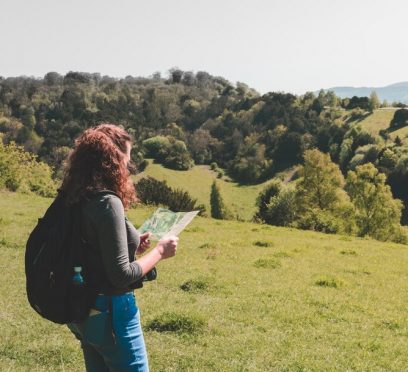
Camino de Santiago: Beginner Tips For Your First Tr
BY Sibashree Jun 19, 2024
The Camino de Santiago is a beautiful, life-changing journey that attracts new walkers every year. People love this long walk for its history, challenge, and great views. However, walking for weeks requires good planning. For beginners, a great trip depends on smart preparation. We have gathered the best tips to help you get ready. We cover everything from picking your route to packing light. These simple ideas will keep you safe and happy on the trail. Read on to start your amazing adventure with confidence! Tips For A Great Camino De Santiago Experience Now that you have a little idea about what Camino de Santiago is about, you might feel excited for your first tour! But it is more challenging than it sounds. Because it takes nearly 33 days for pilgrims to reach the destination, most people look for ways to make their journey pleasant and memorable! If you have been thinking of your first Camino de Santiago, we have you covered! Here are some of the tips that you need to keep in mind: Choosing Your Route Choosing the right route is the first step to a successful trip. The most popular routes include Camino Francés, Camino Portugués, Camino del Norte, and Camino Inglés. Each route offers multiple starting points, depending on the length and difficulty you want. Besides the popular trails, a few lesser-known routes can be great if you want to avoid crowds. So, research and compare routes. Packing smart During the Camino de Santiago, you'll carry all your belongings, so packing light will be paramount. Stick to the essentials and focus on high-quality, lightweight materials. Of course, your backpack should be comfortable enough to carry your weight as well as possible. Keeping your pack under 10% of your body weight is a good rule of thumb. Physical Preparation Physical preparation for the Camino may be needed, depending on how much you walk in your everyday life. Walking long distances for 7–14 days can be challenging, particularly towards the second half of your trip. Conditioning your body and building your stamina will help and make your journey more enjoyable. Start by taking more and longer walks a few months before your Camino adventure. Accommodation And Planning Booking your accommodation in advance is always recommended, especially during peak season. Many pilgrim hotels and hostels are along the way, with some offering affordable options. If you want more confidence planning everything yourself, many Camino agencies can do it all for you. Health And Safety Your safety always comes first, so look after yourself and your companions. Take all necessary safety precautions, such as drinking plenty of water, keeping your energy up with healthy snacks, wearing sun cream, and taking rest days if needed. It's best to have good travel insurance for your holiday. Cultural etiquette Respecting local customs and traditions is always important. Learn basic Spanish phrases to communicate with locals. Follow all the signs and rules, particularly the "Leave no Trace." principle. Most importantly, foster a positive, respectful atmosphere along the Camino. Navigating The Camino Most Camino routes are well marked. Look for yellow arrows or scallop shell signs to guide you. However, if you need help, having a guidebook or a navigation map is still a good idea if you get lost. If you're in doubt, you can always ask fellow pilgrims or locals for directions. Things To Know About Camino de Santiago The Camino de Santiago is something trekkers and pilgrims love. Many people search for what it is. Therefore, let us explain what it is! The meaning of the word 'Camino' is 'the way.' This sums up the phrase: Camino de Santiago, or the way to Santiago. Now, why Santiago? Let me tell you why! It is said that the remains of St. James are enshrined in the Cathedral of Santiago. This makes the entire pilgrimage much sought after. During the Middle Ages, pilgrims traveled to Santiago on foot and visited the Cathedral for miracles or penance. This pilgrimage has become increasingly popular since its inception in the 9th century. For instance, in 2019, authorities issued almost 350,000 Compostela certificates to pilgrims. Today, UNESCO has listed this pilgrimage as a trail. Moreover, people from across the world often visit this trail! What Are The Best Routes For The Camino de Santiago? When people start talking about the Camino, they usually think of only one route, Camino Francés. However, this is not the ONLY option that you have. You can choose from several routes depending on your time and personal preference, but there are a few you MUST know about. Let us explain each of them! 1. Camino Francés (800km, St-Jean-Pied-de-Port to Santiago) For a good reason, this is the most popular route—it's stunning! This is your go-to if you want to meet fellow pilgrims and form lasting friendships. The journey takes you through picturesque villages, rolling hills, and historic towns. 2. Camino Portugués (610km, Lisboa to Santiago) This path is slightly less crowded but equally mesmerizing. It balances solitude and companionship. You'll enjoy coastal views, lush forests, and charming towns. 3. Camino del Norte (825km, Irún to Santiago) This route is perfect for serious hikers seeking a challenge. It's considered the most difficult due to its multiple ascents and descents. But the rugged beauty of the northern coast makes it worthwhile. 4. Via de la Plata (1000km, Sevilla to Santiago) If you crave serenity, explore this lesser-known route. It connects intimately with nature, passing through quiet landscapes and historic sites. Buen Camino! The Camino de Santiago is a journey of a lifetime… Once you feel well prepared, you can enjoy yourself and your beautiful surroundings!However, if you are traveling the route, make sure you carry everything you need. If traveling here for the first time, research properly to ensure the best experience.Read More...First-Time In Spain? Try These 5 Insider Tips To Enjoy The ExperienceTraveling On A Budget: Tips For Affordable Adventures

Do I Need A Visa For Saudi Arabia? The Guide You Need
BY Sibashree Jun 7, 2024
Do I need a visa for Saudi Arabia? Well, you need a visa to visit most countries in the world, except a few. Saudi Arabia is encouraging international travellers to visit and explore the beauty of its cities and Islamic landmarks for Umrah or an adventurous trip. This is because there are many places to enjoy. In fact, tourism contributes significantly to the Saudi economy today. People from around the globe plan to visit Saudi Arabia to enjoy themselves. That's why Saudi Arabia is focusing on providing facilities to visitors so that they can enjoy themselves. The same goes for pilgrims. Pilgrimage also contributes to the Saudi economy and helps the government to maintain the spirituality of the land. This is why the Saudi government ensures pilgrims have a fulfilling experience during their stay. Cheap Umrah packages also help pilgrims in this regard. The goal is to free pilgrims from logistics and help them focus on Ibadah. However, the question is whether visitors can enter Saudi Arabia without a visa. If not, what type of visa should they consider before proceeding with their plan? Well, read ahead. Why Do I Need A VISA When Visiting Saudi Arabia? KSA is a hub for Islamic landmarks. Because the kingdom is significant in both spirituality and modernity, it has become a top priority for visitors today. Some want to explore Saudi heritage, while others seek closeness to Allah and His house, the Kaaba. But you still need a valid visa. A visa is a legal document that allows foreigners to enter a country. Like other countries, Saudi Arabia also requires a visa. For pilgrims, it's easier to get VISA approval through Umrah packages. These Umrah and Hajj deals include VISA application assistance and help ensure VISA approval. The same applies to budget plans like the 12 Nights 4-star Umrah package. You just need to arrange the required documents and enter your personal details on the visa application. Then the travel agencies handle submission and approval. Although visitors don't have to apply for visas through Umrah package deals, they still need a visa to enter Saudi Arabia. However, these visa requirements and details vary depending on the situation. So, let's see which visa type you should consider based on your plans. Who Needs A VISA? As in other countries, entering Saudi Arabia also requires a visa. A visa is a travel document or legal statement. The main purpose of requiring a visa is to define your purpose for visiting Saudi Arabia. For example, if you are a business traveller, tourist, or pilgrim, you need to apply for a specific type. In addition, visa documents are also necessary for countries to keep checks and balances on the entry and exit of tourists. Through a VISA, tourists can claim their rights from their respective country's government. It also helps ensure the country's safety and integrity. The same policy applies to Saudi Arabia. You should apply for the appropriate visa to enter KSA. However, Saudi Arabia also has exceptions. Our honourable customers living in some Gulf countries, such as Bahrain, Kuwait, Oman, and Qatar, can enter Saudi Arabia without a visa. Similarly, the VISA Waiver Agreement allows some travellers to apply for a VISA on arrival in the Kingdom of Saudi Arabia. In general, visitors need a VISA to enter Saudi Arabia. However, it is best to research whether you need a visa. And if so, what type of visa do you need? Types of VISA For Saudi Arabia Saudi Arabia earns a lot of money from tourism. It includes pilgrims and tourists alike. Therefore, Saudi Arabia focuses on enhancing the visitor experience. The visa process and requirements also reflect efforts to simplify visiting Saudi Arabia. For instance, Saudi Arabia issues different types of visa documents to travellers based on their needs. This way, the entry process into the kingdom works smoothly. In general, the price of these visa types varies depending on the purpose of the visit. For example, travellers can apply for tourist visas and stay in the country for up to 90 days. Tourist visas, Umrah visas, Hajj visas, business visas, and work visas are the most common types of visas that global travellers obtain from Saudi embassies. This visa type is valid for one year and allows multiple visits. Umrah VISA and Hajj VISA An Umrah VISA tells everything. Pilgrims apply for an Umrah VISA to perform the Umrah pilgrimage. Umrah packages also help them engage with Ziarat tours. This visa type offers a short validity period, usually limited to the duration of the Umrah pilgrimage. Similarly, pilgrims get a Hajj VISA to perform Hajj. The Hajj visa also has a short validity, often for the duration of Hajj. Business VISA Business VISA allows people to visit Saudi Arabia for work activities. For instance, with a business VISA, you can attend meetings or conferences in Saudi Arabia. However, it's a flexible visa that can be single-entry or multi-entry, depending on your work requirements and duration. Employee or Work VISA Another type of Saudi VISA is a work VISA. It's for individuals with a job offer from Saudi Arabia who want to live there as an employee. Work VISAs remain valid for the duration of the job contract or need frequent renewal. In short, Saudi Arabia streamlines entry into the kingdom. So, define the purpose of your visit and apply for a relevant visa. VISA Requirements Now you will find out what type of visa you need. After all, it's easier to spot once you know the purpose of your visit. Here, a question hits your mind: how do you apply for a Saudi VISA? You should collect all the necessary documents. These include: A valid passport Passport-size photographs VISA application form Proof of hotel accommodations in KSA Non-refundable tickets. In some cases, you may also need travel insurance, health insurance, and other required documents. Once you have the necessary documents on hand, proceed with the application process. Note that pilgrims must apply for an Umrah visa through Umrah packages. The same goes for affordable deals like the 12 Nights 4-star Umrah. However, travellers, visitors, and working employees can apply for Saudi VISAs through the eVISA portal. To proceed, follow these steps: Go to the eVISA official page and fill out the application form with personal and travel details. Upload the necessary documents and pay the VISA fee. Submit the form and wait for approval. Visitors can also apply for a VISA in person through the embassy. Take an application form and the necessary documents. Fill out the application form, attach the documents, and visit the Saudi embassy to submit the documents in person. Also, pay the fee there, as they will guide you and wait for approval. Tips To Ensure VISA Approval Applying for a Saudi visa is straightforward. Saudi Arabia streamlines the process to promote tourism. However, some people still find the whole process challenging, and it has some reasons. For instance, leaving the application form incomplete is a common mistake that can lead to a visa rejection. To avoid it, read every section of the application form carefully and fill in all the required fields. Also, double-check the form before submitting it. On the other hand, some people add inaccurate information to the application form, which can also cause visa rejection. For instance, avoid spelling mistakes, wrong passport numbers, and incorrect travel dates in the application form. The best way to avoid these mistakes is to cross-check all information against your official documents. Conclusion After that, make sure you don't miss any documents when submitting the application form. Be careful with your documents and make a list of required documents first. As you upload the documents, mark them off your list, and you're done. Similarly, poor-quality photos and late application submissions can also lead to visa rejection. So, follow the photo guidelines beforehand and also submit the application form in advance. It will save you from approval delays altogether. Additional Reading: From Sunrise To Sunset: A Day’s Itinerary For Exploring Benidorm Viva Las Vegas: Your Ultimate Travel Itinerary For An Unforgettable Trip! Ensuring Approval: The Power Of A Well-Crafted Two-Way Itinerary For Visas
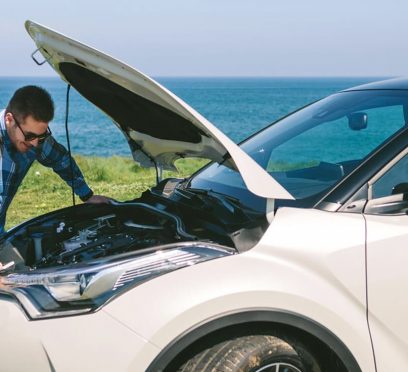
Car Checks Before A Long Journey: Road Trip Ready Checklist
BY Sibashree Jun 5, 2024