
Which Is The Best Time To Visit Nainital?

Sep 6, 2022

Last Updated on: Jun 1, 2026

Travel Guides

Despite the “Mind Your Own Business” video going viral and the debate between tourists and locals about using trash bins becoming the latest buzz, Nainital remains one of the most popular hill stations in India. 

While overtourism can be a concern in this hill station or the state of Uttarakhand, you cannot ignore the fact that Taluka in Nainital introduced astrology tourism with the Nakshatra Sabha event in December 2024. 

It was the fourth chapter of the first-ever astroturism campaign in India, organized by the Uttarakhand Tourism Development Board and Starscapes, a leading astrotourism company in the country. 

Thanks to clear weather conditions, December is the best time to visit Nainital for stargazing. However, is it the best time to visit Nainital for a family trip?

In this Tour and Travel blog, we will discuss the ideal time for a Nainital trip with family and the places to visit every season. 

Before that, let’s briefly overview Nainital as a travel destination. 

Why Visit Nainital: Know The Lake District Of India

Why Visit Nainital_ Know The Lake District Of India
  • Nearest Airport: Pantnagar Airport (Distance: 40 Km)
  • Nearest Railway Station: Kathgodam Railway Station (Distance: 35 Km)

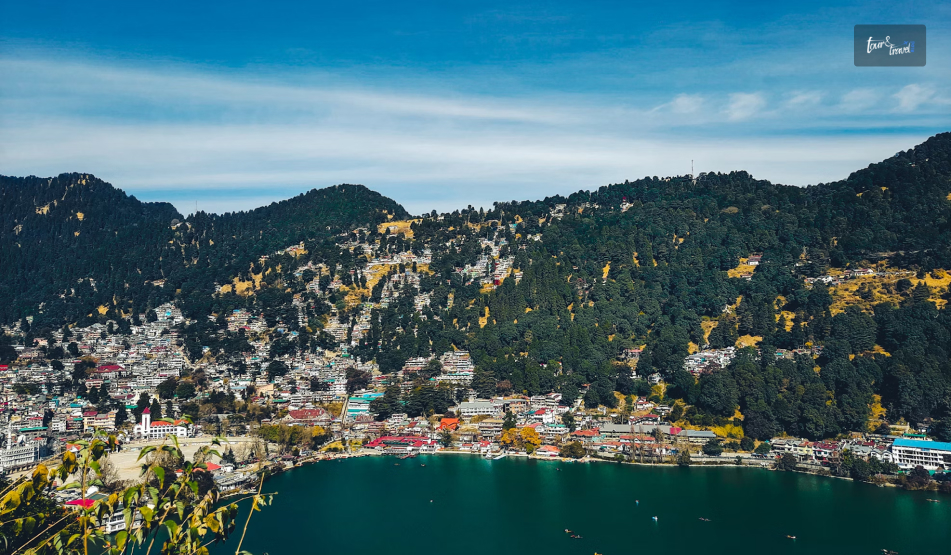
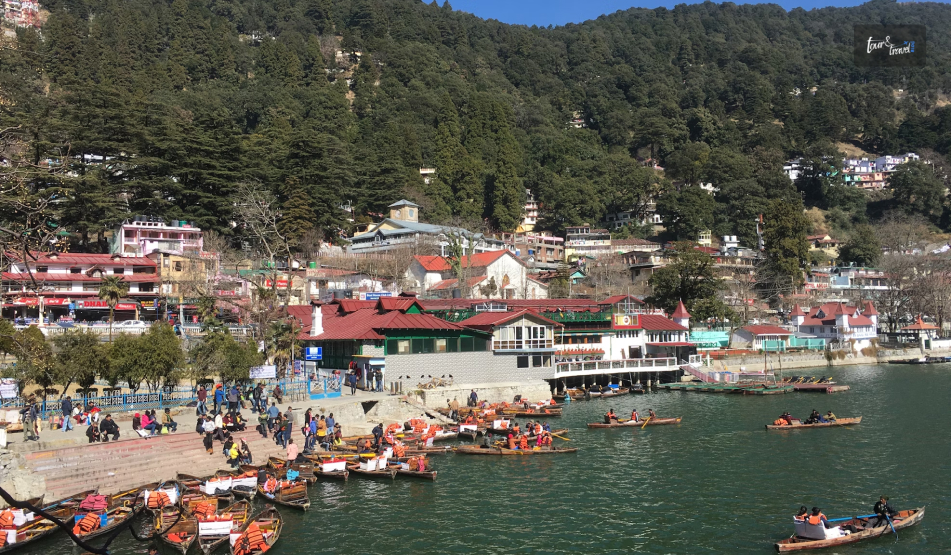
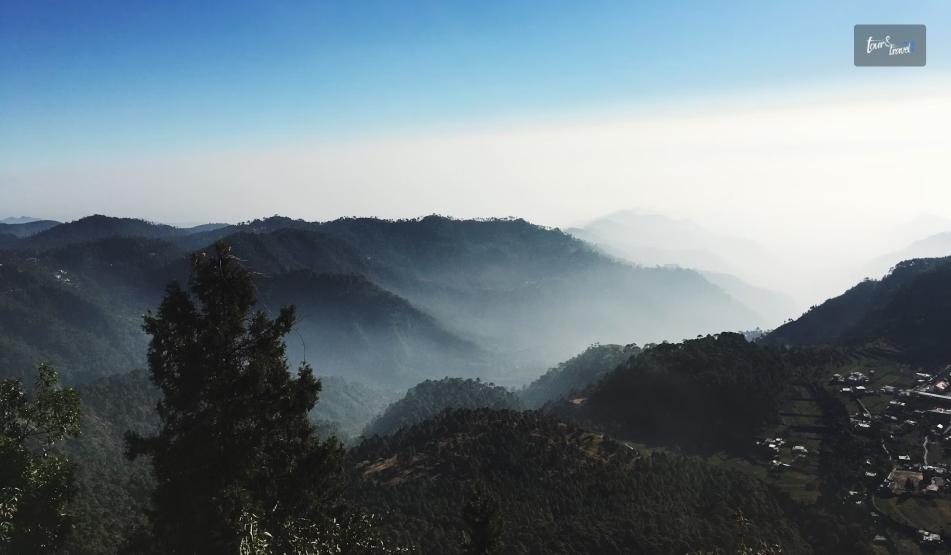
Nestled in the Kumaon Himalayas, Nainital is surrounded by Sapta-Shring or Seven Hills. The seven hills around this Lake District are:

  • Sher-Ka-Danda
  • Lariya-Kanta
  • Handi-Bandi
  • Naina
  • Alma
  • Deopata
  • Ayarpata

Further, this hill station, at an elevation of 2000 meters, is associated with the stories of Lord Shiva and Mata Sati. 

It is said that the Lake was formed when Mata Sati’s eyes fell during the Tandava Nritya, or the Dance of Destruction of Lord Mahadeva. The Naina Devi temple at the lake’s edge is a popular religious site. 

Also, the city has buildings and bungalows, a telltale of British colonial architecture. It was the summer capital of the United Provinces during the British Rule in India. 

Moreover, the attractions in Nainital are endless. So, from a church in the wilderness to a bird-watching haven, you will find everything in Nainital.

What Is The Best Time To Visit Nainital?

What Is The Best Time To Visit Nainital

Nainital is a year-round destination. However, April to June is the best time to visit Nainital while traveling with your family. 

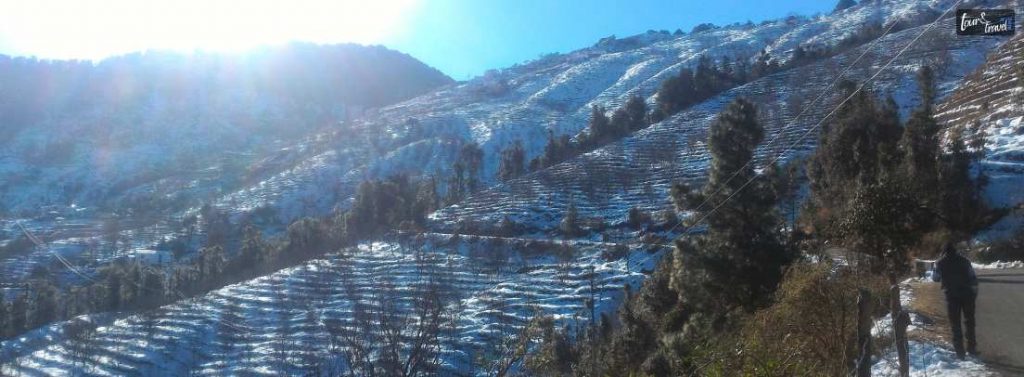
Further, if you want to see snowfall in Nainital, the best time to plan a visit is December to January.

In 2025, Nainital had its first snowfall on 11th January, resulting in a tourist boost to areas like Pangot Marg, Himalaya Darshan, Kilbury and China Peak. 

Nevertheless, I have shared a table below with the month-wise temperature and precipitation possibilities in Nainital. 

You can check that out to decide the best time to visit Nainital. Then, I will discuss the best attractions and places to visit in each season.

MonthsMaximum TemperatureDegree/Celsius) Lowest TemperatureDegree/Celsius)Rainfall/Precipitation (MM)
January15448
February17665
March21950
April 261340
May271660
June2819255
July2520569
August2419490
September2417266
October221348
November2098
December17620

So, as you can see, July, August, and September are the months with the highest rainfall in Nainital. 

Heavy rainfall may cause landslides, road blockages, and many outdoor attractions or activities may not be operational in the monsoon season. 

However, the monsoon is the best time to visit Nainital if you want to explore the quiet beauty of the hill station and its decor with shades of lush green.

What’s So Attractive About Summer In Nainital?

What’s So Attractive About Summer In Nainital

I could give you more than one reason why you should visit between March to June. Nainital is like a pure place on earth wrapped around by gorgeous mountains and lakes.

The time between march to June is mostly spring and summer, and it is doubtlessly the best time to visit Nainital.

The mountains are always awake, watching and talking to you. Although the streets don’t stay up so late, the clear night sky at Nainital makes up for the best place to watch stars at night.

The months from March to June are the ideal time for that. There are lakes so pristine and the pine tree so pretty waiting to welcome you.

1. Temperature Between March To June

Here, the summer temperature fluctuates between 11°C to 28°C in Nainital if you are visiting from March to June.

2. Warm Weather

In the summer, the town remains so warm and bright. You can take plenty of good photos. The sun wakes up the town with a good morning kiss, and the mountains are always awake and smiling.

Mornings are warm, with the cool wind blowing every now and then. The evening and the nights are slightly chilly. 

3. Events To Take Part In

Events To Take Part In

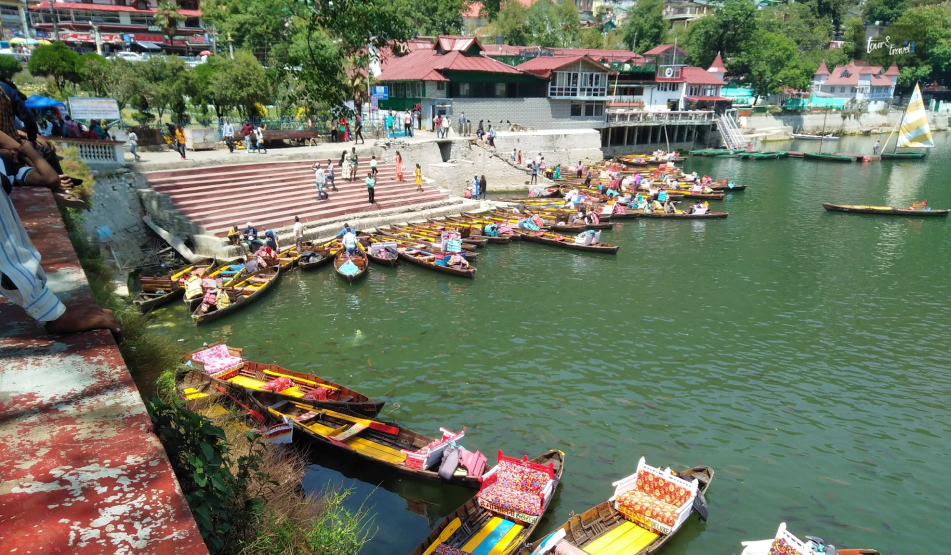
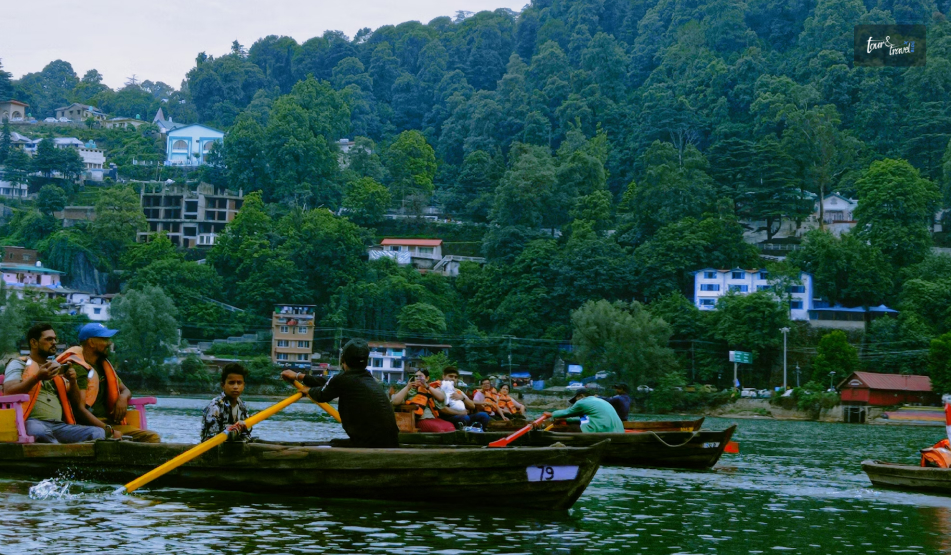
Yes, you can go paddling in the lake and do lots of other activities as well. However, the main reason for choosing summer is because of the events.

Ever heard of the Phool Dei? It is an event in Uttarakhand to celebrate a good harvest expecting a good harvest. Little children decorate the thresholds of their homes with freshly plucked flowers.

Locals, at this time, stay in a festive mood. You can taste the ceremonial pudding which is very famous at this point in time in Nainital.

People go out on the street and perform their local folk songs and dance in Joy.

4. Places To Visit

Places To Visit In Nainital In Summer

The festive mood here will keep you cheered up. However, summer also makes up for the best time to visit the tourist spots here. You can go to Naini Lake, Land’s End, Caves Garden and. 

Tiffin Top can be a great location if you want a recreational moment with your loved one or your family. You can enjoy the fresh look of the mountainscape and enjoy the sunrise there.

Just four kilometers away from the main town, Tiffin Top can also be a good opportunity if you are up for trekking. 

Can You Visit Nainital In The Monsoon?

Can You Visit Nainital In The Monsoon

Yes, you obviously can. I told you that it is a year-round travel destination. The months from July to September mark the stay of the monsoon.

If you want to see the green mountains drenched in rain and clouds swirling up from deep within the mountains, then this is the best time to visit Nainital.

Although you can choose whether in Nainital and make your visit, the summer, according to most visitors, is the best time. But, my personal preference is monsoon.

Moreover, Nainital celebrates the Nanda Devi Festival in September. King Kalyan Chand of Chand Dynasty started this fair in the 16th century. 

Further, Khatarua is another monsoon festival in Nainital, which is celebrated in mid-September.

On this day, children dance and throw cucumbers to the fire to celebrate the destruction of evil spirits. 

Moreover, Gheeya Sankranti, or Olgia, is celebrated in Nainital in mid-August. It is a festival to exchange gratitude between landowners and farmers. 

5. Is Winter The Best Time To Visit Nainital? 

Winter is the best time to visit Nainital if you are looking for adventures in the snow-covered hills. 

Further, during the winter months, the Naini Lake promenade becomes a bustling hub for ice skating, scenic walks, and snow trekking.

Also, during winter, you can visit places like Bhimtal Lake, Kainchi Dham, Snow View Point, and China Peak.

Moreover, Nainital celebrates Sharadotsav in October and the Uttrayani Festival in mid-January. 

Both festivals have distinct rituals and many visitors, including foreigners. Further, they are great to experience the local culture. 

In addition, Christmas is the most happening event in Nainital, with many outdoor activities, such as paragliding, camping, horse riding, and zoo visits.

Frequently Asked Questions (FAQs):

Most of your questions are answered through the sections above. However, I have offered some additional questions and answers just to make sure that you get clean and complete information.

1. Which Weather Is Best For Nainital?

From March to June is a long span. But, if you want me to specify the best months to visit Nainital, I will suggest a time between May to June. The temperature is pleasant, and the weather is clean and simple for a good tour.

2. How Many Days In Nainital Is Enough?

You will need three minimum days to explore and relax in the beautiful hill destination known as Nainital. If you want to visit all the popular locations here, then a three days trip would be enough.

3. How Much Does A Nainital Trip Cost?

If you are planning a short trip of four days and three nights, then you can expect your budget to be around 14,799.

Bottom Line!

If you want to experience Snowfall in Nainital, I will suggest you go there during the winter. January will be the best time.

The monsoon makes the place look green, saturated, and fresh, and the summer is all about vibrance and joy.

So, if you are looking for the best time to visit Nainital, then I will suggest you go wherever your heart wants.

Did you find the answer you were looking for? Tell us what you think about it. We are also open to questions.

Share on Social Media

Shahnawaz is a passionate and professional Content writer. He loves to read, write, draw and share his knowledge in different niches like Technology, Cryptocurrency, Travel,Social Media, Social Media Marketing, and Healthcare.

Leave a Reply

Your email address will not be published. Required fields are marked *

title-img Related

READ MORE dark tourism in India

Dark Tourism in India Exploring Shadows and Must-Visit Sites

BY  Sibashree Sep 30, 2024

India is leading the dark tourism scenario With an expected CAGR of 5.1% (2024-2034),. Dark tourism in India thrives as it is the land of history and heritage. Also, travel a few miles, and you will get to know folklore or common myths related to paranormal activities.  So, dark tourism in India takes you to places associated with human tragedy or something that raises our curiosity. Endless warfare and the rule of various dynasties have drenched its soil in blood from time immemorial. Further, superstitions and oppressive customs in various parts of the country have caused human casualties that can give you a chill down your spine.  However, dark tourism in India or any part of the world is not just about people’s fascination with the macabre or its inclination to encounter the grey zone. Many dark tourism sites like the Cellular Jail in the Andaman and Nicobar Islands or Jallianwala Bagh tell the tales of a collective past.  So, these are often popular destinations for educational tourism or excursions. With endless stories and mysteries spread in every corner, India will spoil you with the choices of dark tourism spots. Here is a list of places you just can’t miss! Dark Tourism In India: These Are The Places You Need To Visit  For me, dark tourism in India is like communicating with the past. These places and the remnants there convey a message that can trigger our moral emotions such as empathy, gratitude, disgust, or sadness. Further, these moral emotions can change our perspective about ourselves, various communities, and society.  Moreover, curiosity is present in people’s love for the occult. Some categories of dark tourism, such as ghost tourism, thana tourism, and disaster tourism, especially urge many to get into the shadows. We absolutely agree with Karan Anand, the Head of Relationships at Cox & Kings. So, which places does dark tourism in India take us to? Here is a curated list! 1. Port Blair Cellular Jail | Kala Pani | The Prison Of Death Location: Andaman and Nicobar Islands  One of the most prominent witnesses of British atrocities in the country, the Port Blair Cellular Jail tops almost all the lists of dark tourism in India.  The British government made a hell of concrete in 1906 in the form of a prison, and it was almost impossible to escape or come out of it.  Vinayak Damodar Savarkar, a freedom fighter in India, was the only person who had escaped the Port Blair Cellular Jail.  The British Raj sent convicts with the highest punishment to this jail. Once, this jail housed as many as 80000 prisoners, and among them, at least a few hundred were the freedom fighters. The freedom fighters received the “Kalapani ki Saza” to lead a life of isolation.  Constructed in the shape of a starfish, the Port Blair Cellular Jail is witness to inhuman tortures and genocides. Along with the atrocities of the British Raj, it has also seen the genocides operated by the Japanese.  When at the Cellular Jail, don’t forget to attend the “Light & Sound” show in the evening. It is like time travel, giving you goosebumps.  2. Jallianwala Bagh Location: Amritsar City, Punjab The 13th of April 1919 saw one of the worst examples of British acts of barbarity in India. Innocent people had gathered at Jallianwala Bagh in Amritsar City to peacefully protest against British rule. Jalianwala Bagh was blocked from all sides, and Brigadier-General Dyer ordered his men to open fire at these innocent and unarmed people. The 1650 rounds of firing continued for 10-15 minutes, taking the lives of more than 500 people.  Today, when you visit Jallianwala Bagh, you can see many bullet holes struck in the structures there. In 1951, a memorial was built here to pay respect to the Indian revolutionaries. Further, in 2019, the inauguration of the Yaad-e-Jallian Museum took place. The museum depicts the most authentic account of the massacre.  A century later, in 2019, an official acknowledgment of “regret” came from British Prime Minister Theresa May on the Jalianwala Bagh massacre. This substantiates how grave and gruesome the act of mass killing was.  3. Roopkund Lake  Location: Uttarakhand Located at a 5000-meter altitude, Roopkund Lake is one of the most popular trekking destinations in Uttarakhand, India.  However, you can see hundreds of human skeletons near the lake, named  the “Lake of Skull.”  Researchers have found that around 200 pilgrims died of heavy snowfall in the place in the 9th century. So, there are so many skeletons around the lake. Roopkund Lake is also known as the “Mystery Lake,” and there are stories about the pilgrims getting turned into stones or the Goddess getting angry.  However, Veena Mushrif-Tripathy, a member of the 2004 investigation and a professor of archaeology at Deccan College in Pune, mentioned that the theory of the pilgrims was reasonable as there were no traces of weapons.  4. Shaniwar Wada Location: Pune, Maharashtra Shaniwar Wada, built in 1732 by Bajirao I, is a historically significant fort and stands out for its architectural excellence. This fort was once the seat of the Maratha Peshwas. This fort became a tourist attraction after the 2015 magnum opus of Sanjay Leela Bhansali, Bajirao Mastani. However, Shaniwar Wada is a favorite dark tourism in India destination because of a popular ghost story or folklore associated with it. Narayanrao, the son of Bajirao I, was killed by his uncle Raghunathrao in 1773 in this fort. Since then, people have experienced paranormal activities in the fort. Many have claimed to have encountered the dead prince.  5. Kuldhara  Location: Jaisalmer, Rajasthan How about visiting a village abandoned by its people around 200 years ago? Kuldhara, the cursed village of Jaisalmer, was the residence of the Paliwal Brahmins. They left the village because of water scarcity and the high taxes imposed by Diwan. Another story is about Salim Singh, the local prime minister, who wanted to marry the daughter of the village head. The villagers did not agree to his demands and vacated the place overnight. They also cursed the place, saying that no one could settle there.  Further, some even associate the overnight evacuation with paranormal activities. Whatever the reason, many people have tried but failed to spend a night in this village. Today, abandoned houses, temples, and other architecture speak of excellence, craftsmanship, and intrigue. It is also a favorite destination for movie-makers and photographers today. Films like “Agent Vinod” are shot here. Moreover, the village is now a “Protected Monument of the State Archaelogy Department.”  6. Dumas Beach Location: Surat, Gujarat Dumas Beach is one of the most haunted places in Gujarat. With its black sand and paranormal activities, this beach transforms into a hellish spot as the Moon shows up.  The beach was earlier a cremation ground. The black color of the sand comes from the ashes of those corpses. While we could not see the moving orbs or any prominent paranormal activity, I felt eerie at the beach. Also, I can’t explain, but there is something very depressing about this beach. It feels like you can hear the whispers of the lost here, and someone will suddenly appear in the shadows.  There have been reports of many tourists going missing from Dumas Beach. Also, one day, local people discovered the corpse of a man at the beach. His tongue was popping out. To date, no explanation has been found behind these tragic incidents.  7. Bhangarh Fort In the Aravallis, the Bhangarh fort has the remains of a deserted marketplace, Havelis, and temples. The architectural excellence of the fort is beyond question, and it speaks of a prosperous past.  However, Bhangarh Fort is the most haunted place in India. It has stories and myths enough to scare you to bits.  Bhangarh Fort Story: 1 The Archaeological Survey of India has banned entering or staying in the Bhangarh Fort after the Sunset. According to the local people, no one entering the fort at night has been able to come out alive. The fort becomes a site of paranormal activities in the darkness.  Bhangarh Fort Story: 2 Guru Balu Nath used to meditate at this place. When Raja Madho Singh visited him with a request to build a fort here, he agreed on one condition. He asked the king to promise that the shadow of the fort would not touch him. Despite the king’s promise, it did not happen. Furious, the hermit cursed the castle and the village.  Bhangarh Fort Story: 3 No house in the area has a roof. People believe that the roofs of those houses were destroyed due to the curse of the hermit. All attempts to rebuild the roofs went in vain. Many of those roofs also collapsed, causing human casualties.  Bhangarh Fort Story: 4 (Accidents And Deaths) Three people once decided to stay in Bhangarh Fort at night. They had a powerful torch, but one group member fell into a well. The two others rescued him and took him to the nearby hospital. However, they met with a fatal accident on the way to the hospital and lost their lives.  Do you want to explore more sites that are suitable for dark tourism in India? Visit the Taj Palace Hotel in Mumbai, Union Carbide Factory, Bhopal, Sites Of Indus Valley Civilization, Savoy Hotel, Mussoorie, and Gandhi Smriti, Delhi.  Listen to hushed murmurs and the stories these places have to share to make a journey to the past!  Also read Top 10 Most Popular Paraguay Food That You Must Try. Top 13 Famous Wonders Of India That You Must Visit! [Updated 2024]

READ MORE Luang Prabang waterfall guide

Luang Prabang Waterfall Guide: How To Visit Kuang Si And Other Waterfalls In Luang Prabang? 

BY  Sibashree Nov 5, 2025

I was relaxing after a bath at the Kuang Si Falls and suddenly, an electric blue dragonfly came to visit me. It sat on my knees for some time, and then came another. Within 15 minutes or so, I spotted hundreds of dragonflies making the trees appear blue. I was immediately transported to my childhood days when chasing a dragonfly or finding one with the most unique colors was a fun game. Suddenly, my guide called me and said, “Let me show you something unique.” He took me to the “Do Not Enter” board.  He asked, “Want to go there? There is a secret pool.” I said, “Why not?” I found out a milky-blue calm basin. Local teenagers were hanging out there, and they were eating sticky rice from banana leaves. They offered us some, and it was the best sticky rice I ever tasted.  Food in Luang Prabang is magical, just as is the Mekong River, temples, and Buddhist culture here.  While coming back, my guide handed me a plastic bottle. I asked him, “What to do with it?” He said, “Fill the bottle and take the water home. It carries blessings.”  Then, as I came down, I suddenly smelled the aroma of lemongrass and grilled chicken. I insisted. So, my guide had to take me to the local stalls. I had the best skewers there, and they tasted even better as I was hungry after hiking to the waterfall and having a bath.  The skewers were a little black on the edges, and that burnt flavor did the trick for me. Further, the aunty selling the skewers asked me to try the chili dip she had made. It was Fire and tears rolled down my face. She was so embarrassed! She gave me coconut pancakes to eat.  My visit to the waterfalls in Luang Prabang is filled with such amazing stories. In this blog, I will share them and talk about the best waterfalls in Luang Prabang, how to reach them, their spiritual significance, opening hours, entry fee, and everything you need to know.  What Are The Best Waterfalls In Luang Prabang?  Recently, Travel + Leisure has picked the Kuang Si waterfall as one of the 21 most beautiful waterfalls in the world in 2025. This recognition further enhances Laos's international tourism profile.  It is just an hour’s drive from Luang Prabang, and its stunning blue waters and turquoise pools formed with it, create the most dramatic landscape.  However, Kuang Si is not the only waterfall you will find in Luang Prabang. You must also explore the Tad Sae Waterfall, Tad Thong Waterfall, Hoi Khua Waterfall, and Dheva Waterfall.  1. Kuang Si Waterfall When I reached Kuang Si waterfall, I heard the monks' chants from the nearby Buddhist temple. Within an hour, the scenario changed completely, and the roar was so much that I could not hear my own voice.  Also, on my way back, my tuk-tuk driver was saying, “The old Kuang Si was way wilder, Ma’am. Its water has blessings.”  How To Visit Kuang Si Waterfalls In Luang Prabang? Taking a tuk-tuk or a bike is the best way to reach Kuang Si Waterfalls from Luang Prabang. It is located 30 km south of Luang Prabang. The journey takes around 45 minutes.  Here are the estimated costs of transport options and the expenses.  Mode of TransportEstimated CostTuk-tukAround 60000 KIPMinivan Tour250.000 KIP/ Per GroupMotorbike Rental100,000 KIP/dayPrivate Car250,000–300,000 KIP What Is The Entry Fee And Hours Of Kuang Si Waterfall?  The waterfall remains accessible from 8 AM to 5:30 PM. For the locals, the ticket price is Laotian 20,000k/person. The ticket is free for visitors below 12 years of age. Furthermore, for foreigners, the ticket price is 60,000k/person.  What Is The Best Time To Visit The Kuang Si waterfall? The dry season from November to May is the best time to visit Kuang Si waterfall. These months are ideal for swimming in the clear turquoise water of the pools. You can also go hiking and explore the nearby bear rescue center and butterfly park in these months.  Furthermore, these months are ideal for photo opportunities.  However, if you want a quieter experience, June to October is the ideal season. Fewer tourists visit the waterfall during these months. However, the water becomes muddy due to heavy rainfall.  Local people believe that this water carries power.  What To Expect At Kuang Si Waterfall? Swimming pools Bear Rescue Centre Jungle trails Picnic areas You cannot walk around the pools or waterfall with your shirts off or in bikinis. It is considered crude and does not go well with the local culture.  2. Tad Sae Waterfall With an elephant park nearby, Tad Sae Waterfall is a quieter alternative to the Kuang Si Waterfall. The decks crisscrossing the water make the visual all the more dramatic.  How To Visit Tad Sae Waterfall In Luang Prabang? To visit the Tad Sae Waterfall, you have to take a short trip out of town. Then, you need to take a trip down the river in a traditional long boat.  It is a 14 km trip from the town to the long boat launch area. Then, the boat ride is 8 minutes long. The cost of the tuk-tuk ride is around 150.000 kip.  Furthermore, the boat ride will cost around 25,000-35,000.  What Is The Entry Fee And Hours Of Tad Sae Waterfall?  The ticket price for Tad Sael waterfall is Laotian 15,000 KIP for locals. Tickets are free for children under 8 years old. For foreigners, the ticket price is 30000 KIP.  The waterfall remains open from 8 AM to 5 PM.  What Is The Best Time To Visit The Tad Sae Waterfall? August to October is the best time to visit the Tad Sae waterfall. From February to July, the waterfall remains almost dry.  What To Expect At Tad Sae Waterfall? The boat ride across the Nam Khan River felt like a time-travel for me. The Nam Khan river cuts through fog and jungle that smells like lemongrass and diesel. I also saw kids paddling in plastic tubs, laughing at me while my longtail boat sputters by.  Another fun thing I noticed is the monkeys near the top pools. Locals believe that these monkeys were the spirits who guarded the waterfall. Also, I saw some local visitors leaving a few grains of sticky rice on the rocks for good luck.  Tad Sae Waterfall is great for family picnics and boat rides.  3. Tad Thong Waterfall View this post on Instagram A post shared by Кирилл Дерябин (@deryabinkirill) The spring-fed Tad Thong waterfall emerged before my eyes after a 45-minute jungle walk. The walk starts from a point, around 6 km outside Luang Prabang.  Today, it stands in almost abandoned condition, and the hiking trails and bridges are nonexistent in several places.  How To Visit Tad Thong Waterfall In Luang Prabang? You can easily reach the hiking starting point by tuk-tuk, car, or bike. The tuk-tuk price will be around 800,000 KIP.  What Is The Entry Fee And Hours Of Tad Thong Waterfall? The Tad Thong Waterfall remains open from 8 AM to 5 PM. The entry fee is around 20000 KIP per person.  What Is The Best Time To Visit The Tad Thong Waterfall? From July to January, or the rainy season, is the best time to visit the Tad Thong Waterfall. The waterfall remains full and active in these months, and you can photograph the most dramatic visuals.  What To Expect At Tad Thong Waterfall? Tad Thong is not as massive as Tad Se, nor does it have the grandeur of the Kuang Si Waterfall. However, visiting Tad Thong felt like finding a precious old book under a heap of dust.  Throughout the jungle walk, butterflies kept fluttering around, and the silence echoed through the rocks, making me feel a little cold after some time.  Lesser-Known Waterfalls: The Hidden Gems Of Luang Prabang  View this post on Instagram A post shared by Bui Nhat Quang (@eziography__) Located near the Green Jungle Park, Hoi Khua Waterfall is a powerful waterfall with a height of 100 meters. Along with swimming in the crystal clear pool formed by the waterfall, you can also relax inside the open-air huts at the Green Jungle Park. Hoi Khua Waterfall also has an interesting lore associated with it. It is said that locals once took shelter behind this waterfall to protect themselves from the approaching soldiers. However, what happened to them is a mystery to date.  Are The Waterfalls In Luang Prabang Accessible? Summarizing The Accessibility Rating Of The Waterfalls  Have a look at the table below to see which waterfalls are accessible and which are not.  WaterfallWheelchair AccessStairsSuitable for KidsKuang Siâś…Moderateâś…Tad Sae❌ (boat only)Fewâś…Tad Thongâś…Minimalâś…Hoi Khuaâś…Flat terrainâś… What Is The Cultural And Spiritual Significance Of The Waterfalls In Luang Prabang?  The waterfalls in Luang Prabang have many fascinating stories and secrets. I am sharing a few as I heard from my local guide and a Kuang Si waterfall ranger. 1. The Golden Deer Legend Of Kuang Si Waterfalls Kuang Si in the local language means (Kuang) Deer and Si (Dig). Stories have it that a wise man chose this spot and started digging into the earth to summon water. A golden deer made its home beneath the rock where the waterfalls flow now.  The story suggests a harmonious bond between humans and animals. Furthermore, the golden deer is a common character in Southeast Asian spiritual and religious stories. It has a vital role to play in the Ramayana, and we get the mention of the golden deer many times in the stories about the previous lives of Lord Buddha.  In addition, the story has given the waterfall a distinct cultural identity cherished by the locals. So, today, the Kuang Si Waterfall is more than a waterfall with a grand physical beauty. Mr. Boun, a Kuang Si Park Ranger, told me, “We protect the forest and teach kids about the golden deer legend. Kuang Si is sacred to us.” 2. Waterfalls In General Have A Connection With Buddhism Waterfalls in Luang Prabang are mostly located near the temples. The water from these falls is also used in cleansing rituals conducted by temples and monks.  Furthermore, offerings are made to these waterfalls during Pi Mai Lao or the Lao New Year.  3. Bear Rescue Center’s Cultural Role The Tat Kuang Si Bear Rescue Centre is more than a tourist attraction in Luang Prabang. It is an important center for the implementation and education of the local conservation efforts. The center also raises awareness about illegal wildlife trade.  Furthermore, many locals consider black bears sacred.  4. Butterfly Park Near Kuang Si You cannot miss the Butterfly Park located within walking distance of the Kuang Si waterfall. This park is peaceful with colorful butterflies fluttering around.  Butterflies have deep symbolism in Buddhism. These lively creatures teach us the art of letting go and how we can evolve and transform.  5. Caves Behind the Falls The hidden caves behind the upper tier of the Kuang Si Waterfalls are a telltale of the rich geological history of the region. These caves are missed by most visitors. So, these are ideal for a short meditation period or spending some moments of introspection.  Cultural Etiquette Tips For Foreigners Visiting Luang Prabang Waterfalls Some areas and pools near the waterfalls are considered sacred, and they are reserved for religious and spiritual activities. Conde Nast Traveller says, “Luang Prabang’s waterfalls offer a spiritual escape into nature.” So, swimming or access to those areas is not allowed. So, you have to adhere to these norms.  There are many other dos and don’ts you need to follow while exploring the waterfalls of Luang Prabang.  Dos âś…Don’ts ❌• Dress Modestly.• Wear a sarong or a towel over your swimsuit when walking around. â€˘ Seek permission from the locals before photographing them. â€˘ If a sign says “No Swimming” or “Do Not Enter,” respect it. These rules often protect sacred zones, wildlife, or fragile ecosystems.• Locals value quiet and respectful behavior, especially around sacred sites. Ensure children don’t climb on statues, splash excessively, or disturb wildlife.• If invited to join a blessing or offering ceremony, observe first, follow others’ lead, and avoid interrupting or asking too many questions during the ritual.• Using shampoos or soaps while bathing in the natural pools. â€˘ Touching the monks or offering them money directly. â€˘ Playing loud music or expecting a party vibe at the waterfalls. Waterfalls are often used for meditation, rituals, and family gatherings.• Littering is deeply frowned upon. Waterfalls are natural and spiritual spaces, and locals expect visitors to treat them with reverence. Secrets And Lesser-Known Facts You Did Not Know About Luang Prabang Waterfalls  The turquoise color of Kuang Si’s pools comes from the calcium carbonate particles of the limestone rocks. These particles reflect sunlight. Thus, create the iconic blue shade.  This turquoise blue color looks the most beautiful during the dry season.  Also, locals often bring picnic baskets and spend entire afternoons at waterfalls. Vendors near Kuang Si sell grilled chicken, sticky rice, and jaew bong for this purpose. It’s a cultural experience and the locals are welcoming enough to often ask the tourists to join them in.  Food And Dining Near The Waterfalls In Luang Prabang  You can visit the following areas for food and dining near the waterfall areas.  AreaFood And Dining SpotsLocationKuang Si AreaKuang Si Kitchen and ResortLaosTad Sae AreaMainland StallsLocal restaurants in the mainland boat landingTad Thong AreaThe Living Land FarmLuang Prabang, Laos What Are The Photography Tips For Visiting The Waterfalls In Luang Prabang?  The beautiful waterfalls of Luang Prabang are ideal for photography, and they are quite popular on social media. You need to keep in mind the following instructions for photography at these waterfalls.  Best TimeGears RequiredInstagram Spots â€˘ Daily: Golden Hour: 7:00–8:00 AM and 4:30–6:00 PM• Annually: Rainy Season• Wide-angle lens• Tripod for long exposure• ND filter for silky water effect• Kuang Si’s top tier• Bamboo bridge near Tad Sae• Jungle trail at Tad Thong So, visit the Luang Prabang waterfalls and have the best moments exploring the mighty cascades and soaking in their cultural and spiritual vibe.  Luang Prabang Waterfall Guide: Frequently Asked Questions (FAQs) Here are the frequently asked questions and answers about the Luang Prabang waterfall guide.  1. Can I Swim In Kuang Si Falls? Yes, you can swim in the designated pools of Kuang Si Falls and other waterfalls. However, some pools are reserved for spiritual and religious activities. So, swimming is not allowed there. 2. Are There Lockers Or Changing Rooms? Yes, there are changing rooms near the Kuang Si waterfall entrance. However, you will not get a locker. You have to carry a dry bag and keep your valuables there, or if you are traveling in a group, you can enjoy the swim in turns.  3. Is Tad Sae Open Year-Round? No, the Tad Sae waterfall is not open year-round. August to November, or the rainy season, is the best time to visit the waterfall. It does not have water in the dry season (February to July). 

READ MORE Accommodation

What Does 5-Star Accommodation Have That You Are Missing Out On?

BY  Arnab Aug 16, 2023

People often walk by five-star establishments when they are on their vacation and they never think to themselves that this could be the right kind of accommodation choice for them. They wrongfully think that it is outside their budget and so they continue to enjoy a lesser holiday experience when it comes to where they stay for the duration of their holiday time. What many people don’t seem to realize is that when you stay in five-star accommodation, you get to experience something that you have never tried before and in many cases, you end up saving yourself money because of all of the amenities that are offered to you. There are a number of luxury 5-star resorts in the Maldives that you really do need to check out this year because maybe it’s time to take your holiday experience to a completely new level so that you can enjoy the many benefits that can be enjoyed when staying in such accommodation. You also need to take into consideration that you haven’t traveled in some time due to the pandemic and so there is a lot of money burning a hole in your pocket that needs to be spent. Appearance is everything - We all know that providing the best first impression every single time is incredibly important in business and in our day-to-day social lives. This is why these resorts take first impressions very seriously indeed and you will notice many beautiful designs when you arrive from the reception area where you are greeted with a cocktail to the many areas around the resort itself. Exceptional service is provided - The service that you receive at a luxury resort is something that you have never experienced before and the staff there is highly qualified in order to be able to provide you with personal care. It’s likely that you will receive a welcome drink on your arrival and maybe even a complimentary bottle of wine in your room. There will always be someone close by to provide you with any food and beverages that you and your family might want. They provide amazing beds - Part of going on your yearly vacation away from your job is so that you can properly relax and get the best night’s sleep that you’ve ever had. These resorts invest heavily in their beds and many have commented that they are like sleeping on a cloud. You may find it difficult to pull yourself out of the bed the following morning because it is so comfortable and when you do, you get to enjoy a delicious coconut drink. Every possible item that you could possibly need will be there for you and all resorts come with free Wi-Fi that is provided throughout the grounds and big screen TVs in the rooms to keep the kids happy. All of the toiletries that you need in the bathroom will already be there for you and there will be a number of restaurants and bars for you to enjoy. There is a lot more to a five-star experience in a top-quality resort. Read Also: Why A Hotel Is The Right Choice For Your Accommodation Find Your Dream Membership With A Cost-Saving DVC Resale This Is The Best Time To Visit Iceland & These Are The Things You Should Do!