


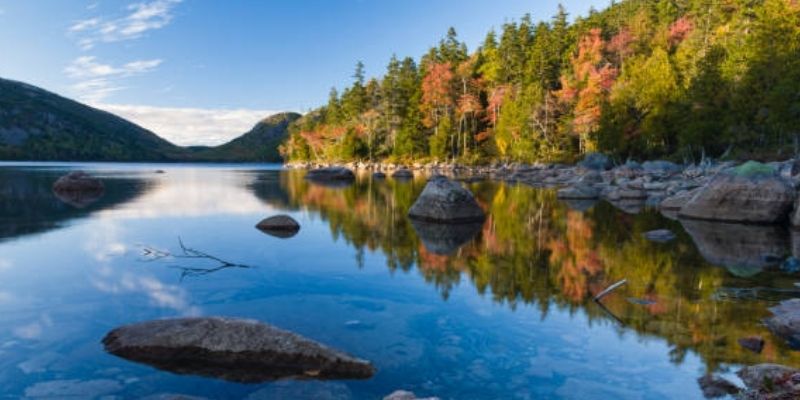


A Complete Guide To Maine National Parks

Dec 29, 2021

Last Updated on: Apr 21, 2026

Travel Blog

Are you like me? Who loves the wilderness and the solitude.

I am a solo traveler and I have visited a lot of national parks in the USA, the best of them according to me is Maine National Parks. If we share the same interest then Maine is the perfect getaway from everything. 

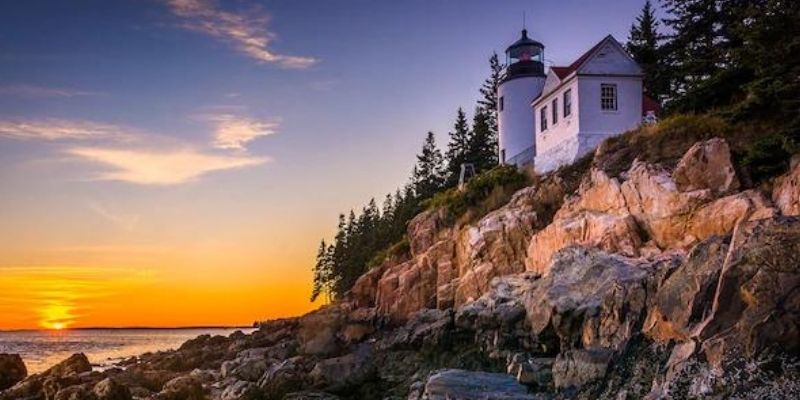
The state is considered to be the place where the beautiful rocky coastline, pine forests, lighthouses, and the Appalachian Trail await you!. 

When we talk about National Parks in Maine, there is only one National Park in Maine, but there are four sites that have been affiliated with the National Park services along with these there is also one National Trail that starts from Maine itself. 

Acadia National Park is the main park in Maine. Maine National Parks that are affiliated are: 

  • Maine Acadian Culture Centre.
  • Katahdin Woods And Waters National Monument.
  • Saint Croix Island International Historic Site. 
  • Roosevelt Campobello International Park. 

In this article, I will be giving you a complete guide on how to enjoy Maine National Parks. Stay tuned!

Acadia National Park

Acadia National Park

Acadia National park is where the mountains meet the ocean. This beautiful spot is located southwest of Bar Harbor, Maine. This park embraces 47,000 acres that include half of Mount Desert Island, known to be the section of the Schoodic Peninsula. There are several small islands in between as well. 

Acadia is known to be one of the 10 top National Parks in America, which attracts a lot of tourists. 

Things To Do In Acadia National Park 

Hiking

Hiking

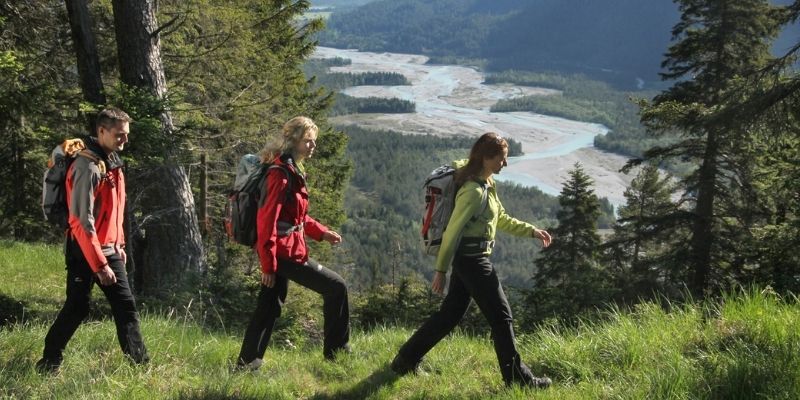
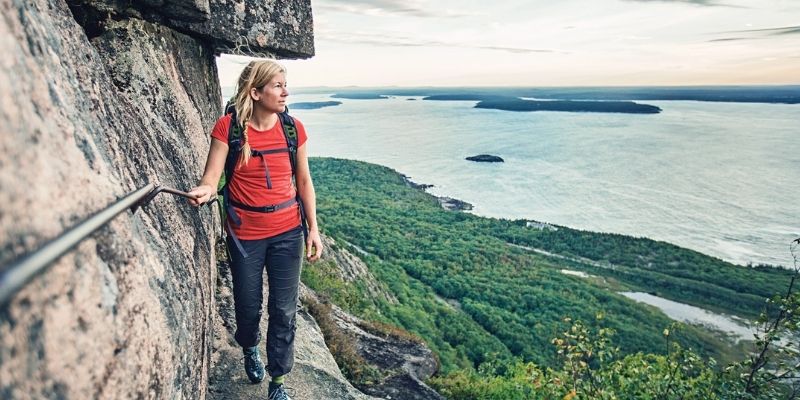
hiking is the most popular and fun activity in Acadia National Park. For hikers they have 158 miles that are marked as hiking trails and your pets can accompany you there too. It is a great place to take your family with you and while walking you will be watching the ocean, flora, and wildlife. 

Wildlife

Wildlife

For many species, Acadia National Park is their home. Look out for otters, eagles, seals, painted turtles, deer, peregrine falcons, moose, black bears, and porcupines. Not just these but there are 338 species of birds that visit this place throughout different times of the year. 

Water Activities

Water Activities

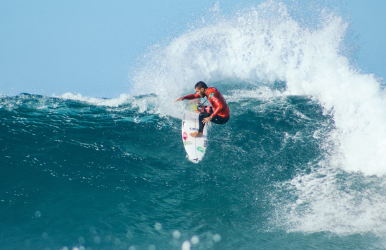
To enjoy the ocean to the fullest, kayaking, canoeing, swimming, boating as well as exploring the tide pools are the right and fun choices to spend your afternoon. To spend some time with yourself you can also think about paddling around all the islands or maybe cam at some primitive sites.

Solo Tours

Solo Tours

You can always explore the place by auto tours, or bus tours after a week of hiking when you just want to look around to find new interesting things. you can enjoy your own company as solo traveling.

The night sky in Acadia gets stunning for being pitch black and some stars playing hide and seek.

Other than this, in winter you can go ice fishing, snowshoeing, cross-country skiing, snow bowling, and dog sledding. 

How To Get To Acadia National Park?

How To Get To Acadia National Park

From Mount Desert Island or Schoodic Peninsula, by car, it is really easy to drive to Acadia. The Rv campers must know that the historic bridges have high restrictions on roads. The rest of the roads do allow buses and long vehicles. 

There are RV campsites that have a convenient bus system to drive tourists around the park. Therefore to explore po[ular locations you don’t need to hire a vehicle for that.

Maine National Parks

Maine National Parks

As I mentioned in the beginning, there are four affiliated sites that can somehow be considered National Parks in Maine. Let’s see what they have to offer.

Maine Acadian Culture Centre

Maine Acadian Culture Centre is located in the U.S side of Saint John Valley. It shows the depth of the history of the Acadian settlers. 

There are places for tourists to explore the intriguing architecture of the early 1900’s church, which is now home to Musee Culturel du Mont-Carmel. You can also just wander around all your own among the seventeen buildings of the indigenous Acadian settlement. 

For those who would rather just stay outdoors than indoors and build memories to carry back home, have the Allagash Wilderness Waterway where angling, hunting, and canoeing are available. 

Katahdin Woods And Waters National Monument 

Possessing over 87,000 acres of Maine wilderness, this spot offers opportunities for outdoor roamers. This place is considered to be the hub for bird-watching and hiking. Katahdin is nominated as the international dark sky sanctuary. 

Among the Maine National Parks, Acadia National park has a pristine National Monument whose location is perfect for date gazers and campers.

To those who look for adventure during the wintertime as well, snow bowling is allowed in many areas,  and there are well-maintained trails for cross-country skiing. Hunting and fishing are also allowed here. 

Saint Croix Island International Historic Site

This place attempted to have a French Colonization, which now reminds historical events dating back to 1604.

The trail is fine for visitors to leisurely walk and enjoys guiding themselves while they pass the bronze statues set in homage to French settlers and admire them. 

There is a huge bird population and birdwatchers can easily report if they come across a new species of bird. Informal birds taking shadows are held through the entire summer. 

Roosevelt Campobello International Park 

This international park is to show respect to Franklin D. Roosevelt and his family. 

This 2,800-acre island is full of forests, bogs, and beaches that offer an idyllic area, slow walks, and get-togethers. 

People come across many cottages in the park including Roosevelt Cottage. This cottage is open to all tourists and provides guides that know how to answer the guests with politeness and information. 

Appalachian National Scenic Trail 

This Trail contains 2200 miles of habitual foot track. 281 of them are located in the state of Maine. It has ecosystems in the mountains that are quite picturesque.

The tallest mountain in Maine, Katahdin, blemishes the starting of the trail and is the difficult mile on the route which is Mahoosuc Notch. 

As the spot has a unique climate, it is also a hub for scientific research and studies. Workshops are available to educate people who wish to join the journey.

There are plenty of exploration options for all skill levels, from friendly treks to thru-hikers. All the hikers that come from far places have to get a permit before starting their adventure. 

Wrapping It All Up

Here you go with everything you need to know before visiting the Maine National Parks. The place is considered to be the most beautiful National Park in America. 

All ages can enjoy the view as well as the environment. You just have to take some time out of your busy schedule and visit the place with your family. I assure you the experience is going to be so good. 

Share on Social Media

Meet Sibashree Bhattacharya, a travel enthusiast who has a decade-long experience in transcending virtual barriers with her words! Her deep love for travel is apparent from her travel escapades to the mountain, often taking her readers on a journey, her words acting as Portkey! Fun fact: Sibashree loves to dive deep into the history of the places she is about to visit, making her travels even more wholesome. If you were wondering how her articles are not short of time travel, this answers it!

Leave a Reply

Your email address will not be published. Required fields are marked *

title-img Related

READ MORE Ginnie Springs

Planning A Trip To Ginnie Springs In Florida? All That You Need To Know!

BY  Barsha Apr 12, 2023

If you have never visited Ginnie Springs in Florida, then you are definitely in for a real treat. It’s literally the epitome of beauty in Florida - home to the prettiest water in the entire state, Ginnie Springs was on our bucket list for several years. If you haven’t added this to your list of best springs in the United States, then do it ASAP! The water here is a gorgeous shade of blue, and it’s crystal clear. The entire area is quite large - enough for you to go camping and do so much more, in case you get bored of the water activities. Here’s a fun fact about Ginnie Springs - did you know that this spring actually pumps out around 80 million gallons of water every single day? Stay tuned to find out all that you need to know about Ginnie Springs in the Sunshine State of Florida! Exploring Ginnie Springs: All That You Need To Know About This Popular Tourist Spot! Nope, you don’t need to google ‘Ginnie Springs Florida’ - instead, join us as we go on a tour of this popular tourist spot in Florida. It’s a simple choice, really - if you are seeking any pretty places for swimming around, taking part in different water recreation activities, or having fun this Summer, then you should definitely consider visiting Ginnie Springs! But at the same time, it is vital to remember that Springs can get pretty busy and even crowded. After all, it is one of those only springs located in Florida where you can drink. Naturally, this makes the spot crowded with college kids and frat boys on weekends and holidays. Since the spring is owned privately (by the Wray family), drinking is allowed, unlike other famous springs in Florida State parks or even inside the main city. Without wasting any time, let’s get started - scroll down to find out all that you need to know about this tourist destination! Location: Where Is Ginnie Springs Located In Florida? Of course, you can just type ‘Ginnie Springs outdoors LLC’ on Google and let your GPS do the magic. But if you hate traveling without doing detailed research, then let’s find out where this Springs is located in Florida. Connected to the beautiful Santa Fe River, Ginnie Springs is situated only 6.5 miles away from High Springs. Known to be one of the most popular North Florida springs, Ginny Springs is only 48 minutes from Gainesville and about 60 minutes from the Florida-Georgia border located on 75 Highway. You can also drive to this location from Tampa - it will take you 2 hours to drive to the location and the same time to go back. Here’s the complete address: 7300 Ginnie Springs Road, High Springs, FL 32643 Costing: How Much Does It Cost To Plan A Trip To Ginnie Springs? There’s literally no accurate answer when it comes to determining the exact cost of visiting the glorious Ginnie Springs! There’s so much to do here - from general admission costs to paddle boating, camping, or even diving, which comes with its own individual costing. As compared to other affordably priced Florida springs like Rock Springs/Kelly Park, Ginny Springs is relatively more expensive. For instance, spending 15 to 20 dollars on just admission for every adult is quite steep. But then again, the beauty of the place, accompanied by all the additional facilities, makes it worth the cost. General Admission Fees: In general, here are the general admission fees! Adults (season): 20 USD/ person Adults (off-season): 15 USD/person Children (5-12): 5 USD/person Children (4 And Below): Free Camping: It is possible that you might want to explore the Springs camping options - this is precisely why we have managed to find different camping rates for you. Scroll down to find out now! Adults (season): 30 USD/ person Adults (off-season): 25 USD/person Children (5-12): 8 USD/person Children (4 And Below): Free Electricity and Water on site (standard): 11 USD Electricity and Water on site (for groups): 22 USD Scuba Diving: A trip to Ginnie Springs is incomplete if you miss out on scuba diving. But of course, there’s a separate pricing structure for the same. Scroll down to find out about the scuba diving rates. Certified Full Cave Divers (or Equivalent): 24 USD/person All Other Certified Divers: 32 USD/person Annual Dive Pass (Cave - Cavern): 399 USD Please Note: Scuba diving is prohibited on certain holidays or even on major weekends. Timing: When Does Ginnie Springs Open Or Close? The timing of Ginnie Springs depends on two important factors, The season, and The day. So, the timing can change depending on the season and even the particular weekday. Of course, if you are camping, then the springs will be open throughout the day for you. For other visitors, it entirely depends on when the sun sets - for instance, during Winter, the park closes anytime between 6 pm to 8 pm, and sometimes, even later! Then again, it also matters whether you are visiting the Springs on a weekday or a weekend! So if you do visit this Springs anytime soon, here’s the seasonal timing for now! Monday - Thursday: 8 am to 5 pm Friday - Saturday: 8 am to 7 pm Sunday: 8 am to 6 pm. Things To Do In Ginnie Springs! It is quite nice that Ginnie Springs is one of the best places to visit for holiday! You can experience a lot, both culturally and naturally. There are beautiful small shops for art supplies, thrift shops and others. The communities at the Ginnie Springs are quite positive and supportive towards visitors and tourists! Follow Anderson’s Outdoor Adventures Santa Fe River Park! When visiting Anderson’s Outdoor Adventures Santa Fe River Park, you have 3 hours to enjoy the activities. You can rent a paddle board, tube, kayak and canoe on site for people who are in love with adventure. The view at the Santa Fe River is so beautiful and you can perform the activities 365 days of the year! It is a great place but you can have a guided tour or take a river trip. The area is pretty close to Ginnie Springs and Blue Springs Park! Swimming Lizard Paddle! You go for official paddle boarding lessons at the Swimming Lizard Paddle along with getting tours and rentals. There is a beginner lesson yet there is a tour where you can get coaching sessions thus, creating comfort, stability and speed for you. There is an eco-tour that you can take across the Santa Fe River! You will get a workout session which will help you physically and mentally, thus creating an effective outdoor activity session. Visit O’Leno State Park! It is a scenic view situated right across the banks of Santa Fe River. There are significant features on the park such as river swamps, sandhills, hardwood hammocks and sinkholes. The river Santa Fe travels across the park and at one point it goes underground and then re-emerges at the River Rise State Preserve. There was a suspension bridge built spanning the river by the Civilian Conservation Corps in the 1930s. Bicycles and canoes are also available for rent and people often rent them to take a look at the wildlife across the nature trails in the park! There are native plants that you can check out across the full facility campground which is shady for the morning trails while perfect for overnight stays! Drink At The High Springs Brewing Company! High Spring Brewing Company is a brewery that is family-owned! It is located in High Springs, Florida which is a historical place. They have a take on traditional beer styles so you can visit the brewery with your partner or friends to experience some of the best drinks in life. Further, there are some activities and events that they regularly organize. So you can easily check the activities from the website and visit the local restaurants nearby! Exploring Ginnie Springs: Reviews From Visitors There’s no way you can actually plan a trip to a popular spot like Springs without talking to people who have already visited the place before. So today, we decided to go to two high-authority websites for guest reviews, Google (rated 4.4/5), and Tripadvisor (rated 3.5/5). Ginnie Springs Reviews On Google: The top Google reviews on Ginnie Springs are as follows, 1. Review By Misty “Amber” Richardson: The springs are beautiful, the water is so clear you can see all the way to the bottom. They have inner tube kayaks and paddle boards that you can rent for the day and free life vest rentals, or you can bring your own. You can swim in the springs or float down the river to one of the pickup points. It is a great place for the whole family to spend the day or even go camping. 2. Review By Gavan Berzman: This is one of my favorite places on earth. You're able to camp along the river. It's $30 for a tent site. Clean bathrooms and showers nearby. Lots of grills, picnic tables, and volleyball courts throughout. The springs are absolutely amazing. I always leave feeling like a new man. 3. Review By N Mateo: Views were beautiful. This is a campsite with very reasonable pricing and set-ups. Amenities were great, and showers and restrooms were well maintained. Snack bar on site. The activities include snorkeling, canoes, trails, etc. Cons: quite a few closed off areas, but I will still definitely visit here again. Ginnie Springs Reviews On Tripadvisor: The top reviews about Ginnie Springs on Tripadvisor are as follows, 1. Review By GoPlaces202808: Beautiful place completely ruined by obnoxious college students blaring extremely loud vulgar music throughout the campgrounds at all hours of the night. The quiet hours, which don't even start until midnight, are only loosely enforced. The bathrooms are far too small to handle the crowds and are disgusting by evening time. The tubing exit site should be renamed Beer Can Springs since that is what is mostly seen on the bottom there. 2. Review By Jennifer H: We went previously and had fun, but we paid $20 a person, and we brought our own tunes. There was literally trash floating past us. My daughter actually started picking up trash. I was very unhappy we would not be going back. 3. Review By Exploration577906: Not worth your money and time. We waited 1 1/2 hours just to get in and rent a kayak. Long line, and it doesn’t even move. The security gay does a poor job managing the door, and people come in and out while you wait. And It’s A Wrap! And that’s a wrap on planning a visit to Ginnie Springs located in Florida. What do you think about visiting this much-loved tourist spot in the sunshine state of Florida? If you have already been here in the past, then we would definitely want to find out more about your experience - so feel free to share your thoughts and experiences about Ginnie Springs in the comments below.

READ MORE golf holidays in Thailand

How To Create An Unforgettable Golf Trip To Thailand

BY  Sibashree Oct 30, 2025

A golf trip to Thailand! Now that’s something else. It’s not just a vacation; it’s golf, sunshine, beaches, and that laid-back Thai feeling all mixed together. Sounds great, right?  And it might seem like a lot to plan at first, but honestly, it’s not that bad. With a bit of prep and the right mindset, you can pull off a trip that runs smoothly and ends up being one of those “I’ll never forget that” kind of weeks. Here is more on how to make your golf holidays in Thailand unforgettable.  Understanding Why Thailand Is So Special For Golf So here’s the thing. Thailand’s kind of sneaky about being one of the best golf spots out there.  The weather’s good most of the time, the courses look amazing, and the service... man, they really care about making you feel welcome.  One day you could be playing through jungle fairways in Phuket, and the next you’re in Hua Hin with mountain views all around. Every area has its own thing going on. And it’s not just golf either. Thailand has this relaxed rhythm to it. You finish a round and next thing you know, you’re sitting by the beach eating grilled fish or wandering through a night market.  Maybe you get a massage because, well, you earned it. That mix of great golf and total chill time? That’s the magic. Choosing The Right Destinations For Golf Holidays In Thailand Alright, first choose where to go. Thailand’s main golf areas are Bangkok, Hua Hin, Pattaya, and Phuket, and each one’s got a different vibe. Bangkok’s busy, sure, but it’s got a ton of courses and easy access from the airport. Hua Hin’s quiter, sort of classy, with views of the sea.  Pattaya’s lively (to say the least) but full of fun and variety. And Phuket... well, that’s just pure island life. Feels like you’re playing in a postcard half the time. Try mixing a couple of them if you can. A few days in Bangkok and Hua Hin work great. Or Phuket and Pattaya, if you want both beach and nightlife. Keeps things fresh, you know? Finding The Right Golf Courses Thailand’s got loads of courses — fancy ones, budget ones, and pretty much all of them are in good shape. Think about what you enjoy most. Some people like a challenge, others just want those wide fairways and nice views. Honestly, most golfers mix it up — one big “wow” course, then a few laid-back rounds where nobody’s really keeping score. You don’t have to sort it all out now. Check some reviews, maybe watch a couple of YouTube clips, or ask someone who’s been. If that’s not your thing, just get a local golf company to handle it — they know the best spots anyway. Where To Stay Hotels and resorts in Thailand... there’s something for every budget. Simple, fancy, whatever you like. Try to stay close to the golf courses or somewhere near the beach — saves you a lot of time. If you’re going with a group, look for a place with a pool or a bar where everyone can hang out after the game. And honestly, the people here are so friendly. The staff always seem to notice what you need before you even ask. It’s kind of amazing. Getting Around Getting around’s not hard, but yeah, those golf bags can be a hassle. It’s smart to set up your airport rides and course transfers before you get there. Most folks go with private vans that have air-con (and trust me, you’ll be thankful for that in the afternoon heat). Having a driver who knows the golf routes is a big help, too. You don’t have to worry about getting lost — just sit back, chill, and watch the scenery roll by. Adding Local Experiences Let’s be real — if you fly all the way to Thailand just to golf and go home, you’re missing half the fun. Between rounds, try something different. Maybe a longtail boat ride, a Thai cooking class, or a few hours in a spa. Night markets are great too — good food, random stuff to buy, and that fun chaos you can’t really explain. Oh, and if you like a drink, local rum and gin are becoming a thing now. Little side adventures like that make the trip more yours, you know? The Best Time To Travel The best months are November to March. Nice weather, dry, and not too hot. But if you don’t mind a few clouds, the months just before or after that are still great — fewer people and better prices. Even when it rains, it usually passes quickly, and you’re back out playing again soon. Just plan around it a bit, and you’ll be fine. Traveling With Friends Golf trips with friends hit different. Thailand’s perfect for it — easygoing people, good food, warm weather, and a pace that fits everyone. You can plan a few friendly matches, a silly competition, or just play for fun. Most courses have really nice clubhouses too — perfect for sitting down after the round, grabbing a drink, and laughing about that one shot nobody saw coming. Why Planning Golf Holidays In Thailand With Experts Makes It Easier You can plan everything yourself, sure, but honestly, a golf travel expert can make things so much easier. They deal with tee times, rides, hotels — all the little details that can eat up your time. One of the best ones out there is Fairways of Eden. They’re based right in Thailand and focus only on golf holidays. You can build your trip from scratch with them — choose your courses, hotels, and add whatever extras you want. It’s all in one place, which makes life a lot simpler. And no, using them doesn’t mean you lose control. It just means you get to relax knowing someone’s got your back when you land. Making Your Golf Holidays In Thailand Truly Unforgettable The best memories from a golf trip aren’t just about perfect weather or amazing greens. It’s the stuff in between — the laughs, the sunsets, the random moments you didn’t plan for. Take your time. Listen to your caddie. Enjoy the quiet. Let Thailand’s slow rhythm kind of take over for a bit. Every smell, every sound, every smile adds something to the story. When you finally head home, you’ll realize it wasn’t just about golf at all. It was about finding a place that fits — golf, people, peace, and a bit of adventure all wrapped together. So yeah, whether you do it all yourself or get Fairways of Eden to help, your unforgettable golf trip to Thailand really just starts with one idea — play the game you love in a place that feels made for it.

READ MORE Cold-Weather Camping

Military-Style Winter Tents With Wood Stove: Dependable Comfort For Cold-Weather Camping

BY  Sibashree Nov 18, 2025

When temperatures drop and the snow keeps falling, a military-style winter tent with a wood stove becomes more than shelter—it’s the difference between enduring the cold and enjoying it.  Built for stability and warmth, these tents combine rugged fabrics, reinforced frames, and heat-safe stove jacks for reliable protection in harsh conditions. Today’s designs take that proven military strength and merge it with modern engineering.  An inflatable camping tent sets up fast without heavy poles, keeping your camp efficient and warm.  For longer expeditions, choosing the right winter tent ensures a safe balance between insulation and ventilation.  Moreover,  when your trip turns into true winter tent camping, a well-built hot tent lets you rest, dry gear, and cook inside while snow piles outside. Proper harsh cold-weather camping requires adequate gear. Thus, it is important to ensure that people do not suffer from a shivering cold. What Defines A True Military-Grade Hot Tent & How Does It Help In Cold-Weather Camping A military-grade hot tent is built to perform where the cold is relentless and the wind never stops.  Its strength begins with the fabric—dense, tear-resistant, and coated to block moisture while allowing controlled airflow.  Seams are double-stitched and heat-sealed to prevent leaks, and tension points are reinforced to hold shape under snow load.  Inside, an integrated stove jack made of fire-resistant material allows safe operation of a wood stove without damaging the canopy. Beyond materials, structure matters. The frame or inflatable skeleton must handle repeated freezing cycles without cracking or warping. Moreover,  the doors and vents are positioned for cross-ventilation to minimize condensation while maintaining interior warmth.  Moreover, this balance of durability, insulation, and controlled ventilation distinguishes an ordinary camping shelter from a genuine army tent with stove capability. The army tent is designed to keep crews safe and operational through winter extremes. 1. Stove Jack And Safety In Extreme Cold Start with fit and materials. The stove jack must be fire-resistant and matched to the pipe’s outside diameter so the collar seals without crushing the flue.  Add a heat shield or jack boot and use a short double-wall section near the exit to tame radiant heat.  Keep the chimney as straight and tall as practical, cap it with a spark arrestor, and confirm a steady draft before loading the firebox. Manage heat at the source. Set the stove on a fireproof mat, maintain clearances from walls and gear, and route guy lines where no one can bump hot pipe. Burn seasoned wood. Thus, wet or resinous fuel increases the risk of smoke, creosote, and CO. Vent with intent. Crack a low intake and a high exhaust vent to create cross-flow that controls condensation and carbon monoxide. Run a compact CO alarm. Operate with discipline. Gloves for pipe handling, daily ash removal, regular creosote checks, and no unattended flame. If no fire watch is planned, extinguish before sleep. 2. Why Inflatable Tents Fit Military-Style Needs Today Inflatable architecture replaces rigid poles with airbeams that keep even tension across the canopy, improving wind stability and snow-load handling. Setup is predictable: connect the pump, inflate to spec, and fine-tune guy lines without wrestling frozen joints or seized fittings.  With fewer metal bridges from inside to outside, an inflatable hot tent loses less heat to conduction and stays quieter in gusts. Cold-weather reliability improves, too. Multi-chamber designs add redundancy, and small punctures are field-repairable with a basic kit.  Curved geometry reduces flapping, helps shed spindrift, and preserves a clean stove clearance zone.  Packability is strong for the floor area—rolled beams ride securely on a sled or ATV, and the weight distribution is easier on long approaches. For teams that work in real winter, an inflatable winter tent delivers military-style discipline—fast deployment, controlled ventilation, and stable heat—without excess bulk.  RBM Outdoors focuses on this balance of durability and comfort, giving crews a 4-season shelter that performs when temperatures plunge. Thus, this acts as the ideal gear for cold-weather camping 3. Layout And Capacity For Winter Teams: Cold-Weather Camping Plan the space around heat and traffic. Start with a clear stove zone—an open buffer for safe clearances and wood handling—then set sleeping areas along the walls, keeping a center aisle free for movement.  Near-vertical walls and tall doors make cots practical; leave a small gap behind each cot for airflow and to keep fabric off hot gear.  Use a vestibule or annex for firewood, wet boots, and sled bags so the living space stays dry. For four people, aim for one dedicated drying line and a compact table; for six to eight, add a second line and a gear rack to keep gloves and layers rotating.  Suppose the tent has a divider, split “quiet sleep” and “task” sides to control light and noise.  Place a low intake vent opposite a high vent near the stove to move moisture out without dumping heat. 4. Set Up And Field Maintenance  Of Gear And Tents For Cold-Weather Camping Prep the site first: stamp a flat pad, face the door leeward, and mark a safe stove zone. Lay the footprint, clip or zip the floor, then inflate to spec using a gauge; set primary guy lines before tensioning secondaries.  In sugar snow, bury deadman anchors or use long snow stakes. Dry-fit the chimney, keep it as vertical as possible, add a spark arrestor, and place a fireproof mat under the stove. During use, clear spindrift from ridgelines, crack low and high vents, and re-tension lines after temperature drops.  Empty ash cold, check for creosote, and inspect the jack for heat glaze. Top up the airbeam pressure in deep cold and patch small punctures immediately.  For packout, cool, dry, vent, then roll toward open valves and lash low for transport. 5. Care And Storage Tips After The Trip Dry first, store second. After shutdown, crack the low and high vents to purge steam; brush off frost so meltwater doesn’t soak into the seams.  Let the liner reach room-dry before rolling. Empty ash cold, wipe the firebox, and knock creosote from pipe sections; a clean flue protects the jack and restores draft next trip. Inspect the jack panel for glazing or scorching, and replace it if it is fatigued. Protect fabrics and hardware. Rinse grit from zippers, treat sliders lightly, and check guy lines, stake loops, and tie-outs for fray.  Reproof high-wear zones if water no longer beads. For inflatable beams, equalize pressure at room temp, clear valves of ice, and store loosely—avoid long-term compression. Stash the tent in a cool, dry place off concrete, with a small desiccant pouch in the bag. Things To Remember About Cold-Weather Camping Tents  A military-style winter tent with a wood stove should deliver three things every time: safety, steady heat, and fast deployment.  Prioritize a fire-resistant jack, disciplined ventilation, and a layout that protects people and gear.  Inflatable designs add speed and stability in deep cold, while RBM Outdoors’ focus on durable materials and practical details keeps the shelter reliable through long winters.