

Bean to Mug: The Journey of Chikmagalur’s Coffee from the Plantation to Your Cup

Mar 22, 2025

Last Updated on: Aug 25, 2025

Travel Blog

Are you aware of Chikmagalur’s Coffee? The taste is counted among the richest coffees in the world. You may have tasted the coffee from here. But did you care to visit the most prestigious coffee estate in the country yet? 

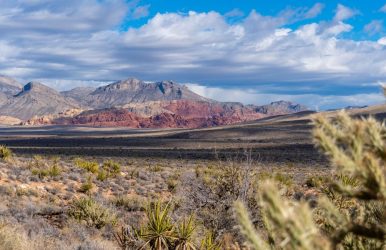
You’ll be amazed by the hills covered by mist. As you graze past, you will see the lush green plantations. 

The contrasts of the green top against the grey rocks will surely amaze you. But the best part is something else. You will come across the rich coffee aroma. It’s always present in the air. 

The bottom line is that this characteristic coffee station is a must-visit. There’s a reason why it is called the Distinct Coffee Land of Karnataka. 

The Rich Heritage You Can’t-Miss

The coffee culture started under the British Raj. Now it has flourished beyond leaps. But things were different from the start. The coffee culture was prevalent among the Britishers and a small section of the Indian elites only. 

But that has spread now. Subsequently, Chikmagalur’s Coffee is now reputed as one of the finest Indian coffee. Meanwhile, the estate has also risen to the helm of fame. When you visit her, you will encounter one of the biggest and finest coffee estates in the country. 

Planning a Chikmagalur Tour

Plan your Chikmagalur tour today. Begin with a coffee plantation tour. When you come here,, you will meet a plethora of global and domestic tourists who flock here every year. Firstly, you will enjoy the breathtaking scenery around. Next, you will soak yourself in the rich coffee aroma in the surroundings. 

From coffee beans to the brewery, you will witness every step with your eyes. At the same time, you will get insights that you make you a coffee pro. So, make your visit to Chikmagalur’s coffee plantations more memorable and insightful!

The History of Chikmagalur Coffee

Chikmagalur's Coffee

Coffee dates back to the 17th century India. Baba Budan, who also goes by the name of  Hazarat Shah Janab Allah Magatabi, paid a Haj visit. He was mesmerized by the strong beverage he had in Yemen. And the stark aroma with a rich taste took a toll on his tastebuds. 

Then he decided to take coffee back to his land. That’s how coffee occurred in India. 

undertook a pilgrimage to the holy land of Mecca. During his travels, he encountered the rich, aromatic coffee of Yemen and was so impressed by its refreshing qualities that he decided to bring it back to India.

The Challenge 

Back then, exporting coffee from the Arabian estates was not allowed. But the legend says that he smuggled around 7 beans. He just hid them in his robes. 

When he returned in 1670, he paid a visit to the Chikmagalur’s Coffee Hills. At first, he didn’t know it would be a coffee plantation paradise. But the rich soil and the soothing weather worked like magic. 

Later the surrounding Sufi hills were named Baba Budan Giri, honoring him. 

How Did It Spread?

Initial coffee’s acceptance was slow. Hence the cultivation was limited too. But coffees started to spread like wildfire when the English came here. 

The Europeans were mesmerized. At first, The Dutch made spreading coffee plantations a personal agenda in India. But the real reign of coffee started under the British. Around 1850, coffee plantations became normal in India. 

What’s The Status Now?

The Chikmagalur’s Coffee is now popular across India and abroad too. However there is a sheer economic importance of this beverage as well. At first, the story began with just 7 coffee beans. But it has now grown into a fully fledged industry. 

Today, the coffee plantation is a separate tourist attraction. If you ever go by the scenic Chikmagalur’s Coffee estate, check out the coffee plantations with awe! 

The Art of Coffee-Making

Chikmagalur’s coffee plantations are home to two distinct varieties of coffee: Arabica and Robusta. Arabica is known for its delicate flavor and sweet undertones and is in high demand in international markets. 

Arabica plants are smaller and thrive at higher altitudes. They require more manual attention and meticulous care. On the other hand, Robusta is more resilient, growing at lower elevations and having a bold, strong taste. Robusta plants are also easier to maintain.

While a casual coffee drinker may be unable to distinguish between the two easily, estate owners carefully select their preferred variety based on climate conditions, maintenance needs, and market demand. Both coffee varieties play a crucial role in Chikmagalur’s coffee industry.

The journey from coffee cherry to mug is an intricate, labor-intensive process. The steps of coffee-making are as follows:

  • Step 1: Harvesting

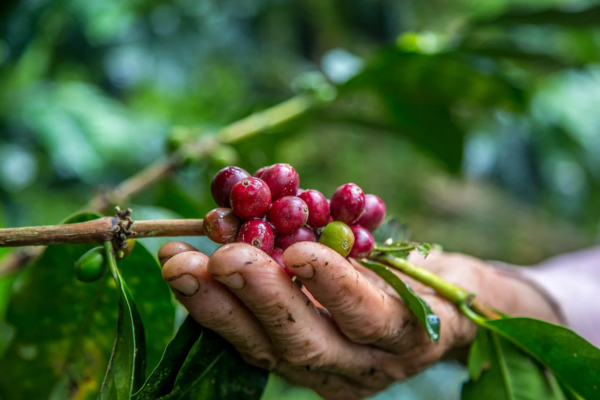
Skilled coffee pickers handpick only the ripest coffee cherries, ensuring quality and consistency.

  • Step 2: Processing

The harvested cherries undergo various processing methods to remove the outer layers and prepare the beans.

  • Step 3: Drying

In this stage, the main aim is to dry the coffee. You can use the sun drying method. Most roasteries use it too. 

Once there is no moisture in the beans, you can go to the next stage. 

  • Step 4: Roasting

Once done, the coffee beans go through the penultimate stage. Each bean goes through careful roasting. But you need to maintain a precise temperature during the process. It helps to infuse the rich gourmet smell and characteristic taste. 

This careful process, perfected over generations, is what makes Chikmagalur’s coffee so exceptional.

Explore the Coffee Museum

For those eager to explore the world of coffee, a visit to the Coffee Museum, also known as the Coffee Yatra Museum in Chikmagalur, is a must. The Coffee Board of India started this museum as a solo initiative. Now this is the main Indian coffee museum that educates visitors about coffee. You can learn about coffee’s journey from scratch here. 

Located in Dasarahalli, just a short drive from Chikmagalur’s city center, the museum offers an enriching experience that is ideal for both casual coffee lovers and connoisseurs.

Pay A Visit Today!

For a truly immersive coffee experience, a stay amid Chikmagalur’s Coffee plantations is ideal. Gateway Chikmagalur provides the perfect luxury stay, offering modern comforts while keeping visitors close to the town’s coffee heritage. 

With its proximity to key attractions like the Coffee Museum, it serves as a great base to explore the region’s rich coffee culture, while indulging in a luxurious, nature-infused getaway.

Share on Social Media

Meet Sibashree Bhattacharya, a travel enthusiast who has a decade-long experience in transcending virtual barriers with her words! Her deep love for travel is apparent from her travel escapades to the mountain, often taking her readers on a journey, her words acting as Portkey! Fun fact: Sibashree loves to dive deep into the history of the places she is about to visit, making her travels even more wholesome. If you were wondering how her articles are not short of time travel, this answers it!

Leave a Reply

Your email address will not be published. Required fields are marked *

title-img Related

READ MORE

Amazing Things To Do At Yosemite National Park | Action Tour Guide

BY  Sibashree Oct 28, 2024

Yosemite National Park comes with great news for the explorers. The park has ended its reservation season early in 2024. So, for the rest of the year, you can enjoy a drive through the park without reservation.  In a social media post, Yosemite National Park authority has mentioned “ending the 2024 reservation season after this weekend (October 13)."  With no stress about getting a reservation, Yosemite National Park will surely be the destination for trekkers and wildlife lovers. However, before you plan a trip to the park, you must have a detailed idea of what to do there.  Best Things To Do At Yosemite National Park Yosemite National Park allows you to explore many activities, from camping to hiking. Therefore, setting the itinerary right can be a little taxing, with many options available.  So, here, I will discuss the outdoor pursuits in the park, with special emphasis on hiking, wildlife exploration, and stargazing.  Yosemite National Park is a UNESCO World Heritage Site, inscribed in 1984.  Hiking In Yosemite National Park This park has more than 750 miles of hiking trails. Further, if you want to explore the park’s ecology, wildlife, and geological formations closely, hiking is the best way out.  So, you can try these most popular hiking trails in Yosemite National Park.  Upper Yosemite Falls Trail Trekking Length: More than 10 Kms Difficulty Level: Hard Pet Friendly: No Time Of Trekking: Around 6 Hours  How about exploring a hiking trail that takes you to the top of the tallest waterfall in America?  You will also love the best views from Columbia Rock as you advance in your expedition.   Mirror Lake Loop Trekking Length: 8 Km Difficulty Level: Easy Pet Friendly: Yes  Time Of Trekking: 2 Hours The beautiful trekking route takes you to Mirror Lake and Tenaya Creek. Further, the calm water of the lake shows the most beautiful reflections of the surrounding cliffs.  However, often, the lake does not have adequate water, and then it looks like a meadow with sandy areas and grasses. So, it is also known as Mirror Meadow.  Nevada Fall Via The Mist Trail Trekking Length: Around 10 Km Difficulty Level: Hard Pet Friendly: No Time Of Trekking: 4 Hours   Nevada Fall Via The Mist Trail is a signature hike, allowing you to explore many spectacular views scattered around it.  Located on the Merced River, the water in the fall has a misty appearance. Further, falling from a height, the water of the cascade looks like an avalanche.  Lower Yosemite Falls Trail  Trekking Length: 2 Km Difficulty Level: Easy Pet Friendly: Yes Time Of Trekking: 30 Minutes   A deafening sound of water will fill your ears as you complete the Lower Yosemite Falls Trail trek and stand on the footbridge. This hiking trail is the best for enjoying beautiful views of Yosemite Falls and creeks. Further, throughout the trek, you will learn about the park’s culture and history.  Exploring Wildlife At Yosemite National Park “Approximately 95% of the park is designated wilderness. The entire park is surrounded by four national forests, several adjacent portions of which are designated wilderness areas, thereby providing connectivity with the larger landscape.” - UNESCO World Heritage Convention. Surrounded by forests and extensive wilderness, Yosemite National Park is home to around 90 mammal species. Further, this park has many amphibians, reptiles, birds, insects, and fish. I will talk about the birds and fish in detail shortly. So, here is a brief overview of the mammals, amphibians, reptiles, and insects found here.  Mammals Black BearsBighorn SheepPacific FisherRed FoxBatsMountain LionsDeerGrizzly BearAmphibians Sierra NewtPacific TreefrogCalifornia Red-Legged FrogYosemite ToadsReptilesSierra Fence LizardSierra Alligator LizardsWestern Pond TurtleSierra GartersnakeSierra Mountain KingsnakeNorthern Pacific Rattlesnake (It is the only venomous snake out of the 13 species of snakes found here.)InsectsElderberry Longhorn BeetleCaddisfliesGrasshoppersBristletails Among the species found here, grizzly bears, foothill yellow-legged frogs, and California red-legged frogs are the ones on the verge of extinction. Fragmentation of habitat, air pollution, and the invasion of non-native species are the primary reasons behind this process of eradication.  Stargazing In Yosemite National Park  The minimal light pollution and extensive wilderness make Yosemite National Park a great space for stargazing. Further, from July to October, this park is a great space to observe the Milky Way.  In addition, there are multiple hotspots in the park for stargazing. So, check out the table below to know where to enjoy the starry affair the most. Stargazing Location In The ParkBest Spots Yosemite ValleyEl Capitan MeadowCook's MeadowSwinging BridgeTunnel ViewGlacier PointGlacier Point OverlookWashburn PointTioga RoadTenaya LakeOlmsted Point Wawona is another popular stargazing location in the park, and it offers a peaceful experience.  Stargazing Experiences You Cannot Miss As you set out to stargaze in Yosemite National Park, you will encounter many unique sights. However, watching the moonbows or climber’s headlamps are the two most common stargazing experiences in the park.  Climber’s Headlamps During spring and fall, many climbers spend their nights on the cliffs of Yosemite Park. As they notice the first star coming out, they turn on their headlamps.  Moonbows April to June is the waterfall season in the park. On full moon nights in that season, the moonlight creates a rainbow in the mist of Yosemite Falls.  Even if your eyes cannot catch the colors, your camera surely will.  Birdwatching In Yosemite National Park  This national park is a favorite of birders, considering the presence of 262 species. Among them, 165 are habitat and migratory species, while the remaining one are transient species.  Further, the elevation of the park ranges between 2000 to 13000 feet. So, you will notice massive changes in the behaviors and features of the birds found here.  Yosemite Conservancy birdwatching outing and Christmas Bird Count are some of the programs that you can join if you want to locate the local, migratory, and transient ones.  Some common species of birds found here are the Great gray owl, American dipper, spotted owl, and Western tanagers.  A park-wide census of willow flycatchers has been conducted in the park. The report shows that these species do not breed in the park anymore.  Rock Climbing In Yosemite National Park  Yosemite National Park is a hub of rock climbers. Rock climbing here is beyond big wall climbs or conquering the cliffs. Further, almost every big wall in the park has a distinct ecosystem for you to explore.  Some popular rock climbing spots in the park are Merced River Canyon and Tuolumne Meadows. However, climbing the El Capitan is the most adventurous outdoor pursuit you can try in the park. The Oscar-winning movie Free Solo has further put this rock-climbing destination under the spotlight.  Water Activities At Yosemite National Park  Swimming, boating, rafting, and fishing are the best water activities in Yosemite National Park.  Swimming You can swim in almost any water body in the park. However, swimming is prohibited in the following water bodies. Dana Fork of the Tuolumne River Lake Eleanor Reservoir Wawona Domestic Water Intake Hetch Hetchy Reservoir Emerald Pool  Silver Apron Further, for the best cooling-off experience, you can try swimming in the Merced River.  Boating And Rafting  The best locations for boating and rafting in Yosemite National Park are Merced River, South Fork Merced River, and Tenaya Lake.  Rafting in the Merced River is a popular summer activity in the park. So, you can rent a raft or try kayaking here.  Further, you must wear a personal floatation device for kayaking and rafting in the South Fork Merced River or Tenaya Lake.  Fishing In Yosemite National Park  Are you over 16? Then, you will need a California fishing license to fish in the park. Further, you must abide by the California and Yosemite Park regulations about fishing.  Nevertheless, the best places for fishing in the park are: Merced River South Fork Merced River  Frog Creek Adair Lake Hanging Basket Lake Sacramento pikeminnow, California roach, and riffle sculpin are some native fish species in the national park. Furthermore, trout is the most common non-native species in the region.  Yosemite National Park At A Glance Location: California, United States Highest Point: Mount Lyell (3,997 Meters) Area: Around 1,200 Square Miles Operating Hours: 24*7 Origin of Name: Uzumate, meaning Grizzly Bear Visitor Centers: Yosemite Valley Welcome Center, Yosemite Exploration Center, Valley Wilderness Center, etc. How To Reach: Visit the park from the west through Highways 41, 140, and 120. However, to reach the park easily, you will have to take Highway 120. Further, please note that the Tioga Pass Entrance remains closed from November to May or June.  Best Time to Visit: May to June Also read Why Include Whale Watching In Your LA Itinerary. Travelling On A Budget: Tips For Affordable Adventures. From Cocktails To Kickflips: Must-Try Activities In San Diego.

READ MORE natural drug detox

Nature’s Healing: How Camping Can Aid Drug Detoxification

BY  Sibashree Oct 22, 2025

I’ve got to say that recovering from any kind of addiction is a messy business. It’s never just about flushing things out of your system. It’s about fighting your thoughts, your habits, and all those little triggers.  Lately, I’ve noticed more people stepping outside to heal. Camping, of all things, has become one of those hidden gems in detox. Being out there, far from traffic noise and glowing screens, surrounded by trees and honest silence? It hits differently. Some even find it just as helpful as staying in a structured facility like the detox clinic. The Therapeutic Power Of Nature Have you ever stepped outside and just felt your shoulders drop? Nature does that.  Science loves to back this up, and Harvard even found that twenty minutes in fresh air can lower cortisol, the nasty stress hormone that spikes during detox. And honestly, that relief matters. Stress is like gasoline poured straight on withdrawal. When you’re camping, you can’t help but notice how calm things get. No alarms, no rush. Just breathing, listening, thinking.  It’s almost strange how fast you start noticing yourself again. For folks coming out of a storm of substance use, that reconnection to your emotions, your body, your thoughts isn’t just nice, it’s necessary. Camping Facilitates Natural Drug Detox By Improving Sleep Cycles  Camping improves your internal body clock as you are continuously exposed to the natural light cycle. So, by regulating your internal clock, you will get more sleep.  Furthermore, during camping, you remain busy with physical activities. You are hiking through trails, setting up the tent, cooking, and doing other recreational activities or survival chores. This is also crucial for improving your sleep cycle and quality.  Moreover, when camping in remote areas, you cannot use your phone, and you are also away from the daily stressors. With no pressure of deadlines and ETAs and all the chaos in your head vanishing in the thin air, you actually get a better sleep.  Community And Support There’s something wild about how people open up under the stars. I’ve seen it, how those late-night talks by a campfire, voices crackling right alongside the flames, do the magic. That’s a real connection, and it’s gold during detox. A big part of healing is not doing it alone. Most programs preach about support networks, but in the woods, that happens naturally.  You gather wood together, laugh over burnt marshmallows, and share your stories without judgment.  The National Institute on Drug Abuse even says social support can make or break recovery. Makes sense as feeling seen keeps you anchored when cravings hit or the loneliness creeps in. No clinic room can fully replace that kind of bond. Physical Activity And Mindfulness Camping gets your body moving, whether you plan it or not. You set up a tent, haul water, and climb a hill.  Little things that make you tired in a good way. That movement pumps out endorphins, which do wonders for mood, especially when detox brings anxiety or sadness along for the ride. Then there’s the quiet stuff, too. You find yourself being mindful without calling it that! Staring at a lake, flipping fish over a grill, sitting in silence until time just fades! It grounds you.  That kind of focus pulls you away from cravings and teaches you how to ride emotions instead of running from them. Funny how stillness can feel like a workout for your mind. Disconnecting From Technology Let’s be honest. We live glued to screens now. Scrolling when we’re bored, anxious, lonely, or anytime you name it. But camping forces a break.  The first few hours feel weird, almost twitchy without your phone, then a calm sets in. You start talking more, thinking more. Maybe even remembering what silence sounds like. People in recovery deal with enough mental noise already, and research shows that too much screen time can make anxiety and depression worse.  So, cutting that off, even for a weekend, resets something inside you. Suddenly, you’re aware of how addicted we all are to distraction more than anything else. Structured Activities And Goal Setting Some camping programs add a bit of structure, such as goal setting, small group reflections, maybe even creative tasks.  It’s not rigid like rehab, just guided enough to keep you focused. When done right, it helps you rebuild a sense of direction. There’s actually data from the American Psychological Association saying people who set specific, meaningful goals reach them more often.  And out there, surrounded by nature, those goals feel a bit more real. People talk about dreams they’d forgotten or things they want back in life. It’s refreshing—and it sticks. Camping: Setting The Rick Backdrop For Healing After Addiction Recovery Camping won’t magically erase struggle, but it changes the backdrop in a way that makes healing possible. It mixes nature’s quiet strength with genuine community and gentle self-discipline. It is kind of the opposite of everything that fed addiction in the first place. For many who’ve tried both, it’s a beautiful complement to formal detox options like those at the Detox Clinic.  Out there, in the dirt and sunlight, recovery starts to feel less clinical and more human again. Maybe that’s why so many find clarity under a canopy of stars instead of beneath a roof. Furthermore, camping boosts your self-sufficiency. If you are a solo backpacker, you have to dig the soil and set up the tent, light the fire, and do everything else. So, camping is a great confidence booster. You understand that you survive on your own and how strong you are.  All these help us create a positive image of ourselves in our minds. So, you don’t need to rely on any external stimulator or drugs anymore.  In addition, an inclination toward drugs arises from negative thoughts about our capabilities. Camping helps us overcome logistical and physical challenges. So, we become more confident about our abilities. 

READ MORE Paraguay food

Top 10 Most Popular Paraguay Food That You Must Try

BY  Abdul Aziz May 1, 2024

Many of the countries in South America are popular for their exquisite and varied cuisine. However, the practices of Paraguay food are not known to many. The Paraguayan Cuisine has been influenced by the local indigenous tribe’s culinary traditions and practices brought by immigrants from Spain, Italy, and Portugal. Being a foodie myself, I love traveling around the world to have a taste of every new variety of food that the world has to offer. Visiting remote areas, meeting with new people, and trying out their traditional dishes is what I have always loved! I was also in your shoes when I first landed in Paraguay, a bit startled and confused. Although, as I began to explore, my first meal at a fancy restaurant in Asuncion changed my entire perception of the state.  Tid-Bits About Paraguay Food Classic Paraguay food includes some of the most exclusive dishes that are bound to beat any of the Peruvian or Argentine preparations. Traditional culinary elements in Paraguay food recipes consist of meat, maize, vegetables, manioc, cheese, fish, milk, and even fruits.  ‘Asado’ is a local term used for barbecue, which is referred to as both a cooking practice and a social event. In Paraguay, barbecuing is the most important mode of cooking their traditional Paraguayan food dishes.  Here in this article, I will elucidate the best dishes and popular foods in Paraguay that you must try in Paraguay this year. The Paraguay famous foods excite your taste buds and have an experience like never before.  1. Kivevé You will be stuck in a dilemma whether to count this as a main course or a dessert. Kieve is the most popular and loved Paraguay food. It is a vegetarian dish that is cooked out of andai (a type of juicy pumpkin), cornmeal, Paraguayan cheese, milk, and sugar. Kieve is a typical food in Paraguay. It has a very creamy and light texture and is orangish in color. This rich-flavored delicacy is served lukewarm and is often consumed as a side dish or even main meal, at breakfasts, and as an evening snack. 2. Chipa Considered a staple Paraguay food, Chipa is a simple bread roll that was invented by the local indigenous people in the 18th century. It is a bun that is made out of manioc or cassava flour, lard, and anise, and beaten eggs and cheese. There are different versions of Chipa available, varying over the regional influences. The bread has a very crunchy crust due to the addition of lard. The crumb is soft and has a unique flavor. It is prepared and consumed by every household in the state.  3. Bori Bori Bori-Bori (Vori-Vori) is a nutritious and flavorful thick soup that is prepared out of vegetables such as carrots, celery, onions. It is filled with meat (chicken or beef) and dumplings of cornmeal plus cheese. The prime flavoring ingredients in this soup are bay leaves, cloves, and parsley. The addition of saffron to this hearty broth makes it even more flavorful and rich golden in color. It must be served piping hot, garnished with some parsley and Paraguayan cheese on the side. It is especially popular during the winters.  4. Sopa Paraguaya This specialty is not what it sounds like. Even though SOPA translates to soup in the local language, it is not at all in the vicinity of any soupy preparations. It is the national dish of Paraguay, which resembles a cakey thick bread.  It is crafted out of cornflour, cheese, milk, and eggs. The flavor is inculcated through the use of onions and pork fat. It is usually baked and is often termed solid soup. It has a soft and crumbly texture and is served on special occasions as a side dish.  5. Mbeju Mbeju, when translated to the local Guarani language, means cake. It is a very simple and staple Paraguay food. It is a kind of starchy pancake that is prepared with cassava flour, salt, oil, milk, eggs, crumbled cheese, and even pork fat. The dough is kneaded well and rolled out thickly like a pancake. It is then fried in hot oil. It is usually consumed during breakfast, sometimes dinner, alongside a bitter herbal tea or coffee.  6. Soyo This is another popular Paraguay food, which is a thick unpassed soup. It is made with beef grounded in a mortar, rice, and vegetables, including green peppers, onions, and tomatoes. Soyo is another good example of Paraguay’s famous food.  The dish is flavored with garlic, parsley, oregano, salt, and pepper. The name is derived from the native Guarani phrase so’o josopy, meaning crushed meat. A whole bowl of soyo can be considered as a complete meal and has a high calorific value. 7. Tereré Since the climate in Paraguay tends to grow hotter every summer, Terere acts as a relief to many. It is a cold-brewed herbal tea that is bitter in taste and is commonly known as yerba mate.  Terere is one of the essential elements of export, and the natives can be seen carrying around a thermos flask, guampa (a spherical mug), and bombilla (a silver straw) everywhere they go. It is a very healthy and refreshing drink and has high caffeine content. 8. Dulce de Mamon Here comes our most awaited syrupy sweet dessert in the list of top Paraguay food you must try! Dulce de Mamon is one of the oldest and most traditional preparations of Paraguay, which has only two major ingredients. It is cooked by boiling small cut wedges of papaya in sugar syrup. The mixture is simmered for almost 2 hours in order for the papaya to achieve a soft texture. You can even add some cloves, lemon zest, and a little orange juice to enhance the flavors.  9. Pira Caldo Another most favored Paraguay food includes Pira Caldo. It is basically a light fish stew made with freshwater catches such as surubi, mandi’y, and tare’y. I have never in my life tasted such meaty textured fishes with a tinge of saltiness in them. Initially, vegetables such as onions, tomatoes, leeks, celery, bell peppers, and carrots are fried in pork or beef fat and are cooked with other spices. It is then combined with milk and soft white cheese to improve the thickness and flavor. 10. Bife Koygua Bife Koygua, or hidden steak as it is known, is another popular Paraguay food that is a must-try.  It is a heavy preparation in which the beef steaks are covered with onions and tomatoes. Hence the name. According to the local language, bife means beef, and koygua means shy or hidden. The recipe calls for the steak to be pounded first with spices, then fried with onions and topped with tomatoes. Towards the end, an egg or two is added at the top, and the dish is garnished with parsley. Puchero Paraguayo Recipe The Paraguayan version of a traditional meat stew is called Puchero paraguayo. This stew has its origins in Spain and is now prepared in several countries throughout South America and the Philippines. The name of the stew, Puchero, comes from the Spanish word meaning "stewpot". Course: Main Course Cuisine: Latin American, Paraguayan Servings: 4 people Author: Nita Ragoonanan Ingredients 1½ lb beef (skirt or flank steak, cut into pieces) 3 cloves garlic, cut in half 1 onion, chopped 1 green bell pepper, diced 2 carrots 10 oz. pumpkin, cubed 2 potatoes, cubed ½ cup rice 6 tablespoons olive oil Salt Pepper Equipment Pressure cooker Instructions To start, get a large pot and fill it with 10 cups (2.5L) of water. Add in some onions, carrots, and bell peppers, and bring it to a boil. Let it simmer for 15 minutes and season it with salt and pepper to your liking. Set it aside. Next, heat some olive oil in a pressure cooker and add in some garlic and meat. Saute over high heat while stirring constantly until the meat is browned. Pour in the reserved broth and vegetables and close the pressure cooker. Cook for 45 minutes on medium-low heat. While waiting, rinse the rice. After 45 minutes, open the pressure cooker and add in the rice, potatoes, and pumpkin. Close the pressure cooker again and continue cooking for 15 minutes. Frequently Asked Questions!!! (FAQs): Q1. What Is The Traditional Dessert In Paraguay? Ans: Mazamorra also known as Kaguyjy is one of the most popular traditional deserts in Paraguay. it is made of corn and sugar, mixed with honey or milk. Ka'i Ladrillo is a candy made of peanuts and molasses. Q2. What Is Paraguay's National Dish? Ans: Sopa Paraguaya is the national dish of Paraguay. it is similar to cornbread and made up of corn flour, pig fat, or butter, with cheese and milk. it is very spongy and is rich in calories and protein. Q3. What Is The National Drink Of Paraguay? Ans: Yerba mate tea is prepared with cold water. different variations of terre can be found in Brazil and Argentina. Its birthplace is Paraguay. Final Thoughts These are some of the most exotic preparations from Paraguay that made their way into my Top 10 list. Thanks to those Guarani friends that I had over there who guided me through to the best of their culinary traditions. And if you are hesitating about visiting this place, trust me, the experience is worthwhile. It is not only about their food but also their culture, traditions, and heritage. This beautiful country deserves all the appreciation in the world.