


New Orleans With Kids Vacation | Know The Fun Things To Do With Kids In New Orleans

Jan 17, 2025

Last Updated on: Jul 2, 2025

Travel Guides

The next location we planned to cover during a USA tour was New Orleans. This time, we discovered how a city with a rich culture cares so much about children. 

Along with its heritage, architecture, and a culture that feels like a warm embrace, the kid-friendly activities also make this Louisiana city a popular tourist destination. 

However, this time as I pen the things to do in New Orleans with kids, my heart feels heavy. A deadly terror attack on Bourbon Street and the police shoot-out following that have taken the lives of at least 14 people on 2nd January 2025. 

Still, the city is on the mend, and everyone is hoping high for the stability of the tourism economy of the city. It’s difficult, considering the city has yet to recover in tourism and finances since the COVID-19 days fully. 

Apologies for the grim start! However, as travelers, you cannot disassociate so easily, especially when you have just visited a place.

Nevertheless, it’s time for some cheer, and shifting focus to the best things to do in New Orleans with kids can greatly help. So, let’s discuss it. 

Fun Things To Do With Kids In New Orleans | Enjoying The Graceful Embrace

December to January and February to May are the best times to try fun things to do with kids in New Orleans. And guess what! There are a lot of free activities awaiting your little ones here. I have discussed them in a different Tour and Travel guide. 

Nevertheless, here, let’s focus on the unique things to do with kids in New Orleans

1. Audubon Zoo Visit

Location: 6500 Magazine Street, New Orleans

Contact Number: (504) 861-2537

Hours Open: 10 AM to 5 PM (Tuesday and Wednesday Closed)

Audubon Zoo Admission: $35 for Adults and $25 for Children

Audubon Zoo is one of the topmost family attractions in New Orleans. It is a wonderland of Audubon animals and birds. The place is filled with mammals, reptiles, and birds. From the majestic African Lions and Asians Elephants to the Aldabra Tortoise, you will find everything here. 

However, for me, the most delightful creatures in the zoo are the Caribbean Flamingos. They are as colorful as their country of origin. 

I also loved the Malayan Sun Bears. They are adorable with the cutest expressions. You will even find Malayan tigers here. 

Furthermore, we thoroughly enjoyed The Dinosaurs at the Audubon Zoo section. I was not willing to visit the section at first. Yes, I know! I am in my thirties, and I still have my phobia! 

Nonetheless, my kids insisted, and I had to take them to the section with 50 life-like dinosaurs growling and making moves. However, this special exhibit program has now ended. 

Moreover, if you are in New Orleans for a long span or have plans of staying here, you can allow your kid to be a camper at the Audubon. They can become young experts in animals and they will love to spend some time with their favorite creatures.

2. A Day at Jackson Square | Best Things To Do In New Orleans With Kids

A Day at Jackson Square

Jackson Square gets its name from Andrew Jackson, the seventh president of the USA and a New Orleans battle hero. So, a visit to Jackson Square at the heart of the French Quarter is like taking a walk down memory lane. 

Here, you will also find Pontalba Apartments and many other oldest buildings in the city. Rented places are easily available in these buildings. 

As you appreciate the old-yet-young vibe of the space or recall the history of New Orleans, let your little one enjoy the jazz music, live performances, and entertainment events here. 

Moreover, if you are lucky enough, you can be a part of the art festivals here. 

A stone’s throw away from Jackson Square is the St. Louis Cathedral. It is the oldest cathedral church in North America, and its steeples watch over the French Quarter. 

3. A Ghost Tour | Exciting Things To Do In New Orleans With Kids

A Ghost Tour  Exciting Things To Do In New Orleans With Kids

Well, if your little one loves Halloween and everything spooky, you can definitely take them on a family-friendly ghost tour. These tours are especially popular among adventurous children in their pre-teens. 

Tour Organizers like Viator, offer Spooky Family-Friendly Ghost Tour in New Orleans in the French Quarters. 

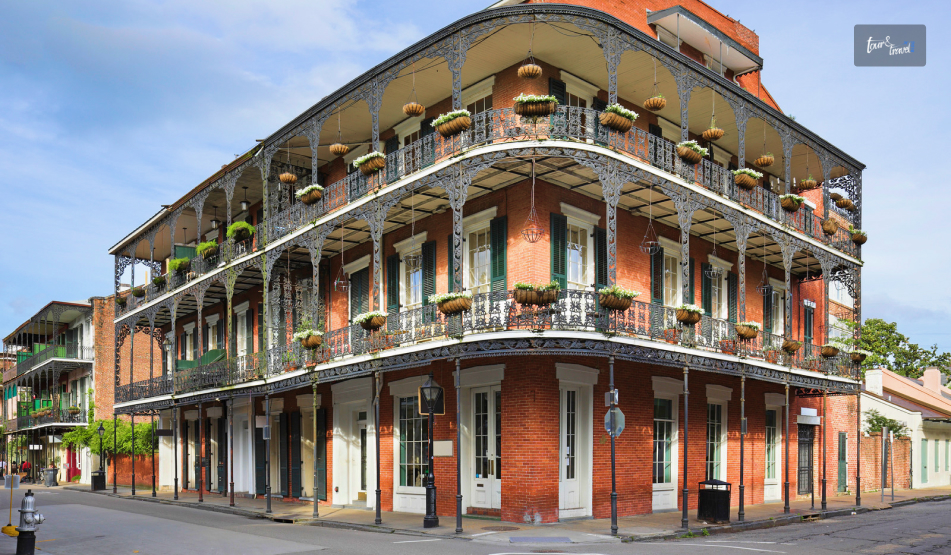
Now, these ghost tours are very much ingrained in the spirit of New Orleans. The LaLaurie Mansion or the New Orleans French Quarter was infamous for the mistreatment of slaves.

Supernatural activities and the stories around them started flowing after a neighbor saw a troubling incident. The neighbor saw a lady chasing a slave girl, who jumped from the roof of the mansion as an escape. 

Despite the presence of modern boutiques, quaint restaurants and a reimagined and bustling French Market, the spooky vibe simply refuses to go away! 

4. Spending Time By The Mississippi River

Spending Time By The Mississippi River

There is something special about New Orleans. And as they say, the Mississippi River is the manifestation of the heart of New Orleans. It’s welcoming and embracing, and its culture and heritage surpass the geographical boundaries. 

Further, like the Mississippi River which destroys, restores and builds the banks, New Orleans believes in making a forward move even in the toughest conditions. The recent terror attacks and the means of recuperation are burning examples. 

So, if you want your little one to know about the true spirit of New Orleans, allow them to sit and relax by the Mississippi River for a while. 

They will love sitting on the steps and watching the boats passing in the water. It is very close to the French Quarter, but a complete contrast in its spirit. 

Moreover, your little ones will be elated to have beignets here. You will find the best beignets at Café Du Monde Riverwalk (Contact Number: +1 504-218-7993) here. The coffee there was good and just the way I like it. 

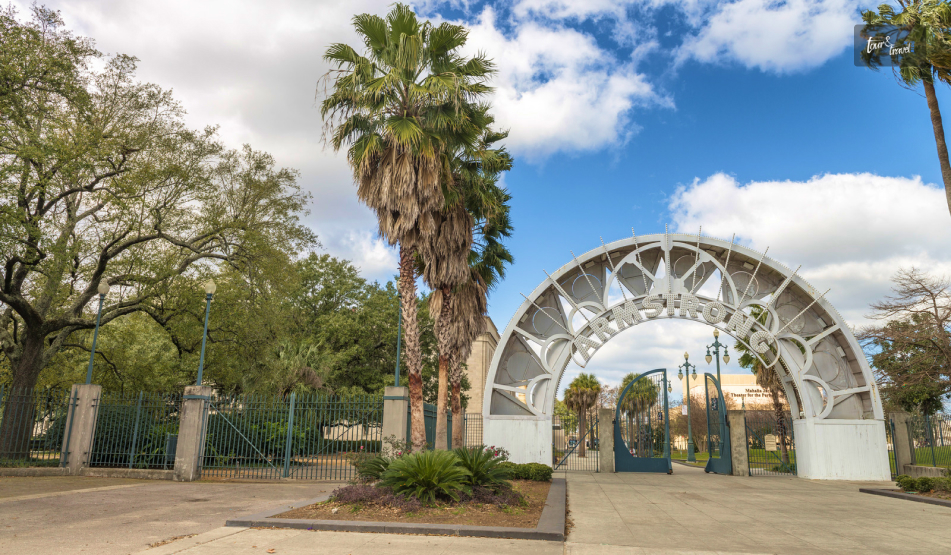
5. A Visit To The Louis Armstrong Park 

A Visit To The Louis Armstrong Park

Location: 835 N. Rampart St, New Orleans

Hours Open: 8 AM to 6 PM

Entry Fee: Entry is Free for a Walk in the Park

A visit to Louis Armstrong Park is not ideal for very young children. However, kids in their teens or growing up years with an interest in Jazz music will love this place. It is very close to the French Quarter, and inside the park, you will find Congo Square. 

Congo Square is the place where slaves used to unite during the 1800s. Furthermore, your kids will love looking at the ducks in the pond of Louis Armstrong Park. 

Moreover, the Mahalia Jackson Theater inside Louis Armstrong Park is a popular place to visit for artists and music lovers. It gets its name from Mahalia Jackson, a gospel singer of New Orleans. 

Also read

Share on Social Media

Sibashree is a travel, culture, and leisure writer who has been writing since the age of 12 and professionally since 2014. With more than a decade of travel writing experience and journeys across India and several parts of the world, she brings a deeply personal and thoughtful perspective to her work. A student of English Literature and Mass Communication, Sibashree has always viewed travel as more than movement — for her, it has been a way of understanding people, cultures, and herself. Her passion for spiritual exploration has also led her to many unusual and meaningful destinations over the years. Outside of writing, Sibashree enjoys watching European cinema, reading about global politics, and reflecting on the stories hidden within everyday places.

Leave a Reply

Your email address will not be published. Required fields are marked *

title-img Related

READ MORE Exploring Whistler, Canada

Guide To Exploring Whistler, Canada For A Memorable Getaway

BY  Arnab Nov 22, 2023

Whistler is unlike any other ski resort - boasting charming villages, phenomenal mountain biking trails, and breathtaking scenery, making this destination truly unforgettable. To see everything helps to have your own car. That way you can explore unique attractions (like the Train Wreck) further out of town. Canada is an expansive country, so having a clear itinerary prior to traveling there is essential. First, create your budget by dividing it amongst the days that you will spend there (plus any expenses such as meals). You can visit this site to learn more about current travel restrictions. Whistler is an outdoor enthusiast's paradise, featuring stunning ski spots, thrill-packed activities, and an idyllic European-style village. As one of North America's biggest ski resorts, it attracts visitors from across the globe. Whistler Blackcomb's grand scale becomes immediately evident as you drive into town from Vancouver via the Sea to Sky Highway. The trip takes travelers on a short bus ride from coastal mountains and rainstorms that quickly transition to snowflakes before reaching Whistler Blackcomb. This is the name for two mountains connected by one of the world's largest lift systems. Once in Whistler, visitors can explore its laidback mountain atmosphere on foot or bicycle. Or if they want something a bit more exciting, they can check out snowmobile tours from companies such as Canadian Wilderness Adventures or The Adventure Group; they offer thrilling snowmobile tours through Whistler's backcountry for adventure junkies! 1. The Village Whistler is best known as a mountain resort, yet its charming Euro-style village at its base also attracts many visitors. Curving stone walkways, little bridges and an abundance of trees create a pleasant setting in which to stroll or dine both summer and winter when its snow-dusted environs transform Whistler into a breathtaking winter wonderland. No matter your level of skiing experience, strolling down Whistler Village's main street is a must. You can click the link: wikihow for beginner skiing advice. Here you will find shops and restaurants ranging from casual bites to award-winning cuisine, plus great local breweries like Whistler Brewing Company and Coast Mountain Brewing that serve up amazing craft beers! Village life offers an engaging social hub, where you will experience locals' upbeat attitude in every shop, restaurant, and gathering spot. If you are in search of some fun nighttime action head over to Longhorn or Buffalo Bills for dancing while Elements offers live music. Take in the landscape from above with helicopter tours! Both outfitters offer tours tailored specifically for different experiences and confidence levels; you may spot bears while learning a great deal about regional ecology from your guide. There are also plenty of outdoor activities in the area for those not interested in flying. From climbing ski jumps or skiing with an Olympic medalist at the 2010 Winter Olympic Park (open all summer long); to bear-watching tours through lush forests to see an estimated fifty black bears that live here (from a safe distance, of course!), coyotes, western horny marmots, barred and great horned owls and more wildlife. 2. The Mountains Whistler is surrounded by rugged peaks, glaciers, and alpine forests that can be experienced both vibrantly green and covered in pristine snowfall. While exploring them on foot is one way of appreciating them fully, other methods exist such as taking advantage of helicopter tours that enable passengers to glide effortlessly over these magnificent landmarks and experience all that they have to offer. One such tour allows passengers to fly over coastal mountains while experiencing both their beauty and charm firsthand. These one-of-a-kind tours take passengers on an aerial journey over rugged peaks with gorgeous glaciers or lush alpine forests that are either vividly green or covered in fresh snowfall - both stunning from a high vantage point! If you are up for something more daring, Whistler offers plenty of thrilling adventures! Those looking for an adventure will find that bungee jumping off a bridge spanning the Cheakamus River is an exhilarating way to experience all its beautiful surroundings while getting some memorable photographs and videos of your visit here. Vallea Lumina provides a truly relaxing way to experience the mountains: a forest stroll at night! Join this unique tour and wander along forest trails illuminated with brilliant lighting displays; it is an excellent activity suitable for families and groups of all ages! Exploring Whistler's mountainous terrain by snowmobile is another exciting way to experience winter's breathtaking mountainscape. Tours can be booked outside the village, providing both beginner and experienced snowmobilers the chance to take in its sights. Or why not give heli-skiing a try - one of the most thrilling activities available during a visit to Whistler! 3. The Festivals Whistler is an all-year destination for outdoor enthusiasts. Boasting two majestic mountains connected by the PEAK 2 PEAK Gondola, Whistler provides access to breathtaking alpine terrain. At lower elevations, its coastal climate delivers lush vegetation as well as numerous lakes and trails in its lush coastal climate. Winter in Whistler brings many events. The Whistler Pride and Ski Festival follows in the footsteps of well-known snow sportsmen by following "go big or go home." Held annually during late January or early February, this festival showcases LGBTQI ski sports activities, parties at local night clubs, and arts and cultural activities. The Spring Mountain Trail Run is an annual marathon, and half marathon held each April, offering participants stunning scenic views of mountains, forests, lakes, and rivers surrounding this beautiful mountain town while at the same time testing their endurance. Furthermore, this festival showcases nature with various activities that celebrate it in all its beauty. Whistler Art on the Lake festival takes place annually at Alta Lake's sound end in August, drawing thousands to its gallery-style event that showcases over 30 Sea to Sky-based artists as well as arts and crafts for sale at this popular gallery-style festival. The Whistler Film Festival, an annual event that takes place each December, is a celebration of independent cinema. This festival features movie screenings, gala events, guest speakers, and artist spotlights as well as industry programs like filmmaker summits, talent programs, awards, and mentoring initiatives - an excellent chance for networking among fellow film professionals while enjoying Whistler. 4. The Food Set out on a Whistler Tasting Tour to experience some of its culinary secrets! From gourmet seafood and artisanal charcuterie to classic fondue, this culinary adventure will lead you through some of Whistler's premier dining spots. Whistler boasts a diverse food scene, from casual cafes to fine dining establishments and everything in between. If you are craving some fine dining, be sure to book a table at Araxi Restaurant; its Pacific Northwest-influenced dishes and unparalleled service are among its many accolades. Other top options include Mallard Pub & Grill, located at the base of Blackcomb with an incredible sun-drenched terrace, and seasonal menu options such as grilled elk with wild mushroom tartine and braised beef cheeks with Korean barbecue glaze as crowd pleasers. Furthermore, Sidecut Steakhouse recently underwent extensive renovations, boasting high-end cuts of meat (ranging from Four Seasons black label flat iron to Japanese A5 wagyu). Hunter Gather is an Australian-inspired bakery offering delicious pastries, sandwiches, and coffee that has quickly become a favorite among both locals and visitors. Function Junction, just 10 minutes south of Whistler Village, features shops, restaurants, and breweries clustered together for locals' enjoyment. Functional Pie offers New York and Detroit-style pizza that combines the thicker aesthetic of New York slices with the crunchiness you would find from Detroit slices - definitely worth checking out if you prefer your food without tourists around! Related: Winter Camping In Canada: Tips For Cold-Weather Adventures 5. The Art Whistler offers much more than snow and mountains; it also has a vibrant arts scene. Enjoy theatrical performances, art exhibits, music events, and musical shows throughout the year - and embark on an exploration journey of Whistler's cultural treasures from museums that chronicle its development to galleries that inspire your creativity! The Audain Museum is an architectural marvel with a spectacular collection of paintings and sculptures by regional Canadian artists, from Northwest Coast First Nations masks to postwar modernists such as Emily Carr as well as local Whistler talent. Take a self-guided tour through its galleries or participate in one of the many workshops such as yoga classes or summer art camps for kids! There are also a variety of galleries located throughout Whistler that specialize in local and emerging artists, including Adele Campbell Fine Art Gallery and Black Tusk Gallery; or visit Mountain Galleries inside Fairmont Chateau Whistler for further selection. Whistler's Aboriginal culture is an integral component of its identity and should not be neglected. The Squamish-Lil'wat Cultural Centre offers visitors an amazing way to learn about the history and traditions of both Squamish and Lil'wat First Nations as well as hosting dance classes, guided tours, artist talks, and summer art camps. Whistler's arts and culture scene adds another level to its already captivating destinations. Museums documenting its evolution, galleries igniting your imagination, and cultural centers celebrating heritage are all waiting to be explored. These cultural gems will leave lasting memories behind! Read Also: Aeolian Village Beach Resort: The Ultimate Destination For Relaxing Holidays This Is The Best Time To Visit The Seven Magic Mountains In Vegas! Best Tourism Villages In The World 2023

READ MORE

Connemara National Park: Where Guglielmo Marconi Invented The First Full Duplex Radio 

BY  Sibashree Sep 10, 2024

Connemara National Park has been an important Irish national park, having won the Green Flag Award in 2018. This international benchmark shows its worth as a green space and park. Further, in 2021, it also sought the New Heritage Site Accreditation, which shows the quality of the national park and how it is maintained in a sustainable way.   Moreover, this park is even rich in geology and houses many historical and archaeological sites. In addition, as an outdoor enthusiast, you can explore its various hiking and walking trails.   So, want to tour this Irish national park, which has a dash of history, culture, natural abundance, and more? Here is a complete guide for you.   Important Information About Connemara National Park  Visiting Time: 9 am to 5:30 pm  Entry Fee: Free  Closed On Christmas Day, St. Stephen’s Day, and Red and Orange Weather Alert Days  Amenities: Education Center, Visitor Center, Playground, Cafe, Toilets and Picnic Areas  How to Reach: You can reach this national park by train, car, or bus. You have to reach Galway City first and then take a bus (or private car) to reach the park.  Main Access Point: Near Letterfrack along the N59  Pet Friendliness: Dogs are Welcome to Walk the Trails   Fascinating Geology Of Connemara National Park  The national park is a part of the Twelve Ben area. So, the park also has underlying metamorphic rocks. The sediments forming these rocks are aged between 700 to 550 million years.   Further, you will find schists and gray marbles around the edges of the rocks. Moreover, at the top, you will see quartzite. In addition, it is astonishing to know that the final shaping of the park took place around 10000 years ago or during the last ice age.  The park has a rocky formation with boulder clay and a deposit of sand and gravel. The distinct geological features have contributed to the type of vegetation found in this area.   What Animals Are In Connemara National Park? Which Plants Does This Park Have?  The International Union for Conservation of Nature, or IUCN, has marked Connemara National Park as a Category II Protected Area. So, there is a constant endeavour to safeguard the landscape, wildlife, and ecology of the park unadulterated.   The park has many heritage breeds along with a wide range of protected flora and fauna. In addition, there are some conservation projects to protect the flora and fauna. The table below shows the details.  Birds* Stonechats Wrens Robins Peregrine Falcon Merlin Sparrowhawk Kestrel Mammals Nocturnal Animals  Pine Marten Bats Foxes Badgers  Diurnal Animals   Pygmy Shrews Red Deer Wood Mice Otters Hares Stoats Connemara Ponies Other Fauna Freshwater Pearl Mussel Salmon Trout Smooth Newt Common Frog Rare and Protected Plants and Other Flora Sundews Butterwort Purple Moor Grass Roseroot Purple Saxifrage Starry Saxifrage Pale Butterwort Lesser Twayblade Mountain Sorrel St. Patrick’s Cabbage St. Daboec’s Heath Heritage Breeds Connemara Ponies Cladoir Sheep Moiled Cattle Old Irish Goats Galway Sheep Conservation Projects** Control of Rhododendron Mweelin Exclosure New Found Wood Connemara Pony Cladoir Sheep Preservation Committee Irish Moiled Cattle & Conservation Grazing  *The national park has a large number of birds in the winter. Many native birds of Ireland, such as woodcock, song thrush, mistle thrush, snipe, and starling, increased in numbers in this season.   Moreover, fieldfare, redwing, and many other birds from Northern Europe flock to this park in great numbers during winter.   **The conservation projects in the park are designed to maintain biodiversity. These also try to eradicate the negative impacts on the rare and protected flora and fauna of the park.   Habitats Of Connemara National Park  Connemara National Park has wet boglands and uplands as its habitats. Further, the extremely wet boglands are the hubs of various vegetation. However, the uplands have drier mountain bog communities.  Boglands   Boglands are found in the low-lying areas of the park. Further, in these wet boglands, you will find the western blanket bog. In addition, purple moor grass surrounds this western blanket bog, and thus, it has a grass-like appearance.   In the national park, you will find these boglands near the pool surface, slope inclines, flat lands, and flushes. However, these boglands can appear on your route if you're hiking off trails, and there can be swallow pools. So, be careful!  Uplands   The mountainous and rocky uplands also house a wide variety of vegetation. The grasslands and heather here are also home to some rare and endangered animals, such as red deer and Old Irish Goats.  Moreover, the heathlands here are drier due to a higher altitude.  Hiking And Walking At Connemara National Park  For hikers, all roads in the Connemara National Park lead to the Diamond Hill summit. , panoramic views of Letter Hill or Tully Mountain. Twelve Bens and Kylemore Abbey are also visible from the mountain summit. However, the national park has three more major hiking trails. Check out the table below.  Name of the Trail Difficulty Level Distance (in Km) Upper Diamond Hill Difficult 3.7 Lower Diamond Hill Moderate 3 Sruffaunboy Trail Easy 1.5 Ellis Wood Nature Trail  Easy 0.5  If you are planning to complete a multi-day hiking trip in the national park, you can consider camping here. However, you have to abide by the Wild Camping Code and the regulations related to the Camping Exclusion Zone.   Moreover, you can take a walk (self-guided) through the Tree Trail in the park. It begins from the Car Park Kiosk, and throughout the trail, you will meet tree varieties such as holly, hazel, oak, and Scots’ Pine.   Did You Know?  Through the Connemara National Park West Center and the Letterfrack Village, you can have a thought-provoking walk. The trail you will take is known as the Poetry Trail. Further, in various locations along the path, you will find nine poems by eminent Irish poets like Mary O’Malley and Moya Cannon, which are placed on plaques.   In addition, it is a one-of-a-kind experience for poetry lovers. Some of these nine poems talk about the park and its importance in Irish history. Further, the remaining ones are more generic in nature.   Exploring History At Connemara National Park  The archaeological and historical sites at Connemara National Park tell the tales of human lives and the history of the park for thousands of years. The park’s two megalithic tombs (West and East Tomb) in the park were already popular. However, thanks to the surveys of Helen Riekstins, an archaeologist and national park guide, we have 13 other sites that add to the importance of the park.   Among these 13 sites, six further have been visited by NMS or the National Monuments Service and Department of Housing, Local Government and Heritage. Here are the visited sites.  A standing stone  A cairn  Enclosures  A pre-bog wall  Nearby hut  A house  Further, the other seven sites are to be a part of the Record of Monuments and Places (RMP) review for inclusion.   The pre-bog wall is likely to be associated with neolithic farming. On the other hand, the hut sites and standing stones are believed to be from the Bronze Age.   Connemara National Park has sites that are 10000 years old. These sites existed as coastal middens and belonged to the Mesolithic or Stone Age.  Many archaeological and historical sites are found near Diamond Hill, Letterfrack, and Mweelin.   The megalithic tombs in the park are around 4000 years old.   Connemara National Park is a twin historic site with Terra Nova National Park in Newfoundland. These twinning sites speak for the cultural bond between Ireland and Canada.  Guglielmo Marconi, who received the patent for two-way radio in 1912, is associated with the place. Between Diamond Hill and Mweelin, he suspended the wires, and the current site of Bunaboghee Bog and Park Office had the second line. Here, he invented the first Full Duplex Radio.   So, the presence of various archaeological sites and the association with famous personalities make this park a delightful site for history lovers. Moreover, the Letterfrack Industrial School (1890) is a site important in modern history. Further, the school’s graveyard here tells the grave tales of injustices to the boys resting there.   Final Words   Located in County Galway, Connemara National Park covers around an area of 2,000 hectares. The park opened its door to visitors in 1980, and since then, it has been a place of attraction with its scenic beauty, geological variety, rich wildlife, and hiking trails.   The park also hosts many events like the Summer Evening Lecture Series and Heritage Week Celebration. Moreover, stargazing has become a popular activity in the park, and adults and children over 7 years of age can participate in the star-watching event. You can also check the National Parks website for the latest events at Connemara National Park.  So, are you planning a visit to this historically and naturally rich Irish national park anytime soon? Or have you already been to this wonderful place? Don’t forget to share your experience with us!  Also read Why Include Whale Watching In Your LA Itinerary. From Cocktails To Kickflips: Must-Try Activities In San Diego. Lake Clark National Park And Preserve: Very Few Know How It Preserves The Alaskan Spirit And Culture.

READ MORE things to do in rome

What Are The Best Things To Do In Rome? Here Are The Things I Loved 

BY  Sibashree Dec 27, 2023

Rome is unlike any other place. Here are some of the best things to do in Rome, as recommended by locals, whether this is your first or 20th visit. This is a city where narrow streets lead to stunning temples, the mound serves pasta, and there are endless opportunities to people-watch. There's a reason it's one of the most well-known cities in the world, but you can only truly appreciate its allure if you visit. Things To Do In Rome It’s important to have a plan because Rome is much larger than you may have imagined. Archaeological finds, famous art collections, and an abundance of culture make Rome special.  But don't worry, you still have plenty of time to enjoy an aperitif outside in the warm sunshine and digest your lunchtime pasta. Vatican Museums And Sistine Chapel Across 54 galleries, courtyards, and hallways, the Vatican Museums, established by Pope Julius II in the sixteenth century, are home to one of the greatest and most significant art collections in the world. The Sistine Chapel is home to thousands of prehistoric sculptures, Raphael pieces, and, of course, Michelangelo's frescoes. Get tickets to explore the Vatican Gardens, which are home to fountains, plants, and a recreation of the Our Lady of Lourdes Grotto, as well as the Vatican Necropolis, which is beneath St. Peter's Basilica, if you have the time and can arrange well in advance. The Colosseum The Colosseum is a must-see when visiting Rome, of course. Rome's crown jewel is this magnificent building—you know, the kind of thing you see on postcards—and it's even more amazing in person than you could have imagined. It is the world's largest amphitheater, with a capacity of 80,000 people, and was constructed between 72 and 80 AD. This used to be much more peaceful, with local Romans coming to watch animal hunts or bloody gladiator fights. Because of the sometimes insane lines, we advise purchasing tickets in advance. However, the 360-degree view over the theater on the fifth level makes it well worth the climb. Castel Sant’Angelo Hadrian, the Roman Emperor, constructed the striking cylindrical fortification known as Castel Sant’Angelo, or “The Castle of Angels.”  It is on the banks of the Tiber River. The popes used it as a castle and fortress after it was first inaugurated as a mausoleum for Hadrian and his family. It even has a hidden escape route connecting the building to Vatican City. These days, it’s a museum featuring rooms with frescoes, a display of medieval weapons, and expansive views of Rome and the neighboring St. Peter’s Basilica.  Inside is a small cafe where you can have a drink or some snacks while taking in views of the Vatican. The Pantheon One of the best-preserved ancient structures is the Pantheon, which was constructed by Emperor Hadrian in 125 AD. With a diameter of 142 feet, its dome is the biggest in the entire globe. This is a must-see in Rome, and if you're visiting the city over Pentecost weekend, you're in for a treat. This tops every tourist's list of things to do in Rome. To commemorate the occasion, tons of rose petals are dropped from the oculus during Sunday Mass. It's quite a sight. The Pantheon is free to enter as of the time of publishing (May 2023), but there are plans to charge visitors an admission fee of €5. Galleria Borghese Cardinal Scipione Borghese showcased his extensive art collection under its roof.  Built in the 16th century, it is still one of the top museums in Rome.  The Cardinal was an ardent art collector. He was also a big fan of Caravaggio’s works and an early patron of Gian Lorenzo Bernini. Highlights of the museum include Caravaggio’s Boy with a Basket of Fruit, Canova’s Paolina Bonaparte, and Bernini’s Apollo and Daphne. Take a stroll through the park after your visit to the “pleasure palace.” It was once a suburban villa submerged in the vast gardens of Villa Borghese. Domus Aurea The opulent Domus Aurea (Golden House) of Emperor Nero is a rare window into Rome’s underground world.  Also, it is one of the most magnificent homes of its era. It was earlier an opulent amusement venue close to the Colosseum between 64 and 68 AD, covering numerous historic hills in Rome. It was then devastated by the city’s destructive fire in 64 AD. Every Friday, Saturday, and Sunday, guests can participate in guided tours. A virtual reality tour is also available, which helps recreate the villa’s former splendor. Read Also: Eternal Elegance: A Guide To The Best Hotels In Rome Capitoline Museums The Capitoline Museums are in three buildings on the trapezoidal Piazza del Campidoglio, which Michelangelo created in the sixteenth century.  Known as the world’s first public museums, they hold Renaissance marble statues and Roman bronzes, including the Capitoline Wolf, a symbol of Rome’s founding, and the Equestrian statue of Marcus Aurelius. An underground tunnel through the Galleria Lapidaria connects the two buildings of the museum. Visitors can also enjoy a superb view of the Roman Forum.  Make time to spend a few hours perusing the collection. Also, don’t forget to pay a visit to Piazzale Caffarelli’s hidden garden, right behind the square. Gianicolo Rome, sometimes referred to as the “city of seven hills,” is renowned for its picturesque viewpoints and abundance of terraces that provide breathtaking views of the cityscape.  Gianicolo is the highest point in Rome with a panoramic view over the Eternal City.  It is worth the trek even though it isn’t technically one of the fabled hills. It is above the Trastevere neighborhood. Nearby is the magnificent Fontana dell’Acqua Paola. It featured in La Grande Bellezza’s opening scene. Its majesty will astound you. Testaccio Market The Testaccio neighborhood is the epicenter of Rome’s culinary traditions. So, it is a must-visit destination for foodies and daring diners alike. The region was once home to the biggest slaughterhouse in Europe.  Workers there typically got compensation for the leftover animal parts. They called it the “quinto quarto,” or fifth quarter. The Testaccio Market, a bright and modern structure, is full of enticing stalls. It serves everything from freshly made pasta and craft beers to tripe stews and artichoke sandwiches.  Trastevere: The Heart Of Roman Nightlife While Testaccio owns the culinary history, Trastevere owns the evening.  This medieval neighborhood, located just across the Tiber, is a labyrinth of ivy-clad lanes and cobblestones.  Start at the Piazza di Santa Maria, home to one of Rome's oldest churches, and let the sounds of street performers lead you into the backstreets.  Local favorites like Freni e Frizioni offer a vibrant aperitivo scene, while hole-in-the-wall spots serve supplì (fried rice balls) that define Roman comfort food. The Appian Way And Catacombs For those who want to escape the city bustle, the Via Appia Antica offers a hauntingly beautiful walk through history.  Known as the "Queen of Roads," this ancient highway is lined with towering pine trees and the ruins of Roman tombs.  Beneath the surface lie the Catacombs of San Callisto, a vast underground cemetery where early Christians were buried.  Cycling down the original Roman basalt stones on a Sunday, when the road is closed to traffic, is perhaps the most serene experience the city offers. Rome In 2026: The Jubilee Transformation If you are visiting now, you will notice the city is glowing with a renewed energy.  Rome has recently undergone massive renovations for the 2025-2026 Jubilee, resulting in cleaned monuments and improved pedestrian zones.  A highlight is the newly accessible Largo di Torre Argentina, where you can walk among the ruins of the temples where Julius Caesar was assassinated. It is now home to Rome’s most famous cat sanctuary. This blend of high-stakes history and quirky modern life is precisely why Rome remains eternal. Read Also: What Is The Rome To Amalfi Coast Distance? How To Reach Amalfi Coast From Rome? Gladiators In Ancient Rome: Blood, Glory, And The Legacy You Can Still Feel Today Summer In Rome: Sleep, Do, See