
On The Go: Packing Essentials For Your Next Adventure

Nov 21, 2023

Last Updated on: Oct 3, 2026

Adventure

If you love venturing off the beaten path to experience the wonders Mother Nature has to offer, your success and safety on your next adventure will depend on the essentials you pack.

You can enjoy the wind and sun, or explore a new destination that’s exciting, gratifying, and even relaxing.

These emotions can quickly turn into worry, fear, and exhaustion if you’re unprepared.

Choosing what is essential to your well-being on the move can be challenging, whether you’re planning a six-month, six-day, or six-hour adventure.

Especially if you have limited packing space. Planning is the key to your success.

Phone 

Nowadays, it’s hard to imagine going somewhere without your smartphone.

You don’t want to leave home without yours.

Consider bringing a universal travel adapter for your destination and a local SIM card to stay connected in an emergency or enjoy some entertainment on the go.

Portable Charger

If you’ll be off the grid for a while, a charger and power bank may be among your best options, and carrying an extra battery is one of the top tips to follow when adventuring.

A spare battery can be especially helpful for your phone, as well as a camera or laptop, if you bring these along.

Lots of things can go wrong, and the unexpected is always possible.

You may become lost, need help, contact your family, or request medical assistance, and your phone may be your only lifeline to civilization.

Pack that extra battery.

Maps

If you travel to a remote location, a phone or the internet may not be viable tools.

Include physical maps, a GPS device, or even a basic compass among your adventure essentials to keep you on track.

Water And Snacks

Snacks like nuts and seeds, granola bars, or chocolate, along with a variety of Pop-Tart flavors, can help maintain energy levels, and hydration is essential to general health and well-being.

Reusable water bottles or boxed water help prevent dehydration and protect the environment.

If you are refilling your water bottle, include water disinfection tablets. Carry extra snacks if you are embarking on an active trip.

First Aid Kit

Traveling can be exhilarating, but especially when you choose a natural destination, bumps, bruises, bites, and scrapes are to be expected for the Adventure.

A fall, unwelcome insect, thorny vegetation, or an upset stomach can leave you miserable and, in some cases, susceptible to infection.

A compact first aid kit with band-aids, gauze, tape, antiseptic cream or wipes, painkillers, antihistamine pills, eyewash, ibuprofen, a small pair of scissors, tweezers, hand sanitizer, and even electrolyte tablets should be part of your travel gear.

Consider packing bug spray, moisturizer, and sunscreen if the climate warrants them, and don’t forget prescription medicines and copies of prescriptions, just in case.

A pair of protective sunglasses and a hat will complete your protective gear.

Eco-Friendly Essentials

If traveling off the beaten path, consider bringing reusable items such as cutlery sets, plates, containers, and a reusable shopping bag.

A portable knife or pocket multi-tool is an excellent item to carry. If you’re traveling by plane, place it in checked luggage.

Use solid hygiene products like soap or shampoo that require less space in your backpack or suitcase and are environmentally friendly.

Don’t forget a towel, toothbrush, toothpaste, nail clippers, and glasses if you wear them. A small sewing kit with needles may prove handy, too.

Toilet Paper Roll

A toilet paper roll may not seem obvious, but depending on where you are headed, you’ll be glad you brought one.

Some cultures will not use toilet paper; wilderness destinations can be challenging when nature calls. Add in some tissues and wet wipes if you don’t have a place to wash up.

Flashlight/Torch

A flashlight is an essential tool to always have on hand. You don’t want to wander about in the dark in a place you are unfamiliar with, especially if you lose track of time or your way.

Flashlights and headlamps reduce the risk of getting lost and of bodily harm because you can see where you are heading.

Bring along an extra set of batteries and a lighter or matches, just in case.

Comfortable Shoes And Clothing

If you plan to walk a lot or hike, comfortable footwear can make or break your overall experience.

Plan for local weather conditions, too. You may be better prepared with waterproof shoes or boots. Don’t forget the proper type of socks, especially in colder climates.

Choose the right clothing, such as swimwear, goggles, and flip-flops for a warm beach destination, breathable fabrics for the tropics, or heavier clothing for winter climates.

Waterproof instruments may be called for if you’re visiting rainy locations. You may also want an extra blanket or two.

Portable Shelter

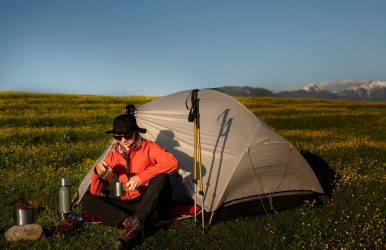
If the wilderness is your final destination, portable emergency shelters are good to carry. Reflective thermal shelters can be packed or attached to your backpack.

Don’t Forget Your Documents!

Regardless of where you are headed, you’ll need your documents. Necessary papers might include a driver’s license, vehicle registration, proof of insurance, passport, and perhaps a visa.

Carry photocopies of these documents in a separate location in the event of loss or theft.

Prepare a mix of credit cards and local currency, as not all places may accept your plastic, and use a money belt or anti-theft bag if possible.

Final Considerations

Finally, bring a lock to keep your things safe during hostel visits or overnight train trips. If you use a backpack, have a rain cover so your items don’t become drenched in a downpour.

Include a whistle among your packed essentials. You never know when you may need to call for help or fend off a critter!

Read Also:

Share on Social Media

Sibashree is a travel, culture, and leisure writer who has been writing since the age of 12 and professionally since 2014. With more than a decade of travel writing experience and journeys across India and several parts of the world, she brings a deeply personal and thoughtful perspective to her work. A student of English Literature and Mass Communication, Sibashree has always viewed travel as more than movement — for her, it has been a way of understanding people, cultures, and herself. Her passion for spiritual exploration has also led her to many unusual and meaningful destinations over the years. Outside of writing, Sibashree enjoys watching European cinema, reading about global politics, and reflecting on the stories hidden within everyday places.

Leave a Reply

Your email address will not be published. Required fields are marked *

title-img Related

READ MORE Innovative Solo Shelter Solution

Innovative Solo Shelter Solutions: Alton Walkabout Swag

BY  Sibashree Feb 3, 2024

Alton Walkabout is a trailblazer in the ever-changing outdoor gear market. It's perfect for solo adventurers who want to be more efficient and comfortable. The design is built to meet the needs of travelers, hikers, and campers. It combines the latest tech with real-world practicality. Let's examine what makes Alton's Walkabout Swag special and how it can revolutionize solo shelter solutions. Elevating Outdoor Experiences: The Alton Advantage The Walkabout Swag is more than just a shelter. It is a revolutionary addition to the world of outdoor adventure. It is a shelter that stands the test of time, a haven that will accompany you on your solo adventures. Its durability is not just a feature, but a commitment to dependability in the face of nature's unpredictability. Crafted with precision and high-quality materials, the Walkabout sets a new benchmark for rugged dependability in the wilderness. Portability is at the core of the Walkabout, and that's where the Alton Advantage shines. When the Walkabout is not burdened by bulk, it supports a design that enables mobility. When mobility is a part of integration, the outdoor experience improves. This holds true whether you're traversing a mountain trail or a dense forest.  Easy setup transforms the Walkabout from a small carry to a large sanctuary in minutes. No complicated assembly or instructions means you can focus on what matters most: your outdoor adventure. Ingenious Design For Solo Adventures Alton’s walkabout swag combines innovation and necessity, redefining solo camping. Look at the art behind its design, and you’ll see that it is more than just a tent. Space and personalization are integral to your needs. Think of it as a durable fortress, standing strong against nature’s storms. Alton’s Walkabout swag offers unbeatable weather resistance, protecting you from rain, wind, and any other challenge the great outdoors may throw at you. But the brilliance doesn’t stop there. Take a closer look at the Walkabout swag's design! You'll also see it is part of a careful design. Strategically placed storage solutions turn your shelter into a peaceful oasis. With every pocket, nook, and cranny, the Walkabout is designed to enhance your camping experience in every way possible. Whether you’re out on the open road or at a secluded campsite, you can count on the Walkabout's versatility to make your solo adventure even more enjoyable. Comfort Redefined - Inside The Walkabout Swag For solo adventurers, comfort is not only a luxury but a necessity. Step inside the Walkabout Swag and be transported to a world of attention to detail designed to enhance your outdoor adventure. The ergonomic design is a masterpiece, with an interior layout that optimizes space without sacrificing comfort. Imagine a shelter that has been carefully crafted to meet your individual needs, and the Walkabout swag does just that. Ventilation is an essential design element, with windows and openings strategically placed to ensure constant airflow and eliminate any feeling of confinement. No more cramped tents or corners. Alton has created a self-contained shelter that feels like breathing with you, each moment inside a breath of clean air. Versatility Unleashed No adventure is the same twice. Alton’s walkabout swag takes great pride in its versatility, adapting to various environments. Imagine this: you’re traversing the rugged, rocky slopes of a mountain, and the walkabout swag stands firm, protecting you from the elements. Now, imagine that you’re in a peaceful lakeside campground. The Walkabout swag seamlessly blends in with the peaceful atmosphere of the campsite. It’s more than just a shelter. It’s a dynamic partner for solo adventures. When you’re out in the open, the Walkabout swag’s rugged construction, made of durable materials with reinforced seams. This lets it stand up to rugged terrain, so you can focus on the excitement of the adventure. But what about when you’re just looking for peace and quiet? The unobtrusive but stylish design blends seamlessly with the natural beauty of nature to create a cozy retreat. Redefining Solo Shelter Experiences As we wrap up our time with Alton Walkabout Swag, it’s clear that this one-of-a-kind solo shelter lives up to the hype. As we look back on the features we have discussed, a fascinating truth emerges: this innovative walkabout shelter is not just a product. It’s a catalyst for incredible solo adventures. Imagine yourself, whether an experienced solo traveler or just getting your feet wet in the great outdoors, wrapped up in the walkabout swag’s embrace. It’s not just a shelter. It’s a sanctuary where cutting-edge design meets the wild spirit of adventure. Take your solo adventures to the next level with an Alton walkabout swimwear collection that combines quality, innovation, and the promise of memorable outdoor adventures.  Read Also: A Traveler’s Guide To Lutsen The Best Tips To Travel Around The World
READ MORE card-img

Don’t Book A Safari In Kenya Until You Read This 6-Stop Guide

BY  Sibashree Jun 2, 2023

Kenya, located in East Africa, is renowned for its breathtaking landscapes, abundant wildlife, and incredible safari experiences. With a rich diversity of ecosystems, including vast savannahs, dense forests, and stunning coastal regions, Kenya offers an unparalleled opportunity to see nature's wonders up close. If you are planning a safari in Kenya, the first step is to book your flights and accommodation and get a visa. To make the visa process simpler, you can also apply online and get an e-visa for Kenya. Then look for the best guided tours with reputable safari operators to make the most of your safari adventure. They can customize your itinerary, provide knowledgeable guides, and ensure safety and comfort. It is also crucial to prioritize responsible, sustainable tourism practices that respect wildlife and support local communities. Best Time To Visit Kenya When planning your safari in Kenya, consider the best time to visit. From June to October, the dry season is ideal for wildlife viewing as animals gather around water sources, and vegetation is less dense. The dry season in Kenya is generally considered the best time for wildlife viewing. With less rainfall, animals gather around water sources, making them easier to spot. The vegetation is also less dense, providing clearer views. June and July are particularly popular months as they coincide with the Great Migration in the Maasai Mara. In these months, millions of wildebeest, zebras, and other herbivores cross the Mara River. However, the wet season, from November to May, brings lush landscapes, newborn animals, and abundant birdlife. Safari In Kenya: Top 6 Places To Check Out! Here’s a list of the six best destinations in Kenya that you should consider for an adventurous safari experience. 1. Maasai Mara National Reserve: Maasai Mara is perhaps Kenya's most famous wildlife reserve, if not in all of Africa. Known for its annual wildebeest migration, where millions of animals cross the Mara River, the reserve offers an awe-inspiring spectacle. Besides the migration, Maasai Mara boasts an impressive variety of wildlife, including lions, elephants, cheetahs, giraffes, and zebras. The vast open plains and rolling hills provide an ideal backdrop for game drives, hot air balloon safaris, and photography enthusiasts. Derive benefit from the opportunity to communicate with the local Maasai people and learn about their vibrant culture and traditions 2. Amboseli National Park: Amboseli National Park is positioned at the foot of Mount Kilimanjaro, famous for its stunning views of Africa's highest peak. It is one of the best places for safari in Kenya. The park's vast grasslands are home to large herds of elephants known for their distinctive tusks. Besides elephants, Amboseli offers excellent wildlife sightings, including buffalo, zebras, giraffes, and various bird species. The park's unique landscape, with swamps, marshes, and acacia woodlands, provides a picturesque setting for photography enthusiasts. Remember to visit Observation Hill, which offers panoramic views of the entire park and the majestic Mount Kilimanjaro. 3. Tsavo National Park: Tsavo National Park, divided into Tsavo East and Tsavo West, is one of the world's largest wildlife sanctuaries. Known for its dramatic landscapes and abundant wildlife, Tsavo offers a truly wild and untamed safari experience. Tsavo East is characterized by vast plains, ancient baobab trees, and the flowing Galana River, which attracts a variety of animals, including lions, elephants, zebras, and giraffes. Tsavo West is famous for its diverse terrain, including volcanic hills, dense forests, and the stunning Mzima Springs, where you can watch hippos and crocodiles underwater. For a unique experience, consider visiting the Sheldrick Wildlife Trust, an orphanage sanctuary for rhinos and elephants. 4. Samburu National Reserve: Samburu National Reserve offers a distinct and captivating safari experience in Kenya's northern region. The reserve is acknowledged for its rare wildlife species, including the "Samburu Special Five": the reticulated giraffe, Somali ostrich, Grevy's zebra, gerenuk, and beisa oryx. Additionally, Samburu is home to elephants, lions, cheetahs, and leopards. The Ewaso Ng'iro River flows through the reserve, attracting a wide range of wildlife, especially during the dry season, making it one of the best spots for safari in Kenya. Samburu's rugged landscapes, with arid plains and rocky outcrops, create a unique and breathtaking setting for game drives and nature walks. 5. Lake Nakuru National Park: For bird lovers, Lake Nakuru National Park is a must-visit destination. Located around the picturesque Lake Nakuru, the park is a haven for bird species, including thousands of flamingos that flock to the alkaline lake. The park's diverse habitats, including grasslands, woodlands, and cliffs, support over 450 bird species. Beyond the stunning birdlife, Lake Nakuru National Park also supports numerous other wildlife species. The park is recognized for its endangered population of black and white rhinos, making it one of Kenya's premier destinations to see these magnificent creatures. Additionally, you can encounter lions, leopards, buffaloes, zebras, and giraffes during your safari adventures. The park's diverse habitats, including woodlands, grasslands, and acacia forests, support a wide range of animal and plant species, making each safari excursion thrilling and rewarding. 6. Laikipia Plateau: The Laikipia Plateau offers a unique safari experience, known for its exclusive lodges and conservation-focused tourism. This vast area is home to a variety of wildlife, including the endangered Grevy's zebras, black rhinos, and reticulated giraffes. You can go on game drives, take walking safaris, and even visit local communities to learn about their traditional culture and conservation efforts. The Laikipia Plateau is in central Kenya and offers a unique, off-the-beaten-path safari experience. It is a vast, privately owned area known for its conservation efforts and sustainable tourism practices. The region features a mix of open grasslands, rolling hills, rocky outcrops, and riverine forests, creating diverse habitats for a wide range of wildlife. Enjoy Diverse Safari Experience In Kenya Kenya offers an incredible safari experience with its diverse landscapes, abundant wildlife, and rich cultural heritage. Whether you witness the grandeur of the Maasai Mara, the unique species of Samburu, or the birdlife of Lake Nakuru, each destination will leave you in awe of nature's wonders. Embark on a journey to Kenya and create lifelong memories of thrilling adventures. You can go on game drives, watch stunning sunsets, and have close encounters with majestic wildlife. The vastness of Tsavo National Parks, along with the avian wonders of Lake Nakuru, makes its beauty extraordinary. A safari in Kenya promises to be a journey of discovery. It will immerse you in nature's untamed wonders, leaving you with memories that will last a lifetime.

READ MORE Kaudulla National Park

Kaudulla National Park Elephants: The Adventure Safari, Best Time To Visit, Ticket Price And More  

BY  Sibashree Mar 11, 2026

My trip to Kandy was one of the best cultural experiences I had in Sri Lanka. From Kandy, I decided to go for a wildlife safari in Kaudulla National Park.   I certainly could not miss watching the elephants. Unlike many rehabilitation centers, the elephants are not chained at Kaudulla National Park.   Also, I was staying at Habarana, which is very close to the national park. So, traveling was easy for me.   Hi, in today’s guide, I will talk about my encounters with the most intelligent and empathetic animals in the world, the elephants in Sri Lanka.   However, before that,  I will share some essential details about visiting the National Park.    Where Is The Kaudulla National Park?   The Kaudulla National Park is located in the Polonnaruwa District of Sri Lanka. It is located at a distance of around 197 km from the Sri Lankan capital of Colombo.   Furthermore, the distance between Kandy and the Kaudulla National Park is around 122 km. Kandy, in the central province, is the cultural capital of Sri Lanka.   Also, the major gateway near the Kaudulla National Park is Habarana in the Anuradhapura District. The distance between these two places is around 28 km.   In addition, thanks to the proximity to Habarana, the Kaudulla National Park is close to many other attractions. Visit the Kalawewa National Park and cultural and historical attractions such as the Sigiriya Rock, Pidurangala Rock, and the Ritigara Forest Monastery.   How To Reach The Kaudulla National Park?   The Kaudulla National Park is well-connected to many major airports in Sri Lanka. However, the Sigiriya (GIU) Airport is the closest to the National Park. The travel time from the airport to the national park is around 53 minutes.   The second-closest airport is Trincomalee, which is around 55 km away.   Also, if you are traveling from the Colombo Airport, which is around 157 km away, you have to first reach Habarana. Then, you can travel to the Kaudulla National Park.   How To Reach The Kaudulla National Park From Habarana?   Buses, taxis, and tuk-tuks are easily available from Habarana to Kaudulla National Park. You will get a bus once a day from Habarana, and the bus to Gayola is run by the Sri Lanka Transport Board (SLTB ICT).   It takes around 19 minutes to cover the journey. Moreover, you can contact +94 112 581 120 to know about the journey and ticket prices.   Furthermore, you will get a private taxi from Habarana, and the cost is around INR 240 or 680 LKR.   What Is The Best Time To Visit The Kaudulla National Park?  August to December, or the dry season, is the best time to visit the Kaudulla National Park.   It is the best season because the elephants gather here in the dry season in search of water. They migrate here from the nearby national parks.   Furthermore, in a day, early mornings and late afternoons, they are the best times to visit the national park. Wildlife sightings are at their maximum in these hours.   What Are The Kaudulla National Park Ticket Prices And Hours?  The Kaudulla National Park remains open from 6 AM to 6:30 PM. However, safaris in the national park are conducted early in the morning and late in the afternoon.   The safari tour tickets in this national park start from $95.   Moreover, once you pay for the safari tour, the entry fee to the park is also included. The ticket also includes a free pick-up and drop-off to and from the hotels of Minneriya, Habarana, Sigiriya, Polonnaruwa, Dambulla, and Kandalama.   Kaudulla National Park Jeep Safari Price And Timings  Safari Tours Timings Tour Price (5 PAX) Kaudulla Evening Safari 1 PM to 3:30 PM $95 for Adults $30 for Children (6-11 Years) Free for Children Under 5 Years  Kaudulla Morning Safari 6 AM to 9 AM $95 for Adults $30 for Children (6-11 Years) Free for Children Under 5 Years  Kaudulla & Minneriya Full-day Safari 6 AM to 7:30 AM $190  You can call the Kaudulla National Park contact number, +94776487757, to know more details about the safari ticket prices.   My Experience On The Kaudulla National Park Elephant Safari   The jeep drove down the extensive stretch of dirt road, and we entered the national park. Within minutes, our first encounter with the wildlife was a jackal.   As we continued through the main road, Kumar, our guide, kept showing us different monkeys, birds, and lizards.   I was loving the experience, apart from the dodges we had to do to get away from the low-lying branches of the trees.   After a drive for a while through the dense forest, we finally reached the grassland. The Kaudulla Wewa Lake was the first major stop on the way.   1. Kaudulla Wewa Lake  After reaching the Kaudulla Wewa Lake, the first thing that caught my eye was the branch of an old tree. It resembled a telegraph pole, and one member of our safari group also mistook it for the same.   Furthermore, a majestic sea eagle was sitting on its top.   Along with this bird with its regal blue plumage, we also spotted storks, peacocks, and egrets.    Moreover, there was a buffalo that was having its munch time. It was occasionally playing host to the tiny birds who were sitting on its back and head, making the entire scenario appear very playful.   2. Spotting The Elephants: The Dream Come True Moment   We were in the middle of the safari tour, and we were dying to see a glimpse of the majestic grey creatures.   Then suddenly, we reached an isolated wooded area where scores of elephants were waiting for us.   Also, they were busy having a bath, playing, rolling in the mud, and grazing. I had goosebumps because they are truly my spirit animals.    So, our jeep was around 20 meters away from them, and from a safe distance, each of us in the jeep captured as many photos as possible.   Moreover, the best thing was that the group had many calves, and it was nice to see them interacting with their mothers.   Animal Welfare In The Kaudulla National Park  Let’s be honest! I visited the Kaudulla National Park with some preconceived notions about animal welfare.   There are many videos and images of how solitary animals such as leopards are targeted by photographers and safari tour conductors.   Moreover, you cannot surround a solitary creature with 20 jeeps and claim the preservation of animal welfare.   However, during my safari tour, I did not notice such a thing. The number of jeeps was decent, and each of the jeeps maintained a safe distance from the animals.   Moreover, the elephants were not chained, and they were roaming freely between the Kaudulla Park and other neighboring parks.   What Are The Other National Parks To Visit Near The Kaudulla National Park?   Along with the Kaudulla National Park, Habarana is also the gateway to the Minneriya and Kalawewa national parks.   1. Minneriya National Park   You can reach the Minneriya National Park with a short drive from the east of Habarana town.   However, as I have already mentioned, you can take a combined safari tour of the Kaudulla National Park and Minneriya National Park.   Moreover, this national park, covering 90 square kilometers, has elephants and much other wildlife.   2. Kalawewa National Park   The Kalawewa National Park is home to the rare breed of tusked elephants in Sri Lanka.   Also, you have to take a drive of around 45 minutes west of Habaraba to visit the Kalawewa National Park.   Moreover, December to March is the best season to visit this national park.