

9 Tips For Authentic Travel Experiences

Oct 27, 2023

Last Updated on: May 29, 2026

Travel Guides

Travel is more than just setting foot on unfamiliar terrain. It’s a journey into the heart of a culture, a deep dive into local traditions, and an opportunity to immerse yourself in the essence of a place.

Authentic travel experiences allow you to see, taste, and feel the true spirit of a destination.

The era of tourist traps is fading. Today, travelers seek genuine interactions, unique tales, and opportunities to venture off the familiar path.

So, how can you ensure your next trip is teeming with authentic experiences? Delve into these essential tips.

1. Embrace Language And Communication

Mastering a few local phrases can significantly transform your travel. Imagine being in Japan and ordering your meal in Japanese instead of pointing at a menu.

Before departing, consider enrolling in Japanese classes online.

Doing this not only impresses the locals but also enriches your journey. Language serves as a bridge to deeper interactions and understanding.

Dive into local media like films or podcasts. They offer a window into the nation’s heartbeat, illuminating its culture, values, and everyday nuances.

And keep in mind: patience and an open heart go a long way. Not all conversations will flow seamlessly, but your effort won’t go unnoticed. Many appreciate your attempts to speak their language.

2. Opt For Local Accommodations

Staying in local lodgings such as guesthouses, bed and breakfasts, or homestays can elevate your journey. In such accommodations, you can feel the warmth of local hospitality and perhaps form lifelong friendships.

Often, these places are situated in less touristy areas, letting you explore authentic neighborhoods. Additionally, the owners usually have unmatched local insights and can suggest hidden treasures you won’t find in guidebooks.

More so, supporting these accommodations boosts sustainability. By backing local businesses, you contribute directly to the community, ensuring a rich experience for yourself and a boost for the local economy.

3. Eat Where The Locals Eat

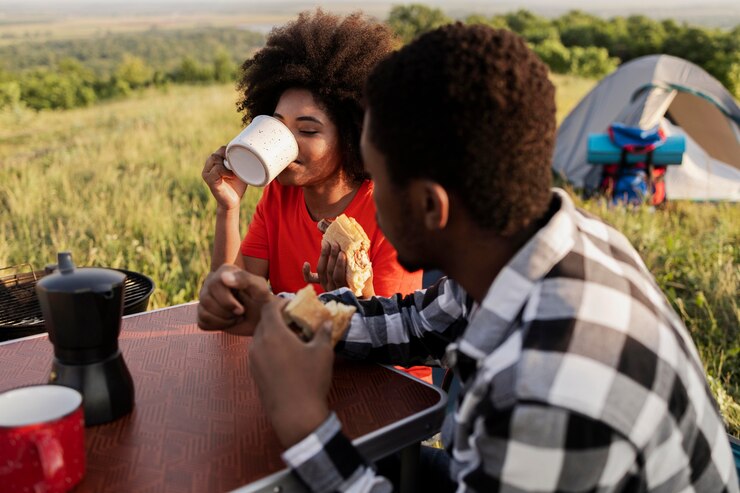
Locals Eat

Food plays a central role in travel. Rather than dining at tourist-centric spots, find places where locals congregate. Street food vendors, local markets, and family-run diners often serve the most authentic and tantalizing dishes.

Venturing into local culinary scenes also immerses you in a location’s cultural and historical narrative. Food mirrors a country’s past, influences, and rituals. So, while savoring different dishes, you taste myriad stories and traditions.

Stay adventurous and be open to sampling new foods. Some might seem exotic, but they could be the highlights of your trip. Remember, travel isn’t just about seeing new places; it’s about tasting new flavors, too.

4. Participate In Local Traditions And Festivals

Joining local traditions and festivals offers a profound cultural immersion. These events reflect the heartbeat of a community and its binding tales.

Whether you’re dancing at a festival in Bali or celebrating Carnival in Brazil, active participation profoundly connects you to the local culture.

However, approach these events with respect. Stay aware of local customs and etiquette. For instance, if a festival requires a certain attire, respect that. Always ask before taking photos, especially during religious events.

While these experiences are new to you, they’re integral to many locals’ lives. Your attitude can determine whether you’re appreciating or appropriating. Respect ensures your experiences are memorable and positive.

5. Take Public Transport

Using public transportation isn’t just economical; it also offers a front-row seat to everyday life. Riding buses, trams, or trains lets you witness the mundane yet beautiful moments of daily life.

Furthermore, public transport can introduce you to lesser-known parts of a city or town. These spots often provide a more authentic experience, whether it’s a hidden café, a quiet park, or a lively market.

Choosing public transport is also eco-friendly. It reduces your environmental impact, eases traffic, and supports the local economy. So, hop on local transportation during your next trip and discover unexpected treasures.

6. Choose Experience Over Sightseeing

While landmarks are captivating, hands-on activities offer unparalleled authenticity. Rather than just sightseeing, dive into local activities. Enroll in a pottery workshop, learn the local dance moves, or whip up local dishes.

Such activities immerse you in the details of local traditions. Plus, they often lead to lasting connections with residents. Engaging in a craft or skill provides avenues for rich interactions, leaving indelible memories.

7. Engage With Locals 

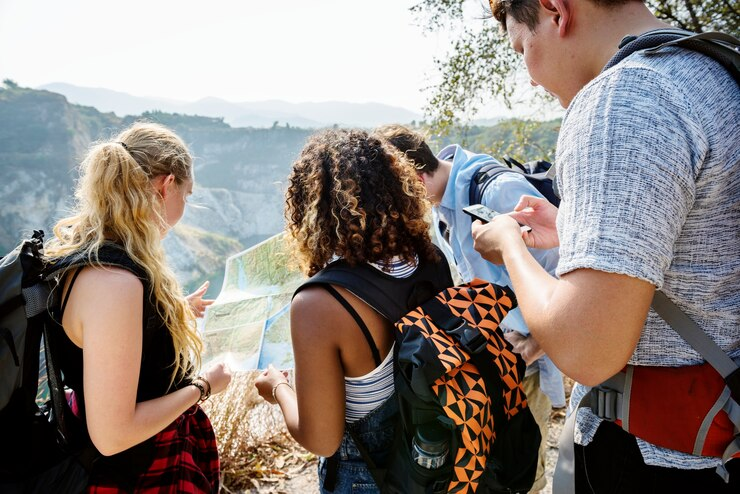
Engage With Locals 

Conversations with locals offer insights no guidebook can match. Interacting with a street vendor, a fellow commuter, or a café proprietor can deepen your understanding of local beliefs and aspirations.

Always approach with genuine interest and respect. Not everyone may be in the mood to chat, but that’s okay. When conversations do occur, you might be surprised by the hospitality and warmth.

Often, these chats can lead to recommendations for off-the-radar attractions or experiences. Such insider info can redefine your journey, uncovering hidden spots and moments to cherish.

Related: Prepping For Your Winter Trip To Salt Lake City

8. Embrace Sustainable Practices

Integrating sustainable practices into your travels ensures that the destinations you love remain beautiful and vibrant for future generations.

Consider eco-friendly accommodations or those that have sustainable certifications. These places often go the extra mile to reduce waste, conserve water, and support local communities.

Another aspect of sustainable travel is conscious consumerism. Opt for handcrafted local products rather than mass-produced items when buying souvenirs or gifts. 

This not only supports local artisans but also helps keep traditional crafts alive. Remember, every purchase you make has an impact, and as a traveler, you have the power to make it a positive one.

9. Travel Slowly

In this fast-paced world, leisurely travel offers a distinct pleasure. Allowing yourself to explore slowly enables you to soak in the ambiance, sync with local rhythms, and form genuine bonds.

Instead of rushing from one spot to another, meander through lanes, relax in parks, or savor extended meals.

Slow travel emphasizes mindfulness, helping you appreciate nuances—the scent of fresh bread, the sound of laughter, or the art in local crafts. These moments often encapsulate a destination’s essence.

In Conclusion

True travel goes beyond sightseeing—it’s about immersion, comprehension, and connection.

By diving into local languages, traditions, and activities, you not only elevate your travels but also leave a positive mark on the places you visit.

Embracing these tips means every journey offers a chance to evolve. Here’s to more authentic and unforgettable adventures. Safe travels!

Read Also:

Share on Social Media

Arnab is a professional blogger, having an enormous interest in writing blogs and other jones of calligraphies. In terms of his professional commitments, He carries out sharing sentient blogs.

Leave a Reply

Your email address will not be published. Required fields are marked *

title-img Related

READ MORE dark tourism in India

Dark Tourism in India Exploring Shadows and Must-Visit Sites

BY  Sibashree Sep 30, 2024

India is leading the dark tourism scenario With an expected CAGR of 5.1% (2024-2034),. Dark tourism in India thrives as it is the land of history and heritage. Also, travel a few miles, and you will get to know folklore or common myths related to paranormal activities.  So, dark tourism in India takes you to places associated with human tragedy or something that raises our curiosity. Endless warfare and the rule of various dynasties have drenched its soil in blood from time immemorial. Further, superstitions and oppressive customs in various parts of the country have caused human casualties that can give you a chill down your spine.  However, dark tourism in India or any part of the world is not just about people’s fascination with the macabre or its inclination to encounter the grey zone. Many dark tourism sites like the Cellular Jail in the Andaman and Nicobar Islands or Jallianwala Bagh tell the tales of a collective past.  So, these are often popular destinations for educational tourism or excursions. With endless stories and mysteries spread in every corner, India will spoil you with the choices of dark tourism spots. Here is a list of places you just can’t miss! Dark Tourism In India: These Are The Places You Need To Visit  For me, dark tourism in India is like communicating with the past. These places and the remnants there convey a message that can trigger our moral emotions such as empathy, gratitude, disgust, or sadness. Further, these moral emotions can change our perspective about ourselves, various communities, and society.  Moreover, curiosity is present in people’s love for the occult. Some categories of dark tourism, such as ghost tourism, thana tourism, and disaster tourism, especially urge many to get into the shadows. We absolutely agree with Karan Anand, the Head of Relationships at Cox & Kings. So, which places does dark tourism in India take us to? Here is a curated list! 1. Port Blair Cellular Jail | Kala Pani | The Prison Of Death Location: Andaman and Nicobar Islands  One of the most prominent witnesses of British atrocities in the country, the Port Blair Cellular Jail tops almost all the lists of dark tourism in India.  The British government made a hell of concrete in 1906 in the form of a prison, and it was almost impossible to escape or come out of it.  Vinayak Damodar Savarkar, a freedom fighter in India, was the only person who had escaped the Port Blair Cellular Jail.  The British Raj sent convicts with the highest punishment to this jail. Once, this jail housed as many as 80000 prisoners, and among them, at least a few hundred were the freedom fighters. The freedom fighters received the “Kalapani ki Saza” to lead a life of isolation.  Constructed in the shape of a starfish, the Port Blair Cellular Jail is witness to inhuman tortures and genocides. Along with the atrocities of the British Raj, it has also seen the genocides operated by the Japanese.  When at the Cellular Jail, don’t forget to attend the “Light & Sound” show in the evening. It is like time travel, giving you goosebumps.  2. Jallianwala Bagh Location: Amritsar City, Punjab The 13th of April 1919 saw one of the worst examples of British acts of barbarity in India. Innocent people had gathered at Jallianwala Bagh in Amritsar City to peacefully protest against British rule. Jalianwala Bagh was blocked from all sides, and Brigadier-General Dyer ordered his men to open fire at these innocent and unarmed people. The 1650 rounds of firing continued for 10-15 minutes, taking the lives of more than 500 people.  Today, when you visit Jallianwala Bagh, you can see many bullet holes struck in the structures there. In 1951, a memorial was built here to pay respect to the Indian revolutionaries. Further, in 2019, the inauguration of the Yaad-e-Jallian Museum took place. The museum depicts the most authentic account of the massacre.  A century later, in 2019, an official acknowledgment of “regret” came from British Prime Minister Theresa May on the Jalianwala Bagh massacre. This substantiates how grave and gruesome the act of mass killing was.  3. Roopkund Lake  Location: Uttarakhand Located at a 5000-meter altitude, Roopkund Lake is one of the most popular trekking destinations in Uttarakhand, India.  However, you can see hundreds of human skeletons near the lake, named  the “Lake of Skull.”  Researchers have found that around 200 pilgrims died of heavy snowfall in the place in the 9th century. So, there are so many skeletons around the lake. Roopkund Lake is also known as the “Mystery Lake,” and there are stories about the pilgrims getting turned into stones or the Goddess getting angry.  However, Veena Mushrif-Tripathy, a member of the 2004 investigation and a professor of archaeology at Deccan College in Pune, mentioned that the theory of the pilgrims was reasonable as there were no traces of weapons.  4. Shaniwar Wada Location: Pune, Maharashtra Shaniwar Wada, built in 1732 by Bajirao I, is a historically significant fort and stands out for its architectural excellence. This fort was once the seat of the Maratha Peshwas. This fort became a tourist attraction after the 2015 magnum opus of Sanjay Leela Bhansali, Bajirao Mastani. However, Shaniwar Wada is a favorite dark tourism in India destination because of a popular ghost story or folklore associated with it. Narayanrao, the son of Bajirao I, was killed by his uncle Raghunathrao in 1773 in this fort. Since then, people have experienced paranormal activities in the fort. Many have claimed to have encountered the dead prince.  5. Kuldhara  Location: Jaisalmer, Rajasthan How about visiting a village abandoned by its people around 200 years ago? Kuldhara, the cursed village of Jaisalmer, was the residence of the Paliwal Brahmins. They left the village because of water scarcity and the high taxes imposed by Diwan. Another story is about Salim Singh, the local prime minister, who wanted to marry the daughter of the village head. The villagers did not agree to his demands and vacated the place overnight. They also cursed the place, saying that no one could settle there.  Further, some even associate the overnight evacuation with paranormal activities. Whatever the reason, many people have tried but failed to spend a night in this village. Today, abandoned houses, temples, and other architecture speak of excellence, craftsmanship, and intrigue. It is also a favorite destination for movie-makers and photographers today. Films like “Agent Vinod” are shot here. Moreover, the village is now a “Protected Monument of the State Archaelogy Department.”  6. Dumas Beach Location: Surat, Gujarat Dumas Beach is one of the most haunted places in Gujarat. With its black sand and paranormal activities, this beach transforms into a hellish spot as the Moon shows up.  The beach was earlier a cremation ground. The black color of the sand comes from the ashes of those corpses. While we could not see the moving orbs or any prominent paranormal activity, I felt eerie at the beach. Also, I can’t explain, but there is something very depressing about this beach. It feels like you can hear the whispers of the lost here, and someone will suddenly appear in the shadows.  There have been reports of many tourists going missing from Dumas Beach. Also, one day, local people discovered the corpse of a man at the beach. His tongue was popping out. To date, no explanation has been found behind these tragic incidents.  7. Bhangarh Fort In the Aravallis, the Bhangarh fort has the remains of a deserted marketplace, Havelis, and temples. The architectural excellence of the fort is beyond question, and it speaks of a prosperous past.  However, Bhangarh Fort is the most haunted place in India. It has stories and myths enough to scare you to bits.  Bhangarh Fort Story: 1 The Archaeological Survey of India has banned entering or staying in the Bhangarh Fort after the Sunset. According to the local people, no one entering the fort at night has been able to come out alive. The fort becomes a site of paranormal activities in the darkness.  Bhangarh Fort Story: 2 Guru Balu Nath used to meditate at this place. When Raja Madho Singh visited him with a request to build a fort here, he agreed on one condition. He asked the king to promise that the shadow of the fort would not touch him. Despite the king’s promise, it did not happen. Furious, the hermit cursed the castle and the village.  Bhangarh Fort Story: 3 No house in the area has a roof. People believe that the roofs of those houses were destroyed due to the curse of the hermit. All attempts to rebuild the roofs went in vain. Many of those roofs also collapsed, causing human casualties.  Bhangarh Fort Story: 4 (Accidents And Deaths) Three people once decided to stay in Bhangarh Fort at night. They had a powerful torch, but one group member fell into a well. The two others rescued him and took him to the nearby hospital. However, they met with a fatal accident on the way to the hospital and lost their lives.  Do you want to explore more sites that are suitable for dark tourism in India? Visit the Taj Palace Hotel in Mumbai, Union Carbide Factory, Bhopal, Sites Of Indus Valley Civilization, Savoy Hotel, Mussoorie, and Gandhi Smriti, Delhi.  Listen to hushed murmurs and the stories these places have to share to make a journey to the past!  Also read Top 10 Most Popular Paraguay Food That You Must Try. Top 13 Famous Wonders Of India That You Must Visit! [Updated 2024]

READ MORE

Your Unique Travel Packing Guide

BY  Ankita Feb 1, 2024

Setting off on a journey calls for careful planning. You've got your clothes, toiletries, travel documents, and of course, your travel insurance. But beyond these essentials, some unique items could make your trip smoother and more enjoyable. Here's a guide to those extra, often forgotten items that could be a game-changer for your travels. Handy Portable Power Board Our world is full of gadgets, and a portable power board can be a real lifesaver. Most places you stay will have only a few power outlets. With a power board, you can charge all your devices at once. It's a simple item, but it's super useful for keeping all your electronics ready to go. Foldable Water Bottle For Easy Travel Staying hydrated is key, especially when you're out exploring. A foldable water bottle is great because it doesn't take up much space. You can fill it up whenever you need, and you're also doing your part to reduce plastic waste. It's a small, easy step for a more sustainable trip. Swiss Army Knife: A Compact Toolkit A multi-tool or Swiss Army Knife can be handy in so many situations, whether you need to cut something, open a bottle, or tighten a screw. It's small, so it's easy to pack, but remember to put it in your checked luggage if you're flying. Eco-Friendly Shopping Bag Bringing a reusable shopping bag is both practical and good for the environment. It's perfect for those unexpected shopping trips, carrying snacks on a day out, or even for your laundry. They're light and don't take up much space, making them a great travel companion. Personal Travel Pillowcase Lots of travelers bring a neck pillow, but a travel pillowcase is a nice extra touch. It means you always have a clean, familiar place to rest your head. It's a small comfort that can make a big difference when you're sleeping away from home. Light And Quick-Drying Microfiber Towel Traditional towels can be bulky and take up precious luggage space. Enter the microfiber towel – lightweight, quick-drying, and compact. Perfect for beach vacations or impromptu swims, a microfiber towel is a game-changer in terms of convenience. Its fast-drying properties also make it ideal for those unpredictable rain showers. Handy Ziploc Bags Ziploc bags can be incredibly useful. They keep your electronics safe from water, help you organize small items, and are great for keeping snacks handy. Having different sizes with you means you're ready for anything. Snack Pack For Emergencies Unexpected delays or long journeys can leave you hungry with limited food options. Packing a small stash of non-perishable snacks like nuts, granola bars, or dried fruit can be a lifesaver. Not only does it save you from hunger pangs, but it also provides a quick energy boost during your adventures. Guide To Pack Smartly Even if you do get a hold of all the things that have been discussed here, it will only get you so far. So, to help you out with packing, here is a brief guide of all the pointers that you need to remember to pack efficiently and with minimal resistance. Let us dive right in without further ado. Pick & Pack Clothes First One of the trickiest parts of the packing process is packing the clothes. They take up a lot of space and have to be done right. Otherwise, you will have to wear creased clothes on your vacation. The best way to pack clothes is by rolling them. Rolling prevents creases and also takes up less space. Lay your tops facing up and fold in the sleeves. Then, roll the top from the bottom up. For the pants, you need to put the legs together and roll it from the waist down. Once you are done rolling, place them at the very base of the suitcase. One thing I do that helps me is to pack my clothes according to the order in which I will be wearing them. Moreover, I carry a separate handbag for my shoes and socks. This stops the odor problem that might be caused. Place Heavy Items At The Base Another tip that helps me pack effectively is to place the heavy luggage at the base of my bag. This helps with the weight distribution. Weight distribution is a very important aspect of packing. A weirdly weighted bag will obviously feel heavier than a weight-managed bag. By ‘base,’ I mean the wheeled end of your luggage. This will dial down the impact of bumpy roads and other such things. Apart from weight management, packing the heavy stuff first will also safeguard these items. While traveling, I carry a heavy camera and a lot of lenses. So, keeping them at the very base cushioned by all the rolled clothes really saved my camera and other stuff from some close calls. Layer It Up Just as layering is important in fashion, layering is also very important while packing. However, this layering is a tad bit different from the kind that I just mentioned. Even though plastic is a cancer that is eating away at our ecosystem, it can be very helpful if you know how to use it. Save the plastics that you get when you receive your dry cleaning. You can use them while packing. Use these plastic bags to wrap the clothes and items that run the risk of accidental tearing and pulling. This will ensure that your clothes remain pristine and do not get damaged in any way whatsoever. Subsequently, it also keeps the clothes fresh and odor-free. Do Not Overpack Or Under-Pack Two of the biggest enemies of travelers are underpacking and overpacking. Under no circumstances should you be overpacking or underpacking. Try to strike a balance. Before you start packing, make an itinerary. And while packing, stick to that itinerary. This will greatly help you with packing. And those were some of the most basic and useful tips that I can give you about packing efficiently. Conclusion These uncommon items can really enhance your travel experience. They help you stay connected, prepared, and comfortable, no matter where your journey takes you. So, when you're packing for your next trip, think about adding these to your list. They might just make your adventure even better! Read Also: A First-Hand Experience Of Taking A Red Eye Flight! The Ultimate Guide To Finding Cheap Flights To Chicago Using Google Flights Momondo Flights: Should You Try This Platform For Booking Flights In 2023?

READ MORE Essential Safety Supplies To Pack On Your Backpacking Trip

Essential Safety Supplies To Pack On Your Backpacking Trip

BY  Nabamita Feb 3, 2024

Embarking on a backpacking trip can be an exhilarating experience, immersing yourself in nature's beauty and embracing the wilderness. However, safety should always remain a top priority amidst the excitement of exploration. Whether you're a seasoned backpacker or a novice venturing into the great outdoors, the injury lawyers in Chicago note that packing the right safety supplies for any situation can make all the difference in ensuring a smooth and secure journey. If you are wondering what the essentials that should be in your travel backpack are, we have you covered! Here's a comprehensive guide to essential safety supplies that should be in your backpack before hitting the trails. Backpacking TripPack Rightly: Things You Must Include In Your Backpacking Trip Ready to explore the sky-pointing peaks? Make sure to pack all the essential items, or you can ruin your entire journey. Given below are a few essential things you must never forget on your travel backpack. Check them out: First Aid Kit A well-stocked first aid kit is non-negotiable for any backpacking excursion. It should include bandages, adhesive tape, gauze pads, antiseptic wipes, tweezers, scissors, pain relievers, blister treatment, and any personal medications you may need. It is recommended that your kit be based on the length and location of your trip, ensuring you're prepared to handle common injuries and ailments that may arise on the trail. Navigation Tools Getting lost in the wilderness can quickly turn a thrilling adventure into a nightmare. Always carry reliable navigation tools such as a map, compass, or GPS device, and make sure you know how to use them effectively. Familiarize yourself with the terrain and plan your route to minimize the risk of getting off track. Emergency Shelter Unforeseen circumstances like sudden changes in weather or unexpected delays can leave you stranded outdoors. Pack lightweight emergency shelter options such as a tent footprint, emergency bivvy, or space blanket to provide protection from the elements and retain body heat in case you need to spend an unexpected night in the wilderness. Fire Starter Kit Fire can be a lifesaving resource in survival situations, providing warmth, light, and a means to cook food. Pack waterproof matches, a lighter, or a fire starter tool to ensure you can easily ignite a flame even in damp conditions. Additionally, carry some fire accelerants like cotton balls soaked in petroleum jelly for reliable fire starting. Water Purification System Access to clean water is vital for staying hydrated and healthy during your backpacking trip. Invest in a reliable water purification system such as a portable water filter, water purification tablets, or a UV water purifier to treat water from natural sources like streams and lakes safely. Avoid drinking untreated water to prevent waterborne illnesses. Multi-Tool A multi-tool is a versatile gadget that combines several essential tools into one compact package. Opt for a quality multi-tool that includes features like a knife, scissors, screwdriver, pliers, and bottle opener. Products like the Microtech Ultratech knives can come in handy for various tasks, from preparing food to hard use. Therefore, these qualities automatically make such a tool an indispensable item for any backpacker. Emergency Communication Device In remote wilderness areas, cell phone reception may need to be more reliable and present, making it challenging to call for help in case of an emergency. Carry an emergency communication device such as a satellite phone, personal locator beacon (PLB), or two-way radio to summon assistance if you encounter a serious injury or other life-threatening situations. Sun Protection For Your Backpacking Trip Exposure to the sun's harmful rays can lead to sunburn, heat exhaustion, and dehydration, particularly at higher altitudes. Do not forget to carry some essential sun protection products like sunscreen that carries a high SPF rating, sunglasses with UV protection, a broadly-brimmed hat, and lightweight clothing that covers your skin to shield yourself from the sun's intense glare. Insect Repellent Insect bites and stings can not only be irritating but also carry the risk of transmitting diseases such as Lyme disease or West Nile virus. Apply insect repellent containing DEET or picaridin to exposed skin and clothing to ward off mosquitoes, ticks, flies, and other pesky bugs that inhabit outdoor environments. Emergency Whistle In situations where verbal communication may be difficult or impossible, an emergency whistle can serve as a simple yet effective signaling device to attract attention and alert others to your presence. Keep it easily accessible on your backpack or person, and use short bursts to signal for help if needed. Read Also: The Ultimate Guide To Hassle-Free Sightseeing In Rome How To Choose The Right Backpack For Your Trip? When it comes to choosing the right backpacking trip, two things have to be considered. First is its fit, and second is its volume. I know you got the least idea when I said this. That’s why here is a brief idea about how to pick the right backpack: Fit As functional as a backpack should be, it must be comfortable, too. And it all begins with a proper fit. Various packs come in either two or three sizes, thus indicating the pack’s length. Do not forget to visit your local store and enquire about the different fit they are providing. Volume  Secondly, your backpack’s volume should be large enough so that it can hold everything you carry. However, don’t buy something extravagant and carry unnecessary weight. Backpacking carryons are usually measured in terms of liters, so be sure to pack something only in the range of 40-70 liters. Parting Thoughts While the allure of the wilderness beckons with its promise of adventure and exploration, it's essential to prioritize safety when venturing into the great outdoors. By packing these essential safety supplies on your backpacking trip, you'll be better prepared to handle emergencies, navigate challenging terrain, and enjoy a memorable outdoor experience with peace of mind. Remember, preparation is key, so take the time to plan and pack accordingly before setting out on your next backpacking adventure. That was all about packing the important supplies for your backpacking trip and ensuring a seamless journey. Comment your thoughts below and tell us what you think about it. Thank you for reading! Read More: How to Choose A Backpack 10 Best Places To Visit In Europe Top 3-Week Itineraries For A Perfect Tour Of Europe