

How To Save Money On Your Next Trip

Sep 18, 2023

Last Updated on: Nov 13, 2025

Travel Guides

Saving money with your trips can be your plan for the last five years, but you may have missed the opportunity all the time. Well, this might not be true for your condition but sure you have tension with travel costs for your next trip.

Don’t worry! We have got you covered this time!

While booking flight tickets comes with crazy costs, we have the craziest deal for you. Black Friday is no longer a secret for the world; this time, you can grab the best vpn black friday deals online.

Why is it important?

Your search history and cache may increase flight costs every time, and you need to use a VPN. A secure VPN that you may have this black Friday can be your main saving partner. Use it while booking tickets and ensure that the price is low.

We love to travel, and no doubt we want it as much as possible. Unfortunately, we do not get many long leaves in a singular calendar year. However, work is permanent, and we cannot skip it.

Thinking of skipping work is dangerous as it may lead to mental frustration and a lack of dignity. By considering your skills and expertise, it’s better to be agile with your working process.

We cannot skip our working process and daily boring life, but we can take a break from it.

How?

Traveling to your favorite places by taking leaves once or twice a year can be a fundamental choice for your professional career without stress. Here, we will focus on your savings while traveling and have already considered one trick for you.

Best Ways To Save Money On Your Trip

Traveling can be expensive, but it doesn’t have to be. With the right planning and a few simple tricks, you can save money on your trip without sacrificing fun or comfort. Whether you are a budget traveler or simply looking to cut costs, there are plenty of ways to save on everything from flights and accommodations to food and activities.

Here, we will try to explore some of the best ways to save money during your trip and make the most of your travel budget.

Save Money On Flight Booking

Save Money On Flight Booking

Though we have already shared this idea with you earlier, let’s explore it in detail. So, you have to plan ahead for your trip no matter how busy you are with your work.

The more you plan, the better you can manage things on your budget. Well, if you are still not decided on your budget, consider it right now. We know that no one can ensure any particular budget right now, but at least you can go with the estimation.

You must consider the advance deal if you want to go for a perfect trip without any headaches.

However, it’s crucial to prioritize safety alongside saving money. Opt for reputable airlines that prioritize passenger safety through investment in aircraft maintenance, whether it is by purchasing equipment like aircraft jacks or investing in rigorous maintenance schedules and procedures. Additionally, consider flight timings, layovers, and the airline’s reputation to ensure a smooth and secure travel experience. While saving money on flight bookings is beneficial, it shouldn’t come at the expense of compromising safety and comfort.

Go For Rental Cars

If you want to save money on your next trip, renting a car might be a good option. It can be more cost-effective than taking taxis or ride-sharing services and gives you more flexibility and freedom to explore your destination at your own pace. With a rental car, you can avoid the hassle of public transportation and the costs associated with parking in big cities.

Additionally, you can make spontaneous stops and detours whenever you want without worrying about schedules or routes. So, if you are planning a trip soon, consider renting a car to make the most of your experience while keeping your budget in check.

Avoid Hotels And Consider Airbnb

Avoid Hotels And Consider Airbnb

Yes! You have heard it right. Hotels will give you rooms on the count, but if you get the whole house of a person? What about that?

Well, Airbnb offers better houses at almost the same price as hotels. Apart from that, you will also get a caretaker while you are there at the house.

How did it become possible?

Well, people who often get out of their homes try to consider Airbnb for their house on rent while they are not home for a long time. This will allow you to search for a better property to stay within and also enjoy a home-like interior and care.

It will save you money because you are paying for the whole house with rooms depending on the size, and that will fit all your members in the travel group.

Travel During Off-Peak Seasons

It is a no-brainer to understand that off-peak seasons come with cost-less visits. The more you pick these seasons, the better you can do more on a budget. Everything will be cheaper than you have imagined, from hotel prices to transport.

Plan ahead and plan for the off-season tours. The more you try to indulge yourself in planning in advance, the better you can ensure budget-friendly trips.

Don’t Be Afraid To Haggle

When planning a trip, it’s important to keep costs in mind. One way to save money is by haggling with vendors for a better price. Don’t be afraid to negotiate, as it’s a common practice in many countries. You may be surprised at how much you can save simply by asking for a lower price.

Just be respectful and polite in your approach, and you may end up with a great deal on your trip expenses.

Stay Off The Beaten Path

When planning a trip, most people tend to stick to popular tourist destinations, which can often come with a high price tag. However, if you are looking to save money on your next adventure, it may be worth considering straying from the beaten path.

By exploring lesser-known destinations, you not only have the opportunity to experience a more authentic and unique trip, but you may also find that prices for accommodations, activities, and food are significantly lower. Plus, you will likely encounter fewer crowds and have a more peaceful and relaxing vacation.

To find these hidden gems, research online or ask locals for recommendations. Consider traveling during the off-peak season, as prices for flights and accommodations tend to be lower. And don’t be afraid to step out of your comfort zone and explore areas that may not be as well-known. You never know what amazing experiences you may discover.

Overall, staying off the beaten path can be an excellent way to save money and have a more memorable travel experience.

So why not give it a try on your next trip?

Read Also:

Share on Social Media

Barsha Bhattacharya builds stories for a living and seeks mountains for everything else. An English major and remote content strategist, she travels every month, structuring her life around movement rather than routine. Her journeys are rooted in mountaineering and rock climbing, with a deep preference for tents over hotels and cold mornings over comfort. Barsha believes the mountains demand clarity, patience, and presence - the same qualities that shape her work. For her, travel is not an escape but immersion: long routes, rough terrain, and nights under open skies where the line between work and wilderness disappears.

Leave a Reply

Your email address will not be published. Required fields are marked *

title-img Related

READ MORE Raja Ampat diving season tips

Raja Ampat Diving Season Tips: When To Go For Mantas, Whales, And Sunshine? 

BY  Sibashree Dec 29, 2025

Timing is not just a tip to remember for divers in Raja Ampat. A change of season and the difference? It’s as big as having a glass boat ride to a Manta cleaning station and a bumpy trek through monsoon winds.   Known as the "Last Paradise," Raja Ampat sits at the heart of the Coral Triangle. Here, the seasons do not just mean the weather. The seasons also dictate the challenges the waters will throw at you and the giants you will meet.   In this guide on Raja Ampat diving season tips, I will start with a short answer about the diving seasons and then give you the details.   The Short Answer: Peak Vs. Off-Peak Season For Diving In Raja Ampat   Feature Peak Season (October – April) Off-Peak Season (May – September) Sea Conditions Calm, glassy water Choppy in the South, calm in the North Visibility Excellent (15m–30m) Variable (can be lower near islands) Marine Life Manta Rays, Whale Sharks, and Dolphins Resident Reef Life, Macro, "Walking" Sharks Crowds High (Book 12-18 months early) Low (Peaceful dive sites) Price Premium Potential discounts (10-20% off)  Have you already booked your dates? Check our guide on Raja Ampat diving trips for a detailed itinerary planning.   The Two Main Seasons Of Diving In Raja Ampat: A Detailed Breakdown  The character and conditions of the dive sites in Raja Ampat change in dry and wet seasons.   The Dry Season (October to April) The Wet Season (May – September)  â€˘ Low Winds  â€˘ Calm Water  â€˘ Ultimate Raja Ampat Liveaboard Season  â€˘ Ideal for Spotting Reef and Oceanic Mantas â€˘ High Southern Winds  â€˘ Misool Becomes Inaccessible  â€˘ Dampier Strait is Accessible  â€˘ Ideal for Spotting Snapper and Barracuda  Raja Ampat Marine Life Calendar  For you, the best diving season in Raja Ampat Indonesia depends on the kind of marine animal you want to encounter. Here, I will give you details about the Oceanic and Reef Manta Ray season, the whale and dolphin migration season, and the season for walking sharks and macro life.   1. Manta Ray Season (Oceanic Vs. Reef)  December to March is the best season for spotting these marine animals.   Manta Sandy cleaning station is great for Reef Manta sightings. Magic Mountain in Misool is one of the sites where you will find Oceanic and Reef Mantas together.   Furthermore, Dr. Setyawan, in a report published by Conservation International on 9th October 2024, has shared some interesting facts about the Reef Mantas. He mentioned that   “...reef manta rays can travel hundreds of kilometres, and there aren’t any obvious barriers to movement between these three regions in Raja Ampat.”  2. The Whale And Dolphin Migration (November – December)  You will find Pilot Whales and different dolphin species in the deep channels of the Dampier Strait in November and December.   3. Walking Sharks & Macro Life (Year-Round)  The endemic Walking Sharks, or Raja Ampat Epaulette Sharks, are visible in the water year-round. Night dives are the best to watch these marine creatures in action.   You will also spot the Pygmy Seahorses and Nudibranchs across all seasons.   Regional Differences: The Misool Vs Dampier Strait Season  Let’s check out the regional differences in Raja Ampat across seasons. 1. Dampier Strait (North/Central)  Sheltered by large islands, the Dampier Strait offers safe diving conditions even when the wind is high.  So, you can dive here safely in all seasons.   2. Misool (South)  Thanks to the southern monsoon, crossing Misool is dangerous in the wet season. The frotier is wilder than the north and central zones.   Raja Ampat Diving Season Tips For Liveaboard Vs. Resort  There is no "bad" time to visit Raja Ampat, only the "wrong" region for the season. If you want Mantas and luxury liveaboards, aim for January. If you want solitude and budget-friendly resort stays, June in the Dampier Strait is a hidden gem.  1. The Komodo Switch And The liveaboard Season   In May, about 80% of the liveaboard fleet sails west to Komodo National Park to follow the dry weather. If you want a luxury boat experience, you must visit Raja Ampat between October and April.  2. Choose Diving Resorts For Off-Peak Season Diving   If you are traveling in the summer, between June and August, you must choose the land-based resorts in the Dampier Strait. These resorts offer stability, and you can take shorter boat rides to reach the dive sites. Enjoy the low-season pricing.   What Are The Expert Tips For the Raja Ampat Diving Season?  You cannot fear the rain when you are diving in Raja Ampat. Also, the consistent temperature of the water in Raja Ampat makes diving possible, especially in the Dampier Strait sites.  Here are some other things to remember if you are diving in Raja Ampat.   Expert Tips What It Means Don't Fear the Rain It is a rainforest; it rains even in the dry season. The fish don't mind, and you're already wet.  The "Green Water" is Good Lower visibility often means plankton, and dense plankton is the "dinner bell" for Manta Rays. Book Christmas Early This is the busiest window, and some boats sell out 2 years in advance.  Currents and Moons For the most intense fish action, book your trip during the New or Full Moon.  Surface Intervals Use sun protection in the dry season and bring a windbreaker for the wet season boat rides.  Water Temp is Constant It stays 28 to 30 degrees Celsius all year. A 3mm wetsuit is plenty.  Check Boat Locations Ensure your preferred boat hasn't already moved to Komodo for the summer. Flight Reliability Pad your travel schedule in July/August, as wind can delay small island hops or ferries.  Raja Ampat Diving Season Tips For Photographers: The Lens Guide  Seasons  Ideal Lens What to Capture  October to April Wide Angle â€˘ Perfect for Capturing Mantas  â€˘ Sweeping Schools of Fish  Split Shots with Blue Skies  May to September Macro Lens â€˘ Fluctuating Visibility  â€˘ Perfect to Focus on Pygmy Seahorses, Blue-ringed Octopus, and Ornate Ghost Pipefish.  Late April and Early October (The Shoulder Season Secret) Macro Lens  â€˘ These are Sweet Spots, and You Get to Frame the Calm Transition of the Marine Animals.   â€˘ Still, the Crowd of the Big 5 is Not Intense as the December and January Holidays.   Raja Ampat Diving Season Tips: Frequently Asked Questions (FAQs)  Here are the frequently asked questions and answers about the Raja Ampat diving season tips.   1. What Is The Absolute Best Month To Dive Raja Ampat?  January is the absolute best or the prime month to dive in Raja Ampat. You get peak visibility, around 25 to 30 meters in the water, and it is the ideal month to spot Reef and Oceanic Mantas due to plankton increases.  Furthermore, all the regions, the south, the central, and the north, remain accessible this month.   2. Can I Dive Raja Ampat In August? Yes, you can dive in Raja Ampat in August. In fact, August is a great month if you want to explore Cape Kri and Blue Magic without the crowd. However, if you are diving in Raja Ampat in August, stick to the sites in Waigeo, Gam, and Mansuar and along the Dampier Strait in the North and Central zones. 3. When Is The Best Time For Whale Sharks In Raja Ampat? October to April is the best time to see Whale Sharks in Raja Ampat. You can find them in Misool and the Dampier Strait sites. However, for a better and more certain visibility of Whale Sharks, you must visit Triton Bay, south of Raja Ampat. The Full Moon Nights are ideal for spotting Whale Sharks.  4. Is The Wet Season Cheaper In Raja Ampat? Yes, the wet season is cheaper in Raja Ampat as it is the off-peak season for diving. In the diving resorts, mostly concentrated around the Dampier Strait Region, you will get a discount of around 10-15%. There is also a hefty discount on the diving packages. On the other hand, the liveaboards will offer around 20-30% discount in the wet season.  5. What Is The Water Temperature Like Year-round In Raja Ampat? The year-round water temperature in Raja Ampat is around 28 to 30 degrees Celsius. One of the best things about diving in Raja Ampat is the incredibly stable, bathtub-warm water. Because the archipelago is located just one degree from the equator, you won't experience the dramatic temperature drops or "thermoclines" found in other parts of Indonesia, like Komodo or Bali.  6. Do I Need A Dry Suit Or A Thick Wetsuit In The Off-season? No, you don’t need a dry suit or thick wetsuit to dive in Raja Ampat, even in the off-season. It is because the temperature of the waters here hovers around 28 to 30 degrees Celsius throughout the year. A 3mm thick wetsuit is enough if you are doing deep diving. It ensures that your body does not lose temperature rapidly. It also protects you from the irritants in the water and helps in buoyancy. 7. Does Visibility Change With The Seasons In Raja Ampat? Yes, visibility changes with the seasons in Raja Ampat. However, remember that having clear water does not mean the ideal condition for spotting the marine life in Raja Ampat. In the dry season, from October to April, the visibility is around 15 to 30 meters. Still, from December to March, nutrient-rich currents flood the archipelago. This creates "green" or "particulate" water. While this might frustrate wide-angle photographers looking for a pure blue background, it is the "dinner bell" for Manta Rays and Whale Sharks.Furthermore, during the wet season, from May to September, the visibility is 10 to 20 meters. However, this is an ideal time for many photographers as the water is clearer due to the lack of plankton blooms. 8. When Do The Liveaboards Move To Komodo? The famous Indonesian Switch, or the transition of liveaboards to and from Komodo, happens twice a year. In April and May, the peak diving season in Raja Ampat approaches its end. So, 80% of the liveaboards in Raja Ampat move toward the Komodo National Park. These liveaboards often pass through the Banda Sea and the Forgotten Island, where you can spot hammerhead sharks in late April and May. Again, these liveaboards return in September and October as Komodo starts getting heavy rainfall, but the water of Raja Ampat becomes still. On the way, you can spot deep-sea pinnacles and incredible whale shark encounters in Triton Bay or the Banda Sea.  9. Is It Safe To Visit Raja Ampat During The Monsoon? Yes, the rainy season does not mean a complete shutdown for tourists to Raja Ampat. In fact, the central zone (Dampier Strait) and areas such as Waigeo/Gam remain quite accessible even in high winds due to the protection of huge land masses. However, the diving sites in the southern zone of Misool are risky in these months.  10. When Is The Best Time For Underwater Photography In Raja Ampat? The best time for underwater photography in Raja Ampat will depend on the kind of backdrop you want. The waters of Raja Ampat always amaze you with an impressive marine life. October to November is the time for the best all-round photography experience. You will get calm seas, returning Mantas, and massive schools of baitfish. Great for wide-angle and split shots. Also, for a truly unique photographic subject, aim for the Full Moons in October and November. This is when the reefs often experience mass coral spawning. It is a spectacular nighttime event that turns the water into a "snow globe" of biological activity.Again, January and February are ideal for framing the Manta action. Plankton blooms can create "green" water, but offer world-class Manta displays. These are the months for macro specialists. The months of March and April offer peak visibility. You will now find the clearest water of the year (30m+). Ideal for large reefscapes and blue backgrounds.Finally, June to September is ideal for shooting the empty reef and macros in action. 
READ MORE Bungee Jumping in India

The Best Bungee Jumping In India: Check These Spots Out!

BY  Sibashree Aug 22, 2022

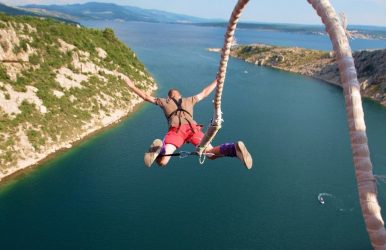
The thrill of falling without the deadly consequence of hitting the ground is what I call bungee jumping. If you are seeking thrilling recreational activities, going bungee jumping can be the single most interesting thing you can do. Especially if you are from India and looking for the best places for the highest Bungee jumping in India, then I might be able to help you. In this article, I have talked about the highest bungee jumping point in India with details about the location and the price, and other required info for a jump. The Top 8 Spots For Bungee Jumping In India: The List Will Surprise You!  So, without any delay, let me take you bungee jumping in the best bungee jumping locations in India. Jumpin Heights, Rishikesh  Lonavala, Maharashtra  Bir Billing, Himachal Pradesh  Ozone Adventures, Bangalore  Gravity Zone, Goa  Chhattisgarh, Jagdalpur  Wanderlust, New Delhi  Himvalley Camps, Manali  1. Jumpin Heights, Rishikesh The Jumping Heights in Rishikesh offers you the highest Bungee jumping in India. Jumpin Heights is at Mohan Chatti village in Rishikesh. Most importantly, it is the only place in India where you can experience Bungee jumping from a fixed place. There is a cantilever platform made over a rocky cliff. The platform is 83 meters from the ground. They have experienced staff to take care of all the safety precautions. If you are up for it, Rishikesh can be your Bungee jumping location. Location: Mohan Chatti village in Rishikesh. Bungee Jump Height: 83 m Minimum Age: 12 years. Cost Per Jump: INR 3500 2. Lonavala, Maharashtra Another great place for the highest Bungee jumping in India is Lonavala. On the outskirts of Pune, a tiny hill station, this is a proper location for thrilling Bungee Jumping. The jumping location is an adventure park. It is known as Della Adventures. The equipment is equipped at a height of 150 ft. The jump lasts for around and lasts about 7-10 minutes. If you are above the age of ten and weigh above 35 kg, then you are allowed to enjoy it from here. There are instructors helping you with the safety measures and instructions before the jump. The funniest part of all is that they offer you a certificate saying that you have overcome your fear of heights. Location: Maharashtra, Della Adventures in Lonavala. Bungee Jump Height: 45 m Minimum Age: 10 years Cost Per Jump: INR 1500 3. Bir Billing, Himachal Pradesh  Bungee jumping in Bir Billing is an exhilarating adventure that is hard to forget. Imagine standing on a suspension bridge 50 meters above the ground, surrounded by breathtaking views of lush green mountains all around you. It truly feels like a leap of faith as you prepare to take the plunge. With experienced instructors guiding you every step of the way and strict adherence to safety standards, you can focus on the thrill of the jump without worrying about anything else. This adrenaline-pumping activity is available year-round. However, the best times to experience both bungee jumping and the stunning paragliding are during March to May and from October to November. Whether you’re an adrenaline junkie or just looking for a unique experience, bungee jumping in Bir Billing promises an unforgettable rush!  Location- Gunehar, 2-3 km from Bir bus stop, Himachal Pradesh  Bungee Jumping Height- 50 m  Minimum Age- 12-14 years  Cost Per Person (INR)- 3300  4. Ozone Adventures, Bangalore If you love adventure, then you will love Bungee jumping from a crane. Yes, unlike the other locations, Ozone Adventures offers you the highest Bungee jumping in India from a height of 80 ft. Most interestingly, the equipment is attached to a 130 ft tall crane. Doing Bungee jumping from a crane/ unfixed platform makes it riskier for jumpers. The staffs here are helpful, and they offer to take all the precautionary measures before you jump and also give you valuable instructions before you make your jump. Location: Ozone Adventures, St. Mark's Road, Bangalore, Bangalore Bungee Jump Height: 25 m Platform and 40 m Crane Minimum Age: 18 to 60 years. Cost Per Jump: INR 400 5. Gravity Zone, Goa Beach hopping is not the only thing you can do in Goa. You can also go bungee jumping. It is not the highest bungee jumping point in India, but Anjuna beach has its reasons for the attraction. If you are new to bungee jumping, then this is indeed the place you can go to. Gravity Zone is a 25 m high tower and is perfect for first-timers to experience Bungee jumping. Compared to other locations, it is a smaller location for jumping. Also, the place does not charge you too much. Location: Gravity Zone, Anjuna Beach, Goa. Bungee Jump Height: 25 m Minimum Age: 14 years Cost Per Jump: INR 500 6. Chhattisgarh, Jagdalpur Another good and less overwhelming place to try Bungee jumping is Jagdalpur. If you are afraid of heights and still want to try out bungee jumping, then this is not the highest Bungee jumping in India to scare you too much. You can fight your fear of heights from the 30 m bungee jumping location. Location: Jagdalpur, Chhattisgarh. Bungee Jump Height: 30 m Minimum Age: 14 years. Cost Per Jump: INR 500 7. Wanderlust, New Delhi If you are from Delhi and thinking of going to other states to try out bungee jumping, then we have good news. Wanderlust in New Delhi offers this sporting activity. Most interestingly, the equipment for jumping is imported from Japan. The crew there is trained in Germany. The jumping equipment is attached to a 130 ft high crane. They also provide you with a certificate and a T-shirt and cap. Location: Wanderlust, New Delhi Bungee Jump Height: 52 m Minimum Age: 14 years. Cost Per Jump: INR 3000 8. Himvalley Camps, Manali  Bungee jumping at Himvalley Camps is an exhilarating experience that takes you 25 meters up to enjoy stunning views of the valleys near Manali. While it might not be the highest jump out there, the thrill of free-falling against the backdrop of the majestic Himalayas is truly something special. Safety is a top priority at this campsite, with international standards in place and trained instructors ready to guide you through every step of the jump. It's a fantastic adventure for anyone aged 16 to 65, as long as you weigh between 35kg and 140kg. Just remember, if you're under 18, you'll need parental consent to take the plunge!  Location- Leh- Manali Highway, Manali  Bungee Jumping Height- 62.5 m  Minimum Age- 18+  Cost Per Person (INR)- 4000  Frequently Asked Questions (FAQs): If you are looking for the best bungee jumping locations in India, then these are the locations you may go to. However, here are some popularly asked questions and answers that I have answered. 1. What Is The Highest Bungee Jump? The highest bungee jump in the world is Bloukrans Bridge in the Western Cape of South Africa. It is the highest commercial and natural bungee jump in India. 2. Does A Bungee Jump Hurt? Indeed it is a thrilling and recreational activity. But, some free fallers experience serious injuries like compression fractures or herniated discs. Other serious injuries might also happen from Bungee jumping.  3. What Is The Cost Of Bungee Jumping In Rishikesh? If you are going to Jumpin Heights, then you will be charged INR 3500 for Bungee jumping. The entry ticket costs you 100 rupees. But if you also want to do Giant Swing, you will be charged Rs 6500. A bungee jump and Flying fox combo cost you Rs 4750. 4. Where Is The Scariest Bungee Jump? If you are looking for the scariest bungee jumping location, then you have to go to Macau Tower ( 764 feet in China). You will definitely be thrilled and have goosebumps. 5. Which Place Is Best For Bungee Jumping In India?  The best bungee jumping in India is at Rishikesh.It offers the highest and most scenic experience, with platforms up to 87 meters high, operated by the reputable Jumpin Heights.  Choose Your Ideal Bungee Jumping In India  When looking for the highest Bungee jumping in India, you need to first visit Rishikesh. It is the best location for Bungee jumping from the highest location in India. The experience is thrilling, and you should be ready to feel your heart in your throat. All the bungee jumping locations talked about in this article are great to experience. Did you decide on where to go on Bungee jumping? Please let us know where you will go. Also, if you have any additional queries, you can leave them in the comment section.

READ MORE Tucumán nature guide

Tucumán Nature Guide: Exploring The Yungas Rainforest And High Andes

BY  Sibashree Jan 14, 2026

You think of the nature resorts, the famous wine tours, hiking, and birdwatching when we talk about exploring Tucumán. However, Tucumán has recently also emerged as an astrotourism hotspot.  The Ampimpa Astronomical Observatory in the CalchaquĂ­ Valleys of Tucumán is at the epicenter of this happening astrotourism scenario.  Now, this is an added feather to the crown of Tucumán, the smallest province of Argentina. It offers a vertical journey from the jungle to the desert in 50 kms.  Also, the nickname of Tucumán is not just a fancy phrase. It means a biological reality and refers to the historical event of Argentina’s independence from Spain in 1816.  Furthermore, El JardĂ­n de la RepĂşblica, or the Garden of the Republic moniker, goes well with its subtropical climate and the lush landscape.   You guessed it right, as today, this Tucumán nature guide will take you to the Yungas Rainforest and the highlands of the Andes. Also, if you are planning a road trip, you must go through our Tucuman Argentina, itinerary. The Yungas Rainforest (The Green Belt) The Yungas Rainforest is known as the Green Belt, as it is an ecodiverse region. Home to a diverse flora and fauna, the Yungas Rainforest hosts a variety of bromeliads, orchids, and ferns.  Furthermore, among the animals here, you will find tapirs, wild cats, and panthers. You will even spot species such as Yungas Guan while birdwatching in Yungas, Argentina.  Also, it is home to the Campo Los Alisos in Tucumán, which helps to preserve the threatened ecosystem of the Yungas Rainforest region.  Moreover, containing around 50% of the biodiversity of Argentina, parts of the Yungas Rainforest are also marked as UNESCO Biosphere Reserves.  1. Parque Sierra De San Javier View this post on Instagram A post shared by Parque Sierra de San Javier (@parquesierradesanjavierunt) Parque Sierra de San Javier, or the San Javier Mountain Range Park, was established in 1974, and now the National University of Tucumán (UNT) maintains it.  It is one of the top nature reserves in Tucumán, Argentina.  The home to various flora and fauna of Argentina, this park also functions as the green lung by cleaning the air, protecting the watersheds for the city, and regulating the climate.  This park, furthermore, has many beautiful trails. You can enjoy an easy 30-minute jungle walk through the Cascada del RĂ­o Noque trail. If you are seeking silence while hiking in San Javier, Tucumán, you can opt for the Sendero Anta Yacu trek.  It is around 25 km west of Tucumán. If you are a budget traveler like me, you can take the Bus No 340 to reach the park.  2. Reserva Experimental Horco Molle View this post on Instagram A post shared by AsociaciĂłn de Prestadores de Turismo Activo de Tucumán (@aptattucuman) This small but compact nature park is ideal for families. It is home to the tapir and condor rescue projects. It covers 600 acres and is just 15 km from the capital.  Also, it has picnic areas, barbecue areas, and play areas for children.  3. Aconquija National Park: The Untouched Wilderness View this post on Instagram A post shared by Parque Nacional Aconquija (@parquenacionalaconquija) Aconquija National Park, with over 600 species of endemic animals and birds, is the jewel of North America.  Taruca deer, puma, and ocelot are some of the endemic animals living here. In addition, you will find several Incan ruins scattered through the park. The Incan Highway remains, and the “Ciudacita” ruins are part of the UNESCO World Sites.  The Campo de los Aliso near Alpachiri is the main Aconquija National Park entrance. Furthermore, Cochuna is the wilder southern entrance of the Aconquija National Park.  Furthermore, the Mythical Trek of La Ciudacita, the Inca Ruins at 4400 meters, is the main highlight of this national park.   The High Andes & Puna (TafĂ­ del Valle & Beyond) The harsh, cold conditions and a rich wildlife with the presence of vicuñas, flamingos are the highlighting features of the High Andes and Puna, at an altitude of 3000 meters.  This region has critical water resources that support livelihoods such as alpaca and llama. Let’s find out about the major nature reserves of this region.  1. Quebrada De Los Sosa Nature Reserve Take a drive up through Route 307 to find the Quebrada De Los Sosa Nature Reserve, where the jungle meets the clouds.  It is a 30 km-long gorge carved by the Los Sosa River, and it is home to more than 100 bird species.  With a winding pathway, it is also home to the TafĂ­ del Valle. 2. Los Núñorcos & Reserva La Angostura Los Núñorcos, or the Cerro Núñorco mountain and Parque provincial Los Ă‘uñorcos are the prominent locations for hiking in Tucuman, Argentina.  As you explore the challenging trails here, you will enjoy a beautiful view of the Dique la Angostura lake and the TafĂ­ del Valle. TafĂ­ del Valle also has the Bald Mountain, or the Cerro El Pelao. You can start the trek near the TafĂ­ del Valle center. It is a 1.5-hour-long trek.    Wildlife Watching Calendar In Tucuman, Argentina  Tucuman in Argentina is ideal for wildlife sightings throughout the year. TafĂ­ del Valle and areas around Route 307, especially the best areas for wildlife spotting in Tucumán.  Check out the wildlife watching calendar in Tucuman below. Year-Round Sightings• Mammals: Capybaras, Some Foxes, and South American Sea Lions• Birds: Doves, Hummingbirds, and Toucans Spring (September to November) â€˘ Birds: Doves and Hummingbirds • Flowers: Pink Trumpets and Jacaranda treesSummer (December to February) â€˘ Mammals: Elephant Seals and Sea Lions• Birds: Penguins in Patagonia and Burrowing ParrotsAutumn (March to May)• Mammals: The Red Deer Rut• Birds: PigeonsWinter (June to August) â€˘ Reptiles: Yellow Anacondas• Birds: Waterfowl  What Are The Expert Tips For Hiking In Tucumán?  An entry to the Aconquija National Park is free. However, do you know that you have to register at the ranger station at least 48 hours in advance? It is crucial for the safety of the hikers. For more such insider knowledge, these expert tips will be very handy. 1. Bus #118 Is Your Friend  You don’t have to hire a car to see the jungle and the nature reserves. You can take the 118 bus from San Miguel de Tucumán directly to the foot of the San Javier trails.  The ticket price is even less than $1.  2. Watch The Fog (Neblina) The Fin del Mundo" statue area on route 307 is often the zero-visibility zone. There is dense fog in this area even at around 4 PM. You have to drive the car carefully, and there must be low beams to defeat the fog.  3. Ticks Exist In The Yungas  The lush greenery of the Yungas is ideal for picnics and nature exploration. However, there are ticks. So, you must check your ankles after a hike or use a blanket.  4. Hire A Guide For "La Ciudadacita" Are you planning a 4-day trek to La Ciudacita or the Inca Ruins? You must have a guide because the high altitude path, at an elevation of over 4000 meters, is unmarked. You need technical assistance for the navigation. Moreover, you must contact the AsociaciĂłn Argentina de GuĂ­as de Montaña to hire a guide.  5. The "El Indio" Stop You will find the best dried meat or Charqui at the vendor stalls at the El Indio monument on Route 307. These stalls also have the best local honey.  Stop by these stalls and have the dried meat and honey for a great start to your hike.  6. The Waterfalls In Tucuman Are Seasonal  No Instagram reel will tell you that the waterfalls in Tucuman are seasonal. March to May, or the end of the rainy season, is ideal for visiting these waterfalls.  7. Beware Of The "Mala Mala" Local folklore speaks of the "Mala Mala" spirit in the mountains. Whether you believe it or not, respecting silence in nature is a huge part of the local culture. 8. No Cell Signal Once you pass the "El Indio" monument or enter Aconquija Park, your cell signal dies. Download offline maps (Maps.me or Google Maps) before leaving the city. 9. Condors Fly At Noon If you want to spot Andean Condors, look up between 11 AM and 1 PM when the thermal currents are strongest. They rarely fly early in the morning. Tucumán Nature Guide: Listen To The Authority Voices  AsociaciĂłn Argentina de GuĂ­as de Montaña (AAGM): The Aconquija range is "one of the most undervalued trekking destinations in Argentina," offering Himalayas-like isolation without the crowds. Birding Ecotours (Global Operator) Rio Los Sosa is a prime spot for seeing the "Torrent Duck" (Pato de Torrente), a bird that can swim upstream in raging rapids. La Ruta Natural (Argentine Tourism Ministry) "Ruta de las Yungas" is a key scenic drive, highlighting the importance of driving slowly to spot the crossing fauna like the Corzuela (small deer). Tucumán Nature Guide: Frequently Asked Questions (FAQs) Here are the frequently asked questions and answers about the Tucumán Nature Guide.  1. What Is The Best Time Of Year For Hiking In Tucumán? April to September, or the dry season, is ideal for hiking in Tucuman. The cool temperature is ideal for outdoor exploration. On the other hand, heavy summer rains make the trekking trails here dangerous and muddy.  2. Do I Need To Pay To Enter The Nature Reserves? The entry fee to the national parks depends on the specific administrative and management authority. For example, you don’t need to pay any entry fee for the Aconquija National Park. However, prior registration is crucial. Further, for Reserva Horco Molle, you will have to pay an entry fee of $2.  3. Is It Safe To Hike Alone? Yes, it is safe to hike alone on the well-marked trails of Tucuman, such as the Rio Noque or Funicular. However, if you are going to high-altitude summits or jungle treks, you will need a guide. It is more crucial because of the presence of the fog and the absence of signage.  4. Are There Snakes In The Yungas? Yes, the Yungas have pit vipers or Yarará. So, you wear long trousers and watch your steps. Furthermore, you must follow the trail marks properly to not disturb the habitats of the snakes or other wildlife.  5. How Do I Get To Aconquija National Park Without A car? It is difficult to reach the Aconquija National Park without a car. You have to first take a bus to ConcepciĂłn and then a local bus to Alpachiri. From Alpachiri, it is another 10 km taxi ride to the park entrance.  6. Can I Camp In The Reserves Of Tucuman? Yes, Aconquija National Park has designated wild camping zones (like Puesto La Mesada). However, Sierra de San Javier does not allow camping. So, it is for day use only. 7. What Is The "Yungas"? The Yungas, or a cloud forest in Tucuman, Argentina, is a mountain rainforest. It functions as a connector between the Andes and the Amazon.It has ferns, moss, and high humidity.  8. Can I See Toucans In Tucuman? Yes, you can see toucans in Tucumán. In recent years, toucans have made a comeback in this region.You can spot them in the trees around San Javier and Horco Molle. 9. What Is Hiking Altitude In Tucuman?  Hiking in Tucumán covers a wide altitude range, from the lows of San Javier (around 600 to 1200 meters) to the moderate TafĂ­ del Valle (2000m). Furthermore, the Aconquija high summits reach more than 5000 meters. 10. Is The Water In The Streams Safe To Drink In Tucuman? No, the water in the Tucuman streams is not drinkable even with a clear view. Cattle graze in the higher areas and thus make the water unsuitable for drinking. So, you have to use purification tablets or a filter for purified drinking water.Â