
Seven Reasons To Visit The Stunning Greek Ionian Islands

Jul 25, 2023

Last Updated on: Jul 3, 2025

Travel Guides

Churches, Venetian castles, olive groves, and forests of pine right up to the water’s edge set the iconic Ionian islands of Greece apart. Having lived for centuries under Venetian rule, it is aptly reflected in their age-old buildings.

Choosing the right operators, like www.ionianislandholidays.com can be a deciding factor in making or breaking your holiday to these stunning Greek islands. The sapphire-blue Ionian Sea welcomes visitors to the breathtaking destinations.

There’s so much more to witness, from Kefalonia to Lefkada, Corfu, Zakynthos, Paxos, and Ithaki. They are all wonderful island hot spots that you will adore exploring. So, if you are still not considering moving to Greece, which is easier than you could imagine, you aren’t living life completely. Below are a few reasons that will prove the point!

Why visit the Ionian islands?

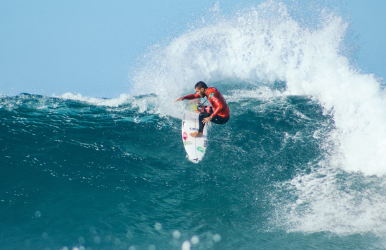
While on land you can explore monasteries, mountain villages, and waterfalls, kites, and windsurfers regard the waters of the Ionian Sea as a prime location to enjoy water sports. If you’re planning a trip, keep in mind that with favorable winds, there is no better place for sailing than these beautiful islands of Greece.

visit the Ionian islands

Some other compelling reasons to visit the Ionian islands are:

1. The celebrated beaches

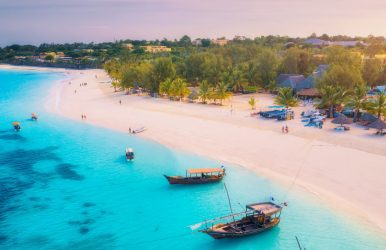
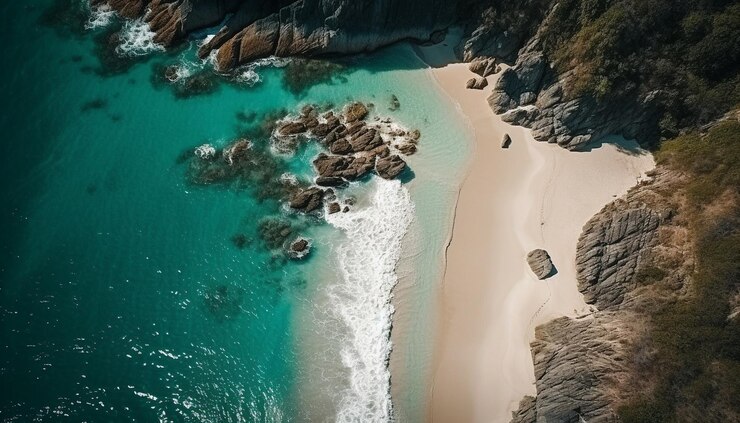
There are countless beaches, big and small, all over the islands of the Ionian Sea that have a charm of their own. The Shipwreck Beach of Zakynthos is a mega crowd puller from all over the world, and so are the pristine sands of Lefkada, Porto Katsiki, Voutoumi, and Engremni.

Again, while Antipaxos and Vrika are a one-stop for boat owners, Schinos in Ithaki and Myrtos in Kefalonia are where the elite mingle with each other.

Finally, there is the much-photographed Kaladi on Kythera and Paleokastritsa in Corfu which are lapped by blue waters against a backdrop of towering limestone cliffs.

2. Rich culture and history

The ancient monasteries, churches, castles, and other buildings lay testimony to the myths and colorful traditions of the Ionian islands. Homer’s kingdom of the Phaeacians, Corfu, is home to Old and new Venetian Forts, Achillion Palace, and Mon Repos, all top-class architectural wonders.

Then there is the outstanding Asian Art Collection museum inside the Palace of St Michael and St George, the Municipal Gallery, and the Archaeology Museum.

Lefkada, too, has some impressive medieval buildings, while the most sturdy attraction of Greece, by far, is the 14th-century castle of Santa Maura.

3. Best for water-based activities

Best for water based activities

Many of the Ionian islands are known for consistent wind conditions which attract water sports lovers, especially beginners as conditions are best for them. This makes the islands a great place to take up a new water-based activity or even some laid-back paddling in the pristine waters

When it comes to water sports, the Ionian islands enjoy a reputation of their own. While Lefkada draws ever-increasing hordes of windsurfers, year after year, sailors flock to the beaches of Myli and Vasiliki, ranked by many as the best in the Mediterranean.

Adventure junkies also head to the nearby isles of Meganisi, Kastos, and Kalamos, north of Corfu, who then head around the island before sailing south towards Paxos

Antipaxos, Ithaki, and Kioni are all other destinations that are loved by sailors in the Ionian Sea. For hikers, there are well-marked trails through the green mountains and the famous 220 km long Corfu trail.

4. Delicious cuisine

The Greek cuisine in itself is a good reason to visit the country, especially the food served on the Ionian islands which has a strong Mediterranean diet base which is considered to be key to longevity.

Inspired by the history of the Ionian Sea, the delicacies of the Greek islands will surprise you with their wealth of culinary delights. The Ionian islands stand out, not only for their sophisticated dishes like sofrito and Bianco but complemented for their locally produced ginger beer and kumquat liqueur.

Diners in Zakynthos and Lefkada are usually regaled by strolling musicians while the locals serve their own delicacy, a nougat treat. Ask for it if you don’t get it.

The piece de resistance of Kefalonia is the rich meat pie and another one of Zakynthos is salsa, a meat stew accompanied by cheese. An integral element of Greek cuisine is olive oil, which is world-renowned, and used in most dishes.

5. Fantastic year-round weather

There are few better holiday spots in the world, than the Ionian islands of Greece, which enjoy near-perfect weather all around the year. There are plenty of beaches if you wish to soak in the sun with your family at any of the famous ones in Greece.

Typically, the temperature never drops below 70°F through September or in any case below 50°F during the winter months in any of the top islands you may wish to visit.

Moreover, the frequent rainfall has made the vegetation lush green which characterizes the islands. Snow is rare, and summers are cool even on the hottest of days.

This means, even in the off-season, conditions are near perfect for hiking, checking out the vibrant scenery, and not forgetting loads of shopping all without being troubled by the teeming hordes of visitors.

6. The hospitable locals

Greek hospitality is legendary with its roots deeply embedded in every heart of the locals. The word for hospitality in Greek is philoxenia which literally means “friend to a stranger” and refers to the art of caring for anybody who visits a Greek home.

The value of hospitality of the ancient Greeks still lives today in modern Greece. Over the centuries, the generosity of the locals has become a cultural norm and revolves around sharing life with others, like inviting a newcomer to their home for a homemade meal.

Ancient Greek’s care for strangers was an institution as they considered the act of welcoming someone as a missionary sent by the gods, Hence hospitality enjoys important value, even today, for every Greek citizen and they happily open their doors to foreigners and invite them for a treat in their homes.

7. They produce awesome drinks

Greek wines

Greek wines are among the best in the world. Brands like Retsina, Agiorgitiko, and Vidanto are all legendary to wine lovers, with Assyrtiko from the island of Santorini being one of the most popular of all Greek wines.

It is the diverse landscape that explains the presence of distinct characteristics in these wines, especially the red variety from the volcanic island of Santorini, the most wine-producing state in the country.

Another good variety of white wine by the name of Robola is associated with the island of Kefalonia where some of the best brands can be found. Ouzo is another famous Greek drink that is worth a try. This is a heady licorice-flavored drink served with a glass of water before meals and best enjoyed with eating mezedes by the seaside on any of the islands. Do not forget to say Yamas, the Greek equivalent of “cheers” before you begin to drink.

Read Also:

Share on Social Media

Arnab is a professional blogger, having an enormous interest in writing blogs and other jones of calligraphies. In terms of his professional commitments, He carries out sharing sentient blogs.

Leave a Reply

Your email address will not be published. Required fields are marked *

title-img Related

READ MORE Great Barrier Island camping tips

The Best Great Barrier Island Camping Tips: Ultimate Guide To The Best Camping Spots On Great Barrier Island, New Zealand 

BY  Sibashree Nov 17, 2025

Spotting the burrows of the black petrels at Glenfern Sanctuary and the hillside was like magic! The burrows had eggs in a cream shade with tan freckles. They almost looked like the eggs of a hen, though slightly larger. Also, some chicks were chirping their hearts out inside the burrows. They looked like those squishy dog toys. Now, spotting birds is one of the most fulfilling activities when you are camping on Great Barrier Island, New Zealand. Furthermore, if days were about hiking and spotting the birds, the nights were about indulging in the surreal beauty of the celestial bodies at this designated Dark Sky Sanctuary. Moreover, camping in Great Barrier Island is a true off-grid and remote experience. No Streetlight!  No Public Rubbish Bins!  And, No Powered Camping Sites!  It’s just you, the camping tent, and the rugged beauty of New Zealand’s Hauraki Gulf. Hi, in today’s blog, I will talk about the Great Barrier Island camping tips. Here, you will learn about the must-book DOC sites, the non-negotiable biosecurity rules, and everything else you need to plan your adventure.  Camping In Aotea, Great Barrier Island: Setting The Right Mindset For Biosecurity And Sustainability View this post on Instagram A post shared by Department of Conservation (@docgovtnz) Aotea isn't a place that just hands you its beauty. It's a place that makes you earn it. It's a true adventure that rewards you for being self-sufficient.  It's the thrill of waking up to the raucous call of a Kākā parrot, not an alarm clock. It's the magic of watching the Milky Way rise over the dunes at Medlands Beach, and the peace of having a rugged, white-sand cove all to yourself.  Also, it is one of the rare islands that serve as sanctuaries, and with 60% of its area protected by the Department of Conservation, Great Barrier Island demands the utmost care for biosecurity and the adoption of sustainable practices. So, before you want to explore the best camping spots on Great Barrier Island New Zealand, you have to build your mindset. This is your invitation to join a small community of travellers who value wild, authentic, and responsible adventure.  1. Offering The True Off-Grid Experience  The campsites of the Great Barrier Island are exactly what the island is. They are not powered, and they have basic amenities. Furthermore, open fire is not allowed in these campsites. So, you will have to bring fuel-powered or gas cookers. Furthemore, the Department of Conservation camping sites have only a specific number of tents. So, you need to make the booking well in advance. Contact the Department of Conservation (DoC) at 0800 275 362. 2. The Golden Rule: "Pack In, Pack Out”  Zero waste and recycling are important for the sustainability and environmentally friendly practices of the Great Barrier Island. However, the island does not have public rubbish bins. So, whatever you carry to the island, you will have to take it back. You must use the official Orange Council bags with stickers for trash disposal. 3. Biosecurity Is Most Important  Protecting the Kauri trees from the infamous “Kauri Dieback disease” and the island's endemic animals requires a high level of biosecurity. So, when you leave for the Great Barrier Island from Auckland, you will have to check for ants and rats. Also, when you leave Great Barrier Island, check the tents and packs for skinks. In addition, the Phytophthora Agathidicida attack on the kauri trees has been a serious concern. Stopping the soil movement is crucial to stopping the attack of this dieback disease. Soil movement can happen through pigs, footwear, and vehicles. Therefore, the Department of Conservation (DoC) cleaning stations play an important role in cleaning and removing soil from your gear and footwear before entering a kauri forest on Great Barrier Island, New Zealand. In addition, you have to stick to the marked routes when hiking through the best Great Barrier Island hiking trails. 4. How To Book The Camping Sites: DOC Vs. Private  If you are camping in any of the DoC sites, you have to make the booking online well in advance. Private camping sites can be booked directly. Here is the step-by-step guide for booking a DoC Campsite on the Great Barrier Island. First, visit the Department of Conservation site for the particular campsite. For example, let’s talk about the Akapoua Bay Campsite. On the dedicated Akapoua Bay Campsite page, you will get to know about the campsite and the fees. The fees for the Akapoua Bay Campsite are $18 per night for adults, $9 per night for children ages 5 to 17, and $0 per night for infants ages 0 to 4. In addition, you can book a campsite pass from the Department of Conservation of New Zealand. It will give you access to all the bookable and non-bookable campsites in the country. If you need any assistance in booking the campsite pass, you can avail of that at a service tax of $10. For adults, the camping pass will cost $295.00 (365 nights), and for children between 5 and 17 years, the pass will cost $147.50. Moreover, for children below 5 years, the camping pass is free. If you need any assistance regarding the booking of the 1-year campsite pass or a pass for any specific site, you can contact Whakatū/Nelson Visitor Centre at +64 3 546 9339 or email them at nelsonvc@doc.govt.nz. The Kauaeranga Visitor Centre (+64 7 867 9080/kauaerangavc@doc.govt.nz) also offers the same assistance. What Are The Best Camping Spots On Great Barrier Island New Zealand?  View this post on Instagram A post shared by Department of Conservation (@docgovtnz) Digital detox has been a trending thing these days, and if you want to truly experience that and shut all the noise in your head, the camping spots on the Great Barrier Island will be the best for you. Further, the real magic of camping on Aotea starts after sunset. You haven't lived until you've watched the Milky Way rise over your tent from the dunes at Medlands. However, along with the Medlands Beach, there are 5 other DoC campsites in the Great Barrier Island, New Zealand. Here are the details. 1. Akapoua Bay Campsite  The sheltered waters of Port FitzRoy have a beautiful camping ground, which is like a gateway to the many walking tracks of the Great Barrier Island, New Zealand. From waking up with a 60-second dash of a cold shower to exploring the paths graced by the pohutukawa trees, the Akapoua Bay Campsite will offer you a peaceful and off-the-grid experience. The maximum number of campers on this site can be 75. Moreover, the camp is hosted from Christmas to the end of January. 2. Harataonga Campsite  This campground is very close to Harataonga Beach. So, it is an ideal camping site for swimmers and snorkeling enthusiasts. It can accommodate 120 campers, and this campsite is surrounded by bush and farmland. and camping takes place between Christmas and mid-February. Harataonga is for the romantic escape. 3. Awana Beach Campsite  The Awana Beach Campsite is a surfer’s dream. It has beautiful dunes and farmlands around. It can accommodate 120 campers, and the campground remains open from Christmas to the end of January. The only problem with this camping site is mosquitoes. So, you have to carry mosquito repellents. 4. Medlands Beach Campsite  The sound of the waves at Medlands. This is the music you will listen to when you go to sleep or wake up at the Medlands Beach Campsite. Medlands is like an all-rounder. It is ideal for families and surfers alike. The campsite remains open from Christmas to mid-February, and it can accommodate 120 campers. 5. The Green Campsite  You can boat in or walk in the Green Campsite, which remains open from 1st December to the end of February. With a capacity of accommodating only 30 campers, this campsite has a rich history associated with whaling, kauri logging, and timber milling. The waters of the Whangaparapara Harbour make it an idyllic retreat, and it is also the base of the Aotea Track. 6. Whangapoua Campsite  The Whangapoua Campsite is a surfer’s paradise, and it is located on the edge of the Whangapoua estuary. It is also a favorite camping site for fishing. With an accommodation capacity of 150 people, this campsite remains open from Christmas to the end of February. However, the biggest highlight of this camping site is the views of Rakitu Island and Mount Hirakimata. A Comparison Summary Table Of The DoC Camping Sites On The Great Barrier Island, New Zealand  DoC Campsite Access Landscape Facilities Activities Dog Access Fees Akapoua Bay Campsite Campervan, Car and Caravan Coastal Boat Launching, Cooking Shelter, Cold Shower, Non-Flush Toilets for Men and Women Boating, Fishing, Walking, and Tramping No Adults: $18 per night, Children of 5-17 years, $9 per night, and Children below 5 years: free Harataonga Beach Campervan, Car and Caravan Coastal Cooking Shelter, Cold Shower, Non-Flush Toilets for Men and Women Swimming, Snorkeling, Fishing No Adults: $18 per night, Children of 5-17 years, $9 per night, and Children below 5 years: free Awana Beach Campsite Campervan, Car and Caravan Coastal Cooking Shelter, Cold Shower, Non-Flush Toilets for Men and Women Kayaking and Canoeing No Adults: $18 per night, Children of 5-17 years, $9 per night, and Children below 5 years: free Medlands Beach Campsite Campervan, Car and Caravan Coastal Boat Launching, Cooking Shelter, Cold Shower, Non-Flush Toilets for Men and Women Fishing, Surfing, Swimming No Adults: $18 per night, Children of 5-17 years, $9 per night, and Children below 5 years: free The Green Campsite Boat, Foot Coastal Cooking Shelter, Non-Flush Toilets for Men and WomenHiking, Boating No Adults: $18 per night, Children of 5-17 years, $9 per night, and Children below 5 years: free Whangapoua campsite Campervan, Car and Caravan Coastal Cooking Shelter, Cold Shower, Non-Flush Toilets for Men and WomenFishing, Surfing No Adults: $18 per night, Children of 5-17 years, $9 per night, and Children below 5 years: free  Insider Tips For Camping At DoC Campsites On The Great Barrier Island If you are camping in a caravan or campervan, remember that the gravel roads leading to the camping sites, especially the Harataonga Campsite, are steep and winding. Also, the sites are off-the-grid. Furthermore, the campervans are not usually allowed on the beaches. The Best Private & Unique Camping Options On The Great Barrier Island View this post on Instagram A post shared by Department of Conservation (@docgovtnz) 1. Great Barrier Island Campground  The Great Barrier Island Campground, spanning over an area of 12 square acres, is an ideal camping ground for access to different beach activities. The camping site is located at a distance of just 200 meters from the beach. The camping fee at the Great Barrier Island Campground is $10 per person per night. You can contact them at 021 298 8905 for booking. 2. Mickeys Place  The O'Shea Family farm in Awana houses the Mickey's Place camping ground. It is a family-friendly camping site with the following facilities. A Communal Cooking Area  Flush Toilets  Showers  Patrick, Sean, and Mickey are the hosts of this campsite, and you can contact them at 09 4290 140. 3. Stray Possum  Stary Possum in Tryphena is an ideal camping site for backpackers. If you are camping here, you will have access to the kitchen, toilets, and showers of the adjacent Stray Possum Lodge. This camping site has 14 tents, and you can call 09 4290 109 for booking details. 21 Essential Great Barrier Island Camping Tips  I promised you tips, and here they are. Do not go to Great Barrier Island without reading this checklist.  • Packing And Food  1. Bringing a Gas Cooker  Open fires are banned in the Camping sites of the Great Barrier Island. So, you will have to bring a gas burner for preparing your food. 2. Packing Your Food  Groceries are not available everywhere, and they are even very expensive. So, it is better to collect and pack the groceries you will need before leaving Auckland. 3. Bringing a Good Chilly Bin  You will need this insulated chest for storing warm and cold food items. 4. Bringing a Red-Light Torch  The island is a Dark Sky Sanctuary. A red torch lets you stargaze without ruining your night vision.  5. Bringing Cash  EFTPOS (debit) is unreliable, and many camping sites only accept cash. 6. Packing Warm Clothes  The weather can suddenly become cold, even on summer days. So, you will have to pack layered clothes.  7. Carrying Mosquito and Insect Repellent  Sandflies and mosquitoes are notorious on Great Barrier Island. So, you will have to carry an insect repellent.  • On-Site & Facilities  8. Cold Showers  Most shower stations on the Great Barrier Island are cold water shower stations. This is great as the dash of cold water in the morning, literally works as the eye opener. 9. Long-Drop Toilets  The long-drop toilets are basic and waterless. Using these pit toilets can be challenging for some campers. 10. Drinking Water  The tap water available at these sites is not ideal for drinking unless it is purified or boiled. 11. Pet-Friendly  The DoC camping grounds are not accessible to dogs. This is crucial for the protection of wildlife, the safety of the pets, and soil movement, causing the resurrection of pets and parasites affecting the local flora and fauna. 12. Booking  The slots for camping sites such as Medlands, Akapoua get sold more than 6 months in advance for the Christmas and New Year periods. So, it is indeed a year-long planning. 13. Alcohol Rules  The consumption of alcohol can be banned in various camping sites, especially during the peak seasons. So, check with the camping site authority. • Transport & Logistics  14. Having a Vehicle  Having a vehicle is a must for moving around the rugged and large Great Barrier Island. You cannot walk between the sites.  15. Renting a 4WD (or 4WD-Capable)  The roads to various campsites are challenging. The road to Harataonga, especially, is very difficult. So, you will have to rent a 4WD-capable vehicle. 16. The Motorhome/Campervan Reality  The gravel roads are narrow, steep, and winding, and if you are planning to camp in a large RV, you will definitely struggle. 17. The Dump Station Nightmare  There is only one dump station in Claris, and it is only for black water or toilet waste. You will have to carry your grey water or sink with you. 18. Freedom Camping  Freedom camping on the Great Barrier Island, New Zealand, is a fascinating idea. However, the reality is quite different. It is heavily restricted, and sticking to the DoC sites is the best option.  • Safety & Etiquette  19. Using a Paper Map  Mobile network and GPS will not function in various parts of the Great Barrier Island. So, you will have to carry a paper map. 20. Tell Someone Your Plans  If you are hiking on the Great Barrier Island, you have to keep someone informed. The wilderness and remote locations of the hiking trails can throw many challenges, despite having an easy to moderately difficult level.  21. Being a Good Neighbour  You must respect the quiet, off-grid, and nature-first vibe of the Great Barrier Island. So, you have to keep the noise level down. How To Reach The Aotea Great Barrier Island With Your Camping Gear? For campers, especially the ones with campervans, traveling by the ferry from SeaLink is the best option. It is the only mode of transportation in which passengers and cars are both transported. It is a 4.5-hour picturesque journey from Auckland. Your Great Barrier Island Camping Adventure Is Calling Camping on the Great Barrier Island, New Zealand, is the right mix of adventure, soaking in nature, and cherishing the off-the-grid living of the island. However, it’s not going to be easy with the amenities at the campsites being basic, and even the gravel roads posing challenges for the big RVs and campervans. Also, you will have to take care of biosecurity and all the sustainability guidelines to ensure that the island, a sanctuary of wildlife, does not get impacted negatively. Conservation as a pristine sanctuary is the reason why camping in the Great Barrier Island allowed us to see a billion more stars and birds than I have ever seen in my life.

READ MORE influence of heat and humidity on traveler

How Heat And Humidity Affect Travelers More Than They Realize

BY  Sibashree Oct 3, 2025

Summer trips always look amazing online! The sunshine, beaches, and iced lattes in some cute café. But the part people don’t talk about? Heat and humidity hit way harder than most of us expect.  They drain energy, shift moods, and sometimes completely disrupt plans. I’ve had days where I thought, “oh, it’s just jet lag,” but nope… it was the sticky weather knocking me down.  With a little prep, though, what feels like a nightmare can be manageable, even fun. In this article, we will take a look at the influence of heat and humidity on traveler, which might help you to combat heat on your next trip!  The Hidden Strain: Influence Of Heat And Humidity On Traveler When the temperature rises, your body essentially goes into overdrive. Sweat is meant to cool us down, but in humid air, it just clings to our skin. Gross, right?  So instead of cooling off, you’re trapped in your own little sauna. I’ve felt exhausted just dragging a carry-on across a station. Why it matters when traveling: Energy tanks way quicker than usual. That “ugh, I can’t keep my eyes open” feeling might be an early sign of heat stress. Risk of heat exhaustion creeps up faster than you’d think. Planning ahead honestly makes or breaks a trip. Humidity: The Unseen Travel Companion Humidity isn’t just annoying—it feels like the air’s sitting on your chest. Breathing gets heavier, and if you’ve got asthma or any heart issues, it’s even worse. Here’s what I’ve noticed in sticky climates: Walking tours feel like a marathon. Clothes stay damp and clingy, which is just irritating. People (me included) get cranky way quicker. Best trick? Save the big stuff for morning or later in the evening. Midday sightseeing in humid spots is just asking for misery. Dehydration: The Traveler’s Silent Enemy This one sneaks up on everyone. We usually think, “I’ll drink when I’m thirsty.” Nope—that’s already too late in hot, humid weather. Watch out for: Headaches or dizzy spells Random fatigue or snapping at people Dark pee (it’s a massive clue) Weird muscle cramps What’s helped me: Chug more water before flying out. Load up on hydrating foods, such as melons, cucumbers, and even peppers. Toss electrolyte packets in your bag. Keep salty snacks on hand for balance—nuts, crackers, etc. How Heat And Humidity Disrupt Travel Plans The influence of heat and humidity on traveler can be massive. Extreme heat and high humidity majorly disrupt travel plans by causing delays, cancellations, and affecting health risks across air, road, and rail transportation.  The combination of both heat and humidity can create a dangerous condition for both infrastructure and human health.  Even a perfect itinerary gets scrambled when it’s too hot or sticky. Travel FactorWhat HappensSafety HackFlightsPlane air dehydrates you + hot landings zap energyDrink more before/after flightsSightseeingWalking tours drain twice as fastTake shade breaks every hourHealth IssuesStuff like asthma or high BP can flareKeep meds handy + stay coolSafety RisksHeat exhaustion sneaks in suddenlyLearn the early warning signs Skipping crowded spots at noon isn’t “being lazy.” Honestly, it’s just being safe. So, How Can You Prepare For Travel In Hot And Humid Weather? First things first, you have to check and monitor the conditions. Always try to check the weather forecasts for your destinations. As for the other routes, consider adjusting your itineraries to avoid the peak heat.  Secondly, you have to stay hydrated. Drink water as much as possible. On the other hand, you have to avoid excessive alcohol and caffeine. These two can often lead to major dehydration issues.  Thirdly, you have to dress properly. Always try to wear lightweight, loose-fitted, and breathable clothing. Wear sunscreen and a hat.  After that, you have to be heat-conscious. If you are traveling to a significantly hotter climate, acclimate yourself by limiting strenuous activity during the hottest parts of the day. Lastly, you must check your vehicle. This is not tough. You just have to perform preventative maintenance on your car's cooling system, tires, and AC to prevent breakdowns. Hyperhidrosis And Travel Discomfort Here’s something that doesn’t get talked about much—hyperhidrosis. Essentially, it means your body sweats excessively. In humid places? Brutal. A museum tour or even standing in line feels like torture. I came across the Center for Hyperhidrosis, and they’ve got solid tips. Simple stuff like packing breathable fabrics, always having water on hand, or even knowing where to duck into AC can totally change the game. Packing Smart For Hot And Humid Destinations Your suitcase can save you or make things worse. I’ve learned (the sweaty way) to pack light and practically. Loose, light-colored clothes A wide hat + UV-blocking sunglasses Cooling towel (seriously, it helps) Reusable water bottle Electrolyte tabs or coconut water Lightweight long sleeves for the sun without roasting Spending five minutes thinking about this before you fly saves you days of “ugh why didn’t I bring that?” later. Practical Strategies For Staying Safe To avoid the influence of heat and humidity on traveler, a little tweak in the planning would do the job. Traveling in the heat doesn’t mean canceling fun! Here’s what you can do!  Get used to the heat a bit before the trip. Don’t cram every minute—build in shady pauses. Sunscreen, always (sunburn makes cooling harder). Listen to your body—dizzy? Nauseous? Stop. Avoid peak crowds; they trap heat like ovens. Recognizing Emergencies Before They Escalate Heatstroke isn’t just being “too hot.” It’s serious and can get dangerous fast. Here are the signs that you must watch out for!  Red flagsIf it happensConfusion or faintingFast heartbeat out of nowhereHigh temp but no sweatJust feeling your body shut offGet shade immediatelyUse water, cold cloths, whatever’s handyCall for medical help—don’t wait it out Traveling Smart Despite The Heat Heat and humidity are part of summer travel; no escaping them. But they don’t have to wreck the trip. The influence of heat and humidity on traveler can be devastating.  So, hydrate, pace yourself, dodge the worst midday sun, and you can still love every moment—whether that’s hiking, exploring ruins, or wandering city streets. At the end of the day, it’s not just where you go—it’s how well you prep to actually enjoy it without the heat knocking you flat.

READ MORE Travelling

3 Ways You Can Save Money Travelling

BY  Ankita Mar 14, 2024

Travelling to new places is exciting, but it is also a bit heavy on your pocket. As our parents keep saying, “Nothing in life comes for free.” The same remains for traveling. It is an overwhelming experience that comes with tremendous expenses.  But don’t worry; there are many clever ways to explore the world on a budget. This guide offers plenty of travel options to help you save money on accommodation, flights, and activities, guaranteeing that your upcoming trip will be unforgettable and affordable 1. Mastering the Art of Flight Savings Savings money on a flight can be an ideal tip. The reason is that flight tickets are too extravagant and can cost you significantly. There are three primary ways how you can master the art of flight savings. Flexible Itinerary  When you book a flight, it is a game changer when hunting for flight discounts. Try to have a flexible schedule, and don’t be rigid with your itinerary. Flying during off-peak times is the primary keyword here, so remember that it will save you a lot of money.  Use travel websites to find great travel deals. Midweek flights and those during the shoulder seasons often boast lower prices, allowing you to allocate more funds for your adventures. Set Fare Alerts Take advantage of technology by setting up fare alerts. Numerous apps and websites allow you to monitor price fluctuations for your desired route. Once the prices drop, seize the opportunity to book your tickets and watch your savings soar. Embrace Layovers Direct flights may be convenient, but layovers can be your ticket to significant savings. Opt for flights with layovers, and use the additional stop to explore an extra city or simply stretch your legs. 2. Navigating Hotel Costs with Ease I know it is difficult to sit in one place and book hotels that are located to an overall new destination. But it doesn’t always have to be a tough call. With a few best practices, you can easily get a hotel that is affordable and accessible from popular spots. Check out some expert tips below:  Comparison Sites and Loyalty Programs Hotel comparison sites are a great way to understand the prices of a particular area. This will also help you to grab the best deals available at a certain time. I remember I was in Dubai, and the hotel staff didn’t have any discount options, so I went online and found some discounts and promotions on the same hotel that even the hotel staff wasn’t aware of. Crazy, isn’t it?  Cheap Accommodations Think beyond traditional hotels. Try cost-effective options like Airbnb, hostel accommodations, shared living, or hotel apartments. You will get to enjoy an amazing local experience here and also save some money. Just make sure you eat things that your stomach agrees with, or you will be on an adventure to the local hospital. Trust me, no one enjoys that.  Last-Minute Deals Flexibility can be your friend when it comes to last-minute hotel deals. Platforms offer huge discounts on unbooked accommodation, a golden opportunity for adventurous travelers. 3. Maximizing Enjoyment on a Budget with Clever Activity Choices If you are a smart citizen and a frequent traveler, you might know about different coupons and discount cards. These cards make your journey easier by planning trips on a budget. Some free walking events and tours are also included. Have a look at them:  City Passes and Discount Cards Discount cards are what you need when you are traveling on a budget. Thankfully, there are many tourist destinations that offer tourist passes and vouchers. Don’t be shy and grab any opportunity that comes your way to reduce costs.  Free Walking Tours and Events Free walking tours let you experience so much more than when traveling in a car. Usually, on these tours, there are people who know many things about the locality, and they can guide you to the best places to have fun. It is always better if you check if the place you are traveling to has some free tours led by knowledgeable guides. You will learn so much more this way.  Research and Plan Ahead Research free or low-cost services before you arrive at your destination. Parks, museums with free days, and local festivals can add memorable experiences to your itinerary without breaking your budget. Related: How Can Your Credit Card Save You Money On Holiday Travel Benefits Of Saving Money While Traveling It is needless to say that saving money comes with its unique benefits. But as far as traveling is concerned, you can reap various other advantages, too. For example: You Can Plan Another Trip With all that you’ve said, you can embark on another trip. Maybe, in the same year. I am not kidding, guys. Avoid unnecessary expenses, opt for local transport, and shop less. These tips can help you save a lot of money and plan yet another trip in the upcoming months.  Acts As A Backup A trip comes with unprecedented challenges. You never know when you might get stuck in a particular situation without any help. In such scenarios, extra money can help you get out of danger. After all, you cannot depend on a stranger when you are visiting a different city.  Promotes Well-Being Last but not least, it promotes your overall well-being. It is good to live life on your terms. Having a break once in a while is good. But make sure, you do not end up spending all that you’ve saved. Make a budget itinerary and plan your trips accordingly.  Concluding Words Smart planning and a little adjustment can turn your travel dreams into reality without draining your wallet. You just need to make sure that you have loads of fun while you are traveling and keep your wits about yourself even when things go south.  Travelling is very good when you are alone, and you have many good experiences. We all love traveling and having new friends in different countries. Just have fun because you are spending a lot on these adventures. Happy travels! Read Also: How To Save Money On Your Next Trip How To Use VPN To Book Flights & Hotels Cheaper And Save Money How To Save Money By Using Cheap Parking Near O’Hare Airport?