

6 Unique Experiences And Activities On Board

With its breathtaking Adriatic coastline and numerous islands, Croatia is a boater’s paradise, inviting visitors to partake in extraordinary activities on a variety of vessels. Sailing on a houseboat, yacht, cruise ship, or boat, in Croatia provides a plethora of unique experiences. This post will discuss the unique activities that guests can partake in while on board, highlighting how crucial it is to select the ideal boat company for an experience that will last a lifetime.

1. Stargazing On The Adriatic

Stargazing on the Adriatic Sea is one of the most captivating experiences you can have when sailing in Croatia. For those who enjoy the night sky, the country’s unspoiled waterways and low levels of light pollution make it the perfect travel destination. Picture yourself on the deck of your catamaran, taking in the peace and quiet of the ocean and the unfolding of the starry sky above you.

2. Up-Close Views Of Marine Life

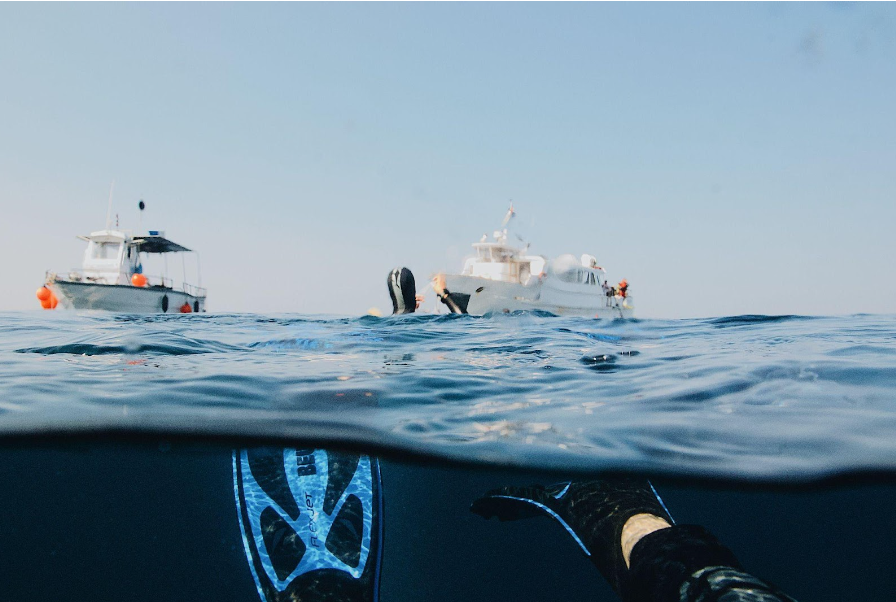
Meeting the colorful marine life up close is a once-in-a-lifetime event that takes place in Croatia’s glistening blue waters. The Adriatic is home to dolphins, sea turtles, and many fish species, and witnessing them in their natural environment is captivating. There are also possibilities to get up close and personal with the aquatic world through diving and snorkeling trips.

3. Unlimited Water Activities

The coast of Croatia offers an array of exciting water sports in addition to leisurely strolls. There is something for every kind of traveler, from exhilarating jet ski excursions to kayaking through hidden caves and coves. Try stand-up paddle boarding for a unique take on the Adriatic. It will let you explore quiet bays and inlets at your own speed and take in the tranquility of the sea.

4. Wellness And Yoga Retreats At The Sea

Consider enrolling in a yoga and health retreat at sea if you’re looking for some downtime and meditation. Numerous catamaran Croatia companies combine sailing with daily yoga and meditation sessions on specialized trips. These retreats offer a special chance to discover physical and mental well-being while taking in the calming whisper of the waves. As you cruise between gorgeous islands, you’ll get the opportunity to do yoga on remote beaches while taking in the sun’s warmth and the freshness of the sea breeze. Yoga, sailing, and touring the beautiful Croatian islands together provide a transformative body and soul-rejuvenating experience.

5. Onboard Culinary Delights

Croatian seaside food is an exquisite adventure that you may enjoy while on board your boat. A private chef can be hired to cook exquisite dishes using locally sourced, fresh ingredients. Picture yourself dining on a luxurious yacht while taking in the stunning Adriatic views and savoring delicious seafood, local wines, and traditional Croatian cuisine. You can sail over tranquil waters, schedule cooking lessons, and learn how to make Dalmatian specialties so that you bring your newly acquired cooking talents back home.

6. Island-Hopping Experiences

Croatia is renowned for the heavenly island-hopping experience it offers. Every island possesses its own allure, ranging from the beautiful scenery of Mljet to the historically significant Hvar and the tranquil beaches of Vis. You can visit several islands in one trip when traveling on a cruise with each island having its own unique charms and attractions.

Importance Of Selecting The Right Boat Company

6 Unique Experiences And Activities On Board

When setting off on a maritime excursion, the significance of selecting the appropriate boat and boat company cannot be stressed enough. The success of your trip as a whole and the quality of your experience can be greatly impacted by the vessel you choose and the company that runs it. The following key features underscore the value of choosing the right company:

Safety First: Reputable boat companies follow strict safety guidelines to protect both your safety and the safety of the crew. They make sure that their boats are properly maintained, equipped with all the gear needed for safety, and driven by crews with the required training and expertise. Safety is crucial, particularly when participating in water activities, and selecting a reliable provider reduces risks. Expertise and Knowledge: A well-versed crew and an experienced boat company can make a big difference on your trip. Experts in the region’s natural wonders, history, and culture, can make sure you get the most out of your trip and provide valuable guidance. Onboard Services: Depending on your preferences, the right boat operators can provide a variety of onboard services like private chefs, yoga teachers, or dive guides.Customization and Flexibility: Depending on your interests and time limits, certain boat companies allow you to design your journey and choose from flexible itineraries. One big advantage is that you can travel to the places that most interest you.

Embark On Your Maritime Adventure In Croatia

Travelers seeking adventure, leisure, or a combination of the two will find Croatia’s breathtaking coastline to offer a wide range of unique experiences. Croatia’s coastal paradise has plenty to offer every kind of traveler, from stargazing on the Adriatic to up-close experiences with marine life, aquatic activities, and island-hopping adventures. Selecting the ideal boat or boat company that fits your needs and tastes is essential to a genuinely amazing experience and guarantees a voyage you’ll remember for the rest of your life.

Read Also:

Share on Social Media

Ankita Tripathy loves to write about food and the Hallyu Wave in particular. During her free time, she enjoys looking at the sky or reading books while sipping a cup of hot coffee. Her favourite niches are food, music, lifestyle, travel, and Korean Pop music and drama.

Leave a Reply

Your email address will not be published. Required fields are marked *

title-img Related

READ MORE Guide to Everest Base Camp and Manaslu Circuit Trek

From Himalayan Peaks to Cultural Experiences: The Ultimate Guide to Everest Base Camp and Manaslu Circuit Trek

BY  Abdul Aziz Oct 9, 2023

The Everest Base Camp journey, located in the heart of the Himalayas, is a tribute to human endurance and the overwhelming appeal of nature's grandeur. This renowned trek leads explorers through Nepal's magnificent Khumbu region to the base of Mount Everest's highest mountain. The trail winds past secluded Sherpa settlements, historic monasteries, and lush rhododendron forests, providing insight into the local inhabitants' distinct culture and traditions. For those looking for a more off-the-beaten-path adventure, the Manaslu Circuit Trek surpasses the beauty of Everest. This journey, located in Nepal's western ranges, encircles Mount Manaslu, the world's eighth-highest peak. Trekkers will pass through various scenery, from terraced crops and picturesque communities to severe high-altitude hills. This trek's rich cultural exposure is one of its distinguishing aspects, as it passes through traditional Tibetan-influenced villages inhabited by welcoming Gurung and Tibetan people. The walk also offers a unique look into the preservation of ancient Buddhist monasteries, adding a spiritual component to the adventure. The attractiveness of the Manaslu Circuit resides not only in its magnificent mountain views but also in its potential to be completed in one day. Differences Between Everest Base Camp And Manaslu Circuit Trek; Permits And Restrictions: Permits for the Everest Base Camp Trek: Trekkers must get a TIMS (Trekkers' Information Management System) card and a Sagarmatha National Park permit. The trek has no explicit altitude restrictions. However, hikers should be aware of the possibility of altitude sickness. Permits for the Manaslu Circuit Trek: Trekkers must get a special permit called the Manaslu Restricted Area Permit, the Annapurna Conservation Area Permit (ACAP), and a TIMS card. The Manaslu Circuit Trek journey takes you through a restricted area and requires you to be accompanied by a registered guide. The Larkya Pass's highest point is 5,160 meters (16,930 feet) above sea level. Culture And Ethnicity: Everest Base Camp Trek: The trip provides insight into Sherpa culture with visits to traditional settlements such as Namche Bazaar and Tengboche. The primary religion is Buddhism, and numerous historic monasteries are along the path. Manaslu Circuit Trek: The Manaslu Circuit Trek travels through communities populated by a diverse range of ethnic groups, including Gurungs, Tibetans, and Magars. Tibetan Buddhism has influenced the culture, and several Buddhist monasteries and chortens exist. Scenery And Landscapes: Everest Base Camp Trek: The Everest Base Camp Trek provides breathtaking vistas of the Everest range, including peaks such as Lhotse, Nuptse, and Ama Dablam. The walk winds through rhododendron trees, glacial rivers, and high-altitude scenery. Manaslu Circuit Trek: The scenery on the Manaslu Circuit Trek is varied, ranging from lush green lowlands with terraced fields to alpine meadows and high mountain passes. Manaslu, Annapurna II, and other peaks in the Manaslu range provide stunning views. Crowds And Infrastructure: Everest Base Camp Trek: The Everest Base Camp trek is one of the most popular in the world, and the paths can be congested during peak seasons. Infrastructure: Along the road, there are well-developed teahouse lodgings that offer a variety of amenities. Manaslu Circuit Trek: The Manaslu Circuit Trek is less crowded than Everest, providing a more secluded experience. Its popularity, however, is gradually growing. While there are tea houses along the way, infrastructure must be established in the Everest region. Both treks offer unique and awe-inspiring experiences, and the choice between them depends on personal preferences, time constraints, and the kind of trekking experience one seeks. Day-by-day itinerary For Everest Base Camp Trek And Manaslu Circuit Trek; Day-By-Day Itinerary For Everest Base Camp Trek: Day 1: Kathmandu To Lukla (2,860m/9,383ft) Followed By Phakding (2,610m/8,563ft). Early morning flight to Lukla, one of the most exciting airports in the world. Begin your trip to Phakding by passing through beautiful scenery along the Dudh Koshi River. Day 2: Namche Bazaar Acclimatisation Day In Namche Bazaar, you can rest and acclimatize. Hike to the Everest View Hotel for spectacular views if time allows. Day 3: Trek From Namche Bazaar To Tengboche (3,860m/12,664ft). Trek through rhododendron forests with breathtaking views of Everest, Lhotse, and Ama Dablam. Visit the famed Tengboche Monastery, one of the world's highest. Day 4: Tengboche To Dingboche (4,410m/14,468ft) Descend to the Imja River and ascend to Pangboche. Continue to Dingboche, with spectacular views of Island Peak and Lhotse. Day 5: From Lobuche To Gorak Shep (5,140m/16,863ft) And Everest Base Camp (5,364m/17,598ft). Trek to Gorak Shep, the final town, before arriving at Everest Base Camp. Continue to the legendary Everest Base Camp, a truly fantastic achievement. Gorak Shep to Kala Patthar (5,550m/18,208ft) to Pheriche (4,371m/14,340ft) on day nine. Hike to Kala Patthar early in the morning for the best sunrise views of Everest and the surrounding peaks. Descend to Pheriche for some much-needed relaxation. Read Also: Prepping For Your Winter Trip To Salt Lake City Day-By-Day Itinerary For Manaslu Circuit Trek: Day 1: Kathmandu To Soti Khola (700 Metres/2,297 Feet) Drive from Kathmandu to Soti Khola through picturesque villages and terraced fields. Day 2:Soti Khola To Machha Khola (930m/3,051ft) Begin your trip by following the Budhi Gandaki River via Gurung settlements and lush forests. Day 3: Machha Khola (1,410m/4,626ft) To Jagat Continue along the Budhi Gandaki, past terraced fields, and Gurung communities. Day 4: Jagat To Deng (1,804m/5,919ft) Cross the Deng River after trekking through woodlands and terraced farmland. Day 5:Namrung To Samagaon (3,530m/11,581ft) With views of the Manaslu range, ascend through rhododendrons and pine trees. Day 6: Dharamsala To Larkya La Pass (5,160m/16,929ft) To Bimthang (3,720m/12,205ft) Early start for the challenging ascent to Larkya La Pass, offering incredible views of Himlung Himal, Annapurna II, and Manaslu. Descend to Bimthang for a well-deserved rest. Please note that itineraries can be subject to changes due to weather conditions, the group's pace, and other unforeseen circumstances. It's always recommended to be flexible and consult with experienced guides for the most up-to-date information. Tips For A Successful Trekking Experience; Physical Preparation: Being in good physical form is critical before beginning on a hike. Regular cardiovascular, strength, and endurance workouts can prepare your body for the rigors of trekking in various terrains and elevations. To lessen the danger of altitude sickness, it is also recommended to gradually acclimate to higher elevations through shorter treks or day walks. Nutrition And Hydration: Maintaining energy levels throughout a journey requires staying well-hydrated and well-nourished. Bring a reusable water bottle and a water filtration technique with you to ensure a clean water supply. Bring light, nutritious items like trail mix, energy bars, dried fruits, and fast meals. Focus is more important at higher elevations, where appetite may be reduced. Safety And Communication: Travel with an experienced guide or in a group, and always listen to and obey their directions. Carry a fully charged phone or satellite communicator in an emergency, and notify someone at home or the base camp of your itinerary. Familiarise yourself with the route, landmarks, and potential emergency exits. Weather Awareness: Stay informed about the weather conditions throughout your journey. Pack suitable rain, snow, and extreme temperature gear for rapid weather changes. Keep an eye on weather forecasts and be flexible with your plan if safety reasons require changes. Mindset And Attitude: Maintaining a positive and adaptive mindset is critical for a successful trek. Accept the obstacles, take in the gorgeous surroundings, and cherish the one-of-a-kind experiences that trekking provides. Listen to your body and be ready to change your plans if necessary. Keep in mind that the trip is just as important as the destination. By following these guidelines, Trekkers can improve their chances of having a safe, fun, and successful trekking trip. Always prioritize safety and respect for the natural environment and the local populations you pass through. Conclusion; In conclusion, embarking on a trekking adventure, whether to the or along the Manaslu Circuit, promises a transformative journey through some of the most awe-inspiring landscapes on Earth. Each trek offers its own unique set of challenges, cultural encounters, and panoramic views. Whether you choose the iconic Everest Base Camp Trek, with its Sherpa villages and unrivaled views of the world's tallest peak, or the more secluded yet equally stunning Manaslu Circuit, with its diverse terrain and rich cultural tapestry, both promise memories that will last a lifetime. Ultimately, a successful trek is a testament to the human spirit's capacity for exploration and endurance, leaving trekkers with a deeper appreciation for the magnificence of our planet. Whether you're drawn to the allure of Everest's grandeur or the untamed beauty of Manaslu, each step taken in these majestic landscapes is a step closer to an experience that will forever be etched in your memory. Read Also: Best Restaurants In Honduras To Visit While Traveling Indian Buffet Near Me In Florida – Best Buffets For You Top 15 Restaurants In Colombia You Must Visit While Traveling

READ MORE Ritigala Forest Monastery

Ritigala Forest Monastery: Location, Timing, History, Climbing Experience And More

BY  Sibashree Feb 18, 2026

After exploring the Tamil culture and the Hindu temples of Jaffna, it was time to visit an ancient and secluded Buddhist meditation retreat in Sri Lanka.  It has stone ruins from the 1st century BC, and it was once home to the Pamsukulika Sect of monks, who were known for their meditation-based and secluded lives in the forest.  Moreover, the Ritigala Forest Monastery has an association with the stories of the Ramayana. Also, this monastery is inside the Ritigala Forest Reserve. So, it is a place where history, spirituality, and wildlife await you.  Hi, in today’s blog, I will talk about how I climbed up the stone steps to reach the Ritigala Monastery in Sri Lanka, the history, legends, and the main attractions of visiting the ancient monastery today.  I will also talk about the transportation options.  Where Is Ritigala Forest Monastery? Sri Lanka maybe one of the cheapest places to travel in the world. However, its natural beauty and the cultural and historical richness are matchless. The Ritigala Forest Monastery is one of the hidden gems in Sri Lanka.  The Ritigala monastery is located across the mountain of Ritigala. The mountain of Ritigala is the highest mountain in the dry northern region of Sri Lanka.  It is close to Harbarana, which is again the epicenter of the cultural triangle, the Sigiriya Rock Fortress, Dambulla Cave Temple, and Polonnaruwa. It is also the gateway to many wildlife safaris in Sri Lanka.  The distance between Harbarana and the Ritigara mountain is around 21 km. Other important locations near the mountain are Anuradhapura, which is at a distance of 42 km, and Sigiriya, at a distance of 32 km.  Furthermore, the Ritigala Forest Monastery is inside the Ritigala Strict Nature Reserve.  However, remember one thing. As I mentioned in my Jaffna, Sri Lanka, travel guide, you have to rely on the locals when you are exploring the cultural landmarks or a secluded place like the Ritigala Forest Monastery.  You cannot trust Google Maps completely for locating the Ritigara mountains and monastery.  How To Reach The Ritigala Forest Monastery?  Harbarana was the base for my road trip to the Ritigara mountain and trekking further.  1. Reaching Harbarana From The Bandaranaike International Airport (CMB) I took a flight to the Bandaranaike International Airport (CMB). The distance between the Bandaranaike International Airport (CMB) and Habarana is around 151 km. You can take a car rental for the entire journey. However, being a fan of the LowDownUnder Travel, I chose a different path.  After reaching the Bandaranaike International Airport, I took a taxi to Gampaha and then took a train to Harbarana. The ticket cost me around INR 400, and the travel time was around 4 hours and 40 minutes.  The Sri Lankan Railways runs two trains daily from Gampaha to Habarana.  Other airports close to Harbarana are Sigiriya Airport (18 minutes), Kandy Airport (2 hours), and Trincomalee (1 hour and 36 minutes).  2. From Harbarana To The Ritigara Mountain  From Harbarana, I took a taxi to reach Ritigara. It cost around INR 420, and the travel time was around 35-40 minutes.  You can also reserve a car or tuk-tuk to take you to the mountains, wait for you at the entrance gate, and take you back home when you are done trekking. In such cases, the reserve cost will be around INR 1000-1200.  The route from Harbarana to Ritigara was beautiful. My cab driver pointed out the local farming practices and the land on the way.  It was a fulfilling experience, and as Jaffna has a unique food scene based on its local agricultural practices, the food habits of this northern-central region of Sri Lanka. Red rice, jackfruit curry, and river fish are the staples here.   Also, my driver told me to keep my eyes open to spot elephants. However, I was not lucky enough to spot my favorite animal. I noticed some fresh dung in the road, though.  Furthermore, when the car came off the main road, the ride became a little bumpy. The route from here to the Ritigara mountain was a combination of dirt tracks and semi-paved roads.  Finally, I reached the entrance of Ritigara and purchased my ticket. The ticket cost me around INR 450, and I even got a guide for INR 1200. What Is The History Of Ritigala Forest Monastery?  The history of the Ritigala Forest Monastery goes back to the 1st century BC. You will find here more than 70 rock caves, the 9th-century meditation spots of the "Pansukulika” monks, and unadorned stone pathways.  Here is a brief historical timeline of the Ritigala Forest Monastery.  1. Establishment Of The Ritigara Forest Site For Monks Buddhist monks came here and started living in the sacred mountains in the 1st century BC. There were more than 70 caves where monks started meditating in solitude.  Even today, there are many rock inscriptions from which we can learn about how many patrons helped to build and maintain the site, which was home to monks who left the luxury of monasteries and used to meditate in the caves.  2. Receiving Royal Patronage This site received adequate royal patronage, and from the inscriptions, we especially get to know about King Pandukabhaya.  He founded Anuradhapura and built a reservoir at the base of the mountain for the hermits here in the 4th century BC.  3. Building Of The Pansukulika Sect Monastery King Sena I built the Ritigara Monastery in 833, and it was meant for the Pansukulikas or monks in rag robes.  These monks practiced the highest form of asceticism, and they were on a mission to revive the simple teachings of Lord Buddha.  4. The Decline Of The Pansukulika Sect And The Monastery  From the 9th to the 11th century, the Ritigala Forest Monastery and the Pansukulika Sect of monks enjoyed immense glory.  However, with increasing donations and the monks getting inclined toward what they earlier rejected, the core philosophy of the sect was lost.  Two rival sub-sects were formed within the Pansukulika Sect. Finally, King Vijayabahu I confiscated their extensive holdings in 1070-1110 CE as a part of a Buddhist monastic reform.  5. Abandonment And Discovery Of The Ancient Monastery Despite the royal patronage, the Ritigara Forest Monastery was abandoned around the 10th to 12th centuries due to the Chola invasions.  It was an unprotected ruin until James Mantell, the British colonial surveyor, saw the ruins while climbing up the mountain.  Then, he drew the attention of H.C.P. Bell, the first Archaeological Commissioner of Ceylon. He understood the historical and religious importance of the place and expanded it extensively in 1893.  Finally, in 1941, the 1528 hectares of the forest area, including the ruins, were designated as a Strict Nature Reserve.  Today, the conservation efforts strike a balance between the ecological and archaeological preservation of the monastery and the site.  Design And Engineering Of The Ritigala Forest Monastery: The Incredible Ruin The monastery does not look like the traditional stupas. Here, you will find interconnected stones, paved pathways, and stone bridges.  Furthermore, there are bathing areas like the famous Banda Pokuna.  The most unique thing about the Ritigara Monastery is that here you will not find any Bodhi Tree or any Buddha statue.  It is a place where you can walk, meditate, and contemplate.  You may call it a failed attempt to revive the radical simplicity of Buddhism, but for every seeker, it will always be a place to introspect and connect to a higher energy.  I had goosebumps the moment I entered the monastery. Let’s delve deeper into the unique architecture of the monastery.  1. The Padhanaghara And Stone Pathways  The ruins of the Ritigala Forest Monastery cover an area of around 120 acres. You will see around 50 distinct meditation houses or Padhanaghara in the area.  Inside each meditation house, you will find two raised platforms in the east-west direction, and those were made of stone. A small maot surrounded the platforms, and a small stone bridge connected the platforms.  Probably, these structures were used for some rituals or meditation purposes.  Interlinking stone pathways connect these meditation houses. These pathways are 1.5 meters in width, and the width is consistent as the pathways ascend the slope. These pathways also have circular intersections.  2. Water Management System, The water management system in Ritigala Forest Monastery was sophisticated. Banda Pokuna and Kumbuk Wewa, these twin ponds were carved from rocks.  Furthermore, I found a large stone trough in the courtyard, which was used for cooking food.  Also, I saw the ruins of the monastery hospital and stone mortars, which were used to grind and prepare herbal medicines.  Moreover, the monastery did not have any residential complex. The monks lived and meditated in the caves.  However, there were urinal stones, which were the only amenities or the luxury the monks enjoyed in this austere setup.  What Is The Legend Of The Ritigala Forest Monastery?  The Ritigala mountain has a connection to the Hindu mythology, the Ramayana. Attacked by Ravana, Lakshama, the brother of Lord Ramachandra, became unconscious on the battlefield.  Lord Hanuman, on Lord Rama’s command, went to fetch a life-saving medicinal herb from the Dronagiri. However, he forgot the name of the herb and carried the entire mountain on his shoulder.  When he was crossing the Palk Strait, five segments of the mountain fell from his grasp. The biggest fragment fell on the site of the Ritigara Mountain.  Now, you may not believe the legend of the Ritigala Mountain. However, the presence of various medicinal plants in the mountains keeps the myth alive.  Moreover, among the 417 species of plants here, around 96 varieties are for medicinal purposes. Moreover, the northern peaks have names such as the Wannati-kanda and Aushada-kanda.  Climbing To The Ritigala Forest Monastery In Sri Lanka  Climbing up to the Ritigara Forest Monastery was a free-flowing experience. There are many things to see, but more to feel.  Here is how I explored the ruins.  1. The Bathing Pond  As I left the ticket counter behind, I found the first ruin. I took the stone steps to visit a massive bathing area.  You have to be careful with the steps here, as they are cracks and have overgrown tree roots.  Large trees have grown in the bathing area now. However, you can still understand its massive scale.  2. A Winding Stone Path And Ruins Of The Monastery The winding stone pathway took me through various ruins, and they stood like the blueprints from a bygone era.  The most striking one among them was the ruins of the hospital. It still had a sunken bath and grinding stones for preparing medicines.  As I climbed up, I found the meditation platforms, big multi-chambered rooms, and urinals.  3. The Large Pavilion With Columns  I found a large pavilion here with big columns. However, the more intriguing was the Big Tree behind the ruin.  It is so massive that its ground roots have created a labyrinth. The road seems to fizzle out at this stage. However, my gut instinct said that there is something more.  4. The Hidden Ruin  My guide was not happy with me for continuing further. As I headed down, after the initial disappointment of landing on the forest floor, I found another ruin.  There was a stone bridge, and it took me to a promontory with a square structure. It was the ruins of the library that had many precious manuscripts.  The view from the promontory was amazing.  It is a shame that most trekkers miss it, as the signs are not adequate and often hidden in the overgrown bushes. Furthermore, most of them are only in the Sinhalese language, which only locals can read.  However, I used the absence of signboards to my advantage.  Practical Tips For A Visit To The Ritigara Forest Monastery  If you are traveling with your partner or in a group, you must reserve a tuk-tuk or car to bring you back. You may not get a passing traffic. I took the risk as it was a solo adventure.  You have to carry snacks and water. Wear sunscreen and carry insect repellents.  You will find a toilet at the entrance of the ruins. I did not use it. So, I am not sure about the condition or the amenities available.  Ritigala Forest Monastery: Frequently Asked Questions (FAQs)  Here are the frequently asked questions and answers about the Ritigala Forest Monastery. 1. How Much Time Is Needed At Ritigala? Trekking the Ritigala Forest Monastery is going to take around 2 hours. So, overall, you will at least need 3 hours in Ritigala. Trekking up the route is easy. However, walking through the cracked stone steps can be challenging.Also, signboards are scarce and incomprehensible on the route. So, you must take a local guide.  2. Where To Stay Near The Ritigala Forest Monastery? I stayed at Habarana, and the name of my hostel was The Lake Breeze. The tariff for the hostel was around INR 2000. The amenities were basic, with fans, Wi-Fi, and mosquito nets.  3. Is Taking A Tour Of Ritigala Forest Monastery Worth It? Yes, taking a tour of the Ritigala Forest Monastery is absolutely worth it. Here, you will find the ruins of the 1st century BC, and it is great for anyone with a keen interest in the history and evolution of Buddhism. Furthermore, the ambiance of the ruins is introspective and meditative. Moreover, you can easily reserve a car or tuk-tuk to reach the base of the Ritigara Mountain and then start your trek for 1.5 to 2 hours. 

READ MORE Boat Trips

Boat Trips And Czech Cuisine: A Taste Of Prague’s Culinary Delights

BY  Arnab Jun 2, 2023

Prague, the capital city of the Czech Republic, is a renowned tourist destination that offers a unique blend of history, culture, and stunning architecture. One of the city's most distinctive features is its connection to the Vltava River, which flows through the heart of Prague. This river has played a vital role in shaping the city's history and culture, and it offers an exciting opportunity for visitors to explore Prague's attractions from a different perspective. When combined with the rich and flavorful Czech cuisine, boat trips in Prague become a truly delightful experience for food and travel enthusiasts alike. Exploring Prague's Waterways The Vltava River is not only a picturesque waterway but also a significant part of Prague's heritage. It has witnessed the city's growth and has been a source of inspiration for artists and writers throughout the centuries. When exploring Prague's waterways, visitors can marvel at iconic landmarks like the Prague Castle, Charles Bridge, and the National Theatre from the comfort of a boat. There are various boat trip options available, ranging from guided tours with informative commentary to self-guided rentals for those seeking a more independent experience. A Gastronomic Journe Czech cuisine is a rich culinary tradition that reflects the country's history and cultural influences. It is known for its hearty dishes, generous portions, and bold flavors. Traditional Czech cuisine incorporates ingredients such as meat, potatoes, cabbage, and mushrooms, resulting in satisfying and delicious meals. The cuisine is also heavily influenced by neighboring countries such as Germany, Austria, and Hungary, creating a fusion of flavors that is unique to Czech cuisine. Food holds great importance in Czech culture, with traditional dishes often being featured in local festivals and celebrations. Fusion of Flavors: Czech Cuisine on Boat Trips Combining boat trips with Czech cuisine offers an excellent opportunity to indulge in the country's culinary delights while enjoying the scenic views along the Vltava River. Many boat trip providers, such as Alle.Travel, offer onboard dining options, allowing visitors to savor traditional Czech dishes as they cruise through Prague's waterways. From the iconic svíčková (marinated beef with a creamy sauce) and hearty goulash to the irresistible aroma of trdelník (sweet pastry) and the world-famous Czech beers, the flavors of Czech cuisine truly come to life during these boat trips. Don't forget to leave room for dessert, as the boat trips also provide the chance to sample traditional Czech pastries and sweets. Best Boat Trips for Food Enthusiasts For food enthusiasts seeking an unforgettable culinary experience in Prague, there are specific boat trip providers and tours that cater to these desires. These tours often focus on showcasing the best of Czech gastronomy, offering food tastings, traditional meals, or even onboard cooking demonstrations. Some boat trips feature themed cruises centered around specific Czech dishes or local specialties, providing a deeper understanding of the culinary traditions and cultural heritage. Beyond the Food: Additional Attractions and Activities While the focus of boat trips in Prague is undoubtedly on the cuisine, there is much more to experience during these waterborne adventures. The breathtaking views of Prague's historic landmarks and architectural wonders from the river create a unique perspective that cannot be fully appreciated from the land. Additionally, some boat trips offer live music, entertainment, or themed events, adding an extra layer of excitement to the journey. Tips for an Unforgettable Experience To ensure an unforgettable boat trip and culinary experience in Prague, consider a few practical tips. It is advisable to book boat trips in advance, especially during peak tourist seasons, to secure a spot. Check the weather forecast and dress appropriately for the day, and don't forget to bring essential items such as sunscreen, a hat, and comfortable shoes. It's also a good idea to arrive early to avoid any potential queues and to secure a desirable seating position on the boat. Consider exploring different time slots for boat trips, as sunset or evening cruises can provide a romantic and enchanting atmosphere, with the city's illuminated landmarks creating a magical backdrop. Conclusion Embarking on a boat trip along the Vltava River in Prague is not just a scenic adventure but also a culinary journey that allows visitors to savor the flavors of Czech cuisine. The combination of boat trips and Czech cuisine offers a unique and enriching experience, where travelers can indulge in traditional dishes, enjoy breathtaking views, and immerse themselves in the vibrant culture of Prague. Whether it's a guided tour or a self-guided rental, these boat trips provide a fantastic opportunity to appreciate the city's history, architecture, and culinary delights in a memorable way. So, set sail on the Vltava River and let the fusion of flavors and the beauty of Prague's waterways take you on a truly remarkable adventure. Read Also: Top 10 National Parks In Oregon That You Need To Explore In 2023! A Detailed Guide On Malaysia Bay – From Traveling To Outing Speed Boat Miami Tour – Sightseeing And Entertainment