
Must-See Attractions While Camping on Everest Base Camp Trek

Sep 16, 2024

Last Updated on: Aug 27, 2025

Travel Guides

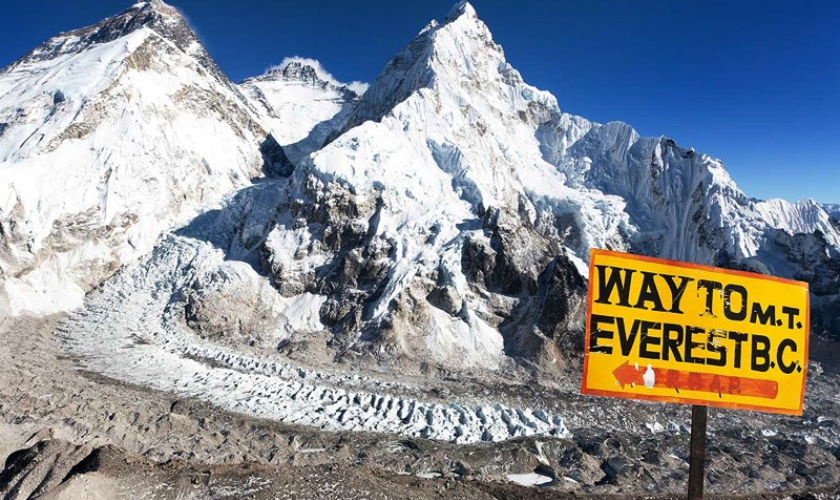
Everest Base Camp is situated on the southern side of Mount Everest, the tallest peak in the world at 5,364 meters. The place is accessible for climbers and trekkers to stay and see the beautiful sights of the Himalayas. 

However, before you begin your trekking, you should enjoy and relish the places, towns, and bazaars. They offer many holiday centers like billiards, and gambling areas to enjoy the time. Also, do not forget beautiful food and antique pieces to enhance your trekking experience. 

So, look down to see the things before you Experience trekking the Annapurna Circuit in Nepal

Things to See While Camping at Everest Base Camp Trek 

Everest Base Camp Trek

Here are a few places and things to see while camping at Everest base camp trek – 

Lukla 

Lukla is one of the famous destinations for travelers. It stands at 2860 meters and is situated in the northeastern part of Nepal, where you can see the beautiful sight of the Himalayas. Moreover, it is the place where you start your trekking journey. 

Hence, the town has evolved over the years to become a commercial place where tourists can find the best food and shops to buy. Also, the city has a small airport with a landing strip of 525 meters and boasts of having the most petite landing strip and being the airport at the highest peak in the world. 

Syangboche and Everest View Hotel 

Everest Base Camp Trek

Syangboche is one of the famous places to visit when you visit Everest base camp. Everest View Hotel is located at the highest peak in the world, which gave it a Guinness record for being the highest-placed hotel in the world. That way, you can see the 360-degree view of the snow-capped mountain from the hotel. 

Peaks like Mt. Everest, Tawache, Ama Dablam, and Khumbu Himal are sights to behold. Takashi Miyahara and Yoshinobu Kumagaya envisioned the hotel’s construction. Moreover, they had to transport loads of materials to the Himalayas with the help of local Sherpas. The task began in 1960 and came into action in 1971. 

Tengboche

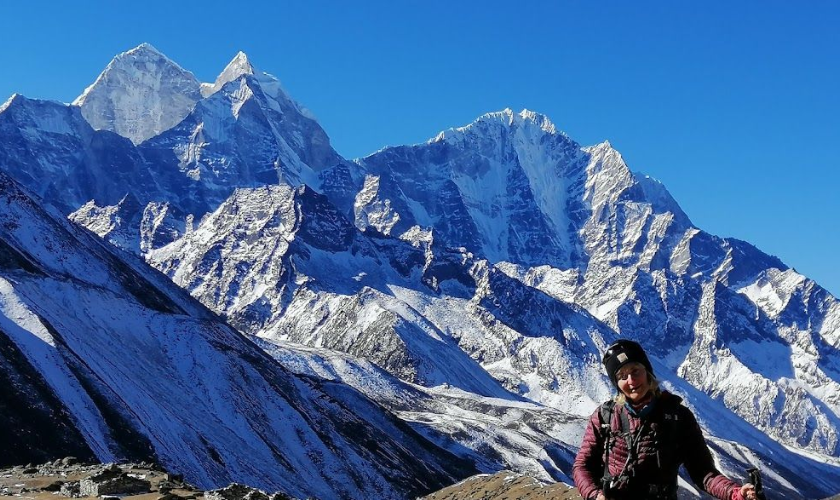
Tengboche is one of the towns located near the Imja Khola, a typical night halt after Namche. It offers breathtaking views of the Himalayas, including peaks like Everest, Ama Dablam, Thamserku, Tawache, Nuptse, and Lhotse. Tenzing Norgay was also born in Tengboche. 

Furthermore, every year in October, the Tengboche Monastery holds the Mani Rimdu festival. This is primarily a Buddhist celebration that includes religious gatherings, ritual singing, and dancing. During the celebration, famous people visit the place, especially Rinpoche, who blesses pilgrims and travelers. 

Namche Bazaar

Namche Bazaar is one of the bubbling places in Nepal. From the town, you can see the Everest Region. It is also one of the vibrant markets where you can buy Tibetan antiquities, especially trekking and climbing attire. From every point of the city, you can see a panoramic view of the Himalayas. 

Moreover, the town has been preserving its historical culture and natural friendliness. It is a trading town known for its yak cheese and butter. Also, you can see a pub, motels, and hotels where travelers can enjoy and have fun. Thus, you can stop in the town for two days before you move on to the trek. Lastly, many Sherpa settlements like Khunde, Khumjung, and Thane can be seen when you visit the town.   

Dingboche

Dingboche is another popular point from which trekkers move on to Mount Everest from the base camp. You can stay for two nights in the town to see the beautiful Imja River and the beautiful sights of the Himalayas. Thus, many lodges and tents are available, providing the best accommodation for tourists. 

Also, a helicopter landing pad lies on the west of Imja River, especially near Moonlight Lodge. Moreover, you can find a satellite cafe and enjoy playing billiards in one of the tallest billiards parlors. Lastly, you can see the kilometers of Mani Walls, which is a great way to create a tourist sight. Additionally, it is made in various sizes and put on top of the kilometers of walls. 

Gorakshep

Gorakshep is the last stop before you go on your trekking journey. It is a village amidst the Sagarmatha National Park, a hub for Sherpa guides, tourism businesses, and porters. Beyond this point, there is no accommodation facility, so you have to stay in tents amidst the cold weather and winds of the Himalayas. 

You will find various guesthouses to stay in before you go for a hike. It is the last resting point for trekkers to experience the great wilderness of the Himalayas. Thus, you can visit Gorakshep before you start your trekking to Mt. Everest. So, spend the night in the lodging house and enjoy the great wilderness of the Himalayas.     

The Bottom Line 

In the end, Everest Base Camp is where you can begin your trekking journey. However, if you go trekking, you have to wait and see the beautiful sights of the Himalayas. The serene nature that comes along with the great wilderness and bazaar is full of Tibetan things. Furthermore, you can gamble and play billiards in the parlor, as it is one of the best places for visitors to have fun. 

Hence, you can visit the place mentioned above, where you must carry a hard disk to capture millions of beautiful pictures. Consequently, you can taste beautiful Nepali and Tibetan dishes, filling your soul. So, pack your bags and start your trekking journey right now. 

FAQs 

Here are a few frequently asked questions – 

Do you need oxygen at Everest Base Camp?

Yes, you need a reliable oxygen tank before you go on a trek to higher altitudes. 

Can you drink alcohol at Everest Base Camp?

You should avoid drinking alcohol while camping at the Everest Base Camp. It will reduce your vision and judgment as the trails are rough. 

How many hours of walking is Everest Base Camp?

You must walk 7 to 8 hours a day before walking to the Everest Base Camp.  

What is the best time to visit Everest Base Camp?

The best time to visit Everest Base Camp is during the late-May to mid-September.

Also read

Share on Social Media

Meet Sibashree Bhattacharya, a travel enthusiast who has a decade-long experience in transcending virtual barriers with her words! Her deep love for travel is apparent from her travel escapades to the mountain, often taking her readers on a journey, her words acting as Portkey! Fun fact: Sibashree loves to dive deep into the history of the places she is about to visit, making her travels even more wholesome. If you were wondering how her articles are not short of time travel, this answers it!

Leave a Reply

Your email address will not be published. Required fields are marked *

title-img Related

READ MORE best places to live in utah

A Step-by-Step Guide to Find the Best Places to Live in Utah for Every Lifestyle

BY  Abdul Aziz Feb 22, 2024

Utah abounds in natural wonders that will astound even the most seasoned traveler. Encompassing millions of acres of breathtaking views with sandstone arches, towering buttes, expansive canyons and valleys, surreal salt flats, and lush mountains, the state is home to five national parks: Bryce National Park, Arches National Park, Capitol Reef National Park, Canyonlands National Park, as well as Zion National Park. It might seem that Alaska should be your first choice when looking for a place to live if you enjoy being outside. If you are not fond of colder climates, Utah's adventurous offerings might be more to your liking. Let's just say that Utah has it all, with parks like Bryce Canyon, Arches National Park, and Zion National Park. Salt Lake City, one of the state's great natural wonders, even inspired the name of the state capital.  Furthermore, even though Utah recorded over 15 million visitors in 2022, the Beehive State is even more well-liked among recent arrivals. Utah grew at the fastest rate in the United States between 2010 and 2020, according to U.S. Census data, primarily because of out-of-state migration. The state's economy is another major lure. Utah's economy grew at the second fastest rate in the nation between 2017 and 2022, with the biggest industries being manufacturing, real estate, and scientific and technical services. But what are the best cities to live in Utah? Utah has many desirable neighborhoods, each with its own distinct personality and redeeming qualities. Here, we have compiled a list of some of the best places to live in Utah. Best Places to Live in Utah There are certain needs that go beyond demographics when looking for a new house. These include things like accessibility to commuter routes, crime rates, and access to healthcare facilities. These needs apply whether you're looking for a retirement community or a suburban area in which to raise a family. We have created a list of the best places to live in Utah based on all the factors important to you to make your life easier. Park City Our list of the best places to live in Utah starts with Park City. You'll have breathtaking views of the Wasatch mountains and the town's ski resort from your home in Park City. Park City residents can access a variety of outdoor pursuits, including hiking, snowboarding, mountain biking, and multiple shopping establishments. You will be enthralled by the town's magnificent museums and art galleries as you stroll around it. Park City has emerged as one of the best places for families to live thanks to its year-round perfect weather and low crime rate. You will create lifelong friendships when residing in Park City. Park City's unemployment rate is 2.8%, which is significantly lower than the national average. You can't beat Park City's views and safety, even though its cost of living is about 86% higher than the US average.  Fruit Heights One of the best places to live in Utah is the beautiful city of Fruit Heights. Located right outside of Salt Lake City, this property offers plenty of space for outdoor enjoyment, a tranquil neighborhood, and stunning views of the mountains. Living in Fruit Heights, you'll soon see how friendly the locals are to one another and how many eateries and coffee shops there are. Fruit Heights' great school system, pleasant weather, abundance of recreational options, and picturesque surroundings are all highly regarded by its residents. Fruit Heights' unemployment rate is 2.5% lower than the national average. You can overlook this city despite its 31% higher cost of living than the national average due to its wonderful community and top-notch schools. Greater Avenues One of the best places to live in Utah for families in is Greater Avenues, a charming neighborhood in Salt Lake City. With a population of about 17,000, this community enjoys the benefits of both a suburban atmosphere and many big city amenities, like restaurants and bars. Greater Avenues is a great place for families to relocate because of its top-notch school system, low crime rate, and favorable reviews. With an average value of at least six figures, families are well off in this area. If you enjoy living in the suburbs or downtown, you will adore The Greater Avenues! Summit Park Summit Park is among the prettiest cities in Utah. It is a stunning mountain town. Beautiful views of the surrounding mountains offer up from this serene, gorgeous town. Residents of the town take pleasure in outdoor pursuits, including biking, snowboarding, skiing, and hiking. You may expect to see moose, elk, and deer in and around the town. distinct from the large city. Families will also love Summit Park because of its many parks, open areas, and top-notch educational system. Summit Park has a 2.8% unemployment rate and a 58% higher cost of living than the national average. But Utah has so much to offer that the cost is well worth it! East Bench Next up is the homely Salt Lake City residential neighborhood known as East Bench. Nearly 7,000 people live in East Bench, which is at the foot of the Wasatch Range. The neighborhood includes the Salt Lake Country Club and the Bonneville Golf Course. Families will enjoy a day at the Hogle Zoo, which is home to tigers and giraffes. In East Bench, real estate prices do differ. This is advantageous because there are homes to fit every budget. Go to Ambassador Way, where a four-bedroom, four-bathroom grand family home with an estimated cost of over a million dollars, if you have seven figures to play with. A modest 2-bedroom family home with a sun-trapped garden might be a better fit for you if you have less money to invest. It costs just a little bit more than the average. Snyder Ville Located in the Wasatch Mountains of Utah, Snyder Ville is a rapidly expanding community. You can enjoy a variety of outdoor activities like hiking, biking, and skiing against the stunning backdrop of the area. For its size, this little town has a lot, like restaurants serving fresh food from nearby farms. It's connected to neighboring cities despite its small size, so you can always find what you need when you need it. Snyder Ville is an ideal place to live in peace and quiet without having to worry about crowds. Highland One of the greatest places to live in Utah is Highland, east of Provo. Highland is home to well-known locations like Timpanogos Cave National Monument. Highland is well-known for its picturesque surroundings, highly educated populace, and projected job expansion. With a 2.5% unemployment rate, it is significantly lower than the national average. It doesn't get much better than living in a picturesque state like Utah, even though the cost of living in the Highlands is also 57% more than the national average. Wasatch Hollow Wasatch Hollow is a neighborhood located just south of Yalecrest. In Salt Lake City, this little suburb is regarded as the greatest place to purchase real estate. As members of the millennial generation look to buy their first homes, it is growing in popularity. Thus, the value is increasing in addition to the high demand. Wasatch Hollow's properties are what make the neighborhood so coveted. It's the kind of place you picture classic American avenues lined with trees, detached homes painted white, and children selling lemonade on the sidewalk. Although the median home value is higher than the national average, more expensive homes appear to be listed for sale more frequently. North Logan North Logan, which has about 8,000 residents, is in Cache County. In addition to some of the greatest outdoor pursuits, like camping and fishing, North Logan provides its residents with stunning views of the mountains. North Logan is renowned for its varied economy, close-by recreational opportunities, and lovely surroundings. North Logan's unemployment rate is 2%, which is significantly lower than the national average. By contrast, the cost of living is approximately 7% greater than the average for the country. Considering the views of the mountains you'll get from home, this is still an amazing choice! North Logan is easily one of the best places to live in Utah. Farmington In Utah, Farmington is a small city home to about 18,000 people. You can engage in many outdoor activities, including hiking, mountain biking, camping, and fishing, while in Farmington. Moreover, Farmington is home to some of the top public and private schools in the state! One of the best places to live in Utah is Farmington, if you're looking to relocate there for leisure. Farmington is renowned for its lovely surroundings, close-by recreational opportunities, and wonderful climate. Farmington has a 2.5% unemployment rate and a cost of living that is roughly 26% higher than the national average. Cedar Hills Cedar Hills is a quaint and serene suburb located west of Highland. The neighborhood is home to ten thousand one hundred sixty-five people, who take great pride in maintaining the small-town atmosphere they have established. On paper, Cedar Hills is a suburb of Salt Lake City, but it's not. Utah's Cedar Hills is a very family-friendly place with lots of chances to spend quality time with your family. The community is centered around the church, and gatherings based on religious beliefs inspire community members to get together. There are a lot of public schools in Cedar Hills (78 to be exact) and this is one of the best places to live in Utah for young adults. Foothill It should come as no surprise that Foothill/Sunnyside, with a population of a little over a thousand, is Salt Lake City's safest neighborhood. If not by name, everyone recognizes each other by face. Starting a family in this area is becoming increasingly popular for couples. Since this is a Salt Lake City suburb, there are no sacrifices to be made. There are adequate public schools nearby, and there is convenient access to the city for employment from this base as well. Even though the average monthly rent is slightly less than $1,000, purchasing a home demands a more resolute investment because home values are higher than the national average. The selection of properties is superb, ranging from cozy three-bedroom condos to expansive five-bedroom family mansions. North Salt Lake City Given that Salt Lake City is the epicenter of the universe in Utah, it only makes sense to end our list of the best places to live in Utah with a suburb near the center of activity. North Salt Lake is every bit as charming as the other suburbs we've already shown you. This little town of its own has eighteen thousand residents. There are plenty of homes on the market at any given time with views of Rotary Park, and the median home value is reasonable. It appears that North Lake is the preferred location for millennials to purchase their first home, so be sure to return in a few years to see how North Salt Lake does on the list. Eagle Mountain Eagle Mountain, one of Utah's fastest-growing cities, draws young people and families looking for a superior public school system and a peaceful, safe atmosphere south of Salt Lake City. With 50 square miles, the city offers easy access to open spaces and outdoor recreation, as well as 30 miles of hiking and biking trails. Developers are also continuing to build new homes despite the low real estate inventory. Eagle Mountain's median sale price is $480,000. "You have everything from ranchette properties to mountainside homes with amazing views of Utah Lake, Cedar Valley, and the Wasatch Mountains, to carefree living in beautiful townhome and condominium communities," said Connie Elliott, a realtor. Draper The primary attraction of Draper is its thousands of acres of open spaces and protected land, which makes it a sanctuary for those who enjoy an active lifestyle. The city is renowned for its growing cultural scene and family-friendly amenities. The Point, a multi-billion-dollar mixed-use development with hotels, a retail promenade along the Jordan River, thousands of housing units, offices, and green spaces with hiking trails, one of the most significant real estate developments in Utah, was recently given the green light by Draper's government. Wrapping Up Utah provides a wide range of outdoor recreation opportunities throughout the year, with five national parks serving as highlights. Utah, which the U.S. Census Bureau listed as one of the states with the fastest growth, is a significant hub for government services, mining, information technology, and cattle ranching. Provo, West Jordan, Ogden, and Salt Lake City are among the best places to live in Utah. Utah's top universities include Utah State, Weber State, Utah and Brigham Young. If you have thoughts to share or questions to ask about the best places to live in Utah, please leave a comment below. We would love to hear from you! Read Also: A Guide To Adventure And Nature: The Best Things To Do In Moab Utah For Outdoor Enthusiasts Washington State Bucket List: 6 Amazing Attractions You Can’t Miss From Museums To Parks: The Top Attractions In St George Utah

READ MORE transformative travel experiences

Adventure Awaits: The Path To Fulfilment Through Exploration

BY  Sibashree Oct 22, 2025

You ever feel like life’s just looping on repeat? Same mornings, same coffee, same everything.  At some point, most of us start craving something that shakes that pattern, and we need something raw and real. That’s where adventure holidays sneak in.  They don’t just change your surroundings, they mess (in a good way) with how you see yourself. For anyone coming out of alcohol rehabilitation centres, that shift can mean the world.  It’s like flipping a switch, a chance to rebuild confidence, piece life together again, and actually feel alive instead of just existing. Here is more on how transformative travel experiences help us. The Psychology Of Adventure Adventure does something strange to your mind. It wakes it up. Think hiking in the Himalayas or rafting wild rivers in New Zealand. It’s not just adrenaline. It’s therapy in disguise.  A study by the University of Northampton found that roughly 90% of people felt stronger, more fulfilled after “residential outdoor trips on nature connectedness.” That’s almost everyone. Makes sense, though! When you’ve climbed that mountain, or even survived that one terrifying wave, something in your head just changes. Most folks find that once they’re out there, facing new challenges, limits stretch. You go from “I can’t” to “wait, maybe I can.”  And that’s where growth lives. Especially for anyone recovering from addiction, every small win whispers, see, change is real. It’s not easy, but it’s honest work, and that’s the beauty of it. Examples Of Adventure Holidays Are you looking for transformative travel experiences? You can explore the following activities and adventures. 1. Trekking In Patagonia Now this one’s stunning. Honestly, otherworldly! Glaciers that glow blue, winds that test your patience, and trails that humble you real quick. There’s something about being surrounded by that much untamed beauty that resets your brain. 2. Surfing In Costa Rica It is not your average beach trip. Warm waves, laughter echoing off the water, and even falling feels kind of freeing.  Learning to surf teaches patience. You wipe out a dozen times, but when you finally ride that wave — yeah, it changes something inside you. 3. Safari In South Africa There’s silence out there that words can’t touch. Watching a lion cross the grasslands or an elephant just being! Time slows down. And for a moment, you’re reminded how big life actually is. 4. Mountain Biking In The Alps It’s chaos and calm rolled into one. The climbs are brutal, the paths unpredictable, but man, those views. Finishing a tough trail feels like winning back a part of yourself you didn’t even know you’d lost. 5. Kayaking In The Norwegian Fjords This one’s magic. Paddling between steep cliffs that look carved by gods is a one-of-a-kind experience. It’s almost too quiet. The rhythm of your paddle turns into a kind of meditation. You start thinking, really thinking, about where your life’s going next. Transformative Travel Experiences And Building Connections And Community The Funniest thing about adventure trips is that you show up thinking you’re doing it for yourself, but you end up building these unexpected friendships.  People you’ve never met start to feel like family after a few shared challenges (or shared blisters). Late-night talks, bad coffee, shared laughs! That’s the stuff you remember.  On a trek route, when a shepherd you meet or your guide shares a slice of cheese with you or pours a cup of coffee, you know you have met the divine.  And especially for folks fresh out of rehab, that connection? It’s gold. Suddenly, you’re not alone.  You’re with people who get it. Who nods instead of judging you. Those friendships stick even long after the trip’s done. Sometimes, they’re the reason you keep pushing forward later on. When you are straight out of rehab, all you seek is getting included or becoming accepted. These things often become difficult when you are back amidst your family and friends. Back in their minds, they somehow go completely prejudice-free.  However, when you are meeting new people on a journey, these new people do not know you, and they accept you as who you are at present.  Embracing Change And Personal Growth Through Transformative Travel Experiences Adventure is messy. You can plan every detail and still have everything go sideways, and that’s the point. It forces you to adapt, breathe, and trust yourself again.  Somewhere between the scrapes, the missed turns, and the quiet sunsets, you find clarity. You remember what you want. For people healing from addiction, that moment hits deeper. Stepping outside, feeling tested but not defeated, it rewrites your story.  You’re not “recovering” anymore, and you’re living. And the things you pick up out there, including patience, grit, and gratitude, they stay long after you’re back home. At the end of it all, adventure holidays aren’t really about travel. They’re about renewal. They crack open the shell of routine and let the light in again.  Whether you’re trekking Patagonia’s wild path or gliding through Norway’s fjords, you don’t just move through landscape. They move through you. So yeah, if life’s been feeling heavy or stuck, maybe it’s time to pack a bag. The world’s out there, waiting with rough edges and all. And if you let it, adventure might just hand you back the best version of yourself. Transformative Travel Experience: More Than A Buzzword  “What that transformation is will be different for every traveller: some will be about traversing exterior landscapes, and some will be about traversing interior landscapes.” - Arnie Weissman, the Editor-in-Chief of Travel Weekly, said this in a report on the BBC. So, while connecting with new people and new locations, you are actually taking a step forward and soaking in every experience mindfully.  However, to indulge in a transformative travel experience, make sure that you don’t overestimate your travel plans. You must keep it spontaneous and slow-paced so that you have enough time for journaling, taking photos, drawing a picture or whatever makes your travel moments unforgettable.  Moreover, with transformative travel experiences, you can free yourself from self-pity. While meeting new people, you will know that many are living under conditions worse than yours. So, you will be thankful for what you have right now. 

READ MORE Tucumán Argentina itinerary

Tucumán Argentina itinerary: What To See In The Smallest Province Of Argentina? 

BY  Sibashree Oct 23, 2025

It was my first day on the Tucumán wine route, and I saw a few local guys pouring a few drops of wine on the field before tasting it. I was amazed, as at my house I have seen my grandfather offering small portions of food to the gods before having it.  I did not expect to see a similar culture thousands of miles away. I walked to them and asked about the ritual. A guy said, “This is how we pay respect to Pachamama, the Mother Earth.”  Now, this is what traveling does! It creates a common ground when everyone feels the connection, even when exploring the new.  Tucumán, with its Afro-Argentine history and a rich indigenous Diaguita culture, is now expecting more tourists with improved connectivity. The flagship carrier of Panama, Copa Airlines, has now started a flight service to Tucumán from Panama City.  The cradle of Argentina’s independence, Tucumán is also known as the Garden of the Republic for its greenery and a rich agricultural scene. Furthermore, the nearby mountains make Tucumán a favorite of hikers and adventure lovers.  With so many things to see and history, culture, culinary richness, and adventure shaking hands, I had a tough time making the ideal Tucumán, Argentina itinerary.  The best approach is to make an itinerary based on your interests and the side of Tucumán you want to explore.  Knowing Tucumán, Argentina Located in the northwest of Argentina, Tucumán has Andean foothills, subtropical forests, and lush valleys. Thus, it gets the name El Jardín de la República or the Garden of the Republic.  Furthermore, San Miguel de Tucumán, the capital of the province, is historically significant as Argentina declared its independence here in 1816.  The province enjoys Spanish colonial influences along with the indigenous Diaguita-Calchaquí heritage. Furthermore, the province enjoys a strong Afro-Argentine and Catholic influence. Did You Know These Cultural Facts About Tucumán, Argentina?  The Diaguita people still practice traditional weaving and pottery. Afro-Argentine communities in Tucumán celebrate unique music and dance traditions. The Fiesta Nacional de la Empanada is held annually in Famaillá. The region has a strong tradition of folk music, including zamba and chacarera. The Jesuit legacy is visible in old missions and churches. Local artisans use natural dyes from native plants. The city of Tafí del Valle hosts indigenous spiritual ceremonies. Traditional medicine practices are still used in rural areas. The sugar industry shaped much of Tucumán’s modern history. Local legends and myths are passed down through oral storytelling. How To Reach Tucumán, Argentina?  Now, Tucumán has a direct flight from Panama City. However, the most common route is flying to the Ezeiza International Airport in Buenos Aires. From there, you will have to take a flight to the Teniente General Benjamín Matienzo International Airport in San Miguel de Tucumán.  If you are in Europe, you can connect via Madrid or Frankfurt. American tourists can fly through major hubs like Miami or Dallas. Long-distance buses and trains also connect Tucumán with other Argentine cities, offering scenic and budget-friendly options. A 7-day Travel Itinerary For Tucumán, Argentina Wine Region View this post on Instagram A post shared by Marisa Cecilia D Onofrio (@marisa_dot1) It was the second day of my Tucumán, Argentina wine tour. I was at Bodega Los Amaichas, and it happened to be early March, very much in the harvest season of Argentina. I saw a Quechua woman who was sorting the grapes.  I asked her, “Can I be of any help?” She smiled and gave me a basket full of grapes. I spent two hours crushing the grapes. Then, she handed me a glass of sweet Torrontés as the reward.  They say that you have not been on the wine route of Tucumán if your hands and feet are not purple at the end of the day. Here is what I did during my 7-day wine tour. 7-Day Tucumán Wine Region Itinerary DaysActivities Day 1• Arrival at San Miguel de Tucumán, the provincial capital• Visiting Casa Histórica de la Independencia and Plaza Independencia• Lunch and Torrontés session• Spending Night at San MiguelDay 2• Driving via Provincial Route 307 through the Yungas forest and into the Calchaquí Valleys.• Reaching Bodega Los Amaichas. Bodega Los Amaichas is the first Latin American winery run by a community. • Grape crushing session• Tasting the finest TorrontésDay 3• Stopping at Colalao del Valle on the Tucumán wine route• Exploring Bodega Las Arcas de Tolombón in search of high-altitude wines• Having humita and locro for lunch. • Exploring nearby wineries and vineyards, and staying overnight at Amaicha del Valle. Day 4• Visiting the Ciudad Sagrada de Quilmes, the largest pre-Columbian archaeological site in Argentina.• Driving the scenic Cuesta del Infiernillo mountain pass for panoramic valley views.• Wine tasting in the evening • Overnight stay in Amaicha or Colalao.Day 5• Visiting high-altitude wineries (1,750–3,000 m)• Learning about high-altitude viticulture and local grape varieties (Malbec, Torrontés, Cabernet Sauvignon)• Lunch at a local winery restaurant• Spending the evening in the valleyDay 6• Drive to San Miguel de Tucumán• Stopping by Tafí del Valle for a walk around the village• Reaching San Miguel de Tucumán in the evening• Having dinner and relaxing in San Miguel de TucumánDay 7• Shopping at San Miguel• A farewell lunch• Leaving for the airport  5- Day Cultural Itinerary For Tucumán, Argentina View this post on Instagram A post shared by Tucumán Turismo (@tucumanturismo) The rich heritage, history of Argentine independence, and traditions of Tucumán make it an ideal place for cultural exploration.  From colonial landmarks and indigenous heritage to vibrant festivals and museums, this multi-day plan offers a deep dive into the cultural fabric of the region. DaysActivitiesDay 1• Guided tour and watching the reenactments at Casa Histórica de la Independencia, the birthplace of Argentine Independence• Exploring the neoclassical Catedral de San Miguel de Tucumán• Walking through Plaza Independencia and cherishing the local cafes and colonial buildings in the surroundingsDay 2• Visiting Museo Miguel Lillo and seeing exhibits on botany, paleontology, and zoology• Getting familiar with the local art scene at Museo Provincial de Bellas Artes Timoteo Navarro• Watching cultural performance at Teatro San MartínDay 3• Visiting the Quilmes Ruins• Diaguita cultural experience in Amaicha del Valle• Visiting Museo PachamamaDay 4• Attending a folkloric performance• Exploring the local marketsDay 5• Visiting the urban park of Parque 9 de Julio• Having a meal and watching a folkloric performance at a peña folklórica• A stroll through the historic city center I was in Tucuman when the carnival had just ended. If you want to be a part of the carnival here, you must plan a trip around the end of February. Furthermore, the National Festival of the Pachamama, the biggest festival here, is held in Amaicha del Valle during the month of August.  6-Day Adventure Itinerary For Tucumán, Argentina View this post on Instagram A post shared by Tucumán Turismo (@tucumanturismo) Tucumán is a hub for trekking, paragliding, and kayaking activities across some of the region's most scenic and exciting destinations. Here is a 6-day itinerary for you.  DaysActivitiesDay 1• Reaching San Miguel de Tucumán and checking into the hotel. • Gathering information about local weather and transportation updates. Day 2Trekking in Parque Sierra de San Javier• Trekking on the Risto Bendicente trail and the trail to Villa Nougués• Exploring diverse wildlife• Enjoying panoramic viewpoints Day 3Paragliding at Loma Bola• Enjoying beautiful views of the Yungas forest during paraglidingDay 4• Kayaking at El Cadillal ReservoirDay 5• Exploring Casa Histórica de la Independencia and Parque 9 de Julio• Trying local cuisineDay 6• Morning stroll along the historic center• Departure for the airport You can even have an extra day for adventure tourism. Talk to your tour operator if you are interested in zipline, mountain biking, or horseback riding.  Tucumán Aventura, offering trekking and kayaking tours, Loma Bola Parapente, specializing in paragliding experiences, and EcoViajes Tucumán, providing eco-friendly adventure packages, are some of the best tour operators here.  Safety Tips For Adventure Trips In Tucumán Always follow the guidance of certified tour operators. Wear appropriate gear for each activity. Stay hydrated and protect yourself from the sun. Inform someone of your itinerary and expected return times. Carry a basic first aid kit. Gear Recommendations For Adventure Trips In Tucumán Trekking boots and breathable clothing Lightweight backpack Sunscreen and insect repellent Waterproof jacket Helmet and harness for paragliding Life jacket and dry bag for kayaking A 7-Day General Itinerary For Tucumán, Argentina View this post on Instagram A post shared by Tucumán Turismo (@tucumanturismo) A bit of history, culture, wine tasting, and food? Well, if you want an eclectic experience, you can try this 7-day itinerary.  DaysActivitiesDay 1• Arrival in San Miguel de Tucumán• Exploring Plaza Independencia and Casa HistóricaDay 2• Exploring the cafes, shopping, and nightlife at Yerba BuenaDay 3• A scenic drive to Tafí del Valle• Enjoying the lake views• Exploring the artisan marketsDay 4• Visiting the indigenous museum and Pachamama Museum at Amaicha del ValleDay 5• Exploring the ancient Diaguita fortressDay 6• Wine tasting in Colalao del ValleDay 7• Return to San Miguel• Enjoying local cuisine• Departure for the airport Top Hotels, Resorts, And Stays In Tucumán, Argentina The Name of HotelsWhy FamousSheraton Tucumán HotelLuxury stay with spa and poolGarden Park HotelCentrally located with modern amenitiesHotel BicentenarioGreat for families and business travelersEstancia Las CarrerasColonial-style lodge in Tafí del ValleHostería LunahuanaBoutique hotel with mountain views Must-Visit Destinations In Tucumán, Argentina Exploring Tucumán, Argentina, is a rich cultural experience. However, try to cover these places when you are in Tucumán.  1. Casa Histórica De La Independencia View this post on Instagram A post shared by Argentureros | Viajes | Destinos | Filmaker (@argentureros) This iconic building in San Miguel de Tucumán is where Argentina's Declaration of Independence was signed on July 9, 1816. It’s a key historical landmark. 2. Parque Sierra De San Javier View this post on Instagram A post shared by Luciana Lescano (@lucianaa.lescano) A natural park offering hiking trails, stunning panoramic views, and a peaceful escape into the lush greenery of the Sierra de San Javier mountains. 3. Tafí Del Valle Nestled in the Calchaquí Valleys, Tafí del Valle is famous for its cool climate, scenic landscapes, and traditional craft markets. A perfect spot for nature lovers. 4. Quilmes Ruins These ancient ruins are remnants of the Quilmes indigenous civilization, providing insight into their advanced society and their resistance to Spanish conquest. 5. Amaicha Del Valle Amaicha del Valle has the famous Pachamama Museum. Also, the charming town in the Calchaquí Valleys is ideal for learning about the indigenous people and their culture.  6. Museo Miguel Lillo View this post on Instagram A post shared by Marce Almaráz (@marce_almaraz23) Are you interested in the prehistoric fossils, local flora, and fauna? Visit the natural history museum of Museo Miguel Lillo.  7. San Pedro De Colalao View this post on Instagram A post shared by ꧁ 𝓢𝓪𝓷 𝓟𝓮𝓭𝓻𝓸 𝓭𝓮 𝓒𝓸𝓵𝓪𝓵𝓪𝓸꧂ (@sanpedrodecolalaoturismo) Home to Gruta de Lourdes, San Pedro de Colalao is a charming village and pilgrimage site. It has a serene ambiance.  8. Cristo Bendicente View this post on Instagram A post shared by Ⓛⓔⓣⓨ (@leticia_ysa) Cristo Bendicente is a giant statue of Jesus Christ on Cerro San Javier. From here, you can enjoy wonderful views of the surroundings.  9. Villa Nougués It is a quintessential European village located in the foothills. It has a lush green surrounding, and you will love the quaint streets and peaceful ambiance here.  Food Culture And Culinary Tours In Tucumán, Argentina Empanadas, tamales, humitas y locro! Tucumán is a place that takes the ancestral recipes to the international tourists. Furthermore, Tucumán is home to the annual National Empanada Festival in Famaillá.  Empanada in Tucuman is different from these delicacies in other parts of the country. The crust here is thicker and perfectly baked or fried. Furthermore, the chopped meat and the abundance of white onions make it special.  Traditional peñas are the best places to try the local dishes and enjoy the folk music. Furthermore, you can join cooking classes here.  Moreover, don’t miss the regional desserts like quesillo with honey and dulce de cayote. 10 Sustainable And Ethical Travel Tips For Tucumán, Argentina 1. Support local artisans and markets.2. Choose eco-lodges and green-certified hotels.3. Avoid single-use plastics.4. Respect indigenous customs and traditions.5. Use public transport or bike rentals.6. Participate in community-based tourism.7. Conserve water and electricity.8. Avoid disturbing wildlife.9. Volunteer with local NGOs.10. Leave no trace when hiking or camping. Accessibility And Travel For Seniors And People With Disabilities Many hotels in San Miguel de Tucumán, such as Hotel Carlos V and Garden Park Hotel, offer wheelchair-accessible rooms and elevators.  Public spaces like Plaza Independencia and major museums are accessible. However, rural areas may lack infrastructure, so it’s best to plan ahead and contact accommodations directly. Tucumán Nightlife And Evening Activities Tucumán’s nightlife is vibrant, especially in Yerba Buena. Enjoy live folk music at peñas, dance at local clubs, or relax at rooftop bars. Cultural centers often host evening performances and art exhibitions. Best Seasons To Visit Tucumán, Argentina April to October is the best time to visit Tucumán as the weather is dry and mild in these months. Furthermore, the summer season from December to February can be hot and humid.  Nevertheless, here is a monthly temperature breakdown of Tucumán. (Source: National Oceanic and Atmospheric Administration, NOAA). MonthsTemperature (Degree Celsius)January20-32February20-31March18-29April15-26May11-22June8-20July7-20August8-24September11-27October15-30November18-31December19-32 Cultural Etiquettes For Foreign Tourists Greet with a handshake or cheek kiss. Dress modestly when visiting churches.  Learn a few Spanish phrases.  Always ask permission before taking photos of people.  Tipping is customary in restaurants (10%). Budget And Affordability For A 7-Day Travel Vacation View this post on Instagram A post shared by Tucumán Turismo (@tucumanturismo) The expenses in Tucuman include accommodation, meals, transport, and activities. Budget options include hostels and public buses, while mid-range travelers can enjoy boutique hotels and guided tours. Types of TravelerExpensesSolo Traveler$500–$700 (Per Day)Couples$900–$1200 (Per Day)Family of 4:$1500–$2000 (Per Day) Crime Rates And Safety Tips In Tucumán, Argentina Authorities such as The Guardian have already highlighted how women’s rights are being violated in Argentina. In recent times, Argentina has been the only country to “vote against a UN general assembly resolution to prevent and eliminate violence against women and girls.” Furthermore, it is dangerous that the Javier Milei administration has plans to remove femicide from the Argentine Penal Code. So, this raises a question about women travelers to the country.  Also, the following numbers about the crime rate of Tucumán are very alarming. (Source: Numbeo). Crime Level84.22Crime Increased in the Last Five Years87.35Robbery and Mugging86.44Things from Car Stolen84.00 So, follow the recent travel advisory of your country before planning a trip. Is Visiting An Off-Beat Location Like Tucumán Worth It? Yes, visiting an off-beat destination such as Tucumán is absolutely worth it, as the less touristy the place is, the more meaningful the connection and experiences you will have.  Furthermore, Tucumán offers a unique blend of history, culture, nature, and gastronomy. Also, the adventure activities here are a favorite among the young-at-heart travelers.  Tucumán Argentina Itinerary: Frequently Asked Questions (FAQs) Here are the frequently asked questions and answers about Tucumán Argentina Itinerary.  1. What Language Do They Speak In Tucumán? Spanish is the language in Tucumán. However, the intonation of the Spanish language here is a little different. Thanks to the impact of Creole and Italian languages, the Spanish language here is similar to what is spoken in Buenos Aires. Southern Quechua is another popular dialect here.  2. Is Tucumán Expensive For Tourists? Argentina has been facing a high rate of inflation and monetary woes due to inconsistent policies and a parallel black market economy post the run on banks in 2001. So, today, visiting Argentina is way expensive than expected. However, Tucumán, located in the Northern region, is one of the most affordable areas of Argentina. Affordable street food and budget-friendly accommodations make the trip more affordable.Still, the imported adventure gear here is pretty expensive. So, if you are here on an adventure holiday, your budget will be higher than for wine tours and cultural exploration.  3. What Are Popular Foods In Tucumán? Empanadas are the best in Tucumán, and it is different from those in other parts of Argentina. The sandwiches or sánguche de milanesa here are also delicious.