

What Are The Raja Ampat Liveaboard Tips? What Are The Best Liveaboard Diving Trips In Raja Ampat? 

Dec 27, 2025

Last Updated on: Dec 30, 2025

Indonesia

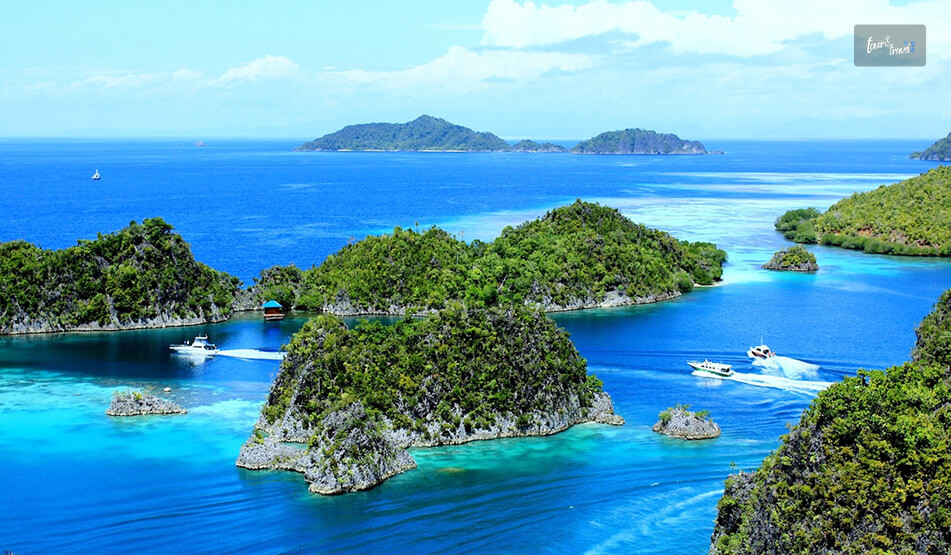
Suzanne, a corporate professional and my colleague, all of 26, was back from what she called a “Trip to Paradise.” I knew that she was not exaggerating, as Raja Ampat is indeed called “The Last Paradise.” It also has the nickname, “The Amazon of the Seas.”

What else would you call a place that has close to 75% of the total coral and fish found in the world? Also, this massive archipelago, with a network of nine protected areas, has diving sites, which are around 100s of miles apart from each other. 

The nine protected areas here are:

  1. Dampier Strait MPA
  2. Misool Islands MPA
  3. Fam Islands MPA
  4. West Waigeo MPA
  5. Asia & Ayau Islands MPA
  6. Mayalibit Bay MPA
  7. Batanta Marine Park
  8. Kofiau & Boo Islands MPA
  9. Raja Ampat Islands and Surrounding Seas National MPA

Also, the main diving zones in Raja Ampat are Dampier Strait in the central region, Misool in the south, and the sites in the north. The diving resorts are mainly in and around the Dampier Strait, and Misool has one, the Misool Resort. 

However, staying at a diving resort will never help create a diving route or itinerary between the northern and southern diving sites. That means, if you are staying in the central region near the Dampier Strait, you cannot practically travel to Misool in the south. 

So, choosing a Raja Ampat liveaboard is not a luxury. It is a necessity to explore the full spectrum of diving fun Raja Ampat has to offer. And this guide will cut through the noise of booking aggregators and give you the practical Raja Ampat liveaboard tips you need to choose the right boat, the right season, and the right cabin.

Why You Must Choose The Liveaboards To See The “Real” Raja Ampat? 

Why You Must Choose The Liveaboards To See The “Real” Raja Ampat

As I was saying, when you stay in a land-based diving resort in the central region and near the Dampier Strait, you can visit the iconic sites such as Cape Kri, but your access remains limited to a small radius. 

However, with a liveaboard as your accommodation, you will get a moving diving platform, taking you to all corners of Raja Ampat. 

1. Access To Misool

Misool, or the southern region of Raja Ampat, is home to the most beautiful soft corals in the world. Also, the Magic Mountain in Misool is the main Manta Ray site in Raja Ampat. 

If you want to keep your activities limited to Misool, you can choose Misool Eco Resort as your accommodation. However, a liveaboard is a more feasible option here, and it will give you better mobility. 

2. Access To Wayag

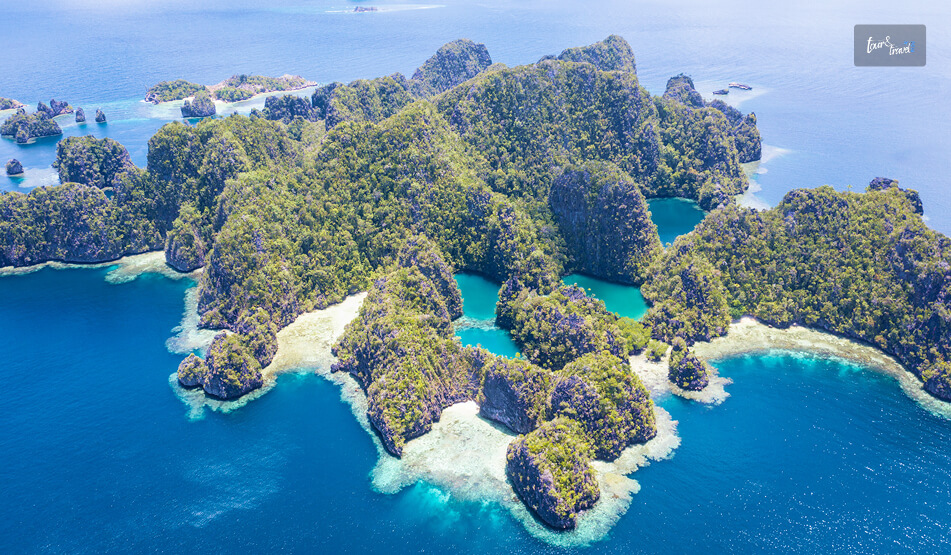
If you want to see the most dramatic limestone formations in Raja Ampat, you will have to dive at Wayag and other sites in the north. 

Now, the northern diving sites of Raja Ampat are strictly liveaboard territories. 

Furthermore, with a liveaboard as your accommodation, you can complete at least 3 to 4 dives in a day. For example, have your breakfast early in the morning, wait for 2 to 3 hours, and go for a dive.

Then, have your lunch, wait for two hours, and go for the afternoon dive. You can even go for a night dive. 

What Are The Best Liveaboard Diving Trips In Raja Ampat? Choosing The Route And Three Main Itineraries 

What Are The Best Liveaboard Diving Trips In Raja Ampat

As a diver, I often get confused about the route. Will I go north? Will I go south? Or, should I go for a combined route with the north, central, and south routes? 

Now, the best choice for the route of your diving trips in Raja Ampat will depend on the season and the kind of open ocean experience you are looking for. 

1. The Best Of Everything: North And South Combined 

Duration: 10 – 12 Nights

If you are a devoted and advanced diver who wants to tick off all the diving experiences, you must choose a combination of the north and south diving routes. This route comprises:

  • The Mantas of Misool
  • The Currents of Dampier
  • And The Lagoons of Wayag

However, if you are planning such an itinerary, you must be prepared to travel for and spend many nights in the open ocean. Moving between regions will not be an easy task.

2. The North & Central Route (Wayag & Dampier)

Duration: 7 – 9 Nights

The central route is accessible throughout the year. However, October to May is the ideal season if you want to combine the north and central routes. In the north, you can go for a combined Wayag lagoon hike and a pelagic-heavy diving below. 

As you dive deeper, expect drift dives at The Passage. Furthermore, Blue Magic is the site where you will experience high current. 

Also, the Dampier Strait is the hub of diving in Raja Ampat and Indonesia. However, if you want to avoid the crowd, Wayag will be your go-to destination. The water here is the most cinematic, with the sunlight changing the color of the water throughout the day. 

3. The South Route (Misool)

Duration: 7-9 Nights

Protected by the Misool Islands MPA, Misool remains the “Photographer’s Route.” You will find large sea fans, huge schools of fish, and orange soft corals here. 

However, Misool is only accessible during the dry season, and despite the presence of the Misool Eco Resort, liveaboards are the main accommodation here. 

Misool is also an NTZ or No-Take Zone. As a result, it has helped in the revitalization of coral health and fish biomass. 

Boo Windows and Magic Mountain are some of the iconic diving sites in Misool. Also, the Jellyfish Lake is a unique, secluded lagoon here. You can swim with non-stinging jellyfish here. 

Choose Your Favorite Diving Route In Raja Ampat: A Quick Decision Matrix 

Still confused about the best diving route to choose? Have a quick look at this decision matrix. 

FeatureNorth (Wayag/Kawe)Central (Dampier)South (Misool)
Primary Attraction• Topography
• Lagoons
• Pelagics
• Fish Biomass
• Currents
• Soft and Colorful Corals
• Mantas
Topside Scenery10/10 (Iconic Views)8/10 (Jungle Islands)9/10 (Karst Peaks)
Water TemperatureWarm (28-30°C)Warm (28-30°C)Warm (28-30°C)
Best ForAdventure & ViewsAdrenaline & Fish ActionPhotography & Color

Raja Ampat Liveaboard Tips: A Quick 5-Day Itinerary (Central And North Zones)

If you don’t have the time or budget to do a best-of-everything tour, you can choose a quick 5-Day central and north tour with the central and north zones in focus.

DaysLocation/RouteFocusDiving PlanKey Notes and Pro Tips
Day 1Arrival in Sorong (SOQ)Logistics & RecoveryN/A• Arrival in Sorong via Jakarta (CGK) or Makassar (UPG).
• Transfer to Swiss-Belhotel Sorong or A Similar Accommodation.
• Assemble dive gear, test strobes, charge batteries.
Day 2Sorong to Central Raja Ampat (Dampier Strait)
Orientation and Easy Diving Two Dives and Optional Night Dive • Harbor Transfer in the Morning.
• Board the Liveaboard and Get Done with Cabin Assignment and Safety Briefing.
• Light Lunch Onboard.
• Check Dives on Gentle Slopes and Bommies.
• Conditions: Mild Current, Warm Water (28–29°C). 
• Night Dive on a Sheltered Reef or Jetty.
Day 3Dampier StraitHigh-energy Fish & Currents. 3-4 Dives• Cape Kri (World-Record Fish Biomass)
• Sardine Reef (Snapper & Barracuda Tornadoes)
• Blue Magic (Manta Rays, Strong Current)
• Optional Night Dive
• Skills Required:
Negative Entries and Reef Hook Proficiency.
Day 4Dampier Strait to Kawe (North)
Transition North and Scenery3 Dives• The Passage (Mangroves & Surreal Lighting).
• Citrus Ridge (Soft Corals & Macro)
• Afternoon Dive en Route North. 
• Evening Scenic Sail toward Kawe with Jungle Islands and Limestone Cliffs at Sunset. 
• Short, Comfortable Crossing.
Day 5North Raja Ampat (Kawe & Wayag) to SorongIconic Raja Ampat Finale2 Dives• Black Rock (Sharks, Jacks, Heavy current).
• Eagle Rock (Fish Explosions). 
• Optional Short Wayag Lagoon Viewpoint Visit if Weather Permits
• Afternoon Return to Sorong. 
• No Same-Day International Flights.
• Overnight stay recommended.

If You Are Going From The Central Zone To The South: A Reality Check 

Remember that a journey from the diving sites in the central zone to the south is going to be logistically challenging. Exploring the south route itself takes around 7-9 days. 

You have to cross the Seram Sea if you are traveling from the dive sites in the central zone to the south. I have not come across any guide that talks about this challenge. 

Here, crossing the open sea is a 10-12-hour journey. You have to make a journey overnight. 

October to March is the best time for diving in the central and south zones of Raja Ampat. However, there can be sudden storms or strong winds causing occasional disturbance in your diving sessions or during transitions. 

Also, consider that there will be a 10-12-hour journey in the Open Sea. So, there can be sea sickness. So, you must start taking the medication before the captain announces the crossing. You don’t need to wait until you feel nauseous. 

Budget Vs. Luxury Raja Ampat Liveaboard Tips: What Do You Actually Get? 

Budget Vs. Luxury Raja Ampat Liveaboard Tips What Do You Actually Get

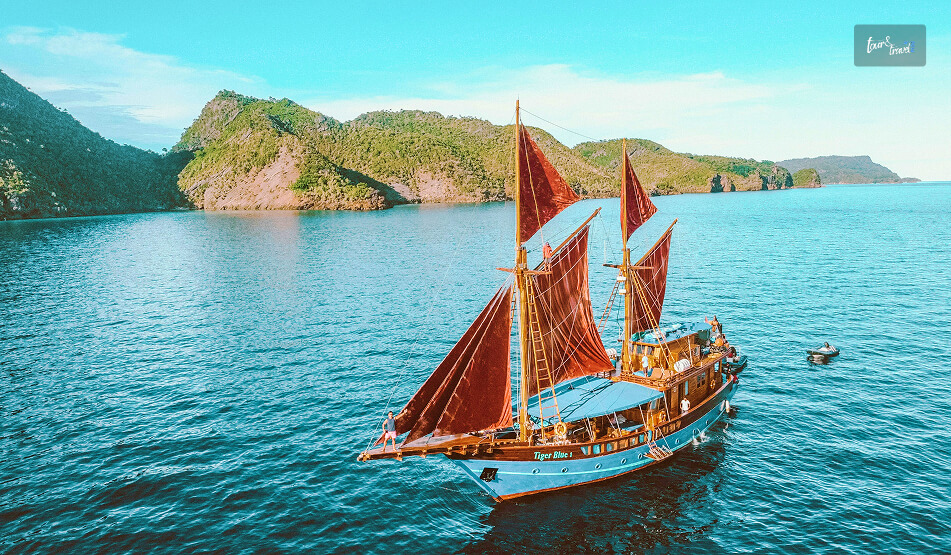
Liveaboards in Raja Ampat can be converted from traditional boats. These can also function as 5-star hotels. A student or a young professional, traveling solo, will, of course, opt for the budget-friendly converted boats. 

On the other hand, the luxury liveaboards offer free satellite internet connection and free Nitrox. Here are the things you need to know about these liveaboards. 

1. Budget Phinisis ($250 – $350/Night)

These are traditional Indonesian wooden schooners. You will get bunk beds in small cabins, and sometimes the bathroom facility will be shared. Also, you will get tasty but simple local food such as Nasi Goreng and fish. 

However, these boats might have the dive deck at the front of the boat. Moreover, there is no dedicated camera room in these boats. 

2. Mid-Range ($350 – $550/Night)

Boats such as The Mermaid or Black Manta fall into the mid-range liveaboard categories. Along with the amenities offered by the traditional and budget-friendly boats, these boats also have the following.

  • Nitrox Availability
  • En-suite Bathrooms with Hot Water
  • Western and Indonesian Buffet

3. Luxury Yachts ($600+/Night)

These luxury yachts have big master suites with ocean views. It also has jacuzzis on deck, massage therapists, and a 1:1 or 2:1 diver-to-guide ratio. Furthermore, it often includes free Nitrox and satellite internet. 

However, you must remember that the engine room is almost always at the back of these luxury boats. To avoid this “Engine Room Trap,” you must choose a forward cabin and enjoy a quiet sleep. 

You must avoid the lower decks and rear cabins. Otherwise, you will hear the noise of the engine, and you may even feel uncomfortable with the smell of the exhaust fumes. 

Our Top 3 Liveaboards In Raja Ampat By Budget

Have a look at the table below to know about our pick of the top 3 liveaboards by budget. 

Budget LevelBoat RecommendationWhy We Love It 
Budget FriendlyRaja Ampat Aggressor• Reputable Standard
• Great Safety Record
• Special Runs
Mid-Range ValueThe Mermaid II• Steel Hull, More Stable than Wood
• Huge Dive Deck
• Great Food
LuxuryDamai I or II• Choose Your Dive Itinerary
Huge Cabins

Essential Practical Tips For Liveaboard Life

Managing the currents of the Indonesian water, the use of Nitrox, and camera table etiquette are the things you need to keep in mind for the ultimate liveaboard trips in Raja Ampat.

1. Manage The “Indonesian Throughflow” (Currents)

The current in the Raja Ampat waters is what brings the schools of fish. However, because of the current, diving in the water of Raja Ampat is a challenge. 

Furthermore, in sites such as Blue Magic, you cannot float on the surface, adjusting your mask. You must roll back and descend immediately to grab the reef before the current sweeps you away.

In addition, you must have a reef hook when you are diving in the waters of Raja Ampat. You hook the reef hook into a dead rock and then float in the Raja Ampat water. 

2. Nitrox: Luxury Or Necessity?

Don’t listen to anyone who says that Nitrox is a luxury. If you are attempting 3-4 dives for around 7-10 days, you will need nitrox, for sure. 

Most diving spots in Raja Ampat have square profiles, meaning you have to remain deep in the water for a long time. So, you have to manage the nitrogen loading to reduce fatigue. 

Unless you have boarded a luxury liveaboard, you may have to pay $150-$200 extra (per trip) to the boat for nitrox. So, consider this expense in your budget. 

3. Camera Table Etiquette

Raja Ampat is the international hub for serious and professional photographers. The rigs and accessories they use are sometimes more expensive than cars. 

So, you cannot keep anything wet on the photography table as it will have dry towels, o-rings, and expensive electronics. 

The Logistics: Arrival, Departure, And Hidden Costs

Have a look at the table below to understand the “flight,” “airport chaos,” and more. 

Arriving in Sorong (SOQ)• Sorong is the Gateway City. 
• It is a gritty industrial port.
• It is not a tourist destination.
Flights• Most flights arrive via Jakarta (CGK) or Makassar (UPG).
The “Buffer Day” Rule• Domestic flights in Indonesia are notoriously delayed. 
• Do not fly in on the morning of your boat’s departure. 
• Arrive one day early and stay at a hotel.
Airport Chaos• You will have to say a lot of “No, thank you” and be firm to avoid the porters at the airport. 
• They will aggressively grab your bag. 

The Hidden Costs: Raja Ampat Liveaboard Tips 

When you are comparing the prices of Raja Ampat liveaboards, you have to consider the hidden costs. Otherwise, your budgeting will be in a soup. 

Hidden CostsExpenses 
Marine Park & Harbor FeesAround $200 – $250 USD Per Person
You will have to pay the amount in cash or by credit card on the boat. 
Fuel SurchargeThe Rise in fuel costs has led to a $150 – $200 USD surcharge.
Crew TipsThis is the divers’ salary. 
The standard is 10-15% of the charter price, paid in cash at the end of the trip.

That’s it! Get ready with your gear and budget your trip right, and enjoy an unforgettable diveaboard experience in Raja Ampat, Indonesia. 

Raja Ampat Liveaboard Tips: Frequently Asked Questions (FAQs)

Here are the frequently asked questions and answers about the Raja Ampat liveaboard tips. 

1. What Is The Best House Reef In Raja Ampat?

Find a rich house reef at the front of the Raja Ampat Biodiversity Eco Resorts. 
This site is accessible by boats only, and based on the current, you will get to see the tip of the reef between two and five meters. 
Along with reef sharks, you will also find moray eels and turtles. Also, you can snorkel at this site at night to spot the walking shark or the Raja Ampat epaulette shark. 

2. How Many Days Are Enough In Raja Ampat?

You need at least 8-12 days for a trip to Raja Ampat. However, if you want, you can also do a quick 5-6-day diving expedition in the northern or central sections. 
Still, if you want to explore the entire south or a combination of the Dampier Strait diving and diving in the north zone (Wayag/Kawe), you will need at least 10 days. 
However, if you want to dive at the best sites of Raja Ampat, you will need more than 15 days.

3. Is Raja Ampat Okay For Beginner Divers? 

Yes, Raja Ampat has many diving sites for beginners and intermediate-level divers. The central Damier Strait region, especially, offers excellent visibility, but with a low current. 
Furthermore, the water here has many shallow reefs. So, you don’t need to get deep into the water.
Also, at facilities such as At Raja Ampat Biodiversity Resort, beginners can get personalized training. Thus, you will feel confident and safe in the water, even if you are a beginner. 

Read Also:

Share on Social Media

Meet Sibashree Bhattacharya, a travel enthusiast who has a decade-long experience in transcending virtual barriers with her words! Her deep love for travel is apparent from her travel escapades to the mountain, often taking her readers on a journey, her words acting as Portkey! Fun fact: Sibashree loves to dive deep into the history of the places she is about to visit, making her travels even more wholesome. If you were wondering how her articles are not short of time travel, this answers it!

Leave a Reply

Your email address will not be published. Required fields are marked *

title-img Related

READ MORE nusa penida

Where Is Nusa Penida Island? (With Location, Direction, Why Is Nusa Penida Famous, And What’s Going On)

BY  Sibashree Aug 23, 2025

The tourism scene of Nusa Penida, Bali, right now looks like a Bollywood potboiler. There is action, there is drama, and some special entries that will blow you away.  On one hand, there has been an ongoing construction work of a glass elevator at the Kelingking Beach of Nusa Penida. The beach is famous for its T. rex cliff. However, the trek to the beach involves steep ascending and descending, making the process physically demanding.  The glass elevator will, no doubt, resolve the problem. Still, the local people here are worried that the elevator will ruin nature, promote unnecessary commercialization of the beach, ruin the charm of the Kelingking Beach, and cause disastrous impacts in the long run. Furthermore, with rapid tourism development in Nusa Penida, the century-old practices of seaweed cultivation by women of Nusa Penida are impacted. The women cultivators are now working with tourism operators and coral conservation groups to minimize the impact on their livelihood and, at large, on the ecosystem of Nusa Penida.  With these major environmental concerns, Nusa Penida continues to surprise us with incidents like the rare sighting of a great white shark at Pura Ped, a dive site on the northern shore of Nusa Penida.  Swedish divemaster Fabian Clinton recorded the incident in March 2025, and Sarah Taylor, a dive master of the same group, said,  ‘The whole encounter was just amazing, unbelievable. There are no other words to describe it! ‘Seeing something in the blue, a shadow that none of us knew what it was (we thought it was a whale shark!) but when we did realise, we very quickly skipped back – what a great dive, a once-in-a-lifetime experience!” Do you also want to experience the wonders of a Nusa Penida tour? Let’s plan a beautiful trip to this beautiful island in Bali, Indonesia.  Where Is Nusa Penida Island? (With A Brief Idea About Its Geography And Landscape) Nusa Penida is a beautiful island in the Bali Province of Indonesia. It has an area of 200 km². Also, it became a part of a 20,057-hectare protected maritime zone in 2010 along with Nusa Lembongan and Nusa Ceningan. Furthermore, Nusa Penida is the largest among the Nusa Islands.  Nusa Penida is home to 576 species of reef fish. It has 296 species of coral.  However, this data is like the tip of the iceberg to understand the biodiversity of the region. So, it is a favorite hub of diving enthusiasts, professional scuba divers and snorkelers.  The popular scuba diving points in Nusa Penida are: Manta Point Toyapakeh Crystal Bay Blue Corner Gamat Bay PED (Ped Village) Manta Bay The best thing about Nusa Penida is that it continues to maintain its pristine charm, despite the construction of the glass elevator and other commercialization efforts to support tourism.  So, even today, you can explore much of its biodiversity, including the 150-meter-high cliff on the Western Coast running into the sea.  On the other hand, the North Coast of Nusa Penida looks amazing with the views of Agung volcano, and it is also the epicenter of seaweed cultivation in Nusa Penida.  And of course, Nusa Penida has beautiful beaches such as Gamat Bay, Crystal Bay, Kelingking Beach, and Atuh & Diamond Beach.  How To Get To Nusa Penida? Nusa Penida is well-connected to various ports in Bali. You can especially take a boat ride from Padang Bai and Sanur.  Here are more details about how to reach Nusa Penida from Bali and India.  How To Get To Nusa Penida From Bali? You have to take a boat or ferry ride to Nusa Penida from Bali. The popular ports from where you will gets boats to Nusa Penida are: Names of Bali BeachesHow Long Is The Boat Ride From Nusa Penida To Bali?Sanur Beach40 MinutesPadang Bai30-60 MinutesKusamba20 MinutesSerangan45-60 Minutes The ferries running from different ports in Bali to Nusa Penida are equipped with life-saving jackets and other safety equipment. So, it does not matter whether you are traveling solo or in a group.  What Is The Cost Of Traveling To Nusa Penida From Bali?  The cost of traveling to Nusa Penida from a Balinese Port depends on the port you are traveling from.  For example, if you are traveling from Sanur, the fare will be roughly IDR 130000. On the other hand, from Kusamba, it will be between IDR 10000 and 150000.  Having said that, there are platforms like 12go, which offer a decent discount on the trip rides.  How Do I Go To Nusa Penida From India? If you traveling to Nusa Penida from India, you will have to fly to the Ngurah Rai International Airport (Denpasar) in Bali. The airport is located at a distance of 50 km from Nusa Penida.  Also, as discussed, you can take a ferry from any of the above-discussed ports in Bali to Nusa Penida. Why Is Nusa Penida Famous? There are N number of reasons for Nusa Penida being a crown jewel in the tourism landscape of Bali. With its pristine beauty and a diversity of marine life, it is a part of a maritime protected area.  Furthermore, it is an island where the sea and cliffs meet, creating a perfect juxtaposition. However, talking about its landscape, it is probably now most in focus due to the T. rex viewpoint on the Kelingking beach.  In addition, Nusa Panida has the Bali Starling Sanctuary, which is home to the Bali starlings, which were once endangered.  However, Nusa Panida is not just about diverse landscapes, a rich marine life and underwater activities. It is also respected for its spiritual and cultural importance.  Here, I will mostly focus on these two aspects of the spiritual and cultural significance of Nusa Penida. I will talk about the natural wonders and things to do here in different sections.  Nusa Penida: A Spiritual Hub In Bali  View this post on Instagram A post shared by BALI LIVIN' (@balilivin) Nusa Penida has many temples, which are significant for the Hindu communities living here. Furthermore, these temples have unique rituals.  Goa Giri Putri is one of the most important temples here. The temple is located inside a cave, and you have to enter through a narrow space here. The most interesting thing here is going through the dozen stations for purification. The entire process can take up to 2.5 hours.  The Ped Temple is another important temple, and there are stories about the spirit of a demon being captive here.  However, the spiritual air of Nusa Penida is not just limited to the temples. You will also notice many spiritual festivals and events in several intimate settings in Nusa Penida.  Galungan and Kuningan are the two most important Hindu festivals here, celebrating the triumph of good over evil.  Also, Nusa Penida is a prominent place where animism, a belief that the spirit resides in all objects of nature, is a part of Nusa Penida’s spiritual habits.  Nusa Penida: A Cultural Hub  Nusa Penida is a cultural hub, and it is home to the Jangkang warrior dance and many other dance forms seen in various religious festivals.  Furthermore, Nusa Penida thrives on a strong community spirit.  Also, the women of Nusa Penida have been cultivating seaweeds here for hundreds of years. However, seaweed production has been a major concern in the last 10 years or so due to a change in the weather conditions and a sudden tourism boom.  Nyoman Mitri, a part of a community of seaweed-producing women in Nusa Penida, has said to Mongabay,  “It never used to be like this. It’s only been the last 10 years or so that rain has begun to seriously damage the seaweed.” What Are The Places To Visit In Nusa Penida? From the Teletubbies Hill and T.Rex cliff to the beautiful beaches! Nusa Penida offers more diversity than any other part of Bali.  Here are the most important landmarks of Nusa Penida. Places to Visit In Nusa PenidaWhy Are These Places Special?KelingKing Beach• The T. rex cliff is a limestone cliff resembling a T. rex.Angel’s Billabong and Broken Beach• Adjacent to each other, these two places offer the most powerful coastal views. Diamond Beach• Turquoise Waters• Dramatic Sand Cliffs• Treehouse and Staircase ViewpointsAtuh Beach• A Relaxing Beach• Sunbeds are Available for RentPeguyangan Waterfall or Guyangan Waterfall• Hiking through a zigzag staircase, sticking to the cliffside• Dramatic ocean viewsTeletubbies Hill• Perfect for unwinding• Great Sunset views What Are The Things To Do In Nusa Penida?  Hiking, scuba diving, temple visits, swimming, diving, and whatnot! However, it is the beaches of Nusa Penida that allow you to have the maximum outdoor fun.  Here, I will briefly talk about the scuba diving points in Nusa Penida and why you will love them.  Scuba Diving Points In Nusa PenidaThings to DoManta Point• Spot Manta Rays• SnorkelCrystal Bay• Spot Sunfish and Mola MolaToyapakeh• Vibrant Coral Gardens• A Diverse Marine LifeBlue Corner• Strong Currents• Ideal for Professional DiversGamat Bay• Ideal for Exploring the Rocky Seabed and Macro Photography• Spotting Rich Marine LifePED (Ped Village)• Swimming through Underwater Caves• Intimate and Quiet Diving Experience Is It Worth Going To Nusa Penida? Yes, Nusa Penida is definitely a place worth visiting. Assessing its importance as a tourism hub, the Indonesian Government has started many initiatives here for sustainable development.  Furthermore, Nusa Penida has been identified as the National Tourism Strategic Area (Kawasan Strategis Pariwisata Nasional or KSPN). So, it continues to open new avenues of revenue and funding in Nusa Penida.  Moreover, Nusa Penida, with its pristine nature and a rich spiritual heritage, is trying to capitalize on the growing demand for eco-luxury among new-age travelers. Nusa Penida Island is undoubtedly a dream destination for travelers. Its pristine beauty and abundant marine life complement each other, and its unique landscapes and rich cultural heritage will leave you captivated.  If you want to treasure this beautiful experience forever, you might as well customize an exclusive travel pin. Simply order online and receive your personalized pin in no time. Custom lapel pins can be engraved with the majestic silhouette of a Tyrannosaurus Rex cliff, or infused with vibrant marine life, embellished with the mystical symbols of a temple.  Every time you look at these pins, your wondrous journey to Nusa Penida Island will be vividly remembered, becoming a cherished memory forever. Nusa Penida Island: Frequently Asked Questions (FAQs) Here are some frequently asked questions and answers about Nusa Penida Island.  Is Nusa Penida A Part Of Bali? Yes, Nusa Penida is a part of the Province of Bali. It is a part of the Klungkung Regency of the Bali Province in Indonesia.  2. How Much Time Is Enough For Nusa Penida? You at least need 2 days and three nights to explore Nusa Penida. However, to explore the hidden gems, you have to spend at least 7 days in Nusa Penida.  3. Can You Swim In Nusa Penida? Yes, you can swim in certain areas of Nusa Penida. Manta Bay, Crystal Bay, Angel's Billabong, and Toyapakeh Wall are safe for swimming. However, be aware of strong currents and always check local weather conditions. 4. How Much Time Is It From Ubud To Nusa Penida? Traveling from Ubud to Nusa Penida involves traveling to any of the Ports by road and then a ferry ride to Nusa Penida. For example, a journey from Ubud to Sanur will take 1 hour and 35 minutes by road and then a 40-minute ferry ride.  5. Is Nusa Penida Safe To Stay And Travel? Yes, Nusa Penida is safe to travel to. However, rugged and unpaved pathways and sudden changes in weather conditions, especially from November to March, remain major risk factors here. Moreover, many of Nusa Penida's beaches and natural pools, such as Angel's Billabong, are not suitable for swimming due to strong currents and rocky terrain. Always follow safety guidelines and avoid swimming in dangerous areas. 6. Where To Stay In Nusa Penida? The Northwest Coast, with areas such as Sampalan, Ped, and Toyapakeh, is the best place to stay in Nusa Penida. The Crystal Bay Area and the Eastern Coast, with places such as Atuh Beach and Batununggul, are the best places to stay for tourists and local residents. Moreover, the Eastern Coast area has the most luxurious Nusa Penida hotels. Read Also: Bali vs Thailand: Which Place is Better? These Exotic Places To Travel Are Unusual: Explore The Must-Visits Around The World 3 Reasons Why Thailand Is The Ultimate Wellness Destination
READ MORE Uluwatu Beach

Uluwatu Beach: The Prettiest Beach In Bali (A Hidden Gem With Stunning Sunsets, Surfing And Serenity) 

BY  Sibashree Aug 27, 2025

The recent demolition of over 40 business settlements at Bingin Beach of the Uluwatu region may apparently seem a disturbance for a region that caters to global tourists. However, the demolition has happened for a greater good, as it will eventually protect this important coastal region. In other words, the declaration of demolition by the House of Representatives will help Bingin Beach and the Uluwatu region to protect them from the perils of overtourism and overdevelopment. If you see the larger picture, it is only a boon for the surfing heritage of Bali.  Along with the Uluwatu Beach, Uluwatu is home to many other beautiful beaches. The stunning cliffs, awe-inspiring sunsets, and world-class surf breaks here make it a safe haven for travelers who seek the perfect fusion of tranquility and adventure.  On the other hand, the Uluwatu Temple, with its unique architecture and spiritual ambiance, is a place for introspection.  Overall, Uluwatu is a place where nature, spirituality, adventure, and wildlife co-exist to ensure a wholesome experience for every traveler.  What’s more? Let’s have a close encounter with the Uluwatu Beach in this Tour and Travel Blog.  In this blog, I will cover the following key topics.  Table of contentsWhy Is Uluwatu Beach The Prettiest Beach In Bali?Why Is The Uluwatu Beach So Famous?1. A World-Class Surfing Destination2. Uluwatu Temple3. A Hub Of Serenity4. Unbeatable Sunset ViewsHow To Reach Uluwatu Beach?What Are The Things To Do At Uluwatu Beach?1. Surfing And Swimming2. Visiting The Uluwatu Temple3. Have Good Food And Enjoy A Great Time At The Beach Clubs4. Explore The Secret Beaches Of UluwatuWhat Are The Best Beaches In Uluwatu?Where To Stay In Uluwatu Beach?Itinerary For Uluwatu Beach: Make The Most Of Your Time At Uluwatu Beach Why Is Uluwatu Beach The Prettiest Beach In Bali? Uluwatu, a part of the Bukit Peninsula in Southern Bali, is the prettiest with its stunning cliffs, coastlines, and crystal-clear waters.  In the truest sense, you can call Uluwatu a hidden gem, as you can only access it through a steep set of stairs. These stairs descend the grand limestone cliffs.  As you climb down the stairs, you will see the most amazing views of the ocean and the coastline.  Moreover, as you reach the beach, the soft golden sands will kiss your feet, and the stretches of turquoise water before your eyes will almost feel transcendental.  Amidst this natural beauty and a true juxtaposition of cliffs and the sea, Uluwatu also promises a luxurious experience, as the cliffs surrounding the beaches have luxurious resorts and beach clubs.  Moreover, the Uluwatu Temple is the crown jewel of this dreamy destination. It is the spiritual hub of this beach paradise, and from here, you will get a panoramic view of the ocean and the surroundings. Why Is The Uluwatu Beach So Famous?  From being a bustling surfing hub to being a space for finding tranquility amidst the chaos of Bali, Uluwatu remains one of the most sought-after beach destinations in the country.  Furthermore, the Uluwatu Temple and amazing sunset views offer you more reasons to visit Uluwatu.  1. A World-Class Surfing Destination  With powerful and consistent waves and reef breaks, Uluwatu is an iconic surf spot. The left-hand reef breaks are especially ideal for beginners and experienced surfers.  2. Uluwatu Temple Pura Luhur Uluwatu, or Uluwatu Temple, is a powerful spiritual center of Uluwatu, and it is even one of the most prominent temples of Bali, protecting the island from evil spirits.  The temple has also emerged as an important cultural destination, with Kecak Fire Dance being performed here at sunset every day. The dance performance highlights the story of the Ramayana in which Lord Rama kills Ravana and announces the triumph of good over evil.  Brahma, Vishnu, and Lord Shiva, the holy trinity of Hinduism, are the presiding deities of the temple.  Moreover, you will be able to spot long-tailed macaque monkeys here.  3. A Hub Of Serenity  Uluwatu continues to maintain its serene charm when other parts of Bali, such as Seminyak and Kuta, struggle with the perils of overcrowding and overtourism.  The place is less commercialized, and thanks to the decision of the House of Representatives to demolish illegal constructions here, the beach will continue to maintain its pristine charm.  4. Unbeatable Sunset Views  Uluwatu is also one of the most photogenic and Instagrammable places in Bali. It has the most beautiful sunset, with the Sun dipping below the horizon and spreading the most vibrant colors over the cliffs and the ocean water.  How To Reach Uluwatu Beach?  You can take a rental car or scooter to reach Uluwatu from the Denpasar airport or various other parts of Bali, such as Seminyak, Canggu, and Kuta.  From the airport, it is a one-hour ride to Uluwatu Beach, and from the other three places, the journey will take around 45-60 minutes.  What Are The Things To Do At Uluwatu Beach? Uluwatu promises the most unique experience with water activities, temple visits and the most vibrant nightclub experience.  1. Surfing And Swimming  Uluwatu beach is ideal for surfers of all expertise levels. It has many surf schools that guide the beginners.  Furthermore, if you are an experienced surfer, you can visit the reef breaks to see the power of the waves.  2. Visiting The Uluwatu Temple  As I mentioned, for an amazing spiritual and cultural experience, you can visit the Uluwatu Temple. You will love the fire dance and the unique architecture of the place.  Furthermore, it is located on top of a cliff. So, you will enjoy the most amazing views of the surroundings. 3. Have Good Food And Enjoy A Great Time At The Beach Clubs Uluwatu is the place to find the most stylish beach clubs in Bali. You will find comfortable daybeds here.  Also, you can enjoy some amazing cocktails and local cuisine while soaking in the ocean vibe.  El Kabron and Single Fin are some noted beach clubs here.  4. Explore The Secret Beaches Of Uluwatu Are you ready to explore beyond the main Uluwatu beach? You will love exploring the following secret beaches.  Padang Padang Beach Pantai Bingin Dreamland Beach Enjoy the beauty of crystal clear waters, soft sun, and beautiful coastal views.  What Are The Best Beaches In Uluwatu?  Padang Padang, Bingin, and Suluban are my favorite beaches in Uluwatu.  Further, among these three, my silent favorite is Suluban. It is a rocky beach, and with the waves consistently hitting a height of 4-5 meters, it is a surfer's paradise.  Also, swimming here feels like swimming in a big cavern. Moreover, it is the Suluban beach, which is alternatively called the Uluwatu Beach.  What Is The Best Time To Visit Uluwatu Beach? The dry season of Balu, from April to October, is the best time to visit Uluwatu. The warm and sunny weather in these months makes the situation ideal for surfing and other beach activities.  November to March is also a decent time to visit the Uluwatu Beach. Despite the rain, these months remain suitable for surfing and swimming.  However, July to August is the peak tourist season in Uluwatu. Early mornings and late afternoons are the ideal times of the day to explore the Uluwatu Beach. Where To Stay In Uluwatu Beach? View this post on Instagram A post shared by Anantara Uluwatu Bali Resort (@anantarauluwatu) You will get budget, mid-budget, and luxury accommodations in Uluwatu Beach. The most luxurious accommodations here are Anantara Uluwatu Bali Resort and Banyan Tree Ungasan.  From Infinity pools to private villas, these luxurious accommodations offer the best hospitality.  Courtyard by Marriott Nusa Dua is a popular mid-budget accommodation in Uluwatu. Moreover, you can choose budget-friendly options such as Padang Padang Breeze. Itinerary For Uluwatu Beach: Make The Most Of Your Time At Uluwatu Beach Let’s have a look at this 2-day itinerary at the Uluwatu Beach.  Days at the Uluwatu BeachThings to DoDay 1 • Morning: Arrive in Uluwatu and take in the beach views. Start your day with a refreshing swim in the turquoise waters or sign up for a surf lesson if you’re keen to try your hand at surfing.• Afternoon: After lunch at a nearby café, head to the Uluwatu Temple to enjoy the stunning views and explore the temple grounds.• Evening: End your day by watching the Kecak Fire Dance performance at the temple. Afterward, enjoy dinner at one of the nearby beach clubs, like Single Fin, where you can catch the sunset while enjoying delicious food and drinks.Day 2• Morning: Head to Bingin Beach or Padang Padang Beach for a quieter, more secluded beach experience. Spend your morning lounging on the sand or swimming in the clear waters.• Afternoon: Take a leisurely lunch at one of the seaside cafés. Spend the afternoon enjoying the serenity or take part in a yoga session at one of the nearby resorts.• Evening: For your final evening, visit one of Uluwatu’s upscale cliffside restaurants for an unforgettable dinner with panoramic views of the ocean. Uluwatu Beach: Frequently Asked Questions (FAQs) Here are some frequently asked questions and answers about Uluwatu Beach.  1. Is Uluwatu Beach Safe For Swimming? Uluwatu Beach has strong waves and currents. So, it is more suitable for surfers than traditional swimmers. Furthermore, you must only stick to the designated surfing zones and follow the instructions of the guides for a safe surfing experience.  2. What Should I Wear To Uluwatu? Beachwear is ideal for Uluwatu. However, you have to dress modestly when visiting the Uluwatu Temple. Your knees and shoulders need to be covered. You will even get a sarong at the temple entrance.  3. Does Uluwatu Have A Great Nightlife? Yes, Uluwatu offers you an amazing nightlife. You will find many sophisticated cliffside bars and beach clubs. Also, there are many live music and dance venues in Uluwatu. El Kabron, Single Fin, Ulu Cliffhouse, and Savaya Bali are some popular destinations to enjoy the vibrant nightlife of Uluwatu.  Read Also: Where Is Nusa Penida Island? (With Location, Direction, Why Is Nusa Penida Famous, And What’s Going On) Bali Beyond The Beaches: Exploring The Hidden Gems Of The Island Planning a Vacation to Bali? Read This Blog!

READ MORE Raja Ampat dive site guide

What Are The Top Dive Sites In Raja Ampat, Indonesia? A Raja Ampat Dive Site Guide

BY  Sibashree Dec 26, 2025

The Tourism Ministry of Indonesia has just released the Wonderful Indonesia Diving Directory. It has the most “reliable” information about the best diving sites in the country. Raja Ampat in Southwest Papua is featured in this directory.  Raja Ampat, home to the one-of-a-kind Raja Ampat SEACAM Center (RASC), is the best underwater diving and photography destination on a budget. The RASC has Nikon Z8 and Canon 7D Mark II macro and wide-angle sets.  Furthermore, the SEACAM accessories here, such as strobes, viewfinders, and dome ports, and trained photo guides will take your underwater photography experience to a new height.  Moreover, Raja Ampat is located within the Coral Triangle off West Papua. So, the reef life here is the richest, and from seahorses to the titan triggerfish and hammerhead shark, you will understand what diversity is.  So, no wonder that Raja Ampat, with its four main islands and around 1800 small islands, has been chosen by the New York Times as one of the must-visit destinations in the world. Raja Ampat Dive Site Guide: Navigating The Underwater Geography Of Raja Ampat Raja Ampat is an archipelago. At the same time, it is a massive amalgamation of three different diving zones. Now, which diving zone will be the best for you will depend on the kind of diving experience you want.  For example, if you want to see marine biodiversity, Cape Kri in Central Raja Ampat (Dampier Strait) will be the best location. On the other hand, if you want to see pygmy seahorses, soft corals, and unique limestone formations, you will have to visit Boo Windows in South Raja Ampat (Misool).  However, remember that many major diving sites are around 100-150 miles away from each other. So, if you are planning to stay in a central resort and plan Raja Ampat diving trips in the north and south regions in a day or two, it is not possible.  There are three diving zones in Raja Ampat, namely: Central (Dampier Strait) North (Wayag & Kawe) South (Misool) 1. Central (Dampier Strait) The Dampier Strait Region has the most celebrated diving sites, such as Blue Magic and Cape Kri. It has the highest fish count, and the high-voltage current in the water here makes it the favorite of advanced divers.  2. North (Wayag & Kawe) The North zone has the most dramatic limestone landscape. The sites here are wild and pelagic-heavy. Here, you will find the famous Eagle Rock, and the lagoon views here are stunning.  3. South (Misool) South (Misool) is the capital of the soft coral. It is also home to Magic Mountain, the best Manta Ray site in the region.  Furthermore, protected by a private marine reserve, Misool is suitable for spotting colorful sea fans and caves. What Are The Top Dive Sites In Raja Ampat Indonesia? The tourism industry of Raja Ampat is indeed coral-studded. Here are the top diving sites in Raja Ampat, Indonesia.  1. Central Raja Ampat (Dampier Strait) Dive Sites The Dampier Strait is famous for its biodiversity. Located between the Waigeo and Batanta islands, it functions as a massive source of nutrient-rich water.  Furthermore, the strong current here is one of the main reasons behind an explosion of marine life. So, most resort-based divers prefer the Damier Strait region.  • Cape Kri Dive Site Stats: Depth: 5m – 30m Current: Strong (Variable) Difficulty: Advanced (Drift) Lens Recommendation: Wide Angle Cape Kri has the highest number of fish species recorded on a single tank dive. You could spot as many as 374 species.  Along with the numbers, the biomass here is also impressive. You will encounter massive schools of sweetlips, snapper, and fusiliers. Look out into the blue for grey reef sharks, barracuda, and passing dogtooth tuna. The coral garden at the top is pristine. Dive Strategy When you are in Cape Kri, you will have to find the split point. It is the place where the current hits the reef. When the guide drops you at the upstream, you will have to stay close to the reef for your safety.  • Blue Magic Dive Site Stats: Depth: 10m – 30m Current: Medium to Strong Difficulty: Advanced Lens Recommendation: Wide Angle Blue Magic is located between Waisai and Kri Island. Its submerged pinnacle attracts a lot of pelagics. This is a small island, but it is home to a rich marine biodiversity. It also stands out because of the manta ray cleaning stations.  Reef Mantas are common in the central region. However, Blue Magic is one of the rare places where you will meet a giant Oceanic Manta Ray with a wingspan of up to 7 meters. Furthermore, you will find the Wobbegong sharks under the coral ledges.  Dive Strategy Blue Magic demands a unique entry. It is called a negative entry because here, you will have to roll back and descend immediately without surfacing.  So, maintain an A-level in your fitness game.  With a negative entry, you will not miss the reef. The dive ends in the blue, so good buoyancy control is essential for your safety stop. • Manta Sandy Dive Site Stats Depth: 5m – 18m Current: Mild to Medium Difficulty: Beginner/Intermediate Lens Recommendation: Wide Angle (or Fisheye) Manta Sandy is the best place in the Dampier Strait for spotting Reef Manta Rays. Its shallow and sandy slope with many large coral "bommies" functions as a cleaning station.  Manta Interactions In Manta Sandy  You have stay behind the strict line of rocks placed in the sand here. Then, you will spot the mantas circling around the cleaning station right in front of you.  Stay calm and low and wait until they swoop over your head directly. This creates incredible photo opportunities.  • Sardine Reef Dive Site Stats Depth: 5m – 25m Current: Strong Difficulty: Advanced Lens Recommendation: Wide Angle Ironically, Sardine Reef is not home to sardines. It has got such a name because fish are packed like sardines.  The schools you will find here on this oval-shaped reef patch are Surgeonfish, Fusiliers, Butterflyfish, and Damselfish.  Other marine life you will encounter here are Barracuda, Giant Trevallies, and Spanish Mackerel. Also, divers love Sardine Reef as it is home to rare species such as Oceanic Triggerfish, Napoleon Wrasse, and Bumphead Parrotfish.  Why Is Sardine Reef A Photographer’s Dream? The life around the submerged oval reef is so dense that the schools of fish here can block the Sun. Furthermore, at this adrenaline-pumping drift dive, you will see a lot of hunting action on the current side.  The Giant Trevallies and Tunas dart into balls of baitfish. Overall, the underwater scene is chaotic, colorful, and quintessential Raja Ampat! 2. South Raja Ampat (Misool) Dive Sites South Raja Ampat has a private Misool Eco Resort, but is primarily accessible by liveaboard. The underwater world is “different” in the truest sense. At the epicenter of the marine protected area, it has kaleidoscope-colored soft corals, massive sea fans, and dramatic topography.  Here are the best dive sites in South Raja Ampat, Indonesia.  • Magic Mountain (Shadow Reef) Dive Site Stats Depth: 7m – 30m+ Current: Variable (Can be strong) Difficulty: Intermediate to Advanced Lens Recommendation: Wide Angle You cannot make a diving itinerary in Misool without including Magic Mountain as a stop. This offshore ridge is located in the open sea. So diverse marine life is attracted toward it like a magnet.  Also known as Karang Bayangan or the Shadow Reef, the Magic Mountain is located in the southeast of the Warakaraket Island.  The Topography And Diving In Magic Mountain  Magic Mountain looks like an underwater plateau mountain. Here, the steps go down a dozen times. This site is ideal for mid-level and expert divers.  Marine life spotted here are: Napoleon Wrasse Surgeonfish Fusiliers Barracuda Jacks Grey Reef Sharks Yellow Snapper Turtles Wobbegong Sharks As you get off the diving board, you will notice a hard coral garden, and if you are lucky enough, you will notice a Pacific Manta Ray within minutes.  When you are at least 25 meters down, you can go close to the ridge walls and find wonderful macro critters. You will also spot Pelagics and a wide variety of large fish.  Overall, it is an ideal combination of large and small marine life.  The Manta Bi-Highway Magic Mountain also comes with its cleaning station on a ridge, which is approximately 7 meters. Here, you will find one of the rarest Bi-Highways in the world. You will spot the giants of the open ocean, Oceanic Manta Rays and Reef Manta Rays, here.  The sight is something dreams are made of!  • Boo Windows Dive Site Stats Depth: 5m – 30m Current: Medium to Strong, Divers should be ready for drift diving Difficulty: Intermediate to Advanced Lens Recommendation: Wide Angle/Fisheye Boo Windows is one of the most photogenic diving sites in Raja Ampat. Here, you will find windows, which are actually swim-throughs into the reef.  This site has a lot of reef fish, and you will love the large schools of fusiliers, batfish, and sweetlips here.  Diving Through Boo Windows  Divers usually enter the diving site on the west side of the large Boo Island. Here, you will go down the water straight and find the famous window. This is the spot where your camera can be at work.  Now keep the reef on your left side and dive from the north end of the site and move toward the south. At 25 meters, you will meet the Red Tooth Trigger fish. It is an opulent sight, trust me! Here, you can end your diving or move east to find the face of the reef, or if the current favors, take a double back on the west side.  • Four Kings  Dive Site Stats Depth: 5m – 40m Current: Medium to Strong Difficulty: Advanced Lens Recommendation: Wide Angle "Four Kings" (Kaleja) have four submerged pinnacles, with a steep ascent from the depth of the water. Connected by a ridge, these four rocky outcrops almost look like a mountain range under the water.  The deep canyons vary from 5 to 40 meters in depth, and they add more mystery to the underwater mountain-like structure.  This diving site is filled with marine life. Imagine schools of batfish, fusiliers, and reef sharks doing a round of these ridges.  Exploring The Pinnacles Of Four Kings  Diving here begins with dropping deep on one of the pinnacles, and then you can spiral your way up. The rocky outcrops look beautiful with a cover of soft orange and purple corals. You will hardly notice any bare rock space.  Furthermore, as you approach the pinnacles, you will find clouds of glassfish. Groupers and Trevallies gather here in search of prey.  Unlike most sites, diving here is a vertical experience. So, you will feel like swimming through a live aquarium tower.  3. North (Wayag & Kawe) The Waigeo Island (NorthWest), Kawe Island, and Wayag constitute the diving areas in the north of Raja Ampat. The northern part of Raja Ampat is not typically ideal for diving. Still, divers love it for spotting wobbegong sharks, Eagle Rock, and manta rays.  Furthermore, the diving sites in the north are a favorite of photographers due to the presence of microcritters.  • Northwest Waigeo Island Dive Site Stats Depth: 10 to 40 Meters  Current: Mild to Strong Difficulty: Intermediate to Advanced Lens Recommendation: Wide-Angle Lens, Strobes, and Macro Lens  With highlight spots such as Mayalibit Bay, the northwest of Waigeo Island is home to white and black-tip reef sharks, pygmy seahorses, sea dragons, sea fans, Indian lionfish, green sea turtles, and more.  Another highlight spot is the Alyui Bay. Here, you will find ghost pipefish and crustaceans. It is ideal for night dives. • Wayag Dive Site Stats Depth: 5-40 Meters Current: Mild Difficulty: Beginners to Advanced Lens Recommendation: Ultra-Wide Angle, Telephoto Zoom, and Standard Zoom  The mushroom-shaped islands and the pristine lagoons make Wayag a favorite spot for diving and snorkeling. The Wayag lagoon is one such lagoon, and it further stands out as the nursery for the juvenile Manta Ray population.  Furthermore, you will find colorful soft corals here and different species of sharks. Wobbegong sharks and blacktip reef sharks are the most popular among them.  The unique rock formations here also help form a wide range of lagoons. So, it is also an ideal place for photography and kayaking.  • Kawe Island  Dive Site Stats Depth: 5-40 Meters Current: Mild to Strong (Ideal for Drift Dives) Difficulty: Beginners to Advanced Lens Recommendation: Wide-angle Fish Eye/Rectilinear Zoom Lens Famous for manta rays and a rich biodiversity, Kawe Island is also home to diverse schools of fish such as fusiliers, jack, and barracuda.  The Kawe Islands are literally the equatorial islands, and the absence of homestays and land-based resorts makes the area pristine.  As you go deeper, you will come across a labyrinth of massive boulders. These boulders have a cover of soft corals in a citrus color. This is a favorite of wobbegong sharks as their color matches the covering.  So, Which Diving Site Should You Choose In Raja Ampat? A Comparison Summary Of The Diving Sites  Here is a comparison summary of the top dive sites in Raja Ampat, Indonesia.  Traveler TypeTop Dive Sites In Raja Ampat Beginners• Kawe Island• Manta Sandy• WayagThe Adrenaline Junkie• Cape Kri• Blue MagicThe Manta Lover• Manta Sandy (Central)• Magic Mountain (South)The Photographer (Wide)• Boo Windows• Cape KriThe Snorkeler• Manta Sandy Resort Vs. Liveaboard: How To Choose The Best Accomodation For Diving Enthusiasts? Your choice between resorts and liveaboards as accommodations will depend on the part of Raja Ampat you want to access.  1. Choosing A Resort  If you want to dive around the Central Raja Ampat or Dampier Strait sites, you can stay in resorts. Kri, Waigeo, and Gam islands have the highest concentrations of resorts in Raja Ampat.  Furthermore, if you are staying in these resorts, you will have easy access to the famous Dampier Straits. However, access to Wayag and Misool will be difficult.  Still, if you are in Misool, you will have access to the Misool Eco Resort. It is the only resort operator in the south, and it will give you exclusive access to Misool's sites without a liveaboard.  2. Choosing A Liveaboard If you want to experience the best of all the diving zones, a liveaboard will be the best option. It will give you access to the Central region as well as Wayag in the north and Misool in the southern region.  A liveaboard is the best way to dive Cape Kri, Eagle Rock, and Magic Mountain all in one vacation. A Raja Ampat Dive Site Guide: Things To Do Apart From Diving A Sacred Region With The Prevailing Sound Of Underwater! This is how I would describe the diving sites of Raja Ampat.  The underwater region of Raja Ampat is as vivid as you can think of. From the sound of rice crispies made by the hidden shrimps in the corals to the fish, such as rabbitfish, unicornfish, and batfish, all the colors in the palette are present underwater.  Also, don’t forget the hawksbill turtles, tearing up hard corals in search of the soft sponge inside. Furthermore, as National Geographic rightly points out, 75% of the world’s corals are present here, and the water here has over 1500 fish species.  Moreover, half of the region is a network of marine protected areas (MPAs), and the Dampier Strait is at the epicenter.  Floating In Indonesia’s Traditional Wooden Pinisi Boats The underwater world of Raja Ampat is like a lingering lullaby. When you are not diving, you can take a ride on the traditional wooden pinisi boats of Indonesia.  These boats are made with hands on the South Sulawesi beaches, and this craftsmanship is designated as an intangible cultural heritage of UNESCO.  Listening To The Dawn Chorus  When you are staying in a boat overnight, especially in the Dampier Strait, you will wake up to the deafening chorus of the sea eagles, the red birds of paradise, and other feathery friends.  And you never know when a crocodile or a blacktip reef shark comes close to your boat and keeps an eye on you.  Visiting The Sacred Waters Of Raja Ampat  The waters of Raja Ampat are not just ideal platforms for diving and spotting marine wildlife. Some areas, such as Mayalibit Bay, are associated with tribal legends.  In a mountain cave, the bones of the ancestors are preserved. Also, the local tribes worship nature at the Kali Biru river. This part of Raja Ampat has started getting tourists for the last few years now, and the history and sacred beliefs around this place are associated with the King of Waigeo and the Mayan tribe.  These Mayan warriors used to worship at the Kali Biru river and connect to the God before going to war. The families of local people still gather here around the river, wearing a headgear made of junglefowl feathers, dried sago palm leaves, bright red berries, shells, and other natural elements.  What Is The Best Season For Diving In Raja Ampat, Indonesia? Most guides mention Raja Ampat as a year-round diving destination. Let me tell you, it’s not true. Probably, none of them has been to the southern parts of Raja Ampat to know that the southern sites only remain suitable for diving in a particular season.  Here is a seasonal breakdown of the best season for diving in Raja Ampat. SeasonsDiving ConditionsThe Prime Season (October to April)• Dry Season• Calm Water• High Visibility• Manta Numbers at Peak• Ideal for diving the Full North-to-South Liveaboard RouteThe "Windy Season" (June – September)• Strong Winds and Waves due to the Southwest Monsoon• Crossing to Misool (South) Becomes Dangerous and Often Impossible. So, to sum up, Do not book a trip in July/August expecting to dive Magic Mountain. The Central (Dampier Strait) region is suitable for diving throughout the year. It is so because of the protection of the islands of Waigeo and Batanta. So, even in the windy months, Cape Kri and Blue Magic will be good for diving. In fact, there will be fewer crowds to enjoy the underwater scene.  Practical Tips For Diving Raja Ampat: Diving Conditions & Safety Gear Have you heard of Indonesian Throughflow? It is a powerful water movement feeding the underwater reefs. The water movement ensures that the reefs remain nutrient-rich and that marine animals gather around the reefs.  However, this powerful movement also causes a strong current in the water.  So, at almost every diving site in Raja Ampat, you will notice a drift along a reef. However, at points like Blue Magic, there will be more challenging washing machines or downdrafts. At these sites, you must listen to your dive guide as they can assess the power of the current from the water's surface.  Nevertheless, thanks to the changing current conditions, you will need the following diving gear.  1. Reef Hook Suppose you are diving in Cape Kri and you have reached the split point. Now, these split points, home to diverse schools of fish, also have the strongest current.  Now, you will use your reef hook on a dead piece of rock. This allows you to "fly" in the current and watch the show without exhausting your air supply. 2. DSMB Or Delayed Surface Marker Buoy If you are diving in sites that are offshore pinnacles, you can drift away from the reef. You can even get separated from your diving group.  In such cases, use a delayed surface marker buoy or DSMB so that the tender boat can find you even in the choppy water.  3. Wetsuit A 3mm long wetsuit is ideal. The water temperature remains around 28°C–30°C. However, there are chances of potential thermoclines, especially during repeated dives. The wetsuit will also protect you from hydroids and stinging plankton.  A Raja Ampat Dive Site Guide: Sustainable Diving And Marine Conservation  With a network of nine marine protected areas (MPAs), Raja Ampat demands a sustainable diving community-based marine conservation.  1. Sustainable Diving People associated with tourism businesses in Raja Ampat and diving operators and diving resort owners have joined the local community to ensure marine conservation by using sustainable practices and equipment.  They also teach the consumers and tourists and the customers about environment-friendly practices.  2. Community-Based Marine Conservation The local communities of Raja Ampat play an important role in the protection of the diving sites in Raja Ampat and the overall marine conservation.  People from this local community monitor the coral reefs and they educate tourists about why protecting the marine life is important.  Top Dive Sites In Raja Ampat: Frequently Asked Questions (FAQs) Here are the frequently asked questions and answers about the top dive sites in Raja Ampat.  1. What Is The Deepest Dive In Raja Ampat? It is difficult to pick a single name for the deepest dive in Raja Ampat. The average depth of the top diving sites in Raja Ampat is around 10 to 40 meters. Still, Cape Kri and Blue Magic are some of the deepest diving sites in Raja Ampat. Cape Kri is famous for reef sharks, and Blue Magic has Mantas, Tunas, and Trevallies.  2. Which Is A Better Diving Experience, Palau Or Raja Ampat? Palau offers the best liveaboard experience. However, if you want to experience better marine biodiversity, drift diving, and macro photography opportunities, Raja Ampat wins the race by miles.Also, if you want to see historical wrecks, you can choose Palau with the World War II wrecks hidden under the water.  3. Is Diving Raja Ampat Beginner-Friendly? Yes, Raja Ampat has many diving sites, such as Blue Magic and Manta Sandy, which are ideal for beginners. Calm and warm waters in these sites offer ideal diving conditions for beginners. Furthermore, the shallow reefs ensure that you can spot marine life and corals just below the surface. Moreover, reputable diving centers in Raja Ampat, such as Gangga Divers at Papua Paradise and Papua Diving Resorts, offer personalized assistance to beginners. Read Also: Is Amed Bali Worth Visiting? (Location, How To Reach, Things To Do, Nightlife, And More) Is Munduk Bali Worth Visiting? (Direction, Things To Do, Unique Attractions, And More) Bali vs Thailand: Which Place is Better?