
7 Reasons Why Phuket, Thailand Attracts Travelers Worldwide

Nov 8, 2022

Last Updated on: Nov 16, 2024

Travel Guides

Phuket, Thailand, is one of the most popular tourist destinations in the world for a reason.

With its stunning beaches, perfect weather, and variety of activities to enjoy, it’s no wonder travelers flock to this tropical paradise year after year. 

Here are seven reasons why Phuket should be at the top of your travel bucket list!

1. The Beaches Are Some Of The Most Beautiful In The World

 Thailand Beaches

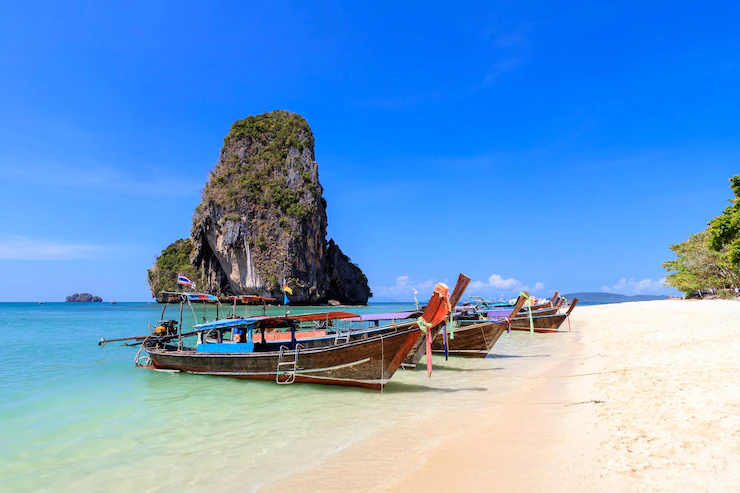
Phuket is an island off the southwest coast of Thailand and is one of the most popular tourist destinations in the world. The island is home to some of the most beautiful beaches in the world, with crystal clear water and soft white sand. 

Phuket also offers a wide range of activities and attractions, from markets and temples to water sports and elephant sanctuaries. 

In addition, the island has a delicious food scene, with a wide variety of Thai and international restaurants. With so much to offer, it’s no wonder that Phuket attracts travelers from all over the globe.

2. The Weather Is Perfect For Year-Round Travel

Phuket, Thailand, is a renowned tourist destination for travelers worldwide due to its prime location and weather conditions. Phuket is situated in Southeast Asia and is surrounded by the Andaman Sea. 

Its strategic location allows visitors to easily access other popular countries in the region, such as Vietnam, Laos, and Cambodia. 

Furthermore, Phuket has a tropical climate that experiences little variation throughout the year. The average temperature is around 30 degrees Celsius, and the rainy season occurs between May and October. 

This makes Phuket an ideal destination for those looking to escape the cold winter months. Overall, the prime location and weather conditions of Phuket make it a perfect destination for year-round travel. 

If you’re looking for a luxurious and relaxing vacation in Phuket? Look no further than a stay at one of the luxury hotels in Phuket! With stunning beaches, crystal clear waters, and plenty of activities and amenities to enjoy, you’ll never want to leave! A stay at a luxury hotel in Phuket is the perfect way to pamper yourself and enjoy all that this beautiful island has to offer.

3. There’s A Variety Of Activities To Enjoy (Both On Land And In The Water)

From  Bangkok to Phuket, renowned for its beautiful beaches and crystal-clear water. However, there is much more to this popular destination than just its stunning coastline. Phuket offers a wide variety of activities for travelers of all interests, making it one of the most popular tourist destinations in the world. 

From exploring the island’s lush jungle interior to enjoying the vibrant nightlife of Patong Beach, there is something for everyone in Phuket. And of course, no visit to Phuket would be complete without spending some time relaxing on one of the many beautiful beaches made famous by movies such as “The Beach”. With so much to see and do, it’s no wonder that Phuket attracts travelers from all corners of the globe.

4. Phuket Is Home To Some Of The Best Restaurants In Thailand

popular travel destinations

Phuket is one of the most popular travel destinations in Thailand, and it’s easy to see why. The island is home to some of the best restaurants in the country, serving up a delicious mix of Thai and international cuisine.

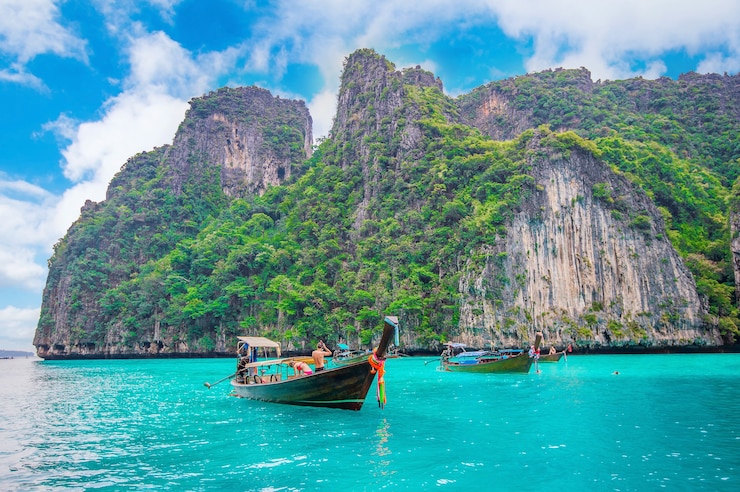
From fresh seafood to traditional curries, there’s something for everyone to enjoy. In addition to its culinary offerings, Phuket is also renowned for its stunning white sandy beaches, the saffron crystal clear waters, with luscious green jungle landscapes. 

Whether you’re looking to relax and rejuvenate or explore and have adventures, Phuket has everything you need for an unforgettable vacation. Even the Bangkok to Phuket bus services is also available and pretty affordable for tourists.

5. It’s Affordable Compared To Other Beach Destinations

Phuket, Thailand, is one of the most popular beach destinations in the world. Every year, millions of travelers flock to Phuket to enjoy its beautiful beaches, vibrant nightlife, and its affordable hotels and restaurants.

There are many reasons why Phuket is such a popular destination, but three stand out above the rest: its affordability, its accessibility, and its variety. Compare to the amenities, the Phuket package deals are also pretty attractive.

Compared to other beach destinations around the world, Phuket is very affordable. Hotels and restaurants are priced much lower than in places like Hawaii or the Maldives, making it possible to enjoy all that Phuket has to offer without breaking the bank.

Additionally, Phuket is very easy to get to from most major cities in Asia. direct flights are available from Bangkok, Singapore, Kuala Lumpur, and more. And finally, Phuket offers a wide range of activities and attractions for travelers to enjoy.

In addition to its beaches, Phuket also has a rich history and culture, as well as an exciting nightlife scene. Whether you’re looking for a relaxing beach vacation or an action-packed adventure, Phuket has something for everyone. 

6. The People Are Friendly and Welcoming

Phuket, Thailand, is a popular destination for travelers from all over the world. The island has a lot to offer, from its beautiful beaches and clear waters to its vibrant nightlife and delicious food. But one of the things that makes Phuket so special is its people.

The locals are incredibly friendly and welcoming, and they go out of their way to make sure visitors enjoy their stay. Whether it’s offering directions or recommending a good restaurant, they always go the extra mile to help.

As a result, travelers often feel like they’re part of the community rather than just another tourist. And that sense of belonging is one of the main reasons why Phuket continues to attract visitors from all corners of the globe.

7. Phuket Offers Something For Everyone

Phuket Offers

Phuket, Thailand, is a beautiful island that offers travelers a wide range of activities to enjoy. Whether you’re looking for a getaway or for an action-packed vacation, Phuket has something special with tropical vibes to offer to everyone.

The island is renowned for its stunning beaches, which are perfect for relaxation or water sports. There is also a wide range of cultural attractions to explore, including temples, museums, and historic buildings.

 In addition, Phuket offers a great selection of shops, restaurants, and bars, making it the perfect destination for a memorable vacation. With so much to see and do, it’s no wonder that Phuket attracts travelers from all over the world.

In Conclusion

Phuket, Thailand is one of the most popular tourist destinations in the world for a good reason. The island has something to offer everyone, from its beautiful beaches and clear waters to its vibrant nightlife and delicious food.

For more information on planning a trip to Thailand, be sure to check out Simply Thailand. They have all the information you need to make your vacation a success, including tips on where to eat and what to see. So what are you waiting for? Start planning your trip to Thailand today!

Read Also:

Share on Social Media

Arnab is a professional blogger, having an enormous interest in writing blogs and other jones of calligraphies. In terms of his professional commitments, He carries out sharing sentient blogs.

2 responses to “7 Reasons Why Phuket, Thailand Attracts Travelers Worldwide”

Leave a Reply

Your email address will not be published. Required fields are marked *

title-img Related

READ MORE Traveling With Children Essential Vaccinations For Young Adventurers

Traveling With Children: Essential Vaccinations For Young Adventurers

BY  Ankita Feb 13, 2024

Traveling opens up a world of adventure, especially for younger explorers. But before you book your tickets and board the plane, it’s important to know that proper immunization is critical to ensure your child's health and safety abroad. Are you equipped with the essential vaccinations for your young adventurer? Key Takeaways Vaccinations are critical for safe travel. A tailored immunization schedule is necessary. Proper administration and aftercare of vaccines protect young adventurers. Fundamental Concepts Of Vaccination When planning trips for young adventurers, it is crucial to understand how vaccines protect against diseases by boosting immunity, and the processes that ensure their safety and efficacy. Understanding Immunity And Vaccines Your immune system is your body's defense against infections. When exposed to disease-causing organisms, your body produces antibodies to fight the invaders. Vaccines are biological preparations that provide this immunity without causing the disease itself. They contain weakened or killed forms of the microbes or their parts, stimulating your immune system to recognize and combat the actual disease if you're exposed in the future. Types of Vaccines: Live, attenuated vaccines Inactivated vaccines Subunit, recombinant, polysaccharide, and conjugate vaccines Toxoid vaccines Common Vaccines for Kids: Measles, Mumps, and Rubella (MMR) Diphtheria, Tetanus, and Pertussis (DTaP) Polio (IPV) Hepatitis B Vaccine Development And Safety The development of vaccines is a rigorous process. It involves several stages of testing for effectiveness and safety before they can be approved by regulatory bodies such as the CDC and the American Academy of Pediatrics. After a vaccine is released, it continues to be monitored for adverse side effects. Vaccine safety is a priority, and side effects, when they occur, are mostly mild, such as a sore arm or low-grade fever. More serious side effects are very rare. You need to be aware of the recommended vaccine schedule for kids to ensure they are protected against preventable diseases during their travels and beyond. Vaccination Schedule And Recommendations It's crucial to adhere to recommended vaccination schedules for different stages of life to ensure protection against various diseases. Childhood Vaccination Guidelines Your childhood immunization schedule starts from infancy. The CDC and American Academy of Pediatrics (AAP) outline that infants should receive multiple doses of vaccines such as DTaP, which protects against diphtheria, tetanus, and pertussis. It's important to keep a record and follow up with your pediatrician to stay on track. Birth to 6 years Vaccine Schedule Summary: AgeKey ShotsBirthHepatitis B1-2 MonthsHepatitis B, DTaP, Rotavirus, Hib, PCV, Polio4 monthsDTaP, Rotavirus, Hib, PCV, Polio6 monthsHepatitis B, DTaP, Rotavirus, Hib, PCV, Polio12-15 monthsHib, PCV, MMR, Varicella4-6 yearsDTaP, Polio, MMR, Varicella Adolescent Immunization Needs As you transition into your teen years, additional vaccinations are necessary to maintain immunity. Adolescents should receive the Tdap vaccine, a booster for tetanus, diphtheria, and pertussis, typically around 11-12 years old. The HPV vaccine series should also begin at this age to protect against human papillomavirus-related diseases. 7-18 years Vaccine Schedule Summary: AgeKey Shots11-12 yearsTdap, HPV series start, Meningococcal16 yearsMeningococcal booster Vaccines For Specific Age Groups Young adults should ensure they are up to date with vaccinations, especially if they haven't completed the HPV vaccine series or haven't received a Tdap booster in their adolescence. As you age, vaccines like the annual influenza shot and potential travel-related vaccines become pertinent based on your lifestyle and destinations. Always consult with a healthcare professional to tailor your immunization plan to your specific needs and to assess whether you need any catch-up vaccines. 19-26 years Vaccine Checkpoints: Annual: Influenza As needed: HPV series completion, Tdap, Travel-specific vaccines (Hepatitis A, Hepatitis B, Typhoid, etc.) Protection Against Specific Diseases As you prepare for your adventures, ensuring you are vaccinated is a key step in protecting your health. This section covers essential routine and travel-related vaccines and guidance for disease outbreaks and seasonal vaccinations that are critical for young adventurers. Routine And Travel-Related Vaccines Your vaccination schedule should begin with routine vaccines that protect against common diseases. These include: Measles, Mumps, Rubella (MMR): A combined vaccine providing immunity to these three diseases. Diphtheria, Tetanus, Pertussis (DTaP): Protects against these bacterial infections; a booster is needed every 10 years. Polio: Typically given in childhood but check your status as it's vital for travel to certain regions. Varicella (Chickenpox): Important if you haven't had the disease in childhood. For hepatitis A and hepatitis B, vaccines offer long-term protection, particularly important in regions with higher incidence rates. As for travel-specific vaccinations, they depend on your destination: Yellow Fever: Required for entry into certain countries; check if it's necessary for your itinerary. Typhoid and Hepatitis A: Recommended for travelers to most parts of the world, including Southeast Asia. Vaccine Shots for Southeast Asia: shots for Japanese encephalitis and typhoid are needed, along with malaria pills for protection against the mosquito-borne disease. Rabies and cholera shots should be considered as well. Disease Outbreaks And Seasonal Vaccinations Be aware of disease outbreaks in your travel destinations. This requires staying informed about current health threats which may necessitate additional vaccinations or precautions. For seasonal vaccinations, the yearly flu shot is recommended for all travelers to maintain health and minimize disruptions to their plans. Additionally, consider vaccines for: Meningococcal disease: Especially if you're visiting areas where outbreaks are common or live in close quarters with others (e.g., hostels). Human papillomavirus (HPV): Recommended to protect against various cancers and diseases caused by HPV. Rotavirus: Particularly for young children, as this vaccine is part of the routine immunization schedule. Always consult with a healthcare provider or a travel medicine clinic well in advance of your trip to ensure you receive all necessary vaccinations for safe travels. Vaccine Administration And Aftercare Ensuring proper vaccine administration and managing aftercare can significantly enhance the benefits of immunization, such as reducing the risk of hospitalization due to vaccine-preventable diseases. Read Also: Bali Beyond The Beaches: Exploring The Hidden Gems Of The Island Preparing For Vaccination When preparing for vaccination, it is crucial to consult with your pediatrician to understand which vaccines are appropriate for your kid. Your healthcare provider will recommend the necessary doses, including if a booster shot is needed. For example, the COVID-19 vaccine regimen may consist of more than one dose. Make sure you are aware of: The vaccination schedule, including the timing between doses. Possible pre-vaccination requirements: such as an allergy test for severe allergic reactions. Managing Possible Side Effects Post-vaccination, it's common to experience minor side effects such as redness, pain, swelling, and soreness at the injection site. To manage these: Apply a clean, cool, wet washcloth over the area to alleviate discomfort. Use your arm regularly to improve blood flow and reduce pain. For side effects that persist or if you experience symptoms of a severe allergic reaction (e.g., difficulty breathing, hives, swelling of the face and throat), seek medical attention immediately. Keep in mind that the benefits of vaccines, like the prevention of serious illness, often outweigh these temporary discomforts. Conclusion Your children’s health is paramount. Adhering to recommended vaccinations significantly reduces your risk of contracting travel-associated illnesses. Stay informed, be proactive with their health, and consult healthcare professionals for appropriate vaccines before embarking on your travels. Read Also: Yachting In Dubai – A Memorable Experience 5 Reasons Why People Love Morning Desert Safari In Dubai? Unforgettable Moments In The Desert: Exploring Dubai’s Safari Trip

READ MORE Rocky Mountain National Park Trails

Rocky Mountain National Park Trails: A Complete Hiking Guide

BY  Sibashree Nov 11, 2024

It’s already fall, and the Rocky Mountain National Park Trails are adorned with the Aspen leaves’ glistening gold. Also, the dark green of the pine trees in the backdrop complements the dark red and orange of Alpine shrubs. Hiking through the park trails is the best way to explore the beauty of the USA National Park to the fullest. Further, the hiking trails come with varying difficulty levels. Some are also great for enjoying a walk with your furry friends.  Moreover, the trails are varied in their destinations. Some trails in the park will take you to beautiful waterfalls, and some will end at breathtaking summits and immersive lakes. Do you also want to hike and experience the park at its best? Here is a brief overview.  Hiking Through The Rocky Mountain National Park Trails: A Rocky Mountain National Park Guide  Rocky Mountain National Park has over 350 miles of hiking trails. Further, you will find a delightful activity in the park irrespective of your abilities.  However, you will need proper traction devices and a Rocky Mountain National Park map to remain safe during hiking. Moreover, you will need proper footwear with a treaded sole as the routes can be snowy and slippery.  With proper safety measures, it’s time for you to hit the waterfalls, summit, and lake trails.  Best Rocky Mountain National Park Trails To Waterfalls Rocky Mountain National Park is home to 31 waterfalls. Do you want to witness water cascading through rocky terrains? Hit any of the following trails in the park.  1. Granite Falls Trail  Trail Head: Green Mountain Trailhead parking area Trail Distance: 5.2 miles one-way Difficulty Level: Moderate You will pass through lush green meadows while hiking to Granite Falls Trail. However, the terrain is marshy here, and you must be careful as you explore the path.  Further, lodgepole pine, aspen, Engelmann spruce, and subalpine fir greet you throughout the trail. The elevation gain is 1,046 feet in the trail, and you must proceed carefully.  2. Chasm Falls Trail Trail Head: Old Fall River Road or Winter Closure Gate Trail Distance: 2 Miles (Round Trip) Difficulty Level: Moderate The Chasm Falls Trail will take you to a cascading beauty. With an elevation of just 640 feet, this trail is moderate to hike. Further, if the hiking trail from Old Fall River Road is closed, you can take the trail from Winter Closure Gate. Then, you will have to walk or bike for 2.2 Miles.  3. Adam Falls Trail  Trail Head: East Inlet Trail Distance: 0.6 Miles round trip Difficulty Level: Easy With an elevation of just 79 feet, the Adam Falls Trail is one of the easiest ones in the park. Adam Falls is small but excels in its quaint beauty.  If you want to be more adventurous, you can walk past the waterfall. A beautiful glacier valley will emerge before your eyes, and you will love the exuberance of wildflowers.  4. Cascade Falls Trail Trail Head: North Inlet Trail Distance: 3.4 Miles one-way Difficulty Level: Moderate to Strenuous (Expect changes in the difficulty level throughout the route) You will love the gurgling sound of the North Inlet stream water, and as it thrashes the pure granite stone, it’s a beauty to behold. This waterfall is 100 feet tall and forms a cascade, as the name rightly suggests.  You will meet the most adorable marmots As you continue your hike and pass through the open meadow. They are frequent to the winding river through the lodgepole pine forest. Further, you can stop here to fish river trout and brown trout.  Best Rocky Mountain National Park Trails To Lakes Great National Park has 156 lakes. Some of these lakes have dense trout populations. Further, areas near these lakes are great for spotting wildlife. So, let’s know about the lake hiking trails that lead us to these beautiful lakes.  1. Bear Lake Trail Trail Head: Bear Lake Trail Distance: 0.7 Mile Difficulty Level: Easy With mountains of the Continental Divide in the backdrop, Bear Lake Trail is one of the best locations in the park for watching the sunset. You will love the beauty of Hallett Peak, Continental Divide, and an Alpine lake here. Bear Lake is the epicenter of many hiking trails. You can start your hike to Alberta Falls, Flattop Mountain, Emerald Lake, and more from here.  2. Sprague Lake Loop Trail Trail Head:  Estes Park Trail Distance: 0.7 Miles round trip Difficulty Level: Easy Sprague Lake Loop Trail is the most accessible trail in the park. Wheelchairs are allowed here. So, patients with disabilities can also explore this trail.  You can stop at the benches and many lookouts throughout the trail to reflect on the beauty of nature. Further, you can see the mountain peaks along the Continental Divide.  Moreover, Sprague Lake is an amazing destination for spotting wildlife.  3. Mills Lake Trail Trail Head: Glacier Gorge Trail Distance - 5 Miles round trip Difficulty Level: Moderate to Strenuous  With a 700-foot elevation, the Mills Lake trail will take you through a gorge carved by glaciers, streambeds, and waterfalls.  The beautiful Mills Lake gets its name from Enos Mills, the founder of the Rocky Mountain National Park. Further, if you want to continue your hiking pursuit, you can walk to Black Lake, and that will be an additional 1.7-mile hike.  4. Gem Lake Trail Trail Head: Lumpy Ridge Trailhead Trail Distance: 3.4 Miles round trip Difficulty Level: Moderate to Strenuous  The expansive field of granite domes houses the Gem Lake. It is indeed a hidden gem and one of the biggest attractions in the area, along with Lumpy Ridge.  Gem Lake is shallow, and it has water of melted snow and rainfall.  5. Dream Lake Trail Trail Head: Bear Lake Trail Distance: 2.2 miles round trip Difficulty Level: Moderate to Strenuous  You must go for a steady ascent from Bear Lake to reach Dream Lake. The trail comes with an elevation change of 830 feet. Don’t miss the following highlights of this hiking route.  Nymph Lake Aspen Groves Ponderosa Pine The Nymph Lake looks most beautiful in summer, with pond lilies in full bloom. Further, you can use Dream Lake as the base and trek to the amazing Emerald Lake or Lake Haiyaha.  Best Rocky Mountain National Park Trails To Summits Despite the elevation gain of around 1000-3000 feet, the hiking trails to summits are very popular among visitors. The wonderful vistas from the mountain tops make the effort worth it.  1. Deer Mountain Trail Trail Head: Deer Ridge Jct Trail Distance: 3.1 miles one-way Difficulty Level: Moderate to Strenuous  The Deer Mountain comes with an elevation of 10,006 feet. Further, as you hike and reach the summit, you will enjoy the most beautiful view of Upper Beaver Meadows, Longs Peak, Estes Park, and Moraine Park. Be careful about the weather forecast before you start your journey on the trail.  2. Flattop Mountain Trail Trail Head: Bear Lake Trailhead Trail Distance: 8.8 miles round trip  Difficulty Level: Moderate to Strenuous  The trail from Bear Lake is the best way to reach Flattop Mountain, and this route is one of the trickiest ones in the park. However, if you cannot access the trail from Bear Lake, you can try the route to Flattop via Tonahutu Trail. Further, as you reach the Flattop Mountain summit, you will enjoy the beauty of Hallet Peak, Dream Lake, and Tyndall Glacier.  3. Chasm Lake And Longs Peak Trail Trail Head: Old Fall River Road or Winter Closure Gate Trail Distance: 4.2 miles one-way Difficulty Level: Strenuous  Chasm Lake, just beneath the Longs Peak, offers a spectacular view. You will come across Tundra meadows and Alpine tundra through the trail. Further, animals like pikas and marmots are common here.  As you reach the Chasm Junction and find an outhouse, you can hike along a wall to see Columbine Falls and Peacock Pool Gorge. After this point, the terrain becomes rocky, and you will need cairns to reach Cirque, the lake's location.  Mistakes You Must Avoid When Hiking Through Trails Of Rocky Mountain National Park Making a rushed trip to the Rocky Mountain National Park is the biggest mistake you can make. You can face severe issues like dehydration and acute mountain sickness here if you don’t allow your body to acclimatize or work on your physical and mental endurance. So, carry enough water or hydrating solutions and start your training under proper guidance at least one month before your Rocky Mountain hike.  Further, don’t think that you will always make it to the trails in your usual track pants or leggings. You have to wear hiking clothes as on many days, you will have no escape from the afternoon rain.  Rocky Mountains National Park At A Glance  Location: Colorado, USA Established: 26 January 1915 Highest Point: Longs Peak Area: 415 Square Miles How to Reach: Take a drive or shuttle from the Denver International Airport.  Also read Why Include Whale Watching In Your LA Itinerary. Traveling On A Budget: Tips For Affordable Adventures. From Cocktails To Kickflips: Must-Try Activities In San Diego.

READ MORE best time to visit Himachal Pradesh

Best Time To Visit Himachal Pradesh – Himachal Pradesh Guide

BY  Barsha Aug 17, 2022

Weather Conditions In Himachal PradeshMAR-JUNEOCT-FEBJUL-SEP22 - 37 degree Celcius0 - 15 degree Celcius15 - 25 degree Celcius The best time to visit Himachal Pradesh varies according to your preference. The best part about going to this beautiful state is that it looks different in different seasons - so whichever season you choose, you are kinda choosing the right destination! Scroll down and find out when you can visit Himachal Pradesh and what to expect from each season! Journey To The Dev Bhoomi: Best Time To Visit Himachal Pradesh! The land of Dev Bhoomi is best known for its picturesque landscapes, godly mountains, lots of comfort food, and every other ingredient that you need for some much-needed peace! Dotted with beautiful hill stations, tourists from all around the world visit Himachal every year, and there’s no reason why you should not! The best time to visit Himachal Pradesh would be between February to June, during Summer and Spring. You could also consider visiting this beautiful state during winter between October and February to experience snowfall. As every season unfolds, Himachal Pradesh changes colors, be it spring or winter, or even Summer. It honestly depends upon how you want to see this colorful land - are you looking for the best time to visit Himachal Pradesh for honeymoon, or are you looking for the perfect time you can travel to Himachal solo? Check out the tables below for a more comprehensive understanding of the Himachali seasons. Travel SeasonsMin/Max TemperatureWeather ConditionsMarch - June22-37 °CSunny days, pleasant nightsJuly - September15-25°COccasional thunderstormsDecember - February0-15°CCold, dry The best time to visit Himachal Pradesh also depends on when you want to go - do you want to hit the Dev Bhoomi during the peak season time? Or do you want to travel when it’s off-season in Himachal?  Peak Season: March - June Shoulder Season: November - February Low Season: July - September Exploring Himachal In Summer (March To June): Temperature: 22 - 37 °C Weather: Neither too cold nor too hot Months: March - June Summer in Himachal Pradesh is a soothing affair - the cold won’t bother you by sending shivers across your spine. Instead, it’s one of those times of the year when you can enjoy the cold while sipping on a hot cup of traditional Himachali tea by the hills. You know that feeling when the air conditioner is running, and you snuggle under the blanket? That is exactly how summer nights at Himachal feel! Are you looking for answers to questions such as ‘Himachal Pradesh best time to visit?’ - you can always opt for Summer considering you hate the excessive cold and want to spend a comfy time while traveling! The weather is great, but you know this season is also known for its own share of celebrations and festivities. Locals celebrate the Doongri Fair, also known as the Hadimba Devi Fair - the purpose? To celebrate the beginning of Summer! These local festivities are characterized by vibrant colors, blooming flowers, and lots of entertainment. Another great event that celebrates Summer in Himachal is the Summer Festival, which is held at The Ridge in Shimla every year. A 10-day event, the Summer Festival is known for handicraft exhibitions, fun sports activities, and folk dance performances - pet lovers, can even enjoy a dog show! Exploring Himachal In Monsoon (July To September): Temperature: 15 - 25 °C Weather: Monsoon with incessant rain Months: July - September Monsoon in Himachal Pradesh is all about petrichor with this rain-clad hamlet looking like a ‘breath of fresh air.’  The ‘freshly bathed streets’ and the smell of rain will greet you - think about the misty hills and quaint cafés, all patiently waiting for your arrival. Enjoy the magic of monsoon at Himachal and get lost in the beauty of the hamlet. While the earthy scent and lush landscapes will be enough to stunt your senses, a series of events will prevent the dampening of your spirits. The town of Chamba, for instance, celebrates the Minjar Festival in the months of July and August - the festivities are held for seven days and are mostly marked by grand processions. Locals visit the Laxmi Narayan Temple to offer both money and sweets as a prayer for a good harvest. The rains are beautiful, and they end up breathing life into the lush greenery that Himachal has to offer. If your best time to visit Himachal Pradesh is monsoon, then you must check out Kasol - spend hours by the side of the massive Parvati river, as the rain keeps creating a rippling effect on the water surface. Exploring Himachal In Winter (December To February): Temperature: 0 - 15 °C Weather: Snowy heaven Months: December - February Himachal Pradesh is a snow-lovers paradise in winter. If you want to experience the magical aura of snowfall in Himachal, then the best time to visit in Himachal Pradesh is this time! From indulgent snowball fights with your friends or family to walk through white streets while playing fun winter sports, winter in Himachal is a gift to all travelers out there - snowclad mountains, frozen lakes, crystalline ponds, and the landscape you will remember forever. The breathtaking beauty of Khajjar Lake is something you can’t miss out on during this time. Moreover, places like Manali and Shimla celebrate the onset of winter with the Winter Carnival - the ski slopes of Solang Valley and the winter sports activities of Rohtang Range are popular tourist attractions during this season. If you want to travel to Himachal during the winter, it’s a crazy decision considering the beauty during this time. You can also pay a visit to the Winter Queen contest a sort of beauty contest held in Manali. Frequently Asked Questions (FAQs): Check out the most frequently asked questions related to the best time to visit Himachal Pradesh mentioned below. 1. What Are The Top Places To Go To In Himachal Pradesh? Ans: The top places to go to in Himachal Pradesh are as follows,➼ Kinnaur,➼ Kasol,➼ Malana,➼ Dharamshala,➼ Solang Valley, and➼ Kufri. 2. What Is The Best Way To Plan A Himachal Trip? The best way to plan a Himachal trip is by following the itinerary mentioned below,➼ Day 1: Delhi to Shimla.➼ Day 2: Shimla to Kufri.➼ Day 3: Shimla to Manali.➼ Day 4: Manali to Rohtang Pass.➼ Day 5: Manali to Dharamshala. 3. Which Season Is Going To Himachal Pradesh? In Himachal Pradesh, winter begins sometime in October and lasts throughout February. Since December happens to be the coldest month of the year, there are several places in Himachal Pradesh during that time experiencing snowfall. If you want to enjoy the snowfall, then you must plan a trip in winter - places such as Shimla, Narkanda, Manali, and Kufri enjoy snowfall. 4. Which Is The Most Visited Place In Himachal? The most visited places in Himachal Pradesh are as follows,➼ Shimla,➼ Manali, and➼ Dharamshala. The Mountains Are Calling…And Himachal Is Waiting! The best time to visit Himachal Pradesh can vary depending on which season you prefer. Another factor that can influence your decision is whether you want to visit Himachal when everyone else is visiting or you prefer a smaller crowd. Himachal Pradesh is a huge state in terms of tourism because there’s so much to see, explore, and enjoy!  The best time to visit Dalhousie Himachal Pradesh will vary from the best time to visit another hill station in the same state. All you need to do is pick a time when you can see more, explore more, and naturally enjoy more. In the meantime, don’t forget to let us know your thoughts on the same in the comments below. Read Also: Exploring The Unexplored: Which Is The Best Time To Visit Darjeeling? What Are The Places To Visit In Meghalaya? – Travel Guide Top 5 Best Tourist Places In Coimbatore – Travel Guide