Are you a traveler at heart? Do you miss meeting new people, experiencing new cultures, trying new food, or having new experiences after being in one place for too long?
Of course, many people feel most at home at home, but what if traveling feels like home for you too?
What if the feeling you get while traveling blends nostalgia and melancholy?
I have been curious about people, cultures, and places since childhood.
Yet, over the last four to five years, I’ve had the time and financial independence to travel.
For me, it is important to experience different cultures and how people live in other parts of the world.
I mean countries beyond my own and places in my own country that I need to explore.
We are all shaped by different elements around us, whether natural or cultural. That is why some people love mountains while others are drawn to the sea!
Others look forward to exploring dense forests and trees!
These elements add layers to our personalities and push us to understand ourselves better over our lifetime.
Another important thing to remember is that it is not just about traveling, but also about doing things that make you enjoy your life.
So, let me share a holiday worth remembering with a four-day itinerary for Queensland, Australia. You will also learn a lot about what to do in Australia. This is what creating a perfectly planned holiday!
What Are The Types Of Travelers!
Many of you go on a trip to relax and enjoy the place, while for many of you, it is important to enjoy the hustle and bustle of a tourist destination.
For example, I like both a bit. I prefer a place depending on its vibe, so just as Brisbane offers vibrant chaos, O’Reilly offers peace, calm, and the beauty of nature.
It is all about how you feel at the end of the day! Every trip is different, and so are you. You have different expectations every time you plan a trip.
You also consider who you are going with and how it brings your true personality to the forefront.
I even created my survey based on traveler types because each person’s preferences are different.
Types of Travelers
Purpose
Thrill Traveler
Adventure seeker
Family traveler
Togetherness
Solo backpacker
Individual growth and contentment
The foodie
Trying new food
The Tourist
Trying new places
Luxury Traveler
Leisure and relaxation
Budget Traveler
Less money, more exposure
Romantic Traveler
Bonding with partner
Cultural Tourist
Experience diverse culture
How Do You Plan A Trip: What Are The People Saying?
So, I took a survey among a group of people, mostly my colleagues and some of my close friends, who I know love traveling or often travel.
I created this survey to learn the significance of traveling for people and the patterns they create.
I created a Google Form with ten multiple-choice questions because we know people need more time to give detailed answers.
I will make observations and analyze the responses of 20 individuals.
Of course, I added my personal experiences and perspectives because I am an avid traveler, too!
So, let’s get into the survey: how I formed the questions and what responses I received.
Observations
So, my first question was to find out why most of them travel. The common reason why most of them travel is that they “need a break from routine life”!
Most people feel the urge to travel because they are exhausted from their daily routine.
About 30% of people said they travel because they “love exploring new places”!
10% travel to experience diverse human interaction. I also offered another option, “professional requirements,” and none of them chose it.
My second question was how they decide on a travel destination.
55% of respondents said they visit places that have been on their bucket list for a long time.
30%, however, said they are mostly impulsive when planning a destination.
15% of responses leaned towards places to vacation that someone suggested.
So, it is all about places you already have thought of!
Then they answered what they love most about traveling! 65% of individuals believed that they wanted to explore new places.
15% of responses focused on experiencing a new culture, 15% said they traveled to meet new people, and 5% said they liked the food when traveling!
Evaluating the responses and exploring new places might suggest that most people have a wanderer within them.
Analysis: Travelers And Their Preferences
I asked them what they did not like about traveling, and 20% said they did not like packing luggage.
30% said they did not like the unexpected expenses they faced while traveling.
Whereas 10% said they did not like spending too much time planning the travel itinerary.
While most of the responses, 40% of individuals believed that they liked everything about traveling! Do you realize that this is a way for people to express how traveling rejuvenates them?
When I asked the next question about where they preferred to travel, about 60% said they loved mountains.
35% were okay with anything, be it the beach, mountains, or forests, and 15% wanted to travel to beaches.
There are mainly four types of trips: activities, adventure, romantic, and leisure.
45% of my respondents said they prefer adventure, while 20% travel and plan activities within it.
Also, 30% of individuals prefer leisure when they travel, while 5% want to go on a romantic trip!
So, most people are attracted to adventure. 40% of individuals think traveling adds satisfaction and contentment to our lives.
35% of respondents said traveling is about learning about places, cultures, and people. 25% of people think they gain diverse experiences from traveling.
When asked what kind of company they want when traveling, 40% said they want their partner.
25% want to hang out with their friends, 20% want to travel with their family, and 20% want to travel solo.
Finally, 40% of individuals see travel as relaxation and satisfaction.
30% think traveling is about going on an adventure and becoming a true wanderer at heart, while 30% want to make new memories.
My Plan Of Exploring Queensland
I am going to share the glamour of the Gold Coast with you! The southern end of Queensland has beautiful natural wonders and hidden gems.
Of course, I will remind you about the hidden gems and how the natural wonders will take your breath away!
I will show you how the itinerary I created will give you an amazing overall experience!
To do that, you’ll need to hit the road and experience some of the best places, coolest eateries, marvelous spots, and diverse cultures.
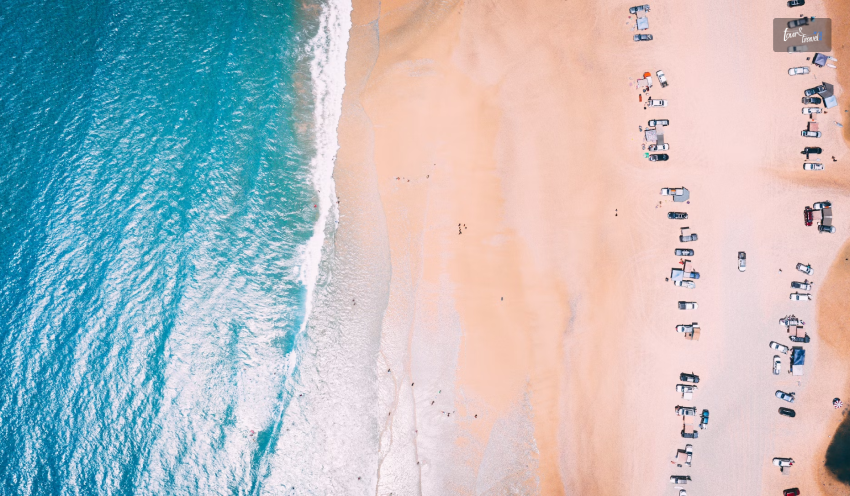
Let me create a vision for you, especially with loads of sand and sun!
When exploring Queensland, Indigenous experiences are important, especially when nature plays such a big role.
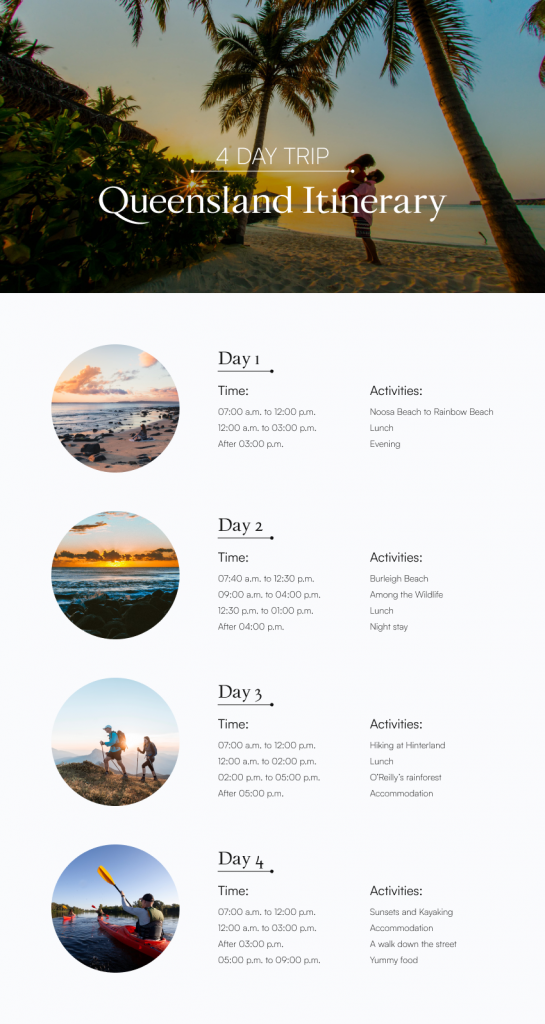
Day 1
Time: 7 a.m. to 12 p.m.; 12 p.m. to 3 p.m. After 3 p.m.
Activities: Noosa Beach to Rainbow Beach Lunch Evening
Day 2
Time: 7:40 a.m. to 12:30 p.m. 9 a.m. to 4 p.m. 12:30 p.m. to 1 p.m. After 4 p.m.
Activities: Burleigh Beach Among the Wildlife Lunch Night stay
Day 3
Time: 7 a.m. to 12 p.m. 12 p.m. to 2 p.m. 2 p.m. to 5 p.m. After 5 p.m.
Activities: Hiking at Hinterland Lunch O’Reilly’s rainforest Accommodation
Day 4
Time: 7 a.m. to 12 p.m.; 12 p.m. to 3 p.m. After 3 p.m. to 5 p.m. to 9 p.m.
Activities: Sunsets and Kayaking Accommodation A walk down the street Yummy food
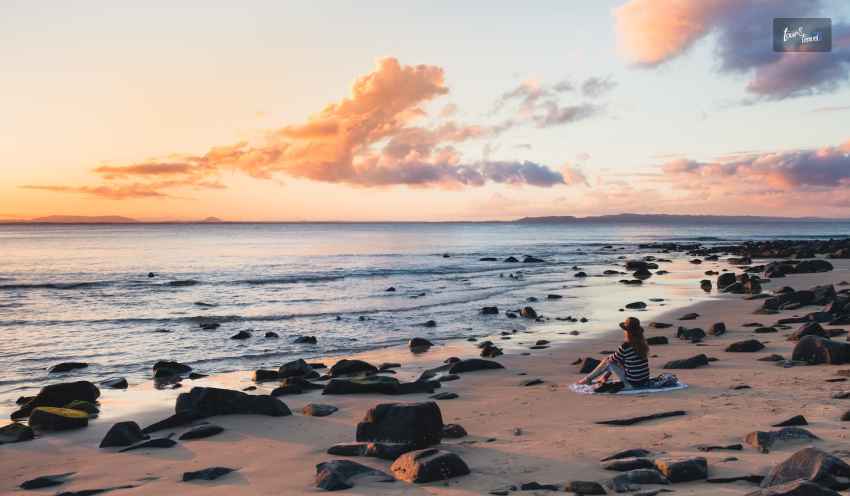
Day 1: Explore The Beaches: Noosa Beach To Rainbow Beach
When I plan a trip to Queensland, Australia, there are some places I must visit. You cannot miss the beaches in Australia!
Noosa Beach is one of them! If you don’t have a car, you can catch the Travel train from Brisbane and Gympie to reach Nambour or Cooroy.
Once you reach Nambour or Cooroy, you can hop on Sunbus, which will take you to Noosa!
Please visit translink.com.au to find rail and bus timetables.
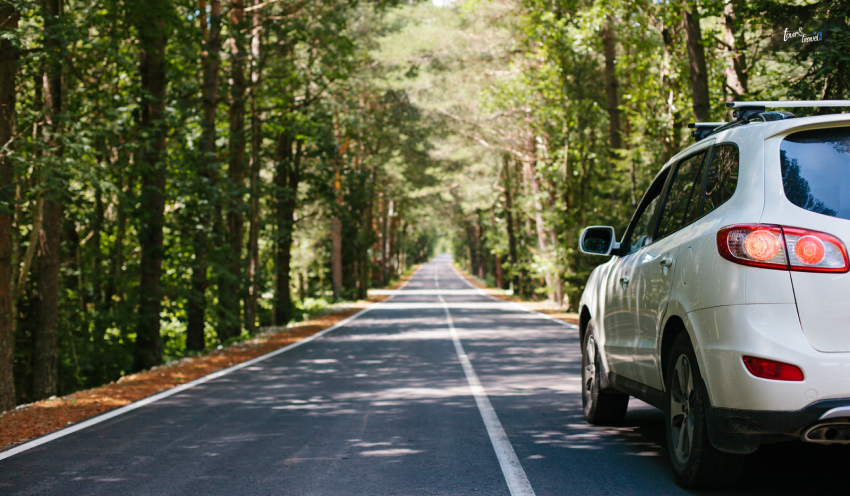
However, if you are planning a beautifully romantic road trip or an adventurous holiday, you can choose a 4WD vehicle.
Now, head to Noosa North Shore to start your trip!
Are you hungry already? Check out Bistro C for a hot cup of coffee and a delicious breakfast.
When you reach Tewantin, you will get a vehicle ferry to cross the Noosa River.
So you’ll need to eat beforehand, because there are no food options for the next 100 km (about 62.14 mi)!
You can take the third beach access road from there, which means you have officially started your vacation. Cheers mate!
A Stunning Drive
I am the kind of traveler who likes experiencing my surroundings as I go.
So I will tell you about the multiple pit stops in the sandy biosphere.
It is completely up to you where you stop! The first place you can stop is Teewah, a picnic spot under the vibrant hues and shadows of the sand cliffs!
Once you are done, keep going north via Leisha Track!
Double Island Point is in Great Sandy National Park and offers captivating views of the beach stretching out to sea.
You can access this point via Cooloola Beach, between Noosa and Rainbow!
If you are with your partner, why don’t you go up the Double Island Point lighthouse?
It is a romantic place that offers enthralling views of nature. You can also launch a canoe at Double Island Point from the northern beaches!
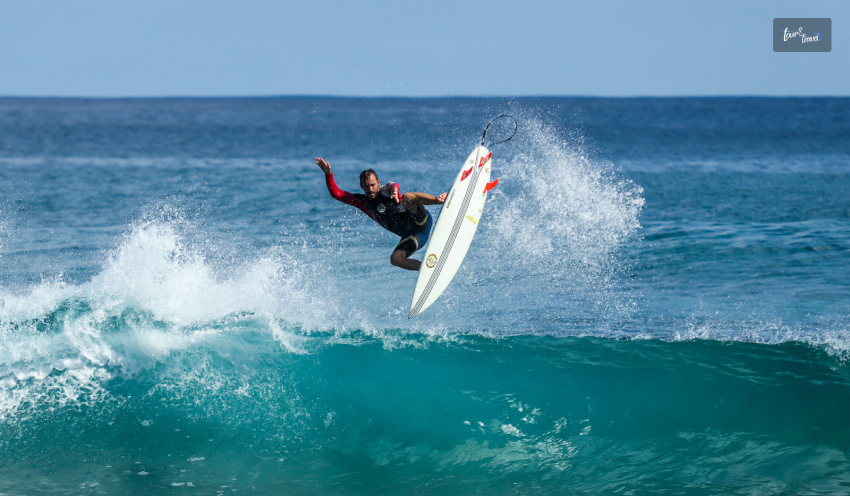
If you are more of an activity person, I have surf lessons on Australia’s Longest Wave and kayak tours at Dolphin View Sea, or you can check out Stand-Up Paddle Eco Tours.
After you reach Rainbow Beach, you will see a picturesque seaside town surrounded by towering sand cliffs.
The beauty that meets your eyes is ethereal, as the sand cliffs show more than 70 different colors.
Hog on that Lunch!
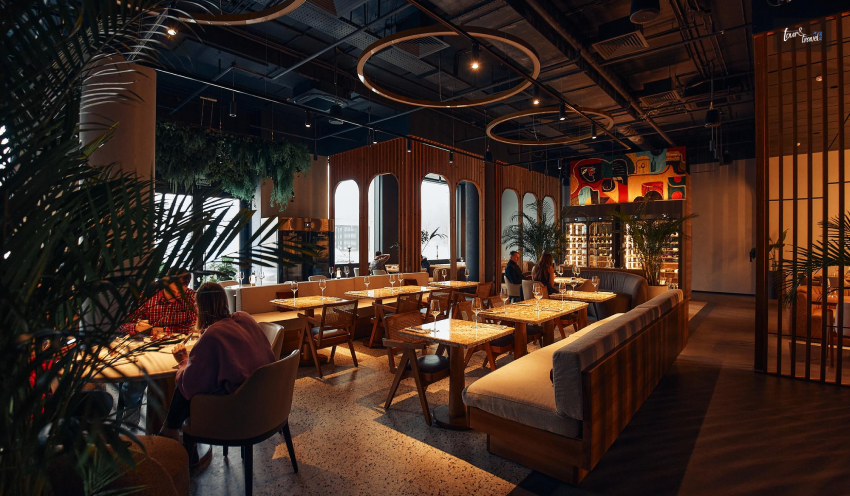
If you love the intense flavor, you must go to Arcobaleno on the Beach!
With a beautiful ambiance, this place does it right when it comes to pizza and pasta!
You can get the best wood-fired pizzas, along with zonzelle for dessert.
Don’t forget to visit Morans Falls; you can hear its thunderous cascade deep in the forest!
The cottage Rainforest Retreat is nestled deep inside the iconic Gold Coast hinterland, Australia, and is operated by third-generation O’Reilly family members.
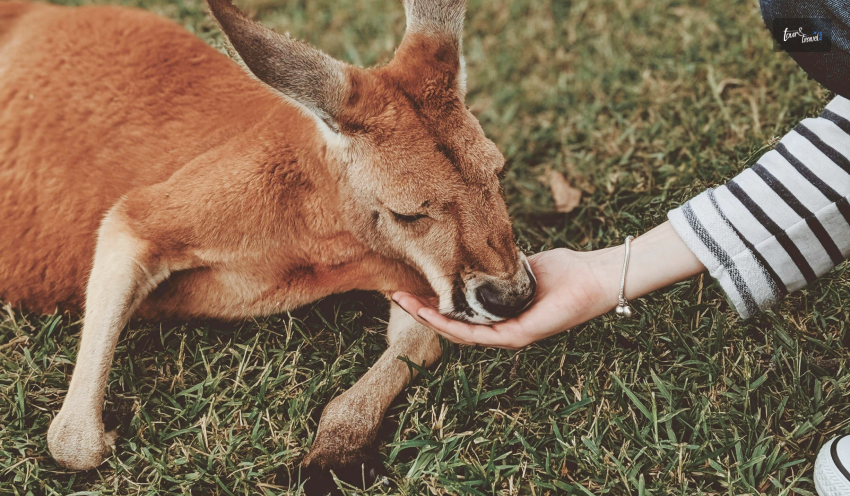
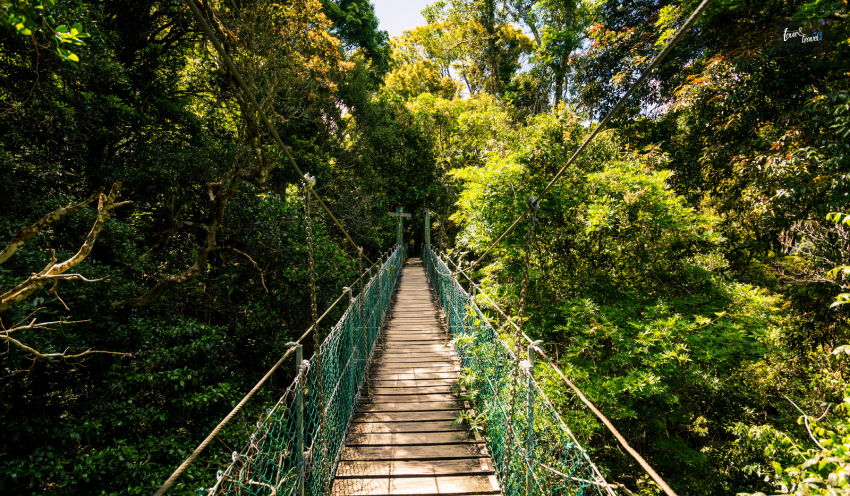
Guests can enjoy the popular Tree Top Walk, animal shows, and guided bird walks while staying at the Retreat.
A 25-meter wet-edge infinity lap pool and a World Day Spa offer classy experiences.
A sublime couples suite is also available for a romantic time.
Sleep peacefully in the beautifully designed villas after enjoying delicious food! Sweet dreams, you guys!
Day 4: Sunsets And kayaking In Brisbane
If you do not have a car, you can take a drop from O’Reilly Canungra to Brisbane Airport.
However, if you have been traveling through it for the past three days, it will take about two hours and two minutes to reach Brisbane Airport.
From there, continue to your accommodation.
Check in first to drop off your luggage, then plan the rest of the day.
You may also want to change into something more comfortable if you plan to go out and explore.
Accommodation
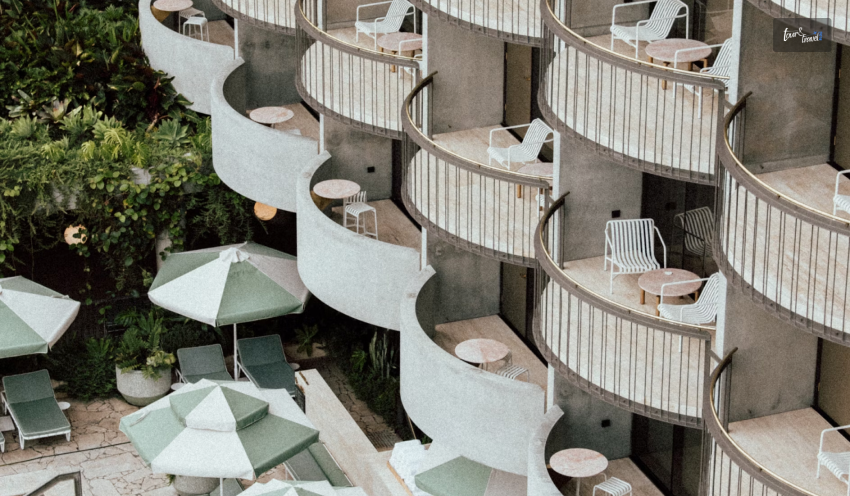
You can stay at The Calile; it is one of the best experiences of a friend who went on a trip last year!
It is a unique hotel. The interior is pale pink, beautiful, and aesthetic.
The room has golden fittings and a mini bar. It looks so beautiful you’ll want to take a mirror selfie in front of it.
One thing is for certain: the breakfast is delicious, with gourmet options and fresh produce, so please take it.
Now it is time to explore the most exciting city in Australia, with a diverse vibe that’s both trendy and laid-back.
I can assure you you will not feel overwhelmed, but the experience is unforgettable because there is always something to do!
A Walk Down The Streets
Several little laneways and streets are lined with beautiful art and sculptures.
You can experience art in Brisbane through the Gallery of Modern Art and other fascinating museums!
You can also enjoy local dishes at places like Lamberts Restaurant and Rogue Bistro.
For fine dining, try Moo Moo The Wine Bar + Grill and 1889 Enoteca.
For budget-friendly bites, visit Rogue Bistro and Spice Central Kitchen and Bar.
For bars and pubs, try Felons Brewing Company and Miss Demeanor.
The Food Options are Endless
Brisbane’s diverse range of trendy bars and cafes makes it so cool, especially when you can get fresh food and some of the best coffee.
You must visit Eat Street; it is one of the coolest places in Brisbane.
You only need to pay a small entry fee of $ 6 AUD to access the amazing food inside.
The place is open from 4 to 10 p.m. on Friday and Saturday, and from 4 to 9 p.m. on Sunday.
The experience is so fun because each section has entertainment and live music!
It is perfect to go with your partner or take your family, sit, eat, and watch or listen to music.
Then you can move on to the next section and experience something different.
If you don’t have a car, you can go via public transport. This is easy to navigate.
The food is delicious, phenomenal, and accommodating, and the staff is helpful and super friendly.
Sometimes, there are long queues on weekends, so if you are a tourist, be prepared to have the best experience on the weekend!
There is a huge selection of food outlets, such as:
Beer Asia
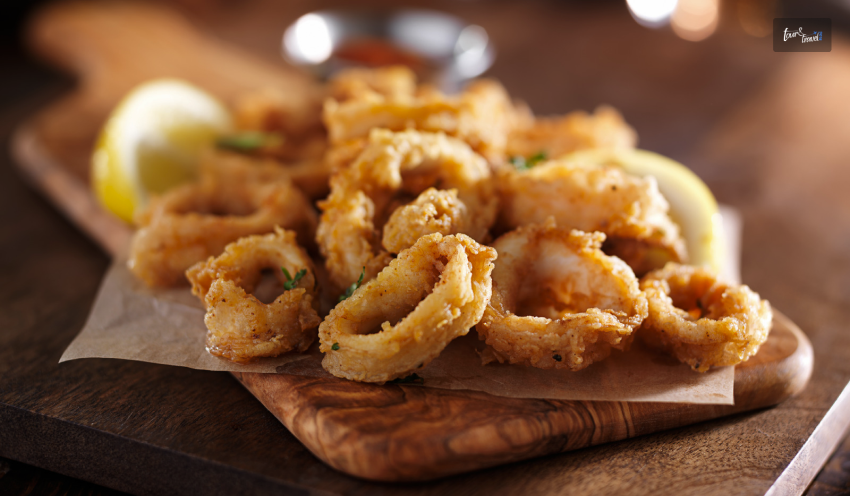
Calamari Me
Brownie Bar
Arancini Bros
Carcamo Gourmet Caramel Apples
Chips on a Stick
Churro Lab
Charcoal Hut
Corn Dogs
Dessert Depot
Diner Bar
Dutch De Lites
Fluffy Japancakes
Don’t Worry Eat Curry
Funky Dragon Dumpling
Japanese Pizza Kotetsu
Khao Sarn Thai
Las Catrinas
There are many more eateries around! You must check them out. Your weekend is sorted!
Brisbane Is A Vibrant Experience!
The sunset is epic, so either Kangaroo Point or Mount Coot are some of the best places to see it!
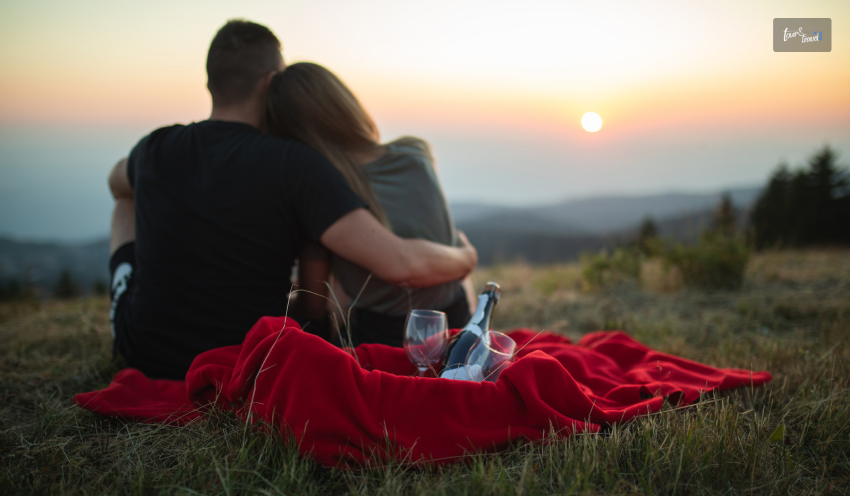
Pick up your picnic supplies, set up a special spot in one of these two spots, and enjoy the sunset with your family, partner, or friends.
You can also book a setup with an event organizer who will beautifully decorate your date and provide food!
They use rustic rugs, twinkling lights, and picnic baskets to make your experience comfortable and perfect.
You can either have a 3-course meal or a grazing platter.
This will be a truly memorable experience!
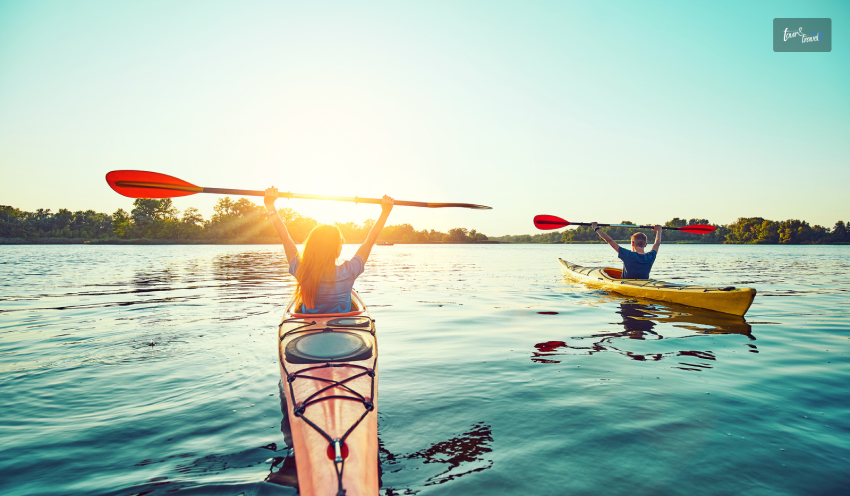
Another unforgettable experience is kayaking on the Brisbane River at night.
For people with an adventurous spirit, this activity is perfect.
When you go kayaking, you will be safe and secure.
This unique activity and experience are organized by Riverlife Brisbane, which provides you with a guide.
The guide is very supportive and tries to make the visitors as comfortable as possible.
There is also a beautifully organized BBQ dinner by the river.
The romance is literally dripping from the whole experience!
Considering Australia is known for its beaches, you must check out beaches in Melbourne and Sydney!
These are some of the coolest places in Australia you shouldn’t miss when planning your itinerary.
You Cannot Miss the Unique Food Culture of Queensland!
Queensland is not just about beautiful places and people but also about tickling your taste buds. The place is known for its protein products from Coral Trout, Spanner Crab, and Organic beef. It is difficult to catch Coral Trout.
Therefore, it is often tagged as the “fish of the day” across eateries’ menus instead of being a staple. The Spanner crab is a product with sweeter flesh, a staple in Queensland food culture. It is available in raw and cooked form from the trawlers in Moolooba. Fine-dining restaurants, namely Sum Yung Guys, serve this across the state!
If you want to check out places where organic farming is done, travel down to Channel Country. There, you will find grazing land of about three million hectares owned by the Brook family. They run the Birdsville Races, which pioneered OBE Beef. The beef is organic because no tick treatments or pesticides are used.
If you want to check them out, all you need to do is visit the Three Blue Ducks or your local organic butcher, who might stock OBE Beef. Some of the best food experiences in Queensland are from restaurants and eateries that combine flavour, local produce, and the talent of the chefs!
Birrunga Gallery and Dining, Brisbane
The First Nations-owned gallery and cafe in Brisbane is the only cultural hub blending experiences, people, food, and culture.
It’s a cafe by day; in the evening, it becomes a wine bar.
The cuisine gets an Australian twist, with native ingredients playing an important role.
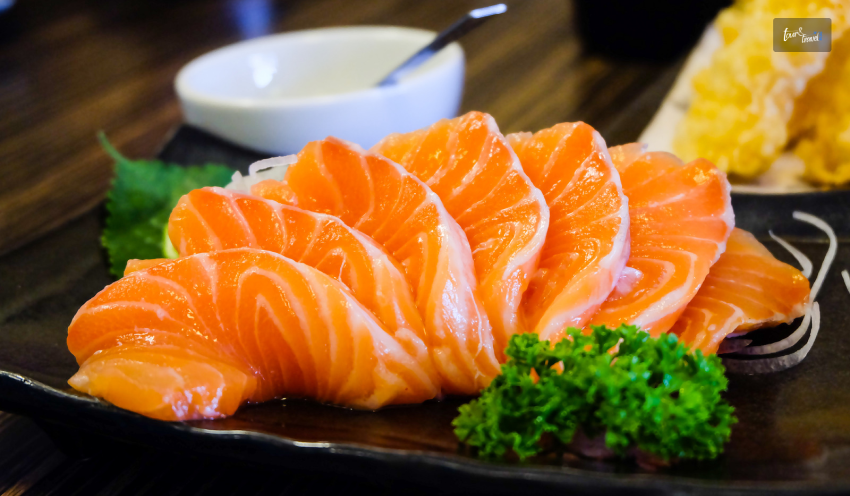
The feast includes crocodile bao buns, teriyaki-style barramundi, braised eggplant with saltbush jus, and kangaroo loin!
These dishes are part of the First Nations menu they offer.
You should go on weekdays if you are out for lunch, not dinner. You must make reservations on Thursdays and Fridays.
Saltwater Eco Tours, Sunshine Coast
This tour involves sailing on a heritage-listed vessel and experiencing a mix of cuisine and culture.
You will travel through the canals of Mooloolaba, gaining insight into the culture and history of the Kabi Kabi, or Gubbi Gubbi, people.
Along the way, you’ll taste native ingredients as you enjoy a five-course meal over two hours.
The canapes combine local Sunshine Coast elements, such as native spiced prawn skewers.
They are cooked in kangaroo tacos along with indigenous flavors!
You can enjoy them along with Aboriginal stories and music.
You will experience the magic of Indigenous culture alongside delicious food.
Desert Dreaming Center, Outback Queensland
Owner and operator Cheryl Thompson offers to share Indigenous culture through:
Aboriginal crafts and arts workshops,
Song and dance shows,
A cooking class.
If you attend this cooking class, you will experience the unique indigenous ingredients.
And It’s a Wrap...
To sum up, Australia is a country with diverse places, people, food, and culture.
When you visit, you will realize you can experience both the calm and the bustle.
It’s up to you to decide which experience you want to include in your trip.
I like both a little bit and have planned the 4-day itinerary accordingly.
I am sure, after reading my blog, you have realized by now that I am a foodie at heart.
So why does experiencing unique food help you create a memory stamp you can enjoy forever?
Comment on what type of vacation you are planning to Queensland, and does my plan help you in any way?
Sibashree is a travel, culture, and leisure writer who has been writing since the age of 12 and professionally since 2014. With more than a decade of travel writing experience and journeys across India and several parts of the world, she brings a deeply personal and thoughtful perspective to her work. A student of English Literature and Mass Communication, Sibashree has always viewed travel as more than movement — for her, it has been a way of understanding people, cultures, and herself. Her passion for spiritual exploration has also led her to many unusual and meaningful destinations over the years. Outside of writing, Sibashree enjoys watching European cinema, reading about global politics, and reflecting on the stories hidden within everyday places.
Do you want to travel without breaking the bank? Leeds offers affordable options for city breaks that let you discover new things.
We've compiled some ideas for ways Leeds is an inexpensive city destination for singles, families, and couples. It offers inexpensive nights out to the fascinating year-round calendar of festivities as part of Leeds 2023. Most museums and galleries in Leeds are free to enter.
Let's explore and find out the best things to do in Leeds.
Things To Do In Leeds
cloudfront.net
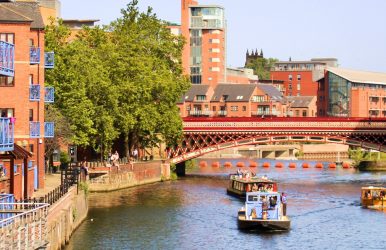
Leeds has gained a reputation in recent years as the liveliest city in the UK, with a broad and welcoming cultural scene. Leeds is a city full of culture, from venues and organizations that are breaking new ground to street art trails.
This is partially attributable to Leeds' abundance of museums and galleries, the majority of which offer free admission. A few of the best art galleries in the city may be found in the cultural district of Leeds, including the Henry Moore Institute, Leeds Art Gallery, Leeds Central Library, and Leeds City Museum, all of which are only a two-minute walk apart.
Leeds City Museum offers amazing exhibitions and artifacts that let you travel through time and experience amazing history. Leeds Art Gallery features exhibits of Victorian art, sculptures, paintings, and portraits. It also has one of the best exhibits of 20th-century modern art outside of London. The Henry Moore Institute, one of the biggest sculpture exhibitions in Europe, honors the art of sculpture. The Leeds Central Library holds a great collection of books from all over the world.
Things To Do In Leeds: Museums & Art
jaga.co.uk
There are always plays or other forms of entertainment in Leeds because of the city's outstanding theaters and touring companies. Leeds Grand Theatre - one of the UK's most stunning Grade II listed theaters - offers shows for as little as £15. This is home to Northern Dance and Opera North, the only resident dance and opera companies in the country outside of London. Some of the most well-liked Westend productions, including Sister Act, The Bodyguard, and Dirty Dancing, are also available online for a reduced price.
Do you need more excuses to visit? Leeds is hosting its Year of Culture in 2023, which makes it an extremely interesting year for the city. A calendar of events is planned for the entire year, all throughout Leeds, with the goal of "letting culture loose." There are countless options for events and activities that highlight the vibrant arts and culture of the city and its residents. Most events are either free or "pay as you feel."
Some of the highlights include 90 painters from throughout the city on display at Leeds Art Gallery. They will be showcased at the "The Leeds Artists Show" through April 30. Pay what you feel for "As You Are," a sound, walk-in musical experience designed by South African cellist Abel Selaocoe. It will be held for the Orchestra and Chorus of Opera North. There is still a lot to look forward to.
Things To Do In Leeds: Food & Cuisine
welcometoleeds.co.uk
Searching for a culinary-themed staycation? Leeds is the ideal place to be. The city, which is home to a booming independent food industry, has several cafes, bars, pubs, and restaurants. Leeds is the unofficial gastronomic capital of the North.
Not sure what you want to do? Visit Trinity Kitchen. Trinity Kitchen is a great spot to visit for lunch, supper, or even an afternoon snack. It features rotating street food vendors serving it all, from pizza to Pho. It has a laid-back, distinctive setting for you to enjoy lunch, dinner, or afternoon snack.
Kirkgate Market also has a similar street food setup. Kirkgate Market, where M&S first made its appearance, is currently the largest indoor market in Europe. Its recently renovated food hall is home to some delicious treats. There is the award-winning Manjit's Kitchen- a vegan Punjabi street food vendor. There is also Fat Annie's- an entirely plant-based restaurant serving American-inspired burgers and hot dogs. You must also visit the renowned Yorkshire Pudding Wrap Company to indulge in one of their delicious wraps.
Searching for new openings in the food and beverage industry? Leeds can take care of that. The brains behind Doh'nut, the greatest doughnuts in town, opened Things in Bread, a brand-new gourmet sandwich store right in the middle of the city center. You're onto a winner when you find traditional sandwich flavors made with premium ingredients and freshly baked bread.
Things To Do In Leeds: Parks & Greens
There are numerous ways to enjoy Leeds, so a trip to this city offers more than just the bustle of the city center. You can find some of the most breathtaking natural beauty in the UK beyond the nightlife, museums, shops, and restaurants.
Roundhay Park, a few miles outside the city center, has more than 700 acres of parkland, lakes, woods, and gardens. Get hot beverages and snacks from the on-site Lakeside Cafe. Visit the nearby Tropical World for a family-friendly island experience. In the desert, meerkats stand boldly, while exotic butterflies and birds are free to roam throughout the recreated rainforest habitat. Adult admission to Tropical World is £7.20, £3.80 for children, and kids under five enter for free.
One of the most well-loved tourist destinations in the city is the medieval ruins of Kirkstall Abbey. It is located just outside of the city. Tickets are £5 for the ruins and expanse of grounds to check out; children under five are admitted free of charge. The Leeds-Liverpool Canal runs alongside Kirkstall Abbey, so why not take a leisurely stroll down it first?
Things To Do In Leeds: Architecture & Heritage
travel-assets.com
Leeds is also an ideal starting point for discovering the splendor of the surroundings. The Yorkshire Dales National Park, which is home to some of Yorkshire's most famous landscapes and attractions, such as the Yorkshire Three Peaks, Ilkley Moor, Bolton Abbey, and the adjacent ancient towns of Harrogate and Knaresborough, is conveniently accessible from Leeds station.
The industrial towns of Yorkshire are also well worth a day trip. Nestled next to the Leeds-Liverpool canal, Saltaire is a UNESCO World Heritage Site. It's a great place to spend a leisurely afternoon strolling through its charming alleys or visiting the well-known Salts Mill. It's certainly worth the journey, with a magnificent variety of Hockney artwork, literature, flowers, cuisine, and 21st-century business, and free admission. When you take an inexpensive city holiday to Leeds, you may discover all of this and more.
Things To Do In Leeds: Lodging
nationalparks.uk
Book a stay at Art Hostel for consistently reasonable and distinctive lodging. It is the first establishment of its kind in the UK and the ideal spot to unwind after a strenuous day of sightseeing. Regional artists from East Street Art designed imaginative, reasonably priced, and distinctive lodging. It is a vibrant, artist-run company that spearheads avant-garde art initiatives and shows. The Art Hostel's themed rooms are all the product of the creative minds of Leeds-based artists working with regional artisans.
Wrapping Up
Leeds is a great place to take an inexpensive staycation in the UK because there is a lot to do there. The city is filled with events that do not break the bank. Use this guide to figure out how to spend your time here, whether you have 24, 48, or 72 hours.
If you have thoughts to share or questions to ask about things to do in Leeds, please leave a comment below. We would love to hear from you!
Read Also:
Brighton Bliss: Crafting Your Perfect Coastal Getaway Itinerary
Unmissable Urban Delights: Things To Do In Glasgow
UK City Hidden Gems: Things To Do In Manchester
If you’re here, then it’s settled: you’re a travel enthusiast. But what about Travel to Africa? Are you eager to explore the world’s richest continent, or are you looking to return for more unforgettable experiences?
To help you decide, here’s a rundown of 20 of the best places to travel in Africa in 2024, based on web data—with their history, unique features, and popular activities.
Ultimately, these are just a few of Africa’s top tourist locations for your bucket list!
The Best Places To Travel In Africa In 2026: The Top 20
Africa is the best place to travel in 2026. The continent offers amazing adventures, from beautiful deserts to exciting cities. Here are twenty top places that mix rich history with incredible wildlife safaris.
1. Serengeti National Park, Tanzania
Location: Arusha Region, Tanzania
First and foremost, the Serengeti National Park is one of the most well-known and iconic wildlife sanctuaries in the world.
It is one of Tanzania’s top National Parks.
Most notably, it is home to the annual Great Migration, one of the largest natural events on Earth, where millions of wildebeest, zebra, and gazelle travel across the Serengeti plains in search of new grazing land.
Unique and incredible things to do here:
Go on a safari to see the Serengeti's incredible wildlife, including lions, elephants, giraffes, cheetahs, and rhinos.
Visit the Ngorongoro Crater, the world’s largest caldera, which is home to a variety of wildlife. They include black rhinos, lions, and elephants.
Take a ride on a hot air balloon over the Serengeti plains for a bird’s-eye view of the Great Migration.
Interesting Facts & Figures
Over 500,000 people visit the Serengeti National Park each year.
It is Tanzania's most popular tourist destination.
Furthermore, the Serengeti National Park is a UNESCO World Heritage Site.
2. Victoria Falls, Zambia/Zimbabwe
Location: Mosi-oa-Tunya National Park, Zambia and Zambezi National Park, Zimbabwe
Moving forward, Victoria Falls is the largest waterfall in the world by the volume of water flowing over it. It is a UNESCO World Heritage Site and one of Africa's most popular tourist destinations.
Unique and incredible things to do here:
Take a helicopter or microlight flight over Victoria Falls for a stunning aerial view.
Go white-water rafting or kayaking on the Zambezi River below Victoria Falls.
Take a sunset cruise on the Zambezi River and watch the sunset over Victoria Falls.
White water rafting
Kayaking
Nature walks
Interesting Facts & Figures
Over 1 million people visit Victoria Falls each year.
It is the most popular tourist destination in Zambia and Zimbabwe.
Victoria Falls is also one of the Seven Natural Wonders of the World.
3. Cape Town, South Africa
Location: Western Cape, South Africa
Cape Town is one of Africa's most beautiful and vibrant cities.
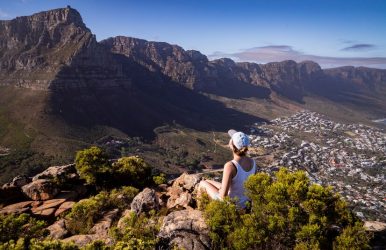
Tourists get the unique opportunity to explore iconic landmarks such as Table Mountain, Robben Island, and Victoria & Alfred Waterfront.
It is also an amazing idea for people with a business mind. Yes! You can also launch a business in Cape Town with some key considerations.
Unique and incredible things to do:
Take a cable car to the top of Table Mountain for stunning views of Cape Town and its surroundings.
Visit Robben Island, where Nelson Mandela was imprisoned for 18 years, and learn about South Africa's fight for democracy.
Take a walk along Victoria & Alfred Waterfront, a popular tourist destination with shops, restaurants, and entertainment venues.
Real tourist statistics:
To put its popularity in perspective, over 4 million people visit Cape Town each year.
It is the second most popular tourist destination in South Africa, after Kruger National Park.
Cape Town is one of Africa's most popular tourist destinations.
4. Pyramids Of Giza, Egypt
Location: Giza, near Cairo, Egypt
History: Built over 4,500 years ago, the pyramids are a testament to ancient Egyptian civilization.
The Great Pyramid is one of the Seven Wonders of the Ancient World. In 2021, Giza welcomed over 14 million tourists (Egyptian Ministry of Tourism and Antiquities).
Must-Visit:
Explore the Sphinx and Valley Temple.
Take a camel ride around the pyramids.
5. Kruger National Park, South Africa
Location: Limpopo and Mpumalanga provinces, South Africa.
For safari enthusiasts, Kruger National Park is one of Africa's largest and most popular game reserves. Established in 1898, it is one of Africa's oldest and largest game reserves.
For Safari enthusiasts, Kruger National Park is also one of the world's most popular safari destinations.
Over 2 million people visit Kruger National Park each year.
You’ll meet an incredibly wide variety of wildlife, including lions, elephants, rhinos, leopards, and buffalo.
Unique and incredible things to do here:
Go on a safari to see Kruger’s incredible wildlife.
Visit the Blyde River Canyon, the third-largest canyon in the world.
Take a ride on a hot air balloon over Kruger National Park and take in the stunning, breathtaking landscape from above.
6. Zanzibar Archipelago, Tanzania
Location: Off the coast of Tanzania
The Zanzibar Archipelago is a group of islands off the coast of Tanzania. Known for its spice trade, Zanzibar blends African, Arab, and European influences.
Zanzibar is a popular tourist destination known for its beautiful beaches, turquoise waters, and rich culture.
If you’re a scuba diver looking for greater experiences, by all means, visit Zanzibar.
Unique and incredible things to do here:
Go Scuba diving in Zanzibar and its sister Islands like Pemba Island. The region is one of the most popular scuba diving destinations in Africa.
Relax on Zanzibar's beautiful beaches and swim in the crystal-clear waters.
Visit Stone Town, the historic center of Zanzibar City, a UNESCO World Heritage Site.
Take a spice tour around Zanzibar’s colossal spice farms. Learn about some of the world’s most used spices and take special cooking lessons directly on the farms to discover the best of East African food.
Interesting Facts & Figures about Zanzibar
It is the second most popular tourist destination in Tanzania, after the Serengeti National Park.
Zanzibar is one of Africa's most popular beach destinations.
Over 500,000 people visit Zanzibar each year.
7. Chobe National Park, Botswana
Location: Chobe District, Botswana
Next on our list is Chobe National Park. It is one of the largest national parks in Africa and is known for its large elephant population. It is also home to a variety of other wildlife, including lions, hippos, crocodiles, and antelope.
Unique and incredible things to do:
Take a boat cruise on the Chobe River and see elephants swimming and bathing.
Go on a game drive and see Chobe's incredible wildlife up close.
Visit the Savuti Marsh, a unique ecosystem that hosts abundant wildlife.
Interesting Facts & Figures
Over 490,000 people visit Chobe National Park each year.
It is the second most popular tourist destination in Botswana, after the Okavango Delta.
Chobe National Park is a popular safari destination for tourists from all over the world.
8. Okavango Delta, Botswana
Location: Okavango Delta, Botswana
The Okavango Delta is a unique wetland ecosystem in Botswana. The Okavango River feeds it, flowing from Angola into the Kalahari Desert.
Moreover, the Okavango Delta is a piece of hot cake, famous for its variegated wildlife, including elephants, lions, hippos, crocodiles, and antelope.
Unique and incredible things to do here:
Take a mokoro boat ride through the Okavango Delta and see wildlife up close.
Visit the Moremi Game Reserve, a protected area within the Okavango Delta.
Ultimately, go on a helicopter safari and see the Okavango Delta from above.
Nature walks
Go camping at the 60 or so camps and lodges in the Okavango Delta. Make sure you choose the right tour guide for camping. Here are skills to look for in your tour guide.
Interesting Facts & Figures
Over 100,000 people visit the Okavango Delta each year.
It is Botswana's most popular tourist destination.
The Okavango Delta is a UNESCO World Heritage Site and is considered one of the most beautiful places in Africa.
9. Tsingy De Bemaraha National Park, Madagascar
Location: Menabe Region, Madagascar
People say Madagascar is the 8th continent, not for its Geographic isolation from Africa, but for its uniqueness– being home to some of the rarest animal species in the world.
So, if you’re curious about wildlife in the universe, by all means, visit Madagascar.
Moreover, the Tsingy de Bemaraha National Park is a UNESCO World Heritage Site known for its limestone karst formations. The stingy are sharp limestone pinnacles that can reach up to 40 meters in height.
Tsingy de Bemaraha National Park is a habitat for a wide range of wildlife, including lemurs, chameleons, and birds.
Must-do tourist activities here:
Hike through the Tsingy de Bemaraha National Park and see the incredible limestone karst formations up close.
Visit the Tsingy de Bemaraha Special Reserve, a protected area within the national park.
Go on a boat cruise on the Tsiribihina River and see wildlife from the water.
Interesting Facts & Figures
Over 87,000 tourists visit Madagascar and the Tsingy de Bemaraha National Park each year.
It is the most popular tourist destination in Madagascar.
10. Ngorongoro Crater, Tanzania
Location: Ngorongoro District, Tanzania
The Ngorongoro Crater is a UNESCO World Heritage Site and is the world's largest intact caldera. The crater is home to a variety of wildlife, including lions, elephants, rhinos, leopards, and buffalo.
Unique and incredible things to do:
First, go on a game drive through the Ngorongoro Crater and see wildlife up close.
Visit the Olduvai Gorge, a UNESCO World Heritage Site where early human fossils have been found.
Lastly, take a hot air balloon ride over the Ngorongoro Crater for a top view of the entire wildlife.
Interesting Facts & Figures
Over 600,00 people visit the Ngorongoro Crater each year.
It is a popular tourist destination for tourists from all over the world.
Here are your top 10 must-visit places in Africa for 2024! Add these to your bucket list.
11. Masai Mara National Reserve, Kenya
The Masai Mara National Reserve is one of the world's most popular safari destinations.
It is a haven for lovers of wild beasts and the Great Migration, an endless, majestic voyage of wild beasts —which cuts across Tanzania and Kenya.
On your safari tours, you’ll come close to incredible animals like lions, elephants, giraffes, zebras, and leopards.
Moreover, the annual wildebeest migration takes place between July and October.
Must-do tourist activities here in Kenya:
Go on a game drive through the Masai Mara National Reserve and see wildlife up close.
Secondly, visit the Mara Triangle, a protected area within the national reserve.
Go on a ride on a hot air balloon over the Masai Mara National Reserve for a bird’s-eye view of the wildlife.
12. Lake Malawi National Park, Malawi
Lake Malawi is the third-largest lake in Africa and one of the deepest lakes in the world.
It is also a UNESCO World Heritage Site, and UNESCO describes the National Park as an area decked with nature’s beauty and bounty, along with the rugged landscapes around it.
It contrasts with the lake's clear waters.
Lake Malawi is a popular destination for swimming, snorkeling, diving, and fishing. Speaking of fishing, the area hosts hundreds of varieties of cichlid fish. Not only that, nearly all the fish are endemic to that of the Lake Malawi.
Remember to practice sustainable fishing!
Must-do Tourist Activities on Lake Malawi National Park:
Visit Likoma Island, a beautiful island in Lake Malawi.
Go snorkeling or scuba diving in the clear waters of Lake Malawi and see a variety of marine life.
Take a boat trip on Lake Malawi and enjoy the stunning scenery.
13. Rainbow Mountains, Morocco
The Rainbow Mountains are a unique geological formation in Morocco. The mountains are made up of a variety of colorful rocks, which give them their name.
Moreover, the Rainbow Mountains are a popular tourist destination for photographers and hikers.
Here are some must-do tourist activities:
First, hike through the Rainbow Mountains and see the incredible colors of the rocks up close.
After that, you can take a photo of the Rainbow Mountains at sunset or sunrise to capture their magical colors.
You can also visit the nearby Berber villages and learn about the local culture.
14. Dogon Country, Mali
Dogon Country is a region in Mali known for its unique culture and architecture. People here are known for their cliffside villages and their traditional masks.
The Dogon Country is a popular tourist destination for people interested in learning about African culture.
Incredible things to do here:
Visit the Dogon people's cliffside villages and see their unique architecture.
Secondly, learn about the Dogon people's culture and traditions.
You can also see the Dogon people's traditional masks.
If you’re planning for International Travel in 2024, here are 9 great tips for a more authentic travel experience.
15. Simien Mountains National Park, Ethiopia
The Simien Mountains National Park is a UNESCO World Heritage Site known for its stunning scenery and population of gelada baboons.
Moreover, the Simien Mountains are also home to a variety of other wildlife, including mountain nyala, Walia ibex, and Ethiopian wolves.
Unique and incredible things to do:
Hike through the Simien Mountains and take in the incredible scenery, including Ras Dashen, the highest peak in Ethiopia.
Visit the gelada baboon population and see these fascinating creatures up close.
Lastly, take a photo of the Simien Mountains at sunset or sunrise to capture their magical beauty.
16. Dahab, Egypt
Location: Sinai Peninsula, Egypt.
Originally a Bedouin fishing village, now a popular diving destination. Dahab attracted over 1 million visitors in 2021 (Egyptian Ministry of Tourism and Antiquities).
Dahab is known for the Blue Hole, a renowned diving site that attracts thousands of scuba divers around the world.
Things you just can’t miss:
Dive or snorkel in the Blue Hole.
Explore the Desert of Sinai on a camel safari.
17. Etosha National Park, Namibia
Etosha National Park is a large national park in Namibia, known for its salt pan, one of the largest in the world.
The park has become Namibia's top tourist attraction, with more than 140 000 visitors recorded annually.
Beyond the salt pan, Tourists visit Etosha National Park to experience a diversity of wildlife, including lions, elephants, rhinos, and giraffes.
Unique and incredible things to do:
Visit the Etosha salt pan and see the animals that come to drink from the waterholes.
Go on a game drive through the Etosha National Park and see wildlife up close.
Visit the Okaukuejo waterhole and see the animals that come to drink at night.
18. Addo Elephant National Park, South Africa
Addo Elephant National Park is one of South Africa’s proud National Parks, reputed for hosting arguably the largest population of elephants in the world.
If you’re a fan of these giant creatures, you should be visiting South Africa’s Addo Elephant National Park in 2024. About 120,000 people visit this park every year.
The park is also home to a variety of other impressive wildlife, including lions, rhinos, and buffalo.
Things you can’t miss here:
Go on a game drive through the Addo Elephant National Park and see elephants up close.
Visit the Shamwari Game Reserve, a private game reserve within the Addo Elephant National Park.
Take a helicopter safari over the Addo Elephant National Park and see the wildlife from above.
19. Bwindi Impenetrable National Park, Uganda
Location: Southwestern Uganda, at the junction of the plain and mountain forests.
Just realized we haven’t talked about Gorillas so far. Thankfully, there’s the Bwindi National Park, which is popular for the 400 Bwindi Gorillas and Mountain Gorillas.
Bwindi Impenetrable National Park is known for its exceptional biodiversity, with more than 160 species of trees and over 100 species of ferns. It is also home to many types of birds and butterflies.
Impenetrable National Park is a UNESCO World Heritage Site and is home to the largest population of mountain gorillas in the world.
Stuff you can’t miss here:
Go on a gorilla trekking tour and see mountain gorillas up close.
Visit the Mubwindi Swamp, a unique ecosystem within the national park.
Take a hike through the Bwindi Impenetrable National Park and enjoy the stunning scenery.
20. Kilimanjaro, Tanzania
Location: Kilimanjaro Region, Tanzania
We’re ending the list with a place that’s known as Africa’s roof – Kilimanjaro. A dormant volcano, Kilimanjaro is Africa's highest peak and attracts around 50,000 climbers/hikers each year.
As you hike the largest free-standing mountain in the world (20,000 ft), you’ll experience multiple climatic zones, from tropical rainforest to arctic ice cap.
Visiting Kilimanjaro is different from hiking other mountains in the world, such as the Seven Magic Mountains in Vegas, because almost every variant of the ecological system is found on the mountain.
Not only that, but they are also found in the rainforest, heath, moorland, alpine desert, cultivable lands, and an arctic summit.
Did you know?
Nearly every climber who has summited Uhuru Peak has recorded his or her thoughts about the accomplishment in a book stored in a wooden box at the top.
Activities you can’t miss here:
Trek to the summit for a sunrise view.
Explore the diverse flora and fauna along the trails.
Need help planning your trip to Africa? Check out our Top planning tips for your next trip abroad.
Read Also:
Maldives’ Luminescent Secret: The Mesmerizing Sea Of Stars!
The Stairway To Heaven Hawaii: Hiking Adventure’s Hidden Gem
Walking On Sunshine: Exploring The Magic Of Vietnam’s Golden Hand Bridge!
Kenai Fjords National Park is a place rich in biodiversity.
Like the Dry Tortugas National Park, it also harbors a diverse marine ecosystem and a wide range of birds.
Further, it is an elusive land of glaciers, icy lands, rocky mountains, and green canopies.
It is also the park where you can take part in activities like hunting, fishing, petting at Exit Glacier, boating, and kayaking.
However, the most fascinating activity to do here is watching wildlife.
Here, I will be your guide in finding out how the wilderness comes alive at Kenai Fjords National Park.
Exploring Kenai Fjords National Park Wildlife
The Kenai Fjords National Park has one of the highest footfalls among the national parks of America.
In 2023, 387,525 people visited this National Park thanks to its wildlife and the most dramatic landscape with glaciers, mountains, ocean, and valleys. (Source)
Further, the Alaska Department of Fish and Game explains why and how the geographical features of the National Park make it rich in wildlife and biodiversity.
Also, about the habitat, it says,
“The park contains shallow bays and estuaries, and deeper marine habitats.
Regional currents drive nutrients into outer Resurrection Bay, making that area especially rich in fish and an early location for spring bloom of plankton and algae.
Cliffs and rocky shores create nesting sites for birds and haul-out areas for marine mammals.”
Do you want a slice of wildlife at this park where whales and mountain goats cohabit in the most amazing way?
So, let’s explore.
However, if you are more interested in amphibians and reptiles, the Everglades National Park will be your go-to destination.
Whales At Kenai Fjords National Park Wildlife
Watching the whales is one of the best activities to do at Kenai Fjords National Park.
So, you can see the whales here throughout the year.
Also, the table below presents a sneak peek into the different species of whales and their best viewing time.
Type of Whale Best Viewing Time Humpback Whale Mid-May to August Orca or Killer Whale Mid-May to June Gray Whale Mid-April to May Fin Whale May to September
You can easily spot whales on the surface of the water.
Also, as they spout, fluke dive, breach, or spyhop in the water, you will get to know about their playful nature.
The National Oceanic and Atmospheric Administration (NOAA) ensures that cruising companies and visitors maintain respectful behavior when they are on whale-watching trips.
Other Sea Mammals At Kenai Fjords
Kenai Fjords is home to many sea mammals along with various species of whales.
Don’t forget to catch a glimpse of Dall’s Porpoises, harbor seals, sea otters, and sea lions.
Dall’s Porpoise
Dall’s Porpoises look like orcas but are faster.
They eat lanternfish, octopus, and squid.
Harbor Seals
You will find these cute sea mammals resting around active glaciers.
They also stay on ice floes.
They love to eat shellfish and fish.
Sea Otters
You will spot the playful sea otters swimming on their back in the water.
They love fish, crabs, sea urchins, and squids.
They are furry, and the funniest thing is to see them using their bellies as tables.
For sure, you will want to grab a soft toy version of these sea mammals.
Stellar Sea Lions
Steller sea lions are an endangered species, and they stay on the icy shore of the sea.
They have reddish fur, and they are 6-8 in height.
These mammals survive on fish and mollusks.
Birds At Kenai Fjords
From the NPS archive, a historical document on Kenai Fjords National Park says,
“Kenai Fjords provides habitat for at least 191 species of birds.
The black oystercatcher spends most of its time feeding in the rich intertidal zone.
Tufted and horned puffins nest in rock crevices along the coast.
Bald eagles patrol the waters in search of salmon and other fish.”
It’s time we meet the birds and learn briefly about them.
Horned Puffins
These beautiful birds have unique black horn-like markings over their eyes.
The touch of red on the tip of their beaks further makes them easily distinguishable.
You must visit the Kenai Fjords from mid-May to August to catch a glimpse of these birds.
Bald Eagles
You may catch bald eagles preying on fish and waterfowl.
They get their name from their white-feathered head.
Peregrine Falcons
Known for excellent hunting abilities, peregrine falcons have a vibrant touch of yellow around their eyes and on their beaks.
Along with these birds, you can also see birds like the common murre, black-legged kittiwake, and cormorant at Kenai Fjords National Park.
Land Mammals At Kenai Fjords
Mountain goats and brown and black bears are common at Kenai Fjords.
The mountain goats have split hooves for a better grip on the mountains and on the snowy land.
Further, many people visit the Kenai Fjords only to meet black and brown bears.
These bears love eating fish, berries, and other vegetation.
The Kenai Fjords National Park Is Changing Continuously
Global temperature changes and glacier melting have challenged the vast wilderness at Kenai Fjords National Park.
Further, the movements of crustal plates beneath the Earth's surface make the landscape and its ecosystem volatile.
So, there is nothing permanent about the animals found in this park, which stretches over 1000 square miles of water and land.
Also, it is impossible to know about all the species inhabiting this area thanks to the geographical nature and dramatic differences in weather conditions across seasons.
Nevertheless, as you take a tour of this rich national park on a cruise or explore its various parks, make sure to abide by the safety norms.
Respect nature and its inhabitants!
This is the best way to experience the natural abundance the park is known for.
Do you have plans to visit the Kenai Fjords anytime soon?
What do you find the most amazing thing about it?
Don’t forget to share your ideas with us!
Wildlife At Kenai Fjords National Park: FAQs
What Animals Can You See In Kenai Fjords National Park? Kenai Fjords wilderness is vivid. As you take a cruise trip or explore the National Park, you will notice the seals first, comfortable on the floating ice in the sea. Further, the male and female sea lions make their presence felt on the icy seashore. Kenai Fjords is home to many notable species of marine and land mammals. Also, you will find various birds here. Whales, sea otters, Dall's porpoise, gray wolves, minks, and mountain goats are common animals here. Birds such as puffins, bald eagles, and peregrine falcons will greet you as you visit this beautiful national park. Can You See Bears In Kenai Fjords National Park? Located at the edge of the Kenai Peninsula, Kenai Fjords has black and brown bears. Black bears are easily spotted, and they are more timid than brown bears. The National Park Service has a set of safety guidelines, including not attracting bears with food and garbage and avoiding their personal space. Follow the norms to make your interaction with the bears delightful. Can You See Northern Lights In Kenai Fjords National Park? Yes, you can see the Northern Lights in Kenai Fjords National Park during the autumn and winter seasons. The night sky of Kenai Fjords looks like the most amazing mélange of green, purple, blue, and green shades. If you are a religious soul, you must visit the Virgin Mary Russian Orthodox Church with the Northern Lights dancing in the sky. It’s the most divine experience. For a spiritual journey, watch the lights over the Seward boat harbor. When To See Whales In Kenai Fjords National Park? You can see whales in Kenai Fjords National Park throughout the year. However, if you want to watch a specific species of whale among the varieties seen here, you must plan a trip according to the right season. The best time for watching gray whales is March and April. In these months, gray whales migrate to this part of the world through the Gulf of Alaska. Do you want to watch the humpback whales? You can see them from May to October. They flock in large numbers from Mexico and Hawaii. They live in the water here, as they can find nutrient-rich food for them throughout the summer. In addition, orcas, or killer whales, are seen in mid-May and June. Moreover, if you are lucky enough, you will also see minke whales and fin whales in this area. What Is Special About Kenai Fjords? Your Alaska trip is incomplete without a visit to Kenai Fjords National Park, where you can see the best of the marine world.Also, it is home to Northwestern, Aialik, and Holgate tidewater glaciers. Glaciers move relentlessly into the sea. Further, it is the most picturesque landscape where mountains, an ancient icefield, valleys, cascading falls, forest canopies, and the great Pacific Ocean coexist. Thanks to this coexistence, Kenai Fjords National Park is rich in biodiversity. You will find humpback whales, sea otters, mountain goats, and many species of birds in the National Park. Designated as a National Park in 1980, Kenai Fjords National Park also protects various archeological and historical remains. The park has many prehistoric, protohistoric, and historic sites. Archeologists still conduct surveys in this park to learn more about the human way of living and why it has changed over the years.
Also read
Things To Do In Rocky Mountains National Park.
Top 10 National Parks In Oregon That You Need To Explore In 2023!
What Is The Best Time To Visit Glacier National Park? Find The Answer Here!











 Related