

Family Fun In The Gulf Of Mexico: Beaches, Boating, And More

Oct 31, 2023

Last Updated on: Nov 18, 2024

Travel Guides

Statistics show that American travelers are likely to make 1.94 billion domestic leisure trips by the end of this year. One area that is quite popular is the Gulf of Mexico. Nestled along the southwestern corner of the United States lies an idyllic stretch of coastline. It draws families searching for memorable sun-filled adventures and lifetime memories. 

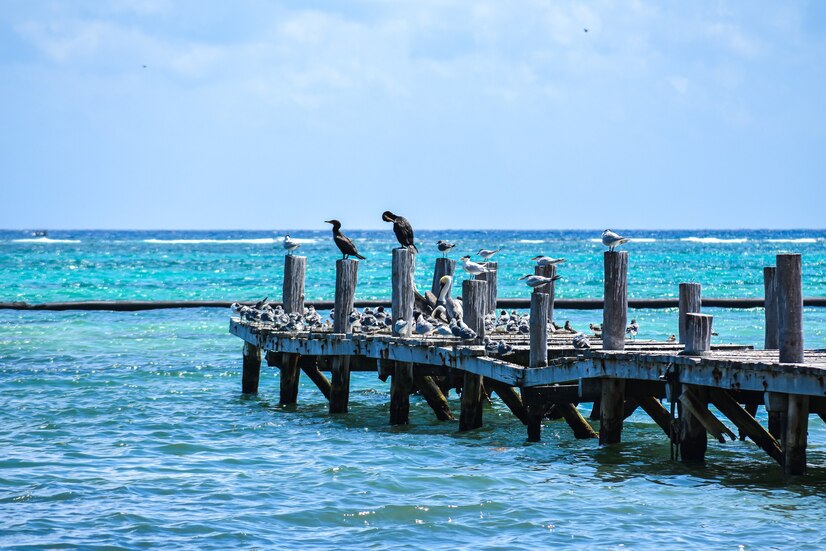
The Gulf of Mexico, with its shimmering turquoise waters and warm sandy shores, serves as an oasis for beachgoers, nature explorers, beachcombers, and water enthusiasts alike.

From Port Aransas beaches to Gulf Shores attractions and Biloxi’s hidden gems, here is your gateway to family fun in the Gulf. Join us as we discover everything this coastal paradise has to offer. We have with us activities like building sandcastles to embarking on exhilarating boating adventures.

Port Aransas: A Beach Lover’s Haven

Port Aransas

Port Aransas, situated on Mustang Island, is known for its charming coastal town feel and 18-mile pristine shoreline. It is often called the Texas Treasure. It is renowned as an inviting and family-friendly vacation spot along the Gulf of Mexico shores. Port Aransas makes for an excellent coastal retreat getaway.

As soon as you step onto Port Aransas’ powder-white sands, you’ll understand why this town is such a gem. Beach lovers will find plenty of space here for building sandcastles, flying kites, and playing beach volleyball, not forgetting the calm waves that make swimming enjoyable. And if you’re lucky enough, you might even spot dolphins swimming nearby.

If you’re planning a visit to Port Aransas, Texas’ charming coastal town, your trip must be carefully orchestrated. Start with finding accommodation that perfectly meets your preferences. Due to its immense popularity during peak vacation seasons, Port Aransas can quickly become overrun. 

As such, beginning an early search for the best Port Aransas vacation rentals is crucial to ensuring a relaxing and stress-free stay. By booking in advance, you ensure a comfortable and enjoyable place. It also makes sure that every aspect of the Port Aransas experience can be maximized during your stay there.

Boating Adventures: The Heart of the Gulf

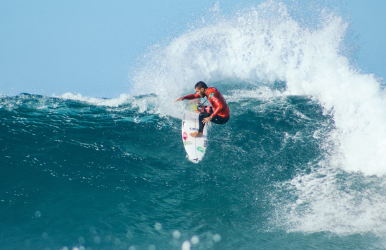
One of the quintessential Gulf of Mexico experiences is taking to the water for a boating adventure. The Gulf’s calm and clear waters make it a prime location for all types of waterborne activities. No matter if it is sailing, jet skiing, kayaking, or taking part in any aquatic recreational activities, the Gulf offers limitless aquatic adventure.

Are you seeking an unforgettable maritime adventure? For an experience like no other, take the plunge and discover the Gulf’s plentiful islands, bays, and inlets. A visit to the Florida Keys gives snorkelers and scuba divers the chance to dive or snorkel across its vibrant coral reefs, teeming with aquatic life. You can even swim alongside turtles and tropical fish in the clear, warm waters.

Families interested in history will find visiting the USS Lexington museum in Corpus Christi an unforgettable experience. This World War II aircraft carrier provides visitors with the chance to explore its vessel. They can learn its story, and try their hand at flying an aircraft using the flight simulator.

Biloxi, Mississippi: A Hidden Gem

Biloxi, Mississippi, stands out as an often-overlooked gem in the Gulf of Mexico. It boasts expansive white-sand beaches, lively casinos, and an impressive history. Biloxi makes an attractive option for families searching for an all-encompassing vacation experience.

Biloxi’s beaches are an outstanding feature, providing the ideal setting for relaxation, beach games, and water activities.

But the city’s lively atmosphere extends beyond the shoreline, with world-class casinos offering entertainment, dining, and gaming options for adults. If you’re traveling with older kids or a multigenerational group, Biloxi is an excellent choice for its diverse entertainment offerings.

For a touch of history and culture, the Ohr-O’Keefe Museum of Art is a unique attraction, housing contemporary and historical artwork and architecture. The Biloxi Lighthouse, another historical landmark, provides an opportunity to learn about the area’s maritime history and enjoy panoramic views of the Gulf.

The Alabama Gulf Coast Zoo

The Alabama Gulf Coast Zoo

The Alabama Gulf Coast Zoo is an essential stop for families in Gulf Shores, Alabama, looking for a fun-filled combination of education and entertainment. This world-class zoo provides visitors with an unforgettable experience by bringing animals from around the globe closer to them so that they can observe them up close. From playful lemurs to majestic lions and curious kangaroos, the Alabama Gulf Coast Zoo’s immersive exhibits give visitors a greater understanding of animal kingdom marvels.

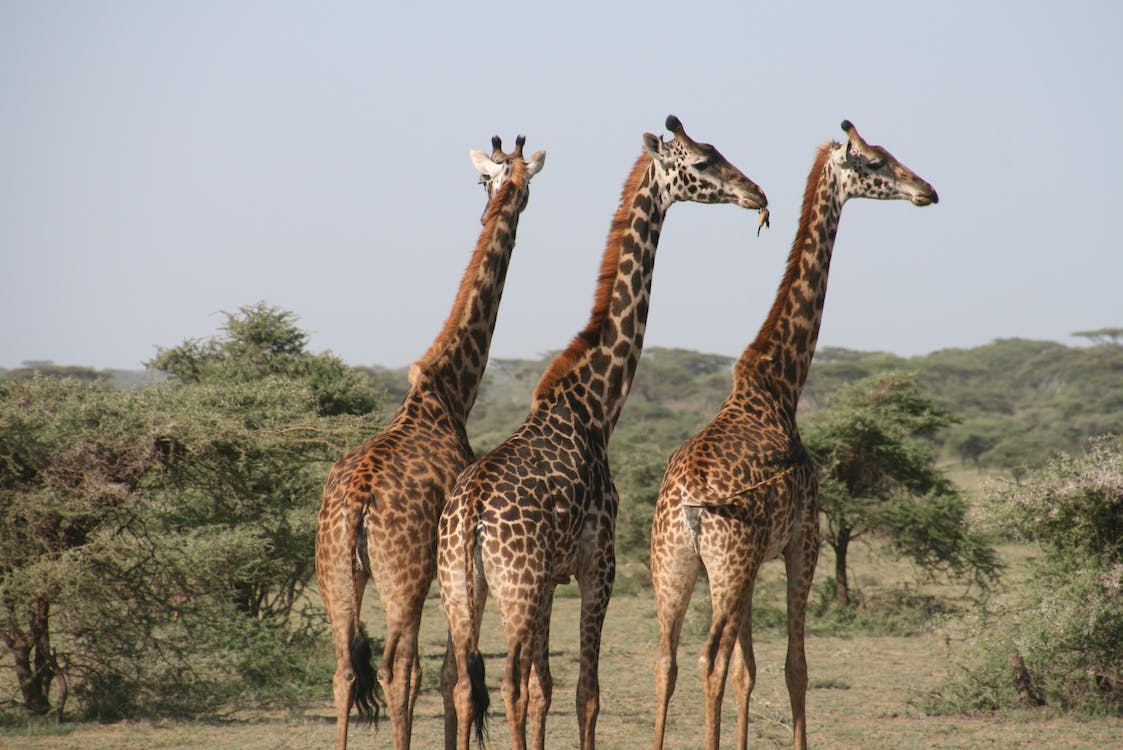
Not only can you experience these incredible creatures in their meticulously curated habitats, but you can also engage in unforgettable encounters, such as feeding a giraffe or encountering a sloth. The Alabama Gulf Coast Zoo makes for an educational adventure perfect for family outings along the Gulf of Mexico coast and offers educational fun for people of all ages.

Conclusion

The Gulf of Mexico offers family-friendly destinations that promise sun, sand, and adventure for everyone in your group. From Port Aransas in Texas to Gulf Shores, Alabama’s captivating beaches, to boating adventures on its open waters, here you can find something for every family member to enjoy. Wherever your journey leads you, the Gulf will provide an experience you won’t soon forget. So pack your bags, grab your sunscreen, and embark on an unforgettable family journey to the Gulf’s sunny shores.

Read Also:

Share on Social Media

Shahnawaz is a passionate and professional Content writer. He loves to read, write, draw and share his knowledge in different niches like Technology, Cryptocurrency, Travel,Social Media, Social Media Marketing, and Healthcare.

Leave a Reply

Your email address will not be published. Required fields are marked *

title-img Related

READ MORE Winter Camping

Winter Camping In Canada: Tips For Cold-Weather Adventures

BY  Arnab Nov 20, 2023

There are many reasons to travel to Canada in winter. You might have heard people immigrating to Canada for business and job purposes. They provide better opportunity for the young generation with better life style. However, if you are focusing on that part, you need immigration advice before you take further steps. You can set off to iconic mountain resorts, visit a Christmas market, or spend time at an ice rink. At the same time, even more adventures await you if you are ready for winter camping.  The list of perfect cold-weather destinations in Canada is simply endless. Snow-covered Banff National Park in Alberta, untouched nature in the Northwest Territories, and mind-blowing Mont-Tremblant in Quebec to name a few. You will certainly appreciate the silent beauty of the snowy forest in February and January, especially at sunset or dawn.  So, it would be great to pick up a car rental in Toronto and go towards a winter fairy tale. A large selection of Toronto Airport car rental deals allows you to find the perfect vehicle for your needs. If you are traveling with family or friends, consider a more spacious option - car rental for 7 people will be a balanced solution for your icy ride.  However, winter camping in Canada is as dangerous as it’s exciting. Low temperatures can cause hypothermia and the most severe consequences for your body. Thus, such experience requires a particularly careful approach. Here are a few cold-weather adventure tips to keep in mind before embarking on such an outing.  1. Use a layered clothing strategy  When it's hot during the day and cold at night, you need to carry a variety of outfits with you to stay comfortable at all times. Layering is one of the best ways to stay dry and warm without overheating.  Layering is an art and once you master it, you can easily regulate your body temperature depending on your activity level and weather changes. Using layers correctly allows you to add or subtract layers throughout the day so you feel comfortable no matter what.  Start with wool or synthetic thermal underwear. Also, avoid cotton. Cotton absorbs moisture and loses all its insulating properties when you sweat, making you feel much colder. The job of thermal underwear is to wick sweat away from your body and keep you dry and warm.  Thus, apply insulating layers such as a fleece, light down jacket, or synthetic jacket as your middle layer to help keep you warm. The greater the middle layer retains heat, the better. Finally, cover the previous two layers with a windproof jacket with a waterproof membrane to keep you warm.  The outer layer also serves to remove moisture evaporated from the body. Don't skimp on a high-quality outer layer if you expect to encounter some serious wind and rain. If it doesn’t cope with its functions, you can become seriously hypothermic. 2. Make sure your sleeping bag can handle low temperatures  Canadian winter camping expeditions require a sleeping bag - this is the golden rule for a hassle-free overnight stay. The temperature label on your sleeping bag can be confusing. For example, if your sleeping bag can withstand +5°C, this doesn’t guarantee that you will feel warm at +5°C. The fact is that sleeping bags have two temperature conditions: a temperature at which a tourist should feel comfortable, and a lower temperature limit at which a sleeping man should feel comfortable.  Temperature values are approximate and depend on multiple factors. Just in case, take a sleeping bag rated for temperatures 5–10°C below expected degrees. You can also add an extra blanket over your sleeping bag to help keep you warm. 3. Select and prepare a place to pitch your tent  Setting up a camp in winter is much more difficult than in summer, so first of all, plan your time correctly - you should arrive at the overnight site at least 30 minutes before sunset. Then, choose the right campsite, prepare it, and set up the tent. Here are some important snow camping hacks to follow.  Place a tent in a sparse forest, on the edge, in a gentle depression between ridges  Remove snow from the area of the tent + 0.5 m around, remove the top layers or clear to the ground if the snow is not deep  Build snow walls around the camp, especially in open areas  Use special elongated winter pegs, which can be replaced with trekking poles  Make an entry from the leeward side 4. Bring all your essentials into the tent Be sure to bring shoes, a backpack with food, a first aid kit and hygiene products, and gas cylinders inside the tent. Plus, put things like your phone and power bank in your sleeping bag. This way you will better conserve charge. If your trekking socks are wet, dry them too.  5. Ventilate your tent The only thing worse than waking up frozen on a hike is waking up cold and wet. It may seem counterintuitive, but opening tent windows for cross-ventilation is among the top priority cold-weather camping essentials. How does it work? When warm, moist air in your tent or RV meets cold surfaces such as tent walls or car windows, condensation occurs. Small droplets of water form and everything becomes wet. Therefore, ensure air circulation in your tent and prevent condensation by opening entrances and windows slightly. 6. Warm up before going to sleep Before you go to bed, warm yourself by the fire or take a walk - whatever you can to warm up. Having a warm drink or snack before bed can also help keep you warm since the process of digestion warms you up from the inside. Just try not to sweat. Wet clothing quickly lowers your body temperature and can contribute to condensation in your tent or camper. Avoid storing wet clothes in the sleeping area and always change into dry clothes before going to sleep. 7. Go to sleep in a dry change of clothes  Advice on how to sleep in a sleeping bag goes to one extreme or the other: some say to wear everything you can, others recommend sleeping in just your underwear. And the correct option is in the middle.  Winter survival techniques claim that thermal underwear is optimal for sleeping in a tent, ideally if it contains merino wool. You need to wear socks on your feet (maybe two pairs), thin gloves on your hands, and a thin hat and/or buff on your head. Provided that the sleeping bag and mat are suitable for the weather, this set will often be sufficient. If not, you can insulate yourself additionally.  Important! All sleepwear should be dry. Thus, be sure to change into a spare set before going to bed, and store it in a waterproof bag while hiking. 8. Use heating pads  A heating pad is definitely a must-have on a winter hike! That's why we advise you to stock up on such items. They are lightweight, easy to use, and provide gentle heat (about 50°C). You can choose among the following options:  Chemical heating pads. They are disposable, with enough heat to last all night and even in the morning (about 12 hours overall).  Reusable heating pads. Such items can radiate heat for about 2 hours. Then, you need to charge it by simply boiling it in water. A more advanced option is electronic heating pads with USB charging. Ultimately, use our winter survival techniques for your camping trip to Canada. Also, don't forget to adjust your plans to the current weather. The forecast can be changeable during the off-season, and you should be prepared for everything. This is especially important when traveling in mountainous areas, where rain and snow can make roads impassable. Read Also: Jet-Set In Style: Unveiling The Monos Luggage Collection For Your Next Adventure This Is The Best Time To Visit The Seven Magic Mountains In Vegas! These Are The 30+ Things To Do In Mexico City That You Must Try!

READ MORE Gates of the Arctic National Park

Explore Human History And Wildlife With Backcountry Camping In Gates Of The Arctic National Park

BY  Sibashree Aug 12, 2024

Gates of the Arctic National Park is where the Brooks Range and the Tundra landscape come to life with wilderness and vivid topography. This national park is a place of topographical diversity with the coexistence of mountains, glaciers, rivers, lakes, and marshy lands.  A home to nomadic people for more than 13,000 years, the Gates of the Arctic is a prominent example of how human lives can be dependent on wilderness or nature. Many visitors love backpacking and trekking in this national park. Further, many stay in camps in the backcountry to experience its rich wildlife despite the challenges. Do you want to know why camping in the backcountry is worth the hardship? Does the national park have camping sites? Find the answers to all your questions in this guide.  Knowing The Gates Of The Arctic National Park (Why Camping Here Is A Great Experience) The Gates Of The Arctic National Park is a paradise for wilderness travelers. The intriguing land of Tundra, embraced by jungles, mountains, and rivers, makes camping in the backcountry worth all the effort.  Gates Of The Arctic Geography You can explore the arctic geography of this national park by trekking or by air. Tundra peaks and the Schwatka Mountains region of the Brooks Range ensure a humbling experience. You trek to Mount Igikpak, a glacier-carved peak with an 8,510-foot elevation. Another mountain to have glaciers in this region is Mount Arrigetch. Even backpacking and trekking to Mount Doonerak have a distinct charm, as the mountain is the quintessence of wilderness and unadulterated beauty.  Further, this national park has six designated wild rivers. Those are: Alatna River John River Kobuk River Noatak River North Fork of the Koyukuk River Tinayguk River Alatna and Noatak are great for canoeing. If you want more adventurous pursuits, you can try rafting in Nigu (to the north) and Kobuk (to the west).  Gates Of The Arctic Wildlife  The Gates of the Arctic is home to many mammals and birds. The Alaska Department of Fish and Game says,   “Forested southern foothills rise to limestone and granite peaks more than 7,000 feet high in this remote wilderness park. North of the peaks, clear water rivers run through glacier-carved valleys; and Tundra, covered with wildflowers during the brief northern summer, stretches toward the Arctic Ocean. Many of the nearly 500,000 member Western Arctic caribou herd migrate through the park each fall. Brown and black bear, wolf, Dall sheep, lynx, moose, wolverine, and red fox live here year-round. In the spring, the park hosts migratory birds from Europe, South America, Asia, tropical archipelagos, and the continental U.S.” Other animals found in this national park are grizzly bears, Dall sheep, and musk oxen. Among the birds, Tundra swans, common loons, and golden eagles are the most common.  Further, if you enjoy the playfulness of aquatic animals, watch out for graylings, trouts, sheefish and salmon.  Gates Of The Arctic And Human History  The Gates of the Arctic is a prominent place for archaeological research. The study and interpretations of the museum collections depict how people have been surviving in the Brooks Range for around 13000 years now.  Along with Inupiat, Nunamiut, and Athapaskan descendants, you will also find many non-native Alaskan people in this region. These people have always been dependent on fishing and hunting. The wilderness of the Gates of the Arctic is the foundation of their livelihood.  What Is The Best Camping Near Gates Of The Arctic National Park? With marshy lands and tussocks, Arctic Tundra has a vulnerable landscape and it is difficult to find a steady spot for setting up camps or tents. Also, the existence of wildlife in a remote location and dense vegetation make the space unsuitable for camping.  So, there is NO CAMPING SITE in the Gates of the Arctic National Park. There are designated areas in the backcountry for camping. However, you will have to strictly adhere to the rules and regulations of the national park when putting up a tent.  You must also attend the orientation program and be particular about the gear, food, and safety essentials to be carried.  With permission from the park authority and the National Park Service, you can set up tents near the Arctic Interagency Visitor Center in Coldfoot or around Wiseman and Bettles communities.  However, while camping in the backcountry, you will have to keep the following factors in mind.  Be respectful to the local communities like the Koyukon Athabascan Indians or Nunamiut. Their livelihood depends on the wilderness.  There are no provisions for running water, a dump station, or restrooms. Your phone network will be unavailable in this location. You have to carry all your trash back as you leave the camping site. You cannot adulterate the pristineness of the location.  If you have plans for camping in the backcountry near the Gates of the Arctic, summer is the best season. The temperature is a little moderate on these days, and sunnier days make all outdoor pursuits in the park easier for you.  Did You Know?  The Gates of the Arctic National Park is the second-largest national park in the USA. It stretches over 13,000 square miles. You can see aurora borealis from this park if you visit between November and March.  July and August are the best months to visit Gates of the Arctic National Park for hiking and backpacking.  Bob Marshall, a wilderness advocate, named this national park “Gates of the Arctic.” Final Words  Unlike popular national parks like the Biscayne National Park or the Kenai Fjords National Park, the Gates of the Arctic National Park does not have many visitors yearly. In 2023, only 11,045 tourists flocked to this place. (Source) With a diversity in topography and wildlife and an association with human history, this park has much to explore. However, the extreme trekking conditions and wilderness make it far from an easy excursion or trekking experience. Despite the absence of campgrounds in this park, you can camp in the backcountry at the designated spots in the fields. However, only an experienced backpacker should try it with proper orientation and extra safety measures. Have you ever been to this wild and intriguing national park? Do you have any camping experience in the backcountry? Don’t forget to share your experience with us!  Gates Of The Arctic National Park FAQs  Can You Camp In The Arctic National Wildlife Refuge? Only backcountry camping is possible in the Arctic National Wildlife Refuge. The absence of roads, villages, or facilities makes this area unsuitable for having designated campsites. Backpacking and hiking are the best ways to explore this vast landscape with rich wildlife and geographical interests.  Can You Stay In Gates Of The Arctic National Park? You can stay or try backcountry camping near the Gates of the Arctic National Park. Undefined terrains, wilderness, and a lack of modern amenities make it risky to put up camps in the national park. Even to camp in the backcountry, you will need the highest outdoor survival skills. The arctic ecosystem, topography, and weather conditions are different, and if you are confident enough to stay in the backcountry, plan in advance and get in touch with the Park and Preserve authorities for updates and advisories.  How Much Does It Cost To Visit The Gates Of The Arctic National Park? You don’t have to pay entry fees to visit the Gates of The Arctic National Park. However, you must attend the backcountry orientation program at any of the visitor centers.  In this way, the Gates of The Arctic National Park is different from other national parks as most of them demand an entrance fee.  How Difficult Is It To Get To The Gates Of The Arctic National Park? The Gates of the Arctic is a wilderness park. So, as you enter the park, hiking is the best way to explore. Remember, it is home to the Schwatka Mountains region of the Brooks Range and the highest peak here is Mount Igikpak with an 8,510-foot elevation.  So, exploring the national park is not going to be a cakewalk. A lack of established trails further makes hiking difficult.  Further, there are six designated rivers, including Koyukuk and Dietrich, in this national park. So, you will have to pass through multiple meandering river crossings. The water levels of these rivers keep fluctuating throughout the season. They are furious throughout the spring season. Tussocks, marshy lands and dense vegetation are other hurdles to your fast movement while trekking.  Do you want to visit the backcountry? You can take a bush plane operated by permitted pilots with knowledge of the region.  What Is Special About Gates Of The Arctic? The Gates of the Arctic is special because of its geographical uniqueness, rich wildlife, and significance in human history. The glacier-carved valleys, rivers, and ancient trails make the Gates Of The Arctic a favorite destination for backpacking and hiking. Thanks to its geographical typicalness, you will meet many animals and birds. The adorable grizzly bears will be seen feeding, and the musk oxen are another unique animal you must watch out for. If you are a birder, you will love watching the golden eagles, Tundra swans, or common loons.  Near the Nigu River or throughout the park, you will find stone fences and camping rings. These are a testament to how Inland Eskimos or Nunamiut have lived in this region for thousands of years. They survived on fishing and hunting.  In addition, as I pen this guide, I must tell you that the Gates Of The Arctic National Park is going to celebrate its 45th anniversary of designation next year. First, it became a national monument on 1st December 1978. In 1980, it became a national park and preserve. Also read Italy: Is Florence flat or hilly? Ultimate Guide to Your Next Family Vacation in Israel. The Glaciers of Wrangell-St. Elias National Park: Experience The Magnificence Of Nature.

READ MORE Fishing

Catch The Day With The Ultimate Fishing Guide For Travelers

BY  Nabamita Nov 29, 2023

Fishing transcends mere recreation; it's a doorway to nature's beauty and cultural immersion. Picture yourself amidst stunning landscapes, casting your line into shimmering waters as you feel the gentle tug of a potential catch. Whether you're an angling aficionado or a novice eager for adventure, this comprehensive guide is your compass to curating an unforgettable fishing trip during your travels. Choosing the Ideal Fishing Destination Selecting the right fishing spot lays the foundation for a memorable journey. Beyond merely seeking a productive location, consider destinations that offer a complete experience. For instance, Key West fishing charters present a picturesque setting blending abundant fish varieties with the vibrant local culture. Whether you prefer freshwater lakes, coastal bays, or deep-sea adventures, understanding the nuances of each location ensures a fulfilling experience. Preparing for the Adventure Packing for a fishing expedition demands meticulous planning. Aside from the essential fishing gear—rods, reels, lines, and tackle boxes—ensure you're equipped with suitable attire, sunscreen, and ample hydration. Equally crucial is familiarizing yourself with local regulations and guidelines governing fishing activities. Acquiring the necessary permits or licenses and understanding catch limits prevent any unwanted setbacks during your trip. Techniques for Successful Fishing Mastering fishing techniques is a blend of art and science. Beginners might start with fundamental casting methods and basic bait presentation. As proficiency grows, exploring advanced techniques like fly fishing or trolling allows anglers to target specific species more effectively. Understanding the nuances of each method significantly enhances the likelihood of a successful catch, adding to the thrill of the experience. Immersing in the Experience Beyond the thrill of reeling in a catch lies a deeper connection with the environment and local culture. Engaging with the surroundings, appreciating nature's serenity, and immersing yourself in the local fishing traditions enriches the experience. Embracing sustainable fishing practices, such as catch-and-release, not only preserves the ecosystem but also fosters a profound respect for marine life and its conservation. Capturing the Moment Preserving the essence of your fishing journey extends beyond the memories. Through photography, storytelling, or journaling, you immortalize these moments. Share your adventures on social media platforms, compile them into a personalized travelogue, or simply cherish them as a testament to the enriching experience. Reflecting on these memories heightens the impact of the journey, fostering a deeper appreciation for the adventure you've embarked upon. Conclusion In summary, embarking on a fishing expedition while traveling transcends the act of catching fish; it's about embracing a holistic experience. From meticulously selecting an ideal destination like Key West fishing charters to meticulous preparation, mastering fishing techniques, immersing in nature and culture, and capturing indelible memories, each facet intertwines to create an unforgettable journey. So, pack your gear, set sail, and let the waters guide you towards an adventure that's more than just a fishing trip—it's a soul-enriching escapade. Read Also: Six Important Factors To Consider Before Planning Alaska Fishing Trip 10 Best Fishing Charters In Florida To Visit In 2022 – Tour And Travel Guide Unforgettable Island Adventures: Things To Do In Tenerife