What Are The Best Restaurants In Cape Town? Eat Like A Local In South Africa
BY
Sibashree
Jan 17, 2026
Have you ever eaten in Cape Town? You know how difficult it is to pick a favorite here.
Be it the award-winning dining places or the humble local eateries, it’s rare to find a bad meal in the city.
Also, there is so much variety in the South African delicacies Cape Town has to offer.
Now, Braai, or the South African style BBQ, absolutely rules the food scene. Even TasteAtlas rates it a 4.3 out of 5.
You can even try Hoenderpastei, a savory pastry, Biltong, a cured beef snack, and the spicy Chakalaka stew.
So, it takes around a month, and to take a break from the rest of the world to understand the basics of the local food. And we did that!
A good problem to have here is the choice of so many eating places.
But the same can also be overwhelming when you are on a short trip.
So, to make your life easier, I have discussed the best restaurants Cape Town has. Let’s eat!
What Are The Best Restaurants Cape Town Has? Here Are My Favorites
Sustainable choices have always been important when it comes to food in Cape Town.
Also, the history of the Cape Town CBD is incomplete without knowing the local food.
In 2022, the Economic Development Partnership had a walking tour of the food history, in association with SA Urban Food and Farming Trust and Food Dialogues 2022.
On this occasion, Andrew Boraine, CEO of the Economic Development Partnership, quoted Tony Karon, a celebrated writer and editor. He said,
“While it’s tempting to read South African cuisine simply as some kind of melting pot of the influences brought by those who migrated to the country, many of the country’s most notable and tasty dishes reflect histories of violent conquest, enslavement, and oppression.
But even as post-apartheid South Africa remains locked in an unfinished struggle to digest and resolve the consequences of its troubled history … its cuisine reflects the common humanity of its citizenry: their search for succour and comfort, identity, communion, and hope for a better day.”
So, knowing Cape Town and the food here is incomplete without discussing the local facilities in detail. Precisely, that’s why I will start my list with the local bests.
Also, I have divided my favorites into five sections.
The Lekker And Local
Where To Have The Best International Cuisines In Cape Town
Fish And Seafood Restaurants
Fine Dining Restaurants In Cape Town
Out Of Town Restaurants That Are Worth The Trip
1. The Lekker And Local
I have been doing a lot of food tours. From the spicy Tamilian and coastal cuisine of Jaffna to the soulful Luang Prabang food tour, these have been my ways of connecting with the local culture.
Local produce, South African flavors, and the most beloved chefs in the city – don’t miss out on these ‘lekker’ Cape Town restaurants.
• Seebamboes - Surf And Turf
View this post on Instagram A post shared by Seebamboes (@seebamboes)
Seebamboes, despite being new to the Cape Town food scene, has made a name for itself.
Neil Swart and Anouchka Horn, the team behind GALJOEN and Belly of the Beast, have started it.
Surf and turf or a one-on-one between the sea and the land!
This is how the owners have planned Seebamboes. The name itself is an extension of the theme.
You may call Surf and Turf old-fashioned, but I loved the surprise factor here.
The flatbed with the octopus was amazing. It was perfectly charred and tender enough to cut with a fork.
It was served on a flatbread that soaked up all the smoky juices.
Furthermore, the seaweed margarita marks the ideal start to your culinary journey here.
Also, keeping at its sustainable core, the restaurant serves abalobi sashimi.
Abalobi in South Africa helps the small-scale fisheries in the country. So, it cannot get more sustainable or local.
Do you think that’s the end of it? Have some watermelon ice-lolly to cleanse your palette and try venison tataki with mussels.
The dish comes with steamed dune cabbage. The steaming is done in a hollow seebamboos stem.
Moreover, the Surf and Turf theme is also present in the dessert served by the restaurant. An ice cream sandwich with a sea lettuce dust! Yes, this is what you get here.
• Upper Union
View this post on Instagram A post shared by Upper Union (@upperunion_restaurant)
Upper Union is my favorite as it is a welcome break at Kloof Street. The house is beautiful, and so is the conservatory and courtyard.
Burnt aubergine yogurt and duckpastilla were the small plates we tried here. Though these did not replicate the authentic Moroccan food magic, they had the Cape Town touch I was looking for.
I think they did complete justice with their “creative and curious” concept. Also, the whimsical presentation may be a part of it.
The Urfa Biber Kingklip was a standout, and I also loved the Puglia burrata with flatbread. If you want something more authentic, order the ox tongue.
• Chef’s Warehouse & Canteen
View this post on Instagram A post shared by Chefs Warehouse & Canteen (@chefswarehouseandcanteen)
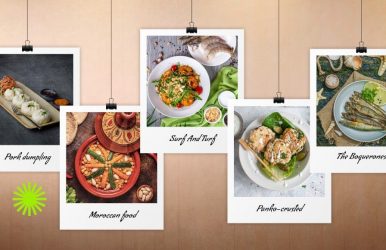
Ever since Chef’s Warehouse & Canteen made a comeback, it has been ruling the pork dumpling scene in Cape Town.
Also, the venison tartare and pork belly with charred corn salsa are two other favorites here. And?
Don’t leave the restaurant without having the Chefs Warehouse Risotto.
• Hemelhuijs
View this post on Instagram A post shared by Hemelhuijs (@hemelhuijs)
The vibe of Hemelhuijs more than makes up for its location in the old part of Cape Town.
The outside table is a place where you can be if you want to be here for some time, unfazed by the growing crowd.
Two or three locals came up to me and asked for money! That’s okay, and this does not take away the charm of the place.
The rice paper summer rolls were the highlights for me here. These had grapefruit, smoked trout, and crab filling. Another great dish was the panko-crusted artichokes.
I would have tried some other dishes here, but it was getting too crowded, and the introvert in me uttered, “Let’s leave now!”
• Elgr
View this post on Instagram A post shared by ëlgr restaurant (@elgr.restaurant)
Though Elgar is on my list of the best local restaurants in Cape Town, it could also make it to the international section.
Why? For the perfect fusion of South African and Nordic flavors. Yes, Chef Jesper Nilsson has made this possible.
I loved the Boquerones, Nduja, and Ricotta the most here. I was so full, but I could not let the chocolate sorbet with olive oil go.
Also, I have heard great things about the cocktails here. But I hope I will make it the next time!
• Blondie Bar
I loved the effortlessness of the Blondie Bar. It was not trying to fit in, and the whole concept is quite new to Cape Town.
You can find the signature Brandy & Coke here, and the grapefruit ouzi slushies were the perfect summer refreshment we were looking for.
We had a whole roasted cauliflower there with tahini, and the trout we had was simple and amazing. However, for me, the baked and stuffed lamb pita was the ultimate.
Here, what you see on the menu is what you get.
• Pot Luck Club
View this post on Instagram A post shared by The Pot Luck Club (@thepotluckclubct)
If Cape Town could win with its small plates or Tapas, the Pot Luck Club would have been the absolute star.
Further, its location in Old Biscuit Mill promises a stunning view of the city. Be here at night for some wonderful nightscapes.
• Massimo’s
View this post on Instagram A post shared by Massimo's Italian Restaurant (@massimosuae)
Massimo’s has the best pizza in Cape Town, and it is a Hout Bay classic! You can also try various gluten-free versions of the pizzas. Of course, the salads and pastas here are great.
You can even try the pan-fried fish of the day.
However, Massimo’s is beyond a place to eat. It is one of the best pet-friendly restaurants in Cape Town, allowing dogs on leash.
It has a dedicated vegan menu to make the food scene more inclusive.
Moreover, every time you have food here, a certain percentage goes to charity. Can it get cooler than this?
2. Where To Have The Best International Cuisines In Cape Town?
The food scene in Cape Town is truly international. With the Cape Malay influence at the core, it has bobotie, spices, and curries ruling the scenario.
Also, the seafood scene is ruled by the specialty from Mauritius and Saldanha Bay, along with local produce.
The techniques are the perfect fusion of local and international techniques.
Want to cherish the international food scene? Eat at these places.
• Nikkei Japanese And Peruvian
View this post on Instagram A post shared by Nikkei (@nikkei_za)
The name of the restaurant says it all! Along with the elegant setting, the cocktails and food here really up the game.
The classics, concoctions, and cocktails with pisco will win over any connoisseur.
Regarding the food, the restaurant keeps an element of surprise, in fact. Okamase, or the chef is going to do the real experiment, is the best way to eat here. However, you can also try the à la carte options.
The portion size here is great, and it is ideal for two people sharing. And the dishes to try here?
Lamb chops, fried tofu sushi, tuna ceviche, crispy squid, edamame! The list is endless, and you must end your meal with a matcha cheesecake.
• Scala Pasta Bar
View this post on Instagram A post shared by Scala Pasta / Bar (@scalapasta)
New to a place? The safest option to try? Pasta, of course.
So, I knew that Scala Pasta Bar was the first place I was going to visit.
One of the best restaurants Cape Town has, actually the best for having pasta, is the Bay of Justin Barker and Luciano Monosilio.
And let me warn you! If your pants are too tightly fitted, you may need to open them halfway.
So, wear something loose-fitted and allow yourself to have the ultimate foodgasm.
Even if you are struggling with your pants, the dim lighting will be your savior. Nobody cares either, as they will anyway look for another bite.
The pasta served here has the homemade comfort, and the Negronis are the perfect companions. Have the pastas for breakfast, lunch, and anytime you want!
Also, if you are here in the evening, try prawn crudo with tomato consommé, beef tartare, sardines, and antipasti. The meatballs could have been a little better, though, for the texture I like.
• Ouzeri
View this post on Instagram A post shared by Ouzeri (@ouzeri_ct)
A prominent name in the list of the World’s 50 best restaurants, Ouzeri is a Greek food paradise in Cape Town.
The white-washed walls of the restaurant add to the restaurant’s Greek vibe, and if you ask me, you must start with the Pewter carafe barrel wine and cherish the taste of the Swartland.
Also, if you love Negronis, try the pepper Negronis brewed with sour cherries.
Furthermore, the dishes here may be Cypriot and Greek, but the ingredients used are native.
Chef Nic Charalambous has inherited some of the recipes from his Cypriot grandparents.
The aubergine dish, the dumplings, and the tuna carpaccio are the stars here. However, my absolute favorite was the pork belly skewer.
Also, if you are a vegetarian, don’t forget to try the complex combination of whipped feta, hibiscus vinegar, dill oil, and green tomatoes.
Moreover, if you want to keep the mains simple, try some Namibian crab with ravioli. Wear your pants a little looser, and you are going to have a lot of food.
• Carne
It was love at first bite for the tortellini I had at Carne. Italian pasta, quality cuts, and a dream spread for a carnivore!
This is what Girgio Nova, a Milanese chef, offers at Carne.
I went to the Kloof Street restaurant to soak in the neighborhood feel, along with the great food.
Also, I had a local intel that this branch is less crowded than the Keerom Street one.
Also, if you are here in the evening and it is wind-free, sit on the patio and enjoy your time with bistecca and fries.
Moreover, it’s a sin not to try the chocolate fondant here.
• Curry Club
Curry Club is one of the best restaurants Cape Town has for the food it serves and the journey it has had.
2020! The whole world was fighting against COVID-19, and then the Curry Club began its journey. It started as a “cook in your garage” service delivering food.
Furthermore, the London-style Punjabi flight kitchen concept of the restaurant is run by a team from Mumbai and led by a London owner.
I had amazing goat curry with rice here, and the interior is very colorful, reminding me of the place I belong!
• El Burro Taqueria
View this post on Instagram A post shared by EL Burro (@_el_burro)
Love tacos? Cape Town impresses you with El Burro Taqueria. However, it’s not just about tacos; you can have margaritas, ceviche, and everything Mexican here.
The tortillas here are hand-pressed, and all the items are prepared and cooked fresh.
• TJING TJING TORII
View this post on Instagram A post shared by Tjing Tjing House (@tjingtjinghouse)
Bao and wine on a table, and a perfect Sunday afternoon with friends! This is what you will get at TJING TJING TORII.
It has been a seriously cool rooftop bar for the longest time. This time, it makes a name for itself as a restaurant with its Japanese street-style specials like gyoza and bao.
• Bao Down
The Korean fried chicken baos and prawn toast were the best things that happened to me at Bo Down.
You can also try the cauliflower cake here. The setting is simple and easy-going.
3. Fish And Seafood Restaurants In Cape Town
Oysters, Yellowfin Tuna, and Kingklip are the stars of the seafood scene in Cape Town. The flavors are subtle, and the texture is firm.
These are some of the best restaurants Cape Town has for trying seafood and coastal cuisine.
• Sea Breeze Fish & Shell
You know what to expect when a restaurant has “Fish & Shell” in its name.
The various oysters on a platter and the mussels in Cape Malay sauce make you smell the sea in every bite. The ceviche, served with crackers here, also deserves a big shoutout!
If the wind is not too strong, you must sit outside. Also, for the most immersive experience, you must explore their “MCC & Oyster Bar.”
• Harbour House V&A Waterfront
View this post on Instagram A post shared by Harbour House (@harbourhouseza)
I know the prices are high. However, it’s a standard for all V&A Waterfront restaurants.
The dining room downstairs is huge. However, the deck upstairs is great for some sushi and chilled rosé.
Enjoy the sunshine kissing your face.
The fish served here is the best. You will love kingklip, salmon, and swordfish here, and it also has a cool sushi bar.
4. Fine Dining Restaurants In Cape Town
Cape Town caters to foodies from all over the world. Here are some fine dining restaurants that serve you the best Cape Town has to offer.
• Terrarium
View this post on Instagram A post shared by TERRARIUM (@theterrarium_restaurant)
V&A Waterfront restaurants are great, but the price is always very high. Terrarium, the newest to join the brigade, however, is looking to change things.
The food at this restaurant, located at the Queen Victoria Hotel, under the leadership of chef Chris Erasmus, brings out the best of the local and seasonal ingredients.
It has distinct flora and fauna menus. So, vegetarians and vegans? You know where to be in Cape Town for fine dining.
The roasted Venison loin is an absolute delicacy here from the Fauna menu.
I also loved the oysters with pickle juice mignonette. Furthermore, from the Flora menu, you must try the crispy fried artichoke hearts and charred cauliflower parfait.
Also, one silent favorite! Whatever you have for the mains, you must start your day with the mushroom starters.
I will always drool over the red blends and Pinot Noir here. Try some Shiraz, Cassis, and Cabernet Fragrant here.
• Salsify at the Roundhouse
View this post on Instagram A post shared by Salsify at The Roundhouse (@salsify_at_the_roundhouse)
Salsify at the Roundhouse, formerly the Roundhouse, stands out for me for its incredible setting. And also, the Pinot Noir I had there will always be the benchmark for me.
It is not just one of the best restaurants Cape Town has. It is also a placeholder in the list of The World’s 50 Best Restaurants.
And anyone who has tried the deep-fried octopus or the buttermilk curd with leeks here would know why there is so much craze around this restaurant.
I found a table by the windows to enjoy the panoramic views of the Atlantic Ocean.
Furthermore, its setting in an old hunting house with an adjacent garden creates a perfect nostalgic ambience.
Furthermore, the winner of the Luxe Restaurant Awards 2025, Salsify, has crayfish, celery and tomato, Karoo lamb rib and loin, and trout.
You can pair your food with the signature wine or the collector’s wine.
Moreover, it is the winner of 3 stars from the Eat Out Woolworths Restaurant Awards for its oceanfront foraging.
• FYN Restaurant
View this post on Instagram A post shared by FYN Cape Town (@fynrestaurantcpt)
Jane Broughton reviews the FYN Restaurant for Conde Nast Traveler. And Jane reviews
“A little piece of Manhattan in Cape Town, Fyn is a cutting-edge space on the fifth floor of a repurposed building just off historic Church Square. A glass wall ensures that views of Table Mountain and Lion’s Head are sensational.”
Also, FYN has risen above the label of a Cape Town restaurant by making it to the list of the “World’s 50 Best Restaurants.”
However, the restaurant bears Cape Town in its heart as it is heavily inspired by the fynbos, a biodiverse plant kingdom in the Cape region.
Furthermore, it has won three stars from the Eat Out Woolworths Restaurant Awards for its wonderful Japanese and Asian fusion.
Here is a contemporary presentation and feel. Try specialties such as Cape Point Tuna Fin-to-Tail, garlic buchu, sea lettuce, and octopus, and amazake are the stars of the menu here.
And guess what? It’s great for solo diners.
• La Colombe
View this post on Instagram A post shared by La Colombe Restaurant (@lacolombect)
La Colombe is the place for ultimate indulgence in Cape Town. Between Constantia and Hout Bay, it is at the Silvermist Estate.
The setting is sleek, and the menu is diverse, including various vegetarian options.
And everything else is just as the Executive Chef, James Gaag, says, “Food is our Theatre/We hope you enjoy the show.”
From Bacon Chawanmushi and smoked boar to coal-fired lamb and Namibian red crab!
The menu is eclectic, and the Chef's special vegetarian section has Smoked porcini broth, beet root “La Colombe,” tandoori cauliflower, and whatnot!
5. Out-Of-Town Restaurants That Are Worth The Trip
Good food is not just in Cape Town. Also, it’s important to give the neon energy of the city to give a miss to immerse oneself into the culinary soul and beautiful landscapes.
Furthermore, when local sourcing and sustainability are the philosophies you believe in, the food landscape of Cape Town CBD is made possible by out-of-town restaurants that embrace a Farm-to-Fork culture.
For example, restaurants such as Babel at Babylonstoren have their own pantries, and the restaurant is located in the middle of the pantry.
More, you can really have a long and lazy lunch here. Start at 12 PM, gossip your heart out, and it’s 4 PM in a blink. Nobody is going to tell you to get up.
Here are a few of my favorites.
• The Beach House Restaurant
You will find this newbie on the block on the way from Cape Town to Kraalbai in the West Coast National Park.
The team behind the fine-dining excellence at Dusk runs the Beach House Restaurant.
It overlooks the Yzerfontein Beach, and among the guests, you will see a mix of guests in their wetsuits, lines, and loafers.
Also, you will find all the beach classics here. You will love the fish and chips, fish ceviche, fresh oysters, and amazing seafood platters.
To savor your food better, you can have it with a margarita or a chilled rosé.
The service here is great. However, if you are visiting on weekends or need the patio for you and your friends, you must reserve early.
• Babel At Babylonstoren
View this post on Instagram A post shared by Babylonstoren (@babylonstoren)
Babel at Babylonstoren is THE best in the winelands. Everything on the menu is from the Babylonstoren gardens, and the restaurant is in the middle of the garden.
Vegetable dishes are the stars of the menu here. The meat and fish delicacies are equally good.
My experience was exactly what Sarah Khan of Bon Appétit had to say about the restaurant.
"Eat, drink, and garden your heart out at Babylonstoren, one of the great food lover's vacations in the world right now."
Obviously, you must try their herbal and non-alcoholic mix and wine. You can even take a tour of the cellar.
Overall, Babel at Babylonstoren is not a restaurant; it is a wholesome experience. However, pre-booking is essential.
• The Foodbarn Café & Tapas
The Foodbarn is a quiet presence in the list of the best restaurants Cape Town. It is in a quaint barn in Noordhoek. Also, it never hogs the publicity.
Furthermore, the food here is amazing. I have never (and I mean it!) been to any restaurant that turns simple oysters into something magical on a plate.
Equally good was the mushroom ravioli, and the baked cheesecake was the chef’s kiss. Each time I mention it, I crave it.
Summing Up With The Ultimate Cape Town Culinary Cheat Sheet
Category Restaurant Best For Must-Try Dish Lekker & Local Seebamboes Sustainable Surf & Turf Abalobi Sashimi Upper Union Stylish small plates Urfa Biber Kingklip Chefs Warehouse Modern tapas energy Pork Dumplings Hemelhuijs Artful, chic lunches Rice paper summer rolls ëlgr Nordic-SA fusion Boquerones & Nduja Blondie Bar Effortless vibes & drinks Stuffed Lamb Pita Pot Luck Club Rooftop views & tapas Fish Tacos / Small Plates Massimo’s Family & pet-friendly Any Specialty Pizza Best International Cuisines In Cape Town Nikkei Japanese-Peruvian fusion Tuna Ceviche Scala Pasta Bar The "Ultimate Foodgasm" Carbonara / Negronis Ouzeri Authentic Greek/Cypriot Pork Belly Skewer Carne Serious carnivores Chocolate Fondant Curry Club Soulful Punjabi curries Goat Curry El Burro Taqueria Fresh, hand-pressed tacos Tacos & Margaritas Tjing Tjing Torii Japanese street food Gyoza & Bao Bao Down Intimate Asian fusion Korean Fried Chicken Bao Fish And Seafood Restaurants Sea Breeze Oysters & bubbly Mussels in Cape Malay sauce Harbour House V&A Waterfront views Fresh Kingklip Fine Dining Restaurants In Cape Town Terrarium Plant-forward luxury Mushroom Starters Salsify Historic oceanfront dining Deep-fried Octopus FYN Restaurant Manhattan-style Kaiseki Cape Point Tuna La Colombe The "Theatre" of food Smoked Boar / Tuna "Can" Out Of Town Restaurants That Are Worth The Trip Beach House West Coast relaxation Seafood Platter Babel Farm-to-fork royalty Seasonal Garden Salads The Foodbarn Noordhoek hidden gem Mushroom Ravioli





 Related