A City transforms into a giant shared heartbeat during major cultural festivals. It is no longer a collection of streets, buildings, or turns for a few days or weeks.
A few years ago, I was in Spain, standing in a crowd, all soaked in tomato pulp. Also, I have seen hundreds of hot air balloons filling the sky of a New Mexico desert.
These cultural festivals are like the oldest party invitation of humanity. The open call goes beyond centuries and borders and asks people to join and celebrate.
In this guide, I take a closer and more personal look at the festivals that have shaped how the world comes together, laughs, dances, mourns, and starts over.
I have been to some of these festivals across continents, and the experience is the biggest intangible asset I have earned as a traveler.
I will share where these festivals come from, who started them, and what they mean economically and culturally.
Also, I will discuss how they have been celebrated in movies and books.
As a traveler, I think these cultural festivals matter more than ever.
Why Are These Cultural Festivals Important For Humanity?
Cultural festivals are like living archives. These show how communities pass down their belief, memories, and identity without a textbook or museum.
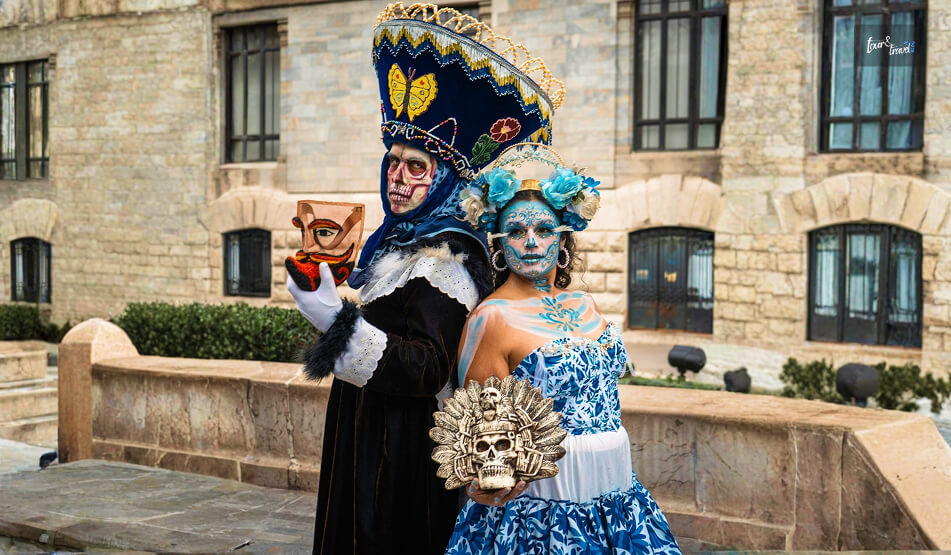
For example, a Mexican grandmother teaches her granddaughter how to make a Día de los Muertos altar.
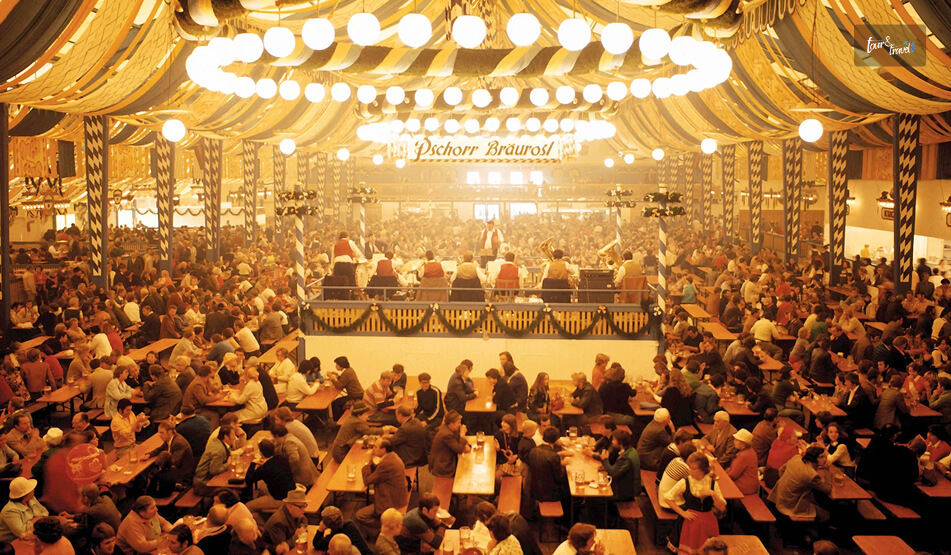
Also, strangers in Munich link arms and sway to a brass band under a beer tent.
When people visit these festivals and travel to attend them, it becomes more than tourism. It is like the transmission of culture, from one generation to another and from one hand to another.
Also, these festivals are the best for the first interaction with a different culture. You do not need to think much, and you get to know the people through their food, dance, and music.
That splash of these festivals helps break down barriers that documentaries and lectures often fail to.
For example, the Indian Council for Cultural Relations (ICCR), an autonomous body under the Ministry of External Affairs, promotes international artist exchanges and organizes many international cultural festivals in India.
Also, on 10th August, 2026, the Union Minister for Culture and Tourism, Gajendra Singh Shekhawat, announced that India is going to strengthen its ties with 98 countries through cultural diplomacy.
The cultural festivals of India will have a significant role to play in this.
As a result, UNESCO has recognized several of the festivals below as Intangible Cultural Heritage of Humanity.
It is a designation that acknowledges that these traditions are valuable to preserve humanity’s shared story.
As a traveler, for me, these festivals are all the more important because we are in an age when most travel has been flattened into checklists and photo ops.
However, these festivals still demand something real from you. Patience! Curiosity! Also, the willingness to be a little uncomfortable for a lot of fun!
A World Tour Of Iconic Cultural Festivals
I have had the chance of experiencing seven of the biggest cultural festivals firsthand.
Also, I come from the land of one such cultural festival having the laurel of intangible heritage of humanity.
Each of these festivals carries its own history and a strange, specific magic. These festivals also have a distinct economic role to play for the city or the country.
So, let’s get to know them.
1. Rio Carnival, Brazil
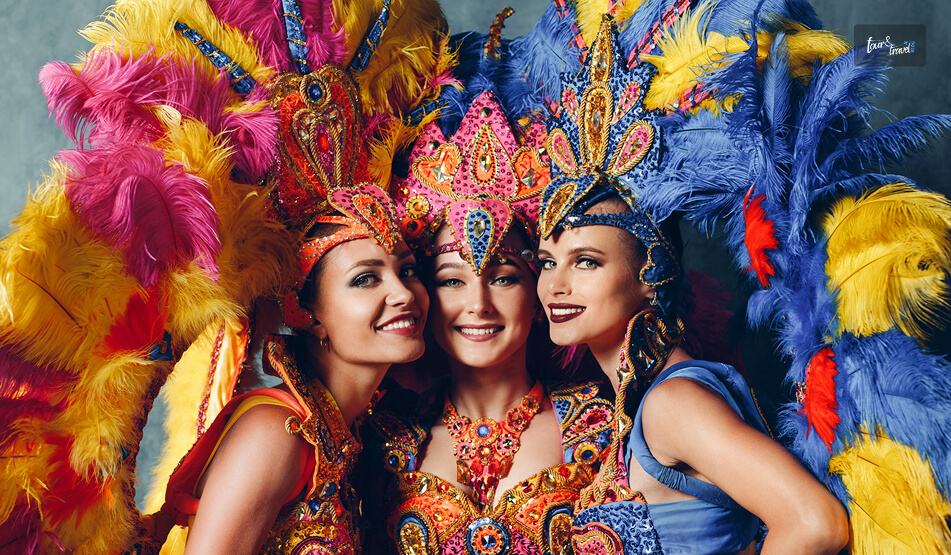
Brazil experiences the ultimate civic transformation during the Rio Carnival. For around five weeks, the city becomes a big samba school.
Also, the street “blocos” and a spectacle at the Sambadrome take an entire year to build.
The history of this festival goes back to the European pre-Lenten masquerade balls. The Portuguese colonizer brought it in the 1700s.
With time, it picked up the African rhythms and Indigenous influences to create something entirely, unmistakably Brazilian.
I once got swept into a bloco in Santa Teresa. I was in the country for the first time, and I had just stepped outside my guesthouse to find coffee.
Then, I ended up dancing through cobblestone streets for two hours. The brass band and the crowd treated me like an old friend by the second song.
How The Rio Carnival In Brazil Has Become A Part Of Pop Culture?
The Rio Carnival has inspired the 1959 film Black Orpheus and appeared in the James Bond film Moonraker.
It has also lent its spirit to Pixar- and DreamWorks-style animated depictions of Rio’s rhythm and color in the movie Rio.
The Rio Carnival and Its Economic Contribution
The 2026 season of Rio Carnival was projected to add around R$5.9 billion (roughly $1 billion USD) to the city’s economy.
This data from Rio’s municipal tourism agency, Riotur, describes why this festival is so important for the locals.
Also, according to a Rio Times report in 2026, the hotel occupancy in Rio tops 98 percent during the festival on a regular basis.
2. Songkran, Thailand
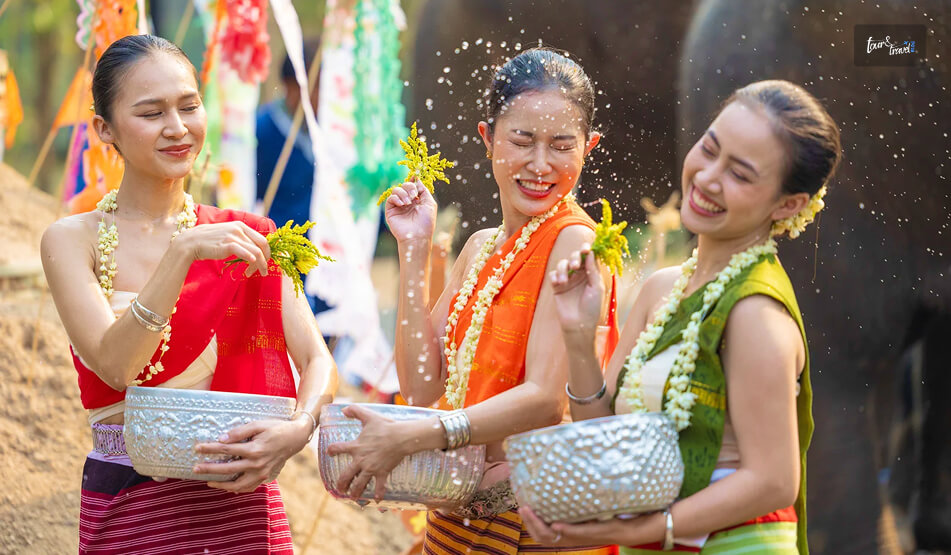
Songkran is the New Year celebration of Thailand, and it takes place every April. It is famous as the largest water fight in the world.
However, beneath the soaked T-shirts and squirt guns is a deeply spiritual observance rooted in Buddhist temple rituals.
These rituals include cleansing Buddha statues, pouring scented water over the hands of elders, and starting the year with a literal and symbolic washing-away of the old.
I was in Chiang Mai during the Songkran celebration, and an elderly shopkeeper once pulled me gently by the wrist.
Then, he dabbed cool water infused with jasmine on my forehead. He murmured a blessing before soaking me completely with a bucket a moment later. He had the most pleasant smile on his face all the time.
This festival has also influenced the pop culture of the country. It has featured in the Songkran (2020) short film and the groundbreaking interactive short film, Songkran Stranger (2021).
Moreover, UNESCO inscribed “Songkran in Thailand, Traditional Thai New Year Festival” onto its Representative List of the Intangible Cultural Heritage of Humanity in 2023.
3. Oktoberfest, Germany
Oktoberfest began its journey as a royal wedding celebration. It was never a beer festival initially.
In October 1810, Munich threw open its gates to celebrate the marriage of Crown Prince Ludwig of Bavaria to Princess Therese of Saxony-Hildburghausen.
The event included a public horse race on a meadow that later got the name Theresienwiese, or “Therese’s Meadow.”
However, the following year, Bavarian farmers turned it into an agricultural showcase, and the tradition never stopped growing.
My first proper Maß (that giant liter beer mug) at Oktoberfest arrived alongside an entire table of strangers from four different countries, and within the hour we were all singing along to a brass band none of us understood a word of.
Oktoberfest has shown up everywhere from The Simpsons to How I Met Your Mother to the comedy EuroTrip, usually as shorthand for beer-hall chaos and lederhosen-clad revelry.
Moreover, this festivaldraws more than six million visitors to Munich each year, making it the largest folk festival in the world and a major annual driver of Bavarian tourism revenue. (Source: Oktoberfest Magazine.)
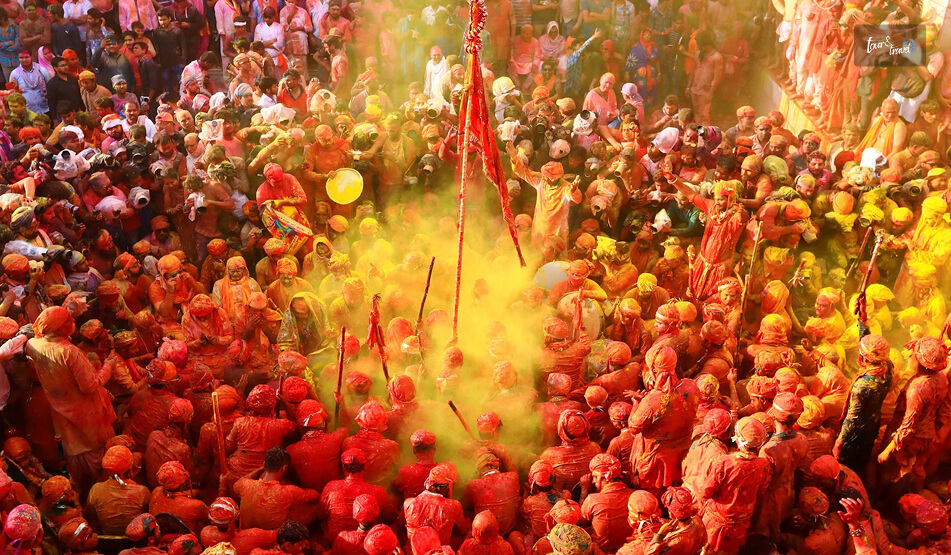
4. Holi, India
Holi celebrates the triumph of good over evil, and it is a festival that comes with the arrival of spring. So, it also indicates new beginnings.
This festival has a deep religious significance, especially for the devotees of Lord Vishnu.
The legend of Prahlada and Holika makes it a celebration of eternal love and the journey to burn the evils inside us.
At the same time, the playful divine love between Krishna and Radha turns it into a celebration of youthfulness and eternal love.
I was lucky enough to spend Holi in Vrindavan. At the Gopinath Temple, I saw the courtyard dissolve into a blur of pink, yellow, and green powder.
The priests were laughing and flinging color right alongside pilgrims and wide-eyed tourists.
Bollywood movies celebrate Holi like no other festival, and who can forget the iconic “Rang Barse” song from Silsila or “Holi Khele Raghuvira” from Baghban?
Also, the Directorial Debut of the celebrated chef Vikas Khanna, The Last Color (2019), also had a poignant Holi sequence. This Neena Gupta starrer was eligible for the Oscars also.
5. Día De Los Muertos, México
Pixar’s Coco introduced a generation to this Mexican festival’s warmth and symbolism.
Furthermore, James Bond film Spectre opened with a fictional Día de los Muertos parade through Mexico City.
The sequence became so popular that Mexico City began organizing a real annual parade the following year to match it.
Día de los Muertos, or the Day of the Dead, is never a somber affair as it may sound. It is a colorful and joyful invitation for the deceased kith and kin to return home for a night.
I spent one November 1st in Oaxaca sitting in a cemetery lit entirely by candlelight.
There, a family invited me to share pan de muerto at their relative’s graveside as if I had known the person myself.
To celebrate the day, families build ofrendas. These are altars piled with marigolds, candles, sugar skulls, and a departed relative’s favorite foods.
They believe that the scent and warmth guide spirits back across the divide.
In 2008, UNESCO inscribed the “Indigenous Festivity Dedicated to the Dead” onto its Representative List of the Intangible Cultural Heritage of Humanity.
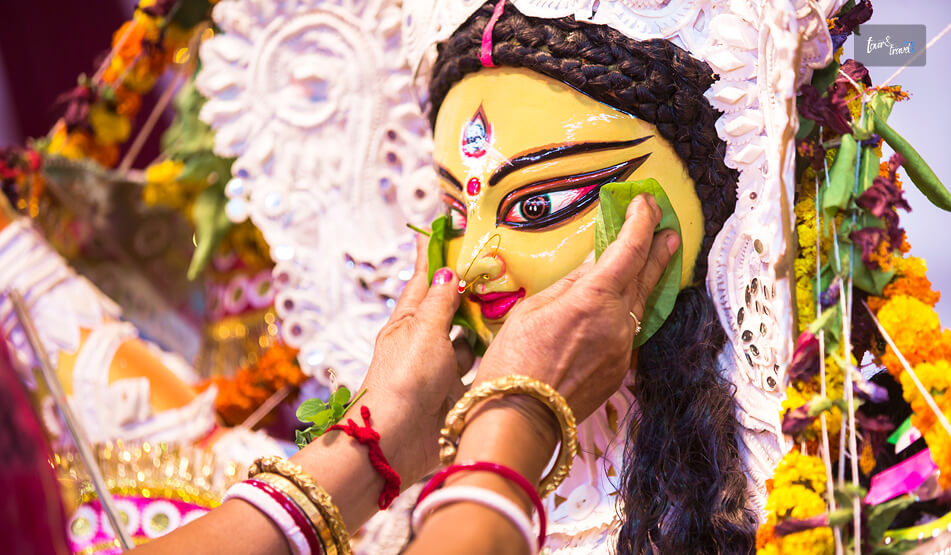
6. Durga Puja, India
Every autumn, Kolkata transforms into what UNESCO has called the world’s largest public art festival.
It is Durga Puja, and I am proud that I belong to the city the festival calls home.
Elaborate pandals, or temporary temple structures, double as art installations around the clay idols of the goddess Durga sculpted by generations of artisans in the Kumartuli potters’ quarter.
Also, I must say that this is a festival that opens its arms to everyone regardless of caste or class.
Everyone eats khichuri off paper or sal leaf plates handed out by volunteers at a community kitchen. The air is something else, filled with the whiff of fast food, incense sticks, and coral jasmines.
We observe Durga Puja every year at our ancestral house, and I know what this festival brings.
Beyond the mythological and spiritual significance of Devi Durga killing the demon Mahishasura and the triumph of good over evil, the most palpable emotion is the homecoming of a beloved daughter, Uma.
Presence In Pop Culture And Designation
Durga Puja has been the backdrop of the Aparna Sen classic, Parama, and the Rituparno Ghosh Multistarrer, Utsab.
Recently, Durga Puja has provided the tense, atmospheric backdrop for the 2012 Bollywood thriller Kahaani, set almost entirely amid Kolkata’s festival crowds.
Also, Jhumpa Lahiri’s novel The Namesake has a beautiful account of the festival’s rituals and family gatherings.
UNESCO inscribed “Durga Puja in Kolkata” onto its Representative List of the Intangible Cultural Heritage of Humanity in December 2021.
It is the first festival from Asia to receive the designation.
The Economic Contribution Of Durga Puja
A 2019 British Council study mapped the creative economy surrounding Durga Puja at roughly ₹32,377 crore (about $4.5 billion USD).
This gave us an estimate that the festival contributes around 2.58 percent of West Bengal’s entire GDP.
In 2025, the Durga Puja economy in West Bengal hit ₹65,000 crores, and pujas in Kolkata contributed around 65-70% of it. (Source: The Times of India).
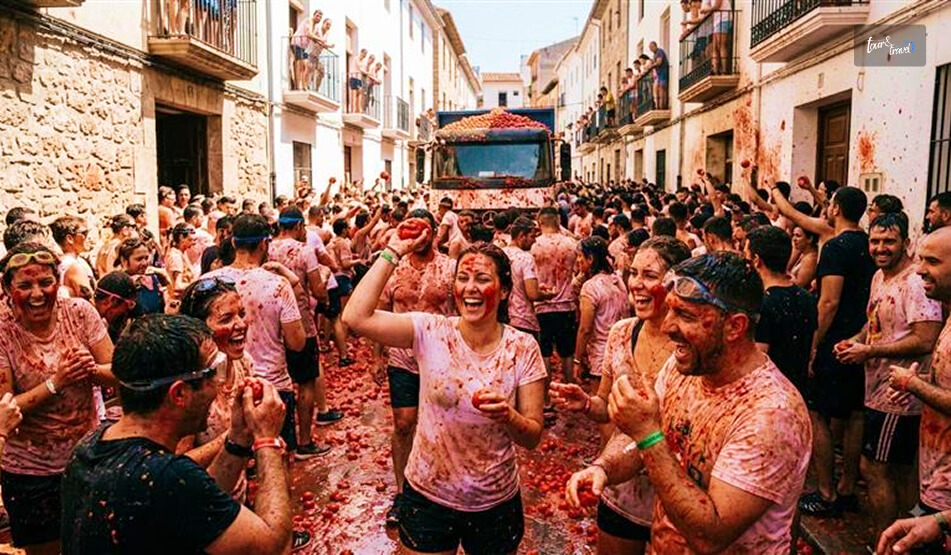
7. La Tomatina, Spain
La Tomatina began in 1945, and it happened due to a scuffle among young men at a local parade in Buñol, Spain.
They spilled a nearby vegetable stand into the street, and a spontaneous tomato fight broke out.
Authorities had earlier banned it. However, the locals brought it back in the q950s.
Nothing quite prepares you for the sensory chaos of standing knee-deep in crushed tomatoes with strangers from a dozen countries, all of us laughing too hard to properly aim.
Famous 2011 Bollywood Movie, Zindagi Na Milegi Dobara and We Need to Talk About Kevin (2011) have La Tomatina in important sequences.
It was declared a Festival of International Tourist Interest in 2002.
Since then, La Tomatina has become a significant driver of tourism revenue for the small town of Buñol.
It draws roughly 20,000 visitors for a single hour-long event each August.
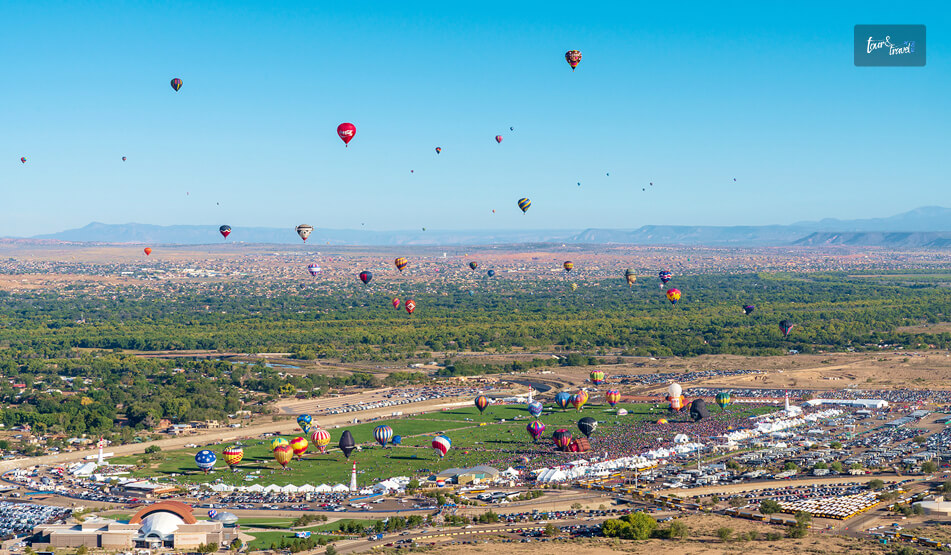
8. Albuquerque International Balloon Fiesta, USA
This festival began in 1972 as a modest publicity stunt.
Only 13 hot air balloons were launched from a shopping mall parking lot to celebrate a radio station’s 50th anniversary.
Over time, it has become the largest ballooning event on Earth, with hundreds of balloons filling the New Mexico sky each October.
Watching the pre-dawn “Dawn Patrol” balloons glow silently against a still-dark sky, before the mass ascension of hundreds more at sunrise, is one of the few travel moments that has left me completely speechless.
The Fiesta’s balloon-filled skies over Albuquerque have become visually synonymous with the city itself.
It is echoed in the hot-air-balloon imagery woven throughout the acclaimed television series Breaking Bad, which was set and filmed in Albuquerque.
More Cultural Festivals You Must Know About
Apart from the eight cultural festivals I have been to, here are 15 more celebrations that are worth traveling for.
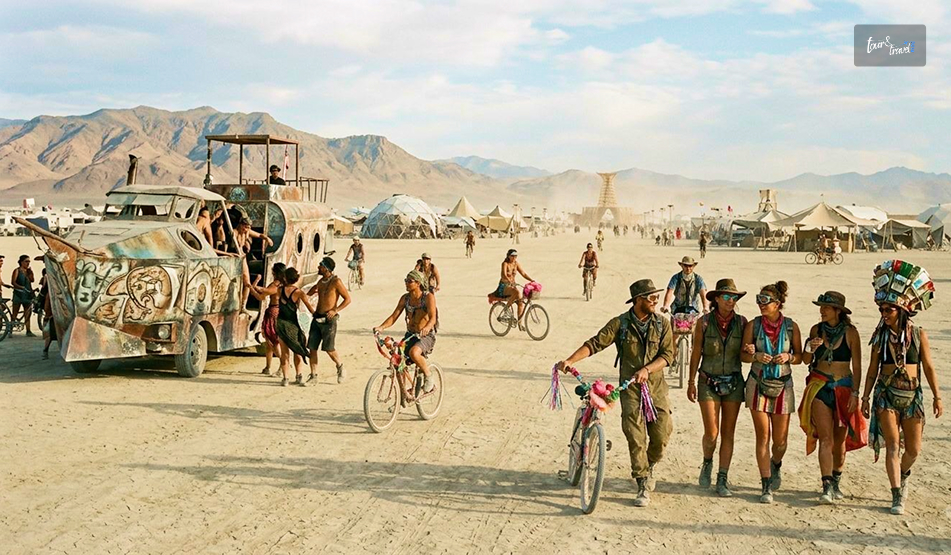
Burning Man, USA
This is a festival of radical self-expression. It also fosters community-building in Nevada’s Black Rock Desert.
The festival culminates in the ceremonial burning of a giant wooden effigy.
Larry Harvey and Jerry James started this festival on a San Francisco beach in 1986 before relocating to the desert.
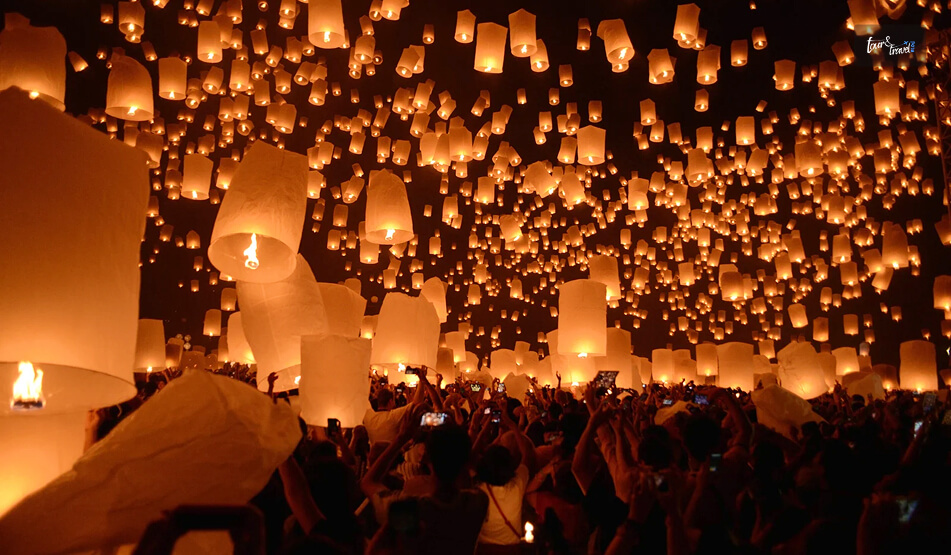
Yi Peng Lantern Festival, Thailand
This is a festival where people release glowing paper lanterns into the night sky over Chiang Mai on the full moon of the twelfth lunar month, usually alongside the water-based Loy Krathong festival.
It is one of the most photographed nights in Southeast Asia.
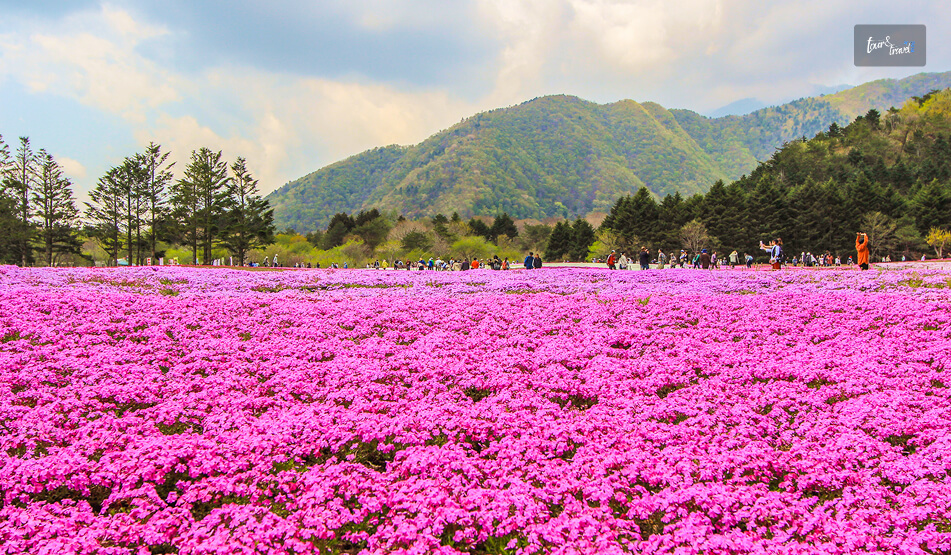
Fuji Shibazakura Festival, Japan
Each spring, hundreds of thousands of pink and purple moss phlox blossoms carpet the foothills of Mount Fuji.
This spectacle draws visitors for a quieter cultural celebration.
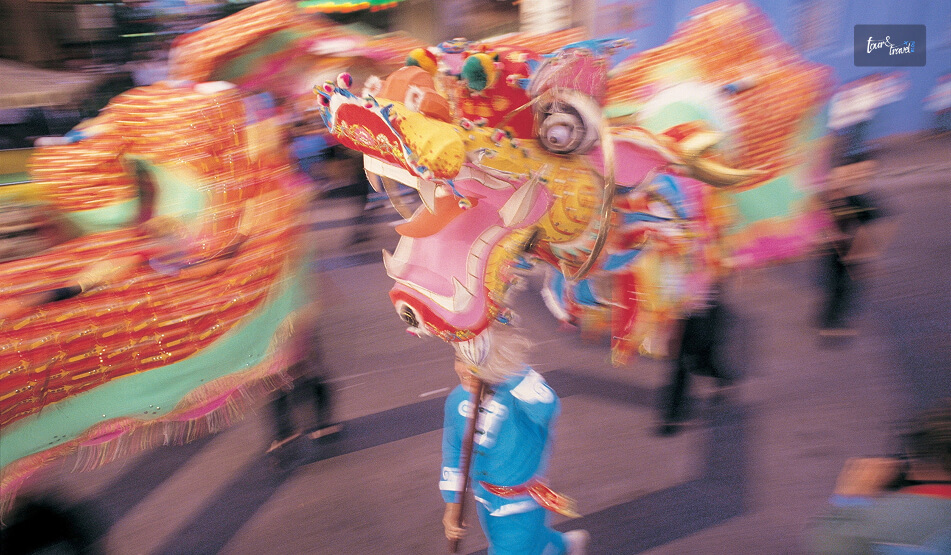
Chinese New Year, China and worldwide
The Chinese New Year is the most important holiday on the Chinese calendar.
It is marked by the following activities.
Parades
Red Lanterns
Family Reunion Dinners
Fireworks to welcome a new zodiac year
Hundreds of millions of people across China and its diaspora celebrate this festival.
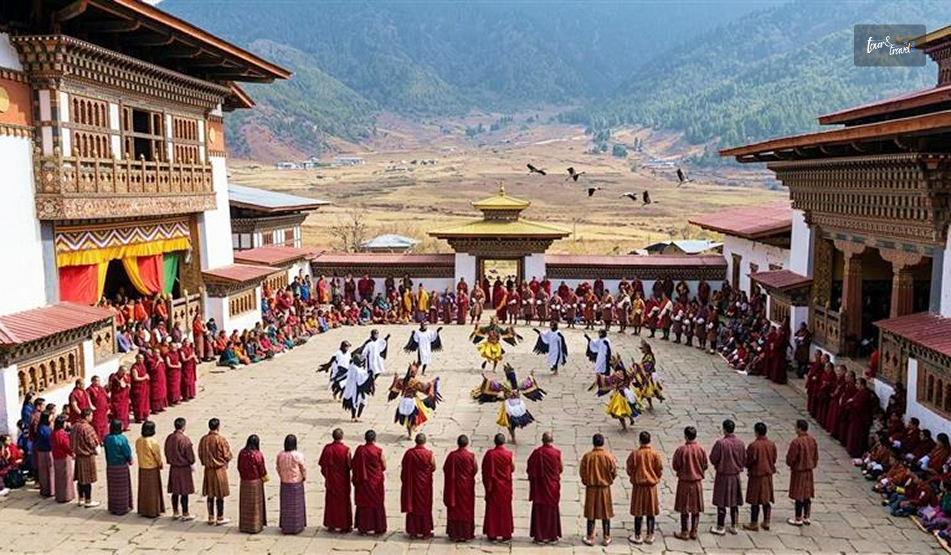
Black-necked Crane Festival, Bhutan
The Black-necked Crane Festival takes place in November in the courtyard of Gangtey Goemba monastery.
This festival celebrates the arrival of the endangered, sacred black-necked crane, tying conservation directly into cultural ritual.
Naadam Festival, Mongolia
Naadam is the national festival of Mongolia. It is built around the “Three Games of Men,” wrestling, horse racing, and archery.
It has its roots tracing back roughly 800 years to the era of Genghis Khan.
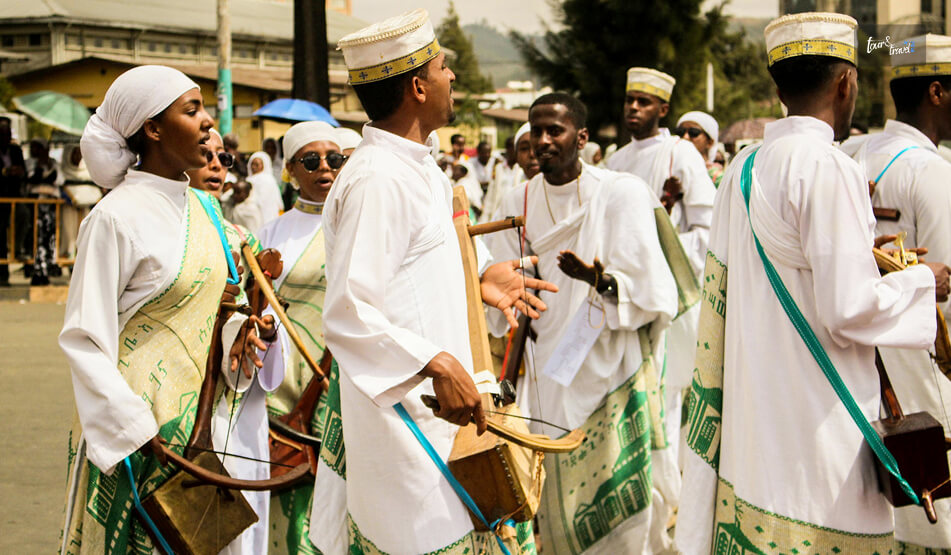
Timket Festival, Ethiopia
It is an Ethiopian Orthodox Christian celebration of Epiphany.
In this, the priests re-enact the baptism of Jesus, blessing water at dawn and sprinkling it over gathered crowds in a moving, deeply spiritual public ritual.
Vodun Festival, Benin
Held annually in the coastal town of Ouidah, once a major slave-trading port, this festival honors West African Vodun spiritual traditions.
It also celebrates the resilience of the communities shaped by that painful history.
St. Patrick’s Day, Ireland
Dublin’s parades and citywide celebrations on March 17 honor Ireland’s patron saint.
It has grown into one of the most widely celebrated cultural exports in the world, marked by Irish communities on every continent.
AgitÁgueda, Portugal
Every July, the small town of Águeda transforms its streets into a canopy of colorful umbrellas, turning a simple art installation into a beloved, Instagram-famous summer festival.
Inti Raymi, Peru
The Inca “Festival of the Sun,” held in Cusco each June 24 at the winter solstice, reenacts ancient rituals honoring the sun god Inti with music, dance, and elaborate historical costume.
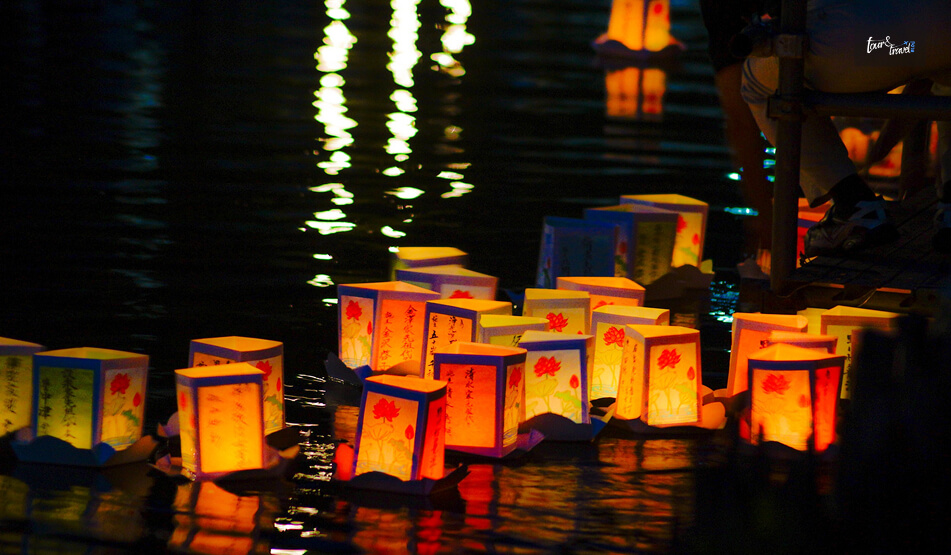
Honolulu Lantern Floating Festival, USA
On Memorial Day, tens of thousands gather on Oahu to float lanterns out to sea in memory of loved ones who have passed.
It is one of the most moving public displays of collective remembrance in the United States.
Gathering of Nations, USA
The Gathering of Nations is held annually in New Mexico since 1984.
It brings together Native American and Indigenous performers, dancers, and artisans from hundreds of tribal nations.
Toronto International Film Festival, Canada
Founded in 1976, TIFF has grown into one of the world’s most influential film festivals.
It draws global audiences and premieres award-contending films from every corner of the industry each September.
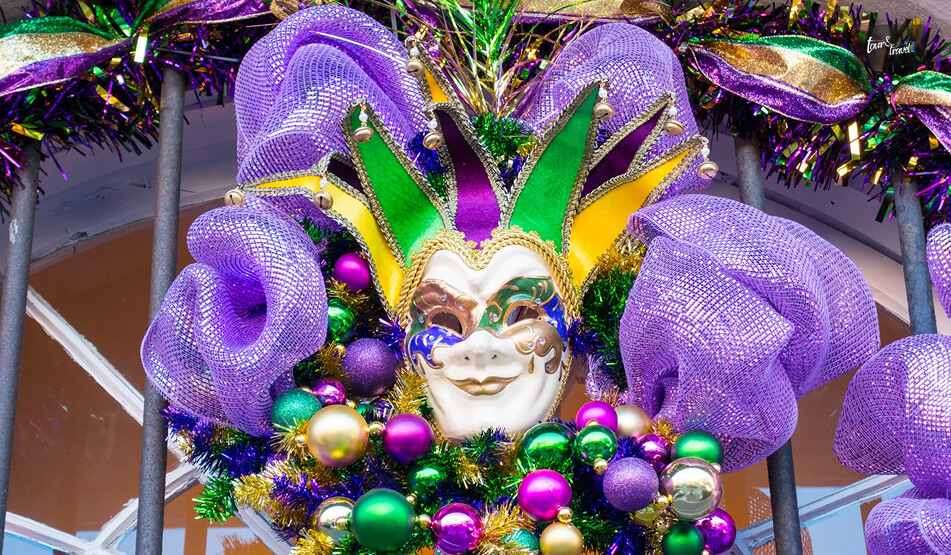
Mardi Gras, USA
The Mardi Gras festival in New Orleans starts on Twelfth Night in January and continues to Fat Tuesday.
It blends Catholic tradition, Creole culture, and unmistakably Louisianan revelry into parades, parties, and king cake.
Festival Comparison At A Glance
Festival
Country
Best Time to Visit
Signature Experience
Global Recognition
Rio Carnival
Brazil
February/March
Sambadrome parades, street blocos
Major economic driver, with a R$5.9B+ impact
Songkran
Thailand
Mid-April
Citywide water fights, temple blessings
UNESCO Intangible Heritage (2023)
Oktoberfest
Germany
Late September–Early October
Beer tents, Bavarian folk traditions
World’s largest folk festival
Holi
India
March (spring)
Smearing colors and folk traditions
Celebrated across 40 countries worldwide.
Día de los Muertos
Mexico
November 1st–2nd
Ofrendas, candlelit cemetery vigils
UNESCO Intangible Heritage (2008)
Durga Puja
India
September-October
Clay idols and temporary pandal installations
UNESCO Intangible Heritage (2021)
La Tomatina
Spain
Last Wednesday of August
World’s largest tomato fight
Festival of International Tourist Interest (2002)
Albuquerque Balloon Fiesta
The USA
Early October
Mass hot air balloon ascensions
World’s largest ballooning event
Burning Man
The USA
Late August–Early September
Desert art city, effigy burning
N/A
Yi Peng Lantern Festival
Thailand
November (Full Moon)
Sky lanterns over Chiang Mai
N/A
Fuji Shibazakura Festival
Japan
April–May
Pink moss phlox fields at Mt. Fuji
N/A
Chinese New Year
China
January–February (Lunar)
Parades, lanterns, family reunions
UNESCO Intangible Heritage (2024)
Black-necked Crane Festival
Bhutan
November
Sacred crane celebration at Gangtey Goemba
N/A
Naadam Festival
Mongolia
July 11–13
Wrestling, horse racing, archery
UNESCO Intangible Heritage (2010)
Timket Festival
Ethiopia
January
Orthodox Epiphany water blessing
N/A
Vodun Festival
Benin
January
West African Vodun spiritual rites
N/A
St. Patrick’s Day
Ireland
March 17
Parades honoring Ireland’s patron saint
N/A
AgitÁgueda
Portugal
July
Umbrella-canopied streets
N/A
Inti Raymi
Peru
June 24
Incan Festival of the Sun
N/A
Honolulu Lantern Floating Festival
The USA
Memorial Day (May)
Lanterns floated out to sea
N/A
Gathering of Nations
The USA
April
Largest powwow in North America
N/A
Toronto International Film Festival
Canada
September
Premieres of major global films
N/A
Mardi Gras
USA
Jan–Feb/March (Fat Tuesday)
Parades, Creole Carnival tradition
N/A
Origins At A Glance: Who Started These Festivals, And When
Festival
Started By
Year Founded
Rio Carnival
Portuguese colonial settlers (Entrudo tradition), later shaped by Afro-Brazilian communities
18th century; modern form from the 1930s
Songkran
Traditional Thai/Buddhist communities (based on ancient solar calendar rituals)
Ancient tradition; UNESCO-listed in 2023
Oktoberfest
Crown Prince Ludwig of Bavaria, in honor of his wedding to Princess Therese
1810
Holi
Rooted in Hindu mythology and tradition
Ancient (over 2,000 years old)
Día de los Muertos
Indigenous communities of Mexico (Aztec, Nahua, and other groups), later blended with Catholic tradition
Pre-Hispanic origins; UNESCO-listed in 2008
Durga Puja
Lakshmikanta Majumdar (Lakshmikanta Gangopadhyay) of the Sabarna Roy Choudhury family
Lakshmikanta Majumdar (Lakshmikanta Gangopadhyay) of the Sabarna Roy Choudhury family first started the household Puja in 1610.
The first community celebration, or Barowari Puja, was started by the Bhowanipore Sanatan Dharmatsahini Sabha.
La Tomatina
Local youths in Buñol, Spain (spontaneous origin)
1945
Albuquerque Balloon Fiesta
Balloonist Sid Cutter and KOB Radio, for the station’s 50th anniversary
1972
Burning Man
Larry Harvey and Jerry James
1986
Yi Peng Lantern Festival
Traditional Lanna (Northern Thai) Buddhist communities
Centuries-old tradition
Fuji Shibazakura Festival
Modern tourism initiative around a natural bloom cycle
Contemporary festival
Chinese New Year
Rooted in ancient Chinese agrarian and lunar calendar tradition
Thousands of years old.
Black-necked Crane Festival
Local Bhutanese monastic and conservation communities
Modern annual tradition
Naadam Festival
Traditional Mongol nomadic culture, tied to the era of Genghis Khan
Roughly 800 years old
Timket Festival
Ethiopian Orthodox Church tradition
Ancient Orthodox Christian origin
Vodun Festival
West African Vodun spiritual communities of Benin
Traditional, formalized as an annual festival in 1992
St. Patrick’s Day
Rooted in the feast day of Ireland’s patron saint
Centuries-old; Dublin’s modern parade dates to the 20th century
AgitÁgueda
Local artists and the Águeda town community
Early 2000s
Inti Raymi
The Inca Empire
15th century (revived as a public festival in 1944)
Honolulu Lantern Floating Festival
Na’alehu Anthony and the Shinnyo-en Buddhist order
1999
Gathering of Nations
Founder Derek Mathews
1984
Toronto International Film Festival
Bill Marshall, Dusty Cohl, and Henk Van der Kolk
1976
Mardi Gras
French colonial settlers in Louisiana
18th century
A Traveler’s Final Word On The Cultural Festivals In The World
Once again, these cultural festivals have very little to do with tourists.
The moment someone makes you join the samba groove or smears the colors of Holi on you, you become a part of the culture.
That is the real gift the cultural festivals bring for travelers. It is not a photograph, but a few hours of genuine belonging in a place that was, until recently, a stranger to you.
Sibashree is a travel, culture, and leisure writer who has been writing since the age of 12 and professionally since 2014. With more than a decade of travel writing experience and journeys across India and several parts of the world, she brings a deeply personal and thoughtful perspective to her work. A student of English Literature and Mass Communication, Sibashree has always viewed travel as more than movement — for her, it has been a way of understanding people, cultures, and herself. Her passion for spiritual exploration has also led her to many unusual and meaningful destinations over the years. Outside of writing, Sibashree enjoys watching European cinema, reading about global politics, and reflecting on the stories hidden within everyday places.
Michelangelo is probably the most influential artist in Western history. He once said sculpture was the purest form of art.
His logic was as rigid as the stone he worked.
Furthermore, a painter, he claimed, can cover up a shaky hand with brushwork or clever color choices.
The sculptor? The sculptor works with time like it's fragile, and each blow risks undoing years of labor.
Moreover, a single wrong strike at the end could erase decades of effort, like deleting a life's work from memory.
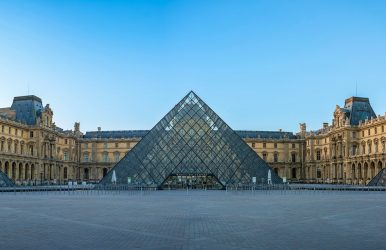
So, when you stand in front of the statues at the Louvre, you're not just seeing fine detail.
In fact, you are witnessing creativity and sacrifice carved into stone.
Behind every smooth curve or cracked surface lies something hidden, something not meant to be seen at first glance.
To truly understand them, you have to go beyond what's visible and see how much effort went into each shape.
So, here are the most famous sculptures at the Louvre Museum.
What Are The Famous Sculptures At The Louvre Museum?
Who holds power and who breaks free?
Moreover, the famous sculptures at the Louvre Museum show how power has been exercised in human civilizations over centuries and millennia.
1. Spartacus (Denis Foyatier, 1827)
Spartacus stands in Cour Puget, and it was carved by Denis Foyatier in 1827.
Charles X, a king remembered for cruelty, commissioned it.
He wanted to see himself as a rebel, someone breaking chains.
The statue shows Spartacus shattering his bonds. The people saw it differently. They saw themselves as the slaves.
However, Charles X didn't realize his subjects felt like prisoners in their own lives. Then the July Revolution happened, and the king fell.
That same statue became a symbol on Paris streets, and it was the image of resistance rising against tyranny.
2. Saint Mary Magdalene (Grego Erhart, c. 1515–1520)
A step away from politics, we find Saint Mary Magdalene by Gregor Erhart.
He made it in the period from 1515 to 1520.
It's made of lindenwood and moves like a whisper through time.
Erhart didn't know Botticelli's Birth of Venus existed.
Still, his Magdalene looks exactly like her, nude, floating, hair flowing long and wild.
Renaissance artists borrowed Roman beauty to show Christian figures. So, the sacred and the pagan blurred together like smoke and water.
3. Winged Victory Of Samothrace (c. 190 B. C. )
At the top of the Daru Staircase, for lots of people, Winged Victory is the finest piece of sculpture ever made.
It shows something physically impossible, the movement of wind through a garment and the freshness of sea air, all done in heavy stone.
Besides, it is a stark and humbling reminder that we can look up to great masters like Michelangelo and Canova. However, in Rome and Greece, hundreds of anonymous artists produced masterpieces.
Those were at a level that we, even two thousand years later, are still trying to understand completely.
4. Sleeping Hermaphrodite On Bed (Ancient Artist & Gian Lorenzo Bernini)
This piece is an enthralling inter-time collaboration. The ancient figure, the embodiment of bisexuality, is a wonder of anatomy.
On the other hand, the bed that it lies on is a masterclass from Baroque master Bernini, a few centuries later.
It is a miracle to see stone resemble human skin. However, creating the illusion of a soft and well-padded feather mattress is perhaps even more challenging.
The "shock" of the figure's anatomy after going around the bed is a cheeky nod to the different social views of ancient times.
5. The Three Graces (2nd Century A. D.)
Restored by Nicolas Cordier for the powerful Borghese family, this Roman copy of a Greek original celebrates charm, beauty, and creativity.
It represents a philosophical peak in human history, where art was used not just for worship or power, but to explore the very essence of elegance.
6. Cupid And Psyche (Antonio Canova, 1797)
Antonio Canova managed to evoke a near physical sensation of Neo-classical caress on hard marble.
This sculpture indulges us into the story of the human soul's perfect union (Psyche) and desire (Cupid) by simply presenting a timeless love story of Cupid and Psyche.
The kiss looks so real that the viewer discovers a new emotional aspect of the sculpture with every turn.
7. The Slaves (Michelangelo, 16th Century)
Room 403 houses Michelangelo's brilliant "unfinished" works.
Initially intended for the tomb of Pope Julius II, the Dying Slave and the Rebellious Slave are two masterpieces of agony and ecstasy.
Since they were incomplete, they show an artist in revolt, with figures struggling to free themselves from the marble, probably a censored metaphor of Michelangelo.
Venus de Milo is probably the most famous woman in the world, yet her identity is still a mystery.
8. Venus De Milo (Unknown Artist, c. 100 B.C.)
Without the arms, we can only recognize her as Venus or Aphrodite by her "soft curves" and semi-nudity.
Anyway, she is a goddess of love or a local sea deity from the island of Melos. Moreover, she is the epitome of Hellenistic charm.
9. Marcellus Divinized Into Mercury Psychopomp (1st Century B.C.)
If art were wine-making, the first century B C. was a vintage that humanity struggled to copy for a thousand years.
The Marcellus shows that Ancient Rome had hundreds of artists with Michelangelo-level skill.
Now, the muscles look almost soft, and the expression carries deep sadness.
Moreover, it's hard to ignore how long it took for people to remember that stone could feel real again, only to rediscover that during the Renaissance.
10. Salle Du Manège (Various Artists)
Sometimes, the most famous sculptures move us as a group, not just through one piece.
Also, the Salle du Mange doesn't hold a single revolutionary work, yet as a space, it holds its own mood.
Moreover, a modern visitor can walk in and stand where a Roman prince once stood, surrounded by beauty that defines an era of luxury and privilege.
11. Moai Statue Of Easter Island (Unknown Artist, c. 1000 B.C.)
Contrast the polished European tradition with the Moai of Easter Island, a very different cultural expression.
Also, these statues, carved from basalt tuff, symbolized a society that, like Egypt, had a great amount of labor but had no writing system.
Furthermore, they are reminders of a people who, without their knowledge, destroyed their own environment.
Moreover, it bears a quiet, stone message that there are limited natural resources. Also, human beings may want to center around their leaders even if their very survival is jeopardized.
Read Also:
What Is The Oldest Country In The World? Japanese And Other Civilizations Still Alive Today
Free And Fun Activities In Denver For Adults: Mark The Dates For Upcoming Events
Cheapest Places To Travel Around The World In 2025: Traveling On A Shoestring
Flowers hold an extraordinary capacity to convey a diverse range of emotions. Every bloom bears its distinct significance, rendering them powerful tools for expressing sentiments like love, comfort, joy, gratitude, and friendship. Florists Peterborough will help you choose the right flowers.
Further, as travelers and travel enthusiasts, we have seen how flowers unite people. Many iconic destinations in the world are made popular by flowers. So, despite being an aspect less explored, we have tried to fuse the love for flowers with tourism.
We know places like Oxley Meadow Nature Reserve, Alnwick Garden, and Castle Ward. These are the places to which people travel for miles for their love of flowers.
So, we have divided this Tour and Travel Guide into two different yet related sections. The first section is a voyage through the profound language of flowers, offering insights into creating meaningful bouquets that resonate deeply. Here, we will also discuss the best places in the UK where you will find these beautiful flowers in full bloom.
In the next section, we will talk about some iconic tourist destinations made famous by flowers. Come along as we embark on a journey into the realm of floral emotions!
Meaningful Bouquets For Love And Romance
When Stephanie Skeem said, “Flowers don’t tell, they show.” we could not agree more. When you offer a flower to your S/O or a loved one, your emotions become palpable.
Red roses, orchids, and tulips are the universal tokens of love and amorous feelings.
Red Roses
For centuries, red roses have stood as the quintessential emblem of passionate love. Their deep crimson petals exude an intense ardor, making them the perfect choice for expressing feelings of romantic love and devotion.
Travel to the British Islands in autumn and spring to see red roses in full bloom.
Tulips
Tulips, with their elegant and vibrant blooms, are often linked with declarations of passionate love. These versatile flowers come in various hues, each bearing its distinct meaning, but all capable of conveying ardent affection.
Northern Britain and Scotland are the two most notable places to find the vivacious tulips.
Orchids
Orchids embody elegance, refinement, and luxury. When presented as a gift, they serve as a sophisticated token of affection, expressing a profound sense of admiration and appreciation.
Hartslock in Oxfordshire, overlooking the Thames, is the ideal place to find the most beautiful orchids in the UK.
Meaningful Bouquets For Sympathy And Comfort
Flowers are the best tokens to offer comfort and sympathy to your loved one. Further, lilies, white roses, and hyacinths are some of the best variations you will find in a bouquet on such occasions.
Lilies
Lilies, with their serene white petals, hold a special place in moments of grief and sorrow. Moreover, they offer a comforting presence, symbolizing purity and the hope for renewal in times of loss.
White roses
White roses, representing purity and innocence, are a heartfelt means to express sympathy and extend sincere condolences. Furthermore, they provide solace and support during times of mourning.
Hyacinths
Hyacinths, with their fragrant blooms, offer solace and understanding to those in need. Moreover, their presence conveys a sense of compassion and a willingness to provide comfort.
Meaningful Bouquets For Celebration And Joy
No celebration or expression of joy is complete without flowers. What can be better than sunflowers, daisies, and irises?
Sunflowers
Sunflowers, with their bright and cheerful demeanor, radiate happiness and joy. They are a perfect choice for celebrating special occasions and spreading positive vibes.
You can travel to Lincolnshire to find sunflowers in all their glory.
Daisies
Daisies embody innocence and cheerfulness, making them a wonderful addition to any celebration. They bring a sense of youthful exuberance and lightheartedness to any bouquet.
Irises
Irises are known for their striking beauty and symbolic association with hope. Including irises in a bouquet sends a message of optimism and lifts the spirits of the recipient.
Meaningful Bouquets For Gratitude And Appreciation
Convey your gratitude and appreciation with bouquets of pink carnations, alstroemeria, and gerbera daisies.
Pink Carnations: Expressing Admiration And Gratitude
Pink carnations are a perfect choice for expressing admiration and gratitude. Their delicate beauty conveys a sense of appreciation for the presence and impact of the recipient.
Gerbera Daisies: Appreciating Someone's Presence
Gerbera daisies, with their vibrant and bold petals, are a wonderful way to show appreciation for someone's presence in your life. They exude warmth and gratitude.
Alstroemeria: Conveying Mutual Understanding And Support
Alstroemeria, often known as Peruvian lilies, symbolize mutual understanding and support in a relationship. Including them in a bouquet expresses a deep appreciation for the bond shared.
Meaningful Bouquets For Friendship And Companionship
Yellow roses and chrysanthemums are the best love language for a lifelong friend or companion. Further, here’s more about these beautiful flowers.
Yellow Roses: Celebrating Lifelong Friendships
Yellow roses are a classic symbol of friendship and are perfect for celebrating the strong bonds of companionship that last a lifetime.
Chrysanthemums: Signifying Loyalty And Fidelity
Chrysanthemums, with their rich cultural significance, signify loyalty and fidelity in friendships. They are a powerful expression of the trust and devotion shared.
Freesias: Embodying Trust And Care In Friendships
Freesias embody trust and care in friendships. Their fragrant blooms are a beautiful representation of the genuine affection and consideration between friends.
Destinations Made Famous By Flowers In The UK
In early spring, the UK landscape gets transformed into a carpet of flowers. These are a few of the places you need to visit to find the blossoms in full glory.
1. Alnwick Garden, Alnwick, Northumberland
Close to the Alnwick Castle, Alnwick Garden in Northumberland showcases beautiful cherry flowers and white daffodils in spring.
Visit the garden in May to experience sheer floral bliss.
2. Castle Ward, Strangford, County Down
Castle Ward is known for bluebells and these flowers grow in April and May. Bluebells stand for gratitude and everlasting love.
3. Oxley Meadow Nature Reserve, Tolleshunt Knights, Essex
If you want to see orchids in the UK, you will have to visit the Oxley Meadow Nature Reserve. This place also looks beautiful with buttercups.
FAQ
Here are certain questions that people often ask related to meaningful bouquets: Please take a look at them before you leave:
1. Can I create a custom bouquet with specific flowers and meanings? Ans: Yes, you can definitely create a custom bouquet by selecting specific flowers that hold the meanings you want to convey. This allows for a personalized and heartfelt gift. 2. How do I ensure the bouquet stays fresh for as long as possible? Ans: To keep the bouquet fresh, change the water every two days, trim the stems at an angle, and avoid exposing the flowers to direct sunlight or extreme temperatures. 3. Are there any cultural considerations when gifting meaningful bouquets? Ans: Yes, it's important to be aware of any cultural symbolism attached to certain flowers. For example, in some cultures, white flowers may be associated with mourning, while in bouquets, they symbolize purity. 4. Can dried or preserved flowers still convey their intended emotions? Ans: Yes, dried or preserved flowers can still convey their intended emotions. They serve as a lasting reminder of the sentiment behind the gift and can be a cherished keepsake.
Additional Reading:
Best Places To Travel Around The World And To See Flowers
Unique Things To Do In Greenfield Indiana | A Small Town With Big Tourism Attractions
Are you looking to start a new hobby that keeps you engaged while also helping you learn a new skill?
Do you know what are some of the coolest things men in different parts of the world are doing as a hobby?
Have you ever felt excited by the prospect of sailing on the open seas, setting up your own grill, or sculpting your physique?
We all know how the monotony of everyday life can take a toll on even the best of us.
To perform at our best, many of us take up hobbies to stay engaged and break the monotony of everyday life.
In this article, we'll look at five top hobbies for men.
These hobbies will not only keep you engaged but also help you pick up a new skill you can use to impress friends and family.
However, before we begin, let us look at why hobbies matter for everyone, especially men.
The Importance of Having a Hobby For Men
According to health experts, many professionals work 80-100 hours per week. Many experts say it is essential for people to improve the quality of their lives. Hobbies are a great way to do that.
Not only do they distract us, but they also let us do something we are interested in.
Hobbies let you escape from paying your bills to doing something for your heart.
This doesn’t mean hobbies aren't good for people who love their normal 9-5 jobs.
However, if you want to increase your income, pick up a new skill, or build your personal brand, hobbies can be productive.
For example, many adults are looking at opportunities to buy Virgin Galactic shares to generate income from a side hobby.
Learning about the stock market is great and can open up a steady second source of revenue.
Many doctors believe hobbies can greatly improve health.
Mental health counselors state that spending a couple of hours on your hobby per week can reduce the risks of depression, dementia, and Alzheimer’s.
It can also promote better sleep.
When people start hobbies, they also meet others who share them.
This not only helps them socialize but also allows them to become part of a community.
You feel more attached, valued, and special when you join a group that shares your interests.
Once you start a hobby, you normally become more patient. It also helps you clear your head and organize your thoughts logically.
Not to mention how a hobby can boost your self-esteem and earn respect from certain quarters.
List of 5 Top Hobbies for Men
1. Sailing-
If you love adventure, the open seas, and independence, sailing is the best hobby for you. There is something magical in setting off on a sailboat into the vastness.
It's intoxicating and captivating, and it lets you explore nature at its best.
You can buy a sailboat, pick up the basics in a course, and make sailing a weekend activity. If you have kids, you can teach them the ropes of sailing.
This is also a great bonding activity that can help you get closer to your son or daughter.
2. Grilling-
If you love cooking and entertaining, you should pick up grilling.
Many men have taken to grilling in the last few years. If you think that this hobby requires you to learn a lot about cooking, you are wrong.
Grill cooktops and stations are becoming more advanced every day. They are technologically advanced and do not require you to do everything manually.
All you need to do is season your meat, invite friends over, and enjoy a great weekend grilling session.
3. Fitness-
Many of us ignore our health and fitness because of work pressure and other commitments.
If you have been thinking about starting a fitness regimen, complete with the best weight loss supplements for men, the upcoming holiday season can be a good opportunity to start.
Taking care of yourself is a great personal hobby.
Whether you want to create a home gym or start at a fitness center is entirely your own personal preference.
If you are fit, you will always be better positioned to ward off illnesses and diseases.
Working out can also improve your productivity in different professional commitments.
4. Brewing-
We all love to consume different kinds of alcoholic beverages.
However, brands often disappoint when it comes to flavor, price, and availability.
Brewing is one of the best hobbies for men because it lets you pick up a new skill.
Brewing also lets you showcase your newfound skills in front of friends and family.
It is true that you will need to invest in some high-end equipment. You will also need to learn the entire brewing process.
5. Investing-
According to top financial experts, many people with no prior investing experience are the most successful.
If you want to learn a new skill or improve your earnings, you could start learning to invest.
You can start small by investing in blue-chip stocks to get the hang of it, or consider fractional shares at https://www.sofi.com/invest/fractional-shares/.
You could also try a virtual stock market; you won't make money, but it is a great platform to learn on.
Once you start gaining slowly, you can move on to cryptocurrencies or real estate.
Investing is one of the productive hobbies for men that can help you build a decent side income.
The Final Word
You can pick up any of the hobbies mentioned in the list, or pick up a new one. Depending on your personal interests.
Do not be afraid to invest in a hobby of your choice. Once you start relaxing and learning, you will realize that the investment was worth it.
Can you help add to the list by sharing other hobbies men can pick up in adulthood? Let us know in the comments section below.
Read Also:
How To Prepare Yourself For The Perfect Vacation: Top 7 Tips
Tips To Help You Plan Your Holidays To Morocco





 Related