Related
Explore The Top 15 Free Museums In DC! Must Visit Museums In 2024!
BY Ankita Jun 7, 2023
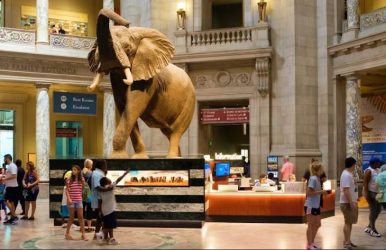
What are the best free museums in DC that you and your family can visit while you are in the state? Well, if this is something that you have been searching for, then I have the best thing for you! Washington, D.C., is home to so many amazing museums. The best thing, though? A lot of them provide free admission. You can research history, science, culture, and the arts for free. And if you want a list of them, then you will find this article to be of help! Keep reading this blog till the end to learn more… Which City Has The Highest Number Of Museums? With 85.4 museums per 100,000 people, Washington, D.C. is the US city with the highest number of museums per capita, according to a 2019 report by the American Alliance of Museums. There are numerous explanations for Washington, D.C.'s abundance of museums. First of all, being the nation's capital and the seat of government, it is home to numerous national institutions and museums, including the Library of Congress, the National Archives, and the Smithsonian Institution, which is composed of 19 museums and galleries. Moreover, museums are a big draw for tourists to Washington, D.C., another well-liked vacation spot. The city's museums are accessible to all, offering a broad range of topics from science and technology to art and history, and many of them are free to the general public. Ultimately, a great deal of Washington, D.C.'s museums are dedicated to preserving and presenting the city's rich cultural legacy. For instance, the National Museum of the American Indian focuses on the history and culture of Native Americans, while the National Museum of African American History and Culture, which opened in 2016, is devoted to telling the story of the African American experience in the United States. 15 Best Free Museums In DC That You Need To Check Out! Every day, scholars, researchers, visitors, and locals are drawn to our nation's capital. The diversity and caliber of free museums here attract the crowd. However, with so many choices, selecting an itinerary might be difficult. That is the reason why I have come to your rescue. In this article, I have planned and listed the top 15 free museums in DC that you can visit! So, without further ado, let us get started! Here are the best free museums in Washington DC that you need to visit: 1. National Gallery Of Art This renowned art gallery spans two significant buildings joined by an illuminated tunnel. It also has an indoor waterfall and a six-acre (2.4 ha) sculpture garden. It features both traveling exhibitions and a changing exhibition of works from the permanent collection. The permanent collection offers a marvelously thorough selection of the best artwork. It spans from ancient to modern times, including masterpieces like da Vinci, Degas, and Calder. The National Gallery of Art is a fantastic family outing. It offers free public programming like art history films, classical performances, and kid-friendly hands-on activities. Check out the ice skating rink in the sculpture garden if you're here in the winter. Every day from 10 am to 5 pm, the National Gallery of Art is open at 6th Constitution Avenue North West, Washington, DC, 20565. 2. United States Holocaust Memorial Museum One of the biggest disasters in human history, the Holocaust of World War II, teaches us some of history's most difficult lessons. Except for the children's-oriented Daniel's Story exhibit, it is intended for visitors 11 and older due to the nature of the issues covered in this museum's exhibitions. The Holocaust is a permanent exhibition that offers an insightful look at this historical tragedy through a wealth of artifacts, videos, and human accounts. James Ingo purposefully evoked architectural characteristics of various historical Holocaust places in the Freed building. He does so in an abstract, open-ended manner without making direct parallels to any of these locations. Four commissioned works of art are also on display within the museum: Consequence, a wall drawing by Sol LeWitt; Gravity, a monolithic sculpture by Richard Serra; Loss and Regeneration, a sculpture by Joel Shapiro; and Memorial, a grouping of four white wall sculptures by Ellsworth Kelly. Due to COVID, timed-entry tickets are required, and they can only be purchased in groups of six or fewer. Additionally, there is a $1 processing fee for online ticket purchases. This museum deserves a place on the list of the best free museums in DC. Everyday from 10 a.m. to 5:30 p.m., the museum is open. In Washington, DC, 20024, at 100 Raoul Wallenberg Place South West, is the location of the United States Holocaust Memorial Museum. 3. National Museum Of Natural History There are 147 million specimens and artifacts on display at the Natural History Museum with the highest visitors in the world. Some of them are The Hope Diamond, meteorites, ancient Egyptian mummies, and live insects, including butterflies. The focus of traveling exhibits on natural history issues is on plant and animal biodiversity as well as human history. To further improve your experience, they also offer do-it-yourself, free, printable exhibitions. Because the museum is so big, it's a good idea to take a break and unwind in one of their two cafes or the Garden Lounge, which has live plants. Open every day from 10 a.m. to 5 p.m. In Washington, DC 20560, at 1000 Madison Drive North West, is where you may find the National Museum of Natural History. 4. National Museum Of American History Explore the over 1.7 million objects that span over 300,000 square feet (27,870 square meters) and tell the narrative of America with the four million visitors who flock here each year. The "Star-Spangled Banner"'s inspiration, the Greensboro lunch counter from the Civil Rights demonstrations, Julia Child's kitchen, the ruby slippers from The Wizard of Oz, and Lincoln's stovepipe hat are just a few of the most well-known and well-liked exhibitions. In addition to exceptional events like guest lecturers and performances, the museum offers regular programming as part of some exhibits like Spark! Lab and Wonderplace. The National Museum of American History is located at 1300 Constitution Avenue North West, Washington, DC, 20560, and is open daily from 10 am to 5.30 pm. 5. Hirshhorn Museum And Sculpture Garden Next on the list of the must-visit free museums in DC, we have Hirshhorn Museum and Sculpture Garden. This museum is a must-visit for art enthusiasts because of its enormous collection of contemporary and modern art from throughout the world. Featured and well-known artists include Yayoi Kusama, Henry Moore, and Pablo Picasso. Over 30 sculptures are on display at the sculpture park, including Yoko Ono's well-known Wish Tree. One of the most well-known American modern art museums, the Hirshorn has been open for 50 years and provides a platform for contemporary art and culture on a national scale. For special exhibits, timed passes can be necessary. The museum offers exciting educational opportunities like storytimes, guest speakers, their mobile Art Cart, and film festivals in addition to its permanent and special exhibits. The on-site cafe, Dolcezza, offers pastries, gelato, specialty coffee and tea in a beautifully decorated space. The Hirshhorn Museum and Sculpture Garden is located at Independence Avenue South West & 7th Street South West, Washington, DC, 20560, and is open daily from 10 am to 5.30 pm. 6. National Museum Of The American Indian In this relatively recent addition to the National Mall, explore the richness of culture, language, history, tradition, and futures of indigenous peoples of the Americas. Visit the engaging, fun-filled imaginative Activity Centre (Tuesday–Sunday) for children ages 10 and under to learn the traditional cultural and scientific knowledge of many indigenous peoples. The National Native American Veterans Memorial, a stainless steel circle balanced on a carved stone drum with intricate symbolic carving, was inaugurated at the museum in November 2020 to honor and remember the Native American military veterans. Take a mouthful of some traditional food at the Mitsitam Native Foods Cafe, which offers Native American foods at five themed food stations. The museum offers a number of special events and programs, including performances, special guest lecturers, film festivals, and concerts, to share indigenous traditions with people of all ages in addition to permanent and temporary exhibitions. The National Museum of the American Indian is located at 4th Street South West, Washington, DC, 20560, and is open daily from 10 am to 5.30 pm. 7. National Museum Of African American History And Culture Visit the one and only national museum that was established in the autumn of 2016 and is dedicated to preserving and promoting African American life, art, history, and culture. With an exhibition area of 85,000 square feet (7,897 square km), it will take at least two hours to see everything. Discover African American cuisine at the Sweet Home Cafe with its four themed stations and occasionally offered "Chef's Tables" special meals, such as those for Black History Month. You need a free-timed admission pass. The National Museum of African American History and Culture is located at 1400 Constitution Avenue North West, Washington, DC, 20560, and is open daily from 10 a.m. to 5:30 p.m. 8. National Museum Of Asian Art Visit the Freer Gallery to learn more about Asian art. The Sackler Gallery is home to ornamental and religious items. The Freer Gallery was the first Smithsonian institution designed purely to keep art. They collectively house about 45,000 items with a 6,000-year history. It includes some American artworks in the Freer Gallery. For example, the greatest collection of James McNeill Whistler's paintings in the world. Recent substantial improvements to the galleries have given the museum new energy and technology. Additionally, the museum presents a number of special events and programs, including workshops, performances, films, and guest lecturers. In Washington, DC, 20560, at 1050 Independence Avenue South West, lies the National Museum of Asian Art. 9. National Museum Of African Art Next on the list of free museums in DC is the National Museum of African Art. It was initially founded in 1964 and was bought by the Smithsonian in 1979. It collects and exhibits traditional as well as modern and contemporary art from Africa. A variety of media and issues are covered in the exhibitions, such as photography, portraiture, sculptures, film, and more on tradition, history, slavery in America, politics, and African cinema. They offer a variety of performances as well as notable speakers as part of their special programming. In Washington, DC, 20560, at 950 Independence Avenue South West, lies the National Museum of African Art. 10. National Archives Museum The three most significant historical documents in American history are kept there. There is also the museum and the National Archives and Records Administration. Discover more important documents that affected American history at the Rotunda's interactive Public Vaults permanent exhibit. It features the Declaration of Independence, the Constitution, and the Bill of Rights. The David M. Rubenstein Gallery houses one of the four remaining original copies of the 1297 Magna Carta. It is the ongoing exhibition of the Record of Rights. There is also a 17-foot (nearly 5-m) touch screen on the national discussions surrounding subjects like citizenship and free speech. Additionally, the museum hosts a variety of passing exhibits. It includes a featured document display and the Boeing Learning Centre. Here visitors can check out white gloves and a magnifying glass to examine replica documents like an actual archivist. The National Archives Museum is located at 701 Constitution Avenue North West, Washington, DC, 20408. It is open daily from 10 am to 5.30 pm. 11. National Air And Space Museum Visit the National Air and Space Museum in Washington, DC, for a fun-filled free museum. Visit the renowned National Air and Space Museum to learn more about the power of flying and how it propelled humans off the planet. The Air and Space Museum, like many other museums, is undergoing renovations that will last until 2025, although eight new exhibits are already open. The Wright Brothers & the Invention of the Aerial Age explores the history and force of flight with a special emphasis on its creators. Discover how we reached the moon in 1969 and why and how we are returning in the new blockbuster-level exhibit Destination Moon. You must have a free timed admission pass, otherwise you can skip the queue. The Steven F. Udvar-Hazy Centre, their secondary location, is located in Chantilly, Virginia, about 40 minutes from Washington, D.C. Here, you may learn about human spaceflight and World War II aviation while also seeing planes and a space shuttle. The National Air and Space Museum is located at 600 Independence Avenue, Washington, DC, 20560, and is open daily from 10 am to 5.30 pm. 12. National Zoo Bears, lions, and tigers, and so much more! Discover a variety of animal species from all over the world, as well as daily animal demonstrations and habitat displays. There are entrance passes that must be purchased in addition to paid parking passes in advance (if you decide to drive and park there). A few same-day passes will be available on-site, although it is advised to make a reservation in advance. Visit the Kids' Farm, the unusual Me and the Bee playground, and the seasonally open Squirt Zone if you're traveling with children. Kids will enjoy the Speedwell Conservation Carousel, but keep in mind that each ride costs $4. Two to three hours are suggested or anticipated for a trip to the zoo; be sure to wear shoes that are suitable for walking around in. You can bring your own food and non-alcoholic drinks (no glass bottles), though they do have some food options on-site. The National Zoo is located at 3001 Connecticut Avenue North West, Washington, DC 20008, and is open daily from 8 am to 4 pm. 13. National Portrait Gallery Discover portraits of some of America's most prominent people in the visual, performing, and new media arts, including artists, politicians, scientists, innovators, activists, as well as entertainers. The museum is home to the only comprehensive collection of presidential portraits outside of the White House, which includes works by renowned artist Gilbert Stuart. For a customized visit with your group, schedule a tour five weeks in advance for ten or more people, or try your luck with the walk-up tours on Saturdays as well as Sundays at 12 and 2.30. The National Portrait Gallery is located at 8th Street North West & G Street North West, Washington, DC, 20001, and is open daily from 11.30 am to 7 pm. 14. American Art Museum Discover the country's first collection of American art. It is one of the most significant and comprehensive collections of American art in the world. It is also a unique world-class chronicle of the American experience. The museum has taken the lead in seeking out, gathering, and displaying exceptional as well as outstanding representations of American visual art culture. In addition to the conventional, expected kinds of art in a museum, there is photography, current folk and self-taught work. There are also frequently unsung cultural arts, such as African American and Latino, and even computer games. The museum has two locations. However, they are only a 25-minute walk apart. The Smithsonian American Art Museum (SAAM) is in the downtown cultural center. The Renwick Gallery, which specializes in craft and decorative art, is close to the White House. Check out the Experience America exhibition, which captures American culture in a variety of artistic mediums. There is also Janet Echelman's 1.8 Renwick, a commissioned colorful fiber and lighting piece dangling from the ceiling. Moreover, it highlights the relationships between people and the natural world across time. The SAAM site is open from 11:30 am to 7 pm, as well as the Renwick Gallery is open from 10 am to 5.30 pm. Both locations are open every day. While the Renwick Gallery is located at 1661 Pennsylvania Avenue North West #1 in Washington, DC, the SAAM is housed in the same building as the National Portrait Gallery at G Street North West & 8th Street North West. Read More: Understand More About The Vatican’s Museums 15. National Postal Museum Last but not least, on this list of the free museums in DC that you must visit is the National Postal Museum. Who knew using the mail could be so much fun? Learn about the practicalities of how your letter gets from your mailbox to its destination as well as what it's like to work for the postal service. You can also learn about the transportation used by the postal system. In this amazing stamp collection, you may engage with stamps in ways you never thought possible. Along with regular special programming including story times, art programmes, reading groups, talks, and even multilingual options like Hello, Museo for kids, daily tours are also offered. The National Postal Museum is located at 2 Massachusetts Avenue North East, Washington, DC 20002, and is open daily from 10 am to 5.30 pm. Bonus: Phillip's Musuem Nestled amidst the exquisite row houses of Dupont Circle, this modern art museum was founded in 1921 within a Georgian Revival mansion that had previously served as Duncan Phillips' family home. The location is a favorite among Washingtonians because it is both sophisticated and intimate. Impressionist and modern art are the main foci of the modern art museum, and it excels in both areas. Renoir's well-known "Luncheon of the Boating Party" and pieces by Georgia O'Keefe, Pablo Picasso, Vincent van Gogh, and Richard Diebenkorn are among the highlights of the permanent collection. A single bench is surrounded by four of the abstract expressionist artist's paintings in a small but cozy Rothko Room. In celebration of the centennial of The Phillips Collection, visual artist Daniel Canogar created a digital piece that melds 550 pieces from the museum's collection into a captivating, swirling projection using an algorithm. Wrapping It Up! I hope that this guide has been of help to you in finding the best free museums in DC. Is there more that you want to know? Feel free to scroll down and leave your queries at the bottom of the page. And I will be there to answer them all for you! Read Also: Top 10 National Parks In Oregon That You Need To Explore Tips To Make Your Vacation In Gatlinburg More Enjoyable 6 Things To Know Before You Visit St. George