

How Is It Possible For Ski Jumpers To Stay In The Air Long And How To They Train For That?

May 18, 2026

Last Updated on: Jul 13, 2026

Adventure

Suppose we jump high in the air. We can stay in the air for around half a second.

Michael Jordan could even stay off the ground for only one second. 

Now, at many events at the Winter Olympics, we see athletes showing strength and athleticism in the air. 

However, ski jumping beats them all in terms of jumping high in the air and staying afloat for so long. 

Here, you need to understand the physics of sports, and for many of us, the ski jump is a mesmerizing event in the Winter Games, showcasing sports physics in action. 

The athlete who travels the farthest and shows the best style while flying and landing becomes the winner of the event. 

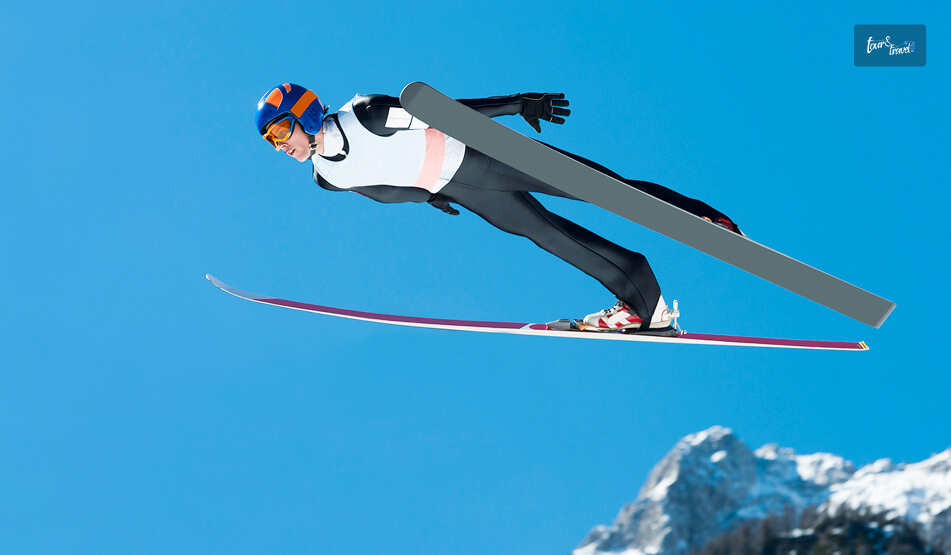
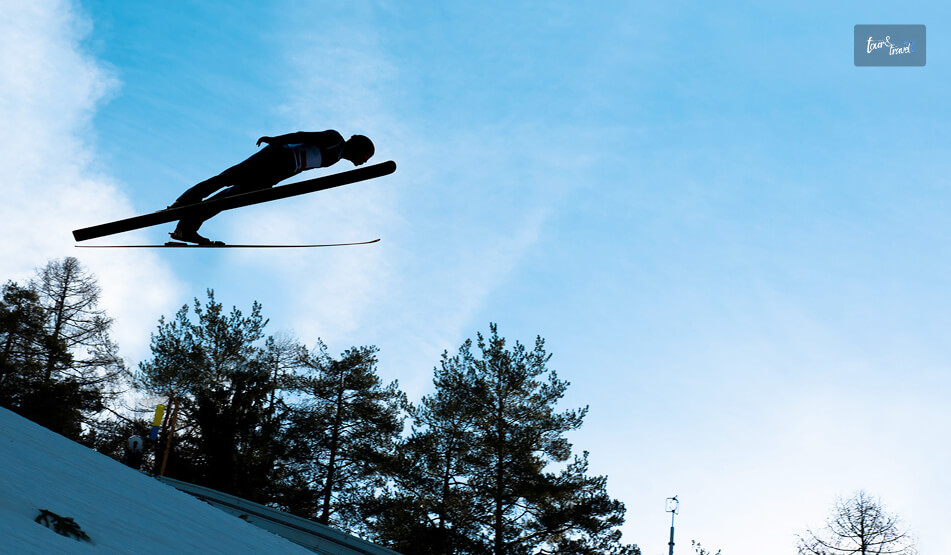
Ski jumpers can fight gravity, and they can turn their bodies and skis into a wing to stay in the air for 5 to 7 seconds. 

Within that span, they can travel almost the length of a football field while staying in the air. 

But how is it possible for ski jumpers to stay in the air so long and how do they train for that? 

Let’s delve into the details. 

How To Fly? 

How To Fly

The answer to how is it possible for ski jumpers to stay in the air so long and how do they train for that lies in three important concepts of sports physics. 

These are drag, lift, and gravity. 

Gravity is the power that pulls any object in flight down. Gravity is a force that works on everybody, and ski jumpers cannot avoid it. 

However, ski jumpers, as they move, interact with the air. Now, this interaction further produces lift. 

Lift refers to an upward force projected by the air for an upward movement of an object. 

In this scenario, if the force of gravity and the force to lift balance each other, an object can fly or glide. 

However, producing lift is only possible when the object is moving. Moving objects collide with air particles and push them aside. 

Pushing air downward creates an equal, upward reaction known as lift. Here it follows Newton’s third law, “For every action, there is an equal and opposite reaction.

You can increase lift by boosting your speed, expanding your surface area, or optimizing your angle of attack (the object’s tilt against the airflow). 

If this angle is too flat, you generate no lift; if it is too steep, the object stalls.             

The Car Window Example 

If the concept feels complicated, you can experience the same by just sticking your hand out of a moving car window. 

If you keep your hand perfectly flat, it will yield no movement. 

However, if you tilt your palm slightly upward, it will force the incoming wind downward, and thus your hand will be pushed up immediately. 

It is a clear example of lift. 

The same particle collisions that generate lift also create drag.

Drag is a resistive force that slows objects down. 

As an object loses speed, its lift drops, cutting the flight short. Because of this, ski jumpers use highly precise body positions to maximize their lift while minimizing speed-killing drag.

A Brief History Of The V-Style 

The history of ski jumping goes back to the 1800s. Norwegian skiers first started competing for distance on snowy slopes.

However, for most of the sport’s history, jumpers kept their skis pressed tightly together, parallel to each other, all the way through the flight.

The 1980s brought a major change to these practices. 

A Swedish jumper named Jan Boklöv began spreading his skis apart mid-air, forming the V-shape you now see in every competition.

He drew criticism from experts and judges who considered it a “bad style” because it looked unconventional. 

However, Boklöv’s V-style increased his jump distances by as much as 10%, simply by giving his body and skis more surface area to catch the air.

Then, ignoring the style was impossible. 

Within a few years, every serious competitor had switched to the V-style, and judges stopped penalizing it.

Even today, it remains a standard technique, and it is the same aerodynamic principle that more surface area means more lift.

How To Fly On Skis? 

How To Fly On Skis

We need to observe the skiers to understand how is it possible for ski jumpers to stay in the air so long and how do they train for that.

You will see a skier starting on a high slope, and then they move downhill. They generate speed by skiing in this way. 

They also reduce drag by squatting and steer very carefully to minimize the friction between the ramp and skis. 

So, when they reach the end, the speed will be close to 60 miles or 96 kms per hour. 

Once airborne, ski jumpers use aerodynamics to fight gravity and extend their flight. 

While they cannot generate enough lift to stay in the air indefinitely, maximizing this upward force slows their descent and carries them further down the hill.

To achieve the longest flight possible, athletes lean forward until their bodies and skis are nearly parallel to the snow. 

By spreading their skis into a V-shape just outside their body’s silhouette, they gain two major aerodynamic advantages.

The spread position creates a larger surface area to catch the wind and generate lift. So they get an expanded surface area. 

They also get an optimal angle of attack. The forward tilt places them at the perfect angle relative to the airflow to maximize upward pressure.

As the jumper glides forward, drag continuously pushes back against them, draining their forward momentum. 

Because lift relies entirely on speed, this deceleration causes the upward force to fade away. As drag robs the athlete of their speed, gravity takes complete control, pulling them faster and faster toward the landing zone.

The Takeoff: The Hardest Half-Second

Out of everything a ski jumper does, takeoff is the most difficult skill to master. It happens in under half a second. 

Furthermore, when the jumper reaches the end of the ramp, known as the “table,” they must explosively extend their legs and spring forward and slightly upward.

They will do it all while still moving at nearly 60 miles per hour.

However, if they jump too early, they will lose speed and distance. Once again, jumping too late can cause losing control of their body position in the air, which can be dangerous.

In addition, the takeoff also sets the jumper’s angle of attack for the entire flight. 

Because there’s no way to make major corrections once airborne, a fraction-of-a-second error in the takeoff can throw off the aerodynamic position for the whole jump. 

This is why ski jumpers spend years drilling this single movement until it becomes automatic.

How Ski Jumpers Actually Train?

Physics explains the reason why ski jumpers fly so far. However, the training behind it is equally crucial. 

Training AreaWhat It InvolvesWhy It Matters
Strength and Explosive PowerSquats, box jumps, and plyometric drillsBuilds the fast-twitch power needed for the powerful, split-second leg extension at takeoff
Summer Training on Artificial TracksYear-round practice on in-run tracks covered with porcelain or plastic bristles instead of snowLet athletes drill their approach, takeoff, and body position even outside the winter months
Wind Tunnel SessionsFine-tuning arm position, back angle, and ski spread with coachesFlight position is highly sensitive to drag and lift, so small posture adjustments can shave off drag
Video and Biomechanical AnalysisFrame-by-frame review of the in-run, takeoff, flight, and landing from multiple camera anglesHelps compare an athlete’s actual form against ideal aerodynamic positions
Mental PreparationVisualization techniques and gradual exposure, starting on smaller hills and building up to normal and large hillsBuilds the psychological conditioning needed to launch off a mountainside ramp at speed

How Do Judges Score A Jump?

The judges will not just assess the ski jump based on the distance covered. So, the question of who becomes the winner depends on the distance and the style. 

Scoring ComponentHow It WorksPurpose
Distance Points– Measured against the K-point (a reference point on the hill). 
– Landing exactly on it earns a fixed score, with points added or subtracted for every meter beyond or short of it.
Rewards how far the athlete actually travels
Style PointsFive judges score the flight and landing, including body position in the air and control of the landing in the “telemark” position (one foot in front of the other, knees bent). 
Each judge scores up to 20 points; the highest and lowest scores are dropped, and the middle three are added to the distance score.
Rewards technique and control, not just distance.
Gate and Wind CompensationOfficials apply point adjustments in real time based on wind conditions, since headwinds increase lift and tailwinds reduce it.Prevents a gust of wind from unfairly helping or hurting a competitor’s final score.

Normal Hill Vs. Large Hill Vs. Ski Flying

Not all ski jumps are the same size, and the hill itself determines how far a “long” jump actually is.

Hill TypeK-Point (Target Landing Distance)Notes
Normal HillUp to 109 metersSmaller competition hill
Large Hill110–184 metersUsed for most Olympic ski jumping events
Ski Flying Hill185 meters or moreIt is a separate discipline where athletes can stay airborne longer, sometimes covering well over 200 meters.

The larger the hill, the faster the in-run speed and the longer the flight.

That is why ski flying produces the most extreme examples of the physics described earlier: maximum lift, sustained over the longest possible time.

Record-Breaking Flights

The current men’s ski flying world record stands at 254.5 meters. Domen Prevc completed it in Planica, Slovenia, on 30 March 2025. (Source: Guinness World Records). 

Among women’s ski flying, Nika Prevc holds the record. She completed the jump of 236 meters in Vikersund, Norway, on 14 March 2025.

These extreme distances are a direct demonstration of the lift-versus-drag balance.

The longer an athlete can hold an efficient aerodynamic position without losing speed to drag, the farther gravity has to work to finally pull them down.

How Is It Possible For Ski Jumpers To Stay In The Air Long? The Rules Follow The Physics

So, you can see there is pure physics at play behind how is it possible for ski jumpers to stay in the air so long and how do they train for that. 

However, the body of an athlete, equipment choices, and the wind can impact the quality of the jump in many ways. 

Also, there are a lot of rules and regulations to keep a ski jump fair. 

You will see many officials changing the starting and ending points up and down the slope during the events. 

This adjustment happens to ensure a safe landing, depending on the speed of the wind. 

When the headwinds are faster, there will be more lifts and longer jumps. As a result, an athlete can go past the scure zone for landing. 

Moreover, the regulations of a ski jump will also depend on the height and weight of a skier. 

Usually, skis have to be “145% of the skier’s height.” Also, if the skier has a body mass index of less than 21, they will get shorter skis. 

Again, long skis are not the best in every case. When the ski is heavy, you will need more lift to fly and stay in the air. 

Also, you have to wear a tight-fitting suit. You cannot wear anything that will need additional lift. 

So, when you see a skiing event, think of how the skiers have also mastered the concept of physics.

Why Is Ski Jumping Riskier Than It Looks?

Ski jumping looks graceful. However, we cannot undermine how physically demanding and risky the sport is. 

Athletes fly through the air at highway speeds with only their skis and body position keeping them stable. 

A poor landing, a sudden gust of crosswind, or a small error in the takeoff can cause a loss of balance that’s difficult to correct mid-flight. 

This is part of why regulations are so strict that the rules on suit tightness, ski length relative to height and BMI, and the ability of officials to adjust the start gate are all safety measures as much as they are fairness measures.

Wind is the biggest variable officials can’t fully control.

Which is why competitions are sometimes paused or delayed when crosswinds pick up, and why the point-compensation system exists to account for conditions that shift mid-competition.

How Is It Possible For Ski Jumpers To Stay In The Air Long? Some Quick Questions And Answers

1. Why Do Ski Jumpers Spread Their Skis Into A V-Shape?

It increases their surface area and creates a better angle of attack, both of which generate more lift and let them fly farther.

2. How Fast Do Ski Jumpers Go Before Takeoff?

Around 60 miles per hour (96 km/h) by the time they reach the end of the ramp.

3. How Long Do Ski Jumpers Actually Stay In The Air? 

Roughly 5 to 7 seconds in standard competition, and even longer during ski flying events on the largest hills.

4. Is Ski Jumping Scored Only On Distance? 

No. Final scores combine distance points with style points awarded by judges for body position and landing control.

5. What Is The Difference Between Ski Jumping And Ski Flying? 

Ski flying happens on larger hills built for greater distances, allowing longer flights and higher speeds than standard normal or large hill ski jumping.

Read Also:

Share on Social Media

Sibashree is a travel, culture, and leisure writer who has been writing since the age of 12 and professionally since 2014. With more than a decade of travel writing experience and journeys across India and several parts of the world, she brings a deeply personal and thoughtful perspective to her work. A student of English Literature and Mass Communication, Sibashree has always viewed travel as more than movement — for her, it has been a way of understanding people, cultures, and herself. Her passion for spiritual exploration has also led her to many unusual and meaningful destinations over the years. Outside of writing, Sibashree enjoys watching European cinema, reading about global politics, and reflecting on the stories hidden within everyday places.

Leave a Reply

Your email address will not be published. Required fields are marked *

title-img Related

READ MORE Perfect Weekend Getaway In Minnesota

The Perfect Weekend Getaway In Minnesota: Top 5 Places To Visit 

BY  Abdul Aziz Nov 18, 2023

Minnesota is one beautiful Upper Midwestern state that never fails to amaze. It has diverse landscapes ranging from forests, prairies, and lakes. In fact, the state is often referred to as the "Land of 10,000 Lakes" due to its numerous lakes. The state is also a land of cultural significance, home to diverse communities and a deep-rooted artistic vibe. Did you know Minneapolis has the second-highest number of theater companies behind only New York City? Speaking of progressive culture, Minnesota is one of the states that made medical marijuana available to residents in the early 2010s. You had access so long as you qualified for a medical marijuana card in Minnesota. Basically, you'll find different aspects of Minnesota quite pleasing. And if you're looking for an escape from life's hustles, you'll love these top X spots for a perfect weekend getaway in Minnesota. 1. The Twin Cities If you love going on a city-exploration rampage to get the most out of your visit, you'll appreciate the sprawling Twin Cities. The metropolitan area of Minneapolis–Saint Paul, two of the state's largest cities, is home to more than half the state population. These are bustling modern cities with numerous attractions, from entertainment sites to world-class dining spots. Galleries, museums, and theaters provide a look into the state's art and culture. Some of the spots to visit for cultural exploration include the Minnesota State Capitol in St. Paul, the Walker Art Center, and the state's oldest art museum, the Minnesota Museum of American Art. 2. Red Wing Small-town charm doesn't get any better than Red Wing in Goodhue County, a town on the Mississippi River. Red Wing offers abundance when it comes to outdoor adventure, art exhibits, and shopping and dining experiences. While in town, relax on the docks on a quiet evening and watch the sunset as boats and yachts bob endlessly on the water. Most of all, explore the town's scenic trails and finish your adventure with the majestic Barn Bluff, which offers epic views of the town. 3. Grand Marais The northern lakeside town of Grand Marais is one of Minnesota's most magical places to spend your weekend getaway. Grand Marais is a tiny postcard-perfect waterfront town that packs a punch. It has no shortage of attractions, from the shores of Lake Superior to the mountainous interior. On your first day, the best places to explore are Artist's Point and Grand Marais Lighthouse. These are picturesque spots on the shores of Lake Superior that capture the beauty of the Great Lake. The lighthouse sits way off onto the lake, making the walk on the breakwater long and exciting. Away from the shores, you can take on the Pincushion Mountain Trail System, perfect for hiking and biking. If you're an avid hiker, you can't miss the opportunity to take on the much longer Gunflint Trail, teeming with scenic lookouts. 4. Detroit Lakes Detroit Lakes, a city northeast of Minneapolis, is where you escape for an action-packed weekend. Tourism is the city's bread and butter, which means you can expect plenty of fun. Go skiing in winter, surfing on the lakes in summer, and mountain biking in the city's extensive wilderness. With hundreds of lakes calling Detroit Lakes home, you will have endless shorelines to explore. And when you're exhausted, partake in the city's festivities because it holds plenty of events and festivals every year. 5. Rochester If you're looking for a big and vibrant city besides Minneapolis and St. Paul, head to Rochester in the southeast portion of the state. Rochester boasts many exciting attractions, from thousands of park acres and miles of paved trails to charming dining spots and a lively art scene. Visit the beautiful waterfront downtown, where the Rochester Art Center and the renowned Mayo Civic Center are located. If you visit anywhere between June and August, you'll love the outdoor market and live entertainment occurring weekly in downtown Rochester. You'll find the scene unforgettable, from the food to the music. Final Thoughts You won't regret spending your weekend getaway in Minnesota because there are just too many unique places to explore. The diverse range of experiences offers something for everyone regardless of what you're into. Whether you like outdoor adventures or urban excursions, there's something for you. Read Also: Planning A Beach Holiday In 2023? Here Are 5 Things To Buy In Advance

READ MORE Using E Bikes For Your Hunting Adventures

8 Things You Need To Know About Using E-Bikes For Your Hunting Adventures

BY  Ankita Feb 12, 2024

E-bikes are changing the world of outdoor adventures, and hunting is no exception. These electric bikes are not just a fad; they're a revolution in how hunters approach their sport. Quiet, efficient, and eco-friendly, e-bikes offer a unique blend of technology and tradition. This article explores the essential things every hunter should know about using e-bikes, from the benefits they bring to the hunt to choosing the right model for your needs. Whether you're a seasoned hunter or new to the sport, understanding the role of e-bikes can transform your hunting experience. Advantages Of Using E-Bikes For Hunting E-bikes come with several advantages that make them a fantastic choice for hunting. Firstly, they are much quieter than traditional vehicles, which is crucial for hunting. The less noise you make, the less likely you are to startle your prey. This stealth aspect gives hunters a significant advantage in the field. Another benefit is their environmental friendliness. E-bikes don't emit fumes like gas-powered vehicles, making them a more sustainable option for the environmentally conscious hunter. Additionally, they can handle various terrains, from muddy paths to rocky trails, which is often required in the wilderness. Choosing The Right E-Bike For Hunting Selecting the right e-bike for hunting requires a lot of considerations. The e-bike should have a robust load capacity to carry not just the hunter but also their gear and potentially their game. Durability is another key factor. Hunting terrains can be challenging, and your e-bike needs to withstand rough conditions. Look for models specifically designed for off-road use, with sturdy frames and reliable components. When it comes to the specifics, understanding the types of electric bike suspensions is crucial. Suspension systems play a vital role in ride comfort and control, especially on uneven terrains typical in hunting areas. A good suspension system will absorb shocks and provide a smoother ride, which is essential when traversing through the woods or even mountains. Various models are available in the market, each with different features suited for hunting. Some have camouflage designs to blend in with the environment, while others focus on enhanced battery life and load capacity. Researching and comparing different models is key to finding the e-bike that meets your hunting needs. Legal Considerations And Regulations Before you head out on your e-bike hunting adventure, it's important to be aware of the legal aspects. Laws and regulations regarding e-bike use can vary significantly from one region to another. Some areas may have specific rules about where and how you can use e-bikes, especially on public lands or in wildlife reserves. In some places, you might need a license or registration to use an e-bike, just like any other vehicle. It's essential to check the local regulations before planning your hunting trip. Moreover, riders and hunters must respect wildlife and environmental laws. These rules are in place to protect the natural habitat and ensure that hunting remains a sustainable activity for future generations. Safety Tips While Using E-Bikes For Hunting Safety should always be a top priority when using e-bikes, especially in hunting scenarios. First and foremost, wearing a helmet is necessary to protect you in the event of a fall or crash. Also, consider wearing visibility vests, particularly if you're hunting in areas shared with other outdoor enthusiasts. This helps ensure you're visible to others, reducing the risk of accidents. When riding through rough terrains, keep your speed at a manageable level. It's easy to get carried away with the power of an e-bike, but safety comes first. Be particularly cautious on wet or uneven trails to avoid slips and falls. Similarly, stay aware of your surroundings and be prepared for unexpected wildlife encounters. Animals can be unpredictable, so knowing how to react is essential for your safety. Maximizing Battery Life And Efficiency To get the most out of your e-bike's battery life, start with a full charge before heading out. If possible, carry a spare battery or a portable charger for longer trips. You can also conserve battery life by using the pedal-assist feature. Pedal more in easier terrains and save the battery for challenging parts of your journey. Maintaining your e-bike is key to ensuring it runs efficiently. Regular maintenance can prevent small issues from becoming big problems. Keep an eye on tire pressure, brake pads, and the chain. Proper upkeep not only extends the life of your e-bike but also ensures it performs at its best when you need it. Charging your e-bike during a long hunting trip can be challenging. If you're camping, consider solar chargers as an eco-friendly option. Planning your route with charging points in mind is another strategy to ensure your e-bike is always ready to go. Packing And Transportation Considerations Transporting your e-bike to your hunting location requires some planning. If you're driving, you might need a bike rack. Make sure the rack is sturdy enough to handle the weight of an e-bike, which is typically heavier than a regular bike. When packing your e-bike, remove any detachable parts like batteries or LCDs to prevent damage during transit. Balancing your load is key when using an e-bike for hunting. You'll likely be carrying additional gear like weapons, ammunition, and possibly camping equipment. Ensure your e-bike has the necessary carrying capacity, and use saddlebags or panniers to distribute the weight evenly. This not only makes your ride more stable but also prevents strain on the bike. Efficient packing is all about what you bring on your hunting trip. Pack only the essentials to avoid unnecessary weight. Tools for minor repairs, a first-aid kit, and enough water and food are must-haves. Remember, the more efficiently you pack, the more enjoyable your ride and hunting experience will be. E-Bike Maintenance After each trip, clean your e-bike to remove any dirt or debris. Pay special attention to the chain, gears, and brakes. These components can suffer the most from rough terrain and require regular checks and lubrication. Store your e-bike in a dry, cool place to protect it from the elements. If you're not going to use it for a while, make sure the battery is charged to about 50% to maintain its health. Periodic service from a professional can also go a long way in extending the life of your e-bike. Wrapping Up E-bikes are a fantastic tool for modern hunters. They offer a quiet, efficient, and eco-friendly way to navigate hunting terrains. Choosing the right e-bike involves considering factors like battery life, load capacity, and durability. Remember to always prioritize safety and abide by local laws and regulations. Lastly, maximizing battery life, packing efficiently, and maintaining your e-bike will also enhance your hunting experience. Read Also : Planning A Trip to Las Vegas, USA? Read this blog first 7 Key points Remember while Planning Your Honeymoon Trip What Can You Expect from the New Year’s in Mexico

READ MORE st. george tourism

St. George Tourism:  Is It Worth A Visit And Things To Know Before You Plan A Trip

BY  Sibashree May 23, 2023

Imagine waking up to the sight of radiant red cliffs against a clear blue sky, the thrill of walking in the footsteps of dinosaurs, the taste of unique local dishes, and the serene ambiance of historic pioneer buildings. It isn't a dream; this is St. George, Utah. Nestled in the state's southwest corner, St. George is a vibrant city that merges natural beauty with rich history and culture, all wrapped up in a warm, inviting community. Boasting a sunny climate all year round, it's no wonder this desert gem is a favorite among travelers. What makes St. George a must-visit destination? Let’s embark on this exciting St. George tourism journey together to uncover the many charms of this delightful city. Why Is St. George Tourism So Special?  There is a reason why every Utah adventure begins with St. George tourism. Along with being the basecamp for anyone visiting the Zion National Park, it is also the gateway to the Grand Canyon and Bryce Canyon.  However, that does not mean that St. George is just a stopover on the way to these natural attractions.  It attracts visitors with its distinct red rock scenery, championship golf courses, and cultural landmarks such as the Tuacahn Amphitheatre.  Of course, it has the iconic Red Hill Desert Garden. Here are more reasons why St. George is a popular tourist destination.  1. The Natural Splendor Of St. George St. George, a mecca for nature lovers, is a gateway to Utah's majestic national parks - Zion and Bryce. The awe-inspiring landscapes of these parks, with their dramatic cliffs, expansive plateaus, intricate canyons, and the ever-changing hues of the sky, are a sight to behold. Every sunrise and sunset, painting the red rocks with gold and pink shades is a spectacle. Don't miss the star-studded night sky that will make you feel one with the universe. In addition to these national parks, St. George is home to the surreal Snow Canyon State Park, where you can marvel at petrified dunes and old lava flows. This park is a perfect spot for adventurers for hiking, mountain biking, rock climbing, or even horseback riding. Birdwatchers and wildlife enthusiasts will find it equally enthralling to spot the native species in their natural habitat. After an action-packed day, St. George vacation rentals offer an ideal retreat with home-like comfort and a hint of luxury. 2. Dive Into History And Culture History is there in every corner of St. George. This city has borne witness to times as ancient as the age of dinosaurs and as recent as the era of pioneers. Start your journey back in time at the St. George Dinosaur Discovery Site. You'll find real dinosaur tracks preserved in stone, fossilized remains, and informative exhibits that give a sneak peek into the prehistoric era. Continue your exploration at the Pioneer Courthouse, one of the oldest standing buildings in the city. This courthouse showcases the city's architectural prowess and offers insights into the administrative setup of the past. Nearby, the Brigham Young Winter Home provides a glimpse into the lifestyle of the pioneers. However, cultural exploration doesn't stop at history. St. George also boasts a vibrant arts scene with numerous art museums, galleries, and music festivals. Attend a live performance at the Tuacahn Amphitheatre or visit the numerous art galleries scattered throughout the city. 3. Culinary Delights Make St. George Tourism So Special Food in St. George is more than a necessity.  There are several traditional dishes along with recent culinary delights. Hence, St. George caters to every palette. You will come across the authentic flavors of the Southwest, fresh farm-to-table meals, along with locally-made pastries for the sweet tooth. You can enjoy an amazing coffee culture and various breweries to relax in. St. George offers local cooking classes and food tours. Hence, you can learn more about its culinary history, meet local chefs, and pick up some new cooking tricks. 4. St. George Tourism: Knowing The Community The heart of St. George lies not just in its natural beauty or historical landmarks but in its warm and welcoming community. Furthermore, it is a city where people greet each other with smiles, community celebrations are a way of life, and strangers quickly become friends.  Also, from farmers’ markets bursting with fresh produce and locally made crafts to festivals that bring the streets to life with music, dance, and food, there’s an infectious sense of community spirit. The Historic Downtown Of St. George: Embodying The Community Spirit Wander through the city's historic downtown district, where local shops offer everything from unique handicrafts to stylish clothing. Many family-owned shops reflect the city's commitment to preserving its heritage while embracing the new. And as you explore, take the time to chat with the locals. Knowing their stories, tips, and warm hospitality adds an unforgettable personal touch to the St. George experience. This spirit of friendliness extends to local businesses too. Whether it's a cafĂ© owner remembering your coffee preference or a shopkeeper recommending their favorite hiking trail, the people of St. George make you feel at home in their city. 5. Having Fun At Golf Courses  St. George is the ideal destination for all the golf fun. It has many premium golf courses, including The Ledges, Wolf Creek, Sand Hollow Resort, Copper Rock, Falcon Ridge, etc.  The Ledges, of course the most sought-after among them. You can just take a short drive from the center of St. George to The Ledges, and with the background of red rocks, it is surely also the most beautiful one.  Moreover, thanks to the architecture of Matt Dye and all practical amenities, this golf course is accessible for golfers across all skill levels. St. George Tourism: What Are The Practical Information To Keep In Mind? When planning your trip, it's essential to consider that St. George enjoys a unique desert climate. Furthermore, with mild winters perfect for exploring and hot summers ideal for water-based activities at Sand Hollow State Park, there’s never a bad time to visit.  The city is also well-connected by road. It has its airport, making it easily accessible no matter where you’re coming from. And while St. George is generally safe, it's always good to take the usual travel precautions like keeping your belongings secure and aware of your surroundings, especially when exploring the more secluded natural areas. So, familiarize yourself with local laws and customs to ensure a smooth and enjoyable trip.  For instance, understanding the etiquette for visiting historical sites and local businesses can help you connect better with the local culture. Responsible Travel: Respecting And Preserving St. George Lastly, let’s not forget our responsibility as travelers to respect and preserve the places we visit.  St. George is a city that thrives on its natural beauty and community spirit, and we must ensure that these remain untouched.  Moreover, following simple, sustainable travel practices, like carrying a reusable water bottle, exploring the city on foot or by bike, or even participating in a local cleanup drive, can help reduce our environmental footprint. Also, be mindful of the natural habitats you visit, and remember to leave no trace behind.  The wildlife and natural surroundings are vital to St. George’s charm, so let’s ensure our interaction with them is respectful and minimally invasive.  Furthermore, remember to use marked trails, maintain a safe distance from wildlife, and never remove natural objects from parks. Again, supporting local businesses is another great way to practice responsible tourism.  So, whenever you dine at a locally owned restaurant, shop at a local boutique, or hire a local guide, you contribute to St. George’s vibrant community spirit and economy. Prepping For Your St. George Tourism As we wrap up our virtual tour, we hope you’re as excited about visiting St. George as we are about sharing it with you.  Moreover, from its captivating landscapes and rich history to its diverse food scene and warm community, St. George is a destination that promises memorable experiences at every turn. Remember, the best trips are those that not only entertain but also educate and inspire.  So, pack your bags, book your St. George vacation rental, and get ready to create some unforgettable memories.  The red canyons, dinosaur tracks, delectable meals, and friendly locals of St. George are all waiting to share their stories with you.  Here’s to happy travels and exploring the unexplored! Read Also: Climbing The Sigiriya Rock In Sri Lanka: Ravana’s Golden Palace Or An Ancient Buddhist Monastery? 5 Luxury Destinations In Europe That Blend Comfort And Culture A Guide To National Parks In Georgia – Latest Guide