
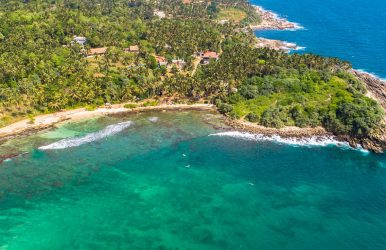
What Are The Best Hotels In Galle? Know About The Places To Stay 

A wide array of geological diversity can be found throughout Sri Lanka, 

Galle Fort is an example of one of these “anomalous” or “atmospheric” geographical locations.

It’s an ancient walled city “planted” in the humid tropical climate of these islands’ eastern coastlines.

Moreover, walking into the gates of the Fort feels like entering another era. 

Also, it will engage your senses as your nostrils will pick up aromas such as wood burning to produce heat for cooking, Ceylon tea being created, and the salty smell of the Indian Ocean. 

You’ll see and feel the blending of multiple cultures and religions, all coming together to produce a brightly colored blend of coloniality. 

The site was designated a UNESCO World Heritage site in 1988. 

The fort is a living museum that started as a Portuguese fortification during the 16th Century. Further, it was heavily fortified and redesigned by the Dutch and English.

Because of this layered history, Galle is blessed with the most unique accommodation landscape in Sri Lanka.

So, here are the best hotels in Galle to stay.

The Best Luxury Hotels In Galle: Celebrating The Heritage

The Best Luxury Hotels In Galle Celebrating The Heritage

For those seeking a deep dive into the “Golden Age” of Galle, these properties offer more than just a bed. 

They offer a sensory journey through time.

1. The Fort Bazaar

If you would like to be a modern merchant, The Fort Bazaar is the place to go! 

It is situated on Church Street in a renovated 17th-century building into a stylish boutique hotel. 

Although it has all the style and elegance of a classic Dutch house on the outside, inside you will find a distinctly Middle Eastern feel with its patterned tiles, arched walkways, and large, airy courtyards. 

This hotel is unique in that it combines high-end luxury and the feeling of “home away from home”.

2. Thambili House By Edwards Collection

Thambili House holds supreme value for privacy. 

The 300-year-old villa in which Thambili House is located was constructed by a spice merchant and has been lovingly restored. 

What really makes this property unique is its location. 

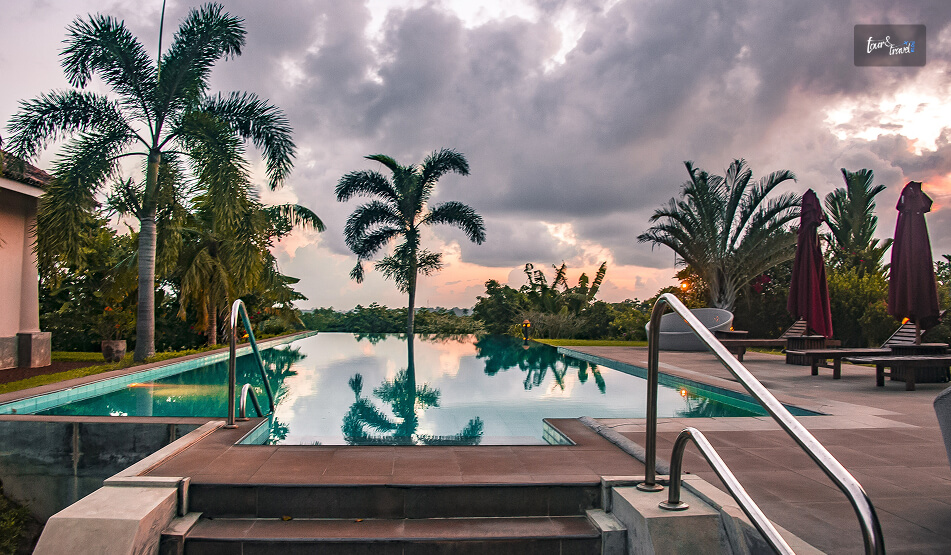
Moreover, you can sit at the outdoor pool on the West side of the property and watch the Sun set in the southern Indian Ocean.

Also, the interiors are a treasure trove of 16th to 18th-century antiques, making it feel less like a hotel and more like a private estate.

3. The Fort Printers

The Fort Printers is truly a designer’s paradise. 

Once an 18th-century mansion (and then a printing company), it has been transformed into an elegant boutique hotel with a minimalist design approach. 

The color scheme is a relaxing combination of warm tones along with the use of customised timber features throughout. It’s both subtle and low-key, and yet highly elegant.

4. The Charleston Hotel, Galle Fort

The Charleston, a newcomer to 2023, is in a 15th-century building and is attracting a modern true culture. 

It is geared towards the modern-traditionalist, who wants to know the gods of The Fort (Charleston), and to enjoy the sleekness of an international metropolitan destination.

The Terrace Rooms have direct access to lush tropical gardens. 

Moreover, the Courtyard Rooms have a larger area with a view of the historic ramparts around the Fort. 

Also, the Rooftop Terrace is a great place to enjoy a sunset cocktail at the Fort with a view of the entire Fort (360 degrees).

5. Taru Villas Rampart Street

This place is ideal if you want to be close to the fort’s buzz but still enjoy quiet moments. 

You can walk through the alleys and visit museums during the day, then return to your private pool and cozy lounge at night. 

The architecture is bold and mixes old colonial styles with modern touches.

6. Le Grand Galle And Tamarind Hill (By Asia Leisure) 

These two are different from most of my selections because they are outside the Fort walls. 

Le Grand Galle sits just beyond the fort walls, right on the ocean. 

It’s a full five-star stay with a top-tier spa for relaxing after dining. 

Tamarind Hill is quieter, tucked back from the noise. It looks like a historic manor with classic decor and traditional service. Plus, it seems hard to ignore how polished both feel.

What Are The Best Mid-Range Hotels In Galle?

What Are The Best Mid-Range Hotels In Galle

Being a mid-range in Galle does not necessarily refer to “average.” 

There, mid-range are already mansions that are historic, with prices to some extent more accessible. 

1. Galle Fort Hotel

Originally a residence of a gem merchant, the Galle Fort Hotel is an 11-suite boutique property that has won numerous awards for its sensitive restoration. 

The highlight is a magnificent and magical pool, which acts as the main area of the mansion. 

It is eccentric, varied, and closely associated with the artistic history of the town. 

2. The Bartizan

The Bartizan occupies a Dutch building from the early 17th century and, by the name alone, it focuses on its “fortress” aspect. 

Even though the hotel has been brought up to date with several changes, thick stone walls and narrow windows still remind one of its given history as a defensive structure. 

The courtyard faces the Fort’s outline and the sea, giving you a view from the walls and the sea. 

3. Yara Galle Fort

Yara is a comfort-oriented “homey” type of place. 

The Dutch colonial architecture is on point at Yara, yet the atmosphere is much friendlier and less formal than the top-end luxury ones. 

The bathrooms are really something light, trendy, and pretty large, surprisingly for a heritage building.

4. Mango House 

If you are looking for a place that boasts a “hip” vibe rather than merely being “historic, ” Mango House is the one. 

It is a mix of Dutch colonial style with European and Asian accents. 

The secluded courtyard with its tropical greenery brings in the light and creates a youthful and fresh feeling that is hard to resist. 

Authentic And Affordable: What Are The Best Budget Hotels In Galle?

Just because you want to stay on a budget in Galle doesn’t mean that you have to dwell in a concrete box outside the town.

You can find several jewels within the Fort that, besides being charming, don’t come with a heavy price. 

1. Arches Fort

You can enjoy staying in this villa as it has nine nicely decorated rooms. 

Furthermore, it has all the features like wooden floors, large-sized beds, and bathrooms attached that make it your best “value for money” option in the area.

2. Shoba Traveller’s Tree 

It is not merely a roof over one’s head. Instead, it is a cultural immersion. 

Shoba, being a homestay, unveils the mythic Sri Lankan generosity of spirit. 

It may not feature all the “luxury” amenities of a five-star hotel, but it certainly has a big heart. 

Moreover, the community lounge is an amazing place where one can meet new people and exchange stories over a pot of tea.

3. Iffa House & Secret Garden Iffa House

Iffa House is an inexpensive comfort that recognizes the significance of air conditioning in the muggy tropical climate. I

Also, it’s quite close to the Historical Mansion Museum, making it a superb jumping-off point for the adventurous.

Secret Garden, on the other hand,  is a 3-star oasis right in the heart of the Fort. 

Besides a buffet breakfast every day, it boasts a small lounge bar and a large outdoor terrace where one can enjoy the fresh air and the gorgeous view.

4. Southern Comforts

Leaving the main tourist landmarks just minutes away, this guest house is a type of lodging that offers allergy-friendly accommodations and soundproof windows. 

Moreover, it is a simple, dependable option for those who want to have a peaceful sleep in the middle of a lively historical town.

Read Also:

Share on Social Media

Sibashree is a travel, culture, and leisure writer who has been writing since the age of 12 and professionally since 2014. With more than a decade of travel writing experience and journeys across India and several parts of the world, she brings a deeply personal and thoughtful perspective to her work. A student of English Literature and Mass Communication, Sibashree has always viewed travel as more than movement — for her, it has been a way of understanding people, cultures, and herself. Her passion for spiritual exploration has also led her to many unusual and meaningful destinations over the years. Outside of writing, Sibashree enjoys watching European cinema, reading about global politics, and reflecting on the stories hidden within everyday places.

Leave a Reply

Your email address will not be published. Required fields are marked *

title-img Related

READ MORE National Railway Museum, Kadugannawa

My Day At National Railway Museum, Kadugannawa: Timings, Entry Fee, Exhibits And More

BY  Sibashree May 5, 2026

I forgot to mention one thing when I shared my experience of a train ride in the Demodara railway loop. This is a lesser-known loop, and I got to know about it from the National Railway Museum, Kadugannawa.  This museum is at a distance of just 15.1 km from Kandy. Today, it has many old machines, carriages, equipment, and locomotives.  Though everyone will have a visit to the National Railway Museum, Kadugannawa, in their itinerary of the things to do in Sri Lanka, I enjoyed my day there.  So, in this blog, I will talk about my experience at the National Railway Museum, Kadugannawan, its entry fee, timings, exhibits, and how it was opened at an opportune moment.  National Railway Museum, Kadugannawa: Quick Facts Opening Date27th December, 2014 Opening Hours 9 AM to 4 PM (Only closed on Poya Day)Ticket Price - For Sri Lankan Adults: Rs. 50- Foreign Adults: Rs. 500- Children: Rs. 20- Children in School Uniform: Rs. 10  Why Was The National Railway Museum, Kadugannawa, Opened?  The National Railway Museum, Kadugannawa, was opened on 27th December, 2014, on the occasion of the 150th year of railway operations in Sri Lanka.  The first train of the Ceylon Railway ran from Colombo Terminus station to Ambepussa. The Duke of Brabant of Belgium was a passenger on this train.  On the occasion of the museum inauguration, a Memorial Stamp was also released. Furthermore, as souvenirs, there were a memorial DVD and a coffee table book.  Moreover, a Replica Steam Train ran from Colombo Fort to Kadugannawa, and it had special invitees as passengers.  It was a thoughtful move to commemorate the first train operation 150 years ago.  How To Reach The National Railway Museum, Kadugannawa? You can reach the National Railway Museum, Kadugannawa, with a short train ride from Kandy.  However, if you miss the train, you can also take a bus. However, I don’t recommend a bus ride from Kandy to Kadugannawa because the bus ride through the Royal Botanic Gardens takes around 45 minutes to 1 hour.  Also, the bus is very crowded, and you will find every type of food vendor there.  Nevertheless, if you still want a bus ride, the ticket price will be 120 LKR (Around 36 Rs.) for a person.  Kandy To Kadugannawa Train Ride  I love train rides, and even if the queue for the third-class ticket was long, I enjoyed the entire experience.  Nevertheless, I took the Kandy to Polgahawela train that departed from the Kandy Station at 2:15 PM and reached the Kadugannawa Station at 2:55 PM.  The train halts at the Kadugannawa station for 1 minute. So, stand near the gate and be a little fast when alighting from the train.  I got a 3rd class ticket, and the ticket price was Rs. 40. What Are The Things To See At The National Railway Museum, Kadugannawa?  The Kadugannawa Railway Museum is very close to the Kadugannawa Railway Station. It is a small space, and it includes a platform and 2 outside areas.  Furthermore, it is spread over a train shed.  I sat in a vintage train carriage at the museum, and it cost me around Rs. 296. The carriage also had an attendant who showed me the museum. The Exhibits And Demonstrations I Loved  I especially loved the demonstration of the efficient token system that ensures that trains do not run into each other on the single-track mountain railway lines of Sri Lanka.  Furthermore, I found a massive model railway inside the museum. It shows the entire Sri Lankan railway network.  It was fascinating, and it highlighted the Nine Arch Bridge and how the train covers the spiral Demodara loop.  I also had a lot of fun getting in and out of the steam locomotives, carriages, and old engines at the museum.  Moreover, I saw a 10-minute-long video describing the railway network of Sri Lanka.  Overall, I spent around an hour at the museum and ended my time there with a cup of coffee at the in-house coffee shop. The coffee shop itself is inside a carriage.  The best things about the National Railway Museum, Kadugannawa, were that very few visitors were there.  So, as a curious soul and someone very fascinated by trains (my home is very close to a railway track), I had a gala time.  What Are The Other Places To Visit In Kadugannawa?  Kadugannawa, a short distance away from Kandy, is a serene place with many historical and cultural attractions.  So, once you have completed exploring the top attractions in Kandy and the National Railway Museum, Kadugannawa, you can visit these places.  1. Balana Fort  Balana Fort is located between Kadugannawa and Kandy.  Also, close to the Alagalla Mountain Range, its strategic position helped to protect the kingdom of Kandy from external attacks.  2. Captain Dawson Tower  The Captain Dawson Tower is at Kadugannawa Pass, and it is very close to the first modern expressway of Sri Lanka, the Colombo Kandy Road.  The construction of this expressway began under the supervision of Captain William Francis Dawson in 1820. So, this tower remembers and respects the contribution of Captain William Francis Dawson. Moreover, it was built in 1832.  3. Lion’s Mouth Rock, Kadugannawa It is an overhanging rock that you can find between the Balana and Kadugannawa railway stations.  The natural formation of the rock resembles a lion’s mouth.  Furthermore, when the train passes through the bend, there is a steep descent. So, the feeling of a drop makes the experience all the more thrilling.  4. Kadugannawa Rock View  If you are traveling from Colombo to Kandy or exploring the best attractions in Kadugannawa, the Kadugannawa Rock View is a place to relax.  The place is serene, and it offers amazing views of the lush surroundings. Furthermore, there are a few small shops on the way.  You can buy some souvenirs from these shops, and you will spot a lot of monkeys here.  Moreover, it was sunset time when I reached this viewpoint, and the experience was surreal.

READ MORE Jaffna beach guide

The Ultimate Jaffna Beach Guide: What Are The Best Beaches Near Jaffna, Sri Lanka? 

BY  Sibashree Jan 9, 2026

The northernmost major city of Sri Lanka is famous for its beautiful Hindu temples, such as the Nallur Kandaswamy Kovil and Naguleswaram Temple (Keerimalai). It also stands out with its unique sculptural scenario and great food.  However, very few people talk about the beautiful beaches of Jaffna, such as Kankesanthurai and Casuarina. During my trip to Jaffna, I loved the white sands, calm shallow waters, and Palmyra trees. Also, the Jaffna beaches are a paradigm shift from beach towns like Mirissa.  You will not get the vibrant nightlife or the maddening crowd. The vibe is pristine and slow. And with the Sri Lanka Tourism Development Authority (SLTDA) focusing on Jaffna now for the diversification of the country’s tourism profile, these beaches are going to play a vital role.  In this Jaffna beach guide, I will talk about the most prominent beaches, the amenities, expert tips, and more.  What Are The Best Beaches Near Jaffna Sri Lanka? The beaches in Jaffna show a contrasting vibe in comparison to the beaches near Colombo, such as Bentota or Unawatuna. The Colombo beaches are touristy and offer watersport activities such as parasailing, diving, and surfing.  On the other hand, the shallow water of Jaffna is ideal for swimming. Also, the golden sands of the Colombo beaches are replaced by the soft white sands.  Overall, the beaches in Jaffna focus more on tranquility and show the slow-paced vibe of the city. You know Jaffna Siesta is a real thing!  1. Casuarina Beach (Karainagar) Casuarina Beach Entrance Fee: 500 LKR (Foreigners), 50 LKR (Locals) Distance from Jaffna: 21 Kms As you reach the Casuarina Beach, a wide stretch of casuarina trees, creating a canopy over your head, welcomes you. The beach gets its name from these trees.  The stretches of the soft white sand of the beach are also surrounded by palm trees. Furthermore, the west-facing is known for beautiful sunset views.  What Are The Things To Do In Casuarina Beach?  Casuarina Beach is a place to relax. The shallow water here is ideal for swimming. You can go to the middle of the ocean, where you will find fishermen in action.  The fishermen ride in a raft-like boat. You can join them and have a conversation about their daily lives and how they survive the sea. For me, it was pretty much the “Riders to the Sea Moment.” Also, Kamban, a middle-aged fisherman of Jaffna, shared something about the impact of the Civil War here. He reminded me of a Reuters report published many years back. It talked about how the Puthumathalan beach, around 113 km from Jaffna, was filled with broken medicine bottles, pieces of clothes, and rusty cooking pots as the aftermath of the civil war.  Nevertheless, Kamban said, “You know, we did not have any food. We could not go out for fishing, and we never knew who would be the next to take a bullet.  We are now recovering and getting tourists. Still, we need more support, and the fear will remain among people of my generation and the next one.” Today, Casuarina Beach has some beach clubs and resorts offering water sports activities such as snorkeling and jet skiing.  Still, I feel, it’s a place to relax and ponder over how the locals are showing resilience to maintain the glory of a city devastated by the Sri Lankan Civil War.  Also, the Casuarina Beach is the place to try the authentic food of Jaffna. I loved the crabs and vadai here.  How To Reach Casuarina Beach From Jaffna?  The most convenient way to reach the Casuarina Beach is to take a private taxi to Jaffna. The cost will be around 1200 LKR.  2.  Kankesanthurai (KKS) Beach Entry Fee: Free Distance from Jaffna: 19 Km How to Reach: Take Tuk-Tuks from Jaffna The Kankesanthurai is a navy-maintained beach with sparkling blue water. It is also just 10 minutes away from the Keerimalai Freshwater Springs, one of the iconic landmarks in the spiritual and cultural landscape of Jaffna. Also, the nearby Thalsevana Resort is a place to relax and try authentic Jaffna cuisine while indulging in the beauty of the pristine beach.  You can swim in Kankesanthurai. However, you need to be careful about the current. However, this beach is more popular for the snorkeling activities and is famous for the Keerimalai to Kankesanthurai Walk.  Kankesanthurai (KKS) Beach Snorkeling  Kankesanthurai, with its shallow water and some marine life and corals visible, is a decent snorkeling site. I saw some sea turtles while swimming at Kankesanthurai beach.   The water here is warm, and the calm conditions make it beginner-friendly. May to September is the best time for snorkeling in Kankesanthurai.  However, there is no established snorkeling facility here. So, you need to bring your own gear, including fins and masks.  So, if you want a proper snorkeling experience, you can explore alternative locations in Sri Lanka, such as the Nilaveli Beach of Pigeon Island, which also has the Pigeon National Park.  The Coral Island of Trincomalee and the southern coastal spots such as Hikkaduwa & Mirissa are some of the best locations to try snorkeling in Jaffna.  Keerimalai To Kankesanthurai Walk The distance between Keerimalai and Kankesanthurai is just around 2 km. So, when you start from Keerimalai and walk north toward Kankesanthurai, you will reach your destination in 25-30 minutes.  There is no marked beach trail for the walk. However, as you proceed, you will experience amazing coastal views and fishing activities, especially near the pier and shorefront.  However, if you want to beat the heat, you can take a tuk-tuk to reach the beach from Keerimalai. Manalkadu Sand Dunes: The Hidden Gems Near Jaffna  Manalkadu sand dunes are the ideal location for an off-the-grid camping experience in Jaffna. Also, at times, I want absolute silence around me. Being an introvert, too many interactions and activities often drain me.  Stargazing in those moments works like a therapy for me. If you are also like me and want the world around you to “Shut Up,” you must try stargazing at Manalkadu.  The long chain of sanddunes here stretches to meet the sea, and this is a geologically striking feature. The desert-like setup and the sand dunes offer some “interesting perspectives” for photography, especially while watching the sunset.  And the best way to experience stargazing at Manalkadu? Try off-grid camping here.  Camping At Manalkadu And Stargazing  I set up my tent on the Manalkadu beach, and the wild, open area with almost no light pollution offered the best stargazing experience. Of course, it was not as vivid as stargazing in Great Barrier Island.  Still, the spontaneity and simplicity won me over. However, Manalkadu is not a formal camping or stargazing site. So, you will need to bring your tent, telescope, red light, water, and other essentials.  Also, we spotted some fishing huts on the beach. We sought their permission, and they happily agreed. In fact, they shared their meal with us, allowing me to spend more time stargazing and enjoying the silence. Things To Pack For Camping At Manalkadu  Manal Kadu means sand jungle in the Tamil Language. True to its name, it is a pristine place where desert, jungle, and the sea co-exist.  Also, it is called the “Swimming Pool of the North.” Nevertheless, since it has a primitive setup, you need to carry some essentials.  Tent Sand Anchors or Stakes Plenty of Food and Water Nearby Portable Stove Cooking Gear Headlamp or Lanterns First-Aid Kit Power Banks Trash Bags The Quiet Alternatives: Jaffna Beaches Do you want to enjoy a sunset stroll by the water with no one around? Visit the quieter alternatives such as the Charty Beach and Akkarai Beach. 1. Charty Beach The Charty Beach is on Velanai Island, and it is a 15 km drive from Jaffna City. You will reach the beach from the city within 30 minutes after a journey through the Jaffna–Pannai–Kayts Road.  The warm water here is ideal for swimming, and you can even try near-shore paddling. Changing Facility• Nearby Huts• Rest ShadesFood And Snacks• Local EateriesAccomodation• AC and Non-AC Rooms at Charty Beach ResortLifeguard• Not Available Ideal Season • May to SeptemberBest Time to Visit in a Day• Early Morning• Late Afternoon 2. Akkarai Beach  Take a drive for around 30-40 minutes to reach the Akkarai Beach in Thondamanaru. Lying along the Palk Strait, it stretches toward the Indian coastline.  It is very close to the Lord Murugan Temple and the Thondamanaru Bridge.  Parking FeeFreeResting AreasBenches and Shaded SpotsWashroomFreshwater Wash AreasSwimming ConditionNear-Shore Swimming with the Sandy Bottom Deepening GraduallyLifeguardsNot Available. So, Don’t Swim when the Current is Strong.  Best Months May to SeptemberBest Time to Visit in a Day• Early Morning• Late Afternoon Beach Amenities And Safety Guide Once again, the Jaffna beaches are not the luxury tropical getaways you are looking for. So, you must have a clear idea about what to expect at these pristine beaches.  Also, learn about the safety infrastructure before getting into the water.  1. Basic Beach Amenities  Casuarina Beach has paid changing rooms. However, other beaches have no makeshift provisions for changing and resting.  So, you must carry beach umbrellas and folding chairs if you don’t want to sit on the sand.  There is no official presence of a lifeguard or support on these beaches. Network coverage is decent. However, you can face connectivity issues if the weather deteriorates.  The beaches in Jaffna are accessible from Jaffna City by tuk-tuk and other vehicles. However, in Casuarina Beach, you will have to pay a small fee for entrance and parking your vehicle.  2. Safety And Norms Do not go very far into the ocean water, as there can be strong currents, and there is no formal lifeguard support.  Also, be careful while walking barefoot on the sand,d as there can be seashells and seaweeds.  In addition, dress modestly, shorts and T-shirts are fine! Also, do not leave trash behind.  Exploring The Jaffna Coastline: Know The Expert Tips  Want to explore the coastal beauty of Jaffna to the fullest? Follow these expert tips.  1. Go On Weekdays You will find local buses packed around the Casuarina Beach, and the noise of loud music can be an annoying factor.  Choose a Monday or Tuesday for your ocean visit to spend some moments of quietude. 2. Bring Reef Shoes The Charty and KKS beaches have sharp dead coral very close to the water's edge. So, your feet may get a cut if you don’t wear reef shoes.  3. Have Navy Food  When you are visiting the Kankesanthurai (KKS) beach, you don’t need to eat at a beach shack. You can walk into the Thalsevana Holiday Resort run by the military.  Enjoy a hygienic and tasty lunch and cold beer there while enjoying the ocean view. 4. Riding On Manalkadu? You Will Need A 4X4  You can drive a scooter to Manalkadu. However, you have to park it on the hard road. You cannot take it to ride onto the sand dunes, and the wheels will get stuck.  5. Morning Is The Best Time For The Beach Visit  You cannot visit a beach in Jaffna at noon. The Northern Sun is scorching. So, plan a visit between 7 AM and 8 AM or after 4 PM.  6. You Can Wade In Akkrai But Cannot Swim  The water at the Akkarai Beach is usually knee-deep. So, you can wade through the water of this beautiful beach.  However, swimming does not look like an ideal activity here.  7. Changing Rooms Are Basic The Casuarina Beach has changing rooms. However, these rooms are just concrete stalls with a bucket of water.  You will have to bring your towel and toilet paper.  8. Respect The Fishermen Most beaches in Jaffna are like a workspace for the fishermen. So, there will be fishing boats and nets on the shore.  You cannot step on or lie on them. Do not tamper with them.  9. Drink Thambili To Stay Hydrated  Jaffna beaches do not have places serving fancy cocktails. The best refreshment is to drink the King Coconut or Thambili water.  It replenishes the micronutrients, and it is a must-have when the Sun is scorching. What Are The Authority Voices On Jaffna Beaches And Coastline?  “Casuarina Beach is named after the shady trees that line it, offering a rare respite from the scorching Northern sun. It’s the closest Jaffna gets to a holiday vibe.” - The Lonely Planet.  “Don’t expect the polished tourism of the South. Jaffna’s beaches are raw, working coastlines where fishermen outnumber tourists—and that is their charm.” - Rough Guides.  Jaffna Beach Guide: Frequently Asked Questions (FAQs)  Here are the frequently asked questions and answers about the Jaffna beaches.  1. Can Foreigners Swim In Jaffna Beaches? Yes, foreigners can swim in Jaffna beaches. Casuarina and KKS beaches get many foreign visitors. The KKS beach offers free entry. However, for the Casuarina Beach, the entry fee is 50 LKR for locals and 500 LKR for foreigners. Also, the amenities at the Jaffna beaches are basic. So, a foreigner looking for a luxury beach experience or the resort vibe can feel disappointed.  2. Is It Safe To Wear A Bikini At Jaffna Beaches? There is no formal restriction regarding wearing bikinis at Jaffna beaches. However, the social setup of Jaffna is conservative. So, there can be stares, and you may feel out of place. So, wear shorts and T-shirts while swimming. 3. Are There Sharks In Jaffna?  You will rarely see sharks in the waters of Jaffna. However, you will find sea turtles and coral reefs in the waters here. The water here is very shallow.  4. Which Is The Cleanest Beach In Jaffna?  Kankesanthurai (KKS) is a navy-maintained beach, and it is the cleanest in Jaffna. It also has the Thalsevana Holiday Resort, run by the military. You can have food and drink here.  5. Can I Surf In Jaffna? No, you cannot surf in Jaffna. The water here is shallow and calm like a lagoon. If you want to surf in Jaffna, you can go to Arugam Bay on the East Coast.  6. Are There Hotels On The Beaches Of Jaffna?  Yes, though not frequently, there are some hotels on the beaches of Jaffna. For example, KKS has the Thalsevana Holiday Resort and the Charty Beach has the Tilko Charty Beach Resort. Furthermore, there are smaller guesthouses near the Casuarina beach.  7. What Is The Best Time Of Year To Visit Jaffna Beaches?  May to September is the ideal time for exploring the northeastern beaches of Jaffna. Jaffna has dry weather conditions in these months, and the calm water is ideal for swimming and snorkeling. Jaffna experiences heavy rainfall from October to December. So, avoid these months.

READ MORE puttalam sri lanka

Why Is Puttalam Sri Lanka Famous? What Are The Things To Do In Puttalam?

BY  Sibashree Jun 24, 2026

Puttalam grabbed everyone’s attention with the sudden visibility of a mysterious object with a length of several feet in the sky.  There were speculations about the object being a missile, rocket, or meteor shower.  A few months ago, on 15th December, 2025, the Geminid meteor shower was clearly visible in the sky.  However, these are not one-off instances. I could clearly see the Milky Way in Puttalam Sri Lanka, in the month of April.  Furthermore, the wilderness surroundings, remote areas such as Eluwankulama, and a relatively flat topography on the southwestern coast, make Puttalam one of the chosen places of stargazing in Sri Lanka.  But beyond the stargazing excitements, Puttalam, Sri Lanka, bears a rich history, exudes serene coastal beauty, and has a colonial heritage.  In this article, I will talk about my days in Puttalam so that you know that coastal beauty better.  Where Is Puttalam? Known for massive coconut production, prawn farming, and salt production, Puttalam town is the capital of the Puttalam district.  It is on the shore of the Puttalam lagoon, the second largest lagoon in the country.  The International Union for Conservation of Nature (IUCN) is now encouraging the most sustainable use of the lagoon resources.  Thus, they are supporting the exploration of new ecosystems here for better fisheries management. Here is an excerpt from a report published by IUCN on 4th April, 2025.  “With 88 fishing villages and approximately 165,000 people dependent on it, fisheries in Puttalam have been identified by its residents as their most important ecosystem service, particularly for women, who participate in bivalve gleaning and other post-harvest livelihoods. The lagoon is an important area for endangered species, such as green sea turtles and dolphins, and contains ecosystems vital for its health, such as seagrass and mangroves.  Tourism is also important in the Lagoon, which hosts seasonal aquatic sports and has year-round visitors to its islands.  The islands additionally have cultural importance as they are connected to local religious values.” Moreover, Puttalam has the Indian Ocean on the west, and it is the gateway to the Kalpitiya peninsula and Wilpattu National Park. How To Reach Puttalam Sri Lanka? Puttam is located around 130 km north of Colombo. It is also located at a distance of close to 95 km from Nogombo.  Furthermore, it is well-connected to Colombo and other major cities/hubs of the country through the Puttalam Railway Line and A3, A10, and A12 highways.  By Train  The train travel from Colombo Fort to Puttalam takes between 3 hours and 45 minutes and 5 hours.  Moreover, the ticket price will be between LKR 250 and LKR 1550 (Source: the Department of Railways. Sri Lanka. By Bus  Also, you can take a bus from the Bastian Mawatha Bus Terminal in Colombo and travel to Puttalam with a stopover in Anuradhapura.  You can even take the direct 87/816 buses. They cover the distance within around 4 to 4.5 hours, and the regular, non-AC bus tickets cost between LKR 500 and LKR 800.  What Is The History Of Puttalam Sri Lanka? Puttalam in Sri Lanka today stands out with its multicultural identity. Here, you will find a fusion of Sinhalese, Sri Lankan Moors, and Tamil cultures, which have lived for generations.  Furthermore, as a commercial and administrative center, it supports diverse activities such as prawn farming, shallow sea fishing, and salt production.  However, this town on the northwestern coast of Sri Lanka has a history spanning 10000 years.  Located on the large Puttalam Lagoon, it has been a maritime trade hub, a center for the colonial spice and coconut industries, and has an enduring and culturally diverse population. Here, I have broken the history of this coastal town into three sections.  Ancient Roots And Indigenous Beginnings The archaeological evidence of the locality shows that human settlements started here 75000-125000 years ago.  Prince Vijaya, 6th century B.C., chose it as the landing site, and thus the Sinhalese lineage started here.  Medieval Trade And Arab Influence  During the medieval period, Puttalam became a major location for maritime trade.  Arab merchants, who established deep roots in the region, laid the foundation for the prominent Moorish population in the area.  Furthermore, the name Puttalam comes from the Tamil word Puthu-kulam. Puthu-kulam means "new tank" or "new pond.” Thus, it indicated the vital irrigation tanks that sustained early agricultural settlements.   The Colonial Era  Many European powers wanted to control the lucrative trade routes of Puttalam because of its natural resources and coastal position.  The Potuguese was the forest to build a built a strategic fort in Puttalam to secure the region and monitor trade in the 16th century.  Then, in the 17th and 18th centuries, the Dutch came. They captured and significantly expanded the Portuguese fortress. Furthermore, during these times, Puttalam became a central transit point for the highly profitable cinnamon trade and salt production within the lagoon. In addition, in the 19th and 20th centuries, the British came to power.  They used the fertile soil of the region for the expansion of the coconut industry. Thus, Puttalam became one of the most critical sources of copra and coconut products in the island.  A Quick Summary Of The History Of Puttalam  Era/PeriodKey Historical Developments and MilestonesOver 10,000 years agoEarly human settlements established, supported by archaeological evidence.Medieval Period- Puttalam became a pivotal west-coast maritime trade hub.- Arab merchants settled, forming the roots of the Sri Lankan Moor community.- Named Puthu-kulam ("new tank/pond") after vital local irrigation tanks.Portuguese Rule(16th Century)A strategic coastal fort was constructed to monitor trade and secure the region.Dutch Rule (17th and 18th Centuries)- Captured and expanded the Portuguese fortress.- Transformed the town into a transit hub for cinnamon and lagoon salt production.British Rule (19th and 20th Centuries)- Developed agricultural infrastructure.- Oversaw rapid expansion of the coconut industry, making it a top source for copra. Why Is Puttalam Famous? Puttalam is famous for its historical ruins, religious centers, and natural attractions. You cannot miss the following attractions. 1. Munneswaram Hindu Temple The Munneswaram Hindu Temple is one of the five historic coastal temples of Lord Shiva in Sri Lanka.  The history of the temple goes back to at least 1000 CE.  Moreover, it is associated with the stories of the Ramayana.  Also, it is a unique spiritual hub where Buddhists and Hindus unite.  2. St Anne’s Church St. Anne’s Church is along the coastline of Thalawila. It has a peaceful ambiance.  Also, it dates back to the Portuguese era.  It serves as a monumental pilgrimage site. Furthermore, it draws hundreds of thousands of believers from across the island for its grand annual feast in July. 3. Alankuda Beach The Alankuda Beach has a tranquil stretch of golden sand, and it is known for dolphin and whale watching excursions.  Located in Kalpitiya, it is a premier eco-tourism destination, highly favored by adventure travelers for thrilling water sports like kitesurfing and windsurfing. 4. Hatthikuchchi Viharaya Tucked away in a peaceful forest landscape, this 3rd-century BCE Buddhist monastic complex is famous for a massive rock formation that resembles an elephant's stomach.  It is highly revered as the legendary sanctuary where the pious, exiled King Sirisangabo self-sacrificially gave up his own head to assist a poor peasant. 5. Anawilundawa Wetland Sanctuary This Ramsar-designated site is an important landmark for ecotourism in Sri Lanka.  It has a historic human-made system of interconnected freshwater tanks crashing right against a coastal lagoon. Furthermore, it is an irreplaceable, thriving sanctuary for thousands of native and migratory birds. 6. Puttalam Lagoon The Puttalam Lagoon, spanning an area of 32,700 hectares, is the second-largest backwater body in the country.  It has calm waters, and it is an ideal hub for small-scale prawn harvesting, wildlife viewing, and kite surfing.  7. Puttalam Station The colonial rulers of Puttalam opened the railway station officially on 12th May 1926.  Today, it is a state-run railway station and attracts many visitors due to its colonial charm and surrounding scenic beauty.  8. Yapahuwa Built by King Buwanekabahu, Yapahuwa was the royal residence in the 13th century.  Today, you will get to see the remains of this royal palace. I was especially mesmerized to see the ornate staircase.  9. Chilaw  Chilaw, located a few kilometers south of Puttalam, is a small town that stands out because of its religious harmony.  People from various traditions, backgrounds, and religions live here.  Furthermore, the beach here offers a calm and relaxing ambiance and the fishing villages here give you insights into the local way of living life.  What Are The Things To Do In Puttalam?  While Puttalam has the most tranquil vibe, it is also the hub of most adventurous activities, such as kite surfing, bar reef snorkeling, and wildlife safaris.  1. Kite Surfing In Kalpitiya  Kalpitiya is a global kite surfing hub. It has consistent wind conditions for over nine months of the year.  Furthermore, the flat-water lagoons here offer a safe space for learning. On the other hand, the ocean waves here challenge the advanced riders.  Also, the Margarita Kite School is the best name in kite surfing training in Kalpitiya today. It trains tourists and locals with the latest equipment.  Moreover, the downwind trips here are epic. You can glide across pristine, uninhabited islands and sandbars dotting the massive lagoon. 2. Dolphin Watching  I could spot hundreds of playful dolphins gathering in spectacular groups just off the Kalpitiya coast.  November to April is the best season to spot these adorable animals as the water remains calm.  Also, local guides follow strict conservation guidelines to protect the natural habitat of mammals. So, you have to follow responsible tourism practices.  3. Diving Puttalam has a diverse marine life. So, you can explore vibrant ecosystems teeming with sea turtles, reef sharks, and manta rays.  It also has historic shipwreck sites where fascinating sunken vessels are wrapped in colorful soft coral colonies. Furthermore, warm waters offer crystal-clear viewing conditions during the calm winter diving months. In addition, when you descend along deep underwater cliffs that host a spectacular variety of macro life. 4. Wildlife Safari At Wilpattu National Park The Wilpattu National Park has villus or natural rainwater lakes. It is famous for its high density of leopard population.  Furthermore, here, you can spot elusive sloth bears, wild elephants, crocodiles, and colorful endemic jungle birds. So, the jeep tour on the rugged off-road tracks was immersive. It cost me around LKR 16000.  5. Bar Reef Snorkeling  Here, you will find the most beautiful coral sanctuary of Sri Lanka.  Also, here, you can swim alongside brightly colored butterflyfish, giant parrotfish, and harmless blacktip reef sharks. Furthermore, you will marvel at delicate, healthy formations of brain and staghorn corals just below the surface. In addition, you can take short boat rides from the mainland to reach these shallow swimming areas.  What Is The Best Time To Visit Puttalam Sri Lanka? January to March and May to September are the best times to visit Puttalam. The dry and sunny weather conditions in the month are ideal for coastal kitesurfing in Kalpitiya, whale watching, and leopard safaris in the nearby Wilpattu National Park.