
What Are The Unique Things To Do In Malacca? Know The Malacca Tourist Attractions 

Malacca gave me pieces of history, an insane fusion of cultures and cuisine that I can still remember now, and plenty of tourist attractions with meaning behind them. 

There are many similarities between Georgetown, Penang, and Malacca – I hear that line all the time – but Malacca has a quieter atmosphere that you can feel when you walk through the streets.

For starters, Georgetown and Malacca are both UNESCO World Heritage sites. You have no excuse not to visit either of these cities. 

Malacca is located right between Singapore and KL, and it’s also a convenient spot to visit if you’re going to be in the area. Alright, no excuses.

Need to visit Malacca in a day? Yes, you can definitely visit it on a day trip if you’re coming from Kuala Lumpur. I’ve also compiled a list of things to do in Malacca!

How To Reach Malacca?

How To Reach Malacca

Malacca can be found on the southeastern coast of Malaysia. The city lies nearly midway between Kuala Lumpur and Singapore, though it is slightly nearer to KL. 

Buses to Malacca operate from Kuala Lumpur and Singapore, in addition to routes from Penang. You can also catch buses directly from KL Airport if you prefer not to spend time traveling there. 

As I stated, taking a day trip from KL to Malacca is quite simple.

How To Get Around Malacca?

Although walking was my favored way to navigate Malacca, there are other alternatives available. 

You can effortlessly arrange light-up rickshaws, taxis, and Grab ride shares to navigate the city. 

If you’re coming to Malacca by bus, check if your hotel offers a free shuttle, as mine does. 

If not, since Malaka Sentral is 3km away from Jonker Street, you’ll have to use a taxi or take the local bus.

Where To Stay In Malacca?

Determining accommodation in Malacca should be straightforward if you concentrate on Chinatown. 

There is no shortage of budget accommodations in Malacca, and I happily recommend Hotel Hong. 

Simple and affordable, the employees were pleasant, and it was located in a fascinating neighborhood near the community mosque. 

It contributed to making my time in Malacca a pleasant experience.

What Are The Unique Things To Do In Malacca?

Malacca’s diverse cultures have influenced its captivating history, food, and architecture. 

There are numerous activities in Malacca that allow you to discover these aspects of the city even more. View these eight as your foundation.

1. Exploring The Dutch Square

Exploring The Dutch Square

Dutch Square is likely the ideal location to begin a visit to Malacca as it lies at the heart of the city’s historic center. 

Situated by the city’s riverbank, this square is visually striking and carries historical importance. 

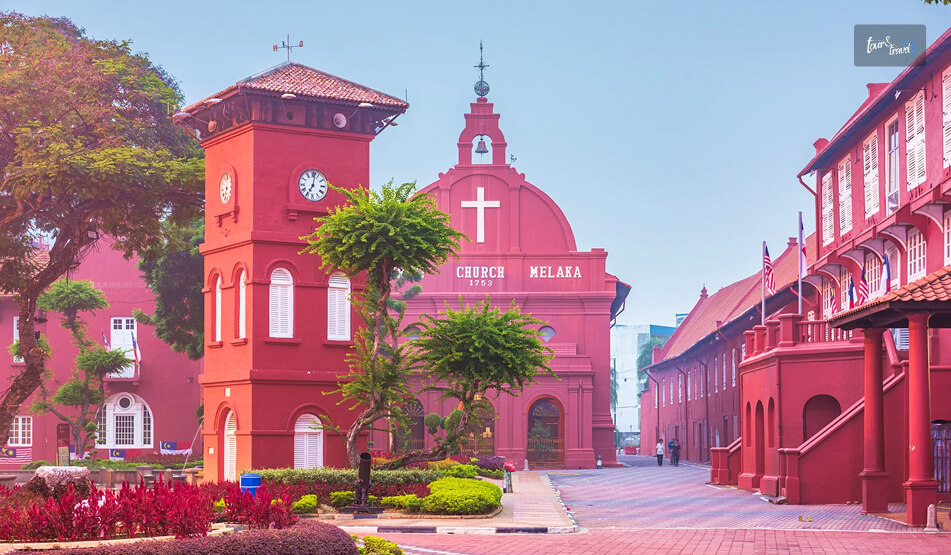
At the center of Dutch Square lies a lively garden and fountain that are pleasant, but the stunning Dutch colonial buildings surrounding this square are the true highlight. 

Painted uniformly in an earthy red hue, it’s improbable you ever envisioned Malaysia resembling this. 

However, Malaysia has many reminders of its colonial history, just like Malacca. This assortment of reminders truly possesses an impressive appearance.

The primary attractions of Dutch Square include the Stadthuys, Christ Church Melaka, and the Malacca Clock Tower. 

All were constructed in the 17th century by Dutch settlers, thus the square’s name. 

The Stadthuys, previously the home of the Governor, now contains an ethnographic museum.

2. Climbing To St. Paul’s Church

Climbing To St. Paul’s Church

As you ascend the side of the Stadthuys, you ought to notice a tiny staircase leading up the hill a little. 

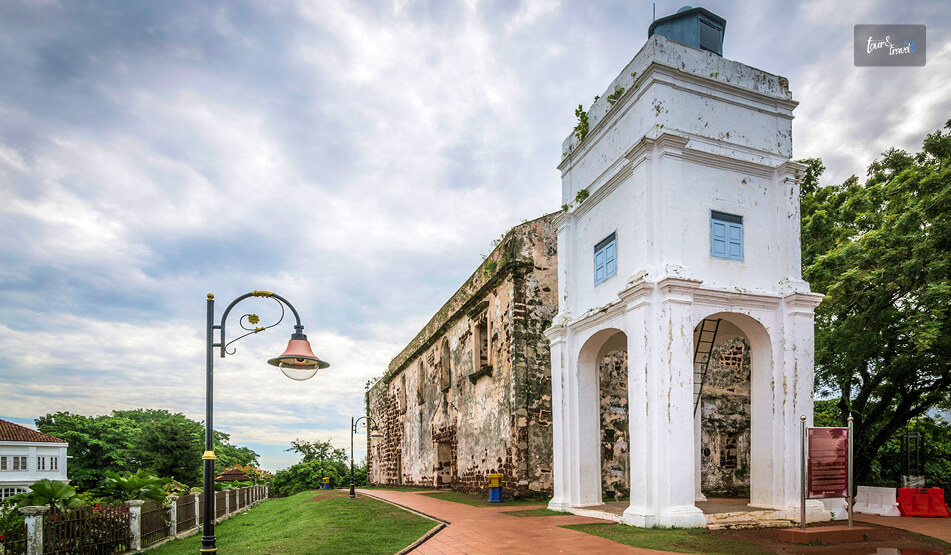
As you progress along this path, you’ll make your way to the summit of the hill and the atmospheric remains of St Paul’s Church. 

The remnants of this roofless church hold a prominent position atop St Paul’s Hill, offering views across much of Malacca. 

It’s not a very challenging hike, and the church serves as a natural pause along the Malacca sights trail.

Originally constructed by the Portuguese in the 1500s, it was harmed, restored, and renamed by the Dutch when they seized Malacca in the 1600s. 

For more than a hundred years, the church has remained in decay, its stained walls serving as a testament to Malacca’s intricate history.

Additional reminders can be discovered by taking the northern route down from St Paul’s Hill, where you will come across several tombstones and the Dutch Graveyard.

3. Exploring A Famosa

Exploring A Famosa

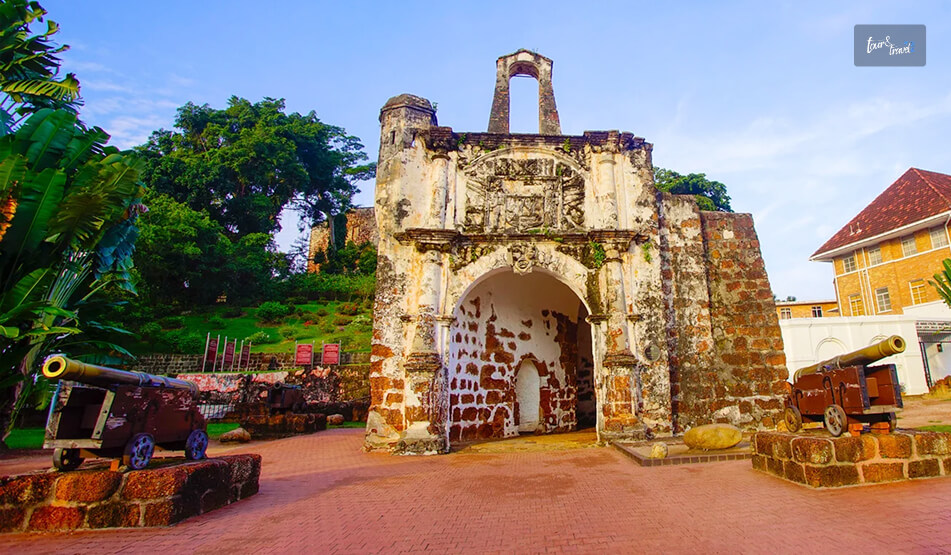
Before the Dutch came, Malacca was a fortified settlement of the Portuguese known as A Famosa.

Numerous walls and fortifications from A Famosa were destroyed during the Dutch conquest, but Portuguese traces remain in several sites.

Among the defenses, only the Porta de Santiago gate is still preserved. Capturing a picture here is undoubtedly one of the most popular pastimes in Malacca.

4. Taking A Tour Of The Melaka Sultanate Palace Museum

Taking A Tour Of The Melaka Sultanate Palace Museum

Let’s not forget that before European settlers showed up, people were already living here. 

The Malacca Sultanate ruled this area for over a century before the Portuguese ever set foot on these shores.

When the Portuguese landed in the early 1500s, they didn’t waste any time. They tore down the sultan’s palace and put up St Paul’s Church right where it stood.

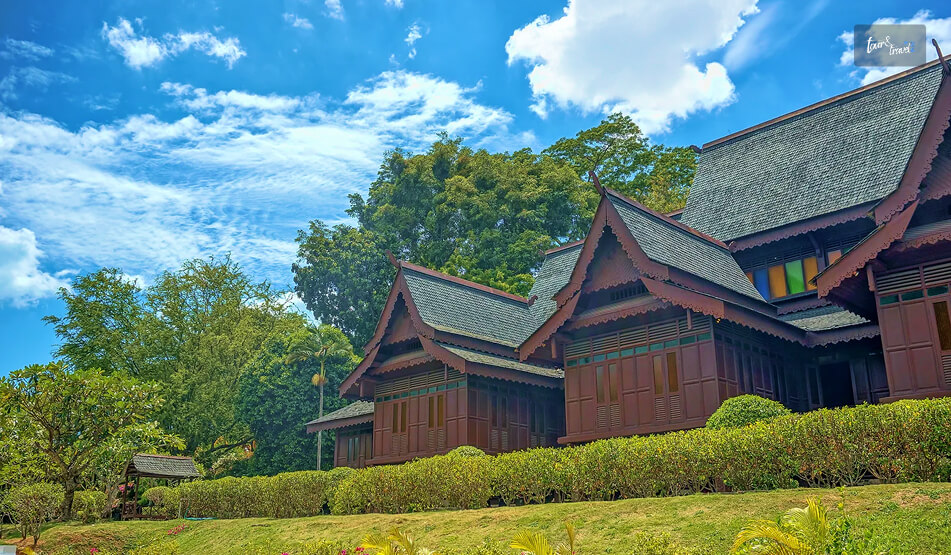
Now, if you walk around Malacca, you’ll come across what looks like a real Sultanate Palace. Here’s the thing: it’s not the original. 

The Melaka Sultanate Palace you see today is a detailed reconstruction from the 1980s. The reconstruction work took the old records as a guide. 

Inside, there’s a museum that really dives into the culture and history of the city.

Stroll through the gardens or check out the museum’s exhibits—you’ll see plenty about local traditions, clothing, legends, and more. 

Honestly, it’s one of the most interesting spots to visit if you want to get a real feel for Malacca’s past.

5. Seeing The Melaka Riverfront

Seeing The Melaka Riverfront

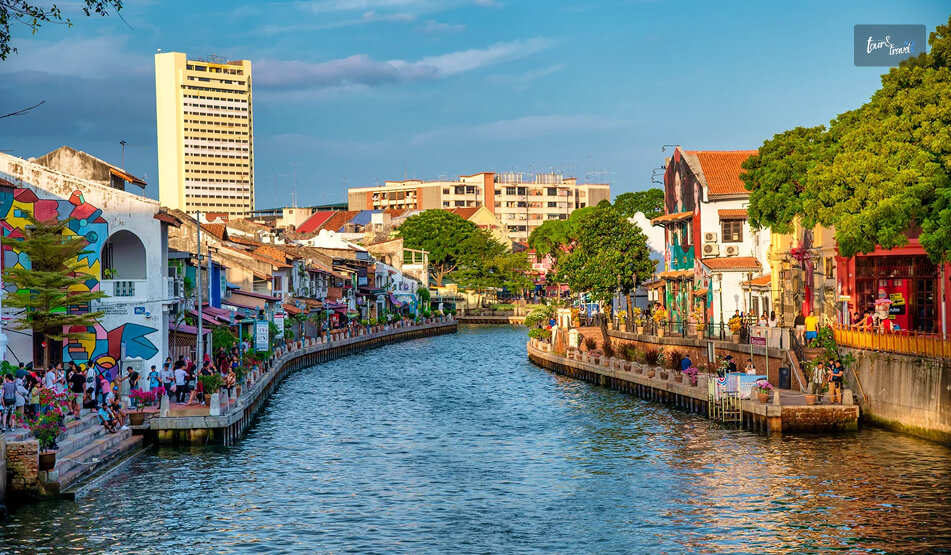
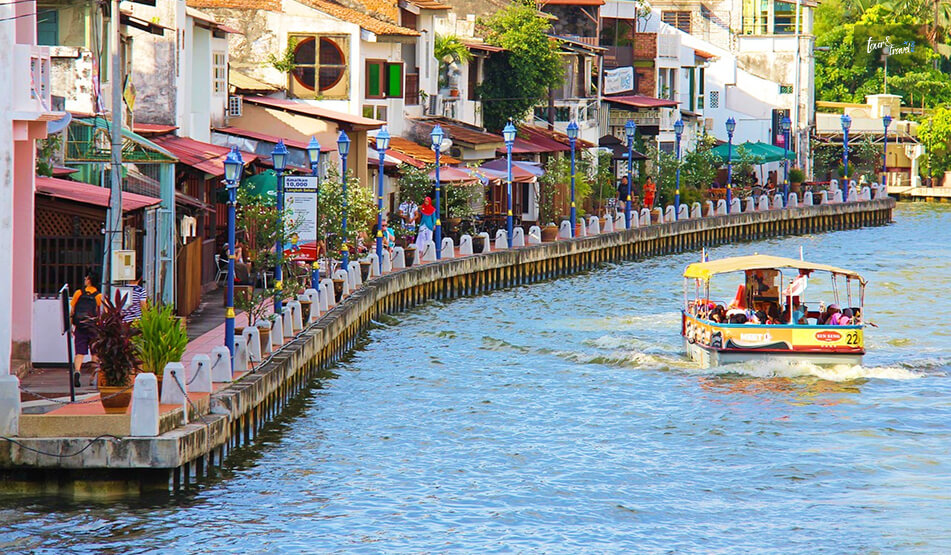
Although there are more famous attractions in Malacca, the river undeniably stands as the city’s primary landmark. 

Winding through the larger city before dividing the Old Town from the colonial areas, the Melaka River is difficult to overlook. 

When Malacca was a prominent port city, the river played a role in its prosperity. Nowadays, it fulfills its role by providing guests with river cruises and beautiful views.

6. Eating At Jonker Street

Eating At Jonker Street

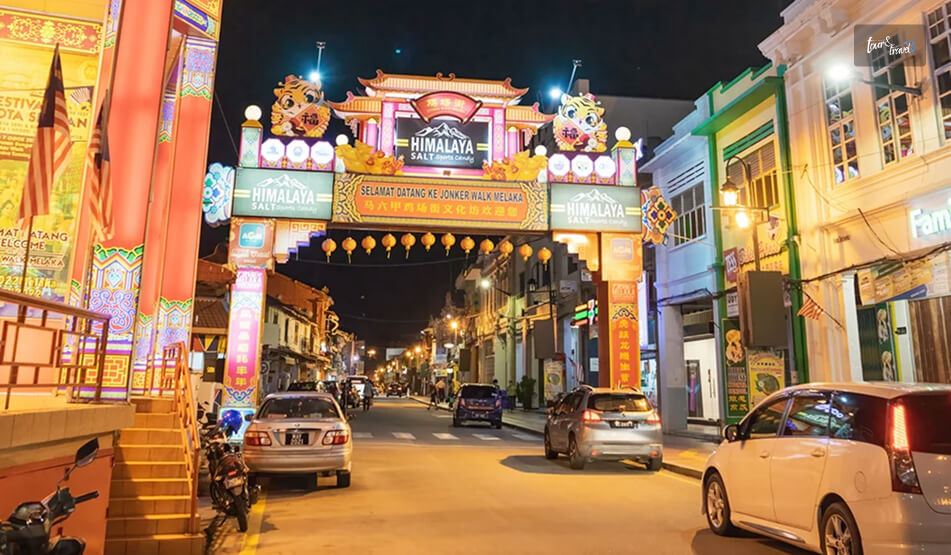
Undoubtedly, no street in Malacca is more renowned than Jonker Street. 

While it often appears to be just a primary road in the Old Town, the atmosphere shifts significantly on Friday and Saturday nights. 

You see, that’s when the renowned Jonker Street night market takes place, and the street transforms into a crowd of people and food vendors. 

Naturally, with my luck, I ended up overlooking this important attraction entirely by visiting at the wrong point in the week. 

The Jonker Street night market is an excellent spot to sample traditional local Nyonya dishes along with innovative new foods. 

To get a sense of what’s available, try the food here. 

7. Wandering Through Old Chinatown

Wandering Through Old Chinatown

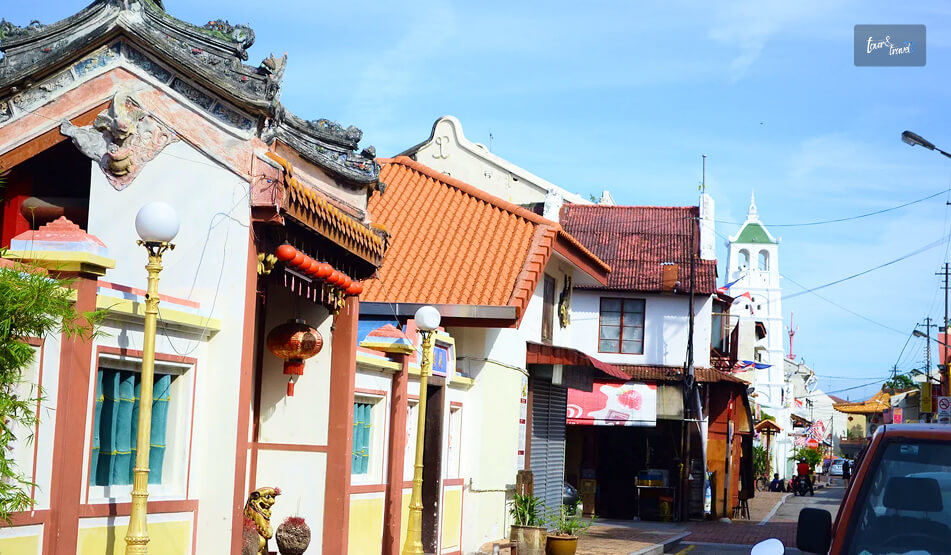
However, the Old Town of Malacca offers much more than merely Jonker Street. Venture in any direction from this point and you’ll quickly discover tighter streets, where each home exudes unique charm. 

Half Chinatown and half Old Town, this district reveals another aspect of Malacca’s cultural blend. 

Most impressively, distanced from the hustle of other areas in Malacca, strolling through this more tranquil section of the city allows you to absorb all the intricacies. 

Although many of these historic residences feature weathered exteriors, several are completely deserted. 

But isn’t that character, though? In any case, the softer atmosphere here is evident, with individuals simply going about their daily routines and extending a cheerful wave. 

Malaysia can be chaotic and noisy at times, making my walks here distinctly memorable. 

8. Visiting The Cheng Hoon Teng Temple

Visiting The Cheng Hoon Teng Temple

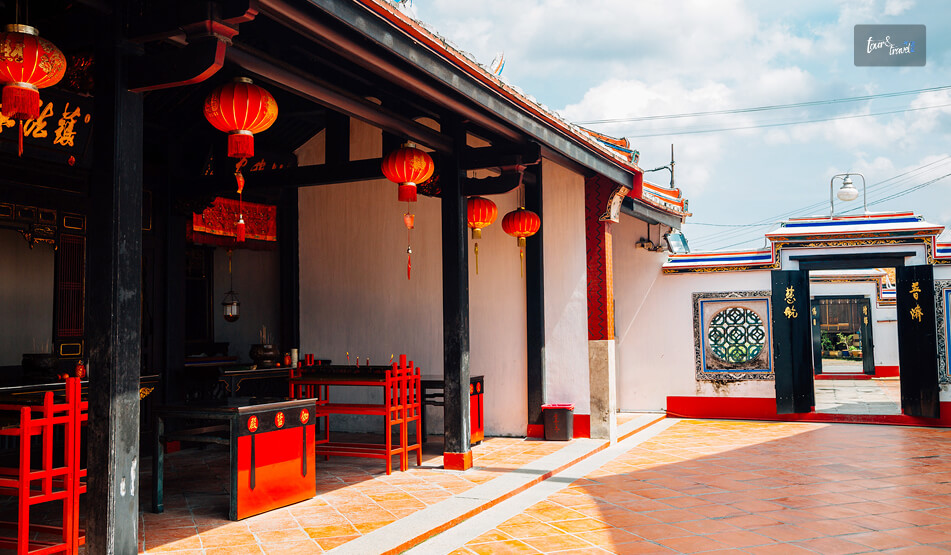
Walk around the streets of Malacca’s Chinatown, and you’ll spot plenty of temples—no surprise there. 

But it’s not just Chinese temples lining the streets. You’ll also find mosques and Hindu temples mixed in, which gives the area this cool, unexpected blend.

In Malacca, Cheng Hoon Teng Temple stands out above the rest. 

It sits right across from another temple, Xiang Lin Si, but Cheng Hoon Teng is the one with the real history behind it.

They built it back in the mid-1600s, which actually makes it the oldest Chinese temple in Malaysia. When you look at all the intricate details, the carvings, and the roof ornaments, it’s wild to think how well everything’s held up after all these years.

Cheng Hoon Teng does not belong to just one religion. 

Inside, you’ll find people practicing Taoism, Confucianism, and Buddhism, all under one roof. That kind of mix is rare, and it gives the temple a unique energy you don’t see everywhere.

Other Places You Can Add To Your Itinerary In Malacca

Although I’ve mentioned the most remarkable and significant activities to engage in Malacca, they aren’t the sole options. 

Malacca hosts numerous other cultural sites, featuring a variety of museums. However, it also features a playful aspect, ranging from its Upside Down House to the Taming Sari Tower to the Oceanarium. 

Generally, you will primarily remain in locations close to Chinatown or Dutch Square.

Read Also:

Share on Social Media

Sibashree is a travel, culture, and leisure writer who has been writing since the age of 12 and professionally since 2014. With more than a decade of travel writing experience and journeys across India and several parts of the world, she brings a deeply personal and thoughtful perspective to her work. A student of English Literature and Mass Communication, Sibashree has always viewed travel as more than movement — for her, it has been a way of understanding people, cultures, and herself. Her passion for spiritual exploration has also led her to many unusual and meaningful destinations over the years. Outside of writing, Sibashree enjoys watching European cinema, reading about global politics, and reflecting on the stories hidden within everyday places.

Leave a Reply

Your email address will not be published. Required fields are marked *

title-img Related

READ MORE Korean Currency Rate And Money

All You Need To Know About Korean Currency Rate And Money

BY  Abdul Aziz May 19, 2023

For avid travelers and investors, the Korean currency rate can be a fascinating topic of discussion. Understanding the fluctuations of the won against other currencies can give insights into its economy. Likewise, it could say much about Korea's political developments and investors' sentiment in the market. This article will explore everything about the Korean currency rate. As such, we will cover the basic conversion rates to the impact of major events on the Korean economy. History Of Korean Currency South Korean currency has rich historical data that dates back to the early dynasties of Korea. It all started with the use of cowry shells and pearls as currency. As time passed, metal coins and paper money became popular. The Japanese occupation of Korea introduced the Japanese yen as the official currency. Yet, in 1945, the Korean won was introduced and became the official currency. Interestingly, the won was initially divided into 100 jeon, but the jeon was eliminated in 1960. The won has undergone many transformations to ensure price stability and economic growth. In modern times, the South Korean won is the official currency used in South Korea. Today, the value of the South Korean won fluctuates with the global exchange rates. It’s one of the world’s top 20 currencies by value. Current South Korean Won Exchange Rate Knowing the latest exchange rate for the Korean won can be helpful in budgeting and forecasting your finances. As of January 2023, the exchange rate for Korean won is fluctuating depending on the global market and demand. Below are some of the latest conversion rates: 1 US dollar = 1,315.29 Korean won (USD to KRW) 1 Australian dollar = 893.35 Korean won (AUD to KRW) 1 Chinese yuan = 192.07 Korean won (CNY to KRW) 1 Japanese yen = 9.90 Korean won (JPY to KRW) However, exchange rates may vary depending on banks' locations and policies. Check exchange rates online through various currency converter websites to ease the currency conversion. Alternatively, download an exchange rate or currency calculator app. With these tools, you can convert your dollars to South Korean won (USD - KRW) or any other currency at the current rate. Banknotes And Coins Banknotes and coins in South Korea are not only used for daily transactions. Yet, they also hold significant cultural value. As such, these banknotes come in different denominations and colors. For instance, the 1,000-won note features a Confucian scholar. Then, the 10,000 won note features Admiral Yi Sun-sin, known for his naval victories against Japan. Meanwhile, the 50,000 won note features Shin Saimdang, a prominent female artist. Besides that, she was the mother of the famous Korean painter Yi I. These banknotes represent important historical figures and showcase various artistic designs. Similarly, Korean coins are equally fascinating, with 10, 50, 100, and 500 won denominations. Each coin features a different symbol that holds cultural significance. The 500-won coin features the portrait of King Sejong, who invented the Korean alphabet. Meanwhile, the 100-won coin features the image of a crane, symbolizing longevity and good fortune in Korean culture. When visiting South Korea, carry some local currency as most stores prefer cash transactions. Foreign exchange markets are available in major cities, but it is crucial to know exchange fees as they vary. Overall, banknotes and coins in South Korea hold monetary value and capture the country's cultural heritage. Visit the Bank of Korea to learn more about their banknotes and coins. Money-Handling And Etiquette As with any country, knowing the cultural norms when handling money in South Korea is good. As such, for Koreans, money is not just a means but a representation of energy. Below are some key points to note: Cleanliness is crucial. Many Koreans believe money represents energy and keep their bills and coins as clean as possible. Hence, you will rarely see crumpled or dirty bills in circulation. Besides that, many Koreans carry cash and coins in wallets and change purses. For them, it is not just a convenient way to have cash but a way to keep it clean and maintain the money's energy. Respectful giving and receiving. When giving or receiving money, using both hands for respect is customary. This act is particularly true when exchanging money with older people or of a higher status than you. No throwing or placing on the floor. Throwing money or putting it on the floor is considered disrespectful. If you drop a coin or bill, pick it up immediately. Likewise, people usually place money on a designated tray or hand it directly to the receiver. Cash vs. Card. Credit cards are widely accepted in Korea. Yet, having some Korean won for small transactions or in areas that only accept cash is always good. Keep this Korean currency rate information. Doing so will allow you to navigate financial transactions in South Korea with ease and respect for the country's cultural norms. Read Also: Traveling To Korea? Here’s Your Must-Try Korean Food 7 Reasons Why Phuket, Thailand Attracts Travelers Worldwide Top Hotels With Jacuzzi In Room In Las Vegas – Travel Guide

READ MORE Suva nature guide

Suva Nature Guide: Exploring The Hidden Waterfalls, Peaks And Coastal Gems In The Green Heart Of The Pacific

BY  Sibashree Feb 12, 2026

Suva has the nickname of “The Green Heart of the Pacific,” and there is a reason behind that. It is more than government buildings and rich cultures. It is a rainforest city. Also, the city has Naitasiri and Rew adventure zones in the surrounding. Moreover, with an annual rainfall of 3000 millimeters, it has natural wonders such as the Colo-i-Suva Forest Park and urban places such as the Thurston Gardens and Albert Park. In addition, the city is home to a “Healthy City” initiative. Newer and greener pedestrian paths, parklands, and improved waste management systems of the city are the major parts of this initiative. Hi, in today’s blog, I will talk about the Suva nature guide. The topics discussed here are:  The best natural places to visit in Suva, Fiji  Suva nature guide tips from experts  Things to know to travel like a local  FAQs. Suva Nature Guide: What Are The Best Natural Places To Visit In Suva? Located on a hilly peninsula on the southeast coast of Viti Levu, Suva is incredibly blessed with lush greenery. Also, starting from Colo-i-Suva Forest Park, to the hidden nature spots in Suva, Fiji, there are many places to explore. 1. The Crown Jewel: Colo-I-Suva Forest Park  Do you know how the locals of Suva pronounce Colo-I-Suva Forest Park? They call it tholo-ee-soo-va. This rainforest has an area of 2.5 square kilometers. Also, this lush green forest oasis serves as the primary green lung of the city. The Upper Vs. Lower Pools  The two pools, the upper and lower pools of Suva, are divided by the main road. On each side, you will have a distinct experience. The Upper Pools Nature lovers and hikers love the steep and well-maintained trails of the Upper Pools.  Also, here it is less about the splash of swimmers. The focus is more on the symphony of the forest. The Lower Pools The Lower Pools have swimming holes and a rope swing that has seen decades of use. Daring travelers and local families love this area. Also, these are the ideal places if you want to cool off after a humid trek. Birdwatching Guide In Colo-I-Suva Forest Park  Suva's rainforests are a symphony of endemic species. Keep your binoculars ready for the scarlet robin and pink-billed parrotfinch. You must not miss the dawn chorus as it is the best birdwatching experience you can have in Suva. Safety And Practical Tips For Colo-I-Suva Forest Park  While the park is beautiful, it requires common sense. Security guards are usually stationed at the main pools and trailheads. It is wise to stick to the populated trails and avoid hiking alone late in the afternoon. Slippery paths are a guarantee, and Suva's high rainfall means the clay-heavy soil is perpetually slick. Wear shoes with aggressive tread, not flip-flops.  2. Hidden Waterfalls And Swimming Holes (Within 20 Mins) If you find that Colo-i-Suva is very curated, you can choose a more local or secret experience and know the rugged side of Fiji.  Here are the best waterfalls and swimming holes of Suva. These are just 20 minutes away from the city.  Korolailai Waterfall (Wailoku) The Korolailai Waterfall in Wailoku is a favorite of the locals. Use the Sikh Temple in Wailoku as your landmark, and the trail starts from here.  The trail passes through local farms and secondary forest.  Also, the main fall features a flat rock ledge directly behind the curtain of water. You can sit there and let the weight of the waterfall pound your shoulders. It’s the best free spa treatment in the Central Division. Navakavu Blue Hole Take a short drive toward the Lami side of the bay to reach the Navakavu coastline.  A short drive toward the Lami side of the bay brings you to the Navakavu coastline. This area is a protected tabu (sacred/restricted) site under the local Iqoliqoli (customary fishing grounds). So, you have to check with the village headman or local guides before entering the village.  Moreover, "Blue Hole" is a stunning turquoise indentation in the reef flats, perfect for snorkeling during high tide. 3. Hiking Suva: From Peaks To Reserves Are you looking for some elevation and solitude? Do you have the fitness to explore heights? Hike these peaks and explore these reserves.  • Mount Korobaba Summit Hike It is the best Suva hike experience you can have. Mount Korobaba rises above the Lami harbor, and from the mountain, you can enjoy a panoramic view of the Suva peninsula and Laucala Bay.  This trekking trail starts behind the Lami Cement Factory. So, the start is humble, but it is worth the grand view.  However, the hike is strenuous, and a return trip will take at least 2 to 3 hours. Also, here, you have to be very careful about the mud warning.  If it rains, the trail will become muddy and act like a vertical natural slide. Nevertheless, there are ropes in some sections to help you haul yourself up.  • Savura Forest Reserve Savura Forest Reserve is like a hidden gem, and it is a quiet academic zone that you would love to explore. It is a vital area for the water supply of Suva.  Furthermore, because it has fewer tourists, the biodiversity of the place remains almost intact. Overall, the condition is meditative and peaceful.  4. Coastal And Island Nature To cherish the coastal beauty and Island nature of Suva, you must visit the Nukulau Island and My Suva Park & The Seawall. At these places, you will understand the relationship of Suva with its marine landscape. So, leave the mainland and walk the southern edge.  • Nukulau Island The Nukalau Island is small, but it has a long history. It has served as a quarantine station and a prison. However, ironically, today, it is not a dark tourism site anymore.  In fact, it is now a peaceful place for a picnic.  Sandbank, And The History Of Nukulau Island  When there is a low tide, you will notice a massive stretch of sandbank here. The sandbank is ideal for wading.  You will also find here the remnants of many old structures. Thus, you can blend history with a beach day.  Nukulau Island Boat Logistics  The boats in the Nukulau Island leave from the Suva Wharf or the Vatuwaqa area. Charter a long boat and enjoy a breezy ride across the lagoon for 20 minutes.  A longboat is a fiverglass boat with an outboard motor. • My Suva Park And The Seawall You don’t always need a boat to see the coastal beauty of Suva. You can visit My Suva Picnic Park and explore the rehabilitated mangrove walkways.  Here, you will find the most intricate root systems that protect the shoreline from decay.  On the other hand, the Suva Seawall is the social hub of Suva City. Here, you will enjoy the sunset views over the peaks of Joske’s Thumb.  Also, don’t miss the view of Mount Korobaba in the distance.  During the sunset, the sky has the most fiery shade of violet, and looking at that, you can end a day of exploration on a perfect note.  5. Urban Greenery: Thurston Gardens Suva Botanical Gardens, or the Thurston Gardens, is an urban green space. The place got its name in 1976 after Sir John Bates Thurston, the founder of this botanical garden and the fifth governor of the city.  You can see diverse fauna in this botanical garden. It has water lilies, colorful gingers, ferns, and palms. It is also home to a prominent bat colony. In this context, you must know that bats are the only native mammals of Suva.  Currently, the Fiji Museum maintains this urban park, and other historical landmarks in the park are the bandstand and the Clock Tower.  These were built to commemorate the first mayor of the city.  Suva Nature Guide And Tips From Experts  Now, only the locals and taxi drivers know that Mt. Korobaba, "Pacific Cement Limited" factory in Lami, is better than the "Korobaba trailhead."  You can start your hike behind the factory fence. Now, this is what makes all the difference. The local and expert tips always help to enhance your Suva travel itinerary.  Do you want to know more such tips? Follow the details here.  1. Avoid Heavy Rain Days The weather in Suva is either wet or very wet. So, while it’s not practical to wait for a sunny morning and you must embrace the rainforest bath, you cannot trade the day of or after a heavy rainfall.  When it rains, the trails and forest tracks of Suva become natural and dangerous mudslides.  2. Take The Bus To Colo-i-Suva If You Are Traveling On A Budget  You don’t need to take a taxi for $15 if you are traveling to Colo-i-Suva from the city.  As a budget traveler, you can take the Sawani Bus from the main bus station and ask the driver to drop you at the park gate. The ticket price will be just $2.  3. Suva Keeps It Quiet On Sundays  Sundays are great for exploring the natural spots of Suva. These places are less crowded on Sundays.  Quite a surprise compared to the Western standards.  However, there is a catch! Public transport options are very limited on Sundays. So, you must pre-book a taxi for a smooth experience.  4. Follow The Sulu Rule  Suva is very particular about its customs and traditions.  Suppose you are visiting a secluded nature spot and you have to walk through a village, such as Korolailai, to reach that place.  Then, you will have to cover your legs with a sarong as a gesture of respect for the local community.  5. Be Aware Of Leptospirosis The pools and natural swimming places in Suva have tropical water. So, you cannot swim in them if you have open cuts.  Tropical water carries bacteria, and if you swim in the water with open injuries, you may have Leptospirosis.  6. Use Your Skills To Negotiate  You cannot just agree to whatever the boat owner asks you to pay for a ride to Nukulau. You must negotiate the boat fee at the Suva Carrier Stand, which is near the Suva Market.  If you are taking a private fiberglass boat, a return trip will cost you around $80-$100 FJD.  7. Wear Mosquito Repellent  My Suva Park in Suva, or the mangrove areas and rainforest, has mosquitoes. Also, Dengue is a serious concern here.  So, you have to wear mosquito repellent, and you need to spray to get rid of the mosquitoes.  8. Stay Hydrated  The humidity percentage in Suva Rainforest is more than 90%. So, when you are hiking, sweating will be profuse.  If you are hiking for 1 hour or more, you need to carry around 2 liters of water.  Things To Know In Suva, Fiji, If You Want To Travel Like A Local  You have to embrace Suva, Fiji, as it is, if you want to travel like a local. Also, there are some stories, or rather facts, that only locals know. For example, the Dakua trees are native to this place. However, the Mahogany Trees were later introduced to stabilize the soil.  Here is more about the reality checks, about the weather quirks, and the food of Suva if you soak in the true spirit.  1. The Reality Of The Rain Capital  The precipitation of around 3000 millimeters in a year, or a wet tropical climate, makes Suva the rain capital of Fiji.  In Fiji, it rains for more than 200 days a year.  So, if you want to explore Suva, you cannot wait for the Sun to shine bright. You have to embrace the rainforest swimming.  It means that you can get wet while it rains while exploring the rainforest, and do not waste time waiting for the Sun.  2. Picnic Like A Local In Suva, Fiji  If you are on a Suva food tour and want to indulge in the real flavors, you will have to picnic like a local.  Once you are tired after a long swimming session, you must buy a Bhuja or a spicy mix and have it with a long loaf as a snack.  Quirks And Cultural Hidden Gems Of Suva, Fiji Talking about the cultural hidden gems of Suva, Fiji, the first story that comes to my mind is about the Liuliu.  Liulius are the guardians of the waterfalls.  So, when you visit these waterfalls, you must not shout or scream. The guardians can be angry, and they can curse you if you shout and disturb them.  Along with this myth about the Liuliu or guardians, Suva is also known for its Lami vibe. It is at the base of the Mt Korobaba. It is the town that has the perfect fusion of a silent natural retreat and an industrial town.  In addition, the dark past of Nukulau is very intriguing in Suva, Fiji. It was once a quarantine island and later became a prison for coup leaders.  Moreover, this place has a stark contrast between the beautiful sandy beaches and a turbulent past. Thus, it has all the potential of becoming a dark tourism destination.  Do you want to learn more about the culture of this Fijian capital? Read my Suva cultural guide.  Discovering The Real Suva  The primal beauty of Viti Levu, the amber pools of Colo-i-Suva, the mud-slicked trails of Mt. Korobaba, and finding peace in the hidden Korolailai basin!  Also, the Fijian capital asks you to be a little dirty. So, wear your reef shoes, pack your mosquito repellent, and step off the pavement.  Moreover, allow the trees to embrace you and show you the real Suva.  Suva Nature Guide: Frequently Asked Questions And Answers (FAQs) Here are the frequently asked questions and answers about the Suva nature guide.  1. Is It Safe To Swim In Colo-i-Suva? Yes, you can swim safely in the freshwater pools of the Colo-i-Suva Forest Park. The pools here are in an inland rainforest, and they are not connected to the ocean. So, there will be no saltwater hazards.However, like other natural pools, these pools also vary in depth, and the surfaces can be rocky or slippery. So, you have to exercise caution when swimming in the natural pools here.  2. How Long Is The Mt. Korobaba Hike? The Mt. Korobaba hike is around 6 Kilometers or 3.7 miles long. It is a challenging hike, and the elevation gain is around 404 meters. Furthermore, the red clay path is challenging, and the clay route often gets muddy. Also, based on your pace, you will be able to complete the trek in 2 to 3 hours.  3. Are There Crocodiles In Suva’s Rivers?  Unlike many other islands of the Pacific Ocean, the rivers of Suva do not have crocodiles. However, you can spot saltwater crocodiles in Suva, and these crocodiles come from the nearby Solomon Islands or Papua New Guinea. They visit the region due to the strong oceanic currents. However, their sightings are very rare.  4. Do I Need A Guide For The Hikes In Suva? No, it is not mandatory to have a guide if you're hiking in the Colo-I-Suva forest or areas near Suva. However, the trails can be slippery, and the presence of wildlife in Suva is abundant. Also, often the major trails are linked to minor trails, and staying on the right tracks becomes difficult. So, it is better to have a local guide for safety purposes, and they will also guide you about the flora and fauna.  5. How Much Is The Entry Fee For Colo-I-Suva? The entry fee for Colo-I-Suva is around $1 FJD for the local adults and $0.50 FJD for children. However, if you are a foreign visitor, you will have to pay $5 FJD for adults and $1 FJD for children. 6. Can I Camp On Nukulau Island? Yes, you can camp on Nukulau Island, but you need a permit from the Department of Environment in Suva City beforehand. The permit will cost you around $2 for 24 hours. Also, the island has a shade for camping. However, you will have to bring your own tent, food, and water. 7. What Wildlife Will I See In Suva, Fiji? Suva is rich in wildlife. Places such as the Suva Botanical Gardens and Colo-i-Suva Forest Park are ideal for watching the birds, mammals, and amphibians. Birds to see in Suva are the Collared Lory (Kula), masked shining parrots, Fiji Goshawk, and blue-crested Broadbill. You will also find amphibians such as the Pacific Boa, Fiji Tree Frog, and Fiji Banded Iguana. Furthermore, while bats are the only native mammals of Suva, you will also find the Samoan Flying Fox, the Fijian Monkey-faced Bat, and the Mongoose. Moreover, Spinner & Bottlenose Dolphins, Banded Sea Krait, Spinner & Bottlenose Dolphins and Reef Sharks are the prominent marine animals found in Suva, Fiji. 8. Is Korolailai Waterfall Free? Yes, the Korolailai Waterfall is free to visit. However, there is a border of a settlement around the waterfall. You can pay a small donation of around $2-5 as a polite gesture. Also, you will have to pay a taxi fee of FJ$15–FJ$25 to reach the Korolailai Waterfall from Suva City.  9. What Is The Best Time For Birdwatching In Suva? Early morning is the best time of day for birdwatching in Suva. If you start birdwatching between 5 and 5:30 AM, you will find birds such as the Slaty Monarch, Fiji White-eye, and fruit dove. Season-wise, May to October is the best time for birdwatching. Especially, mid-August 10. Where Can I See Mangroves In Suva?  You will find the mangrove trees along the coastal areas of Suva. The easiest zone to access from the city is, of course, the Suva Seawall & Queen Elizabeth Drive. Another easy zone is the Rewa River Delta. It is around 25 km from Suva. It has an extensive stretch of mangroves. You can take a boat ride from Nausori to explore the area. Furthermore, Kalokolevu Village is a local community that proactively conserves the mangroves and is very particular about the restoration efforts. Moreover, the areas near the University of the South Pacific campus have mangroves. Low tide is the best time of the day to explore the mangrove forests. This is the best time for noticing the intricate root systems and the wildlife in the mangrove zone. 

READ MORE Best Places To Travel In Africa

20 Of The Best Places To Travel In Africa In 2024

BY  Ankita Nov 13, 2023

If you’re here, then it’s settled, you’re a travel enthusiast. But what about Travel to Africa? Are you eager to explore the world’s richest continent, or are you looking to return for more unforgettable experiences? Here’s a rundown of 20 of the best places to travel in Africa in 2024, based on data from the web— with their history and peculiarity, and wonderful activities that people generally do there. These are just a few of Africa’s top tourist locations, for your bucket list! 1. Serengeti National Park, Tanzania Location: Arusha Region, Tanzania The Serengeti National Park is one of the most well-known and iconic wildlife sanctuaries in the world. It is the most coveted of Tanzania’s top National Parks. It is home to the annual Great Migration, one of the largest natural events on Earth, where millions of wildebeest, zebra, and gazelle travel across the Serengeti plains in search of new grazing land. Unique and incredible things to do here: Go on a safari to see the Serengeti's incredible wildlife, including lions, elephants, giraffes, cheetahs, and rhinos. Visit the Ngorongoro Crater, the world’s largest caldera, which is home to a variety of wildlife. They include black rhinos, lions, and elephants. Take a ride on a hot air balloon over the Serengeti plains for a bird’s-eye view of the Great Migration. Interesting Facts & Figures Over 500,000 people visit the Serengeti National Park each year. It is the most popular tourist destination in Tanzania. The Serengeti National Park is a UNESCO World Heritage Site. 2. Victoria Falls, Zambia/Zimbabwe Location: Mosi-oa-Tunya National Park, Zambia and Zambezi National Park, Zimbabwe Victoria Falls is the largest waterfall in the world by the volume of water flowing over it. It is a UNESCO World Heritage Site and one of the most popular tourist destinations in Africa. Unique and incredible things to do here: Take a helicopter or microlight flight over Victoria Falls for a stunning aerial view. Go white water rafting or kayaking on the Zambezi River below Victoria Falls. Take a sunset cruise on the Zambezi River and watch the sunset over Victoria Falls. White water rafting Kayaking Nature walks Interesting Facts & Figures Over 1 million people visit Victoria Falls each year. It is the most popular tourist destination in Zambia and Zimbabwe. Victoria Falls is one of the Seven Natural Wonders of the World. 3. Cape Town, South Africa Location: Western Cape, South Africa Cape Town is one of the most beautiful and vibrant cities in Africa. Tourists get the unique opportunity to explore iconic landmarks such as Table Mountain, Robben Island, and Victoria & Alfred Waterfront. It is also an amazing idea for people with a business mind. Yes! You can also launch a business in Cape Town with some key considerations. Unique and incredible things to do: Take a cable car to the top of Table Mountain for stunning views of Cape Town and its surroundings. Visit Robben Island, where Nelson Mandela was imprisoned for 18 years, and learn about the history of South Africa's fight for democracy. Take a walk along Victoria & Alfred Waterfront, a popular tourist destination with shops, restaurants, and entertainment venues. Real tourist statistics: Over 4 million people visit Cape Town each year. It is the second most popular tourist destination in South Africa, after Kruger National Park. Cape Town is one of the most popular tourist destinations in Africa. 4. Pyramids Of Giza, Egypt Location: Giza, near Cairo, Egypt History: Built over 4,500 years ago, the pyramids are a testament to ancient Egyptian civilization. The Great Pyramid is one of the Seven Wonders of the Ancient World.  In 2021, Giza welcomed over 14 million tourists (Egyptian Ministry of Tourism and Antiquities). Must-Visit: Explore the Sphinx and Valley Temple. Take a camel ride around the pyramids. Kruger National Park, South Africa Location: Limpopo and Mpumalanga provinces, South Africa. Kruger National Park is one of the largest and most popular game reserves in Africa. Established in 1898, it is one of Africa's oldest and largest game reserves. For Safari enthusiasts, the Kruger National Park is also one of the most popular safari destinations in the world. Over 2 million people visit Kruger National Park each year. You’ll meet an incredibly wide variety of wildlife, including lions, elephants, rhinos, leopards, and buffalo. Unique and incredible things to do here: Go on a safari to see Kruger’s incredible wildlife. Visit the Blyde River Canyon, the third-largest canyon in the world. Take a  ride on the hot air balloon over the Kruger National Park and look at the stunning and breathtaking landscape from the top. 6. Zanzibar Archipelago, Tanzania Location: Off the coast of Tanzania The Zanzibar Archipelago is a group of islands off the coast of Tanzania. Known for its spice trade, Zanzibar has a rich blend of African, Arab, and European influences. Zanzibar is a popular tourist destination known for its beautiful beaches, turquoise waters, and rich culture. If you’re a scuba diver looking for greater experiences, by all means, visit Zanzibar. Unique and incredible things to do here: Go Scuba diving in Zanzibar and her sister Islands like the Pemba Island. The region happens to be one of the most popular scuba diving destinations in Africa. Relax on Zanzibar's beautiful beaches and swim in the crystal-clear waters. Visit Stone Town, the historic center of Zanzibar City, a UNESCO World Heritage Site. Take a spice tour around Zanzibar’s colossal spice farms. Learn about some of the world’s most used spices and take special cooking lessons directly on the farms to discover the best of East African food. Interesting Facts & Figures about Zanzibar It is the second most popular tourist destination in Tanzania, after the Serengeti National Park. Zanzibar is one of the most popular beach destinations in Africa. Over 500,000 people visit Zanzibar each year. 7. Chobe National Park, Botswana Location: Chobe District, Botswana Chobe National Park is one of the largest national parks in Africa and is known for its large elephant population. It is also home to a variety of other wildlife, including lions, hippos, crocodiles, and antelope. Unique and incredible things to do: Take a boat cruise on the Chobe River and see elephants swimming and bathing. Go on a game drive and see Chobe's incredible wildlife up close. Visit the Savuti Marsh, a unique ecosystem that hosts a lot of wildlife. Interesting Facts & Figures Over 490,000 people visit Chobe National Park each year. It is the second most popular tourist destination in Botswana, after the Okavango Delta. Chobe National Park is a popular safari destination for tourists from all over the world. 8. Okavango Delta, Botswana Location: Okavango Delta, Botswana The Okavango Delta is a unique wetland ecosystem in Botswana. It is fed by the Okavango River, which flows from Angola into the Kalahari Desert. The Okavango Delta is a piece of hot cake, famous for its variegated wildlife, including elephants, lions, hippos, crocodiles, and antelope. Unique and incredible things to do here: Take a mokoro boat ride through the Okavango Delta and see wildlife up close. Visit the Moremi Game Reserve, a protected area within the Okavango Delta. Go on a helicopter safari and see the Okavango Delta from above. Nature walks Go camping on the 60 or so camps and lodges in the Okavango Delta. Ensure you pick the right tour guide for camping. Here are skills to look for in your tour guide. Interesting Facts & Figures Over 100,000 people visit the Okavango Delta each year. It is the most popular tourist destination in Botswana. The Okavango Delta is a UNESCO World Heritage Site and is considered one of the most beautiful places in Africa. 9. Tsingy De Bemaraha National Park, Madagascar Location: Menabe Region, Madagascar People say Madagascar is the 8th continent, not for its Geographic isolation from Africa, but for its uniqueness– being home to some of the rarest animal species in the world. If you’re curious about wildlife in the universe, by all means, visit Madagascar. The Tsingy de Bemaraha National Park is a UNESCO World Heritage Site known for its limestone karst formations. The stingy are sharp limestone pinnacles that can reach up to 40 meters in height. The Tsingy de Bemaraha National Park is a territory for a multitude of wildlife, including lemurs, chameleons, and birds. Must-do tourist activities here: Hike through the Tsingy de Bemaraha National Park and see the incredible limestone karst formations up close. Visit the Tsingy de Bemaraha Special Reserve, a protected area within the national park. Go on a boat cruise on the Tsiribihina River and see wildlife from the water. Interesting Facts & Figures Over 87,000 tourists visit Madagascar and the Tsingy de Bemaraha National Park each year. It is the most popular tourist destination in Madagascar. 10. Ngorongoro Crater, Tanzania Location: Ngorongoro District, Tanzania The Ngorongoro Crater is a UNESCO World Heritage Site and is the world's largest intact caldera. The crater is home to a variety of wildlife, including lions, elephants, rhinos, leopards, and buffalo. Unique and incredible things to do: Go on a game drive through the Ngorongoro Crater and see wildlife up close. Visit the Olduvai Gorge, a UNESCO World Heritage Site where early human fossils have been found. Take a hot air balloon ride over the Ngorongoro Crater for a top view of the entire wildlife. Interesting Facts & Figures Over 600,00 people visit the Ngorongoro Crater each year. It is a popular tourist destination for tourists from all over the world. There goes your top 10 must-visit places in Africa this coming 2024! Add these to your bucket list. Here are some more amazing places to visit in Africa in 2024, with relevant images: 11. Masai Mara National Reserve, Kenya The Masai Mara National Reserve is one of the most popular safari destinations in the world. It is a heaven for lovers of wild beasts and the Great Migration, an endless, majestic voyage of wild beasts —which cuts across Tanzania and Kenya. On your safari tours, you’ll come close to incredible animals like lions, elephants, giraffes, zebras, and leopards. The annual wildebeest migration takes place between July and October. Must-do tourist activities here in Kenya: Go on a game drive through the Masai Mara National Reserve and see wildlife up close. Visit the Mara Triangle, a protected area within the national reserve. Go on a ride on a hot air balloon over the Masai Mara National Reserve for a bird’s-eye view of the wildlife. 12. Lake Malawi National Park, Malawi Lake Malawi is the third-largest lake in Africa and one of the deepest lakes in the world. It is also a UNESCO World Heritage Site, and UNESCO describes the National Park as an area decked with nature’s beauty and bounty and also with the rugged landscapes around it. It indeed forms a  contrast with the clear waters of the lake. Lake Malawi is a popular swimming, snorkeling, diving, and fishing destination. Speaking of fishing, the area hosts hundreds of varieties of cichlid fish. Not only this, nearly all the fishes are endemic to that of the  Lake Malawi. Remember to practice sustainable fishing! Must-do Tourist Activities on Lake Malawi National Park: Visit the Likoma Island, a beautiful island in Lake Malawi. Go snorkeling or scuba diving in the clear waters of Lake Malawi and see a variety of marine life. Take a boat trip on Lake Malawi and enjoy the stunning scenery. 13. Rainbow Mountains, Morocco The Rainbow Mountains are a unique geological formation in Morocco. The mountains are made up of a variety of colorful rocks, which give them their name. The Rainbow Mountains are a popular tourist destination for photographers and hikers. Must-do tourist activities here: Hike through the Rainbow Mountains and see the incredible colors of the rocks up close. Take a photo of the Rainbow Mountains at sunset or sunrise to capture their magical colors. Visit the nearby Berber villages and learn about the local culture. 14. Dogon Country, Mali The Dogon Country is a region in Mali that is known for its unique culture and architecture. People here are known for their cliffside villages and their traditional masks. The Dogon Country is a popular tourist destination for people interested in learning about African culture. Incredible things to do here: Visit the cliffside villages of the Dogon people and see their unique architecture. Learn about the Dogon people's culture and traditions. See the Dogon people's traditional masks. If you’re planning for International Travel in 2024, here are 9 great tips for a more authentic travel experience. 15. Simien Mountains National Park, Ethiopia The Simien Mountains National Park is a UNESCO World Heritage Site and is known for its stunning scenery and its population of gelada baboons. The Simien Mountains are also home to a variety of other wildlife, including mountain nyala, Walia ibex, and Ethiopian wolves. Unique and incredible things to do: Hike through the Simien Mountains and see the incredible scenery, including the Ras Dashen mountain, the highest peak in Ethiopia. Visit the gelada baboon population and see these fascinating creatures up close. Take a photo of the Simien Mountains at sunset or sunrise to capture their magical beauty. 16. Dahab, Egypt Location: Sinai Peninsula, Egypt. Originally a Bedouin fishing village, now a popular diving destination. Dahab attracted over 1 million visitors in 2021 (Egyptian Ministry of Tourism and Antiquities). Dahab is peculiar for The Blue Hole, a renowned diving site that attracts thousands of scuba divers around the world. Things you just can’t miss: Dive or snorkel in the Blue Hole. Explore the Desert of Sinai on a camel safari. 17. Etosha National Park, Namibia Etosha National Park is a large national park in Namibia, reputed for its salt pan, which is one of the largest in the world. The park has now become the top tourist attraction of Namibia with more than 140 000 visitors recorded annually. Beyond the salt pan, Tourists visit Etosha National Park to experience a diversity of wildlife, including lions, elephants, rhinos, and giraffes. Unique and incredible things to do: Visit the Etosha salt pan and see the animals that come to drink from the waterholes. Go on a game drive through the Etosha National Park and see wildlife up close. Visit the Okaukuejo waterhole and see the animals that come to drink at night. 18. Addo Elephant National Park, South Africa Addo Elephant National Park is one of South Africa’s proud National Parks,  reputed for hosting arguably the largest population of elephants in the world. If you’re a fan of these giant creatures, you should be visiting South Africa’s Addo Elephant National Park in 2024. About 120,000 people check out this park every year. The park is also home to a variety of other impressive wildlife, including lions, rhinos, and buffalo. Things you can’t miss here: Go on a game drive through the Addo Elephant National Park and see elephants up close. Visit the Shamwari Game Reserve, a private game reserve within the Addo Elephant National Park. Take a helicopter safari over the Addo Elephant National Park and see the wildlife from above. 19. Bwindi Impenetrable National Park, Uganda Location: Southwestern Uganda, at the junction of the plain and mountain forests. Just realized we haven’t talked about Gorillas so far. Thankfully, there’s the Bwindi National Park, which is popular for the 400 Bwindi Gorillas and Mountain Gorillas. The Bwindi Impenetrable National Park is known for its exceptional biodiversity, with more than 160 species of trees and over 100 species of ferns 1. It is also home to many types of birds and butterflies. Impenetrable National Park is a UNESCO World Heritage Site and is home to the largest population of mountain gorillas in the world. Stuff you can’t miss here: Go on a gorilla trekking tour and see mountain gorillas up close. Visit the Mubwindi Swamp, a unique ecosystem within the national park. Take a hike through the Bwindi Impenetrable National Park and enjoy the stunning scenery. 20. Kilimanjaro, Tanzania Location: Kilimanjaro Region, Tanzania We’re ending the list with a place that’s known as Africa’s roof – The Kilimanjaro. A dormant volcano, Kilimanjaro is Africa's highest peak, a place that attracts around 50,000 climbers/hikers each year. As you hike the largest free-standing mountain in the world (20,000 ft), you’ll experience multiple climatic zones, from tropical rainforest to arctic ice cap. Visiting Kilimanjaro is different from hiking other mountains in the world, such as the Seven Magic Mountains in Vegas, because almost all the variants of the ecological system are traced on the mountain. Not only this, they are also traced to the rain forest, heath, moorland, alpine desert, cultivable lands, and an arctic summit. Did you know? Nearly every climber who has summitted Uhuru Peak has recorded his or her thoughts about the accomplishment in a book stored in a wooden box at the top. Activities you can’t miss here: Trek to the summit for a sunrise view. Explore the diverse flora and fauna along the trails. Need help planning your trip to Africa? Check out our Top planning tips for your next trip abroad. Read Also: Maldives’ Luminescent Secret: The Mesmerizing Sea Of Stars! The Stairway To Heaven Hawaii: Hiking Adventure’s Hidden Gem Walking On Sunshine: Exploring The Magic Of Vietnam’s Golden Hand Bridge!