

Should You Choose A Luxury Resort In Phuket?

Phuket, Thailand’s premier island destination, captivates visitors with its beaches, nightlife, and cultural treasures. Moreover, many resort features amenities like private beachfront villas and high-rise hotels with stunning ocean views. The resorts also provide chic venues perfect for corporate retreats, offering either world-class amenities or exceptional service.

However, the question is—why do travellers prefer luxury hotels in Phuket Thailand?

Why Choose a Luxury Hotel Or Luxury Resort In Phuket?

Luxury hotels in Phuket provide a lot more than just huge budgets for décor and facilities. The Luxury Resorts in Phuket, moreover, help in carving out memories for the visitor. 

  • The majority of the luxury resorts in Phuket are located on the island’s great beaches. Moreover, Patong, Kata, or Kamala. However, Others reside hidden on the hills, offering magnificent sea views. Therefore, the prime location makes the resorts incredible.
  • The resorts provide exceptional service. Hence, private butlers and concierge teams stand at the ready for guests. The servers, therefore, secure anything from yacht charters to island visits. The service is thus uniquely personal.
  • The resorts also provide World-Class Facilities. The luxury resorts in Phuket, moreover, provide Infinity pools, award-winning spas, gourmet restaurants, and state-of-the-art fitness centers.
  • Cultural Infusion: Either in architecture, design, or the concept of Thai hospitality, most of the hotels try to give the best experience to the visitor so that delight may yet lie on the modern edge of comfort.
  1. Patong Beach serves the needs and requirements of party seekers who want a blend of nightlife, shopping, and luxury street convenience. 
  2. On the otherhand, Kata and Karon Beaches provide the best place for families and couples who opt for a quieter, more high-end location. 
  3. Kamala Beach: The site of some of the best exclusive resorts on the island, which caters to people seeking privacy.
  4. Cape Panwa & Mai Khao: For company retreats and guests wishing to be far away from it all.

Luxury Hotels For Business Travellers

Phuket is rapidly becoming one of Southeast Asia’s leading destinations for international conventions, frequent meetings for businesses, and incentive trips. Common features in luxury hotels here are:

  • Fully equipped meeting rooms. 
  • High-speed internet and a business centre. 
  • Highly efficient professionals skilled in coordinating events for high-profile guests.
  • Recreational activities, such as golf, wellness retreats, and private shore excursions for team-building.

As far as luxury hotels are concerned, the Amari Phuket and The Slate are reputed for their blend of business-friendly amenities and leisure-focused luxury, ideal for leisure-oriented business trips, or more familiarly known as “bleisure”.

Notable Luxury Hotels In Phuket

For stand-up names, here are some of Phuket’s and the most highly ranked luxury hotels:

  • People know Sri Panwa Phuket for cliffside villas with private pools and expansive views.
  • Moreover, Mövenpick Myth Phuket provides a beautiful stretch of beach. Therefore, the resort offers a stylish fusion of contemporary aesthetics and traditional Thai charm.
  • The Surin Phuketis, situated along the unspoiled shoreline, features delightful beachside cottages enveloped by lush tropical gardens. Therefore, Guests have direct access to the tranquil beach, allowing them to relax while listening to the soothing sound of gentle waves.
  • Anantara Mai Khao Phuket Villas is moreover a tranquil hideaway for romance with superb dining.

Unique Experiences Offered By  Luxury Resorts In Phuket 

What really makes a tailored tour to Phuket stay at a luxury hotel:

  • Private Yacht Charters: Spend your day in Phang Nga Bay or at the Similan Islands.
  • Wellness Retreats: Detox plans, yoga, and Thai massages.
  • Gastronomic Experiences: Culinary classes led by local chefs or tasting menus paired with wine.
  • Cultural Immersion: Guided temple tours, market walks, and cultural shows.

These options will brighten your stay and create unforgettable memories.

Dining In Style at Phuket’s Luxury Hotels

People should experience certain things when in Phuket, such as having a meal and drinks at a luxury hotel. 

Moreover, most of these hotels have award-winning restaurants with the best chefs and the most talented cooks in the world.

Therefore, expect menus that combine authentic Thai tastes with another cuisine and make use of fresh, locally grown ingredients.

As a result, Dining and sipping back fine cocktails from a beachfront fine dining vantage, with a little mist of candlelight, to a posh rooftop bar are all integral parts of the lavish living here. 

Therefore, Other experiences include themed dinners, wine-tasting events, or an intimate dining affair right at the private villa for that exclusive experience.

Family-Friendly Luxury Options

People find it difficult to associate luxury hotels with romantic getaways or corporate retreats. However, Phuket provides equal proficiency in creating a family-friendly ambience. 

Therefore, High-end resorts offer family suites and pools designed for safe enjoyment by children, as well as activity clubs where children are supervised.

Therefore, the parents relax while at the spa or enjoy a quiet meal while their children are being entertained and well cared for during family trips

Moreover, the place provides options for other arranged family excursions, offering a fun side of life, such as snorkelling, visiting the elephant sanctuary, and various cultural workshops. 

Therefore, these fancy hotels for families hold the dual goal of pampering every guest, from children to grandparents, all while experiencing the wonders of Phuket.

Tips For Booking The Right Luxury Resorts In Phuket 

Ensure your stay is as per your expectations when considering:

  1. Purpose of Your Trip: Business events might call for a property with high-quality conference or meeting facilities, while leisure travellers might like spas or beach access.
  2. Location: Pick one to tune into your pace; would it be an active one or a calm one?
  3. Facilities: Some hotels provide special extras like airport transfer, private tours, or paid childcare services.
  4. Reviews & Ratings: Look at what the majority of guests have said and see if the hotel has consistent praise.
  5. Offers and Promotions: Many luxury hotels in Phuket provide seasonal deals on spa treatments, dining credits, or excursions.

Luxury Resorts In Phuket: Enjoy The Best Of Traditions And Modern Amenities 

Phuket’s luxury hotels beautifully merge classic Thai hospitality with contemporary conveniences. Therefore, the luxury resorts in Phuket provide an ideal ambiance for those seeking relaxation. On the other hand, it also serves the needs of the people who have business needs. 

The Luxury resorts of Phuket provide every amenity, ranging from high-end beachfront resorts to hilltop private retreats. The choices on the island are endless, with something to suit every taste.

Luxury resorts in Phuket will take the overall feeling much beyond standard accommodation, irrespective of whether your event is corporate, a honeymoon, or maybe just a really deserved vacation.

The luxury resorts in Phuket take care of every detail, from the welcome drink to the turn-down service, and are engineered to give an extraordinary experience.

Therefore, book your luxury Phuket adventure as soon as possible. Travellers should browse top-ranking hotels, compare their unique offerings, and book early for the best deals before visiting. 

Moreover, people always find a perfect Phuket luxury stay for you, whether it is for work, leisure, or a bit of both.

Share on Social Media

Sibashree is a travel, culture, and leisure writer who has been writing since the age of 12 and professionally since 2014. With more than a decade of travel writing experience and journeys across India and several parts of the world, she brings a deeply personal and thoughtful perspective to her work. A student of English Literature and Mass Communication, Sibashree has always viewed travel as more than movement — for her, it has been a way of understanding people, cultures, and herself. Her passion for spiritual exploration has also led her to many unusual and meaningful destinations over the years. Outside of writing, Sibashree enjoys watching European cinema, reading about global politics, and reflecting on the stories hidden within everyday places.

Leave a Reply

Your email address will not be published. Required fields are marked *

title-img Related

READ MORE Manaslu vs Langtang

Manaslu vs Langtang: Which Nepal Trek Is Best For Two Weeks?

BY  Sibashree Sep 28, 2026

Only got two weeks in Nepal? Then why does choosing a trek suddenly feel harder than choosing what to eat after a long day on the trail? The Manaslu Circuit Trek and Langtang Valley Trek can both put you among some seriously spectacular Himalayan scenery, but they offer very different kinds of adventures. Nepal gives you exactly 14 days. How you spend them depends entirely on your lungs, your legs, and how fast you want to burn through your battery. Do you crave a grueling high-altitude grind? Or maybe a balanced pace, something that leaves breathing room for Kathmandu’s chaotic alleys, Pokhara’s lakeside views, and slow morning coffees. This suits you better. Manaslu vs Langtang: Two paths stand out. However, Manaslu is a beast. It is a sprawling, fiercely remote backcountry commitment that drags you right up to the ragged edge of the Larkya La Pass at 5,106 meters. You will sweat for every single mile. Langtang takes the opposite approach. Think of it as a concentrated shot of pure Himalaya, alpine forests, ancient stone villages, and razor-sharp peaks all colliding into a tight, fast-moving itinerary. You get the iconic Kyanjin Gompa without the endless weeks of approach march. The routes break down like this. Manaslu vs Langtang: The Difference At A Glance Here’s a quick comparison of the two treks. FeatureManaslu Circuit TrekLangtang Valley TrekDurationAround 14–18 daysAround 7–10 daysDifficultyModerate to challengingModerateHighest pointLarkya La, 5,106 mKyanjin area and viewpointsMain highlightRemote circuit and high passLangtang Valley and Himalayan sceneryAccessLonger journey to trailheadEasier accessAtmosphereMore remoteMore establishedBest forLonger Himalayan adventureShorter trekking holiday One important thing jumps out immediately: Manaslu takes more of your holiday. The route involves a lengthy approach to the trailhead, with many days following: The Budhi Gandaki Valley, acclimatization at higher elevations, crossing Larkya La before continuing toward Dharapani. Langtang trims the fat. When you only have two weeks in Nepal, a tighter geographic footprint changes the entire game. You can blitz through the Langtang loop in roughly seven days; that leaves a massive pocket of spare time burning a hole in your pocket. Why rush? We routinely ignore the absolute luxury of empty space on a calendar. Landslides bury mountain roads. Flights stall; muscles fail. Sometimes you just want to get lost in Kathmandu's chaotic, incense-heavy bazaars for another afternoon. A rigid itinerary fractures under the slightest pressure. What Is The Difference Between Manaslu vs Langtang? Forget simple mileage or altitude metrics; the true divide lies in the soul of the march. Manaslu is an expansive, slow-burning odyssey that morphs across shifting ecological zones. Langtang delivers an immediate punch. It funnels you straight into a spectacular glacial amphitheater without demanding weeks of punishing approach marches. Manaslu Circuit Trek Manaslu demands respect. The circuit rings Mount Manaslu via ghost-quiet hamlets, plunging gorges, and raw, fractured alpine topography. The lower trails suffocate in lush subtropical greenery. Then—almost overnight—the forest dies, leaving you exposed on a stark, wind-scoured moonscape. Down in the lower part of the route, you'll see plenty of greenery, but things change as you gain height. The villages show more Tibetan influence, trees become less common, and the mountains seem to take over the whole view. Along the way, you'll come across: Remote Himalayan villages Tibetan-influenced culture The Budhi Gandaki Valley Manaslu mountain views High-altitude landscapes Larkya La Pass Fewer trekkers in some sections of the route And then comes the big moment: Larkya La at 5,106 meters. Once you reach that pass, it feels different from simply arriving at a viewpoint. You have spent days climbing toward it. And the landscape has changed dramatically along the way. That's part of Manaslu's appeal. The destination matters, sure, but the journey is a major part of the experience, and each day feels like another page in the same mountain story. Langtang Valley Trek Langtang feels different from the start. Most trekkers begin near Syabrubesi and follow the valley toward Kyanjin Gompa. Moreover, the trail winds through forests and small villages at first, then the views open up as you climb higher, with bigger peaks appearing around you. Along the way, you can expect: Rhododendron and other forested trails Traditional mountain villages Langtang mountain views Kyanjin Gompa Glacial scenery Snow-covered peaks High viewpoints around Kyanjin Kyanjin begs you to drop your pack. Drop an extra night into the itinerary. You need to explore the immediate crags or go for a steep side-summit if the skies clear and your knees feel good. Moreover, you face no brutal, high-altitude col here; Langtang drops the handcuffs and lets you dictate the mountain rhythm. Why stress? This fluid schedule pays massive dividends when you still need a healthy chunk of time to go feral exploring the rest of Nepal. Which Trek Is More Difficult: Manaslu vs Langtang? Between Manaslu vs Langtang, Manaslu breaks bodies. Strip away the romanticism, and you face a brutal reality. This takes longer days, unyielding vertical gains, and the looming specter of the Larkya La pass. Expect bone-deep exhaustion. Larkya La punches straight up to 5,106 meters; underestimate that thin air at your own peril. Mountain weather plays dirty—whiteouts and flash blizzards instantly turn a standard pass crossing into a high-stakes survival exercise. Do not miscalculate Langtang, though. Furthermore, it is no afternoon promenade; you will spend consecutive, soul-crushing days marching entirely uphill, hammering your quads and forcing your lungs to adapt to the altitude. The shorter distance simply makes the overall trip easier to manage. Here are the main differences: Altitude: Higher on Manaslu Pass crossing: Manaslu includes Larkya La Walking days: Usually longer on Manaslu Terrain: Both have varied mountain trails Acclimatization: Important on both routes Overall commitment: Greater on Manaslu Manaslu vs Langtang Difficulty Langtang offers a remarkably gentle introduction for greenhorns tackling their maiden Himalayan voyage. The logistics feel entirely manageable; the trail spans fewer days. Yet, do not misjudge the thin air. Moreover, short trails do not justify reckless vertical sprinting. Manaslu demands rigorous logistical planning and major time commitments. This is largely because of grueling, high-altitude pass crossings, relentless day-long slogs, and unforgiving weather on the upper ridges. Craving a rugged, multi-day test? If your boots have already survived grueling multi-day backpacking stints, Manaslu brings the exact brand of raw suffering you probably crave. But raw muscular fitness tells only half the story. The ultimate difficulty depends on an intricate web of variables: Your past performance on grueling ten-hour marches, The wisdom in your acclimatization schedule, The unpredictable whims of high-mountain blizzards. Manaslu vs Langtang: Which One Is Best For Mountain Views This is where comparing the two gets interesting. Both routes have incredible mountain views, but the scenery changes in different ways. On Manaslu, you gradually move from green valleys into rough alpine terrain as you climb higher. Langtang covers forests, villages, wide valley views, glaciers, and snowy peaks along a much shorter trail. Manaslu Circuit Trek One memorable thing about the Manaslu route is how noticeably the environment changes as you gain elevation. You begin among greener lower valleys and gradually move into a harsher alpine world. The Budhi Gandaki Valley narrows and grows more dramatic, while enormous peaks begin filling the surrounding skyline. The journey can include: The Manaslu range Deep river valleys Snow-covered Himalayan peaks Alpine terrain Larkya La Remote settlements surrounded by mountains There isn't just one dramatic landscape. The scenery keeps evolving, and that matters because a long trek can sometimes feel repetitive. Moreover, Manaslu counters that by constantly changing the journey's visual character. One morning may feel green and sheltered, while several days later you're walking through an austere high-altitude landscape. Here, rock, snow, and enormous mountain walls dominate everything around you. Langtang Valley Trek Langtang has its own visual personality. Lower sections are wrapped in forests, while the valley gradually opens as you climb. Near Kyanjin, the scenery becomes much more alpine, with snowy peaks and glacial landscapes taking center stage. Highlights include: Langtang Lirung Forested valleys Open alpine landscapes Glacial terrain Kyanjin Gompa Surrounding mountain viewpoints Since Langtang is a shorter trek, you won't pass through as many landscape types as you would on the Manaslu Circuit. Still, that's not really a drawback. Sometimes a shorter route is all you need. You wake up, step outside, see the mountains in front of you, and suddenly the long journey to Nepal feels completely worth it. And the best part? You can enjoy that Himalayan experience without spending your entire two-week holiday on the trail. How Many Days Do You Need For Each Trek? If you have only two weeks, this could be the part that settles the decision. Manaslu uses up a bigger chunk of your holiday, whereas Langtang leaves you with more time for other places and activities. It's also worth counting the travel to and from the trail, acclimatization days, and any unexpected delays instead of focusing only on the days you'll actually spend walking. Manaslu Circuit Trek Itinerary A typical Manaslu Circuit Trek takes around 14–18 days, although the exact length depends on your route, transport, acclimatization days, and walking pace. The trek usually starts around Machha Khola, then follows the Budhi Gandaki Valley through higher settlements before reaching and crossing Larkya La. From there, the trail continues toward Dharapani. Trying to pack the whole journey into too few days can leave you rushing when you should be enjoying the trail. Furthermore, there's one thing you can't negotiate with in the mountains: altitude. Your body needs time to adjust, especially when you're heading above 5,000 meters. Moreover, a well-paced itinerary gives you room to acclimatize and enjoy the villages and scenery instead of spending every evening worrying about how quickly you need to walk the following day. Langtang Valley Trek Itinerary Steering your boots toward the Langtang Valley Trek usually takes about 7 to 10 days, depending on your transport, trail pacing, and whether you detour up nearby ridges. The standard march kicks off around Syabrubesi, snakes up through the belly of the valley to Kyanjin Gompa, then retraces those same steps back down. Furthermore, because this trek wraps up so quickly, Langtang fits like a glove if you only have a tight two-week window for your entire Nepalese escape. That leftover time? It is pure gold. You can easily wander through Kathmandu's chaotic alleys before tying your boots, catch a bus to another destination afterward, or just pocket a buffer day for peace of mind. Moreover, anyone who has ever bounced along Nepal's cliffside roads or watched mountain weather turn on a dime knows things rarely go off without a hitch. Having that extra day up your sleeve keeps you from panicking when the inevitable travel hiccup strikes. Manaslu Circuit Trek vs Langtang Valley Trek: Cost and Accessibility Every single backpacker eventually stares down the barrel of the financial bottom line, wondering just how hard a trek will hit their wallet. Your grand total swings wildly based on trail longevity, bureaucratic permit fees, rugged transit, teahouse lodging, and whether you shell out cash for a seasoned guide or a porter to shoulder your heavy pack. Langtang keeps things refreshingly painless on the bank account. Why? Getting from Kathmandu to the trailhead is relatively straightforward. The journey wraps up quickly. You face far fewer nights of paying for high-altitude beds and hot plates of dal bhat. Manaslu demands a completely different level of pre-trip hustle. Because the government classifies it as a restricted trekking zone, you cannot just wander in. Moreover, you absolutely must secure specialized permits and lock down certified group arrangements beforehand. Even the grueling overland transit to the remote starting point eats up precious calendar days, a logistical hurdle that naturally inflates your upfront expenses. Transportation to and from the trailhead Trekking permits Guide requirements Teahouse accommodation Food and drinks Number of trekking days Porter services, if required Tallying the nightly bill for a solitary Himalayan trail-lodge completely misses the grander financial picture. Both routes rely on local teahouses, yet prices wildly fluctuate based on altitude, season, and amenities. Do not just skim the daily ledger. A cheaper path often bleeds your wallet dry if the itinerary drags on, or if permits and bush-plane transit spike the total. Look at the macro scale instead. To map an honest budget, calculate the expedition as a whole. Stack food, transport, paperwork, and guide services against your total days afield. Which Trek Fits Your Travel Style? This is probably where the choice about Manaslu vs Langtang starts to make a lot more sense. Put the glossy brochures aside for a minute and think about the kind of trip you actually want. Do you like the idea of spending day after day walking farther into the mountains, with the trail becoming a bigger part of your holiday? Or would you prefer a shorter Himalayan trek that still gives you great views, while leaving a few days to explore Kathmandu, head to Pokhara, or see somewhere else in Nepal? There's little point in choosing a route just because it looks impressive on paper. Think about your available time, your hiking experience, and how much of your holiday you want to spend on the trail. Moreover, sometimes the best trek isn't the longest one; it's the one that fits comfortably into the trip you already have in mind. Choose The Manaslu Circuit Trek If You Want: A remote Himalayan adventure A high mountain pass Longer days on the trail A less crowded trekking experience Tibetan-influenced mountain culture A complete circuit-style journey More varied landscapes Manaslu makes particular sense if trekking is the main event of your Nepal holiday. You're not simply popping into the mountains for a few days. You're gradually traveling deeper into the Himalayan landscape and experiencing a route that unfolds over many stages. There is something satisfying about that kind of progression: start lower down, keep walking, gain altitude, cross a major pass, and eventually emerge on the other side of the circuit. Choose The Langtang Valley Trek If You Want: A shorter trek Easier access A first Himalayan trekking experience More flexibility in your itinerary Time for other Nepal destinations A beautiful mountain valley without crossing a high pass Langtang is especially convenient if your two weeks aren't exclusively about trekking. Perhaps you want to spend time exploring Kathmandu's temples and courtyards, maybe Pokhara is on your list, or perhaps you'd like a wildlife trip to Chitwan. With a seven-to-ten-day Langtang itinerary, those options are easier to fit in, and you don't have to turn every day of the holiday into a race against the calendar. Best Time For The Manaslu Circuit Trek And Langtang Valley Trek For both routes, spring and autumn are traditionally popular trekking seasons because conditions are generally more favorable for mountain travel and visibility. Moreover, Spring runs from March to May and can bring milder conditions at lower elevations, along with blooming rhododendrons. [Source: Hiking Nepal] Autumn, particularly September through November, is widely associated with clearer mountain views and generally favorable trekking conditions. Spring: March to May, with warmer conditions and blooming rhododendrons Autumn: September to November, known for clearer mountain views Winter: Colder and snowier at higher elevations Monsoon: Wetter trails, clouds, rain, and possible road disruptions For Manaslu, pay close attention to the weather around Larkya La Pass. Snow and poor visibility can make the crossing much tougher. Thus, it's smart to leave some flexibility in your schedule in case mountain conditions change. Langtang isn't completely free from winter snow either, especially at higher elevations. Moreover, during the monsoon, you may also hit wetter trails, cloudy views, and road delays on the way to or from the trailhead. That's why the season you choose really matters. It shouldn't be something you check a few days before leaving. Checking typical weather conditions, trail conditions, and potential travel delays before booking can make the whole trek much easier to manage. Manaslu Circuit Trek Or Langtang Valley Trek for Two Weeks? Here’s how I’d look at it in practical terms. If your two weeks are mainly about trekking, Manaslu can fit the plan, as long as you leave enough time for acclimatization, transport, and the occasional delay. Most of your holiday will be spent in the mountains, though, so you won't have much room for random detours or last-minute changes. If you want your two weeks to include trekking plus other Nepal experiences, Langtang gives you much more breathing room. Say you have eight or nine days to spend in the mountains. Moreover, that works quite comfortably for Langtang, while fitting Manaslu into the same window would mean keeping a much closer eye on the schedule once transport and acclimatization are factored in. One slow day on the trail, a delayed road journey, or rough weather near a high pass can throw a tightly packed itinerary off balance pretty quickly. Manaslu vs Langtang: Which One Should You Choose? The Manaslu Circuit Trek vs Langtang Valley Trek choice really comes down to what you want from your time in Nepal. Manaslu offers a longer, more remote journey with ever-changing landscapes, villages with strong Tibetan influences, tougher mountain terrain, and the big achievement of crossing Larkya La at 5,106 meters. Langtang, on the other hand, packs a lot into a shorter, easier-to-reach trek, with forest trails, mountain villages, snowy peaks, Kyanjin Gompa, and impressive Himalayan views without tackling a major high pass. Before you book, I'd look beyond those beautiful trekking photos for a moment. Moreover, you need to check how many days you'll actually spend walking and review the altitude profile. You can also consider the transport involved, and be honest with yourself about how comfortable you are with long days in the mountains. Then ask yourself a simple question: Do I want most of my two weeks in Nepal to revolve around the trek, or would I rather make the mountains just one part of a bigger Nepal adventure? answer should make the choice a lot clearer. After that, well, the serious business begins: sorting out your packing list, choosing your teahouses, and pretending you'll stop taking photos after the next spectacular mountain view.
READ MORE national parks in oregon

Top 10 National Parks In Oregon That You Need To Explore In 2024!

BY  Ankita May 31, 2023

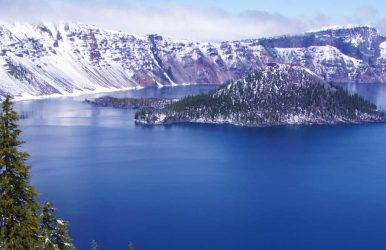
Are you searching for the best national parks in Oregon? If the answer to this question is a YES, then you have reached the right place! The state of Oregon, which is blessed with magnificent scenery, nature, and landscapes, is situated in the US's Pacific Northwest. It has a wide range of attractions to offer. There are stunning mountains and picturesque shoreline to lush woods, vast deserts, and intriguing canyons. Oregon is a destination for outdoor enthusiasts due to its remarkable variety of landscapes. It has plenty of amazing hiking, camping, and animal viewing to be experienced anywhere you go. In this article, I will be talking about one such natural wonder— the national parks in Oregon! S, if that is something that you are searching for, there is one thing you need to do. And that is to keep reading this blog till the end… Top 10 National Parks In Oregon That You Must Visit! Despite having just one national park, Oregon is not short on beautiful landscapes. The state is full of natural beauties, including a fossil-rich desert, gorges, untamed rivers, and 360 miles of public coastline. In this article, I will be focusing on the top ten national parks of Oregon that you must visit. So, if that is something that you have been searching for, then you will find this blog to be of great help! Keep reading this article till the end to learn more… 1. Crater Lake National Park As one of the deepest and clearest lakes in the world, Crater Lake National Park in western Oregon is well-known today. But 7,700 years ago, the eruption of Mount Mazama, which formed Crater Lake, is probably one of the largest geologic catastrophes ever. After Mount Mazama erupted, it fell, leaving a crater more than 1,200 meters deep. It measured 8 kilometers north to south and 10 kilometers east to west. The crater subsequently filled with rain and snowmelt. The Crater Lake is awe-inspiring, and that is why it is the first one on the list of the best and most visited national parks in Oregon. Native Americans saw it form nearly 7,700 years ago when a powerful eruption caused a lofty mountain to collapse. Its purity and popularity as the deepest lake in the United States. It is also one of the most pristine lakes on the planet, nourished by snow and rain, astounds scientists. Photographers, artists, and tourists love the breathtaking location and crystal-clear water above the Cascade Mountain Range. 2. California National Historic Trail The California National Historic Trail, is situated geographically near a number of towns and states. With state map illustrations and driving instructions, modern auto tour routes closely resemble the historic road(s). It offers opportunities to find the trail's remains and important resources. Insight into life on the trail is provided by fascinating tales. It recorded incidents of immigrants, businesspeople, missionaries, and fortune seekers. During the 1840s and 1850s, more than 250,000 people made the largest mass migration in American history. They moved to the gold fields and fertile farmlands of California. The more than 5,000-mile-long California National Historic Trail passes through parts of ten states. Over 1,000 miles of ruts and tracks left by travelers and their overland wagons allow you to walk through history. 3. Ice Age Floods National Geologic Trail Glacial Lake Missoula, a 3,000 square-mile body of water encircling Missoula, Montana, is the result of an ice dam in northern Idaho at the conclusion of the last Ice Age, between 18,000 and 15,000 years ago. Floodwaters burst open when the dam broke, traveling across Washington, Oregon, and the Columbia River before reaching the Pacific Ocean. The Ice Age Floods affected the people, and the terrain of the Pacific Northwest, profoundly. The majority of geologists thought that glaciers and streams slowly eroded rock formations to create Washington's Channelled Scabland. Geologist J Harlen Bretz postulated that cataclysmic floods were responsible for the formation of the Channelled Scabland after finding geologic data that contradicted this theory. Bretz's theory was initially mocked, but it was later proven correct thanks to new technology like satellite photography. By the 1970s, everyone agreed that the Ice Age Floods were to blame for the ravaged terrain of the northwest United States. Today, the terrain is littered with remnants of these Ice Age Floods, including massive basalt coulees ND massive dry falls. It also has big boulders that have traveled hundreds of miles, high water lines, and tremendous current ripples. The Ice Age Floods National Geologic Trail includes spectacular examples of cataclysmic flood geology, breathtaking landscapes, and locations for scientific study. 4. Lewis And Clark National Historical Park The Lewis and Clark National Historical Park is tucked away in northwest Oregon, close to the Washington state line, just south of Astoria. It honors the remarkable accomplishments of the well-known couple who traveled the United States by bearing their names. It was at this picturesque location that Lewis and Clark finally brought their expedition to a close. They set up camp for the winter of 1805, with everything from thick rainforest and magnificent coastline panoramas to portions of the Columbia River and Pacific Coast. A copy of Fort Clatsop and a visitors center are located in the historical park. You can learn all about their journey here. They both contain intriguing artifacts and displays. Its woodlands also offer some fantastic hiking opportunities, and kayaking, fishing, and wildlife viewing are all very popular. 5. Valley Of The Rogue River State Park The Rogue River in Oregon is appropriately called and is the next one on the list of national parks in Oregon. It flows through the state's southwest and is famous for its untamed rapids, untamed beauty, and legendary salmon runs. The thirty-five-mile stretch that goes downstream from the Grants Pass is one of the best whitewater runs in the nation. Visitors can also explore the Rogue on foot along the Rogue River National recreation path. It follows the river for more than 80 miles. With a rafting-supported backpacking trip, you may explore the entirety of Rogue in one fell swoop. It is available from many local outfitters. Rafts carry camping gear downstream and give weary hikers the chance to float down the river. The Rogue River is famous for its salmon, steelhead, and rainbow trout fishing, and a number of dams have been demolished recently to reopen fish migratory routes. 6. Oregon National Historic Trail If you were an immigrant heading to Oregon, would the promises of luscious farmlands and a fresh start tempt you to leave your home and trek for days? The Oregon National Historic Trail, which spans more than 2,000 miles across six states, still bears witness to the sacrifices, tribulations, and victories of early American settlers. A number of African Americans traveled to Oregon as pioneers. Some did so voluntarily as free people, while others faced coercion as slaves. Between the 1840s and 1860s, hundreds of people certainly made it to Oregon. With state map illustrations and driving instructions, modern auto tour routes closely resemble or follow the historical road(s), offering opportunities to find the trail's remains and important resources. Thousands of wagon wheels and hooves moving west ran over the land, pounding the surface. Known as waggon ruts, their remnants can take a variety of forms depending on the kind of soil and the long-term impacts of water erosion. Visiting a trail rut and traveling back in time is one of the best ways to experience the Oregon Trail. Fortunately, you may still find places today where you can have that experience. 7. Oregon Caves National Monument And Preserve The magnificent "Marble Halls of Oregon" are tucked away in the Siskiyou Mountains. The Oregon Caves National Monument and Preserve is a well-liked and remarkable tourist destination that is located in the southwest of the state, close to the California border. The lovely cave complex, which was formed millions of years ago, glitters and shines before your eyes, with spectacular formations and exquisite stalactites and stalagmites everywhere you turn. Exploring the caverns' vast halls, fantastic passages, and dark depths while on tour is an excellent way to learn more about their history and geology. Even while the unusual underground tunnels are the main draw, the surface is just as fascinating, with sparkling rivers and streams meandering through the forest. The gorgeous preserve is the perfect location for nature enthusiasts, offering hiking, hunting, and animal viewing. 8. Nez Perce National Historic Trail The Nimiipuu (Nez Perce) people have lived in the prairies, valleys, plateaus, and mountains of the inland northwest since the beginning of time. They were incredibly tenacious, surviving the American colonization and adapting to a new world. A non-traditional national park, Nez Perce National Historical Park is made up of 38 sites that collectively depict the tale of the Nimiipuu (Nez Perce). These sites are dispersed throughout a large portion of the Nimiipuu people's modern-day homelands in Idaho, Montana, Oregon, and Washington. The visitor centers in Lapwai, Idaho, the Big Hole National Battlefield near Wisdom, Montana, and the Bear Paw Battlefield near Chinook, Montana, all have staff on hand. It might require a significant amount of time and travel over many hundreds of miles to see all the park's attractions. There are 38 locations in the Nez Perce National Historical Park that are significant to the history and culture of the Nimiipuu. Examine these locations. Find out their tales. There is just so much to do here! 9. Fort Vancouver National Historic Site This park has a rich cultural history and is on the north bank of the Columbia River, in view of snow-capped mountain peaks and a bustling urban environment. Four distinct locations share history, ranging from a frontier fur trade post to a significant military legacy, the wonder of flying, and the beginnings of the American Pacific Northwest. Learn about tales of change, settling, conflict, and community. The enormous collection of archaeological artifacts, historical artifacts, and archival records kept at Fort Vancouver National Historic Site helps to tell the site's tales. Native Americans from before and after European contact, the Hudson's Bay Company fur trade, the United States Army, early military and civilian aviation at Pearson Field, and the Kaiser Shipyards are all represented in the museum collection. In the midst of the bustling City of Vancouver, the Fort Vancouver National Historic Site is a haven of natural beauty and history. This National Historic Site includes a number of dog-friendly routes as well as a summer Bark Ranger programme for tourists and their canines. On the grounds of Fort Vancouver National Historic Site, have a picnic. The park has a number of picnic sites that are accessible from sunrise to dusk. 10. Oregon Dunes National Recreation Area The last one on the list of the best national parks in Oregon is the Oregon Dunes National Recreation Area. The vast majority of Oregon's coastline is stunningly rocky and rugged, but this 40-mile stretch of beach between the Coos and Siuslaw rivers is home to the continent's greatest stretch of coastal sand dunes. Windswept dunes that rise 150 meters above sea level here are perfect for hiking, whale viewing, riding horses, and off-roading. Both developed campsites and undeveloped locations along the Siltcoos river offer camping options. Both developed campsites and undeveloped locations along the Siltcoos river offer camping options. Reservations are advised for the state parks of Umpqua Lighthouse to the south and Jessie M. Honeyman to the north, which both provide additional sites. The quieter regions with just foot traffic are kept apart from the areas for motorized off-highway vehicles by Oregon Dunes admirably. The largest off-road area, if you're into it, extends between Spinreel Campground and Horsfall Road. While exploring the dunes on foot, by horseback, or in a dune buggy is a lot of fun, the recreation area also offers a number of campsites for visitors to use. Fishing and canoeing are also very popular here. With so much to see and do, it's a wonderful spot to travel to. Wrapping It Up! In case you were searching for the best national parks in Oregon, I hope that this article has been of help to you. If there are any other queries related to the same, feel free to let me know. All that you need to do is scroll down till you reach the bottom of the page. Then leave your comments and queries in the box below.

READ MORE card-img

Be Soothed And Meet History At Hot Springs National Park

BY  Sibashree Aug 20, 2024

The Arkansas Hot Springs National Park is a place where stories and histories are intertwined with natural abundance and unique geological features.  Home to 47 hot springs, this national park has been a place of healing and relaxation. These springs offer the ultimate spa treatment after you complete arduous hiking through the trails.    Are you ready to indulge in a therapeutic experience at this national park known as the American Spa? Let’s take a deep dive.  Also, I have grabbed this opportunity to talk about the rich history of the park.  Know The Hot Springs National Park History And Culture  The 5,500-acre landscape of the Hot Springs National Park tells us many tales from the trails and springs. This park has seen novaculite extraction by American Indians for thousands of years, as well as the Great Fire of 1878.  Even before the park’s designation as a Hot Springs Reservation in 1832, historic events like the Dunbar-Hunter Expedition took place here. The historic places in the park, such as the Hot Springs Mountain Tower, Arlington Lawn, and Stonebridge Area, have been narrating the stories of this park for centuries.  Hot Springs Mountain Tower Built in 1983, Hot Springs Mountain Tower is a great place for visitors to enjoy the panoramic view of the park from a 1,256 ft height.  Don’t miss catching a glimpse of the Ouachita Mountains from the open-air upper deck of the tower. The air-conditioned lower observation deck offers you the opportunity to explore exhibits related to the history of the locality and the park. Also, if you want to collect souvenirs, you can visit the gift shop at the base of the Hot Springs Mountain Tower. This tower was first built as a wooden structure in 1877 by Enoch Woolman. Further, in 1906, a new steel tower was built, and it was known as Rix Tower after Charles N. Rix, the then-president of Arkansas National Bank. However, the Rix Tower was taken down in 1971.  Bathhouse Row The Bathhouse Row is probably the most iconic and visited place in Hot Springs National Park. It has 8 bathhouse buildings, all of them built between 1892 and 1923, adding to the historic and architectural value of the park. These eight bathhouses are: Lamar Bathhouse Buckstaff Bathhouse Ozark Bathhouse Quapaw Bathhouse Fordyce Bathhouse Maurice Bathhouse Hale Bathhouse Superior Bathhouse In 1987, Bathhouse Row with Grand Promenade became a National Historic Landmark District. Arlington Lawn The Arlington Lawn gets its name from the presence of the first two luxurious versions of the Arlington Hotel present here.  The first version of the hotel was built in 1875, and a second or grander version replaced it in 1893. The second version had a glorious run until 1923, when a fire destroyed it. In 1925, the third Arlington Hotel (which you can see now) came up as an unbelievable 500-room accommodation.  Whittington Park  Whittington Park got its name from Hiram Abiff Whittington, an early resident of Hot Springs. The greenway stretches along Whittington Creek, which stands between Sugarloaf Mountain and West Mountain.  Constructed in the late 1890s, Whittington Park was initially called Whittington Lake Reserve. You can enjoy a relaxing walk through this tree-shaded greenway.  Stonebridge Area  The Stonebridge Area is the best spot in the National Park to watch turtles. You will also see a waterfall area carving through step-like structures in the rocks.  Further, Lake Lillian, now known as Ricks Pond, is here with its tranquil beauty and turtles floating in the water.  What Is Hot Springs National Park Famous For?  Known as the American Spa, Hot Springs National Park has 47 natural hot springs. Since the early 1800s, people have been visiting this park to soak in the hot and cold springs here. Further, thanks to the healing geothermal waters here, bathhouses and a full-fledged bathing industry were built here. The average temperature of the bath springs water here is 143° Fahrenheit. You can soak in the springs in the Buckstaff and Quapaw bathhouses, as there are no opportunities for soaking in the water outdoors. You can even drink the water from these springs, and the geothermal water of the springs has healing properties.  Hot Springs In The National Park  Here are some of the hot springs in the national park. You will find hot springs in front of the Libbey Memorial Physical Medicine Center and the National Park Service Administration Building on Reserve St. Visit the Bathhouse Row and find the hot springs between the Hale and Maurice Bathhouses.  You will find the Noble Fountain at the Grand Promenade south entrance on Reserve St. Do you want to touch the geothermal water of the springs? You can visit the shallow pool where the Display Spring falls.  Cold Water Spring Fountains  Happy Hollow and Whittington Spring are two cold water spring fountains in the national park. The origin of the Whittington Spring is the West Mountain, and the Hollow Spring comes from the North Mountain. Hiking And Camping In Hot Springs National Park Camping and hiking are two of the most fascinating things to do in Hot Springs National Park, Arkansas.  Hiking In Hot Springs National Park  Hot Springs and North Mountain Trails and West Mountain Trails are the two most popular destinations in the park for trekking. However, there is also a Sunset Trail, which is longer and passes through the remote areas of the park. Hot Springs And North Mountain Trails Along with the most amazing scenic view, these trails have many highlight points. These are Stephen’s Balustrade or the Grand Staircase, Gulpha Gorge Campground, Hot Springs Mountain Drive, and Fordyce Bathhouse.  West Mountain Trails If you want to explore the vivid wildlife of the Hot Springs, you will have to take the West Mountain Trails. Find the trails through the Canyon Trailhead and Whittington Park.  Sunset Trail The longest in the Hot Springs, the Sunset Trail, is a straight 10-mile hike. Also, if you want to complete the loop, you will have to cover 15-17 miles.  The best thing about this trail is that it takes you to places less trodden in the park. Further, hiking in the long trail will be broken into three sections: West Mountain, Sugarloaf Mountain, and Stonebridge Road.  Camping In The Gulpha Gorge Campground This campground is most suitable for tents and RVs or recreational vehicles. Basic amenities like water, electricity, and sewage are available at the campground.  Further, there are facilities like pedestal grills and picnic tables.  You can stay for a maximum of 14 days at a stretch in the camp. In addition, the park authority does not allow camping for more than 30 days in a calendar year.  Enjoying Heavy Footfall The Hot Springs National Park has been consistently getting more than 2 million visitors for the last few years. In 2023, 2,502,967 people paid a visit to this park to indulge in the therapeutic experience of the hot springs, explore wildlife, and enjoy hiking. (Source) Further, you can never forget how significant this park is from the perspective of history and culture. You can explore the Stonebridge Area and spend some time in Whittington Park or other historic places in the park. It will help you learn how American Indians extracted novaculite from this park and made their tools and accessories.  In addition, prominent names in American history, such as Dr. Timothy L. Bottoms, Samuel Wesley Fordyce, and Robert Radcliff Stevens, are associated with this national park. So, you must visit this national park to enjoy nature at its best and see some pages of history unfurling before your eyes. What do you think of the other national parks in America, like the Biscayne National Park or the Everglades National Park? Don’t forget to share your ideas with us!  Hot Springs National Park FAQs  Here are the frequently asked questions and answers. What Is The Wildlife Like In Hot Springs National Park? Hot Springs is a crucial sanctuary for wildlife. The “novaculite outcrops” and “lush creek valleys” make this national park a safe harbor for animals and birds.  Overall, this park has more than 50 species of mammals, over 100 bird species, 50+ fish species, and more than 70 species of reptiles and amphibians. The Copperhead snake is the most venomous reptile here, along with other venomous snakes. The park is also replete with lizards, frogs, salamanders, and turtles.  Bluegill and banded darter are some common fish in this national park. Further, this park is home to mammals like groundhogs, white-tailed deer, and squirrels. Moreover, pigeons, doves, falcons, herons, vultures, owls, and many other birds make this park delightful.  Also, watch out for the colorful butterflies and fireflies in the park. By the way, did you know that Arkansas has more than 5,000 species of moths and butterflies? What Are The Best Hot Springs National Park Activities? The most amazing thing to do at Hot Springs National Park is to soak in the hot springs and indulge in a therapeutic experience. The Buckstaff Bathhouse and the Quapaw Bathhouse offer you the most relaxing time.  Further, you can explore 26 miles of hiking trails in the park and enjoy biking to the North and West Mountains. You can take these rides on bicycles or e-scooters.  Also, if you are a birder, you will get to see great blue herons, vultures, falcons, and many other birds in the national park.  Shopping and exploring the Mid-America Science Museum are some other activities to do when you are at Hot Springs.  What Is The Hot Springs National Park Size? The Hot Springs National Park stretches across 5550 acres. As one of the oldest national parks in the USA, this national park was designated in 1921.  You will find many hiking trails and as many as 47 natural hot springs in the national park. The campground, visitor center, and gift shop further make it a place of versatile encounters with nature and history. Hot Springs and North Mountain Trails and the West Mountain Trails are the most concentrated trekking zones in the park. However, if you want to explore more remote parts of the park, you can surely take the longer Sunset Trail. Also read Why Include Whale Watching In Your LA Itinerary. Traveling On A Budget: Tips For Affordable Adventures. From Cocktails To Kickflips: Must-Try Activities In San Diego.