


Amazing Things To Do At Yosemite National Park | Action Tour Guide

Oct 28, 2024

Last Updated on: Aug 27, 2025

Travel Blog

Yosemite National Park comes with great news for the explorers. The park has ended its reservation season early in 2024. So, for the rest of the year, you can enjoy a drive through the park without reservation. 

In a social media post, Yosemite National Park authority has mentioned “ending the 2024 reservation season after this weekend (October 13).” 

With no stress about getting a reservation, Yosemite National Park will surely be the destination for trekkers and wildlife lovers. However, before you plan a trip to the park, you must have a detailed idea of what to do there. 

Best Things To Do At Yosemite National Park

Best Things To Do At Yosemite National Park

Yosemite National Park allows you to explore many activities, from camping to hiking. Therefore, setting the itinerary right can be a little taxing, with many options available. 

So, here, I will discuss the outdoor pursuits in the park, with special emphasis on hiking, wildlife exploration, and stargazing. 

Yosemite National Park is a UNESCO World Heritage Site, inscribed in 1984. 

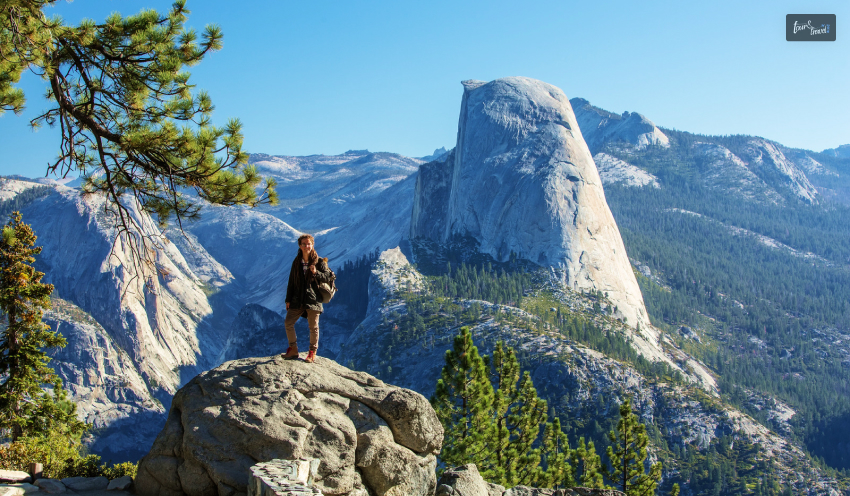
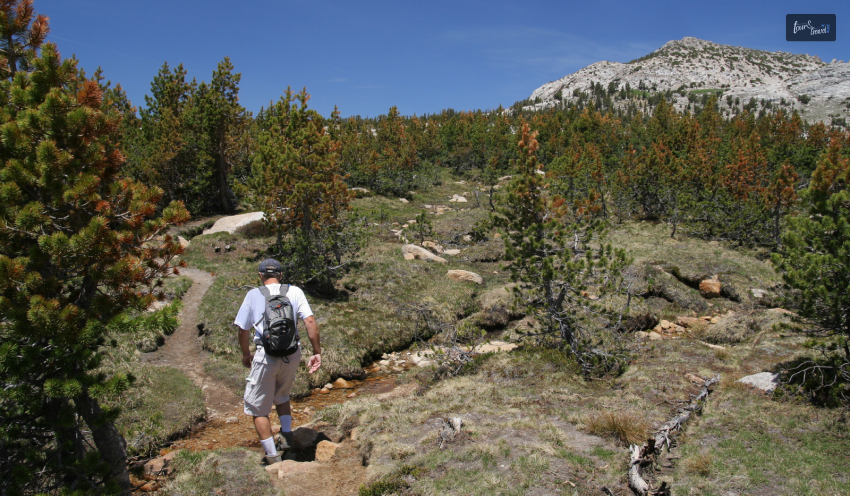
Hiking In Yosemite National Park

Hiking In Yosemite National Park

This park has more than 750 miles of hiking trails. Further, if you want to explore the park’s ecology, wildlife, and geological formations closely, hiking is the best way out. 

So, you can try these most popular hiking trails in Yosemite National Park. 

Upper Yosemite Falls Trail

Trekking Length: More than 10 Kms

Difficulty Level: Hard

Pet Friendly: No

Time Of Trekking: Around 6 Hours 

How about exploring a hiking trail that takes you to the top of the tallest waterfall in America

You will also love the best views from Columbia Rock as you advance in your expedition.  

Mirror Lake Loop

Trekking Length: 8 Km

Difficulty Level: Easy

Pet Friendly: Yes 

Time Of Trekking: 2 Hours

The beautiful trekking route takes you to Mirror Lake and Tenaya Creek. Further, the calm water of the lake shows the most beautiful reflections of the surrounding cliffs. 

However, often, the lake does not have adequate water, and then it looks like a meadow with sandy areas and grasses. So, it is also known as Mirror Meadow. 

Nevada Fall Via The Mist Trail

Trekking Length: Around 10 Km

Difficulty Level: Hard

Pet Friendly: No

Time Of Trekking: 4 Hours  

Nevada Fall Via The Mist Trail is a signature hike, allowing you to explore many spectacular views scattered around it. 

Located on the Merced River, the water in the fall has a misty appearance. Further, falling from a height, the water of the cascade looks like an avalanche. 

Lower Yosemite Falls Trail 

Trekking Length: 2 Km

Difficulty Level: Easy

Pet Friendly: Yes

Time Of Trekking: 30 Minutes  

A deafening sound of water will fill your ears as you complete the Lower Yosemite Falls Trail trek and stand on the footbridge.

This hiking trail is the best for enjoying beautiful views of Yosemite Falls and creeks. Further, throughout the trek, you will learn about the park’s culture and history. 

Exploring Wildlife At Yosemite National Park

Exploring Wildlife At Yosemite National Park

Approximately 95% of the park is designated wilderness. The entire park is surrounded by four national forests, several adjacent portions of which are designated wilderness areas, thereby providing connectivity with the larger landscape.” – UNESCO World Heritage Convention.

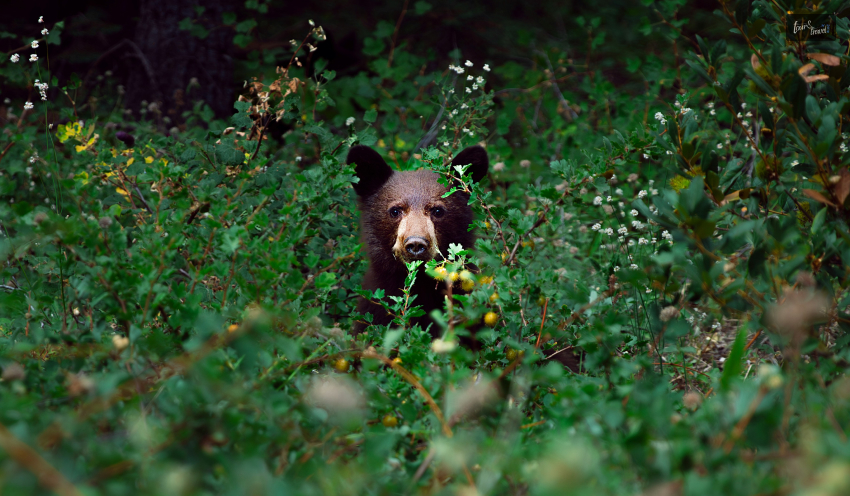
Surrounded by forests and extensive wilderness, Yosemite National Park is home to around 90 mammal species. Further, this park has many amphibians, reptiles, birds, insects, and fish.

I will talk about the birds and fish in detail shortly. So, here is a brief overview of the mammals, amphibians, reptiles, and insects found here. 

Mammals Black BearsBighorn SheepPacific FisherRed FoxBatsMountain LionsDeerGrizzly Bear
Amphibians Sierra NewtPacific TreefrogCalifornia Red-Legged FrogYosemite Toads
ReptilesSierra Fence LizardSierra Alligator LizardsWestern Pond TurtleSierra GartersnakeSierra Mountain KingsnakeNorthern Pacific Rattlesnake (It is the only venomous snake out of the 13 species of snakes found here.)
InsectsElderberry Longhorn BeetleCaddisfliesGrasshoppersBristletails

Among the species found here, grizzly bears, foothill yellow-legged frogs, and California red-legged frogs are the ones on the verge of extinction. Fragmentation of habitat, air pollution, and the invasion of non-native species are the primary reasons behind this process of eradication. 

Stargazing In Yosemite National Park 

Stargazing In Yosemite National Park

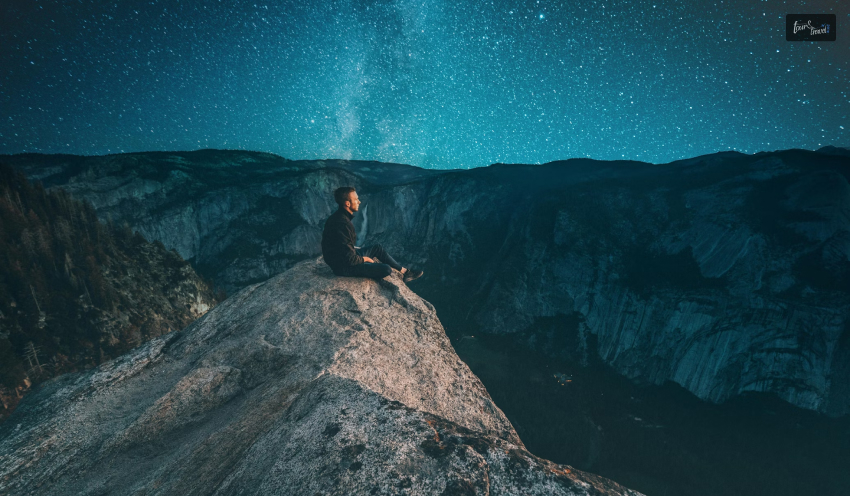
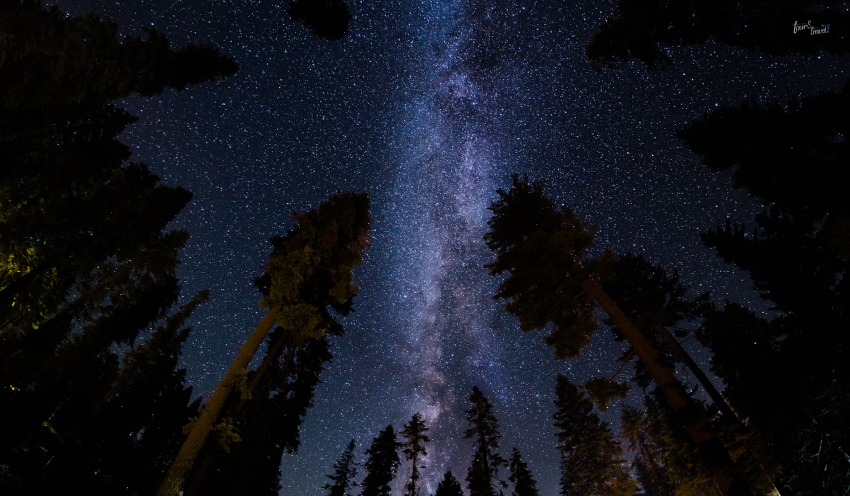
The minimal light pollution and extensive wilderness make Yosemite National Park a great space for stargazing. Further, from July to October, this park is a great space to observe the Milky Way. 

In addition, there are multiple hotspots in the park for stargazing. So, check out the table below to know where to enjoy the starry affair the most.

Stargazing Location In The ParkBest Spots 
Yosemite ValleyEl Capitan MeadowCook’s MeadowSwinging BridgeTunnel View
Glacier PointGlacier Point OverlookWashburn Point
Tioga RoadTenaya LakeOlmsted Point

Wawona is another popular stargazing location in the park, and it offers a peaceful experience. 

Stargazing Experiences You Cannot Miss

Stargazing Experiences You Cannot Miss

As you set out to stargaze in Yosemite National Park, you will encounter many unique sights. However, watching the moonbows or climber’s headlamps are the two most common stargazing experiences in the park. 

  1. Climber’s Headlamps

During spring and fall, many climbers spend their nights on the cliffs of Yosemite Park. As they notice the first star coming out, they turn on their headlamps. 

  1. Moonbows

April to June is the waterfall season in the park. On full moon nights in that season, the moonlight creates a rainbow in the mist of Yosemite Falls. 

Even if your eyes cannot catch the colors, your camera surely will. 

Birdwatching In Yosemite National Park 

Birdwatching In Yosemite National Park 

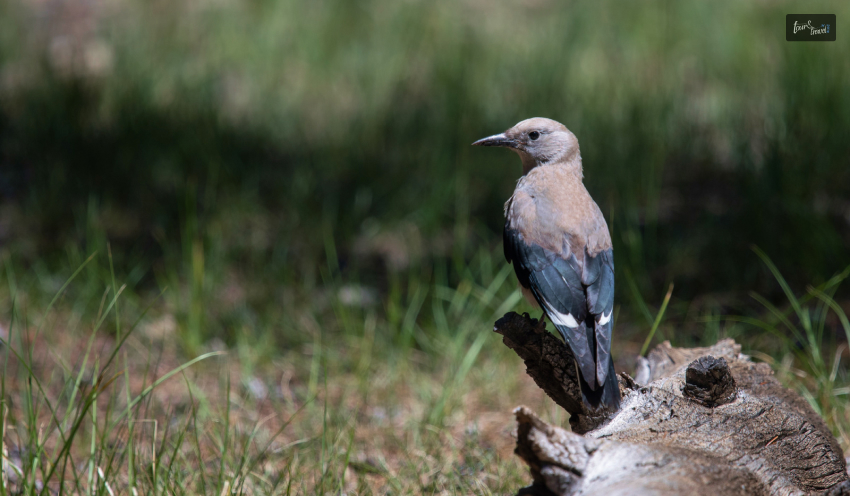
This national park is a favorite of birders, considering the presence of 262 species. Among them, 165 are habitat and migratory species, while the remaining one are transient species. 

Further, the elevation of the park ranges between 2000 to 13000 feet. So, you will notice massive changes in the behaviors and features of the birds found here. 

Yosemite Conservancy birdwatching outing and Christmas Bird Count are some of the programs that you can join if you want to locate the local, migratory, and transient ones. 

Some common species of birds found here are the Great gray owl, American dipper, spotted owl, and Western tanagers. 

A park-wide census of willow flycatchers has been conducted in the park. The report shows that these species do not breed in the park anymore. 

Rock Climbing In Yosemite National Park 

Rock Climbing In Yosemite National Park

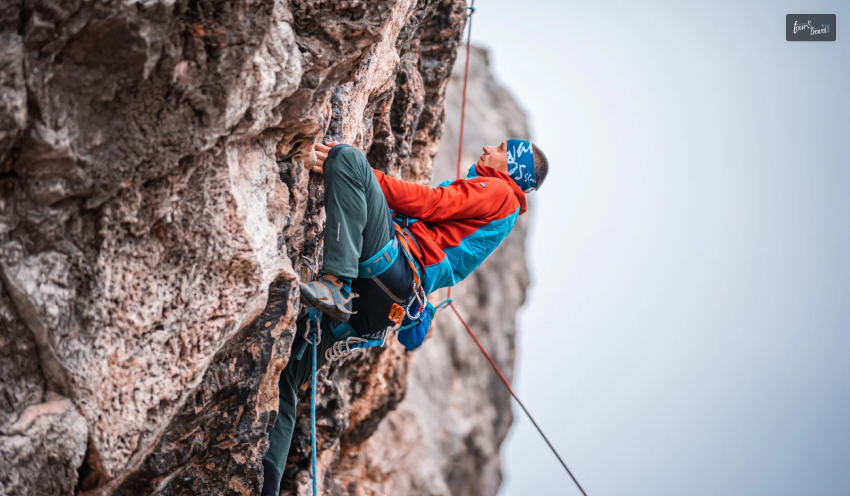
Yosemite National Park is a hub of rock climbers. Rock climbing here is beyond big wall climbs or conquering the cliffs. Further, almost every big wall in the park has a distinct ecosystem for you to explore. 

Some popular rock climbing spots in the park are Merced River Canyon and Tuolumne Meadows. However, climbing the El Capitan is the most adventurous outdoor pursuit you can try in the park.

The Oscar-winning movie Free Solo has further put this rock-climbing destination under the spotlight. 

Water Activities At Yosemite National Park 

Water Activities At Yosemite National Park 

Swimming, boating, rafting, and fishing are the best water activities in Yosemite National Park. 

Swimming

You can swim in almost any water body in the park. However, swimming is prohibited in the following water bodies.

  • Dana Fork of the Tuolumne River
  • Lake Eleanor Reservoir
  • Wawona Domestic Water Intake
  • Hetch Hetchy Reservoir
  • Emerald Pool 
  • Silver Apron

Further, for the best cooling-off experience, you can try swimming in the Merced River. 

Boating And Rafting 

The best locations for boating and rafting in Yosemite National Park are Merced River, South Fork Merced River, and Tenaya Lake. 

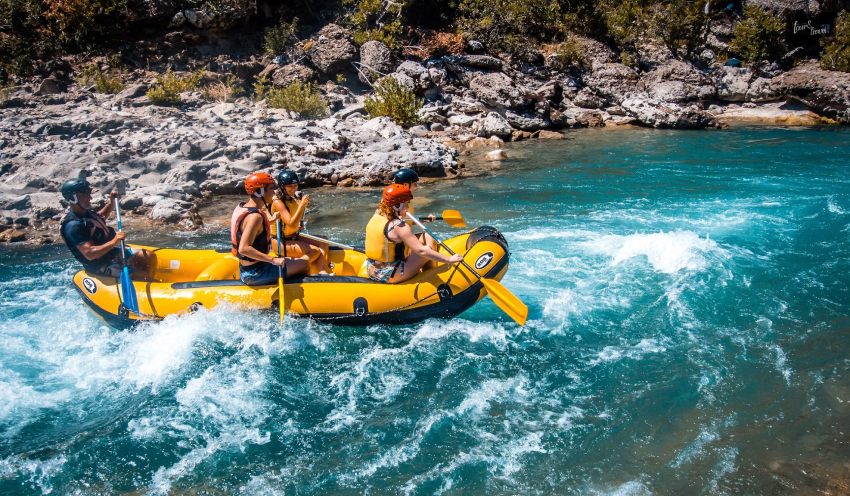
Rafting in the Merced River is a popular summer activity in the park. So, you can rent a raft or try kayaking here. 

Further, you must wear a personal floatation device for kayaking and rafting in the South Fork Merced River or Tenaya Lake. 

Fishing In Yosemite National Park 

Are you over 16? Then, you will need a California fishing license to fish in the park. Further, you must abide by the California and Yosemite Park regulations about fishing. 

Nevertheless, the best places for fishing in the park are:

  • Merced River
  • South Fork Merced River 
  • Frog Creek
  • Adair Lake
  • Hanging Basket Lake

Sacramento pikeminnow, California roach, and riffle sculpin are some native fish species in the national park. Furthermore, trout is the most common non-native species in the region. 

Yosemite National Park At A Glance

  • Location: California, United States
  • Highest Point: Mount Lyell (3,997 Meters)
  • Area: Around 1,200 Square Miles
  • Operating Hours: 24*7
  • Origin of Name: Uzumate, meaning Grizzly Bear
  • Visitor Centers: Yosemite Valley Welcome Center, Yosemite Exploration Center, Valley Wilderness Center, etc.
  • How To Reach: Visit the park from the west through Highways 41, 140, and 120. However, to reach the park easily, you will have to take Highway 120. Further, please note that the Tioga Pass Entrance remains closed from November to May or June. 
  • Best Time to Visit: May to June

Also read

Share on Social Media

Sibashree is a travel, culture, and leisure writer who has been writing since the age of 12 and professionally since 2014. With more than a decade of travel writing experience and journeys across India and several parts of the world, she brings a deeply personal and thoughtful perspective to her work. A student of English Literature and Mass Communication, Sibashree has always viewed travel as more than movement — for her, it has been a way of understanding people, cultures, and herself. Her passion for spiritual exploration has also led her to many unusual and meaningful destinations over the years. Outside of writing, Sibashree enjoys watching European cinema, reading about global politics, and reflecting on the stories hidden within everyday places.

Leave a Reply

Your email address will not be published. Required fields are marked *

title-img Related

READ MORE what to see in Lassen Volcanic National Park

What To See In Lassen Volcanic National Park: Into The Darkness Of Subway Cave After A Fire Breakout

BY  Sibashree Oct 15, 2024

Lassen Volcanic National Park was in the news recently as the fourth-largest wildfire in California exploded out of proportion. The park's officials evacuated staff from the Mineral community near the park headquarters.  120 people were there in the community, and the evacuation started as the fire started moving east to the park on the evening of 26th July 2024.  However, the park fire reached near containment in August, and on 17th August 2024, the park was partially reopened. You may wonder what to see in Lassen Volcanic National Park after the fire breakout and if there is any significant destruction in the places of interest in the park.  Let me assure you. The park officials stated that the fire had never entered the park. However, there are still risks in the southern part of the park and Mill Creek and Mineral communities.  Nevertheless, the reopened parts of the park are out of danger despite some lingering smoke. So, Subway Cave, located around 15 miles north of Lassen Volcanic National Park, is one of the safest sites to explore after the fire incident. Make a rush, as it remains open from late April to November.  What To See In Lassen Volcanic National Park After The Fire Breakout (Exploring The Underground World Of A Lava Tube) Yes, you got me right! I am talking about the Subway Cave. The self-guided trail inside the cave is ⅓ miles long and 30 feet wide, and complete darkness is inside. So, many call it the journey into darkness. The USDA Forest Service maintains the cave, which remains open from dawn to dusk.  Before I get into more stories and facts about the cave, I want to present the basics you need to know briefly.  Important Facts About Subway Cave, Lassen National Volcanic Park Location in the ParkA 2-minute walk from the parking lot near the junction of “Highway 89” and “Highway 44” in Old StationAmenitiesPicnic TablesDrinking WaterParkingToiletsInterpretive SiteFeesFree (You can make donations)Pet-FriendlyNoParking FacilitiesMany Parking Facilities, Buses and RVsOutdoor ActivitiesInterpretative Sessions, Caving, PicnicTemperature Inside the Cave46 Degree Farrenheit Nearby AttractionShasta County (Mountainous landscape and multiple picnic locations)Nearby Trails*Cinder Crone TrailSpattercone Nature TrailButte Lake to Widow Lake, etc.  *Many hiking trails in the park, such as the Lassen Peak, Bumpass Hell, and Mill Creek Falls, are closed as the park has partially reopened after the recent wildfire explosion. So, check with the park authorities before you plan a hike on the park trails.  This Is How The Subway Cave Was Formed  If you are a keen learner of geology and want to know what to see in Lassen Volcanic National Park, you cannot avoid the lure of Subway Cave. I have already shared an account on the geothermal wonders of the park. This cave is an example of how lava flowed around 20000 years ago and created some magic.  A major lava explosion happened all across the Hat Creek area around 20000 years ago. The top layer of the lava flow became cold and hard in contact with air. Thus, a hard cap was formed. However, there was a continuous flow of molten lava below this cap.  The molten lava drained out Over time, but a hollow tube structure remained there. As you hike this trail, you will find traces of the more recent lava flows.  Route To The Subway Cave Is Bumpass Hell on your list of what to see in Lassen Volcanic National Park? Are you planning a trip to the park soon? Then, you will be disappointed as the Bumpass Hell trek route is closed after the park has reopened following the recent fire breakout.  Further, as Bumpass Hell is closed, you must take the Warner Valley Area route to  Devils Kitchen, which is the cave's opening. Devils Kitchen is a 4.4-mile hike from the Warner Valley Area (camping here is closed for 2024).   Accessing The Subway Cave  You have to climb down metal stairs as you access the Subway Cave. You will get down into a wide opening in the ground. The ground surface has a leveled floor. However, you must be careful as you get off the stair flight.  Further, you must wear sturdy footwear to avoid injuries and difficulties where the floor gets rough.  Fortunately, the ceiling and walls are quite smooth, minimizing the hiking difficulty level while hiking. Also, there is complete darkness inside the cave. So, you will need a flashlight to make it to the end.  The weather inside is a little cold, even in summer. So you will need a light jacket. Moreover, don’t forget to read and follow the interpretative signs through the trail to better understand the place.  The best thing about this park is that it’s 30 feet wide. So, even with complete darkness inside, you never feel suffocated.  What To See In Lassen Volcanic National Park Subway Cave It is not a long walk inside the Subway Cave. However, this short walk is enough to make it feature on the list of what to see in Lassen Volcanic Park.  Lucifer’s Cul-de-sac (An Attraction Very Few Knows About) Have you listened to Satan’s Cul-de-sac from Gangland Buries Its Own? The first thing that may amaze you inside the cave is Lucifer’s Cul-de-sac. There is a split as you enter the cave, and you are to turn to the right if you want to continue the trail. However, you will notice a big room if you are adventurous enough to turn left, when I tell you about Lucifer’s Cul-de-sac, The ceiling height starts from 6 feet and gets higher up to 15 feet. The most amazing thing about this room inside the cave is the rock formation on the ceiling and walls. It’s gothic and justified its name.  https://open.spotify.com/track/6cq37W4OXjEdQRLh2IVQOF As The Hike Advances  The ceiling height will vary as you continue the trek, and there are small boulder-like rock formations in many places. So, be careful with your steps and do not stumble upon them. Also, because of these rock formations, you must not wear an open-toe shoe while walking through the cave.  Nevertheless, the ceiling formation is fascinating, and in one section, it looks like stoned rainfall or water ripples. The section is called the Lavacicle Lane. Molten lava dripped off through the cracks in the ceiling cave, and there were formations of “drip pendants” or “lavacicles.”  Further, as you plan to take the exit, you notice all the colors in the lava rock formation, including green, blue, white, and brown lines.  Getting Out Of The Subway Cave As you approach the end of the cave, you will find a metal stair flight similar to the one at the entrance. From the top of the exit staircase, you can hike through an on-ground trail to the west or north to find the parking lot.  However, I prefer to take another walk through the cave and get back to the entrance. It will be so much fun to explore this unique geological formation again.  Things To Remember Before Getting Into The Darkness Of The Subway Cave  Subway Cave is a hidden gem if you consider what to see in Lassen Volcanic National Park. However, once you take the hike and read the interpretative signs, you will learn why it is geologically unique.  Nevertheless, you must be careful about certain things to ensure complete safety throughout the hike.  You will find rattlesnakes in the trail, and you have to be respectful to these reptiles. You must not make any move to catch or hurt them. Moreover, you cannot go off trails or litter inside the cave.  No food, water, or firelighting is allowed inside the cave. There are picnic areas nearby for you to catch refreshments. Wish you a safe, easy, and fun-filled experience inside the Subway Cave!  Also read Why Include Whale Watching In Your LA Itinerary. Traveling On A Budget: Tips For Affordable Adventures. From Cocktails To Kickflips: Must-Try Activities In San Diego.

READ MORE Lassen Volcanic National Park

Exploring the Geothermal Wonders of Lassen Volcanic National Park

BY  Sibashree Aug 20, 2024

Lassen Volcanic National Park gets its name from the Lassen Peak, an active volcano in the southernmost Cascade Range. Even today, the Lassen Peak has hot springs and you will find fumaroles coming out of the peak’s mouth. These are also signs of volcanic activities in the volcanic mountains. Further, this national park houses all four types of volcanoes: plug domes, cinder cones, composites, and shields. These volcanoes make this national park a chosen destination for geologists and volcano enthusiasts. The presence of these volcanoes has also added unique hydrothermal features to this park. You will find vibrant hot springs, steam vents making hissing sounds, and mud pots with bubbling water here.  Here, I present a brief overview of the geothermal wonders of the park. I will also talk about the park’s camping provisions.  Geothermal Areas In Lassen Volcanic National Park The Lassen Volcanic National Park had 418,978 visitors in 2023, and we can say that its hydrothermal features are a major factor in crowd-pulling here. Snow falling on the park highlands and rainwater keep feeding the geothermal systems. Under the Lassen Peak, there is a molten or hot rock body. This hot rock body makes the water warm once it reaches underground. When the water becomes hot, you see the water boiling in the geothermal pools and mud pots. As the temperature of the water rises, it gets transformed into fumaroles. Fumaroles exude from various cracks in the earth. In Lassen Volcanic National Park, you will observe fumaroles at Sulphur Works, Devils Kitchen, and Bumpass Hell.  Little Hot Springs Valley You can have a look at the Little Hot Springs Valley from Lassen Peak (the largest plug demo volcano in the world) and other mountains lining it.   Further, various seasonal creeks drain into this valley, feeding the geothermal water. If you overlook the valley from the mountain peaks in the summer, you will see many wildflowers smiling. In particular, grass and the wildflower vegetation across the East Sulphur Creek edge is quite dense, thanks to various hypothermal activities. You can also look at the Little Hot Springs Valley from a pullout, just one mile away on the south. The view from this pullout is scenic, with lush green slopes before your eyes. If you look at the slopes with binoculars, you will find black bears roaming around.  Bumpass Hell https://www.youtube.com/watch?v=7OE_c2SzWNw As you walk 7 miles from the southwest entrance of the park, you will find a parking area on the park highway. Here, you will find the trail to Bumpass Hell. With a 3-mile hiking trail(round trip), Bumpass Hell is the largest geothermal area in the park. You can only hike the Bumpass Hell trail in autumn and summer. It remains closed during spring and winter. The temperature of the geothermal water in the Bumpass Hell area can reach up to 322 degrees.  The elevation of this trail is 8,000 feet. However, because of its moderate difficulty level, you will find many visitors here on weekends. The water in this hydrothermal area is emerald green or blue in color. Further, the minerals in the water stain the rocks and soil in yellow and orange shades.  Sulphur Works It can’t get easier than hiking to Sulphur Works if you want to explore the geothermal wonders of Lassen Volcanic National Park. Here, you can see how volcanic activities have created the most interesting geology with shifting new and ancient grounds.  The landscape here experiences regular updates because of geothermal activities and natural activities like erosion. Also, thanks to the volcanic activities, you will encounter colorful rocks, steam vents, and the most pungent sulphuric smell here. Sulphur Works is important in the Lassen Volcanic National Park history, and it was earlier known as Supan's Sulphur Works. Mathias B. Supan, a pioneer of the American West, used to extract minerals from the ground here in the mid-19th century.  https://www.youtube.com/watch?v=sTvAs6VPfIE The hydrothermal area of Sulphur Works is interesting as it is located at the center of a wide basin. Brokeoff Mountain, Mount Conard, Pilot Pinnacle, and Mount Diller surround this basin. According to geologists, these mountains are eroded formations or remains of Mount Tehama or Brokeoff Volcano. Boiling Springs Lake A trail starting from the Warner Valley trailhead will take you to the Boiling Springs Lake, filled with hot and bubbling water. The temperature of the water in this lake is 125 degrees.  You will also find steam vents and mud pots on the shore. The mud pots on the southeastern shore of the lake demand a special mention.  As you continue on the Boiling Springs Lake trail, you will see colorful wildflowers. The vegetation of Douglas-fir, sugar pine, incense-cedar, white pine, and ponderosa pine will soothe your eyes here. This trail is also a birder’s paradise and one of the best places in the park to observe birds.  Devils Kitchen https://www.youtube.com/watch?v=3Pah0QzBkN0 This hike, starting from the Warner Valley Trailhead, is moderate, and it will take you to an area filled with boiling pools, mud pots, and steam vents. You can call Devils Kitchen a  Cauldron. The piled-up cracked red and yellow stones here give this place a colorful appearance. These colorful stones show deposits of various minerals found in volcanic eruptions. The Cauldron will keep making hissing, belching, and plopping sounds, and the unique odor filling the air creates the perfect ambiance of a natural kitchen. Something is definitely cooking in this kitchen!  Terminal Geyser Start hiking from the Warner Valley Trailhead to reach Terminal Geyser. It is a steam vent showcasing the active volcanic activities in the park.  Unlike a geyser, it does not erupt hot water periodically, and it’s actually a fumarole. Even if you can’t see the steam, you will smell a sulfuric odor, and there will be a billowing cloud.  Cold Boiling Lake You can start trekking from Kings Creek Picnic Area to reach the Cold Boiling Lake. The road to the Cold Boiling Lake is almost flat, and the landscape has further descent to the Crumbaugh Lake.  You can see some small gas bubbles near the shore of the Cold Boiling Lake. So, it is known as a dying geothermal wonder of the park.  The Cold Boiling Lake and its shores look the best if you pay a visit in the morning after a night of snowfall.  Pilot Pinnacle Pilot Pinnacle is a remains of volcanic composites. You will find it along the ridges of Mt. Diller and Brokeoff Mountain. You can look at this area filled with mud pots, pools, and steam vents from Park Road.  Lassen Volcanic National Park Camping Lassen Volcanic National Park has seven campgrounds. However, only four campgrounds are available this year. The Dixie Fire 2021 recovery process will keep the three other campgrounds closed in 2024.  The campgrounds open this year are Butte Lake, Summit Lake, Southwest Campground (Southwest Parking), and Manzanita Lake.  Closed campgrounds are Juniper Lake, Warner Valley, and Southwest Campground (Walk-in campground).  Most campsites in the park are available at this national park on a reservation basis. You can make the reservation between June and September. You can make your reservation at recreation or call the park authority at 1-877-444-6777.  Final Words  The Lassen Volcanic National Park is a hub of scenic beauty, active volcanoes, and various geothermal features. Active volcanism and weather forces, like rain and erosion, have given this park a rich geological landscape that goes back thousands of years. With the magnificent Lassen Peak towering over the park, the hydrothermal areas are surrounded by forests and green meadows. So, various species of animals, birds, and insects reside around these geothermal areas.  So, if you are a volcano enthusiast, a wildlife lover, or a hiker, pack your bags, plan a trip to this national park, and share your experience once you come back.  Lassen Volcanic National Park FAQs  What Lives In Lassen Volcanic National Park? Home to around “300 species of vertebrates,” Lassen Volcanic National Park has many mammals, birds, amphibians, reptiles and fish. The park has three ecological zones where you can encounter rich wildlife.  Mammals: Black bear, Sierra Nevada red fox, mountain lion, America pika, snowshoe hare, Douglas’s squirrel, mule deer Birds: Steller's Jay, Clark's nutcracker, Anna’s hummingbird, woodpeckers, round-legged hawks, etc.  Amphibians: Pacific tree frog, long-toed salamander, western toad Reptiles: Sagebrush lizards, northern lizards, alligator lizards, western terrestrial garter snake, rubber boa, Northern Pacific rattlesnake, etc.  Fish: Rainbow trout, Lahontan Redside, speckled dace, etc. Along with these animals, you will also find the most beautiful  California Tortoiseshell butterflies, spiders, and other insects in the park. The total number of invertebrate species living here is 350.  What Is The Closest Town To The Lassen Volcanic National Park? Chester is the closest town to the Lassen Volcanic National Park. You can take a 40-minute drive from the southwest entrance of the park. You can relax at the eateries at Chester, and you will find some decent lodging options here.  Who Died In Lassen Volcanic National Park?  Tommy Botell, a 9-year-old boy, died in an accident in the Lassen Volcanic National Park on 18th March 2010. His elder sister, Katrina, a 13-year-old girl, was severely injured in the same accident.  The mishap took place at the Lassen Peak Trail.  Also read Why Include Whale Watching In Your LA Itinerary. Traveling On A Budget: Tips For Affordable Adventures. Be Soothed And Meet History At Hot Springs National Park.

READ MORE iwantthatflight

IWantThatFlight Offering Cheap Flights: The Best Hack For Traveling On A Budget

BY  Sibashree Mar 9, 2026

After discount codes, Ttweakflight, IWantThatFlight is another travel hack that you will definitely like.  Cheap flight booking and airport hacks always help to make even the most luxurious trip affordable with added perks.  Furthermore, as a believer in the TravelLowDownUnder philosophy, I usually travel to places that are not the mainstream touristy ones but the ones that offer a real experience.  So, naturally, I have to do a lot of research. For example, when I am preparing for offbeat locations such as Kotor, Montenegro, or, suppose, Jaffna, a lesser-known part of Sri Lanka, planning the flights and logistics occupies much of my time. However, thanks to IWantThatFlight, you can now find the following information on one platform, and that too very easily.  The Best Dates The Best Destinations And The Best Value This site is comprehensive and easy to navigate. It is especially beneficial for Australian travelers, and if you are planning a XXXX brewery tour in Brisbane or a trip to Australia.  However, you can also use this website for booking flights that operate from any other country.  For example, I used it for a trip to Ninh Binh while flying with Vietnam Airlines.  Hi, in today’s blog, I will talk about how you can use the IWantThatFlight hacks. So, keep reading.  How To Get The Best Flight Deals With IWantThatFlight? IWantThatFlight is more than a platform to compare flight deals. It is a one-stop destination to compare car hire deals and hotel tariffs.  And you know, for a budget-friendly traveler like me, it is never enough to find the cheapest places to travel.  It is also about exploring the best deals and having a plan that will keep my travel experience local, authentic, and yet safe. So, for me, IWantThatFlight is the ideal go-to platform.  Nevertheless, if you are on the IWantThatFlight only to search for the best flight deals, here are two ways to get it right.  1. How To Search For The Australian Domestic Flights?  You can use two ways to look for the best Australian domestic flight deals and prices.  • Search For Flights With Deals Firstly, you can enter the dates of your travel using the easy search functionality of the website.  Also, in this process, if you opt for “flexible dates,” you will find a price comparison for flights for an entire month from all airline services.  • Get An Overview Of Flight Deals For A Year In the second method, you can find the details of the flight prices for an entire year.  Also, here, you can even see a graphical representation of the flight prices for the upcoming few weeks.  To compare the prices, you can simply visit the “Domestic Flight” page. Then, you have to pick your travel destination.  Now, on the next screen, you have to find the place you are traveling from.  Once you do that, you will see the recent and upcoming prices for the flight and essential information about the destination you want to visit.  For a traveler like me, the yearly overview works better.  Suppose I want to visit a place, but I have not decided on the time. With the yearly overview, I can find out the best time or the time when I can find the best deals. 2. How To Search For International Flights? There are even two ways to find the international flights.  • Search With Your Departure And Arrival Airports You can search by the airport you are flying from and the arrival airport. It is okay if neither the departing airport nor the arriving airport is in Australia.  Then, you can look for dates.  Next, you will find the screen showing the price for all airline services on that route, along with the right filters. The filters can be on the following matters. Airlines Price Transit Airports Moreover, during the search process, you can find the most unusual combinations. For example, once I was flying to Japan from Malaysia. I found many budget airline combinations, such as Air Asia and Cebu Pacific.  • Searching For International Flights From Australia If you are traveling from Australia, you can use a smart screen to search for a flight to a specific destination.  You can use search criteria such as a date range for traveling.  For example, you have found out one of the best places to visit in December in the USA, and you want to travel for two weeks. Once you enter the time range, it will offer you the dates on which you will get the best deals.  Of course, to find international flights, you will have to visit the “International Flights” page. You can explore “All International Destinations” or the city you want to visit. Then, enter your departing airport and the chosen destination to get the best deals on IWantThatFlight.  How To Stay Informed About The Best Flight Deals On IWantThatFlight? There is no chance of missing the notifications about the best flight deals on IWantThatFlight.  You can set alerts, and thus you can receive emails when there is a massive drop in the flight prices.  For example, I was making extensive trips to Sri Lanka. I set up alerts when there is a significant price slash. The, I can do my bargaining.  IWantThatFlight also offers newsletters with all the best deals for flights departing from your home airport or the airports you travel from.  Moreover, you can also find last-minute flight deals on the IWantThatFlight platform. The platform will explore hundreds of airline options for the specific travel dates and curate the best deals for you.  However, when you are booking last-minute flights, you have to be careful about the onboarding and departure guidelines of the specific airlines. For example, a travel comparison or booking platform can show you availability and booking facilities even two hours before a flight departs.  Still, the specific airline may need you to be at the airport at least two hours before departure. It is especially crucial for international travel.  So, explore your search options smartly.