The Lassen Volcanic National Park is an underrated hub of geothermal wonders and intriguing landscapes. Endless trails in the park and the rugged beauty make it a favorite of hikers and campers. Do you also want to know where to stay near Lassen Volcanic National Park?
This national park has limited lodging options. However, if you are into outdoor pursuits and want to make the most of this national park, the home to the largest plug dome volcano in the world, camping and glamping are the best options for you.
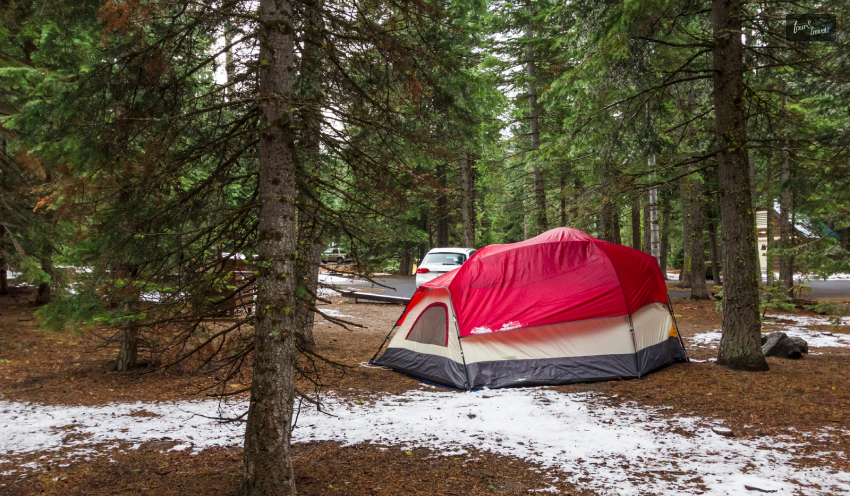
This park has a combination of basic and developed campgrounds. Further, you can try backcountry camping to encounter the wilderness. Are you in for the fun?
Pack your bags, and find the most adventurous accommodation near Lassen Volcanic Park.
Where To Stay Near Lassen Volcanic National Park?
Drakesbad Guest Ranch and Manzanita Lake Camping Cabins are two of the most comfortable options for anyone looking for where to stay near Lassen Volcanic National Park. Further, Drakesbad Guest Ranch is the only “hotel-like” lodging facility.
However, Drakesbad Guest Ranch will remain closed throughout 2024. It is still under recovery after the rampage of the 2021 Dixie Fire breakout.
At the same time, the Manzanita Lake Camping Cabins only remain open from late May to mid-October. So, camping and glamping are the best options if you want to stay near Lassen Volcanic National Park.
Camping Near Lassen Volcanic National Park
Among the seven campgrounds in the Lassen Volcanic National Park, only four will remain open in 2024. Also, the remaining four are undergoing recovery work, and hence, they are not suitable for lodging or camping.
The table below shows a list of camping sites in the Lassen Volcanic National Park and their availability for the season. It’s time to know where to stay near Lassen Volcanic National Park.
Name of the Camping Site
Availability
Butte Lake
Single Sites Group Sites Stock Corral
Juniper Lake
Closed for 2024
Lost Creek Group
Open
Manzanita Lake
Single Sites Camping Cabins
Summit Lake
North Sites South Sites
Southwest Campground
Southwest Parking
Warner Valley
Closed for 2024.
Before you choose a campground for you, you must focus on the kind of activity you want to explore. For example, if you want to enjoy the best amenities, kayaking, and take a rejuvenating shower, the Manzanita Lake campground will be the best for you.
Further, if you want to enjoy the best hydrothermal activities and are a recluse by nature, the Warner Valley Campground will be an excellent pick for you. Also, the Southwest Campground is the only campground that remains open throughout the year.
Amenities Available At Lassen Volcanic Park Camping Sites
You can divide the amenities available for Lassen Volcanic Park camping into four categories. So, let’s have a look at the chart below to learn about the amenities in detail.
Amenities & Services
Availability
Campsite
Picnic Table Fire Ring Bear-Resistant Storage Locker Hard-Sided Vehicle
Campground
Spigots (Except Juniper Lake) Drinking Water Sinks (Except Juniper Lake) Flush Toilets Utility Sinks for Dish Washing Trash Receptacles/Recyclables
Camper (Manzanita Lake Area)
Laundromat Showers Food Supplies Souvenirs from Mid-May through Mid-October Dump Station
Accessibility (Manzanita Lake A32 and B9, Butte Lake A6, and North Summit Lake A-1)
Wheelchair Restrooms
You can get additional camping services at Kohm Yah-mah-nee Visitor Center near the Southwest Campground. Here, you will find camping services, food, and souvenirs.
Further, you can get laundromat and shower facilities in theWarner Valley Areas and Juniper Lake from the town of Chester.
Backcountry Camping Near Lassen Volcanic Park
The major part of the Lassen Volcanic Park is a “designated wilderness.” You will need a wilderness permit to camp in these locations. Further, you will have to follow the “Leave no Trace Principles” to minimize human impact on these camping grounds and keep their natural conditions unadulterated.
Under these “Leave No Trace” principles, you must ensure that:
You need to do advanced and detailed planning for the backcountry camping.
Also, traveling and camping are only allowed on surfaces that are durable.
You must dispose of your waste properly.
You cannot litter.
Avoid touching historical statues and artifacts.
Ensure that the campfires you lit have minimized impacts.
Along with adhering to these Leave No Trace Principles, you will also have to abide by the backcountry camping rules and regulations.
If you are carrying firearms or weapons, you will have to carry the California Concealed Weapons Permit. You cannot hunt or use Bear Spray in this park.
You can use a bear-resistant storage container to keep these wild animals at bay. Moreover, you cannot use a woodfire, bicycles, or pets for backcountry camping. Also, keep your group smaller (less than 10 people) to get permission for backcountry camping.
Glamping Near Lassen National Park
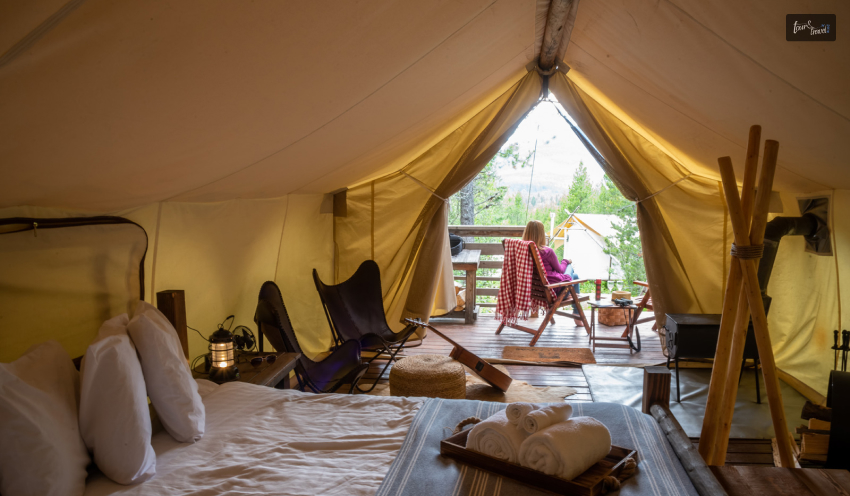
With changing amenities, camping near Lassen National Park has become more glamorous. There has been a new concept of glamping. It allows you to encounter wilderness with all the amenities indoors.
Let’s have a look at the glamping accommodations available.
Little House In The Big Woods
This is a humble 5-acre glamping accommodation for people who want to know where to stay near Lassen Volcanic National Park. This glamping station has potable water, toilets, and camping facilities.
Camp Almanor at Big Springs is one of the most luxurious accommodations where your pets can accompany you. As the name suggests, you can cherish the pristine beauty of Lake Almanor from this camp. Further, it has toilets and potable water facilities.
However, the rent for this glamping accommodation is quite high, and the tariff starts from $175 per night.
Camp Becausewecan
In Quincy, California, it is one of the pet-friendly glamping accommodations near Lassen Volcanic Park. Further, this 17-acre private property also has amenities like campfires and potable water.
The rent for this accommodation starts from $40 per night.
Story Creekside Retreat
It is one of the most reasonable glamping accommodations near Lassen Volcanic Park. The best thing about this accommodation is that it has Warner Creek running through it.
It is a pet-friendly glamping site, with a tariff starting from $25 per night.
Final Words
Is there anything else you want to know about where to stay near Lassen Volcanic National Park? Put up a camp or try glamping to make the most of this national park, boasting unique hydrothermal features.
You will find all four types of volcanoes here. Also, meadows, forests, and mountain lakes will present the most versatile landscape in front of you.
So, get ready to admire the rugged beauty of the park during the daytime and its tranquil beauty at night. Once you come back, don’t forget to share your camping experience with us!
Where To Stay Near Lassen Volcanic National Park (FAQs)
Can You Camp Free In Lassen Volcanic National Park?
No, you cannot camp free in Lassen Volcanic National Park. You will have to pay around $1 to $21 to put up camps at any of the chosen campgrounds. Dry campgrounds without basic amenities like water or flushing toilets come at a cheaper rate.
However, if you are looking for free campsites, you must explore the dispersed camping options at the Lassen National Forest.
These camping sites do not offer standard amenities. Further, you must adhere to the “No Trace Policy” while leaving the campsites.
How Long Should You Stay At Lassen Volcanic Park?
You can stay from one to three days in Lassen Volcanic Park based on what kind of trekker or explorer you are. However, if you want to minutely observe the diverse landscape of the park, the entire expedition may take you around a week.
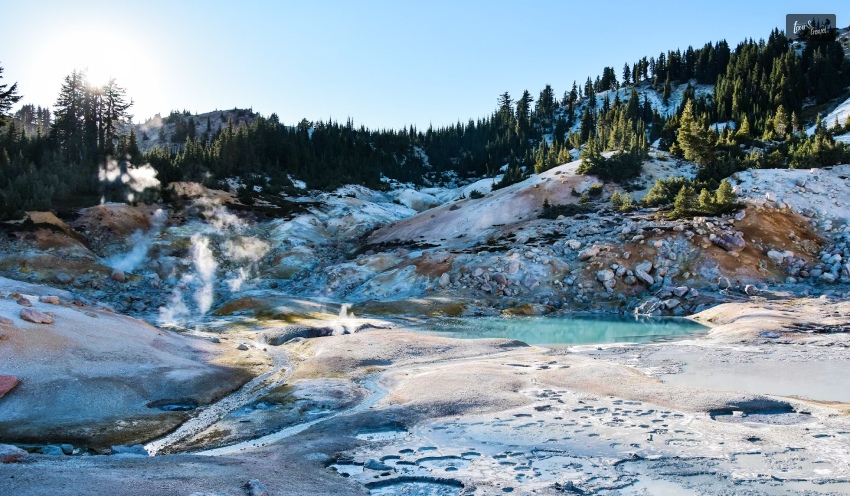
On the first day, you can try hiking on the Bumpass Hell Trail. You will encounter various hydrothermal activities on this trail, which is the largest geothermal area in the park. The geothermal water here is green or emerald blue in color. Further, the rocks and soil here have orange or yellow colors because of the minerals present in the hydrothermal water.
On the second day, you can visit Kings Creek Falls and enjoy an immersive experience at Lake Manzanita. In addition, you can reserve the night for some essential spiritual and psychological activities such as stargazing.
Are you a seasoned hiker? You can keep your third day in the park hiking the Lassen Peak Trail. Also, you can dedicate the 3rd day to know the exotic wildlife at this national park. Remember that it’s home to around 300 species of vertebrates.
Do You Need A Permit For Lassen Volcanic Park?
You will not need a permit to stay in the Lassen Volcanic Park, provided you are camping on the established campgrounds. Also, a permit is not required when you are hiking in the park.
However, if you have plans for backcountry camping, you will need a permit. To collect the wilderness permit, you will have to visit the recreation.gov website. It is the only channel for obtaining the wilderness permit.
Further, for the wilderness permit, you will have to pay a non-refundable amount of $6 as an administration fee to recreation.gov. Also, if you are over 16 years old, you will need to pay $5 for each trip.
Sibashree is a travel, culture, and leisure writer who has been writing since the age of 12 and professionally since 2014. With more than a decade of travel writing experience and journeys across India and several parts of the world, she brings a deeply personal and thoughtful perspective to her work. A student of English Literature and Mass Communication, Sibashree has always viewed travel as more than movement — for her, it has been a way of understanding people, cultures, and herself. Her passion for spiritual exploration has also led her to many unusual and meaningful destinations over the years. Outside of writing, Sibashree enjoys watching European cinema, reading about global politics, and reflecting on the stories hidden within everyday places.
Banff National Park is a world-class location famous for its mountain ranges, wildlife, and glacially-fed lakes. It’s so remarkable it became a United Nations Educational, Scientific, and Cultural Organization World Heritage Site. It acquired the honor in the early 80s for its exceptionality. Today, Banff is the ultimate destination for holidaygoers who want to explore, relax, or both!
If you’re planning a trip to Banff this summer or early fall, or you’re planning for a future vacation, then we encourage you to consider visiting several lakes during your travels. You won’t regret it!
1. Lake Louise
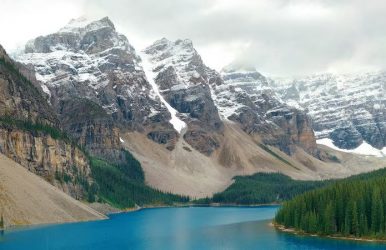
We’re starting with the most well-known lake, Lake Louise. Located 45 minutes northwest of Banff, Lake Louise gets its name from the fourth daughter of Queen Victoria, Princess Louise. This bright blue, tree-lined lake (and its famous Chateau) has jutting mountain peaks surrounding it. It also features the snow-capped Victoria Glacier in the background.
During late spring, summer, and early fall, various hiking and mountain biking trails are available for exploration around Lake Louise. And if you have time, a hike to the Lake Agnes Tea House is a must.
Horseback riding is also an option here. At Chateau, visitors can spend a half day or a whole day in the saddle discovering the Timberline Trails that wrap around the lake. There is also Paradise Valley and other scenic routes where you can rent canoes at the Chateau, too.
2. Moraine Lake
For many, Moraine Lake is the top contender for the most beautiful lake in Banff. Here, you can hike several trails — there are options at Moraine Lake for all hiking abilities. The most popular short hike is the Rockpile trail — which is phenomenal at sunrise. If you're an early riser, we encourage you to add this to your holiday 'to-do' list. Visitors to Moraine Lake can also rock climb, rent canoes, and bring their inflatable SUPs to paddle across the water.
The road to Moraine Lake was closed to private vehicles at the end of 2022. Fortunately, shuttle services as offered by Morainelakebus now commute visitors to and from the lake, with buses starting as early as 4 a.m. for those eager to catch sight of the famous sunrise! An extra bonus for this provider is that some of their services also stop at number one on our list, Lake Louise.
3. Lake Minnewanka
Located within the Montane Eco Region, Lake Minnewanka —also known as the ‘Lake of the Spirits’ — is the largest lake in Banff; it’s 18 kilometers long and approximately 100 meters deep.
At Lake Minnewanka, you can explore footpaths and trails or sit back on a guided boat cruise to learn all about the lake’s rich history. Minnewanka is considered an area of cultural and historical significance; artifacts dating back over 14,000 years have been found here.
For scuba enthusiasts, Lake Minnewanka is one of two that you can explore in Banff National Park (the second being Two Jack Lake).
4. Bow Lake
If you’re driving along the Icefields Parkway, then a stop at Bow Lake is a must. It's a great spot to stretch your legs, as well as take phenomenal photos of the lake with Crowfoot Mountain and the Wapta Icefield in the background.
If you have the time, this area is fantastic for hiking, mountaineering, as well as scrambling — with tons of wildflowers filling the trails in the summer months.
The Top Lakes to Visit
When you’re in the Banff area, it's possible to visit multiple lakes throughout your stay — there are many more in addition to the four mentioned here. Each offers something unique from the other, and you're sure to have an unbelievable time — whether you visit for adventure or bring a picnic, sit back, and take in the beautiful scenery.
Read Also:
Best 10 National Parks In New Mexico To Visit In 2023!
7 Best National Parks In Ohio You Should Know Before Going
From Tokyo To Kyoto: An Epic Journey Through Japanese Culture And History
Vancouver has some iconic places that you must visit when you travel there. If you are still wondering, is Vancouver safe? The natural beauty of the city will draw you in but there are outdoor activities as well. It is one of the cheapest places to travel around the world in 2025!
You must consider the safety considerations that we are sharing with you here. Be it the parks or museums, you must be aware of the policies. You have to be cautious of the wildlife when going on a hike or trail in the forests around Vancouver.
The weather is a little unpredictable, so carry an umbrella and wear waterproof shoes. When you are walking or driving, you need to be careful if the conditions become too cold or falling snow. Read the article to know more about the safety tips to be careful and enjoy your trip to Vancouver.
Want to know, Is Vancouver Safe for a Traveler?
If you want to know if Vancouver is safe to visit, these are the safety tips that will help you in being aware. Knowing the safety tips will help you enhance the overall experience. Yes, there are some property crimes and petty theft in the city, however, the rest you can avoid if you are careful.
You should try the basic personal awareness and safety tips necessary to keep yourself safe. If you are traveling with family, you should keep your children close and educate others to be aware of petty crimes.
However, if you are alone, it is better if you can store your luggage in the online applications offering these services. You also need to know the essential safety supplies to pack on your backpacking trip.
Safety Tips to Keep in mind when visiting Vancouver
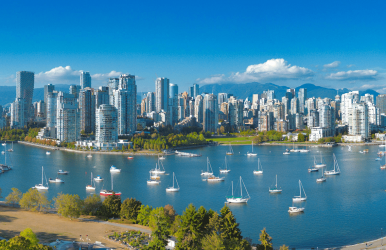
Some of the tips that you must keep in mind when you first arrive in the city are here. In Vancouver, you will be blown by the scenic beauty, walking around and exploring the beautiful views of the ocean from the West End and the mountains downtown.
However, be careful of aggressive thieves or attackers. Pickpockets are not prevalent however, if you visit crowded places like Granville Island, you might face one. So, be careful. Try to keep your bags close and not leave them unattended.
When planning to visit Vancouver, you need to research the city, its streets, and its neighborhoods. You might not feel safe in Downtown Eastside however, other areas such as Kitsilano, Yaletown, and Downtown are perfectly safe, and quite a vibrant place to visit.
Safe Accommodation in Vancouver
Let me share with you some of the safest accommodation options that will keep you safe and give you the comfort you need. I will also try to keep the budget in mind when mentioning the places you must consider when booking your accommodation.
Yaletown – the waterfront views are to die for in this area, so if you are a nature person, this is the neighborhood for you. Additionally, the place gives off upscale vibes, being both stylish and safe for tourists.
Downtown Vancouver – if you are traveling for the first time to Vancouver, I would suggest you book your accommodation here. It is ideal for first-time travelers as they can access the Vancouver City Center and other major attractions of Vancouver. The place is well-lit and well patrolled thus, you can easily come and go based on your itinerary.
North Vancouver – if you love the outdoors, this place is perfect for you. This neighborhood is closer to forests and outdoors as you can easily go skiing or hiking from here. With a wide range of outdoor activities, you will enjoy the most in this area. You keep in mind the crucial hiking tips to ensure your safety while hiking.
Kitsilano – the neighborhood is quite family-friendly hence; you can easily book rooms to stay here. The place is also quite close to the beaches so, with the laid-back atmosphere, you can relax here, and go on to enjoy your trip.
Awareness of the Cultural Changes
Considering it is a different place; Vancouver is an amalgamation of several cultures. Hence, you need to be aware of the multicultural identity and the integration of progressive values, thus making it a better destination to visit. Learn about these tips here:
Language – the primary language is English however, you might hear several other languages because there is a diverse population in the city. You must be respectful to all and not insult them, either by words, actions, or gestures.
Etiquette – personal space and politeness are normal etiquette everywhere, not just in Vancouver. As an individual, you must be thankful for little gestures or help from strangers. Thus, holding the door or saying “thank you” will go a long way to make your stay safe and memorable.
Scams – Scams are common everywhere, be it Vancouver or any other place. You must be conscious of your surroundings, and beware of unsolicited offers, especially in crowds. Also, don’t buy tickets or accept any services without a trustworthy source.
Dress Code – The city is known for its unpredictable weather, so layering is the most important step. You will see a lot of locals doing the same hence, casual attire is quite acceptable. But try to wear clothing you are comfortable with and not force yourself into something uncomfortable.
There is a municipal bylaw in Vancouver that prohibits people to smoke close, at least 6 meters from a window or doorway. Do not prefer smoking cigarettes or look down upon those who do. You must not smoke in public parks because locals might raise their voices against it.
Safely Navigating the City
When you are visiting Vancouver, let me share with you some of the easiest ways to get around safely. You need to explore the city safely following these guidelines. You can also consider these smart travel solutions so that you can enjoy your trip!
Try to travel mostly by public transport because it is the safest, however, try to avoid empty stations at night. The TransLink operates SeaBuses, SkyTrains, and buses through which you can easily move around.
Did you know Vancouver is a bike-friendly city? You can easily ride cycles when visiting Vancouver especially because there are dedicated bike lanes. There is an online application Mobi which offers bike-sharing services.
During rush hours, Vancouver can easily be a difficult place with the traffic. Additionally, there are cyclists as well as pedestrians hence, if you are driving, you need to be a little careful.
It can be worse when it comes to crossing the Lions Gate bridges or the Second Narrows, plus, at the weekends, it is worse. That is when you need to try either the Swartz Bay ferry or Vancouver Metro.
Wrapping Up!
Vancouver as a city is not dangerous, however, you need to be careful and attentive to any place you travel. There is a possibility of facing some of the poorest people around town so there might be a possibility of petty theft or crime. And yet, remarkably it is safer when it comes to violent crimes.
Comment below on what you think about Vancouver or are you too scared to visit the place? Do you think I have missed any safety tips that might be helpful for others when visiting Vancouver as a traveler.
Also read
Top 10 Most Popular Paraguay Food That You Must Try.
Top 13+ Famous Wonders Of India That You Must Visit.
RV-ers can choose from a wide variety of views, terrain, activities, and climates thanks to Oregon's diverse geography. Camping in Oregon offers a variety of locations. It includes open prairie grasslands, dense old-growth Douglas Fir forests, and a 5,000-foot high desert plateau. There is also the Willamette Valley, close to all the urban excitement, and campsites with expansive views of the Pacific Ocean.
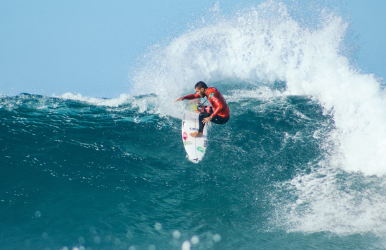
It's inviting to visit the coast. All along the coast, there are both public and private campgrounds that are ready to welcome guests. Stunning ocean views abound at these campgrounds. For others, it's a quick drive or stroll to the beach. You can find great surfing along the Oregon Coast in the Pacific surf. Bring a wet suit and board. Ultimately, the water remains chilly even in the summer.
Winchester Bay RV Resort is yet another place you simply must visit. You won't be sorry if you can secure reservations at this well-known resort. Situated on an artificial peninsula projecting into the Umpqua River is the park. The park is beautifully manicured and furnished, and the peninsula creates views from all directions.
Every site has paving, 50-amp electricity, sewage, and water. There are directional sites that optimize your view and accessibility to hook-ups, whether you're camping in a motorhome, travel trailer, or fifth wheel.
If you have RV camping Oregon Coast on your mind, this article is for you.
RV Camping Oregon Coast
Are you excited by the prospect of taking the RV and just hitting the road? When it comes to RV camping Oregon Coast has some of the best options. Here are the places you must dig into if you are thinking about an RV and the Oregon Coast simultaneously.
Take a peek:
Bandon
If golf is your thing, you'll love Bandon, Oregon, where you can choose from six top-notch golf courses and play 18 holes of golf while taking in breathtaking views of the Pacific Ocean. Bandon Dunes, Pacific Dunes, Bandon Trail, Old MacDonald, Sheep Trail, and Bandon Preserve are the six internationally famous 18-hole courses just outside of Bandon. You can hone your putting skills on the Punchbowl Putting Greens or practice every stroke in the Practice Center.
Since these courses host multiple tournaments each year, make sure to reserve your tee time when you make plans to play golf in Bandon. These are fantastic golf courses with breathtaking scenery to enjoy while playing. This one is another good option for RV camping Oregon Coast.
Shore Acres State Park
Additionally, if you find yourself on the Southern Oregon Coast in December, make time to see the amazing Christmas light display at Shore Acres State Park. This display is like Christmas lights put on a higher gear. Throughout the year, the park is a beautiful botanical garden, but shortly after Thanksgiving, hundreds of volunteers arrive to decorate every tree, shrub, bush, and water feature.
The outcomes are breathtaking, and you can stroll through the garden, savor hot apple cider and cookies in the guest house, and pick up some mementos and warm beverages at the gift shop before leaving. There is a small admission fee.
Depoe Bay
A small town called Depoe Bay is halfway between Newport and Lincoln City. You can get fresh saltwater taffy there and keep an eye out for whale migration. Take some time to peruse the souvenir shops lining the waterfront and keep an eye out for the Spouting Horn, where water shoots over the sea wall.
Tillamook Cheese Factory
Make time to visit the well-known Tillamook Cheese Factory, where you can observe the cheese-making process from covered observation decks that look out over the production areas. There is no competitor like Tillamook Ice Cream, and people from all over the world frequently wait in long lines at the ice cream counter. It's worth the wait, but if you're in a hurry, pick up a few pints to enjoy later in the freezer.
Tillamook Cheese Factory is a great spot for RV camping Oregon Coast.
Astoria Column
You won't want to miss the Astoria Column and the Astoria Bridge. If you're a fan of the film Goonies, these northern coast communities also have the Goonies' house. The rocks are lined up with the Doubloon and also the beach where the kids were reunited with their parents.
Fort Stevens State Park
On the northernmost point of the Oregon Coast is Fort Stevens State Park. It boasts one of the biggest public campgrounds in the country, according to Oregon State Parks. In addition to 15 yurts and 11 deluxe cabins, the park features 302 electrical sites, 6 tent sites, and 174 full hookup sites.
The park still has a military museum with year-round exhibits and marks the location of an abandoned military installation. In addition, there are miles of hiking trails and beaches to discover. Go to the Peter Iredale Shipwreck site, where the masts and rusted bow are still visible in the sand.
Cape Lookout State Park
One of the most breathtaking places on the Oregon Coast is the Cape Lookout State Park. It is situated in Tillamook, Oregon. The state park offers visitors breathtaking views of the ocean day and night, encompassing both a lovely beach and a headland. The park offers a range of activities to its visitors, including camping, hiking, fishing, surfing, and beach combing. It is situated within the Three Capes Scenic Loop.
There are lots of outdoor activities to enjoy at Cape Lookout State Park. The beach is ideal for beach combing, swimming, and surfing. The headland is a fantastic location for hiking, photography, and fishing, and it offers breathtaking views of the ocean.
Harbor Vista RV Park
The Harbor Vista RV Park is situated in Florence, Oregon. With breathtaking views of the river and the surroundings, it boasts a prime location directly on the Siuslaw River. The family-run RV park is the ideal spot to unwind and take in Oregon's natural splendor.
Large full-hookup RV sites are available in the park, and many of them can accommodate RVs up to 36 feet long. All of the locations have 20/30/50 amp electrical hookups, and some also have Wi-Fi and cable TV. The park's private marina is directly accessible from every site, making it the perfect place for a tranquil and restful vacation.
Discover why guests adore Harbor Vista RV Park: the stunning vistas, the handy location, as well as the welcoming staff. The staff will make every effort to guarantee that each visitor has an amazing stay. For those who prefer to be active, the park also has a fantastic area for swimming, fishing, and kayaking, thanks to the private marina.
Wrapping Up
Although Oregon is a beautiful state overall, the Oregon Coast is so unique that it was designated a national treasure in the 1960s, meaning that no beach can be developed for profit. Every beach in the nation is publicly accessible for your enjoyment and belongs to everyone. Bring your furry friends, and make plans to stay awhile.
If you have thoughts to share or questions to ask about RV camping Oregon Coast, please leave a comment below. We would love to hear from you!
Read Also:
Florida Dreams: RV Camping Along the Sunshine State's Shore
Planning A Vacation To Bali? Read This Blog!






 Related