


Smart Travel Solutions: Unexpected Car Accessories for Your Journey

Mar 29, 2024

Last Updated on: Nov 14, 2024

Travel Guides

In a world where technology continuously evolves to make our experiences more convenient and enjoyable, the concept of smart travel solutions has gained significant traction.

While we often think of gadgets and accessories for airplanes or hotels, our cars can also benefit from innovative enhancements that can elevate our journeys. 

Yes, you heard that right! Our very own cards can also make our journeys better. In this article today, we will be discussing some essential accessories for your cars. From safety to entertainment, there are some surprising car accessories that can truly enhance your travel experience.

So, without further ado, let’s get started…

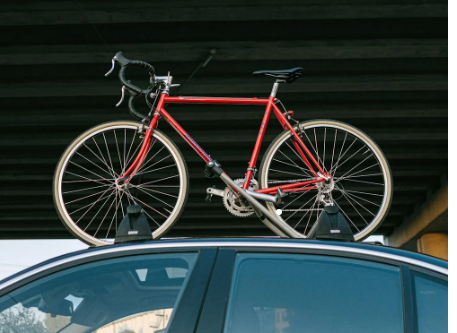
1. TopRide Bike Rack

TopRide Bike Rack

The bike rack is an indispensable accessory for travelers who wish to bring their bicycles along on their journeys and go on a biking trail.

So, if you already have a bike, it’s advisable to Purchase a Thule Bike Rack for your vehicle so you won’t have to spend money renting a bike at the destination.

Designed for easy installation on the roof of a vehicle, the TopRide rack securely holds your bike in place, freeing up interior space for passengers and luggage.

2. Organizational Accessories for Travel Essentials

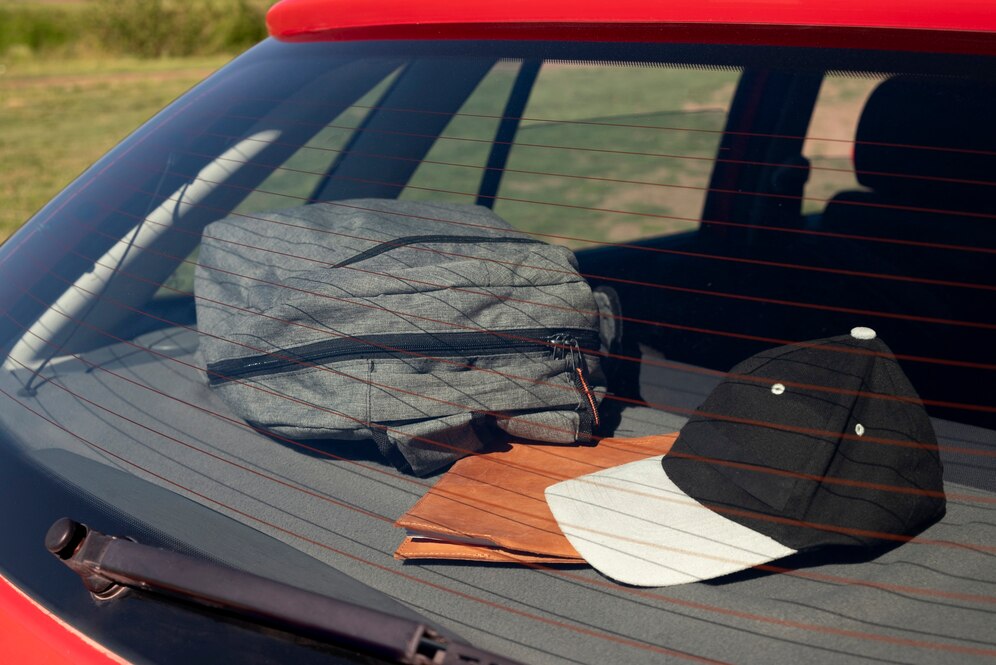
Efficiently organizing travel essentials can streamline packing and enhance convenience during the journey. From packing cubes for compartmentalizing clothes and document organizers for passports, tickets, and travel itineraries to multi-pocket car organizers attached to the back of seats for holding small items and snacks, travelers can manage space, minimize stress, and stay well-prepared for any adventure that awaits them at their destination.

3. Backseat Organizer with Tablet Holder

Traveling with kids can sometimes be challenging, especially on long car rides. A backseat organizer with a built-in tablet holder is a lifesaver for parents looking to keep their children entertained and organized on the road.

With multiple pockets and compartments for storing toys, snacks, and other essentials, it helps prevent clutter and ensures that everything stays within easy reach. The integrated tablet holder allows kids to watch movies or play games, keeping them occupied for hours on end.

4. Wireless Car Charger with Mount

One of the essential accessories for any road trip is a reliable phone charger. However, tangled wires and limited charging ports can be a hassle. Enter the wireless car charger with a mount.

This ingenious device not only keeps your phone charged without the need for cables but also securely holds it in place, allowing for hands-free navigation and communication. Whether you are traveling in rough terrains or going underwater diving, there’s nothing that can stop your car from getting charged. 

5. Inflatable Car Mattress

Inflatable Car Mattress

For travelers embarking on extended road trips or camping adventures, a comfortable sleeping solution is essential. An inflatable car mattress transforms your vehicle into a cozy sleeping space, providing a supportive surface for some relaxation.

With its lightweight and portable design, it easily fits into the trunk or backseat when deflated, making it ideal for spontaneous overnight stays or outdoor excursions. Whether you’re taking a break during a long drive or spending the night under the stars, this innovative accessory ensures that you rest easy wherever your travels take you.

6. Portable Espresso Maker

For coffee enthusiasts unwilling to compromise on their caffeine fix, a portable espresso maker designed for car use is a nin-to-have. Whether you’re embarking on an early morning road trip or in need of a pick-me-up during a long drive, this compact device allows you to brew delicious espresso right in your car. With just a few simple steps, you can enjoy barista-quality coffee on the go, ensuring that you stay alert and energized throughout your travels.

7. Bluetooth Tire Pressure Monitoring System (TPMS)

Proper tire maintenance is crucial for safe and efficient driving, but keeping track of tire pressure can be easily overlooked. A Bluetooth TPMS takes the guesswork out of tire maintenance by providing real-time monitoring and alerts directly to your smartphone.

By keeping you informed of any fluctuations in tire pressure, it helps prevent blowouts, improve fuel efficiency, and extend the lifespan of your tires, ensuring a smoother and safer journey.

Related: Can You Use Bluetooth On A Plane? – Know It All Here!

8. Collapsible Trash Can

Maintaining a clean and organized car interior is essential for a comfortable travel experience. A collapsible trash can is a simple yet effective solution for managing waste on the go.

With its compact design and durable construction, it easily fits into tight spaces and can be expanded to accommodate larger volumes of trash. Whether you’re disposing of snack wrappers, empty bottles, or other litter, having a designated trash can helps keep your car tidy and clutter-free.

9. Smartphone Heads-Up Display (HUD)

Navigation is key to any journey, but constantly looking down at your phone or GPS device can be distracting and unsafe. A smartphone heads-up display (HUD) projects essential driving information straight to your windshield.

It ultimately lets you maintain your eyes on the road while still receiving turn-by-turn directions, speed alerts, and other critical data. By minimizing distractions and enhancing situational awareness, it helps improve safety and navigation efficiency.

10. Innovative Rear-View Mirror

Innovative Rear-View Mirror

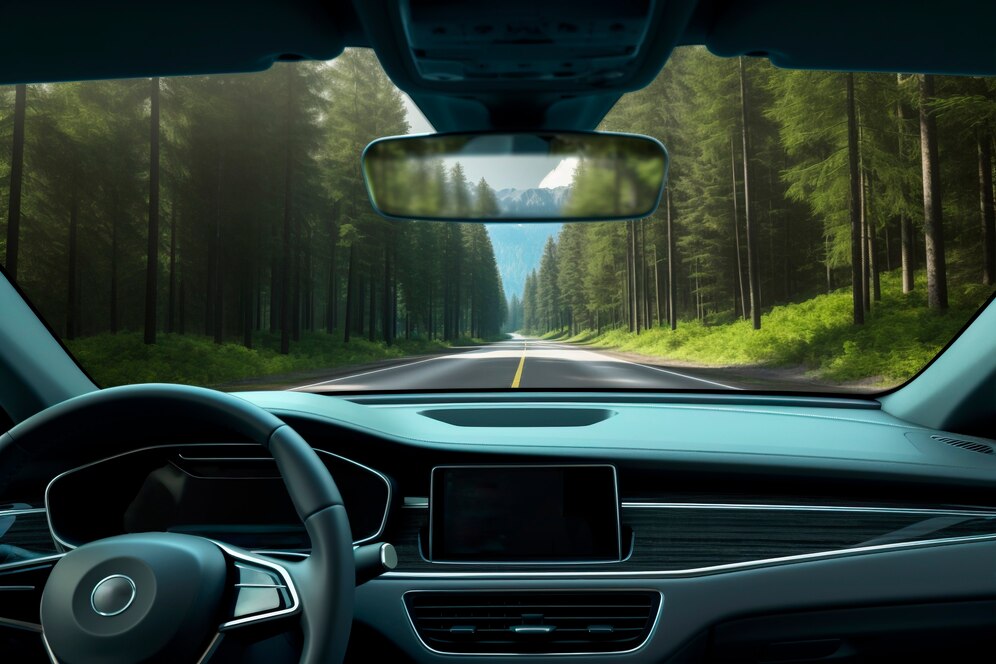
A very recent upgrade to modern cars is the intelligent rear-view mirror. It overlaps the usual rearview mirror and comes with a built-in camera. The driver gets a clear, uninterrupted view of the car’s back, which reduces the possibility of the car crashing. These mirrors are a life-savior if your view is blocked by cargo or passengers sitting at the back. 

The Bottom Line

From convenience and safety to comfort and entertainment, these surprising car accessories cater to a wide range of needs and preferences, ensuring that every trip is enjoyable, efficient, and memorable.

By embracing the latest advancements in automotive technology, you can transform your car into a smart and sophisticated travel companion, ready to accompany you on all your adventures.

So, are you all set to enhance your next car journey? Make sure to use these accessories to improve your overall traveling experience. This article comes to a conclusion now. Thank you for reading it till the end. If there’s something you would like to share, do comment below and let us know. Until then, happy reading. 

Read Also:

Share on Social Media

Ankita Tripathy loves to write about food and the Hallyu Wave in particular. During her free time, she enjoys looking at the sky or reading books while sipping a cup of hot coffee. Her favourite niches are food, music, lifestyle, travel, and Korean Pop music and drama.

Leave a Reply

Your email address will not be published. Required fields are marked *

title-img Related

READ MORE card-img

The Best Great Barrier Island Camping Tips: Ultimate Guide To The Best Camping Spots On Great Barrier Island, New Zealand 

BY  Sibashree Nov 17, 2025

Spotting the burrows of the black petrels at Glenfern Sanctuary and on the hillside was like magic! The burrows had eggs in a cream shade with tan freckles. They almost looked like the eggs of a hen, though slightly larger. Also, some chicks were chirping their hearts out inside the burrows. They looked like those squishy dog toys. Now, spotting birds is one of the most fulfilling activities when you are camping on Great Barrier Island, New Zealand. So, the days were about hiking and spotting the birds. And the nights were about indulging in the surreal beauty of the celestial bodies at this designated Dark Sky Sanctuary. Moreover, camping in Great Barrier Island is a true off-grid and remote experience. No Streetlight!  No Public Rubbish Bins!  And No Powered Camping Sites!  It is just you, the camping tent, and the rugged beauty of New Zealand’s Hauraki Gulf. Hi, in today’s blog, I will talk about the Great Barrier Island camping tips. Here, you will learn about the must-book DOC sites, the non-negotiable biosecurity rules, and everything else you need to know  Camping In Aotea, Great Barrier Island: Setting The Right Mindset For Biosecurity And Sustainability Aotea isn't a place that just hands you its beauty. It's a place that makes you earn it. Also, it's a true adventure that rewards you for being self-sufficient.  It's the thrill of waking up to the raucous call of a Kākā parrot, not an alarm clock. Moreover, it is the magic of watching the Milky Way rise over the dunes at Medlands Beach. The peace of having a rugged, white-sand cove all to yourself cannot be explained.  Also, it is one of the rare islands that serve as sanctuaries. Furthermore, 60% of its area is protected by the Department of Conservation. So, Great Barrier Island demands the utmost care for biosecurity and the adoption of sustainable practices. Naturally, before you want to explore the best camping spots on Great Barrier Island, New Zealand, you have to build your mindset. Overall, this is your invitation to join a small community of travellers who value wild, authentic, and responsible adventure.  1. Offering The True Off-Grid Experience  The campsites of the Great Barrier Island are exactly what the island is. They are not powered, and they have basic amenities. Furthermore, open fires are not allowed in these campsites. So, you will have to bring fuel-powered or gas cookers. Furthemore, the Department of Conservation camping sites have only a specific number of tents. So, you need to make the booking well in advance. Contact the Department of Conservation (DoC) at 0800 275 362. 2. The Golden Rule: "Pack In, Pack Out”  Zero waste and recycling are important for the sustainability and environmentally friendly practices of the Great Barrier Island. However, the island does not have public rubbish bins. So, whatever you carry to the island, you will have to take it back. You must use the official Orange Council bags with stickers for trash disposal. 3. Biosecurity Is Most Important  Protecting the Kauri trees from the infamous “Kauri Dieback disease” and the island's endemic animals requires biosecurity. So, when you leave for the Great Barrier Island from Auckland, you will have to check for ants and rats. Also, when you leave Great Barrier Island, check the tents and packs for skinks. In addition, the Phytophthora Agathidicida attack on the kauri trees has been a serious concern. Stopping soil movement is crucial to stopping the attack of this dieback disease. Soil movement can happen through pigs, footwear, and vehicles. Therefore, the Department of Conservation (DoC) cleaning stations play an important role in cleaning and removing soil from your gear and footwear. It is mandatory before entering a kauri forest on Great Barrier Island, New Zealand. In addition, you have to stick to the marked routes when hiking through the best Great Barrier Island hiking trails. 4. How To Book The Camping Sites: DOC Vs. Private  If you are camping in any of the DOC sites, you have to make the booking online well in advance. Private camping sites can be booked directly. Here is the step-by-step guide for booking a DoC Campsite on the Great Barrier Island. First, visit the Department of Conservation site for the particular campsite. For example, let’s talk about the Akapoua Bay Campsite. On the dedicated Akapoua Bay Campsite page, you will get to know about the campsite and the fees. The fees for the Akapoua Bay Campsite are $18 per night for adults, $9 per night for children ages 5 to 17, and $0 per night for infants ages 0 to 4. In addition, you can book a campsite pass from the Department of Conservation of New Zealand. It will give you access to all the bookable and non-bookable campsites in the country. If you need any assistance in booking the campsite pass, you can avail yourself of that at a service tax of $10. For adults, the camping pass will cost $295.00 (365 nights), and for children between 5 and 17 years, the pass will cost $147.50. Moreover, for children below 5 years, the camping pass is free. Do you need any assistance regarding the booking of the 1-year campsite pass or a pass for any specific site? You can contact WhakatĹŤ/Nelson Visitor Centre at +64 3 546 9339 or email them at nelsonvc@doc.govt.nz. The Kauaeranga Visitor Centre (+64 7 867 9080/kauaerangavc@doc.govt.nz) also offers the same assistance. What Are The Best Camping Spots On Great Barrier Island, New Zealand?  Digital detox has been a trending thing these days. If you want to truly experience that and shut all the noise in your head, the camping spots on Great Barrier Island will be the best for you. Further, the real magic of camping on Aotea starts after sunset. You haven't lived until you've watched the Milky Way rise over your tent from the dunes at Medlands. However, along with Medlands Beach, there are 5 other DoC campsites on Great Barrier Island, New Zealand. Here are the details. 1. Akapoua Bay Campsite  The sheltered waters of Port FitzRoy have a beautiful camping ground. It is like a gateway to the many walking tracks of the Great Barrier Island, New Zealand. Wake up with a 60-second dash to a cold shower, then explore the paths graced by the pohutukawa trees. Overall, the Akapoua Bay Campsite will offer you a peaceful and off-the-grid experience. The maximum number of campers on this site can be 75. Moreover, the camp is open from Christmas to the end of January. 2. Harataonga Campsite  This campground is very close to Harataonga Beach. So, it is an ideal camping site for swimmers and snorkeling enthusiasts. It can accommodate 120 campers, and this campsite is surrounded by bush and farmland. Camping takes place between Christmas and mid-February. Harataonga is for the romantic escape. 3. Awana Beach Campsite  The Awana Beach Campsite is a surfer’s dream. It has beautiful dunes and farmland around. It can accommodate 120 campers, and the campground remains open from Christmas to the end of January. The only problem with this camping site is mosquitoes. So, you have to carry mosquito repellent. 4. Medlands Beach Campsite  The sound of the waves at Medlands. This is the music you will listen to when you go to sleep or wake up at the Medlands Beach Campsite. Medlands is like an all-rounder. It is ideal for families and surfers alike. The campsite remains open from Christmas to mid-February, and it can accommodate 120 campers. 5. The Green Campsite  You can boat in or walk in the Green Campsite, which remains open from 1st December to the end of February. It has a capacity of accommodating only 30 campers. However, this campsite has a rich history associated with whaling, kauri logging, and timber milling. The waters of the Whangaparapara Harbour make it an idyllic retreat, and it is also the base of the Aotea Track. 6. Whangapoua Campsite  The Whangapoua Campsite is a surfer’s paradise. Also, it is located on the edge of the Whangapoua estuary. It is even a favorite camping site for fishing. With an accommodation capacity of 150 people, this campsite remains open from Christmas to the end of February. However, the biggest highlight of this camping site is the views of Rakitu Island and Mount Hirakimata. A Comparison Summary Table Of The DoC Camping Sites On The Great Barrier Island, New Zealand  DoC Campsite Access Landscape Facilities Activities Dog Access Fees Akapoua Bay Campsite Campervan, Car and Caravan Coastal â€˘Boat Launching•Cooking Shelter•Cold Shower•Non-Flush Toilets for Men and Women •Boating •Fishing• Walking• Tramping No â€˘Adults: $18 per night•Children of 5-17 years: $9 per night•Children below 5 years: free Harataonga Beach Campervan, Car and Caravan Coastal â€˘Cooking Shelter•Cold Shower•Non-Flush Toilets for Men and Women  •Swimming•Snorkeling•Fishing No â€˘Adults: $18 per night•Children of 5-17 years: $9 per night•Children below 5 years: free Awana Beach Campsite Campervan, Car and Caravan Coastal â€˘Cooking Shelter•Cold Shower•Non-Flush Toilets for Men and Women  Kayaking and Canoeing No â€˘Adults: $18 per night•Children of 5-17 years: $9 per night•Children below 5 years: free Medlands Beach Campsite Campervan, Car and Caravan Coastal â€˘Boat Launching•Cooking Shelter•Cold Shower•Non-Flush Toilets for Men and Women Fishing, Surfing, Swimming No â€˘Adults: $18 per night•Children of 5-17 years: $9 per night•Children below 5 years: free The Green Campsite Boat, Foot Coastal â€˘Cooking Shelter•Cold Shower•Non-Flush Toilets for Men and Women  Hiking, Boating No â€˘Adults: $18 per night•Children of 5-17 years: $9 per night•Children below 5 years: free Whangapoua campsite Campervan, Car and Caravan Coastal â€˘Cooking Shelter•Cold Shower•Non-Flush Toilets for Men and Women  Fishing, Surfing No â€˘Adults: $18 per night•Children of 5-17 years: $9 per night•Children below 5 years: free  Insider Tips For Camping At DoC Campsites On The Great Barrier Island Are you camping in a caravan or campervan? Remember that the gravel roads leading to the camping sites, especially the Harataonga Campsite, are steep and winding. Also, the sites are off-the-grid. Furthermore, the campervans are not usually allowed on the beaches. The Best Private And Unique Camping Options On The Great Barrier Island Do you want a unique camping experience? Explore these options. 1. Great Barrier Island Campground  The Great Barrier Island Campground, spanning an area of 12 square acres, is an ideal camping ground for access to different beach activities. The camping site is located at a distance of just 200 meters from the beach. The camping fee at the Great Barrier Island Campground is $10 per person per night. You can contact them at 021 298 8905 for booking. 2. Mickeys Place  The O'Shea Family farm in Awana houses the Mickey's Place camping ground. It is a family-friendly camping site with the following facilities. A Communal Cooking Area  Flush Toilets  Showers  Patrick, Sean, and Mickey are the hosts of this campsite, and you can contact them at 09 4290 140. 3. Stray Possum  Stary Possum in Tryphena is an ideal camping site for backpackers. If you are camping here, you will have access to the kitchen, toilets, and showers of the adjacent Stray Possum Lodge. This camping site has 14 tents, and you can call 09 4290 109 for booking details. 21 Essential Great Barrier Island Camping Tips  I promised you tips, and here they are. Do not go to Great Barrier Island without reading this checklist.  • Packing And Food  If you have never cooked your food, this is the time to learn it. 1. Bringing a Gas Cooker  Open fires are banned in the Camping sites of the Great Barrier Island. So, you will have to bring a gas burner for preparing your food. 2. Packing Your Food  Groceries are not available everywhere, and they are even very expensive. So, it is better to collect and pack the groceries you will need before leaving Auckland. 3. Bringing a Good Chilly Bin  You will need this insulated chest for storing warm and cold food items. 4. Bringing a Red-Light Torch  The island is a Dark Sky Sanctuary. A red torch lets you stargaze without ruining your night vision.  5. Bringing Cash  EFTPOS (debit) is unreliable, and many camping sites only accept cash. 6. Packing Warm Clothes  The weather can suddenly become cold, even on summer days. So, you will have to pack layered clothes.  7. Carrying Mosquito and Insect Repellent  Sandflies and mosquitoes are notorious on Great Barrier Island. So, you will have to carry an insect repellent.  • On-Site And Facilities  The on-site facilities are basic. So, be prepared. 8. Cold Showers  Most shower stations on Great Barrier Island are cold water shower stations. This is great, as the dash of cold water in the morning literally works as an eye-opener. 9. Long-Drop Toilets  The long-drop toilets are basic and waterless. Using these pit toilets can be challenging for some campers. 10. Drinking Water  The tap water available at these sites is not ideal for drinking unless it is purified or boiled. 11. Pet-Friendly  The DoC camping grounds are not accessible to dogs. This is crucial for the protection of wildlife, the safety of the pets, and less soil movement. 12. Booking  The slots for camping sites such as Medlands and Akapoua get sold out more than 6 months in advance for the Christmas and New Year periods. So, it is indeed a year-long planning. 13. Alcohol Rules  The consumption of alcohol can be banned in various camping sites, especially during the peak seasons. So, check with the camping site authority. • Transport And Logistics  Plan your transport and logistics well. 14. Having A Vehicle  Having a vehicle is a must for moving around the rugged and large Great Barrier Island. You cannot walk between the sites.  15. Renting A 4WD (Or 4WD-Capable)  The roads to various campsites are challenging. The road to Harataonga, especially, is very difficult. So, you will have to rent a 4WD-capable vehicle. 16. The Motorhome/Campervan Reality  The gravel roads are narrow, steep, and winding, and if you are planning to camp in a large RV, you will definitely struggle. 17. The Dump Station Nightmare  There is only one dump station in Claris, and it is only for black water or toilet waste. You will have to carry your grey water or sink water with you. 18. Freedom Camping  Freedom camping on the Great Barrier Island, New Zealand, is a fascinating idea. However, the reality is quite different. It is heavily restricted, and sticking to the DoC sites is the best option.  • Safety And Etiquette  Be a responsible traveler and take care of these safety measures. 19. Using A Paper Map  Mobile network and GPS will not function in various parts of the Great Barrier Island. So, you will have to carry a paper map. 20. Tell Someone Your Plans  If you are hiking on the Great Barrier Island, you have to keep someone informed. The wilderness and remote locations of the hiking trails can pose many challenges.  21. Being a Good Neighbour  You must respect the quiet, off-grid, and nature-first vibe of the Great Barrier Island. So, you have to keep the noise level down. How To Reach The Aotea Great Barrier Island With Your Camping Gear? For campers, especially those with campervans, traveling by the ferry from SeaLink is the best option. It is the only mode of transportation in which passengers and cars are both transported. It is a 4.5-hour picturesque journey from Auckland. Your Great Barrier Island Camping Adventure Is Calling Camping on the Great Barrier Island, New Zealand, is the right mix of adventure, soaking in nature, and cherishing the off-the-grid living. However, it isnot going to be easy, with the amenities at the campsites being basic. Even the gravel roads pose challenges for the big RVs and campervans. Also, you will have to take care of biosecurity and all the sustainability guidelines. It is to ensure that the island, a sanctuary of wildlife, does not get impacted negatively. Conservation as a pristine sanctuary is the reason why camping on Great Barrier Island allowed us to see a billion more stars. Also, because of the conservation, I could see more birds than I have ever seen in my life.


READ MORE Great Barrier Island stargazing guide

Great Barrier Island Stargazing Guide: Watching The Galaxy On The Great Barrier Island, NZ 

BY  Sibashree Nov 20, 2025

We were lying in the Medlands Beach with the Milky Way arching overhead. No city lights! Only the sound of the waves kept us connected to this physical world. For me, it was not just the sky full of stars and constellations. These stars were the roadmap for our ancestors, irrespective of the culture and country we belong to. They watched the stars to keep time and decide the time of the year ideal for agriculture, harvesting, fishing, and hunting. In the Māori culture, Tohunga kōkōrangi, or specialist priests, had this deep astronomical knowledge. They shared the knowledge with others. Also, there are myths and ancient stories about the stars, like the one with the Matariki cluster. This cluster is associated with the anger of Tāwhirimātea, the God of wind and storms. Being furious, he tore his eyes out and threw them into heaven. There, his eyes became the Matariki stars. Overall, for the Māori tribes, the stars and constellations have been more than celestial bodies for observation. They were a mix of spirituality, science, stories, and a way of living life. The Great Barrier Island, New Zealand, became a Dark Sky Sanctuary in 2017. It celebrated ancestral connections and the role of the sky as a roadmap. And I visited Great Barrier Island in 2022. So, nature had its own reboot during and after the COVID-19 era. So, we could see the clearest sky. In this Great Barrier Island stargazing guide, I will talk about the best stargazing spots, stargazing tips, conservation etiquette, and more. Let’s explore the magic of the Aotea Dark Sky Sanctuary. A Deep Dive Into Māori Astronomy (Tātai Aroraki) And Legends: A Combination Of Science, Spirituality, And Culture When on the Great Barrier Island, it is important to see the stars and celestial bodies through a Māori lens. Also, during our Māori-guided stargazing tour, our guide chanted waiata. He even used carvings (whakairo) and told stories to make the experience more interactive. He made us familiar with the key celestial figures and their Māori names. Furthermore, he explained how Māori people perceive different celestial phenomena. Major Celestial Figures And Their Significance In Maori Tradition  It is fascinating to see how Māori people connect the stars and celestial bodies with their traditional beliefs and stories.  1. Te Kahui O Kahu  The Te Kahui O Kahu constellation is the guardian of the sea and land. The stories of this constellation are important for teaching us the importance of being respectful to nature and protecting natural resources. 2. Matariki Or Pleiades Star Cluster  Matariki is the most celebrated Māori constellation. When Matariki becomes visible in the sky at dawn, it announces the arrival of the Māori New Year. It is time to gather, share stories, and plan for the year ahead for this local tribe. Also, according to traditional beliefs, the brighter the Matariki constellation shines, the better the year for harvesting and fishing.  3. Tautoru Or Orion Constellation  Tautoru symbolizes protection and power. It was significant for hunters and warriors. 4. Ngā Rā  The Milky Way, or Ngā Rā, is believed to be the pathway of ancestors in the Māori tradition. The ancestors use this pathway to travel between the worlds. Furthermore, in many interpretations, this is the pathway through which the spirits guide the departed souls to the afterlife. 5. Tāwhirimātea Or The Southern Cross  Tāwhirimātea is worshipped as the protector of the sea. In ancient times, the Māori sailors depended on this constellation to guide them across the Pacific Ocean. 6. Auroras Māori people worship auroras as the spirit of their loved ones or ancestors. They even think that auroras bear significant messages from the spiritual realm.  7. Bright Planets (Venus And Jupiter)  The appearance of these bright planets was associated with the everyday life of Maori people. The appearance of these planets is predictable, and that is why they are associated with timing ceremonies and navigation. Why Great Barrier Island Is A Stargazer’s Paradise?  With exciting hiking trails, pristine beaches, and an eco-conscious and off-grid lifestyle, the Great Barrier Island is an ideal stargazing destination. With no ATMs, footpaths, or banks, the island has maintained a quiet existence. Furthermore, it has low air and light pollution. So, the stars, the Milky Way, and other celestial bodies shine brightly in the sky once the Sun goes down. In addition, around 60% of the island is protected by the Department of Conservation (DoC). So, it is home to many endemic plants, animals, and birds. So, it is also a bucket-list destination for nature and wildlife lovers. Moreover, each islander thinks of themselves as a kaitiaki or caretaker. Thus, it has successfully emerged as a zero-waste island. Also, biosecurity measures with designated spots for camping, hiking, and cleaning have made this island a sanctuary of sustainable practices and natural preservation. What Makes Aotea A Dark Sky Sanctuary?  The International Dark-Sky Association (IDA) has scientifically measured the darkness of the sky of the Great Barrier Island. The IDA further offers principles to protect the night sky through awareness and restricted lighting. "To be a Dark Sky Sanctuary, you need an mpsas [magnitude per square arc second] of 21.5, and we had an average of 21.79. Every step on that scale is twice as dark; Auckland is 18, so you can see 10 times more stars here than you can in Auckland.”  Hilde Hoven, from Good Heavens Dark Sky Experiences.  Furthermore, the darkness of the night sky of the Great Barrier Island is measured every year. Then, the report is sent to the International Dark Sky Association. In addition, the local people choose low-intensity lighting indoors and outdoors to adhere to the light pollution standards of the dark sky sanctuary. Moreover, there are no street lights, and the entire island practices off-the-grid living to preserve it as a Dark Sky Sanctuary.  What Are The Best Stargazing Spots On Great Barrier Island, New Zealand?  The Great Barrier Island is one of the best stargazing spots in NZ. I had the most beautiful stargazing experience at Medlands Beach. However, Awana Beach and the Mount Hobson Summit are two other prominent locations for stargazing. 1. Medlands Beach  I was fortunate enough to be a part of the Good Heavens group stargazing experience on the sand dunes above Medlands Beach. We all had access to an 8-inch telescope to get up close and personal with the stars and planets. Furthermore, each of us had binoculars, and our guide used a laser light to point at the stars and planets and share their stories with us. Far from urban areas, Medlands Beach offers the best views of the night sky, and the gentle waves reflect the stars and planets. Here is a dark Sky photography guide for you if you are at Medlands Beach. You can use the contrast between the dunes and the vast sky to create a perfect composition for your picture. 2. Awana Beach  Awana Beach, one of the best beaches in Great Barrier Island, New Zealand, is a natural planetarium. The shoreline here is secluded, making it even more suitable for stargazing. Offering a clear view of the southern sky, Awana Beach is the best place to see the Milky Way on Great Barrier Island. Furthermore, Awana Beach is the meeting ground of amateur and professional astronomers. The beach gets more visitors during the following celestial and planetary activities. Planetary Alignments  Occasional Auroras  Lunar Eclipses  In addition, the tranquility of the place is ideal for experiencing stargazing as something beyond a visual spectacle. 3. Mount Hobson Summit  A hike to the Mount Hobson Summit ensures a brilliant stargazing experience. The summit is at a height of 627 meters, and thanks to the height, it is free of atmospheric interference at sea level or lower altitudes. Also, once you reach the summit after a walk of 2-3 hours, you will get a 360-degree view of the night sky and the Great Barrier Island. Furthermore, the height allows you to observe the Orion Nebula and other deep-sky objects with binoculars. 4. Kaitoke Hot Springs Kaitoke Hot Springs fuses relaxation with a fascinating stargazing experience. Imagine you are soaking in warm sulfur water pools, and the stars are shining the brightest over your head. It is a multisensory experience, with the crisp air caressing you. On the other hand, the warm water offers comfort, and the night sky presents the ultimate cosmic display. Just a small tip. You must bring a waterproof laser light to see the stars without ruining the clarity or the darkness measurement. 5. Windy Canyon  Windy Canyon already has that drama on the verge of being surreal, thanks to its unique geological formation. So, stargazing here feels magical, with the canyon itself functioning as a natural observatory. The clarity of the sky is so high here that even the faintest celestial bodies become visible. In addition, the Windy Canyon is accessible for all types of visitors as the walk is short and easy. What Are The Top Stargazing Tours And Experiences?  The Good Heavens stargazing tours and experiences are the best on Great Barrier Island. It offers the following stargazing tours on the Great Barrier Island. 1. Heavens Above - Private Dark Sky Experience  This private dark sky experience is organized at your accommodation with a telescope, hot chocolate, and bean bags arranged by Good Heavens. They can also take you to the nearby beach. The charge is $1560 for a group of 2 to 12 people, and beyond that, the price will be on request. 2. Moon Walk - Group Star Gazing Experience  Moon Walks happen for a week every month. During this time, the Moon looks the biggest in the sky, and the Milky Way is less visible. The tour charge is $130 for adults and $65 for children under 13 years. 3. Look Up And Get Lost - Group Dark Sky Experience  This is a deep sky experience, and the tour continues for 1.5 hours. The charge for this tour is $130 for adults and $65 for children under 13. How To Enjoy Dark Sky Sanctuary On Great Barrier Island Without A Tour?  Are you on an independent stargazing tour on the Great Barrier Island? Consider the following Aotea stargazing tips. 1. Checking Weather Conditions  Clear, moonless nights are the best for a stargazing experience on the Great Barrier Island. However, if you want to go for a Moonwalk, expect less visibility of the Milky Way and the stars. 2. Finding A Dark Sky Spot  The beaches of the Great Barrier Island, New Zealand, are ideal for the ultimate stargazing experience. Know the dark sky spots and drive away from urban life to see the best cosmic display. 3. Bringing The Right Gear  On guided stargazing tours, the tour operators provide binoculars, telescopes, and red laser lights. If you are on a DIY tour, you will have to carry these essentials. 4. Using Stargazing Apps And Tools  You must use stargazing tools and apps for the best stargazing experience. The best is the free NASA app, and Astrospheric is another app known for brilliant forecasting. Furthermore, you can bring a star chart to locate and identify the stars and constellations. Astrophotography Tips For Beginners  The Medlands Beach and Awana Beach are two of the best beaches for reflection shots on the Great Barrier Island. Furthermore, here are some ideas about the essential equipment and camera modes for astrophotography.  Camera Mode Manual Aperture \(f/2.8\) or \(f/4\) ISO 3200 or 6400 Shutter Speed 15-25 Seconds Or, Divide 500 by the Focal Length of Your Lens File Format RAW or RAW + JPEG to Retain Better Color Data for Editing White Balance Manually Set the White Balance to 4000 Kelvin Tripod Carry a Sturdy Tripod for Image Stabilization.Focus Keep Your Lens Focus to Infinity.Trigger You Can Use a Remote Trigger or Set the 2-10 Seconds Self-Timer of the Camera to Avoid Jerking while Pressing the Shutter Button.Lens Wide Lens (At least 24mm) for Full-Frame Cameras 18mm or Wider for APS-C Cameras  Seasonal Stargazing Calendar: What To See & When  Know when to watch meteor showers, the Milky Way, and Aurora Australis in the Great Barrier Island, New Zealand.  Season / Months Meteor Showers (Peak Dates) Milky Way Core Visibility Aurora Australis Chances Summer (December–February)• Geminids – Dec 13–14 (best annual shower) â€˘ Ursids – December 22• Quadrantids – January 3–4 (short, intense) â€˘ Early Morning Visibility• Low on Horizon before Dawn The chances of Aurora Australis visibility are low as geomagnetic activity is subdued; occasional events only during strong solar storms.Autumn (March to May) â€˘ Lyrids – April 22–23 â€˘ Eta Aquariids – May 5–6• Core Visibility from 2 AM to 5 AM There are moderate chances of seeing the Aurora Australis. As the nights grow longer, the chances become higher, and equinox-related geomagnetic boosts the visibility chances.Winter (June to August) â€˘ Bootids – June 27 (variable)• Southern Delta Aquariids – July 28–30• It is the Best Season for Milky Way Photography.• You Can See the Core for Most of the Night. These months offer high chances of seeing the Aurora Australis due to high solar wind and longer nights. The chances of seeing the Aurora increase after the Equinox.Spring (September to November) â€˘ Draconids – October 8th â€˘ Orionids – October 21–22 â€˘ Leonids – November 17th–18th• The Core Visibility Becomes Less in this Season.The September equinox gives strong geomagnetic activity. So, this season offers moderate to high chances for Aurora visibility. Stargazing-Friendly Accommodation & Camping  Camping on the Great Barrier Island, New Zealand, is the best option for stargazing. There are Department of Conservation (DoC) campsites such as Medlands Beach, Akapoua Bay, Harataonga, Awana Beach, The Green, and Whangapoua. In addition, Stay High Island Camping Co. and the Great Barrier Island Campground are two privately-owned campgrounds on the Great Barrier Island. Furthermore, stargazing tour providers, such as Good Heavens, can offer all-inclusive packages. It includes eco-friendly accommodations such as XSPOT Cliff House.  Beach Etiquette & Conservation For Night Sky Lovers  When you listen to the Māori stories about stars and celestial bodies, you have to respect their tradition. Be sensible, as the stories are a part of their value system and spiritual beliefs carried through generations. Our guide asked us to remain quiet during storytelling and participate in some cultural traditions. The more respectful you are toward their culture, the more enriching your experience will be. In addition, you have to abide by the light pollution rules and wildlife protection norms. 1. Light Pollution Rules  Great Barrier Island, New Zealand, is a designated Dark Sky Sanctuary. So, the protection of the dark sky is very important. You have to avoid using bright lights, and even if you need to use light for safety, keep the intensity low. Furthermore, you need to allow your eyes to adapt to the darkness of the sky. Slowly, you will also discover the faint stars. You can use a red laser light and binoculars to enhance the stargazing experience on the Great Barrier Island, New Zealand. 2. Wildlife Protection  Stargazing goes hand in hand with the wildlife tours on the Great Barrier Island. The sound of black petrels kept us alert during our entire stargazing experience on Medlands Beach. To protect the wildlife on and around your stargazing location, you must avoid feeding the animals and birds. Maintain a safe distance and remain on the marked routes to avoid disturbing their habitats and soil transfer. Furthermore, do not trespass on any private property, and you must not leave any litter behind. Adventure Add-Ons: Glowworms, Hot Springs & Night Kayaking  You can combine the stargazing experience on the Great Barrier Island with night kayaking at the Hauraki Gulf Marine Park. As you kayak, you will notice the water of the Great Barrier Island transforming into a surreal landscape. Furthermore, if you are on the Great Barrier Island around February-March, you will see bioluminescence in the water on warm and calmer days. In addition, taking a bath in the Kaitoke Hot Springs after sunset is an experience that you will remember for the rest of your life. Final Tips For Your Aotea Stargazing Adventure  You need to have some knowledge about the moon phase if you want to enjoy stargazing on Great Barrier Island, New Zealand. The New Moon or the Crescent Moon is the ideal day for observing the night sky. Also, even in the summer months, the temperature drops drastically after sundown. So, you will have to wear layered clothes.  Moreover, keep flashlights dimmed or the brightness of your phone screen low to avoid light pollution.

READ MORE Authentic Travel Experiences

9 Tips For Authentic Travel Experiences

BY  Arnab Oct 27, 2023

Travel is more than just setting foot on unfamiliar terrain. It's a journey into the heart of a culture, a deep dive into local traditions, and an opportunity to immerse yourself in the essence of a place. Authentic travel experiences allow you to see, taste, and feel the true spirit of a destination. The era of tourist traps is fading. Today, travelers seek genuine interactions, unique tales, and opportunities to venture off the familiar path. So, how can you ensure your next trip is teeming with authentic experiences? Delve into these essential tips. 1. Embrace Language And Communication Mastering a few local phrases can significantly transform your travel. Imagine being in Japan and ordering your meal in Japanese instead of pointing at a menu. Before departing, consider enrolling in Japanese classes online. Doing this not only impresses the locals but also enriches your journey. Language serves as a bridge to deeper interactions and understanding. Dive into local media like films or podcasts. They offer a window into the nation's heartbeat, illuminating its culture, values, and everyday nuances. And keep in mind: patience and an open heart go a long way. Not all conversations will flow seamlessly, but your effort won't go unnoticed. Many appreciate your attempts to speak their language. 2. Opt For Local Accommodations Staying in local lodgings such as guesthouses, bed and breakfasts, or homestays can elevate your journey. In such accommodations, you can feel the warmth of local hospitality and perhaps form lifelong friendships. Often, these places are situated in less touristy areas, letting you explore authentic neighborhoods. Additionally, the owners usually have unmatched local insights and can suggest hidden treasures you won't find in guidebooks. Moreover, supporting these accommodations boosts sustainability. By backing local businesses, you contribute directly to the community, ensuring a rich experience for yourself and a boost for the local economy. 3. Eat Where The Locals Eat Food plays a central role in travel. Rather than dining at tourist-centric spots, find places where locals congregate. Street food vendors, local markets, and family-run diners often serve the most authentic and tantalizing dishes. Venturing into local culinary scenes also immerses you in a location's cultural and historical narrative. Food mirrors a country's past, influences, and rituals. So, while savoring different dishes, you taste myriad stories and traditions. Stay adventurous and be open to sampling new foods. Some might seem exotic, but they could be the highlights of your trip. Remember, travel isn't just about seeing new places; it's about tasting new flavors, too. 4. Participate In Local Traditions And Festivals Joining local traditions and festivals offers a profound cultural immersion. These events reflect the heartbeat of a community and its binding tales. Whether you're dancing at a festival in Bali or celebrating Carnival in Brazil, active participation profoundly connects you to the local culture. However, approach these events with respect. Stay aware of local customs and etiquette. For instance, if a festival requires a certain attire, respect that. Always ask before taking photos, especially during religious events. While these experiences are new to you, they're integral to many locals' lives. Your attitude can determine whether you're appreciating or appropriating. Respect ensures your experiences are memorable and positive. 5. Take Public Transport Using public transportation isn't just economical; it also offers a front-row seat to everyday life. Riding buses, trams, or trains lets you witness the mundane yet beautiful moments of daily life. Furthermore, public transport can introduce you to lesser-known parts of a city or town. These spots often provide a more authentic experience, whether it's a hidden cafĂŠ, a quiet park, or a lively market. Choosing public transport is also eco-friendly. It reduces your environmental impact, eases traffic, and supports the local economy. So, hop on local transportation during your next trip and discover unexpected treasures. 6. Choose Experience Over Sightseeing While landmarks are captivating, hands-on activities offer unparalleled authenticity. Rather than just sightseeing, dive into local activities. Enroll in a pottery workshop, learn the local dance moves, or whip up local dishes. Such activities immerse you in the details of local traditions. Plus, they often lead to lasting connections with residents. Engaging in a craft or skill provides avenues for rich interactions, leaving indelible memories. 7. Engage With Locals  Conversations with locals offer insights no guidebook can match. Interacting with a street vendor, a fellow commuter, or a cafĂŠ proprietor can deepen your understanding of local beliefs and aspirations. Always approach with genuine interest and respect. Not everyone may be in the mood to chat, but that's okay. When conversations do occur, you might be surprised by the hospitality and warmth. Often, these chats can lead to recommendations for off-the-radar attractions or experiences. Such insider info can redefine your journey, uncovering hidden spots and moments to cherish. Related: Prepping For Your Winter Trip To Salt Lake City 8. Embrace Sustainable Practices Integrating sustainable practices into your travels ensures that the destinations you love remain beautiful and vibrant for future generations. Consider eco-friendly accommodations or those that have sustainable certifications. These places often go the extra mile to reduce waste, conserve water, and support local communities. Another aspect of sustainable travel is conscious consumerism. Opt for handcrafted local products rather than mass-produced items when buying souvenirs or gifts.  This not only supports local artisans but also helps keep traditional crafts alive. Remember, every purchase you make has an impact, and as a traveler, you have the power to make it a positive one. 9. Travel Slowly In this fast-paced world, leisurely travel offers a distinct pleasure. Allowing yourself to explore slowly enables you to soak in the ambiance, sync with local rhythms, and form genuine bonds. Instead of rushing from one spot to another, meander through lanes, relax in parks, or savor extended meals. Slow travel emphasizes mindfulness, helping you appreciate nuances—the scent of fresh bread, the sound of laughter, or the art in local crafts. These moments often encapsulate a destination's essence. In Conclusion True travel goes beyond sightseeing—it's about immersion, comprehension, and connection. By diving into local languages, traditions, and activities, you not only elevate your travels but also leave a positive mark on the places you visit. Embracing these tips means every journey offers a chance to evolve. Here's to more authentic and unforgettable adventures. Safe travels! Read Also: Thailand Travel Guide: This Is The Best Time To Visit Stay Safe And Satisfied: Exploring Paraguay's Culinary Delights With Travel Insurance In Mind A Newly Launched Tool 'Skyscanner' Inspires Travelers To Book Travel Destinations With Ease And Confidence