
Exploring Cabo San Lucas? Here’s Your Guide to Getting Around

Dec 15, 2023

Last Updated on: Aug 29, 2025

Travel Guides

Nestled on the Baja Peninsula’s southern tip, Cabo San Lucas, is a sun-soaked paradise renowned for its breathtaking beaches, vibrant nightlife, and exciting activities. As a traveler, one of the key aspects to consider is getting around Cabo San Lucas.

This comprehensive guide provides insights into various transportation options, ensuring an effortless and enjoyable travel experience.

Before You Go: Understanding the Layout of Cabo San Lucas

Cabo San Lucas is a lively Mexican town with beaches, shops, and vibrant nightlife. The main area downtown contains endless restaurants, bars, and shops. The marina is a hub for boat tours and water activities. 

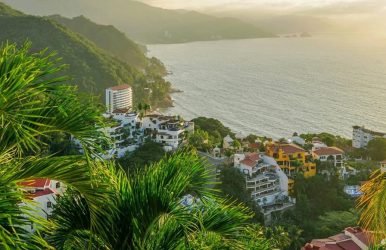
The beaches stretch along the coast, offering sunbathing and water sports. Resorts dot the shoreline, offering luxury stays with ocean views. Streets are easy to navigate, and taxis are readily available. 

The iconic Arch of Cabo San Lucas marks the tip of the peninsula. Enjoy stunning sunsets from the beaches or viewpoints. The town blends Mexican culture with modern amenities. Overall, Cabo is lively, beachy, and filled with fun!

8 Ways to Get Around Cabo San Lucas

Ways to Get Around Cabo San Lucas

1. Walking: The Best Way to Explore the Town

One of the most enjoyable ways of getting around Cabo San Lucas is on foot. The downtown areas of both Cabo San Lucas and San Jose del Cabo are compact and walkable. From delightful taquerias to Italian restaurants, you’ll find a medley of eateries within a few blocks. Walking allows you to immerse yourself in the local culture, with the added benefit of being cost-effective and eco-friendly.

While walking is generally safe, it’s advisable to remain cautious, especially at night. Stick to well-lit tourist areas and avoid venturing into unfamiliar neighborhoods. Cabo is as safe as any other tourist hotspot, but it’s always wise to stay alert and aware of your surroundings.

2. Public Bus: An Affordable Option

If you’re considering public transportation, the Ruta del Desierto bus service is a convenient and inexpensive option. These purple and orange buses run along the Tourist Corridor between Cabo San Lucas and San Jose del Cabo. The bus service, though not the fastest, is a reliable mode of transportation, with buses running every 15 to 30 minutes.

Bus conditions can vary – some are air-conditioned, while others may be stuffy. Don’t be surprised if you encounter a freelance guitarist hoping for a tip from passengers. The local bus service is a cost-effective way of getting around Cabo San Lucas, with fares as low as 40 pesos (less than $2.50 USD a person).

3. Renting a Car: Freedom to Explore

Renting a car offers the freedom and flexibility to explore Los Cabos at your own pace. Several car rental agencies operate in Los Cabos, offering competitive deals. However, keep in mind that you will need to purchase a car insurance policy, as your existing insurance may not cover you in Mexico.

While driving in Cabo is generally safe, it’s crucial to exercise caution. Try to avoid driving at night, particularly during weekends and holidays. The highways are well-maintained, but it’s advisable to use a GPS or reliable map as road signs can be inadequate.

4. Taxis: A Convenient Option

Taxis offer convenient transportation due to their availability and ease of access. They can be found easily throughout the town, making them accessible for travelers. With numerous taxis circulating, getting around becomes swift, especially for short distances or when navigating within the town’s central areas. 

They provide a hassle-free option for visitors unfamiliar with the town’s layout or those looking for a quick and direct mode of transportation. Taxis also cater to different group sizes and offer a comfortable way to explore various attractions and beaches, making them a reliable and convenient choice for getting around Cabo San Lucas.

5. Uber: A Comfortable and Affordable Alternative

Uber serves as a fantastic option for navigating Cabo San Lucas due to its ease, cost-effectiveness, and safety. It offers a convenient app-based platform, allowing travelers to request rides and track their drivers in real-time. 

Transparent pricing ensures fair fares without negotiation hassles. Additionally, Uber provides a sense of security through driver information and trip tracking, especially for tourists. It’s a reliable alternative, especially during peak times or when taxis might be scarce. 

With a familiar interface and English-speaking drivers, Uber has become an accessible choice for visitors seeking a comfortable, affordable, and dependable means of transportation.

6. Airport Shuttle Service: Smooth and Hassle-free

Transportation to and from Cabo Airport can be simplified with an airport shuttle service. This pre-arranged transportation service can escort you from the airport to accommodations or other destinations and can include shuttles, private cars, or vans arranged beforehand or through resorts/hotels. 

They ensure a smooth transition upon arrival, minimizing travel stress. Generally booked in advance, shuttle services offer convenience, reliability, and often personalized experiences. They eliminate the need to navigate transportation options upon landing, providing a seamless journey to hotels or resorts. 

Shuttles can be tailored to suit individual preferences, offering comfort, safety, and sometimes added perks like refreshments or guided information about the area.

Related: Is Cabo San Lucas Safe? – Let’s Find Out!

7. Water Taxis: A Unique Mode of Transportation

Water taxis in Cabo San Lucas offer a scenic and unconventional way to travel. They ferry passengers between beaches and landmarks. These vibrant boats cruise along the coastline, providing picturesque views of the town. 

With their colorful designs and open-air setting, they offer a memorable and enjoyable ride. Passengers can hop on for quick transfers or scenic tours around the famous Arch and Lover’s Beach. The experience adds an adventurous touch to exploring Cabo San Lucas’s coastal beauty.

8. Renting Bikes: Great for Short Excursions

Bikes are fantastic for short trips in Cabo San Lucas due to the town’s bike-friendly streets and compact layout. They offer a fun, eco-friendly way to explore, especially for shorter distances. The Marina area is perfect for biking, allowing riders to cruise along the waterfront, enjoy scenic views, and stop at various eateries or shops. 

Medano Beach, with its flat terrain, is ideal for biking along the coastline, taking in the beach vibes and maybe stopping for a refreshing dip. Additionally, the bike path leading to El Arco provides breathtaking views of the iconic landmark and a chance to explore the natural beauty of the coastline. 

Read Also:

Share on Social Media

Shahnawaz is a passionate and professional Content writer. He loves to read, write, draw and share his knowledge in different niches like Technology, Cryptocurrency, Travel,Social Media, Social Media Marketing, and Healthcare.

Leave a Reply

Your email address will not be published. Required fields are marked *

title-img Related

READ MORE Suva nature guide

Suva Nature Guide: Exploring The Hidden Waterfalls, Peaks And Coastal Gems In The Green Heart Of The Pacific

BY  Sibashree Feb 12, 2026

Suva has the nickname of “The Green Heart of the Pacific,” and there is a reason behind that. It is more than government buildings and rich cultures. It is a rainforest city. Also, the city has Naitasiri and Rew adventure zones in the surrounding. Moreover, with an annual rainfall of 3000 millimeters, it has natural wonders such as the Colo-i-Suva Forest Park and urban places such as the Thurston Gardens and Albert Park. In addition, the city is home to a “Healthy City” initiative. Newer and greener pedestrian paths, parklands, and improved waste management systems of the city are the major parts of this initiative. Hi, in today’s blog, I will talk about the Suva nature guide. The topics discussed here are:  The best natural places to visit in Suva, Fiji  Suva nature guide tips from experts  Things to know to travel like a local  FAQs. Suva Nature Guide: What Are The Best Natural Places To Visit In Suva? Located on a hilly peninsula on the southeast coast of Viti Levu, Suva is incredibly blessed with lush greenery. Also, starting from Colo-i-Suva Forest Park, to the hidden nature spots in Suva, Fiji, there are many places to explore. 1. The Crown Jewel: Colo-I-Suva Forest Park  Do you know how the locals of Suva pronounce Colo-I-Suva Forest Park? They call it tholo-ee-soo-va. This rainforest has an area of 2.5 square kilometers. Also, this lush green forest oasis serves as the primary green lung of the city. The Upper Vs. Lower Pools  The two pools, the upper and lower pools of Suva, are divided by the main road. On each side, you will have a distinct experience. The Upper Pools Nature lovers and hikers love the steep and well-maintained trails of the Upper Pools.  Also, here it is less about the splash of swimmers. The focus is more on the symphony of the forest. The Lower Pools The Lower Pools have swimming holes and a rope swing that has seen decades of use. Daring travelers and local families love this area. Also, these are the ideal places if you want to cool off after a humid trek. Birdwatching Guide In Colo-I-Suva Forest Park  Suva's rainforests are a symphony of endemic species. Keep your binoculars ready for the scarlet robin and pink-billed parrotfinch. You must not miss the dawn chorus as it is the best birdwatching experience you can have in Suva. Safety And Practical Tips For Colo-I-Suva Forest Park  While the park is beautiful, it requires common sense. Security guards are usually stationed at the main pools and trailheads. It is wise to stick to the populated trails and avoid hiking alone late in the afternoon. Slippery paths are a guarantee, and Suva's high rainfall means the clay-heavy soil is perpetually slick. Wear shoes with aggressive tread, not flip-flops.  2. Hidden Waterfalls And Swimming Holes (Within 20 Mins) If you find that Colo-i-Suva is very curated, you can choose a more local or secret experience and know the rugged side of Fiji.  Here are the best waterfalls and swimming holes of Suva. These are just 20 minutes away from the city.  Korolailai Waterfall (Wailoku) The Korolailai Waterfall in Wailoku is a favorite of the locals. Use the Sikh Temple in Wailoku as your landmark, and the trail starts from here.  The trail passes through local farms and secondary forest.  Also, the main fall features a flat rock ledge directly behind the curtain of water. You can sit there and let the weight of the waterfall pound your shoulders. It’s the best free spa treatment in the Central Division. Navakavu Blue Hole Take a short drive toward the Lami side of the bay to reach the Navakavu coastline.  A short drive toward the Lami side of the bay brings you to the Navakavu coastline. This area is a protected tabu (sacred/restricted) site under the local Iqoliqoli (customary fishing grounds). So, you have to check with the village headman or local guides before entering the village.  Moreover, "Blue Hole" is a stunning turquoise indentation in the reef flats, perfect for snorkeling during high tide. 3. Hiking Suva: From Peaks To Reserves Are you looking for some elevation and solitude? Do you have the fitness to explore heights? Hike these peaks and explore these reserves.  • Mount Korobaba Summit Hike It is the best Suva hike experience you can have. Mount Korobaba rises above the Lami harbor, and from the mountain, you can enjoy a panoramic view of the Suva peninsula and Laucala Bay.  This trekking trail starts behind the Lami Cement Factory. So, the start is humble, but it is worth the grand view.  However, the hike is strenuous, and a return trip will take at least 2 to 3 hours. Also, here, you have to be very careful about the mud warning.  If it rains, the trail will become muddy and act like a vertical natural slide. Nevertheless, there are ropes in some sections to help you haul yourself up.  • Savura Forest Reserve Savura Forest Reserve is like a hidden gem, and it is a quiet academic zone that you would love to explore. It is a vital area for the water supply of Suva.  Furthermore, because it has fewer tourists, the biodiversity of the place remains almost intact. Overall, the condition is meditative and peaceful.  4. Coastal And Island Nature To cherish the coastal beauty and Island nature of Suva, you must visit the Nukulau Island and My Suva Park & The Seawall. At these places, you will understand the relationship of Suva with its marine landscape. So, leave the mainland and walk the southern edge.  • Nukulau Island The Nukalau Island is small, but it has a long history. It has served as a quarantine station and a prison. However, ironically, today, it is not a dark tourism site anymore.  In fact, it is now a peaceful place for a picnic.  Sandbank, And The History Of Nukulau Island  When there is a low tide, you will notice a massive stretch of sandbank here. The sandbank is ideal for wading.  You will also find here the remnants of many old structures. Thus, you can blend history with a beach day.  Nukulau Island Boat Logistics  The boats in the Nukulau Island leave from the Suva Wharf or the Vatuwaqa area. Charter a long boat and enjoy a breezy ride across the lagoon for 20 minutes.  A longboat is a fiverglass boat with an outboard motor. • My Suva Park And The Seawall You don’t always need a boat to see the coastal beauty of Suva. You can visit My Suva Picnic Park and explore the rehabilitated mangrove walkways.  Here, you will find the most intricate root systems that protect the shoreline from decay.  On the other hand, the Suva Seawall is the social hub of Suva City. Here, you will enjoy the sunset views over the peaks of Joske’s Thumb.  Also, don’t miss the view of Mount Korobaba in the distance.  During the sunset, the sky has the most fiery shade of violet, and looking at that, you can end a day of exploration on a perfect note.  5. Urban Greenery: Thurston Gardens Suva Botanical Gardens, or the Thurston Gardens, is an urban green space. The place got its name in 1976 after Sir John Bates Thurston, the founder of this botanical garden and the fifth governor of the city.  You can see diverse fauna in this botanical garden. It has water lilies, colorful gingers, ferns, and palms. It is also home to a prominent bat colony. In this context, you must know that bats are the only native mammals of Suva.  Currently, the Fiji Museum maintains this urban park, and other historical landmarks in the park are the bandstand and the Clock Tower.  These were built to commemorate the first mayor of the city.  Suva Nature Guide And Tips From Experts  Now, only the locals and taxi drivers know that Mt. Korobaba, "Pacific Cement Limited" factory in Lami, is better than the "Korobaba trailhead."  You can start your hike behind the factory fence. Now, this is what makes all the difference. The local and expert tips always help to enhance your Suva travel itinerary.  Do you want to know more such tips? Follow the details here.  1. Avoid Heavy Rain Days The weather in Suva is either wet or very wet. So, while it’s not practical to wait for a sunny morning and you must embrace the rainforest bath, you cannot trade the day of or after a heavy rainfall.  When it rains, the trails and forest tracks of Suva become natural and dangerous mudslides.  2. Take The Bus To Colo-i-Suva If You Are Traveling On A Budget  You don’t need to take a taxi for $15 if you are traveling to Colo-i-Suva from the city.  As a budget traveler, you can take the Sawani Bus from the main bus station and ask the driver to drop you at the park gate. The ticket price will be just $2.  3. Suva Keeps It Quiet On Sundays  Sundays are great for exploring the natural spots of Suva. These places are less crowded on Sundays.  Quite a surprise compared to the Western standards.  However, there is a catch! Public transport options are very limited on Sundays. So, you must pre-book a taxi for a smooth experience.  4. Follow The Sulu Rule  Suva is very particular about its customs and traditions.  Suppose you are visiting a secluded nature spot and you have to walk through a village, such as Korolailai, to reach that place.  Then, you will have to cover your legs with a sarong as a gesture of respect for the local community.  5. Be Aware Of Leptospirosis The pools and natural swimming places in Suva have tropical water. So, you cannot swim in them if you have open cuts.  Tropical water carries bacteria, and if you swim in the water with open injuries, you may have Leptospirosis.  6. Use Your Skills To Negotiate  You cannot just agree to whatever the boat owner asks you to pay for a ride to Nukulau. You must negotiate the boat fee at the Suva Carrier Stand, which is near the Suva Market.  If you are taking a private fiberglass boat, a return trip will cost you around $80-$100 FJD.  7. Wear Mosquito Repellent  My Suva Park in Suva, or the mangrove areas and rainforest, has mosquitoes. Also, Dengue is a serious concern here.  So, you have to wear mosquito repellent, and you need to spray to get rid of the mosquitoes.  8. Stay Hydrated  The humidity percentage in Suva Rainforest is more than 90%. So, when you are hiking, sweating will be profuse.  If you are hiking for 1 hour or more, you need to carry around 2 liters of water.  Things To Know In Suva, Fiji, If You Want To Travel Like A Local  You have to embrace Suva, Fiji, as it is, if you want to travel like a local. Also, there are some stories, or rather facts, that only locals know. For example, the Dakua trees are native to this place. However, the Mahogany Trees were later introduced to stabilize the soil.  Here is more about the reality checks, about the weather quirks, and the food of Suva if you soak in the true spirit.  1. The Reality Of The Rain Capital  The precipitation of around 3000 millimeters in a year, or a wet tropical climate, makes Suva the rain capital of Fiji.  In Fiji, it rains for more than 200 days a year.  So, if you want to explore Suva, you cannot wait for the Sun to shine bright. You have to embrace the rainforest swimming.  It means that you can get wet while it rains while exploring the rainforest, and do not waste time waiting for the Sun.  2. Picnic Like A Local In Suva, Fiji  If you are on a Suva food tour and want to indulge in the real flavors, you will have to picnic like a local.  Once you are tired after a long swimming session, you must buy a Bhuja or a spicy mix and have it with a long loaf as a snack.  Quirks And Cultural Hidden Gems Of Suva, Fiji Talking about the cultural hidden gems of Suva, Fiji, the first story that comes to my mind is about the Liuliu.  Liulius are the guardians of the waterfalls.  So, when you visit these waterfalls, you must not shout or scream. The guardians can be angry, and they can curse you if you shout and disturb them.  Along with this myth about the Liuliu or guardians, Suva is also known for its Lami vibe. It is at the base of the Mt Korobaba. It is the town that has the perfect fusion of a silent natural retreat and an industrial town.  In addition, the dark past of Nukulau is very intriguing in Suva, Fiji. It was once a quarantine island and later became a prison for coup leaders.  Moreover, this place has a stark contrast between the beautiful sandy beaches and a turbulent past. Thus, it has all the potential of becoming a dark tourism destination.  Do you want to learn more about the culture of this Fijian capital? Read my Suva cultural guide.  Discovering The Real Suva  The primal beauty of Viti Levu, the amber pools of Colo-i-Suva, the mud-slicked trails of Mt. Korobaba, and finding peace in the hidden Korolailai basin!  Also, the Fijian capital asks you to be a little dirty. So, wear your reef shoes, pack your mosquito repellent, and step off the pavement.  Moreover, allow the trees to embrace you and show you the real Suva.  Suva Nature Guide: Frequently Asked Questions And Answers (FAQs) Here are the frequently asked questions and answers about the Suva nature guide.  1. Is It Safe To Swim In Colo-i-Suva? Yes, you can swim safely in the freshwater pools of the Colo-i-Suva Forest Park. The pools here are in an inland rainforest, and they are not connected to the ocean. So, there will be no saltwater hazards.However, like other natural pools, these pools also vary in depth, and the surfaces can be rocky or slippery. So, you have to exercise caution when swimming in the natural pools here.  2. How Long Is The Mt. Korobaba Hike? The Mt. Korobaba hike is around 6 Kilometers or 3.7 miles long. It is a challenging hike, and the elevation gain is around 404 meters. Furthermore, the red clay path is challenging, and the clay route often gets muddy. Also, based on your pace, you will be able to complete the trek in 2 to 3 hours.  3. Are There Crocodiles In Suva’s Rivers?  Unlike many other islands of the Pacific Ocean, the rivers of Suva do not have crocodiles. However, you can spot saltwater crocodiles in Suva, and these crocodiles come from the nearby Solomon Islands or Papua New Guinea. They visit the region due to the strong oceanic currents. However, their sightings are very rare.  4. Do I Need A Guide For The Hikes In Suva? No, it is not mandatory to have a guide if you're hiking in the Colo-I-Suva forest or areas near Suva. However, the trails can be slippery, and the presence of wildlife in Suva is abundant. Also, often the major trails are linked to minor trails, and staying on the right tracks becomes difficult. So, it is better to have a local guide for safety purposes, and they will also guide you about the flora and fauna.  5. How Much Is The Entry Fee For Colo-I-Suva? The entry fee for Colo-I-Suva is around $1 FJD for the local adults and $0.50 FJD for children. However, if you are a foreign visitor, you will have to pay $5 FJD for adults and $1 FJD for children. 6. Can I Camp On Nukulau Island? Yes, you can camp on Nukulau Island, but you need a permit from the Department of Environment in Suva City beforehand. The permit will cost you around $2 for 24 hours. Also, the island has a shade for camping. However, you will have to bring your own tent, food, and water. 7. What Wildlife Will I See In Suva, Fiji? Suva is rich in wildlife. Places such as the Suva Botanical Gardens and Colo-i-Suva Forest Park are ideal for watching the birds, mammals, and amphibians. Birds to see in Suva are the Collared Lory (Kula), masked shining parrots, Fiji Goshawk, and blue-crested Broadbill. You will also find amphibians such as the Pacific Boa, Fiji Tree Frog, and Fiji Banded Iguana. Furthermore, while bats are the only native mammals of Suva, you will also find the Samoan Flying Fox, the Fijian Monkey-faced Bat, and the Mongoose. Moreover, Spinner & Bottlenose Dolphins, Banded Sea Krait, Spinner & Bottlenose Dolphins and Reef Sharks are the prominent marine animals found in Suva, Fiji. 8. Is Korolailai Waterfall Free? Yes, the Korolailai Waterfall is free to visit. However, there is a border of a settlement around the waterfall. You can pay a small donation of around $2-5 as a polite gesture. Also, you will have to pay a taxi fee of FJ$15–FJ$25 to reach the Korolailai Waterfall from Suva City.  9. What Is The Best Time For Birdwatching In Suva? Early morning is the best time of day for birdwatching in Suva. If you start birdwatching between 5 and 5:30 AM, you will find birds such as the Slaty Monarch, Fiji White-eye, and fruit dove. Season-wise, May to October is the best time for birdwatching. Especially, mid-August 10. Where Can I See Mangroves In Suva?  You will find the mangrove trees along the coastal areas of Suva. The easiest zone to access from the city is, of course, the Suva Seawall & Queen Elizabeth Drive. Another easy zone is the Rewa River Delta. It is around 25 km from Suva. It has an extensive stretch of mangroves. You can take a boat ride from Nausori to explore the area. Furthermore, Kalokolevu Village is a local community that proactively conserves the mangroves and is very particular about the restoration efforts. Moreover, the areas near the University of the South Pacific campus have mangroves. Low tide is the best time of the day to explore the mangrove forests. This is the best time for noticing the intricate root systems and the wildlife in the mangrove zone. 

READ MORE fort lauderdale to miami

What Is The Fort Lauderdale To Miami Distance? What Are The Different Modes Of Transport? 

BY  Sibashree Mar 10, 2026

Fort Lauderdale, or the Venice of America, charms visitors with its canals and beautiful beaches. It also has the most happening art scene.  On the other hand,  Miami is a cultural gateway to America, and it is a year-round beach destination. Miami nightlife is also quite iconic.  So, if you love beaches and waters, and exploring the authentic culture of America, a Fort Lauderdale to Miami trip will be an amazing experience.  Furthermore, these two beach destinations are well-connected by road and train. So, you can take a car, taxi, bus, or train to cover the distance of less than 30 miles.  Now, here is more on the Fort Lauderdale to Miami distance, how to travel, and some essential travel tips.  What Is The Distance From Fort Lauderdale To Miami? The distance between Fort Lauderdale and Miami is around 29 miles or close to 45 km. Furthermore, traveling the distance by road takes around 30 minutes.  Along with a private car or taxi, you can also take a bus to travel this route. There is also a train route between Fort Lauderdale to Miami.  Now, Miami is on our list of the best family vacation spots in 2026. So, if you are traveling with family, taking a private car will be the best option.  However, if you want TheLowDownUnder travel experience, you can choose a train ride like me.  Nevertheless, here is a quick summary of the Fort Lauderdale to Miami distance and the travel time via various modes of transportation.  Fort Lauderdale to Miami DistanceAround 29 MilesTravel Time by Train Around 40-50 MinutesTravel Time by Bus 40 Minutes to 1 HourBy CarAround 30 Minutes How To Travel From Fort Lauderdale To Miami?  The Super-Fast trains on Brightline or a drive on the I-95 Expressway make traveling from Lauderdale to Miami enjoyable.  However, there are many alternative routes and travel options. And, here are the details.  1. Travel From Fort Lauderdale To Miami By Car The Fort Lauderdale to Miami route is well-maintained, and the fastest route is via I-95. Also, it starts from Fort Lauderdale and ends in Downtown Miami. However, you can also take the Florida Turnpike route, which runs parallel to I-95.  Furthermore, on this route, you will first drive to Miami Gardens, which is a little west of Fort Lauderdale. Then, you will connect back to I-95. Moreover, if you are traveling from further north, such as Dania Beach or FLL, you can take A1A for a beautiful road trip.  Despite being a longer route, it is the most scenic, and it connects beautiful beaches such as Bal Harbour, Sunny Isles Beach, and Miami Beach.  Thus, you will get complete access to the oceanfront activities and the best resorts. The cab rental price will be around $60 to $110.  2. Travel From Fort Lauderdale To Miami By Bus Greyhound USA and FlixBus USA are the main bus operators on the Fort Lauderdale to Miami route.  FlixBus Services From Fort Lauderdale To Miami Downtown  FlixBus runs five buses daily from all the stops of Fort Lauderdale to Miami Downtown. So, here are the details (Source: FlixBus Official Website).  Departure PointDeparture TimeArrivalTicket Price (USD)Hollywood Sheridan Trirail Station8:35 AM9:50 AM9.48Fort Lauderdale Airport 1:20 PM2:30 PM10.48Hollywood Sheridan Trirail Station3:45 PM5:05 PM10.48Fort Lauderdale Broward Park and Ride4:40 PM6:00 PM10.48Hollywood Sheridan Trirail Station9:15 PM10:20 PM9.48 You will also get FlixBus services from Fort Lauderdale to other bus stops in Miami.  Furthermore, among them, the bus from Hollywood Sheridan Trirail Station to Miami Golden Glades is the fastest.  Also, it departs at 5:25 AM and reaches at 5:40 AM. Furthermore, the ticket price is USD 9.98.  Moreover, many buses departing from the Hollywood Sheridan Trirail Station also travel to the Miami Intermodal Center and Miami Beach.  Greyhound USA Bus Services From Fort Lauderdale To Miami So, here are the details of the Greyhound USA bus services from Fort Lauderdale to various stops in Miami (Source: Greyhound USA Official Site).  Departure PointDeparture TimeArrival PointArrival TimeTicket Price (USD)Fort Lauderdale Broward Park and Ride3:20 AMMiami Intermodal Center4 AM10.48Hollywood Sheridan Trirail Station9:35 AMMiami Intermodal Center10:05 AM8.98Fort Lauderdale Broward Park and Ride6:25 PMMiami Intermodal Center7:20 PM9.48Hollywood Sheridan Trirail Station6:50 PMMiami Intermodal Center7:20 PM9.48Fort Lauderdale Broward Park and Ride9 PMMiami Intermodal Center9:45 PM9.48Hollywood Sheridan Trirail Station9:15 PMMiami Intermodal Center9:45 PM9.48Fort Lauderdale Broward Park and Ride11 PMMiami Intermodal Center11:50 PM9.48Hollywood Sheridan Trirail Station11:20 PMMiami Intermodal Center11:50 PM9.48 3. Travel From Fort Lauderdale To Miami By Train  Tri-Rail and Brightline are the two train services between Fort Lauderdale and Miami.  Furthermore, Tri-Rail is run by the South Florida Regional Transportation Authority, and Brightline is a private railway service.  Nevertheless, here are the details.  Traveling From Fort Lauderdale To Miami By Tri-Rail  You can take a Tri-Rail train from Fort Lauderdale to Miami Airport or MiamiCentral.  Furthermore, the train services are available from Fort Lauderdale from 4:55 AM to 10 PM.  Also, the travel time to Miami Airport is around 35 to 50 minutes.  Moreover, the one-way price ticket is $5 (full fare) and $2.50 (discounted price). You can even buy a 12-ride pass for $60 or a monthly pass for $110.  On the other hand, the travel time to Miami Central is around 35 minutes, and the ticket fare is the same.  Traveling From Fort Lauderdale To Miami By Brightline The Brightline trains are the fastest connecting Fort Lauderdale to Miami.  Furthermore, the Brightline Station in Fort Lauderdale is at 101 NW Second Ave, and the Brightline Station in Miami is at 600 NW First Avenue. Moreover, you can choose the SMART and Premium services of the Brightline trains. In addition, based on the facility, the ticket price will be between $19 and $34.  Also, the Brightline stations have on-site parking facilities. Moreover, from these stations, you can access the other areas of Fort Lauderdale and Miami by public transportation, taxi, Lyft, and Uber.     4. Travel From Fort Lauderdale To Miami By Taxi And Rideshare Taxis, rideshares, and limo services are frequently available on the Fort Lauderdale to Miami route.  Along with Uber and Lyft, you will also get shuttle services such as GO Airport Shuttle, SuperShuttle, Transfeero, Blacklane, and South Florida Shuttles.  Moreover, when you book these shuttle services, traveling on this route becomes easier and safer, especially if you are a first-timer.  What Is The Best Time To Travel From Fort Lauderdale To Miami?  December to February is the best season for the Fort Lauderdale to Miami journey. The temperature range between 60-degree to 70-degree F makes the road trip comfortable.  Furthermore, 7 to 9 AM and 4 to 7 PM are the peak traffic hours on this route. So, if you want to avoid the traffic, you must travel outside these hours.  Moreover, you must use Google Maps and navigation tools such as Waze for real-time traffic updates.  Fort Lauderdale To Miami: Frequently Asked Questions (FAQs) So, here are the frequently asked questions and answers about the distance from Fort Lauderdale to Miami.  1. How Much Is An Uber Ride From Fort Lauderdale To Miami? The average cost of an Uber ride from Fort Lauderdale to Miami is around $50 to $55. However, based on the timing of the day and the traffic conditions, it can also shoot up to $85. Also, if you need an UberXL while traveling with a large group and Uber Black for a luxurious journey, expect higher price points.  2. What Is The Cheapest Way To Get From Fort Lauderdale To Miami? Tri-Rail is the cheapest mode of transportation from Fort Lauderdale to Miami. Also, the ticket price is $5, and with a discount, the ticket price is $2.5.Furthermore, you can book a 12-trip pass, a monthly pass, or a regional monthly pass for a more budget-friendly journey.  3. Is It Better To Fly Into Miami Or Fort Lauderdale? The better option between Miami and Fort Lauderdale Airport depends on many factors. For example, the Fort Lauderdale Airport, or Fort Lauderdale-Hollywood (FLL), is ideal for budget travelers as the flight tickets are cheaper. Furthermore, it is ideal for the cruise passengers to Port Everglades and those who want to explore Broward County or other places in Northern Miami. On the other hand, the Miami Airport is a prominent international airport. Moreover, it is especially suitable for travelers to Coral Gables and Miami Beach. You can also use it as a connecting airport to other international or major hubs.  4. Is There A Fast Train From Fort Lauderdale To Miami? Yes, there is a fast train from Fort Lauderdale to Miami. You can take the private Brightline service to reach the Miami Downtown Station at 600 NW First Avenue. Furthermore, the Fort Lauderdale station is at 101 NW Second Avenue. Moreover, the ticket price for this train ride is between $19 and $34 and the travel time is just 38 minutes. 

READ MORE best time to visit Uttarakhand

Which Is The Best Time To Visit Uttarakhand? – Travel Guide

BY  Abdul Aziz Jan 16, 2023

If you are an adventurer and avid traveler, then your next holiday destination should definitely be Uttarakhand. It is definitely a beautiful romantic destination along with a spiritual journey for visitors and tourists. So if you are planning on taking a trip to the land of God, then you should know when is the best time to visit Uttarakhand. In different seasons the scenic beauty of Uttarakhand is different, so depending on what you like, you can select the best time to visit Uttarakhand. When To Visit Uttarakhand: History & Tourism? Uttarakhand is a state in India with the most beautiful hill stations like Nainital, Rishikesh, Dehradun, and Mussoorie, also has one of the most famous National Parks, Jim Corbett National Park. The mountains are not only a great honeymoon destination, but Uttarakhand is a religious destination as well. Known as “Devbhumi,” Uttarakhand is a “Land of Gods,” with multiple Hindu temples and pilgrimage destinations. Well-Known Hindu temples like Badrinath temple, Kedarnath temple, and even the world-renowned national park, the Jim Corbett National Park. So if you are planning a trip to the mountains, then you should know the best time to visit Uttarakhand. Read More: Which Is The Best Time To Visit Auli? – Travel Guide Climate In Uttarakhand Whenever you are visiting a place you haven’t visited before, it is also important to know which is the best time to visit Uttarakhand. So if you are not aware of the best time to visit Uttarakhand, then I am here to help you know the right time and particular temperature of Uttarakhand, when you should visit. Then if you wanna know everything about Uttarakhand, then keep on scrolling down and keep on reading. Summer Season If you are going to Uttarakhand then the best time to visit Uttarakhand is during the summer. The summer in Uttarakhand is very beautiful, with flowers in full bloom. The famous religious journey known as the Char Dham Yatra starts in May and lasts till September. Here in Uttarakhand, the festivities were celebrating different festivals. During the early spring, you are going to get the best deals in hotels and the cost of most places is lower. So if you are planning a trek here in Uttarakhand, the springtime is great to visit of flowers Uttarakhand best time to visit. Monsoon Season In the mountains, the monsoon in Uttarakhand lasts from the middle of June to about September. Uttarakhand receives heavy rainfall and flood every year, which causes massive destruction throughout the valley. This makes the monsoon season, not at all the best time to visit Uttarakhand. Winter Season During the winter months, it is the best time to visit Uttarakhand, either for a family vacation, a trip with friends, or even for your honeymoon. The valleys of Nainital are beautiful when it is fully snow-covered. Sitting in front of the fireplace, with your partner, is indeed quite romantic. You can also take part in activities like camping, white water rafting, or even bonfire nights. How To Reach Uttarakhand? If you are looking for routes to reach Uttarakhand, then you should know that there is more than one route to reach Uttarakhand. Even if you are traveling solo or with your family and your friends, then you should know all the ways you can reach there. There are many places you can visit here in Uttarakhand such as Nainital, Dehradun, Rishikesh, Mussoorie, and the Jim Corbett National Park. So if you have decided on the places you wanna visit, then I can show you the best route and best time to visit Uttarakhand. By Train One of the cheapest ways to reach Uttarakhand was by train. You can reach Dehradun or Nainital. The Kathgodam railway station is about 35km away from Nainital, the Kathgodam railway station is easily reached by train from cities like Kolkata, Delhi, and Dehradun. Whereas the Dehradun railway station can be reached by cities like Maharashtra, Delhi, Punjab, Uttar Pradesh, and Gujarat. With popular Indian trains like Dehradun Express, Shatabdi Express, Nanda Express, and Doon Express, you can reach Uttarakhand. By Air Uttarakhand has two domestic airports, which are The Jolly Grant Airport (DED) and the Pantnagar Airport (PGH). The DED is about 22 kilometers away from Dehradun’s city center. This airport has regular services of nonstop planes and flights from Mumbai, Delhi, Chennai, and Bangalore. The flights regular at the airport were Jet Airways, Alliance Air, and IndiGo.  The other airport is PGH, serving the hill station at Nainital, Almora, and Ranikhet, which is about 120km away from Jim Corbett National Park. By Road Uttarakhand can also be easily reached by road, and if you are someone who loves long rides, then you are in luck, as the scenic beauty of Uttarakhand is beautiful. The state of Uttarakhand has about 1543 km of state highways, but 1328 km of national highways. There are about 1000 buses from the Uttarakhand Transport Corporation, that go out of the state. Through NH 34, Rishikesh and Haridwar are all connected to the capital Delhi. And through Badrinath and Dehradun, the NH 7 passed through. Highways 309 and 109 were interlinked with Almora, Jim Corbett National Park, and Almora. By AirBy RoadBy TrainBy SeaNew Delhi to Uttarakhand1.5 hours8 hours6 hours-Pune to Uttarakhand4.3 hours34 hours31 hours-Mumbai to Uttarakhand2.2 hours9.38 hours32.2 hours-Kolkata to Uttarakhand5.15 hours10.56 hours29 hours-Bangalore to Uttarakhand7.2 hours53.3 hours52.18 hours-Tamil Nadu to Uttarakhand-40 hours42 hours-Hyderabad to Uttarakhand-31 hours- Wrapping Up! Now that I have shown you all the possible ways you can travel to Uttarakhand, when is the best time to visit Uttarakhand as well? So now you can properly plan the best time to visit Uttarakhand. If you liked this article then give it a like and comment down below and tell us when would you like to visit Uttarakhand. Read Also: Which Is The Best Time To Visit Mussoorie? Which Is The Best Time To Visit Shimla? – Travel Guide Best Places For Highest Bungee Jumping In India – Adventure Guide