

Top 12 National Parks In Florida That You Must Visit In 2024

Jul 20, 2023

Last Updated on: Sep 19, 2024

Travel Blog

Are you thinking about visiting some of the national parks in Florida? Well, if your answer is a YES, then you have reached the right place!

Some people picture castles, roller coasters, and Mickey Mouse-shaped pretzels when they think of parks in the Sunshine State, but Florida’s national parks are just as well-known as its amusement parks. Amazing ecological and biological diversity can be found on protected lands from the panhandle to the tip of the Keys.

Florida is the only area on Earth where alligators and crocodiles cohabit; the mangroves here serve as kayak mazes, rockets blast off over lagoons, and alligators and crocodiles share the same territory.

Keep reading this article till the end to learn about the national parks in Florida that you must visit this year…

Top 12 National Parks In Florida That You Must Visit!

There are a number of things that Florida, the Sunshine State, is famous for, and one of them is the National parks. These are a blend of nature and the history that humankind has made. So, if that is something that you want to know, then you have reached the right place!

Here are the top 12 best national parks in Florida that you need to visit in 2023:

1. Big Cypress National Preserve

Big Cypress National Preserve

The majority of people only experience Big Cypress National Park as a parallax of sawgrass and cypress trees against the billowy clouds of the Florida sky as they speed along I-75 or U.S. 41 via the windows of their vehicle. Most people only attend the visitor center because of need. However, some do so out of curiosity.

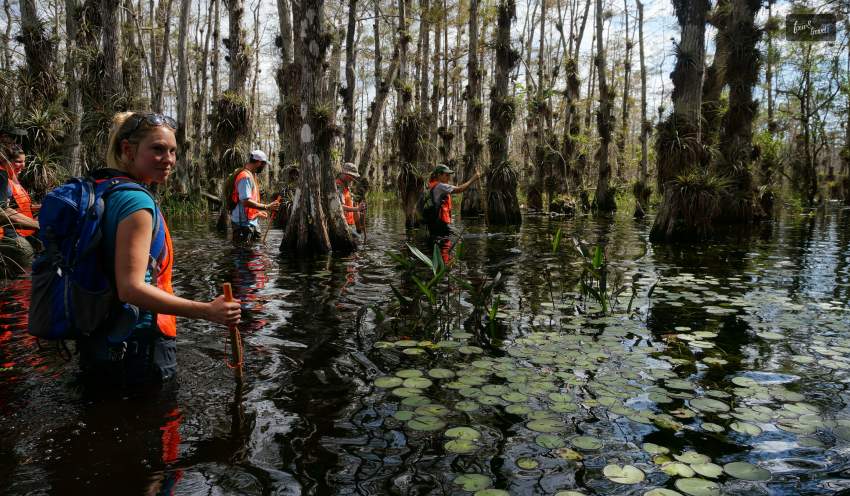
Big Cypress is only one of two places on Earth where the ghost orchid may be found. It also serves as a refuge for the endangered American alligator, and Florida’s elusive but threatened panther population. Big Cypress was the first National Park Service unit east of Colorado to get this recognition as a Dark Sky Place, and it continues to be the southernmost Dark Sky Place in Florida.

This national preserve’s swamp waters flow softly, producing the ideal environment for the name-bearing cypress trees to grow tall and strong and create a maze beneath their canopy for tourists who are more interested in aquatic activities.

Big Cypress is one of the last remaining undeveloped areas in South Florida, where backcountry camps, swamp buggies, and airboats retain a traditional way of life that was developed by indigenous peoples and the pioneering spirit of early settlers. Big Cypress truly has something for everyone, so we are now challenging everyone to give something back to Big Cypress in exchange.

2. Biscayne National Park

Biscayne National Park

The most amazing features of Florida’s seas are actually located below the surface. When people think of Florida’s shores, they typically picture gentle waves lapping at the soft sand under a bright sun.

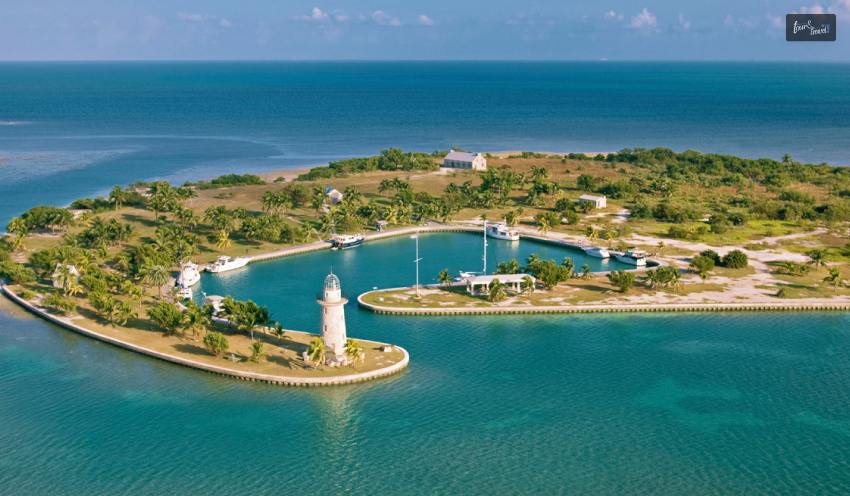
Four separate ecosystems, covering about 173,000 acres, merge to form rich edge communities, or “ecotones.” These edges are home to an astounding variety of animals, including pelicans, manatees, sea turtles, hundreds of different types of colorful fish, and flora that are unique to the United States.

Over 600 native fish, neotropical water birds, migratory habitat, 20 threatened and endangered species, such as the Schaus’ swallowtail butterfly and Florida semaphore cactus, as well as the previously mentioned sea turtles and manatees, can all be found in the park.

It also includes the Florida Reef, the only live coral barrier reef in the continental United States, and the northernmost part of the third-largest coral reef system in the world. A number of shipwrecks along Biscayne National Park’s Maritime Heritage Trail have found their final resting places because of this reef, a project that was made possible with The Alliance’s assistance.

3. Castillo de San Marcos National Monument

Castillo de San Marcos National Monument

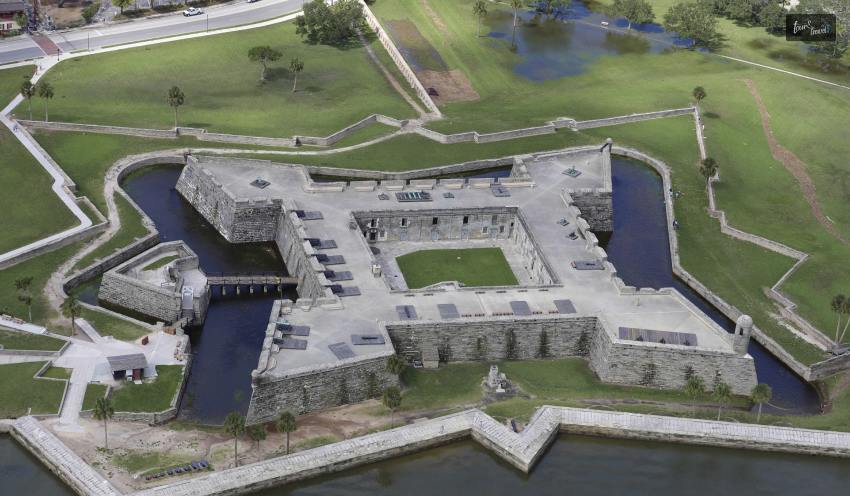
Castillo de San Marcos National Monument preserves the oldest masonry fortification in the continental United States and interprets more than 450 years of cultural crossings. It was constructed by the Spanish in St. Augustine to protect Florida and the Atlantic trade route.

In case you are wondering about all the things that you can do here, I have you covered. You can engage with the park rangers that are eager to answer your questions. They also provide the tourists with several interpretive opportunities that are active and available throughout the day.

You can attend formal presentations where a thematic program that lasts 15 to 20 minutes will be played. You can interact directly with cultural artifacts, get answers to your burning questions, and spend as much or as little time as you like at ongoing informal stations.

The historic Cannon demonstration or Musket takes place on the weekends mostly. These are held at 10:30 a.m., 11:30 a.m., 01:30 p.m., 02:30 p.m., and 03:30 p.m. on Saturdays and Sundays. The volunteers and rangers also dress up in period costumes to give the tourists the best experience of traveling back in time. You can take pictures of them and with them to experience the lives of the colonists that lived here.

4. Canaveral National Seashore

Canaveral National Seashore

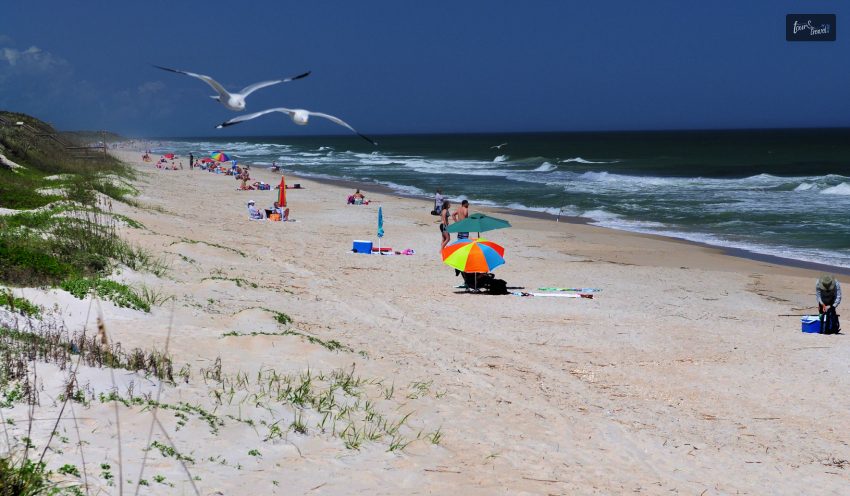
Canaveral National Seashore is a unique location since it’s conceivably the only spot in the world where rocket ships, alligators, and nudist beaches coexist. On the east coast of central Florida, Canaveral preserves one of the state’s longest stretches of undeveloped coastline.

Mile after mile of pristine shoreline offers a tranquil haven for sunbathers, sea turtles, and the occasional nudist; Apollo Beach, at the northern end of Beach Road, is the alternative to the crowded Playalinda Beach right across the street.

If viewing rocket launches from the adjacent Kennedy Space Centre on the park’s beaches isn’t your thing, you can also go kayaking through Mosquito Lagoon, a sizable estuary that occupies two-thirds of the park (but remember the insect spray).

5. De Soto National Monument

De Soto National Monument

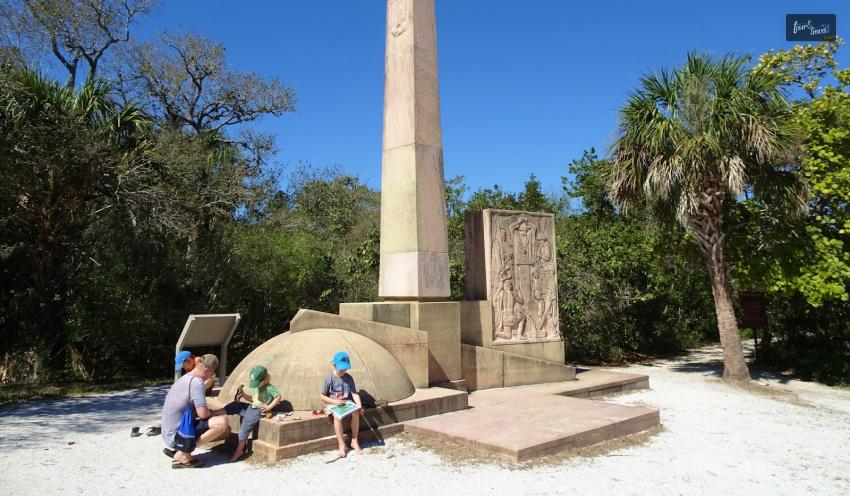
Conquistador Hernando de Soto’s army of soldiers, paid mercenaries, artisans, and clergy arrived in Tampa Bay in May 1539. They encountered ferocious resistance from natives defending their homes. De Soto’s search for glory and treasure would be a four-year, 4,000-mile journey filled with mystery, conflict, disease, and discovery that would shape American history.

Today, there are a number of things that you can experience at the De Soto National Monument. You can try on the European armor that consists of helmets as well as breastplates. This is one of the most popular activities of the people or tourists visiting this national park in Florida.

Aside from that, taking a fishing class and bird viewing are additional popular activities in this national park. Numerous bird species, including gulls, great egrets, herons, as well as American white pelicans, can be found at DeSoto National Memorial.  If you’re lucky, you might also catch a glimpse of bald eagles on the Manatee River scavenging for food! The De Soto Rancho Fishing Clinic is available in the park for adults and children aged 7 and older. Participants gain knowledge of fishing gear, casting, fish identification, and knot-making!

6. Everglades National Park

Everglades National Park

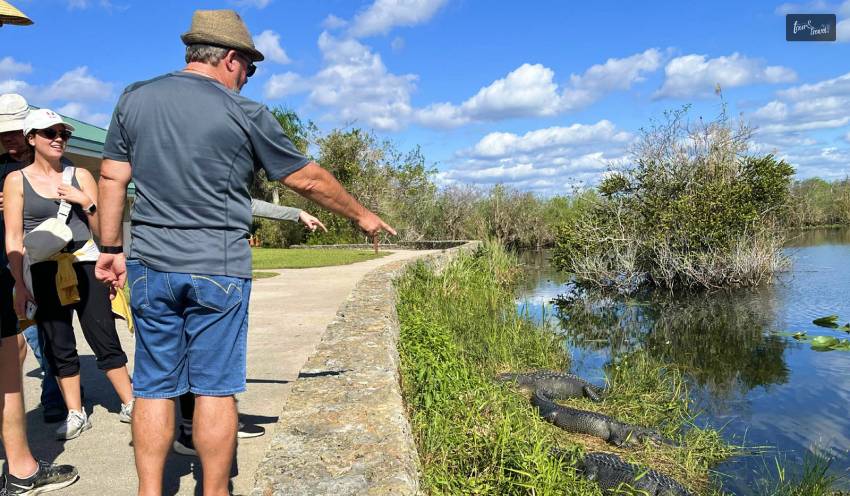
Everglades National Park, the most recognizable national park in Florida, is the Yellowstone of swamps, a 1.5 million acre subtropical wilderness teeming with terrifying species that makes Jurassic Park seem like a petting zoo and jet-black waterways and mangrove-lined coastlines.

This enormous park, the third largest in the contiguous United States, is too big to handle all at once. Alligator sightings are practically guaranteed along the Anhinga Trail, a leisurely 0.8-mile loop that leaves at the Royal Palm Visitor Centre.

You can rent kayaks and paddle up the Flamingo Canal on unnervingly quiet water while passing through deep forests and mangrove tunnels to Coot Bay by continuing to travel along the Main Park Road until it ends at the Flamingo Campground. Keep a watch out for American crocodiles and also manatees along the trip. They enjoy the brackish waters close to the shore.

7. Fort Matanzas National Monument

Fort Matanzas National Monument

The next on the list of the best national parks in Florida is Fort Matanzas. From Fort Jefferson to Fort Barrancas, forts are as central to Florida’s national parks as gators as well as mangroves.

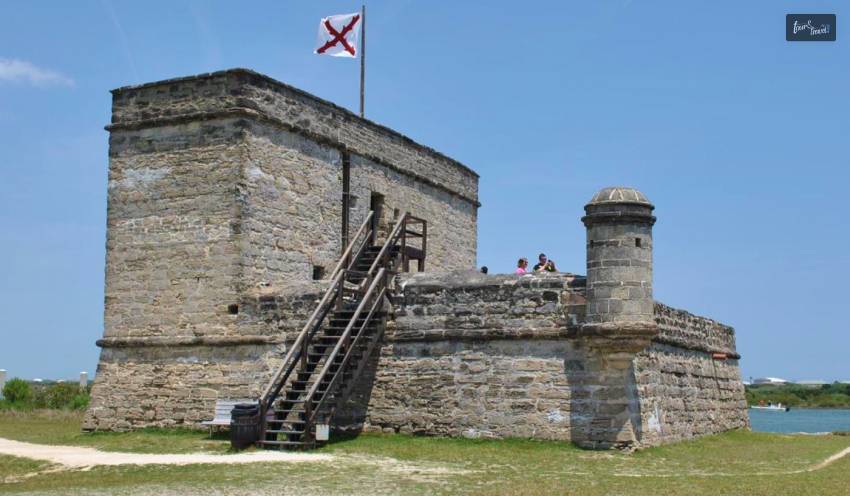
Chief among them is Fort Matanzas National Monument. It’s one of the oldest fortresses in the state and is also one of the first forts-as-national monuments in the nation, designated back in 1924.

Originally built by Spanish settlers in 1742 to fortify the Matanzas Inlet in St. Augustine, it remains a resolute structure that stretches 50 feet on each side and is 30 feet high. Today, the fort is accessible via ferry, with ranger programs that shed light on its storied history.

Other park activities include relaxing at a beach or following the boardwalk trail off the visitor center parking lot, which zigzags through a shaded hammock forest.

8. Dry Tortugas National Park

Dry Tortugas National Park

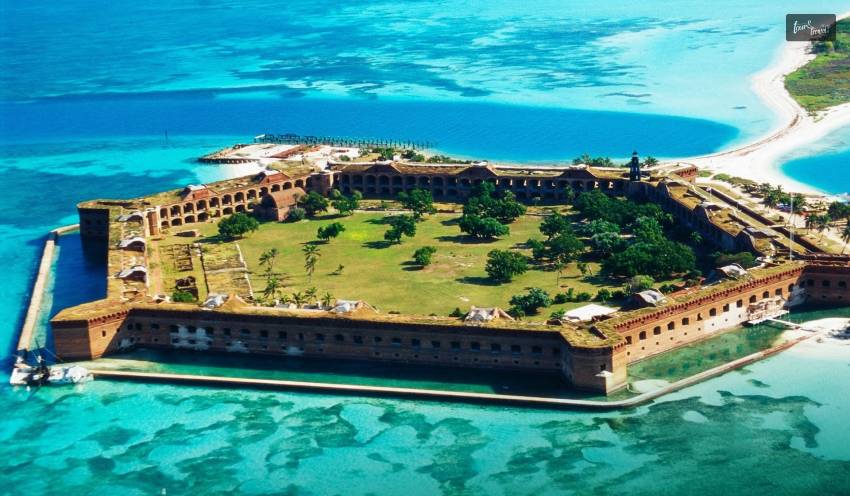
Seventy miles off the coast of Key West is Dry Tortugas National Park, an aquatic wonderland of 99 percent water. The only land out here, seemingly in the middle of the gulf, is a handful of tiny keys, including the main attraction: Garden Key.

After the two-to-four boat ride from Key West’s Yankee Freedom ferry terminal, dock at Garden Key to explore Fort Jefferson, an ironclad fortress built in the 1800s that looks like a brick Pentagon.

Originally built to defend the Southern coast of the U.S. after the War of 1812, the fort also served as a temporary prison before earning national park status. Today, the structure—and the surrounding keys and waters—tells the stories of maritime combat and marine wildlife, best observed from the Garden Key beaches or along the underwater snorkel trails that surround the fort.

9. Silver Springs State Park

Silver Springs State Park

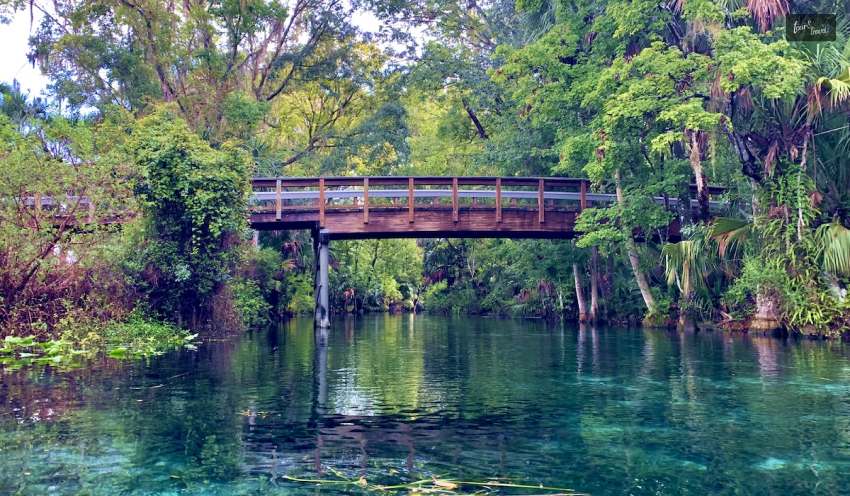
For years, tourists have flocked to this location just to take glass-bottomed boat trips through the state’s breathtaking springs. In reality, Silver Springs State Park’s glass-bottom boat trips were introduced over a century ago, and they continue to be popular in this area of north-central Florida between Orlando and Gainesville.

It’s understandable, given that the park is home to surreal, crystal-clear water and a variety of animals, including otters, manatees, alligators, rabid rhesus macaques, and monkeys. Despite the fact that swimming is prohibited (due to the aforementioned alligators), Silver Spring is a kayaker’s and paddle boarder’s heaven, and there are 15 miles of shady hiking trails circling the 4.5-mile Silver River.

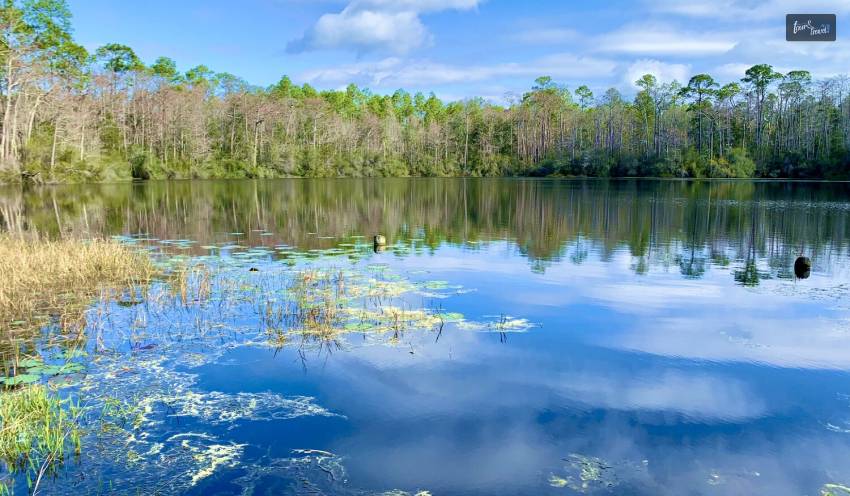
10. Point Washington State Forest

Point Washington State Forest

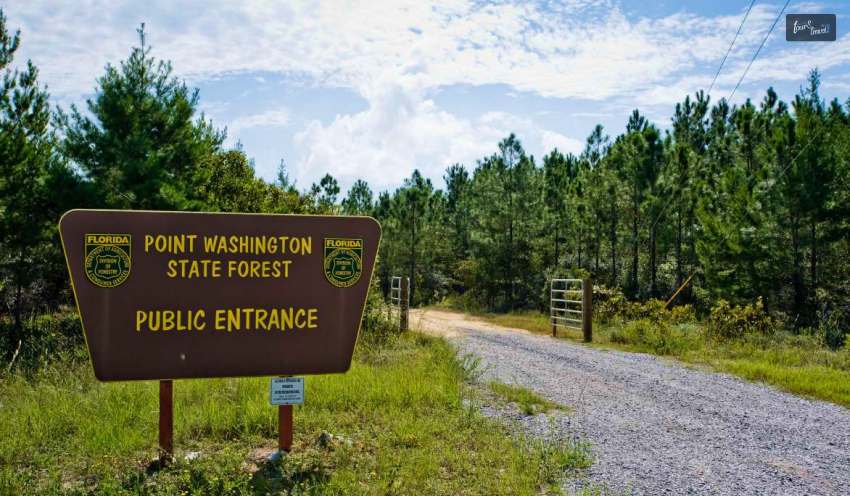
Point Washington State Forest on Florida’s panhandle is a refuge of tall trees and hiking trails. Located seemingly miles away from the state’s more well-known parks, you will find the longleaf pine as the main attraction. It is a tree that is so tall that it resembles a hybrid of a redwood and a palm.

The Eastern Lake Trail System, which supports the park’s recreational options, is surrounded by these pines for miles. The trail system here contains several unpaved trails for cyclists and hikers despite being as flat as a pancake.

The nearby Grayton Beach State Park, which follows the coast as well as offers coastal forest trails, swimming chances, and kayaking on dune lakes, is definitely worth exploring.

11. Bahia Honda State & National Park

Bahia Honda State & National Park

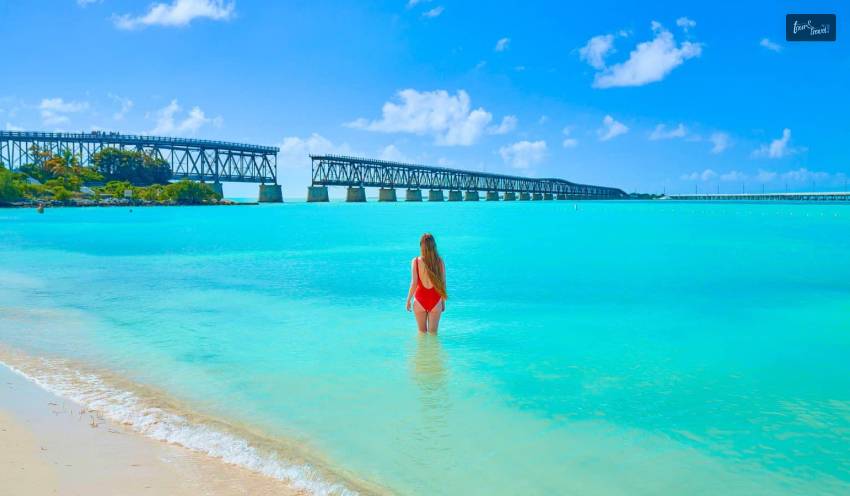
Bahia Honda State Park is a pastoral pit stop on the road to Key West out in the Keys. Calusa Beach, off Big Pine Key, serves as the park’s focal point. Its turquoise waters entice swimmers, snorkelers, as well as kayakers alike (equipment for both activities is available for rent).

At the summit of the iconic Bahia Honda Bridge lies a truly picturesque setting. It is a historical structure dating back to the early 1900s. This was originally a crucial component of Henry Flagler’s ambitious Overseas Railroad to Key West.

A little route along a portion of the bridge will lead you to one of the Keys’ highest spots. Here you may enjoy panoramic views of the bay below. Stay for a photo-worthy sunset and afterward stargazing if you want to remember it forever.

12. Apalachicola National Park

Apalachicola National Park

A stone’s throw from the state capital of Tallahassee, Apalachicola National Forest is a natural haven. Florida’s largest national forest clocks in at a whopping 633,000 acres. This park has two main sections. They are Bradwell Bay Wilderness and Mud Swamp/New River Wilderness.

Between the two, visitors can paddle, swim, hike, fish, and go off-roading or horseback riding. The park also exhibits striking biological and ecological diversity. It goes from longleaf pine sandhills and pine flatwoods to coastal plain hammocks, basin swamps, and floodplain forests.

The area teems with wildlife, like woodpeckers, bobcats, gray foxes, as well as alligators. Drink in the diversity on a one-mile loop at the Camel Lake Trail. You can also enjoy by kayaking to Owl Creek from Hickory Landing. You can also take a two-mile route along the Apalachicola River. This gets paddlers up close and personal with that classic Florida river swamp terrain.

Wrapping It Up!

In case you were searching for the best national parks in Florida, I hope that this blog has been of help to you. If there are any other queries related to the same, feel free to let me know. All that you need to do is scroll down till you reach the bottom of the page. Then leave your comments and queries in the box below. And I will be there to answer them all for you!

Read Also:

Share on Social Media

Ankita Tripathy loves to write about food and the Hallyu Wave in particular. During her free time, she enjoys looking at the sky or reading books while sipping a cup of hot coffee. Her favourite niches are food, music, lifestyle, travel, and Korean Pop music and drama.

Leave a Reply

Your email address will not be published. Required fields are marked *

title-img Related

READ MORE family fish thunderonthegulf

Family Fish Thunderonthegulf: What Are The Things To Keep In Mind Before You Go?

BY  Sibashree Apr 13, 2026

Traveling with family feels great. It becomes all the more exciting when it is about bonding activities or a thrilling event.  Now, on paper, planning a fishing trip with your little ones is great. However, executing the plan is not as easy as it looks.  Still, if you are searching for a spot in the USA for a fishing trip with your kids, you can choose the Gulf Coast.  The family fish thunderonthegulf event makes the Gulf Coast all the more special as a fishing destination with kids.  It is way beyond a regular day at the beach. So, keep reading to know about the adventure and fun.  What Is The Family Fish Thunderonthegulf Event? Is It Worth The Hype?  Yes, the family fish Thunderonthegulf event is absolutely worth the hype. In fact, it is a fascinating idea to spend the weekend with your kids.  In this event, you will see a wonderful fusion of the adventure of fishing and racing, along with the laid-back vibe.  So, it is a perfect weekend trip for a family that has small kids.  Moreover, you do not need any experience to be a part of this event. Also, there are a lot of activities to participate in, even if you do not like the main beach activities.  What Is The Family Fish Thunderonthegulf Event Actually About?  Have you ever been to the thunderonthegulf family fishing event before? You may think why it is more exciting than an usual weekend fishing trip with kids.  The answer is that the family fish thunderonthegulf event is way beyond just catching a fish.  Also, the family fish thunderonthegulf event is based on the idea that fishing becomes better when the people you love join you.  Furthermore, the Gulf of Mexico works as the perfect backdrop for fishing and more. In addition, you get big skies, warm water, and the open space that slows everything down.  So, you can pay more attention to what is happening around you.  Also, here, kids leave their mobile phones behind as parents stop checking their emails.  Moreover, it feels different when you stand on a boat and wait for a bite in a group.  You will even find families from the South and even farther joining this event. There are people from Texas, Florida, and Louisiana. Also, there will be participants from further islands to experience saltwater fishing on the Gulf.  Now, one thing that unites everyone is the assurance of having a real experience.  Things are not that polished and, in fact, at times messy. You will see someone is always dropping something in the water, and that’s the fun part.  Who Can Participate In The Family Fish Thunderonthegulf Event? Before signing up for this event, many people ask whether their family will find it suitable or not. It is good that family fish thunderonthegulf can actually accommodate a diverse range of participants. From beginners to seasoned anglers, everyone can be a part of this event and have a great time. Even if you have never tried fishing, the structure of the event will be suitable for you. Now, this is possible because the guides and charter captains here are experienced in managing mixed groups.  So, they can help a seasoned angler and a first-timer with the same expertise and commitment. Also, age-wise, the charters will also allow kids of 5-6 years. However, parents should check the same with the charter they have booked in advance, as safety requirements and boat sizes can change.  Moreover, the charters can accommodate older adults, too.  Families enjoy several types of charter vessels.  The vast majority of charter vessels are built and designed with seniors and children in mind.  However, if you have a mobility issue, it's best to reach out to a charter operator or organizer prior to your reservation.  Boats vary in accessibility, but the staff will work with you to determine the best boat for your family.  Your family won't need to worry about each person having a separate fishing license because the captain's license covers everyone on the boat.  That should make life easier for families with busy schedules. What To Expect At The Family Fish Thunderonthegulf? Charters, Species, And Conditions On The Water The Gulf of Mexico offers some of the best fishing in the country, and the thunderonthegulf event makes full use of that.  From red snapper and king mackerel to redfish, trout, and flounder, fishers get access to a wide variety based on when they go.  Inshore trips focus on smaller game like trout and redfish, as offshore trips dive into deeper zones where snapper and big open-water fish live. With young kids along, inshore fishing wins hands down.  The trips don't last long, the waves stay calm, and the bites come regularly, keeping kids engaged without relying on long pauses.  When boredom sets in after hours of stillness, there's no better fix than steady action under the sun. Offshore charters give a bolder experience with longer days at sea and chances to land bigger fish.  The Gulf can toss one around, mostly in rough weather, so motion sickness isn't rare.  Still, families should check their limits before jumping in. A few people may need meds or a doctor's approval if seas feel too harsh. Charter types for the celebration will include renting an entire boat for your family, as well as group trips where you will share the boat with other guests.  Renting the boat by yourself costs more, but you can have your own schedule, and you won't have other people to contend with when sharing the boat with you.  Group trips are less expensive and allow you to meet and make friends with other anglers. The National Oceanic and Atmospheric Administration has great data available at https://www.fisheries.noaa.gov to help you track the changing fish movement patterns from month to month, by region, and fish species in the Gulf Coast regions. How To Keep Kids Excited And Engaged At Family Fish Thunderonthegulf?  Without proper planning, long trips can make children lose interest.  The Thunder on the Gulf event has been created with children in mind, and the charter captains do a great job entertaining junior anglers for the day. Personal flotation devices are required for every trip. Children should be fitted and buckled in life jackets before they board.  For the protection of your children's skin, it is very important to be sun safe.  You will need to bring sunblock that is totally reef safe, together with UV protective fabric and a big-brimmed hat.  Remember to apply sunblock every two hours, as moisture will wash it away quicker than you think. Bring portable snacks, such as crackers, fruit, nuts, and a big supply of water.  Avoid heavy snacks if a member of your party is sensitive to the boat's motion. Remember to pack an entire lunch supply, as most charter captains don't provide it. To keep children involved while waiting for the fishing lines to move, you can give them responsibilities.  They can help track the day’s catch, check the fishing lines, or help with baiting the lines if they can.  Giving them a “job” ensures they feel part of the experience and not just a viewer. Keep a small dry bag handy with a few essentials: a spare set of clothes, a windbreaker for when the boat is at cruising speed, and polarized sunglasses for the little ones.  These lenses cut through the surface glare, allowing kids to actually see the fish underwater, a feature that usually becomes the highlight of their trip. The Fish Are Not Biting: What To Do?  Success is not guaranteed while fishing, and even the most experienced professional guides can have days when there is a lack of fish.  The Thunder on the Gulf family event features a lively coastal community, which means there are many ways to have fun off the water. The Gulf Coast towns are filled with personality, so for those who have a bad morning fishing on the water, they can spend the afternoon exploring.  Many families utilize the event weekend to sample the local seafood restaurants.  This is a rite of passage in this area. When you eat fresh Gulf shrimp, oysters, or grilled redfish, you feel a sense of culinary glory, whether or not you caught anything. The local ecosystem provides an amazing natural experience as well.  Dolphins frequently follow charter boats, while ospreys and pelicans can be seen flying above. For young children, one encounter with a dolphin can eclipse the day's fishing. You can also relax on the beach if you find yourself having a bad day fishing.  The Gulf Coast has some of the friendliest beaches in the country, and the smooth, gentle surf and soft sand can make for a low-stress afternoon.  If you are still full of energy, you can typically rent a kayak or paddleboard right by the event. How To Register And Plan Your Trip Around The Family Fish Thunderonthegulf Event?  The key to ensuring a pleasant experience at Thunder on the Gulf is advanced planning.  Due to the popularity of charters (particularly private charters), securing a charter early on is imperative, so as soon as registration opens, book your charter before you commit to lodging and other travel plans. When it comes to lodging, whether you're on a budget or prefer to stay in luxury, there's plenty to choose from along the Gulf Coast.  If you're traveling with a larger group, a vacation rental is generally the best option for comfort and value.  Having access to a kitchen is particularly advantageous for storing your catch and preparing family meals. It is essential that you have some flexibility built into your itinerary.  Weather patterns in the Gulf are unstable, and captains may need to change their plans based on the most recent reports from the Coast Guard.  View the entire weekend as an open-ended, fluid experience rather than a fixed itinerary.  On a most enjoyable basis for families, Thunder on the Gulf is best experienced by those who arrive with a relaxed mindset and a willingness to go with whatever the given conditions on the Gulf are that day. Check the event’s website and/or official channels for registration timelines, list of authorized charter companies, or entry fee/donation amounts.  Many of the events in this category support local conservation and/or community causes.  Knowing what your registration supports will make your entire Thunder on the Gulf experience feel much more fulfilling. Frequently Asked Questions (FAQs) Here are the frequently asked questions and answers about family fish thunderonthegulf.  1. Is A Fishing License Required To Take Part In The Thunder On The Gulf Family Event? Most licensed charter boats don't require a fishing license for thunderonthegulf events. The captain's permit covers all passengers. So it is usually handled automatically. Still, double-check with the company before departure, and there are some exceptions that exist. 2. At What Age Should Children Begin Participating In Thunder On the Gulf Fishing Trips? While most operators welcome kids aged five and up, the specific vessel and itinerary play a role. Inshore excursions are usually the top choice for younger children, as they offer smoother seas and a faster return to the dock. 3. What Are The Essentials To Bring For A Day-Long Trip? Pack sunblock, headwear, polarized glasses, food, and ample water. Additionally, include nausea relief if necessary, a windbreaker, and a spare set of clothes for the little ones. Focus on utility and simplicity. Read Also: Punta Cana Fishing Charter With Big Marlin Charters Is An Amazing Experience San Diego Fishing Adventure: Private Charters For Every Angler Catch The Day With The Ultimate Fishing Guide For Travelers

READ MORE Work Abroad Programs

Your Shortcut to Top-Rated Work Abroad Programs 

BY  Sibashree Nov 11, 2025

Searching for "work abroad programs" online is a complete mess. You'll find outdated government forms and spammy ads for "easy European jobs." It's enough to make anyone want to give up.  But here's the good news for Canadians: you can completely skip that nightmare. This guide cuts through all the nonsense. We'll show you what a trustworthy program looks like, where you can actually go, and the exact plan to get you from your couch to a job overseas. No scams. No stress. Just a clear path forward.  What Does "Top-Rated" Work Abroad Programs Mean?  A top-rated program isn't just any job you find overseas. It's an official, recognized cultural exchange with the proper visa to back it up. The real difference comes down to the support system.  That official backing is your safety net. It’s what lets you work legally and actually enjoy the experience instead of constantly worrying about the details.  Where Can Canadians Work?  Thanks to international agreements, Canadians have some fantastic options. Your destination will shape your entire adventure, so think about what you want. Are you chasing city life, mountain trails, or a completely new culture?  These five spots are consistently popular and reliable for Canadians:  Australia: The classic down-under adventure, packed with hospitality and farm work.  New Zealand: A paradise for hikers and ski bums, with vineyard jobs to match.  The United Kingdom: Dive into history and hop over to Europe, with a huge service industry for jobs.  Ireland: Famous for its welcome mat and tech companies that need English speakers.  Japan: For a total change of pace, with roles in English teaching and tourism.  The Make-or-Break Eligibility Rules  Before you go any further, make sure you can honestly check off every one of these boxes:  Citizenship: You've got a valid Canadian passport.  Age: You're between 18 and 35.  Bank Account: You can prove you have around $2,500 in savings.  Clean Record: You can get a police background check if they ask for it.  Health Insurance: You'll buy full medical coverage for your whole trip. No skipping this. The Application Plan  Trying to figure this out as you go is a recipe for delays and frustration. A successful application is a project that needs a clear plan. Follow these steps in order to move efficiently from dreamer to departure. Step 1: Do Your Homework  Don't just pick a country because it looks good on Instagram. You need to get real about the day-to-day life there. Your research should give you straight answers to a couple of key questions.  Ask yourself:  How hard is it actually to find a job there?  Can I afford the rent and other costs without panicking?  What are other Canadians saying about their experience there now?  What are the specific visa conditions on the official government immigration site?  To cut through the noise, the most efficient way to apply for top-rated work abroad programs Canada is to use a proven service like SWAP. Step 2: The Paperwork Marathon  Getting your paperwork together takes longer than you think. Waiting on a bank statement or police check can stall your entire plan for weeks.  Start gathering this stuff now:  Your Canadian passport  A couple of passport photos  Official bank statements proving you have enough money  A police clearance certificate  Proof of your international health insurance  Step 3: Navigate the Visa Application  This is where you submit everything to the host country's immigration authority. Each one has a different online system. Pay attention to every detail. A simple typo can mean a long delay or a denial.  The process will involve:  Completing a lengthy digital application form.  Uploading scans of every single supporting document.  Paying the non-refundable application fee.  Submitting and then patiently waiting for a decision.  Step 4: Pre-Departure Prep  Don't wait until the last minute. A little prep now makes your first week abroad so much smoother.  Your shortlist should look like this:  Book your flight and first week or two at a hostel.  Figure out how to get a local SIM card and bank account.  Go to any pre-departure meetings offered.  Find other travelers in online groups.  Pack for the weather and the work you'll actually be doing.  The Two Biggest Hurdles (And How to Clear Them)  Let's be honest: your two most immediate concerns are making money and finding a home. The good news is that these are completely manageable challenges if you know how to approach them.  How to Land a Job Overseas  Don't just rely on online applications. The best opportunities often aren't advertised. Get out there and be proactive.  Try these tactics:  Hit the pavement with printed resumes for cafes and hotels.  Sign up with a local temp agency.  Check the most popular job site for that country.  Ask other travelers where they're working.  See if any hostels need help in exchange for a bed.  How to Find a Place to Live  Never, ever sign a long-term lease for a place you haven't seen in person. Your smartest move is to book a temporary base for your first one to two weeks. Use that time to visit apartments and meet potential roommates face-to-face.  Your main housing options will be:  Hostels (budget-friendly and social for the short term).  Flat-shares (more space but usually requires a contract).  Sublets from other travelers (often flexible and furnished).  Serviced apartments (pricey, but with no hidden surprises).  Why DIY When You Can Have a Guide?  Since 1975, SWAP has been in the business of turning Canadian travel dreams into reality. Their entire value is in knowing the bureaucratic ins and outs that most people only discover through frustrating mistakes. They handle the complexities that can make the process so daunting.  So, what do you actually get? SWAP provides verified application checklists, runs essential pre-departure briefings, and has in-country partners you can actually call for help. This means if you're confused about getting a tax number or understanding your work rights, you have a direct line to someone who knows.  For any Canadian looking to apply for top-rated work abroad programs Canada, using SWAP is the strategic choice. Your Next Move is Simple  Your adventure starts with a single, informed decision. For those ready to take that step, the tools to apply for top-rated work abroad programs in Canada are ready and waiting. Don't just wonder about it; make a plan and make it happen! 

READ MORE Revisiting Travel Destinations

Why Travelers Return To The Same Spot Just For The View

BY  Sibashree Sep 1, 2025

Some places just stay with you. Like, you leave, but the picture never really leaves your head. Maybe it’s the way sunlight falls across a ridge in the morning, or how water sounds echo in a valley, or just that weird calm right before the day kicks in. Revisiting travel destinations brings people a nostalgic joy. Reflecting on the place again, revisiting it with a new set of people or all alone, moreover, reminds you of your past experiences of joy. Therefore, people should always revisit a place so that they can relive the moment that they had once spent there with their loved ones.  Hence, Little things like that end up being the reason people keep circling back. The Smoky Mountains are one of those places. Honestly, half the draw is just standing still and looking around. Folks go back knowing the same trail or overlook won’t feel exactly the same. Maybe the light’s different, maybe the air smells a little sweeter, maybe you just notice something you missed last time. That mix of old and new is kind of addictive. Things People Should Do While Revisiting Travel Destinations Like The Smoky Mountains Here is a list of things that you should do while you revisit the Smoky Mountains.  1. Revisiting Scenic Attractions Some attractions are really just excuses to soak in the view. A chairlift ride, a trail, even a coaster—sure, they’re fun, but it’s the backdrop that hits you. You leave thinking, “wow, I didn’t just ride something, I felt that whole scene.” That’s the part people remember.  The Wild Stallion Mountain Coaster at SkyLand Ranch is a good example of this. The Wild Stallion Mountain Coaster? Perfect example. You’re zipping down and—bam—the Smokies are stretching out in front of you. Fall colors, summer greens, or just that soft golden light at dusk—it’s different every single ride. Which is why people climb right back on like it’s brand new. Moreover, the adrenaline rush hits you very differently each and every time you tend to reexperience that adventure. People often feel scared on their first time; however, they start enjoying it once they get accustomed to it. 2. Calm Of Watching Waterfalls Or Rivers Flow Water pulls you in, plain and simple. A waterfall or river doesn’t even have to “do” anything—it just flows, and suddenly you’re standing there, totally zoned out in the best way. In the Smokies, rivers and falls are crowd favorites for a reason. They’re never quite the same. Heavy rain changes the flow, sunlight shifts the colors, and even a cool breeze can change the way it feels. People keep going back because it’s familiar, but not identical. Moreover, the nature of a place changes with every season. Therefore, the Smoky Mountains show a brand new colour in each of the seasons. The tourists should cherish the beauty of the Smoky Mountains in every season while revisiting travel destinations. 3. Sunrises And Sunsets Feel Different Sunrises and sunsets never repeat themselves. Same mountain, same viewpoint, but the sky? Completely different each time. You can watch it ten times and still feel like you’re seeing it for the first time. That’s why travelers plan around it. “Don’t miss the morning glow,” or “we’ve gotta be up there for sunset.” And funny thing—you hear people say the second sunrise hit them harder than the first. Like, how does that even happen? But it does. 4. Returning For Autumn Colors If there’s one season that pulls people back, it’s fall. Whole mountainsides flip from green to fire—reds, oranges, golds everywhere. It’s like the landscape decided to show off. The Smokies in October or November? Absolute magnet. Even folks who’ve hiked there a dozen times make special trips just to see it all over again, because it feels like a different world. 5. Overlooks Away From Crowds Sometimes it’s not about the biggest view—it’s about finding a spot that’s yours. Popular overlooks get swamped, but tucked-away ones? You can actually breathe. People talk about their “secret” overlooks in the Smokies all the time. Maybe the view isn’t the widest, but the peace of sitting there alone? Worth more than any postcard shot. 6. Perspective From High Viewpoints Standing high up, looking out across ridges and valleys—it just hits different. You feel small but also… grounded? Hard to explain, but it sticks. That’s why even repeat visitors climb back up. Same view, but it kind of grows on you. Each time you see it, it digs a little deeper. 7. Wildlife Sightings That Add Surprise Wildlife makes even familiar places feel brand new. You’re standing there thinking you know the view, and suddenly a deer appears, or a hawk swoops across the sky, or—yep—even a bear way off in the distance. Totally changes the moment. In the Smokies, that’s half the fun. You never know what’s coming, which keeps the whole place feeling alive. 8. Noticing New Details Funny thing about familiar views—they hide stuff. The first time, you miss it. Next time, you notice a rock shape, or the sound of a little creek, or just a patch of wildflowers. Suddenly, it feels fresh again. Hikers swear this happens constantly. Same spot, different discoveries. Light, season, Weather—it all shifts what you notice. 9. Weather Changes The Mood Of A View Weather flips the whole vibe. Fog rolls in? Mysterious. Clear skies? Open and bright. A drizzle? Melancholy but kind of peaceful. That’s why people go back in winter for snow-dusted trees, or summer mornings when the haze makes everything dreamy. Same place, new mood. Travelers often return just to see how the weather alters the scene. Some come back in winter to watch snow dust the trees, while others enjoy the hazy look of humid summer mornings.  Revisiting Travel Destinations To Relive Travel Memories  For a lot of folks, it’s not just the view—it’s the memory tied to it. Maybe they proposed there, or went with family, or had some quiet solo moment that stuck. Going back is like hitting play on that memory, only this time they add a new one on top. That’s the real hook. A view turns into a personal landmark. It’s not just a scene anymore—it’s part of their own story. At the end of the day, that’s why travelers return. A sunrise, a river, a quiet overlook—it’s not just what they see. It’s what they feel. And no matter how many times they go back, something—weather, season, wildlife, or just the people they’re with—makes it feel different all over again. Read Also: The Holiday Planning Trip: 4-days Itinerary Of Queensland! Are You Planning A Trip To Osaka? This Is Your Quintessential Guide Know These 5 Iconic Trekking Destination if You Are Planning to Trek in Nepal