
A Family Adventure: Exploring Child-Friendly Wineries In Mornington Peninsula

May 29, 2023

Last Updated on: Mar 12, 2026

Adventure

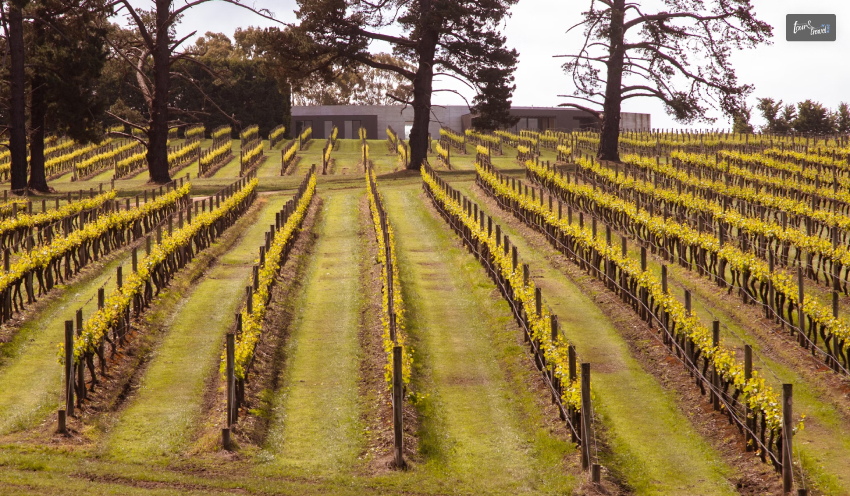
The Mornington Peninsula, a charming corner of Victoria, Australia, is renowned for its tantalizing vineyards, captivating coastlines, and scenic landscapes.

While the region’s celebrated wineries often play host to wine enthusiasts and connoisseurs, families shouldn’t overlook this delightful destination. 

Some wineries have noted the growing number of families seeking unique and enriching experiences, curating spaces where children are welcome and actively engaged.

Several of Mornington Peninsula’s wineries are embracing a more inclusive approach in a venture away from the stereotype of adults-only wine-tasting venues. 

These establishments have created an environment where parents can enjoy the nuances of world-class wines while their children partake in fun-filled activities designed just for them. So, let’s visit these child-friendly wineries in Mornington Peninsula. 

Reasons Which Make Child-Friendly Wineries In Mornington Peninsula A Perfect Family Outing Destination

Reasons Which Make Child Friendly Wineries In Mornington Peninsula

You drive just an hour from Melbourne and reach the Mornington Peninsula. It is a delightful coastal escapade, and you will love your winter trips to this land of thrills and marine activities. 

Further, the wineries, incredibly family friendly wineries here, function as major tourism boosters. The new generation of makers here is bringing positive changes in the beverage scenario of this tourism hub in Australia. 

Moreover, visiting the best wineries Mornington Peninsula is a great exercise to reinforce family bonding over quality time. Here’s more to why it will be a delightful experience for you and your kids.

A. Offers an insight into wine-making 

Firstly, the Crittenden Wine Centre stands out as a pioneering family-oriented establishment. Nestled in a serene natural setting, this winery offers a fascinating insight into the winemaking process, ideal for inquisitive young minds.

The Wine Centre’s sprawling lawn is perfect for children to frolic and play while parents savor the diverse range of wines. An added bonus: a picnic by the estate’s tranquil lake, feeding the resident ducks, promises a charming family experience.

B. An opportunity to discover sustainable viticulture

Another great option is the Trofeo Estate, known for its terracotta wine vats and innovative sustainable farming practices. Children have the opportunity to learn about sustainable viticulture and the importance of preserving nature while enjoying the estate’s expansive gardens. The restaurant provides a children’s menu, catering to the smaller appetites in the family. It also serves up a variety of gluten-free and vegan options, ensuring everyone is accommodated.

C. Strengthens family bonds

Over at Stumpy Gully Vineyard, families can enjoy the blend of modern winemaking techniques with traditional family values. With a farm on-site, kids can interact with a variety of animals, learning about their roles in maintaining a balanced ecosystem. The restaurant’s patio, overlooking the vineyard, serves as a picturesque setting for a family meal. A special kids’ menu, packed with favorites like chicken nuggets and fries, is also available.

What To Expect On A Normal Outing Day In The Mornington Peninsula?  

  1. Montalto, in Red Hill South, boasts an inclusive atmosphere where children can participate in a treasure hunt through the Sculpture Trail, a vibrant outdoor gallery. The Piazza Garden, a casual alfresco dining area, offers a menu that caters to all, including child-friendly options.
  1. T’Gallant Winemakers are well known for their Roman-style pizzas, which are a hit with kids of all ages. As parents relish the winery’s signature Pinot Gris and Pinot Noir, children can enjoy an authentic pizza and explore the stunning grounds. The winery also offers non-alcoholic sparkling grape juice, giving kids a special ‘wine tasting’ experience of their own.
  1. Tucks NOW, a chic, family-friendly winery, is another must-visit. This vibrant winery combines contemporary design with traditional viticulture, creating an inspiring space for both adults and kids. A highlight for children is the specially designed Tucks Kids Packs, complete with crayons and coloring books.
  1. The list wouldn’t be complete without mentioning Main Ridge Estate, one of the Peninsula’s original vineyards. The winery features large open spaces for kids to play and explore while parents can unwind with a glass of wine under the shade of mature native trees.

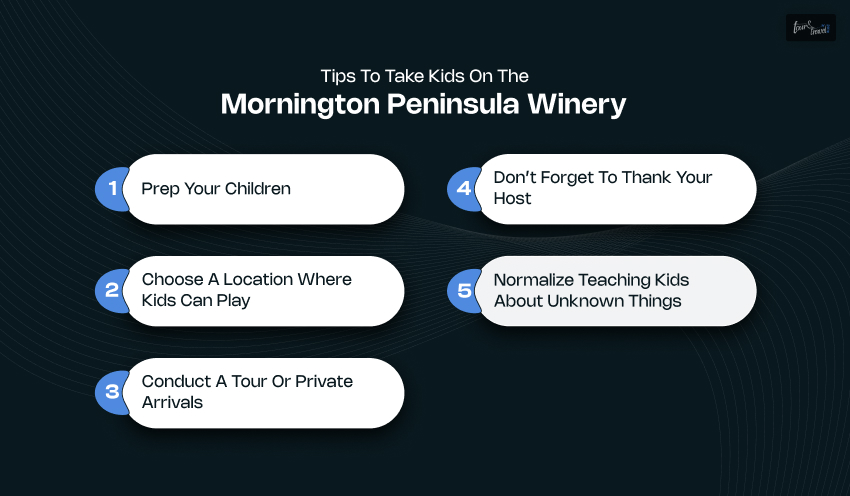
 Tips To Take Kids On The Mornington Peninsula Winery

Tips To Take Kids On The Mornington Peninsula Winery

There are several tips you should keep in mind when visiting a winery with your children.

Have a look at them:

1. Prep your children. 

Educate your kid about the usual winery behavior, which is nothing different from restaurant, movie, or store behavior. Tell your kids that it is unethical to touch things until asked. Keeping a low voice tone, walking instead of aimlessly running, and being polite are among the next important lessons your kid must know before visiting a winery. 

2. Choose a location where kids can play.

Children are fond of playing, and they can do it EVERYWHERE! Choose places that have ample outdoor spaces for keeping your kids entertained. 

Thankfully, the Wineries In Mornington Peninsula have restaurants and other destinations that will prevent your kids from getting bored. Certain wineries have kid’s activity zones that include toys, games, and even coloring. 

3. Conduct a tour or private arrivals.

Various wineries let you visit privately so that you are well aware of the place before taking your kids. Discovering primitive ruins and caves and knowing more about prohibitions will help kids learn new things. It becomes an excellent opportunity for them to learn something apart from the bookish lesions. Wineries like that of the Mornington Peninsula indeed have a lot of things to be discovered by kids.

4. Don’t forget to thank your host.

Thanking your host is another essential thing to do with kids because they learn from their parents. Whether you enjoy the experience or not, showing your host some gratitude is always necessary. As a token of appreciation and thanks, you can purchase a bottle of wine from a family friendly winery, Mornington Peninsula. This way, they make money without the urge to ask for something extra when they already have kids around them.

5. Normalize teaching kids about unknown things.

Unexpected situations might arise in a winery since it is not an all-kid place. But instead of hushing them down, normalize letting your child know about different things. However, don’t be too frank and put a leash on the amount of knowledge you want to impart to them.  

Some More Child-Friendly Wineries In Mornington Peninsula

There are countless child-friendly wineries on the Mornington Peninsula. So, I have curated a few more cool options for you. 

1. Tucks Winery

Address: 37 Shoreham Rd, Red Hill South VIC 3937, Australia

Tucks Winery overlooks some of the best wineries in the region. So, you will enjoy the best views from here as you indulge in sumptuous food and refreshing wine. 

Further, this winery has a laid-back vibe with picnic tables for families. Moreover, the outdoor swing will allow you to spend playful time with your kids. 

2. Kerri Greens

Address: 38 Paringa Rd, Red Hill South VIC 3937, Australia

Lucas & Alyce Blanck presents a forward-thinking winery for children in the form of Kerri Greens. It is astonishing to find a water tank house transformed into a winery, cellar door, and barrel room. 

Along with being a favorite of kids, this winery is also pet-friendly. You must not miss the grape juice here. 

3. Stillwater at Crittenden Estate

Address: 25 Harrisons Road, Dromana VIC 3936, Australia

You will be spoilt with choices at Stillwater at Crittenden Estate. Your kids can engage in the activities here as you taste the masterclass vineyard offering. 

Further, the little ones will enjoy the totem tennis and soccer sessions on the grassy field. In addition, you can enjoy a stroll around the lake and feed the ducks. 

4. Panton

Address: 11 Shoreham Rd, Shoreham VIC 3916, Australia

Unfortunately, Panton, one of the best child-friendly wineries in Mornington Peninsula, only opens its doors on the first weekend of every month. 

You can try Pinot Noir, Chardonnay, and other varieties of wine here made with grapes from a single vineyard. 

Wrapping It Up

In conclusion, the Mornington Peninsula is no longer just for the wine enthusiast. It’s an exciting destination where families can have an immersive, enriching experience. The wineries in this region have redefined the norms of traditional wine-tasting venues, transforming them into versatile spaces that cater to all ages.

These establishments are not merely kid friendly wineries; they are vibrant destinations that combine the pleasure of wine tasting with the joy of family-friendly activities and learning experiences. So pack up the family and embark on a journey of discovery and delight in the Mornington Peninsula!

Read Also:

Share on Social Media

Arnab is a professional blogger, having an enormous interest in writing blogs and other jones of calligraphies. In terms of his professional commitments, He carries out sharing sentient blogs.

Leave a Reply

Your email address will not be published. Required fields are marked *

title-img Related

READ MORE trekking in Nepal

10 Tips For Trekking In Nepal: A Beginner’s Guide

BY  Sibashree Mar 21, 2025

Nepal has remained one of the best trekking destinations in the world, catering to every kind of adventurer. From the famous Everest Base Camp to the famous Annapurna Circuit and the much-demanding Kanchenjunga Base Camp trek, the trekking routes in Nepal are also the litmus taste for the most seasoned trekkers.  So, preparation is very crucial to make your trekking expedition safe and enjoyable. In this Tour and Travel Blog, we will quickly touch upon some helpful tips for your treks in Nepal. Best Tips For Trekking In Nepal: Approved By Local Guides And Seasoned Trekkers  Trekking in Nepal is like a dream come true moment for mountain lovers and adventure seekers.  Further, with a renewed focus on sustainability, Nepal is now committed to offering the best trekking experience that aligns with environmental values.  Along with the beauty of the mountains, the trekking routes here are pathways to learning about local culture, heritage, and diverse wildlife.  Nevertheless, the bounty or the fruit of the treks does not come easily to you. In fact, the trekking routes will throw you challenges.  So, you need to do the following preparations before you hit the mountains.  1. Choose The Right Trek Trekking in Nepal is ideal for trekkers across all expertise ranges. They welcome beginners and the ones with years of experience.  However, if you are a beginner, the Everest Base Camp Trek helicopter return and the Annapurna Circuit treks are not for you. These are for the most seasoned and the fittest hikers.  Rather, you can focus on the Langtang Valley treks, Helambu Trek, and Ghorepani Poon Hill Trek.  So, assess the altitude, trek duration, and difficulty of a trek route to make the right choice.  2. Train Before You Go For Trekking In Nepal Physical and mental training can make your body used to the long hours of travel and walking for days or weeks. Further, you must start training for the trek at least two to three months before you start trekking. During physical training, you must focus on your muscles and leg strength.  Also, you must practice carrying extra weight so that trekking with your backpack becomes easier.  These exercises or practices will help you adjust to what you’ll experience on the trails.  Moreover, working on your weight and getting in better shape will reduce fatigue and make your trek much more enjoyable. 3. Pack Smart And Light For Trekking In Nepal Packing light and wise is the ultimate tip for trekking in Nepal. Make sure that you only carry the things you need to avoid carrying extra baggage.  Check out the table below to have some ideas about the things you need. ClothingFootwearWeather ProtectionWarmthAdditional ItemsBreathable, long-sleeved shirtsLightweight trekking pantsFleece pullover or jacketThermal socks for colder areasStrong, waterproof hiking bootsGaiters for snowy or muddy trailsWaterproof jacketFleece or wool beanieSunglasses with side shieldsSleeping bag and linerInner gloves or thermal glovesNotebook and penSun hatLip balm SunscreenTowel In addition to the essentials mentioned in the table, you need to carry a small kit with bandages, blister treatment, pain relievers, and personal medications. Further, you will need soft flasks or reusable water bottles. You can even choose insulated water bottles, and don’t forget to keep the purification filters and tablets handy.  Moreover, you will need a headlamp with extra batteries, and your backpack must have a solid frame with multiple compartments and adjustable straps.  4. Get The Necessary Permits When you plan a trek in Nepal, you have to bring the right permits.  Most trekking routes require a Trekking Information Management System (TIMS) card. You’ll also need entry permits for national parks or conservation areas like Everest, Annapurna, or Langtang.  These permits not only ensure your safety but also support local communities.  Further, If you’re heading to restricted areas such as Upper Mustang or Dolpo, a special permit is mandatory.  Get these permits, carry your passport, visa copies, and passport-size photos. Moreover, hire a guide from a registered agency if you are doing solo trekking in Nepal.  5. Hire A Guide Or Porter For Trekking In Nepal A local guide shares valuable knowledge about the culture and trails, and porters can help by carrying heavy loads, allowing you to trek comfortably. Further, on remote and high-altutde routes, you will need a guide and porter for safety.  Moreover, by hiring a guide or porter, you can support the community and promote sustainable tourism. Overall, having a guide or porter enhances your trekking experience while positively impacting the region. 6. Acclimatize Properly When Trekking In Nepal Trekking in Nepal comes with the risk of altitude sickness. To stay safe, you have to follow the ‘climb high, sleep low’ rule. The rule means ascending during the day and sleeping at a lower altitude. This is essential for a successful peak climbing experience. For example, during your Everest Base Camp trek, you can acclimatize at Namche Bazaar and ensure a successful peak climbing experience. Further, staying hydrated is crucial while trading the high-altitude routes. So, drink four liters of water every day.  7. Respect Local Culture When Trekking In Nepal As you pass through the local villages during trekking, you must be respectful of local traditions. Greeting people with “Namaste” is a warm and respectful way to say hello!  Be polite and show interest in their in their way of life. Dress modestly, covering your shoulders and knees, especially in religious areas. Further, always ask for permission before photographing locals or sacred sites. Respect customs such as removing shoes to enter temples and walking clockwise around stupas.  These small acts of respect go a long way in your relationship with the locals.  8. Be Environmentally Responsible Keep Nepal’s trails clean and beautiful, and follow simple eco-friendly habits. Always carry a reusable water bottle to cut down on plastic waste.  Further, you must dispose of trash and use biodegradable soap to protect water sources. Stick to marked trails to avoid harming plants and animals. Also, avoid using single-use plastics and choose lodges that support sustainable practices.  In addition, you have to be respectful to the local community by preserving cultural sites and keeping the noise levels low. 9. Prepare For Unpredictable Weather Trekking in Nepal will surprise you with changing weather conditions. A moment you can see bright sunlight and the next moment everything can be covered in snow, fog and rain, making it very difficult for you to trek.  The change of weather conditions is also crucial if you want to go for a mountain view helicopter tour. Further, to stay warm, you must dress in layers and carry a rain jacket.  10. Enjoy The  Trekking Journey Enjoy your journey to the fullest when trekking in Nepal. Indulge in the scenic views and immerse in the local culture and hospitality.  Make the trek or the journey all about acquiring meaningful experiences and just being present in the moment. 
READ MORE st. george tourism

St. George Tourism:  Is It Worth A Visit And Things To Know Before You Plan A Trip

BY  Sibashree May 23, 2023

Imagine waking up to the sight of radiant red cliffs against a clear blue sky, the thrill of walking in the footsteps of dinosaurs, the taste of unique local dishes, and the serene ambiance of historic pioneer buildings. It isn't a dream; this is St. George, Utah. Nestled in the state's southwest corner, St. George is a vibrant city that merges natural beauty with rich history and culture, all wrapped up in a warm, inviting community. Boasting a sunny climate all year round, it's no wonder this desert gem is a favorite among travelers. What makes St. George a must-visit destination? Let’s embark on this exciting St. George tourism journey together to uncover the many charms of this delightful city. Why Is St. George Tourism So Special?  There is a reason why every Utah adventure begins with St. George tourism. Along with being the basecamp for anyone visiting the Zion National Park, it is also the gateway to the Grand Canyon and Bryce Canyon.  However, that does not mean that St. George is just a stopover on the way to these natural attractions.  It attracts visitors with its distinct red rock scenery, championship golf courses, and cultural landmarks such as the Tuacahn Amphitheatre.  Of course, it has the iconic Red Hill Desert Garden. Here are more reasons why St. George is a popular tourist destination.  1. The Natural Splendor Of St. George St. George, a mecca for nature lovers, is a gateway to Utah's majestic national parks - Zion and Bryce. The awe-inspiring landscapes of these parks, with their dramatic cliffs, expansive plateaus, intricate canyons, and the ever-changing hues of the sky, are a sight to behold. Every sunrise and sunset, painting the red rocks with gold and pink shades is a spectacle. Don't miss the star-studded night sky that will make you feel one with the universe. In addition to these national parks, St. George is home to the surreal Snow Canyon State Park, where you can marvel at petrified dunes and old lava flows. This park is a perfect spot for adventurers for hiking, mountain biking, rock climbing, or even horseback riding. Birdwatchers and wildlife enthusiasts will find it equally enthralling to spot the native species in their natural habitat. After an action-packed day, St. George vacation rentals offer an ideal retreat with home-like comfort and a hint of luxury. 2. Dive Into History And Culture History is there in every corner of St. George. This city has borne witness to times as ancient as the age of dinosaurs and as recent as the era of pioneers. Start your journey back in time at the St. George Dinosaur Discovery Site. You'll find real dinosaur tracks preserved in stone, fossilized remains, and informative exhibits that give a sneak peek into the prehistoric era. Continue your exploration at the Pioneer Courthouse, one of the oldest standing buildings in the city. This courthouse showcases the city's architectural prowess and offers insights into the administrative setup of the past. Nearby, the Brigham Young Winter Home provides a glimpse into the lifestyle of the pioneers. However, cultural exploration doesn't stop at history. St. George also boasts a vibrant arts scene with numerous art museums, galleries, and music festivals. Attend a live performance at the Tuacahn Amphitheatre or visit the numerous art galleries scattered throughout the city. 3. Culinary Delights Make St. George Tourism So Special Food in St. George is more than a necessity.  There are several traditional dishes along with recent culinary delights. Hence, St. George caters to every palette. You will come across the authentic flavors of the Southwest, fresh farm-to-table meals, along with locally-made pastries for the sweet tooth. You can enjoy an amazing coffee culture and various breweries to relax in. St. George offers local cooking classes and food tours. Hence, you can learn more about its culinary history, meet local chefs, and pick up some new cooking tricks. 4. St. George Tourism: Knowing The Community The heart of St. George lies not just in its natural beauty or historical landmarks but in its warm and welcoming community. Furthermore, it is a city where people greet each other with smiles, community celebrations are a way of life, and strangers quickly become friends.  Also, from farmers’ markets bursting with fresh produce and locally made crafts to festivals that bring the streets to life with music, dance, and food, there’s an infectious sense of community spirit. The Historic Downtown Of St. George: Embodying The Community Spirit Wander through the city's historic downtown district, where local shops offer everything from unique handicrafts to stylish clothing. Many family-owned shops reflect the city's commitment to preserving its heritage while embracing the new. And as you explore, take the time to chat with the locals. Knowing their stories, tips, and warm hospitality adds an unforgettable personal touch to the St. George experience. This spirit of friendliness extends to local businesses too. Whether it's a café owner remembering your coffee preference or a shopkeeper recommending their favorite hiking trail, the people of St. George make you feel at home in their city. 5. Having Fun At Golf Courses  St. George is the ideal destination for all the golf fun. It has many premium golf courses, including The Ledges, Wolf Creek, Sand Hollow Resort, Copper Rock, Falcon Ridge, etc.  The Ledges, of course the most sought-after among them. You can just take a short drive from the center of St. George to The Ledges, and with the background of red rocks, it is surely also the most beautiful one.  Moreover, thanks to the architecture of Matt Dye and all practical amenities, this golf course is accessible for golfers across all skill levels. St. George Tourism: What Are The Practical Information To Keep In Mind? When planning your trip, it's essential to consider that St. George enjoys a unique desert climate. Furthermore, with mild winters perfect for exploring and hot summers ideal for water-based activities at Sand Hollow State Park, there’s never a bad time to visit.  The city is also well-connected by road. It has its airport, making it easily accessible no matter where you’re coming from. And while St. George is generally safe, it's always good to take the usual travel precautions like keeping your belongings secure and aware of your surroundings, especially when exploring the more secluded natural areas. So, familiarize yourself with local laws and customs to ensure a smooth and enjoyable trip.  For instance, understanding the etiquette for visiting historical sites and local businesses can help you connect better with the local culture. Responsible Travel: Respecting And Preserving St. George Lastly, let’s not forget our responsibility as travelers to respect and preserve the places we visit.  St. George is a city that thrives on its natural beauty and community spirit, and we must ensure that these remain untouched.  Moreover, following simple, sustainable travel practices, like carrying a reusable water bottle, exploring the city on foot or by bike, or even participating in a local cleanup drive, can help reduce our environmental footprint. Also, be mindful of the natural habitats you visit, and remember to leave no trace behind.  The wildlife and natural surroundings are vital to St. George’s charm, so let’s ensure our interaction with them is respectful and minimally invasive.  Furthermore, remember to use marked trails, maintain a safe distance from wildlife, and never remove natural objects from parks. Again, supporting local businesses is another great way to practice responsible tourism.  So, whenever you dine at a locally owned restaurant, shop at a local boutique, or hire a local guide, you contribute to St. George’s vibrant community spirit and economy. Prepping For Your St. George Tourism As we wrap up our virtual tour, we hope you’re as excited about visiting St. George as we are about sharing it with you.  Moreover, from its captivating landscapes and rich history to its diverse food scene and warm community, St. George is a destination that promises memorable experiences at every turn. Remember, the best trips are those that not only entertain but also educate and inspire.  So, pack your bags, book your St. George vacation rental, and get ready to create some unforgettable memories.  The red canyons, dinosaur tracks, delectable meals, and friendly locals of St. George are all waiting to share their stories with you.  Here’s to happy travels and exploring the unexplored! Read Also: Climbing The Sigiriya Rock In Sri Lanka: Ravana’s Golden Palace Or An Ancient Buddhist Monastery? 5 Luxury Destinations In Europe That Blend Comfort And Culture A Guide To National Parks In Georgia – Latest Guide

READ MORE Best Time to Go Trekking in Nepal

Best Time To Go Trekking In Nepal

BY  Sibashree Mar 21, 2025

If you want to come, book slots for any time between Autumn and Spring. The season lasts from September to November and from March to May. That’s the Best Time to Go Trekking in Nepal.  If you're here only for the climate and the peaks, come anytime. Barring the rains. Otherwise, Nepal offers mild temperatures, good food, cozy retreats, and marvelous nature.  The Himalayas  Nepal is your doorway to the Himalayas. Best of all, Nepal suffers the least from sudden snowfalls and rain. So, you can surely enjoy a delectable trekking experience here. Clear skies and soothing weather will help.  Ideals Times for Trekking In Nepal (Autumn And Spring)  Do you know which is the Best Time to Go Trekking in Nepal? Autumn and spring, for sure. What else? Autumn (September To November)  This post-monsoon season is considered the best time for trekking in Nepal. This season brings stable weather that is perfect for trekking. In addition, the skies are clear, offering great views of the snowy peaks. The autumn air is fresh and cool. The post-monsoon landscapes are lush and green, making them phenomenal for trekking. There are no dusk clouds. So visibility is never an issue. You will also get a magnified view of the ranges that stand tall before your eyes. Meanwhile, an exceptional view of the unfrozen alpine lakes waits for you in Nepal.  In essence, you can book the popular Gokyo Lake Trek. The trek is best during the autumn. At this time of year, you get the best views of the clean, vibrant Gokyo Lakes. Likewise, you can also opt for the Annapurna Circuit Trek, this month.  Choose this trek if you want to see the virgin beauty of Gangapurna Lake. At the same time, try the Tilicho Lake Trek! The Ranges In Sight  Other than lakes, the mountain peaks are there to amaze you. If you’ve selected the Langtang Trek, you can enjoy the retreat of the popular Kyanjin Ri. Then, the glamorous Langtang Lirung and other peaks are right in front of you. Trot some kilometers from there, and you can see Naya Kanga. That and many other amazing ranges can be accessed from this vantage point.  Other Peaks  At the same time, you can enjoy breathtaking views of Dhaulagiri, Tukuche, and, most importantly, Annapurna in Nepal. When you climb Poon Hill, you can see all these peaks and much more in one go.  But here’s the catch. To see these beauties, you have to do the Annapurna Base Camp Trek. Along the way, you can also see the exceptional Kala Patthar and Mt. Everest.  If you want to see these peaks and treat yourself, come in autumn. At other times, the weather is overcast. Or snows impair your visibility.  You may also get caught in high winds or heavy rainfall during treks. So, it is best to avoid the unpredictable seasons. For an uninterrupted journey, choose the two seasons I spoke of.  Spring (March To May) During Spring, you can witness Nepal 2.0. This is one of the best times to Go Trekking in Nepal. Most importantly, the weather is fine, and temperatures are moderate. Moreover, clear skies will welcome you. So you can enjoy warm, often breezy mountain views.  Trekkers say it's ideal for trekking to Base Camp, or you can also choose the Manaslu Circuit Trek.  Additional treats  If you trek in spring, here are some of the pleasures you will come across. Don’t miss the rhododendrons. The rest of the flora is also surreal. No wonder, more than 50% of the trekkers choose springtime treks in Nepal. But you can come here and amaze yourself with something else.  Daylight lasts until 8 p.m. during spring. So you can trek for a long. Or view the serenity of the trekking paths for a long time.  But the peak areas may still be frozen. So, don’t forget your woolen and trekking jumpers when you visit Nepal in spring. Over time, temperatures gradually rise. In late May, you may also see rain showers. So, don’t leave without rain gear if you plan to extend your stay.  Reservation Spring is one of Nepal's most popular travel seasons. So, you must book your slots in advance. You may book teahouses while trekking. But you need to book in advance if you want to secure the popular ones along the trail.  The Annapurna Base Camp trek has many teahouses along the way. And almost all of them accept advance online booking. You may also book your teahouse from Kathmandu city offices.  Trekking In Off-Seasons  Off-season treks may be your thing if you want to see another side of Nepal. How’s the weather, and what are the challenges of coming here during these months?  Winter Season (December to February) Winter trekking is serene, but it is also challenging. During this season, high-altitude trails are covered with a thick layer of snow. In addition, temperatures drop significantly during this time.  Therefore, trekking can be challenging for those not accustomed to cold mountain weather. While moderate-altitude treks can be completed smoothly, high-altitude treks require proper planning, support from expert guides, and thoughtful packing. Check the weather regularly before heading out on winter treks. High-altitude passes like Larkya La on the Manaslu Circuit and Thorong La on the Annapurna Circuit Trek can be impassable or difficult to navigate. Heavy snowfall poses significant challenges.  In addition, accommodation may not be available at higher elevations as locals shift to lower elevations because of the bitter cold. Thus, it is essential to check accommodation availability before planning high-altitude treks. Even with significant challenges, the winter landscapes are ethereal. You can witness the beauty of a winter wonderland and feel nature's serenity, as there are fewer people on the trails. In addition, experienced adventurers who are experienced can be thrilled to traverse the snowy winter paths. The views of peaks covered with dense snow in this season are majestic. Because higher altitudes are bitterly cold, pack down jackets, sweaters, gloves, socks, warm caps, sleeping bags, and layers of insulated clothing. If you are well prepared and navigate with caution, then you will have a wonderful time trekking in Nepal this season. Monsoon/ Summer Season (June to August) During the Monsoon/Summer season, trekking regions in Nepal receive heavy rainfall. The trails are slippery and muddy, making navigation challenging. In addition, leeches may be found in the forest areas of the trekking sites, which can make the journey unpleasant.  The weather is unpredictable during monsoon/summer months, with frequent rain showers that may reduce visibility and make traversing difficult. In addition, landslides can block trails and interrupt the trek.  However, monsoon trekking also presents some unique rewards. The views of misty mountains and ethereal cloud formations are fascinating. Rainfall nourishes the landscape, turning it into a green paradise.  Even popular trek trails feel serene, as fewer trekkers venture out at this time. So, it can be a good choice for those who are seeking a tranquil journey in the Himalayas.   There are indeed some good sides to trekking in this season. However, it is important to consider the challenges. You need to be well prepared for the trek and check the weather forecast. Being flexible and cautious helps you ensure a smooth journey during this time. The Final Call The climatic conditions influence the overall trekking experience. When you know the best Time to Go Trekking in Nepal,  you can complete the trek with maximum safety and comfort. In addition, most trekkers want to witness exceptional mountain scenery and connect with nature.  The best times to visit Nepal are autumn and spring. Other seasons can present challenges for tourists. But these two seasons come with decent weather, moderate climate, and visible trekking trails. So, go on and enjoy your trekking experience.