

Tour In Europe: How To Prepare For An Enjoyable Bus Tour

Apr 28, 2023

Last Updated on: Sep 24, 2026

Europe

As winter ends, it’s a great time to plan a trip to a spectacular destination worldwide. But my personal favorite will always be planning a tour in Europe during winter.

Europe offers a diverse selection of breathtaking spring destinations, catering to every preference and taste.

If you want to travel between beautiful European towns, the most efficient option is by bus.

It saves time and lets you see more of Europe’s beauty.

However, organizing a bus tour in Europe can be daunting for an event planner.

You must consider several factors.

These include selecting the right destinations in Europe and ensuring your passengers’ safety and comfort.

Yet with meticulous planning and keen attention to detail, you can orchestrate an enjoyable, unforgettable bus tour experience for everyone involved.

If you’re planning an enjoyable bus tour in Europe, keep reading as we explore some of the best tips.

So, do you want to know more about tips for making your European bus journey special?

This guide can be of help. I’ll also share brief accounts of the bus tours you will enjoy most. 

Let the fun begin!

THESE Are The Things You Need To Follow To Make Your Bus Tour In Europe More Enjoyable 

THESE Are The Things You Need To Follow To Make Your Bus Tour In Europe More Enjoyable

If you assess the Tourist Bus Market worldwide, you will find Europe to be one of the key players.

More specifically, market data shows that Europe has the second-largest Tourist Bus Market globally.

It is just behind North America. This market data shows that tourists prefer exploring the continent by bus.

Furthermore, the UK Tourist Bus Market is the fastest-growing in Europe’s bus tourism sector. 

However, despite the favorable outlook for bus tours in Europe, keep the following tips in mind. 

One of the best ways to plan an enjoyable bus tour in Europe is to book with a Europe bus tour operator.

An experienced tour operator can provide valuable insights into the best destinations, routes, and transportation options.

They can also help you plan activities, accommodations, and dining options that are tailored to your group’s interests and budget.

They can also help you secure permits, visas, and insurance, which can be overwhelming for first-time organizers.

1. Determine The Interests Of Your Group

Before you plan your itinerary, it’s essential to understand your group’s interests.

Are they history buffs, nature lovers, or foodies?

Knowing your group’s interests helps you plan activities and attractions they will enjoy. Suppose your group is interested in history.

You might want to include visits to some of Europe’s best museums and historical landmarks. If they love nature, consider including a hike or a visit to a national park.

If they are foodies, include visits to local markets, food festivals, and restaurants that offer a variety of cuisines.

2. Allocate Time Effectively

When planning your itinerary, allocate time effectively. Don’t try to cram too many activities into a short period.

Give your group enough time to explore at their own pace and have some free time to relax.

Be mindful of the time of day and avoid scheduling activities during rush hour. Remember that not everyone in your group will have the same energy level.

So plan activities suitable for all ages and fitness levels.

3. Prioritize Comfort And Safety To Enjoy Your Bus Tour In Europe

Last but not least, make comfort and safety a top priority when planning a bus tour in Europe.

Choose a reliable, comfortable bus company that provides good seating.

They should also ensure an enjoyable, safe ride.

Make sure the bus has air conditioning, comfortable seats, and a restroom.

Consider booking centrally located, easily accessible accommodations with amenities like free Wi-Fi and breakfast.

Make sure your group knows the safety protocols and emergency procedures.

Moreover, provide them with the necessary contact information in case of an emergency.

4. Get An Experienced Tour Operator

An experienced tour operator can provide valuable insights into the best destinations, routes, and transportation options.

They can also help you plan activities, accommodations, and dining options that are tailored to your group’s interests and budget.

They can also help you secure permits, visas, and insurance, which can be overwhelming for first-time organizers.

Bus Tour In Europe: Places To Visit!

From Florence to Pompeii, these are the best bus tours in Europe.

Bus Tour In Europe Places To Visit

1. Florence And Pisa Bus Tour In Europe 

Pocket Pinch: 25-40€ 

The Florence and Pisa bus tour is one of the best in Italy.

Also, this is a great opportunity to see one of the seven wonders of the world, the Leaning Tower of Pisa, on a budget.

You will find multiple bus tourism packages, and they often include a visit to the Piazza dei Miracoli.

Piazza dei Miracoli is a UNESCO World Heritage Site.

Other important places on these tours include Siena, Tuscany, and San Gimignano.

You can also add a delightful wine and food tour to your plan to visit Florence and Pisa on a bus tour. 

2. Barcelona Bus Tour

Pocket Pinch: 36€ For Adults And 15€ For Kids

Barcelona Bus Turistic and other tourist bus services in Barcelona make exploring this intercultural city delightful.

With Barcelona Bus Turistic, you can enjoy a ride on an open-top double-decker bus.

You can also ask whether the bus service offers a day pass.

Places of interest on this tour include Park Güell, Passeig de Gràcia, Barcelona’s Stadium, etc. 

3. Tour Of The Famous Grindelwald

Bus Tour In Europe Places To Visit

Pocket Pinch – 235-310 Swiss Francs

Grindelwald Bus and other tourist bus services offer you a comfortable detour to the famous Grindelwald.

The bus network here covers the local and mountain lines.

Tour highlights include First Cliff Walk, Glacier Canyon, Mount First, etc. 

4. Terceira Island

Pocket Pinch: Around 42€ 

A half-day bus tour in Terceira Island, Portugal, is enough to discover the best viewpoints, including Serra do Cume, here. 

You’ll also love the pristine white beach of Praia da Vitória. 

5. The Ruins Of The Ancient City Of Pompeii

The Ruins Of The Ancient City Of Pompeii

Pocket Pinch: 95€

Pompeii is a UNESCO World Heritage Site.

This ancient city was also engulfed by ash during the eruption of Mount Vesuvius in 79 AD.

1748 and 1763 were two important years in Pompeii’s history.

In these two years, Spanish engineers discovered the site, and they found an inscription with the name.

Today, the remains of Pompeii stand as the telltale of the best days of Imperial Rome. 

More Bus Tours In Europe

More Bus Tours In Europe

Bus tour options in Europe are endless. You can even visit the following places by booking a tourist bus pass or ticket.

  1. Lake Myvatn
  2. Stockholm Castle And Gripsholm Castle
  3. Ireland
  4. Britain
  5. France
  6. Switzerland
  7. Spain
  8. Italy
  9. Balkan Valley

For travelers in Europe, buses are one of the best modes of transportation.

Along with booking a tourist bus, you can also take an intercity bus service to travel from one country to another.

Eurolines, National Express, OUIBUS, etc., have the largest intercity bus networks in Europe. 

Share on Social Media

Sibashree is a travel, culture, and leisure writer who has been writing since the age of 12 and professionally since 2014. With more than a decade of travel writing experience and journeys across India and several parts of the world, she brings a deeply personal and thoughtful perspective to her work. A student of English Literature and Mass Communication, Sibashree has always viewed travel as more than movement — for her, it has been a way of understanding people, cultures, and herself. Her passion for spiritual exploration has also led her to many unusual and meaningful destinations over the years. Outside of writing, Sibashree enjoys watching European cinema, reading about global politics, and reflecting on the stories hidden within everyday places.

Leave a Reply

Your email address will not be published. Required fields are marked *

title-img Related

READ MORE Holiday In Cumbria, UK

Here’s Why You Should Holiday In Cumbria, UK!

BY  Barsha Aug 18, 2023

Cumbria is a stunning region in the northwest of England, renowned for its unspoiled wilderness and picturesque Lake District. With wild moorlands, towering mountains, and beautiful lakes, Cumbria offers a wealth of experiences that make it one of the most desirable places to visit in the UK. Whether you are looking for an action-packed holiday or just want to relax in some stunning countryside scenery, Cumbria has something for everyone. From ancient villages steeped in history to modern cities brimming with culture, there's plenty to explore here. You can enjoy numerous activities, such as hiking and biking through breathtaking landscapes or taking part in water sports at Lake Windermere. History Of Cumbria The Lake District National Park, which covers most of Cumbria, offers visitors truly breathtaking views thanks to its mountainous terrain interspersed with picturesque lakes. This is what has made it one of England's most popular tourist destinations since Victorian times! Originally a rural area largely untouched by industry or modernization, it has evolved significantly over time, yet it has retained much of its original charm thanks to efforts by conservationists and locals alike. Those looking for peaceful walks through stunning landscapes will not be disappointed when visiting this unique corner of Northern England! Places To Visit Cumbria is home to many stunning, historic villages well worth visiting. Windermere, first established in the 12th century, is one such example; here you can stroll its cobbled streets, admiring quaint cottages and Georgian buildings, or take a boat ride across the lake for stunning views. Other popular places include Grasmere, with its picture-perfect waterfalls, and Keswick, with its wonderful mountain scenery. These are both excellent spots for outdoor activities such as hiking or cycling. Last but not least, Cumbria also offers sites that showcase incredible natural beauty. From tranquil lakeside scenes in Ullswater or Coniston Water to towering peaks at Scafell Pike (England’s highest peak), there’s no shortage of awe-inspiring sights around every corner. For those wanting a more relaxed experience, then why not try one of Cumbria's many nature reserves? These special areas contain some rare species including red squirrels, otters, and ospreys – perfect if you want to get close up with wildlife without disturbing it too much! Things To Do Hiking and adventuring in the Lake District is an activity for all ages. With its rolling hills, tranquil lakes, and rugged mountain ranges, Cumbria is home to some of Britain's most spectacular scenery. The region offers a wide range of trails for experienced hikers and those looking for a leisurely stroll. There are scenic routes through forests and riverside paths leading up to breathtaking summits – perfect for taking in panoramic views over the National Park! For those looking for something more challenging, plenty of difficult climbs require technical skills such as scrambling or rock climbing. Exploring local markets and cultural centers is another great way to immerse yourself in Cumbrian life during your stay here. From vibrant street markets like Keswick's Saturday Market, where you can pick up unique souvenirs or try delicious local dishes made with fresh produce from nearby farms. These places offer visitors insight into everyday life in this beautiful corner of England that you can't find anywhere else! To historic towns like Ambleside with their abundance of indie shops selling locally crafted goods . Finally, no visit to Cumbria would be complete without taking time out just to relax and enjoy the stunning scenery on offer here! You can spend time peacefully fishing on one of its many lakes or simply sit back and admire views from one of its many viewpoints. There’s something incredibly calming about being surrounded by natural beauty while breathing clean air, far away from any hustle & bustle. So make sure you take time during your trip to truly appreciate what makes this part of England so special! Accommodation Accommodation in Cumbria is as varied as the landscape itself, with plenty of options to choose from depending on the experience you’re after. Campsites and caravan parks in Cumbria offer a great way to immerse yourself in nature while still having access to modern amenities such as showers, toilets, and laundry facilities. Cumbria also offers other accommodations, including a wide range of hotels to suit your budget, holiday cottages to let, and traditional camping sites for tents and touring caravans. If you do choose to camp, take note of our camping tips. Conclusion In conclusion, Cumbria is a wonderful location to visit for a truly enjoyable vacation. With its stunning views and abundance of outdoor activities, it's perfect for individuals, couples, or families looking to experience nature firsthand. The region also has a rich culture and history you can explore through folk songs, quaint villages, and historic sites. Whether you're after adventure or relaxation this part of England really does have something for everyone – so don't miss out on the chance to explore all that Cumbria has to offer! Planning a journey overseas? Take a look at more of the best places to travel in August. Read Also: Top 4 Ways Of Preparing An Enjoyable Retreat Celebrate Your Happiness With Family Friendly Gites South Of France  
READ MORE Kotor Montenegro travel itinerary

A Kotor, Montenegro Travel Itinerary For 3 Days: How To Travel Kotor, Montenegro On A Budget? 

BY  Sibashree Nov 25, 2025

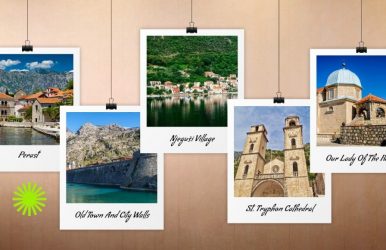
My trip to Kotor, Montenegro, is filled with memories of the cats, who are the guardians of the city, and the smell of dew-drenched leaves as I went for a sunrise hike.  It is a hidden gem in the sustainable tourism scene after a successful sustainability assessment by the Global Sustainable Tourism Council (GSTC). However, it has also emerged as the ultimate budget-friendly location in Montenegro.  In this blog, I will discuss a 3-day travel itinerary for Kotor, Montenegro, including hidden gems and essential tips. Why Visit Kotor, Montenegro? The International Trade Administration has confirmed that the tourism sector in Montenegro contributes 30% to the country’s GDP. In addition, ReportLinker predicts that the number of visitors to Montenegro will reach 3.4 million by 2028.  The same report anticipates that the tourism industry will reach a revenue of $95 million by 2028.  A UNESCO World Heritage Site, With Great Food, Community, Beauty, And Historical Charm Kotor, a UNESCO World Heritage Site, is the crown jewel of tourism in Montenegro. The deep bay waters here resemble the Nordic fjords. On the other hand, the coastal cliffs create the perfect backdrop for the city, exuding a medieval charm.  Now, Kotor and Montenegro as a country are planning to diversify their tourism portfolio, with a greater focus on cultural, ecotourism, and rural tourism.  In addition, the budget-friendly hostels in Kotor are more than cheap accommodations. They are the base for developing a backpackers' community.  Many of these hostels help you join pub crawls, hikes, local events, and more. As a result, Kotor, Montenegro, has become a favorite among backpackers, budget travelers, and solo travelers.  In addition, the rugged beauty of the Dinaric Alps meets the calmness of the Adriatic Sea in Kotor, Montenegro. So, every nook of Kotor is ideal for a photo-op.  Moreover, for me, exploring the maze of medieval lanes and the Venetian architecture was like time travel. Also, St. Tryphon’s Cathedral, dating back to the 12th century, stands as the eternal witness of human history in Kotor.  Furthermore, the family-run taverns here serve the most delicious yet simple food at an affordable price. Try the savory pastries! What Is The Best Time To Visit Kotor Montenegro? July and August are the peak months for visiting Kotor, Montenegro. However, if you want to travel to Kotor, Montenegro, on a budget, you need to plan a trip between November and February.  You will enjoy watersports and skiing in these months, and accommodations are available at a much more affordable price.  How To Get To Kotor & Move Around On A Budget? The Tivat Airport, 7 km away, is the gateway for Kotor to the rest of the world. You can travel this 7 km distance by road.  Other nearby airports to Kotor, Montenegro, are Dubrovnik Airport (Croatia, 44 km) and Podgorica Airport (40 km). In addition, Podgorica and Kotor get regular flights from countries such as Bosnia, Serbia, and Croatia.  Once you reach Kotor, you can explore the city and its surroundings by boat. Don’t miss Perast on the route, as this village has fewer than 300 people, and it stands out with amazing scenic beauty.  Taxis, shuttles, and car rentals are other options if you want to explore Kotor by road. 3-Day Budget Itinerary For Kotor, Montenegro Here is a brief 3-day budget itinerary for Kotor, Montenegro. I will first share the days and activities, and then discuss why these attractions are special.  DaysActivitiesDay 1 - Exploring Kotor Old Town• Wandering through cobblestone streets.• Visiting St. Tryphon Cathedral.• Climbing the City Walls for panoramic viewsInsider Tip: Visit the City Walls early for a discounted entry. Day 2 - Visiting Perast & Our Lady of the Rocks• Taking a local bus to Perast.• Boat ride to the iconic island church.• Enjoying budget-friendly seafood at a local konoba.Day 3 - Visiting Lovćen National Park & Njeguši Village• Hiking or taking a shared taxi to Lovćen.• Visiting Njeguši for a traditional prosciutto and cheese tasting. 1. Exploring Kotor Old Town And City Walls Here are some interesting and unknown facts about Kotor Old Town and City Walls.  •The Old Town's fortification system stretches 4.5 km. •So, it is one of the longest fortification systems in Europe. It is only surpassed by the Great Wall of China.  •You have to climb 1350 steps to reach the San Giovanni Fortress. •The entry fee is €8. However, you can also take the secret route via the old trade path outside the northern gate. It’s free.  •The Sea Gate Inscription above the main gate is a quote from Tito: “We don’t want others’, we don’t give our own”, commemorating liberation from Nazi occupation in 1944. Furthermore, the Pillar of Shame, hidden in a square, reminds us of a brutal activity in the city in the past. Criminals were tied to this pillar, and everyone used to throw stones and rotten food at them as a mark of punishment.  2. Visiting St. Tryphon Cathedral •Built in 1166, the St. Tryphon Cathedral is even older than the Notre Dame Cathedral in Paris. •It is one of the most ancient cathedrals on the Adriatic Coast. •The cathedral has a 14th-century ciborium, which depicts the life of St. Tryphon. It is made of a red stone from Đurići. •The goldsmiths of Kotor made the golden altarpiece of the cathedral in the 15th century. •It has the figures of Christ, the Virgin Mary, and 16 saints.  •A devastating earthquake struck Kotor in 1667. •Then, the bell tower of the cathedral fell, and it could not be rebuilt fully. •Thus, the current cathedral structure is 2 meters shorter than the original one.  In 2009, the St. Tryphon Cathedral got the status of a Papal Basilica. It is a rare honor for churches in the Balkan region. 3. Visiting Perast •The 2-km-long main street of Perast was once a cultural hub during the days of the Venetian Republic.  •The bell tower of St. Nicholas Church was built at a cost of 50000 Ducats in the 18th century. •It was an unbelievable amount in that era.  •Perast once stood as a reflection of the wealth in the Venetian Era. It had 16 palaces and 19 churches.  4. Knowing Our Lady Of The Rocks •Rocks have piled up for centuries. •Also, those rocks, along with sinking ships, have formed Our Lady of the Rocks, the only artificial island in the Adriatic Region.  •The Fašinada festival is a popular ritual here, with its history dating back to 1452. It is a tradition to celebrate the island's foundation. Every 22nd July, the people of the island gather in decorated boats, and they throw stones into the sea as a symbolic exercise.  •Furthermore, the Catholic church here has a tapestry made by Jacinta Kunić-Mijović. It was made using human hair, and Jacinta Kunić-Mijović made this tapestry while waiting 25 years for her fiancé to return from the sea.  •The church also has the Death of the Virgin. It is a masterpiece by Tripo Kokolja. In total, the church has 68 paintings by Tripo Kokolja. 5. Visiting Lovćen National Park •The Njegoš Mausoleum at Jezerski Vrh is one of the main attractions of the Lovćen National Park. Located at an altitude of over 1,660 meters, it is allegedly the highest mausoleum in the world.  •200,000 Gilded tiles cover the dome of the mausoleum, and 13-ton granite statues of Montenegrin women guard the entrance of the national park.  •Once you climb 461 steps and reach the top of the Mausoleum, you will enjoy panoramic views stretching toward Italy.  6. Exploring Njeguši Village •It is the cradle of the royal Petrović-Njegoš dynasty of Montenegro. This family ruled over Montenegro from 1696 to 1918. •Furthermore, it has the birthplace of Petar II Petrović Njegoš and has many other 19th-century buildings. The birthplace of Petar II Petrović Njegoš is now a museum housing the first edition of his poem, Mountain Wreath, and original furniture. How Much Does A 3-day Trip To Kotor Cost On A Budget? Here is a detailed breakdown of the budget for a 3-day trip to Kotor, Montenegro.  CategoryBudget Cost (EUR)DetailsAccommodation (Hostel)€15–€25 per night, meaning €45–€75 for 3 nightsHostel prices are even lower from November to FebruaryLocal Transportation€6–€12 total• Local buses (€1–2 per ride). • Short taxi/shared rides within the bay (€3–5). • Free walking inside Old Town.Airport Transfers€8–€15 each way, meaning €16-€30• Airport transfer from Tivat is the cheapest.• From Dubrovnik/Podgorica, it will be at least €20-€35. Food (Budget Travelers)€15-€25 per day. So, it will be €45 to €75 in total. Choose Konobas & bakeries: • Pastries (€1–2)• Seafood Meals (€7–10)• Wine/Beer (€2–3)Activities and Entry Fees€20–€35 total• City Walls (€8, discounted early)• St. Tryphon Cathedral (€3)• Perast boat (€5–10) • Lovćen shared taxi/hike (€5–10)Day Trip to Perast & Our Lady of the Rocks€7–€12• Bus to Perast (€1–2), boat (€5–10)Lovćen National Park Day TripFree–€10• Free if hiking; €5–10 for shared taxi. • Mausoleum entry ~€5.Miscellaneous (water, snacks, souvenirs)€10–€20• Refillable water recommended•Collect small souvenirs €3–5.Total Estimated Budget for 3 days €139–€239• This is a cost breakdown for budget travelers. However, the budget for mid-range and luxury travelers will be different.  Day Trips & Hidden Gems Near Kotor Gornji Stoliv: It is a quiet coastal village. Vrmac Ridge: You will enjoy this scenic hike, and it is less crowded.  Church of Our Lady of Health: This chapel has a serene ambiance, and because of its location on a hilltop, it is often overlooked by tourists.  Vrmac Ridge: It is famous for the WWII bunkers, and it offers a beautiful panoramic view.  Blue Cave: It is a natural wonder of Kotor, Montenegro, and this natural sea cave has the most beautiful sapphire light and glow. You can reach the cave only by boat.  Secret Wine Bars: These secret wine bars are in the alleys of the Old Town. These places serve the best rakija and Montenegrin wines. Final Tips For Your Montenegro Getaway Kotor, Montenegro, gets busy in the summer season. Furthermore, early mornings are the busiest, with the cruises docking in large numbers.  Also, there are some tips about the weather and travel you need to keep in mind.  Carry offline maps, as network connections may not always work.  Keep cash and small coins ready, as card transactions may not be accepted in local shops.  You must start hiking the steep route of the San Giovanni Fortress early in the morning to avoid the heat.  Use local buses for transportation, as they cost only €1–2 per ride.  Evenings are cool even in the summer season. So, you will have to pack layered clothes.  Dress modestly in churches, avoid loud behavior in Old Town squares, and learn basic Montenegrin greetings like “Hvala.” meaning Thank you. Choose konobas or local taverns for breakfast, lunch, and dinner. They are way more affordable than the posh restaurants in the Old Square.  Kotor Montenegro Travel Itinerary For 3 Days: Frequently Asked Questions (FAQs) Here are the frequently asked questions and answers about the Kotor, Montenegro travel itinerary.  1. Is Kotor, Montenegro, Worth Visiting For 3 Days? Yes, three days are perfect to explore Kotor Old Town, Perast, Lovćen National Park, and enjoy hidden gems without rushing.The budget for your three-day trip in Kotor will be around €139–€239, and Kotor is safe for solo travelers if you follow the basic travel precautions.  2. Can I Visit Kotor On A Day Trip From Dubrovnik? Yes, you can visit Kotor on a day trip from Dubrovnik. However, if you want to at least try its best food and soak in the vibe of the Old Town, you must plan for an overnight stay.  3. Do I Need A Visa To Visit Montenegro? If you are from the USA or a country that is part of the European Union, you will not need a visa to visit Montenegro. If you are from any of these countries, you can enter Montenegro and stay there for 90 days without a visa. You must check the visa requirements of your country.  4. Are There Budget-Friendly Accommodations In Kotor? Yes, the guesthouses in Dobrota and hostels such as the Old Town Hostel Kotor are some of the most budget-friendly accommodations in Kotor, Montenegro. The hostel prices will be around 15-25 Euros per night.  5. What Are The Must-Try Local Foods In Kotor? Kotor is famous for its seafood, and you can have it at local taverns or konobas. Furthermore, if you are in Njeguši, you must try prosciutto, a dry-cured ham with a lot of flavors. Moreover, burek, or the savory pastry, is the highlight of the delicacies of Kotor.  6. Do I Need To Rent A Car In Kotor?  No, you don’t need to rent a car in Kotor, Montenegro, if you are a budget traveler. Local buses and shared taxis are easily available, and they are even suitable for day trips to Perast and Lovćen. Otherwise, you can take the boat rides, which are also quite affordable. 

READ MORE things to do in Amsterdam

Why Amsterdam Deserves More Than A Weekend? Know The Things To Do

BY  Sibashree Mar 13, 2026

Amsterdam is one of the best family vacation spots in the world.  Well, the canals and bikes are legendary. However, you also get something that you probably did not expect.  Amsterdam teaches you the art of slow traveling and the thrill of “doing nothing” as a tourist looking for meaningful and authentic experiences.  So, as a believer in TheLowDownUnder Travel, the capital of the Netherlands became my instant favorite.  Furthermore, once you reach Amsterdam, you find out that nothing is superficial about it. Also, the layered history of the city keeps the intrigue alive.  Hence, you always want to come back to Amsterdam.  Hi, in today’s blog, I will talk about the things to do in Amsterdam. Also, if you are in the Dutch capital for the first time, read my guide on Amsterdam travel tips before booking your tickets.  What Are The Things To Do In Amsterdam? (Beyond Ticking The Bucket List) The Keukenhof Gardens in Amsterdam have all the credit for being one of the best places in the world to see flowers.  Furthermore, it is home to historical and cultural landmarks such as the Anne Frank House and the Van Gogh Museum.  However, the things to do in Amsterdam are not limited to exploring these places. The real thing to do here is to soak in the history, culture, and livelihood of the city.  So, this is how I experienced Amsterdam.  1. Know A City Built On Water And Ambition A UNESCO World Heritage Site, Amsterdam’s Canal Ring was engineered in the 17th century.  The 17th century was the Dutch Golden Age. So, it is no wonder that Amsterdam was one of the most powerful trade hubs in the world then.  Till today, these waterways lined with tilting canal houses continue to be the backbone of daily life.  You can cycle along the banks like a local or enjoy your time in the houseboats, which bob quietly in the morning mist. These also connect the neighborhoods.  Moreover, the city is very walkable.  The city centre has a series of concentric canals radiating outward from Central Station. Also, most of the major attractions are within cycling or walking distance.  2. Explore Culture At Every Corner The Rijksmuseum is the crown jewel in the cultural landscape of the Dutch capital.  Here, you can see all the great works from the Dutch Golden Age of painting. Furthermore, it has works by Rembrandt and Vermeer.  A short walk away, the Van Gogh Museum draws visitors from across the globe. On the other hand, the Stedelijk offers a strong programme of modern and contemporary art.  Are you looking for something more intimate? The smaller canal house museums like Museum Van Loon or the Willet-Holthuysen give you a glimpse into how Amsterdam's merchant elite actually lived. Then there's the Anne Frank House on the Prinsengracht. It is a sobering and essential visit that tells one of history's most important stories within the very walls where it unfolded. Book tickets well in advance. Beyond the museums, Amsterdam rewards wandering.  The Nine Streets district is a tangle of independent boutiques, vintage shops, and coffee bars tucked between the Herengracht and the Prinsengracht.  The Jordaan neighbourhood, once a working-class area, is now one of the most charming parts of the city. It is full of small galleries, brown cafés, and local markets. 3. Enjoy The Food, Drink, And The Art Of Doing Nothing Dutch food has come a long way from its reputation for simplicity.  Amsterdam's restaurant scene now spans everything from Indonesian rijsttafel, a legacy of the country's colonial history, to outstanding French bistros. It also has modern European tasting menus, and some of the best street-level snacking in Northern Europe.  Grab a fresh herring from a harbour stall. Also, settle into a traditional brown café for a local beer, or book ahead at one of the city's many acclaimed restaurants. The café culture here is worth embracing fully.  Amsterdam's brown cafés, or bruine kroegen, are warm, unhurried spaces designed for long conversations and slow afternoons. They are as much a part of the city's identity as the canals. Where To Stay In Amsterdam? Choose Ambassade Hotel Are you looking for accommodation that feels like an extension of the city itself? Then, the Ambassade Hotel on the Herengracht is a natural choice.  1. Live The History And Enjoy The Art It is spread across 16 historic canal houses that date back to the 17th century. So, a stay here gives you the chance to be a part of the city’s history.  Also, most rooms here look over the Herengracht canal. So, you can enjoy the streetscape of the city.  Furthermore, this hotel has a rich legacy in the field of Dutch hospitality. It has been welcoming guests since 1953. So, the moment you step into this hotel in Amsterdam, you get that whiff of history and feel the warmth.  Moreover, this hotel was an informal art gallery for me, as it has decorations with works from the CoBrA art movement.  Artists from Copenhagen, Brussels, and Amsterdam founded this bold post-war avant-garde school. 2. Check Its Vast Collection Of Literature  This Amsterdam hotel is also famous for its connection to literature. So, it can be a favorite stay for dark academia fans.  Furthermore, writers and intellectuals have loved gathering here since the 1980s, and it has a Library Bar housing more than 5000 books.  Moreover, each book is signed by an author who stayed here.  So, this Dutch hotel is not just a place to stay. It is a destination in itself.  3. Indulge In The Cuisine  The Brasserie Ambassade serves French-inspired cuisine seven days a week. Moreover, if you want to explore the city more deeply, you can also join the private tours offered.  These tours cover Amsterdam's art, architecture, and canal history. Choose A Stay That Gives You The Ease To Explore  Staying at The Ambassade Hotel gives you the freedom to explore the city at your own pace. It is located at Herengracht 341.  So, this hotel is located within walking distance of the major attractions in the city.  Moreover, booking directly via ambassade-hotel.nl gives you the best available rate. You can get up to 15% lower than third-party platforms, along with seasonal offers and the possibility of a complimentary room upgrade. Overall, Amsterdam is a city that rewards travelers who take it slow and yearn for authentic experiences.  Hence, staying at a place that is imbued with the city’s character is very important for a perfect vacation.