

The Best Bungee Jumping In India: Check These Spots Out!

Aug 22, 2022

Last Updated on: Sep 28, 2026

Travel Guides

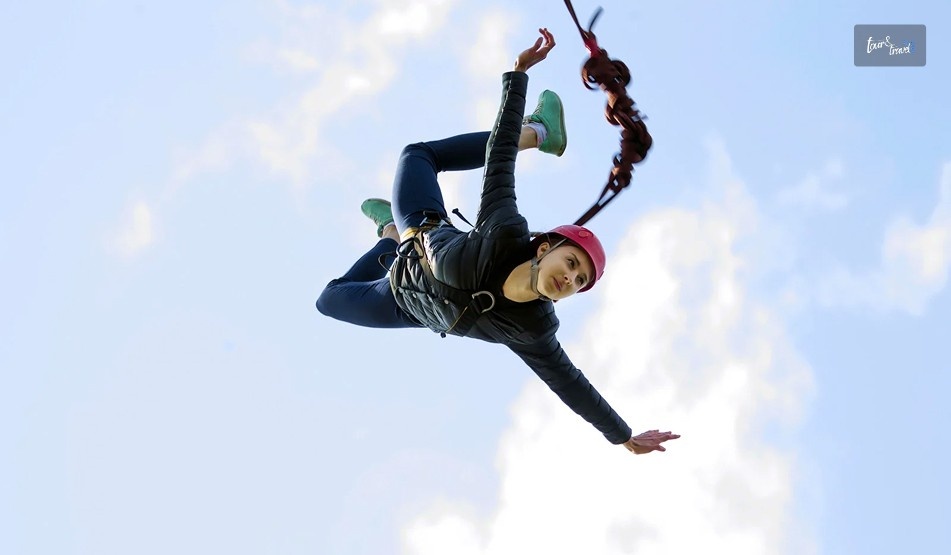
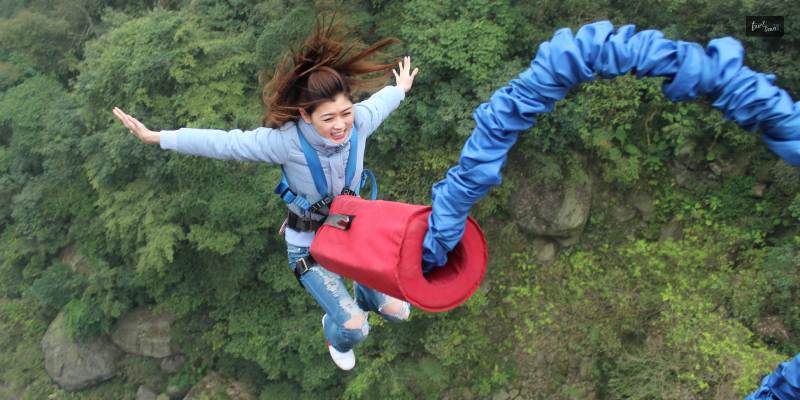
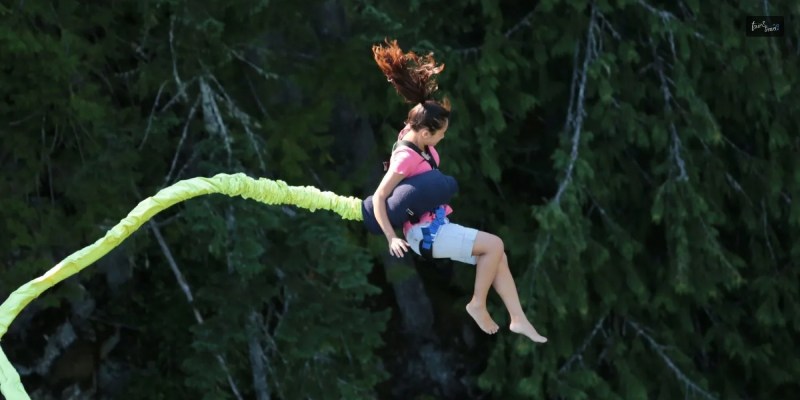
The thrill of falling without the deadly consequence of hitting the ground is what I call bungee jumping.

If you are seeking thrilling recreational activities, going bungee jumping can be the single most interesting thing you can do.

Especially if you are from India and looking for the best places for the highest Bungee jumping in India, then I might be able to help you.

In this article, I have talked about the highest bungee jumping point in India with details about the location and the price, and other required info for a jump.

The Top 8 Spots For Bungee Jumping In India: The List Will Surprise You! 

The Top 8 Spots For Bungee Jumping In India The List Will Surprise You

So, without any delay, let me take you bungee jumping in the best bungee jumping locations in India.

  • Jumpin Heights, Rishikesh 
  • Lonavala, Maharashtra 
  • Bir Billing, Himachal Pradesh 
  • Ozone Adventures, Bangalore 
  • Gravity Zone, Goa 
  • Chhattisgarh, Jagdalpur 
  • Wanderlust, New Delhi 
  • Himvalley Camps, Manali 

1. Jumpin Heights, Rishikesh

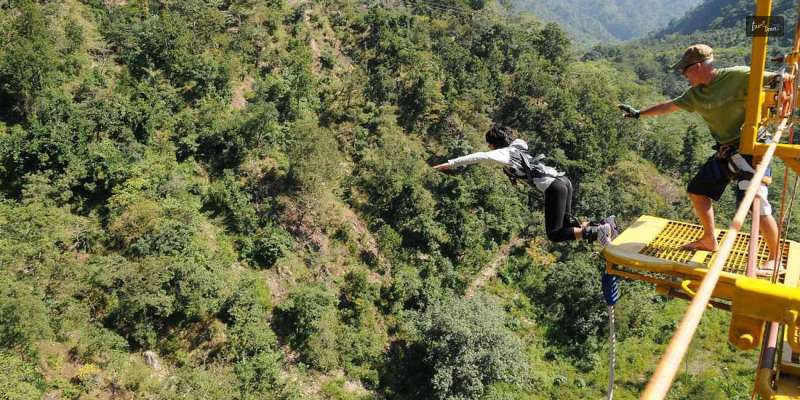
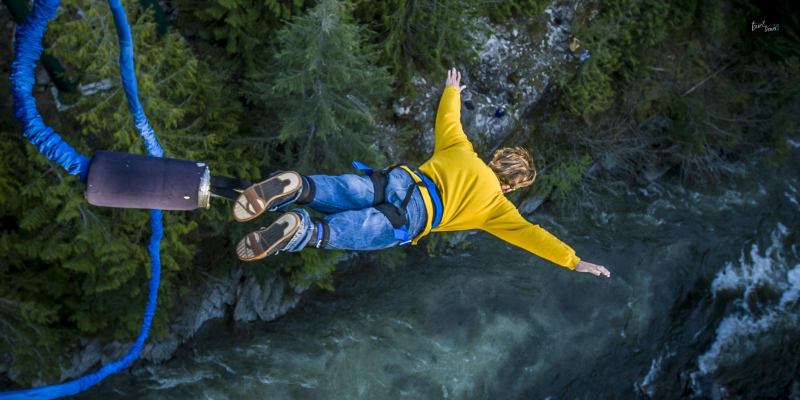
The Jumping Heights in Rishikesh offers you the highest Bungee jumping in India.

Jumpin Heights is at Mohan Chatti village in Rishikesh.

Most importantly, it is the only place in India where you can experience Bungee jumping from a fixed place.

There is a cantilever platform made over a rocky cliff.

The platform is 83 meters from the ground.

They have experienced staff to take care of all the safety precautions.

If you are up for it, Rishikesh can be your Bungee jumping location.

  • Location: Mohan Chatti village in Rishikesh.
  • Bungee Jump Height: 83 m
  • Minimum Age: 12 years.
  • Cost Per Jump: INR 3500

2. Lonavala, Maharashtra

Another great place for the highest Bungee jumping in India is Lonavala.

On the outskirts of Pune, a tiny hill station, this is a proper location for thrilling Bungee Jumping.

The jumping location is an adventure park. It is known as Della Adventures.

The equipment is equipped at a height of 150 ft. The jump lasts for around and lasts about 7-10 minutes.

If you are above the age of ten and weigh above 35 kg, then you are allowed to enjoy it from here.

There are instructors helping you with the safety measures and instructions before the jump.

The funniest part of all is that they offer you a certificate saying that you have overcome your fear of heights.

  • Location: Maharashtra, Della Adventures in Lonavala.
  • Bungee Jump Height: 45 m
  • Minimum Age: 10 years
  • Cost Per Jump: INR 1500

3. Bir Billing, Himachal Pradesh 

Bungee jumping in Bir Billing is an exhilarating adventure that is hard to forget.

Imagine standing on a suspension bridge 50 meters above the ground, surrounded by breathtaking views of lush green mountains all around you.

It truly feels like a leap of faith as you prepare to take the plunge.

With experienced instructors guiding you every step of the way and strict adherence to safety standards, you can focus on the thrill of the jump without worrying about anything else.

This adrenaline-pumping activity is available year-round.

However, the best times to experience both bungee jumping and the stunning paragliding are during March to May and from October to November.

Whether you’re an adrenaline junkie or just looking for a unique experience, bungee jumping in Bir Billing promises an unforgettable rush! 

  • Location– Gunehar, 2-3 km from Bir bus stop, Himachal Pradesh 
  • Bungee Jumping Height– 50 m 
  • Minimum Age– 12-14 years 
  • Cost Per Person (INR)– 3300 

4. Ozone Adventures, Bangalore

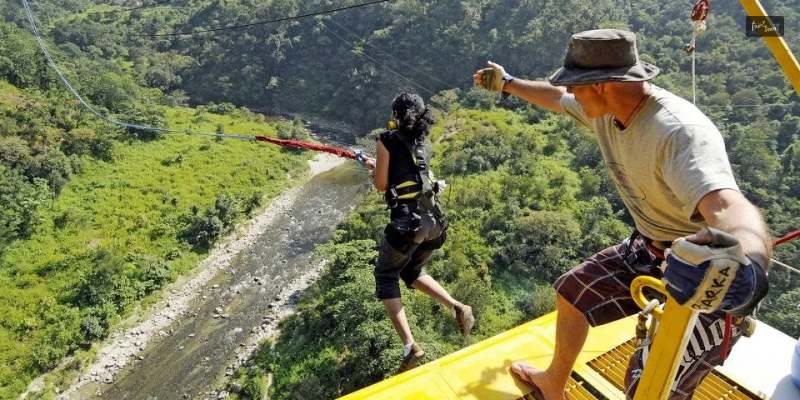
If you love adventure, then you will love Bungee jumping from a crane.

Yes, unlike the other locations, Ozone Adventures offers you the highest Bungee jumping in India from a height of 80 ft.

Most interestingly, the equipment is attached to a 130 ft tall crane.

Doing Bungee jumping from a crane/ unfixed platform makes it riskier for jumpers.

The staffs here are helpful, and they offer to take all the precautionary measures before you jump and also give you valuable instructions before you make your jump.

  • Location: Ozone Adventures, St. Mark’s Road, Bangalore, Bangalore
  • Bungee Jump Height: 25 m Platform and 40 m Crane
  • Minimum Age: 18 to 60 years.
  • Cost Per Jump: INR 400

5. Gravity Zone, Goa

Beach hopping is not the only thing you can do in Goa. You can also go bungee jumping.

It is not the highest bungee jumping point in India, but Anjuna beach has its reasons for the attraction.

If you are new to bungee jumping, then this is indeed the place you can go to. Gravity Zone is a 25 m high tower and is perfect for first-timers to experience Bungee jumping.

Compared to other locations, it is a smaller location for jumping.

Also, the place does not charge you too much.

  • Location: Gravity Zone, Anjuna Beach, Goa.
  • Bungee Jump Height: 25 m
  • Minimum Age: 14 years
  • Cost Per Jump: INR 500

6. Chhattisgarh, Jagdalpur

Another good and less overwhelming place to try Bungee jumping is Jagdalpur.

If you are afraid of heights and still want to try out bungee jumping, then this is not the highest Bungee jumping in India to scare you too much.

You can fight your fear of heights from the 30 m bungee jumping location.

  • Location: Jagdalpur, Chhattisgarh.
  • Bungee Jump Height: 30 m
  • Minimum Age: 14 years.
  • Cost Per Jump: INR 500

7. Wanderlust, New Delhi

If you are from Delhi and thinking of going to other states to try out bungee jumping, then we have good news.

Wanderlust in New Delhi offers this sporting activity.

Most interestingly, the equipment for jumping is imported from Japan.

The crew there is trained in Germany.

The jumping equipment is attached to a 130 ft high crane.

They also provide you with a certificate and a T-shirt and cap.

  • Location: Wanderlust, New Delhi
  • Bungee Jump Height: 52 m
  • Minimum Age: 14 years.
  • Cost Per Jump: INR 3000

8. Himvalley Camps, Manali 

Bungee jumping at Himvalley Camps is an exhilarating experience that takes you 25 meters up to enjoy stunning views of the valleys near Manali.

While it might not be the highest jump out there, the thrill of free-falling against the backdrop of the majestic Himalayas is truly something special.

Safety is a top priority at this campsite, with international standards in place and trained instructors ready to guide you through every step of the jump.

It’s a fantastic adventure for anyone aged 16 to 65, as long as you weigh between 35kg and 140kg.

Just remember, if you’re under 18, you’ll need parental consent to take the plunge! 

  • Location– Leh- Manali Highway, Manali 
  • Bungee Jumping Height– 62.5 m 
  • Minimum Age– 18+ 
  • Cost Per Person (INR)– 4000 

Frequently Asked Questions (FAQs):

If you are looking for the best bungee jumping locations in India, then these are the locations you may go to.

However, here are some popularly asked questions and answers that I have answered.

1. What Is The Highest Bungee Jump?

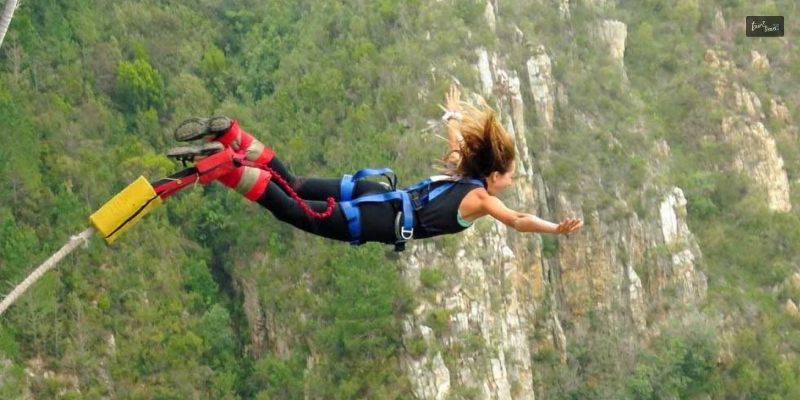
The highest bungee jump in the world is Bloukrans Bridge in the Western Cape of South Africa.

It is the highest commercial and natural bungee jump in India.

2. Does A Bungee Jump Hurt?

Indeed it is a thrilling and recreational activity.

But, some free fallers experience serious injuries like compression fractures or herniated discs.

Other serious injuries might also happen from Bungee jumping. 

3. What Is The Cost Of Bungee Jumping In Rishikesh?

If you are going to Jumpin Heights, then you will be charged INR 3500 for Bungee jumping.

The entry ticket costs you 100 rupees.

But if you also want to do Giant Swing, you will be charged Rs 6500.

A bungee jump and Flying fox combo cost you Rs 4750.

4. Where Is The Scariest Bungee Jump?

If you are looking for the scariest bungee jumping location, then you have to go to Macau Tower ( 764 feet in China).

You will definitely be thrilled and have goosebumps.

5. Which Place Is Best For Bungee Jumping In India? 

The best bungee jumping in India is at Rishikesh.

It offers the highest and most scenic experience, with platforms up to 87 meters high, operated by the reputable Jumpin Heights. 

Choose Your Ideal Bungee Jumping In India 

When looking for the highest Bungee jumping in India, you need to first visit Rishikesh.

It is the best location for Bungee jumping from the highest location in India.

The experience is thrilling, and you should be ready to feel your heart in your throat.

All the bungee jumping locations talked about in this article are great to experience.

Did you decide on where to go on Bungee jumping?

Please let us know where you will go. Also, if you have any additional queries, you can leave them in the comment section.

Share on Social Media

Sibashree is a travel, culture, and leisure writer who has been writing since the age of 12 and professionally since 2014. With more than a decade of travel writing experience and journeys across India and several parts of the world, she brings a deeply personal and thoughtful perspective to her work. A student of English Literature and Mass Communication, Sibashree has always viewed travel as more than movement — for her, it has been a way of understanding people, cultures, and herself. Her passion for spiritual exploration has also led her to many unusual and meaningful destinations over the years. Outside of writing, Sibashree enjoys watching European cinema, reading about global politics, and reflecting on the stories hidden within everyday places.

Leave a Reply

Your email address will not be published. Required fields are marked *

title-img Related

READ MORE card-img

Exploring The World While Investing In It: The Vacation Property Guide

BY  Shahnawaz Mar 1, 2024

In today's world, where wanderlust meets savvy investment strategies, there's a growing trend among travelers and investors alike: vacation properties. This unique approach not only satisfies the urge to explore new destinations but also presents a prudent financial investment through the acquisition of real estate. Here's how blending the love for travel with the intricacies of mortgages can create a rewarding venture. Why Consider Vacation Properties? Vacation properties serve dual purposes; they are a getaway retreat for you and your family and a potential source of income through rental. In picturesque locales, from the sandy beaches of Bali to the quaint villages of Tuscany, these properties beckon with the promise of adventure and the allure of financial returns. Investing in a vacation property has a lot of benefits. The first thing is, as mentioned above, it is an amazing source of passive income. When you rent out the property, you get back substantial returns, especially during the peak seasons. Moreover, vacation rentals have higher rental rates as compared to long-term rentals, which gives you more revenue. Along with the financial benefits, when you own a vacation rental property, you get to spend a lot of time enjoying your personal vacations as well. You can spend a lot of time on your own property when the place is vacant. You get to enjoy all the amenities you have set for others.it is a perfect relationship between investment and vacation home. Understanding the Mortgage Process for Vacation Homes Investing in a vacation property often involves navigating the mortgage landscape, which can be daunting for both seasoned investors and first-time buyers. The process entails several unique considerations: Interest Rates and Terms: Mortgage loans for vacation homes may come with different interest rates and terms compared to primary residences. Lenders often view these properties as higher risk, which can influence the loan conditions. Down Payment Requirements: Typically, vacation homes require a larger down payment, sometimes as much as 20-30% of the purchase price, reflecting their status as luxury or non-essential purchases. Rental Income Consideration: If you plan to rent out your vacation home, lenders might take potential rental income into account, which can aid in qualifying for a mortgage. However, this requires thorough documentation and, sometimes, previous landlord experience. The Joy of Travel and the Wisdom of Investment Owning a vacation property allows you to immerse yourself in your favorite destinations. Whether it's a ski lodge in the Rockies or a beachfront villa in the Caribbean, these homes offer a personal escape with the warmth and comfort of your own space. Beyond personal enjoyment, these properties can be rented out to vacationers, providing a steady income stream that can offset mortgage payments and maintenance costs. Navigating Challenges and Rewards The journey of buying and owning a vacation property is not without its challenges. From managing the property remotely to understanding local real estate laws, it requires diligence and research. Yet, the rewards can be substantial. Not only do you enjoy personal retreats in beloved locales, but you also stand to gain from property appreciation and rental income. A Call to Adventure and Investment As we navigate our world, the concept of investing in vacation properties presents a compelling blend of adventure and financial prudence. It embodies a spirit of exploration, not just in the sense of travel but in the realm of financial growth and stability. For those bitten by the travel bug and those seeking to expand their investment portfolio, vacation homes offer a horizon worth exploring. Factors you should consider while choosing the location of the property Picking the correct location for your vacation rental property is essential. Here are some of the crucial factors that you should consider: Factors you should consider while choosing the location of the property Picking the correct location for your vacation rental property is important. Here are some of the important factors that you should consider: Local attractions and tourism demand How successful your vacation rental property is going to be depends on the demand of the place. Before you invest, check for the popularity of the place among travelers. Identify the local attractions that are drawing the visitors to itself. Consider the things that are making the place popular. Whether it is their cultural heritage, its natural beauty, or how close the place is to the popular destinations. Properties that are close to tourist spots or close to vacation destinations have a tendency to attract more renters. You can choose coastal destinations, urban hotspots, ski resorts, historical and cultural sites, and some emerging destinations. Along with the well-established vacation sports, the emerging destinations are a good investment.  Look for places that are rapidly developing; they have high potential for getting you a high rental return. Rental and seasonality demand Having a good understanding of the tourist season in the place is important. Research about the holidays, special events, and the peak tourist seasons that will take the rental demand to the next level. If the location is such, which has a year-round demand, it is going to get you a consistent source of income. But if the property is in a seasonal location, then you might get fluctuations in the rental bookings. Regulatory environment Before you get a vacation rental property, it is important to know the regulatory environment of the location. Some countries and cities have specific rules and regulations regarding short-term rentals. Get yourself familiar with the restrictions and local laws to make sure you abide by all the regulations. Try not to ignore the legal aspects, as that could land you with a penalty or even cause your rental business to close. Amenities and infrastructure Think about the accessibility and proximity of the essential infrastructure as well as the amenities. Choose an area that has good transportation links, restaurants, shopping centers, and entertainment options. Guests always prefer properties that are convenient and have easy access to the services and local attractions.  Final Thoughts Before embarking on this journey, it's crucial to conduct thorough research, consult with real estate and financial professionals, and consider all aspects of the investment, including the potential need for a mortgage. With the right preparation and mindset, owning a vacation property can be an enriching experience that combines the joys of travel with the benefits of real estate investment. ADDITIONAL READING: A Guide To Planning Your First Family Ski Trip The Ultimate Business Traveler’s Guide To Bangkok From Britain To Australia: A Guide For Brits Making The Move Down Under

READ MORE Luxury Travel In New Zealand

Luxuriate In Paradise: Unveiling The Pinnacle Of Luxury Travel In New Zealand

BY  Sibashree Dec 28, 2023

New Zealand, an enchanting realm of natural wonders and cultural richness, beckons discerning travelers to experience luxury like never before. For those seeking a truly personalized journey, Custom Luxury Travel of New Zealand by Into the Vineyard offers the opportunity to tailor every aspect of your experience to match your unique preferences. Nestled in the southwestern Pacific Ocean, New Zealand is renowned for its breathtaking landscapes, from snow-capped mountains to pristine beaches.  In this article, we embark on a journey through the epitome of opulence in New Zealand, exploring exclusive resorts, fine dining experiences, and bespoke adventures that elevate luxury travel to new heights. 1. Exquisite Accommodations and Resorts: 1.1 Huka Lodge – Taupo's Riverside Retreat Located along the banks of the Waikato River, Huka Lodge offers a retreat into nature, where the soothing sounds of the river complement the tranquility of the surroundings. Private cottages, each a haven of elegance, provide a seamless blend of comfort and luxury. With spacious interiors, outdoor hot tubs, and bespoke furnishings, guests find solace in opulent seclusion. The culinary experience at Huka Lodge is a testament to New Zealand's gastronomic prowess. Locally sourced ingredients take center stage, paired with an extensive selection of fine wines, creating an unforgettable dining journey. Duration: Flexible depending on stay Price Range: $1,500 — $3,000 per night 1.2 Eichardt's Private Hotel – Queenstown's Lakeside Gem Eichardt's Private Hotel, an embodiment of Queenstown's charm, seamlessly blends historic charm with contemporary luxury. Situated on the shores of Lake Wakatipu, it offers unparalleled views of the lake and surrounding mountains. Exclusive suites, meticulously designed for comfort and sophistication, feature lakefront balconies, plush furnishings, and personalized concierge services, ensuring a stay tailored to the individual needs of each guest. Indulge in a private chef's table experience at Eichardt's, where culinary artistry meets the freshest local produce. The menu is a celebration of New Zealand's diverse flavors, complemented by a curated selection of wines. Duration: Flexible depending on stay Price Range: $1,800 — $4,000 per night 1.3 The Lodge at Kauri Cliffs – A Golf Retreat in Northland Set amidst 6,000 acres of pristine landscapes, The Lodge at Kauri Cliffs is a sanctuary for those seeking both golfing excellence and luxurious accommodations. Moreover, lavish suites, each offering panoramic views of the Pacific Ocean and the Cavalli Islands, provide an idyllic setting for relaxation. While the interiors exude sophistication, with attention to detail in every element.  Therefore, helicopter excursions from the lodge allow guests to explore the nearby Bay of Islands and visit renowned wineries. However, creating bespoke adventures that complement the exclusive offerings of The Lodge at Kauri Cliffs.  Duration: Flexible depending on activities Price Range: $2,000 — $5,000 per night 2. Gastronomic Delights: 2.1 Amisfield Winery – Queenstown's Culinary Haven Amisfield Winery, perched on the shores of Lake Hayes with the Remarkables as a backdrop, consequently, offers an immersive culinary experience amidst breathtaking scenery.  While exclusive wine and dining experiences include private tastings guided by knowledgeable sommeliers. Moreover, the degustation menus showcase the best of New Zealand’s seasonal produce, ensuring a sensory journey through the region’s flavors.  However, the emphasis on farm-to-table dining at Amisfield underscores the commitment to sustainability. Therefore, providing guests with not only a luxurious experience but also a connection to the region’s culinary heritage.  Duration: 2–3 hours for a dining experience Price Range: $200 — $500 per person 2.2 The French Café – Auckland's Michelin-Worthy Cuisine The French Café in The French Café in Auckland stands as a culinary beacon. By offering an intimate and sophisticated atmosphere for those seeking exquisite French-inspired cuisine.  Moreover, the curated menu is a testament to the chef’s artistry, featuring locally sourced ingredients transformed into culinary masterpieces. While the extensive wine list complements the flavors, with a focus on New Zealand’s finest vintages.  Therefore, with impeccable service and an ambiance of understated elegance make The French Café a destination for discerning gourmands, where each dish is a symphony of taste and presentation.  Duration: 2–3 hours for a dining experience Price Range: $250 — $600 per person 2.3 Hippopotamus – Wellington's Fusion of Art and Cuisine Nestled within the Museum Art Hotel, Hippopotamus in Wellington is a culinary gem that seamlessly blends artistry with gastronomy. Moreover, the French-inspired cuisine at Hippopotamus takes on a Kiwi twist, featuring locally sourced ingredients. However, the result is a menu that reflects the diversity and richness of New Zealand’s culinary landscape.  Therefore, the panoramic views of Wellington’s harbor and city skyline provide a picturesque backdrop to the dining experience, while making Hippopotamus a unique destination where art, ambiance, and cuisine converge.  Duration: 2–3 hours for a dining experience Price Range: $220 — $550 per person 3. Bespoke Adventures: 3.1 Fiordland Helicopters – Milford Sound Aerial Escapade Fiordland Helicopters offers an unparalleled aerial escapade over the majestic landscapes of Fiordland National Park, a UNESCO World Heritage Site. However, soar over cascading waterfalls, rugged cliffs, and the iconic Milford Sound, immersing yourself in the grandeur of nature. Meanwhile, personalized itineraries include alpine landings and gourmet picnics in remote, picturesque locations.  Therefore, the helicopter experience transforms a journey into an adventure, providing an exclusive perspective of New Zealand’s natural wonders that few have the privilege to witness.  Duration: 2–3 hours for the helicopter tour Price Range: $1,200 — $2,500 per person 3.2 Wharekauhau Country Estate – Wairarapa's Countryside Retreat Wharekauhau Country Estate, set against the backdrop of the Wairarapa region They invite guests to immerse themselves in a luxurious countryside retreat.  However, the estate offers bespoke experiences, from horseback riding through the expansive grounds to private farm tours. Meanwhile, helicopter excursions unveil the rugged Wairarapa coastline and provide access to nearby wineries.  Therefore, activities such as fishing, archery, and bird watching are tailored to individual preferences. While ensuring that each guest can curate their own adventure in the picturesque landscapes surrounding Wharekauhau.  Duration: Flexible depending on activities Price Range: $1,500 — $4,000 per night 3.3 White Island Volcano Adventure – Rotorua's Geological Marvel Embark on a private helicopter journey to White Island, an active marine volcano off the coast of Rotorua. Moreover, a guided tours on the island explore the otherworldly landscapes of sulfur vents and volcanic craters, providing a unique blend of geological marvels and luxury travel.  Therefore, a gourmet picnic on the island’s shores adds an element of indulgence to this adventurous experience. Meanwhile, making the White Island Volcano Adventure a harmonious fusion of luxury and the raw beauty of nature.  Duration: 4–6 hours for the helicopter tour and island exploration Price Range: $1,800 — $3,500 per person FAQs  Here are a few questions and queries on the topic of luxury travel in New Zealand that others find help and so would you as well. 1. What makes New Zealand a top destination for luxury travel?  New Zealand offers a rare blend of untouched natural beauty, exclusivity, and world-class hospitality.However, from private island retreats and alpine lodges to helicopter-accessed vineyards and bespoke adventure tours, luxury travelers can enjoy privacy, personalization, and breathtaking landscapes all in one destination.  2. Which regions in New Zealand are best for luxury experiences?  Some of the most sought-after luxury destinations include: • Queenstown – Known for luxury lodges, lakefront villas, and adventure experiences with premium services. • Auckland – Offers upscale waterfront hotels, fine dining, and yacht charters. • Rotorua – Famous for geothermal spa resorts and cultural immersion experiences. • Marlborough – Ideal for luxury wine tours and private vineyard stays. Each region offers distinct landscapes and premium travel experiences.  3. What types of luxury accommodations are available in New Zealand?  Luxury accommodation options range from: • Firstly, private luxury lodges with panoramic mountain views • Secondly, boutique waterfront villas • Thirdly, five-star urban hotels • Finally, exclusive-use estates and private island retreats Meanwhile, many properties offer personalized butler services, private chefs, and curated local experiences.  4. How can travelers ensure a truly personalized luxury experience?  To maximize luxury travel in New Zealand: • Firstly, work with a high-end travel concierge or bespoke tour operator • Secondly, opt for private transfers and charter flights • Thirdly, choose exclusive-use accommodations • Finally, plan custom itineraries tailored to personal interests Therefore, advance booking is recommended, especially during peak seasons.  4. What exclusive experiences can luxury travelers enjoy in New Zealand?  Luxury travelers can indulge in: • Private helicopter tours over Milford Sound • Glacier landings near Franz Josef Glacier • Yacht charters around the Bay of Islands • Private wine tastings in premium vineyards • Custom Māori cultural experiences These curated experiences combine adventure with exclusivity. 5. Is luxury travel in New Zealand family-friendly?  Yes. Many luxury lodges and resorts offer tailored family experiences. It includes private guides, adventure activities, and educational nature tours designed for children.  6. How accessible are remote luxury destinations in New Zealand?  Many high-end properties are accessible via scenic helicopter transfers, private jets, or chauffeur-driven vehicles. Therefore, the journey itself often becomes part of the luxury experience.  Conclusion In conclusion, New Zealand, with its diverse landscapes and rich cultural heritage, has firmly established itself as a haven for luxury travelers seeking unparalleled experiences.   Meanwhile, from secluded riverside lodges to culinary masterpieces and bespoke adventures, the country provides a tapestry of opulence that harmonizes with its natural beauty.   Whether soaring over majestic fiords or indulging in fine dining overlooking pristine lakes, luxury in New Zealand transcends expectations. However, inviting travelers to immerse themselves in a world where every moment is a masterpiece of refinement and beauty. 

READ MORE Tucumán wine tour guide

The Best Tucumán Wine Tour Guide: How To Explore The Higlands Of Northern Argentina?

BY  Sibashree Jan 13, 2026

Along with the cultural richness of Tucumán, what hooked me was the community bonding and development. For the longest time, grape growing has been a part of local life. Now, in 2016, the Bodega Los Amaichas built the Amaicha del Valle community to take the local tradition and use it for the benefit of local people. It is the first indigenous community-owned winery in South America. Furthermore, Mendoza may get all the spotlight as the home of world-class Malbecs. But for travelers like me, who want a more rugged and authentic experience, Tucuman is the ultimate destination in Northern Argentina. Also, the wine tour in Tucuman is almost like a time capsule. The viticulture here is defined by family legacies, indigenous roots, and vineyards that touch the clouds.  In this Tucumán wine tour guide, I will talk about why Tucumán is an alternative to Mendoza, the route, the top wineries, and the specialty of local wines. For more on this beautiful province in Northern Argentina, you can check out my Tucumán Argentina itinerary. Why Is Tucumán The "Untouched" Alternative To Mendoza?  The flat plains of Mendoza are ideal for massive production. However, the vineyards of Tucumán are in the narrow folds of the Calchaquí Valley. So, the experience in Tucumán is more like a boutique. Furthermore, there are very few crowds in Tucumán, and the terroir is not just about the soil. Here, people celebrate a 10,000-year-old connection to the land. As Visit Argentina says, “The dry climate, the wide temperature range, the gentle winds, and sunshine 350 days a year create the characteristics of Tucumán wine: intense colors, simple and spicy aromas, and ripe, sweet, and fruity flavors.”  The Concept: "Vinos De Altura"  Wine is a high-altitude sport in Tucumán. Grapes are grown under extreme conditions at an altitude of 2000 to 3000 meters. Also, the struggle is here with intense UV radiation and a dramatic jump in temperature between sun-scorched days and freezing nights. As a result, the grapes here have thicker skins to protect themselves. The thicker skin further leads to intense tannins and deeper colors. In addition, the aromatic profile here is more concentrated than in the lowlands. The Route: From Jungle To Vineyards (Route 307)  The drive to the wine country of Tucumán is one of the most spectacular road trips in South America. The journey from San Miguel to Amaicha del Valle starts in the subtropical and humid rainforest of the Yungas. Then, you will climb Route 307 to witness a radical transformation of the landscape. Your eyes will settle down with the lush ferns and moss-covered trees of the Quebrada de Los Sosa. Wait for 2 hours, and the Calchaquí Valley will appear with an arid landscape and cactus. Then, you will cross the Abra del Infiernillo at an elevation of 3000 meters before you descend to the Amaicha del Valle wineries. Visit Argentina promotes the "Ruta del Vino" as a cultural corridor, linking the wine not just to gastronomy, but to the Pachamama (Mother Earth) festivities in February.  Map Of The Ruta Del Vino Tucumán (Ruta 40 Connection)  Technically, Tafí del Valle is the beginning point of the Tucumán Wine Route. Then, it continues to the Amaicha del Valle and Colalao del Valle. Finally, there is a link with Ruta 40, and then it advances to the ruins of Quilmes and the border of Salta. What Are The Top Wineries To Visit In Tucumán?  The top wineries of Tucumán offer a diverse experience. While Bodega Comunitaria Los Amaichas offers an authentic local experience, Finca Albarossa is more about a boutique feel. 1. The Indigenous Icon: Bodega Comunitaria Los Amaichas  This is the only winery in Argentina and one of the few in the world that is owned and operated by an indigenous community.  This winery has a cactus wood and stone architecture. The Amaicha del Valle community governs it, and every custom here respects the Mother Earth or Pachamama. I have seen people offering wine to Mother Earth before drinking. Furthermore, the Sumak Kawsay Malbec, meaning the good living, is the best wine to taste here. It offers the most authentic wine experience. The wine gere is robust, unfiltered, and has a deep, earthy taste. 2. The Heritage Player: Bodega Chico Zossi  This winery is family-run and located in Colalao del Valle, and it has been operating since 1900. As you walk through Chico Zossi, you will feel like you are at a family home. The production level is small and artisanal. Furthermore, the wine-making technique here has been passed down through four generations of the Zossi family. 3. The Modern Estate: Las Arcas De Tolombón  Las Arcas De Tolombón is the most awarded winery in the province. It has a Siete Vacas or Seven Cows label. There is a local legend behind the name. It is about the seven cows that would appear in the desert in prosperous times. The wine you will get here is a standout. You will love the floral and crisp flavor of it, along with the sweet perfume. 4. The Boutique Stop: Finca Albarossa  Finca Albarossa exudes sheer Italian elegance with a touch of Andean ruggedness. It is a boutique winery and hotel. So, it is an excellent experience to enjoy a glass of Malbec while watching the sunrise. Thus, it completely justifies its name, Finca Albarossa, where Albarossa means the “Red Dawn.” Understanding Tucumán Wines: What To Drink?  Amanda Barnes of the South America Wine Guide often highlights that the Calchaquí Valley doesn't stop at the Salta border. She praises Tucumán for its "extreme terroir" and the preservation of the Criolla grape varieties.  Tucumán Wines are different with a diverse flavor. From the signature purple to white wines, here are the varieties you can try. 1. Torrontés  If you want the quintessential wine experience of the north, you can try Torrontés. I would rather call it the flagship white of the North. It stands out with a refreshing aroma of peach and jasmine. However, the palette of this wine is dry and refreshing. Tim Atkin, the British Master of Wines, regularly scores Northern Argentine wines highly, noting that the Torrontés from this region is the most aromatic white wine in the world.  Even if you are a red wine drinker, you must try the Torrontés here. It is the only grape variety native to Argentina, and the Tucumán expression is floral and unique.  2. High-Altitude Malbec  I was looking for an alternative to the jammy Mendoza Malbecs. The high-altitude malbec, standing on the opposite spectrum of the flavor profile, comes with a spicy and structured flavor. This wine comes from the grapes with Soun-toughened skins. So, these have a signature dark purple hue. 3. Vino Patero  Vino Patero is an experience. It has an intense, sweet, and fruity flavor. This boutique wine was made traditionally by pressing the grapes by foot. The “Patero” part in Vino Patero comes from " pata " or foot. This wine is artisanal, and it is unfiltered. Vino Patero is a frequently served beverage at the local festivals, and you will have it along with empanadas. Things To Remember For Planning Your Tucumán Wine Tour  Best Time to Visit • February/March - Harvest Season, and for the Vendimia Festivities• August - Pachamama Festival Mode of Transport• Rental Car  Vendimia festivities are a celebration of the grape harvest. The Pachamama Festival, on the other hand, is a sacred week-long celebration to sink into the local culture. You will not get any Uber services here. Buses are available, but they do not take you to the remote areas. Where To Stay On The Wine Route In Tucumán?  Do you want to sleep in a vineyard? Estancia Río de Arena on Ruta 40 is the perfect place, exuding a rustic "hacienda" feel. Get out of our room, and within a minute, you will walk into the tasting room. If you need a budget option, look for Hospedajes in Amaicha del Valle. These locally run facilities are clean and authentic, and they will even guide you on which Vino Patero is the best in town. Expert Tips On The Best Tucumán Wine Tour Guide  The Sacred City of Quilmes is just 15 minutes away from the wineries. Also, the early mornings are the ideal time to explore the ruins. Do you want more such insights about exploring the wineries of Tucumán? Check out the following points. 1. Respect The Siesta Amaicha and Colalao del Valle turn into ghost towns between 1 PM and 5 PM. Most wineries shut their door during these hours. So, schedule your trip at 10 AM or after 5:30 PM. 2. Designated Driver Is Essential, And Check The Fuel Route 40 has narrow roads and even gravel. The route also often has goats/llamas and other stray animals. So, professional expertise and familiarity with local road conditions are important. Fill your tank in Tafí del Valle. There are long stretches on Route 40 without reliable gas stations between Amaicha and Cafayate. 3. Book "Los Amaichas" In Advance  The local people run "Los Amaichas. These people also work in the field. So, you must keep them informed about your arrival via WhatsApp so that a guide is available to open the cellar for you. 4. Cash Is King Smaller wineries rarely accept credit cards, and if you want to buy bottles from them, you will need to pay them in cash. Also, the ATMs in Amaicha often run out of cash. So, you have to bring a stack of Pesos from the city. 5. Try The Mistela  Along with the signature Tucuman wine, you can also try Mistela. It is a fortified wine with a very sweet taste. It is a cultural staple. So, you have to sip it slowly and savor its strong taste. 6. Get Enough Sun Protection The wineries are at a height of more than 2000 meters. So, the UV index is high, and within 10-15 minutes, you can get sunburned. So, wear a hat and sunscreen if you are doing the wine tasting outdoors. 7. Ask For The "Reserva"  In small boutique wineries like Chico Zossi, the "Reserva" bottles are often only $2-$3 more than the table wine but are aged significantly better.  Tucumán Wine Tour Guide: Frequently Asked Questions (FAQs)  Here are the frequently asked questions and answers about the Tucumán wine tour guide. 1. Can I Visit Wineries Without A Tour?  Yes, you can go on a self-drive tour on Route 40 and explore the wineries. However, you will have to book an appointment via WhatsApp. Booking is crucial as these wineries are small, family-run operations. 2. What Is The Best Winery For Lunch?  Bodega Río de Arena near the Quilmes Ruins is the best winery for lunch. It has a hotel and restaurant on-site. You can have excellent llama meat and empanadas there.  3. How Far Is The Wine Region From Tucumán City?  The wineries are around a 3.5 to 4-hour drive from the city.On the route from the city to the wineries, you have to cross a mountain range. So, it is not your usual day trip in Argentina. It is best to plan an overnight stay in Amaicha or Tafí del Valle.  4. Is It Safe To Drive Route 307?  Route 307 is a paved and scenic route. However, it is a mountain road and has many curves. Furthermore, the road is often misty. So, you must avoid driving at night. 5. Are The Wine Tours In English?  Yes, you can attend wine tours in English in larger wineries like Las Arcas de Tolombón.  However, if you want a tour of the smaller family wineries or the community wineries, the tours will be mostly in Spanish.  6. Can I Bring Kids For The Wine Tours In Tucuman?  Yes, you can bring kids for the wine tours in Tucuman. This is where the wineries of Tucuman are different from the wine estates in Mendoza.  The Tucumán wineries are more like farms, and they are very family-friendly. In fact, Río de Arena even has a petting zoo with llamas.  7. When Is The Harvest Season In Tucuman?  Late February to March is the harvest season in Tucuman. However, it is the busiest time in the Tucuman wineries. So, you will have to book the facilities in advance.On the other hand, August is the month of the sacred Pachamama Festival. 8. Why Is The Community Winery Famous?  Bodega Los Amaichas is the first winery in Argentina and the third winery in the world owned entirely by an indigenous community. The Bodega Los Amaichas tour reflects the Diaguita worldview of "Sumak Kawsay" (Good Living).  Read Also: The Best Places To See Northern Lights In The USA: When And Where To Watch Aurora Borealis Jaffna Travel Itinerary For 5 Days: What Are The Places To Visit And Local Transport What Are The Best Places To Visit In December In The USA? Vote For Your Favorite