

What Are The Best Places For River Rafting In India? From Spiti To Arunachal Pradesh 

Oct 22, 2021

Last Updated on: May 30, 2026

Adventure

The Ministry of Tourism, Government of India, is planning to make India a global adventure tourism hub by 2034. 

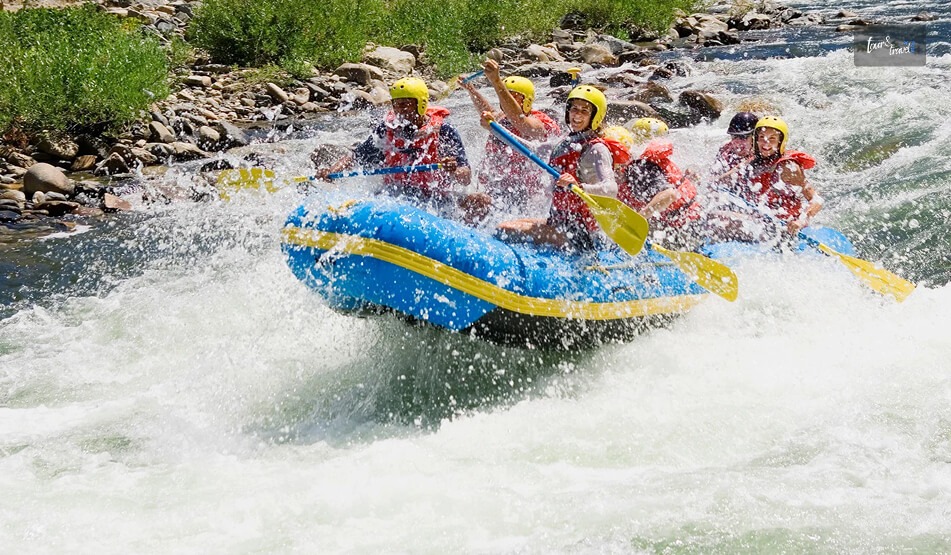
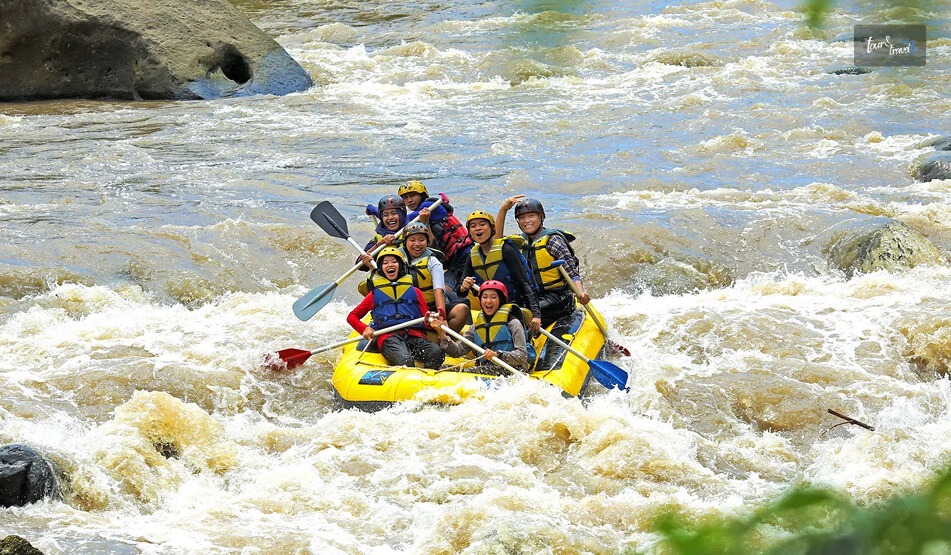
Now, along with trekking, river rafting is definitely one of the quintessential elements of adventure tourism in the country. 

There are a vast number of rivers in the country. In their swift-flowing form, descending down the snowy peaks of the Himalayas or lush summits of Western Ghats, the rivers provide many thrilling stretches for rafting. 

The thrill of riding untamed waters appeals to adventure enthusiasts from all over the world.

If you are thinking of trying out the sport in India, you surely have plenty of choices. Here is our compiled list of the best places for river rafting in India.

Here, I have included Rishikesh, the capital of river rafting in India, and at the same time, I have highlighted how Arunachal Pradesh is also gaining global attention as a place for river rafting and adventure tourism. 

The Best Places For River Rafting In India

Arunachal Pradesh, with its Brahmaputra River and other rivers such as the Subansiri, Kameng, and Siang, is now probably the most discussed name when we talk about the best places for river rafting in India. 

A recent expedition here, organized by Aquaterra Adventures, saw the legend John Yost participating.

This event in April 2026 has bolstered the position of Arunachal Pradesh in the river rafting and adventure tourism landscape. 

India is a country of rivers. The water adventure sports are quite famous here. But among all types of water sports, river rafting in India is becoming a sensational adventure sport.

The fast and tough mountain river and spots are becoming an international tourist spot.

Here is the name of the most popular places for river rafting in India.

1. Indus River, Ladakh

Indus River, Ladakh

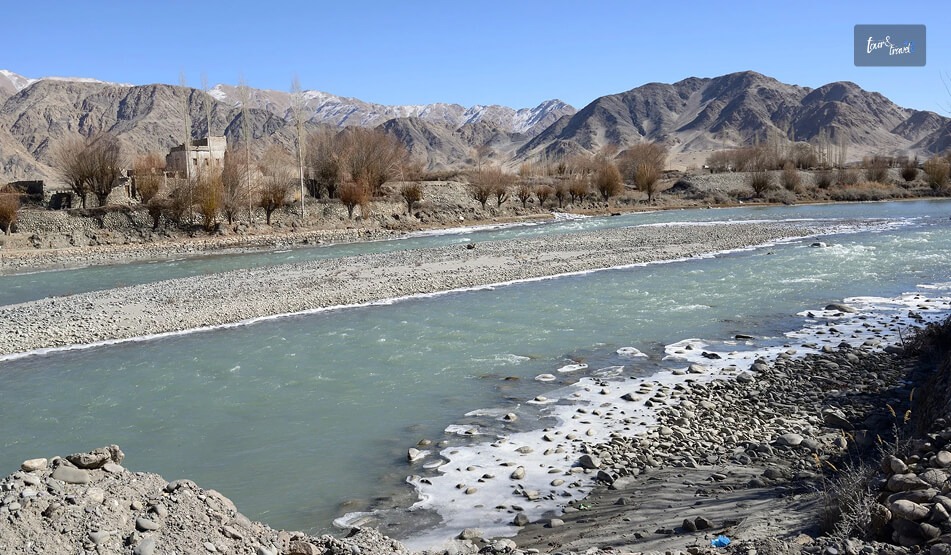
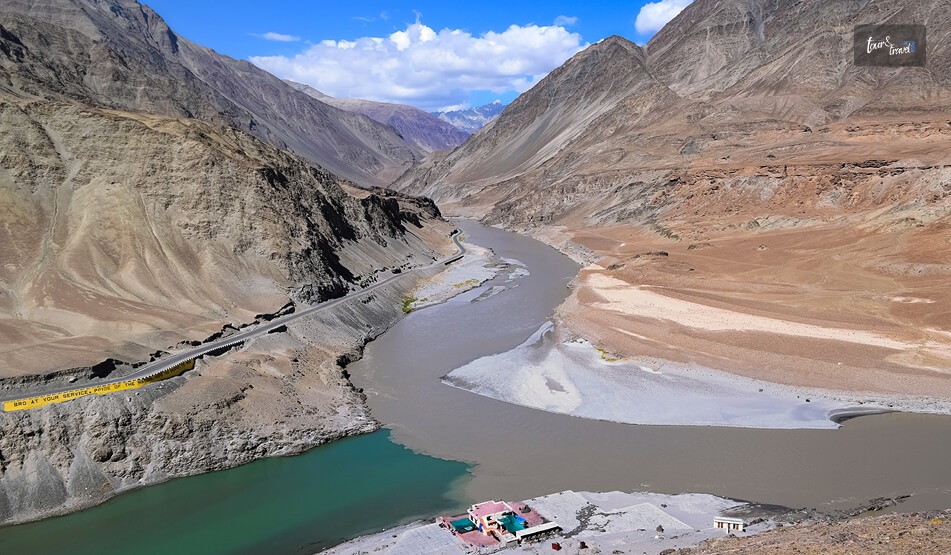
Originating in Tibet, the Indus River flows through Ladakh. It is one of the exciting river rafting spots in India. Raft on the city water passing through breathtaking canyons and various monasteries.

The permissible time for rafting is between June and September. 

These expeditions are available for one day or three to four days. Rapids on the Indus range from grade 1-2 at some places and 3-5 at some places.

The most challenging route for river rafting lies between Alchi and Khalsi, where true adventure aficionados thrive.

2. River Beas, Kullu Manali

River Beas, Kullu Manali

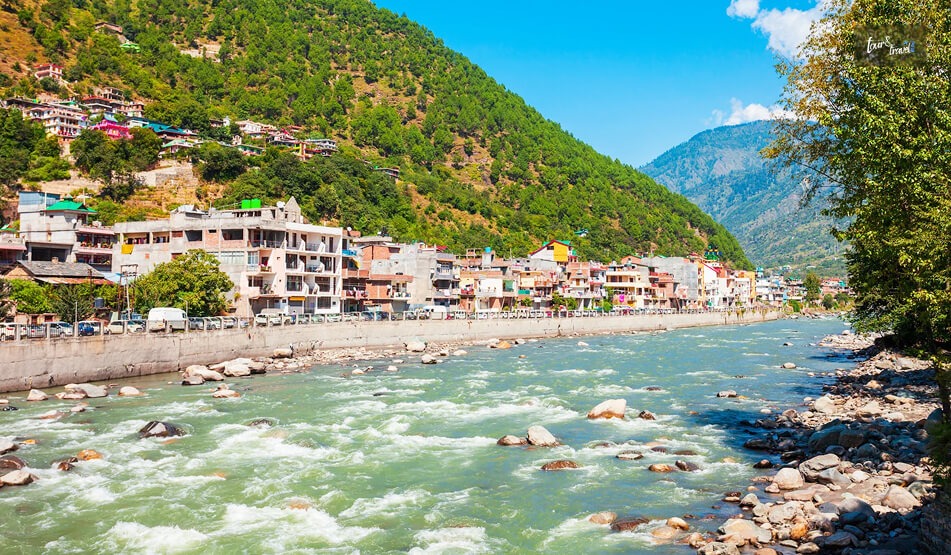
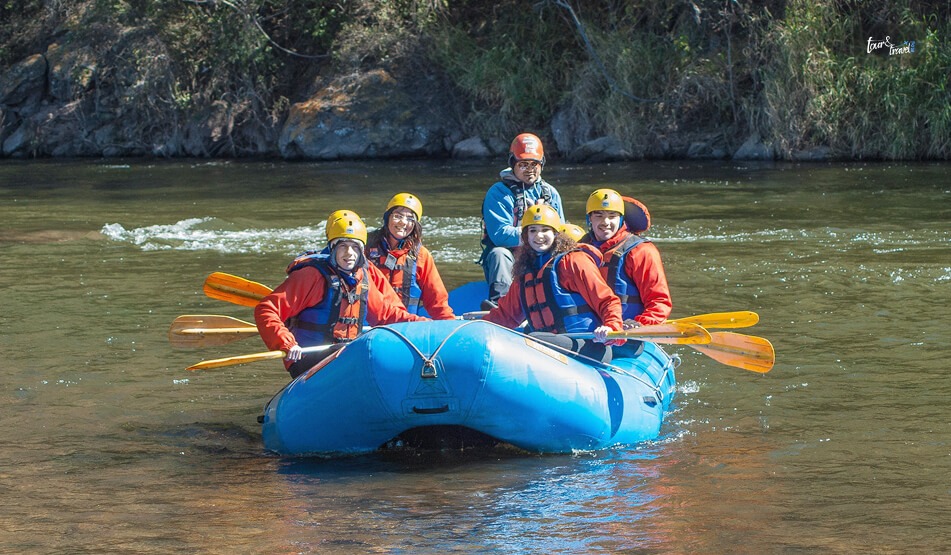
A fun combination of adventure amid scenic beauty, the River Beas in Kullu Manali is next on our list of the best places for river rafting in India.

The 14 km rafting stretch from Pirdi to Jhiri has grade 1-4 rapids, perfect for the novice as well as the daredevils. Kullu Manali is one of the popular river rafting routes near Delhi.

There are also long stretches that need extreme training. This adventure sport is refreshing for all ages. River rafting combines the thrill and picturesque scenery.

Many of the enthusiastic travelers are asking about the best time for river rafting in Manali. River rafting is available throughout the year except during the period from 15 July to 15 September.

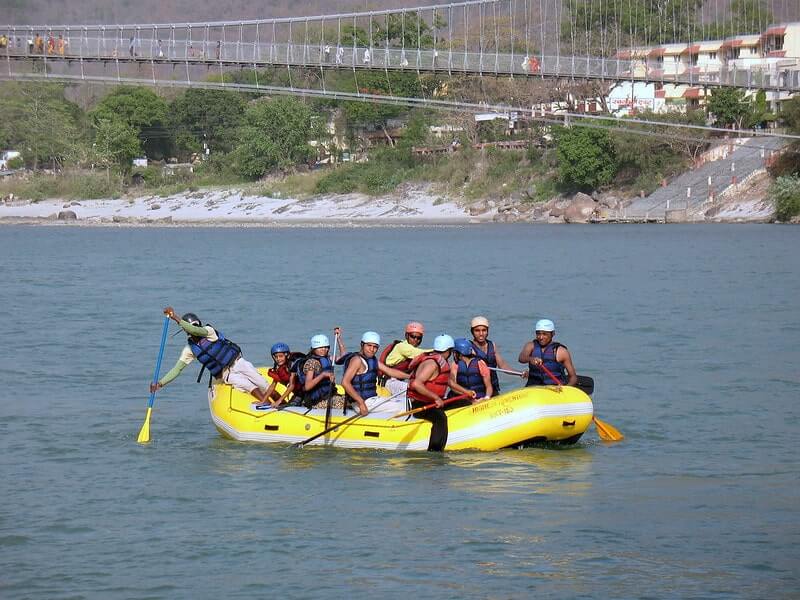
3. River Ganga, Rishikesh

River Ganga, Rishikesh

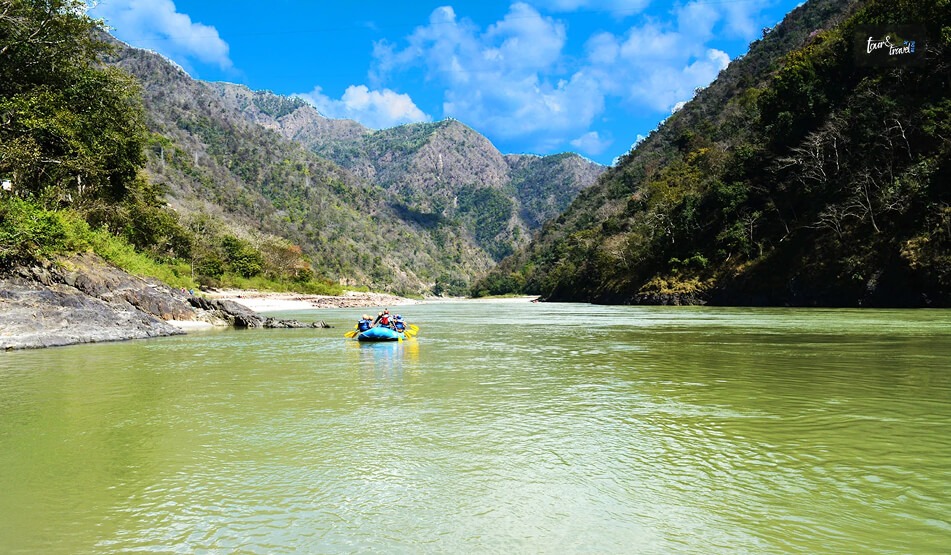
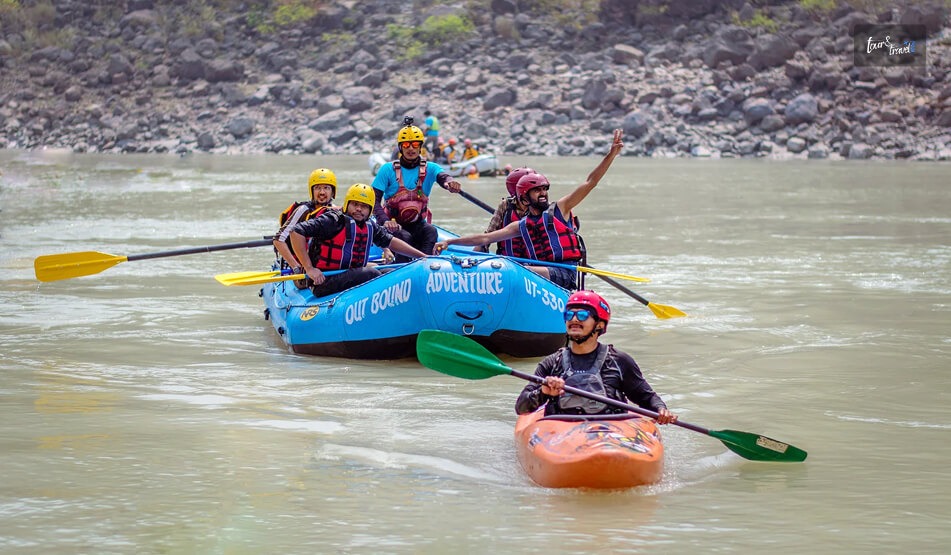
The Ganga at Rishikesh is not just India’s but one of the world’s best rivers to raft. The rafting stretch (16-34 km) is blessed with whirlpools and rapids, from grade 1 to grade 4.

The high on adrenaline activity has a blissful side, camping on the beautiful white-sand river beaches with the Kumaon Mountains in the backdrop. This is just magnificent.

The best season to plan a trip is from September to June. River rafting in Rishikesh in December is almost impossible because of the chilling cold wind, but if you are cold protective, it is possible.

Do not miss river rafting on the Ganga. It is definitely one of the best adventure things to do in India.

4. Tons River, Uttarakhand

Tons River, Uttarakhand

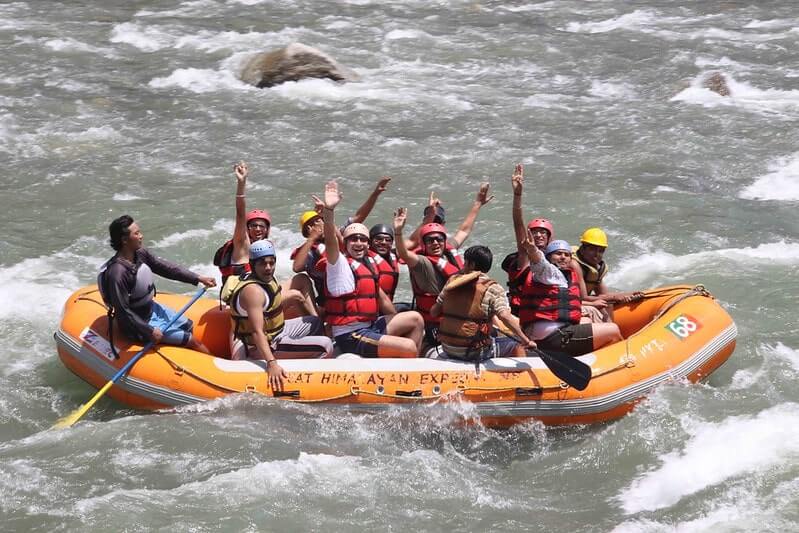
Known for the wildest rapids, the Tons River is one of the best adventure sports in India for river rafting.

Rising from the Bandarpoonch Mountain range at 20,720 ft. in Uttarakhand, the river has grades 3-4 and even some grade 5 rapids.

Tons River is one of the most challenging whitewater rafting rivers in the country. The 18 adrenaline-rising rapids make this an ultimate adventure!

April to June and October to December are the best seasons to plan your quest.

5. Kameng River, Arunachal Pradesh

Kameng River, Arunachal Pradesh

In the serene North East, the Kameng River is one of the best places for river rafting in India.

It is quite implausible to believe how one river can have so many forms, wild with strong currents as some places, languid at others. It is a thrilling experience. 

Whether an amateur or an expert rafter, the Kameng River offers rapids of Grade 1-4.

The thrilling adventure sport can be teamed with camping, nature walks, and other activities. It is an ultimate feat of adventure amid nature.

6. Spiti River, Himachal Pradesh

Spiti is known for adventure, and white water rafting is a recent addition.

The river flows through one of the most wonderful locations in the country, and white water rafting here is an experience to cherish. The rafting stretch is almost 77 km which takes 5-6 days.

 From easy to the wildest rapids, the river has surprises. Float, whirl, and spin, Spiti River rafting is surely not easy to forget.

Enjoy not just the thrill but the mesmerizing beauty of Himachal in its undisturbed form. The grades range between 1 and 3.

7. Zanskar River, Ladakh

Zanskar River, Ladakh

The Zanskar River in Ladakh is one of the best places for river rafting in India. Flowing at 12,000 feet above sea level, through the land of high passes, the icy-cold waters offer thrilling river rafting.

This is the experience of rafting in the Zanskar River, Ladakh.

The rapids are of Grade 3 and Grade 4. Rafting is held between the Padum and Zimo regions, with mighty mountains rising to hundreds of feet on both sides, passing through some of the most isolated regions in Ladakh. The best time to plan an expedition is during the months of July and August.

8. River Bhagirathi, Uttarakhand

river rafting bhagirathi

Bhagirathi River, the main tributary of the River Ganga, offers an excellent adventure of white river rafting. Flowing right through the heart of the Himalayas, the adventure sport also provides the chance to see nature at its very best. 

The river has almost 150 km of rafting stretch, with rapids of grades 3-5. From October to June, choose any season for the adventure.

With a dose of thrill, plan a trip where you can enjoy nature camping. River rafting in Bhagirathi is one you must definitely try on his/her travel to India.

9. Kundalika River, Maharashtra

river rafting Maharastra

Coming to the south of the Himalayas, the Kundalika River is the fastest river in South India. It is one of the excellent river rafting destinations in India.

Flowing through the lush Sahyadri Mountains in Maharashtra, the almost 15-kilometer stretch of the river has easy to challenging rapids, Grades 3-4.

Kundalika River rafting in Maharashtra is popular, and it is also the nearest river rafting to Mumbai.

The best time for rafting is in the months of the monsoon, when the river bed is well fed. But for the mountain region rivers, this monsoon comes with a harsh river attire.

The beauty of the region, apart from the thrilling adventure, is equally responsible for luring thrill-seekers.

10. Brahmaputra River Rafting, Arunachal Pradesh

Brahmaputra River Rafting, Arunachal Pradesh

The Brahmaputra River in India is known for its nurturing nature, but what is lesser-known is that it’s full of thrills. It is one of the best places for river rafting in India.

As the Brahmaputra River finds its way into Arunachal Pradesh, the river takes its challenging form after passing the Greater Himalayas. 

Rafting here is rated at Level 4 -6, some of the most difficult in the world. The almost 180 km stretch can be covered in a week-long expedition.

The best time to plan your rafting expedition is from November to March.

11. Dandeli, Karnataka 

Dandeli, Karnataka

With a Class II to Class III difficulty level, the Kali River in Dandeli is one of the best places for river rafting in India. 

October to May is the best time for river rafting in Dandeli, and it can accommodate adventure lovers of varying difficulty levels. 

You can opt for a short 30-minute river rafting experience here, and can even prepare for the entire 9 km stretch based on your expertise and experience level.

If you want to complete the entire stretch, it will be a 3-hour expedition.

Moreover, the ecosystem of Dandeli is rich, and you will find around 300 species of birds here. So, during your river rafting experience, you will enjoy an excellent interaction with wildlife and the lush greenery around. 

12. Coorg, Karnataka 

River rafting in the Barapole River in Coorg offers a high adrenaline rush, and being nestled in the Western Ghats, it is also one of the most scenic experiences. 

This river passes through coffee estates and forested hills, and it creates multiple frothy rapids. 

Moreover, it has class II and class IV rapids with swirling currents, bouncy waves, and sharp drops. 

With a short route of 3-4 kilometers, the rafting experience is very intense. 

Frequently Asked Questions (FAQs)

1. Which place is famous for river rafting?

Rishikesh is considered to be the best place for river rafting. The river Ganga flows fast while it is surrounded by the Gharwal Himalayas. This combination makes river rafting a thrilling experience.

2. Is river rafting safe?

Well, statistically it is. There are fewer cases of accidents in river rafting than in swimming and bicycling. If you have chosen a rafting company that has a good reputation, then rafting can be very thrilling and fun.

3. Is river rafting safe for non-swimmers?

Yes! Absolutely, it is. You don’t need strong swimming skills, because if you have fallen from the raft, you surely won’t be doing freestyle, right? All you need at that time is to stay afloat. 

Wrapping It Up:

During the rainy season, this mountain river is so tough and fearful that there is no chance to enjoy any adventure sports. June, July, and October are the most appropriate times to go have some fun on the rivers.

River rafting in India is quite popular among the youth.

And if you are planning to go for adventure sports like river rafting and kayaking, Indian rivers should be on your top priority list.

Do not forget to share your adventure traveling and river rafting experiences in the comment section.

Share on Social Media

Sibashree is a travel, culture, and leisure writer who has been writing since the age of 12 and professionally since 2014. With more than a decade of travel writing experience and journeys across India and several parts of the world, she brings a deeply personal and thoughtful perspective to her work. A student of English Literature and Mass Communication, Sibashree has always viewed travel as more than movement — for her, it has been a way of understanding people, cultures, and herself. Her passion for spiritual exploration has also led her to many unusual and meaningful destinations over the years. Outside of writing, Sibashree enjoys watching European cinema, reading about global politics, and reflecting on the stories hidden within everyday places.

One response to “What Are The Best Places For River Rafting In India? From Spiti To Arunachal Pradesh ”

Leave a Reply

Your email address will not be published. Required fields are marked *

title-img Related

READ MORE sigiriya rock

Climbing The Sigiriya Rock In Sri Lanka: Ravana’s Golden Palace Or An Ancient Buddhist Monastery?

BY  Sibashree Mar 5, 2026

The Sigiriya Rock was my next big cultural stop in Central Sri Lanka after the Ritigala Forest Monastery.  Also known as the “Lion Rock,” it is a UNESCO World Heritage Site with whiffs of mythology and major archaeological importance.  Despite the absence of any archaeological evidence, there is a strong mythological belief that it is the place of Ravana’s Golden Palace.  However, scientific evidence says that the rock fortress with its massive columns was once the seat of power of King Kashyapa (477-495 AD).  He built the fortress with magnificent frescoes and the palace at the top of the rock column. Also, the palace got such a name because one had to access the fortress through the mouth of an enormously carved lion.  The area was earlier used as a Buddhist monastery from the third to the first century BCE.  So, along with the Hindu temples of Jaffna and the Ambuluwawa Tower, which has Hindu, Buddhist, Christian, and Muslim sites, the Sigiriya Rock also remains a major attraction for religious and spiritual seekers.  Hi, in today’s blog, I will talk about the location of the Sigiriya Rock, how to reach it, the climbing experience, history, the entry fee, the structure, and other details.  What Is The History Of The Sigiriya Rock?  Sigiriya Rock was a Buddhist Monastery. It rose in prominence after King Kashyapa took the throne and shifted the monks to Pidurangala, a nearby outcrop.  He found the top of this near-vertical rock formation more defensible and built a fortress on its top. It had a magnificent moat, water gardens, temples, and meeting halls.  However, deserted by his own force, King Kashyapa killed himself as he did not want to be a captive of his brother.  The Sigiriya Rock again became a monastery after Anuradhapura became the capital again.  However, after a few years, the place was abandoned until George Turnour translated the Buddhist texts and identified the Sigiriya Rock. Further, in 1831, Jonathan Forbes located the city. Then, after 20 years, Harry Bell, the Archaeological Commissioner of Ceylon, at that time discovered the Lion’s Paws.  Finally, the Sigiriya Rock became a UNESCO World Heritage Site in 1982.  Where Is The Sigiriya Rock? How To Reach The Sigiriya Rock?  The Sigiriya Rock is located in the central region of Sri Lanka. Dambulla is the closest town, and it is the gateway to the Sigiriya Rock by road from Colombo and Kandy, the capital of the central province.  The distance is around 17 km, and the travel time is close to 25 minutes.  The distance between Kandy and the Sigiriya Rock is around 89 km, and the travel time by road is close to 2 hours and 31 minutes.  Furthermore, the distance from Colombo to the Sigiriya Rock is 177 km. So, the travel time is around 3 hours and 50 minutes.  Nevertheless, I took a bus from Dambulla to the Sigiriya Rock. The bus ticket price was around 50 LKR.  You will also get taxis and tuk-tuks from Dambulla.  Moreover, Habarana railway station, at a distance of around 20-30 minutes, is the closest to the Sigiriya Rock. Once you are done exploring Colombo or the things to do in Trincomalee, you can easily take a train ride to the Habarana railway station and take a taxi or tuk-tuk from there to the Sigiriya Rock.  What Are The Opening Hours And Entry Fee To The Lion Rock And Museum?  Sigiriya remains open from 7 AM to 6 PM. However, 5:30 PM is the latest time you can enter.  The entry fee to the Sigiriya Rock is around 11,149 LKR or 36 USD. This charge includes the museum entry fee.  However, you can also visit the museum on a different day and pay a fee of $5 or 1600 LKD.  Climbing The Sigiriya Rock  I started from the ancient water garden with the caves on the left. Furthermore, the octagonal man-made lake was in the shadow of the massive monolith.  As I proceeded, I found two big boulders forming a natural arch and creating a circular road upward. The path took a turn to the left.  The entire path was a part of the natural rock garden and was a sheer contrast against the water gardens below.  I met some spiders, monkeys, and street dogs on the way until I reached the Lion’s paws. 1. The Lion’s Paws The Lion’s Paws had a staircase in the center. This stone-made staircase is ancient, and the claws with the Lion’s paws are now the only remnants explaining why the Sigiriya Rock has the nickname of the Lion Rock.  The head and body of the lion are decayed and mostly engulfed by the jungle.  Furthermore, this ancient stone staircase is like a transition from history to the metal route up the mountain.  However, here, you have to be careful and be as silent as possible to avoid the wasp attacks.  2. From The Top Of The Lion Rock After climbing around 1200 steps, I reached the top of the Lion Rock. As Sigiriya is the tallest peak in the region, it offered me a 360-degree view of the surroundings. The sparkling rivers and lakes and the lush greenery of Central Sri Lanka won me over. The Pidurangala Rock was to the north, and it rose like a little volcano from the forest beneath.  3. The Mirror Wall  I walked through the remnants of the Sigiriya Rocks, the platforms, and the pools before I finally reached the Mirror Wall.  On my way, I also had an encounter with a giant lizard and a street dog who just knew how to pose.  Between the first plateau and the Lion’s Paws, there is a fork in the path. I took that path and turned left to come across the Mirror Wall.  With a plaster casing, the ancient Mirror Wall used to shine and reflect light. Also, today, when you visit the mirror wall, you can see thousands of graffiti. 4. The Frescoes From the Mirror Wall, I took a spiral staircase to reach the frescoes. However, for me, the cave paintings were more fascinating. There is a major debate about the figures drawn on the caves. Some claim that these are holy entities and they make offerings to them.  On the other hand, many say that these depict the concubines from the harem of the king.  5. The Cobra Head  I spotted the Cobra Head Cave while descending from the Sigiriya Rock. The cave resembles a cobra, which is ready to attack you with its fangs.  Furthermore, I spotted a reception hall and an ancient urinal.  Wildlife And Safety While Climbing The Sigiriya Rock  I could spot many monkeys while climbing the Sigiriya Rock. Also, the moat has signs that crocodiles can be spotted here. However, I could not find any.  Having said that, the lizards here are huge, and they are no less scary than crocodiles.  Furthermore, there is a caution regarding elephants roaming in the water gardens after dark.  Now, the scariest part. You will see huge wasp nests across various sections of the Sigiriya Rock. Keep silent and be responsible not to disturb those nests.  Amenities Available At The Sigiriya Rock Site There are toilet facilities at the base of the Sigiriya Rock. Furthermore, you will get a cafe or food stall near the ticket counter.  You can collect chips, ice creams, soft drinks, and water for this cafe.  Also, you can refill your bottle from the free fountain.  Tips And Tricks While Visiting The Sigiriya Rock  You have to carry enough water while climbing the Sigiriya Rock. Otherwise, you will be dehydrated, especially when climbing up after 8 AM.  Furthermore, you cannot take photos of the frescoes and cave paintings. Noone will allow you to ruin the historical artwork which has been there for more than 1600 years now.  Moreover, the stairs and paths are steep. So, if you have vertigo issues, you have to take precautions. Also, the path is full of wasps. So, be careful while climbing up the rock. 

READ MORE card-img

Why Include Whale Watching In Your LA Itinerary

BY  Ankita Mar 13, 2024

Do you intend to take a trip to Los Angeles? The city attracted 51 million tourists in 2023, making it one of the top destinations. The attractions here are myriad, and they go beyond the ordinary. Discovering whale watching off the coast is like unearthing a hidden gem. That is despite the glossy, opulent charm of the metropolis.  Los Angeles is in a perfect location to watch these amazing creatures in their natural habitat. It is nestled along the stunning coast of California. The city offers the best of the great outdoors and wildlife besides its vibrant culture. Anyone who wants to escape the hustle and bustle of the city will find whale watching an incredible experience. Imagine the thrill of seeing a massive pod of whales playing in the waves beside your boat. Nothing matches the exhilaration of seeing a whale break the surface.  Whale watching provides a mystical element to any schedule in Los Angeles. You will see grey whales, blue whales, and even orcas from up close. So, get ready to take advantage of this incredible opportunity. Prepare yourself to discover the beauties of the deep blue ocean while you are in Los Angeles. Furthermore, read about the risks of whale watching both for humans and the animals! This is an important part of the activity because your awareness will lead to you having a better understanding of how to treat the whales or be prepared if you plan on such an activity. Unique experience Witnessing some of the most magnificent marine animals in their natural habitat is an unparalleled experience for anyone. That's what whale watching in Los Angeles is all about! The activity helps humans to learn about animals and connect with them. It is definitely an empathetic experience because it contributes in making you more emotionally stable. If fortune favors you, you may be able to spot a school of dolphins playing in the waves. You might also witness a massive humpback breaking the surface. It is a chance to create enduring memories and build a strong bond with the natural world. Adventure opportunity Seeing these massive mammals is an exciting and daring experience. It appeals to thrill-seekers as well as those who enjoy the outdoors. Going out on the broad ocean in search of these amazing creatures is sure to provide an unmatched surge of excitement.  Your pulse will race, and you will feel energized by the possibility of seeing a whale spout off in the distance or watching a lighthearted acrobatic show. Considering Whales are giant beings, it is quite an adventure especially when they are so up close! Imagine the enormity of the situation thus, it makes you feel the reality where we all are an organ of nature playing our part! Watching a whale with your own eyes is an overall beautiful experience. Scenic views Whale watching in Los Angeles provides the excitement of seeing whales and other aquatic creatures. However, it also offers breathtaking picturesque vistas of the California coast. You will be greeted with expansive views of rocky cliffs, golden beaches, and glistening blue waters as you cruise the Pacific Ocean.  Think of it as a once-in-a-lifetime experience. It is due to the stunning environment. This is especially breathtaking during sunrises and sunsets. The whole experience of watching whales and Dolphins through spyhopping is one of the best you can have in your life! Environmental education Whale watching provides entertainment and an opportunity to learn about the environment. Many LA Whale Watching excursions are guided by seasoned experts, making them all the more promising. They offer perceptive opinions on the behavior, biology, and preservation of aquatic animals.  You may learn more about these amazing animals. It helps you to know the difficulties they encounter in their natural environment. As a result, you might promote a greater understanding of the maritime ecosystem and the significance of ocean conservation. Memorable activity Witnessing whales is an experience that will never fade from your memory. It is not merely a recreational activity. A lifetime adventure awaits you when you combine the exhilaration that comes from being out on the open sea with the amazing view of these magnificent species up close.  Los Angeles whale viewing will definitely be one of the pleasures of your trip to this city. It makes no difference if you are traveling alone or with companions. Photography advantage Whale watching provides a special benefit for photographers. This is an opportunity of a lifetime to use your camera to showcase the beauty of aquatic life. Not to mention, you get some flaunt-worthy shots for social media. You can take amazing pictures of dolphins playing in the waves or whales breaching the surface.  The California coast will be your backdrop. There are a ton of opportunities to capture stunning images. It is also a fantastic way to hone your photography skills and create amazing memories. It is regardless of your level of experience. Risks Of Whale Watching If you want to go on cruises and packages to watch whales, you have to learn about the rates of the trips! However, there are several risks that you will experience from the activity hence, you must take necessary precautions. It is important for you to consider your safety along with having an enjoyable experience because that is the whole process of traveling! Please be aware of the two risks of whale watching tours such as inclement weather and rough seas. At times, you might also suffer from seasickness! The safety measures that should be mitigated to the travelers so that they are aware of the risks. As an individual who is excited to experience whale watching, you should also be careful of sun exposure and dehydration. Safety Measures Of Whale Watching There are several steps that the trip managers take to ensure that all tourists are safe and do not feel sick! floatation devices and life jackets are given to each passenger in the boat. Even the boat in which you will travel if you go out for whale watching is equipped with all the necessary equipment. These equipment are all for safety such as first aid kits, fire extinguishers, and life rafts. The captain of the boat along with the crew members is trained to manage all emergency procedures in case of any emergency. It is a compulsory procedure for the captain to regularly monitor weather conditions and accordingly decide on the tour! All the boats that go out for whale watching are regularly checked and maintained with regard to their safety. Of course, there is also a rule regarding the number of people that are allowed on each boat and it must not exceed because it will increase the risks! All passengers are informed of all the risks and the precautions necessary. Whale Watching Impacting Whales! Do you wonder that watching whales as a commercial practice has become so severe that it is negatively impacting the whales? Vessel collision is a serious concern as at times, the boats might come too close that will lead to bumping to the whales. They might end up hurting the mammals! The engines of the vessels which are used to watch whales might impact them because it can disturb and sometimes damage them. It is basically a threat for all marine mammals especially when other technologies such as military sonar are used! Conclusion Whale watching in Los Angeles is not just a fun pastime. It is a unique journey that provides breathtaking scenery. It also provides the chance to learn about the natural world and leave a lasting impact. Exploring and learning about whales is possible in Los Angeles through whale watching.  You may simply wish to spend time in nature, or you may be searching for a great adventure. So, get ready to embark on this incredible journey and explore the splendors of the vast blue sea while in Los Angeles. Read Also: Savannah In Full Swing: What Is The Best Time To Visit Savannah? Pigeon Forge Indoor Adventures: From Go-Karts To Laser Tag A Step-By-Step Guide To Find The Best Places To Live In Utah For Every Lifestyle

READ MORE card-img

Minimizing Wear and Tear During Off-Road Adventures

BY  Sibashree May 13, 2025

Off-road adventures are fun and games until you hit a snag and have to find a way out. The best way to avoid that is to come prepared. While we cannot predict what might happen to you on the trail, we can help you prepare. This article will look at some things you must do and carry to make your off-road adventures safe and fun. Therefore, follow along to learn all you need to know about the right cheatsheet to follow while you are going on the trail.  How To Minimize Wearing & Tearing During Off-Road Adventure Going on an off-road adventure sounds great. However, fun can easily become punishment if you are not careful enough. This section is mostly about that. Here, we will look at some of the key points you must remember if you want to have fun and be safe at the same time.  However, trouble does not come with a script. Anything can happen at any point in time. Therefore, one key thing you must do is stay mentally prepared. That is the only thing that will be useful when you are on the trail with your car or bike.  Here we go! 1. Start with the Right Vehicle and Gear The foremost thing about maintaining your vehicle during off-road adventures is to choose the right one. You cannot drive a Lamborghini or a Harley while navigating treacherous terrain. Choose a vehicle that is suited for a muddy trail. For bikes, a scrambler or an ADV is the perfect choice. Meanwhile, for cars, go for a 4x4 with great ground clearance. These are best suited for the mud and grime of the trail, compared to other variants.  2. Inspect Before You Go Before setting out, take time to inspect key parts of your vehicle. Check fluid levels (oil, coolant, brake fluid), inspect belts and hoses for signs of wear, and make sure your battery is properly secured. Pay close attention to the tires, brakes, and suspension—these components bear the brunt of off-road punishment. Catching problems early can prevent serious damage and keep your trip running smoothly. 3. Drive with Caution and Control How you drive off-road can make a big difference in how much wear your vehicle suffers. Avoid aggressive acceleration or braking. Instead, maintain a steady pace and navigate over rocks, ruts, and water crossings. Use low-range gears when climbing or descending steep grades to maintain control and reduce strain on your drivetrain. Smooth, deliberate driving helps thoroughly clean your vehicle's damage. 4. Use High-Quality Parts and Accessories Invest in durable, high-performance parts from a trusted auto parts seller when replacing or upgrading components. Budget parts may seem appealing, but they often wear out faster and offer less protection. Upgrades like skid plates, heavy-duty shocks, and reinforced components can make a big difference in long-term reliability. Items You Need During Off-Road Adventures Being out in the wild is difficult, especially if the trail is remote and hosts limited thoroughfare. Therefore, if things go bad, it means that you can be stuck for hours. In worst-case scenarios, it can be days before you can be rescued. As a result, being prepared for the worst and carrying some tools can mean the difference between life and death. Therefore, follow along if you want to know more about some of the tools you must have if you love being out and about with your bike or car. Let’s go! First-Aid Kit This is a no-brainer, but we still listed it in our article. A study shows that most injuries received during off-road adventures could have been controlled if there had been a first aid kit. Some companies specialize in making kits suited for off-roading. Consider getting those kits, as they are purpose-built and come in a portable case that is easy to store in the car's trunk or the top box of your bike.  Flashlight A flashlight is another no-brainer. While you are out and about adventuring, you never know when you will need a flashlight. A flashlight is not just there to illuminate the way, but it can also save lives. A flashlight has sometimes saved adventurers by making them easier to spot from the sky. The best flashlights are the ones that can be worn on your head. These offer better flexibility and keep your hands free.  Extra Blankets If your car or bike breaks down and help is hours away, you need something to keep you warm. This is where trail blankets come in handy. Trail blankets are easy to carry and quite effective. They do not take up much space, and they are great insulators. Apart from blankets, you must also bring a sleeping bag. That will help you stay out at night if things go bad.  Food/Water/Fire The three golden rules of off-road adventures are constant food, water, and fire access. These are the most important things you need out on the trail. For food, consider carrying MREs. Meal-ready-to-eat is great as it packs nutrition in a small space.  For fire, consider carrying waxed wood shavings as they can burn upto an hour without any hassle. As for water, it is self-explanatory.  Sattelite Communicator While trailing, you must have devices that can help you connect with civilization. Think like this: the spokes of your motorcycle gave up, you are stranded, and you must establish communication. What do you do? This is why you must have some sort of communicator that can help you send out a signal that people can use to find you.  The Journey Must Commence With careful preparation and ongoing maintenance, you can reduce your vehicle's wear and tear and enjoy your off-road journeys for years. However, you must also prepare for the worst if push comes to shove. We have also listed some of the necessary components to avert any disasters.  Hopefully, we were able to list all the things and pointers you must ensure for a safe and happy trailing. Therefore, try not to discount anything we have listed here. Otherwise, you can end up being part of the stat.  Thank you and have a great day ahead.