

What To Pack For Europe Trip? Keep It Comfortable, Decision-Specific, And Versatile 

What to pack for Europe trip? 

The answer becomes easier when you know the destination, and you focus on comfort and versatility. 

In other words, cliché as it may sound, you have to pack light. Choose outfits that complement each other or the ones that can be easily layered. 

Also, keep in mind that there are destinations in which the temperature changes between day and night. Furthermore, there can be different transport rules that impact outfits. 

Furthermore, when you are traveling to Europe, you have to consider the following facts. 

  • Surprise Rain
  • Museum Days
  • Cobblestone Streets
  • Beach Afternoons 

Overall, it just takes one moment of uncertainty when you realize that you have packed many clothes but have left the charger behind. This should not happen, especially when you are traveling to a new country. 

So, you have to keep your packing checklist smart. 

What To Pack For Your Europe Trip: In A Nutshell 

– Pack sturdy and walkable shoes, light layering jackets, and versatile clothes. 
– Furthermore, keep your identity cards, debit/credit cards, and photocopies of your essential documents handy. 
– Again, you will need essential medications, sunscreen, blister care, and other toiletries. 
– Moreover, you will need the right adapter, power bank, charger, and phone. 

How To Make A Smart Packing List For Europe? 

How To Make A Smart Packing List For Europe
  • The Itinerary (Hiking, Beach Hopping, Cruising, or a Bit of Everything?)
  • The Season
  • And The Type of Luggage

These are going to be the most important factors when you are making a packing list for Europe. 

Furthermore, when choosing shoes, clothing, documents, and toiletries, you have to prioritize flexibility. 

Moreover, you have to be careful about the budget limit. The budget airlines in Europe do not have a generous approach toward budget limits. 

With my 10 years of experience as a traveler and travel blogger, I have found a breakthrough. 

To start smart, you have to pack for around 1 week. You may have a trip of 15 days ahead. However, you can always opt for the laundry service of the hotel you are planning to stay at. 

Moreover, even in the worst scenario, you will get many shops in Europe to procure clothes at a budget-friendly price. So, you don’t need to pack an entire wardrobe. 

1. What Is The Essential Clothing For A Europe Trip? 

You have to pack clothes that you can mix and match easily and layer comfortably. Furthermore, you must keep your neutral basics. 

In addition, you must include some outfits and gear that are ideal for weather-specific conditions. 

Moreover, until you have special events to attend, you can choose clothes that are ideal for both day and evening hours. 

Keeping these simple things in mind helps to avoid adding unnecessary bulk to your suitcase. 

This can be a simple yet effective clothing checklist for your European trip. 

Clothes to PackNumbers
Tops4 to 6
Bottoms 2 to 4
Layering Pieces1 to 2
Weather Jacket1
Dress1
Smart Casuals1
Socks and Underwear7 Sets
Sleepwear2 Sets

A Simple Tried-And-Tested Formula That Actually Works 

Certain things never change. I have been following a practical packing formula for all my trips, including the ones to Europe. 

If we keep thinking about what will happen, then there will be decision fatigue. We have to eliminate the “Just in case” additions as much as possible. 

Here are a few popular variations you can try.

Packing RulesDetails 
5-4-3-2-1 Rule5 Tops
4 Bottoms
3 Shoes
2 Layers/Dresses
1 Set of Accessory
3-5-7 Rule3 Bottoms
5 Tops
7 Sets of Socks or Underwear
3-3-3 Rule3 Tops
3 Bottoms
And 3 Pairs of Shoes

The formula you will choose will depend on the duration of your trip and your travel style. 

2. What Are The Best Shoes To Pack For A Trip To Europe? 

When you are planning a trip to Europe, you have to be prepared for a lot of walking. So, your shoes have to be sturdy and supportive. 

Furthermore, based on the weather conditions, you may need an additional pair. Also, if you have any specific event, such as a dinner or seminars planned, you will need a pair to match the occasion. 

Have a look at the table below to know the type of shoes you will need to pack based on your travel itinerary. 

Types of ShoesIdeal Pair
Sneakers/Walking ShoesCity Tours
Train Journeys
Sightseeing
SandalsSummer City Outing
Waterproof Shoes/Ankle BootsWinter
Fall
Rainy Season
Rainy Destinations
Loafers or Dressy ShoesEvenings
Parties
Trekking/HikingTrekking Shoes

Don’t pack brand-new shoes. Also, wear comfortable and worn-in shoes when exploring the cobblestone streets. 

These streets look the most aesthetic, and they are like a dream for dark academia fans. However, if you don’t wear shoes with proper insoles and grip, your feet will be sore and even get hurt. 

3. Money, Documents, And Travel Essentials You Will Need For A Europe Trip

Now, let’s come to the most important point. You have to be very careful with the reservation details, payment methods, and travel documents. 

You have to keep them organized and safe. If any of these get lost or misplaced, you will be in soup in a new country. 

  • Debit Cards
  • Credit Cards
  • Passport
  • Travel Insurance
  • Local Cash
  • Digital or Printed Confirmation for Trains, Hotels, and Flights
  • Driving License (If you are renting a car for self-driving). 

It is ideal to carry the important documents in a cross-body bag, and you can even use a bag with an RFID-blocking feature. 

4. Health Items And Toiletries To Pack for a European Trip 

You have to be smart and rational when packing your toiletries for a European trip. Remember that basic items such as a toothbrush and toothpaste can be bought anywhere. 

Nevertheless, you must carry all these essentials in your toiletry bag. 

  • Deodorant
  • Toothpaste
  • Toothbrush
  • Face Wash
  • Moisturizer
  • Shampoo
  • Conditioner
  • Razor
  • Hair Brush
  • Comb
  • Pain Reliever
  • Bandages or Blister Patches
  • Tissues
  • Pain Relivers
  • Hand Sanitizer. 

Moreover, know the international flight rules and specific guidelines of the airlines you are flying with regarding flying with liquids. 

5. Electronics You Need To Pack For Your Europe Trip 

You have to be very particular about the electronics and gadgets when you are traveling to a new country. 

These gadgets include:

  • Smartphones
  • Power Adapter for Europe
  • Phone Charger
  • Earbuds or Headphones
  • Camera
  • Tablet

Here, you have to keep in mind that continental Europe and the UK use diverse types of plugs. It means that if you are visiting Rome and London, you have to be tactful about the adapter. 

What To Pack For A Trip To Europe Based On Different Seasons? 

You must decide your packing list based on the season of your visit. For example, you will need light fabrics in summer, waterproof gear in monsoon, and heavy jackets for winter. 

SeasonThings to PackIdeal Travel Styles 
SpringLayers
Water-Resistant Shoes
Light Jacket
Scarf
Rainy Destinations
Mixed Temperature Zones
SummerSandals
Hats
Sunscreen
Breathable Bottle
Reusable Bottle
Coastal Destination
Hot Cities
FallUmbrella
Closed Shoes
Waterproof Jacket
Sweaters
Changing Weather
Cooler Days
WinterBoots
Coat
Thermal
Wool Socks
Gloves
Winter Breaks
Festivals

Should I Choose A Carry-On Or Checked Luggage For A Trip To Europe? 

Carry-on luggage is more convenient for a European tour compared to checked luggage. 

Checked luggage is only helpful when you are going on a winter travel, or you are traveling for many days. However, it is more expensive, and it can cause a lot of hassle. 

On the other hand, carry-on luggage is more convenient for quick transfers. Moreover, moving through stairs and transports is easier with carry-on luggage. 

Here is a quick comparison between carry-on and checked luggage.

Why Choose A Carry-On Luggage?Why Choose Checked Luggage?
Quick Airport Exit
Low Risk Of Losing Luggage Quick Movement in Train Stations
Better Control of Your Belongings
Heavy Winter Clothing
Longer Stay Essentials
Special Gear
Extra Space for Shopping Items

Moreover, if you are planning to explore remote locations and cobblestone streets, you will need a lighter bag. 

What Are The Things You Should Not Pack For A Trip To Europe? 

You have to avoid overpacking with careful planning. This is the right approach if you want to know what to pack for Europe trip. 

“Backup Outfits,” “Extensive Toiletries,” and “Extra Shoes” are some of the main problems when you are packing for a trip to Europe. 

Furthermore, every item you pack in your bag must have a clear purpose. 

You have to remember that Europe is a continent, and you will not be in a jungle where you will have to fight for survival. 

Read Also:

Share on Social Media

Sibashree is a travel, culture, and leisure writer who has been writing since the age of 12 and professionally since 2014. With more than a decade of travel writing experience and journeys across India and several parts of the world, she brings a deeply personal and thoughtful perspective to her work. A student of English Literature and Mass Communication, Sibashree has always viewed travel as more than movement — for her, it has been a way of understanding people, cultures, and herself. Her passion for spiritual exploration has also led her to many unusual and meaningful destinations over the years. Outside of writing, Sibashree enjoys watching European cinema, reading about global politics, and reflecting on the stories hidden within everyday places.

Leave a Reply

Your email address will not be published. Required fields are marked *

title-img Related

READ MORE Suva cultural guide

Suva Cultural Guide: Discover The Hidden Gems And Cultural Heart Of Fiji 

BY  Sibashree Jan 15, 2026

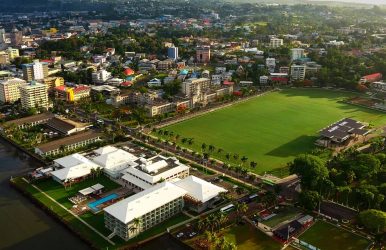
The common visuals about Fiji have sun-soaked resorts in Nadi and Denarau. Manicured lawns! The warm “Bula greetings!” And the polished facilities! However, if you want to experience the authentic Fijian life or feel the pulsating soul of the nation, you will have to travel east. It is the cultural heartbeat of the South Pacific. It is a sharp contrast if we compare the tourist polish of the West. You will feel that raw energy and colonial grandeur here. Also, it has a truly inclusive scenario with the Indo-Fijians and the indigenous Fijians constituting the majority of the population. Also, you will find part-Europeans, Chinese, and Caucasians. In this Suva cultural guide, I will talk about the raw energy of the city, its ancient seafaring legacy, vibrant markets, and living traditions. These are far from the poolside cocktails.  For more practical tips for a trip to Suva, you can read my Suva travel itinerary. Why Does Suva Claim The Cultural Capital Status?  Suva, despite being one of the most happening urban centers, has preserved its colonial history. Multiculturalism is another major factor in the cultural capital. Here is a deep dive into its history and transformation. Historical Shift To Powerhouse  Suva has not always been the seat of power. In 1882, the colonial leaders chose Suva as the capital over Levuka. The constraints for Levuka were the sea and the steep mountains. It was the beginning of the rise of a small and modest village as a power hub. However, the city, beginning its journey as an administrative epicenter, has now become a land with a multicultural tapestry. It has the headquarters of many regional organizations. It also has the University of the South Pacific, and a site where indigenous iTaukei traditions, Indo-Fijian commerce, and Chinese and European influences coexist. This diversity has solidified its status as the intellectual and artistic heart of the Pacific.  What Are The Top Cultural Attractions In Suva, Fiji? With the Suva Municipal Market, allowing everyone to have a slice of the Fijian life, the city also has many prominent cultural attractions. Also, the city is so particular about preserving its culture that there have been multiple acts and regulations surrounding it. 1. Fiji Museum And Thurston Gardens  View this post on Instagram A post shared by FIJI MUSEUM (@fijimuseum) The lush Thurston Gardens has the Fiji Museum, which preserves the 3700 years of Pacific history. The Fiji Museum Act (Cap 263) governs the operations and administrations of the museum for the curation and preservation of these artefacts. It also complements the Preservation of Objects of Archaeological and Palaeontological Interest Act (Cap 264), covering over 10,000 national heirlooms like traditional items central to Fiji's identity. Nevertheless, Ratu Finau, a massive 13-meter double-hulled canoe (drua), is the main attraction of the museum. It is a telltale of the rich maritime history of the nation. You will even find the Lapita pottery, the distinctive, stamped earthenware that allows archaeologists to trace the migration of the first Pacific Islanders.  Furthermore, the garden was built in the 1880s, and it has over 100 species of lilies and palm trees. 2. Suva Municipal Market  With the right Suva market guide, you will see how Suva comes to life from Thursday to Saturday. The Yaqona or Kava section on the second floor is the place where the city gets Kava roots and powders. Now, Kava is not just a drink. It is a social glue. When buying Kava (Yaqona) as a gift, ask for "Waka" (roots) rather than "Lewena" (stem) for higher respect/potency. On the other hand, the ground floor offers a kaleidoscope of taro (dalo), cassava, and jackfruit. These celebrate the city's Indo-Fijian roots. Furthermore, the air here smells of cumin and turmeric. Arrive from 6 AM to 10 AM on a Saturday to immerse yourself in a beautiful story of Fiji’s daily sustenance. 3. Government Buildings And Parliament Complex  The government buildings and parliament complex, showing the quintessential Art Deco style of the 1930s, face Albert Park. Albert Park is the place where Charles Kingsford Smith landed his Southern Cross in 1928. Here, you will also find the statue of Ratu Sir Lala Sukuna, the founding father of modern Fiji, whose legacy of land reform and indigenous rights still shapes the nation today.  Furthermore, the striking design of the parliament (after 1987) symbolizes unity. The National Trust of Fiji plays an important role in preserving these government buildings and the parliament complex. Suva Cultural Guide Of The Hidden Gems Off The Path  The Suva Fiji hidden gems are the telltale of the rich cultural and artistic legacy of the South Pacific. These are the places you need to explore. 1. USP Oceania Centre For The Arts  At USP, Epeli Hau'ofa's legacy lives. Catch Oceania Dance Theatre rehearsals, mesmerizing meke dances with stomping feet and ulu chants, or Red Wave Collective's bold canvases challenging colonial narratives. Live music, theatre, and talks pulse here, bridging ancient oral lore with contemporary fire. Free events draw locals and visitors alike. The Department of Heritage and Arts in Fiji plays a key role in safeguarding the nation's intangible cultural heritage, including traditional dances and music.  2. Draiba Cemetery And Sacred Heart Cathedral  Suva's Old Cemetery on Queen's Road whispers of pioneers and chiefs, graves oriented east for resurrection. It is a syncretic blend of Christianity and custom. Nearby, Sacred Heart Cathedral's French-imported sandstone vaults and stained glass offer humid respite. Dress modestly (shoulders and knees covered), remove hats, and absorb the choral echoes that define Fijian worship. 3. Fiji Arts Council Handicraft Centre  View this post on Instagram A post shared by Asia Pacific Region Crafts (@worldcraftscouncil_asiapacific) You will find certified "Fijian Made" masi barkcloth, kava bowls, and war clubs here. The Fiji Arts Council ensures authenticity, bolstering local artisans against imports. Perfect for ethical souvenirs tying into Heritage Department efforts. Cultural Etiquette: Honoring The Vanua  The Vanua, meaning the land and the kin, is sacred. In villages, offer sevusevu kava to the Turaga ni Koro for entry blessing. Wrap a sulu sarong modestly, men and women alike. Taboos: No head-touching (sacred seat of spirit), no hats indoors, ask before taking photos. The Department of Heritage and Arts safeguards these intangibles, such as dances, music, and pageantry, via UNESCO-aligned inventories, policies, and community revivals despite funding hurdles. A Flavorful Day: 1-Day Itinerary  Morning: Dawn at Municipal Market for produce frenzy, then Fiji Museum for historical grounding (allow 2 hours).  Lunch: Savor lovo, an earth-oven feast of taro, chicken, and palusami or fiery Indo curry at a hole-in-the-wall.  Afternoon: Oceania Centre for Art Pulse, then Colonial Walk: Government Buildings, Albert Park, Grand Pacific Hotel.  Evening: Kava bowl with locals, reflecting on Suva's layers. Total cost: Under $20 FJD sans taxis.  The Taste Of Suva  A Suva food tour will help you know how history flavors every plate of Suva. Fijian lovo buries sustenance in earth ovens; Indo-Fijian curries fuse cumin-heat with dalo; Chinese woks stir-fry cassava. Try kokoda (citrus-marinated fish) or fresh market seafood. Each bite traces the Girmitiya laborers, chiefly feasts, and fusion resilience.  Language Basics: A Suva Cultural Guide Bula! Hello/welcome.  Vinaka. Thank you.  Moce. Goodbye.  Tulou. Excuse me.  Ia bula vinaka? All good? (Ice-bo-la vi-nacka)  Sustainable Travel Tips  Fiji battles plastics  Bring reusables to markets  Support Heritage Department goals by choosing artisan crafts, minimizing footprint in rain-lashed paradise.  Expert Tips For Suva Cultural Travelers  Buy Authentic: Check the "Fijian Made" stamp at the Handicraft Centre.  Taxi Meter: Always ask the driver to turn on the meter. A ride within the city should rarely cost more than $5-$7 FJD.  Umbrella is Essential: Suva is the "rain capital." So, you will need an umbrella.  Respect Sundays: Sunday is a strict church/family time. Most shops are closed. So, you can plan a Suva Nature tour on Sundays.  Ask Before Clicking: Always ask permission before photographing locals, especially vendors in the market.  Suva Cultural Guide: Frequently Asked Questions (FAQs)  Here are the frequently asked questions and answers about the Suva cultural guide. 1. What Is The Best Way To Get Around Suva For Cultural Sites? Suva is very walkable. So, take a walk and explore the downtown heritage buildings. However, if you don’t want to walk and have a more relaxing experience, you can take a taxi, which is easily available and is cheap. 2. Is Suva Safe For Tourists? Yes, Suva is safe for tourists. According to Numbeo, it has a crime rate of 58.60. However, like any capital city or tourist place, it has its own share of challenges. You have to keep your valuables safe. Also, do not walk alone at night. 3. Do I Need Guide For The Fiji Museum? You can go for a self-guided tour of the Fiji Museum. It will take around 1-2 hours. However, if you want to know about human history and behind the scenes here, you will of course need a guide.For an overseas visitor, an entry to the museum costs around $20, and with an added guided tour, it will be $30. 4. What Should I Wear To The Sacred Heart Cathedral? You have to remove your hat while entering the cathedral, and your knees and shoulders must be covered.You can wear the traditional sarong or a maxi dress. Overall, your dress must be modest. 5. Can I Drink The Kava Offered To me? Yes, it is polite to accept. Clap once, say "Bula," drink in one go, and clap three times after. If you are trying the Kava for the first time, you must choose a low-tide of half a cup instead of a high-tide or a full cup.At first, you may feel like having peppery muddy water. However, the taste grows on you, and it has a mild sedative effect. 6. Where Can I See Traditional Fijian Dancing (Meke)? The Oceania Centre at USP often has rehearsals, or major hotels host distinct cultural nights. Furthermore, the Fiji Museum, being the cultural preservation hub, often hosts Meke. 7. What Currency Is Used At The Markets? Fijian Dollars (FJD) are used at the markets. Cash is king as local vendors do not take cards. However, you can shop with cards at TappooCity, and other large supermarkets accept cards. Also, many locals use an app called M-PAiSA for digital payments. 8. Is The Government House Open To The Public? No, the government house is not open to the public as it is the President's residence, but you can view the changing of the guard from the gate. The changing of the guard ceremony takes place in the first week of every month. 9. How Far Is Colo-I-Suva Forest Park From The City? Colo-I-Suva Forest is about a 15-20 minute taxi ride from the CBD. The journey through the Princes Road covers a distance of around 12 kilometers.You can also take a bus. However, it will take longer because of the multiple stops. 10. What Is The Significance Of The Tabua (Whale's Tooth)? It is the highest cultural token of respect in Fiji, often seen in museum displays but rarely handled by tourists. It is the polished tooth of the sperm whale, and in weddings, it is often the price offered to the family of the bride for asking her hand in marriage. Read Also: A Tucumán Historical Sites Guide: Independence, Incas & Jesuits In Northern Argentina Tucumán Nature Guide: Exploring The Yungas Rainforest And High Andes Tucumán Food Guide: The Capital Of The Empanada And Milanesa
READ MORE what is san francisco known for

Top 12 Things that San Francisco is Known for!

BY  Ankita Mar 23, 2024

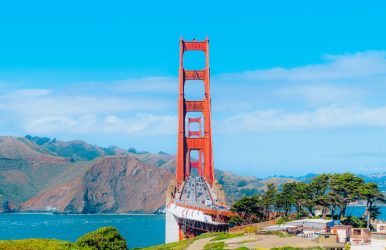
San Francisco is one of the most iconic and diverse cities in the United States. It is a cultural, historical, and technological hub that attracts millions of visitors every year. But what is San Francisco known for? In this article, I will explore 12 things that make San Francisco unique and memorable. So, if that is something you are interested in knowing, I have you covered! So, keep on reading this blog till the end to learn more… Top 12 Edition: What is San Francisco Known For? As per Rudyard Kipling, San Francisco is a “mad city, full of perfectly insane people.” And don’t worry, this holds so true in the most loving ways. From the colorful metropolis to its delicious streets, there are many things about San Francisco that make it popular! Wondering what San Francisco is known for? Well, I have you covered! Here are the top twelve things that San Francisco is known for: 1. The Golden Gate Bridge The Golden Gate Bridge is the most famous landmark in San Francisco and one of the most recognizable structures in the world.   It spans 1.7 miles across the Golden Gate Strait, connecting San Francisco to Marin County.  The bridge was completed in 1937 and was the longest and tallest suspension bridge then.   It has a distinctive orange-red color that contrasts with the blue water and sky.  The bridge offers stunning views of the city and the bay, and is a popular spot for walking, biking, and photography.  2. Alcatraz Island Alcatraz Island is a small island in the San Francisco Bay that was once a notorious federal prison.   From 1934 to 1963, Alcatraz housed some of the most infamous criminals in American history, such as Al Capone, Machine Gun Kelly, and Robert Stroud.  The prison had harsh conditions and high security, and no one ever escaped successfully.   Today, Alcatraz is a national park and a museum that attracts over a million visitors annually.  You can take a ferry to the island and explore the cell blocks, the lighthouse, and the gardens.   You can also listen to audio tours that narrate the stories of the inmates and the guards.  3. Cable Cars Cable cars are a symbol of San Francisco and a fun way to get around the city.   They are the world’s last manually operated cable car system. They have been running since 1873.  Cable cars are pulled by cables that run under the street. Also, they are operated by gripmen who use levers to control the speed and direction.   There are three cable car lines that serve different parts of the city, and each one has its own charm and scenery.  You can hop on and off at any stop or ride the entire route for a full experience.   Cable cars are also a great way to see some of the city’s famous hills, such as Nob Hill, Russian Hill, and Lombard Street.  4. Chinatown Chinatown is the oldest and largest Chinatown in North America, and one of the most vibrant and authentic neighborhoods in San Francisco.  It was established in the 1850s by Chinese immigrants who came to work on the railroads and the gold mines.   Chinatown is a cultural and historical treasure that preserves the traditions, languages, and cuisines of China.  You can walk along the colorful streets and alleys and see the ornate buildings, temples, and shops.   You can also sample some of the famous Chinatown delicacies, such as dim sum, noodles, and tea.  Chinatown is also home to many festivals and events, such as the Chinese New Year Parade, the Autumn Moon Festival, and the Dragon Boat Festival.  5. Fisherman's Wharf Fisherman’s Wharf is one of the most popular tourist attractions in San Francisco and a lively waterfront area that offers something for everyone.  It was once a working fishing port, and you can still see the fishing boats and the seafood stalls that sell fresh crab, shrimp, and clam chowder.  Fisherman’s Wharf is also a hub for entertainment, shopping, and dining.  It has attractions, such as Pier 39, Ghirardelli Square, Madame Tussauds, and the Aquarium of the Bay.  You can also enjoy the views of the bay and the city skyline, and watch the sea lions that lounge on the docks.  6. The Painted Ladies The Painted Ladies are a row of Victorian houses that are located on Steiner Street, across from Alamo Square Park.  They also have different names, such as the “Postcard Row” or the “Seven Sisters.” Furthermore, they are popular photography spots in San Francisco.  The houses date back to the period from 1892 to 1896. They feature different architectural styles, colors, and details.  They are a beautiful example of the city’s history and charm, and they contrast with the modern skyscrapers in the background.  The Painted Ladies are also famous for appearing in many movies and TV shows, such as Full House, Mrs. Doubtfire, and The Princess Diaries. 7. The Haight-Ashbury District The Haight-Ashbury District is the birthplace of the hippie movement and the counterculture of the 1960s.  Young people gathered here to protest against the Vietnam War. They also experimented with drugs and music to create a new lifestyle and identity.  The Haight-Ashbury District is still a place of creativity and diversity.  You can see the influence of the hippie era in the colorful murals, the vintage shops, and the psychedelic art.  You can also visit some of the landmarks that remind us of hippie icons. Some examples are the Grateful Dead House, the Jimi Hendrix House, and the Janis Joplin House. 8. The Castro District It was here that the gay rights movement began in the 1970s, led by the activist and politician Harvey Milk.  The Castro District is a place of pride and celebration.  You can see the rainbow flags, the pink triangle, and the Castro Theatre that symbolize the history and culture of the LGBTQ+ people.  You can also enjoy the nightlife, the restaurants, and the bars that cater to the diverse and friendly crowd.  The Castro District is also the host of many events and festivals, such as the Castro Street Fair, the Pink Saturday, and the Pride Parade.  9. The Mission District The Mission District is the oldest and the most eclectic neighborhood in San Francisco, and a melting pot of cultures, cuisines, and art.  It got its name from Mission Dolores. It was the oldest building, founded by the Spanish missionaries in 1776.  The Mission District has Hispanic and Latino heritage. You can see the influence of the Mexican and Central American immigrants in the food, the music, and the language.  You can also admire the stunning murals that cover the walls and buildings and depict the social and political issues of the community.  The Mission District is also a hotspot for entertainment, shopping, and dining, with many venues, such as the Roxie Theater, the Elbo Room, and the Tartine Bakery. 10. Lombard Street Lombard Street is one of the most famous and crooked streets in the world, and a must-see attraction in San Francisco.  It is located on Russian Hill, and it has eight sharp turns that make it look like a zigzag.   Designed in 1922, it aimed to reduce the steepness of the hill and to make it safer for cars and pedestrians.  Lombard Street also has a distinct beauty and charm. Also, you will notice colorful flowers, trees, and houses along the road.  You can drive down the street, or walk along the sidewalk, and enjoy the views of the city and the bay. 11. The Palace of Fine Arts The Palace of Fine Arts is a stunning architectural masterpiece. It was built for the Panama-Pacific International Exposition in 1915.  It was designed by the architect Bernard Maybeck, who was inspired by the ancient Greek and Roman temples.  The palace features a large dome, a colonnade, a lagoon, and a garden, and it is a popular spot for weddings, concerts, and events.  The palace is also a museum that showcases the history and the art of the exposition, and the science and the technology of the present.   You can visit the palace and marvel at its beauty and elegance, and learn more about the city’s past and future.  12. The Golden Gate Park The Golden Gate Park is the largest and the most diverse park in San Francisco, and one of the best places to relax and enjoy nature. It covers over 1,000 acres of land, and it has something for everyone. You can explore the many attractions that the park offers, such as the Japanese Tea Garden, the Conservatory of Flowers, the California Academy of Sciences, and the De Young Museum. You can also enjoy the outdoor activities, such as biking, hiking, boating, and golfing. The park is also home to many animals, plants, and flowers, and you can see the bison, the turtles, and the roses. The park is also a venue for many events and festivals, such as the Outside Lands, the Hardly Strictly Bluegrass, and the Shakespeare in the Park. Bonus: San Francisco is a Foodie’s Delight! San Francisco is a food lover's paradise, with a variety of cuisines and restaurants to suit every taste and budget. Whether you are looking for a cozy brunch, a romantic dinner, or a casual bite, you will find something to satisfy your cravings in this vibrant city. In this part of the blog, I will share with you my top 5 places to eat in San Francisco based on my personal experience and online reviews. 1. Zuni Café https://www.instagram.com/p/Cx07GGIvvTw/?hl=en Zuni Café is a San Francisco institution, located on Market Street near Civic Center.   It has been serving delicious food since 1979 and has won several awards, including a James Beard Award for Outstanding Restaurant in 2003.  The restaurant is famous for its slow-cooked, roasted chicken and bread salad. It takes about an hour to prepare, but is worth the wait.   The menu changes daily, featuring fresh, local ingredients and seasonal dishes.   The price range is moderate to high, with the chicken costing $62 for two people.   Other dishes that I recommend are the oysters, the Caesar salad, and the espresso granita.  2. State Bird Provisions https://www.instagram.com/p/C3wsGdMOplt/?hl=en&img_index=1 State Bird Provisions is a Michelin-starred restaurant that offers a unique dim sum-style service.   You can choose from a variety of small plates from carts and trays, or order from the menu.  The dishes are eclectic and innovative, featuring dishes like fried quail, duck liver mousse, and sourdough pancakes.   The price range is moderate to high, with the dishes costing between $5 and $25 each.  You can also opt for the chef’s tasting menu for $95 per person.   The restaurant is located on Fillmore Street near Japantown and is very popular, so make sure to book in advance.  3. Sanraku Sanraku is a cozy and authentic Japanese restaurant that serves high-quality sushi and sashimi, as well as other traditional dishes like donburi, udon, and tempura. The fish is fresh and the service is friendly. https://www.instagram.com/p/C37lalmLJmH Sanraku is a cozy and authentic Japanese restaurant that serves high-quality sushi and sashimi.  It also serves traditional dishes like donburi, udon, and tempura. The fish is fresh, and the service is friendly.  The price range is moderate, with the sushi rolls costing between $6 and $18 each.   The restaurant also has a happy hour from 5 to 7 pm, where you can get discounts on selected items.  The restaurant has three locations in San Francisco: on Sutter Street near Union Square, on Metreon near Yerba Buena Gardens, and on 4th Street near Moscone Center.  4. Honey Honey Café & Crepery Honey Honey Café & Crepery is a casual and charming spot that serves delicious breakfast and brunch items, such as crepes, pancakes, omelets, and sandwiches. https://www.instagram.com/p/CvAyNOTtkDj/?hl=en&img_index=1 The portions are generous and the prices are reasonable, with most items costing between $10 and $15. The restaurant also has drinks like coffee, tea, smoothies, and milkshakes. The restaurant is located on Post Street near Nob Hill, and is open from 7 am to 9 pm daily. 5. Le Colonial Le Colonial is a elegant and romantic restaurant that evokes the ambiance of French colonial Vietnam. The menu features dishes like pho, spring rolls, curries, and grilled meats, as well as exotic cocktails. https://www.instagram.com/p/CsZpmdwyCwC/?hl=en The price range is high, with the main courses costing between $25 and $40 each. The restaurant also has a lounge area, where you can enjoy live music and dancing. The restaurant is located on Cosmo Place near Union Square, and is open from 5 pm to 10 pm from Sunday to Thursday, and from 5 pm to 11 pm on Friday and Saturday. Best Time To Visit San Francisco And Getting Around San Francisco has famously changeable microclimates.  Also, its hilly, spread-out layout means timing your trip and picking the right way to get around both make a real difference to how much of this list you can comfortably see.  Weather And Seasons  Unlike much of California, San Francisco does not really have a hot summer.  June through August often bring the city's famous fog, with the Golden Gate Bridge and Twin Peaks sometimes disappearing into it by afternoon.  Also, the daytime highs commonly sit in the 60s.   The clearest, warmest weather usually arrives in September and October, when fog retreats, and temperatures can reach the mid-70s.  So, it is the best window for viewing the Golden Gate Bridge or spending a full day in Golden Gate Park.   Spring (March–May) is mild and a bit wetter, while winter (December–February) brings most of the city's rain along with the mildest crowds at spots like Alcatraz and the Painted Ladies.   Because temperatures barely swing across the calendar, the real planning variable is fog, not heat, so layering up regardless of month is standard advice for anyone heading toward the water.  Getting Around: BART, Muni, And Cable Cars  San Francisco is compact enough to see a lot of this list without a car.  Also, driving is not the best option because of the hills, one-way streets, and scarce parking near spots like Lombard Street.   BART (Bay Area Rapid Transit) connects the airport and the East Bay to downtown stations.  On the other hand, Muni, the city's own network of buses, light rail, and streetcars, covers most in-city neighborhoods. It also includes the Mission and Castro districts.   The cable cars mentioned earlier in this article are technically part of Muni too.  Also, a single cable car ride, a multi-day Muni Passport, or a Clipper Card with rides are all reasonable options.   Moreover, there are neighborhoods that sit apart from the main transit lines.  For example, for Haight-Ashbury District or the Palace of Fine Arts, walking or a short rideshare from the nearest Muni stop is usually the easiest last stretch.  San Francisco: Offering A Fusion Of History, Culture, Nature And Innovation San Francisco is a city that has something for everyone. From its iconic landmarks to its delicious cuisine, from its artistic scene to its social movements, San Francisco will surprise and delight you with its charm and creativity.  If you are planning to visit San Francisco, you can use this blog as a guide to explore some of the top things that the city is known for.  From its iconic landmarks to its delicious cuisine, from its artistic scene to its social movements, San Francisco will surprise and delight you with its charm and creativity. If you are planning to visit San Francisco, you can use this blog as a guide to explore some of the top things that the city is known for. And don't forget to share your experiences and feedback with us in the comments section below. We would love to hear from you! Read Also: Time Travelers’ Haven: Savannah’s Top Museums And Your Itinerary Art, Architecture, And Azaleas: 24 Things To Do In Savannah 15 Unexpected Things To See And Do In Georgia

READ MORE Exploring Canada By Boat

Exploring Canada By Boat: A Journey Through The Country’S Most Picturesque Waterways

BY  Ankita Jan 2, 2024

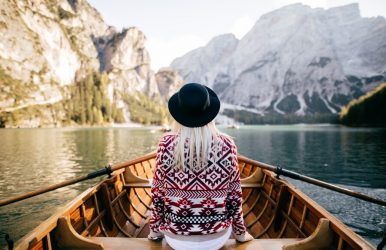
Canada, with its vast and diverse landscapes, offers some of the most stunning and unique boating experiences in the world. From the enchanting archipelago of the Thousand Islands in Ontario to the remote and majestic Great Slave Lake in the Northwest Territories! There is a boating adventure waiting for every kind of traveler. Let’s embark on a journey through Canada’s most picturesque waterways. Sailing Through The Thousand Islands, Ontario The Thousand Islands region, set on the Saint Lawrence River, is a boater's dream. This region is a mosaic of over a thousand islands, each with its own character. Boaters can navigate around these islands, discovering hidden coves and quaint island communities. The Thousand Islands Marina is the ideal starting point for this exploration. Here is an interesting tidbit. The region is home to the famous Boldt Castle, a symbol of the area’s rich history. Great Slave Lake, Northwest Territories: A Northern Adventure Heading north, Great Slave Lake beckons with its deep, clear waters and stunning scenery. Known for its tranquility and vastness, it’s a perfect spot for those seeking a more solitary boating experience. The Hay River Marina is your gateway to this northern paradise. As you sail, remember you’re on North America’s deepest lake, with depths reaching over 2,000 feet. Tranquil Waters Of Lake Louise, Alberta In the heart of the Canadian Rockies lies Lake Louise, a gem known for its turquoise waters set against a backdrop of majestic mountains. The serene environment here is ideal for a peaceful day of boating. The Fairmont Chateau Lake Louise Boathouse provides access to these pristine waters. Fun fact: the lake was named after Princess Louise Caroline Alberta, the fourth daughter of Queen Victoria. Navigating The Gulf Islands, British Columbia Off the coast of British Columbia, the Gulf Islands offer a temperate climate, vibrant wildlife, and a strong artisan community. Cruising through these islands, you might spot orcas, seals, and bald eagles. Straddling the border of Ontario and Manitoba, Lake of the Woods is a captivating destination with its waterways, islands, and diverse wildlife. With over 14,500 islands, it offers endless exploration possibilities. Northern Harbour in Kenora is the perfect launch point for your journey across this vast lake. Our journey starts at Montague Harbour Marine Provincial Park on Galiano Island, a popular launch spot for many explorers. The Majestic Bras d'Or Lake, Nova Scotia On the east coast, the large saltwater Bras d'Or Lake in Nova Scotia is a haven for boaters. Known for its beautiful landscapes and excellent sailing conditions, Bras d'Or Lake has inspired many. The famous inventor Alexander Graham Bell had a summer home here. For easy lake access, head to the Baddeck Marine. Georgian Bay, Ontario: A Freshwater Wonderland Part of Lake Huron, Georgian Bay is celebrated for its rugged coastline and crystal-clear waters. Boaters here can explore thousands of islands along the bay. Beacon Bay Marina is a popular choice for starting this adventure. A remarkable feature of Georgian Bay is that it contains the world’s largest freshwater archipelago, the Thirty Thousand Islands. Lake Of The Woods, Ontario/Manitoba: A Boater’s Labyrinth Straddling the border of Ontario and Manitoba, Lake of the Woods is a captivating destination with its waterways, islands, and diverse wildlife. With over 14,500 islands, it offers endless exploration possibilities. Northern Harbour in Kenora is the perfect launch point for your journey across this vast lake. Canada’s diverse waterways offer an unparalleled experience. These destinations not only provide stunning natural beauty but also a chance to connect with Canada’s rich maritime heritage. Remember, when exploring these beautiful waters, it's important to prioritize safety and respect the local environment. This ensures that these magnificent destinations continue to be enjoyed for generations to come. So, grab your license and life jacket and set sail on an unforgettable journey through Canada's most picturesque waterways! Read Also: 10 Best Things To Do In San Diego (USA) 10 Useful Tips For Planning A Trip That You Will Love