Adventure Awaits: The Path To Fulfilment Through Exploration

Oct 22, 2025

Last Updated on: Nov 13, 2025

Travel Blog

You ever feel like life’s just looping on repeat? Same mornings, same coffee, same everything. 

At some point, most of us start craving something that shakes that pattern, and we need something raw and real. That’s where adventure holidays sneak in. 

They don’t just change your surroundings, they mess (in a good way) with how you see yourself. For anyone coming out of alcohol rehabilitation centres, that shift can mean the world.

 It’s like flipping a switch, a chance to rebuild confidence, piece life together again, and actually feel alive instead of just existing.

Here is more on how transformative travel experiences help us.

The Psychology Of Adventure

Adventure does something strange to your mind. It wakes it up. Think hiking in the Himalayas or rafting wild rivers in New Zealand. It’s not just adrenaline. It’s therapy in disguise. 

A study by the University of Northampton found that roughly 90% of people felt stronger, more fulfilled after “residential outdoor trips on nature connectedness.”

That’s almost everyone. Makes sense, though! When you’ve climbed that mountain, or even survived that one terrifying wave, something in your head just changes.

Most folks find that once they’re out there, facing new challenges, limits stretch. You go from “I can’t” to “wait, maybe I can.” 

And that’s where growth lives. Especially for anyone recovering from addiction, every small win whispers, see, change is real. It’s not easy, but it’s honest work, and that’s the beauty of it.

Examples Of Adventure Holidays

Are you looking for transformative travel experiences? You can explore the following activities and adventures.

1. Trekking In Patagonia

Now this one’s stunning. Honestly, otherworldly! Glaciers that glow blue, winds that test your patience, and trails that humble you real quick. There’s something about being surrounded by that much untamed beauty that resets your brain.

2. Surfing In Costa Rica

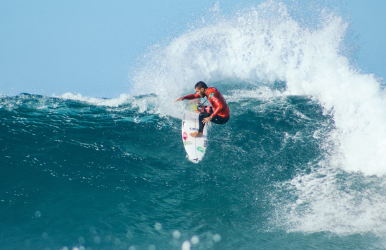
It is not your average beach trip. Warm waves, laughter echoing off the water, and even falling feels kind of freeing. 

Learning to surf teaches patience. You wipe out a dozen times, but when you finally ride that wave — yeah, it changes something inside you.

3. Safari In South Africa

There’s silence out there that words can’t touch. Watching a lion cross the grasslands or an elephant just being! Time slows down. And for a moment, you’re reminded how big life actually is.

4. Mountain Biking In The Alps

It’s chaos and calm rolled into one. The climbs are brutal, the paths unpredictable, but man, those views. Finishing a tough trail feels like winning back a part of yourself you didn’t even know you’d lost.

5. Kayaking In The Norwegian Fjords

This one’s magic. Paddling between steep cliffs that look carved by gods is a one-of-a-kind experience.

It’s almost too quiet. The rhythm of your paddle turns into a kind of meditation. You start thinking, really thinking, about where your life’s going next.

Transformative Travel Experiences And Building Connections And Community

The Funniest thing about adventure trips is that you show up thinking you’re doing it for yourself, but you end up building these unexpected friendships. 

People you’ve never met start to feel like family after a few shared challenges (or shared blisters). Late-night talks, bad coffee, shared laughs! That’s the stuff you remember. 

On a trek route, when a shepherd you meet or your guide shares a slice of cheese with you or pours a cup of coffee, you know you have met the divine. 

And especially for folks fresh out of rehab, that connection? It’s gold. Suddenly, you’re not alone. 

You’re with people who get it. Who nods instead of judging you. Those friendships stick even long after the trip’s done. Sometimes, they’re the reason you keep pushing forward later on.

When you are straight out of rehab, all you seek is getting included or becoming accepted. These things often become difficult when you are back amidst your family and friends. Back in their minds, they somehow go completely prejudice-free. 

However, when you are meeting new people on a journey, these new people do not know you, and they accept you as who you are at present. 

Embracing Change And Personal Growth Through Transformative Travel Experiences

Adventure is messy. You can plan every detail and still have everything go sideways, and that’s the point. It forces you to adapt, breathe, and trust yourself again. 

Somewhere between the scrapes, the missed turns, and the quiet sunsets, you find clarity. You remember what you want.

For people healing from addiction, that moment hits deeper. Stepping outside, feeling tested but not defeated, it rewrites your story. 

You’re not “recovering” anymore, and you’re living. And the things you pick up out there, including patience, grit, and gratitude, they stay long after you’re back home.

At the end of it all, adventure holidays aren’t really about travel. They’re about renewal. They crack open the shell of routine and let the light in again. 

Whether you’re trekking Patagonia’s wild path or gliding through Norway’s fjords, you don’t just move through landscape. They move through you.

So yeah, if life’s been feeling heavy or stuck, maybe it’s time to pack a bag. The world’s out there, waiting with rough edges and all. And if you let it, adventure might just hand you back the best version of yourself.

Transformative Travel Experience: More Than A Buzzword 

What that transformation is will be different for every traveller: some will be about traversing exterior landscapes, and some will be about traversing interior landscapes.” –

Arnie Weissman, the Editor-in-Chief of Travel Weekly, said this in a report on the BBC. So, while connecting with new people and new locations, you are actually taking a step forward and soaking in every experience mindfully. 

However, to indulge in a transformative travel experience, make sure that you don’t overestimate your travel plans. You must keep it spontaneous and slow-paced so that you have enough time for journaling, taking photos, drawing a picture or whatever makes your travel moments unforgettable. 

Moreover, with transformative travel experiences, you can free yourself from self-pity. While meeting new people, you will know that many are living under conditions worse than yours. So, you will be thankful for what you have right now. 

Share on Social Media

Sibashree is a travel, culture, and leisure writer who has been writing since the age of 12 and professionally since 2014. With more than a decade of travel writing experience and journeys across India and several parts of the world, she brings a deeply personal and thoughtful perspective to her work. A student of English Literature and Mass Communication, Sibashree has always viewed travel as more than movement — for her, it has been a way of understanding people, cultures, and herself. Her passion for spiritual exploration has also led her to many unusual and meaningful destinations over the years. Outside of writing, Sibashree enjoys watching European cinema, reading about global politics, and reflecting on the stories hidden within everyday places.

Leave a Reply

Your email address will not be published. Required fields are marked *

title-img Related

READ MORE Big Bend National Park

Big Bend National Park Wildlife: The Hot Desert Park

BY  Sibashree Sep 30, 2024

When we hear the term “desert,” we usually imagine a place with sparse traces of life. However, Big Bend National Park is an exception, creating a home for elk, black bears, squirrels, rattlesnakes, and woodpeckers.  Big Bend National Park also has oases created by single strands of cottonwood trees. Further, ephemeral springs, rocky canyons, highland shrubs, junipers, and grasses have contributed to the biodiversity of the park. So, did you see something moving in the bush? Let’s find out what it can be! A Vivid Wildlife Thrives At Big Bend National Park  Along with a never-ending variety of mammals and reptiles, the Big Bend National Park has the most butterflies, birds, scorpions, ants, and bats.  Also, various species of animals here play an important role in the ecosystem of the park. Further, a rich and sustainable food chain here keeps the diversity intact.  Mammals At Big Bend National Park Home to 75 species of mammals, Big Bend National Park shows an extraordinary variety of mammals you can see. Further, it is hard to believe how the tiniest Western pipistrelle bat and the largest black bear can coexist in a space.  Nevertheless, along with bobcats, black bears, and javelinas, you will also get to see mountain lions, coyotes, gray foxes, bighorn sheep, aoudad, nutria, and elk. Further, among the petite ones, the most common species here are lagomorphs, badgers, squirrels, and ringtails. Birds At Big Bend National Park If you are a birder and want to make the most of your bird-watching experience here, you must be at the right spot at the right time. So, the table below shows the bird-watching locations in the park and which bird species you will encounter there. Rio Grande Village Nature TrailGreen KingfisherNorthern cardinalGreen heronGolden-fronted WoodpeckerCommon black hawkChisos MountainsBlack-crested titmouseMexican JayNorthern flickerAcorn woodpeckerCottonwood CampgroundVermillion flycatcherGreat-horned owlBlack vultureLadder-backed WoodpeckerDugout WellsSummer TanagerAsh-throated flycatcherWhite-winged doveInca doveGreat roadrunnerSam Nail RanchScaled quailPainted buntingPyrrhuloxiaYellow-breasted chatGreen-tailed towheeBlue CreekBlack-throated sparrowLucifer hummingbirdMourning doveBlue grosbeakCactus wren Also, spring is the best time to visit Big Bend National Park if you want to encounter the most colorful birds. Further, in this season, some of the rarest migratory birds flock to this desert park. So, late February to May is the best time for bird watching in Big Bend National Park.  Amphibians At Big Bend National Park You will find a wide variety of amphibians along the Rio Grande floodplain and in many other parts of the park. However, the amphibians here mostly are different species of toads and frogs.  So, here is a list of toads and frogs in this national park. Great Plains narrow-mouthed toad Couch's spadefoot toad Red-spotted toad Green toad Spotted chirping frog Rio Grande leopard frog Canyon treefrog Texas toad These toads are frogs found near the lakes and springs in the park. Moreover, if you are camping in the park or exploring the backcountry camping at Big Bend in summer, you will hear these amphibians’s loudest cries at night.  Reptiles At Big Bend National Park https://www.instagram.com/p/C9fH6jROWXa/?img_index=1 The Chihuahuan Greater Earless Lizard in Big Bend National Park is one of the most colorful reptiles you will come across. Further, the males display a riot of colors, with a touch of orange, green, yellow, and brown all over their bodies.  However, this desert park harbors many other species of lizards and snakes. Check out the table below to learn about these species.  Lizards in Big Bend National ParkTexas Horned LizardRound-tailed Horned LizardEastern Collared LizardGreat Plains SkinkShort-lined SkinkGreen AnoleSouthwestern Fence LizardCrevice Spiny LizardSnakes in Big Bend National ParkTrans-Pecos CopperheadWestern CoachwhipWestern Diamondback RattlesnakeMojave RattlesnakeBlack-tailed RattlesnakeMottled Rock RattlesnakeBaird's Rat SnakeTrans-Pecos Rat SnakeRegal Ring-necked SnakeSonoran Gopher Snake, etc. Turtles in Big Bend National ParkYellow mud turtleBig bend sliderDesert box turtleTexas spiny softshell The warm climate and extreme heat in the summer season have made Big Bend National Park ideal for the habitation and breeding of various reptiles.  Fish At Big Bend National Park Finding schools of fish in a desert park like the Big Bend National Park is a little astonishing. However, the park is blessed with the Rio Grande and its tributaries. So, you can see fish in the Terlingua creeks and Tornillo.  Unfortunately, nine species of fish in the park are now extinct. Still, it has varieties, such as Big Bend Gambusia, catfish, largemouth bass, longnose dace, bluegill, green sunfish, and blue tilapia.  Do you know that the last American Eel was taken from Rio Grande in 1954? Further, Big Bend Gambusia is an endangered species, and it is now only found in a protected pond close to the Rio Grande Village.  Also, the invasive species of blue tilapia has now become a pest. So, many organizations are now against the further spread of this species.  Insects At Big Bend National Park  The two-tailed swallowtail caterpillar is the most adorable insect in the Big Bend National Park. Other insects found in the national park are black beetles, whirligig beetles, and yucca moths.  Yucca moths play a crucial role in the ecology of the Big Bend National Park. It is responsible for pollinating the creamy-white yucca flowers that bloom at night.  Further, in the Chisos Mountains, you will find beebrush plants where bumblebees, honey bees, and other species of bees roam around. Moreover, in the summer, you will find ladybugs on the peaks.  Other insects found at Big Bend National Park are: Tarantula hawks Millipedes (mostly seen after a rainfall) Diplopoda or two-footed insects Diplopoda is very vital for nutrient recycling in the Big Bend National Park. It creates burrows in the ground of around 1 or 1 and a half feet. Further, they feed on plant remains to return essential nutrients to nature.  A varied geology, including a river corridor, mountains, acres of Chihuahuan desert, and oases, has made Big Bend National Park rich in wildlife. This desert park has around 75 species of mammals and 450 species of birds. It is also home to more than 50 species of reptiles and many amphibians.  So, for a wildlife lover, this desert park in Texas is a sheer delight! Also Read Top 10 Most Popular Paraguay Food That You Must Try. Top 13 Famous Wonders Of India That You Must Visit! [Updated 2024]

READ MORE How to Choose Luxury Hotel in Singapore

How To Choose The Right Luxury Hotel In Singapore: A Traveller’s Guide

BY  Sibashree Aug 1, 2025

Singapore is a place you won't forget because it has a mix of modernity, rich culture, and a famous skyline. Okay, so—Singapore. If you’ve been there, you probably get it. And if not, just trust me—it’s one of those places that stays with you.  It’s shiny and modern, but at the same time, you turn a corner and there’s a temple that looks like it’s from another century. The food? Ridiculous. The views? Even more so. But here's the thing nobody tells you upfront: your hotel? It's not just somewhere to crash. It's a huge part of the whole vibe, especially if you're going all-in on the luxury experience. But, how to choose luxury hotel in Singapore? That can feel... kinda overwhelming. Let me walk you through how I usually figure it out. How To Choose Luxury Hotel In Singapore? Choosing the place where you are going to stay for your vacation is always exciting. But how to choose luxury hotel in Singapore? You have to consider a lot of things while choosing it. 1. Pick The Best Place For You So first off, you gotta ask yourself, “Why am I even here?” I mean, what are you really in Singapore for? Want to shop? Go somewhere close to Orchard Road—it’s like shopping overload in the best way. More into history and temples and that sort of thing? You’ll probably want Chinatown or Kampong Glam. Travelling with kids or just want some beachy downtime? Sentosa's the move. And if you’re in town for work stuff, or want those crazy Marina Bay views? Then yeah—stay near Marina Bay. Also, and I can’t say this enough, be near an MRT stop. It’s cheap, clean, and insanely efficient. You’ll save yourself so much walking and taxi money. 2. Make Sure The Amenities Fit Your Lifestyle Okay, here’s where it gets personal. Like—what does “luxury” mean to you? Is it a spa that melts your stress away in five minutes flat? Or a rooftop bar where they remember your name and your drink after one night? Or maybe you just need solid Wi-Fi and a quiet room so you can finish that Zoom call and then go disappear into the pool. Some places go really extra with the service—private butlers, curated city tours, chefs who’ll adjust the menu to your dietary thing... all that. But don’t just fall for the photos. Look at what actually matters to you, not what sounds fancy in a brochure. 3. Think About Different Themes And Designs Okay, not everyone cares about this. But I do. I mean, you could stay in some super clean, all-white, glass-everywhere kind of hotel, and that’s fine. Or you could stay in a place that feels like Singapore, like it actually tells you a story. There are hotels with old-school colonial architecture and crazy modern interiors. Or ones where you walk in and it's just this mix of bold colours, funky shapes, and stuff that kinda feels like an art exhibit.  There’s something cool about being in a place that doesn’t feel cookie-cutter, y’know? 4. Get Ideas From Real Guest Reviews Alright. Quick tip: don’t trust only the perfect pics and big influencer posts. Some of those are basically paid ads with filters. Instead, scroll through the messy, ranty, or surprisingly detailed reviews. If ten people say the breakfast is amazing? It probably is. If three folks mention mould in the bathroom, even if everything else looks nice? Yeah, that’s a red flag. I always try to find reviews from someone who travelled the way I am—like solo, or with a partner, or for work. You’ll get a much better read on what your own stay might feel like. 5. Think About How Private And Exclusive It Is Okay, this one’s kinda underrated. Some hotels—especially the bigger chain types—are just... crowded. Even if they’re five-star, it can feel like a luxury version of a mall. But the smaller boutique hotels? Totally different energy. Quieter, slower, more personal. You might not get the giant buffet breakfast, but you will get a front desk person who actually remembers your room number and maybe even your name. If you’re on a honeymoon, anniversary trip, or just don’t wanna deal with tour groups and loud lobby music, go small and classy. Trust me. 6. Look At The Loyalty Benefits And Packages Side By Side Quick money-saving trick: don’t ignore those loyalty programs. Even if you’re only gonna use it once a year, the perks can be solid, like surprise upgrades or free late checkout (a lifesaver if your flight’s in the evening). Also, check if the hotel’s running any random packages. Sometimes it’s stuff like airport transfers, spa credits, or a private dinner for two. It doesn’t always save you cash, but it can make your stay feel a lot more... taken care of. 7. Put Safety And Cleanliness First Yeah, I know. Not the fun part. But since the whole pandemic thing, this matters more than it used to. Most top-tier hotels say they’re clean, but still, dig a little deeper. There are various luxury boutique hotels in Singapore to choose from.  Look for stuff like contactless check-in, solid air filtration (it’s a thing now), and what guests actually say about how well-kept everything is. If the place is sparkling and the staff is on top of things? It’s one less thing to stress about. How To Choose Luxury Hotel In Singapore: Think Of Ypur Priority If you are wondering how to choose luxury hotel in Singapore, you need to think about what matters most to you, like the design, location, privacy, and amenities. At the end of the day, there’s no “best” hotel—just the one that hits all your buttons. It might be the place with the jaw-dropping skyline views. Or the one with a bathtub bigger than your entire apartment. Or maybe just somewhere that’s quiet, clean, and has ridiculously good room service. Whatever it is, when you find that spot that just gets it right, it becomes more than a hotel. It becomes part of the trip. Read Also: What to Expect When Hiring an Meeting Space in Singapore Dark Tourism In Singapore | 5+ Must Visits In The Lion City

READ MORE How To Pack Light For My Next Trip

How To Pack Light For Any Trip: 10 Essentials Every Traveler Needs

BY  Sibashree Jul 3, 2026

Packing light is one of the most useful travel skills.  Yes, of course there is an obvious reason behind it. It saves you baggage fees. However, that’s not just it. Additionally, it makes airport transfers easier. Moreover, it lets you arrive at your destination faster.  But packing light does not mean packing less. It means packing smarter.  The travelers who consistently arrive with only a carry-on are not carrying half of their belongings.  In fact, they are carrying the right things in the right proportions. So, if you are losing your sleep, wondering how to pack light for your next trip, I got you. This guide covers the ten essentials every traveler needs and the principles behind packing them without waste. How To Pack Light For Your Trip? Just These Essentials Will Do! When you are aiming to pack light for your upcoming trip, these are the essentials that you will only need. Let’s take a look: 1. A Well-Fitted Main Bag Under 40 Liters Most travelers overpack because they start with a bag that is too big. A 35- to 40-liter backpack or roller bag forces smarter choices.  Additionally, it fits standard carry-on size limits for most airlines.  Also, it holds enough for trips of one to three weeks if you pack thoughtfully.  Therefore, anything larger tempts you to fill the extra space with items you will not actually use. 2. A Foldable Secondary Bag For Overflow Every traveler comes home with more than they left with.  Souvenirs, gifts, that jacket you bought because the mountain evenings were colder than expected.  Foldable bags that fold into a pocket-sized pouch solve this in a way most travelers do not think about until the return trip.  Tuck one or two into your main bag before you leave.  On the way home, they handle the overflow without forcing you to pay for a second checked bag at the airport counter. 3. Clothing That Follows The Rule Of Thirds When packing for a trip, aim for a balanced approach by dividing your items into three categories.  First, one-third of your selections should be neutral basics that mix and match easily with different outfits.  Next, choose another third made up of versatile pieces that serve dual purposes, like a shirt appropriate for both hiking and dinner, or a jacket that can be layered over various outfits.  Finally, reserve the last third for trip-specific items essential to your activities.  This thoughtful ratio ensures your wardrobe remains functional and versatile without becoming too heavy or cumbersome. 4. Two Pairs Of Shoes, Maximum One pair for walking and one pair for everything else. Wear the heavier pair on travel days to save space in your suitcase.  If you are heading somewhere for a specific activity, like hiking or going to the beach, that becomes the second pair.  Three pairs of shoes is where most travelers cross into overpacking territory. 5. A Compact Toiletry Kit With Multi-Use Items Travel-size everything. A bar of soap that doubles as shampoo. A moisturizer that works as a face and body.  A single lip balm with SPF.  Therefore, I am sure you have understood that if you are wondering how to pack light for your upcoming trips, this one tip is non-negotiable.  The goal is a toiletry bag that fits in one hand. If your kit is bigger than that, cut something before you leave. 6. A Reliable Day Bag For The Destination At your destination, you do not want to carry your main travel bag everywhere.  You need a lightweight day bag for daily activities. Packable bags for travel that fold small when not in use are the best option here.  The Nanobag Daypack, for example, is a 16L zippered backpack that weighs 1.15 oz and folds into a pocket-sized pouch.  It packs inside your main bag on travel days and deploys as your everyday explorer's bag once you arrive. 7. A Portable Battery And A Universal Adapter A 10,000 mAh power bank charges most phones two to three times.  When you use a universal adapter that works in every country, you avoid the two most common travel problems: dead phones and outlets that don't match your charger.  These two items alone save more travel stress than any other piece of gear. 8. A Refillable Water Bottle Airport water costs three to five times what a coffee shop charges. A refillable bottle pays for itself on the first trip.  Empty bottles clear security. Refill after the checkpoint and at every water fountain during your trip.  In many countries this also saves you from buying single-use plastic bottles, which pile up quickly on longer journeys. 9. A Compact First Aid And Medication Pouch By this, I mean you need to carry a small zippered pouch with basic first-aid supplies. These will always include stuff like: Band-Aids Pain Relievers  Antihistamines Additionally, you must carry motion sickness tablets. Moreover, if you have any prescription medications, make sure to carry those in their original bottles. Finally, you also have to carry a small tube of antibiotic ointment.  Keep this in your main bag or personal item.  Getting sick or injured mid-trip is the fastest way to derail a trip, and having the right supplies on hand saves the search for a foreign pharmacy at the worst possible time. 10. Digital Backups Of Every Important Document Before you leave, photograph your passport, driver's license, travel insurance card, credit cards, and every key reservation confirmation.  Store them in your phone's photo album and in a cloud service you can access from any device.  This single habit has saved more trips than almost any other piece of advice.  Lost passports and forgotten confirmations are common. Digital backups reduce both from catastrophes to inconveniences. How To Pack Light For All Your Trips: The Underlying Principle Every item on this list earns its place because it either serves multiple purposes or solves a specific problem you are likely to face.  The travelers who pack light are not making sacrifices.  They are eliminating the items that are never actually used and keeping the ones that are consistently used.  Try this list on your next trip. Note which items you use daily, which ones you use occasionally, and which ones stayed in the bag.  Trim the list for your next trip based on what you learned.  Over three or four trips, you will build a personal packing standard that fits your specific travel style.