

Citizenship by Investment 2025: Best Countries & Programs for a Second Passport

Sep 9, 2025

Last Updated on: Nov 5, 2025

Travel Blog

Why should you obtain a second passport? In fact, this is a key that can open many doors for you, your business, and your family. The most straightforward way to become a second passport holder is to apply for citizenship by investment.

Unfortunately, the world is becoming a much less stable place than it used to be, which makes investment migration more popular than ever.

You can go to Malta to open a business in different fields, such as fiduciary services, real estate, tourism etc.

Under these circumstances, we can no longer call a second passport a luxury item. It’s your practical protection against instability that gives you the opportunities you need. 

What Is Citizenship by Investment?

In fact, this is a deal: you donate a certain amount to support the country’s economy and obtain a passport in return. The obvious benefit is the speed, as you will not have to spend years to meet naturalization requirements.

The investments vary:

  • Donations to government development funds,
  • Purchases of real estate,
  • Investments in bonds, shares, or approved businesses.

Eligibility requirements are straightforward. If you are 18 or older and have no criminal history, you will pass the checks. You should also have proof that the funds you will contribute come from legal sources. You can include your family members in the application in the majority of cases.

Why Consider a Second Passport?

Why Consider a Second Passport

Here are the main reasons why CBI programs are so popular:

  • Global Mobility: Visa-free or visa-on-arrival travel to key regions, including the Schengen Zone, the UK, and, in some cases, China or Japan.
  • Business Expansion: A new citizenship often comes with entry into regional economic unions, streamlining operations and trade.
  • Financial Security: Many CBI jurisdictions offer tax-friendly systems with no capital gains or inheritance taxes.
  • Family Protection: Multi-generational inclusion ensures security for spouses, children, and parents.
  • A Plan B: A stable safe haven if political or economic crises hit at home.
  • Healthcare and Education: Access to international hospitals and universities, strengthening long-term family prospects.

Best Citizenship by Investment Countries in 2025

Programs differ in price, speed, and travel benefits. Some destinations are more popular than others.

Caribbean Programs

The Caribbean is where stunning landscapes go hand in hand with cost-effective CBI programs.

  • Dominica: Known for affordability, requiring $200k in donations or real estate. Processing takes only three to six months, with visa-free access to 140+ countries.
  • St. Lucia: Offers flexible choices—donations, real estate, bonds, or business starting at $240k. The program is family-friendly and requires no residency.
  • Grenada: Distinctive because it enables eligibility for the US E-2 visa. Costs begin at $235k, with access to 150+ destinations including the EU, UK, and China.
  • Antigua & Barbuda: Attractive for larger families. A $230k donation covers wide family inclusion, though it requires five days of physical presence within five years.
  • St. Kitts & Nevis: The oldest and one of the most progressive programs, now even allowing cryptocurrency as an investment source. Investment begins at $250k, with fast-track processing available.

Europe, Middle East & Africa (EMEA)

These programs combine prestige with economic opportunity.

  • Malta: The EU’s only CBI program. Though costly at €715k+, it grants full EU rights and visa-free travel to 180+ countries, including the US and Canada. Residency of 12–36 months is required.
  • Turkey: A popular middle-tier option. Real estate investment starts at $400k, with citizenship processed in 6–9 months. Turkish passports also connect to the US E-2 visa.
  • Egypt: One of the most affordable in the region, starting with a $250k donation. Citizenship can be achieved in just six months.
  • Jordan: At $750k+, this program is designed for serious business investors creating jobs or backing local companies.

Oceania

  • Vanuatu: Famous for speed. Citizenship can be obtained in as little as two months with a $145k contribution. Travel benefits cover 95+ countries.
  • Nauru: A newcomer linking citizenship to climate resilience projects. Starting at $130k, it offers visa-free entry to nearly 90 destinations.

At this point, you may want to stop and compare the programs. There are excellent offers for those who need fast approval. However, if it is prestige you are after, the shortlist will be different. For more details, please explore global second passport options, where you will find all you need to know.

Investment Routes to Citizenship

Different programs allow for different styles of participation:

  • Government Fund Donation: The simplest path, often the cheapest and quickest.
  • Real Estate Investment: Grants tangible assets that may generate rental income, though usually subject to minimum holding periods.
  • Business Investment: For job creators—ideal for investors aiming to tie citizenship to long-term business ventures.
  • Government Bonds: A low-risk option offered by select programs such as St. Lucia.
  • Fund Investments: Available in Malta and Turkey, suitable for those comfortable with higher-risk, higher-reward strategies.

Choosing the right route depends on your priorities, such as speed or long-term financial gain.

Application Requirements

Across programs, the paperwork looks similar:

  • Valid passport and ID,
  • Birth and marriage certificates,
  • Proof of residence,
  • Police clearance,
  • Medical records (sometimes),
  • Proof of investment and financial statements.

Documents typically need notarization and official translation. Some countries, such as Malta, require in-person residence, while others, like Vanuatu, process everything remotely.

Safeguards & Regulations

Programs operate under strict global standards. They prevent any cases of misuse or money laundering by complying with FATF guidelines. It means that you must be prepared for thorough diligence and background checks. The trend is to tighten the criteria you must meet before your application is approved. For example, Saint Kitts and Nevis has introduced even tougher screenings recently. However, it will also mean that the passport you get will be a more reputable document.

Navigating the Choices in 2025

Choosing the best program is like working your way through shifting waters. If you choose the cheapest one, it may be unsuitable for your travel needs. And if you opt for the quickest one, it may not be in line with your family’s goals. If you want to easily navigate this landscape and strike the balance you want, you can rely on Offshore Pro experts. 

The right program is the one that aligns with your personal strategy, which will determine whether you will land on a Caribbean beach or run for the prestige of a European passport. From $130k in Nauru to over €715k in Malta, the spectrum is wide. What unites them all is a door you open to the wider world.

Let’s Look Forward

If you look around globally, you will easily see why citizenship programs are becoming more popular and relevant. A second passport can give you reliable protection and become your golden ticket to new opportunities. Offshore Pro experts will provide all the necessary support to make your journey to a second passport effortless. Right now, citizenship by investment is not about paperwork. It’s about a plan B for your family that will give you peace of mind. 

Read Also:

Share on Social Media

Sibashree is a travel, culture, and leisure writer who has been writing since the age of 12 and professionally since 2014. With more than a decade of travel writing experience and journeys across India and several parts of the world, she brings a deeply personal and thoughtful perspective to her work. A student of English Literature and Mass Communication, Sibashree has always viewed travel as more than movement — for her, it has been a way of understanding people, cultures, and herself. Her passion for spiritual exploration has also led her to many unusual and meaningful destinations over the years. Outside of writing, Sibashree enjoys watching European cinema, reading about global politics, and reflecting on the stories hidden within everyday places.

Leave a Reply

Your email address will not be published. Required fields are marked *

title-img Related

READ MORE Grand Cayman Diving

Grand Cayman Scuba Diving Guide: Explore World-Class Drop-offs & Marine Ecosystems

BY  Sibashree Jun 25, 2026

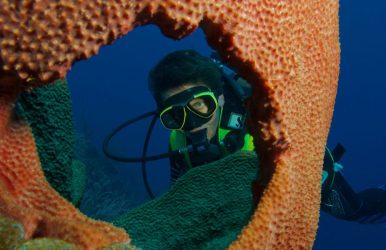
The Cayman Islands are home to some of the greatest underwater scenes in the world and are considered the cradle of recreational diving. The water remains clear to a depth of 100 feet and is comfortably warm throughout the year, which is ideal for diving. Should you desire a comfortable yet thrilling holiday, making The Reef Beach Resort your home-away-from-home will be a wise decision. This resort offers you the possibility to dive or snorkel right out of your room to magnificent coral gardens, dramatic underwater cliffs, and shallow reefs full of sea creatures. That is why the place is equally good for new divers as well as diving veterans. Grand Cayman is the perfect place to try snorkeling or diving. Aside from excellent dive shops, there are friendly local guides, and one of the most stringently protected marine parks in the Grand Cayman Diving experience! With a little boating or even just swimming from a sandy beach, it is quite easy to spot sea turtles, eagle rays with spots, and stunning corals. The Geography Of Grand Cayman Diving: Three Distinct Coasts Grand Cayman is a special place, and one of the reasons it is so special is the distinctive underwater topography. The seabed plummets to very great depths just a short distance from the shore. Due to this arrangement, the island brings three different types of diving experiences to the northern, western, and eastern parts of the island. It is advisable for you to get familiar with these three locations well ahead of your arrival. Then you will be able to schedule your daily excursions based on your proficiency level and the marine creatures you want to observe. 1. The Legendary West Coast The west side of the Grand Cayman Diving is famous for its mirror-calm sea surface. In addition, divers enjoy very easy water entry here. Because the island blocks heavy trade winds, this area features shallow, sunlit reefs. These structures slope gently into deeper water. In this zone, you will find historic shipwrecks alongside shallow coral gardens teeming with tiny macro life. For this reason, most divers choose the west coast for two-tank morning trips, scuba refresher courses, and night dives. 2. The Dramatic North Wall Advanced divers who seek awe-inspiring views must visit the North Wall. In this area, the shallow underwater shelf suddenly ends.  Then, vertical cliffs drop straight down into thousands of feet of deep blue water. The sheer scale of these drop-offs will take your breath away. During your dive, you will find massive deep-water sea fans and intricate swim-throughs. Furthermore, open-ocean predators like reef sharks and spotted eagle rays frequently cruise right past the deep, empty space. 3. The Pristine East End The windward side of Grand Cayman is rugged and wild. Because it sees far fewer tourists, it is perfect for divers who want a true sense of discovery. Open-ocean currents hit this side directly. Consequently, the East End features incredibly healthy coral formations, deep canyons, and winding tunnels. This high-energy environment also brings frequent encounters with larger marine life. Above all, the visibility here is often the best on the island, so you get to see pristine underwater views that remain completely untouched. Iconic Dive Sites You Cannot Miss Apst for Grand Cayman Diving, there’s so much more! Across the three islands, authorities have officially named 365 dive sites. Therefore, you could visit a new spot every single day of the year. However, a few world-famous locations belong on every diver's bucket list: Stingray City: This world-famous site features a shallow sandbar. Here, divers and snorkelers can stand or kneel in just 12 feet of water. Dozens of friendly southern stingrays glide all around your body. Therefore, it creates an interactive marine experience that works perfectly for families and photographers. USS Kittiwake Wreck: In 2011, the crew members deliberately sank this 251-foot submarine rescue ship to form a manmade reef. Nowadays, the ship is positioned in about 60 feet of water close to Seven Mile Beach. The highest part of the ship is almost at the water's surface. So, open-water divers are able to safely swim through the huge engine rooms, the steering bridge, and the decompression chambers. Babylon: This site is located on the East End. In fact, many experts consider Babylon the single best wall dive in Grand Cayman. Snorkelers can easily view the shallow reef at the top of the drop-off. Meanwhile, scuba divers can descend alongside a massive coral pinnacle that stands apart from the main wall. This path showcases cascading black corals, purple sea plumes, and crevices where green moray eels hide. Eden Rock & Devil’s Grotto: These sites sit just minutes from George Town. Because of their location, you can swim to them straight from the shore. They feature a massive maze of: Shallow coral caves. Tunnels. Grottoes. During the summer months, millions of tiny silverside fish fill these dark chambers. This movement creates a spectacular light show while large tarpon hunt through the schools. The Structural Health Of Cayman’s Marine Ecosystem Want to know about the Grand Cayman Diving quality and health? The exceptional diving quality in Grand Cayman did not happen by accident. Instead, it is the direct result of decades of proactive environmental action and strict conservation laws. The Department of Environment established a vast network of Marine Protected Areas (MPAs) across the islands. For example, local laws prohibit boats from dropping anchors on live coral beds. Instead, officials provide permanent mooring buoys for dive boats. Strict regulations also protect sea turtles, groupers, and sharks to maintain a natural ecological balance. In addition, dive instructors teach visitors to never touch anything underwater. This rule successfully protects: fragile elkhorn, staghorn,  brain coral colonies. These organisms serve as the primary structural skeleton for these vital marine ecosystems. Preparing For Your Cayman Dive Excursion You should keep a few practical travel tips in mind before you go. By doing so, you will ensure your underwater trip stays safe, stress-free, and seamless: Bring Your Credentials: Pack your physical or digital dive certification cards from agencies like: PADI, NAUI,  SSI. Do not forget your logbook to verify your recent dive history. If you have not logged a dive in the last 12 to 24 months, you should book a brief, guided refresher course in a pool. Coordinate Logistics: Check boat schedules, available rental gear sizes, and specialized training packages ahead of time. When you review the full plan directly, you can easily select the perfect reef or wall trips for your vacation days. Pack Reef-Safe Sunscreen: Protect fragile coral structures from harmful bleaching chemicals. To do this, buy mineral-based sunscreens made with zinc oxide or titanium dioxide for your beach and boat days. Execute with Confidence: Arrive early at the boat dock and listen closely to the safety briefing from your local divemasters. Next, check your tank's air gauge. Finally, take a giant stride into the warm water to explore the island's incredible drop-offs. Dive Into An Unforgettable Aquatic Adventure Grand Cayman is all about an unmatchable underwater holiday! It doesn't even matter whether you are looking to dive down sheer walls deeply, discover old shipwrecks, or freely float over brightly illuminated coral gardens. The secret of this island lies in a rare mix of serene waters, extremely good visibility, and a wide variety of marine life that makes it a prime destination in the world without anyone else being able to reproduce it. Getting away from the hecticness of everyday life is the right thing to do, so you should opt for a professional diving tour next time you go on a vacation. This helps you experience absolute weightlessness in a vibrant, deep-blue sea. Besides, engaging a competent diving operator will make sure that your trip to the most hidden reefs of the island is safe. Travel with local guides who have intimate knowledge of the animals' migrations as well as the slight changes in the tides. Ultimately, these arrangements make sure that not a single dive is compromised for safety, is unforgettable, and is stunning at the same time. Read Also: Things To Do In Utah For Once In A Lifetime Experience: The Ultimate Bucket List For You Raja Ampat Diving Season Tips: When To Go For Mantas, Whales, And Sunshine? What Are The Best Raja Ampat Diving Trips? Know The Sites And Practical Tips How To Do Raja Ampat Budget Diving: The Ultimate Cost Breakdown For 2026

READ MORE Winter Trip To Salt Lake City

Prepping For Your Winter Trip To Salt Lake City

BY  Barsha Sep 21, 2023

When the temperatures drop and the first snowflakes begin to blanket the mountains, every winter enthusiast knows it's time to prep for a thrilling snowboarding season. And if you're aiming for the cream of the crop in snowboarding destinations, Salt Lake City (SLC) should be at the top of your list. But, as with every great adventure, preparation is key. So, whether you're a seasoned boarder or a newbie looking to catch your first drift, here's a detailed guide to make your winter trip to SLC unforgettable. 1. Gear Up Before you hit the slopes, ensure you've got the right gear. Depending on your skill level, you may want to buy or rent your equipment: Snowboard and Boots: A snug fit is crucial for boots. For boards, if you're starting, opt for a softer board for flexibility. Seasoned snowboarders can pick as per their preference. Clothing: Layering is essential. Invest in moisture-wicking base layers, insulating mid-layers, and waterproof and windproof outer layers. Make sure to skimp on a good pair of gloves, snow socks, and a beanie. Protective Gear: Helmets are a must. Additionally, consider wrist guards, padded shorts, and even knee pads. 2. Get Fit Snowboarding isn't just about the right gear; it's physically demanding. Consider adding some fitness prep to your routine. Incorporate strength training, balance exercises, and cardiovascular workouts to ensure you're slope-ready. 3. Research The Resorts SLC boasts multiple world-class resorts. Do your homework: Brighton: Known for its welcoming vibe to beginners. Snowbird: Challenging terrains that promise adrenaline-pumping sessions. Park City: Offers a blend of slopes for all, plus a lively town atmosphere. 4. Book In Advance. Winter in SLC is peak season. To get the best deals and ensure you're included in the cold, book your accommodation, snowboarding lessons (if needed), and any other experiences well in advance. 5. Limousine: Ride In Style Now, let's address the most luxurious part of your trip – arriving in style in a limousine. Why opt for a regular car when you can elevate your travel experience with a limo ride? Here's why a limousine is perfect for your ski resort experience. Space Galore: With all your gear, luggage, and maybe even a group of fellow snowboarding enthusiasts, a limo ensures ample space without cramping anyone's style. Comfort and Luxury: After a tiring day on the slopes, there's nothing like sinking into the plush seats of a limousine, sipping on a warm drink, or maybe even watching a movie on the built-in entertainment system. Safety: Limousine services prioritize safety. In the icy conditions of SLC's winter, trust a professional driver to navigate the roads while you relax. Making a Statement: Arrive at your resort with panache. Only some days, do you get to make an entrance that people remember! 6. Explore Beyond Snowboarding While snowboarding will be your primary activity, SLC offers more. Try ice skating or snowshoeing, or indulge in hot cocoa in one of the city's cozy cafes. Explore the historic Temple Square or catch a renowned Mormon Tabernacle Choir performance. 7. Respect The Environment Remember, the pristine white landscapes aren't just for our enjoyment. Respect the environment. Stick to marked trails, dispose of waste responsibly, and maintain a safe distance from wildlife. 8. Stay Updated On Weather Conditions. Mountain weather is unpredictable. Always keep an eye on the forecast. Being caught off-guard in a snowstorm is not just inconvenient but can be dangerous. 9. Bond And Make Memories The best part of any trip is the memories you make. Whether you're traveling solo, with family, or with friends, cherish the moments. Capture photos, make snow angels, indulge in snowball fights, and above all, let loose and have fun! In Conclusion A winter trip to Salt Lake City offers adventure, relaxation, and sheer beauty. As you glide down its powdery slopes, with the backdrop of the majestic mountains and the city lights in the distance, you'll realize why this preparation was all worth it. And, as you round off your day, stepping into a luxurious limousine, you'll truly appreciate the blend of thrill and luxury that only SLC can offer. Safe travels and happy snowboarding! Read Also: Best Restaurants In Honduras To Visit While Traveling Indian Buffet Near Me In Florida – Best Buffets For You Top 15 Restaurants In Colombia You Must Visit While Traveling

READ MORE where to see African elephants in the wild

Where Are the Best Places to See African Elephants in The Wild?

BY  Sibashree Dec 10, 2025

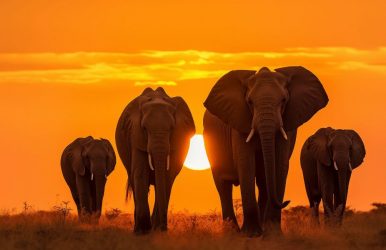
Seeing elephants in the wild? Wow. Just wow. They’re huge, slow, and somehow look like they know everything. I mean, you watch them, and it’s like, “Yep, this is Africa walking by.” That is, these giant elephants literally showcase the continent’s untamed spirit. If you’re thinking about a safari, you’re probably asking, “Right, but where do I actually go?” There are loads of places.  Addo Elephant National Park in South Africa is one of them. Big herds, easy to spot, and honestly… it feels kind of magical. Watching a whole family cross a dusty plain, or spotting a tiny calf sticking close to its mom… that kind of thing stays with you.  But yeah, luck helps, and knowing a bit about when and where elephants move helps a lot. So, if you are also curious about where to see African elephants in the wild, I have got the perfect guide.  In this blog, I will be highlighting all the famous places where you can find them and experience a journey amidst the wildest nature. So, keep reading to know more! Where To See African Elephants In The Wild? Even though there are countless zoos and sanctuaries to explore, not everywhere can you find an African elephant. That’s why you need to visit the specific regions where these majestic tuskers truly show themselves. So, here’s where to see African elephants in the wild.  1. Botswana: The Mega-Herd Sanctuary If you want numbers that will make your jaw drop, Botswana’s got it. They have the biggest elephant population in the world, and it’s over 130,000. I know, crazy. So, no matter which sanctuary you visit, you will definitely find some friendly elephants walking by. 2. Chobe National Park Chobe is kind of legendary. Especially the riverfront. In the dry season from May to October, elephants just pile in by the thousands. They drink, splash, hang out, just being elephants. Take a boat, get close, watch them play. Honestly, your brain will keep going, “Wait! Is this even real?” Now, the best viewing time is during the summer months of April to October. That’s when you get to see them flooding the riverside in herds.  But during the rainy weather, they migrate and come back again during the dry season of winter.  3. Okavango Delta The Delta is different. Slower, more spread out. Elephants wander through reeds, walk in shallow water.  Sometimes they even swim across little channels. It’s so calm, almost hypnotic. You can just watch for hours, and yeah, it’s peaceful. Unlike the other places, this area is the transition route for the migratory elephants. That is, during the monsoons, they pass through this region for food and water. But the area often faces conflicts between the herds and the local communities. For instance, the herds at times raid the crop fields. Causing havoc and outrage among the local communities. 4. South Africa: Accessible And Diverse Viewing South Africa is great if you want elephants without trekking into the middle of nowhere. The parks are easy to get to, and you can usually spot them without much stress. 5. Addo Elephant National Park Addo, in the Eastern Cape, is perfect. Big herds chill around cars, and their darker color makes them stand out. Plus, you can mix safari with a beach day. It’s like, “Why not, right?” Two awesome things at once. Additionally, it features one of the densest populations of African elephants. So, when you visit the park, you can enjoy the unique elephant viewing along with the biodiversity of the area. But these elephants are characterized by shorter stature and thicker tusks. Making them stand on their hind legs to grab food from taller branches. Another interesting fact about this park is that the herds are led by a matriarch in the group. That is, the female members of the herd lead others to food and shelter. 6. Tanzania: An Elephant Hub Sure, everyone talks about the Great Migration, but Tanzania’s elephants are incredible too. Mainly after the massive poaching crisis, it is finally reviving its herds of elephants to balance the biodiversity. 7. Tarangire National Park Tarangire doesn’t get enough attention. In the dry season, elephants gather around the Tarangire River. And the baobab trees? Massive. Like, movie-set huge. Watching elephants wander under them… wow. Just wow. Moreover, the African elephants choose diverse locations for their habitats such as swamps, savannahs, baobab forests, and even the rocky hills. Since they play a massive role in shaping the park’s ecosystem, they are protected under strict poaching laws. So, the population of the elephants can recover from its below-average levels. 8. Zambia: Walking Among Giants If you want up-close-and-personal, emotional stuff, South Luangwa in Zambia is it. Walking safaris started here. They’re still amazing. Moreover, the concentration is finally starting to grow after the major poaching crisis. Also, the laws are aiming to curb poaching and restore the elephant population in the area. This way, they can maintain the natural connection of the local communities with the elephants. So, the initiatives have started to conserve the giant beings from being eliminated. 9. South Luangwa National Park Guides take you out on foot. Yeah, walking. You’re safe, don’t worry. But when an elephant passes nearby, you feel the ground move. It’s humbling. Slow, personal, and totally sticks with you. Moreover, nearly three-fourths of the entire population of elephants in Zambia resides in South Luangwa. So, when you visit this national park, you will get to see some of the most iconic and brilliant ones. Especially near the riverside, you can spot the elephants crossing in herds. So, this is the only time to view them so closely and vividly without needing your travel binoculars. Visiting African Elephants To Enjoy The Journey Botswana’s endless plains, Addo’s herds, Zambia’s walking safaris… it all matters. Visiting these places helps keep elephants safe.  But honestly, these are the places where you can see the African elephants in the wild. And that’s a memory you keep forever. Future generations deserve that too! Don’t you think?