


Into The Heart Of The Philippines: What Are The Most Unique Things To Do In Siquijor?

Jun 28, 2025

Last Updated on: Sep 30, 2026

Travel Guides

A group of researchers from the University of Santo Tomas has prepared a report on how sustainable tourism can be the future of Siquijor.

The study, “Conservation of Sustainable Ecotourism on the Island of Siquijor through Sustainable Alternative Livelihoods, Training and Development,” has also been important.

It has factored in the needs of the island’s inhabitants to promote sustainable tourism.

At the same time, Siquijor remains a hidden gem while Bohol and Cebu, its neighbors, get more attention. 

However, Siquijor has the serene vibe, mystical charm, and natural beauty to be a tourism hotspot.

Additionally, it enables you to be part of cultural discovery, adventure, and relaxation. 

So, you can be an adrenaline junkie or someone who enjoys the company of nature.

Siquijor has everything for travelers of all types. 

Do you also feel like unwinding in Siquijor?

Let’s talk about the things to do in Siquijor in this Tour and Travel Guide.

However, before that, I want to discuss how to travel to Siquijor.

How Do I Travel To Siquijor? Enjoy A Beautiful Ferry Ride

How Do I Travel To Siquijor Enjoy A Beautiful Ferry Ride

Siquijor does not have an airport.

You have to reach this island in the heart of the Philippines by ferry.

You can take a ferry from Cebu or Dumaguete.

Dumaguete is the closest neighbor of Siquijor, and the ferry ride will take around 1 hour. 

Meanwhile, from Cebu, a ferry ride to Siquijor will take 4-5 hours. 

From Cebu, a ferry ride to Siquijor will take 4-5 hours.

Are you traveling from Manila? 

Consequently, take a flight to Dumaguete or Cebu and then a ferry ride to Siquijor. 

Unique Things To Do In Siquijor: What Is Siquijor Famous For?

March to May, or the dry season, is the best time to visit Siquijor. 

Meanwhile, the sea remains calm during the dry season. 

So, water activities, including boat rides, become the most enjoyable in these months. 

So, water activities, including boat rides, become the most enjoyable in these months.

Now, many people consider Siquijor a year-round attraction.

However, it experiences heavy rainfall from October to June.

Also, the sea becomes tumultuous during these months.

However, irrespective of the time of your visit, you will love the following things to do in Siquijor. 

1. Plan A Visit To The Cambugahay Falls

Plan A Visit To The Cambugahay Falls

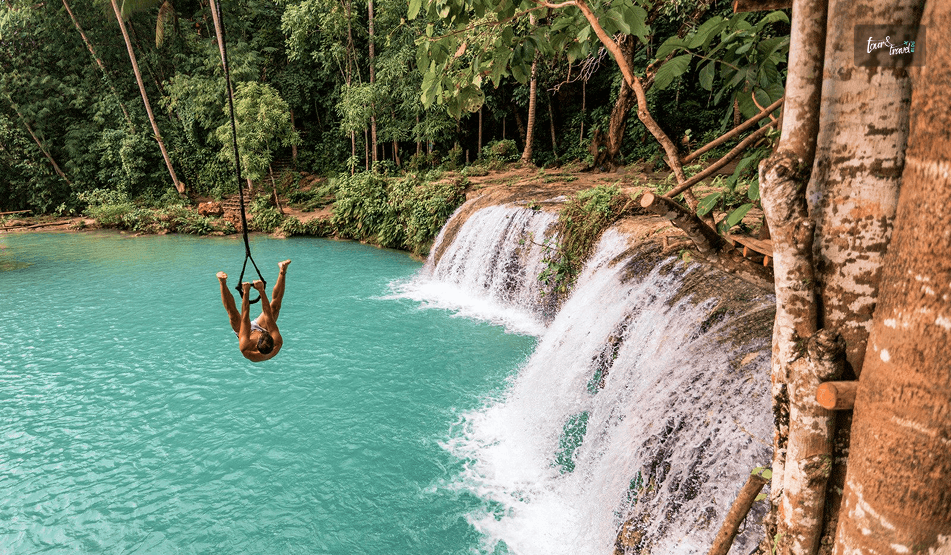
A beautiful three-tiered waterfall in Lazi!

Cambugahay Falls looks stunning against the backdrop of lush greenery.

Further, it has crystal-clear water, gleaming in the Sun. 

The things to do here are:

  • Swimming
  • Relaxing
  • Soaking in the natural beauty of the island
  • Dipping into the natural pools

And? You can live your Instagram dream by swinging from the vine rope hanging above the water. 

However, you have to take a short trek through the jungle path to reach the waterfall. 

2. Visit The Old Enchanted Balete Tree: The Spirits Are Waiting 

When the BBC called Siquijor “A paradise island with a reputation for witchcraft,” we all took note.

But how did it get its name? Let’s decode.

  • Firstly, also known as the “Mystical Island,” Siquijor is also home to the Balete Tree. 
  • Secondly, this ancient tree, located in Enrique Villanueva town, is 400 years old. 
  • Thirdly, in local folklore, various spirits and supernatural beings live in this tree. 
  • Finally, the tree is gigantic in size, and it is surrounded by cool and clear spring water. 

3. Enjoy The Turquoise Water And White Sand Beach At Salagdoong Beach

Enjoying The Turquoise Water And White Sand Beach At Salagdoong Beach

Do you want to relax at the beach? 

All in all, Salagdoong Beach will be your go-to destination.

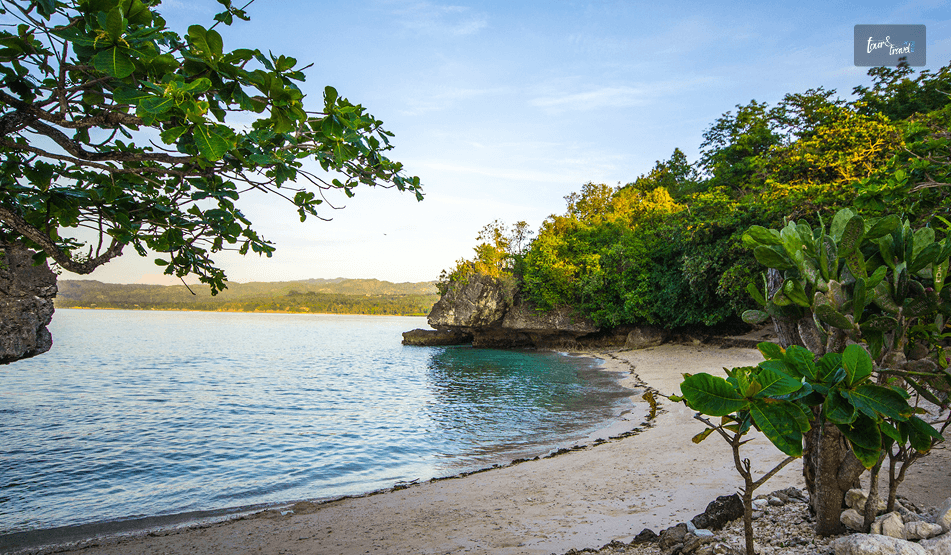
White powdery sand and turquoise water make it stand out.

Located in Maria, this beach also offers an adventurous experience as you dive from the dramatic cliffs, with heights ranging from 8 to 15 meters.

While the Sun goes down, and after a day full of adventure, you need to relax. 

Additionally, you can rent small local cottages for rent and spend the night watching the Moonlight dancing in the water. 

4. Scuba Diving At Siquijor’s Best Dive Spots

Scuba Diving At Siquijor’s Best Dive Spots Things To Do In Siquijor

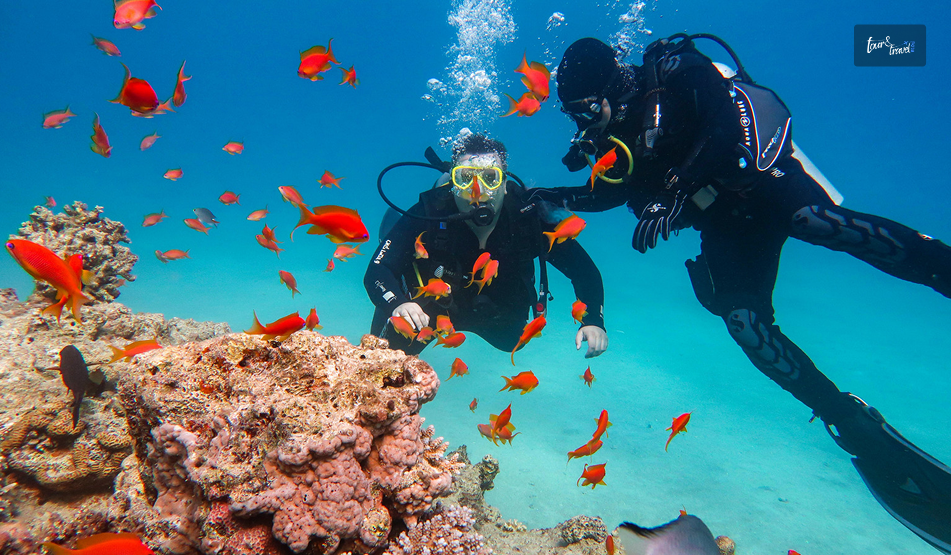
Siquijor has Paliton Beach, where divers can explore coral reefs, underwater caves, and vibrant marine life, including sea turtles, reef sharks, and tropical fish.

For instance, another popular dive spot is Mae’s Rock, where divers can see an abundance of underwater creatures, such as: 

  • Nudibranchs
  • Lionfish
  • Macro Critters

Are you a beginner? 

Don’t worry, as the island has many diving schools that will help you start your scuba diving journey. 

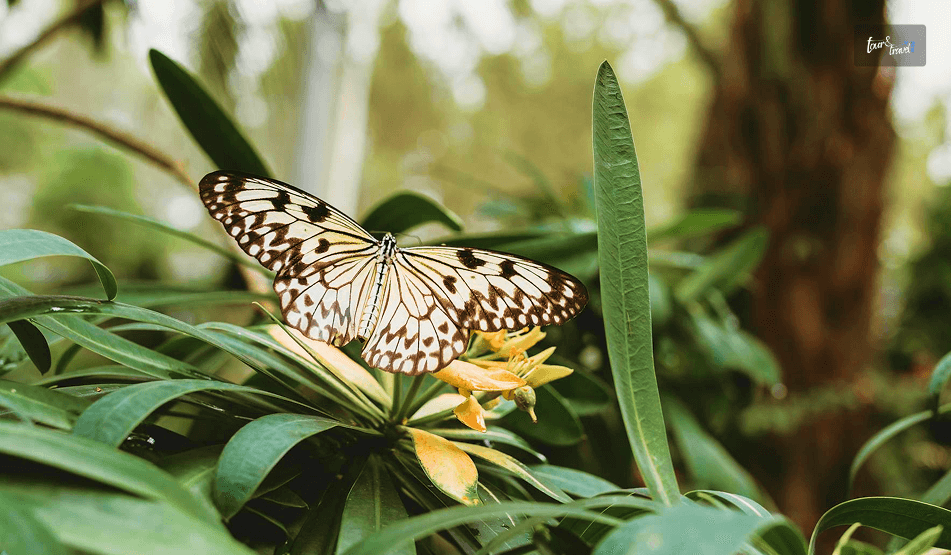
5. Visit The Siquijor Butterfly Sanctuary

Visiting The Siquijor Butterfly Sanctuary Things To Do In Siquijor

Do you want to learn about the life cycle of butterflies, their role in the ecosystem, and conservation efforts in the region? 

The first thing to remember is to visit the Siquijor Butterfly Sanctuary in Lazi. 

At the same time, it is also a beautiful place to take photos for your socials and stroll through the peaceful gardens. 

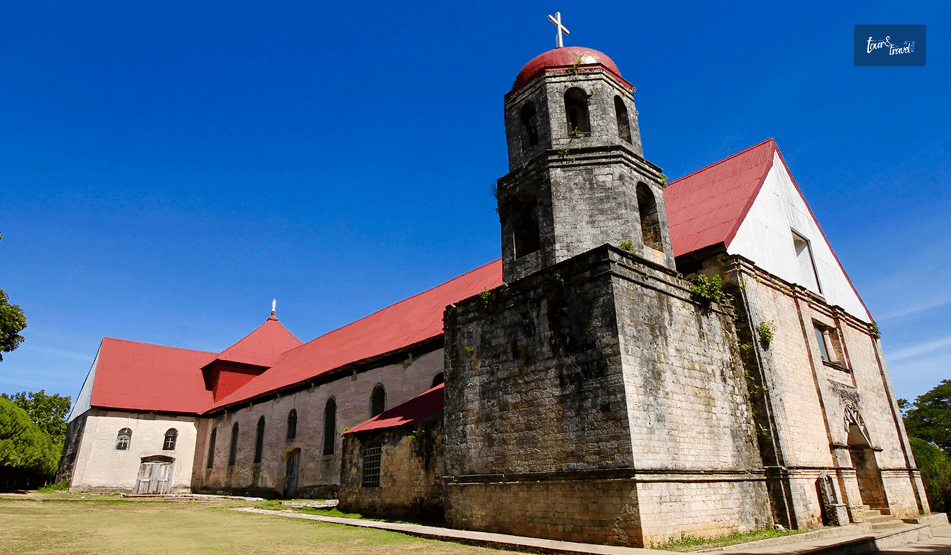
6. Explore The Old Churches And Historical Sites: Being Familiar With The Essence Of Siquijor

Exploring The Old Churches And Historical Sites Being Familiar With The Essence Of Siquijor

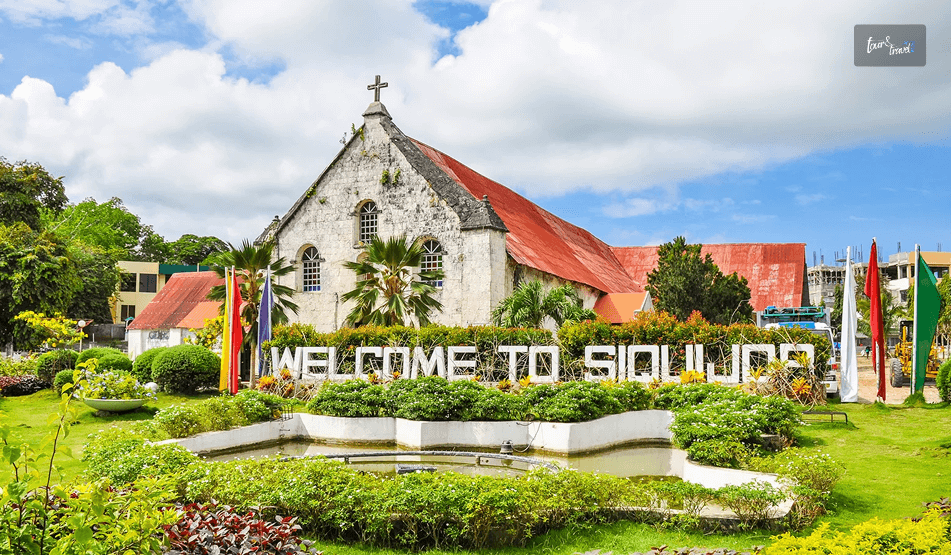
St. Francis of Assisi Church in Lazi is one of the most prominent historical landmarks of Siquijor. 

This stunning Spanish-era church was built in 1857, and its coral stone construction still evokes a sense of awe! 

However, San Isidro Labrador Church is another attraction here, and it is one of the oldest churches in the Philippines, dating back to the 16th century. 

7. Trek To Mt. Bandilaan National Park: Nature And Mysticism At Its Best 

Hike to the Bandilaan and enjoy the most thrilling panoramic view of the island and the surrounding ocean.

Also, the national park has a natural spring and a sacred grotto.

Thus, trekking through this national park feels like a spiritual experience.

8. Be A Part Of The Healing Festival And Know The Island’s Spiritual Heritage

In the month of May, Siquijor hosts the Healing Festival. 

Meanwhile, spiritual guides, herbalists, and local healers gather to share their knowledge in the following sectors: 

  • Energy healing
  • Natural remedies
  • Traditional medicine

While it is your chance to be a part of healing treatments and workshops on the ancient practices of the island. 

9. A Nighttime Firefly Tour: You Will Not Find This Experience Anywhere Else

Picture a scene! You are lying on the beach, and suddenly, fireflies eradicate the darkness and light up the night sky!

Meanwhile, this is what you will see on a firefly tour in Siquijor. 

However, quiet rivers and mangrove forests on the island are the ideal locations.

You can take a ride in a banca boat or kayak to spot the fireflies in the trees, around you, and everywhere! 

10. Have The Most Amazing Seafood And Beach Experience

Have The Most Amazing Seafood And Beach Experience

When in Siquijor, don’t miss:

  • Grilled fish
  • Shellfish
  • Crabs
  • Sinigang na baboy
  • Kinilaw

Meanwhile, you must also try the local desserts and bring some fresh produce as cherished souvenirs. 

Things To Do In Siquijor: Frequently Asked Questions

Here are a few questions and queries on the topic of things to do in Siquijor that others have asked that you might find helpful at the same time.

1. What Makes Siquijor Different From Other Philippine Islands? 

Siquijor stands out for its mystical folklore, healing traditions, uncrowded beaches, and lush inland landscapes.

However, unlike more commercial destinations, the island offers a quiet, authentic experience that blends nature, culture, and spirituality. 

2. What Are The Most Unique Experiences To Try In Siquijor? 

Some of the most unique things to do in Siquijor include visiting traditional healers and swimming in turquoise waterfalls like Cambugahay Falls.

You can also try cliff jumping at Salagdoong Beach, exploring centuries-old balete trees, and snorkeling in crystal-clear marine sanctuaries. 

3. Can Visitors Really Experience Siquijor’s Mystical Traditions? 

Yes, visitors can learn about Siquijor’s mystical side.

Meet the local healers, explore folklore sites, and visit areas known for traditional herbal medicine and spiritual rituals, especially during Holy Week. 

4. Are Siquijor’s Waterfalls Worth Visiting? 

Absolutely. Siquijor is home to some of the most beautiful and accessible waterfalls in the Philippines.

Cambugahay Falls is the most famous, but Lugnason and Lagaan Falls offer quieter, more adventurous experiences. 

5. Is Siquijor A Good Destination For Beach Lovers? 

Yes, Siquijor is ideal for travelers seeking peaceful beaches and coral-rich waters.

Spots like Paliton Beach, Tubod Marine Sanctuary, and Kagusuan Beach are perfect for swimming, snorkeling, and sunset watching. 

6. What Unique Cultural Sites Can You Visit In Siquijor? 

Unique cultural attractions include centuries-old Spanish-era churches and historic convents.

Also, don’t miss the legendary 400-year-old balete tree in Lazi, which is deeply rooted in local myths and history. 

7. Is Siquijor Suitable For Adventure Seekers? 

Yes, adventure lovers can enjoy cliff diving, jungle trekking, motorbike island loops, freediving, and cave exploration.

All is set against dramatic coastal and forest backdrops. 

8. How Many Days Are Ideal To Explore Siquijor’s Unique Attractions? 

A stay of 3 to 5 days is ideal to experience Siquijor’s beaches, waterfalls, cultural landmarks, and mystical traditions without rushing. 

9. What Is The Most Unique Way To Explore Siquijor? 

Renting a scooter or motorbike is the most unique and immersive way to explore the island.

It allows travelers to discover hidden beaches, local eateries, and inland villages at their own pace. 

What Not To Do In Siquijor Island? 

Siquijor Island is renowned for its clean and serene water, perfect for scuba diving. 

Apo Island is one of the most popular places in the entire country for its water activities.

However, if you have time to spare, then you can avoid certain tours in Siquijor Island and visit Dumaguete or Dauin.

It is quite cheaper than Siquijor.

Read Also:

Share on Social Media

Sibashree is a travel, culture, and leisure writer who has been writing since the age of 12 and professionally since 2014. With more than a decade of travel writing experience and journeys across India and several parts of the world, she brings a deeply personal and thoughtful perspective to her work. A student of English Literature and Mass Communication, Sibashree has always viewed travel as more than movement — for her, it has been a way of understanding people, cultures, and herself. Her passion for spiritual exploration has also led her to many unusual and meaningful destinations over the years. Outside of writing, Sibashree enjoys watching European cinema, reading about global politics, and reflecting on the stories hidden within everyday places.

Leave a Reply

Your email address will not be published. Required fields are marked *

title-img Related

READ MORE delft island

Delft Island, Jaffna: How To Visit And The Places To Visit On This Coastal Island

BY  Sibashree Mar 11, 2026

I traveled extensively across Jaffna, the Tamil heartland of Sri Lanka. The Delft Island, a boat ride away, offered the most historically and culturally enriching experience during my entire Jaffna trip. Yes, the day trip to Delft Island was a bit rushed, as you have to catch the 8 AM boat from Kurikadduwan Jetty. Otherwise, your entire day will be ruined. However, after traveling 30 kms off the coast of Jaffna, Delft Island unfolded its mystery before my eyes. Overall, it is a limestone and coral island that has all the drama. At the same time, there is something very authentic about this island. Local history and culture exude through every corner. That is what won me over as a follower of the TravelDownUnder principles. Here is more in this travel guide. I will begin with where Delft Island is located and the modes of travel to and around Delft Island. Then, I will talk about its history, significance, and things to see. Where Is Delft Island? Delft Island is in the Palk Strait, and it separates Southern India from Sri Lanka. It is a small island with a maximum width of 6 km and a length of 8 km. With such a tiny landscape, it is surprising to find out how much the island has to offer to the visitors.  How To Visit Delft Island From Jaffna? As I have mentioned, if you include a visit to Delft Island in your Jaffna travel itinerary, you have to be very particular about your timings. You have to reach Kurikadduwan Harbour at least by 7:30 AM to catch the ferry at 8 AM. To reach the harbour, you will have to take bus 776 from the Jaffna Bus Station, or you can take a tuk-tuk.  The bus ticket costs LKR 90, and the tuk-tuk ride costs LKR 2000. Furthermore, the return ferry from Delft Island starts at 2:30 PM. Once you reach the Kurikadduwan Jetty, you will get the bus to Jaffna. The return bus was very crowded, and you must not expect the best infrastructure during the jetty ride. Still, the hassle is worth it. How To Move Around Delft Island? Once you arrive on Delft Island, you can take a tuk-tuk ride to explore the main attractions. Many tuk-tuk drivers wait for the tourists aligned with the arrival time of the ferries. You can book a tuk-tuk ride for 4-5 hours, and the cost will be around LKR 2000-2500. Why Visit Delft Island, Jaffna? The history of Delft Island goes back to the time of the Chola Dynasty. Since then, the island has gone through various reigns, including the Portuguese, Dutch, and finally the British colonial periods. As you walk through the roads graced by palm trees and the sea breeze touches your cheeks, you will find how history speaks here, through the ruins, dirt roads, coral walls, and quaint villages. You suddenly start missing your home, especially the afternoons of summer vacations, when time was simpler. There is a rustic charm here that you cannot miss. The locals here are very hospitable. However, the only thing I missed was that there were no restaurants. So, if you are planning a food tour in Jaffna, Delft Island can be a disappointment. Still, here are more reasons to visit this beautiful coral island. Delft Island: A True Hidden Gem And In Close Encounter With Nature After Lonely Planet named Sri Lanka the best travel destination in the world in 2019, Colombo and Kandy became overcrowded. That’s a big turn-off for backpackers like me. So, it’s important to find a break in the north of the country and visit Jaffna temples and other attractions, where you can experience the spirituality, understand the local people, and most importantly, experience the story of human resilience. This is because this part of the country is still rebuilding after the civil war ended in 2009. Delft Island. Jaffna takes these humane aspects and the rawness of Northern Sri Lanka to a new level. In this age of 5G, Delft Island still has 3G connections. Also, the rise in sea levels still impacts the crops, ancient sites, homes, and the entire livelihood of the island. So, when I started exploring the island, I had to walk through the ankle-deep water in the fields. I had no problems in cherishing the experience as everything reminded me of my home.  Stories That Make Delf Island Fascinating Ancient Tamil legends and forgotten colonial ambitions have intertwined in the landscape and livelihood of Delf Island. Moreover, you have to listen to the inside stories here if you enjoy a good mix of history and local folklore. 1. The Growing Stone  There is a limestone outcrop on the island that keeps growing physically. Now, scientifically, it is the calcite and coral deposits that are to be blamed for the growth. However, for local devotees and the followers of Lord Mahadeva like me, it is a Swayambhu Lingam. This self-manifested form of Lord Shiva resembles Nakathampiran, or a multi-headed cobra. I made some offerings there, following the local customs, and had my moments. 2. The Giant’s Footprint Nobody Remembers The indentation close to the Sarapiddi area grabbed my attention. It was around 40 inches in length. There is a local belief that this is the left footprint of Lord Hanuman. Some even say that it is the footprint of Lord Shiva. Nevertheless, a similar indentation, resembling the right foot of the same identity, can be found on the Neduntheevu island. 3. The Wild Ponies And Their Secret Lives The Portuguese and the Dutch brought the wild ponies here. These feral ponies are the descendants of the European mares and Arabian stallions. They grew in numbers and were celebrated during the time of Lieutenant Nolan. He conducted a huge horse-breeding program. By the end of the British Era, most of these ponies were abandoned, and today they are a protected species of the island. So, you cannot take them outside the island. 4. The King Vedi Arasan Vedi Arasan, or the King of Firecrackers, was a celebrated Mukkuvar king here. He was the helm of the pearl trade in the Palk Strait. Furthermore, local stories suggest that the Dutch Fort was built on the foundation of the king’s ancient palace. 5. The Pigeon Cote Or The Dove Cote  The Pigeon Cote or the Dove Cote near the ruins of the Dutch Hospital is a witness to the colonial past of the island. It is 2 meters in length, and it shows how pigeons used to function as the physical internet connection. They were trained, and they used to fly between the Jaffna Mainland and the Delft Island. Though the pigeons were used to carry military dispatches, they were also used for the dissemination of personal letters. 6. The Massive Baobab Tree  The Baobab Tree is a telltale of how Arab traders enjoyed supremacy in this region. The hollow in the trunk of this ancient tree is large enough to accommodate two people.  Furthermore, prisoners were often kept inside the big hollow during transition.  What Are The Things To See In Delft Island, Jaffna? Delft Island may be small in size. However, its diverse cultural and historical attractions will keep you busy. However, these are the attractions you must not miss. The Portuguese And Dutch Fort  This fort is one of the most prominent attractions on Delft Island. It is a free place to visit. The Portuguese built this fort, and then the Dutch occupied it. Moreover, this fort has a coral and limestone structure. So, it stands out because of its unique architecture. The Baobab Tree  The Arab merchants brought the giant baobab tree in the 16th century. You suddenly feel that you are in Africa. The Old Dutch Hospital And Pigeon Nest  The Dutch built this hospital, and in the early 1900s, it became an administrative center. You can still see an inscription of the British Emblem on the Courts. Furthermore, the Pigeon cote or pigeon nest near the hospital shows how pigeons used to function as messengers between Jaffna Mainland and Delft Island. Where To Eat And Drink On The Delft Island? You can eat at the Delft Hotel near the jetty. You can eat parathas, rice, wade, and dosai. Also, you will find many local vendors selling snacks. However, you will not find a hotel on Delft Island. So, carry adequate snacks and water when traveling to Delft Island.

READ MORE São Tomé eco-lodges

What Are The Best São Tomé Eco-Lodges? A Fusion Of Luxury And Sustainability 

BY  Sibashree Oct 29, 2025

São Tomé and Príncipe is about to take a significant step in developing a sustainable tourism sector. The sustainable tourism sector will be further well-balanced in terms of the economic indicators.  The United Nations Economic Commission for Africa (ECA) and the United Nations Resident Coordinator’s Office will support this move. In this context, the country will hold a United Voices for Sustainable Tourism dialogue on 30th October 2025, and there will be a technical validation workshop on 29th October.  It will be the second phase of the Tourism Satellite Account (TSA) Development Project that will give São Tomé and Príncipe a strategic tool to measure the economic contribution of tourism to the nation’s wealth. Thus, it will establish why leveraging tourism is crucial for the sustainable development and economic diversification of the country.  Furthermore, the latest workshop before this dialogue, held on 15th to 18th September 2025, has highlighted the 11% contribution of the country’s tourism sector to the GDP and 10% of the Gross Value Added (GVA).  With the country taking a step forward in sustainable tourism, the São Tomé eco-lodges are also going to play a critical role. With the use of renewable energy, community involvement, local sourcing, and sustainable architecture, these lodges are also helping us to travel green.  In this blog, I will introduce the popular and lesser-known São Tomé eco-lodges, what practices they follow, the hidden gems of São Tomé and Príncipe, and more.  What Makes An Eco-Lodge In São Tomé Truly Sustainable? Before diving into the list, let’s define what sets a true eco-lodge apart: Renewable energy sources (solar, hydro) Local sourcing of food and materials Waste reduction and water conservation Community involvement and fair employment Eco-certifications or transparent sustainability practices Popular São Tomé Eco-Lodges The best eco-lodges in São Tomé and Príncipe for sustainable travel are committed to preserving the community and nature of the islands. Many of these eco-lodges also support conservation efforts and organize nature walks to help the visitors understand the local ecosystem.  Nevertheless, here are the most popular ones.  1. Omali Lodge (São Tomé) View this post on Instagram A post shared by dr. András Peres (@drandrasperes) With policies governed by the Biosphere Responsible Tourism standards, Omali Lodge. It has the Biosphere Responsible Tourism certification. It is a leader of sustainable tourism in São Tomé and Príncipe.  Local artists and craftsmen are involved in the operations of the Omali Lodge, staying true to its commitment to community development. Furthermore, the menu here focuses on national dishes prepared with locally-sourced ingredients.  However, it offers adequate Wi-Fi connectivity. So, if you are not looking for a complete digital detox and want to work remotely, then it is also a good choice.  2. Bom Bom Island Resort (Príncipe) View this post on Instagram A post shared by Maria Helena Vinhas Frade (@mhvf) The Bom Bom Island Resort is the first African hotel to receive the Biosphere certification from the Instituto de Turismo Responsable (ITR).  Currently, the main aim of the hotel is to go completely diesel-free in its daily operations. The hotel has 68 local workers, as Sérgio Duarte has mentioned in a recent conversation with the Sustainability Leaders United.  Furthermore, the hotel procures resources from the local producers. Also, it collects donations from the guests to invest in employee training programs. Thus, it helps in educating and empowering the community.  The experiences it offers are: Turtle watching Maria Correia waterfall trail hiking Birdwatching Parrot Peak trail hiking Roça Infante trail hiking Stand-up paddleboarding Snorkeling It is also a friendly accommodation for digital nomads with Wi-Fi connectivity, included within the accommodation package. Moreover, the main part of the resort is wheelchair-accessible.  So, it is one of the accessible eco-lodges in São Tomé and Príncipe.  3. Praia Inhame Eco Lodge (São Tomé) View this post on Instagram A post shared by PATRÍCIA PINHEIRO (@patrwisha) Claimed to be “Naturally Comfortable,” Praia Inhame Eco Lodge is one of the best eco-lodges with turtle watching in São Tomé. A local NGO, MARAPA, runs the Tatô Program to protect marine turtles in São Tomé.  Praia Inhame Eco Lodge has been working with this NGO since 2012. It has helped the NGO to implement this program on Inhame and Cabana beaches.  The wilderness and outdoor activities offered by this eco lodge are: Marine turtle observation Whale watching Birdwatching Diving Fishing Boat trips Moreover, places such as Hell's Mouth, Saint Sebastian Museum, St. Nicholas Waterfall, St. Thomas Peak, and Jale Beach are some nearby attractions of this eco-lodge.  In addition, it is one of the São Tomé eco-lodges with Wi-Fi connectivity. So, it is also a favorite of digital nomads who can travel and work remotely.  4. Sundy Praia (Príncipe Island) View this post on Instagram A post shared by HBD Príncipe (@hbd_principe) Sundy Praia has a dedicated team for waste management and recycling. Furthermore, it leads community cleaning drives to spread awareness about the impact of litter.  Also, the “screw-in” mechanism of the eco lodge’s architecture ensures a minimal impact on the environment of the island.  Moreover, located inside the beachside rainforest, it is indeed an eco lodge.  The experiences it offers are: Turtle watching Maria Correia waterfall trail hiking Birdwatching Parrot Peak trail hiking Roça Infante trail hiking Stand-up paddleboarding Snorkeling Moreover, you can be a part of the 3-hour Discover Santo António tour. Also, it is a favorite of digital nomads for Wi-Fi connectivity.  In addition, Sundy Praia offers wheelchair accessibility to make the travel experience more inclusive.  5. Roça Sundy (Príncipe) View this post on Instagram A post shared by Nina Scott (@nina.wolfs.scott) As part of the Príncipe Collection, like Sundy Praia and Bom Bom, Roça Sundy also follows that when you visit it, you make a Conservation and Communities Contribution (CCC).  You spend a night here, and they will contribute €25 for the environmental and community development of Príncipe. In addition, nearly 10% of the adults of Príncipe work with them.  Moreover, the experiences it offers are: Turtle watching Maria Correia waterfall trail hiking Birdwatching Parrot Peak trail hiking Roça Infante trail hiking Stand-up paddleboarding Snorkeling 6. Mucumbli Lodge (São Tomé) View this post on Instagram A post shared by Mucumbli Explore (@mucumbli.explore) Mucumbli Lodge overlooks the Atlantic Ocean, and it offers the quintessential eco-lodge experience with wooden chalets.  Furthermore, due to its unique location, it is one of the best remote eco-lodges for digital detox in Africa.  Lesser-Known Accommodations Following The Best Sustainable Practices In São Tomé And Príncipe Island The options for São Tomé eco-lodges are more varied than you can expect. Here are the lesser-known ones or the hidden gems.  1. Jalé Ecolodge (São Tomé) View this post on Instagram A post shared by IATI Seguros PORTUGAL (@iatisegurospt) Jalé Ecolodge offers beautiful sea views from all units. You can enjoy snorkeling nearby and have the best continental breakfast sourced from local ingredients.  2. Roca Monte Forte (São Tomé) It is the first rural tourism place to open in São Tomé. Here, you will be staying inside a cocoa plantation with history, and you will lead the quintessential Santomean farm life.  Furthermore, it offers easy access to nearby beaches in the northern area, such as Governador, Tamarindos, Conchas, and Blue Lagoon.  3. Domus Praia Jalé (São Tomé) View this post on Instagram A post shared by Domus Praia Jalé (@domuspraiajale) Domus Praia Jalé is the best location if you want to have good food and relax in nature. It has an on-site restaurant serving international delicacies made with local ingredients.  Also, they have a private beach where you can relax and listen to the waves.  Seasonal Travel Tips For Staying At The Eco Lodges In São Tomé and Príncipe June to September, or the dry season, is the best time to stay at the eco-lodges in São Tomé and Príncipe for mild weather conditions and wildlife watching.  1. For Whale Watching Bom Bom Island Resort in Príncipe and Mucumbli in São Tomé are some of the best eco-lodges for whale watching. July to October is the whale watching season here.  2. For Sea Turtle Nesting Praia Inhame Eco Lodge in São Tomé and Bom Bom Island Resort in Príncipe are the best eco-lodges for seeing turtle nesting. November to March is the ideal time for this experience.  Budget Breakdown: What Is The Average Cost Per Night At Eco Lodges In São Tomé and Príncipe? Here is a cost comparison between eco-lodges, not budget-friendly options. Find out the budget eco-lodges in the islands.  Name of the Eco-LodgeApproximate Cost Per Night/ Per Person (€)Omali Lodge222Bom Bom Island Resort250Praia Inhame Eco Lodge95Sundy Praia420Roça Sundy150Mucumbli Lodge45Jalé Ecolodge55 5-Day Sustainable Travel Itinerary In São Tomé And Príncipe Here is a quick 5-day sustainable travel itinerary in São Tomé and Príncipe.  DaysActivitiesDay 1• Staying at Omali Lodge• Visiting São Tomé city center and local marketsDay 2• Transfer to Mucumbli Lodge• Guided hiking and cacao farm visitDay 3• Moving to Praia Inhame Eco Lodge• Evening turtle tourDay 4• Flight to Príncipe• Staying at Sundy Praia• Exploring a biosphere reserveDay 5• Visiting Roça Sundy• Cultural tour and local lunch Hidden Gems In São Tomé And Príncipe If you want a deeper, more authentic connection to the islands’ nature, culture, and history, you must explore these hidden gems. 1. Malanza Mangrove Canoe Tour: Ideal For Nature Lovers And Photographers View this post on Instagram A post shared by Santo Tomé y Príncipe ESP (@santotomeyprincip) Take a canoe ride through the mangrove forests of southern São Tomé. It is a delightful eco-tour through waterways blessed by lush greenery, endemic flora, and a vibrant birdlife.  2. Pico Cão Grande: Enjoy The Best View From The Obo National Park Trails Pico Cão Grande is the most dramatic natural view you will enjoy here. This volcanic plug, with a height of 663 meters, is almost surreal.  3. Ilhéu Das Rolas And The Equator Marker: Best For Beach Lovers And Geography Buffs View this post on Instagram A post shared by Viagem a São Tomé (@viagem.a.saotome) Ilhéu Das Rolas is a small island off the south of São Tomé. You can take a boat ride here to stand on the equator line.  Also, you can explore the pristine beaches here and have a delightful snorkeling experience.  4. Roça São João Dos Angolares: Great For Cultural Immersion And Sustainable Tourism Roça São João Dos Angolares is an eco lodge that was formerly a plantation. It is also a cultural center. It offers cooking classes, storytelling events with local artists, and art exhibitions.  5. Boca Do Inferno (Hell’s Mouth): Visit During High Tide For Full Effect This dramatic blowhole on the southern coast of São Tomé is the perfect example of juxtaposition. Here, the waves kiss the volcanic cliffs with the water jets reaching the sky.  6. Praia Jalé Turtle Nesting Site Find the sea turtles nesting here during the November to March season. Praia Inhame Eco Lodge in São Tomé and Bom Bom Island Resort in Príncipe are the best places for watching turtle nesting.  7. Nova Estrela Viewpoint (Príncipe Island): Ideal For Sunrise Hikes And Drone Photography View this post on Instagram A post shared by HBD Príncipe (@hbd_principe) It is a beautiful viewpoint offering panoramic vistas of the rainforest and coastline of Príncipe.  8. Roça Água Izé: Offers Insight Into The Island’s Colonial Past View this post on Instagram A post shared by Francisco Almada Lobo (@almadalobo) It is an abandoned cacao plantation and is almost haunted. It stands out with its overgrown gardens and colonial architecture.  9. Whale Watching Off Príncipe: Best Enjoyed With Snorkeling And Diving Trips Humpback whales migrate to Príncipe through the waterways from July to September. Be a part of eco tours for respectful and sustainable viewing opportunities.  10. Rainforest Retreats At Sundy Praia: Perfect For Eco-Travelers Seeking Tranquility View this post on Instagram A post shared by Ramosdafrica (@ramosdafrica) Sundy Praia is a luxury tented villa in the rainforest of Príncipe. Enjoy yoga, guided nature walks, and conservation education. São Tomé And Príncipe Travel Planning Checklist Here is a list of things to do and things to avoid while planning a trip to São Tomé Eco-Lodges. Things to DoThings to Avoid• Checking visa requirements with the São Tomé embassy or consulate based on your nationality• Checking the availability of the co-lodges and booking them in advance• Plan your visit between June and October for wildlife watching.• Pack breathable clothing, reef-safe sunscreen, insect repellent, and rain gear• Bring malaria prophylaxis, basic meds, and travel insurance.• Check the requirements for a yellow fever vaccination.• Consider the limited availability of domestic flights to Príncipe and book early.• Not all eco-lodges offer transfers. You may have to take shared minibuses and taxis. • Carry some Dobra (STN) for transactions in rural areas. • Portuguese is the official language.• Kafuka or community gatherings are special here.• Avoid single-use plastics and respect wildlife viewing guidelines.• Support community-led tours, conservation projects, and local artisans• Save maps, lodge contacts, and embassy info offline before arrival, as some places will have limited network connectivity.• Not all “eco-lodges” are truly sustainable.• Not looking for transparency in energy use, waste management, and community impact.• Not carrying Dobra (STN) or Euros in cash, as ATMs are limited and not all facilities accept cards.• Medical facilities are basic. So, not having travel insurance with medical coverage or not carrying a medical care box can be a big mistake. • Missing out on the local cooking classes or visiting the villages is a mistake. • Using single-use water bottles and leaving litter everywhere São Tomé Eco-Lodges Are More Than Just Places To Stay Supporting local communities Supporting environmental development Protecting biodiversity Experiencing the authentic charm of the islands These are the benefits of staying in the best São Tomé eco lodges. Furthermore, these lodges are diverse and they offer luxury, simplicity, or cultural immersion in the most responsible way.  So, get ready for the most immersive experience at the best São Tomé eco lodges! 

READ MORE Safari Vacation

Benefits Of Taking Your Family On A Safari Vacation

BY  Sibashree May 12, 2023

Family vacations create cherished memories, get everyone out of the house and away from the daily grind, and expose everyone to new people, places, and experiences. Research suggests that family vacations may even be good for your health. Are you seeking an unforgettable family vacation? Consider a family safari vacation in Africa. You might be wondering if it is safe or whether the children will get bored. Yes, it is safe, and no, the children will be fascinated by all there is to see. Tanzania family safaris are an experience that can intrigue your family with beautiful memories. A family safari is a trip you may want to take. It is adventurous and enjoyable. Children can learn about the world in ways you can't teach in the classroom. The 7 Benefits of Going on a Family Safari Vacation Consider taking your kids on a vacation that is different from the usual and comes with fantastic learning experiences. A safari vacation can be the perfect option for you! Go on a Tanzania family safari. The experience is better as something you witness than as a story you're told. There are reasons to put a family safari trip on your bucket list. This is why: 1. Taking a Tanzania Family Safari is Educational for Kids A family safari in Tanzania is a beautiful opportunity to introduce your children to the outdoors and wildlife, nurturing their love and awe of both creatures and the natural world. During their safari, children can learn about African animals in a fun, engaging way, and the trip can also serve as an outdoor classroom. Your kids can discover the wonders of nature outside the walls of a school as they follow and read animal tracks and identify excrement. They also learn about Tanzania's tribes and people, which can help them respect diverse cultures. Schools teach the continent's topography and wildlife extensively. However, experiencing it up close and in person, rather than imagining it, gives your little explorers an entirely different perspective. It could be one of the most fascinating, enjoyable, and instructive excursions you ever have with them. 2. A Safari Enables You to Interact Closely With Wildlife A safari provides a rare opportunity to observe wildlife up close. The only way to track wild creatures and admire their beauty and strength is on an African safari. You get to witness the great migration and the Big Five at Serengeti Park in Tanzania. You can witness wildebeest calving, where thousands of calves are born, and see how the animals nurture their young. A walking safari provides an exceptional opportunity to get close to the animals. With expert guides, you will learn a ton about the creatures and have a great chance of seeing them. Observing animals in their natural habitat in the African wilderness awakens the younger generation’s enthusiasm for conservation and instills ideals. This can help in preserving our natural legacy for future generations. 3. Creates Quality Family Bonding A family safari offers an opportunity to experience wild, secluded, and stunning locations, with a focus on bringing you closer to one another and nature. You can completely switch off in the bush because there are no screens or phone signals to distract you. As a result, families embark on new endeavors together. They play cards and board games, share stories about their travels, and spend evenings talking around a campfire. 4. More Than a Game Drive Experience Safari vacations involve more than just wildlife viewing, although that is fantastic as well. Safaris provide many opportunities and experiences to broaden your kids' horizons. Community visits are one of the best ways to learn about different cultures. Visiting a nearby village might be rather enlightening because many traditional African communities are more in tune with their surroundings.  They are, therefore, less materialistic than most children are accustomed to seeing. 5. Your Kids Relate Their Fantasies to Real Life Children develop an early passion for lions, giraffes, and elephants thanks to films like The Lion King and Madagascar. They get the opportunity to observe these intriguing personalities in person on a family safari. You and your family are in for an exciting, unforgettable adventure in Africa, and there is nothing more heartwarming than seeing your child's expression when they see their first grand cheetah or wallowing hippo.  6. Acquiring New Skills Your children might learn new skills more quickly when on leisure and away from the familiar school environment. Kids can participate in programs at many family-friendly resorts, including learning traditional local crafts or spending time in the kitchen with chefs. Children can also learn wilderness skills from Tanzanian experts, like tracking wild animals and birds or identifying plants with therapeutic properties. This can be some of the most engaging and enjoyable activities for kids. Others include making a clay pot, weaving a basket, and fishing. 7. Enjoy Parents’ Together Alone Time Even though spending time with your family is excellent, there will always be times when you, as parents, need to step away for a few hours to rekindle your relationship. Your little adventurers can be occupied with games, activities, and expert child guides while you relax and unwind with your spouse. Have a private dinner, or watch the setting African sun over the savannah plain. Children can engage in practical, educational experiences that are interactive and disguised as play. Take Away In addition to offering a rich environment for you to reconnect by sharing special experiences, a family safari trip in Tanzania offers variety and originality. A family safari vacation in Tanzania is one of the most thrilling and fascinating travel experiences children can have, thanks to Africa's diverse cultures and famous wildlife. Consider what a safari experience will do for your kids. Imagine the awe of watching an elephant herd march across a vast savannah, the majestic sound of a lion howling at night, or even a night spent beneath Africa's boundless starry skies. The memories are irreplaceable and will always be treasured. Read Also: 5 Fascinating And Fun Travel Destination Ideas In Africa For Vacation Best Beaches In Costa Rica For Family Vacation