
6 Must-visit Winter Destinations in Saudi Arabia

Jan 15, 2025

Last Updated on: Aug 25, 2025

Travel Guides

Saudi Arabia has a typical climate of a desert: hot, dry and intense. People visiting KSA often get fed up with the extremely hot weather conditions, especially in summer. Even in winter, the temperature doesn’t fall below 25 Degrees Celsius. Therefore, it is difficult for people to stay here, especially the ones traveling from cold climatic regions.

Pilgrims of Umrah packages from UK and tourists often come here during winter as it offers pleasant weather. Yet, if you want to escape the desert heat, Saudi Arabia houses several cooler regions to your surprise.

Here are 6 must-visit winter destinations in Saudi Arabia.

Al Bujairi Heritage Park.

Al Bujairi Heritage Park

Al Bujairi Heritage Park is a cultural oasis in Riyadh that comes to life in the winter season. Its traditional architectural style, lush greenery, and various tourist activities add to its significance. Spreading over an area of 60,000 square meters, it hosts various workshops and light shows for visitors.

In addition, you can indulge yourself in the local culture through traditional and roadside food stalls.  There are also rides and play areas available for children to enjoy.

Al Bujairi Heritage Park is your best choice for a day trip during winter in KSA. Plan a picnic with your family here and spend the day with your loved ones in this scenic and happening area. 

Abha.

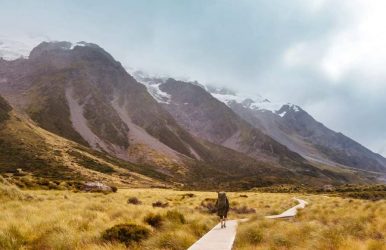
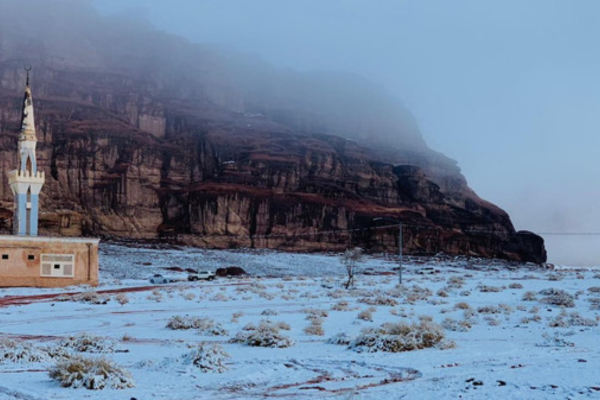
Abha is the ‘City of Fog’ in Saudi Arabia. Present in the Asir region, Abha is famous for its lush green surroundings and misty peaks. The cherry on top, the winter season brings snowfall here as well. Therefore, if you are planning a visit to the Asir region, Abha is the destination you should not miss. Especially if you are a nature lover.

Asir National Park here is also a popular tourist spot as it houses more than 300 species of birds. There are also various trails and hiking treks for you to cover and have a memorable stay. So if you are applying for a Ramadan Umrah Packages 2025 UK online plan a visit to Abha after Umrah rituals.

Snowy mountains in Tabuk.

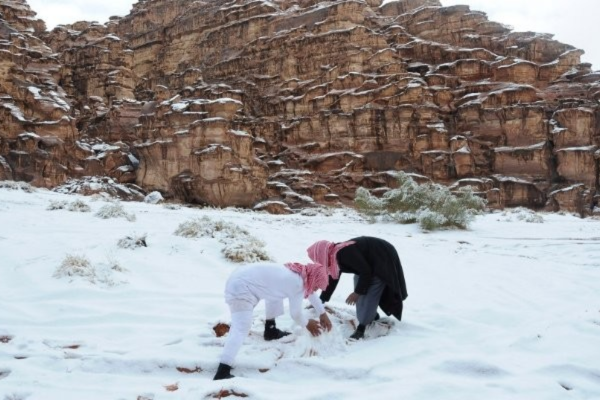
Tabuk is one of the favorite winter destinations of locals and tourists alike in Saudi Arabia. Covering the northern region of KSA, Allous Mountain is the coldest peak of the Tabuk region. It often receives snowfall during the winter season. Therefore, becoming an ideal spot for skiing, ice skating and snow sledding. 

There are more than 15 mountain ranges in the Tabuk region, each offering a unique landscape and cold temperatures. Jabal Al-Lawz (also called ‘Mountain of Almonds’) wears the crown for the tallest peak here. It has a height of 2,549 meters above sea level, present near the Saudi-Jordan border.

As Tabuk is a popular tourist destination in winter, there are numerous luxury resorts and restaurants to facilitate them. You can enjoy various winter sports here as well. Such as hiking, camping, skiing, and picnics in the breath-taking scenery.

Rawdat Khuraim.

Rawdat Khuraim Oasis has its second name, ‘King Abdul Aziz Forest’. It is a serene oasis that possesses stunning lakes, lush green palm trees, and a number of walling trials. This particular tourist spot is popular throughout the year. Though spring is the ideal time to visit this oasis, winter is the second best choice. 

Present near Riyadh, you can see diverse flora and fauna here during your visit in winter. Many rare flowers bloom here during the winter season that are not seen elsewhere in the kingdom. So make it a place worth visiting with cheap Umrah packages. 

Edge of the World.

Edge of the World

Jabal Fihrayn (Edge of the World) holds the title of being the tallest peak of the Tuwaiq mountain range in KSA. This cliff suddenly falls off to the ground at a height of 1,131 meters. It’s a truly breathtaking yet thrilling experience. 

There are various hiking trails that you can use for trekking to reach the top and have panoramic views of the surroundings. The winter season further adds to your comfort for trekking as pleasant weather conditions persist in the region. Yet, this destination is not for the weak of the heart. 

Thumama Desert.

A visit to the Thumama Desert is a must during your winter trip to KSA. Though the desert experiences intensely hot weather in the summers, winter brings lush green valleys covered in white snow here. It is the perfect place for traditional Bedouin-style camping and stargazing at night. When you apply for your Umrah visa UK online during winter, plan a visit to these 6 destinations necessarily.

Weather In Saudi Arabia

Winter: Here, the winter season is very mild. The Average temperature ranges from 8-20°C (46-68°F).

Spring: Saudi Arabia offers a warm and pleasant spring with temperatures ranging from 20-30°C (68-86°F).

Summer: Summer feels very hot and dry in SA. The temperature can exceed 40°C (104°F).

Fall: You may experience a very warm to hot, with temperatures ranging from 25-35°C (77-95°F).

Now Comes The Most Important Part: What To Pack!

Knowing what to pack for a trip to the winter destinations in Saudi Arabia is the ultimate key to a successful holiday. When you are traveling to earnestly conservative countries, you would require a lot of pre-planning and, most importantly, an excellent packing list. 

ClothingLong-sleeved shirts
Light sweater or fleece
Warm jacket
Comfortable trousers or jeans
Scarf and hat for cooler evenings
Socks and underwear
Modest swimwear for hotel pools
Comfortable walking shoes
ToiletriesToothbrush and toothpaste
Deodorant
Shampoo and conditioner
Body wash
Moisturizer
Sunscreen
Lip balm
Shaving kit
ElectronicsSmartphone and charger
Travel adapter (Type G plug)
Power bank
Camera and memory card
Health And SafetyFace masks
Hand sanitizer
Personal medication
Basic first aid kit
MiscellaneousBooks or e-reader
Travel journal and pen
Reusable water bottle
DocumentsPassport 
Visa
Travel Insurance
Flight tickets
Hotel reservation
Photocopies of important documents
Travel AccessoriesBooks or e-reader
Travel journal and pens
Reusable water bottle

Final Words! 

Whether you are planning to go hiking to the edge of the world, enjoy the beautiful weather at Rawdat Khuraim, or maybe be escaping this bustling city life to look for a serene place like the snowy mountains in Tabuk, this guide will help you to choose your ultimate winter gateway! 

Also read

Share on Social Media

Pijus Maity is an SEO Associate with an engineering background, combining technical expertise with a passion for digital marketing. He specializes in optimizing websites for better search engine performance, leveraging data-driven strategies to enhance user experience and drive results.

Leave a Reply

Your email address will not be published. Required fields are marked *

title-img Related

READ MORE Morocco

Fun Things To Do In Morocco: Exploring The Land Of Rich Culture And Adventure

BY  Arnab Jul 17, 2023

When it comes to fun and immersive experiences, few places can match the vibrant souks of Marrakech. Lose yourself in a maze of extremely narrow alleyways that are full of a kaleidoscope of colors, enticing aromas, and the sounds of haggling merchants.  Get Yourself Immersed in the Vibrant Souks of Marrakech Explore the bustling markets where you can find everything from traditional Moroccan spices and intricately crafted ceramics to beautiful textiles and hand-woven rugs. Don't forget to put your bargaining skills to the test and enjoy the lively atmosphere that surrounds this enchanting city. Trekking in the Sculprous Atlas Mountains For nature enthusiasts as well as adventure seekers, trekking on the breathtaking Atlas is an absolute must-do in Morocco. Lace up your hiking boots and embark on an unforgettable journey through rugged terrains, picturesque Berber villages, and alluring valleys.  The High Atlas region offers a range of hiking trails suitable for all levels of experience, letting you witness stunning landscapes, encounter local wildlife, and experience the warm hospitality of the Berber people. Whether you opt for a day trip or a multi-day trek, the Atlas ranges promise awe-inspiring views and an opportunity to connect with nature. Discover the Timeless Beauty of chefchaouen's Blue Medina Settled in the Rif Mountains, the city of Chefchaouen is renowned for its picturesque blue-painted medina, creating a fairytale-like ambiance. Wander through the narrow, winding streets adorned in shades of blue and marvel at the traditional Moroccan architecture. The blue-washed buildings and alleyways make for a photographer's paradise, providing endless opportunities for capturing Instagram-worthy shots.  As you explore this magical city, take the time to visit the vibrant local markets, indulge in delicious Moroccan cuisine, and soak up the serene atmosphere that sets Chefchaouen apart. Ride a Camel and Camp Under the Sahara Desert's Starlit Sky A trip to Morocco isn’t complete without venturing into the vastness of the Sahara Desert. Experience the thrill of riding a camel across the golden dunes, immersing oneself in the surreal beauty of the desert landscape. As night falls, settle into a traditional desert camp and witness the spectacular sight of a star-filled sky.  Share stories around the campfire, listen to traditional music, and indulge in a delicious Moroccan feast. The tranquility and grandeur of the Sahara Desert offer a once-in-a-lifetime experience that will leave you with memories to cherish forever. Unveil the Rich History and Architecture of Fes Step back in time and explore the medieval city of Fes, renowned for its ancient mosques, madrasas, and maze-like streets. The UNESCO-listed Medina of Fes is the world's largest car-free urban area, paving the way to wander freely through centuries-old architecture and soak up the city's rich history. Visit the famous Al-Qarawiyyin Mosque, the world's oldest university, and admire the intricate details of the Bou Inania Madrasa. Don't miss the vibrant tanneries, where you can witness the traditional process of leather production. Fes offers a captivating glimpse into Morocco's past and is a must-visit for history enthusiasts. Relax and Unwind in the Coastal Town of Essaouira Escape the hustle and bustle of Morocco's cities and head to the picturesque coastal town of Essaouira. Known for its laid-back atmosphere and stunning beaches, Essaouira offers a perfect blend of relaxation and adventure. Stroll along the historic ramparts, explore the bustling fishing harbor, and savor fresh seafood at the local restaurants. For the more adventurous, try your hand at windsurfing or kiteboarding, taking advantage of the strong Atlantic winds. With its charming medina and picturesque coastal scenery, Essaouira provides a refreshing break from the inland cities. Experience Moroccan Hospitality with a Homestay To truly immerse yourself in Moroccan culture, consider embarking on a homestay experience. Stay with a local family and get a glimpse into their daily lives, traditions, and authentic Moroccan hospitality. Whether you're in bustling cities or remote villages, a homestay offers a unique opportunity to connect with the locals, learn about their customs, and even participate in traditional activities like cooking traditional Moroccan dishes or practicing traditional arts and crafts. It's an excellent way to forge meaningful connections and create lasting memories. Embark on an Unforgettable 3-Day Tour with a Reputable Tour Operator. One of the best ways to experience the wonders of Morocco is by embarking on a 3-day tour organized by a trusted tour operator. These tours offer a well-crafted itinerary that covers some of the most iconic destinations in the country, ensuring you make the most of your time. A reputable tour operator will handle all the logistics, including transportation, accommodation, and guided tours, allowing one to sit back, relax, and fully indulge your soul in the experience. With a 3-day tour, you can embark on a whirlwind adventure, exploring the highlights of Morocco. From the bustling streets of Marrakech and the majestic Atlas Mountains to the charming coastal town of Essaouira and the Sahara Desert, these tours offer a diverse range of experiences. You can expect to visit historic landmarks, indulge in local cuisine, engage with the vibrant culture, and witness breathtaking landscapes. Whether you're a solo traveler, a couple, or a group of friends, a 3-day tour with a reputable tour operator is an efficient and hassle-free way to explore the best that Morocco has to offer. Opting For the Right Tour Operator for Your Moroccan Adventure While planning an adventure to Morocco, selecting the right tour operator is crucial for a smooth and enjoyable experience. Here are a few key considerations to make when choosing a tour operator: Reputation:  Look for tour operators with a solid reputation and positive reviews from past travelers. Check online platforms and travel forums, and seek recommendations from friends or travel agents. Itinerary: Review the itinerary offered by the tour operator to ensure it covers your desired destinations and activities. Be attentive toward the duration of each stop and the overall pace of the tour. Inclusions:  Check what has been included in the tour package, such as accommodation, transportation, meals, and guided tours. Make sure that the inclusions are in pair with your preferences and budget. Flexibility:  Don’t forget to consider if the tour operator provides any flexibility when it comes to customizing the itinerary or adding optional activities. Value for Money:  Compare prices and inclusions among different tour operators to determine the best value for your budget. By carefully selecting a reputable Tour operator that matches your preferences, you can embark on a stress-free and memorable Moroccan adventure, leaving you with unforgettable memories of this captivating country. Read Also: Tips To Help You Plan Your Holidays To Morocco How Safe Is Morocco For Travel In 2022? What Is The Best Time To Visit Morocco?

READ MORE Authentic Travel Experiences

9 Tips For Authentic Travel Experiences

BY  Arnab Oct 27, 2023

Travel is more than just setting foot on unfamiliar terrain. It's a journey into the heart of a culture, a deep dive into local traditions, and an opportunity to immerse yourself in the essence of a place. Authentic travel experiences allow you to see, taste, and feel the true spirit of a destination. The era of tourist traps is fading. Today, travelers seek genuine interactions, unique tales, and opportunities to venture off the familiar path. So, how can you ensure your next trip is teeming with authentic experiences? Delve into these essential tips. 1. Embrace Language And Communication Mastering a few local phrases can significantly transform your travel. Imagine being in Japan and ordering your meal in Japanese instead of pointing at a menu. Before departing, consider enrolling in Japanese classes online. Doing this not only impresses the locals but also enriches your journey. Language serves as a bridge to deeper interactions and understanding. Dive into local media like films or podcasts. They offer a window into the nation's heartbeat, illuminating its culture, values, and everyday nuances. And keep in mind: patience and an open heart go a long way. Not all conversations will flow seamlessly, but your effort won't go unnoticed. Many appreciate your attempts to speak their language. 2. Opt For Local Accommodations Staying in local lodgings such as guesthouses, bed and breakfasts, or homestays can elevate your journey. In such accommodations, you can feel the warmth of local hospitality and perhaps form lifelong friendships. Often, these places are situated in less touristy areas, letting you explore authentic neighborhoods. Additionally, the owners usually have unmatched local insights and can suggest hidden treasures you won't find in guidebooks. More so, supporting these accommodations boosts sustainability. By backing local businesses, you contribute directly to the community, ensuring a rich experience for yourself and a boost for the local economy. 3. Eat Where The Locals Eat Food plays a central role in travel. Rather than dining at tourist-centric spots, find places where locals congregate. Street food vendors, local markets, and family-run diners often serve the most authentic and tantalizing dishes. Venturing into local culinary scenes also immerses you in a location's cultural and historical narrative. Food mirrors a country's past, influences, and rituals. So, while savoring different dishes, you taste myriad stories and traditions. Stay adventurous and be open to sampling new foods. Some might seem exotic, but they could be the highlights of your trip. Remember, travel isn't just about seeing new places; it's about tasting new flavors, too. 4. Participate In Local Traditions And Festivals Joining local traditions and festivals offers a profound cultural immersion. These events reflect the heartbeat of a community and its binding tales. Whether you're dancing at a festival in Bali or celebrating Carnival in Brazil, active participation profoundly connects you to the local culture. However, approach these events with respect. Stay aware of local customs and etiquette. For instance, if a festival requires a certain attire, respect that. Always ask before taking photos, especially during religious events. While these experiences are new to you, they're integral to many locals' lives. Your attitude can determine whether you're appreciating or appropriating. Respect ensures your experiences are memorable and positive. 5. Take Public Transport Using public transportation isn't just economical; it also offers a front-row seat to everyday life. Riding buses, trams, or trains lets you witness the mundane yet beautiful moments of daily life. Furthermore, public transport can introduce you to lesser-known parts of a city or town. These spots often provide a more authentic experience, whether it's a hidden café, a quiet park, or a lively market. Choosing public transport is also eco-friendly. It reduces your environmental impact, eases traffic, and supports the local economy. So, hop on local transportation during your next trip and discover unexpected treasures. 6. Choose Experience Over Sightseeing While landmarks are captivating, hands-on activities offer unparalleled authenticity. Rather than just sightseeing, dive into local activities. Enroll in a pottery workshop, learn the local dance moves, or whip up local dishes. Such activities immerse you in the details of local traditions. Plus, they often lead to lasting connections with residents. Engaging in a craft or skill provides avenues for rich interactions, leaving indelible memories. 7. Engage With Locals  Conversations with locals offer insights no guidebook can match. Interacting with a street vendor, a fellow commuter, or a café proprietor can deepen your understanding of local beliefs and aspirations. Always approach with genuine interest and respect. Not everyone may be in the mood to chat, but that's okay. When conversations do occur, you might be surprised by the hospitality and warmth. Often, these chats can lead to recommendations for off-the-radar attractions or experiences. Such insider info can redefine your journey, uncovering hidden spots and moments to cherish. Related: Prepping For Your Winter Trip To Salt Lake City 8. Embrace Sustainable Practices Integrating sustainable practices into your travels ensures that the destinations you love remain beautiful and vibrant for future generations. Consider eco-friendly accommodations or those that have sustainable certifications. These places often go the extra mile to reduce waste, conserve water, and support local communities. Another aspect of sustainable travel is conscious consumerism. Opt for handcrafted local products rather than mass-produced items when buying souvenirs or gifts.  This not only supports local artisans but also helps keep traditional crafts alive. Remember, every purchase you make has an impact, and as a traveler, you have the power to make it a positive one. 9. Travel Slowly In this fast-paced world, leisurely travel offers a distinct pleasure. Allowing yourself to explore slowly enables you to soak in the ambiance, sync with local rhythms, and form genuine bonds. Instead of rushing from one spot to another, meander through lanes, relax in parks, or savor extended meals. Slow travel emphasizes mindfulness, helping you appreciate nuances—the scent of fresh bread, the sound of laughter, or the art in local crafts. These moments often encapsulate a destination's essence. In Conclusion True travel goes beyond sightseeing—it's about immersion, comprehension, and connection. By diving into local languages, traditions, and activities, you not only elevate your travels but also leave a positive mark on the places you visit. Embracing these tips means every journey offers a chance to evolve. Here's to more authentic and unforgettable adventures. Safe travels! Read Also: Thailand Travel Guide: This Is The Best Time To Visit Stay Safe And Satisfied: Exploring Paraguay’s Culinary Delights With Travel Insurance In Mind A Newly Launched Tool ‘Skyscanner’ Inspires Travelers To Book Travel Destinations With Ease And Confidence

READ MORE Luang Prabang temple guide

Luang Prabang Temple Guide: What Are The Top Buddhist Temples To Visit In Laos?

BY  Sibashree Nov 3, 2025

I visited Luang Prabang in 2022, and the capital of the ancient Laotian kingdom was slowly recovering from the rampage of COVID-19. The misty mornings were special, with hundreds of monks walking through the narrow streets with their alms bowls.  People gather and offer fruits and rice to the monks. The monks silently accept the offerings, then quietly return to the temples.  Even today, with skyrocketing tourism numbers, Luang Prabang remains one of the most unspoiled places on earth. Buddhism and a strong belief in the power of nature have helped the city to maintain its authentic charm.  Also, the 32 Buddhist temples present in Luang Prabang today are a telltale of the history, myths, and spiritual beliefs associated with the city’s origin. In this Luang Prabang temple guide, I will talk about the top Buddhist temples to visit in Luang Prabang Laos. Of course, the Golden City Temple or Wat Xieng Thong is the most famous among them. It was built in 1560.  What Are The Top Buddhist Temples To Visit In Luang Prabang Laos?  As the mornings in Luang Prabang are special with the quietude and humility of the alms giving ceremony, the evenings are magical with the evening chants of the monks in the temples.  The sound of the chants echoes through the valley with the Mekong River passing by dreamily and the outlines of the mountains fading into the darkness.  I used to get lost in my thoughts that these temples were the sites of the coronation of many Laotian kings. Also, despite their intricate designs, they look like an extension of the ethereal natural landscape here.  Nevertheless, these are the top Buddhist temples to visit in Luang Prabang, Laos.  1. Wat Xieng Thong Also known as the “Monastery of the Golden City,” Wat Xieng Thong evokes awe. Built in 1560, it is home to the famous reclining Buddha Sanctuary or the Red Chapel.  It also stands out with its architectural excellence, including the multi-tiered roofline and beautiful mosaic work.  2. Wat Mai Suwannaphumaham View this post on Instagram A post shared by Marek Kotlarski (@mkotlarski) Wat Mai, or the New Temple, is the largest in Luang Prabang. It looks exquisite with the gilded bas-relief panels on the façade.  Also, it is historically important as it served as the residence of the highest Lao Buddhist dignitary till 1975.  3. Wat Visounnarath (Wat Visoun) Wat Visoun has a distinctive, spherical, and unique stupa called "That Mak Mo” or the “Watermelon Stupa.” It has a rounded shape.  Also, Wat Visounnarath was founded in 1512. So, today, it is the oldest operating temple in Luang Prabang.  4. Wat Aham View this post on Instagram A post shared by Austin Bush (@bushaustin) Wat Aham is also known as the Monastery of the Open Hearted. It is located next to Wat Visoun.  Wat Aham is famous for its two ancient banyan trees on its grounds. Locals believe that these trees are home to the guardian spirits of the city.  5. Wat That Luang Locals call Wat That Luang the Monastery of the Royal Stupa. The ashes of King Sisavang Vong, who died in 1959, are present in the golden stupa in the temple grounds. Even before that, it was used to cremate many members of the royal family.  6. Wat Chom Si Located on the top of Mount Phousi, Wat Chom Si was the best temple I visited in Luang Prabang. The spiritual energy there was so high.  I don’t know whether it’s the joy of reaching the temple after a trek or the magical views of the Mekong River from the top! Everything looks and feels so magical here! 7. Wat Sop Sickharam The structure of the Wat Sop Sickharam temple, what we see today, is the renovated form of the 19th century. However, the origin of the temple goes back to the 16th century.  Its architecture is a wonderful fusion of the French Colonial Style and traditional Lao architecture.  8. Wat Pa Phai The congregational hall or the traditional Lao-style sim is the highlight of Wat Pa Phai. Furthermore, its facade is unique with exterior columns and a verandah.  It also has another name, “The Monastery of the Bamboo Forest.”  9. Wat Sene Souk Haram Wat Sene Souk Haram looks dazzling with its golden and red ornamentation. It is known as the Temple of 100,000 treasures, as it was built with 100,000 stones collected from the Mekong River in 1718.  10. Wat Nong Sikhounmuang Wat Nong Sikhounmuang has recently gone through a major renovation. It is home to one of the largest and richest pagodas in Luang Prabang.  Furthermore, you can spot it from a distance due to its vibrantly colored roof in the traditional Thai style.  11. Wat Khili View this post on Instagram A post shared by Nat & Ricky Dunn (@lifedunndifferently) The large gold Wheel of Life on the front gable of Wat Khili will be the first thing to catch your notice. Furthermore, it has low roofs and a red facade with golden columns.  It shows influence from the Xieng Khouang province and was built in 1773.  12. Wat Phon Phao Wat Phon Phao has a unique octagonal structure, and with the sunlight falling over it, it uses its golden glow to illuminate the city.  The paintings in the interior of this temple are beautiful, and they depict the Buddhist philosophy of life and death.  13. Wat Manorom Wat Manorom is home to a 6-meter-high bronze Buddha statue, which dates back to the 14th century. Apart from being a temple, it is also an important community center for the locals.  In fact, all the temples in Luang Prabang help nurture community bonding. Also, historically, it used to be the home of the largest number of monks.  14. Wat Ho Pha Bang (inside Royal Palace) The Wat Ho Pha Bang, or the Temple of the Pha Bang, houses the Phra Bang Buddha image, the palladium of Laos.  This temple is located inside the Royal Palace grounds.  15. Wat Mahathat Wat Mahathat was founded in 1548. It houses the ashes of the revered Prince Phetsarath, who declared the independence of Laos in 1945.  It also has a highly ornamented facade.  16. Wat Xieng Mouane View this post on Instagram A post shared by nrq (@nrqpapa) Wat Xieng Mouane is important for its role in promoting traditional art and culture. Furthermore, I loved the gilding and traditional woodwork in the temple.  17. Wat That Phoun Wat That Phoun is one of the most peaceful temples I have visited in Luang Prabang. Also, once you enter the temple, it’s like an art gallery with a wonderful display of paintings.  The entrance gates are adorned with serpent deities or Nagas, and the temple also functions as a cremation location.  18. Wat Long Khoun “Wat Long Khoun is where our kings once meditated. It’s quiet, sacred, and often overlooked.” - Somsack, my local guide.  This former royal meditation retreat is a wonderful example of Lao architecture in the 18th century, and it has the most illustrious Jataka murals, depicting the last lives of Lord Buddha.  19. Wat Phra Bat Tai Wat Phra Bat Tai in Luang Prabang is very similar to Prabhas Tirtha in India. Prabhas Tirtha has the footprints of Lord Krishna, and War Phra Bat Tai has a huge footprint of the Buddha.  Furthermore, its architectural style shows a wonderful fusion of Thai, Lao, and Vietnamese architectural styles.  It is also where I found it the easiest to interact with the monks and share our philosophies about life.  20. Wat Phon Heuang The traditional stenciling on the temple's ceiling instantly evoked a sense of awe. Furthermore, I saw how it is an important social area or hub for the local community. It is so because it is one of the prime locations for participating in the alms-giving ceremony.  In addition, when I visited, it had not been extensively renovated. So, it was like connecting to the past for me.  Wat Xieng Mouane: The Lesser-Known Temple Of Luang Prabang  View this post on Instagram A post shared by Ruprecht Lin (@boblinize) Wat Xieng Maen is a hidden gem if I talk about the top temples to visit in Luang Prabang. It was founded in 1592.  I took a ferry across the Mekong River to reach this temple. It is a quiet escape, and it is significant as it was home to the famous Phra Bang Buddha image for a short period.  Accessibility Ratings Of The Best Temples In Luang Prabang  Check out the table below to know about the most accessible Buddhist temples in Luang Prabang.  TempleWheelchair AccessStairsQuiet ZonesWat Xieng Thong✅Minimal✅Wat Mai✅Few steps✅Wat Visoun✅Ramp available✅Wat Aham✅Flat terrain✅ Photography Tips Golden Hour: 6:00–7:00 AM and 5:00–6:30 PM. Best Angles: Capture rooflines from low angles; use temple doorways for framing. Respectful Shots: Avoid interrupting rituals or photographing monks without consent. Gear: Use a wide-angle lens for interiors and a tripod for low-light shots. Temple Etiquette & Dress Code In Luang Prabang Dress Modestly: Shoulders and knees covered. Avoid tight or revealing clothing. Remove Shoes: Always take off footwear before entering the temple interiors. Avoid Pointing Feet: Never point your feet toward Buddha statues or monks. Photography: Ask permission before photographing monks or rituals. Alms Giving: Participate respectfully in morning alms (Tak Bat) by kneeling and remaining silent. What Is The Best Time To Visit The Temples In Luang Prabang? Luang Prabang’s temples are open year-round, but timing enhances the experience: MonthHighlightsNovember–FebruaryCool, dry weather is ideal for walking tours.Mar–MayHot but less crowded and good for early morning visits.June–OctoberRainy season, and it stands out with its lush greenery and fewer tourists. Best Time of Day To Visit The Temples In Luang Prabang  Sunrise: Wat Chom Si after a climb to Mount Phousi Midday: Wat Mai, with its shaded interiors, is the perfect late morning and afternoon refuge.  Sunset: Wat Xieng Thong is ideal for golden hour photography.  Walking Routes & Maps: Exploring The Best Temples Of Luang Prabang  Visiting all the temples in Luang Prabang is not possible in a single visit to the city. Instead, for a short trip to the city, you can follow these temple tour routes.  1. Temple Trail Route (2–3 Hours) Start at Wat Xieng Thong.  Walk to Wat Sop Sickharam.  Continue to Wat Sene.  Visit Wat Mai.  End at Wat Visoun. 2. Sunset Spiritual Loop (1 Hour) Climb Mount Phousi to Wat Chom Si. Descend to Wat Aham. Finish at Wat That Luang. Luang Prabang Temple Guide: Frequently Asked Questions (FAQs) Here are some frequently asked questions and answers about the Luang Prabang temple guide.  1. How Many Temples Are In Luang Prabang? Luang Prabang, a UNESCO World Heritage Site, has 32 operational Buddhist temples. These temples with their beautiful murals, paintings, and sculptures depicting the life and lessons of Lord Buddha, are prominent social, religious, and community centers. Furthermore, they show a wonderful fusion of Lao, Thai, and Khmer architectural styles in their architecture.  2. Can I Visit The Temples In Luang Prabang During Festivals? Yes, you can visit the temples in Luang Prabang during major festivals such as Boun Pi Mai, the Lao New Year, and Boun Khao Phansa, or the start of the Buddhist Lent. However, you have to be patient as there will be crowds, and you have to follow the etiquette. 3. Are Women Allowed To Give Alms? I found out that people taking part in the alms-giving ceremony were mostly women. However, my guide told me to follow some strict rules. You cannot touch the robes of the monks or make any physical contact with them. Also, you must kneel down before them while offering the alms.