

Dark Tourism in India Exploring Shadows and Must-Visit Sites

Sep 30, 2024

Last Updated on: Sep 24, 2026

Travel Guides

India is leading the dark tourism scenario, with an expected CAGR of 5.1% (2024-2034). Dark tourism in India thrives as it is the land of history and heritage.

Also, travel a few miles, and you’ll come across folklore or common myths about paranormal activities. 

Dark tourism in India takes you to places associated with human tragedy or anything that sparks curiosity.

Endless warfare and the rule of various dynasties have drenched its soil in blood for centuries.

Further, superstitions and oppressive customs in various parts of the country have caused human casualties that can give you a chill down your spine. 

However, dark tourism in India, or anywhere in the world, is not just about people’s fascination with the macabre or their inclination to explore the grey zone.

Many dark tourism sites like the Cellular Jail in the Andaman and Nicobar Islands or Jallianwala Bagh tell the tales of a collective past. 

So, these are often popular destinations for educational tourism or excursions.

With endless stories and mysteries spread in every corner, India will spoil you with the choices of dark tourism spots. Here is a list of places you just can’t miss!

Dark Tourism In India: These Are The Places You Need To Visit 

Dark Tourism In India

For me, dark tourism in India is like communicating with the past. These places and their remnants convey a message that can trigger moral emotions such as empathy, gratitude, disgust, or sadness.

These moral emotions can also change our perspective on ourselves, different communities, and society. 

Moreover, curiosity drives people’s love for the occult. Some categories of dark tourism, such as ghost tourism, thana tourism, and disaster tourism, especially draw many into the shadows.

We absolutely agree with Karan Anand, the Head of Relationships at Cox & Kings.

Dark Tourism In India

So, where does dark tourism in India take us? Here is a curated list!

1. Port Blair Cellular Jail | Kala Pani | The Prison Of Death

Port Blair Cellular Jail Kala Pani The Prison Of Death

Location: Andaman and Nicobar Islands 

One of the most prominent witnesses of British atrocities in the country, the Port Blair Cellular Jail tops almost all the lists of dark tourism in India. 

The British government built a concrete hell in 1906: a prison that was almost impossible to escape. 

Vinayak Damodar Savarkar, an Indian freedom fighter, was the only person to escape the Port Blair Cellular Jail. 

The British Raj sent convicts to this jail for the severest punishments.

At one point, the jail housed as many as 80000 prisoners, and among them, at least a few hundred were freedom fighters.

The freedom fighters received the “Kalapani ki Saza,” a life of isolation. 

Constructed in the shape of a starfish, the Port Blair Cellular Jail is a witness to inhuman tortures and genocides.

Along with the atrocities of the British Raj, it has also seen the genocides carried out by the Japanese. 

Port Blair Cellular Jail

When at the Cellular Jail, don’t forget to attend the “Light & Sound” show in the evening. It is like time travel and gives you goosebumps. 

2. Jallianwala Bagh

Jallianwala Bagh

Location: Amritsar City, Punjab

The 13th of April 1919 saw one of the worst examples of British acts of barbarity in India. Innocent people had gathered at Jallianwala Bagh in Amritsar City to peacefully protest against British rule.

Jallianwala Bagh was blocked from all sides, and Brigadier-General Dyer ordered his men to open fire on these innocent and unarmed people.

The 1650 rounds of firing continued for 10-15 minutes, taking the lives of more than 500 people. 

Today, when you visit Jallianwala Bagh, you can see many bullet holes struck in the structures there. In 1951, a memorial was built here to honor the Indian revolutionaries.

In 2019, the Yaad-e-Jallian Museum was inaugurated. The museum depicts the most authentic account of the massacre. 

A century later, in 2019, an official acknowledgment of “regret” came from British Prime Minister Theresa May on the Jallianwala Bagh massacre.

This substantiates how grave and gruesome the act of mass killing was. 

3. Roopkund Lake 

Roopkund Lake 

Location: Uttarakhand

Located at a 5000-meter altitude, Roopkund Lake is one of the most popular trekking destinations in Uttarakhand, India. 

However, you can see hundreds of human skeletons near the lake, named  the “Lake of Skull.” 

Researchers have found that around 200 pilgrims died of heavy snowfall there in the 9th century. So, there are so many skeletons around the lake.

Roopkund Lake is also known as the “Mystery Lake,” and stories say the pilgrims were turned to stone or that the Goddess grew angry. 

However, Veena Mushrif-Tripathy, a member of the 2004 investigation and a professor of archaeology at Deccan College in Pune, mentioned that the theory of the pilgrims was reasonable, as there were no traces of weapons. 

4. Shaniwar Wada

Shaniwar Wada

Location: Pune, Maharashtra

Shaniwar Wada, built in 1732 by Bajirao I, is a historically significant fort known for its architectural excellence. This fort was once the seat of the Maratha Peshwas.

The fort became a tourist attraction after Sanjay Leela Bhansali’s 2015 magnum opus, Bajirao Mastani.

However, Shaniwar Wada is a favorite dark-tourism destination in India because of a popular ghost story and folklore associated with it.

Narayanrao, the son of Bajirao I, was killed by his uncle Raghunathrao in 1773 in this fort.

Since then, people have experienced paranormal activities in the fort. Many have claimed to have encountered the dead prince. 

5. Kuldhara 

Kuldhara 

Location: Jaisalmer, Rajasthan

How about visiting a village abandoned by its people around 200 years ago? Kuldhara, Jaisalmer’s cursed village, was home to the Paliwal Brahmins.

They left the village because of water scarcity and the high taxes imposed by the Diwan.

Another story is about Salim Singh, the local prime minister, who wanted to marry the village head’s daughter.

The villagers refused his demands and left overnight. They also cursed the place, saying that no one could settle there. 

Some even associate the overnight evacuation with paranormal activity. Whatever the reason, many people have tried but failed to spend a night in this village.

Today, abandoned houses, temples, and other architecture speak of excellence, craftsmanship, and intrigue. It is also a favorite destination for movie-makers and photographers today.

Films like “Agent Vinod” are shot here. Moreover, the village is now a “Protected Monument of the State Archaelogy Department.” 

Kuldha

6. Dumas Beach

Dumas Beach

Location: Surat, Gujarat

Dumas Beach is one of Gujarat’s most haunted places. With its black sand and paranormal activities, this beach transforms into a hellish spot as the Moon shows up. 

The beach was earlier a cremation ground. The black color of the sand comes from the ashes of those corpses.

Although we couldn’t see the moving orbs or any prominent paranormal activity, I still felt eerie at the beach.

Also, I can’t explain, but there is something very depressing about this beach.

It feels like you can hear the whispers of the lost here, and someone will suddenly appear in the shadows. 

Reports say many tourists have gone missing from Dumas Beach. Also, one day, local people discovered the corpse of a man at the beach.
His tongue was sticking out. 
To date, no explanation has been found behind these tragic incidents. 

7. Bhangarh Fort

Bhangarh Fort

In the Aravallis, the Bhangarh Fort has the remains of a deserted marketplace, Havelis, and temples.

The fort’s architectural excellence is beyond question, and it speaks of a prosperous past. 

However, Bhangarh Fort is India’s most haunted place. It has stories and myths enough to scare you to bits. 

Bhangarh Fort Story: 1

The Archaeological Survey of India has banned entry to, or staying in, Bhangarh Fort after sunset.

According to locals, no one who enters the fort at night has come out alive. The fort becomes a site of paranormal activities in the darkness. 

Bhangarh Fort Story: 2

Guru Balu Nath used to meditate here. When Raja Madho Singh visited him and asked him to build a fort there, he agreed on one condition.

He asked the king to promise that the fort’s shadow would not touch him. Despite the king’s promise, it did not happen.

Furious, the hermit cursed the castle and the village. 

Bhangarh Fort Story: 3

No house in the area has a roof. People believe the hermit’s curse destroyed the roofs of those houses. All attempts to rebuild the roofs went in vain. Many of those roofs also collapsed, causing human casualties. 

Bhangarh Fort Story: 4 (Accidents And Deaths)

Three people once decided to stay in Bhangarh Fort at night. They had a powerful torch, but one group member fell into a well.

The two others rescued him and took him to the nearby hospital. However, they met with a fatal accident on the way to the hospital and lost their lives. 

Do you want to explore more sites that are suitable for dark tourism in India?

Visit the Taj Palace Hotel in Mumbai, the Union Carbide Factory in Bhopal, Sites of the Indus Valley Civilization, the Savoy Hotel in Mussoorie, and Gandhi Smriti in Delhi. 

Listen to hushed murmurs and the stories these places have to share as you journey into the past! 

Also read

Share on Social Media

Sibashree is a travel, culture, and leisure writer who has been writing since the age of 12 and professionally since 2014. With more than a decade of travel writing experience and journeys across India and several parts of the world, she brings a deeply personal and thoughtful perspective to her work. A student of English Literature and Mass Communication, Sibashree has always viewed travel as more than movement — for her, it has been a way of understanding people, cultures, and herself. Her passion for spiritual exploration has also led her to many unusual and meaningful destinations over the years. Outside of writing, Sibashree enjoys watching European cinema, reading about global politics, and reflecting on the stories hidden within everyday places.

Leave a Reply

Your email address will not be published. Required fields are marked *

title-img Related

READ MORE Raja Ampat marine life guide

Raja Ampat Marine Life Guide: What Marine Species To See In Raja Ampat, Indonesia?  

BY  Sibashree Dec 29, 2025

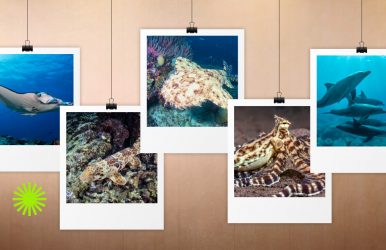
Have you ever been to a place where the clarity of the water feels like liquid air? Yes, you have heard it right. I am talking about the waters of Raja Ampat in Indonesia. Also, the dense coral reefs here look like a kaleidoscope in motion.   Its strategic location in the Coral Triangle in West Papua has also blessed it with a diverse marine life. Did you know that Raja Ampat has “75% of the known coral species” and more than 1,320 species of reef fish (Source: UNESCO)?   No wonder it is called the Amazon of the Seas. Also, with UNESCO designating it as a Biosphere Reserve on 27th September, 2025, it is now one of the just two places on the earth to have the distinction of being a UNESCO Global Geopark and Biosphere Reserve at the same time.   So, consisting of four islands (Raja Ampat means Four Islands), Waigeo, Salawati, Batanta, and Misool, Raja Ampat is like the biological "bullseye” as the most diverse marine habitat on the planet.   Hi, in this Raja Ampat marine life guide, I will be talking about what marine species to see in Raja Ampat Indonesia.   Also, if you want to make the most of the underwater wonderland of Raja Ampat, check out our Raja Ampat diving trips.   With an unbelievable marine life and rock formations that go back to 400 million years, Raja Ampat is the “living laboratory” of marine conservation according to UNESCO.   So, when the water here has more than a thousand species to spot, let’s find out the Big 5 of the water here. These creatures are unique, and they are majestic. They also represent the mystery of water.   1. Manta Rays (Oceanic Manta And Reef Manta)  Raja Ampat is one of the rarest places in the world to have oceanic and reef Manta Rays. You can even spot them at the same time at the same cleaning station.   Oceanic Manta Vs Reef Manta   Reef Mantas, with even a massive 5-meter wingspan, are smaller than the Ocean Mantas. The wingspan of the Ocean Mantas is close to 7 meters.   Furthermore, Reef Mantas stay in large, social groups, while the Oceanic Mantas are pelagic wanderers.   Also, Oceanic Mantas feature a “T” shape on their shoulders. On the other hand, you can identify Reef Mantas from the “Y” or “V” shapes on their back.  What Are The Best Sites For Spotting Manta Rays In Raja Ampat?  Manta Sandy in the Dampier Strait and Magic Mountain in Misool are the best places for spotting Manta Rays.  In the Dampier Strait is a quintessential cleaning station for Reef Mantas. The site is shallow, and you will find the Reef Mantas moving over the "bommes" with cleaner wrasse doing their work.  Furthermore, Magic Mountain is the place where you will find both species. So, it looks like a Manta Ballet against the backdrop of the dark blue water. 2. Walking Shark Raja Ampat (Epaulette Shark) And Where To Find Them The Walking Shark, or the Epaulette Shark, is the mascot of Raja Ampat. These are called walking sharks because they can use their pectoral and pelvic fins like legs. So, they do not swim and “walk” across the sea floor.  These are nocturnal hunters, strictly. If you are going night snorkeling at Sawinggrai or Arborek, you will spot them walking past your mask. It’s a surreal experience, I must say! 3. Wobbegong Sharks The Wobbegong Sharks usually rest on the seabed. They also remain tucked under a coral ledge.  Wobbegong Shark Sightings: Spotting The Masters Of Camouflage  These sharks are also known as “Carpet Sharks.” They have mottled and ornate patterns. So, they can disguise themselves well. You will also spot a beard of fleshy tassels around their mouths.  You will often mistake these predators for a piece of weed-covered reef. Sardine Reef in the Dampier Strait and various areas around Misool to find the Wobbegong Sharks.  4. Pygmy Seahorses Pygmy Seahorses in Raja Ampat come in various species, such as Bargibant’s, Denise’s, and Pontoh.  Bargibant’s is the most popular, and they have pinkish nodules, which match the color of their host coral. Bargibant also hides in the Gorgonian fans. They never leave their specific host fan, spending their entire lives blending into its polyps. Denise’s pygmies are slender, and the whitish Pontoh pygmies are found on hydroids and algae.  Pygmy Seahorse Habitats In Raja Ampat  You will love exploring the top Raja Ampat dive sites in search of the Pygmy Seahorses. Dampier Strait, especially sites such as Cape Kri, Blue Magic, and Misool, are the best sites to spot these adorable marine creatures.  5. Cetaceans (Whales And Dolphins) The archipelago has deep-water trenches and powerful currents. So, the water is an important highway for marine animals.  Spotting The Whales And Dolphins The Dampier Strait is a primary migration corridor. So, you will frequently spot Spinner and Bottlenose Dolphins near your diveaboards in Raja Ampat.  Furthermore, you will find Pilot Whales, Sperm Whales, or Orcas in the deep channels between the islands.  Rare & Macro Critters: A Photographer’s Dream Raja Ampat coral diversity and the macro critters make it a favorite of photographers. You will come across diverse, bizarre animals in the reef.  1. Nudibranchs And Flatworms: The Living Jewels Underwater Nudibranchs or sea slugs are vibrant, and they shine like jewels in the deep blue water of Raja Ampat, thanks to their neon shades.  You will find various species of nudibranchs and flatworms in the waters of Raja Ampat. Chromodoris is the most common species, and they look unreal. They feel like they're straight from the pages of sci-fi movies.  You will find them in Misool areas such as Nudi Rock and Lalosi in the Dampier Strait.  2. Blue Ringed Octopus And Cuttlefish The tiny and lethal marine wonders, blue-ringed octopuses, come with a brown body. They pulse with glowing blue rings when they feel threatened.  Another marine wonder is the Broadclub Cuttlefish. They use their skin as a television screen. So, you will notice changing colors and patterns in seconds.  Misool, Dampier Strait, and water near Mioskon Island are the best places to find these macro marine creatures.  3. Wonderpus And Mimic Octopus  You will find Mimic Octopus mainly in sandy areas. As the name suggests, they can impersonate other sea animals such as lionfish and sea snakes.  Wonderplus has long and slender arms. Also, Wonderplus has intricate white patterns on its rusty brown body.  Spot these stunning marine animals in the water of Misool, Waigeo, and Batanta.  Marine Life By Habitat: Where To Look The best diving and snorkeling site for you in Raja Ampat will depend on the marine experience/animals you want to encounter.  So, you have to understand the habitat.  1. The Blue Water Mangroves The Blue Water Mangroves are in the Passage or near Gam Island. These are not usual muddy mangroves.  The water here is crystal clear, and it functions as a juvenile fish nursery where you can see soft corals growing on tree roots. It is a rare phenomenon.  2. The Seamouts Magic Mountain or Sardine Reef are the seamouts, and they are the main action spots because of their position in the path of strong currents.  The strong current here attracts many pelagic species. So, you will find "walls" of Bigeye Trevally, schools of Grey Reef Sharks, and thousands of Barracuda.  3. The Muck  Muck diving is a technical term, and it means exploring the sandy bottoms of the water. It is wrong to consider this place as empty, as you will find the rarest critters, such as Bobtail Squid, Seahorses, and Frogfish, here.  These critters usually remain hidden in plain sight.  Raja Ampat Marine Life Calendar Do you have some must-see species in mind when exploring the Raja Ampat marine life? You have to know the ideal season for spotting them, as the marine life of Raja Ampat changes with each season. MonthWater ConditionsManta SightingsHighlightsOctober - NovemberCalm seasModerateWhale shark season (Cendrawasih)December - FebruaryPeak calmVery HighPeak Manta season; large schoolsMarch - MayGlassy waterModerateGreat for Cetaceans (Whales/Dolphins)June - SeptemberWindy/ChoppyLowBest for Macro and Nudibranchs Snorkeling Vs. Diving In Raja Ampat: What Can You See? The reefs of Raja Ampat are healthy, and the water is crystal clear. So, even if you are not a professional diver, you can see most of the marine life in the top 5-10 meters of water. In other words, the marine life of Raja Ampat is equally accessible to a snorkeler and a diver.  Still, here is a quick breakdown of the experience you can expect during snorkeling and diving.  1. What You Can See In Snorkeling See blacktip reef shark pups, green turtles, and massive giant clams, just a few meters from the beach. Furthermore, you will spot Manta Rays at Manta Sandy from the surface.  Other icons to spot for snorkelers are the Wobbegong Shark and the endemic Papuan Walking Shark under the jetties or in the shallow reef flats.  The Blue Water Mangroves are the ideal spots for snorkeling if you are looking for unique habitats. Here, you will find vibrant corals growing on mangrove roots.  However, if you are looking for an aquarium effect, you have to snorkel near village jetties such as Arborek or Sauwandarek. These jetties function as artificial reefs. So, you have to just look down from the pier to find massive schools of batfish, fusiliers, and giant clams. 2. What You Can See During Diving  Pygmy Seahorses or Wobbegong Sharks typically hide at depths of 15–30 meters. So, divers can easily access them, and a snorkeler may not find them easily.  While snorkelers see the "greatest hits," divers get access to the sheer scale and the "hidden" details of the Coral Triangle. Also, as a diver, you can sit at the corner of a reef, such as Cape Kri, with strong currents, to find the Grey Reef Sharks, Giant Trevally, and Barracuda hunting in the deep blue. Furthermore, sites such as Friwen Wall or Melissa’s Garden offer dramatic drop-offs where you can see the transition from sun-drenched hard corals to deep-water Gorgonian sea fans. Moreover, divers can enjoy the underwater mystery at night to the fullest. Spot panish Dancers, Eels, and Crustaceans that hide in the deep crevices of the reef.  "The Nocturnal Shift": Why Night Diving Is Mandatory After sundown, the waters of Raja Ampat transform into a completely different landscape. The reef looks surreal.  Night is the only time to spot the Walking Sharks hunting.  Furthermore, once the Sun sets, marble shrimps, slipper lobsters, and sponge crabs come out from the cracks in the coral. So, it is like a crustacean explosion.  Want to see the bioluminescence? Just turn your dive light off and wave your hands. You will find the bioluminescent plankton sparkling in the water.  Quick Comparison: Snorkeling Vs. Diving FeatureSnorkelingScuba DivingEffortLow Effort: Jump in from the beach or boat.High Effort: Gear setup and boat transit.VisibilityBest in the top 5m (sunlight).Great at all depths (up to 30m+).Best ForCoral gardens, Turtles, and reef sharks.Pygmy seahorses, Drift dives, Walls.Main AdvantageUnlimited time; "unplugged" feel.Observing behavior; seeing tiny life.ConstraintLimited by surface weather/choppiness.Limited by "no-decompression" time. Conservation And Responsible Interaction A collective conservation effort between the visitors and local communities helps to maintain the fragile beauty of Raja Ampat.  The Raja Ampat Marine Park Entry Tag (PIN): All visitors must pay an entry fee. This "PIN" supports the patrol boats that prevent illegal fishing and funds community health and education programs. Rules for Manta interaction: To keep the Mantas coming back, there are strict rules. No touching, no chasing, and no flash photography at cleaning stations. Always stay lower than the Mantas and give them plenty of space to fly. Lens Guide For Photographers: Capturing The Marine Life Of Raja Ampat  Raja Ampat is a real test for photographers as the marine life is happening and unpredictable.  If you want to capture the Mantas, schools of fish, and the stunning reefs, you can use the Wide Angle (10mm - 24mm).  On the other hand, if you want to shoot the Pygmy seahorses, shrimps, and Nudibranchs, you must use the 60mm/100mm macro lenses.  Raja Ampat Marine Life Guide: Expert Tips Check the Current: The "split current" at Cape Kri brings the most action. You have to dive with the current.  Look for Gorgonians: Stop swimming and stare at a Gorgonian fan to find the pygmy seahorses. The bumps, looking out of place, indicate their presence.  Don't Ignore the Jetty: The pillars under Arborek Jetty are world-class. They are covered in soft corals and schools of Batfish. Night Snorkeling is Safe: Don't be afraid! Shallow night snorkeling or night diving is the best way to see the Walking Shark. Manta Hygiene: At cleaning stations (like Manta Sandy), stay low and don't exhale bubbles directly under a Manta; it can startle them. Mangrove Magic: Visit the "Blue Water Mangroves" near Gam. The water is crystal clear, showing soft coral growing on tree roots. Reef Hook Etiquette: Only hook onto dead rock. Never hook onto live coral or sponges. The "60-Minute" Rule: Keep your camera battery 100% charged, as many sites are shallow and dives can last over an hour.  Watch the Triggerfish: Titan Triggerfish are aggressive when nesting. If they raise their dorsal fin, you must swim away horizontally. Listen Underwater: In the Dampier Strait, you can often hear the clicks of dolphins before you see them. Listen To The Authority Voices: A Raja Ampat Marine Life Guide  Want to know what the authorities are saying about the Raja Ampat Marine Life? I have curated their take on the Raja Ampat waters and marine life from their various interviews and insights.  1. Mark Erdmann, The VP Of Marine Asia-Pacific, Conservation International Overtourism remains a concern for the conservation of the Raja Ampat marine life. In a Raja Ampat Research & Conservation Centre Report, Mark Erdmann mentioned, “If there is nothing else done to further control and limit the growth of tourism in Raja Ampat, there is no doubt that within five years we are going to see major problems in places like the Dampier Strait, where it is already reaching the carrying capacity.” He also said,  “Misool represents one of the most pristine reef systems left on earth — one of only a handful of places in the universe where biodiversity is improving rather than declining.” 2. Sylvia Earle (Oceanographer & Explorer) She has designated the Coral Triangle (specifically the Birds Head Seascape) as a "Hope Spot," calling it one of the most important places for marine biodiversity on Earth. Dr. Sylvia Earle designated the Misool Marine Reserve in South Raja Ampat as a “Mission Blue Hope Spot” in 2017.  Max Ammer (Pioneer Of Diving In Raja Ampat) Max Ammer has veen always vocal about the resilience of Raja Ampat’s reefs against coral bleaching. That is why it is stronger than the Great Barrier Reef.  Raja Ampat Shows How Vibrant And Resilient The Ocean Can Be  You can be a first-time snorkeler or a seasoned diver. You will feel a rare and strong connection to the marine world in Raja Ampat. The “Amazon of the Seas” continues to thrive, and with the conservation guidelines and respect intact, it balances the presence of macro and micro marine life.  Plan at least a diving expedition for 7 days, especially in the Dampier Strait region in central Raja Ampat, to meet the Big Five and more. Raja Ampat Marine Life Guide: Frequently Asked Questions (FAQs) Here are the frequently asked questions and answers about the Raja Ampat marine life guide. 1. What Is The Most Famous Marine Animal In Raja Ampat? The Raja Ampat Walking Shark, the Carpet Sharks, Pygmy Seahorses, and Manta Rays are some of the most famous and big marine animals in Raja Ampat.However, the colorful corals and endless schools of fish here, along with the macro critters, create an unforgettable marine experience. Raja Ampat became a Shark Sanctuary in 2013. So, you will see different species of sharks here, including: • Wobbegong (Carpet) Sharks• Whale Sharks:• Blacktip & Whitetip Reef Sharks:• Walking Sharks• Grey Reef SharksAlso, barring some minor threats from the Wobbegong sharks (because of their hiding nature), no major threat is observed or reported from the sharks in Raja Ampat.  2. Are There Sharks In Raja Ampat? Are They Dangerous? December to March is the best time to see Manta Rays in Raja Ampat. The plankton blooms are highest in these months, and you will find Manta Rays following each other, creating a train. The northwest monsoon winds create deep-water upwellings, leading to the higher visibility of Manta Rays.  3. Can I See Marine Life If I Only Snorkel? Yes, you can see marine life in Raja Ampat if you snorkel in areas such as Blue Water Mangroves, Friwen Wall, and Arborek Jetty. Within 5 to 10 meters of water, you will find marine life such as Giant Clams, Sea Turtles, Manta Rays, and diverse schools of fish. 4. Is Raja Ampat Safe For Beginner Divers? Yes, Raja Ampat has sites such as Arborek or Sawardarek, which are ideal for beginners. Also, many dives are simple drift dives where the current carries you once you jump into the water. However, you must not overlook the down-welling nature, strength, and unpredictability of the Raja Ampat waters. So, you will need expert guides. 5. What Are Walking Sharks? The Epaulette Sharks or Walking Sharks are harmless carpet snacks. Their movement looks like a walk thanks to their pectoral and pelvic fins, like legs. These endemic species are spotted best at night when they are out hunting.  6. Do I Need A Wetsuit For Raja Ampat? Wearing a wetsuit is not mandatory if you are a snorkeler in Raja Ampat. However, you can wear a 1mm to 2mm thick wetsuit to float effortlessly and provide sun protection. If you are a scuba diver, you will need a 3mm wetsuit even when swimming in the Raja Ampat waters, with an average temperature of 28 to 30 degrees Celsius. The wetsuit ensures that your body remains warm in the water. Also, it protects your body from tiny stinging planktons and hydroids. 7. Are There Whales In Raja Ampat? Yes, there are various species of whales in Raja Ampat. You can spot varieties such as Bryde’s Whales, Pilot Whales, Sperm Whales, Omura’s Whales, and Killer Whales. The Dampier Strait and the Sagawin Strait, to the south of Batanta Island, are the best places to spot these whales. 8. What Is The Visibility Like In Raja Ampat Water? The average visibility in the water of Raja Ampat is around 15 to 25 meters. However, the visibility of the water depends on multiple factors, such as the presence of plankton and nutrients, and the season. In the peak or dry season, between October and April, the visibility is around 15 to 30 meters. On the other hand, in the windy season, from June to September, the visibility is around 10 to 20 meters.  9. Are There Saltwater Crocodiles In Raja Ampat? Yes, there are saltwater crocodiles in Raja Ampat. However, the sightings are rare, and you will find them in areas such as Blue Water Mangroves, The Passage, and remote islands such as Batanta.   
READ MORE Spring

Four Underrated Cities To Visit In Spring 2024

BY  Ankita Sep 15, 2023

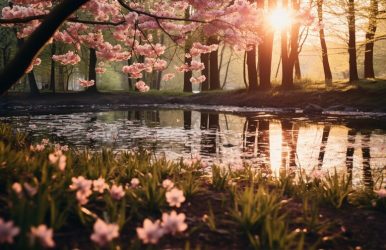
When you think of the ideal spring destination, what springs to mind? For most, it’s rolling tree-lined vistas exploding with cherry blossoms; temperate weather that’s neither too hot nor too cold; a lively atmosphere, reinvigorated after a long winter; moments of serenity before the onslaught of summer tourists, etc. It can be challenging to find all of those platonic ideals in one place, especially if you stick to the beaten path. However, if you wander away from the major tourist cities (your Parises, Tokyos, and New York, e.g.), you can find compelling cities that come to life in spring. As a bonus, these underrated cities are often less expensive than their famous counterparts–and cheaper in the shoulder season of spring. ČeskýKrumlov, Czechia Prague is beautiful, no doubt. Unfortunately, it’s the first and last place tourists often visit in Czechia (formerly the Czech Republic). If you’re willing to take a two-hour train from Prague (roughly $20), you can land yourself in ČeskýKrumlov, a UNESCO-recognized Gothic city in the heart of South Bohemia. This is literally where the term Bohemian originated. The city brims with artistic energy, pristinely aged architecture, as well as nightlife. And in spring, the trees along the Vltava River bloomin magnificent abundance. Plus, if you’re a beer connoisseur, you’ll find some of the oldest European breweries at your doorstep. Vancouver, Canada Seattle and Portland dominate the narrative around the Pacific Northwest. But if you cross the 49th parallel into Canada, you’ll find arguably the crowning jewel of the PNW: Vancouver. Vancouver is a city of extremes. On the one end, it’s a cosmopolitan metro on the move, complete with bumping bars, swanky restaurants, and posh shopping districts. On the other end, Vancouver is humbled by its natural surroundings – cornered by a long Pacific coastline and towering snow-capped mountains. Outdoor activities are plentiful in Vancouver; the city features an embarrassment of day hikes, suspension bridges, beaches, as well as ski trips. Vancouver’s spring weather is notoriously unpredictable, so just be sure to pack travel clothes from Unbound Merino, which are versatile enough to withstand hot, cold, dry, and rainy weather. Kanazawa, Japan Kanazawa is everything you love about Tokyo or Kyoto, scaled down to a streamlined 400,000-person package. It has the spring rows of cherry blossoms. It boasts old Shinto shrines and Buddhist temples. There are world-class dining experiences as well as futuristic amenities. Best of all, Kanazawa is home to perfectly preserved Edo-era districts. It makes you feel like you boarded a time machine to get there. It’s no wonder Culture Trip named it one of the most underrated cities in Japan. Phoenix, USA Phoenix is underrated any time of year. The city’s desert aesthetic, top-notch Southwest food and packed calendar of events and festivals make it a true standout among American cities. But perhaps the perfect time to visit is spring. Phoenix’s spring temperature is still manageable – not the sweltering highs it experiences in August. Prices are reasonable across the accommodation landscape. And best of all, Arizona is host to MLB’s spring training – which means cheap baseball tickets. This spring, don’t listen to the hype. Check out these four underrated spring cities for a refreshing dose of blossoms, great food, nightlife, as well as activities. Read Also: 6 Best Destinations For A Safari In Kenya Preparing For Spring ATV Riding: 5 Helpful Tips Planning A Trip To Ginnie Springs In Florida? All That You Need To Know!

READ MORE is Indianapolis safe

Is Indianapolis Safe? Things You Must Know Before Planning An Indiana Tour

BY  Sibashree Jan 30, 2025

Despite having famous cultural trails and many important museums in the USA, Indianapolis tourism has always been affected by safety concerns. Is Indianapolis safe? This is the question that people keep asking, considering the high crime rate.  2024 was a relatively good year for Indianapolis, as the crime rates decreased from 2023.  So, Indiana's public safety leaders are planning to keep the momentum with public safety plans.  Further, there are endeavors to bring positive changes in the community. So, despite having a 43.82 crime rate and 100 homicides taking place in Indianapolis in 2024, it is making every effort to change for the better.   Moreover, the homicide rate in the state has gone down consistently every year since 2021. So, is Indianapolis safe to travel to? You can travel to some parts of the state, as they are safer.  Do you want to know about these safer areas in Indianapolis? Here is the list with brief details about the places to visit. Is Indianapolis Safe? Yes, You Can Visit The Following Places  Indianapolis has a crime rate way higher than the national average. However, that does not indicate that all parts of Indianapolis are crime-infested.  For example, the downtown area and the neighborhoods in the northeast have higher crime rates. On the other hand, Greenwood, Carmel, and Zionsville have lower crime rates. So, learn where you will stay in Indianapolis during your next trip. 1. Zionsville In Boone County, Zionsville has remarkably maintained a low crime rate (1 in 1000). The first place of attraction in Zionsville is Traders Point Creamery. It is a 19th-century dairy barn promoting a farm-to-table culture in Zionsville.  You can even visit the Fanimation Antique Fan Museum, Zionsville Nature Center, and the Starkey Nature Park in Zionsville.  2. West Lafayette If you want to live in a place filled with a youthful vibe, West Lafayette in Tippecanoe County will be your instant favorite. Here, the crime rate is low (1 in 1000).  West Lafayette has many places of tourist attractions, and Purdue University is the best among them. The Ross-Ade Stadium, Mackey Arena, Fort Ouiatenon, and Lily Nature Center are some favorites of locals and tourists in West Lafayette.  3. Fishers Fishers, a growing suburb bordering Carmel, is one of the safest places to visit in Indianapolis. Ritchey Woods Nature Preserve is one of the most prominent tourist attractions in Fishers.  Further, you can visit the Conner Prairie Museum, Flat Fork Creek Park, Cheeny Creek National Park, etc., to spend some time in nature in Fishers.  4. Highland Along the southern tip of Lake Michigan, Highland in Indianapolis is one of the safest places in Indianapolis. Highland is a great place to visit in Indianapolis. Also, its proximity to Chicago makes it accessible.   5. Brownsburg Brownsburg has been growing in the last few decades, and when asked if Indianapolis is safe or not, Brownsburg is the place you need to visit.  Furthermore, Brownsburg has visitor attractions like Williams Park and Natural Valley Ranch. 6. Crown Point Lake County, in northwest Indiana, has Crown Point, one of the most peaceful places in Indianapolis. So, if you want to know if Indianapolis is safe, Crown Point can be your go-to destination.  Crown Point is also close to Chicago, and you will love the quintessential small-town vibe here. Moreover, the places to visit here are Lemon Lake County Park and Lake County Historical Museum.  7. Avon Avon in Hendricks County has the best amenities and is known for its public parks. Further, just 20 minutes away from Indianapolis, Avon, the newest community here, is also growing at the fastest pace.  The places to visit are Washington Township Park, Avon Town Hall Park, and the most beautiful Avon Gardens.  Moreover, don’t miss a bite of the pork tenderloin sandwich when you are in Avon. The Coachman Restaurant & Lounge is one such place for indulging in gastronomic delight.  8. Dyer Dyer, a safer place in Indianapolis, has many public parks. When in Dyer, you will get to drive along the Ideal Stretch. It was a manifestation of the vision of having a coast-to-coast rock highway by Carl G. Fisher.  It was the first paved road in Indianapolis. Further, Meyer's Castle is an important historic landmark in the city.  Moreover, don’t miss a gastronomic delight at DOC's Smokehouse & Craft Bar. Here, everything you get is made using fresh and local ingredients.  9. Carmel Carmel, nestled in Hamilton County, has the second-lowest crime rate in Indianapolis. You will find the Monon Trail here, where you can hike, bike, and explore the city's hotspots. Further, Carmel will never disappoint you with its copious dining and entertainment options. You can visit the Clay Terrace, a community lifestyle center.  Moreover, you can explore dining options here at Juniper on Main at 110 E Main Street, Carmel. It serves amazing crabs and deviled eggs; you can reach them at (317) 591-9254.  10. Greenwood Located in Johnson County, Indianapolis, Greenwood has a Farmer's Market and a distinct vibe that distinguishes it from the hustle and bustle of Indianapolis.  The places to visit are the Greenwood Park Mall, Old City Park, shopping malls, etc.  Is Indianapolis Safe? A Tour And Travel Note On Safety Tips  The Indianapolis Metropolitan Police Department (IMPD) works closely with the local community to maintain law and order in Indianapolis. Furthermore, the local people here are very welcoming.  Still, you need to follow some safety tips if you are planning a trip to Indiana, and here they are! Do A Little Research About The Place You Want To Visit As I have already shared a list of safer areas in Indianapolis, you can choose your place to stay or vacation.  Avoid Walking Alone At Night This is like a thumb rule when you are new to a city. So, even if you are staying in Zionsville or some of the safer places in Indianapolis, you must not wander around the city alone. And you must especially avoid areas like the Canal Walk or Downtown at night.  Seek Assistance From A Local Guide If you want to explore the nearby neighborhood or want to learn about Indianapolis culture, you can seek assistance from a local guide.  Further, you can join a community tour conducted by a local tour operator if you are new to the city and want to explore new places.  Also read Top 10 Most Popular Paraguay Food That You Must Try. Top 13+ Famous Wonders Of India That You Must Visit. Top Tips For Motorbike Rental In Phuket – A Guide To Exploring The Island On Two Wheels.