



Do I Need A Visa For Saudi Arabia? The Guide You Need

Jun 7, 2024

Last Updated on: Sep 24, 2026

Travel Guides

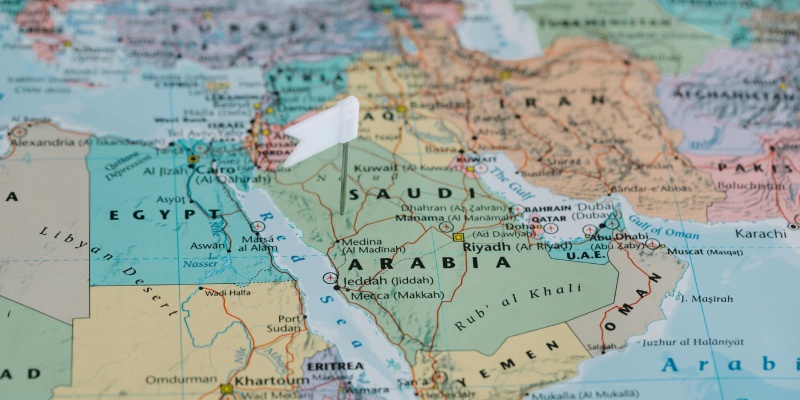
Do I need a visa for Saudi Arabia? Well, you need a visa to visit most countries in the world, except a few.

Saudi Arabia is encouraging international travellers to visit and explore the beauty of its cities and Islamic landmarks for Umrah or an adventurous trip.

This is because there are many places to enjoy. 

In fact, tourism contributes significantly to the Saudi economy today. People from around the globe plan to visit Saudi Arabia to enjoy themselves.

That’s why Saudi Arabia is focusing on providing facilities to visitors so that they can enjoy themselves. 

The same goes for pilgrims. Pilgrimage also contributes to the Saudi economy and helps the government to maintain the spirituality of the land.

This is why the Saudi government ensures pilgrims have a fulfilling experience during their stay. Cheap Umrah packages also help pilgrims in this regard.

The goal is to free pilgrims from logistics and help them focus on Ibadah. 

However, the question is whether visitors can enter Saudi Arabia without a visa. If not, what type of visa should they consider before proceeding with their plan?

Well, read ahead. 

Why Do I Need A VISA When Visiting Saudi Arabia?

Why Do I Need a VISA When Visiting Saudi Arabia

KSA is a hub for Islamic landmarks. Because the kingdom is significant in both spirituality and modernity, it has become a top priority for visitors today.

Some want to explore Saudi heritage, while others seek closeness to Allah and His house, the Kaaba. 

But you still need a valid visa. A visa is a legal document that allows foreigners to enter a country.

Like other countries, Saudi Arabia also requires a visa. 

For pilgrims, it’s easier to get VISA approval through Umrah packages. These Umrah and Hajj deals include VISA application assistance and help ensure VISA approval. 

The same applies to budget plans like the 12 Nights 4-star Umrah package. You just need to arrange the required documents and enter your personal details on the visa application.

Then the travel agencies handle submission and approval. 

Although visitors don’t have to apply for visas through Umrah package deals, they still need a visa to enter Saudi Arabia.

However, these visa requirements and details vary depending on the situation. So, let’s see which visa type you should consider based on your plans.

Who Needs A VISA?

Who Needs a VISA

As in other countries, entering Saudi Arabia also requires a visa. A visa is a travel document or legal statement. 

The main purpose of requiring a visa is to define your purpose for visiting Saudi Arabia. For example, if you are a business traveller, tourist, or pilgrim, you need to apply for a specific type. 

In addition, visa documents are also necessary for countries to keep checks and balances on the entry and exit of tourists.

Through a VISA, tourists can claim their rights from their respective country’s government. It also helps ensure the country’s safety and integrity. 

The same policy applies to Saudi Arabia. You should apply for the appropriate visa to enter KSA. However, Saudi Arabia also has exceptions. 

Our honourable customers living in some Gulf countries, such as Bahrain, Kuwait, Oman, and Qatar, can enter Saudi Arabia without a visa.

Similarly, the VISA Waiver Agreement allows some travellers to apply for a VISA on arrival in the Kingdom of Saudi Arabia. 

In general, visitors need a VISA to enter Saudi Arabia. However, it is best to research whether you need a visa. And if so, what type of visa do you need?

Types of VISA For Saudi Arabia

Types of VISA for Saudi Arabia

Saudi Arabia earns a lot of money from tourism. It includes pilgrims and tourists alike. Therefore, Saudi Arabia focuses on enhancing the visitor experience.

The visa process and requirements also reflect efforts to simplify visiting Saudi Arabia. 

For instance, Saudi Arabia issues different types of visa documents to travellers based on their needs.

This way, the entry process into the kingdom works smoothly.

In general, the price of these visa types varies depending on the purpose of the visit. For example, travellers can apply for tourist visas and stay in the country for up to 90 days.

Tourist visas, Umrah visas, Hajj visas, business visas, and work visas are the most common types of visas that global travellers obtain from Saudi embassies.

This visa type is valid for one year and allows multiple visits. 

Umrah VISA and Hajj VISA

An Umrah VISA tells everything. Pilgrims apply for an Umrah VISA to perform the Umrah pilgrimage.

Umrah packages also help them engage with Ziarat tours.

This visa type offers a short validity period, usually limited to the duration of the Umrah pilgrimage. 

Similarly, pilgrims get a Hajj VISA to perform Hajj. The Hajj visa also has a short validity, often for the duration of Hajj. 

Business VISA

Business VISA allows people to visit Saudi Arabia for work activities. For instance, with a business VISA, you can attend meetings or conferences in Saudi Arabia. 

However, it’s a flexible visa that can be single-entry or multi-entry, depending on your work requirements and duration. 

Employee or Work VISA

Another type of Saudi VISA is a work VISA. It’s for individuals with a job offer from Saudi Arabia who want to live there as an employee.

Work VISAs remain valid for the duration of the job contract or need frequent renewal. 

In short, Saudi Arabia streamlines entry into the kingdom. So, define the purpose of your visit and apply for a relevant visa.

VISA Requirements

VISA Requirements

Now you will find out what type of visa you need. After all, it’s easier to spot once you know the purpose of your visit.

Here, a question hits your mind: how do you apply for a Saudi VISA? 

You should collect all the necessary documents. These include: 

  • A valid passport
  • Passport-size photographs
  • VISA application form
  • Proof of hotel accommodations in KSA
  • Non-refundable tickets.

In some cases, you may also need travel insurance, health insurance, and other required documents. 

Once you have the necessary documents on hand, proceed with the application process. Note that pilgrims must apply for an Umrah visa through Umrah packages.

The same goes for affordable deals like the 12 Nights 4-star Umrah. 

However, travellers, visitors, and working employees can apply for Saudi VISAs through the eVISA portal. 

To proceed, follow these steps:

  1. Go to the eVISA official page and fill out the application form with personal and travel details.
  2. Upload the necessary documents and pay the VISA fee.
  3. Submit the form and wait for approval.

Visitors can also apply for a VISA in person through the embassy. Take an application form and the necessary documents.

Fill out the application form, attach the documents, and visit the Saudi embassy to submit the documents in person.

Also, pay the fee there, as they will guide you and wait for approval.

Tips To Ensure VISA Approval

Tips to Ensure VISA Approval

Applying for a Saudi visa is straightforward. Saudi Arabia streamlines the process to promote tourism.

However, some people still find the whole process challenging, and it has some reasons. 

For instance, leaving the application form incomplete is a common mistake that can lead to a visa rejection.

To avoid it, read every section of the application form carefully and fill in all the required fields. Also, double-check the form before submitting it. 

On the other hand, some people add inaccurate information to the application form, which can also cause visa rejection. 

For instance, avoid spelling mistakes, wrong passport numbers, and incorrect travel dates in the application form.

The best way to avoid these mistakes is to cross-check all information against your official documents. 

Conclusion

After that, make sure you don’t miss any documents when submitting the application form. Be careful with your documents and make a list of required documents first.

As you upload the documents, mark them off your list, and you’re done. 

Similarly, poor-quality photos and late application submissions can also lead to visa rejection.

So, follow the photo guidelines beforehand and also submit the application form in advance. It will save you from approval delays altogether.

Additional Reading:

Share on Social Media

Sibashree is a travel, culture, and leisure writer who has been writing since the age of 12 and professionally since 2014. With more than a decade of travel writing experience and journeys across India and several parts of the world, she brings a deeply personal and thoughtful perspective to her work. A student of English Literature and Mass Communication, Sibashree has always viewed travel as more than movement — for her, it has been a way of understanding people, cultures, and herself. Her passion for spiritual exploration has also led her to many unusual and meaningful destinations over the years. Outside of writing, Sibashree enjoys watching European cinema, reading about global politics, and reflecting on the stories hidden within everyday places.

Leave a Reply

Your email address will not be published. Required fields are marked *

title-img Related

READ MORE Puerto Rico vs Dominican Republic

Puerto Rico Vs Dominican Republic: Which One Should Be The Next Travel Destination?  

BY  Sibashree Feb 2, 2026

The sound of Latin music fills the air! The Spanish language and a passion for baseball! The beautiful beaches and great food!   All these things are common in the Dominican Republic and Puerto Rico.   So, when there is a Puerto Rico vs Dominican Republic comparison, it’s really difficult to pick a favorite. Both Spanish cities, with their signature rum and tropical rainforest,s are ready to win over you.   Still, here is a comparison you need to read before you pick Puerto Rico or the Dominican Republic as your favorite.   Puerto Rico Vs Dominican Republic Weather: When Is The Best Time To Visit?   Puerto Rico and the Dominican Republic have similar tropical weather conditions. December to April is the ideal time for visiting these islands, as it is the dry season.   The daytime temperatures range between 70 and 80 degrees Fahrenheit in these months. However, these balmy and dry conditions are very much a part of the appeal of these places.   Moreover, if you are okay with a little humidity, you can plan a visit in September or November.   Puerto Rico Vs Dominican Republic: History   The discovery of these islands by Columbus happened almost at the same time. While Columbus discovered the Dominican Republic in 1492, Puerto Rico was discovered by him in 1493.   Furthermore, both places have a rich history of Spanish colonization. Still, each of these places has distinct historical accounts.   1. The History And Historical Sites Of The Dominican Republic   Santo Domingo, the present capital of the Dominican Republic, was the first European colony in the Americas.   Also, Puerto Plata, on the northern coast, is home to the Fortaleza San Felipe. It was built in 1577. It was a prison once, and now it functions as a museum that has all the military artefacts from the 18th and 19th centuries.   You must also visit the Casa Museo General Gregorio Luperón here. Nestled in a Victorian building, this museum has many period exhibits. Also, as the name suggests, it focuses on the struggles of General Gregorio Luperón, a hero in the struggle for independence.   After exploring the historical sites, you can visit the famous Umbrella Street. Here, you can explore the chocolate museum, coffee bar, and the museum of tobacco.   2. History And Historical Sites Of Puerto Rico   Old San Juan, a UNESCO World Heritage Site, is a testament to the rich history of Puerto Rico. It has cobblestone streets, picturesque forts, and heritage architecture. The oldest executive mansion, and the oldest still-in-use executive mansion in the Americas, is La Fortaleza. It is the Governor’s residence in Old San Juan. Furthermore, you can visit the San Felipe del Morro Fortress, a UNESCO World Heritage Site, here. Another major draw is the El Capitolio, or the seat of government in Puerto Rico. In addition, the Fortín de San Gerónimo and Fortín San Cristobal have a history dating back to the 1700s or during the Spanish colonization. After exploring these historical sites, El Paseo de la Princesa and San Juan’s Promenade, with street vendors and fountains, add to the fun vibe of Puerto Rico. Puerto Rico Vs Dominican Republic Culture Though the Spanish language dominates both these islands, Puerto Rico and the Dominican Republic have distinct dance forms. The Dominicans are the masters of bachata or merengue. On the other hand, Puerto Rico is home to bomba or Salasa. Though these music and dance forms are very much African, there is a difference that the connoisseurs can notice. Puerto Rico Vs Dominican Republic Outdoor Adventures Puerto Rico and the Dominican Republic are rich in coastal experiences. You will love sailing and kayaking here. However, they offer similar yet different experiences in exploring the wildlife, beaches, and spotting the marine life. 1. Puerto Rico Vs Dominican Republic: Nature And Wildlife Experience Tropical forest, swimming holes, and birds are the main highlights of the nature and wildlife experience in Puerto Rico and the Dominican Republic. Enjoy the hikes and wildlife spotting. Wildlife And Nature Adventure In Puerto Rico  In Puerto Rico, you can explore El Yunque, which is the only U.S. National Forest designated as a tropical rainforest. You can hike through the trails here and try some zipline adventure. As you hike through the trails, you will find many birds and tropical plants here.  In addition, you can enjoy your moments in the natural rock slides and cool down in the swimming holes.  Moreover, take ATV rides and enjoy your off-road vehicle moments through jungle trails and beaches.  Wildlife And Nature Adventure In The Dominican Republic  On the other hand, the Dominican Republic has the El Choco National Park. It is home to bata, lizards, tropical birds, and many endemic plants and animals.  Furthermore, Monkeyland is a reserve for squirrel monkeys. Also, the Manatee Reserve is the place to paddleboard and spot the sea cows.  Want some more adventure? You can explore the Isabel de Torres National Park. Here, you will find the only cable car in the Caribbean. It will take you around 2625 feet above sea level.  Enjoy the views of the Atlantic waves, the rainforest, and Puerto Plata while ziplining.  Also, you can take your journey forward from here. Walk through the dense forest and pass deep canyons, deep rainforest to find waterfalls such as the Damajagua Waterfall. In addition, you will find swimming holes, lagoons, and rock chutes functioning as natural slides. 2. Puerto Rico Vs Dominican Republic Beaches Here, the difference is visible among the beaches. The beaches in the Dominican Republic have white sand.  On the other hand, the beaches in Puerto Rico have golden or black sand. Playa Dorada is located on the northern coast of the Dominican Republic, where the Atlantic Ocean waves create a rougher experience than the beaches further south. The gentle, light-golden sand has palm trees, and kite-surfers are enjoying themselves in the water.  For a more unique experience, head to Cayo Arena, often referred to as “Cayo Paraíso” for clear reasons. The vibrant corals, plentiful sea creatures, and diverse underwater marvels draw numerous divers and snorkelers.  In Puerto Rico, it’s not necessary to travel far from San Juan to discover great beaches. Escambrón Marine Park is just ten minutes from downtown and is favored by surfers as one of the top spots for beginner-friendly waves on the island.  Right by the Puente de Hermanos is Playita del Condado, a beautiful city beach in Puerto Rico. It is located in a small cove, creating a beautiful combination with the expansive Condado Beach.  In just another ten minutes, you will arrive at the stunning Isla Verde Beach. The golden sands are sheltered by towering palm trees, with numerous restaurants, bars, and shops in close proximity.  Surfers should also check out the appropriately named Surfer’s Beach in Aguadilla. A top surfing spot in Puerto Rico is located on the north side, featuring a beautiful point break, particularly during winter.  3. Whale Watching In Puerto Rico Vs Dominican Republic  Observing whales is an excellent experience for all tourists in the Dominican Republic. Thousands of humpback whales travel into nearby waters each year from December to March.  The finest way to observe these incredible creatures is through boat tours departing from Puerto Plata. Around 300 whales have been observed simultaneously in Samaná Bay, while Silver Banks is also a key location.  Puerto Rico isn't widely recognized for whales, yet the resort town of Rincon, located on the west coast, is the focal point for them. From the historic El Faro Lighthouse, you might spot whales from the shore.  Culinary Experiences: Food And Drink In Puerto Rico And Dominican Republic  The unofficial national dish of Puerto Rico is arroz con pollo, meaning "chicken with rice." It has a Moorish Spain origin, which in turn connects further back to pilaf from Asia.  In the Dominican Republic, the national meal known as La Bandera showcases the hues of the country's flag. Drawing from Spanish culinary traditions, it consists of white rice, red beans, and meat, usually chicken or beef.  Indeed, the food of the two nations is alike, with a significant distinction being the Dominican inclination towards meat, while Puerto Ricans prefer seafood. Nevertheless, they both have a fondness for plantains.  Street food plays a significant role in everyday life in both nations. Puerto Rico is famous for its food trucks, and its culinary landscape has produced numerous celebrity chefs.  1. Empanadillas  The Dominican Republic has food stalls that offer popular snacks like chicharrón (pork crackling).   If that doesn't suit your preference, consider trying the empanadas and yaroas, a high-calorie mix of fries, root veggies, meat, cheese, and toppings.  Like on several Caribbean islands, tropical fruits are always available. Refreshing delights include fresh juices and shakes crafted from fruits like mango, papaya, passionfruit, pineapple, or guava.  2. Morir Soñando  In the Dominican Republic, be sure to sample morir soñando, a special blend of milk, orange juice, and ice. Its name translates to “to die dreaming,” possibly reflecting how divine it tastes.  The beverage is so delicious that it has reached Puerto Rico, where it is enhanced with additional flavors like vanilla. Choosing the best option, such as between Puerto Rico and the Dominican Republic, simply signifies the joy of experiencing both.  3. Rum  Numerous books have been authored regarding the significance of rum in the Caribbean. Puerto Rico is currently closely linked to the Bacardi brand, whereas the Dominican Republic is recognized for Barceló and Brugal.  Bacardi relocated to Puerto Rico from Cuba following the 1960s Revolution, bringing along its renowned light rum recipe and its yeast, too. It currently produces approximately 70 percent of the rum from the Caribbean sold in the United States.  You can visit the Bacardi Distillery and observe how rum is produced. You can also discover how to blend the ideal mojito or piña colada drinks while acquiring some bartending skills.  Brugal was established in 1888, but the true commercial legacy of Dominican rum begins in the 1920s. It was then that the Barceló family began making their own rum in the Spanish style.  Currently recognized as Ron Barceló, their business has expanded into one of the largest rum exporters globally. Brugal and Barceló provide distillery tours, with Brugal being the most accessible option in Puerto Plata.  These islands are famous for their light rum in the Spanish style, which is matured in oak barrels to enhance its aromatic flavor. Light rum is ideal for Caribbean cocktails, but there are many darker options available if you enjoy drinking it straight or mixed with cola in a Cuba Libre. 

READ MORE card-img

Aotea Great Barrier Island Wildlife: The Ultimate Tours & Spotting Guide (New Zealand)

BY  Sibashree Nov 12, 2025

There are three instances I clearly remember from our trip to the Great Barrier Island, New Zealand. The best thing about the Great Barrier Island wildlife tours is that they begin even before you board the ferry.  Here, I will start with some fun moments we had while exploring the wildlife of Great Barrier Island. Then, I will gradually discuss the details. So, let’s examine the rugged, predator-free paradise in New Zealand's Hauraki Gulf.  My Great Barrier Island Wildlife Tours: Some Stories That Have Stayed With Me With around 60% of the Great Barrier Island being a conservation area, the Aotea Great Barrier Island in New Zealand shines with sustainability certificates. It also shows sincere commitment to preserving the indigenous flora and the rare and endemic fauna of the island.  1. The Biosecurity Check  We were about to board the ferry to the Great Barrier Island. The Auckland Regional Council and the Ministry for Primary Industries (MPI) people did thorough biosecurity checks of our bags. Also, we had to clean our boots. Thus, they make visitors part of the island's conservation effort.  This check is mandatory, and this is the reason the pāteke and kākā are thriving on the island. 2. The Dark Sky Sanctuary And The Great Barrier Island Wildlife Tours  Great Barrier Island’s designation as a Dark Sky Sanctuary has enhanced the wildlife tour experiences. We went out to see the Milky Way at night, and we stood quietly and listened to the sound of silence.  Suddenly, we were startled by the more-pork cry of the Ruru birds. Also, we saw the black petrels, or Tākoketai, coming back to their burrows.  3. Did I See A Chevron Skink? Did I Not? See, the Chevron Skink also feels like a mythical species. These nocturnal species are the masters of camouflage. So, honestly, we did not see them with our naked eyes.  However, we could listen to the squeaks and grunts of the Chevron Skinks. It was thrilling knowing that we were walking through their only habitat in the world, which is protected by sanctuaries like Glenfern.  Why Is Aotea Great Barrier Island A Paradise For Wildlife Tours?  Afar, a US-based travel media brand, has named Aotea Great Barrier Island one of the top 25 off-the-beaten-track destinations in the world.  Aotea, Great Barrier Island in the Hauraki Gulf, is a designated dark sky sanctuary. So, it is ideal for spotting and listening to the nocturnal birds and animals.  Furthermore, the Department of Conservation (DOC) maintains 60% conservation land on Aotea Great Barrier Island. As a result, it is the island of Firsts" and "Lasts.” It means that the island has birds such as North Island kākā and pāteke (brown teal), which are found nowhere else in the world.  In addition, the "Predator-Free" Secret of the Island is truly special. In the absence of stoats, possums, weasels, or deer, the rare and endemic species here have been able to thrive.  Along with all these endeavors, the Great Barrier Island has been successful in community-led conservation efforts. Thus, it has maintained biodiversity and species protection. Here are the details.  1. Aotea Great Barrier Island Environmental Trust “The principle activities of the Trust are in protecting, enhancing, developing and maintaining habitats for New Zealand native and endemic species on Aotea Great Barrier Island, with a particular focus on pest management…” Founded in 2002, this trust has been an advocate for conservation policies. Also, it has coordinated many conservation efforts and earned funding for local conservation projects.  2. Aotea Conservation Park  The conservation park covers a 2,000-hectare area. It has walking tracks, DOC huts, and campsites. All these make the island an ideal destination for exploring the wildlife.  3. Marine Conservation  The Aotea Great Barrier Environmental Trust’s Tai Timu Tai Pari” or “Sea Change” initiative aims to protect the marine ecosystem of the Hauraki Gulf. Furthermore, the Department of Conservation (DOC) has proposed to build a large marine conservation area in the northeast corner of the island.  In addition, beach clean-ups and educational programs have been effective local endeavors to preserve the marine life of the island.  4. Biodiversity And Species Protection  The island is a critical nesting ground for the black petrels. The Department of Conservation takes care of the nesting ground.  Furthermore, around 60% of the pāteke population in New Zealand is present on the Great Barrier Island. These birds are frequently spotted in places such as Kaitoke Wetlands.  You can visit the Kaitoke Wetlands just before dusk. Park at the end of the road, walk the flat boardwalk, and wait quietly by the main pond. You will almost certainly see and hear the rare pāteke (brown teal) as they come out to feed. Chevron skink, 13 different types of lizards, banded rail, and North Island Kaka are some other native species here. What Are The Must-See Wildlife Attractions On The Aotea Great Barrier Island In New Zealand?  The Glenfern Sanctuary, Aotea Track, Kaitoke Hot Springs, and the coastal areas are ideal for spotting the unique and rich wildlife.  1. The Pāteke (Brown Teal) Pāteke is one of the rarest ducks in the world. The Great Barrier Island is a stronghold for these ducks, and you will find them in the Kaitoke Wetlands.  The Department of Conservation and Predator Free NZ Trust are two important bodies taking care of the conservation efforts to protect these birds. Habitat management and predator control are two main elements of protecting the Pāteke birds.  Now, you understand why biosecurity is so crucial for these adorable ducks on the Great Barrier Island.  2. The Black Petrel (Takoketai) This seabird breeds only on the Great Barrier and Little Barrier islands. They nest in burrows high in the mountains. The Glenfern Sanctuary protects a key colony of these birds.  However, the main breeding colony on Aotea is at Mount Hobson/Hirakimata. According to the Department of Conservation, around 900-1000 pairs of birds stay there.  These birds are featured on the IUCN Red List as a vulnerable species. Furthermore, they are identified as “Nationally Vulnerable” in New Zealand.  Moreover, there has been a conservation monitoring going on since 1995 to assess the population of these birds and how they are declining.  3. The Chevron Skink (Niho Taniwha) This large, rare lizard is found only on the Great Barrier and Little Barrier. It is almost like a mythical animal, and spotting it is very unlikely.  However, they mostly stay in the Stream-side forests. It is listed as nationally vulnerable by the Threat Classification System of the Department of Conservation.  The sightings of these lizards are so important that DOC asks you to report to the local office or call +64 9 429 0044 whenever you spot one.  4. The North Island Kākā It is a large, intelligent, and noisy native parrot. It is famous for the loud "screech" and "chatter. I saw a few of them high in the forest canopy along the Mt Hobson track.  The Glenfern Sanctuary is another spot where you will find these parrots. The Great Barrier Island is an important habitat for these birds as it offers a predator-free environment.  5. Dolphins And Marine Life Aotea’s location on the edge of the Hauraki Gulf Marine Park, the national park of the sea, makes it rich in marine life. The Hauraki Gulf and the Great Barrier Island were both formed due to massive volcanic activity at the end of the Ice Age.  In 1769, James Cook named the island because of how it protected the Hauraki Gulf.  The water of the Hauraki Gulf Marine Park has 22 species of marine mammals. Bottlenose and common dolphins are often seen from the ferry or playing in bays like Okupu (Blind Bay) and Whangaparapara Harbour. You may even spot Bryde's whales there.  Furthermore, seabirds are important members of the Marine Park. Black petrels are, of course, the most common among them.  Coastal camping is the best outdoor experience if you want to explore the marine life of the Great Barrier Island, New Zealand. Here are some popular coastal campsites.  Akapoua Bay Campsite Near Port Fitzroy, Ideal for Spotting Pohutukawa Trees and Fishing Awana Beach Campsite, Ideal for Surfers Harataonga Campsite, Great for Swimming and Snorkeling Medlands Beach Campsite, Surfing and Picnic Spot  The Green Campsite at Whangaparapara Harbour, Ideal for a Serene Walk and as a Secluded Retreat Whangapoua Campsite, a Popular Surf-Break.  A Guide To Aotea Great Barrier Island Wildlife Tours: Species, Sanctuaries, And Different Types Of Wildlife Tours  During the wildlife tours, our primary concern was how to spot native birds on Great Barrier Island. Little did we know that we would hear them before actually seeing them flapping their wings.  We heard the screeching call of kākā as we were hiking through the Mount Hobson Track. Then, we saw a cloud of birds passing over our heads.  Nevertheless, it’s not just about the birds. Aotea, Great Barrier Island in New Zealand, is home to endless endemic species.  1. Specialist Day Tours & Sanctuary Visits The Glenfern Sanctuary of the Great Barrier Island is a haven for endangered and rare species. It is an 83-acre regional park. Also, it functions as the “gateway to the 240-hectare Kotuku Peninsula of the north-west coastline of the Great Barrier Island.” Furthermore, the Glenfern Sanctuary Trust is committed to the preservation of the endangered flora and fauna and their habitats. As you walk through the 2km loop track through native bush, you can spot the birds and native species.  The black petrels and the ancient Kauri trees are the biggest highlights of this tour. The sanctuary remains open 7 days a week and from sunrise to sunset.  Moreover, you must hike through the Sanctuary and Loop Track to explore nature, wildlife, and the unique local culture.  Sanctuary And Loop Track The Glefern Loop Track is one of the easiest Great Barrier Island hiking tracks. Here, you will have to walk along the Aotea stream and through the remnants of an ancient native bush.  The bush is protected by the Queen Elizabeth II National Trust of New Zealand, and it is rich in birdlife. So, here, you will spot black petrels, Kaka, and Pāteke.  You can contact the regional office at 09 4290 091 to know about the further details.  2. The All-Inclusive Multi-Day Guided Walk If you want a more immersive wildlife experience, you must choose the all-inclusive multi-day guided walks. MoaTours and Go Great Barrier Island Tourism are two such services taking care of your accommodation, food, expert guides, and transport.  They focus on the best tracks, like the Aotea Track, Mt Hobson, and Kaitoke Wetlands. Furthermore, the guides are flora and fauna experts. For example, you can try the “Let’s Go Wild,” “The Aotea Track” package of the Great Barrier Island. Two of the main highlights of this tour are the wetlands and the unique wildlife.  It is a 3-day hiking experience, and the charge per person (adults) will be $541 (Standard Route) or $596 (The Windy Canyon Route).  MoaTours, on the other hand, organizes a 5-day Great Barrier Island small group tour. This tour covers areas such as the Medlands Beach and Tryphena Harbour. The charges will be $4,390 NZD for solo travelers and $3,890 NZD for twin travelers.  3. Self-Guided Great Barrier Island Wildlife Tours  The self-guided tours to explore the wildlife of the Great Barrier Island are ideal for an independent traveler. For example, you can go for the Glefern Sanctuary self-guided walks and learn about the biodiversity of the sanctuary.  You can contact Steve, the manager of the sanctuary, at 0210826670 to be a part of these tours.  Furthermore, you can create your own Great Barrier Island wildlife tours. So, plan a visit to the Kaitoke Wetlands, Mt Hobson (Hirakimata) Track, Medlands Beach & Onetangi, and Windy Canyon.  How To Spot Native Birds On Great Barrier Island? A DIY Guide For Wildlife Tours  I have already mentioned the Glefern Sanctuary self-guided walks. Along with that, you can visit any of these areas for a perfect wildlife exploration on the Great Barrier Island.  1. Kaitoke Wetlands The Glefern Sanctuary offers a guided tour to the Kaitoke Hot Springs, located on the Mount Hobson Track. You can access the track from the Whangaparapara Road.  Furthermore, you will find a series of geothermal pools on the Kaitoke Hot Springs track. This area, maintained by the Department of Conservation (DoC), is a treasure hub for native birds.  Here, we had to walk through an easy boardwalk and gravel road to encounter pāteke and spotless crakes. And thanks to the new Kai swing bridge here, the route has now become wheelchair and buggy accessible.  Even when we were swimming in the geothermal pools, we could listen to the calls of the pātekes.  2. Mt Hobson (Hirakimata) Track The Peach Tree Track to Mount Hobson is the best route for spotting native birds and the wildlife of the Great Barrier Island. The route passes through regenerating forests, and these forests are home to a lot of native bird species, such as: Kākā Tūī: Tomtit (Miromiro) North Island Robin (Pītoitoi) Black Petrel (Takoketai) You can spot these birds in the dense native bush. Also, you can see them in large numbers near the high slopes and close to the summit. In addition, the 360-degree view of the island is a bonus you will love to count on.  3. Medlands Beach & Onetangi Medlands Beach and Onetangi are famous for coastal and nearshore wildlife like the paradise shelducks and little blue penguins.  Furthermore, wekas are common in these locations, and these are chosen as the reintroduction programs of the North Island brown kiwi.  4. Windy Canyon On the Windy Canyon hiking route, you will find conservation centers such as Kiwi Park Queenstown. Here, you will find native species such as tuatara and Kiwi.  Furthermore, throughout the route, you will listen to the buzzing cicadas.  The Best Tips For Spotting The Birds On The Great Barrier Island  Dawn and dusk are the best hours of the day for spotting birds on the Great Barrier Island. “Dawn Chorus” is a real experience on the Great Barrier Island.  Once you reach the spot, be patient and wait quietly, as patience is a virtue for birdwatching.  Keep your ears open. You'll hear the tūī's "click-whirr-gurgle" and the kākā's "screech" before you see them. Going nocturnal is a great trick for watching the native birds of the Great Barrier Island. That is why being a Dark Sky Sanctuary is crucial for the Aotea Great Barrier Island.  Carry a red-light torch and be alert for the "more-pork" call of the Ruru to spot the birds in the dark.  Talk to the staff of the hotel or the owner of the homestay you are staying in. They will have the best local tips about birdwatching on the Great Barrier Island.  How To Plan The Great Barrier Island Wildlife Tours?  There are three main aspects of planning Great Barrier Island wildlife tours. 1. How To Reach The Great Barrier Island? You can take a Barrier Air flight from Auckland to reach the Great Barrier Island in 45 minutes. You can even take the SeaLink ferry and complete a journey of 4.5 hours to reach the Great Barrier Island.  2. How To Move Around The Great Barrier Island? Renting a car or a bike is the most convenient option to move around the island. Furthermore, kayaking is an excellent way to explore the bays, caves, and diverse marine life of the island.  3. What Is The Best Time To Visit The Great Barrier Island Wildlife? From September to November, or the spring season, is the ideal time to visit the wildlife of Great Barrier Island. This is the nesting season for most birds on the island.  So, these months are the best for listening to the chorus of the dawn and the dusk.  Being A Responsible Tourist To Protect The Wildlife Of The Great Barrier Island Biosecurity is the most important aspect of the Great Barrier Island wildlife tours. The wildlife of the island is thriving as it is maintained as a sanctuary. So, by cooperating with the biosecurity checks at the DoC-approved facilities and cleaning stations, we have to be a part of the conservation effort.  The 3C policy of the biosecurity checks on the Great Barrier Island is: Check Clean Check We have to check our bags, gear, and shoes for pests (rats, mice, insects) and seeds before they leave the mainland.  Your Great Barrier Adventure Awaits The Aotea Great Barrier Island is a nature lover’s dream. Here, every nook awaits a surprise with the native birds and their playful chirps. Furthermore, the Glenfern Sanctuary, Mount Hobson Track, and the wetlands are a stronghold for rare and endemic birds and animals.  So, the birds are calling. Are you ready to answer? 

READ MORE card-img

Welcome To The Pecos National Historical Park: The Land Of The First American Revolution

BY  Sibashree Sep 12, 2024

I stood before the remnants of the South Pueblo walls, looking over the Mission Church on an autumn day last year. Looking at the archaeological site and standing below the blue fall sky, I was transported to the time of the American Revolution.  Further, I could hear the noise of a bustling trade fair with people from the Pecos Pueblo community doing business. However, the historical importance of the park is much beyond its association with the American Revolution. It is also related to the Civil War in New Mexico and the Independence of Mexico.  So, with centuries of human history etched in every corner, the Pecos National Historical Park is an intersection of past tales and nature. To be honest, The Pecos Pueblo and Santa Fe Trail were the biggest highlights for me when I was at the national park.  Therefore, my ode to the park will start with brief accounts of these places. Then, I will talk about the Glorieta Pass, again a site of historical importance in the park. Finally, you will have a quick look at the park's wildlife.  Pecos National Historical Park: A Land Of Historic Wars And Revolutions  The history of human lives in the Pecos National Historical Park goes back to the Preceramic Period or the 11,500 B.C.E. - 600 C.E. However, the Pecos Pueblo site in the park became a prominent place in the history of the American Revolution in the Early Colonial and Pre-Revolt era.  Spanish people started interacting with the Pueblo people. Further, thanks to the Franciscan Missions, the Spanish rule wanted to have command over the economic life and beliefs of the Pueblo people.  Thus, the first seeds of the American Revolution were sown. To combat the oppression of the Spanish people, the Pueblo Revolt took place on 10th August 1680. As a result, the Spanish Government and Franciscan Friars were expelled from the southwest under the leadership of  Po’pay from Ohkay Owengeh. The Spanish Mission Church, built in 1625, was also destroyed in the revolt of 1680.  However, in 1692, the Spanish People further reclaimed the Pecos Pueblo and many other pueblos. Finally, the Pueblo people declined in numbers in 1700. Before, during, and after the first American Revolution, The Pecos Pueblo emerged as an important location with significant events around it!  Further, around 200 years later (1821-1846 C.E.), another site in the park, the  Santa Fe Trail, witnessed travelers, settlers, and everyone else passing through it. The trail was opened in 1821 after Mexico gained its independence from Spain.  The remains of Pecos Pueblo stood there! By the 1830s, the migration of the Pubelo people was complete, and everyone had shifted to the Pueblo of Jemez and continued their traditions.  Moreover, in 1862, there was the “Battle of Glorieta Pass.” On 26th March 1862, this battle between the Union forces and Confederates occurred at a 700 feet elevation.  The Pecos Pueblo Site Today  https://www.instagram.com/p/Cto5MWnS5Oa/ The rise of the Pecos Pueblo site occurred between 1350 C.E. and 1838 C.E. The Pueblo site had two units, the north and south, and could accommodate around 2000 people. Further, it had 1000 rooms. Therefore, Pecos Pueblo thrived as a busy trading center with trade fairs involving people from Rio Grande Pueblos, Plains Nations, the Gulf of Mexico, and the Pacific Coast. The flint arrowheads and shells found here explain the expansive stretch of the route.  Nevertheless, with time, Pecos Pueblo became instrumental in eliminating Spanish oppression and rule. Still, a drop in the trade, Comanche attacks, and diseases deserted Pecos Pueblo. By 1838 C.E., the last resident of the Pueblo had left and joined the Pueblo of Jemez.  Today, the site stands as a relic from the past. However, it is still equally important for archaeologists and historians.  The Santa Fe Trail  Do you know what the Santa Fe Trail marker near Kozlowski's Trading Post says? It says,  Santa Fe Trail 1822-1879 Marked by the daughters of the American Revolution and the Territory of Nex Mexico.  With the independence of New Mexico and the western territories becoming an annexure to New Mexico, the Santa Fe Trail became the route or passage to the westward movement. Naturalists, journalists, travelers, aspirants, traders, and others took this passage as part of the American expansion. Colonel Henry Inman’s “Stories of the Old Santa Fe Trail,” published in 1881, describes the trail well. If you are a history buff, you must read this book well before visiting the Santa Fe Trail today!  “Kozlowski’s Stage Stop and Trading Post” is the highlight of this trail. You can spend some time here to visualize travelers from the past catching some rest after a long journey through the trail. When on the trail, you can explore the remains of the Pueblo and the Mission Church. You can even consider taking a guided tour of the Forked Lightning Ranch.  Glorieta Pass Battlefield Trail  https://www.instagram.com/p/B9xRKctnb3M/ Important Details About the Glorieta Pass Battle1. Reason for Conflict: Union forces and Confederates wanted to control the Glorieta Pass Route through the Sangre de Cristo mountains and the main supply center (Fort Union) for the passage of soldiers and supplies. 2. Contenders: The Confederates, with volunteers from Texas and under the leadership of General Shipley and the Union forces led by Colonel Canby, and soldiers from Fort Union, New Mexico, and Colorado. 3. Battle Begins: March 26, 18624. Reinforcements: 27th March, 18625. Battle Resumes: 28th March, 18626. Battle Ends: 29th March, 18627. Casualty: Death of 375 People 8. Consequence: The Union forces defeat the Confederates as they fail to ruin the Fort Union. Further, the Union forces maintain complete control over Southwest America.  The Glorieta Battlefield Trail is a popular hiking destination today in Pecos National Historical Park. It is a roundtrip loop, and you will have to cover a distance of 2.25 miles to complete your expedition. Further, the unpaved or graveled hiking route makes it moderately difficult for the hikers. In addition, there is an elevation gain of 152 meters.  You have to drive for around 7.5 miles from the main visitor center of the park. You will need to collect a gate code from the visitor center, which is your access code, to open the locked gate in front of the trail.  As you walk through the forest trail, you get to know more about the Civil War in New Mexico. Many infographics are installed throughout the trail, telling you tales from the past. In addition, there are wayside signs and 14 trail markers to explain the history of the battle on this pass in detail.  More About Hiking The Glorieta Pass Battlefield Trail  Time: Around 1 hour Refreshments (Hikers’ Favorites): Pecos Burger at El Maria Bonita (With a lot of meat and a smoky green chilly flavor!) and Chips and Salsa, of course! The Trail Guide you collect from the visitor center already keeps you hooked on the site's history. Indeed, this trail is less about hiking and more about flipping through the pages of the American Civil War in Mexico.  Let’s Hear It From Other Visitors To The Park  “Really nice park. Easy to find and it is free! Inside the visitor center, they had a really great exhibit that followed the pecos overtime. It was super informative and brought a lot more meaning to the actual park. After looking around the exhibit, you can take the trail up and around the park and church. It's amazing that the walls are still there. The view around the park is also beautiful. We spent about 2 hours here.” - Isabelle M. “I really enjoyed this park. My husband didn't care for it but I think it's really amazing what is still here. He thinks it's all recreation and I can't say if it is or not but I know the current Pecos people don't see it that way. It's pretty awesome that it's free to visit and the visitors center has a little museum that's also free! The trail starts near the restrooms. We accidentally started it from the end. But who cares. We saw everything and I recommend checking it out. Native people history is really cool.” - Lydia G. Exploring Wildlife At The Pecos National Historical Park https://www.instagram.com/p/CA-hAl8nrUW/ This historical national park is a hub of wildlife with a 6,500-acre expansion of forests, rivers, grasslands, and streams. The table below enlists the species that call the Pecos National Historical Park their home.  MammalsElk of Northern New MexicoColorado Chipmunk DeerRock SquirrelBirds*Steller’s JayMountain BluebirdBald EagleFish and AmphibiansRio Grande ChubLongnose DaceRainbow TroutBrown TroutNew Mexico Spadefoot ToadWoodhouse ToadTiger SalamanderPlains Leopard FrogReptilesShort-horned LizardNew Mexico Whiptail LizardBull SnakesGarter SnakesPrairie Rattlesnakes You will find the Prairie rattlesnakes along the trails. So, please exercise caution and inform the ranger if you come across one on your way.  A Quick Glance At Some Important Information About Pecos National Historical Park You must quickly look at the important information available about Pecos National Historical Park before you set in. Location: San Miguel County, New Mexico Established: 28th June, 1965 Area: 27 km² Highest Landscape: Truchas Peak, 3990 Meter Visitor Center: Pecos National Historical Park Visitor Center How to Reach: Via State Road 63  Entry Fee: Free Best Time to Visit: Autumn (Early September to Mid October) Also read Why Include Whale Watching In Your LA Itinerary. From Cocktails To Kickflips: Must-Try Activities In San Diego. Kootenay National Park Or The Land Of Ice And Fire (Experiencing Nature’s Game Of Contrasts)