

Why Are El Salvadore Beaches So Famous? 

Apr 3, 2024

Last Updated on: Mar 12, 2026

Travel Guides

Do you want to visit somewhere beachy? Are you planning to go somewhere natural and beautiful? Here, I am creating a list of some of the popular beaches and the benefits of these beaches. Read about El Salvador beaches and how fun they are!

I will share the importance of beach tourism and the economy in this article. If you plan to read about some of these beaches of El Salvadore, you can read this article.

You will have great fun, especially with diverse activities such as surfing, boating, etc. Furthermore, you can read about black sand beaches in El Salvadore and how they benefit tourism.

Why Are El Salvadore Beaches So Famous?

Why Are El Salvadore Beaches So Famous?

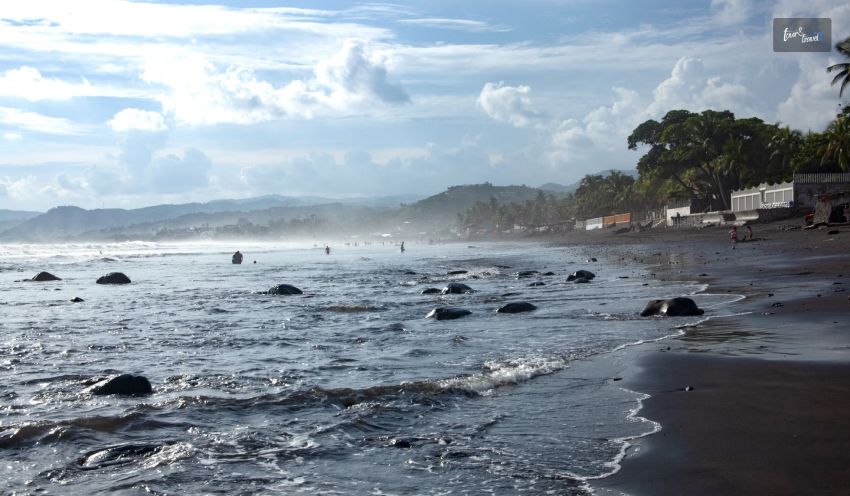
Why is El Salvador so famous? Here, I am sharing with you why these beaches are so popular. One of the major reasons they are well known is the black sand beaches!

The black sand beaches have turquoise water, which creates a beautiful vibe for visitors. If you are ready for some amazing adventures, read this article to learn more about the beaches of El Salvador. You can also learn about the benefits and drawbacks of visiting the beaches.

Read in detail the stunning visuals that take your breath away! Pack your bag, and let’s visit the beautiful beaches of El Salvador. You will experience the tastiest of seafood and lovely locales, and you will see the best waves!

Popular Beaches In El Salvador Beaches!

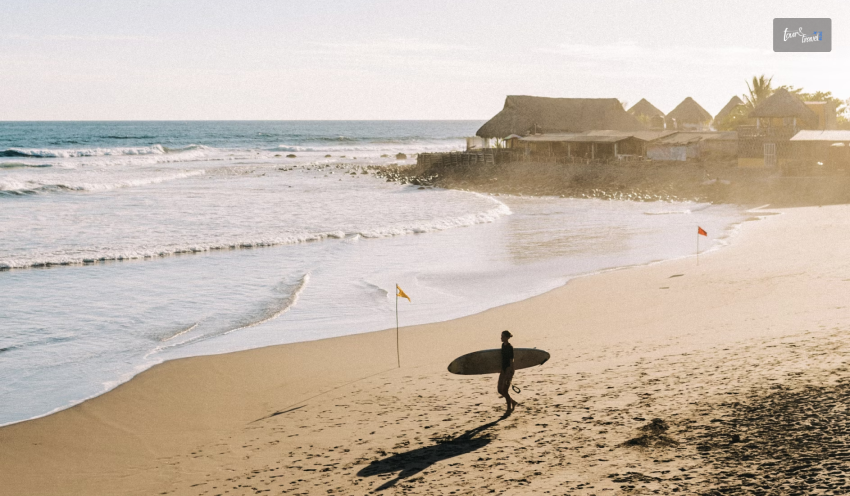
El Salvador is called the Land of Volcanoes! The beaches are the best because of the volcanic activities of El Salvador. The beaches have massive waves and rick black sand, creating perfect picturesque palms.

Playa El Tunco

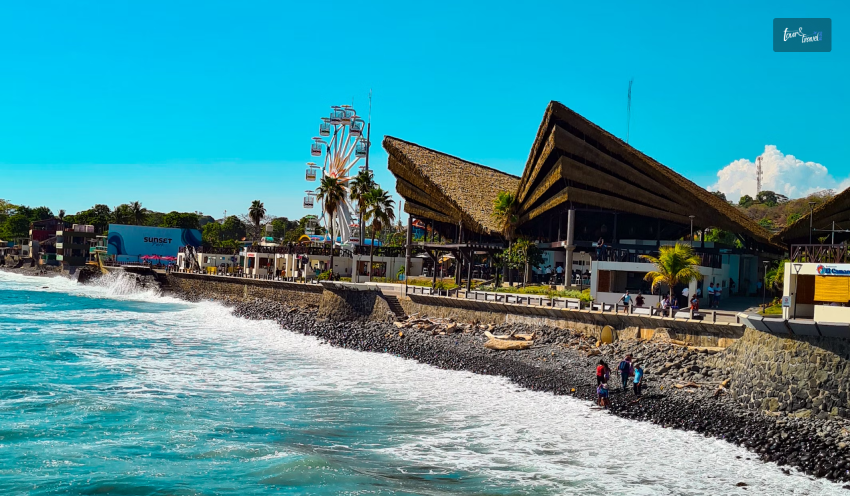
If you visit El Tunco beach, be careful of the rocks as they are not the best for swimming. However, it is beautiful, with an amazing sunset view and delicious food and drinks from restaurants in the fun little village.

The black sand on the beach sparkles in the sun, creating a perfect visual! The food and transportation are quite affordable! The place could be more public, so you can enjoy the beautiful environment as even the locals come during the weekend.

Playa El Sunzal

If you are planning to surf, this beach is the perfect option! Filled with adventure activities, this place is magic. The place gives you good vibes along with smiling faces. You can go out with your partner or your friends to enjoy delicious food.

The place is safe, and you will not experience any threats. The locals will give you the sweetest behavior and share positive energy, making visitors comfortable.

Playa El Zonte

Are you someone who visits beaches to experience the party scenes? However, apart from a party, are you someone who is looking for a chill atmosphere? Here, we are to share why Playa El Zonte is the perfect place for you. Let’s not forget about the black sand.

There are sea caves; imagine the adventure! The beach is perfect for surfing, with several shops and accommodation nearby. You will get amazing Salvadorian food with rice, beans, fried plantains, bread, cheese and eggs.

Playa El Cuco

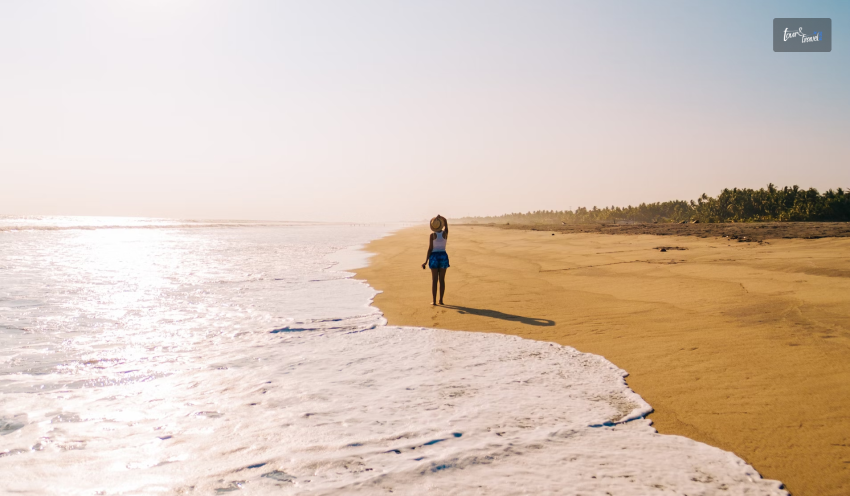
The beach El Cuco sports a few bars that offer beautiful experiences to visitors. It is an eco-resort which caters to all nationalities and has a diverse budget. At times, the beach is mostly deserted. Hence, swimming will give you a relaxing experience.

Benefits Of El Salvador Beaches

Benefits Of El Salvador Beaches

So, are you someone who lists all the benefits you will experience when visiting a place? I’d like to know about some of the best aspects of El Salvador beaches, and I will share them all.

These beaches are significant tourism revenue earners that lead to job opportunities. During high downpours, you can go through surfing programs from beaches such as La Libertad, El Tunco, and others.

When you visit these beaches, you will see that the environment around the beaches is beautiful, and people are encouraged to forest conservation. You can take the trails for hiking! Even the authorities and the public are putting efforts into protecting these beaches.

When you visit these beaches, you can experience local traditions! There is a cultural exchange as they promote the local traditions accordingly with all tourists. Events and festivals such as Balls of Fire Festival and Fiestas Agostinas help cultural exchange and bonding.

If you visit these beaches, do not worry about your health and well-being! Medical tourism is well-developed as it creates a personalized care system for all visitors. Both domestic and international tourists can access hospitals and clinics for treatment!

Challenges And Solutions

Challenges And Solutions

There are a few challenges when traveling to El Salvador to visit the beautiful beaches, which you must consider! This is important because there are a few concerns, such as the security and well-being of the visitors, infrastructure, and waste management.

On the Pacific coast of El Salvador, there are some dangerous conditions, such as strong currents and undertows, which can be difficult for swimmers, even for experienced individuals. The search and rescue capabilities are restricted because El Salvador has no lifeguards.

Pollution And Waste Management

With the increasing number of beach visitors, pollution is a common aspect that must be treated daily. Suppose the government of El Salvador needs to maintain waste management effectively. Even locals are involved in the cleanliness program!

The quality of life is improved with the integration of safe tourism. The nation is poverty-stricken and is struggling to approach a better future. It can only happen when gang culture is completely diminished! 

Infrastructure Development

The U.N. has announced the risks related to El Salvador’s infrastructure! The government is working hard to create an infrastructure that will be supportive and developmental in the future.

As an authority, El Salvador is working hard as the country’s leader; President Nayib Bukele is trying to decrease gang violence. Apart from this, he is also trying to promote surf tourism in El Salvador.

Therefore, 200 businesses and 50,000 jobs were created. Hence, it helps individuals come out of gang life!

Safety And Security

El Salvator is an active gang-violence area. Hence, young children are often influenced by gangs! With 23% of the population of Salvador living in poverty, a lot of individuals choose gang life, thus following gang traditions and sadistic rules and rites of passage.

There is a possibility of visitors being attacked by gang members, especially teenagers. At a very young age, these individuals are influenced by the gang, and thus, there are risks!

Finishing Off…  

El Salvador beaches are a beauty of this world; however, visiting them can be difficult because of the risks. El Salvador is popular because of the black sand beaches, so why don’t you decide to see the beautiful locales?

Tourism is one of the significant ways of earning money; thus, the economy of the place is dependent on it. The economy of surf tourism supports the local culture and community.

Comment on when you plan to visit the El Salvador beaches and your itinerary!

You May Also Like:

Share on Social Media

Sagnika Sinha is a content writer who is passionate about writing travel vlogs, entertainment and celebrity articles and literature-based pieces. With a 4 years experience in teaching, she loves reading books. A procrastinator by nature, she loves travelling, listening to music, planting and gardening.

Leave a Reply

Your email address will not be published. Required fields are marked *

title-img Related

READ MORE Raja Ampat marine life guide

Raja Ampat Marine Life Guide: What Marine Species To See In Raja Ampat, Indonesia?  

BY  Sibashree Dec 29, 2025

Have you ever been to a place where the clarity of the water feels like liquid air? Yes, you have heard it right. I am talking about the waters of Raja Ampat in Indonesia. Also, the dense coral reefs here look like a kaleidoscope in motion.   Its strategic location in the Coral Triangle in West Papua has also blessed it with a diverse marine life. Did you know that Raja Ampat has “75% of the known coral species” and more than 1,320 species of reef fish (Source: UNESCO)?   No wonder it is called the Amazon of the Seas. Also, with UNESCO designating it as a Biosphere Reserve on 27th September, 2025, it is now one of the just two places on the earth to have the distinction of being a UNESCO Global Geopark and Biosphere Reserve at the same time.   So, consisting of four islands (Raja Ampat means Four Islands), Waigeo, Salawati, Batanta, and Misool, Raja Ampat is like the biological "bullseye” as the most diverse marine habitat on the planet.   Hi, in this Raja Ampat marine life guide, I will be talking about what marine species to see in Raja Ampat Indonesia.   Also, if you want to make the most of the underwater wonderland of Raja Ampat, check out our Raja Ampat diving trips.   With an unbelievable marine life and rock formations that go back to 400 million years, Raja Ampat is the “living laboratory” of marine conservation according to UNESCO.   So, when the water here has more than a thousand species to spot, let’s find out the Big 5 of the water here. These creatures are unique, and they are majestic. They also represent the mystery of water.   1. Manta Rays (Oceanic Manta And Reef Manta)  Raja Ampat is one of the rarest places in the world to have oceanic and reef Manta Rays. You can even spot them at the same time at the same cleaning station.   Oceanic Manta Vs Reef Manta   Reef Mantas, with even a massive 5-meter wingspan, are smaller than the Ocean Mantas. The wingspan of the Ocean Mantas is close to 7 meters.   Furthermore, Reef Mantas stay in large, social groups, while the Oceanic Mantas are pelagic wanderers.   Also, Oceanic Mantas feature a “T” shape on their shoulders. On the other hand, you can identify Reef Mantas from the “Y” or “V” shapes on their back.  What Are The Best Sites For Spotting Manta Rays In Raja Ampat?  Manta Sandy in the Dampier Strait and Magic Mountain in Misool are the best places for spotting Manta Rays.  In the Dampier Strait is a quintessential cleaning station for Reef Mantas. The site is shallow, and you will find the Reef Mantas moving over the "bommes" with cleaner wrasse doing their work.  Furthermore, Magic Mountain is the place where you will find both species. So, it looks like a Manta Ballet against the backdrop of the dark blue water. 2. Walking Shark Raja Ampat (Epaulette Shark) And Where To Find Them The Walking Shark, or the Epaulette Shark, is the mascot of Raja Ampat. These are called walking sharks because they can use their pectoral and pelvic fins like legs. So, they do not swim and “walk” across the sea floor.  These are nocturnal hunters, strictly. If you are going night snorkeling at Sawinggrai or Arborek, you will spot them walking past your mask. It’s a surreal experience, I must say! 3. Wobbegong Sharks The Wobbegong Sharks usually rest on the seabed. They also remain tucked under a coral ledge.  Wobbegong Shark Sightings: Spotting The Masters Of Camouflage  These sharks are also known as “Carpet Sharks.” They have mottled and ornate patterns. So, they can disguise themselves well. You will also spot a beard of fleshy tassels around their mouths.  You will often mistake these predators for a piece of weed-covered reef. Sardine Reef in the Dampier Strait and various areas around Misool to find the Wobbegong Sharks.  4. Pygmy Seahorses Pygmy Seahorses in Raja Ampat come in various species, such as Bargibant’s, Denise’s, and Pontoh.  Bargibant’s is the most popular, and they have pinkish nodules, which match the color of their host coral. Bargibant also hides in the Gorgonian fans. They never leave their specific host fan, spending their entire lives blending into its polyps. Denise’s pygmies are slender, and the whitish Pontoh pygmies are found on hydroids and algae.  Pygmy Seahorse Habitats In Raja Ampat  You will love exploring the top Raja Ampat dive sites in search of the Pygmy Seahorses. Dampier Strait, especially sites such as Cape Kri, Blue Magic, and Misool, are the best sites to spot these adorable marine creatures.  5. Cetaceans (Whales And Dolphins) The archipelago has deep-water trenches and powerful currents. So, the water is an important highway for marine animals.  Spotting The Whales And Dolphins The Dampier Strait is a primary migration corridor. So, you will frequently spot Spinner and Bottlenose Dolphins near your diveaboards in Raja Ampat.  Furthermore, you will find Pilot Whales, Sperm Whales, or Orcas in the deep channels between the islands.  Rare & Macro Critters: A Photographer’s Dream Raja Ampat coral diversity and the macro critters make it a favorite of photographers. You will come across diverse, bizarre animals in the reef.  1. Nudibranchs And Flatworms: The Living Jewels Underwater Nudibranchs or sea slugs are vibrant, and they shine like jewels in the deep blue water of Raja Ampat, thanks to their neon shades.  You will find various species of nudibranchs and flatworms in the waters of Raja Ampat. Chromodoris is the most common species, and they look unreal. They feel like they're straight from the pages of sci-fi movies.  You will find them in Misool areas such as Nudi Rock and Lalosi in the Dampier Strait.  2. Blue Ringed Octopus And Cuttlefish The tiny and lethal marine wonders, blue-ringed octopuses, come with a brown body. They pulse with glowing blue rings when they feel threatened.  Another marine wonder is the Broadclub Cuttlefish. They use their skin as a television screen. So, you will notice changing colors and patterns in seconds.  Misool, Dampier Strait, and water near Mioskon Island are the best places to find these macro marine creatures.  3. Wonderpus And Mimic Octopus  You will find Mimic Octopus mainly in sandy areas. As the name suggests, they can impersonate other sea animals such as lionfish and sea snakes.  Wonderplus has long and slender arms. Also, Wonderplus has intricate white patterns on its rusty brown body.  Spot these stunning marine animals in the water of Misool, Waigeo, and Batanta.  Marine Life By Habitat: Where To Look The best diving and snorkeling site for you in Raja Ampat will depend on the marine experience/animals you want to encounter.  So, you have to understand the habitat.  1. The Blue Water Mangroves The Blue Water Mangroves are in the Passage or near Gam Island. These are not usual muddy mangroves.  The water here is crystal clear, and it functions as a juvenile fish nursery where you can see soft corals growing on tree roots. It is a rare phenomenon.  2. The Seamouts Magic Mountain or Sardine Reef are the seamouts, and they are the main action spots because of their position in the path of strong currents.  The strong current here attracts many pelagic species. So, you will find "walls" of Bigeye Trevally, schools of Grey Reef Sharks, and thousands of Barracuda.  3. The Muck  Muck diving is a technical term, and it means exploring the sandy bottoms of the water. It is wrong to consider this place as empty, as you will find the rarest critters, such as Bobtail Squid, Seahorses, and Frogfish, here.  These critters usually remain hidden in plain sight.  Raja Ampat Marine Life Calendar Do you have some must-see species in mind when exploring the Raja Ampat marine life? You have to know the ideal season for spotting them, as the marine life of Raja Ampat changes with each season. MonthWater ConditionsManta SightingsHighlightsOctober - NovemberCalm seasModerateWhale shark season (Cendrawasih)December - FebruaryPeak calmVery HighPeak Manta season; large schoolsMarch - MayGlassy waterModerateGreat for Cetaceans (Whales/Dolphins)June - SeptemberWindy/ChoppyLowBest for Macro and Nudibranchs Snorkeling Vs. Diving In Raja Ampat: What Can You See? The reefs of Raja Ampat are healthy, and the water is crystal clear. So, even if you are not a professional diver, you can see most of the marine life in the top 5-10 meters of water. In other words, the marine life of Raja Ampat is equally accessible to a snorkeler and a diver.  Still, here is a quick breakdown of the experience you can expect during snorkeling and diving.  1. What You Can See In Snorkeling See blacktip reef shark pups, green turtles, and massive giant clams, just a few meters from the beach. Furthermore, you will spot Manta Rays at Manta Sandy from the surface.  Other icons to spot for snorkelers are the Wobbegong Shark and the endemic Papuan Walking Shark under the jetties or in the shallow reef flats.  The Blue Water Mangroves are the ideal spots for snorkeling if you are looking for unique habitats. Here, you will find vibrant corals growing on mangrove roots.  However, if you are looking for an aquarium effect, you have to snorkel near village jetties such as Arborek or Sauwandarek. These jetties function as artificial reefs. So, you have to just look down from the pier to find massive schools of batfish, fusiliers, and giant clams. 2. What You Can See During Diving  Pygmy Seahorses or Wobbegong Sharks typically hide at depths of 15–30 meters. So, divers can easily access them, and a snorkeler may not find them easily.  While snorkelers see the "greatest hits," divers get access to the sheer scale and the "hidden" details of the Coral Triangle. Also, as a diver, you can sit at the corner of a reef, such as Cape Kri, with strong currents, to find the Grey Reef Sharks, Giant Trevally, and Barracuda hunting in the deep blue. Furthermore, sites such as Friwen Wall or Melissa’s Garden offer dramatic drop-offs where you can see the transition from sun-drenched hard corals to deep-water Gorgonian sea fans. Moreover, divers can enjoy the underwater mystery at night to the fullest. Spot panish Dancers, Eels, and Crustaceans that hide in the deep crevices of the reef.  "The Nocturnal Shift": Why Night Diving Is Mandatory After sundown, the waters of Raja Ampat transform into a completely different landscape. The reef looks surreal.  Night is the only time to spot the Walking Sharks hunting.  Furthermore, once the Sun sets, marble shrimps, slipper lobsters, and sponge crabs come out from the cracks in the coral. So, it is like a crustacean explosion.  Want to see the bioluminescence? Just turn your dive light off and wave your hands. You will find the bioluminescent plankton sparkling in the water.  Quick Comparison: Snorkeling Vs. Diving FeatureSnorkelingScuba DivingEffortLow Effort: Jump in from the beach or boat.High Effort: Gear setup and boat transit.VisibilityBest in the top 5m (sunlight).Great at all depths (up to 30m+).Best ForCoral gardens, Turtles, and reef sharks.Pygmy seahorses, Drift dives, Walls.Main AdvantageUnlimited time; "unplugged" feel.Observing behavior; seeing tiny life.ConstraintLimited by surface weather/choppiness.Limited by "no-decompression" time. Conservation And Responsible Interaction A collective conservation effort between the visitors and local communities helps to maintain the fragile beauty of Raja Ampat.  The Raja Ampat Marine Park Entry Tag (PIN): All visitors must pay an entry fee. This "PIN" supports the patrol boats that prevent illegal fishing and funds community health and education programs. Rules for Manta interaction: To keep the Mantas coming back, there are strict rules. No touching, no chasing, and no flash photography at cleaning stations. Always stay lower than the Mantas and give them plenty of space to fly. Lens Guide For Photographers: Capturing The Marine Life Of Raja Ampat  Raja Ampat is a real test for photographers as the marine life is happening and unpredictable.  If you want to capture the Mantas, schools of fish, and the stunning reefs, you can use the Wide Angle (10mm - 24mm).  On the other hand, if you want to shoot the Pygmy seahorses, shrimps, and Nudibranchs, you must use the 60mm/100mm macro lenses.  Raja Ampat Marine Life Guide: Expert Tips Check the Current: The "split current" at Cape Kri brings the most action. You have to dive with the current.  Look for Gorgonians: Stop swimming and stare at a Gorgonian fan to find the pygmy seahorses. The bumps, looking out of place, indicate their presence.  Don't Ignore the Jetty: The pillars under Arborek Jetty are world-class. They are covered in soft corals and schools of Batfish. Night Snorkeling is Safe: Don't be afraid! Shallow night snorkeling or night diving is the best way to see the Walking Shark. Manta Hygiene: At cleaning stations (like Manta Sandy), stay low and don't exhale bubbles directly under a Manta; it can startle them. Mangrove Magic: Visit the "Blue Water Mangroves" near Gam. The water is crystal clear, showing soft coral growing on tree roots. Reef Hook Etiquette: Only hook onto dead rock. Never hook onto live coral or sponges. The "60-Minute" Rule: Keep your camera battery 100% charged, as many sites are shallow and dives can last over an hour.  Watch the Triggerfish: Titan Triggerfish are aggressive when nesting. If they raise their dorsal fin, you must swim away horizontally. Listen Underwater: In the Dampier Strait, you can often hear the clicks of dolphins before you see them. Listen To The Authority Voices: A Raja Ampat Marine Life Guide  Want to know what the authorities are saying about the Raja Ampat Marine Life? I have curated their take on the Raja Ampat waters and marine life from their various interviews and insights.  1. Mark Erdmann, The VP Of Marine Asia-Pacific, Conservation International Overtourism remains a concern for the conservation of the Raja Ampat marine life. In a Raja Ampat Research & Conservation Centre Report, Mark Erdmann mentioned, “If there is nothing else done to further control and limit the growth of tourism in Raja Ampat, there is no doubt that within five years we are going to see major problems in places like the Dampier Strait, where it is already reaching the carrying capacity.” He also said,  “Misool represents one of the most pristine reef systems left on earth — one of only a handful of places in the universe where biodiversity is improving rather than declining.” 2. Sylvia Earle (Oceanographer & Explorer) She has designated the Coral Triangle (specifically the Birds Head Seascape) as a "Hope Spot," calling it one of the most important places for marine biodiversity on Earth. Dr. Sylvia Earle designated the Misool Marine Reserve in South Raja Ampat as a “Mission Blue Hope Spot” in 2017.  Max Ammer (Pioneer Of Diving In Raja Ampat) Max Ammer has veen always vocal about the resilience of Raja Ampat’s reefs against coral bleaching. That is why it is stronger than the Great Barrier Reef.  Raja Ampat Shows How Vibrant And Resilient The Ocean Can Be  You can be a first-time snorkeler or a seasoned diver. You will feel a rare and strong connection to the marine world in Raja Ampat. The “Amazon of the Seas” continues to thrive, and with the conservation guidelines and respect intact, it balances the presence of macro and micro marine life.  Plan at least a diving expedition for 7 days, especially in the Dampier Strait region in central Raja Ampat, to meet the Big Five and more. Raja Ampat Marine Life Guide: Frequently Asked Questions (FAQs) Here are the frequently asked questions and answers about the Raja Ampat marine life guide. 1. What Is The Most Famous Marine Animal In Raja Ampat? The Raja Ampat Walking Shark, the Carpet Sharks, Pygmy Seahorses, and Manta Rays are some of the most famous and big marine animals in Raja Ampat.However, the colorful corals and endless schools of fish here, along with the macro critters, create an unforgettable marine experience. Raja Ampat became a Shark Sanctuary in 2013. So, you will see different species of sharks here, including: • Wobbegong (Carpet) Sharks• Whale Sharks:• Blacktip & Whitetip Reef Sharks:• Walking Sharks• Grey Reef SharksAlso, barring some minor threats from the Wobbegong sharks (because of their hiding nature), no major threat is observed or reported from the sharks in Raja Ampat.  2. Are There Sharks In Raja Ampat? Are They Dangerous? December to March is the best time to see Manta Rays in Raja Ampat. The plankton blooms are highest in these months, and you will find Manta Rays following each other, creating a train. The northwest monsoon winds create deep-water upwellings, leading to the higher visibility of Manta Rays.  3. Can I See Marine Life If I Only Snorkel? Yes, you can see marine life in Raja Ampat if you snorkel in areas such as Blue Water Mangroves, Friwen Wall, and Arborek Jetty. Within 5 to 10 meters of water, you will find marine life such as Giant Clams, Sea Turtles, Manta Rays, and diverse schools of fish. 4. Is Raja Ampat Safe For Beginner Divers? Yes, Raja Ampat has sites such as Arborek or Sawardarek, which are ideal for beginners. Also, many dives are simple drift dives where the current carries you once you jump into the water. However, you must not overlook the down-welling nature, strength, and unpredictability of the Raja Ampat waters. So, you will need expert guides. 5. What Are Walking Sharks? The Epaulette Sharks or Walking Sharks are harmless carpet snacks. Their movement looks like a walk thanks to their pectoral and pelvic fins, like legs. These endemic species are spotted best at night when they are out hunting.  6. Do I Need A Wetsuit For Raja Ampat? Wearing a wetsuit is not mandatory if you are a snorkeler in Raja Ampat. However, you can wear a 1mm to 2mm thick wetsuit to float effortlessly and provide sun protection. If you are a scuba diver, you will need a 3mm wetsuit even when swimming in the Raja Ampat waters, with an average temperature of 28 to 30 degrees Celsius. The wetsuit ensures that your body remains warm in the water. Also, it protects your body from tiny stinging planktons and hydroids. 7. Are There Whales In Raja Ampat? Yes, there are various species of whales in Raja Ampat. You can spot varieties such as Bryde’s Whales, Pilot Whales, Sperm Whales, Omura’s Whales, and Killer Whales. The Dampier Strait and the Sagawin Strait, to the south of Batanta Island, are the best places to spot these whales. 8. What Is The Visibility Like In Raja Ampat Water? The average visibility in the water of Raja Ampat is around 15 to 25 meters. However, the visibility of the water depends on multiple factors, such as the presence of plankton and nutrients, and the season. In the peak or dry season, between October and April, the visibility is around 15 to 30 meters. On the other hand, in the windy season, from June to September, the visibility is around 10 to 20 meters.  9. Are There Saltwater Crocodiles In Raja Ampat? Yes, there are saltwater crocodiles in Raja Ampat. However, the sightings are rare, and you will find them in areas such as Blue Water Mangroves, The Passage, and remote islands such as Batanta.   

READ MORE Living In An RV

7 Compelling Reasons For Living In An RV

BY  Ankita Nov 12, 2023

The appeal of life on the open road has captured people's imaginations for generations. While the classic road trip experience usually involves traveling by car, an increasing number of adventurous souls are answering the call of wanderlust by living full-time in RVs. Recreational vehicles offer nomadic travelers a unique way to experience new places while enjoying all the comforts of home on wheels. Here Are Seven Prime Reasons For Living In An RV Here are a few reasons more adventurers are picking up stakes to explore the countryside and beyond from the driver's seat of an RV. 1. Unconstrained Exploration An RV removes the barriers that often limit vacation travel by time or budget. Living on the road full-time lets you follow your curiosity wherever it may lead without the constraints of return flights, hotel reservations, or tightly scheduled itineraries. An RV provides the freedom to meander as inspiration strikes, soaking in hidden gems off the beaten path. Why visit just the highlights when you can immerse yourself in the character of entire regions? The mobility of an RV empowers explorers to fully embrace the serendipity of the open road. 2. Low Cost of Living While purchasing an RV itself is an investment, the overall cost of living in an RV on a day-to-day basis is significantly lower than maintaining a traditional house. There is no mortgage, property taxes, or costly home repairs and renovations to worry about. Utility bills like water, electricity, heating, and WiFi tend to be lower given the smaller space of an RV. Some RVs even have solar panels or generators to reduce reliance on utilities. Having no yard to maintain and fewer belongings also means less spending on home and garden supplies. Generally, the overall monthly costs of living in an RV are a small fraction compared to being tied down to a house, condo, or apartment, allowing you to live very affordably while pursuing your passion for travel. 3. Downsizing And Minimalism Living in an RV encourages and enables a downsized, minimalist lifestyle. With limited storage space, RV dwellers must prioritize only keeping their most essential belongings. This can have therapeutic benefits like reduced clutter and stress. It also forces you to re-evaluate material possessions and spend less time and money acquiring unnecessary "stuff". With less to maintain both physically and financially, residents can focus more on relationships, experiences, and personal growth versus possessions. Many embrace RV living partially for the minimalist simplicity it brings, freeing up more time and money for what matters in life rather than things. While surely not for everyone, weighing these advantages makes a persuasive case that RVs could function as effective modern Land Ark providing comfortable roaming residences for their residents. 4. Connection To Nature Living in an RV allows for regular immersion and connection to nature. Whether boondocking in national forests, hiking straight from the campsite, or enjoying scenic ocean or mountain vistas daily, the outdoor-centric lifestyle of an RV provides a natural way to appreciate and experience nature. Residents are essentially traveling through various natural environments rather than being isolated in houses separated from the natural world. This can have psychological benefits from reducing stress and anxiety. It also fosters environmental appreciation and stewardship, with RV enthusiasts serving as frequent visitors, volunteers, and financial supporters of public lands. Regular exposure to nature's restorative powers is a compelling perk for many who choose the RV lifestyle. 5. Flexibility For Remote Work With the rise of remote and location-independent work, living in an RV has become a practical option for many digital nomads and remote professionals. Working from an RV allows you to easily shift locations as your job, projects or heart may take you. From coworking spaces to scenic outdoor spots with strong WiFi connections, digital work is now fully compatible with life on the road. The flexibility to pick up and work from new destinations using an RV office is a huge advantage. No longer being tied to one geographic area expands career possibilities for remote professionals seeking a flexible lifestyle. When combined with a distributed or remote team, living and working from an RV becomes an attainable dream for many. 6. Community And Sense Of Belonging Despite the freedom of being untethered, living in an RV does not have to mean isolation. RV communities provide welcoming atmospheres for residents of all ages and backgrounds. Whether staying in organized campgrounds or communities centered around hobbies and interests, RV dwellers regularly interact and form bonds over shared recreational passions and travel adventures. Places like state and national parks become regular "home bases" full of familiar friendly faces. RV rallies and events foster a deep sense of camaraderie among residents of the road. Online RV forums and groups also help combat potential loneliness through digital companionship. While independence is part of the appeal, community remains an important factor for the mental and social well-being of many full-time RV dwellers. 7. Repurposing And Upcycling For some, living in an RV is partially motivated by sustainable ideals around reusing existing vehicles and materials. Upcycling pre-owned RVs keeps them on the road longer versus ending up in landfills. Older RVs can also come at much lower costs than new models. Modern amenities can still be incorporated through solar panels, portable power stations, and WiFi equipment. Interior upgrades allow RVs of any age to be repurposed for comfortable full-time use. Creative refits help extend the functional lifespan of RVs in an environmentally-minded way. The embrace of more sustainable, eco-friendly features provides RV living with an appealing ethical dimension as well. Many dwellers find fulfillment in repurposing vehicles and gear to simplify techniques while living lightly on the land. Read Also: Exploring West London: The Appeal Of Serviced Apartments Alsi Resort – Overview, Reviews, Pros, And Cons What Are The Benefits Of Living In A Luxury Villa

READ MORE can i bring makeup on a plane

Can I Bring Makeup On A Plane? – Answering The Most Asked!

BY  sagnika Jul 21, 2023

Are you traveling someplace? Still interested in the issue? Can I bring makeup on a plane? Of Course, you can, but you need to follow the restrictions established by the Transportation Security Administration (TSA). Makeup is essential for many in their personal and professional life. Similarly, when they are traveling, makeup is important for them. Hence, asking about the credibility of carrying makeup while traveling on a flight is important. It is necessary because the security check-in can be performed successfully if the makeup follows the established norms by TSA. According to the norm, the agents must see all the makeup products. Passengers, therefore, must carry makeup in a different clear bag so that there is no issue during screening. Can I Bring Makeup On A Plane? Answering The Most Asked! Makeup is really needed in our daily lives, so imagine how important it must be when you are traveling. You need to look good in those travel pictures! Therefore, pack your makeup with all the information so you are not penalized. At times, passengers are asked to dump makeup in paste, gel, lotion, liquid, or cream form leading to a waste of product and money. Makeup products in recent times have become costly; hence, losing even one product is arduous. Makeup cannot be considered as only lipstick, foundation, eyeliner, and others. It also includes toiletries, skincare, hair care, perfume, etc. The TSA rules are limited to makeup products and other care products. Tsa Rules For Carrying Makeup When traveling, stress soars because of all the norms and regulations. You must follow the rule of TSA called 3:1:1, where one quart-sized bag is allowed with 3.4 ounces or 100 ml liquid, cream, gel, or pastes. If you do not follow the TSA norms, there is a high chance of TSA agents pulling your bag and implementing more screening procedures. There are many instructions based on air travel because of the increasing risks of illegal substance smuggling and others. When discussing carrying makeup products, informing TSA agents about any products taken in large quantities is important. Organizing Makeup Bag Always carry makeup in a clear bag to carry all your makeup. It will make your traveling much easier. Try to use spacious storage bags and containers for transparent makeup products. It will keep clarity between you and the TSA agents. Try to carry makeup only as much as needed. Try to leave the redundant products behind; hence, make a plan and a list. Follow the TSA rules and accordingly carry the liquids and powders. 1. Makeup You can carry any makeup in powder or solid form in your carry-on and checked baggage without any restrictions. However, try to avoid taking powder makeup above 12 ounces. During the screening, the powder product must go in a separate pin when check-in. No restrictions are implemented by the Transportation Security Administration (TSA) concerning the quantity or the size of the product as long as it is in solid or powder form. The restrictions are implemented if the makeup products are in paste, gel, lotion, liquid, or creamy form. The first restriction is that the amount must be 3.4 ounces or less if you carry makeup in paste, gel, lotion, liquid, or creamy form in the carry-on bag. One quart-sized zip-top bag is allowed, where as many as travel-size liquids containing 3.4 ounces can be carried. For one passenger, only one zip-top bag is allowed. However, in the checked baggage, there are no restrictions on the makeup in liquid, gel, or cream. 2. Skincare For skincare, TSA has established the same 3-1-1 rule, especially because skincare is mostly in cream and liquid form, especially when skin care is carried in handbags. Products such as shampoo, lotion, makeup, and sunscreen are mostly in cream or liquid form; hence you must carry these products in a quart-size bag. A quick tip: the low humidity in airplanes is what causes dry and cracked lips while onboard. You're permitted to bring solid lip balms to take care of this. 3. Haircare For hair care products that you might carry, you must remember the 3.4 ounces rule for liquid products. The TSA agents can toss them away if you do not follow this rule. Hence, you can lose the product. Apart from that, you can use a hard shampoo and conditioner bar if you are tired of dealing with all these norms. It will help you follow the rules established by TSA without worrying about your liquid products being tossed out. 4. Bodycare In body care, products are in liquid form. Hence, the rule related to liquid must be followed. The 3.4 ounces norm for the liquid must also be observed, especially when carrying body care products. In checked luggage, you can carry anybody care products. There are no restrictions established for checked baggage. You can carry wet wipes in your handbags, hence because there are no restrictions on carrying wet wipes. 5. Nail Polish Nail Polish is a liquid and inflammable product; hence, you must be careful when carrying nail paint. The amount allowed for carrying nail polish is 100 ml or 3.4 ounces. In your carry bag, you must take a smaller container of nail polish that is less than 3.4 ounces. Be careful when carrying nail polish because airplane turbulence can lead to spillage or leakage in your bags. Nail polish also has a specific smell that can be disturbing for others. 6. Perfume Deodorant, perfume, or Cologne are also a part of makeup because it is used for physical hygiene, smelling good, and others. Considering the products, Cologne or deodorant can be in either aerosol or liquid form, at risk of being inflammable. Try to carry a travel-size bottle so that you do not face any potential issues of TSA agents dumping your products. Overall, passengers must take 3.4 ounces of perfume. Conclusion   Read this article to learn whether you can carry makeup while traveling on a plane. To answer the question, can I bring makeup on a plane? Yes, you can. We have also informed you about other makeup products, such as hair care, skincare, and perfume. Please let us know if you have ever faced any issues regarding carrying makeup products while traveling on a plane. Read Also: Everything About Breeze Airways: Breeze Airways Reviews, Features, And More! Can You Use Bluetooth On A Plane? – Know It All Here! Can You Bring A Lighter On A Plane? Know It All Here! Avelo Airlines Reviews You Were Looking For!