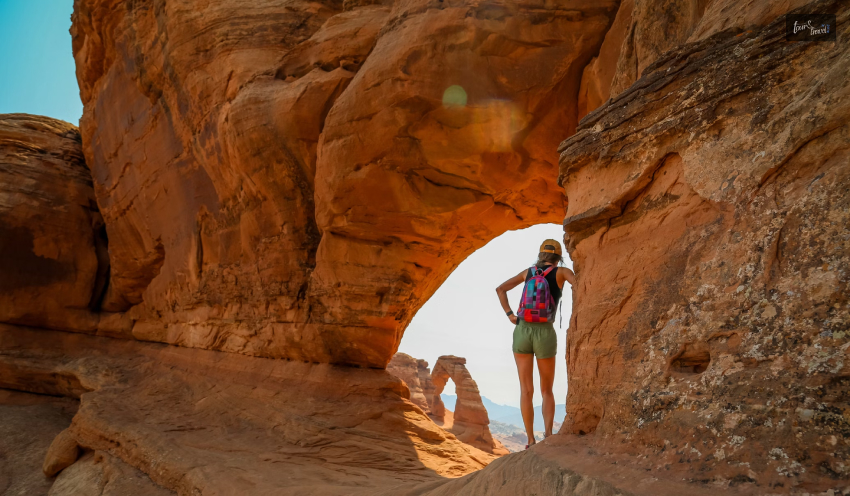


From Hiking to Stargazing: The Top 10 National Parks in Utah! [A Travel Checklist]

Feb 23, 2024

Last Updated on: Mar 12, 2026

Travel Blog

Welcome to the country of red rock canyons, expansive views framed by arches and sandstone spires. Spreading national forests, vast wilderness areas, quaint state parks, and five national parks in Utah make up more than seventy-five percent of its land area that is open to the public.

The southern portion of Utah is home to all the state’s national parks. The “Mighty Five” are worth the hype, from the breathtakingly steep yet sublime Zion Canyon to the mind-blowing hoodoos of Bryce and the famous Delicate Arch. Additionally, these parks offer at least a dozen hidden gems, peaceful trails, and less-traveled roads for every must-see highlight.

How, then, can one outwit the masses? The easiest solution is to leave when other people aren’t. This may mean a trip in the winter, when the temperatures are much more bearable than in the sweltering summer, and the snow adds an extra magical quality to the hoodoos. Since all national parks in Utah are accessible year-round, you can schedule a stargazing expedition or a sunrise tour.

However, bear in mind that the hours of local eateries and visitor centers change if you visit during the off-season, which runs roughly from November to February. Despite this, you can find cheaper lodging during this time.

Here, being proactive pays off very well. Popular hikes have permits that sell out months in advance. The most sought-after lodges and campgrounds (particularly those inside the park) frequently have a year-long waiting list. You can make a lot of these reservations at www.recreation.gov. The top attractions of the national parks in Utah, listed from east to west, include must-see locations, undiscovered treasures, and insider advice for maximizing each trip.

National Parks in Utah

Utah National Parks

How many national parks in Utah, you ask? The answer is easy because they call it the “Mighty 5” for a reason. Here, we are listing all the state parks in Utah that you could plan a visit to. We are also going to help you with all the stuff you must pack when planning a trip.

Zion National Park

Zion National Park

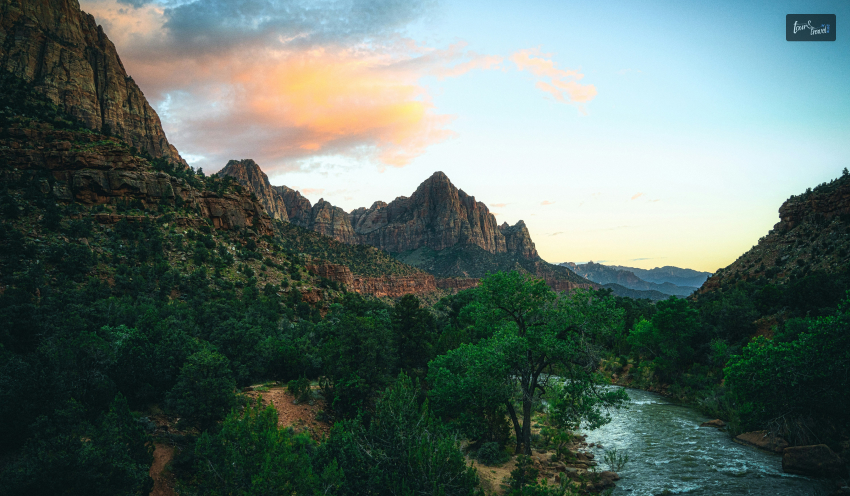
With its soaring canyon walls and hanging gardens, Zion National Park, the first of the national parks in Utah and the 13th in the United States, is a popular destination on many people’s bucket lists. The park’s main road now closes to private vehicles during peak season (March to October) due to its increasing popularity, requiring visitors to take a shuttle. One advantage is that you can bike this almost flat, picturesque drive.

You can rent bikes and e-bikes in nearby Springdale (check out Zion Cycles). Two to six months in advance of your trip, you must apply for a permit if you plan to hike the popular Angels Landing trail. If possible, stay at Zion Lodge or in neighboring Springdale. Make reservations up to 13 months in advance for any lodging in or around Zion. Explore the park’s Kolob Canyons area or the more sedate paths off Kolob Terrace Road when you’re ready to forgo the tourist traps.

Bryce Canyon National Park

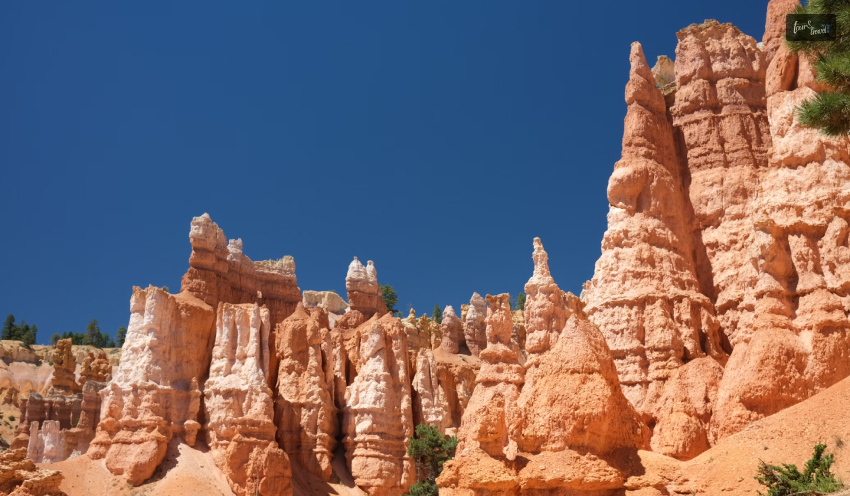
Bryce Canyon National Park

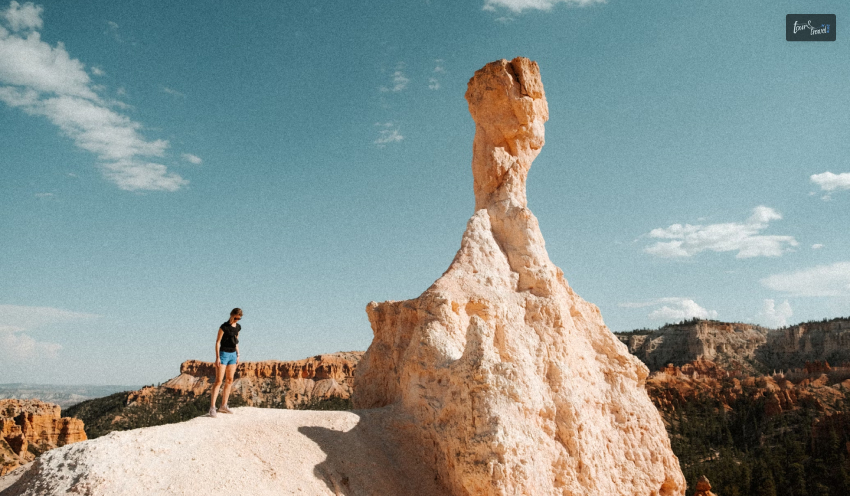
At Bryce, the main draw is the bizarre spires that have been formed over millions of years. Ultimately, this location has the highest concentration of these hoodoos worldwide. The best (and quickest) way to satisfy your thirst for hoodoo views is to take the main park drive and take the Navajo Loop from Sunset Point or the Queen’s Garden Loop from Sunrise Point. Try a portion of the 23-mile Under-the-Rim Trail or one of those trails down to Fairyland Loop for a more immersive hike.

Take the back entrance into Bryce Amphitheater via Tropic Trail from the small town of Tropic to have some hoodoos all to yourself. While there, you can also have lunch at i.d.k. Barbecue a state favorite. Bike the dirt Thunder Mountain Trail or the paved Red Canyon Path to discover a more sedate hoodoo landscape. The historic Lodge at Bryce Canyon is the perfect base camp for exploring the park; however, if reservations are unavailable, consider lodging at one of the nearby hotels in Bryce Canyon City. We also think Under Canvas Bryce’s campsites are great.

Capitol Reef National Park

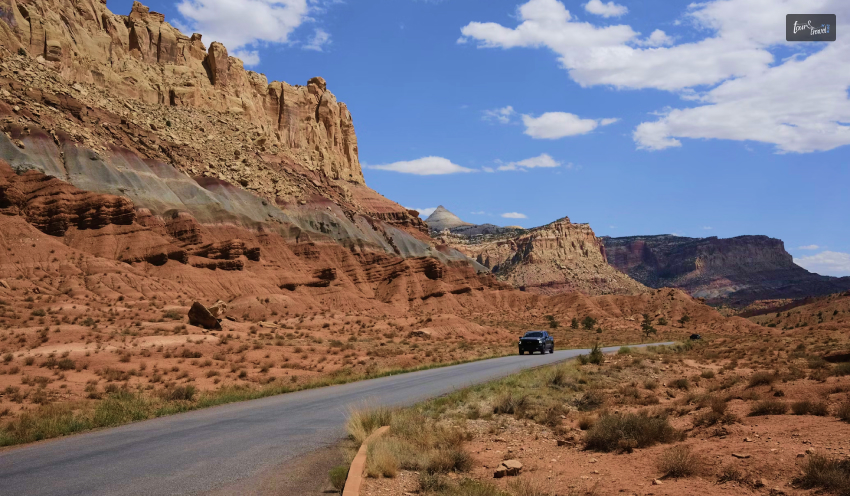
Capitol Reef National Park

The quietest of the national parks in Utah boasts a magnificent environment that is attributed to the Waterpocket Fold, a 100-mile geologic wrinkle in the earth. Petroglyphs and the historic Fruita Orchards, which the park still cares for, are two of the area’s unique attractions. Try the fresh pies at Gifford Homestead, which is close to the park entrance and made with local fruit, such as apples or peaches. 

Take a leisurely stroll along the former main highway through Capitol Gorge. Or brave the steep trail to Cassidy Arch, where there are rumors, that Butch Cassidy escaped the law. If you have a decent 4WD car, you, too, can escape (from other travelers). Notom-Bullfrog Road intersects with Burr Trail Road, another backcountry route, and leads to Lake Powell. Burr Trail leads to Boulder, the starting point for Grand-Staircase Escalante National Monument and the location of Hell’s Backbone Grill, possibly the best restaurant in Utah.

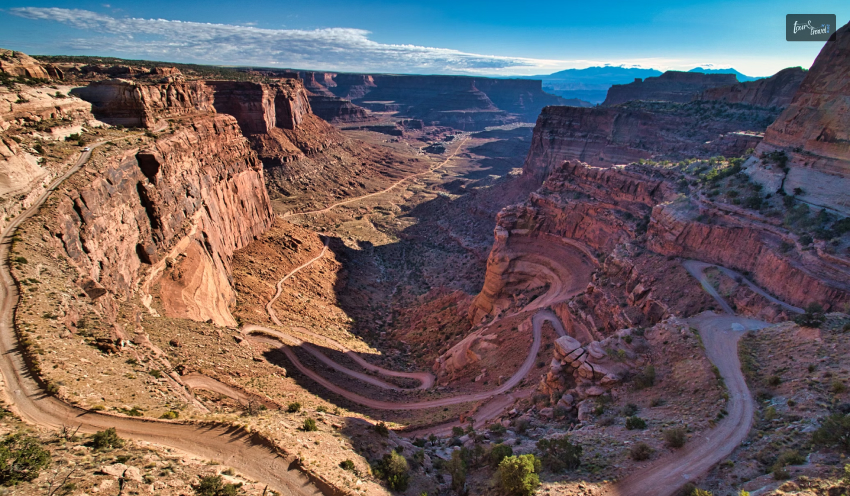
It stays open in spring through fall. You should make reservations in advance. If you stay in one of the lodges in this small town that is only five minutes from the park, Boulder is close, but Torrey is closer. Canyonlands is divided into five distinct districts, each providing a unique experience. Island in the Sky is a place of expansive vistas.

Don’t miss Mesa Arch or Shafer Trail Viewpoint. The Needles District is a great place to go hiking. It’s only about 20 miles south of the Island in the Sky as the crow flies (two hours drive). One of the best hiking routes is the action-packed Cave Spring Trail. It features a replica of an 1880s cowboy camp and mushroom-like rock formations.

Canyonlands National Park

Canyonlands National Park

Get lost in the Maze. Other worthwhile stops in this backcountry district are Chocolate Drops and the Land of Standing Rocks. See amazing petroglyphs, including floating “holy ghosts,” by traveling to the non-contiguous Horseshoe Canyon unit. For a rafting adventure, head to the River District, which is at the base of the canyons formed by the Colorado and Green Rivers.

The best place to stay for most of the park’s district is Moab, which provides quick access to the park’s rivers, the Needles, and Island in the Sky.

Arches National Park

Arches National Park img

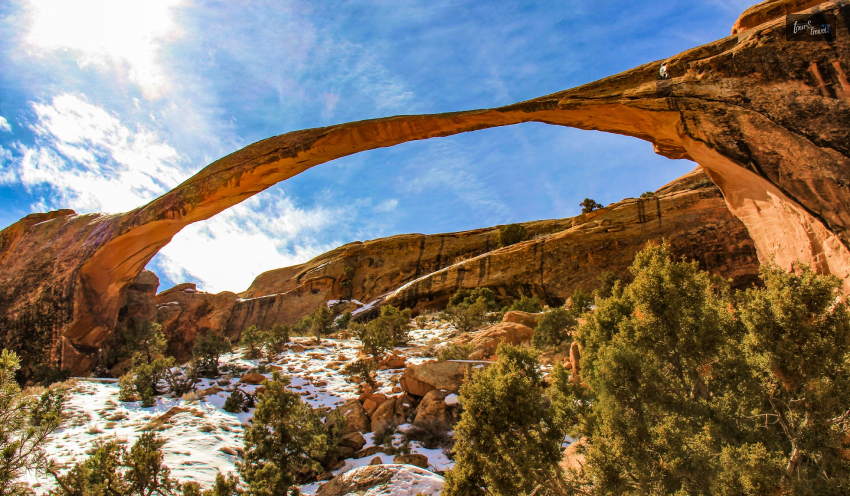
Arches, the inspiration behind Ed Abbey’s famous Desert Solitaire, has evolved significantly since 1968. Because of its increased activity, the park service is currently testing a timed entry system that will require reservations in advance from April to October 2023. However, it is possible to avoid a Disneyland experience. If you arrive before sunrise or remain past sunset, you will be rewarded with quieter trails and golden light that casts a glow over the arches.

Be an early bird or a night owl. This is feasible because Moab’s closest lodging options are situated sufficiently near the park’s entrance. If you would prefer not to get up early, reserve a campsite at Devils Garden up to six months in advance or take a ranger-led tour to see the Fiery Furnace area, which is accessible only with a permit.

Travel Checklist When Visiting the National Parks in Utah

Travel Checklist When Visiting the National Parks in Utah

Planning a trip to the national parks in Utah is as fun as it is a massive plan to come up with. You must be well prepared for the weather you will be subject to both in the day as well as night. The few days that you will spend here will be nothing short of an adventure. Here is a list of things that you must have with you if your destination includes the national parks in Utah.

Hardy Water Shoes

The red desert dirt in Utah can be extremely sticky. You should invest in good water shoes if you intend to go river rafting, canoeing, or kayaking. When participating in water activities, flip-flops are not advised. They will become stuck in the mud and either break or get sucked down the river. 

Your feet will be safe if you hike the rocky Virgin River through the Narrows in Zion National Park wearing rubber-toed shoes covered with firm soles. (Near Zion’s Springdale entrance, you can rent an entire dry gear outfit, including shoes.)

Blacklight Flashlight

Scorpios are nocturnal creatures that hide during the day. Use your black light to identify them; the light from it causes these odd creatures to glow. Don’t worry too much about scorpions because there is only one species in the Southwest that is thought to be deadly.

Sun Protection

The strength of the Utah sun only needs to be experienced once, especially in the desert, where there isn’t much shade to be found. There will be certain hikes you take or picnic tables you sit at where there isn’t a single spot to hide from the sun and heat of the desert. If possible, bring a wide-brimmed hat to cover your entire face. That would be better than a baseball cap. Next, cover all exposed skin, including the back of your neck, with sunscreen.

Don’t forget to wear sunglasses for eye protection. Polarized lenses will improve your vision and shield your eyes from burns. Recall that at 8,000 feet, you are closer to the sun than you are at sea level. If you’re going to be on the water, get some sunglasses straps. It’s annoying to watch your new shades drift away with you.

Rain Jacket

You might wonder, who takes rain jackets into the desert? Yes, we do. Each time we come to town. Even the desert experiences occasional, albeit brief, bursts of rainfall. You want a jacket that will keep you dry and warm when it pours, and the temperature drops.

Hiking Boots

Bring a pair of supportive, water-resistant, and breathable hiking boots to maximize your experience. These will make it easy for you to travel both dry and wet trails, allowing you to go farther than you otherwise could have. They also shield your feet from trail stones, cactus needles, and maybe even snakebites. Here’s a staff member who can’t stop gushing about his Sportiva Synthesis Mid GTX to get you started on your research. Vasque Skywalks GTS was highly appreciated by our friends at Backpacker.  

Water Bottle

Carry a sizable water bottle that you can fill with your garden hose prior to packing if you intend to go camping. With the jug, you can travel with water wherever you go. This means you can cook, stay hydrated, and make coffee in the morning even if you find yourself at a campsite without water. A water pump is typically available at campsites so you can replenish as needed.

Hydration

The air in the desert is so dry that perspiration quickly evaporates. Often, sweating is invisible to you. By staying hydrated, you can prevent dehydration, which can cause headaches as well as more severe ailments like heat stroke and cramps. Make a drinking plan of 5 to 1 liter for each hiking hour. Make sure to continue drinking even when you are not recreating. You are hydrated if your urine is clear. We adore carrying our CamelBak with us so we can continue to sip while we’re out and about.

If you find yourself severely dehydrated or in need of quick hydration recovery, mobile IV therapy in Houston or at any needed location can be a lifesaver. These services offer on-site hydration solutions that can help replenish your body’s fluids and electrolytes efficiently while you’re still enjoying your outdoor activities

Warm/Cool Clothes

Temperatures in the national parks in Utah desert can vary by up to 30 degrees in a single day. So, pack light clothing for the day and warm clothing for the evenings. Include a winter hat for when the sun sets, and the cooler air moves in. As for national parks in Utah, this is particularly crucial in the fall, winter, and spring. Temperatures here can drop sharply after precipitation and sunset.

Maps

There are an amazing variety of trails and overlooks in each of Utah’s five national parks. Having a map is beneficial. You can either get your maps in advance and get them now, or you can wait until a park ranger hands you one at the entrance station. Get the NatGeo Utah National Parks Map Pack, which includes detailed topographic maps, at REI.com or download free PDF maps.

Star Chart/App

The national parks in Utah have some of the darkest skies. You can recognize some of the formations you might not have noticed otherwise with the help of a star chart. Particularly so if you are traveling from an urban area. Alternatively, you can make use of technology and download the SkyView app for Android or iPhone. This app allows you to point your phone at objects to identify stars and other objects. In contrast to the 500 stars in an urban sky, you might be able to see up to 15,000 stars in a desert. It’s a long way off!

Tablecloth

The little things add up to a significant impact. Pull out your tablecloth when you stop for lunch at the weathered picnic table by the side of the road, and you’ll go from rustic to elegant in an instant. Additionally, by avoiding leaning against the table, you’ll prevent difficult-to-remove splinters.

Bug Spray

Rather than swatting insects, spend more time taking in the beauty. These days, there are many bug sprays made from natural ingredients that are safer for kids to use if you don’t want to use harsh chemicals. Our choice is the Sawyer 20% Picaridin Insect Repellent, which is great for families. According to Consumer Reports, this formula offers the best defense against mosquitoes. In addition to being highly effective against ticks and biting flies, Sawyer’s insect repellent won’t harm tools or equipment.

Wrapping Up

The national parks in Utah serve as a living example of the amazing natural beauty and geological marvels that abound in the American Southwest. These protected landscapes preserve the natural heritage of the area. They also provide an opportunity for visitors to engage with the profound forces that have shaped the Earth over millions of years.

The terrain ranges from the majestic red rock formations of Arches and Canyonlands to the captivating canyons of Zion and Bryce Canyon. The national parks in Utah invite us to discover, value, and safeguard the delicate wonders that make our planet truly remarkable. They serve as entry points to adventure, education, and environmental stewardship.

In addition to creating lifelong memories, experiencing Utah’s breathtaking scenery also helps to continue the legacy of conservation, guaranteeing that these natural treasures will be appreciated for many years to come. If you have thoughts to share or questions to ask about national parks in Utah, please leave a comment below. We would love to hear from you!

Read Also:

Share on Social Media

Abdul Aziz Mondol is a professional blogger who is having a colossal interest in writing blogs and other jones of calligraphies. In terms of his professional commitments, he loves to share content related to business, finance, technology, and the gaming niche.

Leave a Reply

Your email address will not be published. Required fields are marked *

title-img Related

READ MORE Best Time to Visit Sydney

Seasonal Luxury: When’s The Best Time To Visit Sydney?

BY  Sibashree Oct 13, 2025

Honestly, it’s fun watching Sydney flip personalities through the year. The city doesn’t really do that dramatic hibernation thing. It’s almost always, well, pleasant? But the city’s mood still shifts. Beaches, bars, parks! They all swap energy depending on the season. If you’re plotting a Sydney escape, it’s worth thinking about what you want most: are you after sun, culture, quiet nights, or rowdy days? Here’s how things actually feel, season by season. What Is The Best Time To Visit Sydney?  Check out the ultimate seasonal fun in Sydney in all months. Choose the best season based on the experience you want.  1. Summer (December – February): The Ultimate Beachfront Escape Let’s be real. Sydney in summer is a bit of a show-off. Those endless evenings that don’t seem to end, warm days (but not sticky-hot like you’d find elsewhere), and, yeah, every cliché about Aussie beaches is true but still sort of magical.  Bondi turns into a spectacle. You’ll hear more accents than at the UN. It’s noisy, crowded, alive. Some days, the sand’s so busy you give up, laugh, and just sit on the steps with chips. Restaurants spill outside, tables fill hours before sunset. Harbour’s packed with yachts, and it looks expensive even if you’re just gawking from the ferry.  Quieter beaches are a fifteen-minute drive away, yet barely touched—Nielsen Park, Balmoral (babies paddling at your ankles), everyone grilling sausages and pretending to argue over who forgot the tomato sauce. Oh, and parties—don't even start. New Year’s Eve on the harbor? Fireworks everywhere, Opera House in the background, people cheering, hugging random strangers! January packs in music, theatre, and weird art pop-ups. There’s always a movie playing under the stars if that’s more your speed. Stay At Villa Mirage, Manly. It’s open, breezy, all huge windows, like the house wants you barefoot and salty. You’ll be constantly outside or sliding indoors to cool off. Kind of surprising how close you can get to the water. Top Experiences If you’re ever going to splurge, charter a boat. Nothing beats skyline views with nobody elbowing you for space. NYE from a private rooftop—wish lists get made for moments like that. And dinner at Icebergs isn’t fancy, it’s just what you do when seafood’s this fresh. Must-Visit Event: Sydney Festival. All month. Don’t need a plan—just walk into anything. Free gigs. Roving acts down hidden alleys. VIP bits if you really want the works. Insider Note: Don’t wait to book. Everyone and their dog comes here for New Year’s. Start looking half a year out if you’re fussy. 2. Autumn (March – May): Tranquility & Wine Country Retreats After summer’s chaos, autumn is sweet relief in Sydney. It slows, locals breathe out, kids go back to school, and you can finally grab a good table without begging.  Still warm enough for swimming most afternoons and some weeks trick you into thinking summer’s still here. Sun doesn’t burn; air feels soft, and honestly, you might forget there’s ever “bad” weather here. You'll see way more families picnicking, groups laughing a bit less loudly, maybe a dog asleep in the sand. Nights are for al fresco meals and walks where you lose track of time. And if you like a drink, the wine harvest in the Hunter Valley is peak chilled-out luxury. Tours are mellow, winemakers like to chat, and the lunch spreads go for days. Not as crowded as you’d expect. Stay At Villa Hunter. It’s one of those “don’t take photos, just look” places, especially at sunset. Cozy inside if it cools off, but the terraces are where you’ll end up. Promise. Top Experiences Harvest Season in Wine Country: A private tour is perfect, especially with a driver who knows where to sneak you backstage. Yachts at dusk (better colors than any summer sunset), art galleries popping up everywhere. Must-Visit Event: Racing Carnival. Doesn’t even matter if you care about horses. It’s glammed-up, playful, equal parts gossip and spectacle—go for the people-watching. 3. Winter (June – August): Cozy Luxury & Cultural Indulgence For a city known for beaches, winter’s surprisingly good. Not freezing (ever), usually sunny, and the city gets all grown-up on you—fireplaces, dark cozy corners, long dinners.  Sure, water’s cold, but if you’re nuts, those outdoor pools are open and there’s always a few swimmers bobbing around like penguins. Food just gets better, with the chefs dialing up the rich, warm flavors. Opera, live shows, quiet bars with crackling fires! It’s a different crowd, slower energy. Also, prices drop, and top hotels don’t hide it; they want you there. Book a suite just because you actually can. Stay At Mosman Waterfront home. Real luxury is coming in from a walk with wind-stung cheeks straight into a sauna or steam room. Watch storms over the harbor without moving from your sofa. Top Experiences Bring the chef to you: big, lazy dinners without hassle, just laughter and empty plates. Hit an opera—winter draws the serious productions. Spas are empty, treatments longer, nobody rushing. Must-Visit Event: Vivid. Whole city lit up with trippy lights, projections—impossible to explain if you’ve never seen it. Just go. Get a hot drink, wander until you can’t feel your toes, call it a night. 4. Spring (September – November): Rejuvenation & Exclusive Outdoor Adventures Spring's that sigh of relief as days grow longer, flowers everywhere, parks suddenly packed again. Jacaranda blooms drop purple confetti on the sidewalks.  Kids, dogs, runners, everyone’s out. You get those mornings where it’s just cool enough to want coffee outside, afternoons warm enough for t-shirts. Outdoorsy types love it as hikes don’t leave you sweaty, yet the ocean’s recovering warmth is ready for the brave. Wildflowers on the coastal walks, whales offshore sometimes, if you’re lucky. Quick Tip: Go inland for a day, the Blue Mountains are classic this time of year—flowers, trails, views for days. Stay At Villa Utopia. Completely open, full of light, you’ll forget what “indoors” means. Sort of house that hosts as many little gatherings as you want—no one stuck inside. Top Experiences Hot air balloon rides at dawn over the Hunter Valley. Pack a camera or just stand there and gawk. Create-your-own picnic after a hike, art shows cropping up with surprisingly friendly crowds. Must-Visit Event: Sculpture by the Sea. Bondi to Tamarama walk turns into a giant, outdoor art fair. Could get busy, but that’s half the fun. Stroll, stop, eat ice cream, repeat. Final Thoughts: When Should You Book Your Luxury Stay In Sydney Look, there’s no truly “wrong” season here. Want the full sun-blasted, classic travel-mag Sydney? Summer or spring.  Looking for something more laid-back (and lower-key on price)? Autumn and winter are criminally underrated. Honestly, it doesn’t hurt to overlap two seasons for a rollercoaster of city moods. Whatever time you settle on, the right stay, big, easy, friendly homes, will turn it luxe anyway. Sydney has a way of outdoing itself.

READ MORE Perfect Balance of Adventure

How to Plan the Perfect Balance of Adventure and Relaxation

BY  Mashum Feb 19, 2025

Are you planning to go on a vacation, have some of the best memories, including a little bit of both, adventure and leisure? I mean a perfect vacation, but is it even possible? You know how you will benefit from this balance? You will come back rejuvenated, not tired with too much adventure! However, then you will also not feel completely useless by just sitting on the beach with a book in hand! Nothing in access is good, so if you are bogged down with work, you must take that vacation. Let us plan a vacation which is a combination of exciting opportunities along with some leisure time, with a tall drink and a book in hand! Let us create a perfect itinerary for you where you get thrill-seeking experiences along with recovery moments. Why don’t we enjoy the best of both worlds? It’s time to unwind! Start with an Energy-Friendly Itinerary It is not just about creating a vacation plan between relaxation and adventure but it is about knowing when you want to do what! It is all about identifying when you want to do what, based on the activities and your mood, you can create your itinerary. Even your energy matters. Laid-back experiences along with high adrenaline opportunities are integrated in the plan as you space them out. This will help you preserve your energy and not get burned out on the vacation! Exploring the city as you walk around or take a stroll, exploring local eateries is the perfect example of relaxed activity. You can easily go for a ziplining or a trekking activity the next day. Simultaneously, you can enjoy a nice and relaxing massage on this day! Arranging your activities accordingly will ensure that you do not overexert yourself. Furthermore, you also get to recover from a really hard day when you choose a better relaxation. This is a balanced and perfect vacation that brings high energy activities along with recovery moments. Making sure that you enjoy the vacation is an amazing collection of memories. Recovery After Activity is a Must! If you are wondering about how to utilize your whole day, combining your adventure activities along with relaxing time, here is a tip. Long hikes, trekking across the forest or running on the beach should be mixed with sitting with a cup of tea or going for a spa! Ways to Stay Energized on the Go Keep the water running: you have to keep drinking water when going for severe physical activities like trekking, hiking or biking. Apart from the physical activities, the weather should be considered too. If you are out traveling in a warm locality, you must carry water bottles or liquids that will keep you hydrated. Even when traveling on a long flight or a road trip, you should drink water regularly.  "As a Mobile IV therapist, I often see travelers push their limits without considering hydration and recovery, which are key to balancing adventure with relaxation." Says Vanessa Cabrera, Phoenix Mobile IV Therapy. Sleep matters – You don’t have to turn in early every night, but balancing late nights with a good rest schedule keeps you from crashing mid-trip. Eat strategically – Indulging is part of the fun, but if you have an adventure planned, start with a protein-packed breakfast and save the heavier meals for after. Small self-care habits can make a huge difference in how much energy you have for both adventure and relaxation. Create a Natural Flow Between Adventure and Relaxation Don’t try to do extreme activities back to back when going on a perfect vacation! Of course alternate your activities but remember, you need to allow the activities of relaxation and adventure that compliments each other. Additionally, you need to understand why you need to have a calming experience after you go through something exhilarating! It is all about creating a calming transition for yourself, both physically and mentally. Don’t try to do something that feels like a whiplash to your body. Instead focus on activities that are complementary, for example, take a walk across a trail in a forest in the morning. Then settle down by the lake at the end of the trail with a big sandwich and lounge! Another activity, scuba diving in the morning pairs perfectly with a slow, beachfront lunch. Have you ever tried Skiing? If not, you can go skiing and enjoy the beauty of nature. Then relax and soak yourself in a hot bath tub. Treat your relaxation time as an extension of your adventures, thus, establishing a flow in your perfect vacation! Some activities naturally blend elements of both. Paddleboarding can be identified as both a slow and meditative experience or active adventure, based on your pace. So, try and work towards creating an itinerary which is complimentary of your mood, your body, your mental state and your flow in the perfect vacation! Relaxation is an Experience! When you travel to a place, one of the major things that you find necessary to do is check all the boxes. By this I mean, we try to check out all the beautiful places that are around that vacation spot. Not just that, we also tend to do heavy physical activities which ultimately leads to physical exhaustion and tiredness. Have you wondered about taking a period of recovery between all the heavy activities? When you try to embrace the place, also embrace the peace that comes with it. If you keep the activities for the last minute, you will be swamped. Instead you should consider creating relaxation activities as a part of enjoying the culture for your perfect vacation. So visiting a cafe, checking out the local market while taking a stroll, going to a bakery and eating dessert and others all conclude to the relaxation of your mind and body. Furthermore, when you discover a charming cafe or a hidden beach, this relaxation strategy turns into an activity. Leave Room for Spontaneity Even with the best-laid plans, some of the most unforgettable travel moments happen unexpectedly. Leaving space in your itinerary for last-minute discoveries allows you to embrace the moment rather than feeling like you have to stick to a rigid schedule. Keeping your schedule flexible means you can adjust based on how you feel. If you wake up exhausted after a day of adventure, swap out a planned excursion for a casual morning exploring a local café or market. If you stumble upon a hidden beach or a charming street performer, having open time lets you stay and enjoy the moment rather than rushing to your next scheduled activity. The Key to a Perfect Vacation A great trip isn’t about fitting in as much as possible or doing nothing at all—it’s about finding the rhythm that leaves you feeling both fulfilled and refreshed. By planning with energy in mind, fueling your body properly, and allowing for a natural flow between adventure and relaxation! You can create a perfect vacation that brings the best of both worlds. Whether you’re seeking adrenaline-fueled experiences or moments of quiet reflection, the right balance makes each part of your trip even more enjoyable. The key is to listen to what you need, embrace flexibility, and let every moment add to the experience in a way that feels right for you. With the perfect mix of excitement and rest, you’ll return home not only with incredible memories but also feeling truly recharged—start planning your ideal getaway today with expert tips and inspiration from Tour and Travel Blog!

READ MORE card-img

This Is What It Takes To Climb Denali in Denali National Park 

BY  Sibashree Jul 18, 2024

Is it your dream to climb Denali in Denali National Park? Standing at 6,190 meters height from sea level, the highest peak of North America is surely going to give you a tough time. However, the toughest routes in the world are the most alluring for travelers. So, its remote location and the deadliest terrains attract mountain lovers across the globe. As the monumental centerpiece, Denali adds to the popularity of Denali National Park.  Are you also planning a climb on Denali or Mount McKinley? Here are the things you must know before you make an attempt. Many people talk about the magnificence of the peak and its beauty. I will primarily discuss how you will prepare and conduct yourself for the pain-stricken journey and sail through it.  Climbing Denali in Denali National Park (How You Will Prepare Yourself) Many people find climbing Denali in Alaska’s Denali National Park more difficult than climbing Mount Everest. Extreme weather conditions, steep terrains, and fixed lines make this exotic peak one of the deadliest in the world.  So, we must be particular about our preparations, and these are the areas where we need to prepare ourselves.  Physical Preparedness And Endurance Physical preparedness and endurance are the most crucial things while climbing Denali. Your training activities will include the following.  Fitness Test  VO₂ Max Test Carrying Packs Weighing around 55lbs Hike Training at Sea Level Strength Building While attending a training session for physical strength and endurance, take a step-by-step approach to success.  Working On Team Dynamics And Preparations Traveling solo is not a great idea when it comes to conquering Denali. Maintain clear communication, mutual respect, trust, and a supportive environment within the team. Trust me! Denali will challenge you in every possible way. You don’t want to add to it by having a discord within the team.  Make Sure To Have The Correct Mental Training Reaching the Denali summit is going to be tough. The weather conditions and the routes will throw endless challenges. So, you have to be mentally resolute to keep at it. Train yourself mentally and learn to push limits during your physical training sessions for the Denali trek. Staying positive and being persistent is very crucial in your journey.  Work On Your Technical Proficiency Climbing Denali in Denali National Park is a demanding task. Things are not going to be as easy as visiting Biscayne National Park,  Everglades National Park, or any other national park.  You can attend courses on the following prior to joining a trip to Denali. Ice and snow travel Crevasse rescue Self-rescue Fixed line climbing Self-arrest techniques These technical climbing skills will prepare you for adverse conditions.  Be Particular About Food And Hydration  Planning food and nutrition before and during climbing Denali has two aspects. You have to eat healthy and nutritious food that keeps you in shape. If you are on a guided tour, you will have a proper diet and nutrition plan that you need to follow.  At the same time, having good food is crucial when it comes to climbing a height. You may face appetite issues at a higher altitude. However, you must ensure that you finish your meal properly. There will be no scope for overpacking snacks.  Further, nutrition is different for each person. So, your primary diet will be rich in healthy fats and high protein. However, for the instant energy kick, you must also carry some energy food items and chocolate bars.  The “Diet, Supplementation and Nutritional Habits of Climbers in High Mountain Conditions” report featured in the National Library of Medicine shows the food choices of climbers. Check the table below.  Food Choices Of Climbers Canned Meat3.6%Fruit Mousses7.1%Canned Fish7.1%Halvah7.1%Dry Smoked Pork Sausage10.7%Sandwiches10.7%Dried Fruits10.7%Nuts 10.7%Instant Dishes10.7%Dried Meat28.6%Salty Snacks32.1%Jelly Beans35.7%Energy Gels39.3%Chocolate71%Freeze-dried Dishes86.8%Bars100% Data Source: Diet, Supplementation and Nutritional Habits of Climbers in High Mountain Conditions This study was conducted on 28 men, and the average age group was “33.12 ± 5.96 years.” Take Care Of Hydration  Your body needs more hydration as you climb up the mountain. Water boosts the efficiency of our red blood corpuscles, which collect oxygen in the lungs. So, for proper breathing at a high altitude like Denali, you will have to keep drinking water.   You also need water to stay away from body aches and injuries and preserve your energy level. Water further helps in digesting your food.  Moreover, as you climb up, the air starts getting dry, and rapid breathing and an increased heartbeat promote faster loss of water from our bodies.  Along with drinking 3-4 liters of water every day, you will need to take multivitamins, electrolytes, and hyperhydration solutions available in sachets.  Work On Gear Selection And Preparation Pick and prepare your gear right for climbing Denali in Denali National Park. You will need to pack layered clothing, insulated boots, sleeping bags (-20 F), and mountaineering jackets. Further, if you are on a guided tour, you will be handed over a detailed kit list. Be particular about procuring the following items. Climbing helmet Balaclava Glacier glasses  Goggles Crampons Ice axe Harness Climbing rope Carabiners, etc. These gears ensure that you can navigate through the hard terrain comfortably and remain connected to your team.  Acclimatize With The Condition  With Denali, you are going to make a trek on harsh terrains under extreme weather conditions. So, you cannot plan a successful trip to Denali without devoting some time to acclimatization.  Join a group or guided expeditions that have acclimatization built into their itineraries.   Did You Know?  Mount Denali was renamed Mount McKinley on 28th August 2015.  Denali is the third-highest peak among the Seven Summits or the tallest peaks in seven continents. Denali means “the tall one,” and its name is derived from a Native Alaskan language, Koyukon.  Harry Karstens, Hudson Stuck, and their team of climbers first conquered Mount Denali in 1913.  Galen Johnston became the youngest climber to Mount Denali in 2001. He was 11 years old, and he climbed the peak with his parents.  Final Words  Climbing Denali in Denali National Park is going to be a one-of-a-kind experience. Reaching the summit can be the ultimate reward for your years of training and preparations.  Also, when your road leads to the highest peak in North America, you have to be physically and mentally fit and proficient in technical skills related to mountaineering.  In addition, respect the wonder of nature and be humble so that the wonder of nature embraces you with open arms and paves your way to the summit. Have you ever been a part of a climbing team to Denali? Do you have plans to make a trip to this steep mountain soon? What do you think is most important to prepare yourself for this arduous trek? Don’t forget to share your insights with us!  Denali National Park FAQs How Difficult Is Denali To Climb?  Climbing Denali in Denali National Park is a serious affair. You will at least need intermediate-level expertise or advanced expertise to climb the highest peak in North America.  If you are a serious climber and want to climb Denali, you must get your preparations right and acclimatize to difficult situations with some prior ventures. For preparations, you can climb the Cascades of Washington or the European Alps before your attempts to climb Denali. Further, you need to have the fitness and the agility to survive at all altitudes. You also need to be experienced in knots and hitches, rope work, and fixed-line climbing. In addition, you have to know about glacier travel, crampon techniques, and crevasse rescue.  What Is The Cost Of Climbing To Denali? The cost of climbing Denali for each person will be around $400 per day. Overall, the cost of climbing Denali will be around $12000. In addition, you will have to pay the NPS climbing registration fee. The National Park Service offers a detailed breakdown of the expenses you will need to bear when climbing Denali.  The expenditure includes guides, meals, and transportation costs to reach the kick-off point.  What Is The Hardest Part About Climbing Denali? Climbing the north face of Denali is the hardest, as there will be encounters with avalanches at Wickersham Wall. The Wickersham Wall extends 4,572 m upward from the glacier to the northern peak of Denali.  Another deadliest route for climbing Denali is the West Buttress route. Since the 1980s, there have been reports of at least 14 people dying on this route. (Source) What Is The Best Time To Climb Denali? Late April to mid-July is the best Denali climbing season. However, if you want to experience a milder temperature, you must visit the mountain in June and July. The weather is also less windy in June and July.  Traveling in late July is not a great idea, though, as the snow bridges over the crevasses will start melting. Further, it will be difficult for you to reach the base camp by airplane.  Climbing Denali in any season is not going to be a cakewalk for you. So, daily weather observations are crucial in determining the right time to climb the highest peak in North America. Also, it is always to be a part of guided expeditions to avoid fatal consequences and casualties.  Can I Die While Climbing Denali?  It would be harsh to say that you will die while climbing Denali. However, climbing the highest peak in North America is an arduous journey. You at least need an intermediate-level skill and glacier experience for the trek.  However, a solo climber to Denali died recently, just as the summer climb season this year kickstarted. The body of the deceased climber was found on 20th May 2024. (Source) So, commit to the climb only if you have the desired mental and physical fitness, have the expertise and experience, and have proper safety measures in place. Also read From Hiking To Stargazing: The Top 10 National Parks In Utah! 7 Fun Things To Do In The Great Smoky Mountains National Park. Plan A Day Trip To Dry Tortugas National Park: This Is How You Will Do It.