




Holding Aircraft Makers Accountable For Aviation Accidents

Feb 1, 2024

Last Updated on: Jul 7, 2025

Travel Guides

Amidst the vast expanse of our skies, aviation accidents cast a chilling shadow. Thus, leaving a trail of human tragedy and societal impact. In the wake of these disasters, a crucial aspect comes to light – holding aircraft manufacturers accountable. This responsibility is paramount, not only for compensating victims but also for upholding safety standards and preventing future calamities.

From flawed wing designs that compromise stability to faulty wiring sparking infernos. A manufacturer’s misstep can trigger a domino effect of disaster. Weaving through meticulous investigations, forensic teams sift through the wreckage, scrutinizing maintenance records and dissecting blueprints with laser focus.

Each bolt, each wire, each line of code becomes a potential clue in the hunt for the smoking gun. The evidence that definitively ties the accident to a manufacturer’s error. Expert witnesses take the stand, demystifying technical jargon and translating the whispers of metal into a language. The jury can grasp, piecing together the tragic puzzle that led to the final, irreversible plunge.

But the legal currents run deep and complex. Different jurisdictions, intricate treaties, and the shadow of the General Aviation Revitalization Act, shields manufacturers from certain responsibilities. It is more about for older aircraft, add layers of nuance to the pursuit of justice. It’s a legal labyrinth where seasoned navigators, armed with meticulous evidence and unwavering resolve. This guide victims’ families through the maze, seeking not just financial recompense. However, a deeper accountability that echoes beyond the courtroom walls.

This is where the quest transcends mere compensation. Every life lost, every plane grounded, serves as a stark reminder of the responsibility aviation giants bear. Regulatory sanctions, mandatory design modifications, and the sting of public scrutiny push them to constantly innovate. They also prioritize safety, and strive for skies free from the specter of preventable tragedy.

In holding them accountable, we send a resounding message! The safety of those who entrust their lives to these intricate machines cannot be compromised. Every flight, every passenger, every journey toward the boundless horizon deserves the unwavering commitment. The promise is to safety that only true accountability can foster.

Building A Case For Accountability

Building A Case For Accountability

In the aftermath of an aviation disaster, grief hangs heavy, obscuring the path to justice. But beneath the shattered fuselage and the deafening silence, a meticulous dance begins. Forensic teams, like forensic archaeologists of the sky, descend upon the wreckage. Their mission etched in their gaze: to unearth the truth buried beneath the tangled steel and shattered dreams.

Their tools are not trowels and brushes, but advanced scanners, meticulous record-keeping, and the keen eyes of trained investigators. Every scorched fragment, every twisted wire, every warped piece of metal becomes a cryptic message. Whispering clues about the final moments of the doomed flight. Maintenance records are devoured, and scrutinized for missed repairs or overlooked defects. Design blueprints are pored over, searching for potential flaws that may have escaped the initial scrutiny.

But the truth rarely lies alone. Weather patterns, pilot actions, and unforeseen external factors can weave a tangled web of contributing factors. Expert witnesses, the alchemists of technical jargon, step into the fray. Through simulations and intricate analyses, they translate the whispers of engines. Additionally the groans of metal into a language the legal system can comprehend. It meticulously dissecting the symphony of events that led to the final, heartbreaking crescendo.

Challenges

Proving negligence, the legal cornerstone of manufacturer liability requires meticulous precision. According to the commercial airline accident lawyers at PSR, each piece of evidence. It must be a carefully placed tile in a mosaic of blame, demonstrating a direct link. It is between the manufacturer’s misstep and the catastrophic outcome.

Yet, the challenges loom large. Complex aircraft systems, the unpredictable nature of flight, and the potential for human error can cast long shadows of doubt, obscuring the manufacturer’s role.

In this intricate pursuit of accountability, no detail is insignificant. From a seemingly unremarkable bolt lodged in the wrong place to a misplaced decimal point in a software code, every anomaly holds the potential to be the missing piece, the key that unlocks the door to justice. It’s a painstaking process, demanding tenacity, meticulous attention, and a relentless pursuit of the truth, no matter how obscured it may be by the fog of tragedy.

Navigating The Legal Landscape

The quest for manufacturer accountability in aviation accidents soars beyond the wreckage, traversing a complex legal landscape where international treaties, domestic statutes, and intricate regulatory frameworks intertwine. This labyrinthine domain is not for the faint of heart, demanding the skills of seasoned navigators equipped with unwavering resolve and a deep understanding of the legal currents that flow between airspaces.

One cannot overstate the influence of international treaties, such asthe Montreal Convention, in shaping the legal terrain. These agreements establish the boundaries of manufacturer liability across borders, ensuring victims receive fair compensation regardless of where the tragedy unfolds. Yet, within these overarching frameworks lie domestic laws like the General Aviation Revitalization Act, which casts a protective shadow over older aircraft models, limiting the scope of potential liability.

In the United States, navigating the intricacies of product liability law becomes paramount.

Plaintiffs must meticulously weave a web of evidence demonstrating the manufacturer’s negligence, proving that a design flaw, manufacturing defect, or inadequate warnings directly contributed to the accident. Expert testimony becomes the compass, guiding juries through the technical complexities and translating the whispers of engineering into a language they can comprehend.

But the legal compass rarely spins unchallenged. Manufacturers, armed with teams of lawyers and technical experts, often invoke alternative explanations, casting blame on pilot error, unforeseen weather events, or even maintenance lapses. This legal tug-of-war demands meticulous attention to detail, a relentless pursuit of every shred of evidence, and the unwavering tenacity to stand firm against a formidable opponent.

Read Also:

The Promise Of Tomorrow

echoes of accountability fade into the boundless expanse above

As the echoes of accountability fade into the boundless expanse above, we stand at a crossroads. Behind us lies the wreckage of past tragedies, each a stark reminder of the responsibility we bear towards those who entrust their lives to the wings of aviation. But before us stretches a vast horizon, painted with the promise of a safer future, born from the tireless pursuit of justice and the unwavering commitment to prioritize humanity above all else.

This journey wouldn’t have been possible without the courage of victims’ families who dared to stand against seemingly insurmountable odds, their voices rising above the din of grief to demand change.

And lastly, it wouldn’t have been possible without the unwavering resolve of the aviation industry itself, recognizing the transformative power of responsibility and embracing the need for continuous improvement.

This collective effort, this symphony of change, serves as a powerful testament to the human spirit, its ability to rise from the ashes of tragedy and soar toward a brighter future.

Read Also:

Share on Social Media

Ankita Tripathy loves to write about food and the Hallyu Wave in particular. During her free time, she enjoys looking at the sky or reading books while sipping a cup of hot coffee. Her favourite niches are food, music, lifestyle, travel, and Korean Pop music and drama.

Leave a Reply

Your email address will not be published. Required fields are marked *

title-img Related

READ MORE Yukevalo Island

How To Visit Yukevalo Island? Origin And Why It Is Famous? 

BY  Sibashree Aug 14, 2025

We all talk about hidden gems! But how about finding a place that truly very few people know about? That’s Yukevalo Island for you. Raw and untouched!  Located in a remote Pacific region, Yukevalo Island offers the right blend of nature, adventure, and cultural extravaganza.  Furthermore, it can be a case study in promoting sustainable tourism with eco-friendly stays. Moreover, the Island is a place that I would love to visit as it allows you to build a connection and have the best time in nature. let’s unfurl the various aspects of Yukevalo Island. Yukevalo Island: A Quick Snapshot Before Planning Your Trip  Best Season The Dry Season, or May through OctoberGetting ThereFly into Rivertown International or Pacific City International.Then Connect by Seaplane or Ferry.Trip Length3 to 5 DaysAverage Budget - $50–$80/Day for Backpackers- $160–$280/Day for Mid-Range StaysTop Highlight- Volcanic Crater Lagoons- Coral Reef Diving- Local Homestays So, if you want untouched nature without giant high-rise resorts blocking the view, this island delivers.  What Is The Origin Of Yukevalo Island?  Mythical may it may sound, Yukevalo Island has a history and soulful story to share. Furthermore, being a volcanic island suggests an ancient origin. The age-old craters have become beautiful lagoons, and they look beautiful with the lush greenery in the backdrop. Furthermore, the wind passing through the rocky cliffs tells the stories of a time immemorial.  Furthermore, the name Yukevalo, with a Polynesian root, indicates the volcanic origin of the island. Just as myths like this can be brought to life through creative visuals made with an AI video generator, Yukevalo’s story continues to inspire imagination. While Yukevalo is a fusion of two words, Yuke meaning heat or fire. Valo, on the other hand, refers to a guardian.  So, an easy interpretation of the Yukevalo Island name will be “Guardian of Fire.” Moreover, many historians believe that the island got its name from a mythical figure who saved the people of the island from volcanic eruptions and other natural disasters.  An Island With A Volcanic Origin The volcanic origin of the island is as old as the Pleistocene epoch. So, the origin of the island is estimated to be between 1.8 million and 11,700 years ago.  Underwater eruptions propelled the magma and helped it come out through the Earth’s crust.  Then, with this repeated process, a small piece of land broke into the ocean, and the island we see today is a result of plant inhabitation, erosion, and ecological succession over millions of years.  Layers of ash deposits and basaltic rocks on the island show that the island was formed from multiple eruptions.  Moreover, the island is still active geologically, as tectonic plate movements have been noticed in the surrounding areas. Yukevalo Island And The First Trace Of Life  People of Melanesian or Polynesian origin came to the island from the neighboring islands. The tools, potteries, fragments, and ceremonial altars of 1200 years are telltale of human lives on the island.  Further, people here practiced terrace farming and dug fish ponds. To them, the Yukevalo Island was not just a place to live. It was a place of sacred and spiritual connection.  So, in the ancient culture of Yukevalo Island, you will find a mention of Yukevalo, sea spirits, and sky gods. People even worshipped the movements of the stars. Yukevalo Island Caught The Attention After A European Contact  A Spanish navigator recorded the first European encounter with the Yukevalo Island in the late 1600s. Over the next 200 years, many missionaries, traders, and explorers traveled to this place. As a result, the island changed culturally, economically, and socially. However, there is still something very pristine about life on the Island. Having said that, Yukevalo Island now exports handicraft products to global markets, and community-led tourism is the biggest draw to this place. Moreover, from eco-lodges to cruise trips, the diversity of offerings makes it a tourist hotspot.  Reality Check: What You Need To Know Before Booking Flight schedules to smaller island hubs change frequently based on weather,  So, you should never book your local ferry or seaplane seat on a tight 1-hour layover. Give yourself at least a 3-hour buffer at the main airport. Also, mobile signal drops off once you leave the main port area, so download offline maps while you're still in Rivertown or Pacific City. How To Visit Yukevalo Island? Rivertown International or the Pacific City International Airport is the closest to Yukevalo Island.  Rivertown International Airport has daily flights from many major cities around the world, such as: Dubai Tokyo Sydney London New York Alaska Airlines, Spirit Airlines, and Frontier Airlines are the major airline operators on this route.  From the airport, you can take a seaplane ride or a ferry ride to reach Yukevalo Island. When To Go To Yukevalo Island: Weather And  Seasons? Yukevalo Island sits in a tropical marine zone. So, weather patterns split the year into two clear seasons.  That is why timing your trip matters here.  SeasonsMonthsWhat to ExpectBest ForDry Season (Peak)May to October- Clear Skies- Minimal Rainfall- Ocean Visibility up to 30 Meters- Diving- Hiking- Clear Seaplane FlightsShoulder SeasonApril and November- Occasional Rain - Lower Accommodation Prices- Fewer Travelers- Budget Travelers- PhotographersWet SeasonDecember to March- Heavy Tropical Downpours- High Humidity- Possible Ferry Delays- Lush Foliage What Is Yukevalo Island Famous For?  Yukevalo Island is famous because it has managed to retain its local identity. Moreover, today, it is famous for its unique cultural identity and geographical features.  1. Cultural Heritage  Local traditions and social practices are the telltale of a rich cultural heritage. Even today, all the local festivals here center around marine life, historical events, and agriculture.  Furthermore, culinary delights, dance, and music are the main attractions at these events. As a tourist, you can participate in these events. Moreover, you will find amazing textiles, handicrafts, pottery, and handmade jewelry here.  2. The Rich Flora And Fauna  Thanks to its volcanic origin, Yukevalo Island has many plant species. Ferns and wildflowers here are amazing, and you will spot majestic raptors or songbirds flying over the trees and wildflowers.  Further, the coral reef here with various schools of fish and a rich marine life makes it an ideal destination for snorkeling and scuba diving. So, Why Do Travelers Love Yukevalo Island? A Quick Summary Diverse ReasonsHighlights and AttractionsCulture and Festivals- Local Celebrations Based on Marine Life, Farming, and History- Interactive Dance, Music, and Culinary Experiences. Local Crafts- Authentic Local Handicrafts- Handmade Jewelry- Traditional Pottery- Unique Hand-Woven TextileTerrestrial Nature - Rich Plant Life- Ferns and Wildflowers Born in Volcanic Soil- Premium Destination for Birdwatching with Diverse Species of Raptors and SongbirdsMarine Eco-Tourism- Thriving Coral Reefs with Diverse Schools of Fish- Prime Destinations for Scuba Diving and Snorkeling Moreover, Yukevalo Island offers the most authentic cultural experience if you choose the homestays run by local communities. I loved Takalu. The dish has smoked fish, and the flavors and aroma come from the forest herbs.  In addition, when you interact with the village elders, you will get to learn the Kiri-Kiri dance from them.  What Are The Places To Visit In Yukevalo Island? Yukevalo Island has many beaches, wildlife hotspots, and hiking trails. Furthermore, for a cultural exploration, you can visit the local villages.  These villages are ideal for finding local handicrafts and the best cuisine. Moreover, the ancient ruins, temples, and monuments here speak of their glorious past.  What Are The Things To Do In Yukevalo Island? You can participate in various outdoor activities and cultural explorations based on the kind of experience you want. Outdoor Activities In Yukevalo IslandMain AttractionsWildlife Spotting â€˘ Migrating Birds• Whales• DolphinsWater Activities• Paddleboarding• Snorkeling• KayakingHiking and Nature Walks• Lush Forests• Coastal Paths• Hidden Waterfalls Furthermore, the best cultural activities on this island are: Cultural Activities on Yukevalo IslandMain Attractions Culinary Tours• Attending Cooking Classes and Food Tours• Tasting Fresh SeafoodCultural Museums• Know about the Island’s History and Rich Art HeritageConventional Craft Workshops• Participate in weaving, pottery, and painting.  Where To Stay?  You can choose luxury resorts, eco-friendly accommodations, hostels, and guesthouses to plan a stay in the Island. Types of AccommodationExamplesLuxury Resorts• The Coral Pearl Retreat• Azure Bay Resort & Spa• Yukevalo Grand ResortHostels and Guesthouses• Sunset Guesthouse:• Yukebalo Beach HostelEco-friendly Accommodations• Ocean Breeze Eco-Stay• The Jungle Retreat• Green Haven Lodge Real Cost Breakdown: What Will You Spend? The prices of the accommodations will vary. Furthermore, the overall cost will depend on food and travel expenses.  Here is the tentative budget for each person. Budgeting ElementsExpenseAccommodation- Budget Travel: $45 (Example: Sunset Guesthouse, Yukevalo Beach Hostel)- Mid-Range: $90-$160 (Example: Ocean Breeze Eco-Stay, The Jungle Retreat)- Luxury Nightly Stay: $350 – $650+ (Example: Coral Pearl Retreat, Azure Bay Resort & Spa)Daily Meals- $15 – $25 (Local Cafes and Markets)- $40 – $70 (Seafood Spots)- $100 – $180 (Resort Dining)Local Transport- $10 (Public Buses and Walks)- $30 – $50 (Shared Boats)- $150+ (Private Boat Charter) What To Eat In Yukevalo Island? Seafood and seafood! This is what you must eat on Yukevalo Island. Seafood with grilled vegetables is pure love.  Furthermore, you can try meat stews with seasonal herbs. The street food stalls and cozy cafes of the Island are the best places to try local delicacies. A 3-Day Itinerary For Yukevalo Island Are you planning to spend a few days on Yukevalo Island? Here is the cleanest route you can take to cover the key spots without rushing.  DaysSuggested ActivitiesDay 1Morning: Catch an early ferry or seaplane from Pacific City International Airport. Check into your lodge.Afternoon: Walk the coastal trails near the volcanic crater lagoons. The basalt formations right by the water are easy to reach on foot.Evening: Grab dinner at a local spot. Try the smoked fish (Takalu) prepared with forest herbs.Day 2Morning: Head out early with a local boat guide to the outer coral reef for snorkeling or diving.Afternoon: Visit one of the traditional villages. Many local craft workshops let you see hand-woven textiles and pottery being made.Evening: Stick around for evening music and traditional dance performances hosted by community elders.Day 3Morning: Hike the inland forest routes to spot native raptors and tropical plant life growing out of the old volcanic soil.Afternoon: Spend a quiet few hours on the quieter western beaches.Evening: Head back to the main ferry pier for your departure transfer or final seafood dinner by the water. Local Etiquette And What To Pack Before You Visit Yukevalo Island? While visiting the villages, you need to wear clothes that cover your shoulders and knees.  Keep swimwear for the beach, and cover up with a light shirt or wrap when walking through local villages. Also, seek permission from the locals before taking photos of them or their houses.  Most importantly, protect the coral. So, use reef-safe sunscreen as standard chemical sunscreens damage the fragile local marine life. What To Pack For A Visit To Yukevalo Island?  You need specific footwear and electronic essentials while traveling to Yukevalo Island.  In footwear, pack water shoes for rocky volcanic shores and sturdy trail sneakers.  Also, carry a waterproof dry bag and a high-capacity power bank, as power cuts can happen during the tropical storms.  Moreover, bring enough local currency from the main airport as ATMs on smaller islands are rare and frequently run out of cash. Yukevalo Island: More Things You Need To Know About This Volcanic Island Here are some more things you need to know about the Yukevalo Island.  1. Which Is The Secret Island In The World? North Sentinel Island in the Bay of Bengal is the secret island in the world. The local people, or the Sentinelese here, do not encourage interactions with the outside world, and they want to preserve their way of living at any cost.  2. Which Island In India Kills Visitors? There are rumors about the North Sentinel Island in India killing visitors. However, the truth is that they are resistant to the outside world.  Also, they are scared that mixing with people from outside the world, as they do not want to come into contact with modern-day diseases.  3. Does Ghost Island Exist? A temporary mud formation by volcanoes is referred to as the Ghost Island. It first appeared in the Caspian Sea.  Furthermore, there is an island called Pulau Hantu in Singapore. In the Malay language, it means Ghost Island.  4. Which Island Is Haunted? Poveglia Island in the Venetian Lagoon, Italy, is a haunted island. The island is associated with paranormal activities, and its dark history centers around a mental asylum and a quarantine station for plague victims.  5. How To Get To Yukevalo Island? Pacific City International Airport is the closest airport to Yukevalo Island. You can visit the nearest port from there and take a ferry to Yukevalo Island.  You can even board a seaplane for a more luxurious experience.
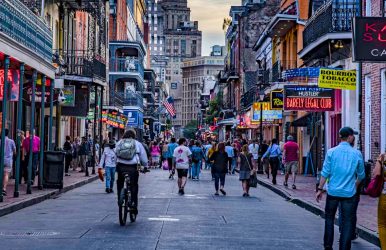
READ MORE best time to visit new orleans

How to Plan Your Trip to New Orleans: The Best Time to Go for Your Budget and Interests

BY  Ankita Mar 28, 2024

What is the one thing that you would want to look up on the internet before you decide to visit a place? Well, for most people, apart from the best places to visit, it is the right time to visit. And if you are planning to go to the city of New Orleans this year, you MUST read this blog! New Orleans is a city brimming with culture, music, and history. Located in Louisiana, the city attracts travelers with its unique charm. Whether you're drawn by the glamor of Mardi Gras or the relaxing beauty of the Mississippi, finding the best time to visit New Orleans is key to a trip that's both memorable and tailored to your interests and budget. Best Time to Visit New Orleans: A Seasonal Guide for Travellers! Spring in New Orleans is a symphony of festivals and blooming magnolias, making it a prime time for those seeking a blend of pleasant weather and cultural festivities. The city comes alive with the world-famous Mardi Gras celebrations, followed closely by the New Orleans Jazz & Heritage Festival, a must for music enthusiasts. As summer approaches, the city simmers with sultry heat, but don't let that deter you. This is when you'll find enticing travel deals and fewer crowds. Dive into the heart of New Orleans' vibrant food scene or take a leisurely cruise down the Mississippi. https://www.instagram.com/p/C20KvAFvW8S Fall ushers in a refreshing change with cooler temperatures and a calendar packed with events like the Voodoo Music + Arts Experience. It's the perfect season for those who enjoy the outdoors, with opportunities to explore the city's lush parks and historic neighborhoods. Winter in New Orleans is mild and inviting, ideal for budget-conscious travelers. The festive spirit is tangible, with holiday decorations adorning the French Quarter and the joyous sounds of Reveillon dinners echoing through the streets. https://www.instagram.com/p/C1PnQmbs7Ol But then seriously, when is it actually the best time to visit New Orleans? You see, the thing is, every season has something to offer, something to enhance. And that is why it is a bit difficult to point out the BEST time. However, in this next section, I will be talking about the best things to do, to eat, and places to visit in each season. So, maybe you can give it a read and figure out what YOU want to do and when YOU want to go! So, without further ado, let us get started with this seasonal guide! Spring: Festivals and Flowers Spring in New Orleans is not just a season; it's a celebration of life, culture, and food. Whether you're strolling through City Park, staying in a historic hotel, or indulging in the local cuisine, you're sure to have an unforgettable experience. https://www.instagram.com/p/C4EIgYxsI8q This particular season in the city of New Orleans is a time of vibrant festivals, blooming gardens, and culinary delights. However, in order to enjoy your spring adventure in New Orleans, you need to know what all is going on. And that is why, I am here to help! Here's a guide to making the most of this lively season in the Big Easy. March to May - Spring in New Orleans is not just about pleasant weather; it's a season of celebration. Highlights are: Mardi Gras: Experience the iconic parades and vibrant street parties. New Orleans Jazz & Heritage Festival: Immerse yourself in the sounds of jazz, blues, and more. Places to Visit: https://www.instagram.com/p/B9R0auVnwA- New Orleans City Park: Enjoy the outdoors with activities like golf, tennis, and horseback riding. Mardi Gras World: Get a behind-the-scenes look at the famous Mardi Gras parades. New Orleans Historic Voodoo Museum: Explore the mysterious world of voodoo between Bourbon and Royal Streets. Jean Lafitte National Historical Park and Preserve: Immerse yourself in the natural beauty and history of the Mississippi Delta region. Where to Stay: https://www.instagram.com/p/CxlT9nYrMNH The Pontchartrain Hotel: A historic hotel in the Garden District, known for its elegance and rooftop bar. Ace Hotel New Orleans: Located in the Warehouse District, this hotel offers a lively atmosphere and cultural events. Hotel Monteleone: A luxury hotel with a famous carousel bar, located near the French Quarter. What to Eat: https://www.instagram.com/p/BgrZKFyh2_y Crawfish: Spring marks the start of crawfish season. Enjoy this local delicacy boiled and seasoned to perfection. You can enjoy a traditional boil at local spots like Cajun Seafood. Softshell Crab: A seasonal delicacy best enjoyed at seafood restaurants like Red Fish Grill. King Cake: While associated with Mardi Gras, some bakeries offer this sweet treat year-round. Jazmine CafĂ©: For a twist, try Vietnamese cuisine with local influences at this Carrollton Avenue spot. Beignets: No visit to New Orleans is complete without trying these sugary treats at the iconic Cafe Du Monde. Summer: Hot Deals and Cool Jazz After the season of spring, comes summer. The city of New Orleans in summer is a vibrant mosaic of culture, cuisine, and music. Despite the heat, the city buzzes with activities and flavors unique to the Crescent City. Here is a guide on the best things to do, places to visit, where to stay, and what to eat during a summer trip to New Orleans. June to August - Summer brings the heat, but also great deals for budget travelers. Highlights are: Satchmo SummerFest: A tribute to Louis Armstrong with live music and local food. Coolinary New Orleans: A month-long event where restaurants offer special deals. Places to Visit: The French Quarter: No visit to New Orleans is complete without a stroll through the historic French Quarter. From the bustling streets filled with live jazz to the quiet charm of the residential areas, the French Quarter is the heart of the city. City Park: Offering a respite from the summer heat with its lush greenery and ancient oaks, City Park is perfect for picnics, boat rides, and visiting the New Orleans Museum of Art. National WWII Museum: A must-visit for history buffs, this museum offers a deep dive into the American experience during WWII. Audubon Aquarium of the Americas: Escape the heat and explore underwater worlds at this renowned aquarium. Where to Stay: https://www.instagram.com/p/C1Ho5oWxXnt French Quarter: For a truly immersive experience, stay in the French Quarter, where you'll be steps away from iconic attractions and nightlife. Bourbon Orleans Hotel: This hotel combines historic charm with modern amenities, offering an outdoor pool and proximity to all the French Quarter's highlights. Four Points by Sheraton French Quarter: With balcony views and a central location, this hotel is perfect for those who want to be in the middle of it all. What to Eat: https://www.instagram.com/p/C3aa-hwL-31 Seafood: Summer is the season for seafood, and New Orleans offers some of the freshest Gulf catches. Try the chargrilled oysters at Acme Oyster House or the classic gumbo at Oceana Grill.  Po-Boys: These iconic sandwiches are a must-try. Whether stuffed with shrimp, oyster, or roast beef, find the best po-boys at local favorites like Parkway Bakery & Tavern.  Snowballs: Beat the heat with a New Orleans snowball, a shaved ice treat soaked in flavored syrups. Hansen's Sno-Bliz is an institution that's been serving them since 1939. Summer Events: https://www.instagram.com/p/CDJyC6glMjW Essence Festival: Celebrate African American music, culture, and empowerment at this annual festival held over the Fourth of July weekend. Satchmo Summer Fest: A festival dedicated to the legendary Louis Armstrong, featuring live jazz, brass bands, and seminars on the famous musician's life and legacy. Tips for Visiting: Stay Hydrated: New Orleans summers are hot and humid. Carry water with you and take breaks in air-conditioned spaces. Dress Appropriately: Light, breathable clothing will help you stay comfortable while exploring. Enjoy the Nightlife: The city comes alive at night when the temperatures are cooler. Explore the bars and live music venues of Frenchmen Street and Bourbon Street. Read More: The Top 10 Museums In New Orleans You Can’t Miss! Fall: Cultural Celebrations and Culinary Delights Fall in New Orleans is a season of milder temperatures and vibrant colors, making it an ideal time to explore the city's unique offerings. Here's a guide on the best things to do, places to visit, where to stay, and what to eat during the fall season in New Orleans. September to November - The fall season is a culinary and cultural paradise. Highlights include: Voodoo Music + Arts Experience: A multi-day music festival with big-name acts. New Orleans Film Festival: Celebrate the art of filmmaking in the heart of the city. Places to Visit: The Garden District: Admire the historic mansions and take a guided tour to learn about the area's rich history. The Presbytère: Explore Louisiana's history and culture, including Mardi Gras traditions, at this museum. Crescent City Farmers Market: Experience local flavors and shop for fresh produce and artisanal goods. Lafayette Cemetery No. 1: Discover the history and architectural beauty of one of the city's oldest cemeteries. Bayou St. John: Enjoy kayaking or stand-up paddleboarding in this serene waterway. Where to Stay: https://www.instagram.com/p/C3YCzyprM7r NOPSI Hotel: This historic hotel in Central New Orleans offers a luxurious stay with a rooftop pool and bar. The Eliza Jane: Stay in this boutique hotel that blends history with modern luxury, located in the Warehouse District. Henry Howard Hotel: A boutique hotel housed in a historic mansion, offering a unique and intimate experience. What to Eat: https://www.instagram.com/p/CKzXRwIFTJe/?img_index=2 Muffuletta at Central Grocery: A classic New Orleans sandwich, perfect for a quick lunch as you explore the city. Crawfish Boil: Fall is the start of crawfish season, and there's no better place to enjoy this local favorite than at a traditional boil. King Cake: While traditionally associated with Mardi Gras, some bakeries offer this sweet treat year-round. Dooky Chase's Restaurant: Legendary for its Creole cuisine and significant history in the civil rights movement. Fall Events: https://www.instagram.com/p/B3iBsnNFnzB/?img_index=1 Art for Art’s Sake: An annual event celebrating the arts with open galleries, live music, and free wine along Magazine Street. Gentilly Fest: A neighborhood festival featuring diverse musical performances and celebrating the local community of Gentilly. Tips for Visiting: Weather: Fall weather can be unpredictable; pack layers to adjust to changing temperatures throughout the day. Transportation: Consider renting a bike or using the streetcar to explore the city's neighborhoods and parks. Local Brews: Visit breweries like Urban South Brewery to sample seasonal craft beers. Winter: Holiday Magic and Serene Sightseeing Winter in New Orleans is a season of enchantment, with cooler temperatures and festive spirits. If you are planning to visit the city of New Orleans in winter, I have you covered! Here's a guide to experiencing the best of New Orleans during the winter months, featuring unique places to visit, stay, and dine. December to February - Winter is a magical time with fewer crowds and festive cheers. Highlights are: Celebration in the Oaks: A dazzling holiday lights display in City Park. Carnival Season: Leading up to Mardi Gras, enjoy the pre-festivities and parades. Places to Visit: https://www.instagram.com/p/Cxviq8erDD- The Historic New Orleans Collection: Dive into the city's rich history and culture at this museum and research center. New Orleans Pharmacy Museum: Explore the intriguing world of medicine and healthcare from the past. National World War II Museum: Honor history at one of the country's most comprehensive WWII museums. Ghost City Tours: Get a chill down your spine with a haunted tour of the French Quarter. Celebration in the Oaks: Marvel at the dazzling holiday lights in City Park. Where to Stay: Hotel Monteleone: Experience luxury and history at this iconic hotel with a famous carousel bar. Bourbon Orleans Hotel: Stay in the heart of the French Quarter with easy access to all the winter festivities. Unique Garden District Hotels: Choose from a variety of unique accommodations in the historic Garden District. What to Eat: Warm Gumbo: Nothing beats a bowl of warm gumbo on a cool day. Try it at the renowned Antoine's Restaurant. Creole Turtle Soup: A winter delicacy, this rich soup can be savored at Brennan's. Seasonal Seafood: Enjoy fresh, local seafood at Restaurant August, known for its contemporary Creole cuisine. Dooky Chase Restaurant: Indulge in authentic Cajun cuisine at this legendary establishment. Cajun Seafood: For a casual yet delicious seafood experience, head to Cajun Seafood. Winter Events: Reveillon Dinners: Participate in this Creole holiday tradition with special menus at various restaurants throughout the city. Krewe of Jingle Parade: Kick off the holiday season with this festive parade featuring floats, bands, and Santa himself. Tips for Visiting: Weather: Pack layers to accommodate the mild but sometimes unpredictable winter weather. Transportation: Utilize the streetcar system to explore different neighborhoods festively decorated for the season. Holiday Shopping: Take advantage of the unique shopping opportunities, from antique stores to holiday markets. Wrapping It Up! In case you were searching for the best things to do and the best time to visit New Orleans, I hope that this blog has been of help to you. If there are any other queries related to the same, please feel free to let me know. All that you need to do is scroll down till you reach the bottom of the page. Then leave your comments and queries in the box below. And I will be there to answer them all for you! Read Also: Washington State Bucket List: 6 Amazing Attractions You Can’t Miss Savannah In Full Swing: What Is The Best Time To Visit Savannah? The Best Things To Do In Moab Utah For Outdoor Enthusiasts

READ MORE card-img

You Cannot Miss These Places To Visit In Italy: Exploring Italy On A Self-Guided Tour

BY  Arnab Oct 28, 2022

A lot of developments have again brought Italy tourism into the limelight. One of the best places to visit in Italy, Lake Como, now allows visitors to take home the most unique souvenirs. You can now carry back 100% pure canned air from this beautiful lake.  ItalyComunica, a communication company, has started this initiative. Their Lake Como Air Cans have 400 ml of pure air from Lake Como and are now available at $11.  "A luxurious souvenir, perfect for those who wish to rediscover the peace and elegance of this heavenly corner, sealed in a tin.." - ItalyComunica Further, as you take this can of pure air home, you can open it and experience the tranquility of Lake Como.  Along with Lake Como, there are many other places to visit in Italy. Of course, everyone knows about the capital city of Rome and the beautiful Venice. However, this time, I have curated some other hotspots in the country.  Here Are The Four Best Places To Visit In Italy A lot of people like to take themselves on Italy tours to try and see it all, but with so much to see, it’s not always possible in one trip. But if you’re planning a trip to Italy, keep reading and discover all the best places that you should visit!  1. Florence Florence is the capital of Italy’s Tuscany region, and it is often said to be the home of some of the greatest art and architecture in the world. It’s often thought to be the birthplace of the Renaissance, so you can imagine just how glorious the art is. Florence proves this by having one of the most famous art galleries ever, housing the Uffizi Gallery which contains pieces from classic artists like da Vinci, Raphael, and even Michelangelo! Florence is also a little bit slower-paced than other historical cities like Rome, allowing you to really soak in your surroundings without all the hustle and bustle. If architecture is something you love to gaze at when visiting other countries, then Florence could be the answer to your dreams. With beautiful structures like the Cathedral of Santa Maria del Fiore, you’ll be blown away by just how beautiful this city really is. So, if you want to visit a place with just as much historical significance as Rome but without the tourists, head down to Florence.  2. Verona Fans of Shakespeare’s “Romeo and Juliet” will have of course heard of the city of Verona, as it’s the setting for one of the greatest tragedies of all time. Verona itself may not be at the top of everyone’s list, but it definitely should be. It’s big enough that you can spend a whole day exploring, but it’s also small enough to feel like a walkable city. Verona may be a modern city with lots of stunning restaurants to visit, but it also pays homage to the star-crossed lovers with a museum in a building named “Juliet’s House”. There you’ll find different outfits from movies and plays that have been performed throughout history and all sorts of historical artefacts from the time period of the play. You can even get the perfect photo op on Juliet’s balcony and look longingly out onto the view of Verona and ask the question “Wherefore art thou Romeo?”. A little way down the road, there’s a small tomb that’s said to belong to Juliet as well, so you can pay your respects to the ill-fated lady. Travel-wise, Verona’s train station is right in the centre and has links to all the surrounding cities, allowing you to make it a simple day trip on your itinerary.  3. Praiano If you’re wanting that picturesque Italian experience, then Praiano could be your dream vacation. A small town situated on the cliffs of the Amalfi Coast, you can enjoy gorgeous beach views and breathtaking architecture. There’s the 15th-century church in the middle of the town called the Church of San Gennaro which showcases the best of the baroque architecture. The beach itself is absolutely amazing, with crystal blue waters and surrounded by rocky cliffs, you’ll be able to enjoy the sun and relax in the shade at the same time. If you like an active vacation, then you might want to check out the Sentiero Degli Dei, or the Footpath of the Gods. This trail is 7km long and goes all the way from Praiano and up to Nocelle near Positano city. However, you’ll need to be prepared for the staircase that awaits you at the start, as you’ll need to climb 1,900 steps! Praiano is one of the lesser-known areas of the Amalfi Coast, but that doesn’t mean it’s lesser than any of the other areas. So, make sure you add it to your holiday plans!  4. Padua  Finally, if you want to go somewhere that’s steeped in history and gives you a truly authentic Italian experience but without all the tourists of Venice, then Padua is the place for you. Padua, or Padova in Italian, is a small city that’s just outside of Venice. Padua has a train station right in the centre that has a direct line to Venice, and all sorts of other places like Florence and Rome. This makes it a great place to stay without having to fall into the tourist traps of Venice and enjoy some tranquillity at the same time. Padua has the second oldest university in the whole of Italy, which was founded in 1222! There’s also the Basilica of Saint Anthony who was a Portuguese Catholic Priest that passed away in 1231. The Basilica is visually stunning and has a museum that you can visit inside which is dedicated to the saint as well. There’s also a gorgeous outdoor area that’s brimming is history too.  The Prato Della Valle which is the biggest square in the whole of Italy and has statues of Italy’s most renowned intellectuals. If you’re an avid foodie, then you want to head on over to Piazza Dei Signori. There you’ll find all sorts of authentic restaurants and proper Italian gelato too. It’s also home to the Torre dell’Orologio or in English, the astronomical clock. This clock tower was built in 1430 and the clock face shows the different zodiac signs. It really is a magnificent sight to see, and it looks even better when you’re enjoying a plate of good food in the beautiful afternoon sun.   Italy has some of the most popular tourist destinations in the world, but that doesn’t mean they’re the only place with beauty. In fact, there are plenty of other cities and towns within Italy that could offer you even more than places like Venice! This list just goes to show that you don’t have to only visit the tourist areas to get a real view of Italy. So, why not add some of these places to your list of places to visit? You’ll be blown away at how wonderful they all are, and you’ll find yourself wishing you were back there time and time again. 5. Lake Como Located in the Lombardy region of Italy, Lake Como is one of the deepest lakes in Europe. It looks heavenly with the Bergamo Alps surrounding it, and you can see the reflections of snow-capped peaks in the water.  Further, Lake Como looks different with changing seasons. In summer, you will find the lake surrounded by greens. In winter, of course, it’s all snowy and white as far as you can see.  6. Pompeii, A UNESCO World Heritage Site The Roman architectural site Pompeii is one of the most interesting places to visit in Italy. Such is its appeal that now managing tourism here is a challenge for the management. The first Sunday of October in 2024 had around 36000 visitors to the park. However, from 15th November, the park authority is planning to limit the number of visitors to the park on a daily basis.  Now, only 20000 people can visit Pompeii in a day. Further, you will need to pay an entry fee of €18 to visit Pompeii.