

Luxuriate In Paradise: Unveiling The Pinnacle Of Luxury Travel In New Zealand

Dec 28, 2023

Last Updated on: Mar 12, 2026

Travel Guides

New Zealand, an enchanting realm of natural wonders and cultural richness, beckons discerning travelers to experience luxury like never before.

For those seeking a truly personalized journey, Custom Luxury Travel of New Zealand by Into the Vineyard offers the opportunity to tailor every aspect of your experience to match your unique preferences.

Nestled in the southwestern Pacific Ocean, New Zealand is renowned for its breathtaking landscapes, from snow-capped mountains to pristine beaches. 

In this article, we embark on a journey through the epitome of opulence in New Zealand, exploring exclusive resorts, fine dining experiences, and bespoke adventures that elevate luxury travel to new heights.

1. Exquisite Accommodations and Resorts:

1.1 Huka Lodge – Taupo’s Riverside Retreat

  • Located along the banks of the Waikato River, Huka Lodge offers a retreat into nature, where the soothing sounds of the river complement the tranquility of the surroundings.
  • Private cottages, each a haven of elegance, provide a seamless blend of comfort and luxury. With spacious interiors, outdoor hot tubs, and bespoke furnishings, guests find solace in opulent seclusion.
  • The culinary experience at Huka Lodge is a testament to New Zealand’s gastronomic prowess. Locally sourced ingredients take center stage, paired with an extensive selection of fine wines, creating an unforgettable dining journey.
    • Duration: Flexible depending on stay
    • Price Range: $1,500 — $3,000 per night

1.2 Eichardt’s Private Hotel – Queenstown’s Lakeside Gem

  • Eichardt’s Private Hotel, an embodiment of Queenstown’s charm, seamlessly blends historic charm with contemporary luxury. Situated on the shores of Lake Wakatipu, it offers unparalleled views of the lake and surrounding mountains.
  • Exclusive suites, meticulously designed for comfort and sophistication, feature lakefront balconies, plush furnishings, and personalized concierge services, ensuring a stay tailored to the individual needs of each guest.
  • Indulge in a private chef’s table experience at Eichardt’s, where culinary artistry meets the freshest local produce. The menu is a celebration of New Zealand’s diverse flavors, complemented by a curated selection of wines.
    • Duration: Flexible depending on stay
    • Price Range: $1,800 — $4,000 per night

1.3 The Lodge at Kauri Cliffs – A Golf Retreat in Northland

  • Set amidst 6,000 acres of pristine landscapes, The Lodge at Kauri Cliffs is a sanctuary for those seeking both golfing excellence and luxurious accommodations.
  • Moreover, lavish suites, each offering panoramic views of the Pacific Ocean and the Cavalli Islands, provide an idyllic setting for relaxation. While the interiors exude sophistication, with attention to detail in every element. 
  • Therefore, helicopter excursions from the lodge allow guests to explore the nearby Bay of Islands and visit renowned wineries. However, creating bespoke adventures that complement the exclusive offerings of The Lodge at Kauri Cliffs. 
    • Duration: Flexible depending on activities
    • Price Range: $2,000 — $5,000 per night

2. Gastronomic Delights:

Gastronomic Delights

2.1 Amisfield Winery – Queenstown’s Culinary Haven

  • Amisfield Winery, perched on the shores of Lake Hayes with the Remarkables as a backdrop, consequently, offers an immersive culinary experience amidst breathtaking scenery. 
  • While exclusive wine and dining experiences include private tastings guided by knowledgeable sommeliers. Moreover, the degustation menus showcase the best of New Zealand’s seasonal produce, ensuring a sensory journey through the region’s flavors. 
  • However, the emphasis on farm-to-table dining at Amisfield underscores the commitment to sustainability. Therefore, providing guests with not only a luxurious experience but also a connection to the region’s culinary heritage. 
    • Duration: 2–3 hours for a dining experience
    • Price Range: $200 — $500 per person

2.2 The French Café – Auckland’s Michelin-Worthy Cuisine

  • The French Café in The French Café in Auckland stands as a culinary beacon. By offering an intimate and sophisticated atmosphere for those seeking exquisite French-inspired cuisine. 
  • Moreover, the curated menu is a testament to the chef’s artistry, featuring locally sourced ingredients transformed into culinary masterpieces. While the extensive wine list complements the flavors, with a focus on New Zealand’s finest vintages. 
  • Therefore, with impeccable service and an ambiance of understated elegance make The French Café a destination for discerning gourmands, where each dish is a symphony of taste and presentation. 
    • Duration: 2–3 hours for a dining experience
    • Price Range: $250 — $600 per person

2.3 Hippopotamus – Wellington’s Fusion of Art and Cuisine

  • Nestled within the Museum Art Hotel, Hippopotamus in Wellington is a culinary gem that seamlessly blends artistry with gastronomy.
  • Moreover, the French-inspired cuisine at Hippopotamus takes on a Kiwi twist, featuring locally sourced ingredients. However, the result is a menu that reflects the diversity and richness of New Zealand’s culinary landscape. 
  • Therefore, the panoramic views of Wellington’s harbor and city skyline provide a picturesque backdrop to the dining experience, while making Hippopotamus a unique destination where art, ambiance, and cuisine converge. 
    • Duration: 2–3 hours for a dining experience
    • Price Range: $220 — $550 per person

3. Bespoke Adventures:

3.1 Fiordland Helicopters – Milford Sound Aerial Escapade

  • Fiordland Helicopters offers an unparalleled aerial escapade over the majestic landscapes of Fiordland National Park, a UNESCO World Heritage Site.
  • However, soar over cascading waterfalls, rugged cliffs, and the iconic Milford Sound, immersing yourself in the grandeur of nature. Meanwhile, personalized itineraries include alpine landings and gourmet picnics in remote, picturesque locations. 
  • Therefore, the helicopter experience transforms a journey into an adventure, providing an exclusive perspective of New Zealand’s natural wonders that few have the privilege to witness. 
    • Duration: 2–3 hours for the helicopter tour
    • Price Range: $1,200 — $2,500 per person

3.2 Wharekauhau Country Estate – Wairarapa’s Countryside Retreat

  • Wharekauhau Country Estate, set against the backdrop of the Wairarapa region They invite guests to immerse themselves in a luxurious countryside retreat. 
  • However, the estate offers bespoke experiences, from horseback riding through the expansive grounds to private farm tours. Meanwhile, helicopter excursions unveil the rugged Wairarapa coastline and provide access to nearby wineries. 
  • Therefore, activities such as fishing, archery, and bird watching are tailored to individual preferences. While ensuring that each guest can curate their own adventure in the picturesque landscapes surrounding Wharekauhau. 
  • Duration: Flexible depending on activities
  • Price Range: $1,500 — $4,000 per night

3.3 White Island Volcano Adventure – Rotorua’s Geological Marvel

  • Embark on a private helicopter journey to White Island, an active marine volcano off the coast of Rotorua.
  • Moreover, a guided tours on the island explore the otherworldly landscapes of sulfur vents and volcanic craters, providing a unique blend of geological marvels and luxury travel. 
  • Therefore, a gourmet picnic on the island’s shores adds an element of indulgence to this adventurous experience. Meanwhile, making the White Island Volcano Adventure a harmonious fusion of luxury and the raw beauty of nature. 
    • Duration: 4–6 hours for the helicopter tour and island exploration
    • Price Range: $1,800 — $3,500 per person

FAQs 

Here are a few questions and queries on the topic of luxury travel in New Zealand that others find help and so would you as well.

1. What makes New Zealand a top destination for luxury travel? 

New Zealand offers a rare blend of untouched natural beauty, exclusivity, and world-class hospitality.
However, from private island retreats and alpine lodges to helicopter-accessed vineyards and bespoke adventure tours, luxury travelers can enjoy privacy, personalization, and breathtaking landscapes all in one destination. 

2. Which regions in New Zealand are best for luxury experiences? 

Some of the most sought-after luxury destinations include: 
• Queenstown – Known for luxury lodges, lakefront villas, and adventure experiences with premium services. 
• Auckland – Offers upscale waterfront hotels, fine dining, and yacht charters. 
• Rotorua – Famous for geothermal spa resorts and cultural immersion experiences. 
• Marlborough – Ideal for luxury wine tours and private vineyard stays. 
Each region offers distinct landscapes and premium travel experiences. 

3. What types of luxury accommodations are available in New Zealand? 

Luxury accommodation options range from: 
• Firstly, private luxury lodges with panoramic mountain views 
• Secondly, boutique waterfront villas 
• Thirdly, five-star urban hotels 
• Finally, exclusive-use estates and private island retreats 
Meanwhile, many properties offer personalized butler services, private chefs, and curated local experiences. 

4. How can travelers ensure a truly personalized luxury experience? 

To maximize luxury travel in New Zealand: 
• Firstly, work with a high-end travel concierge or bespoke tour operator 
• Secondly, opt for private transfers and charter flights 
• Thirdly, choose exclusive-use accommodations 
• Finally, plan custom itineraries tailored to personal interests 
Therefore, advance booking is recommended, especially during peak seasons. 

4. What exclusive experiences can luxury travelers enjoy in New Zealand? 

Luxury travelers can indulge in: 
• Private helicopter tours over Milford Sound 
• Glacier landings near Franz Josef Glacier 
• Yacht charters around the Bay of Islands 
• Private wine tastings in premium vineyards 
• Custom Māori cultural experiences 
These curated experiences combine adventure with exclusivity.

5. Is luxury travel in New Zealand family-friendly? 

Yes. Many luxury lodges and resorts offer tailored family experiences. It includes private guides, adventure activities, and educational nature tours designed for children. 

6. How accessible are remote luxury destinations in New Zealand? 

Many high-end properties are accessible via scenic helicopter transfers, private jets, or chauffeur-driven vehicles. Therefore, the journey itself often becomes part of the luxury experience. 

Conclusion

In conclusion, New Zealand, with its diverse landscapes and rich cultural heritage, has firmly established itself as a haven for luxury travelers seeking unparalleled experiences.  

Meanwhile, from secluded riverside lodges to culinary masterpieces and bespoke adventures, the country provides a tapestry of opulence that harmonizes with its natural beauty.  

Whether soaring over majestic fiords or indulging in fine dining overlooking pristine lakes, luxury in New Zealand transcends expectations. However, inviting travelers to immerse themselves in a world where every moment is a masterpiece of refinement and beauty. 

Share on Social Media

Sibashree is a travel, culture, and leisure writer who has been writing since the age of 12 and professionally since 2014. With more than a decade of travel writing experience and journeys across India and several parts of the world, she brings a deeply personal and thoughtful perspective to her work. A student of English Literature and Mass Communication, Sibashree has always viewed travel as more than movement — for her, it has been a way of understanding people, cultures, and herself. Her passion for spiritual exploration has also led her to many unusual and meaningful destinations over the years. Outside of writing, Sibashree enjoys watching European cinema, reading about global politics, and reflecting on the stories hidden within everyday places.

Leave a Reply

Your email address will not be published. Required fields are marked *

title-img Related

READ MORE Suva Fiji hidden gems

What Are The Suva Fiji Hidden Gems? Know The Underrated Places To Visit In Suva Fuji For Cultural Travelers 

BY  Sibashree Oct 24, 2025

I was standing near the mouth of the Rewa River to the east of the city. I was looking at the mangrove trees and how the villages nearby woke up with the first rays of the Sun touching the earth. People were busy collecting firewood, and some had already sailed in search of fish. Despite having such a distinct livelihood in Fiji, it also takes inspiration from multiple cultures and ethnicities. So, Fiji is said to have a culture of fruit salads. You will find people of Indian, Samoan, Micronesian, Solomon Island, Chinese, and Rotuman origins.  Furthermore, Fiji, fondly called Mini India, has taken another step to strengthen the connection. The Indian ship Kadmatt reached Suva in September 2025, and there have been ongoing discussions about maritime collaboration between the two countries.  With so many cultural aspects to explore, Suva, Fiji, also has many offbeat destinations. Here, we will discuss the Suva Fiji hidden gems, local cultural experiences, the nightlife, art scene, and more! Local Cultural Experience In Suva, Fiji: Know The Suva Fiji Hidden Gems I was at the Suva Curio Handicraft Center in Suva’s CBD area. I found the most amazing Fijian handicrafts and carvings.  The woven mats were beautiful. Furthermore, the wood earrings and necklaces, and the traditional Fijian clothes, or Tapa, caught my attention. However, these were not just souvenirs. Packed with symbolism, those told stories of Fijian traditions and Fijian families.  Along with this handicraft center, I also explored the Namosi Highlands, attended local storytelling events, and customs.  1. Village Visits And Attending Traditional Ceremonies  My cultural exploration in Suva, Fiji, started with Namosi Highlands. As I reached there, the villagers welcomed me with the Sevusevu custom. My guide has already told me. So, I carried some powdered kava root and handed it over to the chief, requesting an entrance to the village.  Then, I attended the vibrant meke dance performance. The male and female dancers in the performance depicted many historical and ancient legends.  Furthermore, the village chief asked me to be a part of the underground feast, or the Lovo. Here, the vegetables and meat were cooked in the ground using white-hot stones. I experienced the true magic of slow cooking there.  2. Kava Rituals Or Storytelling Events View this post on Instagram A post shared by Lomani Island Resort & Spa (@lomaniisland) A visit to Suva’s Cultural Center is another deep cultural encounter I had in Suva, Fiji. The elders here tell stories of Fijian values and myths. Thus, the oral tradition of storytelling remains alive in Fiji.  3. The Local Festivals In Suva, Fiji  View this post on Instagram A post shared by Fiji Sun (@fiji_sun) Music, food, religious ceremonies, community celebrations! The festivals in Suva, Fiji, are vibrant, and they give insights into the multicultural nature of the place. Here is a brief calendar of the major festivals in Suva, Fiji, with their timings.  Major Festivals in Suva, FijiTimingHibiscus FestivalAugustSouth Indian Fire Walking FestivalJuly-AugustDiwaliOctober-NovemberFiji Day:10th OctoberEasterGood Friday, Easter Sunday, and Easter Monday 4. Art & Creative Spaces In Suva Fiji View this post on Instagram A post shared by FIJI MUSEUM (@fijimuseum) There are many underrated places to visit in Suva Fiji, for cultural travelers. For example, the Fiji Museum Art Annex shows the work of the local artisans on a rotational basis.  Furthermore, the Veiqia Project Studio is a space to showcase the work of the indigenous women artists and tattoo traditions.  5. Street Art & Artisan Workshops View this post on Instagram A post shared by Asia Pacific Region Crafts (@worldcraftscouncil_asiapacific) I enjoyed a walk along Victoria Parade and saw the Fijian legends come to life through beautiful murals. Furthermore, if you want to learn the art of pottery and weaving, you can visit the Makoi Women’s Handicraft Centre.  6. Nightlife & Entertainment In Suva Fiji Traps Bar and O’Reilly’s became my favorite nighttime destinations in Suva, Fiji. They had amazing reggae music and the island jazz performances.  Also, the Fijian folk music and dance at O’Reilly’s was the biggest highlight.  7. Cultural Performances At Night The Pacific Cultural Nights at the Civic Centre were brilliant. These performances included fire shows, storytelling, and fire dance.  8. Food And The Hidden Eateries In Suva, Fiji  View this post on Instagram A post shared by Robinson Crusoe Island Fiji (@robinsoncrusoeislandfiji) I was bowled over by the Lovo feast at Namosi Highlands. Food in Fini is flavorful, and the culinary scene here is a wonderful fusion of local produce and multicultural culinary influences. Furthermore, the use of exotic tropical fruits adds the right amount of zest to the dishes.  Nevertheless, during my last visit to Suva, Fiji, I had a great time at these cafes and eateries. Café Thirty-One, just behind the Suva Library, made my day with the best coconut latte and banana bread.  My guide also took me to the Greenhouse Café, a vegan-friendly restaurant, serving amazing smoothie bowls made from local fruits. I loved the garden seating there.  However, if you want to try Fijian fusion cuisine and enjoy live music, you must visit the Bad Dog Café. Moreover, Cloud 9 Lounge is an ideal spot for sunset lounging and partying. 9. Suva Municipal Market View this post on Instagram A post shared by Phil Sami (@philsami) Suva Municipal Market, built in the 1950s, is the biggest market in the country. On a busy day, the market accommodates around 3500 vendors, and it is the best place to buy local specialties such as breadfruit, taro, and tapioca.  There is also a dedicated section for seafood and mussels. However, you must visit the market in the early hours. In the late hours, the market is rushed.  10. Take A walking Anti-Tour Of Suva, Fiji If you want to experience Suva beyond the typical “Bula”- fied version, you can join the “anti tour” walk of Peter Sipeli, a poet, LGBTQ+ activist, and cultural guide.  The tour he conducts is critical, and it does not match the glossy vibe of Fiji. Coming out as gay at the age of 17 and fighting for his rights after his return to Suva has given him enough stories to add layers of anecdotes and humor to this walking tour experience.  He conducts the tour through the city streets and the bustling markets so that you can see the beauty and inequality simultaneously.  Family-Friendly Hidden Gems In Suva, Fiji  View this post on Instagram A post shared by Jessy (@rocketjess) Suva Botanical Gardens and the Fiji Museum are two family-friendly hidden gems in Suva. The Botanical Gardens have easy hiking trails and are ideal for relaxing picnics.  On the other hand, the Fiji Museum's interactive exhibits are ideal for children and adults alike.  Suva Municipal Market in the early hours can be another family-friendly location for accessibility. It has wide aisles and ramps.  Seasonal Hidden Gems In Suva, Fiji View this post on Instagram A post shared by Nicole Golonka (@nicole.golonka) The dry and wet seasons in Suva, Fiji, give you the chance to explore the following hidden gems.  May to October, or the dry season, is ideal for hiking in Colo-i-Suva Forest Reserve and attending festivals such as the Hibiscus Festival, Fiji Day, and Diwali.  On the other hand, the wet season from November to April is ideal for visiting the lush forests and waterfalls and taking photographs.  Here is a breakdown of seasonal hidden gems in Fiji. MonthsSuitable Activities January-February• Rainforest Hikes• Waterfall ToursMarch-April• Kava Rituals• Cultural WorkshopsMay-June• Hiking• Art FestivalsJuly-August• Hibiscus Festival• Street ParadeSeptember-October• Snorkeling• Staying in Eco LodgesNovember-December• Diwali• Christmas• Easter Adventure & Sports Activities in Suva, Fiji Explore these lesser-known spots in Suva, Fiji, and try adventure activities such as kayaking, snorkeling, and advanced biking.  ActivitiesLocations• Kayaking with Mangrove ViewsLami Bay• Vibrant coral reef• SnorkelingNausori Reef• Colo-i-Suva TrailsAdvanced biking through rainforest terrains Offbeat Shopping Experiences In Suva, Fiji View this post on Instagram A post shared by Guided Walks Suva (@guided_tours_fiji) Suva Handicraft Centre is the best place for authentic masi (tapa cloth), wood carvings, and woven baskets. Furthermore, TappooCity Suva is home to local designers such as Rako Designs and KuiViti.  Furthermore, you will find ethically sourced jewelry and crafts in Suva.  Suva Fiji Hidden Gems Associated With Mythical Stories And Folklore  View this post on Instagram A post shared by Mai TV Fiji (@maitvfiji) Ratu Sukuna Park is a popular place in Suva, associated with mythical stories. The park is said to be protected by ancestral spirits.  Mount Korobaba is another place that was once a tribal outpost. Hiking to Mount Korobaba, the tallest mountain in Fiji (422 meters), is quite challenging due to its steep trails. However, the view from the top is rewarding.  Furthermore, you can ask your guide to coordinate a Suva ghost walk. There is no official ghost tour in the city. So, this tour will take you to places associated with mysteries or supernatural incidents.  Top Tourist Places You Should Avoid In Suva, Fiji (And Where To Go Instead) When it’s about the hidden gems, the touristy and “popular” spots are sheer disappointments. Also, you don’t want to waste your money, time, and resources visiting an overcrowded place.  Here are the tourist places you should avoid and their alternatives.  1. Suva Flea Market View this post on Instagram A post shared by The Journey FJ (@thejourneyfj) Suva Flea Market is often overcrowded. Thus, it often fails to offer the cultural shopping experience it promises. You will find mass-produced souvenirs here, and the inflated prices for tourists are a big turn-off.  You will get so busy bargaining that you will not notice anything taking place around you.  Makoi Women’s Handicraft Centre is a quieter, community-run space offering authentic, handmade crafts with fair pricing and cultural storytelling. 2. Colo-i-Suva Forest Park (Unguided) View this post on Instagram A post shared by Mike Duin (@mike_duin) Colo-i-Suva Forest Park has reported incidents of theft and assault on unguided trails. So, solo trips and late visits are risky here.  Get in touch with eco-certified guides for safety and provide cultural insights into the flora and fauna. 3. Victoria Parade At Night Victoria Parade is a popular nightlife strip. However, it can become unsafe after sundown due to petty crime, intoxicated crowds, and occasional scams targeting tourists. Cloud 9 Lounge or Traps Bar offers a more secure, well-managed nightlife with live music and local cocktails. 4. Suva Municipal Market (Late Hours) View this post on Instagram A post shared by DJKiwi (@djkiwinz) In the late afternoon, the Suva Municipal Market gets overcrowded. So, there are risks of overcrowding and overpricing.  Visit the market early in the morning and take a local guide with you to know where to shop safely.  Practices To Avoid While Exploring The Hidden Gems In Suva, Fiji Here are some more dos and don’ts while visiting Suva, Fiji.  Things to AvoidAlternativesTaking unlicensed taxi servicesHotel-booked or metered taxisOverpacked itinerariesFocus on 2–3 meaningful experiences per dayOver-negotiating at local shopsVisit fair trade shops such as Handmade Fiji and TappooCity Suva. Ignoring cultural etiquette at religious sitesJoin a cultural tour to learn about the spiritual and religious customs and beliefs of FijiMissing out Fiji’s rich culinary heritage and local food Try Kokoda, Lovo, and Roti Parcels Eco-Friendly Accommodations In Suva, Fiji Colo-i-Suva Eco Lodge: Nestled in the rainforest, this lodge uses solar power and rainwater harvesting. Rainforest Eco Retreat: Offers guided nature walks and supports local conservation efforts. Sustainable Travel Practices Use reusable water bottles and support community-based tourism. Choose locally owned transport services and farm-to-table eateries. A Hidden Gem Itinerary For Suva, Fiji View this post on Instagram A post shared by FIJI MUSEUM (@fijimuseum) Here are flexible 1, 3, and 5-day itineraries for exploring the hidden gems of Suva, Fiji.  Table 1: 1-Day Itinerary MorningVisiting Suva Market & Café Thirty-OneAfternoonExploring Fiji Museum & Thurston Gardens (Suva Botanical Gardens)EveningAttending a kava ceremony at the Cultural Centre Table 2: 3-Day Itinerary Days Activities Day 1• Colo-i-Suva hike• Eco-lodge stayDay 2• Art gallery tour• Dinner at a rooftop barDay 3• Village visit• Storytelling night Table 3: 5-Day Itinerary Days Activities Day 1• Colo-i-Suva hike• Eco-lodge stayDay 2• Art gallery tour• Dinner at a rooftop barDay 3• Village visit• Storytelling nightDay 4• Snorkeling at Nausori Reef• Folklore tourDay 5• Shopping at TappooCity A Budget Breakdown For Exploring Suva’s Hidden Gems An average 3-day trip in Suva, Fiji, will cost around FJD 500–800 or $220-352. Here is a quick breakdown of the expenses.  CategoryCost (FJD)NotesAccommodation80-150 (Per Night)• Boutique Hotels• Eco LodgesFood30-60 (Per Day)• Markets• Local CafesTransport20-40 (Per Day)• Buses• TaxisActivities50-100• Tours• WorkshopsSouvenirs30-70• Handicrafts• Art Travel Smart And Travel Deep: Exploring The Hidden Gems Of Suva, Fuji  Suva is a living museum of Fijian heritage, creativity, and community. Furthermore, it is a city of contrasts, with modern malls, colonial buildings, and bustling markets coexisting with serene gardens.  Furthermore, it is a melting ground of Indian, Chinese, Samoan, and other cultures. So, if you can keep your curiosity alive and respect the local culture, Suva will surprise you at every turn.  Suva Fiji Hidden Gems: Frequently Asked Questions (FAQs) Here are the frequently asked questions and answers about Suva Fiji hidden gems. 1. Is It Safe To Walk Around Suva At Night? The crime level in Suva, Fiji, is moderate. According to Numbeo, the cost of living here is 58.60. However, the rate of crime increase in the last 5 years is 70.12, which is high. So, it is better to avoid walking in Suva at night.  2. Why Is Fiji Called Mini India? The British brough indentured laborers from India in the 19th and early 20th centuries for working in sugar plantations. They stayed here for generations and preserved the Indian culture. Furthermore, today, a significant population here comes from the Indian origin. So, Indian festivals such as Diwali are celebrated here with great pomp.  3. Where Does Oprah Stay In Fiji?  The Laucala resort is a place frequented by the likes of Oprah Winfrey and George Clooney. Dietrich Mateschilz, the co-founder of Red Bull, has designed this resort.  Read Also: How To Plan A Kotor Montenegro Budget Travel? Cheap Ways To Travel To Kotor Montenegro For Backpackers  Luang Prabang Travel Guide: Why I Loved It? (Activities, Attractions, History, Itinerary, And More) Tucumán Argentina itinerary: What To See In The Smallest Province Of Argentina?
READ MORE things to do in Glasgow

What Are The Top Things To Do In Glasgow? Know The Best Attractions 

BY  Sibashree Nov 22, 2023

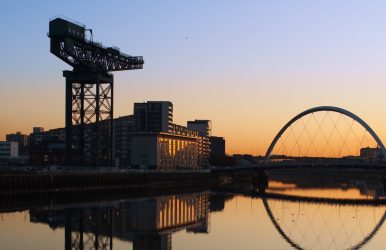
Scotland's second city, long eclipsed by sophisticated, tourist-heavy Edinburgh, has been quietly demonstrating that it's anything but second best. Glasgow has won many accolades for its culture. From the street art-filled east end to Rennie Mackintosh's architectural achievements (except for the tragically destroyed School of Art). Are you eager to visit the hippest city in Scotland? Everything you need to know is right here. Here are the mandatory things to do in Glasgow. What Are The Things To Do In Glasgow? Glasgow in Gaelic stands for “dear green place.” And to no surprise, Glasgow is as green as it gets. It houses more than 90 parks and gardens that are woven through the city’s landscape. The Glasgow Botanical Garden is home to the largest plant collection in the UK. Here are some of the best things to do in Glasgow. Don’t miss out on your next trip. George Square George Square awaits everyone landing at Queen Street Station. It aids in the orientation of newcomers in the city center and is a constant site of protest and joy. George III is absent from the square. Enraged cotton and tobacco lords had monuments of him pulled down one after another. It happened ever since he lost their lands in the American War of Independence. Instead, the adjacent area known as Merchant City is booming these days, offering a ton of Glasgow activities. It also has a vibrant nightlife and boutique shopping. From that point on, Sauchiehall, Buchanan, and Argyle streets come together to form the Style Mile, a retail district. West End The city's famed West End houses opulent parks, incredibly elaborate Glasgow University buildings, and the ever-popular Kelvingrove Museum. It has everything from Salvador Dali's artwork to Glasgow's master architect and polymath Charles Rennie Mackintosh. The artwork feels like it belongs in a different universe. River Clyde It is difficult to visit Glasgow without spending some time on the banks of the River Clyde. It is where the superb Riverside Museum and the restored Tall Ship Glenlee are located. The SSE Hydro is close, but you can check out King Tut's Wah Wah Hut or the storied Barrowlands Ballroom. It is where Oasis first appeared. Art Museums The legacy of Rennie Mackintosh, Glasgow's poster child, is deeply ingrained in the city. You might spend an entire vacation simply strolling down a path of his creations. Many additional Mackintosh artifacts can still be seen. However, the beloved Glasgow School of Art is now recuperating from a series of devastating fires. Visit the House for an Art Lover, have tea at Mackintosh at the Willow, or go to The Lighthouse. The Mackintosh Interpretation Centre honors the life and career of the architect. Don't miss the opportunity to see the expansive city views from the observatory of the Water Tower from The Lighthouse. When the tower was first constructed, it had a functional dovecot. The carrier pigeons were employed to bring the Glasgow Herald journalists the afternoon sports scores. If you can escape Mackintosh’s hold, there are still a lot of other cultural boxes to check. Behind an outstanding neoclassical façade, the Gallery of Modern Art (GOMA) houses works by Andy Warhol and David Hockney. Of particular note is the statue of the Duke of Wellington outside the entrance, posing with an orange traffic cone happily placed on his head. Explore the East End’s mural trail for a gritty perspective on art, where enormous pieces of art loom around corners and look down from office buildings. Bars And Restaurants The Merchant City offers a variety of cuisines. Highlights include the amazing, enduring Café Gandolfi fish bar, Obsession of India, and the insanely popular Paesano Pizza. The bars are extremely busy, even though they are a little forgettable. Head to the freshly reopened Babbity Bowster for a more sedate pint. In the West End, things are, maybe unsurprisingly, considerably more upscale. A longtime favorite in the area near Glasgow University is Stravaigin. Glasgow's 17-year drought for a Michelin star was just ended when Cail Bruich was included in the 2021 guide. It is located nearby on Great Western Road. Ashton Lane, a short stroll south, offers a night out unto itself with its jam-packed bar and restaurant scene. The cobblestone includes the always-popular Ubiquitous Chip. Are you thinking of going south of Clyde? Admirers of Malaysian cuisine are gushing about Julie's Kopitiam. In the much-maligned Govanhill neighborhood, Nanika is a fantastic tiny Asian fusion restaurant. Over a hundred different rums are available at the nearby Rum Shack, but if you'd rather keep things classy, stop by the Gnom café, which is next to Queen's Park. The Necropolis The Necropolis, an exquisitely decaying cemetery with a spectacular location, is located in Glasgow's east as well. Paths wind among a variety of tall-spired mausoleums and weathered burial stones stacked up on a hill behind the historic cathedral in the heart of the city. When you reach the top of the trail, you'll be treated to breathtaking views over the city. Food And Cuisine In Glasgow Glasgow is a city that truly knows how to feed you; forget stories of deep-fried Mar Bars coupled with Irn Bru, and discover one of Scotland's most lively culinary scenes instead. Glasgow has an abundance of excellent places to stay, a thriving entertainment scene, and everything you could possibly need for a weekend getaway. Good cuisine, in fact, is a source of pride for the city's residents and a constant topic of conversation. Ask a Glaswegian where to eat, and you'll never receive a straight answer. But one thing you'll hear a lot is that the city's culinary center is located in Finnieston. The neighborhood that’s been named the hippest place to live in the UK. Of all the options, Crabshakk is unquestionably a must-see. This wonderful restaurant specializes in delicious Scottish seafood offering a rotating menu of specials and some amazing house specialties. The sizzling pan of scallops with caramelized anchovy sauce is a must-try. In addition to supporting Scottish food, The West End's enduringly well-liked Ubiquitous Chip has been setting the standard. It has been offering upscale, contemporary Scottish cuisine since 1971. One of Glasgow's most exciting culinary endeavors, Dockyard Social, is located in Finnieston as well. It is a street food market housed in a large industrial warehouse with three inspiring goals. It aims to highlight the best of the city's culinary scene, assist start-up food businesses, and support the neighborhood. This provides the most impoverished residents with professional culinary training. There are still foods to try throughout the entire city if you venture outside of Finnieston. A’Challtainn is located east of BAaD (Barras Art and Design), a hip urban area in the Barras Market. With a focus on sustainably sourced seafood from Scotland, this stunning restaurant has already won a few accolades in its brief existence. It won Best Rookie in the Glasgow culinary scene. While you're in the center, make sure to check out Paesano for their exceptional pizzas. They are masterfully charred in wood-fired ovens built in Naples using only the finest Italian ingredients. Sustainable And Green Initiatives In Glasgow In line with its Gaelic name meaning "Dear Green Place," Glasgow has pivoted toward a future defined by environmental innovation and sustainable urban spaces.  By integrating technology with its historic infrastructure, the city has become a pioneer in eco-conscious tourism. The Smart Canal: A European First A cornerstone of Glasgow’s green revolution is the North Glasgow Integrated Water Management System, better known as the "Smart Canal."  This "Europe-first" project uses sensors and cloud technology to manage water levels in the 250-year-old Forth & Clyde Canal.  Beyond preventing floods, this initiative has revitalized the northern districts, transforming the waterway into a vibrant blue-green corridor.  Today, it serves as a premier hub for low-carbon recreation, including cycling, walking, and even urban paddleboarding, effectively reconnecting the city center with its natural outskirts. The Mural Trail: Art with A Purpose Sustainability also extends to cultural preservation through the City Centre Mural Trail.  This initiative breathes new life into weathered buildings, reducing the need for intrusive construction while boosting "foot-traffic" tourism.  Must-see highlights include the towering "St. Mungo" mural by Smug, which depicts the city’s patron saint in modern clothes, and the celebrated Billy Connolly murals.  These vibrant displays have become iconic symbols of Glasgow’s digital-first tourism, encouraging visitors to explore the city’s stories entirely on foot. The New Cultural Landmarks Of Glasgow In 2026 Glasgow continues to reinvent its cultural landscape, blending historic preservation with high-energy modernism.  From the tranquil outskirts of the Southside to the industrial pulse of the West End, these landmarks represent the city’s evolving identity in 2026. The Burrell Collection: A Sustainable Masterpiece Located within the lush expanses of Pollok Country Park, the Burrell Collection has reclaimed its status as a world-class destination following a massive, multi-year refurbishment.  The museum’s award-winning glass-and-stone building is now a marvel of sustainability, designed to maximize natural light while housing over 9,000 priceless objects.  Visitors can explore an eclectic range of treasures, from ancient Chinese terracottas and Islamic carpets to evocative sculptures by Auguste Rodin.  It is a rare space where fine art and environmental design coexist in perfect harmony. SWG3: The Heart Of Modern Nightlife In the gritty-meets-glamorous district of Finnieston, SWG3 stands as the beating heart of Glasgow’s contemporary arts scene.  This sprawling industrial warehouse complex has transcended its origins to become a multidisciplinary powerhouse.  By day, it hosts "Yardworks," one of Europe’s most prestigious international graffiti festivals, turning the surrounding walls into an ever-changing outdoor gallery.  By night, it transforms into a premier music venue, hosting global DJs and underground acts that solidify Glasgow’s reputation as a UNESCO City of Music. Enjoy The Best Things To In Glasgow On Foot And Through The Oldest Underground Train System Glasgow is home to the third-oldest underground train system in the world. The majority of the city's attractions, however, are easily accessible on foot. One single loop that revolves around the inner or outer line makes it impossible to misunderstand. In 2026, the 100-year-old "Clockwork Orange" (The Subway) has recently introduced fully automated, driverless trains. It is the first of its kind in the UK. Moreover, carrying the COP26 Legacy, the city has become more pedestrian-friendly and eco-conscious following its hosting of the UN Climate Change Conference. When Celtic and Rangers, the city's Old Firm rivals, play, it's advisable to stay away from Celtic Park. It is located in the east of the city and Ibrox in the south. Almost 130 years later, one of the most bitter rivalries in sports is still incredibly bitter. If you have thoughts to share or questions to ask about things to do in Glasgow, please leave a comment below. We would love to hear from you!

READ MORE egypt tour

Planning Your Egypt Tour: Expert Answers To The Most Common Traveler Questions

BY  Sibashree Oct 27, 2025

If you have been dreaming of standing before the Great Pyramids, sailing the Nile, or exploring ancient temples, you are not alone. Egypt continues to rank among the world’s top travel destinations. It is a land where history, culture, and adventure come together like nowhere else. To help you plan your perfect Egypt tour, I have compiled answers to the most common questions travelers ask before booking. What Is the Best Tour Company For Egypt? The best tour company for Egypt depends on the experience you are seeking. Are you looking for luxury, cultural depth, and expert-guided itineraries? Then, Delta Tours Egypt stands out as one of Egypt’s top-rated operators. With over 40 years of experience in Egypt travel, Delta Tours Egypt offers fully customizable Egypt tours. It offers Nile cruises and desert adventures to private luxury experiences with five-star accommodations and certified Egyptologists. Which Is the Best Tour Operator for Egypt? When choosing a tour operator, focus on expertise, licensing, and reputation. Delta Tours Egypt is licensed by the Egyptian Ministry of Tourism. Also, it has earned excellent reviews for professionalism and personalized service. They offer seamless coordination, English-speaking guides, and air-conditioned transport. Also, their curated itineraries that include must-see attractions like Luxor, Aswan, Abu Simbel, and the Grand Egyptian Museum. What Is The Best Way To Tour Egypt? The best way to explore Egypt is to combine land and river experiences. Most travelers start in Cairo, visiting the Pyramids of Giza, the Sphinx, and the Grand Egyptian Museum. Then, they fly or take a sleeper train to Luxor or Aswan for a Nile cruise. A 4- or 5-day cruise between Luxor and Aswan allows you to visit iconic temples such as Karnak, Hatshepsut, Kom Ombo, and Philae. What Is The Average Cost For A Trip To Egypt? A typical 8–10 day Egypt tour ranges between $1,200 and $3,000 USD per person, depending on your travel style: Luxury tours: From $2,500+ (5-star hotels, Nile cruise, private guide) Mid-range tours: Around $1,500 (4-star hotels, group tours) Budget tours: As low as $1,000 (shared tours, standard hotels) Flights, meals, and optional activities like hot air balloon rides in Luxor or Abu Simbel excursions may add to your total cost. What Is The Best Month To Tour Egypt? The best months to visit Egypt are October to April. The weather is cooler in these months, and sightseeing is comfortable. December and January are especially ideal for Cairo, Luxor, and Aswan exploration. During these months, you can enjoy pleasant daytime temperatures (20–28°C / 68–82°F). Also, these months are perfect for outdoor touring and Nile cruises. How Many Days Are Ideal For An Egypt Trip? A 10-day Egypt itinerary allows you to experience the country’s highlights without rushing: Days 1–3: Cairo – Pyramids, Sphinx, Grand Egyptian Museum Days 4–7: Nile Cruise – Luxor, Edfu, Kom Ombo, Aswan Days 8–10: Abu Simbel or Hurghada (Red Sea relaxation) For those with limited time, even a 5–7 day Egypt tour can deliver an unforgettable experience. What Not To Do In Egypt As A Tourist Egypt is welcoming, but cultural respect goes a long way. Avoid the following: Don’t ignore dress codes in mosques and rural areas. Dress modestly. Avoid political discussions or taking photos of military sites. Don’t drink tap water and stick to bottled water. Avoid scams by booking with verified tour operators like Delta Tours Egypt. Small gestures of respect ensure a smoother, more authentic Egypt experience. What Month Is The Cheapest To Visit Egypt? For travelers on a budget, the cheapest months to visit Egypt are May, September, and early October. All these months are part of the “shoulder seasons.” Hotel rates drop by 20–30%, and popular attractions are less crowded during these months. If you can handle warmer weather, you will find unbeatable value in your Egypt tour packages during these months. What Are The Hottest Months In Egypt? The hottest months in Egypt are June, July, and August. In these months, temperatures can exceed 40°C (104°F) in southern cities like Luxor and Aswan. While still safe to visit, sightseeing is best done early morning or late afternoon. However, beach destinations like Hurghada and Sharm El Sheikh remain comfortable thanks to Red Sea breezes. These are perfect for travelers who enjoy sun and sea. Which Is The Best Month To Visit Egypt? If you want the best combination of weather, crowd levels, and pricing, November, February, and March are ideal. These months offer mild temperatures and fewer crowds than the December peak. You can enjoy the Grand Egyptian Museum, Pyramids, Nile Cruise, and Abu Simbel Temple at their most comfortable. What Month Is Best To Visit The Pyramids? The Pyramids of Giza are spectacular year-round, but for the most pleasant experience, visit between October and April. Morning visits offer cooler temperatures and better lighting for photography. Arrive before 9:00 AM to beat the tour buses and enjoy the Sphinx and Pyramid Plateau in peace. How Much Money Will I Need For Two Weeks In Egypt? For a two-week Egypt tour, budget between $2,000–$4,000 USD per traveler. It covers accommodation, transportation, entrance fees, meals, and guided tours. A two-week itinerary might include: Cairo & Giza Luxor & Aswan (Nile Cruise) Abu Simbel Hurghada or Sharm El Sheikh Luxury travelers can expect to spend more, while budget adventurers can comfortably manage with $1,500–$2,000. Is It Safe For Americans To Travel To Egypt Right Now? Yes, Egypt is generally safe for American tourists. The country’s main tourist areas, Cairo, Giza, Luxor, Aswan, and the Red Sea resorts, are secure and heavily monitored. As with any international travel, it is wise to exercise standard precautions. Stay with reputable tour companies, follow local advice, and avoid remote desert areas without a guide. Delta Tours Egypt ensures traveler safety by coordinating with licensed guides, trusted drivers, and official tourist authorities. Why Egypt Should Be Your Next Adventure Egypt is not just a destination. It is an encounter with civilization itself. Every corner of Egypt tells a story thousands of years old. Explore the majesty of the Grand Egyptian Museum and the timeless grandeur of the Pyramids of Giza. Also, experience the spiritual calm of Philae Temple and the golden sands of the Valley of the Kings! Moreover, new attractions like the Grand Egyptian Museum have opened. In addition, with enhanced tourist infrastructure, Egypt welcomes visitors with open arms.