Want to learn more about the mountains of Kenya? A geographically and topographically diverse country, the Republic of Kenya has beautiful mountains that are more than just a geographical feature! Please read this article to learn about the features of the mountains, their cultural significance, as well as their beauty.
There are almost 3888 mountains, out of which 3856 are named mountains. Mount Kenya is the highest peak of all these mountains, with an elevation of 5199 meters. It is one of the second-highest mountains in Africa and is considered a UNESCO World Heritage Site.
Kenya is located in the eastern part of Africa, more towards the southern horn of Africa, with diverse geographical features ranging from towering alpine peaks to mangrove swamps. The mountains’ beauty adds to the country’s natural features, making it a perfect place to visit!
Explore The Beauty Of The Mountains Of Kenya!
As a country with a topographical contrast, Kenya is located in the eastern section of Africa. The equator crosses the country across Nanyuki, Maseno, and Timboroa. These features highlight Kenya as a stunning destination that many wish to visit!
Being a topographically diverse country where the forests offer diverse wildlife, it is perfect to visit if you love taking safaris. There are also coasts and grasslands, making the location more diverse.
The nation is also highly agricultural, with diverse produce, including vegetables, fruits, and animals, even though the location is remote and can be difficult for regular travel.
An African safari holiday is a dream for every hodophile, and Kenya offers the perfect backdrop. With spectacular wildlife, astounding landscapes, and a melting pot of culture, Kenya ranks at the top of the travel list of everyone!
Moreover, the beautiful mountains play an important role in making Kenya a fascinating place! The country borders nations such as South Sudan, Ethiopia, Tanzania, Uganda, and Somalia. So want to know more about the up-warped giants of the earth? Read along!
1. What Makes Kenya’s Mountains Unique In Africa?
Kenya’s mountains are unique due to:
Equatorial location with alpine conditions
Rare plant species
Combination of glaciers and savannah landscapes
Strong cultural significance
Few places in the world offer such dramatic ecological contrasts.
2. Are Kenya’s Mountains Culturally Significant?
Absolutely. Many Kenyan communities consider mountains sacred:
Mount Kenya is sacred to the Kikuyu people, who believe it is the dwelling place of their god, Ngai.
Mountains often feature in local folklore, rituals, and traditions
This cultural importance adds depth beyond their physical beauty.
Highest Mountains Of Kenya
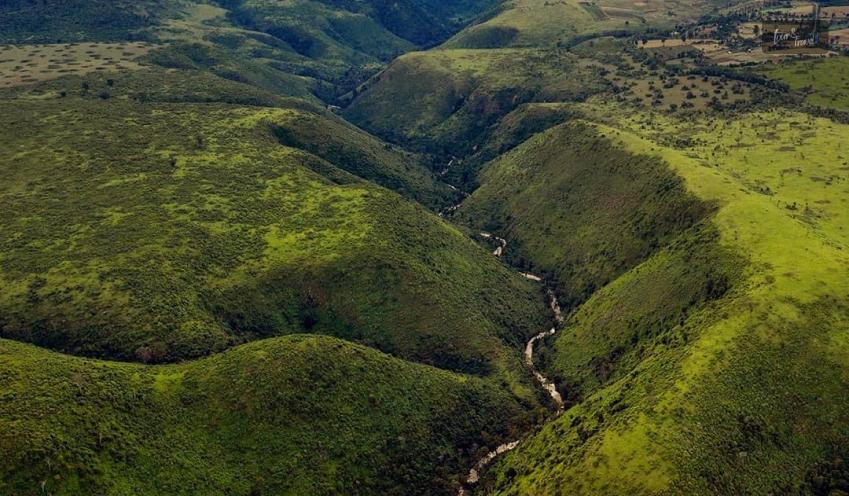
The total area of Kenya is 586,000 square kilometers, with high-rising regions such as high plateaus, mountains, arid deserts, and low-lying coastal areas, including islands and coral reefs. 7 freshwater and salt lakes are creating the Great Rift Valley cutting the country in half!
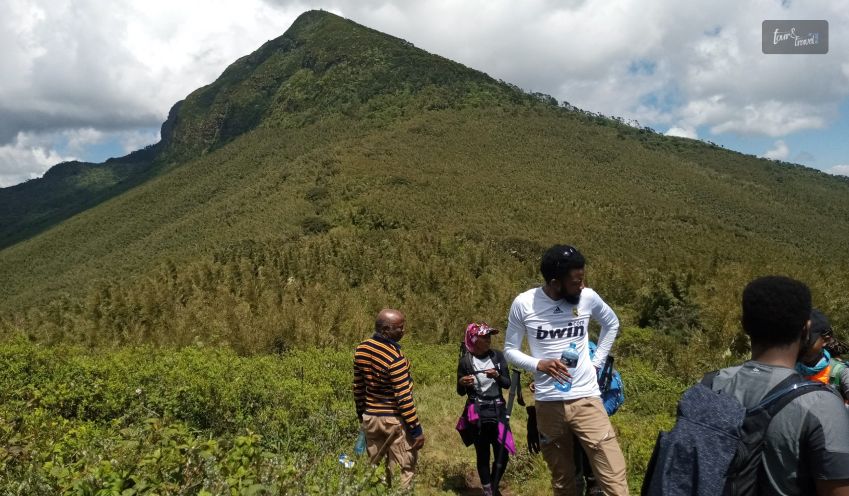
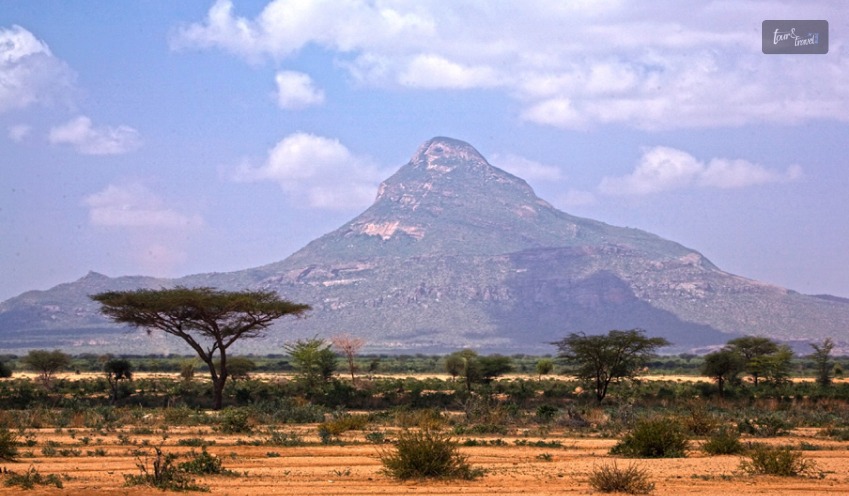
Kenya has two of the tallest mountains on the continent. There are several other mountains, most inactive or extinct volcanoes. The landscape is diversified, yet the mountains are as beautiful as ever! Read more on some of the noteworthy mountains in Kenya.
Mount Kenya
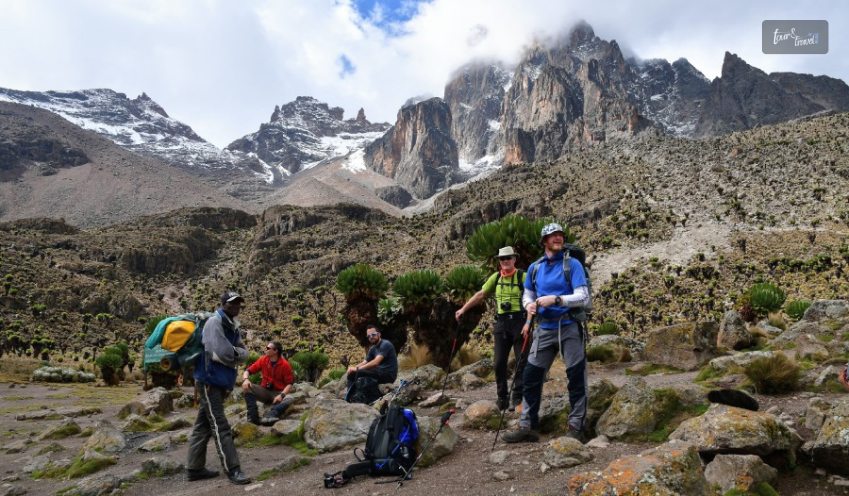
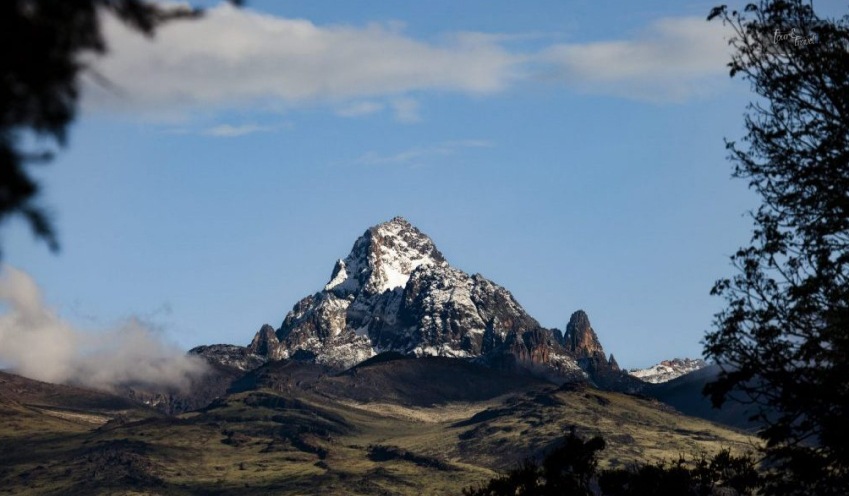
The highest mountain in Kenya is Mount Kenya, located in the center of Kenya, approximately 100 miles northeast of the Capital, Nairobi.
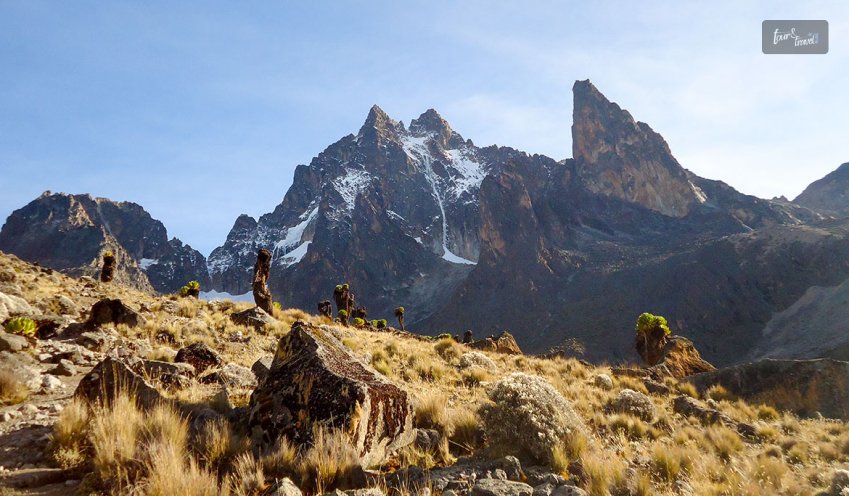
The mountain has several summits. Nelion, Lenana, and Batian are some. Bastian is the highest, with 17,058 feet, indicating the mountain’s peak. The mountain formed about 3.5 million years ago.
A well-known tourist destination, the Mount Kenya National Park surrounds Mount Kenya at the base. You can see elephants, buffalo, as well as colobus monkeys in the park.
You can trek the mountain’s peak of Lenana Summit as it is feasible without any mountaineering expertise. The rock kente is only available on Mount Kenya as well as the Antarctic, situated at the South Pole.
The Spiritual Connection Of Mount Kenya
Riuki is found on Mount Kenya, which in a spiritual context is considered the symbolization of the throne of God. Riuki is regarded as the pathfinder by the Gikuyu medicine men. They also believe it therapeutic as they put pebbles at risk as seers.
The history of Mount Kenya is interconnected with the Egyptians, Jews, and Ethiopians. Mount Kenya is called Ta-Neteru by the Egyptians, which means the abode of the gods. The God Hapi or lotus, the gods of the Nile Floods, lived on the mountain.
The farming communities that settled in Egypt in 7000 BC before the inundation of the Nile corresponded with “Isis,” the heliacal rising of the star. It was after the water from the Nile flooding receded, leading to rich dark silt across the Central African countries and highlands.
The land is called “Kemet,” which is fertile land ready for planting. They consider the lands around Mount Kenya as one of the fertile lands. It also believed that the goddess Isis hid her son, her husband Horus, to raise him from the dead.
They say the mountain has medical properties, and the locals consider it amazing. They pray to the mountains for protection and safety. Communities such as Maasai and Samburu are semi-nomadic people who use the northland of the mountain as a paying ground.
Mount Elgon
The second tallest peak in Kenya is Mount Elgon, located on the country’s western side, closer to the Kenya-Uganda border. The mountain has distinguishing characteristics, such as having one of the largest volcanic craters.
The top of the mountain is a flat-topped plateau made of basalt. The total height of the mountain is 13,852 feet, with lava tube tunnels across the mountain.
Elephants and buffaloes often visit the lava tube tunnels. A national park surrounding Mount Elgon also has rhinos, eagles, leopards, and duikers.
Mount Longonot
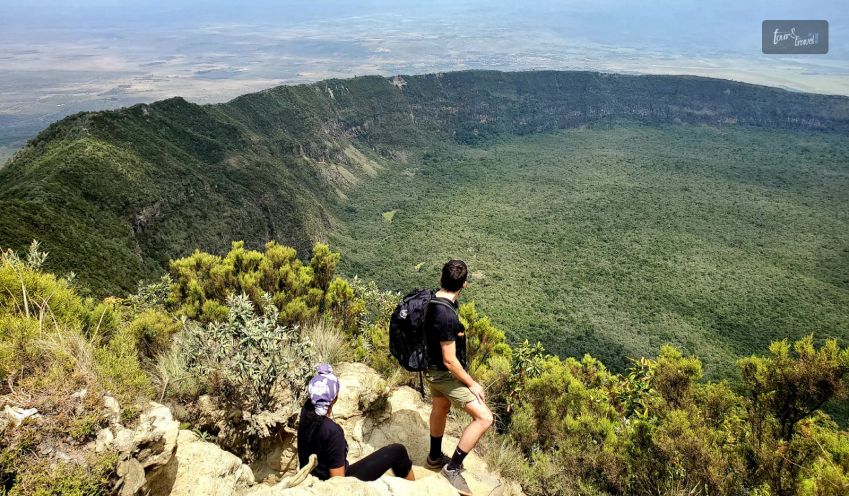
Mount Longonot is an inactive volcano that last erupted in the 1860s but is not completely extinct. The height of the mountain is 9108 feet, and the mountain’s slopes are filled with ridges.
Mount Longonot is a mountain in Kenya. A park nearby has plenty of wildlife, such as zebras and giraffes. The mountain is situated approximately 60 kilometers northwest of Nairobi.
Travelers can visit the park by car, and the base of Mount Longonot has a lot of forest, even around the top crater. Compared to many stony mountains, this one is thickly wooded across the slopes and the summits.
Satima
Mount Satima is also “Ol Donyo Satima,” which roughly translates to “Mountain of the bull calf.” It is one of the Kenya mountains! It is the highest mountain across the Aberdare range, with a height of 13,127 feet, and is located on the northern side of the mountain range.
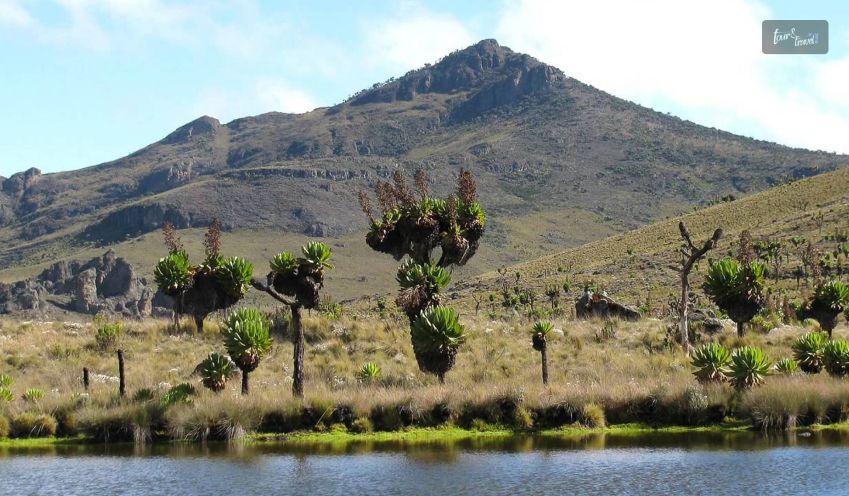
The mountain has tussock grass and rocks in some areas and rainforests. There are bamboo forests and Moorland across a section of the mountain. The mountain has a collection of 150 species of plants, such as Podo and Cedar.
The mountain is part of the water catchment area for both the Sasumua and Ndakaini dams. The two dams for Nairobi City are the primary source of water.
Kinangop
Kinangop is a dormant volcano in the Great Rift Valley and the west of the Kinangop Plateau. It is also situated in the Aberdares, with extensive bamboo forests across the mountain in the lower portion. The height of the mountain is 12815 feet.
Moreover, the higher sections of the mountain are covered with tussock grass. The top of the mountain is rocky with open moorlands. The top of the mountain is quite chilly and turns freezing at night.
Ngiro
Mount Ngiro is located in the northern region of Kenya, with a height of 9344 feet. The mountain is part of the Great Rift Valley to the west overlooking the Suguta Valley. The upper slopes have forests, while the mountains is popular for cultivating bees.
The mountain falls under the territory of the Samburu people, while the Lmasula phratry performs bee cultivation. The clan claims exclusive rights to the water and the land.
Several other mountains and hills are situated in the nation, creating an exciting place for vacationing. If you are a hiking person, Kenya is the perfect place to visit as there are several advantages. There are enough mountains in Kenya for you to go hiking, as well as trails.
It is a perfect spot to share holidays as well as weekends with your hiking partners. Some of the tallest mountains are situated in East Kenya.
Kulal
The mountain Kulal is identified as a biosphere reserve with lava fields, and the origin of the mountain is a volcano. The moisture in the biosphere leads to rain as well as mist, providing hydrological services to the people in northern Kenya.
The mountain is located in the middle of East Africa, with steep slopes while deep canyons go across the mountain. It is also one of the driest places in Africa. There are forests across the mountain, a habitat for black rhinoceroses and elephants.
Marsabit
Mount Marsabit is surrounded by Mt. Marsabit National Park and Reserve, with a height of 1703 meters above sea level. The mountain has many craters, while the hills around it highlight the mountain.
Across the mountain are many low-lying arid plains with elliptical shapes 70 km long on the northeast-southwest as well as 45 km wide on the northeast-southwest. The mountain comprises weathered lava flow.
Mogila
Mogila is one of the mountains of Kenya with a height of 1698 meters. A local relief of 300 meters, steep slopes, and a small summit area characterize the mountain. Moreover, it is located in the Turkana, creating the Great Dividing Range.
Namanga Hills
The mountain is in the southern part of Kenya. It is located on the borders of Tanzania, with the highest point being 2548 meters.
The Great Rift Valley has four peaks: Suswa, Paka, Namarunu, and Menengai. The hills have a collection of hyenas, zebras, ostriches, as well as Antelopes.
Cultural Relations Of The Mountains Of Kenya
According to the Kikuyu tribe, they say the local Kikuyu god, N’gai resides at the summit of Mount Kenya. Mount Kenya is one such place that the local cultures worship. They consider these mountains the home of spirits as well as gods.
Mount Kenya is a spiritual mountain, as the local communities think of it as the residence of God. Ethiopians also consider it the home of God and revered in its presence. The belief gains further confirmation because of the snow at the top of the mountain.
The mountain is very close to the equator. Hence, it is quite surprising that there is snowfall at the top. There are thick forests around the mountain, and initially, the military dug the woods to flush the Maumau freedom fighters.
According to the traditional version of Mount Kenya in Kikuyu, a star fell on the ground with a bang and formed the mountain. The mountain has volcanic ashes and oozing magma which forms the Kenyte.
Mount Longonot has its Masai name, “Oloonong’ot,” meaning “mountain with many spurs.” The mountains are important as well as are traditional sites for worship by the local populations.
Some vow in the mountain’s name, while some send prayers based on cultural traditions. Both visitors and the natives join in collaborative activities such as mountain climbing and hiking.
What Are The Major Mountains In Kenya?
Kenya is home to several notable mountains, the most famous being Mount Kenya, Mount Elgon, and the Aberdare Range. Among these, Mount Kenya is the highest and most iconic mountain in the country.
Other important highland areas include the Mau Escarpment, Cherangani Hills, and Ngong Hills, which contribute significantly to Kenya’s geography, climate, and biodiversity.
What Is Mount Kenya And Why Is It Famous?
Mount Kenya is the highest mountain in Kenya and the second-highest peak in Africa, standing at approximately 5,199 meters (17,057 feet) above sea level.
It is famous for its dramatic peaks, permanent glaciers (though shrinking), alpine vegetation zones, and spiritual significance to local communities.
Mount Kenya is also a UNESCO World Heritage Site, recognized for its unique ecosystems, scenic beauty, and ecological importance.
Are Kenya’s Mountains Safe For Tourists?
Yes, Kenya’s mountain regions are generally safe for tourists, especially within national parks and guided groups. Safety improves with:
Proper planning
Licensed guides
Weather awareness
Altitude acclimatization
Like all outdoor adventures, caution and preparation are key.
What Are The Main Peaks Of Mount Kenya?
Mount Kenya has three primary peaks:
Batian (5,199 m) – The highest and technically most challenging peak
Nelion (5,188 m) – Slightly lower, also requiring technical climbing skills
Point Lenana (4,985 m) – The most accessible peak, popular with trekkers
Point Lenana is often climbed by hikers without technical mountaineering experience, making it the most visited summit.
What Is The Aberdare Range?
The Aberdare Range is a mountain range located in central Kenya, north of Nairobi. Unlike Mount Kenya and Mount Elgon, it is not volcanic but consists of folded mountains.
The Aberdares are known for:
Dense forests
Moorlands
Waterfalls
Wildlife, including elephants and leopards
The range forms part of the Aberdare National Park, a key conservation area.
Are The Mountains Of Kenya A Cult?
The high places in Kenya, especially mountains with snow caps, high mountain ranges, and island mountains, are cults. There are psychological roots of the communities who believe that mountains act as a heavenly ladder.
Besides the spiritual connection for the community, mountains are also helpful natural elements for humans as they bring rain, while they also have volcanoes. Volcanoes have a fiery side to them, representing the element of earth.
According to the myths based on the world’s origin, mountains are the first natural element from ancient water. The indigenous people believe mountains are a great phenomenon of the earth, symbolizing cosmic connection.
The local communities consider the mountains as shrines or altars for the Gods and worship them. For example, people in Africa often blame an earth deity when there is an earthquake.
They also consider snakes to be culprits, a belief that their cult teaches in the cultural practices of Africa.
FAQs
Here are some frequently asked questions and answers about the mountains of Kenya.
1. Is Mount Kenya A Volcano?
Yes, Mount Kenya is an extinct stratovolcano. It was formed millions of years ago through volcanic activity. Over time, erosion removed much of the volcanic cone, leaving behind the rugged peaks seen today. Although extinct, the mountain still plays a critical role in water catchment and climate regulation in the region.
2. Are The Mountains Of Kenya Suitable For Hiking And Trekking?
Yes, Kenya’s mountains offer excellent opportunities for hiking, trekking, and mountaineering, catering to various skill levels: • Beginner to intermediate hikers: Point Lenana (Mount Kenya), Aberdare trails •Experienced climbers: Batian and Nelion peaks •Leisure trekkers: Mount Elgon’s gentle slopes Guides are recommended, especially for high-altitude or protected areas.
3. What Is The Best Time To Visit The Mountains Of Kenya?
The best time to visit Kenya’s mountains is during the dry seasons: • January to March •July to October These months offer clearer skies, better trail conditions, and safer climbing environments. The rainy seasons (April–June and November) can make trails slippery and challenging.
4. What Types Of Vegetation Are Found On Kenya’s Mountains?
Kenya’s mountains feature distinct vegetation zones based on altitude: •Lower slopes: Forests and farmland •Mid-altitude: Bamboo forests and montane forests •Higher zones: Moorlands, giant lobelias, and senecios •Upper alpine zone: Sparse vegetation, rock, and ice This vertical diversity makes Kenya’s mountains biologically rich.
5. Are Kenya’s Mountains Important For Wildlife?
Yes, the mountains of Kenya are vital wildlife habitats. Species commonly found include: • Elephants and buffaloes (lower slopes) • Leopards and hyenas • Rare bird species • Endemic plants and insects Protected areas like Mount Kenya National Park and Aberdare National Park help conserve this biodiversity.
6. How Difficult Is It To Climb Mount Kenya?
Climbing Mount Kenya varies in difficulty depending on the peak: • Point Lenana: Moderate difficulty; suitable for fit hikers •Batian and Nelion: Technical climbs requiring mountaineering skills, ropes, and guides Acclimatization is essential due to altitude.
7. Do I Need A Guide To Climb Kenya’s Mountains?
While not always legally required, hiring a licensed local guide is strongly recommended. Guides provide: • Navigation assistance • Safety support • Local knowledge • Emergency preparedness For technical climbs, guides are essential.
8. Can Beginners Hike In The Mountains Of Kenya?
Yes. Many routes are suitable for beginners, particularly: • Lower Mount Kenya trails • Aberdare forest hikes • Mount Elgon trekking paths Basic fitness and preparation are usually sufficient.
Conclusion
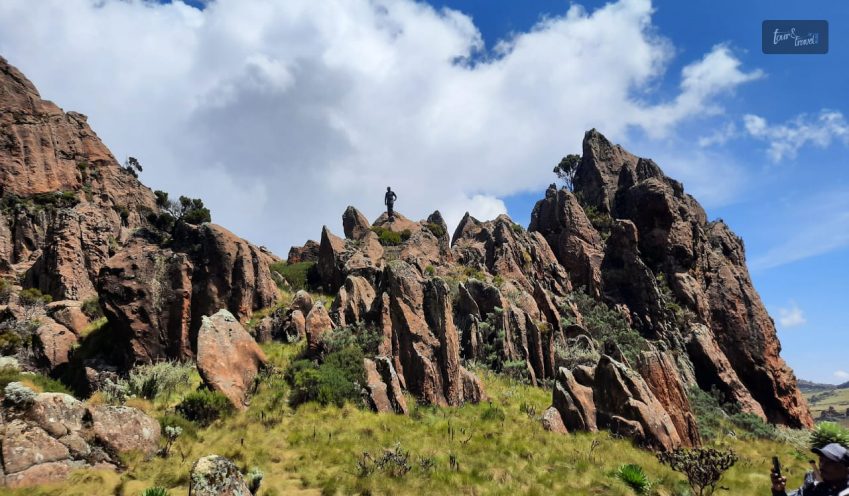
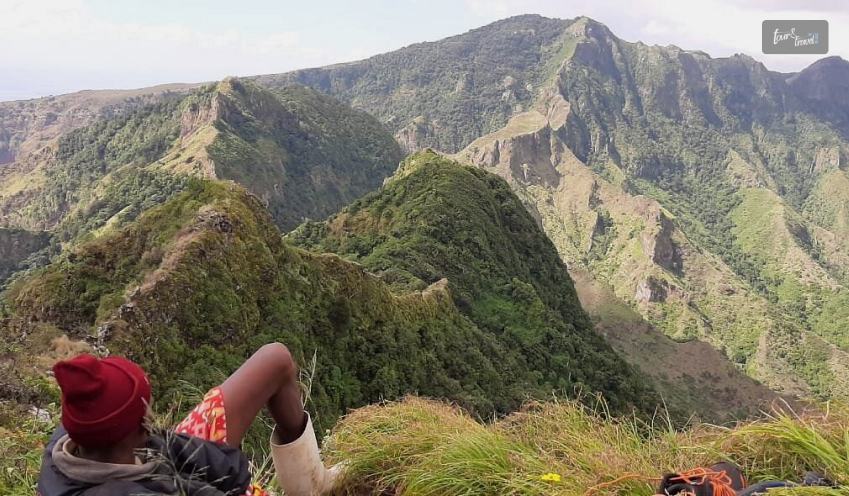
Did you notice something unique about the mountains of Kenya? Most of these mountains have physical features giving an Alpine appearance. There are many ridges across the mountains, giving it a ragged nature.
So now you know about the beauty of the mountains, especially when it comes to the cultural aspect of it. People worshiping mountains is one tradition that integrates respect and protection of the natural elements.
People from different cultures in Kenya believe in spirituality and offer prayers to the mountains. Let us know in the comments below if you see any culture where people worship mountains too!
Sibashree is a travel, culture, and leisure writer who has been writing since the age of 12 and professionally since 2014. With more than a decade of travel writing experience and journeys across India and several parts of the world, she brings a deeply personal and thoughtful perspective to her work. A student of English Literature and Mass Communication, Sibashree has always viewed travel as more than movement — for her, it has been a way of understanding people, cultures, and herself. Her passion for spiritual exploration has also led her to many unusual and meaningful destinations over the years. Outside of writing, Sibashree enjoys watching European cinema, reading about global politics, and reflecting on the stories hidden within everyday places.
One response to “The Major Mountains Of Kenya: Location, Altitude, & Why You Should Visit Them! ”
Attractive section of content. I just stumbled upon your blog and in accession capital to assert that I get actually enjoyed account your blog posts. Anyway I will be subscribing to your augment and even I achievement you access consistently fast.
Modern families seek more from ski holidays than just pistes, and they want entertainment for non-skiers, activities for young children, convenient downtime options, and excellent safety standards.
You’ll want to discover more than just the slopes, if you are planning on visiting Val Thoren’s for a ski holiday.
There are plenty of non-ski activities in Val Thorens for families to enjoy that make all the difference.
Val Thoren’s has improved its facilities in recent months to tailor towards families who need childcare services, indoor leisure centre facilities, and a diverse range of entertainment options.
What Is Val Thorens?
If you're new to the ski scene or haven't heard of Val Thorens before, let me give you a quick rundown.
Val Thorens is renowned for being the highest ski resort in the Alps, and it's no surprise that it boasts an impressive snow record.
The village sits at an elevation of 2300 meters, and many of the main ski areas soar above 3000 meters, with plenty of north-facing slopes and a couple of small glaciers to boot.
However, it's worth noting that the runs coming down from Méribel and those in the Orelle sector can face some challenges.
Since they face south or west, they can get a bit slushy later in the season. There are also many Non-ski activities in Val Thorens that you will enjoy.
That said, the resort does a great job of snow-making, so overall, Val Thorens remains one of the most reliable spots for snow in the Alps.
What Are Some Non-Ski Activities In Val Thorens That You Must Check Out?
These are some really popular non-ski activities you can enjoy when you visit Val Thorens:
1. Childcare, Nurseries & Snow Gardens
Val Thoren’s offers great childcare from early infancy through school age. If you need a daycare for babies from three months old, the ESF daycare provides both full and half-day care options, including meals and multilingual staff that can guarantee safety and comfort.
There are also snow gardens that are catered for toddlers ages 18 months to three years that combine indoor play with an easy snow introduction.
Mini clubs accommodate children aged three to six, offering structured activities whilst parents enjoy the slopes.
For more personalised care, you can hire private nanny services like Little Peaks Childcare. These provide bespoke support with a flexible booking service for parents who wish to book with them on certain days.
For British families, there are English-speaking carers who can understand family preferences and requirements.
2. Indoor Amenities & Leisure Centres
If you fancy visiting a leisure centre for the day and enjoying the indoor amenities that the resort has to offer, there is a main sports centre for that. It features heated swimming pools with fun water features and slides for families to enjoy.
It also has a separate children’s soft play area for the kids to enjoy and be entertained during the afternoon breaks.
For older children, there are trampolines and climbing walls to keep them entertained if they enjoy taking on a physical hobby.
Parents can enjoy the wellness facilities that the resort has to offer, such as a sauna and hammam, whilst the children are happily occupied with their activities nearby.
When the weather deteriorates, the cinema screens English-language films and subtitled releases.
Bowling facilities and games rooms provide evening entertainment. You get most amenities within walking distance of accommodation, and operate extended hours during peak seasons.
3. Outdoor & Adventure Alternatives
There are lots of thrilling non-skiing activities that Europe’s highest ski resort has to offer. Val Thoren’s maintains almost all its terrain above 2,000 metres, according to recent statistics.
This provides the perfect snow conditions for alternative activities. There are plenty of activities that range from toboggan runs, night sledding, and husky sledding. Moreover, you will get snowshoeing expeditions that explore mountain landscapes, and zip-lining.
4. Family-Friendly Amenities
Val Thorens is a fantastic destination for families, boasting the Famille Plus certification. This means you can expect a variety of family-friendly amenities and services throughout the resort.
You’ll find restaurants that offer kids' menus and highchairs, creating a welcoming atmosphere for families to enjoy meals together.
For parents looking to relax, many of the major hotels feature wellness centers with spa treatments and serene areas to unwind.
While you take a moment for yourself, your kids can join in on organized activities designed just for them.
If you need any practical items during your stay, worry not! There are plenty of medical services available on-site for those minor scrapes and sniffles.
Additionally, you will also find shops that stock all the essentials, like baby supplies and children’s equipment. So you’ll never feel overwhelmed.
Plus, the resort’s central booking service is a real lifesaver for busy families. It can help you easily:
Arrange accommodations
Plan activities
So, this makes your vacation much more enjoyable and organized.
With the range of facilities available that extend beyond skiing, you’re truly spoilt for choice at Val Thoren’s as it ensures that every family member has a memorable experience.
Enjoy All The Non-ski activities in Val Thorens Today!
In today’s fast-paced world, modern families are looking for more than just traditional ski holidays.
They want experiences that cater to everyone's interests and needs. Skiing is fantastic.
But it's equally important to find a destination that offers entertainment and activities for those who prefer not to hit the slopes.
Additionally, it is also important to consider engaging options for young children.
Additionally, families appreciate convenient downtime options and a focus on safety to ensure a worry-free trip.
Val Thorens stands out as a fantastic family-friendly destination. It offers a variety of non-ski activities that can make your holiday truly memorable.
In recent months, the resort has made significant improvements to its facilities, catering specifically to families.
Parents can take advantage of childcare services that allow them to enjoy a few hours on the slopes or relax, knowing their little ones are in good hands.
The indoor leisure center is a gem! It features a range of activities that can keep both kids and adults entertained.
There's something for everyone to enjoy, regardless of age, such as:
Swimming pools
Play areas
Family-friendly games
In essence, Val Thorens has evolved into a destination that truly understands the needs of modern families.
They ensure that both skiers and non-skiers have an unforgettable holiday experience amidst the stunning alpine backdrop.
Some places just stay with you. Like, you leave, but the picture never really leaves your head. Maybe it’s the way sunlight falls across a ridge in the morning, or how water sounds echo in a valley, or just that weird calm right before the day kicks in.
Revisiting travel destinations brings people a nostalgic joy. Reflecting on the place again, revisiting it with a new set of people or all alone, moreover, reminds you of your past experiences of joy.
Therefore, people should always revisit a place so that they can relive the moment that they had once spent there with their loved ones.
Hence, Little things like that end up being the reason people keep circling back.
The Smoky Mountains are one of those places. Honestly, half the draw is just standing still and looking around. Folks go back knowing the same trail or overlook won’t feel exactly the same. Maybe the light’s different, maybe the air smells a little sweeter, maybe you just notice something you missed last time. That mix of old and new is kind of addictive.
Things People Should Do While Revisiting Travel Destinations Like The Smoky Mountains
Here is a list of things that you should do while you revisit the Smoky Mountains.
1. Revisiting Scenic Attractions
Some attractions are really just excuses to soak in the view. A chairlift ride, a trail, even a coaster—sure, they’re fun, but it’s the backdrop that hits you. You leave thinking, “wow, I didn’t just ride something, I felt that whole scene.” That’s the part people remember.
The Wild Stallion Mountain Coaster at SkyLand Ranch is a good example of this.
The Wild Stallion Mountain Coaster? Perfect example. You’re zipping down and—bam—the Smokies are stretching out in front of you. Fall colors, summer greens, or just that soft golden light at dusk—it’s different every single ride. Which is why people climb right back on like it’s brand new.
Moreover, the adrenaline rush hits you very differently each and every time you tend to reexperience that adventure. People often feel scared on their first time; however, they start enjoying it once they get accustomed to it.
2. Calm Of Watching Waterfalls Or Rivers Flow
Water pulls you in, plain and simple. A waterfall or river doesn’t even have to “do” anything—it just flows, and suddenly you’re standing there, totally zoned out in the best way.
In the Smokies, rivers and falls are crowd favorites for a reason. They’re never quite the same. Heavy rain changes the flow, sunlight shifts the colors, and even a cool breeze can change the way it feels. People keep going back because it’s familiar, but not identical.
Moreover, the nature of a place changes with every season. Therefore, the Smoky Mountains show a brand new colour in each of the seasons. The tourists should cherish the beauty of the Smoky Mountains in every season while revisiting travel destinations.
3. Sunrises And Sunsets Feel Different
Sunrises and sunsets never repeat themselves. Same mountain, same viewpoint, but the sky? Completely different each time. You can watch it ten times and still feel like you’re seeing it for the first time.
That’s why travelers plan around it. “Don’t miss the morning glow,” or “we’ve gotta be up there for sunset.” And funny thing—you hear people say the second sunrise hit them harder than the first. Like, how does that even happen? But it does.
4. Returning For Autumn Colors
If there’s one season that pulls people back, it’s fall. Whole mountainsides flip from green to fire—reds, oranges, golds everywhere. It’s like the landscape decided to show off.
The Smokies in October or November? Absolute magnet. Even folks who’ve hiked there a dozen times make special trips just to see it all over again, because it feels like a different world.
5. Overlooks Away From Crowds
Sometimes it’s not about the biggest view—it’s about finding a spot that’s yours. Popular overlooks get swamped, but tucked-away ones? You can actually breathe.
People talk about their “secret” overlooks in the Smokies all the time. Maybe the view isn’t the widest, but the peace of sitting there alone? Worth more than any postcard shot.
6. Perspective From High Viewpoints
Standing high up, looking out across ridges and valleys—it just hits different. You feel small but also… grounded? Hard to explain, but it sticks.
That’s why even repeat visitors climb back up. Same view, but it kind of grows on you. Each time you see it, it digs a little deeper.
7. Wildlife Sightings That Add Surprise
Wildlife makes even familiar places feel brand new. You’re standing there thinking you know the view, and suddenly a deer appears, or a hawk swoops across the sky, or—yep—even a bear way off in the distance. Totally changes the moment.
In the Smokies, that’s half the fun. You never know what’s coming, which keeps the whole place feeling alive.
8. Noticing New Details
Funny thing about familiar views—they hide stuff. The first time, you miss it. Next time, you notice a rock shape, or the sound of a little creek, or just a patch of wildflowers. Suddenly, it feels fresh again.
Hikers swear this happens constantly. Same spot, different discoveries. Light, season, Weather—it all shifts what you notice.
9. Weather Changes The Mood Of A View
Weather flips the whole vibe. Fog rolls in? Mysterious. Clear skies? Open and bright. A drizzle? Melancholy but kind of peaceful.
That’s why people go back in winter for snow-dusted trees, or summer mornings when the haze makes everything dreamy. Same place, new mood.
Travelers often return just to see how the weather alters the scene. Some come back in winter to watch snow dust the trees, while others enjoy the hazy look of humid summer mornings.
Revisiting Travel Destinations To Relive Travel Memories
For a lot of folks, it’s not just the view—it’s the memory tied to it. Maybe they proposed there, or went with family, or had some quiet solo moment that stuck. Going back is like hitting play on that memory, only this time they add a new one on top.
That’s the real hook. A view turns into a personal landmark. It’s not just a scene anymore—it’s part of their own story.
At the end of the day, that’s why travelers return. A sunrise, a river, a quiet overlook—it’s not just what they see. It’s what they feel. And no matter how many times they go back, something—weather, season, wildlife, or just the people they’re with—makes it feel different all over again.
Read Also:
The Holiday Planning Trip: 4-days Itinerary Of Queensland!
Are You Planning A Trip To Osaka? This Is Your Quintessential Guide
Know These 5 Iconic Trekking Destination if You Are Planning to Trek in Nepal
The official document released by the House of Commons suggests that almost 42.5 million overseas residents visited the United Kingdom in the year 2024.
People generally travel to the United Kingdom to enjoy the diverse experiences the nation offers, including its history, nature, culture, and heritage.
They enjoy exploring various historic landmarks in London as well as the diverse natural scenic landscapes of Scotland and Wales.
However, you should always remain protected against any mishap. You should always plan for any unexpected event while planning the itinerary, accommodations, and transportation.
Having the right travel insurance in the United Kingdom ensures that you are financially covered for medical emergencies, trip interruptions, or unforeseen mishaps during your journey.
Choosing a suitable travel insurance for UK trip before departure should save you from stress and costs later on.
Do You Need Travel Insurance for the United Kingdom?
Healthcare in the UK is high-quality but can be expensive for visitors. Most tourists and short-term visitors are not eligible for free NHS care except in limited situations. making international travel medical insurance essential.
This type of insurance typically covers hospitalisation, doctor visits, and emergency treatments, helping you avoid large out-of-pocket expenses.
It also provides support services like medical referrals, emergency transport, and 24/7 assistance while you are abroad.
Factors To Consider When Choosing The Best Plans For Your UK Trip
There are several things to keep in mind when travelling to the UK. Hence, here are some of the factors that make purchasing travel insurance for UK trip very important.
1. Medical Coverage To Look For
While evaluating travel insurance for UK trip, people often forget to check for some of the most important factors.
Health expenditure for visitors in the United Kingdom is generally high. Thus, you should purchase a policy plan that incorporates the crucial elements.
Hence, your plan should incorporate things like.
Costs of stay and surgery in the Hospitals.
Proper coverage for doctor consultations, diagnostics, and prescribed medications.
Emergency medical evacuation to the patient's motherland, if required.
Treatment for accidents or sudden illnesses
2. Coverage Beyond Medical Emergencies
Medical cover remains critical. However, good travel insurance should also handle other unexpected situations. Travelling is full of uncertainties. Thus, you should be ready for sudden, unwanted surprises.
These surprises can include unwanted cancellations, sudden natural disasters, man-made problems like being robbed, and more.
Look for policies that include:
Trip cancellation or interruption due to emergencies or illness
Lost, delayed, or damaged baggage
Passport or document replacement assistance
Personal liability for accidental damages or injuries
These additional benefits help smooth out many common travel disruptions and protect your finances if something goes wrong.
Single Trip Vs Multi-Trip Plans For the UK
People often travel to the same place multiple times. Thus, they can definitely go for multi-trip insurance. You should choose between a single trip and multiple trips based on the number of visits to the country.
Moreover, the single-trip policies work great when you visit the UK for a fixed duration.
The single-trip policies remain ideal for people visiting places for leisure purposes. The single-trip policy mostly covers people from departure to return.
However, several people have to visit the country multiple times throughout the year. They often visit the UK for purposes like education, business, and others.
Thus, multi-trip visas typically suit the needs and requirements of those people who visit the United Kingdom multiple times, throughout the year.
The travellers can leverage multiple entries without renewing the policies for every trip. The purchasers of multi-trip policies should closely monitor factors such as trip durations, medical coverage caps, and other details.
How To Compare Travel Insurance Plans Effectively
The buyers should check the Insurer's claiming process and support network in the UK. The buyers of the insurance should get quick access to customer care.
Furthermore, the organization should provide transparent documentation and the ability to make claims online through their phone.
Moreover, these things play an important role during emergencies abroad.
Policies with complicated procedures or limited assistance can become frustrating when you need help most.
Moreover, people find it very difficult to navigate the procedural nuances when they are unfamiliar with a place.
You should not have to go to a country's embassy for any kind of help during these emergency situations.
All the processes should be manageable at the tip of your finger through your mobile phone.
Conclusion
Selecting the right travel insurance in the United Kingdom goes beyond just meeting visa requirements.
It is about safeguarding your journey against unexpected medical bills and travel-related costs.
Understanding coverage details, comparing options, and planning according to your travel style ensures a smoother experience.
Well-known insurers like TATA AIG offer international travel medical insurance options tailored for international travellers, including comprehensive medical coverage and additional protections, making them a practical choice to consider when planning your UK trip.
Frequently Asked Questions About Travel Insurance For Uk Trip
Here are the answers to some of the most commonly asked questions about travel insurance for a UK trip
1. Do I Need Travel Insurance For A UK Trip? Travel insurance is not really mandatory for travelling to the UK. However, you should get insurance for multiple reasons.Health expenditure in the United Kingdom generally remains high for travellers. Thus, travel insurance can save you during uncertainties. 2. How Much Does Travel Insurance Cost For The UK? The cost of purchasing travel insurance in the United Kingdom varies by plan. While single-trip insurance remains cheap, multi-trip insurance is generally costly. 3. Do I Need Travel Insurance To Enter The UK? Travel insurance is not really mandatory for travelling in the United Kingdom. However, travel insurance for a UK trip can save you in multiple situations. 4. Which Travel Insurance Is The Most Reliable? Reputed endurance providers like TATA AIG serve as trusted Insurers in the market. Moreover, they offer a range of insurance policies, including single-trip and multi-trip. 5. Do Visitors To The UK Get Free Healthcare? Visitors to the United Kingdom do not really receive free healthcare under the NHS. Thus, healthcare for visitors is generally more expensive.






 Related
Attractive section of content. I just stumbled upon your blog and in accession capital to assert that I get actually enjoyed account your blog posts. Anyway I will be subscribing to your augment and even I achievement you access consistently fast.