Related
Best Time To Go Trekking In Nepal
BY Sibashree Mar 21, 2025
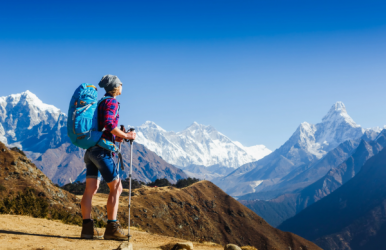
If you want to come, book slots for any time between Autumn and Spring. The season lasts from September to November and from March to May. That’s the Best Time to Go Trekking in Nepal. If you're here only for the climate and the peaks, come anytime. Barring the rains. Otherwise, Nepal offers mild temperatures, good food, cozy retreats, and marvelous nature. The Himalayas Nepal is your doorway to the Himalayas. Best of all, Nepal suffers the least from sudden snowfalls and rain. So, you can surely enjoy a delectable trekking experience here. Clear skies and soothing weather will help. Ideals Times for Trekking In Nepal (Autumn And Spring) Do you know which is the Best Time to Go Trekking in Nepal? Autumn and spring, for sure. What else? Autumn (September To November) This post-monsoon season is considered the best time for trekking in Nepal. This season brings stable weather that is perfect for trekking. In addition, the skies are clear, offering great views of the snowy peaks. The autumn air is fresh and cool. The post-monsoon landscapes are lush and green, making them phenomenal for trekking. There are no dusk clouds. So visibility is never an issue. You will also get a magnified view of the ranges that stand tall before your eyes. Meanwhile, an exceptional view of the unfrozen alpine lakes waits for you in Nepal. In essence, you can book the popular Gokyo Lake Trek. The trek is best during the autumn. At this time of year, you get the best views of the clean, vibrant Gokyo Lakes. Likewise, you can also opt for the Annapurna Circuit Trek, this month. Choose this trek if you want to see the virgin beauty of Gangapurna Lake. At the same time, try the Tilicho Lake Trek! The Ranges In Sight Other than lakes, the mountain peaks are there to amaze you. If you’ve selected the Langtang Trek, you can enjoy the retreat of the popular Kyanjin Ri. Then, the glamorous Langtang Lirung and other peaks are right in front of you. Trot some kilometers from there, and you can see Naya Kanga. That and many other amazing ranges can be accessed from this vantage point. Other Peaks At the same time, you can enjoy breathtaking views of Dhaulagiri, Tukuche, and, most importantly, Annapurna in Nepal. When you climb Poon Hill, you can see all these peaks and much more in one go. But here’s the catch. To see these beauties, you have to do the Annapurna Base Camp Trek. Along the way, you can also see the exceptional Kala Patthar and Mt. Everest. If you want to see these peaks and treat yourself, come in autumn. At other times, the weather is overcast. Or snows impair your visibility. You may also get caught in high winds or heavy rainfall during treks. So, it is best to avoid the unpredictable seasons. For an uninterrupted journey, choose the two seasons I spoke of. Spring (March To May) During Spring, you can witness Nepal 2.0. This is one of the best times to Go Trekking in Nepal. Most importantly, the weather is fine, and temperatures are moderate. Moreover, clear skies will welcome you. So you can enjoy warm, often breezy mountain views. Trekkers say it's ideal for trekking to Base Camp, or you can also choose the Manaslu Circuit Trek. Additional treats If you trek in spring, here are some of the pleasures you will come across. Don’t miss the rhododendrons. The rest of the flora is also surreal. No wonder, more than 50% of the trekkers choose springtime treks in Nepal. But you can come here and amaze yourself with something else. Daylight lasts until 8 p.m. during spring. So you can trek for a long. Or view the serenity of the trekking paths for a long time. But the peak areas may still be frozen. So, don’t forget your woolen and trekking jumpers when you visit Nepal in spring. Over time, temperatures gradually rise. In late May, you may also see rain showers. So, don’t leave without rain gear if you plan to extend your stay. Reservation Spring is one of Nepal's most popular travel seasons. So, you must book your slots in advance. You may book teahouses while trekking. But you need to book in advance if you want to secure the popular ones along the trail. The Annapurna Base Camp trek has many teahouses along the way. And almost all of them accept advance online booking. You may also book your teahouse from Kathmandu city offices. Trekking In Off-Seasons Off-season treks may be your thing if you want to see another side of Nepal. How’s the weather, and what are the challenges of coming here during these months? Winter Season (December to February) Winter trekking is serene, but it is also challenging. During this season, high-altitude trails are covered with a thick layer of snow. In addition, temperatures drop significantly during this time. Therefore, trekking can be challenging for those not accustomed to cold mountain weather. While moderate-altitude treks can be completed smoothly, high-altitude treks require proper planning, support from expert guides, and thoughtful packing. Check the weather regularly before heading out on winter treks. High-altitude passes like Larkya La on the Manaslu Circuit and Thorong La on the Annapurna Circuit Trek can be impassable or difficult to navigate. Heavy snowfall poses significant challenges. In addition, accommodation may not be available at higher elevations as locals shift to lower elevations because of the bitter cold. Thus, it is essential to check accommodation availability before planning high-altitude treks. Even with significant challenges, the winter landscapes are ethereal. You can witness the beauty of a winter wonderland and feel nature's serenity, as there are fewer people on the trails. In addition, experienced adventurers who are experienced can be thrilled to traverse the snowy winter paths. The views of peaks covered with dense snow in this season are majestic. Because higher altitudes are bitterly cold, pack down jackets, sweaters, gloves, socks, warm caps, sleeping bags, and layers of insulated clothing. If you are well prepared and navigate with caution, then you will have a wonderful time trekking in Nepal this season. Monsoon/ Summer Season (June to August) During the Monsoon/Summer season, trekking regions in Nepal receive heavy rainfall. The trails are slippery and muddy, making navigation challenging. In addition, leeches may be found in the forest areas of the trekking sites, which can make the journey unpleasant. The weather is unpredictable during monsoon/summer months, with frequent rain showers that may reduce visibility and make traversing difficult. In addition, landslides can block trails and interrupt the trek. However, monsoon trekking also presents some unique rewards. The views of misty mountains and ethereal cloud formations are fascinating. Rainfall nourishes the landscape, turning it into a green paradise. Even popular trek trails feel serene, as fewer trekkers venture out at this time. So, it can be a good choice for those who are seeking a tranquil journey in the Himalayas. There are indeed some good sides to trekking in this season. However, it is important to consider the challenges. You need to be well prepared for the trek and check the weather forecast. Being flexible and cautious helps you ensure a smooth journey during this time. The Final Call The climatic conditions influence the overall trekking experience. When you know the best Time to Go Trekking in Nepal, you can complete the trek with maximum safety and comfort. In addition, most trekkers want to witness exceptional mountain scenery and connect with nature. The best times to visit Nepal are autumn and spring. Other seasons can present challenges for tourists. But these two seasons come with decent weather, moderate climate, and visible trekking trails. So, go on and enjoy your trekking experience.