




Best Restaurants In Honduras To Visit While Traveling

Nov 3, 2022

Last Updated on: Apr 21, 2026

Travel Guides

Are you currently on the verge of planning a trip to Honduras? Are you a foodie who loves to explore global cuisine, currently living in Honduras? If you are nodding your head to all the questions we just asked, then you have arrived at the right destination. So today, let’s talk about Honduran cuisine and some of the most popular restaurants in Honduras.

Keep reading to find out all that you need to know!

Best Restaurants In Honduras To Visit While Traveling:

So without wasting any more time, let’s check out all the top restaurants that Honduras have for you! 

Yes, most of them (technically all of them) are located in Tegucigalpa, the busiest city in Honduras. But there’s a reason behind this exclusivity. We figured there’s no way you won’t visit Tegucigalpa on your trip to Honduras – so you might as well know what are the best places to eat here.

1. Factory Steak & Lobster:

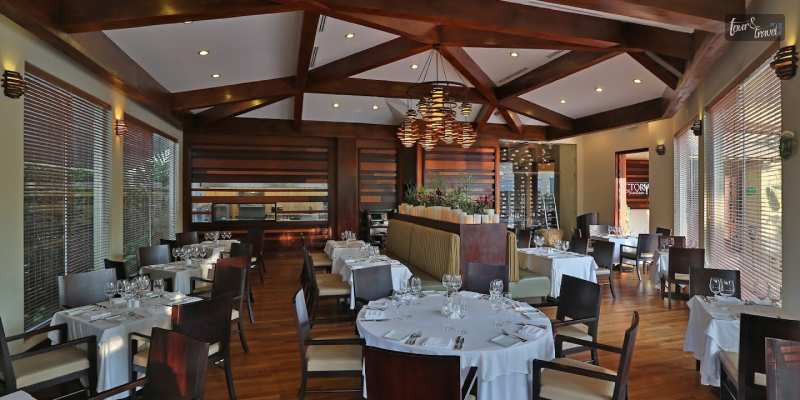
While looking for restaurants in Honduras, there’s no way you are going to miss out on the busiest city in Honduras, Tegucigalpa. And Factory & Lobster is one of our favorite places to visit in Tegucigalpa. The neighborhood where the restaurant is located is not your saul high-traffic area which makes it even better.

If you are looking for an intimate vibe, delicious food, and quality service, then Factory Steak & Lobster is the place you must check out. Moreover, the prices are pretty great – an entree here, for instance, costs somewhere between 10 to 20 dollars. Plus, they serve great portions making it easy to split various dishes.

2. Cubanos Kitchen:

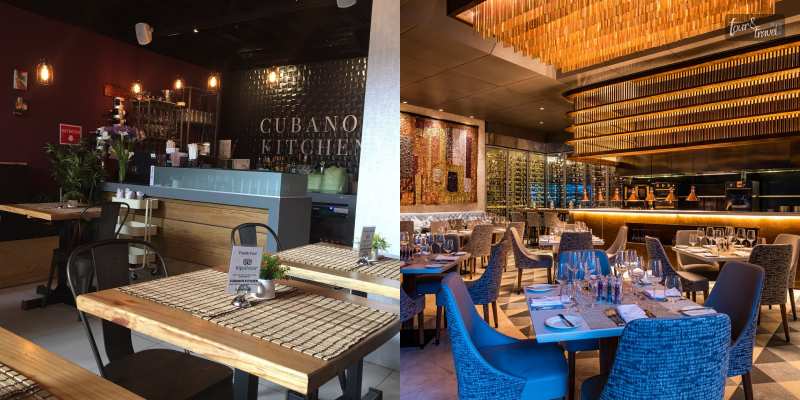
Another great find at Tegucigalpa is the Cubanos Kitchen, which we think you can check out for all your meals. This Honduran restaurant has a crazy breakfast, lunch, and even dinner menu, perfect for your tastebuds.

The place does get really busy, but we can guarantee you food that’s fresh and delicious. While you are at Cubanos Kitchen, there’s no way you can miss out on their delectable range of milkshakes – they are well known for all the flavors they have at their disposal.

3. NAU Sushi Lounge:

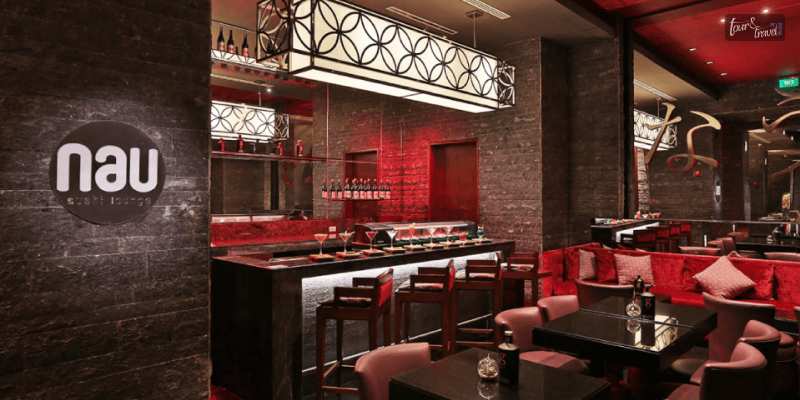
When it’s all about finding the top restaurants in Honduras, there’s no way you can miss out on NAU Sushi Lounge, located near Parque Central. So this Honduran restaurant is located right at the center of all good things. The place is pretty small, but the vibe’s so good, and the menu? Even better!

[googlemaps https://www.google.com/maps/embed?pb=!1m18!1m12!1m3!1d3869.8057712058676!2d-87.18703668456445!3d14.088640090130156!2m3!1f0!2f0!3f0!3m2!1i1024!2i768!4f13.1!3m3!1m2!1s0x8f6fa331aecebfa9%3A0x81669c59085925f6!2sNau%20Sushi%20Lounge!5e0!3m2!1sen!2sin!4v1667471183105!5m2!1sen!2sin&w=800&h=600]

While most things at NAU Sushi Lounge are crazy, one thing you must try out is their specialty appetizer, Tuna Tartare – yes, this dish is actually available at a sushi restaurant…isn’t that reason enough to try the dish out?

4. Pollo Supremo:

Pollo Supremo is not your usual random chicken joint – this place is so much more than that! The food portions are great, and the service? Even better! On top of that, the restaurant is also blessed with aesthetic seating outdoors for people seeking a dinner under the sky and around fresh air.

[googlemaps https://www.google.com/maps/embed?pb=!1m18!1m12!1m3!1d3870.410983849214!2d-87.22789668456477!3d14.052891690153125!2m3!1f0!2f0!3f0!3m2!1i1024!2i768!4f13.1!3m3!1m2!1s0x8f6f97d90cdf7cc9%3A0x426d52baba913939!2zUG9sbG8gU3VwcmVtbyDigKIgQW3DqXJpY2E!5e0!3m2!1sen!2sin!4v1667471287719!5m2!1sen!2sin&w=800&h=600]

Moreover, their open kitchen policy makes things even better – your food is cooked right in front of you. What more can you expect? If you love eating chicken, then there’s no way you can miss out on this vibrant restaurant – trust us, you will definitely not be disappointed!

5. La Cumbre:

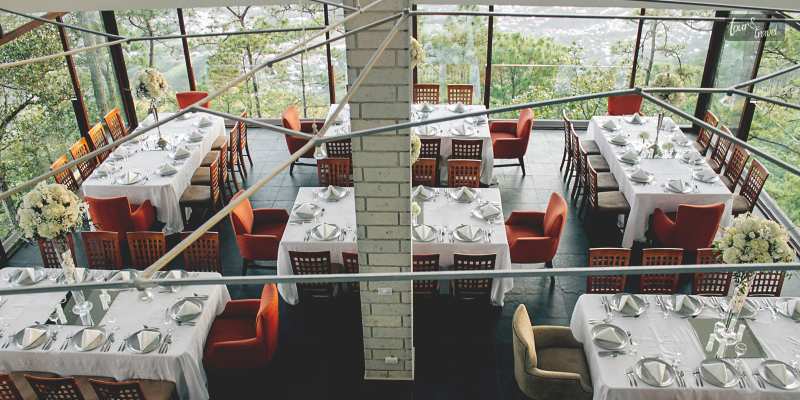
La Cumbre’s specialty is providing quality meals and fine dining. In fact, the restaurant has been named by Wine Spectator Magazine as one of the best places to eat in Latin America. Yes, this place can be a little more expensive than other budget places, but if you are ready to pay, then you will definitely have a meal you will remember forever.

[googlemaps https://www.google.com/maps/embed?pb=!1m18!1m12!1m3!1d15417.347787762807!2d-89.01540776224951!3d14.9739895330477!2m3!1f0!2f0!3f0!3m2!1i1024!2i768!4f13.1!3m3!1m2!1s0x8f63e3c55fba0c1d%3A0x705228c7c3d18e66!2sLa%20Cumbre%2C%20Honduras!5e0!3m2!1sen!2sin!4v1667471367367!5m2!1sen!2sin&w=800&h=600]

From their fried fish and carne asada or beef to their soups and fajitas, the menu is made to make your taste buds pop! And while you are there, don’t forget to try the Galletas Tipicas, their signature dish and at the same time, check out their fantastic wine pairings – what’s fine dining without a glass of red?

6. Hacienda Real:

There’s no list on the internet where Hacienda Real won’t pop up even when you search ‘best Honduras restaurant’ on Google! Located in San Pedro Sula, Hacienda Real is well known for serving different varieties of food items, all of which are served with a certain European and Honduran twist.

[googlemaps https://www.google.com/maps/embed?pb=!1m18!1m12!1m3!1d3870.596164917329!2d-87.27049118456486!3d14.041935690160162!2m3!1f0!2f0!3f0!3m2!1i1024!2i768!4f13.1!3m3!1m2!1s0x8f6f9703b7409401%3A0xc6f980468f3b39dc!2sHacienda%20Real%2C%20Tegucigalpa%2C%20Honduras!5e0!3m2!1sen!2sin!4v1667471462919!5m2!1sen!2sin&w=800&h=600]

In fact, Hacienda Real has been on the list of ‘top 100 restaurants’ for some time now. So we don’t see any logical reason behind not visiting this beautiful place on your trip to Honduras. Trust us, the food is great, and so is the service!

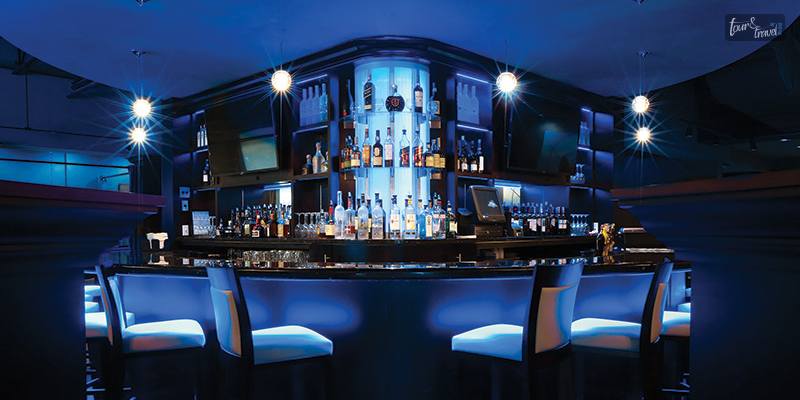
7. Blu Bar:

Blu Bar is one of those restaurants in Honduras that is very new, but the place has already become popular for serving delectable traditional dishes, only with a smart modern twist. In case you do check out the Blu Bar, you must try out their different creative cocktails and definitely stay for dinner!

[googlemaps https://www.google.com/maps/embed?pb=!1m18!1m12!1m3!1d3869.807976502007!2d-87.18719228456447!3d14.088509990130182!2m3!1f0!2f0!3f0!3m2!1i1024!2i768!4f13.1!3m3!1m2!1s0x8f6fa340beef9abf%3A0xde78ec6a75a748c0!2sBlu%20Bar!5e0!3m2!1sen!2sin!4v1667471505223!5m2!1sen!2sin&w=800&h=600]

The best part? Their menu keeps changing – so you can count on different seafood items at all times. Moreover, the place is also blessed with both outdoor and indoor seating making it a great place for your next dinner reservation, especially if you want to get tipsy. Just remember, if you are visiting this restaurant on the weekend, you must make a reservation.

8. El Patio:

When it comes to checking out delectable Honduran cuisine, there’s no place better than El Patio for trying out all their popular dishes. For instance, you cannot miss out on their Snail Soup or Sopa de Caracol as starters.

[googlemaps https://www.google.com/maps/embed?pb=!1m18!1m12!1m3!1d3869.601989375464!2d-87.18132758456434!3d14.100656990122435!2m3!1f0!2f0!3f0!3m2!1i1024!2i768!4f13.1!3m3!1m2!1s0x8f6585ea3e1c2353%3A0x1f4735b88ba53fd6!2sEl%20Patio!5e0!3m2!1sen!2sin!4v1667471556288!5m2!1sen!2sin&w=800&h=600]

These two dishes happen to be our favorite items here, but if you are new to the whole Honduran scene, then you can play safe and opt for appetizers. However, no matter what item you try out – you can’t miss out on their divine dessert selection. Our best dessert picks? Flan or Tres Leches!

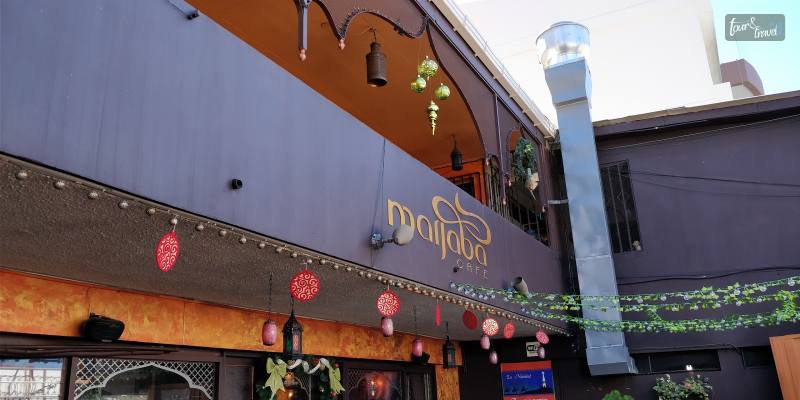
9. Marjaba:

While checking out different Honduras restaurants, we stumbled upon Marjaba, a gem of a place for eating traditional Honduran food. If you are looking for something delicious and authentic, then Marjaba is the place you are looking for – don’t forget to try out their Tortillas and Beans, prepared with two widely different species, Garlic and Chocolate.

[googlemaps https://www.google.com/maps/embed?pb=!1m18!1m12!1m3!1d3865.82736303054!2d-87.68369838456239!3d14.32145848998074!2m3!1f0!2f0!3f0!3m2!1i1024!2i768!4f13.1!3m3!1m2!1s0x8f6583f8ba195585%3A0xa84e1bbedb0a0aad!2sMarjaba%20Palestina%20Coffee!5e0!3m2!1sen!2sin!4v1667471590910!5m2!1sen!2sin&w=800&h=600]

If you are not a fan of Honduran cuisine, then you can still opt for your basic seafood, chicken, soups, and pasta. But the best secret about Marjaba is its great coffee, so much so that the place has a local reputation for being one of the best coffee-serving restaurants in Honduras.

10. The Market:

The Market is one of the most popular restaurants in Honduras and boasts a solid menu comprising several Italian and American-inspired dishes. In fact, the pizzas you get here are a specialty that has been featured several times in different local magazines. You should also try out their appetizers – spicy tuna tacos and grilled calamari were our favorites.

[googlemaps https://www.google.com/maps/embed?pb=!1m18!1m12!1m3!1d3869.811792074872!2d-87.18697058456445!3d14.088284890130346!2m3!1f0!2f0!3f0!3m2!1i1024!2i768!4f13.1!3m3!1m2!1s0x8f6fa2d433e70945%3A0xd58f6ece7448bdc1!2sThe%20Market!5e0!3m2!1sen!2sin!4v1667471639127!5m2!1sen!2sin&w=800&h=600]

For our entrees, we ordered a grilled rack of lamb and chicken meatballs – both tasted divine. You will also find a full bar here with top-shelf liquor, wines, cocktails, and craft beers. And that’s not all you will get here. You can also check out their dessert section – if you want to avoid carbs, then you can order some gluten-free Chocolate Chip Cookies, which are quite popular.

And It’s A Wrap!

While looking for the top restaurants in Honduras, we had the best time eating whatever we wanted, especially authentic Honduran food. And that’s not the best part. We think the best part about a good meal is that it takes into account more than what your tastebuds or even your stomach is saying – Honduras restaurants are also known for their great service and, more importantly, a crazy selection of creative cocktails.

So what do you think about visiting Honduras? And what about all the food? Tell us in the comments below!

Share on Social Media

Barsha Bhattacharya builds stories for a living and seeks mountains for everything else. An English major and remote content strategist, she travels every month, structuring her life around movement rather than routine. Her journeys are rooted in mountaineering and rock climbing, with a deep preference for tents over hotels and cold mornings over comfort. Barsha believes the mountains demand clarity, patience, and presence - the same qualities that shape her work. For her, travel is not an escape but immersion: long routes, rough terrain, and nights under open skies where the line between work and wilderness disappears.

Leave a Reply

Your email address will not be published. Required fields are marked *

title-img Related

READ MORE best time to visit iceland

This Is The Best Time To Visit Iceland & These Are The Things You Should Do!

BY  Mashum Aug 14, 2023

Want to visit Iceland to experience nature in its un-jaded form? Read the article to learn about the best time to visit Iceland. I will also list the things to do and places to visit in Iceland, which will help you create an itinerary with a budget. Iceland has its fair share of folktales and historical sagas, making it an adventurous and unique experience for a person to have. There are places that you can visit which will give you some of the most unique and imaginative adventures of your life. With a collection of 200 volcanoes, Iceland boasts remarkable features worth visiting. Visitors' unworldly experiences should be preserved, as industrialization can easily misuse natural resources. This Is The Best Time To Visit Iceland & These Are The Things You Should Do! Sustainable development is one of the significant parts of the Tourism Policy Framework 2020-30 that the Ministry of Culture and Business Affairs has developed. Quality of life of the natives, positive visitor experiences, conservation of the environment, decreasing carbon footprint, innovation, and creation are the highlights. Things to do and places to visit in Iceland reflect these highlights. If you have an active imagination, Iceland is the place to go! The land of fire and ice gives you the feel of returning to the New Stone Ages, where horse riding is regular. Want to know the best time to go to Iceland? Read along to know the best time to visit Iceland. Iceland Tourism is one of the major sectors from which the country gains economic stability; however, it was severely impacted during the COVID-19 pandemic. In 2019, the tourism economy accounted for 73% of the total tourism expenditure. However, tourism in Iceland saw a gradual fall as there was a 78% decline in the rate of tourists visiting in 2020. Even though the tourism visitation rate has recovered in 2021, it remains below the actual rate in 2019. The country needs to have a considerable rise in the number of tourists visiting the country so that it can contribute to the GDP. So, visiting Iceland will contribute to the growth and development of the economy! What Is The Best Time To Visit Iceland? You can visit Iceland based on your planned itinerary, even though it is generally said that summer is the best time to visit! If you plan to check out the northern lights the best time of year to visit Iceland is to book your tickets between September and March. If you have other plans related to summer activities, you should visit Iceland in the summer between June and August. However, if you are tight on the budget, you should visit Iceland between January to May. Flights, accommodations, and car rentals will be quite cheap. The country as a travel destination is moderately expensive with its natural wonders and captivating landscapes. The tickets from the USA to Iceland range between $700 and $1100. You can easily save money and travel with a fixed budget! What Are The Things That You Can Do In Iceland? "How much would we accept for a mountain? Two billion? Twenty billion?" is a line that will resonate with you from the documentary Dreamland released in 2009 internationally. The film shows some beautiful and untouched nature being exploited by industrialists and business people. I also learned from the documentary that exploiting something that does not need improvisation can nullify all attempts to grow, develop and succeed! The country experienced a crash in the economy in its effort to make it the largest aluminum producer in the world. It wastes the unlimited wealth of opportunities Iceland has from its natural resources and features. Based on this realization, I have composed a list of places that shows how nature can be a perfect strategy to bring in money! know more about the best time to visit Iceland! 1. Don't Miss The Northern Lights The Northern Lights is one of Iceland's main attractions, also known as aurora borealis! They are known to be elusive as there must be perfect conditions to see them, such as less or almost no clouds, no light pollution, and flaring activity in the magnetosphere. It is a natural display of light that can only be seen between the months of winter, from September to March. The attraction is only visible in the northernmost parts of the world. It is a once-in-a-lifetime opportunity to experience the green, gold, and purple waves dancing in ribbon-like formation. There is no telling when they will appear or how long they will remain in the sky. However, there are ways to improve your chances of seeing them. If you prefer exploring on your own, driving Iceland in a campervan gives you the freedom to head wherever the skies are clearest and light pollution is minimal. That flexibility can make a real difference when chasing the Northern Lights, as conditions can change quickly from one area to another. Renting from a local company such as Cozy Campers also lets you stay close to popular aurora viewing spots without having to rush back to a hotel each night. Guides in those areas do have an understanding of the appropriate vantage points. 2. Give Horseback Riding A Shot Icelandic horses are different from normal horses worldwide with their muscular build and short legs! They are quite popular for their reliability. They are sturdy and smaller in their size and are often confused with ponies instead of horses. Going horse riding across the ice is a perfect way to experience the country and the riding. The breed is actually from Scandinavia and has evolved differently across the ages. 3. Visit The Jokulsarlon Glacier Lagoon The Jokulsarlon Glacier Lagoon is a lake filled with glaciers; this should be on your bucket list if you visit Iceland. Some icebergs make a sound as they crunch and impact each other. You can take a zodiac boat ride or stay on the shoreline, where you can watch the seals dip into the lake. You can walk down to Diamond Beach from the Lagoon with jet-black sand and glistening icebergs creating a stunning visual of the natural landscapes. 4. Go Snorkeling Between Tectonic Plates One of the best snorkeling spots in Iceland visits Silfra Fissure, where you will experience a dramatic visual representation of a glacier melt-water-filled rift. The tectonic plates between Eurasia and North America are drifting apart. You will find yourself a dry suit, a guide, and snorkeling equipment with an entrance fee to Silfra starting from $119. You also get cookies and hot chocolate once you have completed the activity. 5. Tour The Golden Circle The most sightseeing route, you must take a tour of the Golden Circle as it consists of the 3 major attractions, namely Gullfoss Waterfall, Geysir Geothermal Area, and Thingvellir National Park. These locations are accessible from Reykjavik, the capital city. Thingvellir National Park is a natural beauty and is quite important as the tectonic plates of Eurasia and North America are drifting apart in this very area. The location has waterfalls, deep gorges, and lava fields. The Gullfoss waterfall is 105 feet tall and cascades down two rocky tiers getting the name "Golden Falls." Visitors often find a rainbow over the waterfall, making it a beautiful visual. 6. Voyage Into Ice Caving And Glacier Hiking Frozen landscapes are scattered across Iceland with floating icebergs, ravishing blue ice caves, and extensive glaciers. It is the winter months when you can see Iceland in all its glory when the environment reflects sparkling snow and obscure darkness. The glaciers are the perfect frozen attractions you can access if you love hiking. It is something that can be performed throughout the year. You must wear crampons to walk the ice so that you encounter the indomitable giants up close! Do not miss the ice caves just below the Katla volcano, with a variant of color in blue and white, creating a more gorgeous experience than you can ever have. However, ice caves are safer in winter as there is less risk of collapsing or falling rocks causing serious injuries. To experience the ice caves, the best time to visit Iceland is in the winter months! 7. Hop Into Natural Hot Pool Strokkur is the perfect place to start if you want to hop into a natural hot pool! The hot springs go up to 65 feet every 5 minutes, along with mud pools and steaming fumaroles surrounding it! The abundance of volcanoes has created geological activities such as mud pools, hot springs, and volcanic vents; as the land of Iceland is only a few million years hence, it is still alive. The erupting hot springs and mud pools are a perfect escape for tourists, and it helps them relax. The natural hot pools will ensure that relaxation is part of your itinerary after trying trekking or snorkeling. 8. Enjoy The Westfjords View Are you a nature person? Most people travel to North and South Iceland, which is common for most. Don't you want to experience something off-road and unique? Let me highlight some attractions that fulfill your craving for mysticism, magic, and folklore. A cultural hub, Westfjords is engrossed in natural beauty, such as Hornstrandir with bird cliffs, Dynjandi waterfalls, Arnarfjordur Bay, Flatey Island, and Bolafjall mountain. The staggering beauty of the locales is fascinating and boasts of cultural history. 9. Swing Into The Blue Lagoon Spa A geothermal spa in Iceland has become popular as The Blue Lagoon, which has one of the most beautiful surroundings and an atmosphere that relaxes your senses. It is closer to the airport, so with a busy itinerary, you can easily visit the place. Blue Lagoon tours and the Shuttle bus to the Lagoon make it an easier place to visit. It is, however, an expensive experience. Hence, you can choose other areas, such as the Myvatn Nature Baths and Secret Lagoon. 10. Ramble On To Lake Myvatn In North Iceland The area of Lake Myvatn is geo-thermally active. Therefore, hot pools and nature baths are spread across one of the largest bodies of water in Iceland. After a long day of exploring the beauty of Iceland and performing activities, enjoying the geothermal lake is the perfect way to end your day! It is also a cool place for bird spotting, as there are 58 species. One of the biggest collections of flora and fauna, the lake is a beautiful place to visit where you can see Dimmuborgir. These volcanic rock formations are haunting and alluring while the name is equally exquisite, "Dark Fortress." 11. Take A Food Tour Walk In Reykjavik You have to enjoy the crowd in Reykjavik with its delicious food and the exciting nightlife. The nightlife continues till 4 AM as in the summer. You can enjoy yourself to your heart's content as you can see that it's bright as daylight outside, even during the middle of the night. The city has authentic places to visit eateries, ensuring a beautiful personal experience. You should try the modern and traditional classic items popular in Iceland, skyr and Icelandic lamb soup. The soup represents what Iceland truly means! You can walk down Laugavegur Street, where you can find perfect places for food and drinks. Take advantage of the Icelandic Lamb hot dog you can try in one of the original food stalls from 1937. You can visit Cafe Loki, situated across from Hallgrimskirkja church, where you can try various Icelandic delicacies. You can't miss Rye Bread Ice Cream! I would also recommend Black Death or the special beer drinks that are well-known across Iceland. 12. Go Whale Watching On A Cruise Whale watching is one of the best experiences when you visit Iceland, especially because there are various species of dolphins, porpoises, and whales. There are tours from Husavik, Akureyri, and Reykjavik; hence, you can visit one of these places to access the abundant animal traffic. There is a probability of watching killer and fin whales; however, there is a higher chance of humpback and minke whales. 13. Get A View Of The Fagradalsfjall Volcano Eruption From A Helicopter One of the hottest fissure openings in Iceland is Fagradalsfjall Volcano which you can visit by flying around in a helicopter. The tour is 20 minutes, and a guide will tell you all about the active volcano. On tour from the helicopter, you can see the aquamarine waters, which are based on Faxafloi Bay, and pass over Reykjavik city, getting a bird's eye view. 14. Try Snowmobiling From Reykjavik It is in the Gullfoss waterfall to try a snowmobile tour based on the second-largest glacier, Langjokull. The glacier is snowy, and snowmobiling is a perfect way to feel the glide across the landscape. Conclusion So, what do you think? Ready for a trip to Iceland? The places I have listed will satisfy you if you are a travel bug. Experiencing amazing Iceland will ensure you see all the places that tickle your fantasy and experience nature at its best. Iceland has a mysticism to it, so visiting quaint little towns, remote lighthouses, mountains, thermal pools, and eateries across town are different ways to explore the city's culture and ethnicity. Comment down below about the place out of this list that you find the most interesting or is already on your bucket list to visit.
READ MORE Suva nature guide

Suva Nature Guide: Exploring The Hidden Waterfalls, Peaks And Coastal Gems In The Green Heart Of The Pacific

BY  Sibashree Feb 12, 2026

Suva has the nickname of “The Green Heart of the Pacific,” and there is a reason behind that. It is more than government buildings and rich cultures. It is a rainforest city. Also, the city has Naitasiri and Rew adventure zones in the surrounding. Moreover, with an annual rainfall of 3000 millimeters, it has natural wonders such as the Colo-i-Suva Forest Park and urban places such as the Thurston Gardens and Albert Park. In addition, the city is home to a “Healthy City” initiative. Newer and greener pedestrian paths, parklands, and improved waste management systems of the city are the major parts of this initiative. Hi, in today’s blog, I will talk about the Suva nature guide. The topics discussed here are:  The best natural places to visit in Suva, Fiji  Suva nature guide tips from experts  Things to know to travel like a local  FAQs. Suva Nature Guide: What Are The Best Natural Places To Visit In Suva? Located on a hilly peninsula on the southeast coast of Viti Levu, Suva is incredibly blessed with lush greenery. Also, starting from Colo-i-Suva Forest Park, to the hidden nature spots in Suva, Fiji, there are many places to explore. 1. The Crown Jewel: Colo-I-Suva Forest Park  Do you know how the locals of Suva pronounce Colo-I-Suva Forest Park? They call it tholo-ee-soo-va. This rainforest has an area of 2.5 square kilometers. Also, this lush green forest oasis serves as the primary green lung of the city. The Upper Vs. Lower Pools  The two pools, the upper and lower pools of Suva, are divided by the main road. On each side, you will have a distinct experience. The Upper Pools Nature lovers and hikers love the steep and well-maintained trails of the Upper Pools.  Also, here it is less about the splash of swimmers. The focus is more on the symphony of the forest. The Lower Pools The Lower Pools have swimming holes and a rope swing that has seen decades of use. Daring travelers and local families love this area. Also, these are the ideal places if you want to cool off after a humid trek. Birdwatching Guide In Colo-I-Suva Forest Park  Suva's rainforests are a symphony of endemic species. Keep your binoculars ready for the scarlet robin and pink-billed parrotfinch. You must not miss the dawn chorus as it is the best birdwatching experience you can have in Suva. Safety And Practical Tips For Colo-I-Suva Forest Park  While the park is beautiful, it requires common sense. Security guards are usually stationed at the main pools and trailheads. It is wise to stick to the populated trails and avoid hiking alone late in the afternoon. Slippery paths are a guarantee, and Suva's high rainfall means the clay-heavy soil is perpetually slick. Wear shoes with aggressive tread, not flip-flops.  2. Hidden Waterfalls And Swimming Holes (Within 20 Mins) If you find that Colo-i-Suva is very curated, you can choose a more local or secret experience and know the rugged side of Fiji.  Here are the best waterfalls and swimming holes of Suva. These are just 20 minutes away from the city.  Korolailai Waterfall (Wailoku) The Korolailai Waterfall in Wailoku is a favorite of the locals. Use the Sikh Temple in Wailoku as your landmark, and the trail starts from here.  The trail passes through local farms and secondary forest.  Also, the main fall features a flat rock ledge directly behind the curtain of water. You can sit there and let the weight of the waterfall pound your shoulders. It’s the best free spa treatment in the Central Division. Navakavu Blue Hole Take a short drive toward the Lami side of the bay to reach the Navakavu coastline.  A short drive toward the Lami side of the bay brings you to the Navakavu coastline. This area is a protected tabu (sacred/restricted) site under the local Iqoliqoli (customary fishing grounds). So, you have to check with the village headman or local guides before entering the village.  Moreover, "Blue Hole" is a stunning turquoise indentation in the reef flats, perfect for snorkeling during high tide. 3. Hiking Suva: From Peaks To Reserves Are you looking for some elevation and solitude? Do you have the fitness to explore heights? Hike these peaks and explore these reserves.  • Mount Korobaba Summit Hike It is the best Suva hike experience you can have. Mount Korobaba rises above the Lami harbor, and from the mountain, you can enjoy a panoramic view of the Suva peninsula and Laucala Bay.  This trekking trail starts behind the Lami Cement Factory. So, the start is humble, but it is worth the grand view.  However, the hike is strenuous, and a return trip will take at least 2 to 3 hours. Also, here, you have to be very careful about the mud warning.  If it rains, the trail will become muddy and act like a vertical natural slide. Nevertheless, there are ropes in some sections to help you haul yourself up.  • Savura Forest Reserve Savura Forest Reserve is like a hidden gem, and it is a quiet academic zone that you would love to explore. It is a vital area for the water supply of Suva.  Furthermore, because it has fewer tourists, the biodiversity of the place remains almost intact. Overall, the condition is meditative and peaceful.  4. Coastal And Island Nature To cherish the coastal beauty and Island nature of Suva, you must visit the Nukulau Island and My Suva Park & The Seawall. At these places, you will understand the relationship of Suva with its marine landscape. So, leave the mainland and walk the southern edge.  • Nukulau Island The Nukalau Island is small, but it has a long history. It has served as a quarantine station and a prison. However, ironically, today, it is not a dark tourism site anymore.  In fact, it is now a peaceful place for a picnic.  Sandbank, And The History Of Nukulau Island  When there is a low tide, you will notice a massive stretch of sandbank here. The sandbank is ideal for wading.  You will also find here the remnants of many old structures. Thus, you can blend history with a beach day.  Nukulau Island Boat Logistics  The boats in the Nukulau Island leave from the Suva Wharf or the Vatuwaqa area. Charter a long boat and enjoy a breezy ride across the lagoon for 20 minutes.  A longboat is a fiverglass boat with an outboard motor. • My Suva Park And The Seawall You don’t always need a boat to see the coastal beauty of Suva. You can visit My Suva Picnic Park and explore the rehabilitated mangrove walkways.  Here, you will find the most intricate root systems that protect the shoreline from decay.  On the other hand, the Suva Seawall is the social hub of Suva City. Here, you will enjoy the sunset views over the peaks of Joske’s Thumb.  Also, don’t miss the view of Mount Korobaba in the distance.  During the sunset, the sky has the most fiery shade of violet, and looking at that, you can end a day of exploration on a perfect note.  5. Urban Greenery: Thurston Gardens Suva Botanical Gardens, or the Thurston Gardens, is an urban green space. The place got its name in 1976 after Sir John Bates Thurston, the founder of this botanical garden and the fifth governor of the city.  You can see diverse fauna in this botanical garden. It has water lilies, colorful gingers, ferns, and palms. It is also home to a prominent bat colony. In this context, you must know that bats are the only native mammals of Suva.  Currently, the Fiji Museum maintains this urban park, and other historical landmarks in the park are the bandstand and the Clock Tower.  These were built to commemorate the first mayor of the city.  Suva Nature Guide And Tips From Experts  Now, only the locals and taxi drivers know that Mt. Korobaba, "Pacific Cement Limited" factory in Lami, is better than the "Korobaba trailhead."  You can start your hike behind the factory fence. Now, this is what makes all the difference. The local and expert tips always help to enhance your Suva travel itinerary.  Do you want to know more such tips? Follow the details here.  1. Avoid Heavy Rain Days The weather in Suva is either wet or very wet. So, while it’s not practical to wait for a sunny morning and you must embrace the rainforest bath, you cannot trade the day of or after a heavy rainfall.  When it rains, the trails and forest tracks of Suva become natural and dangerous mudslides.  2. Take The Bus To Colo-i-Suva If You Are Traveling On A Budget  You don’t need to take a taxi for $15 if you are traveling to Colo-i-Suva from the city.  As a budget traveler, you can take the Sawani Bus from the main bus station and ask the driver to drop you at the park gate. The ticket price will be just $2.  3. Suva Keeps It Quiet On Sundays  Sundays are great for exploring the natural spots of Suva. These places are less crowded on Sundays.  Quite a surprise compared to the Western standards.  However, there is a catch! Public transport options are very limited on Sundays. So, you must pre-book a taxi for a smooth experience.  4. Follow The Sulu Rule  Suva is very particular about its customs and traditions.  Suppose you are visiting a secluded nature spot and you have to walk through a village, such as Korolailai, to reach that place.  Then, you will have to cover your legs with a sarong as a gesture of respect for the local community.  5. Be Aware Of Leptospirosis The pools and natural swimming places in Suva have tropical water. So, you cannot swim in them if you have open cuts.  Tropical water carries bacteria, and if you swim in the water with open injuries, you may have Leptospirosis.  6. Use Your Skills To Negotiate  You cannot just agree to whatever the boat owner asks you to pay for a ride to Nukulau. You must negotiate the boat fee at the Suva Carrier Stand, which is near the Suva Market.  If you are taking a private fiberglass boat, a return trip will cost you around $80-$100 FJD.  7. Wear Mosquito Repellent  My Suva Park in Suva, or the mangrove areas and rainforest, has mosquitoes. Also, Dengue is a serious concern here.  So, you have to wear mosquito repellent, and you need to spray to get rid of the mosquitoes.  8. Stay Hydrated  The humidity percentage in Suva Rainforest is more than 90%. So, when you are hiking, sweating will be profuse.  If you are hiking for 1 hour or more, you need to carry around 2 liters of water.  Things To Know In Suva, Fiji, If You Want To Travel Like A Local  You have to embrace Suva, Fiji, as it is, if you want to travel like a local. Also, there are some stories, or rather facts, that only locals know. For example, the Dakua trees are native to this place. However, the Mahogany Trees were later introduced to stabilize the soil.  Here is more about the reality checks, about the weather quirks, and the food of Suva if you soak in the true spirit.  1. The Reality Of The Rain Capital  The precipitation of around 3000 millimeters in a year, or a wet tropical climate, makes Suva the rain capital of Fiji.  In Fiji, it rains for more than 200 days a year.  So, if you want to explore Suva, you cannot wait for the Sun to shine bright. You have to embrace the rainforest swimming.  It means that you can get wet while it rains while exploring the rainforest, and do not waste time waiting for the Sun.  2. Picnic Like A Local In Suva, Fiji  If you are on a Suva food tour and want to indulge in the real flavors, you will have to picnic like a local.  Once you are tired after a long swimming session, you must buy a Bhuja or a spicy mix and have it with a long loaf as a snack.  Quirks And Cultural Hidden Gems Of Suva, Fiji Talking about the cultural hidden gems of Suva, Fiji, the first story that comes to my mind is about the Liuliu.  Liulius are the guardians of the waterfalls.  So, when you visit these waterfalls, you must not shout or scream. The guardians can be angry, and they can curse you if you shout and disturb them.  Along with this myth about the Liuliu or guardians, Suva is also known for its Lami vibe. It is at the base of the Mt Korobaba. It is the town that has the perfect fusion of a silent natural retreat and an industrial town.  In addition, the dark past of Nukulau is very intriguing in Suva, Fiji. It was once a quarantine island and later became a prison for coup leaders.  Moreover, this place has a stark contrast between the beautiful sandy beaches and a turbulent past. Thus, it has all the potential of becoming a dark tourism destination.  Do you want to learn more about the culture of this Fijian capital? Read my Suva cultural guide.  Discovering The Real Suva  The primal beauty of Viti Levu, the amber pools of Colo-i-Suva, the mud-slicked trails of Mt. Korobaba, and finding peace in the hidden Korolailai basin!  Also, the Fijian capital asks you to be a little dirty. So, wear your reef shoes, pack your mosquito repellent, and step off the pavement.  Moreover, allow the trees to embrace you and show you the real Suva.  Suva Nature Guide: Frequently Asked Questions And Answers (FAQs) Here are the frequently asked questions and answers about the Suva nature guide.  1. Is It Safe To Swim In Colo-i-Suva? Yes, you can swim safely in the freshwater pools of the Colo-i-Suva Forest Park. The pools here are in an inland rainforest, and they are not connected to the ocean. So, there will be no saltwater hazards.However, like other natural pools, these pools also vary in depth, and the surfaces can be rocky or slippery. So, you have to exercise caution when swimming in the natural pools here.  2. How Long Is The Mt. Korobaba Hike? The Mt. Korobaba hike is around 6 Kilometers or 3.7 miles long. It is a challenging hike, and the elevation gain is around 404 meters. Furthermore, the red clay path is challenging, and the clay route often gets muddy. Also, based on your pace, you will be able to complete the trek in 2 to 3 hours.  3. Are There Crocodiles In Suva’s Rivers?  Unlike many other islands of the Pacific Ocean, the rivers of Suva do not have crocodiles. However, you can spot saltwater crocodiles in Suva, and these crocodiles come from the nearby Solomon Islands or Papua New Guinea. They visit the region due to the strong oceanic currents. However, their sightings are very rare.  4. Do I Need A Guide For The Hikes In Suva? No, it is not mandatory to have a guide if you're hiking in the Colo-I-Suva forest or areas near Suva. However, the trails can be slippery, and the presence of wildlife in Suva is abundant. Also, often the major trails are linked to minor trails, and staying on the right tracks becomes difficult. So, it is better to have a local guide for safety purposes, and they will also guide you about the flora and fauna.  5. How Much Is The Entry Fee For Colo-I-Suva? The entry fee for Colo-I-Suva is around $1 FJD for the local adults and $0.50 FJD for children. However, if you are a foreign visitor, you will have to pay $5 FJD for adults and $1 FJD for children. 6. Can I Camp On Nukulau Island? Yes, you can camp on Nukulau Island, but you need a permit from the Department of Environment in Suva City beforehand. The permit will cost you around $2 for 24 hours. Also, the island has a shade for camping. However, you will have to bring your own tent, food, and water. 7. What Wildlife Will I See In Suva, Fiji? Suva is rich in wildlife. Places such as the Suva Botanical Gardens and Colo-i-Suva Forest Park are ideal for watching the birds, mammals, and amphibians. Birds to see in Suva are the Collared Lory (Kula), masked shining parrots, Fiji Goshawk, and blue-crested Broadbill. You will also find amphibians such as the Pacific Boa, Fiji Tree Frog, and Fiji Banded Iguana. Furthermore, while bats are the only native mammals of Suva, you will also find the Samoan Flying Fox, the Fijian Monkey-faced Bat, and the Mongoose. Moreover, Spinner & Bottlenose Dolphins, Banded Sea Krait, Spinner & Bottlenose Dolphins and Reef Sharks are the prominent marine animals found in Suva, Fiji. 8. Is Korolailai Waterfall Free? Yes, the Korolailai Waterfall is free to visit. However, there is a border of a settlement around the waterfall. You can pay a small donation of around $2-5 as a polite gesture. Also, you will have to pay a taxi fee of FJ$15–FJ$25 to reach the Korolailai Waterfall from Suva City.  9. What Is The Best Time For Birdwatching In Suva? Early morning is the best time of day for birdwatching in Suva. If you start birdwatching between 5 and 5:30 AM, you will find birds such as the Slaty Monarch, Fiji White-eye, and fruit dove. Season-wise, May to October is the best time for birdwatching. Especially, mid-August 10. Where Can I See Mangroves In Suva?  You will find the mangrove trees along the coastal areas of Suva. The easiest zone to access from the city is, of course, the Suva Seawall & Queen Elizabeth Drive. Another easy zone is the Rewa River Delta. It is around 25 km from Suva. It has an extensive stretch of mangroves. You can take a boat ride from Nausori to explore the area. Furthermore, Kalokolevu Village is a local community that proactively conserves the mangroves and is very particular about the restoration efforts. Moreover, the areas near the University of the South Pacific campus have mangroves. Low tide is the best time of the day to explore the mangrove forests. This is the best time for noticing the intricate root systems and the wildlife in the mangrove zone. 

READ MORE São Tomé eco-lodges

What Are The Best São Tomé Eco-Lodges? A Fusion Of Luxury And Sustainability 

BY  Sibashree Oct 29, 2025

São Tomé and Príncipe is about to take a significant step in developing a sustainable tourism sector. The sustainable tourism sector will be further well-balanced in terms of the economic indicators.  The United Nations Economic Commission for Africa (ECA) and the United Nations Resident Coordinator’s Office will support this move. In this context, the country will hold a United Voices for Sustainable Tourism dialogue on 30th October 2025, and there will be a technical validation workshop on 29th October.  It will be the second phase of the Tourism Satellite Account (TSA) Development Project that will give São Tomé and Príncipe a strategic tool to measure the economic contribution of tourism to the nation’s wealth. Thus, it will establish why leveraging tourism is crucial for the sustainable development and economic diversification of the country.  Furthermore, the latest workshop before this dialogue, held on 15th to 18th September 2025, has highlighted the 11% contribution of the country’s tourism sector to the GDP and 10% of the Gross Value Added (GVA).  With the country taking a step forward in sustainable tourism, the São Tomé eco-lodges are also going to play a critical role. With the use of renewable energy, community involvement, local sourcing, and sustainable architecture, these lodges are also helping us to travel green.  In this blog, I will introduce the popular and lesser-known São Tomé eco-lodges, what practices they follow, the hidden gems of São Tomé and Príncipe, and more.  What Makes An Eco-Lodge In São Tomé Truly Sustainable? Before diving into the list, let’s define what sets a true eco-lodge apart: Renewable energy sources (solar, hydro) Local sourcing of food and materials Waste reduction and water conservation Community involvement and fair employment Eco-certifications or transparent sustainability practices Popular São Tomé Eco-Lodges The best eco-lodges in São Tomé and Príncipe for sustainable travel are committed to preserving the community and nature of the islands. Many of these eco-lodges also support conservation efforts and organize nature walks to help the visitors understand the local ecosystem.  Nevertheless, here are the most popular ones.  1. Omali Lodge (São Tomé) View this post on Instagram A post shared by dr. András Peres (@drandrasperes) With policies governed by the Biosphere Responsible Tourism standards, Omali Lodge. It has the Biosphere Responsible Tourism certification. It is a leader of sustainable tourism in São Tomé and Príncipe.  Local artists and craftsmen are involved in the operations of the Omali Lodge, staying true to its commitment to community development. Furthermore, the menu here focuses on national dishes prepared with locally-sourced ingredients.  However, it offers adequate Wi-Fi connectivity. So, if you are not looking for a complete digital detox and want to work remotely, then it is also a good choice.  2. Bom Bom Island Resort (Príncipe) View this post on Instagram A post shared by Maria Helena Vinhas Frade (@mhvf) The Bom Bom Island Resort is the first African hotel to receive the Biosphere certification from the Instituto de Turismo Responsable (ITR).  Currently, the main aim of the hotel is to go completely diesel-free in its daily operations. The hotel has 68 local workers, as Sérgio Duarte has mentioned in a recent conversation with the Sustainability Leaders United.  Furthermore, the hotel procures resources from the local producers. Also, it collects donations from the guests to invest in employee training programs. Thus, it helps in educating and empowering the community.  The experiences it offers are: Turtle watching Maria Correia waterfall trail hiking Birdwatching Parrot Peak trail hiking Roça Infante trail hiking Stand-up paddleboarding Snorkeling It is also a friendly accommodation for digital nomads with Wi-Fi connectivity, included within the accommodation package. Moreover, the main part of the resort is wheelchair-accessible.  So, it is one of the accessible eco-lodges in São Tomé and Príncipe.  3. Praia Inhame Eco Lodge (São Tomé) View this post on Instagram A post shared by PATRÍCIA PINHEIRO (@patrwisha) Claimed to be “Naturally Comfortable,” Praia Inhame Eco Lodge is one of the best eco-lodges with turtle watching in São Tomé. A local NGO, MARAPA, runs the Tatô Program to protect marine turtles in São Tomé.  Praia Inhame Eco Lodge has been working with this NGO since 2012. It has helped the NGO to implement this program on Inhame and Cabana beaches.  The wilderness and outdoor activities offered by this eco lodge are: Marine turtle observation Whale watching Birdwatching Diving Fishing Boat trips Moreover, places such as Hell's Mouth, Saint Sebastian Museum, St. Nicholas Waterfall, St. Thomas Peak, and Jale Beach are some nearby attractions of this eco-lodge.  In addition, it is one of the São Tomé eco-lodges with Wi-Fi connectivity. So, it is also a favorite of digital nomads who can travel and work remotely.  4. Sundy Praia (Príncipe Island) View this post on Instagram A post shared by HBD Príncipe (@hbd_principe) Sundy Praia has a dedicated team for waste management and recycling. Furthermore, it leads community cleaning drives to spread awareness about the impact of litter.  Also, the “screw-in” mechanism of the eco lodge’s architecture ensures a minimal impact on the environment of the island.  Moreover, located inside the beachside rainforest, it is indeed an eco lodge.  The experiences it offers are: Turtle watching Maria Correia waterfall trail hiking Birdwatching Parrot Peak trail hiking Roça Infante trail hiking Stand-up paddleboarding Snorkeling Moreover, you can be a part of the 3-hour Discover Santo António tour. Also, it is a favorite of digital nomads for Wi-Fi connectivity.  In addition, Sundy Praia offers wheelchair accessibility to make the travel experience more inclusive.  5. Roça Sundy (Príncipe) View this post on Instagram A post shared by Nina Scott (@nina.wolfs.scott) As part of the Príncipe Collection, like Sundy Praia and Bom Bom, Roça Sundy also follows that when you visit it, you make a Conservation and Communities Contribution (CCC).  You spend a night here, and they will contribute €25 for the environmental and community development of Príncipe. In addition, nearly 10% of the adults of Príncipe work with them.  Moreover, the experiences it offers are: Turtle watching Maria Correia waterfall trail hiking Birdwatching Parrot Peak trail hiking Roça Infante trail hiking Stand-up paddleboarding Snorkeling 6. Mucumbli Lodge (São Tomé) View this post on Instagram A post shared by Mucumbli Explore (@mucumbli.explore) Mucumbli Lodge overlooks the Atlantic Ocean, and it offers the quintessential eco-lodge experience with wooden chalets.  Furthermore, due to its unique location, it is one of the best remote eco-lodges for digital detox in Africa.  Lesser-Known Accommodations Following The Best Sustainable Practices In São Tomé And Príncipe Island The options for São Tomé eco-lodges are more varied than you can expect. Here are the lesser-known ones or the hidden gems.  1. Jalé Ecolodge (São Tomé) View this post on Instagram A post shared by IATI Seguros PORTUGAL (@iatisegurospt) Jalé Ecolodge offers beautiful sea views from all units. You can enjoy snorkeling nearby and have the best continental breakfast sourced from local ingredients.  2. Roca Monte Forte (São Tomé) It is the first rural tourism place to open in São Tomé. Here, you will be staying inside a cocoa plantation with history, and you will lead the quintessential Santomean farm life.  Furthermore, it offers easy access to nearby beaches in the northern area, such as Governador, Tamarindos, Conchas, and Blue Lagoon.  3. Domus Praia Jalé (São Tomé) View this post on Instagram A post shared by Domus Praia Jalé (@domuspraiajale) Domus Praia Jalé is the best location if you want to have good food and relax in nature. It has an on-site restaurant serving international delicacies made with local ingredients.  Also, they have a private beach where you can relax and listen to the waves.  Seasonal Travel Tips For Staying At The Eco Lodges In São Tomé and Príncipe June to September, or the dry season, is the best time to stay at the eco-lodges in São Tomé and Príncipe for mild weather conditions and wildlife watching.  1. For Whale Watching Bom Bom Island Resort in Príncipe and Mucumbli in São Tomé are some of the best eco-lodges for whale watching. July to October is the whale watching season here.  2. For Sea Turtle Nesting Praia Inhame Eco Lodge in São Tomé and Bom Bom Island Resort in Príncipe are the best eco-lodges for seeing turtle nesting. November to March is the ideal time for this experience.  Budget Breakdown: What Is The Average Cost Per Night At Eco Lodges In São Tomé and Príncipe? Here is a cost comparison between eco-lodges, not budget-friendly options. Find out the budget eco-lodges in the islands.  Name of the Eco-LodgeApproximate Cost Per Night/ Per Person (€)Omali Lodge222Bom Bom Island Resort250Praia Inhame Eco Lodge95Sundy Praia420Roça Sundy150Mucumbli Lodge45Jalé Ecolodge55 5-Day Sustainable Travel Itinerary In São Tomé And Príncipe Here is a quick 5-day sustainable travel itinerary in São Tomé and Príncipe.  DaysActivitiesDay 1• Staying at Omali Lodge• Visiting São Tomé city center and local marketsDay 2• Transfer to Mucumbli Lodge• Guided hiking and cacao farm visitDay 3• Moving to Praia Inhame Eco Lodge• Evening turtle tourDay 4• Flight to Príncipe• Staying at Sundy Praia• Exploring a biosphere reserveDay 5• Visiting Roça Sundy• Cultural tour and local lunch Hidden Gems In São Tomé And Príncipe If you want a deeper, more authentic connection to the islands’ nature, culture, and history, you must explore these hidden gems. 1. Malanza Mangrove Canoe Tour: Ideal For Nature Lovers And Photographers View this post on Instagram A post shared by Santo Tomé y Príncipe ESP (@santotomeyprincip) Take a canoe ride through the mangrove forests of southern São Tomé. It is a delightful eco-tour through waterways blessed by lush greenery, endemic flora, and a vibrant birdlife.  2. Pico Cão Grande: Enjoy The Best View From The Obo National Park Trails Pico Cão Grande is the most dramatic natural view you will enjoy here. This volcanic plug, with a height of 663 meters, is almost surreal.  3. Ilhéu Das Rolas And The Equator Marker: Best For Beach Lovers And Geography Buffs View this post on Instagram A post shared by Viagem a São Tomé (@viagem.a.saotome) Ilhéu Das Rolas is a small island off the south of São Tomé. You can take a boat ride here to stand on the equator line.  Also, you can explore the pristine beaches here and have a delightful snorkeling experience.  4. Roça São João Dos Angolares: Great For Cultural Immersion And Sustainable Tourism Roça São João Dos Angolares is an eco lodge that was formerly a plantation. It is also a cultural center. It offers cooking classes, storytelling events with local artists, and art exhibitions.  5. Boca Do Inferno (Hell’s Mouth): Visit During High Tide For Full Effect This dramatic blowhole on the southern coast of São Tomé is the perfect example of juxtaposition. Here, the waves kiss the volcanic cliffs with the water jets reaching the sky.  6. Praia Jalé Turtle Nesting Site Find the sea turtles nesting here during the November to March season. Praia Inhame Eco Lodge in São Tomé and Bom Bom Island Resort in Príncipe are the best places for watching turtle nesting.  7. Nova Estrela Viewpoint (Príncipe Island): Ideal For Sunrise Hikes And Drone Photography View this post on Instagram A post shared by HBD Príncipe (@hbd_principe) It is a beautiful viewpoint offering panoramic vistas of the rainforest and coastline of Príncipe.  8. Roça Água Izé: Offers Insight Into The Island’s Colonial Past View this post on Instagram A post shared by Francisco Almada Lobo (@almadalobo) It is an abandoned cacao plantation and is almost haunted. It stands out with its overgrown gardens and colonial architecture.  9. Whale Watching Off Príncipe: Best Enjoyed With Snorkeling And Diving Trips Humpback whales migrate to Príncipe through the waterways from July to September. Be a part of eco tours for respectful and sustainable viewing opportunities.  10. Rainforest Retreats At Sundy Praia: Perfect For Eco-Travelers Seeking Tranquility View this post on Instagram A post shared by Ramosdafrica (@ramosdafrica) Sundy Praia is a luxury tented villa in the rainforest of Príncipe. Enjoy yoga, guided nature walks, and conservation education. São Tomé And Príncipe Travel Planning Checklist Here is a list of things to do and things to avoid while planning a trip to São Tomé Eco-Lodges. Things to DoThings to Avoid• Checking visa requirements with the São Tomé embassy or consulate based on your nationality• Checking the availability of the co-lodges and booking them in advance• Plan your visit between June and October for wildlife watching.• Pack breathable clothing, reef-safe sunscreen, insect repellent, and rain gear• Bring malaria prophylaxis, basic meds, and travel insurance.• Check the requirements for a yellow fever vaccination.• Consider the limited availability of domestic flights to Príncipe and book early.• Not all eco-lodges offer transfers. You may have to take shared minibuses and taxis. • Carry some Dobra (STN) for transactions in rural areas. • Portuguese is the official language.• Kafuka or community gatherings are special here.• Avoid single-use plastics and respect wildlife viewing guidelines.• Support community-led tours, conservation projects, and local artisans• Save maps, lodge contacts, and embassy info offline before arrival, as some places will have limited network connectivity.• Not all “eco-lodges” are truly sustainable.• Not looking for transparency in energy use, waste management, and community impact.• Not carrying Dobra (STN) or Euros in cash, as ATMs are limited and not all facilities accept cards.• Medical facilities are basic. So, not having travel insurance with medical coverage or not carrying a medical care box can be a big mistake. • Missing out on the local cooking classes or visiting the villages is a mistake. • Using single-use water bottles and leaving litter everywhere São Tomé Eco-Lodges Are More Than Just Places To Stay Supporting local communities Supporting environmental development Protecting biodiversity Experiencing the authentic charm of the islands These are the benefits of staying in the best São Tomé eco lodges. Furthermore, these lodges are diverse and they offer luxury, simplicity, or cultural immersion in the most responsible way.  So, get ready for the most immersive experience at the best São Tomé eco lodges!