







Visit Florence In Tuscany 

Sep 8, 2022

Last Updated on: Apr 21, 2026

Adventure

When you tell somebody, you are planning a trip to Italy. They always answer, “You must visit Florence in Tuscany!”.

Florence is a typical river city developed on the two banks of the Arno, a city rich in history and art. Founded and inhabited by Italic people, Florence extends into a green plain, which is surrounded by hills dotted with cypresses, and olive trees, and also crossed by the Arno river. But above all: a city breathing art and culture everywhere! 

No wonder Ginori 1735, the iconic porcelain brand, partnered with St. Regis Hotels & Resorts to present Café Ginori. 

Café Ginori will blend the elegance of Italian cuisine with Italian artistry to make the tourism experience in Florence more happening. 

So, what are the special attractions or the best places to visit in Florence, Tuscany? This Tour and Travel blog has all the answers.

Special Attractions Of Florence in Tuscany

Special Attractions Of Florence In Tuscany

Many of the travelers are asking, is Tuscany in Florence? And what is there?

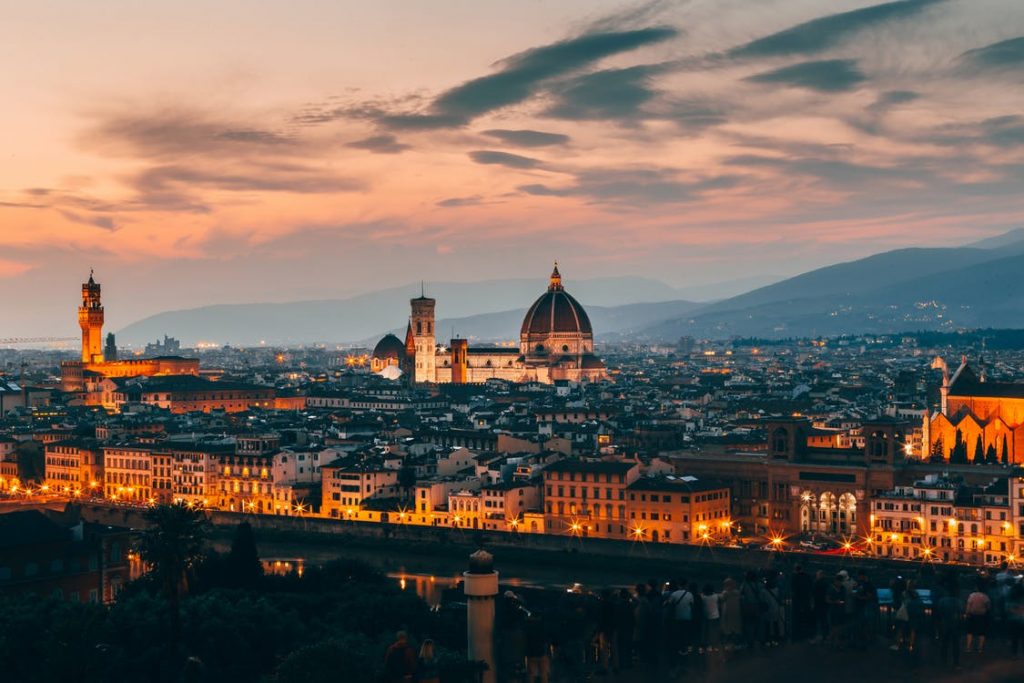
In the past years, it has been awarded internationally as one of the most beautiful cities in the world. You are standing in the middle cradle of the Renaissance. The city is the hub of extraordinary literary, artistic, and scientific development that took place in the 14th-16th centuries. To visit Florence in Tuscany really means jumping back in time! 

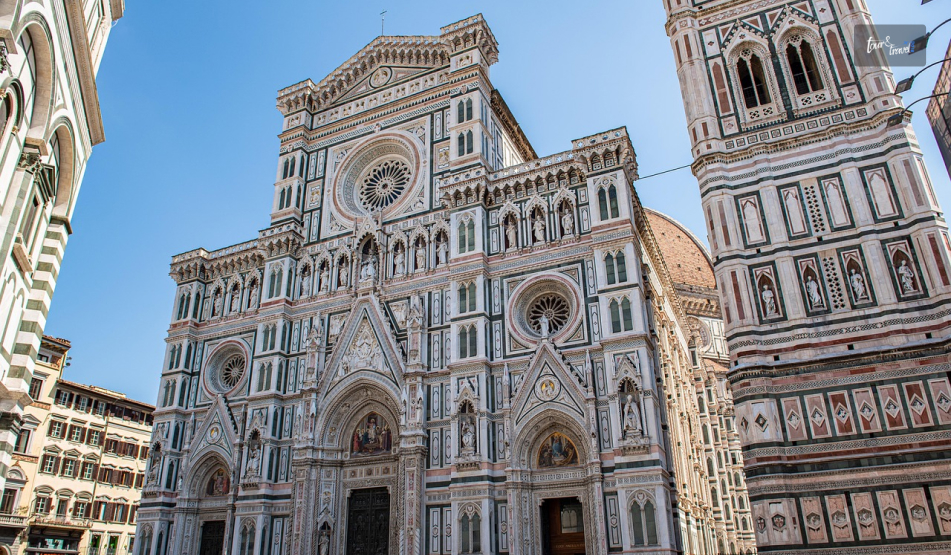
Note: Appreciated more than anything else is the urban architecture and the presence of traces of a glorious past on every street corner;  with the most iconic places such as the Duomo Cathedral, the Uffizi Gallery, Ponte Vecchio, Palazzo Pitti, etc.

You Should Visit Florence For Its Art And Culture

Known throughout the world for its artistic masterpieces, the colored marbles of the churches, and the high-sounding architecture, Florence is the city of the Medici, an ancient Tuscan family that became one of the most important dynasties in Italy and Europe.

Nowadays, it is home to the most beautiful and important museums in the world; to name a few: the Uffizi Gallery, Palazzo Vecchio, the Accademia Gallery, the Pitti Palace, Florence Cathedral and the Opera del Duomo museum, etc.

Best Places To Visit In Florence, Tuscany, To Celebrate Its Art And Culture 

With seven UNESCO World Heritage sites, Florence sees tourism as a key resource. Further, its average annual tourism revenue is 300 million euros, establishing its position as a global travel destination. 

Further, Florence has places like San Casciano dei Bagni within 200 km that are growing as tourism hubs individually. 

San Casciano dei Bagni has won the laurel of “Best Tourism Village” from the United Nations World Tourism Organization (UNWTO). This village is growing for its rich biodiversity and culture. 

San Casciano dei Bagni receiving the ‘Best Tourism Village’ recognition is a testament to the charm and authenticity of Italy’s smaller gems. These villages showcase the excellence of our craftsmanship, gastronomy, traditions, and culture, representing the heart of our national heritage.

Daniela Santanchè, Italian Tourism Minister

Nevertheless, these are the best places to visit in Florence, Tuscany. 

1. Piazza del Duomo

Piazza del Duomo

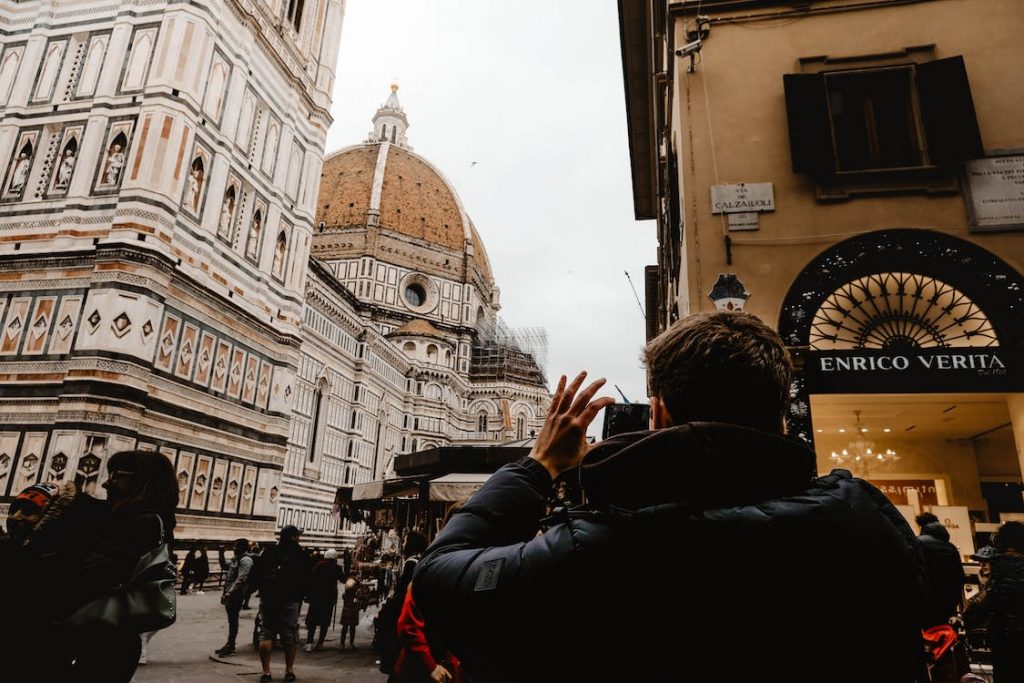
Piazza del Duomo, with its bell tower, Baptistery, and cathedral, is one of the best places to visit in Florence, Tuscany.

Also, don’t forget to visit Ponte Vecchio. 

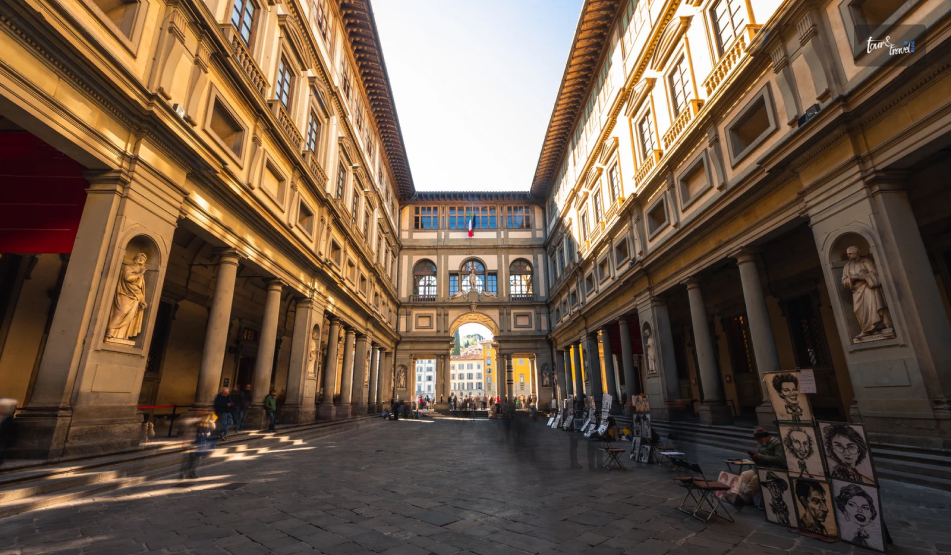
Uffizi Gallery

Location: Piazzale degli Uffizi, 6, 50122 Firenze FI, Italy

Hours Open: Tuesday-Sunday (8:15 AM to 6:30 PM), Monday Closed

Uffizi Gallery houses the best collection of paintings and artwork from the medieval era to the modern period. 

It was built between 1560 and 1580.

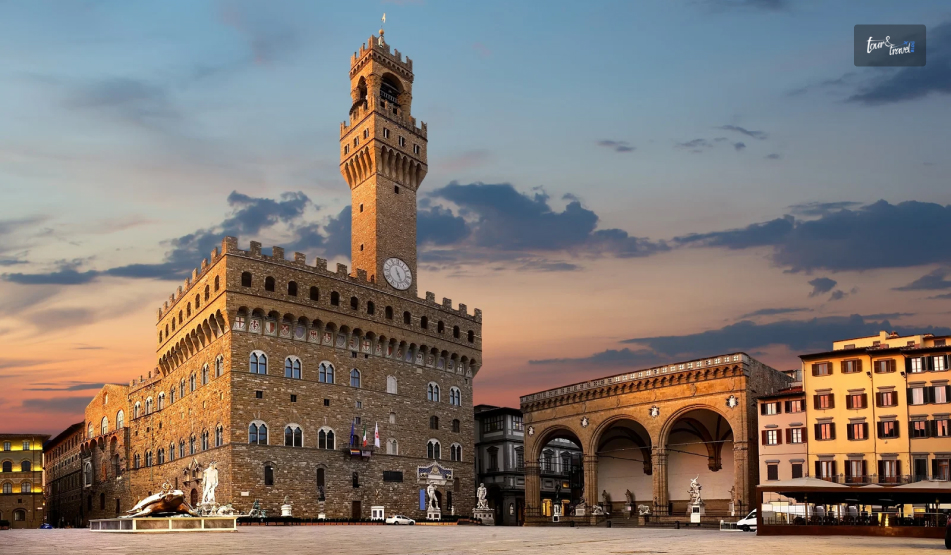
3. Piazza della Signoria

Piazza della Signoria

Piazza della Signoria is the central square of Florence. It always has a lively ambiance and is Florence’s epicenter of history and art. 

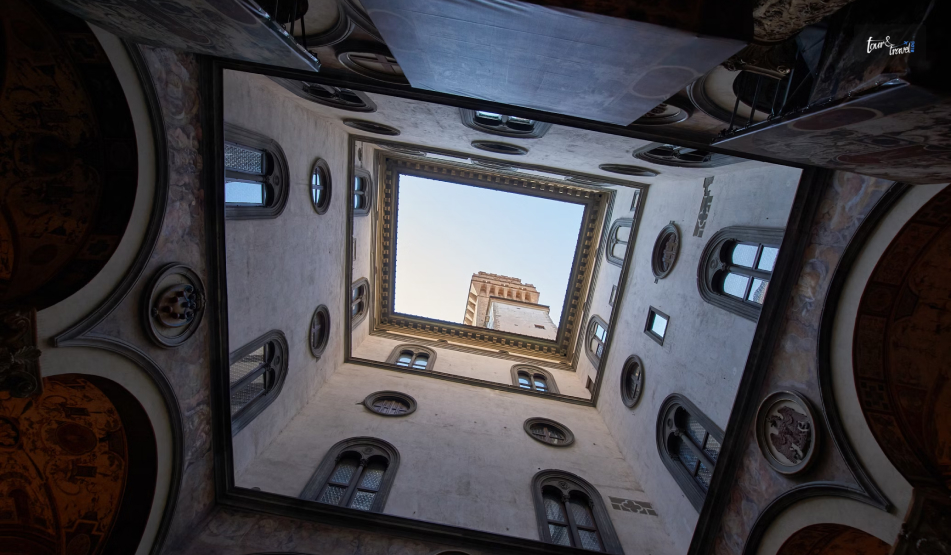
4. Palazzo Vecchio

Palazzo Vecchio

Location: P.za della Signoria, 50122 Firenze FI, Italy

Hours Open: Friday-Wednesday (9 AM to 7 PM), Thursday (9 AM to 2 PM)

Palazzo Vecchio was built between 1299 and 1314 and was once the home and workplace of the Signoria of Florence. 

The Accademia Gallery

Location: Via Ricasoli, 58/60, 50129 Firenze FI, Italy

Hours Open: 8:15 AM to 6:20 PM, (Monday Closed)

The Accademia Gallery is home to David by Michelangelo. It is the second-most visited museum in Florence after the Uffizi Gallery. 

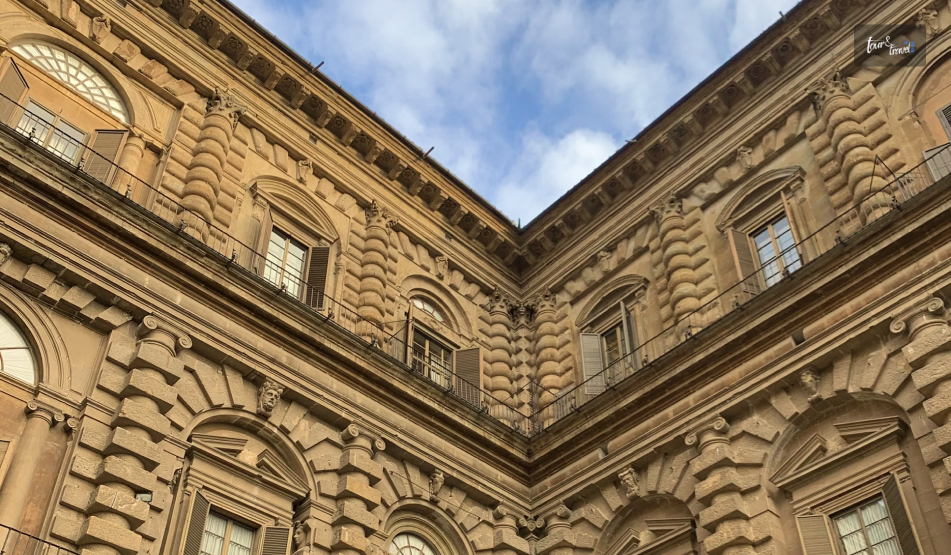
6. Pitti Palace

Pitti Palace

Location: Piazza de’ Pitti, 1, 50125 Firenze FI, Italy

Hours Open: Tuesday-Sunday (8:15 AM to 6:30 PM), Monday Closed

Once a symbol of the power of the Medicis in Tuscany, Pitti Palace, or Palazzo Pitti, was also the seat of the House of Habsburg-Lorraine and House of Savoy. 

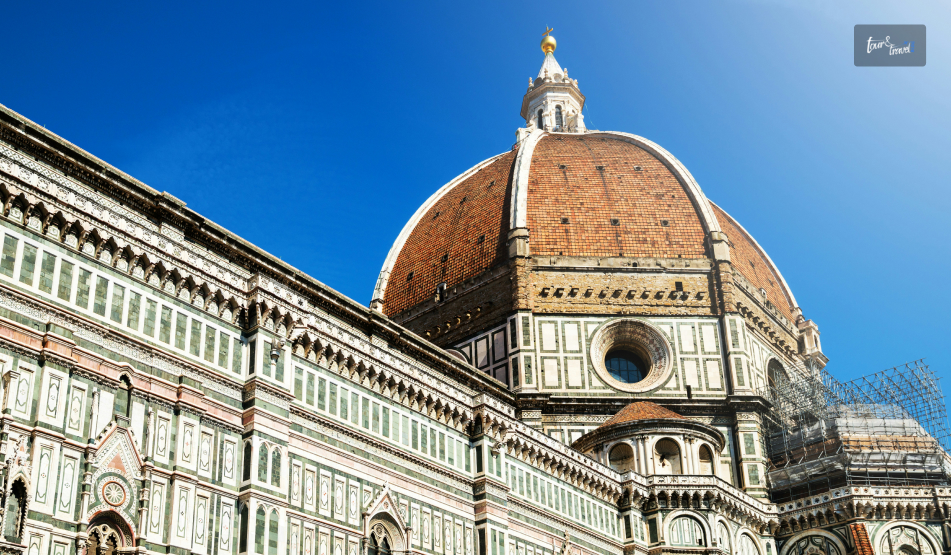
7. Florence Cathedral

Florence Cathedral

Location: Piazza del Duomo, 50122 Firenze FI, Italy

Hours Open: 10:15 AM to 3:45 PM

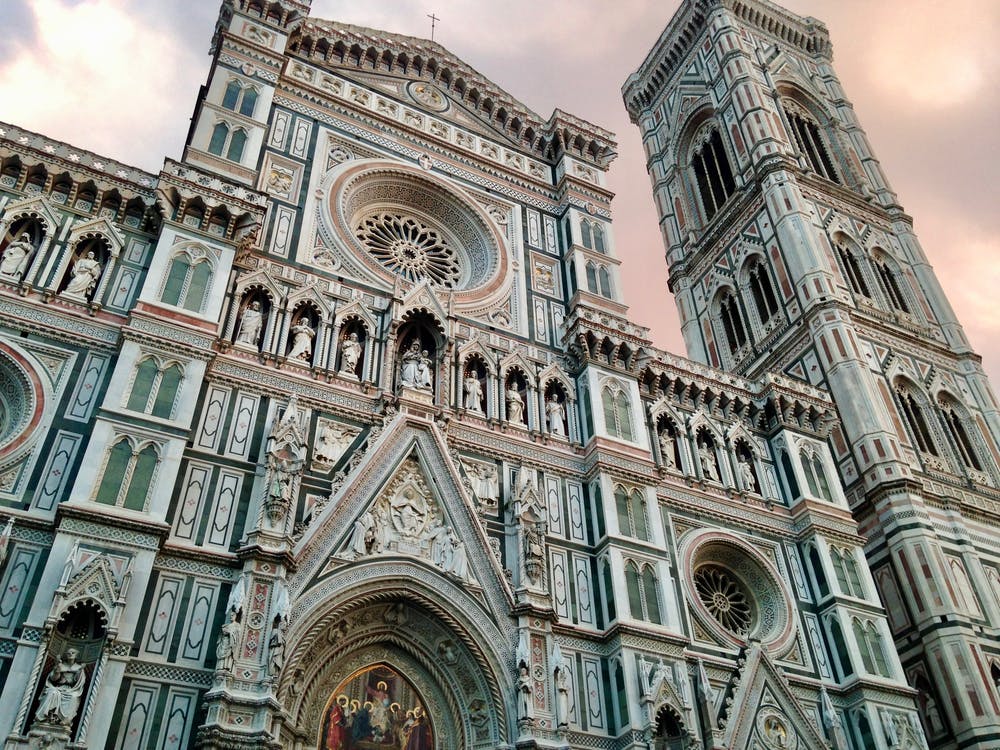
The Cathedral of Santa Maria del Fiore, or Florence Cathedral, is the Cathedral of the Catholic Archdiocese of Florence.

The church, founded in 1296, was consecrated in 1436 by Pope Eugenio IV. It stands out with its huge dome structure. 

8. Opera Del Duomo Museum

Opera Del Duomo Museum

Location: Piazza del Duomo, 9, 50122 Firenze FI, Italy

Hours Open: 8:30 AM to 7 PM

Built in 1891 and renovated in 2015, Opera Del Duomo Museum has the original artwork of the greatest artists and sculptors across seven centuries. 

Here, you will find the work of Michelangelo, Brunelleschi, Ghiberti, and many others. 

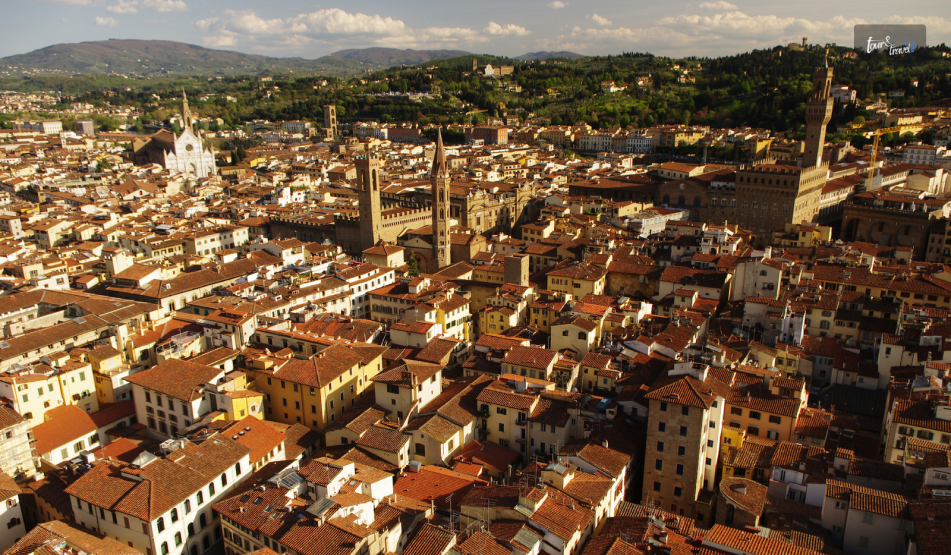
9. Florence City Center

Florence City Center

Covering an area of 505 ha, the Florence City Center still has the 14th-century boundary walls. 

Also, it is a symbol of the Renaissance during the early Medici rule. 

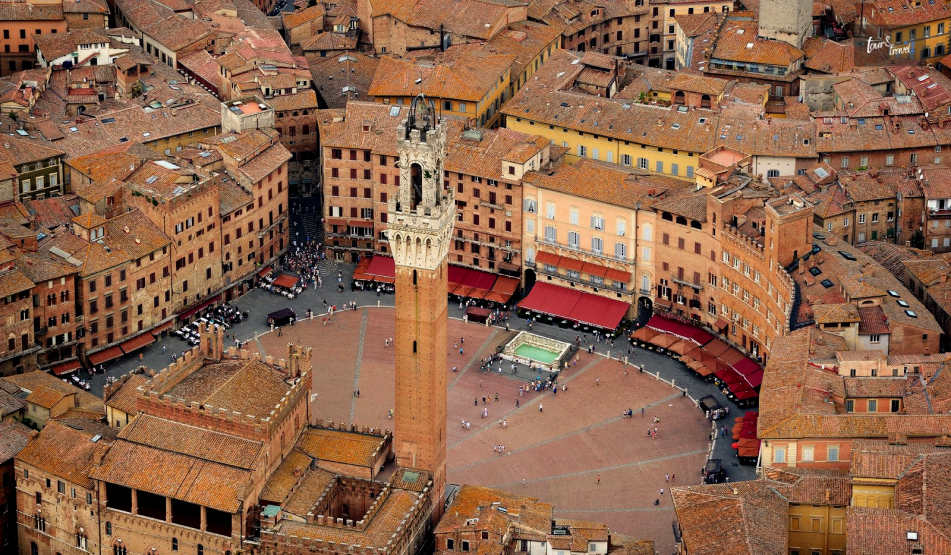
10. Siena City Center

Siena City Center

Siena City Center is a UNESCO World Heritage Site in the Tuscan Hills. It is famous for its food scene and medieval buildings. 

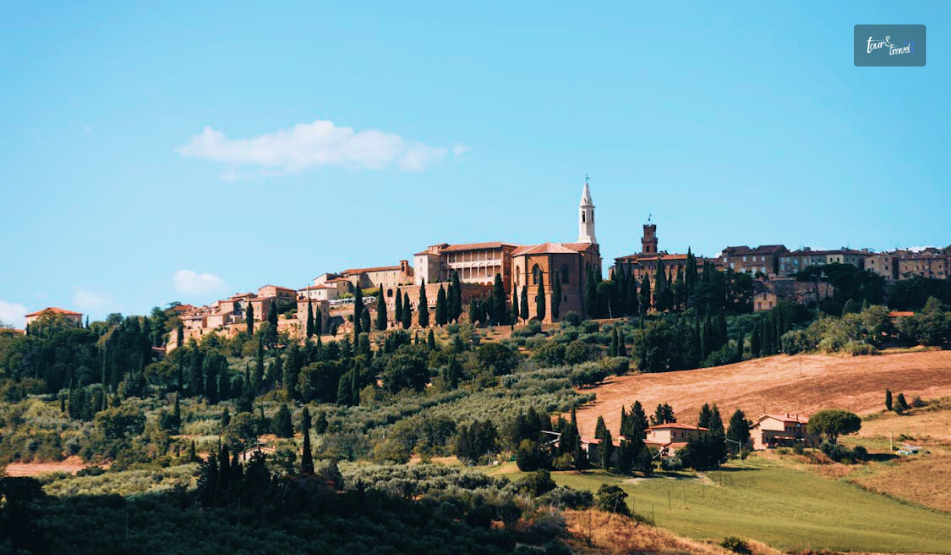
11. Pienza

Pienza

The Historic Centre of the City of Pienza is a UNESCO World Heritage Site and it is one of the best places to visit in Florence, Tuscany. It is also famous for its town-planning concepts during the Renaissance period. 

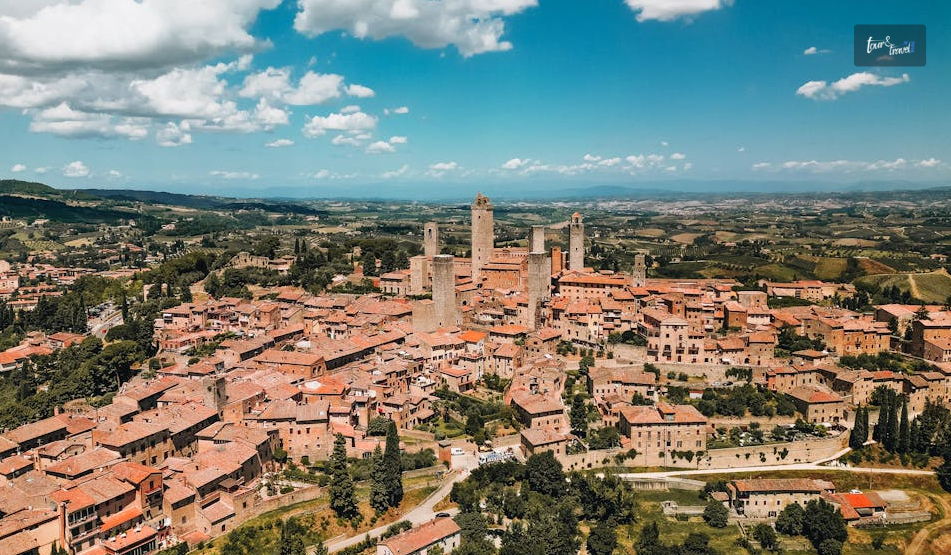
12. San Gimignano

San Gimignano

San Gimignano, or the Town of Five Towers, will transport you to the medieval era. A preserved hill town, it also has Civic Museums, Contemporary art, and holy art. 

13. Piazza Dei Miracoli (Pisa)

Piazza Dei Miracoli

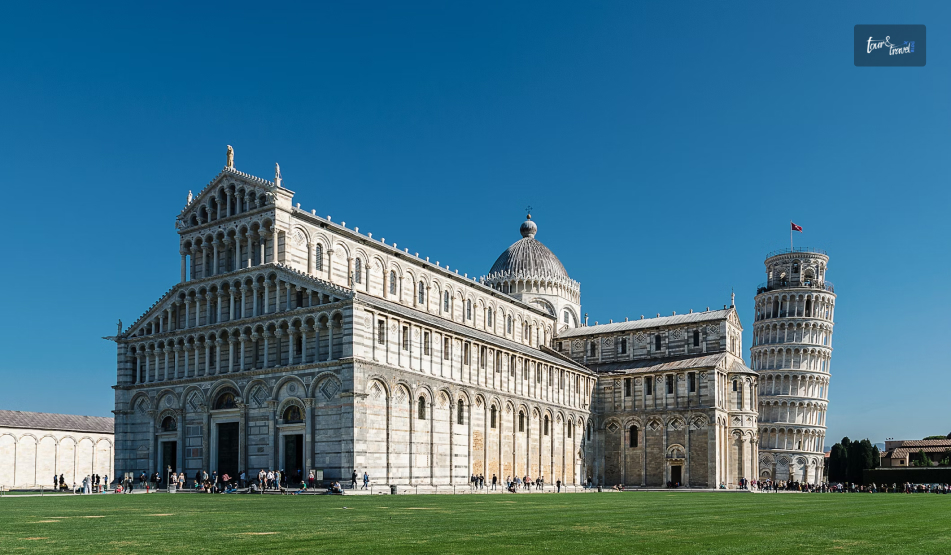
The Piazza Dei Miracoli, a UNESCO World Heritage Site, is home to the Leaning Tower of Pisa, an architectural wonder. 

Further, located in a port city, the Piazza Dei Miracoli is an expression of human creativity. 

14. Villas And Giardini Medicei 

Villas And Giardini Medicei

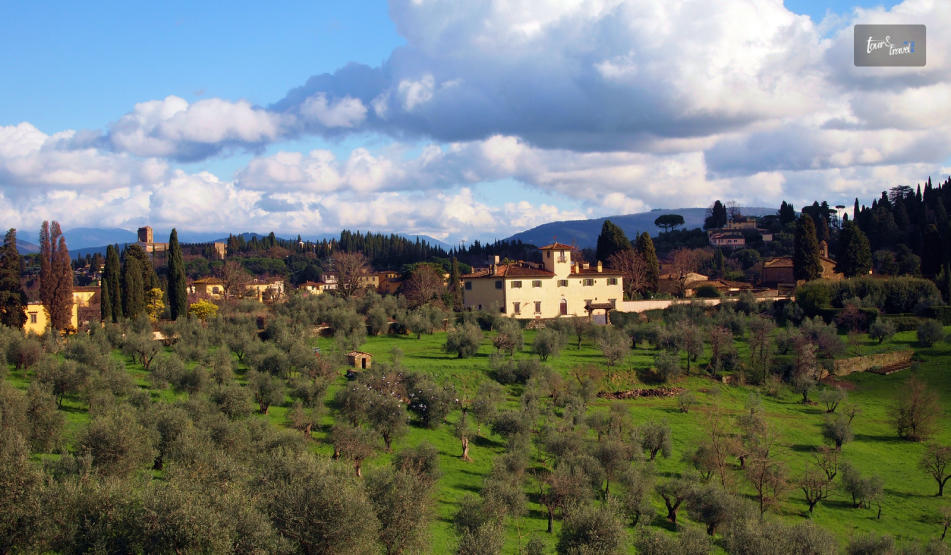
With 14 villas and gardens, Villas And Giardini Medicei is now a UNESCO World Heritage Site in Tuscany. 

One of the best places to visit in Florence, Tuscany, Villas and Giardini Medicei, gives you an insight into the family that played prominent roles in the history of Italy and Europe during the 15th-18th century. 

15. Val d’Orcia

Val d’Orcia

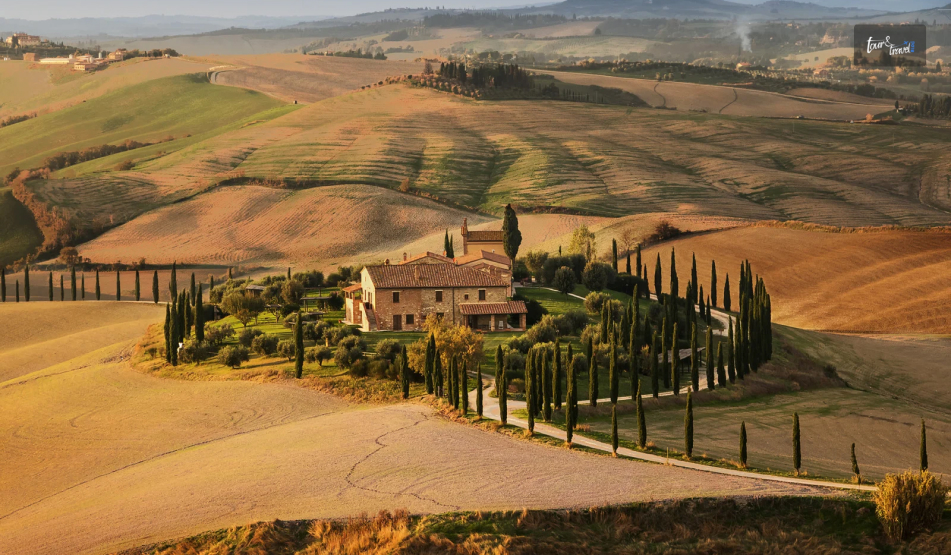
Val d’Orcia, a UNESCO World Heritage Site, shows the beauty of the countryside in Southern Tuscany. It is famous for its ecological uniqueness and stunning landscape.

Culture Also Means Food And Wine

But the only culture of Florence in Tuscany is not only art & history, and it means food and wine as well. Florence is a food city (delicious food), and you really can’t go there without trying out its local specials: that’s part of the experience! 

Things you should try in Florence:

1. CHIANTI WINE 

CHIANTI WINE

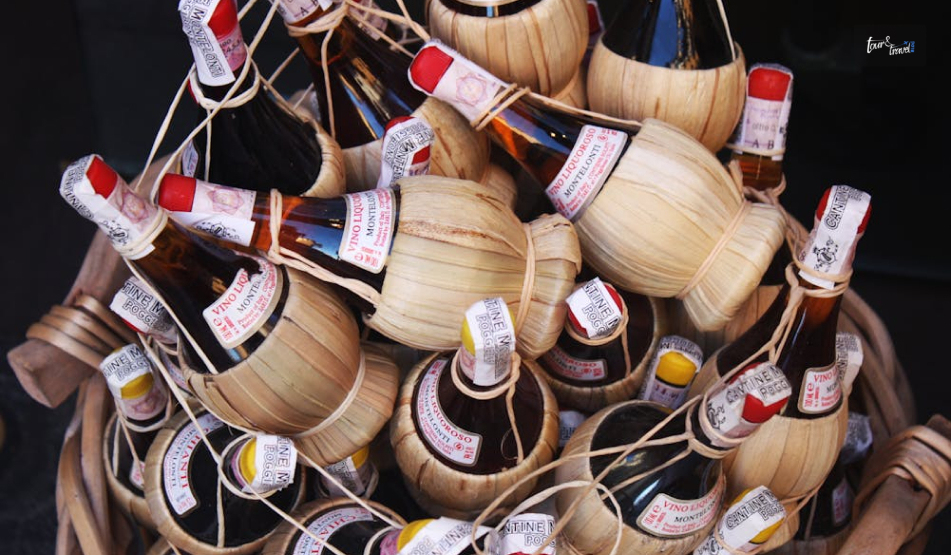
Chianti wine is a red blend of Tuscany that is made from Sangiovese grapes. These are common tasting notes which include different types of red fruits, smoke, dried herbs, balsamic vinegar, and game. Perfect for any kind of aperitivo admiring monuments or to accompany your dinners in Florence! 

2. PICI

Pici is a type of fresh pasta, similar to spaghetti, which is made with water, flour, and salt. A simple preparation, typical of the Tuscan culinary tradition: a “poor” dish linked to peasant cuisine.

They can be combined with different condiments, thanks to their ability to adapt to various preparations: you can, in fact, make them with cheese and pepper, with crumbs, with garlic, with ragù, and in many other ways. Yummy! 

3. FIORENTINA

One of the most popular Italian steak dishes, Bistecca Alla Fiorentina, is made of young steer or heifer that, in combination with the specific preparations. What preparations are turning it into one of the famous dishes in Tuscan cuisine. 

It is a high cut, including the bone, and also cooked on the embers or on the grill, with a degree of “blood” cooking. Try to accompany this Florence in Tuscany special dish with your Chianti wine; a perfect combo. 

Visit Florence For Its Welcoming People 

Florence’s inhabitants are something on their own; the Fiorentini are really strong characters, very different from the typical Italians international people know.

The character of the Florentines is judged in a contradictory way. They are considered polite and honest, but their thriftiness, praised for being able to make money well, is often criticized.

In Florence, people tend to say things to your face, and often when they do so, they are not too pleasant things. Don’t take it personally, it’s part of the culture!

Learn some useful words: 

  • Topping | Gnocchi
  • Ganzo | Cool
  • Grullo | A silly person
  • Boncitto | A good guy
  • Chetarsi | To be silent

So Why Visit Florence?

For many, Florence is a city they have only heard about, and important events and things to do, such as those in Rome or Venice, are not attributed to it. Wrong!

Florence Is Full Of Things To Do! 

Those who know the history of the world will know that Florence, with much of Italy, was the central hub of the Renaissance, and many works of art of the period can be found in this city. One of the most iconic sites that many are likely to recognize is the Duomo, a cathedral with a dome at its top. 

The Galleria dell’Accademia in Florence also exhibits Michelangelo’s David, one of the most famous sculptures in the world. When it comes to art and history, no one beats Florence for masterpieces!

But there are also many fun activities for those who are not very interested in art. Tourists can take a day trip out of town and explore the wonderfully varied landscape of Florence in Tuscany. You can also taste local food and wines. 

And events are also an option if you want to dive into the local culture for real. Music festivals, historical reviews, sports events, and much more!

To learn everything about Florence and the reasons why you should visit it, learn more at www.ciaoflorence.it

Reasons To Visit Florence In Tuscany |Ciao Florence

Why should you visit Florence in Tuscany? Art, culture, food, and events. All you need to know about the city of Renaissance! Visit Ciao Florence. So when are you planning to visit Tuscany? Share your opinion through the comment sections.

Share on Social Media

Abdul Aziz Mondol is a professional blogger who is having a colossal interest in writing blogs and other jones of calligraphies. In terms of his professional commitments, he loves to share content related to business, finance, technology, and the gaming niche.

Leave a Reply

Your email address will not be published. Required fields are marked *

title-img Related

READ MORE Luxury Cruises

Set Sail On Your Dream Vacation: Luxury Cruises

BY  Arnab May 26, 2023

Luxury cruises offer a unique way to travel the world while enjoying all the comforts and amenities of a five-star hotel. With their luxurious accommodations, gourmet dining options, and endless entertainment choices, it's no wonder why more and more travelers are opting for cruise vacations over traditional land-based trips. In this article, we will explore the benefits of luxury cruises and provide tips on how to plan your dream vacation. One of the biggest advantages of luxury cruises is the ability to visit multiple destinations. Without having to pack and unpack your bags or worry about transportation between locations. Instead, you can simply relax onboard as you sail from one port to another while enjoying breathtaking views of the ocean along the way. Additionally, many luxury cruise lines offer personalized service that caters to every guest's needs and preferences. You can arrange private shore excursions or provide in-room spa treatments. The Benefits of Luxury Cruises Luxury cruises offer a multitude of advantages, including access to exclusive amenities and services, exceptional dining experiences, and the opportunity to explore multiple destinations in one trip. Passengers can enjoy unmatched comfort aboard these ships, with spacious cabins and state-of-the-art facilities that provide an indulgent experience. From fine linens and plush towels to personalized butler service, luxury cruises are designed to pamper their guests with every possible convenience. In addition to unparalleled comfort, luxury cruises also offer exclusive experiences that are not available on traditional cruise lines. Some of these include specialized shore excursions led by expert guides and unique culinary events featuring renowned chefs. They also have private lounges reserved for select passengers. With impeccable service from friendly staff members who cater to their every need, passengers can relax and enjoy all that these luxurious voyages have to offer. Choosing the Right Cruise for You When selecting a cruise, it is crucial to consider various factors, such as the itinerary, onboard amenities, and price range to ensure that the chosen voyage meets your specific needs and preferences. One of the first steps in choosing a luxury cruise is to compare different cruise lines. Cruise line comparisons are important because each company offers unique features and experiences. Some lines specialize in family-friendly activities, while others focus on providing a more intimate atmosphere for couples or solo travelers. It's also essential to evaluate the onboard amenities offered by each line since this will play a significant role in your overall experience. Another factor to consider when selecting a luxury cruise is the itinerary. Some cruises may visit multiple destinations within one region, while others may offer longer voyages that encompass several countries or continents. It's important to think about what you want to see and do during your trip and choose an itinerary that aligns with your interests. You should take the price range into account when you select a luxury cruise. Cruises can vary significantly in cost depending on factors such as ship size, length of voyage, onboard amenities, and destination choices. By considering these key factors when selecting a luxury cruise, you can ensure that you choose the right voyage for you based on your preferred budget and travel style. The Top Destinations for Luxury Cruises Embarking on a journey to explore the world's most exotic and breathtaking destinations through luxurious voyages is an experience that promises to leave you spellbound. Luxury cruises offer unforgettable experiences, taking travelers off the beaten path to destinations that are often inaccessible by other means of transportation. Some of the top destinations for luxury cruises include Alaska, Antarctica, the Mediterranean, the Caribbean, and the South Pacific. Alaska offers unparalleled natural beauty with its glaciers, fjords, and wildlife-watching opportunities. Antarctica boasts a unique landscape of icebergs, penguins, seals, and whales. The Mediterranean features historic cities such as Rome and Athens along with stunning coastlines dotted with charming villages. The Caribbean is known for its turquoise waters and white sandy beaches. While the South Pacific offers remote islands rich in culture and history. These destinations are just a few examples of what luxury cruises have to offer. They are perfect for seeking adventure coupled with comfort and luxury. Tips for Planning Your Dream Cruise Vacation Planning a cruise vacation can overwhelm you, but with careful consideration and research, travelers can ensure that their journey will have unforgettable experiences that exceed expectations. One of the most important aspects of planning a luxury cruise is budgeting. It's essential to set a realistic budget for the trip and stick to it throughout the planning process. A good tip is to look for deals and discounts on packages or early bird booking offers. This approach can help travelers save money while still getting the best possible experience. Another crucial aspect of preparing for a dream cruise vacation is packing essentials. Travelers should take into account the destination's climate, as well as any activities they plan to participate in during their voyage. For instance, if one plans on going snorkeling or scuba diving during shore excursions, waterproof gear may be necessary. You will also need comfortable shoes suitable for hiking trips or city tours. Packing clothes that are versatile and easy to mix and match is also a good idea. This will maximize outfit options without overpacking luggage unnecessarily. With careful planning and preparation, travelers can embark on their dream luxury cruise vacation confidently. They will know they have everything they need for an enjoyable journey ahead. Frequently Asked Questions What is the cancellation policy for luxury cruises? The cancellation policy for luxury cruises varies depending on the company and package selected. Generally, refunds are available if you cancel a certain time frame prior to departure, with penalties increasing as the departure date approaches. Some companies offer booking flexibility by allowing customers to change their reservations without penalty up to a certain date before the cruise. While others may charge a fee for any changes made after booking. It is important to carefully review the terms and conditions of each cruise package before booking. This will ensure that you understand the cancellation policy and any associated fees or penalties. Are there any age restrictions for luxury cruises? Luxury cruises are an ideal choice for travelers who wish to experience the ultimate vacation. Age restrictions are often a concern for potential passengers, and some cruise lines do have age limitations in place. However, there is no one-size-fits-all answer when it comes to luxury cruise age restrictions. They vary from one provider to another. Many luxury cruise companies offer senior-friendly cruises that cater specifically to older passengers. They provide accessible features such as wheelchair ramps, elevators, and medical facilities on board. It is advisable for travelers to carefully review the age requirements of different luxury cruise providers before making a booking decision. Can I bring my own alcohol on board a luxury cruise? When it comes to bringing your own alcohol on board a luxury cruise, the policies vary among different cruise lines. Some may allow passengers to bring their own wine or champagne onboard for a corkage fee. While others prohibit all outside alcohol consumption and enforce strict regulations. It is important to check with your specific cruise line before embarking on your journey to avoid any conflicts or misunderstandings. Additionally, many luxury cruises offer various alcohol packages that can cater to individual preferences and budgets. This makes it easy for passengers to enjoy their favorite drinks without worrying about the logistics of bringing their own. What kind of medical facilities are available on luxury cruises? Luxury cruises are equipped with medical facilities to cater to the health needs of passengers. Medical staffing is provided on board, including doctors and nurses who are available 24/7. Emergency protocols are in place to ensure that any medical emergency is addressed promptly and efficiently. Onboard medical equipment is also available, such as defibrillators, oxygen tanks, and other necessary tools for medical procedures. Furthermore, you can ensure medication availability through well-stocked pharmacies on board. The presence of these medical facilities helps ensure that passengers can enjoy their dream vacation without worrying about their health needs. Is there a dress code for dining on luxury cruises? Formal attire is typically required for dining on luxury cruises. Dress codes may vary depending on the cruise line and specific restaurant. But generally, formal wear such as suits or cocktail dresses are recommended for evening meals. Some cruise lines also offer formal nights where guests are encouraged to dress in their best attire. It's important to check with your specific cruise line for any dress code requirements before embarking on your journey. Additionally, luxury cruises often accommodate dietary restrictions by offering a variety of menu options and personalized meal plans. Guests should inform the cruise line of any dietary needs prior to boarding to ensure a comfortable dining experience. Conclusion In conclusion, luxury cruises offer a plethora of benefits that make them an attractive vacation option. The opportunity to explore multiple destinations while enjoying premium amenities and services is a dream come true for many travelers. However, the irony of this dream vacation is that it comes with a hefty price tag, often limiting access to those who can afford it. As we set sail on our dream vacation, it's important to remember that not everyone has the privilege to indulge in such luxuries. While we enjoy the comforts of our cruise ship, let us also reflect on the inequalities in our world and work towards creating a society where everyone has equal opportunities to experience their own version of a dream vacation. Read Also: What Are The Different Types Of Cruises (And How To Choose The Right One For You)? When Can Navigation Rules Be Overlooked? Yachting In Dubai – A Memorable Experience

READ MORE Traveling To Germany

5 Tips To Enhance Your Holiday Experience When Traveling To Germany

BY  Abdul Aziz Sep 11, 2023

Are you planning a trip to Germany soon? Whether you're a seasoned traveler or embarking on your very first international adventure, enhancing your holiday experience is always a great goal. Germany, with its rich history, stunning landscapes, and vibrant culture, offers a fantastic backdrop for a memorable vacation. In this article, we're going to share five valuable tips to help you make the most of your journey to this beautiful European destination. Tip 1: Plan Your Itinerary Carefully Let's start with the basics – planning your itinerary. It might not sound like the most exciting part of your trip, but trust us, it can make all the difference. Planning ahead allows you to maximize your time in Germany and ensure you don't miss out on the things that matter most to you. So, why is it so crucial? Imagine arriving in Germany without any idea of what you want to do or see. You might end up feeling overwhelmed or missing out on some must-visit attractions. Instead, take some time to research and prioritize. What are the key destinations and attractions that pique your interest? List them down, but also leave room for spontaneity. Sometimes, the best experiences come from unexpected discoveries along the way. Remember, it's not about cramming your schedule with activities from dawn till dusk. Balancing must-see sights with leisure time is key. Allow yourself moments to savor a leisurely meal at a local café, wander through charming streets, or simply relax in a beautiful park. Your itinerary should be a flexible guide, not a rigid schedule. By planning your itinerary carefully, you'll be well-prepared to make the most of your time in Germany and ensure a smoother, more enjoyable journey. Tip 2: Embrace The Local Culture Now that we've got your itinerary planning underway, it's time to dive into the heart of your German adventure – embracing the local culture. This tip is like the secret ingredient that can turn a good trip into an unforgettable one. A. Benefits Of Immersing Oneself In German Culture. Why should you make an effort to embrace German culture? Well, there are several fantastic benefits. Firstly, it allows you to connect with the locals on a deeper level. You're not just a tourist passing through; you become a traveler who truly experiences the essence of the place. Cultural immersion also broadens your horizons. You gain a deeper understanding of the world and appreciate the differences that make it so fascinating. Plus, it adds depth to your travel stories. Instead of just saying you saw a famous landmark, you can share your interactions with the people and the culture. B. Experiencing Local Traditions, Cuisine, And Customs. Now, how can you go about immersing yourself in German culture? Start by exploring local traditions. Check if there are any festivals or events happening during your visit. These are fantastic opportunities to witness age-old traditions in action, whether it's Oktoberfest, the Christmas markets, or a local folk festival. Cuisine is another gateway to culture. Don't just stick to familiar foods; be adventurous! Try bratwurst, sauerkraut, and schnitzel. Venture into a cozy German Biergarten and savor a local beer. Don't forget to try a pretzel or a slice of Black Forest cake. Food is a universal language, and it's one of the best ways to connect with a culture. Lastly, customs and etiquette matter. Learning a few basic German phrases can go a long way. Locals appreciate it when you make an effort to speak their language, even if it's just a few words like "Danke" (thank you) or "Guten Tag" (good day). Understanding social norms and etiquette, such as how to greet people and when it's appropriate to tip, can also help you navigate interactions more smoothly. C. Role Of Language And Communication. Language is a pivotal element when it comes to immersing oneself in a foreign culture. Although a significant number of Germans are proficient in English, putting in the effort to communicate in their language can significantly enrich your cultural experience. You don't need to be fluent; even just employing basic phrases and demonstrating polite gestures can be incredibly effective in dismantling language barriers and fostering meaningful connections. For instance, engaging with a German language tutor can be a helpful step in enhancing your ability to engage with locals and truly immerse yourself in the culture. So, remember, to enhance your holiday experience in Germany, dive into the culture. Attend local events, savor traditional dishes, and embrace the language. By doing so, you'll create memories that will stay with you long after your trip is over. Tip 3: Explore Beyond Tourist Hotspots Now that you're well on your way to immersing yourself in German culture, let's embark on Tip 3, which is all about exploring beyond the well-trodden tourist hotspots. While famous attractions are, of course, must-visit, it's often the hidden gems that leave the most lasting impressions. A. Venture Off The Beaten Path. First and foremost, we encourage you to step off the beaten path. Don't limit your adventure to the usual tourist spots that everyone talks about. Germany is a country teeming with diverse landscapes, historical sites, and local treasures waiting to be discovered. So, be a bit daring in your exploration. Take that detour, follow your curiosity, and you'll be amazed at what you stumble upon. B. Captivating Places And Experiences. Now, let's delve into some concrete examples of these lesser-known but utterly captivating places and experiences. Consider visiting the charming town of Bamberg, a UNESCO World Heritage Site known for its picturesque old town and unique smoked beer. Or explore the enchanting Harz Mountains, where you can take a historic steam train ride through the dense forests. Have you heard of Görlitz? It's a hidden architectural gem on the Polish border that boasts stunning medieval and Art Nouveau buildings. These are just a few examples of the many hidden gems waiting to be uncovered in Germany. C. Stress The Rewards Of Discovering Hidden Gems. The rewards of discovering hidden gems are immeasurable. You'll escape the crowds, allowing for a more intimate and personal connection with the place. You'll often find that the locals in these off-the-beaten-path locations are more welcoming and eager to share their stories. Plus, the sense of discovery and adventure that comes with exploring the unknown can be incredibly fulfilling. So, when planning your German adventure, don't forget to leave room for the unexpected. Take those detours, explore lesser-known spots, and savor the delightful surprises that await. By doing so, you'll create a travel experience that's truly your own and filled with treasured memories. Tip 4: Be Prepared For Weather And Seasons As you continue your journey to make your trip to Germany unforgettable, it's crucial to be ready for the country's diverse climate and ever-changing seasons. Germany's weather can vary significantly depending on the time of year and the region you're visiting. Being prepared will ensure you have a comfortable and enjoyable stay. A. Germany's Diverse Climate And Seasonal Variations. Germany's climate is as diverse as its landscapes. In the north, you'll encounter a maritime climate with mild winters and cool summers. Meanwhile, the south experiences a more continental climate with colder winters and warmer summers. Seasons play a significant role, too. Winters are typically cold, while summers can be pleasantly warm, especially in July and August. But, as with any place, weather can be unpredictable, so it's essential to plan for various conditions. B. Packing Tips For Different Times Of The Year. Packing wisely for your German adventure is essential. In the summer months, lightweight clothing, sunscreen, and sunglasses are must-haves. For the chillier seasons, bring layers, a waterproof jacket, and comfortable walking shoes. Don't forget essentials like an adapter for European outlets and a sturdy travel umbrella to stay dry during unexpected rain showers. Regardless of the season, a universal packing tip is to pack light, as you can always layer clothing for warmth. C. Recommend Adaptable Clothing And Gear. One of the best approaches to handling Germany's varying weather is to pack adaptable clothing and gear. Consider clothing items that can be layered to adjust to temperature fluctuations. A versatile pair of walking shoes that can handle both city streets and countryside trails is a smart choice. Additionally, invest in a quality travel backpack to carry your essentials comfortably and securely. By being prepared for Germany's diverse climate and seasons, you'll be ready to embrace any weather conditions that come your way. This ensures that your trip remains enjoyable, no matter the time of year or the region you explore. Tip 5: Connect With Locals And Fellow Travelers As you embark on your adventure in Germany, whether you're strolling through historic streets or gazing upon breathtaking landscapes, it's essential to remember that travel is not just about places; it's about people too. Connecting with locals and fellow travelers can elevate your experience in ways you may not have imagined. A. Benefits Of Social Interaction During A Trip. Social interaction during a trip brings a multitude of benefits. Firstly, it offers you a chance to gain insights into the local culture, traditions, and way of life directly from those who live it every day. Locals can recommend hidden gems, authentic eateries, and unique experiences that you won't find in guidebooks. Additionally, forming connections with fellow travelers can lead to lifelong friendships, and sharing experiences with like-minded individuals can make your journey even more enjoyable. B. Ways To Meet Locals And Fellow Tourists. Meeting locals and fellow tourists can be as easy as striking up a conversation in a café or joining a group activity. Consider staying in locally-owned accommodations, such as guesthouses or bed-and-breakfasts, where you're more likely to interact with the hosts and other guests. Attend cultural events, workshops, or language classes, where you'll have the opportunity to meet both locals and fellow travelers with similar interests. Social media and travel apps can also be valuable tools for connecting with others. Join online forums or travel groups related to Germany to find like-minded individuals or ask for recommendations. Additionally, consider using language exchange apps to connect with locals interested in language and cultural exchange. C. Anecdotes Or Examples Of Enriching Travel Connections. To illustrate the power of these connections, let's consider an example. Imagine you strike up a conversation with a friendly local at a café in Munich. They not only recommend a lesser-known beer garden but also invite you to join them and their friends for a traditional Bavarian meal. This spontaneous encounter leads to an evening filled with laughter, cultural insights, and new friendships. Similarly, connecting with fellow travelers can lead to unforgettable experiences. You might meet someone at a hostel in Berlin who shares your passion for street art. Together, you explore the city's vibrant graffiti scene, discovering hidden murals and even meeting local artists. These are the kind of enriching travel connections that can transform your trip from memorable to truly unforgettable. They add depth to your experiences and create lasting memories that go beyond sightseeing. Conclusion Throughout this article, we've shared five essential tips to make your adventure in Germany truly unforgettable. From planning your itinerary to immersing yourself in the local culture, from exploring hidden gems to being prepared for the weather, and from connecting with locals and fellow travelers, these tips are the keys to unlocking the full potential of your trip. The significance of making the most of your journey cannot be overstated. Traveling is an opportunity to broaden your horizons, to step out of your comfort zone, and to embrace the beauty of the world. It's a chance to savor new flavors, hear new languages, and make friends from different corners of the globe. Each adventure, no matter how near or far, has the power to transform you, to inspire you, and to leave an indelible mark on your soul. As you prepare for your travels, we encourage you to apply these tips with an open heart and an adventurous spirit. Seek out the experiences that resonate with you, take the detours that beckon, and savor every moment along the way. In doing so, you'll craft a journey that is not just a series of destinations but a collection of cherished memories. Read Also: Planning A Hunting Trip To Africa – Here’s What You Should Know Top 12 Amazing Sahara Desert Animals You Need To See

READ MORE Ritigala Forest Monastery

Ritigala Forest Monastery: Location, Timing, History, Climbing Experience And More

BY  Sibashree Feb 18, 2026

After exploring the Tamil culture and the Hindu temples of Jaffna, it was time to visit an ancient and secluded Buddhist meditation retreat in Sri Lanka.  It has stone ruins from the 1st century BC, and it was once home to the Pamsukulika Sect of monks, who were known for their meditation-based and secluded lives in the forest.  Moreover, the Ritigala Forest Monastery has an association with the stories of the Ramayana. Also, this monastery is inside the Ritigala Forest Reserve. So, it is a place where history, spirituality, and wildlife await you.  Hi, in today’s blog, I will talk about how I climbed up the stone steps to reach the Ritigala Monastery in Sri Lanka, the history, legends, and the main attractions of visiting the ancient monastery today.  I will also talk about the transportation options.  Where Is Ritigala Forest Monastery? Sri Lanka maybe one of the cheapest places to travel in the world. However, its natural beauty and the cultural and historical richness are matchless. The Ritigala Forest Monastery is one of the hidden gems in Sri Lanka.  The Ritigala monastery is located across the mountain of Ritigala. The mountain of Ritigala is the highest mountain in the dry northern region of Sri Lanka.  It is close to Harbarana, which is again the epicenter of the cultural triangle, the Sigiriya Rock Fortress, Dambulla Cave Temple, and Polonnaruwa. It is also the gateway to many wildlife safaris in Sri Lanka.  The distance between Harbarana and the Ritigara mountain is around 21 km. Other important locations near the mountain are Anuradhapura, which is at a distance of 42 km, and Sigiriya, at a distance of 32 km.  Furthermore, the Ritigala Forest Monastery is inside the Ritigala Strict Nature Reserve.  However, remember one thing. As I mentioned in my Jaffna, Sri Lanka, travel guide, you have to rely on the locals when you are exploring the cultural landmarks or a secluded place like the Ritigala Forest Monastery.  You cannot trust Google Maps completely for locating the Ritigara mountains and monastery.  How To Reach The Ritigala Forest Monastery?  Harbarana was the base for my road trip to the Ritigara mountain and trekking further.  1. Reaching Harbarana From The Bandaranaike International Airport (CMB) I took a flight to the Bandaranaike International Airport (CMB). The distance between the Bandaranaike International Airport (CMB) and Habarana is around 151 km. You can take a car rental for the entire journey. However, being a fan of the LowDownUnder Travel, I chose a different path.  After reaching the Bandaranaike International Airport, I took a taxi to Gampaha and then took a train to Harbarana. The ticket cost me around INR 400, and the travel time was around 4 hours and 40 minutes.  The Sri Lankan Railways runs two trains daily from Gampaha to Habarana.  Other airports close to Harbarana are Sigiriya Airport (18 minutes), Kandy Airport (2 hours), and Trincomalee (1 hour and 36 minutes).  2. From Harbarana To The Ritigara Mountain  From Harbarana, I took a taxi to reach Ritigara. It cost around INR 420, and the travel time was around 35-40 minutes.  You can also reserve a car or tuk-tuk to take you to the mountains, wait for you at the entrance gate, and take you back home when you are done trekking. In such cases, the reserve cost will be around INR 1000-1200.  The route from Harbarana to Ritigara was beautiful. My cab driver pointed out the local farming practices and the land on the way.  It was a fulfilling experience, and as Jaffna has a unique food scene based on its local agricultural practices, the food habits of this northern-central region of Sri Lanka. Red rice, jackfruit curry, and river fish are the staples here.   Also, my driver told me to keep my eyes open to spot elephants. However, I was not lucky enough to spot my favorite animal. I noticed some fresh dung in the road, though.  Furthermore, when the car came off the main road, the ride became a little bumpy. The route from here to the Ritigara mountain was a combination of dirt tracks and semi-paved roads.  Finally, I reached the entrance of Ritigara and purchased my ticket. The ticket cost me around INR 450, and I even got a guide for INR 1200. What Is The History Of Ritigala Forest Monastery?  The history of the Ritigala Forest Monastery goes back to the 1st century BC. You will find here more than 70 rock caves, the 9th-century meditation spots of the "Pansukulika” monks, and unadorned stone pathways.  Here is a brief historical timeline of the Ritigala Forest Monastery.  1. Establishment Of The Ritigara Forest Site For Monks Buddhist monks came here and started living in the sacred mountains in the 1st century BC. There were more than 70 caves where monks started meditating in solitude.  Even today, there are many rock inscriptions from which we can learn about how many patrons helped to build and maintain the site, which was home to monks who left the luxury of monasteries and used to meditate in the caves.  2. Receiving Royal Patronage This site received adequate royal patronage, and from the inscriptions, we especially get to know about King Pandukabhaya.  He founded Anuradhapura and built a reservoir at the base of the mountain for the hermits here in the 4th century BC.  3. Building Of The Pansukulika Sect Monastery King Sena I built the Ritigara Monastery in 833, and it was meant for the Pansukulikas or monks in rag robes.  These monks practiced the highest form of asceticism, and they were on a mission to revive the simple teachings of Lord Buddha.  4. The Decline Of The Pansukulika Sect And The Monastery  From the 9th to the 11th century, the Ritigala Forest Monastery and the Pansukulika Sect of monks enjoyed immense glory.  However, with increasing donations and the monks getting inclined toward what they earlier rejected, the core philosophy of the sect was lost.  Two rival sub-sects were formed within the Pansukulika Sect. Finally, King Vijayabahu I confiscated their extensive holdings in 1070-1110 CE as a part of a Buddhist monastic reform.  5. Abandonment And Discovery Of The Ancient Monastery Despite the royal patronage, the Ritigara Forest Monastery was abandoned around the 10th to 12th centuries due to the Chola invasions.  It was an unprotected ruin until James Mantell, the British colonial surveyor, saw the ruins while climbing up the mountain.  Then, he drew the attention of H.C.P. Bell, the first Archaeological Commissioner of Ceylon. He understood the historical and religious importance of the place and expanded it extensively in 1893.  Finally, in 1941, the 1528 hectares of the forest area, including the ruins, were designated as a Strict Nature Reserve.  Today, the conservation efforts strike a balance between the ecological and archaeological preservation of the monastery and the site.  Design And Engineering Of The Ritigala Forest Monastery: The Incredible Ruin The monastery does not look like the traditional stupas. Here, you will find interconnected stones, paved pathways, and stone bridges.  Furthermore, there are bathing areas like the famous Banda Pokuna.  The most unique thing about the Ritigara Monastery is that here you will not find any Bodhi Tree or any Buddha statue.  It is a place where you can walk, meditate, and contemplate.  You may call it a failed attempt to revive the radical simplicity of Buddhism, but for every seeker, it will always be a place to introspect and connect to a higher energy.  I had goosebumps the moment I entered the monastery. Let’s delve deeper into the unique architecture of the monastery.  1. The Padhanaghara And Stone Pathways  The ruins of the Ritigala Forest Monastery cover an area of around 120 acres. You will see around 50 distinct meditation houses or Padhanaghara in the area.  Inside each meditation house, you will find two raised platforms in the east-west direction, and those were made of stone. A small maot surrounded the platforms, and a small stone bridge connected the platforms.  Probably, these structures were used for some rituals or meditation purposes.  Interlinking stone pathways connect these meditation houses. These pathways are 1.5 meters in width, and the width is consistent as the pathways ascend the slope. These pathways also have circular intersections.  2. Water Management System, The water management system in Ritigala Forest Monastery was sophisticated. Banda Pokuna and Kumbuk Wewa, these twin ponds were carved from rocks.  Furthermore, I found a large stone trough in the courtyard, which was used for cooking food.  Also, I saw the ruins of the monastery hospital and stone mortars, which were used to grind and prepare herbal medicines.  Moreover, the monastery did not have any residential complex. The monks lived and meditated in the caves.  However, there were urinal stones, which were the only amenities or the luxury the monks enjoyed in this austere setup.  What Is The Legend Of The Ritigala Forest Monastery?  The Ritigala mountain has a connection to the Hindu mythology, the Ramayana. Attacked by Ravana, Lakshama, the brother of Lord Ramachandra, became unconscious on the battlefield.  Lord Hanuman, on Lord Rama’s command, went to fetch a life-saving medicinal herb from the Dronagiri. However, he forgot the name of the herb and carried the entire mountain on his shoulder.  When he was crossing the Palk Strait, five segments of the mountain fell from his grasp. The biggest fragment fell on the site of the Ritigara Mountain.  Now, you may not believe the legend of the Ritigala Mountain. However, the presence of various medicinal plants in the mountains keeps the myth alive.  Moreover, among the 417 species of plants here, around 96 varieties are for medicinal purposes. Moreover, the northern peaks have names such as the Wannati-kanda and Aushada-kanda.  Climbing To The Ritigala Forest Monastery In Sri Lanka  Climbing up to the Ritigara Forest Monastery was a free-flowing experience. There are many things to see, but more to feel.  Here is how I explored the ruins.  1. The Bathing Pond  As I left the ticket counter behind, I found the first ruin. I took the stone steps to visit a massive bathing area.  You have to be careful with the steps here, as they are cracks and have overgrown tree roots.  Large trees have grown in the bathing area now. However, you can still understand its massive scale.  2. A Winding Stone Path And Ruins Of The Monastery The winding stone pathway took me through various ruins, and they stood like the blueprints from a bygone era.  The most striking one among them was the ruins of the hospital. It still had a sunken bath and grinding stones for preparing medicines.  As I climbed up, I found the meditation platforms, big multi-chambered rooms, and urinals.  3. The Large Pavilion With Columns  I found a large pavilion here with big columns. However, the more intriguing was the Big Tree behind the ruin.  It is so massive that its ground roots have created a labyrinth. The road seems to fizzle out at this stage. However, my gut instinct said that there is something more.  4. The Hidden Ruin  My guide was not happy with me for continuing further. As I headed down, after the initial disappointment of landing on the forest floor, I found another ruin.  There was a stone bridge, and it took me to a promontory with a square structure. It was the ruins of the library that had many precious manuscripts.  The view from the promontory was amazing.  It is a shame that most trekkers miss it, as the signs are not adequate and often hidden in the overgrown bushes. Furthermore, most of them are only in the Sinhalese language, which only locals can read.  However, I used the absence of signboards to my advantage.  Practical Tips For A Visit To The Ritigara Forest Monastery  If you are traveling with your partner or in a group, you must reserve a tuk-tuk or car to bring you back. You may not get a passing traffic. I took the risk as it was a solo adventure.  You have to carry snacks and water. Wear sunscreen and carry insect repellents.  You will find a toilet at the entrance of the ruins. I did not use it. So, I am not sure about the condition or the amenities available.  Ritigala Forest Monastery: Frequently Asked Questions (FAQs)  Here are the frequently asked questions and answers about the Ritigala Forest Monastery. 1. How Much Time Is Needed At Ritigala? Trekking the Ritigala Forest Monastery is going to take around 2 hours. So, overall, you will at least need 3 hours in Ritigala. Trekking up the route is easy. However, walking through the cracked stone steps can be challenging.Also, signboards are scarce and incomprehensible on the route. So, you must take a local guide.  2. Where To Stay Near The Ritigala Forest Monastery? I stayed at Habarana, and the name of my hostel was The Lake Breeze. The tariff for the hostel was around INR 2000. The amenities were basic, with fans, Wi-Fi, and mosquito nets.  3. Is Taking A Tour Of Ritigala Forest Monastery Worth It? Yes, taking a tour of the Ritigala Forest Monastery is absolutely worth it. Here, you will find the ruins of the 1st century BC, and it is great for anyone with a keen interest in the history and evolution of Buddhism. Furthermore, the ambiance of the ruins is introspective and meditative. Moreover, you can easily reserve a car or tuk-tuk to reach the base of the Ritigara Mountain and then start your trek for 1.5 to 2 hours.